◧ Territory · 5,465 words

DAdvisoor, Explained

◧ The Map·dadvisoor at a glance

Evergreen explainer on DAdvisoor, a pseudonymous DeFi media host and curator. Covers his Leviathan News shows, focus on stablecoins, vaults and security, collaborations with TokenBrice, Pharos and vaults.fyi, and his role in educating crypto audiences.

DAdvisoor: DeFi Curator, Livestream Host, and Stablecoin Educator

DAdvisoor is a pseudonymous crypto commentator and curator who has emerged as a recognizable voice in decentralized finance (DeFi) media, best known for his work with Leviathan News, his newsletter “Another Day in Crypto,” and a growing slate of livestreams focused on stablecoins, vaults, and security. Rather than functioning as a trader-influencer or protocol shill, he positions himself as a connector and explainer, using interviews, curated feeds, and long-form recaps to help audiences understand how capital, risk, and governance actually work in modern crypto markets.

Overview and Significance in Crypto Media

Understanding why a profile of DAdvisoor matters requires first situating him in the broader evolution of crypto media. The earliest eras of cryptocurrency coverage were defined either by highly technical developer blogs or by price-focused YouTube channels that treated digital assets largely as speculative instruments. Over time, the growth of DeFi created a need for a different type of communicator: someone able to navigate protocol mechanics, risk frameworks, governance dynamics, and real-world regulation, while still being accessible to practitioners and investors. Within this context, figures like DAdvisoor are part of a new cohort of “DeFi-native” media contributors who treat crypto not primarily as a trading opportunity but as a complex socio-technical system that has to be interrogated in public.

What distinguishes his work is a deliberate emphasis on curation and cross‑pollination rather than personality-driven commentary. His X (formerly Twitter) profile explicitly brands him as someone who will “show you who to follow,” signaling that his value proposition is to surface credible analysts, builders, auditors, and journalists for his audience rather than to position himself as the ultimate authority. This stance is reinforced by his Substack, “Another Day in Crypto,” which is described as a project that curates posts and takes about crypto and DeFi from X alongside video content. In other words, he uses his platform as a routing mechanism, connecting audiences with multiple expert perspectives instead of centralizing attention around his own opinions.

Within DeFi media, this sort of curation has practical implications. A typical on-chain user, even one who actively trades or participates in governance, cannot possibly monitor the continuous flow of protocol announcements, governance forums, incident reports, and academic analyses. Services like newsletters and livestreams become filters, but they can also be bottlenecks if they are not transparent about sources or grounded in credible data. By drawing on tools like the Pharos stablecoin analytics dashboard for dedicated shows on stablecoins, and on protocol-agnostic aggregators like vaults.fyi or Octav for discussions of vaults and portfolio intelligence, DAdvisoor tries to anchor his commentary in external, data-rich platforms rather than solely in narrative. This is a key reason why his work has become a recurring feature on venues such as Leviathan News.

It is also important to distinguish his role from that of formal financial professionals. Traditional finance has begun to develop credentials such as the Certified Digital Asset Advisor designation, aimed at registered advisors who must comply with regulatory standards while incorporating crypto into client portfolios. By contrast, figures like DAdvisoor operate explicitly outside the realm of individualized advice, repeatedly emphasizing “not financial advice” disclaimers and framing their output as education, news, and analysis. This distinction matters because it shapes expectations: audiences turn to him not for portfolio allocations, but for frameworks, questions to ask, and access to subject-matter experts from across the ecosystem.

Finally, the timing of his activity coincides with several structural transitions in crypto. Stablecoins are moving from niche infrastructure to systemically important instruments; DeFi vaults have evolved from simple yield wrappers to complex structured products; and regulatory debates around market integrity, tokenization, and consumer protection have intensified. By focusing on these themes, rather than on meme coins or short-term trading setups, he effectively uses his media footprint to highlight the parts of crypto that are most likely to determine whether the industry matures or stalls. For a news audience, understanding his work is therefore a window into which parts of DeFi’s story are being elevated and how that story is being told.

◧ What our coverage revealsLeviathan signal

Readers click DAdvisoor content most heavily when it surfaces infrastructure-layer founders — stablecoin dashboards, vault analytics, neobanks, governance security tooling — before those projects reach mainstream coverage, revealing demand for access-to-builder interviews rather than price commentary.

2,366 reader clicks across 43 stories30% on the top 10%most-read: 218 clicks ↗

Origins and Online Identity

Any attempt to chronicle a pseudonymous figure is constrained by the lack of conventional biographical data. In the case of DAdvisoor, what is publicly visible is an identity stitched together across platforms, each providing a glimpse of priorities and methods. On X, he appears as @DAdvisoor, with a succinct promise to guide followers toward worthwhile accounts, immediately framing his persona as one that curates social graphs as much as information. This is not an incidental choice: in crypto, where scams, low‑quality analysis, and ideologically motivated takes are omnipresent, deciding who to follow is itself a risk-management decision, and his handle signals that he sees social navigation as part of his remit.

The Substack instance “Another Day in Crypto” adds an additional layer to this identity. The homepage describes the publication as a venue for “curating posts and takes about crypto and DeFi from X, and some videos,” which reinforces the notion that his core product is selection and aggregation rather than original research alone. Individual posts, such as “Another Day in Crypto – And Another Huge Hack,” show him synthesizing exploit news, protocol communications, and community reactions into digestible narratives, while pieces like “Another Day in Crypto – WLFI and Justin Sun” focus on newsy developments like the backing of World Liberty Financial by Justin Sun and their market context. Over time, this creates a recognizable voice: alert to security incidents, attentive to the interplay between market structure and politics, and inclined to situate each event in a longer thread of DeFi’s evolution.

There is also a meta-layer to his identity formation. Platforms like Sidestack, which track Substack publications and surface metrics such as subscriber counts and earnings, list Another Day in Crypto as a curated insights product, which further codifies this work as part of a professionalized creator economy rather than a random hobby blog. While detailed audience data is typically not public, the existence of such listings suggests that his output has enough consistency and traction to be recognized as a discrete product in a crowded media landscape. This matters because it indicates that his role is not fleeting: he is not merely reacting to a bull market cycle, but building a repeatable format that persists across market regimes.

The identity also extends into his collaborations and institutional affiliations. On Leviathan News, a DeFi-focused media outlet with daily livestreams devoted to the latest crypto developments, he is not merely a guest but a recurring host and contributor. Episodes such as the “Leviathan News Weekly Panel” with guests like amplce and millie frame him as part of the platform’s regular lineup, participating in and steering panel discussions about ongoing market events. Other series, such as the “Stable Retreat Interviews” conducted in partnership with Frankencoin and Stable Summit, position him on-site at thematic events, interviewing builders like Michael Svoboda of Liquity AG and organizers like Zach from Party Action People about stablecoin architectures and conference goals. These roles imply not only subject-matter familiarity, particularly around stablecoins, but also a degree of trust from protocols and event organizers, who rely on him to facilitate technical yet accessible conversations.

Taken together, these strands form a cohesive picture. Even in the absence of real-name biographical details, the online persona “DAdvisoor” is legible as a DeFi-native commentator who invests in building recurring formats, maintains a multi-platform presence, and defines his function in terms of curation and translation rather than market calls. For audiences navigating the noise of crypto discourse, this identity frames expectations about what his work will and will not provide.

Core Themes: Stablecoins, Vaults, and Risk

Across platforms and formats, three themes recur so frequently in DAdvisoor’s work that they can be considered his core pillars: stablecoins, vaults and yield strategies, and security or risk management. Each of these domains is technically dense and systemically important, and his content often serves as a bridge between specialized tooling and broader crypto audiences.

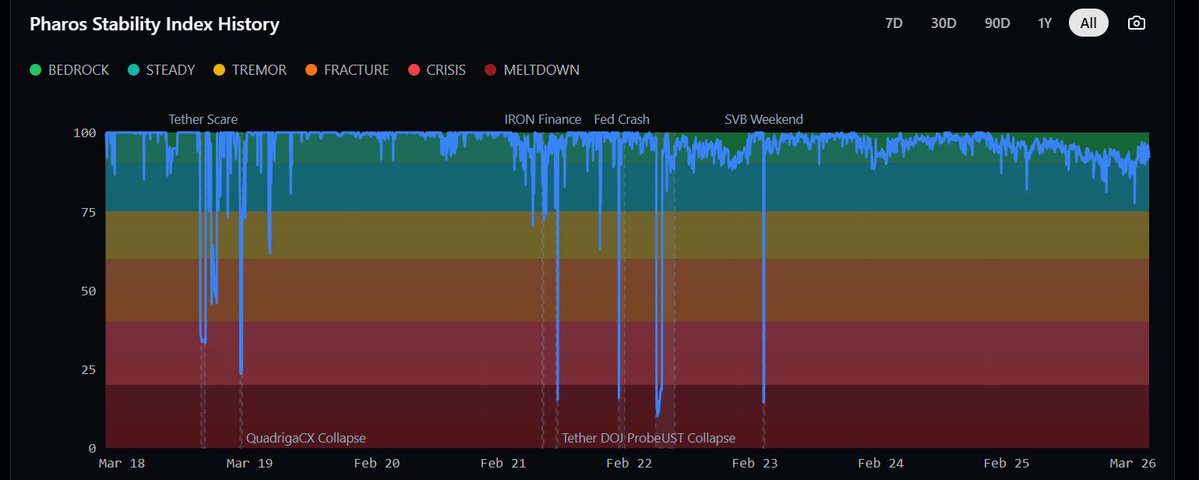
Stablecoins are arguably the central motif. Shows such as “Stable Talks with Pharos” explicitly pull together DAdvisoor and the researcher known as TokenBrice to unpack stablecoin developments using the Pharos analytics dashboard as a shared reference point. Pharos itself is an ambitious tool that tracks over 150 stablecoins across multiple peg currencies, collateral types, and governance models, while monitoring peg deviations, DEX liquidity, and composite risk scores. By anchoring a recurring show in such a dashboard, they create a format where discussions about stability, liquidity, decentralization, and dependency risk are not purely rhetorical but tied to quantitative indicators. Titles like “How Stable Is Your Stablecoin?” and “Stable or Not?” underscore the central question: not whether stablecoins exist, but whether particular designs are robust under stress.

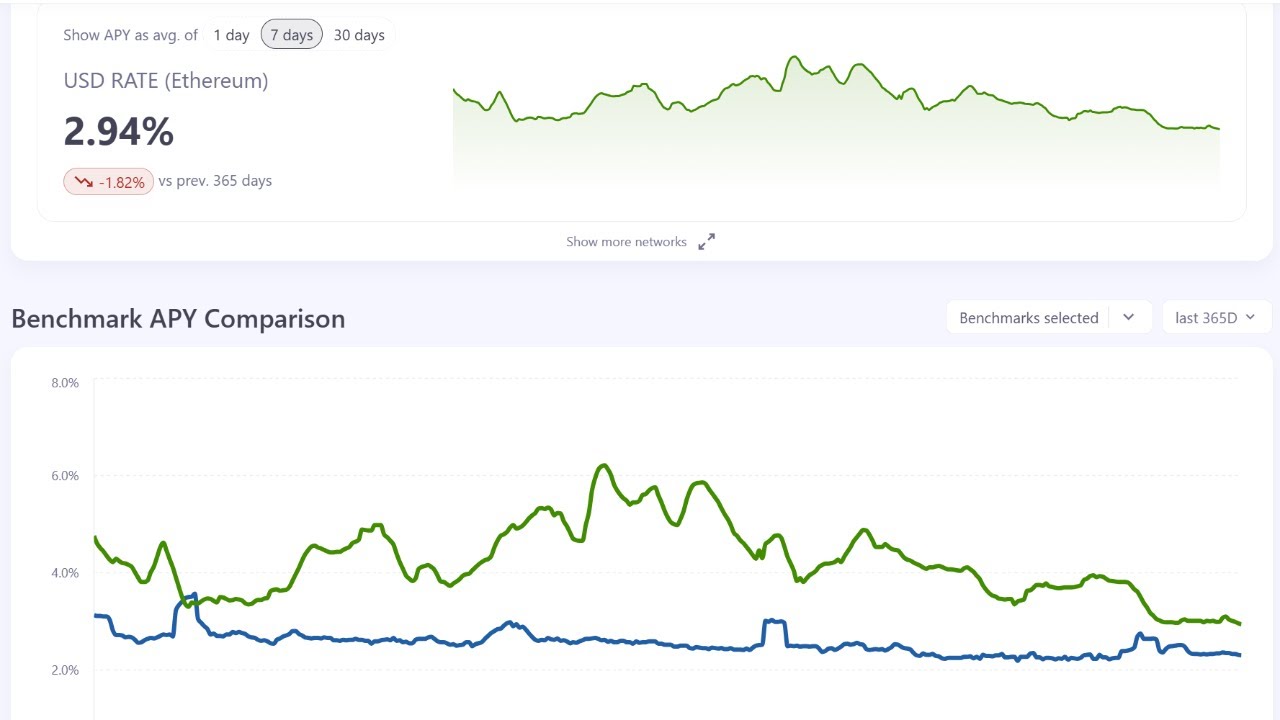
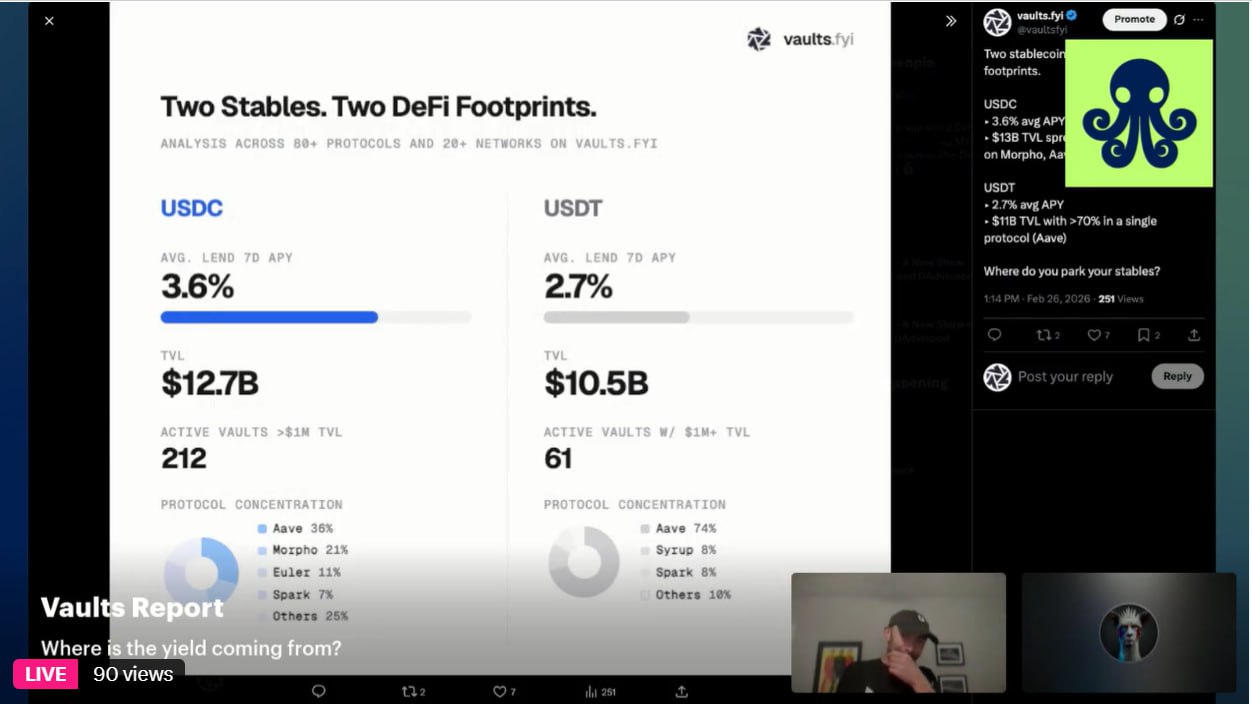
A second theme is vaults and yield strategies, explored most clearly in the “Vaults Report” series co-hosted with vaults.fyi. In DeFi, vaults can be understood as smart contract-based strategies that automate activities like lending, liquidity provision, or leverage recycling, transforming raw protocol interactions into packaged products that target specific yield or risk profiles. Episodes of Vaults Report focus on questions such as where yield is coming from, how particular vaults are constructed, who ultimately bears the risk, and what could go wrong in specific strategies, while also highlighting where genuine opportunities may lie. The series description explicitly frames the show as a space to dissect these questions, with a recurring reminder that none of the content constitutes financial advice and that viewers should conduct their own research. This is significant because vault strategies often abstract away substantial complexities; by reverse-engineering them in public, the show encourages users to see beyond headline APYs.

Security and broader risk management form the third thematic pillar. In newsletter editions like “Another Day in Crypto – And Another Huge Hack,” he foregrounds major DeFi exploits and uses them as entry points into larger conversations about smart contract audits, economic design flaws, or governance misconfigurations. On the livestream side, programming such as “Don’t Just Govern, Do It Securely” with blockful, a security and research firm focused on economic attacks and mechanism design, brings specialized governance risk expertise to a broader audience. The conversation centers on how governance processes themselves can be attack surfaces, and how tools and frameworks can mitigate those vulnerabilities, connecting security to protocol decision‑making rather than treating it solely as a code auditing problem. This security focus extends to public goods funding as well, as in the “Giveth SomETHing Back – The QF Security Round” discussion with Griff Green, which explores how quadratic funding mechanisms can be secured against Sybil attacks and gaming.

These three themes often intersect in his coverage. For instance, a market recap like “Another Day in Crypto – WLFI and Justin Sun” does not only note that the TRON founder injected funds into World Liberty Financial, a crypto project associated with U.S. President-elect Donald Trump; it also contextualizes this against a backdrop of market corrections, stablecoin dynamics, and regulatory maneuvers. In that episode’s broader context, Bitcoin’s correction from recent highs led to over half a billion dollars in liquidations, altcoins experienced sharp drawdowns, and yet assets like XRP staged significant recoveries, even flipping BNB to briefly become the fifth-largest crypto asset by market cap. Simultaneously, regulatory actors such as the U.K. Financial Conduct Authority were reported to be working on crypto regulations targeted for completion by 2026, underscoring that policy risk is part of the same system that includes stablecoins and DeFi leverage. Through this lens, stablecoins, vaults, and security are not isolated topics; they are interlocking components of a single, fragile global market structure.

By continuously returning to these themes, DAdvisoor effectively proposes a syllabus for what serious crypto participants should care about: the stability and design of money-like tokens, the true risk‑reward profile of yield strategies, and the ways in which code, governance, and regulation combine to create or undermine resilience. For a news-oriented audience, this focus provides a counterweight to coverage that might otherwise be dominated by short‑term price action or celebrity-driven narratives.

◧ The angles that pull readers in6 threads
  1. 01
    Another Day in Crypto series

    The recurring daily-format newsletter and video series is DAdvisoor's flagship product, and readers reliably click each new episode as a trusted curated digest of crypto developments.

  2. 02
    Stablecoin tool and safety research

    Multiple high-click pieces around Pharos, Liquity, Frankencoin, and the Stable Retreat interview series show readers actively seeking frameworks for evaluating stablecoin risk and yield sources.

  3. 03
    DeFi founder live interviews

    Projects including Ready, Alto, Quote, GridPlus, Octav, blockful, and Katana all drew strong clicks, confirming readers want first-person founder explanations of new primitives before those projects are widely covered.

  4. 04
    Vault yield transparency

    The Vaults Report series co-produced with vaultsfyi generated consistent multi-episode engagement, reflecting appetite for structured breakdowns of where yield originates and what can go wrong before depositing.

  5. 05
    Exploit and hack accountability

    Weekly summaries flagging exploits and the Rektrospective investigative journalism episode confirm readers want named parties and loss context, not just generic breach alerts.

  6. 06
    Governance attack surface

    The blockful interview on economic attacks and mechanism design in governance resonated because readers see governance manipulation as an underreported vector even in otherwise audited protocols.

Formats and Platforms: Livestreams, Newsletters, Social Feeds

One of the defining characteristics of DAdvisoor’s work is the way he uses different platforms for different types of communication, while maintaining thematic continuity across them. Each medium—livestreams, newsletters, and social feeds—plays a distinct role in his overall output, and understanding these roles helps readers and viewers decide how to engage.

Livestreams are the most immediate and conversational format. On Leviathan News’s YouTube channel, which bills itself as a daily destination for DeFi, crypto, and related content, he appears both as a panelist and as a primary host for topical shows. Regular segments such as the Leviathan News Weekly Panel bring together multiple voices to dissect the prior week’s events, ranging from protocol upgrades and governance disputes to regulatory developments and market movements. The live format allows for real-time audience questions, dynamic back‑and‑forth among guests, and spontaneous connections between ostensibly disparate news items. It also lends itself well to themed series, such as the “Vaults Report” or “Stable Talks with Pharos,” where recurring guests deepen the discussion over multiple episodes.

The newsletter format, embodied in Another Day in Crypto, serves a complementary function. Where livestreams allow for breadth, newsletters provide depth and editorial selection. The stated goal of the Substack is to curate posts and takes from X and occasionally videos, which means that each edition functions as a carefully chosen slice of the broader crypto discourse. A given newsletter might juxtapose a thread from a smart contract auditor analyzing a new exploit, a protocol team’s governance proposal, a regulator’s speech excerpt, and a research paper on stablecoin design, with commentary that ties these nodes together into a coherent narrative. This format is particularly suited to readers who may not have time to watch full livestreams but want to remain anchored in the evolving conversation, and it allows for a written record that can be revisited and cited.

Social feeds, especially on X, form the real-time edge of this ecosystem. Because the platform’s architecture is optimized for short-form posts and quote tweets, it allows figures like DAdvisoor to rapidly signal-boost emerging threads, flag nascent risks, or preview upcoming shows. His identity as someone who will “show you who to follow” is most immediately expressed here, as he highlights auditors, protocol contributors, and other media creators whose analyses he deems worth attention. These micro-curations often flow upstream into newsletter editions or livestream guest lists, creating a feedback loop between short-form social content and longer-form editorial work.

Beyond these three main pillars, there are occasional experiments with other media types. For instance, the “Stable Retreat Interviews Series” associated with Stable Summit and Frankencoin takes advantage of conference settings to produce interview-style content that is somewhere between live reporting and long-form podcasting. Episodes like “The Real Crypto Stables” with Liquity’s CEO or “A Stable Kind of Summit” with the organizer Zach blur the line between event coverage and evergreen discussions of stablecoin mechanisms, community building, and the purpose of a “stable-only” conference. These variations illustrate a willingness to adapt format to context while keeping the core focus intact.

For a news audience, this multi-platform strategy has several implications. It means that readers can choose their own level of engagement, from quick social scans to deep dives. It also means that stories can develop across formats: a topic introduced in a tweet might be unpacked in a newsletter, then examined from multiple expert angles on a livestream. Understanding how DAdvisoor uses each channel helps avoid the common pitfall of assuming that a livestream clip or a single tweet is the full story, when in fact it may be just one component of a multi-modal explanation.

Collaborations: TokenBrice, Pharos, vaults.fyi, Octav and Beyond

Collaboration is a central feature of how DAdvisoor operates, and specific recurring partnerships have come to define key aspects of his content. Among these, his work with TokenBrice on stablecoins, with vaults.fyi on vault analytics, and with Octav on portfolio intelligence are particularly illustrative.

The collaboration with TokenBrice revolves around stablecoin research and the Pharos dashboard. TokenBrice, sometimes described as a “mad stablecoin scientist,” leads the development of Pharos, which provides research-grade analytics on a large universe of stablecoins, including metrics on peg stability, liquidity, decentralization, and dependency risks. In the “Stable Talks with Pharos” series, as well as in special episodes like “How Stable Is Your Stablecoin?” and “Stable or Not?”, DAdvisoor and TokenBrice walk through the data and discuss how different stablecoins behave under stress, what governance structures support or undermine resilience, and where new designs may be emerging. The shows thus function as a kind of applied seminar in stablecoin risk assessment, turning raw data into narrative and decision frameworks for both DeFi users and builders.

A second major collaboration is with vaults.fyi through the “Vaults Report” series. Vaults.fyi positions itself as a source of structured information on DeFi vaults, focusing on where yield comes from and how risk is distributed across strategies. In their joint show, DAdvisoor and his co-host Tyler dig into specific vaults, examine protocol expansion strategies such as “Sky’s expansion” or new chain deployments, and compare platforms like Aave with their competitors in terms of yield opportunities and risk factors. The framing questions—where the yield comes from, who is taking the risk, what can go wrong, and where the opportunity lies—are designed to encourage critical thinking rather than passive yield-chasing. For viewers, this provides a rare window into how sophisticated DeFi users evaluate structured products, and it highlights the importance of tooling that can surface this information in real time.

The partnership with Octav adds yet another dimension: portfolio intelligence for digital asset managers. Octav describes itself as a data provider for asset managers, offering an API and interfaces that aggregate positions across thousands of protocols and dozens of chains, with a strong emphasis on accurate classification for tax reporting, risk management, and general portfolio tracking. In the Leviathan News episode “Portfolio intelligence for digital asset managers – Octav,” DAdvisoor interviews Octav co-founder Mathieu about how they build their data pipelines, what types of clients they serve (including traders, family offices, hedge funds, and high-net-worth individuals), and how DeFi-specific tooling differs from traditional portfolio management systems. The conversation sheds light on the infrastructure required to make sense of complex DeFi exposures, such as derivatives, LP tokens, and restaking positions, and it demonstrates his interest in the “back office” of crypto, not just the front-end experience.

These collaborations extend beyond technical partners. The Cap Room series with DeFi Dave, for example, tackles the “institutional restaking stack” by bringing in guests from protocols like EtherFi and Symbiotic, lenders like M11 Credit, and trading firms like FalconX, thereby mapping how different actors fit into emerging restaking markets. Interviews with the teams behind projects like Alto (a DeFi-native product platform), Ready (a neobank for crypto users), Katana (a full-stack trading and perps project), and Quote (a permissionless trading desk built on Hyperliquid) similarly explore how specific products aim to solve particular frictions in the DeFi and trading stack. Rather than treating each project in isolation, these conversations often emphasize how new tools intersect with themes like security, compliance, and user experience.

From a media studies perspective, these collaborations illustrate a model in which a host like DAdvisoor acts as a connective node: he does not build dashboards or run trading desks himself, but he curates which ones to showcase, asks critical questions on behalf of his audience, and integrates their insights into a broader narrative about where DeFi is headed. For builders, appearing on his shows offers a chance to be interrogated by someone who is conversant with risk and mechanics; for viewers, it offers exposure to tools and perspectives they might not otherwise encounter.

DAdvisoor
Mar 4, 2026
View article →

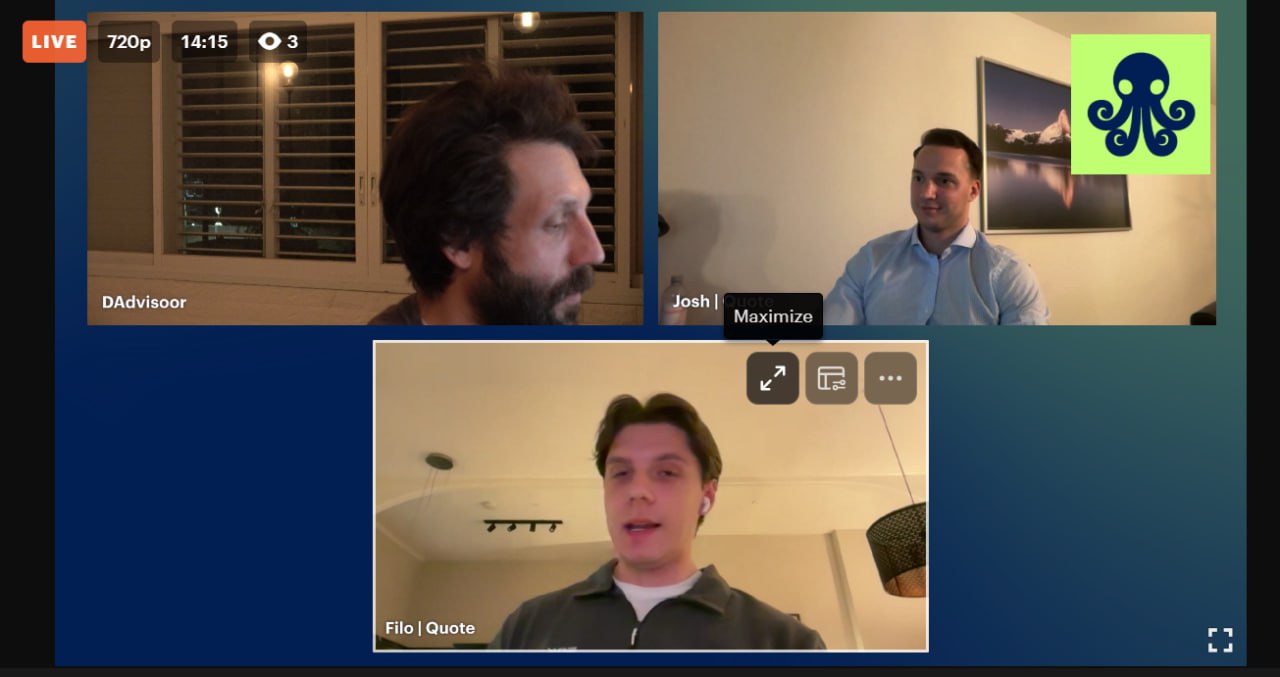
"Solving What You Didn't Know Needs Solving" For the first time on Leviathan News - Quote, the permissionless trading desk, bringing institutional grade execution on Hyperliquid! Filo and Josh, ,two of the co-founders, will join DAdvisoor to tell us all about what Quote is, and what they solve, that you didn't even know needs solving. Going live in a few minutes! Enjoy!
"Solving What You Didn't Know Needs Solving"

For the first time on Leviathan News - Quote, the permissionless trading desk, bringing institutional grade execution on Hyperliquid!

Filo and Josh, ,two of the co-founders, will join DAdvisoor to tell us all about what Quote is, and what they solve, that you didn't even know needs solving.

Going live in a few minutes!

Enjoy!
Youtube Mar 4, 2026
Top Comment
0xef5...449
Mar 5, 2026

This is awesome, bringing institutional tools to DeFi! 🚀 Excited to see what Quote unlocks for Hyperliquid users ✨

◧ Timeline6 events
  1. 2024-10milestone

    WLFI and Justin Sun 'Another Day in Crypto' episode published

  2. 2025-04milestone

    Stable Retreat interviews series begins at Frankencoin co-hosted retreat

  3. 2025-05milestone

    Another Day in Crypto returns after hiatus, episode 202 milestone

  4. 2025-05milestone

    DAdvisoor attends ETH Latam in São Paulo, live content from event

  5. 2025-06launch

    Vaults Report series launches with vaultsfyi, at least three episodes produced

  6. 2025-06milestone

    Stable Summit preview coverage and Stable Talk with Pharos series begins

Narrative Recaps, Hacks, and Market Structure

Livestreams and interviews are only one aspect of how DAdvisoor communicates. Equally important are his narrative recaps, which often take the form of weekly or thematic summaries. These pieces aim to tell a story about the crypto markets over a given period, integrating price movements, protocol events, hacks, and regulatory developments into a cohesive whole.

“Another Week in Crypto: Exploits, Cannes, and Interesting Takes,” a weekly summary published via Leviathan News, is a representative example. Rather than listing headlines, the writeup traces how exploits in DeFi protocols interact with broader market sentiment, how conferences and social gatherings (such as those in Cannes) serve as venues for deal-making and narrative formation, and how “interesting takes” on X reflect deeper disagreements about the direction of the industry. By framing events as part of an ongoing story rather than isolated incidents, the recap encourages readers to think in terms of patterns and feedback loops.

Thematically focused editions such as “Another Day in Crypto – WLFI and Justin Sun” dig deeper into specific news clusters. In the context captured by reporting from crypto.news, the relevant week saw Bitcoin correct from recently achieved highs, with BTC falling below a round-number milestone and triggering hundreds of millions of dollars in liquidations, mostly from overleveraged long positions. Altcoins followed suit, leading to a market-wide drawdown, but subsequent days saw sharp rebounds, with XRP, for example, rallying to retest its 2021 peak and briefly flipping BNB in market capitalization while approaching the symbolic threshold of a 100 billion dollar valuation. At the same time, Justin Sun’s 30 million dollar support for World Liberty Financial, a project associated with Donald Trump, signaled renewed political entanglements for crypto, while reports that the U.K. Financial Conduct Authority aimed to finalize a comprehensive crypto regulatory framework by 2026 underscored that the era of regulatory ambiguity is closing. In summarizing these developments, the recap genre links market microstructure (liquidations, volatility) with macro-structural shifts (politicization, regulation).

Security incidents are a persistent thread within these narratives. Editions like “Another Day in Crypto – And Another Huge Hack” focus on major exploits and their repercussions, examining not just the immediate dollar value lost but what the incident reveals about protocol design, auditing practices, and user behavior. In some cases, these pieces also connect hacks to emergent social phenomena, such as abusive behavior on platforms like Pump.fun’s live stream feature, which was reportedly exploited by token deployers to broadcast self-harm threats and other disturbing content, complicating the reputational landscape for on-chain launches. By connecting technical vulnerabilities to social and reputational risks, the recaps broaden the concept of “security” beyond code alone.

These narrative forms are complemented by more meta-level content such as “Rektrospective: Crypto’s Investigative Journalists,” a livestream that brings together on-chain sleuths and reporters to discuss how investigative work in crypto is done, how to interpret blockchain evidence, and how to communicate findings responsibly. By giving investigative journalists a platform, DAdvisoor underscores the importance of adversarial scrutiny in an ecosystem that still struggles with transparency and accountability. This complements his own role as a curator who amplifies credible investigative work rather than attempting to do everything himself.

For readers and viewers, the value of these recaps and meta-discussions lies in their integrative power. Crypto often feels fragmented: one corner of the industry may be absorbed in stablecoin collateral ratios, another in NFT royalties, another in L2 throughput benchmarks. By weaving exploits, conferences, market moves, and investigative reporting into a single narrative, DAdvisoor’s recaps help audiences develop an overarching mental model of how DeFi and broader crypto markets evolve over time.

Educational Role for Different Audiences

While much of DAdvisoor’s work is aimed at an audience already somewhat conversant with crypto, the educational dimension of his content serves distinct constituencies: newcomers, intermediate DeFi users, and more advanced or institutional participants. Each group engages with his content differently, and examining these layers helps clarify his role in the learning landscape.

For newcomers to crypto, especially those who may have entered during a market upswing and are overwhelmed by jargon and risk, his stablecoin and vault-focused shows offer a relatively structured entry point. Stablecoins, as instruments that aim to maintain a peg to some reference asset, are conceptually easier to grasp than volatile governance tokens, but their design details—collateralization models, governance, censorship resistance—have profound implications. By repeatedly discussing these details with experts like TokenBrice and protocol founders, and by referencing concrete dashboards such as Pharos that visually display historical depegs, liquidity profiles, and risk scores, the shows translate abstract concerns into understandable questions: Has this stablecoin depegged before? How deep is its liquidity? Who can freeze or blacklist funds? Even viewers without a technical background can begin to see that “a dollar is not always just a dollar” on-chain.

Intermediate DeFi users—those who have perhaps already used lending markets, provided liquidity, or interacted with governance—benefit from the more intricate dissections of vaults and strategy products. Vaults Report episodes, for instance, can be seen as applied risk-analysis workshops: by walking through how a specific vault achieves its advertised yield, what leverage or duration risks it may be taking, or how it depends on upstream protocols, the show equips viewers with diagnostic tools they can apply to other products as well. Discussions about Aave versus competitor platforms, or about new chain deployments, highlight trade-offs between composability and fragmentation, as well as between headline yield and underlying security. For this audience, the content functions as continuing education in risk literacy.

At the more advanced end of the spectrum are institutional participants and full-time builders, who may find particular value in episodes centered on infrastructure such as Octav or Quote. When Octav explains how they aggregate and classify portfolio data across thousands of protocols and dozens of chains, institutional listeners who manage funds or family offices can see how such tooling might integrate into their reporting and compliance stack. Similarly, conversations with the founders of Quote about permissionless institutional-grade execution on derivatives venues like Hyperliquid, or with Cap about the institutional restaking stack, speak directly to desks that are already deeply embedded in crypto but need to understand new market structure innovations. In these contexts, DAdvisoor’s role is less that of a teacher in the traditional sense and more that of a moderator who ensures that technical discussions remain intelligible and anchored in real-world use cases.

Importantly, he also addresses a cross-cutting audience: governance participants and public goods advocates. Episodes like “Don’t Just Govern, Do It Securely” with blockful highlight complex but underexplored topics such as economic attack vectors in governance and mechanism design best practices, which are directly relevant to DAO delegates, protocol politicians, and contributors involved in decision‑making. Similarly, the Giveth-focused round on QF security brings attention to the infrastructure of public goods funding—a niche yet critical area of Web3. These discussions help anchor the idea that DeFi is not just about trading; it is also about building and stewarding durable, collective institutions.

By tailoring content formats and topics to these different levels of expertise, while maintaining coherence across his thematic pillars, DAdvisoor effectively creates a layered curriculum. Newcomers can start with high-level stablecoin overviews or curated newsletter editions, intermediate users can dive into vault and risk analytics, and advanced participants can engage with market structure and governance security. The consistent thread across all layers is a focus on understanding mechanisms and risks, not just outcomes.

◧ Risk matrixanalyst read
  • Smart-contractMedium↗ source

    DAdvisoor's coverage focuses on vault and stablecoin protocols where user capital is exposed to audited-but-exploitable contracts; the Rektrospective and weekly hack-summary episodes document ongoing real losses in exactly these categories.

  • CentralizationHigh↗ source

    All output and audience trust rests on a single creator; a prior hiatus — evidenced by 'is BACK' headlines topping the click chart — demonstrated that the primary reader touchpoint can go dark without continuity.

  • RegulatoryMedium↗ source

    Heavy stablecoin and DeFi lending coverage places DAdvisoor's audience directly in the path of evolving stablecoin legislation and disclosure requirements expanding in multiple jurisdictions.

  • LiquidityMedium↗ source

    The Vaults Report series explicitly interrogates where vault yield originates and what can go wrong, acknowledging that reader capital deployed into featured vaults faces real liquidity and redemption risk.

  • MarketLow↗ source

    Content is analytical and interview-driven rather than directional trading signals, limiting direct market-move risk for readers who engage with it as infrastructure education.

DAdvisoor in the Broader DeFi Ecosystem

To understand the significance of a media figure like DAdvisoor, it is useful to situate him within the broader DeFi ecosystem, which includes builders, liquidity providers, auditors, governance participants, regulators, and end users. In such a system, information asymmetry is pervasive: protocol teams know more about their own code and intentions than outsiders; sophisticated traders understand derivatives structures that casual users do not; and regulators often lack real-time insight into on-chain dynamics. Media actors, particularly those embedded in DeFi itself, become intermediaries in this landscape.

In many ways, DAdvisoor exemplifies an emerging role: the DeFi-native translator. He spends substantial time engaging with primary sources—protocol documentation, governance forums, technical dashboards like Pharos, and domain experts from security firms or data providers—and then translates these inputs into accessible conversations and curated outputs for a broader audience. This is distinct from traditional financial journalism, which has typically relied on interviews with executives and regulators but has not needed to decipher code or on-chain metrics. In DeFi, where much of the “source material” is programmatic and openly verifiable, an effective translator must be comfortable moving between code, data, and narrative.

His work also interacts with, and sometimes amplifies, the efforts of other ecosystem actors. Investigative journalists and on-chain sleuths benefit from platforms like “Rektrospective,” which provide venues to explain their methodologies and findings, in turn increasing public pressure on bad actors and educating users about red flags. Security researchers and firms like blockful gain channels through which to highlight governance vulnerabilities and propose design improvements, potentially leading to safer protocols over time. Data providers like Pharos, vaults.fyi, and Octav see their tools contextualized and stress-tested in public, which can inspire refinements and expand their user bases. In this sense, the media role is not purely observational; it participates actively in shaping which tools and practices gain traction.

As DeFi continues to push into more institutional and regulatory spaces, the need for such translators only grows. Institutional allocators, for instance, must navigate an environment where yield opportunities come intertwined with smart contract risk, governance risk, and regulatory risk; retail participants face similar challenges, albeit with different constraints. By focusing on stability, security, and transparency tools rather than on speculative hype, DAdvisoor and similar figures can help steer attention toward the parts of DeFi that are more likely to withstand scrutiny and build resilience.

There are, of course, limitations to this role. As a pseudonymous media figure without formal regulatory status, he cannot provide personalized investment advice and does not bear fiduciary responsibilities in the way registered advisors do. His influence is mediated by the platforms he uses and the algorithms that surface his content; there is no guarantee that those who most need DeFi education will encounter it. Additionally, like any curator, he must make choices about which projects and experts to platform, which inevitably reflect judgments and biases, even if implicit. Critical media literacy remains necessary: audiences should supplement his content with independent research, cross-check claims against primary sources, and remain alert to potential conflicts of interest.

Despite these caveats, figures like DAdvisoor play a crucial part in the ongoing maturation of DeFi. By giving sustained attention to stablecoins, vault structures, security, and governance, he helps normalize the idea that responsible participation in crypto requires more than chasing narratives or price momentum. For a news audience trying to discern which voices in crypto are worth following, this emphasis on mechanisms and risk is a salient marker.

Outlook

Looking ahead, the themes that define DAdvisoor’s work—stablecoin stability, vault transparency, security-aware governance, and data-driven portfolio intelligence—are likely to become even more central to crypto’s trajectory. Stablecoins are already systemically important within crypto markets, and as they become more entwined with traditional finance and public policy, tools like Pharos and conversations that unpack their risk profiles will remain highly relevant. Continued experimentation with algorithmic, collateralized, and hybrid models will generate both innovation and new failure modes, making independent, data-grounded analysis essential.

DeFi vaults and structured products will similarly grow in complexity as they incorporate new primitives such as restaking, cross-chain messaging, and on-chain derivatives. Shows like Vaults Report, which dissect how yield is generated and what risks users implicitly accept, will have more terrain to cover, not less. As institutions enter these spaces, the intersection between tools like Octav and vault analytics will become a key frontier: understanding not just individual positions but portfolio-wide exposure to correlated risks. Media that can bridge these domains will be valuable to both professional and retail audiences.

Security and governance will remain perennial concerns. The history of DeFi is increasingly one of sophisticated economic attacks, governance capture attempts, and complex social responses. Conversations with specialized firms like blockful, investigative journalists, and public goods advocates will be crucial to developing resilient norms and mechanisms. If the ecosystem succeeds in building stronger security cultures and more robust governance, it will be in part because these topics were brought repeatedly into public view, rather than relegated to niche forums.

Against this backdrop, the outlook for a media figure like DAdvisoor is tied to his ability to continue acting as a credible curator and translator in an ever more complex environment. So long as he maintains a focus on mechanisms over personalities, data over pure narrative, and education over hype, his work is likely to remain a useful guide for audiences trying to navigate DeFi’s evolving landscape. For readers and viewers, the practical takeaway is straightforward: treat his content not as a set of instructions, but as an invitation to ask better questions about the stablecoins you hold, the vaults you use, and the governance systems you depend on.

Latest DAdvisoor news

Sources

Was this explainer helpful?

Community notes

Spot something off or out of date? Drop a note. Editors review topic notes daily and roll accepted fixes into the explainer — contributors are recognized in the monthly $SQUID drop.

0/1000

Loading notes…