
Deep dive explainer on crypto hackathons: how time-boxed builder events drive DeFi, AI agents, and onchain launches, the risks around security and hype, and what Solana, Tron, Flow, TON, and others signal with their hackathon strategies.
+12 sources across the wider coverage universe
 Coinbase Ventures joins Kite AI Global Hackathon 2026 as partner, backing development of autonomous agents and onchain payments infrastructure for emerging agentic economy2026-04
 MoonPay and Ripple launch OWS Hackathon for builders on April 3 to create agentic payments, commerce, and wallets using x402, RLUSD, and XRPL infrastructure2026-04
 Colosseum opens registration for Solana Frontier Hackathon with $2.5M+ earmarked for winning teams2026-03
 Google Cloud joins Kite AI Global Hackathon 2026 to support agentic commerce, enabling builders to create AI agents that transact, negotiate, and pay autonomously onchain2026-03
 NoahAI is hosting the first Solana Vibe Coding Hackathon, focused on shipping real products fast using AI. Builders join weekly SuperTeam sprints, deploy live apps, share progress, and compete for prizes, credits, and up to $100K in fundraising.2026-01
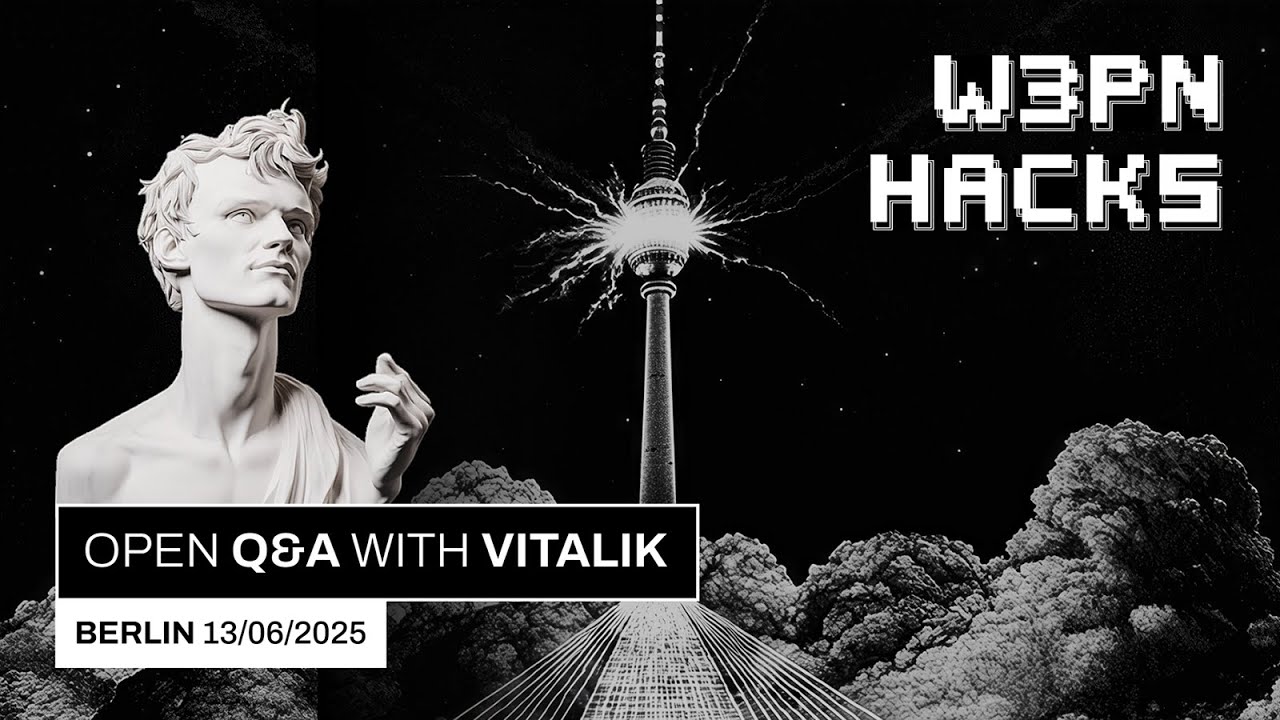 Vitalik Buterin urges simpler privacy protocols at W3PN HACKS hackathon, championing digital freedom and Open-Source innovation2025-06
Hackathons in Crypto and the Agentic Onchain Economy
A hackathon is an intensive, time‑boxed event where developers and collaborators build experimental software projects, often over a few days, frequently competing for prizes and recognition. In crypto, these events have evolved into global launchpads for new blockchains, DeFi primitives, and AI agent ecosystems, sitting at the intersection of open-source culture, venture capital, and onchain risk.
What Is a Hackathon?
In its classical form, a hackathon is a short-term gathering where people collaborate on software and hardware projects under significant time pressure, typically ranging from 24 to 72 hours, although some now stretch over a week or more. Participants usually form ad‑hoc teams that blend developers, designers, and product thinkers, iterate rapidly on an idea, and present a demo or prototype by the deadline. Judging panels often include engineers, investors, and domain experts who score projects on dimensions such as technical complexity, usefulness, and creativity, with awards ranging from cash and internships to ongoing support and access to accelerators. Despite the competitive framing, hackathons are as much about collaboration and learning as they are about winning, serving as concentrated environments where new communities form and nascent ideas surface.
A crypto hackathon applies that same format specifically to blockchain technologies, smart contracts, and decentralized applications, typically compressing ideation and development into a weekend or a few weeks focused on building onchain tools and consumer applications. Compared with traditional software hackathons, crypto hackathons must contend with additional layers of complexity, including interacting with live networks, handling private keys, designing token economics, and integrating wallets and onchain data. The stakes can also be qualitatively different, since even a "prototype" DeFi protocol or NFT marketplace may handle real value and attract real users before security hardening or audits. These events often become focal points for emerging ecosystems, drawing developers who might otherwise not experiment with a new chain or protocol.
The distribution of hackathons has shifted heavily online. Platforms like Devpost maintain dedicated sections for blockchain hackathons, aggregating events across chains and verticals and making participation accessible to global developer communities. Online hackathons lower the barrier to entry for contributors outside traditional tech hubs, enabling students, independent hackers, and developers from emerging markets to compete on equal footing. At the same time, in‑person hackathons hosted at universities, conferences, and ecosystem summits continue to play an important role in relationship‑building, recruiting, and high‑bandwidth collaboration, particularly when backed by major layer‑1 foundations or corporate sponsors.
In crypto and Web3, hackathons have become a canonical mechanism for seeding new ecosystems. A hackathon focused on a specific blockchain or protocol is often the first structured touchpoint between that project and a wide pool of developers, giving the chain a chance to showcase tooling, documentation, and funding pathways. For participants, hackathons provide a low‑commitment way to explore an ecosystem while still having a path to serious follow‑on support if the project shows traction. This mutual optionality—short-term experimentation with the possibility of long‑term collaboration—helps explain why hackathons remain central to the innovation playbook in crypto despite market cycles.

Coinbase Ventures joins Kite AI Global Hackathon 2026 as partner, backing development of autonomous agents and onchain payments infrastructure for emerging agentic economy
Why Hackathons Matter in Crypto and DeFi
Hackathons are not simply marketing exercises; in crypto they function as core infrastructure for ecosystem growth, developer education, and capital allocation. Their significance is clearest when viewed through the lens of developer onboarding, the journey from prototype to mainnet product, and the way hackathons have become de facto launchpads for both protocols and startups.
Onboarding developers into blockchain ecosystems
For many developers, a hackathon is their first serious engagement with a given blockchain. Ecosystems like Flow, Solana, Tron, Polkadot, and TON have all leaned heavily on hackathons to expand their developer base, often tying them to larger conferences or multi‑week online campaigns. When TRON DAO supported the hackathon at the Penn Blockchain Conference 2026, the event brought together students, developers, and industry leaders around DeFi product demos, infrastructure integrations, and AI‑related experiments. Of the fifty total submissions, thirteen projects were built specifically on TRON, illustrating how a single event can concentrate attention on a particular chain and draw builders who might later become long-term contributors.
Flow’s “Future of Finance” hackathon offers another data point in the onboarding story. The challenge attracted 141 project submissions, with a broader hackathon participation of 2,477 individuals across 108 countries. These figures underscore how hackathons have become global rather than local phenomena, with participants joining from diverse jurisdictions and backgrounds to experiment with new forms of onchain finance. Instead of relying solely on passive documentation or grants, chains use hackathons as structured funnels: developers are guided through workshops, office hours, and example repositories, and by the end of the event many have shipped their first contracts or dApps.
Solana’s Frontier Online Hackathon goes even further by explicitly positioning itself as “crypto’s largest online startup competition,” offering more than 2.5 million dollars in backing from Colosseum’s venture fund and funneling the top ten teams directly into an accelerator. This framing reveals a broader shift in how ecosystems view hackathons: not as isolated contests, but as the first stage of a longer founder journey that spans incubation, venture funding, and eventual mainnet deployment. For developers, this means that a hackathon project can be more than a résumé line; it can be the seed of a venture‑scale company.
From weekend prototypes to mainnet launches
Critics sometimes dismiss hackathon projects as disposable demos that are abandoned after a frantic weekend. In traditional software, that critique often holds. In crypto, however, the line between prototype and live system is more porous, and there is growing infrastructure dedicated to extending hackathon ideas into full‑fledged products. The NextGen Developers 2.0 initiative in the Cardano ecosystem illustrates this bridge‑building explicitly, aiming to validate hackathon ideas through research, low‑fidelity prototypes, and feasibility studies to prepare them for Cardano adoption and future Catalyst funding rounds. By treating hackathon outputs as inputs into a longer validation pipeline, programs like this try to capture more of the creative surface area generated during these short sprints.
Flow’s hackathon winners demonstrate that hackathon‑born projects can tackle difficult structural problems in onchain finance. One winning project, AutoPay, built a system to settle sub‑cent recurring USDC payments entirely onchain without a custodian, allowing subscribers to specify merchant addresses, amounts, and billing frequencies for fully automated micro‑transactions. Another, VeraPay, removed the need for off‑chain “keepers” or cron jobs by enabling Flow itself to schedule recurring charges, offering an SDK where merchants define billing plans once and the chain executes payments automatically after a single approval from subscribers. These designs address a well-known gap in the subscription economy, where most services still depend on off‑chain infrastructure despite the size of the market, estimated at more than 1.5 trillion dollars globally. That they emerged from a hackathon underscores how much serious engineering can be accomplished under time pressure when the right incentives and tooling are in place.
Recent coverage of projects like CyOps, which is preparing a public launch preceded by an incentivized hackathon, shows how founders now use hackathons as a structured pre‑launch phase rather than an afterthought. In such cases, the hackathon serves simultaneously as a stress test, a marketing campaign, and a bootstrap mechanism for community contributions. Early adopters are encouraged to probe the system, build complementary tools, and identify edge cases, with rewards offered in tokens, governance weight, or revenue‑sharing rights. If the launch succeeds, these contributors often become the protocol’s earliest champions and, in some cases, core maintainers.
Hackathons as product and protocol launchpads
Protocol teams and DAOs increasingly coordinate major launches and feature rollouts with hackathons. For instance, coverage of the Swarms ecosystem highlighted how the ACM Hackathon coincided with the Swarms v12 release and the expansion of its marketplace, creating a feedback loop where new features immediately became raw material for builders. This pattern also appeared as the ACM Hackathon set sail alongside a “Frenzy Mode” launch, with thirty thousand dollars in rewards attracting developers into what was described as uncharted marketplace territory. Such arrangements are not accidental. By synchronizing hackathons with version releases, ecosystems can solicit real‑world usage and experimentation that goes beyond synthetic test cases.
Solana Mobile’s sponsorship of a Miami hackathon around its hardware and developer stack illustrates a similar dynamic. Over three days, workshops, building sessions, and final demos were structured so that developers could integrate Solana Mobile tools into their projects, with winners announced onstage and additional incentives such as device giveaways to participants. For Solana, this kind of event is both a testbed for its mobile experience and a way to seed an app ecosystem tailored to its hardware. For developers, the hackathon offers early access to new infrastructure and a chance to influence the roadmap through direct feedback and high‑visibility demos.
More broadly, hackathons are increasingly used to launch not only products, but categories. In the emerging “agentic economy,” several recent hackathons have explicitly framed their mandate as creating autonomous AI agents that can transact, negotiate, and pay onchain. Events like the Kite AI Global Hackathon, the Pharos Skill Hackathon, and the TON OpenClaw Hackathon do not merely showcase existing infrastructure; they aim to define what an AI‑native, onchain application even looks like. In that sense, hackathons act as collaborative research labs where new primitives—such as skill marketplaces, agentic payment standards, or decentralized AI compute—are trialed in public.
Readers click hackathon coverage not for the competitions themselves but as a real-time signal of where institutional capital (Google Cloud, Coinbase Ventures) and protocol treasuries are directing builder attention — making hackathon announcements a leading indicator of the next infrastructure layer being bet on.
The Anatomy of a Crypto Hackathon
Despite their diversity, crypto hackathons tend to share a recognizable structure. Understanding that anatomy helps participants, analysts, and protocol teams identify which events are likely to produce durable impact and which are primarily marketing theatre.
Themes, tracks, and bounties
Most hackathons are organized around themes or tracks that reflect an ecosystem’s strategic priorities. Platforms like Devpost categorize events into areas such as DeFi, NFTs, gaming, infrastructure, and more recently AI and agentic systems, allowing participants to filter for topics aligned with their interests and skills. Within a single hackathon, sponsors may define multiple challenge tracks: one chain might focus on liquid staking or perpetual futures, another on decentralized identity, while a separate track invites teams to build wallets or analytics dashboards. This modularity ensures that both end‑user applications and lower‑level tooling receive attention.
The Polkadot Solidity Hackathon offers a useful illustration of targeted tracks in action. In that event, winners included DOT Pixel for the EVM track, CoreDEX for the PVM track, and Hyperway for AI compute, with the competition co‑organized by OpenGuild and the Web3 Foundation. By explicitly carving out a track for AI compute and pairing it with traditional DeFi tracks, the organizers signaled a desire to position Polkadot not only as a multi‑chain DeFi hub but also as a platform for AI‑related workloads. For hackers, these tracks provide clear direction: projects can anchor themselves in existing tooling while exploring new frontiers like AI‑accelerated smart contracts.
Prize structures are typically layered. There are overall grand prizes, track‑specific awards, and often “bounties” for solving focused problems or integrating particular SDKs. Flow’s Future of Finance challenge, for instance, distributed a ten‑thousand‑dollar prize pool equally across ten winning teams, while the broader hackathon had many more participants and submissions. In contrast, Solana Frontier’s multi‑million‑dollar backing from a venture fund blurs the line between prize and investment, with the top ten projects effectively gaining a path into an accelerator and potential follow‑on funding. Crypto ecosystems increasingly pair direct prizes with softer benefits such as credits, cloud infrastructure, co‑marketing, and priority access to grants, making the overall incentive package more attractive than the nominal prize pool alone.
Participants, roles, and collaborations
Crypto hackathons bring together a cross‑section of the ecosystem. On the participant side, teams typically combine smart contract developers, front‑end engineers, designers, and sometimes domain experts in finance, gaming, or AI. Many events also encourage non‑coding contributors such as community managers, product managers, and technical writers, recognizing that successful dApps require more than code. On the organizer side, hackathons are often co‑hosted by layer‑1 foundations, developer communities, universities, and corporate sponsors. This multi‑stakeholder structure means that hackathons can double as recruiting channels and due diligence pipelines for investors.
The Pharos Developer Season illustrates how sponsors and partners shape hackathons in the AI‑crypto nexus. The Skill‑to‑Agent Dual Cascade Hackathon, powered by Pharos Network and AnvitaFlow, is open to builders worldwide and backed by sponsors including Alibaba Cloud, GoPlusSecurity, and CertiK, with a prize pool of fifty thousand PROS tokens. Each sponsor brings different resources: cloud providers furnish compute credits and infrastructure guidance; security firms like CertiK and GoPlusSecurity can advise on best practices and may later audit promising projects; and protocol partners offer deep integration support. This creates an ecosystem around the event itself, with participants gaining access not just to funding but to a constellation of services that could sustain their projects beyond the hackathon.
Academic and institutional partnerships further broaden the participant base. The Kite AI Global Hackathon, for example, has partnered with Stanford’s Blockchain Club, the Haas Fintech Club and Haas Blockchain Club at UC Berkeley, and later with Coinbase Ventures and Google Cloud as ecosystem and infrastructure partners. These collaborations connect student builders with industry resources and align research‑oriented communities with real‑world experimentation in autonomous agents and onchain payments. When TRON supported Penn Blockchain’s hackathon, it similarly leveraged university networks to reach the next generation of DeFi builders, offering students a direct path from classroom concepts to live onchain deployments.
Judging, prizes, and incentive design
Judging criteria typically combine technical and qualitative dimensions: code quality, originality, potential impact, user experience, and alignment with the event’s thematic goals. Judges may include core protocol engineers, venture investors, academics, and security experts. Their feedback often shapes how projects evolve after the event, especially when judges are also potential investors or grant administrators. In high‑profile hackathons, a strong showing can lead directly to term sheets or grants, making judging outcomes consequential beyond the immediate prize money.
Prize pools in crypto hackathons vary widely. Pharos Network’s skill‑focused hackathon highlights a fifty‑thousand‑token PROS pool, an amount sufficient to attract serious builders but small compared with ecosystem‑scale funds. Flow’s Future of Finance challenge spread ten thousand dollars across ten teams, emphasizing breadth and experimentation over winner‑take‑all concentration. Solana Frontier, with its 2.5‑million‑dollar allocation from Colosseum’s venture fund, treats prizes as quasi‑equity investments in teams rather than as one‑off rewards for static code artifacts. Beyond pure monetary value, hackathon winning teams often receive ongoing support in the form of accelerator slots, cloud credits, marketing amplification, and introductions to investors.
Incentive design has become a subject of explicit debate in Web3 governance circles. Research from firms like a16z crypto has compared reputation‑based and token‑based reward systems for participation in governance and community activities. The same trade‑offs apply to hackathons. Token‑denominated prizes can be powerful motivators and align participants with a protocol’s economic upside, but they also risk attracting mercenary builders who optimize for short‑term gains rather than long‑term ecosystem health. Reputation‑based rewards, such as governance rights or non‑transferable badges, may encourage sustained engagement and reduce speculative behavior, yet they are harder to value and monetize, which can limit participation. Successful hackathons often combine both, offering immediate, liquid compensation alongside longer‑term roles in protocol governance, ambassador programs, or core development.
Online, in‑person, and hybrid formats
The logistical shape of hackathons has evolved alongside global remote work trends. Purely online events like Solana Frontier enable thousands of participants from multiple continents to collaborate asynchronously over weeks, submitting code repositories and demos through standardized platforms. Organizers can host workshops over video, maintain active Discord or Telegram channels for support, and record all sessions for later viewing. This format is inclusive but can dilute the intensity and serendipity of in‑person collaboration.
Corporate hackathons like Microsoft’s Agents League blend online participation with structured timelines. The Agents League Hackathon specifies a remote hacking period and a registration deadline, allowing participants to work from anywhere while still adhering to synchronized milestones and final submission times. In contrast, conference-attached hackathons such as the one at the Penn Blockchain Conference occur on‑site over a tightly constrained period, in this case between March 27 and 28 at the Penn Museum, promoting face‑to‑face collaboration and networking. Hybrid models are increasingly common, where an event has a live, in‑person core but also welcomes remote participants, often with separate prize tracks to account for the differences in experience and time commitment.
TON’s OpenClaw Hackathon for AI agents on the TON network exemplifies how even niche hackathons can be structured within a compact window, in that case running from March 25 to 29 with results announced on March 30. Short, intense windows tend to favor small teams and rapid iteration, while longer hackathons—such as six‑week developer seasons or multi‑month online competitions—allow more ambitious builds, integrating complex infrastructure like AI model orchestration, cross‑chain bridges, or sophisticated DeFi strategies. For participants, matching the hackathon format to their personal constraints and project scope is crucial; for organizers, the choice of format will shape the type of projects they attract.
MoonPay and Ripple launch OWS Hackathon for builders on April 3 to create agentic payments, commerce, and wallets using x402, RLUSD, and XRPL infrastructure
Count me in. Let’s see who builds the first truly unstoppable commerce bot.
AI, Agents, and the New Wave of Crypto Hackathons
As AI systems become more capable and more deeply integrated with onchain infrastructure, hackathons have become key laboratories for the so‑called “agentic economy.” This refers to an emerging paradigm in which autonomous AI agents can not only read and reason about blockchain data, but also hold wallets, initiate transactions, and coordinate multi‑step economic workflows on behalf of users or organizations. Hackathons sit at the frontier of this shift, exploring both technical possibilities and governance challenges.
From software scripts to autonomous AI agents
Traditional software bots in crypto—such as market‑making bots, arbitrage scripts, or liquidation agents—are relatively narrow and static, executing predefined strategies based on explicit rules. AI agents, by contrast, leverage large language models and other generative systems to interpret natural language instructions, adapt to changing environments, and compose complex sequences of actions. Galaxy’s research on agentic payment systems describes how giving AI agents access to the “internet’s full economic surface area” enables them to ingest external data, compare prices and risks, and execute onchain actions like payments, swaps, and staking autonomously. In this framework, crypto rails become the settlement and coordination layer for AI‑driven economic activity.
Hackathons focused on AI agents are proliferating. The MoonPay and Ripple Open Wallet Standard (OWS) hackathon invites builders to create new products that use x402, RLUSD, or the XRP Ledger to enable agentic payments, commerce, and wallets. Participants are encouraged to imagine agents that can reason about exchange rates, liquidity, and counterparty risk while still executing with the security and transparency of onchain settlement. Similarly, Microsoft’s Agents League Hackathon centers on AI agents as first‑class citizens, asking participants to build agentic systems using its tooling, though not necessarily tied to a specific blockchain. The throughline across these events is a focus on delegating more complex tasks to autonomous software while keeping settlement and accountability on public ledgers.
Analyses of recent hackathons suggest several emerging technical trends in AI agents. A survey by Semgrep of AI agent hackathon projects highlighted the rise of Model Context Protocol (MCP) workflows, multi‑LLM development where multiple models collaborate or specialize, and browser‑based security tooling that uses agents to monitor web interactions. These patterns reveal a shift away from single‑agent, single‑model prototypes towards more modular and composable systems in which agents chain together tools, APIs, and onchain contracts. Hackathons provide an ideal setting for experimenting with such architectures, as teams can rapidly integrate cutting‑edge libraries, test them against real APIs and testnets, and share lessons with other participants.
Agentic payments and onchain automation
One of the most natural interfaces between AI agents and crypto lies in payments. Agentic payment systems (APS) allow agents to initiate and manage monetary flows autonomously, from simple bill payments to complex DeFi strategies, using onchain infrastructure for settlement. In Galaxy’s framing, giving agents access to programmable money and digital assets lets them not only act on information but also commit resources, hedge risks, and optimize portfolios in real time. For this vision to be realized safely, however, the underlying payment rails must be robust, composable, and transparent.
The MoonPay x OWS hackathon illustrates how this paradigm is being concretely explored. Participants are tasked with building products that use x402 to manage cross‑border agentic payments, RLUSD as a stable settlement asset, and the XRPL as the ledger infrastructure. Teams might, for example, design family budget agents that route recurring household payments through the most cost‑efficient paths, or treasury agents that maintain liquidity buffers across multiple exchanges and lending platforms. The hackathon format encourages these designs to be tested under time pressure and public scrutiny, revealing both promising structures and corner cases where agent misbehavior could have outsized consequences.
On other chains, recurring payments and onchain automation have already been tackled by hackathon projects, even before AI agents are added to the loop. Flow’s AutoPay and VeraPay projects, both hackathon winners, solved the problem of sub‑cent recurring USDC payments and fully onchain subscription billing without off‑chain infrastructure or custodians. They showed that smart contracts can schedule and execute repetitive payments while preserving user control and removing intermediaries. When combined with AI agents, such primitives could enable delegated financial routines where agents manage subscriptions, renegotiate terms, or migrate services in response to pricing changes, all while using onchain logic as the execution environment.
The Arc AI Hackathon, which focused on agentic commerce, offers another perspective on the interplay between AI and onchain finance. The event was designed to explore how AI agents can automate and simplify onchain financial workflows by leveraging Arc as a settlement layer. Projects in that hackathon experimented with agents responsible for tasks like yield optimization, cross‑chain arbitrage, and real‑time risk management, demonstrating both the technical feasibility and the security challenges of giving agents significant latitude over asset flows. Hackathons like this highlight how quickly the agentic economy is moving from theory to running code, even if that code is still experimental.
Skill-based ecosystems: Pharos, FLock, Swarms, and beyond
As agent architectures grow more modular, the notion of “skills” has become central. Rather than building monolithic agents, developers increasingly design composable skills—self‑contained capabilities that agents can call, such as “execute a swap on a DEX,” “fetch portfolio data,” or “evaluate counterparty creditworthiness.” The Pharos Skill Hackathon explicitly focuses on this layer, inviting participants to “build a reusable Skill, ship it, and let AI agents use it,” with a prize pool denominated in PROS tokens. The broader Pharos Developer Season includes a Skill‑to‑Agent Dual Cascade Hackathon, signaling an interest in both the skill layer and the orchestration of skills by agents. This architecture encourages reusability: a well‑designed skill can be integrated into many agents, multiplying its impact.
Other ecosystems are exploring adjacent terrain. FLock.io’s collaboration with the Blockchain Game Alliance (BGA) in an AI Agent Hackathon episode centered on using agents for social good, highlighting use cases where agents could support education, public health, or environmental monitoring. Swarms, another ecosystem featured in recent coverage, has been experimenting with agent‑like systems as part of its marketplace, with events like the ACM Hackathon coinciding with new releases such as Yuki, a marketplace companion, and version 12 of its platform. In such environments, hackathons do not merely produce isolated prototypes; they function as ecosystem‑wide sprints where core teams, marketplace participants, and third‑party developers stress‑test new primitives together.
Skill‑centric design aligns well with the open‑source ethos of crypto. A skill published as an open module can be audited, forked, extended, and integrated into different agents, much like smart contracts themselves. Hackathons that focus on skills and agent tooling rather than end‑user interfaces may therefore have outsized leverage, seeding foundational building blocks that others can reuse. At the same time, this modularity raises new governance questions: who maintains widely used skills, how are breaking changes coordinated, and how are security responsibilities shared between skill authors and agent developers?
Cloud, infrastructure, and institutional partners
Agentic hackathons sit at the intersection of AI, blockchain, and cloud infrastructure, and their sponsor lists reflect that convergence. The Kite AI Global Hackathon, billed as “powering the agentic economy,” invites participants to build and launch autonomous AI agents on what it describes as the first AI payments blockchain. Its partnerships with Google Cloud, Stanford’s Blockchain Club, UC Berkeley’s Haas Fintech and Blockchain clubs, Coinbase Ventures, and others underscore how multiple layers of the tech stack are being aligned around this new category. Cloud providers contribute compute and managed services; universities provide talent and research perspectives; and crypto‑native investors look for teams that can turn hackathon prototypes into durable startups.
Security and compliance partners have also become more prominent, especially in hackathons that touch regulated domains like payments and financial services. In the Pharos Developer Season, for example, GoPlusSecurity and CertiK are listed as sponsors, signaling a recognition that AI agent skills dealing with onchain transactions need security review and monitoring. Their presence both offers teams practical guidance during the hackathon and raises expectations that promising projects will be held to higher security standards afterwards. Similarly, when TRON DAO engages in university hackathons, part of the agenda is to expose students to best practices in smart contract security and risk management alongside DeFi and AI experimentation.
These partnerships are not without tension. Recent coverage of the Kite AI Hackathon noted that by operating in the “blockchain‑AI seas,” the event risked sailing into regulatory storms, especially around autonomous agents handling funds and making financial decisions. Likewise, hackathons tied to live marketplaces—such as the Swarms ACM Hackathon in the context of a new “Frenzy Mode” marketplace launch—invite participants to build in environments where user funds, order routing, and complex incentives are in play, magnifying the consequences of errors. As AI, cloud, and blockchain infrastructure converge in hackathons, the responsibilities shared among sponsors, organizers, and teams become more complex and more consequential.
- 01AI agents + agentic payments↗
Multiple high-click stories converged on hackathons explicitly building autonomous AI agents that transact and pay onchain, signaling readers see this as the dominant emerging DeFi primitive.
- 02Privacy protocol builder push↗
Vitalik personally championing simpler privacy at W3PN HACKS drew the top click count, indicating readers track founder-endorsed technical directions as investment/build signals.
- 03x402 payment standard adoption↗
MoonPay and Ripple anchoring their OWS Hackathon around x402 and RLUSD drew strong clicks, readers watching whether x402 gains enough builder momentum to become infrastructure.
- 04Corporate co-sponsorship as endorsement↗
Google Cloud and Coinbase Ventures joining Kite AI attracted repeated clicks across multiple headlines, readers using big-name backing as a credibility and direction filter.
- 05Solana prize pool scale↗
Colosseum's $2.5M Frontier Hackathon pool drew clicks because prize magnitude signals how seriously an ecosystem is competing for elite builder talent.
- 06EigenLayer restaking ecosystem builds↗
YieldNest's PointGuard debut at the EigenLayer AVS Hackathon drew clicks as readers tracked what novel primitives are being prototyped inside the restaking stack.
Chain-Specific Hackathon Strategies
Different blockchain ecosystems use hackathons in distinct ways, reflecting their technical architectures, target users, and competitive positioning. Examining a few major chains illustrates how hackathons can serve as strategic tools rather than generic events.
Solana: high-throughput experiments and venture funnels
Solana’s high‑throughput, low‑latency design makes it an appealing environment for hackathons focused on performance‑sensitive applications like order‑book DEXs, NFT marketplaces, and mobile‑first experiences. The Solana Frontier Online Hackathon explicitly markets itself as “crypto’s largest online startup competition,” with more than 2.5 million dollars earmarked from Colosseum’s venture fund and a promise that the top ten projects will enter an accelerator. This structure positions the hackathon as the first stage of a venture funnel: teams validate ideas, attract initial users, and, if successful, transition into a more formal startup track with mentoring and capital.
Solana Mobile’s sponsorship of an in‑person hackathon in Miami complements this online strategy by cultivating a developer ecosystem around its hardware stack. Over three days, participants attend workshops, build on mobile‑oriented tooling, and present demos, with winners recognized onstage and rewarded with prizes and devices. For Solana, this mix of online and in‑person hackathons helps ensure that foundational infrastructure—both at the network layer and in the mobile hardware ecosystem—has a robust pipeline of experimental applications. For builders, Solana hackathons often represent a fast track into an ecosystem that combines technical depth, venture interest, and an active user base.
Tron: DeFi, stablecoins, and student builders
Tron has positioned itself as a chain focused on high‑volume transactions and stablecoin‑heavy DeFi. Its participation in the Penn Blockchain Conference 2026 hackathon offered a window into how the ecosystem uses such events to engage the next generation of developers. The hackathon, held in person at the Penn Museum, featured DeFi product demos, infrastructure integrations, and AI experiments, with Tron DAO members helping judge and awarding prizes. Of fifty total submissions, thirteen were built on TRON, indicating both interest in the platform and the competitive nature of multi‑chain hackathons where several ecosystems vie for attention.
Through such events, Tron not only gains new code but also insights into how students and early‑career developers perceive and use its tooling. Exposure to AI‑inflected DeFi use cases at university hackathons may inform Tron’s own roadmap decisions around risk management, lending, and algorithmic strategies. Conversely, students get to experiment with large‑scale transaction loads and stablecoin rails in a sandboxed environment, potentially shaping their career paths in crypto. Hackathons thus function as two‑way learning channels between ecosystems and emerging talent pools.
Polkadot and multichain solidity
Polkadot’s architecture as a relay chain connecting multiple parachains lends itself to hackathons that emphasize interoperability and modular smart contract deployment. The Polkadot Solidity Hackathon’s focus on three winner projects—DOT Pixel in the EVM category, CoreDEX in the PVM category, and Hyperway in AI compute—underscored Polkadot’s desire to be competitive both in EVM‑compatible environments and in its native parachain virtual machines. Co‑organization by OpenGuild and the Web3 Foundation ensured that participants had access to core maintainers and deep technical support.
By incorporating an AI compute track, the hackathon signaled that Polkadot sees decentralized AI workloads as a strategic area, perhaps anticipating demand for onchain AI inference, model marketplaces, or agent tooling. Solidity‑focused hackathons also serve Polkadot’s goal of attracting Ethereum developers who can bring their skills and existing libraries to a new environment with different security and scalability trade‑offs. In this way, hackathons become migration vectors: they give developers a low‑friction way to experiment with a new chain while leveraging familiar tooling.
Flow and real-world onchain finance
Flow has oriented itself toward consumer applications and real‑world financial use cases, and its Future of Finance hackathon made that orientation explicit. The challenge attracted 141 project submissions and highlighted projects that tackled concrete problems such as onchain recurring payments and yield‑funded raffles. AutoPay’s solution for sub‑cent recurring USDC payments fully onchain, and VeraPay’s SDK for on‑chain‑scheduled billing without off‑chain keepers, demonstrated how hackathon projects can address long‑standing gaps that have kept the trillion‑plus subscription economy mostly off‑chain. Each project allowed merchants to define billing arrangements while letting subscribers approve once and rely on smart contracts for subsequent automated payments.
These hackathon outcomes also illustrate Flow’s approach to risk and composability. By encouraging builders to create primitives that other dApps can integrate—such as subscription billing SDKs and recurring payment modules—Flow increases the likelihood that hackathon projects will be reused rather than abandoned. Moreover, by highlighting principal‑protected DeFi and yield‑funded property raffles, the hackathon steered participants toward designs that explicitly consider downside protection and regulatory sensitivities. The hackathon thus functioned as both an innovation engine and a subtle form of ecosystem governance, nudging developers toward the types of financial experiments Flow deems strategically and reputationally acceptable.
TON, mobile ecosystems, and social messaging
The Open Network (TON), deeply intertwined with messaging and mobile user experiences, has embraced hackathons as a way to explore AI agent use cases tied to its social graph and payment rails. The OpenClaw Hackathon for AI agents on TON invited builders to experiment over a compact period, from March 25 to 29, with results revealed on March 30. The event encouraged teams to build agents that can interact with real user flows, potentially embedded in messaging apps or mobile interfaces where TON has natural distribution advantages. The associated “Automate Everything!” hackathon, which called on participants to build AI agents with OpenClaw and other tools around real company challenges, further emphasized the link between agentic infrastructure and practical business workflows.
In these contexts, hackathons serve as experiments not only in technical feasibility but also in user trust. Bringing AI agents into messaging contexts raises questions about consent, privacy, and the boundaries of automation. By starting with hackathons, TON and its partners can surface these questions in controlled environments, gather community feedback, and iterate on product and policy decisions before large‑scale deployment. For builders, TON hackathons offer a sandbox that is closer to real user environments than many testnets, which can be an advantage in designing intuitive user experiences for AI‑augmented wallets and messaging‑native dApps.

Colosseum opens registration for Solana Frontier Hackathon with $2.5M+ earmarked for winning teams
2.5m you say?? These are really good times for builders. They are about to enjoy this
Risks, Pitfalls, and How to Navigate Them
While hackathons catalyze innovation, they also concentrate risk. Time pressure, experimental code, financial incentives, and media attention can combine in ways that produce fragile systems, misaligned expectations, and regulatory exposure. A critical understanding of these risks is essential for participants, sponsors, and observers.
Overhype, vaporware, and short time horizons
Crypto’s speculative culture can amplify hackathon outcomes beyond what the underlying prototypes warrant. Recent coverage warning readers to “brace for overhyped risks” ahead of hackathon result announcements captures a recurring pattern: projects with days‑old code and no formal audits are sometimes treated as investable opportunities based solely on demo quality and narrative appeal. In such environments, social momentum—judges’ praise, social media buzz, and coverage in ecosystem blogs—can overshadow missing fundamentals such as documentation, testing, and governance structures.
This overhype is particularly problematic when hackathons are framed explicitly as startup competitions tied to accelerators and venture funds. While programs like Solana Frontier and various “Hello Future”-style hackathons offer real pathways to further funding, the majority of projects will not survive beyond the event. For users and investors, distinguishing between a polished prototype and a production‑ready protocol is crucial. The former may be an inspiring proof of concept but still unsuitable for holding significant capital or relying on for critical services. Hackathon demos are best viewed as snapshots of possibilities, not guarantees of delivery.
For teams, the hype cycle can also be psychologically costly. High‑profile wins may generate unrealistic expectations from communities and backers, leading to pressure to ship quickly or expand scope prematurely. Conversely, teams that do not win may abandon promising ideas prematurely due to perceived failure, even when the underlying concept deserves further exploration. Sustainable hackathon ecosystems make room for both outcomes, emphasizing learning and iteration as much as leaderboard positions.
Security, audits, and onchain exploits
Security is perhaps the most acute risk in crypto hackathons. By design, these events prioritize speed and experimentation, which often means that best practices like comprehensive testing, formal verification, and third‑party audits are deferred. When hackathon projects remain on testnets or isolated sandboxes, the consequences are limited. However, the line between a hackathon prototype and a mainnet deployment can be blurry, especially when prize structures or bonuses reward “mainnet‑ready” submissions or real‑value usage.
Recognizing these risks, some hackathons incorporate security partners from the outset. In the Pharos Developer Season’s agentic hackathon, sponsors like GoPlusSecurity and CertiK bring security expertise to the table, both as advisors and potential auditors. Their involvement signals that security is not an afterthought and may help inculcate better habits among participants. Similarly, analyses like Semgrep’s review of AI agent hackathon projects highlight emerging security challenges specific to agent‑driven architectures, such as prompt injection attacks, unsafe tool usage, and inadequate controls around transaction signing. By surfacing these issues early, security‑oriented hackathons can nudge the ecosystem toward safer defaults.
Nevertheless, no amount of guidance can fully mitigate the structural tension between speed and safety. Users should treat hackathon‑era code as experimental, even when it wins prizes or is showcased by prominent ecosystem accounts. Teams should be explicit about risk levels, using testnets when possible and capping the value that can flow through un‑audited contracts. Sponsors and judges, for their part, can avoid incentivizing risky behavior by not tying award criteria to mainnet deployment or total value locked during the hackathon itself.
Regulatory and compliance uncertainty
Hackathons sit in a grey zone with respect to regulation. On the one hand, they are educational events where participants write code and discuss ideas. On the other, the code produced can have immediate financial implications, especially when tied to tokens, onchain credit, or novel derivatives. Recent commentary on the Kite AI Global Hackathon, which “charts treacherous waters” amid blockchain and AI convergence, highlights concerns that agentic financial applications could trigger regulatory scrutiny around unlicensed money transmission, investment advice, or unregistered securities offerings.
The risk is not limited to organizers. Participants who deploy or promote aggressive DeFi strategies, algorithmic stablecoins, or packaged investment products may inadvertently cross regulatory lines, especially if they target retail users in jurisdictions with strict securities or consumer protection regimes. AI agents complicate this further, as their autonomous behavior can be hard to predict and may not fit neatly into existing regulatory categories. A trading agent that optimizes yield across lending protocols, for example, could be construed as providing discretionary asset management services.
Prudent hackathon organizers increasingly include legal disclaimers, encourage participants to seek independent counsel for production deployments, and may restrict certain categories of projects or prize eligibility based on jurisdictional constraints. However, the line between demonstration and deployment is fuzzy, and regulators may take an interest in high‑profile hackathon projects that quickly attract significant user funds. Builders should view hackathons as opportunities to explore ideas and architectural patterns, not as safe harbors from legal obligations.
Incentive misalignment and builder burnout
Hackathons rely on incentives to attract and motivate participants, but mis‑designed incentives can encourage short‑termism and undermine community cohesion. Research on Web3 governance incentives emphasizes trade‑offs between token‑based and reputation‑based reward systems, with tokens providing clear economic value but potentially encouraging superficial participation, and reputation systems fostering deeper engagement but being harder to quantify and reward fairly. The same dynamics play out in hackathons, where teams may optimize for what judges reward—flashy front‑ends, clever narratives, or integration with sponsors’ APIs—rather than for robustness, maintainability, or user safety.
Moreover, the intense, deadline‑driven nature of hackathons can contribute to burnout, particularly for participants who chain multiple events together or try to maintain hackathon projects alongside full‑time jobs. When prize pools are large and competition stiff, some teams treat hackathons as a form of gig work, moving from one event to another to harvest rewards without ever committing to a single ecosystem. While this can be rational at the individual level, it undermines the long‑term value of hackathons as ecosystem‑building exercises. Organizers can mitigate this by offering post‑hackathon support, creating fellowships or residency programs, and recognizing contributions that happen after the contest ends.
Incentive misalignment can also affect sponsors. Some protocols use hackathons primarily to boost vanity metrics—number of submissions, aggregate prize pools, and so on—without investing in follow‑up support. Over time, developers learn to discount such events, viewing them as one‑off marketing plays. Ecosystems that instead prioritize quality over quantity, provide clear roadmaps from hackathon to grant to mainnet, and publicly track the progress of winning teams are more likely to retain talent and build trust.
Participant considerations: what builders and users should watch
For builders, entering a hackathon is not just about writing code; it is also a contractual relationship with organizers and sponsors. Terms of participation may include clauses about intellectual property ownership, licensing, confidentiality, and use of submitted materials for marketing. Teams should review these carefully, particularly in cases where sponsors reserve broad rights over submissions or require projects to be open‑sourced under specific licenses. Understanding whether IP remains with the team or must be shared can influence the viability of turning a hackathon project into a startup.
Users and observers, for their part, should approach hackathon projects with healthy skepticism. Demos are often optimized for presentation rather than resilience. Attack surfaces specific to AI agents—such as adversarial prompts, malicious skill modules, or compromised tool APIs—are rarely fully explored during a hackathon and may only surface later. Before committing funds or relying on a hackathon‑born protocol for critical use cases, users should look for signs of maturation: additional development after the event, security reviews, transparent roadmaps, and engagement with community feedback.
For all participants, hackathons are most sustainable when framed as milestones in a longer journey rather than endpoints. Teams that treat them as opportunities to learn, network, and test ideas are more likely to derive lasting benefits, regardless of whether they win prizes. Ecosystems that support this perspective by providing pathways for ongoing contribution help ensure that the intense bursts of creativity generated during hackathons are not lost once the prizes are distributed.
Frax Fraxtal Hackathon with Dorahacks announced
Kite AI 1st Global Hackathon launched at ETH Denver
TON OpenClaw AI Agent Hackathon (March 25–29)
TRON supports Penn Blockchain Conference hackathon (March 27–28)
MoonPay + Ripple OWS Hackathon opens for x402/RLUSD/XRPL builders
Google Cloud joins Kite AI Global Hackathon 2026 as infrastructure partner
Colosseum opens Solana Frontier Hackathon registration with $2.5M+ prize pool
Vitalik Buterin champions simpler privacy at W3PN HACKS hackathon
How to Read Hackathons as a Crypto Signal
Given the proliferation of hackathons, it is natural to ask what they actually signal about an ecosystem or project. For developers, investors, and protocol teams, interpreting hackathon activity correctly can prevent misallocated effort and misread narratives.
For developers: choosing the right hackathon
From a builder’s perspective, not all hackathons are equally valuable. Factors to consider include the maturity of the target chain or protocol, the quality of documentation and tooling, the clarity of themes and tracks, and the seriousness of post‑hackathon support. Events like Solana Frontier, with explicit accelerator pathways and dedicated venture backing, may appeal to teams looking to turn an idea into a startup. Others, such as Flow’s Future of Finance or Pharos’s skill‑focused hackathons, may be better suited for developers interested in specialized primitives like recurring payments or agent skills.
Developer seasons and multi‑week hackathons, like the Pharos Developer Season or Kite AI Global Hackathon, can offer a more sustainable pace and deeper mentorship than weekend sprints. University‑linked events, such as the Penn Blockchain Conference hackathon supported by Tron, provide exposure to academic networks and may prioritize learning and research over commercialization. For individuals new to crypto, smaller, educational hackathons can be more welcoming than high‑stakes competitions, while experienced builders may prefer events with complex technical challenges and larger prize pools.
For investors and analysts: what hackathon activity really indicates
For investors and market analysts, hackathon activity is often used as a proxy for developer interest and ecosystem vitality. However, raw counts of hackathons or submissions can be misleading. Large prize pools and aggressive marketing can inflate participation numbers without necessarily translating into retained contributors or mainnet deployments. More informative metrics include the number of hackathon projects that continue development six to twelve months later, the fraction of winning teams that secure follow‑on grants or funding, and the degree to which hackathon‑originated primitives are reused by other projects.
Programs like Cardano’s NextGen Developers, which explicitly track hackathon projects as they move into research, prototyping, and feasibility studies for mainnet adoption, illustrate a more robust approach to value extraction from hackathons. Flow’s recurring payments primitives emerging from its Future of Finance hackathon similarly demonstrate that when ecosystems clearly articulate problem spaces and provide dedicated support, hackathons can produce infrastructure that benefits many dApps. Analysts should therefore look for coherence between an ecosystem’s strategic priorities and its hackathon themes, as well as for evidence of durable support structures beyond the event itself.
For protocols and DAOs: designing effective hackathons
For protocols and DAOs, hackathons are tools that need to be wielded carefully. Effective hackathons are tightly aligned with roadmap milestones and systemic needs, rather than being generic “build anything” contests. When MoonPay and Ripple launched the OWS hackathon, they centered it on specific infrastructure components—x402, RLUSD, and XRPL—aimed at catalyzing a particular category of agentic payment products. Flow’s Future of Finance hackathon similarly focused on recurring payments, principal‑protected DeFi structures, and novel financing mechanisms. By constraining the problem space, organizers increase the likelihood that outputs will be relevant and integrate smoothly into the existing stack.
Incentive design should reflect both immediate and long‑term goals. Drawing from governance reward research, DAOs may opt to combine liquid token rewards with non‑transferable reputation indicators or governance rights, encouraging participants to remain engaged after the hackathon. Incorporating security and compliance considerations into judging criteria, and partnering with firms like CertiK or GoPlusSecurity, can help ensure that winning projects are not only creative but also mindful of risk. Finally, transparent communication about IP ownership, follow‑up support, and selection criteria helps build trust and align expectations among participants.
Hackathon code is written under extreme time pressure with minimal auditing; prototypes frequently enter production pipelines before security review, as seen repeatedly across DeFi exploit histories.
Corporate co-sponsors (Google Cloud, Coinbase Ventures) structurally steer winning project architectures toward their own infrastructure and APIs, concentrating dependency risk in ecosystems that emerge from these events.
Hackathons explicitly building autonomous AI agents that negotiate, pay, and transact onchain without human sign-off sit in uncharted regulatory territory for both securities law and AML compliance.
Prize pools ($200K–$2.5M) are large enough to attract builders but too small to create systemic liquidity risk; the primary concern is winner projects launching tokens prematurely to capitalize on hackathon visibility.
Hackathon-born projects frequently launch tokens or raise seed rounds within weeks of winning, creating speculative price spikes disconnected from mainnet readiness and long-term utility.
Corporate-sponsored hackathons often include IP assignment clauses that grant sponsors rights over winning submissions, creating founder-ecosystem misalignment when projects attempt to raise independently.
Outlook
Hackathons in crypto are likely to remain central to innovation, even as the ecosystem matures and capital formation channels diversify. The rise of AI agents and agentic payments is pushing hackathon organizers to grapple with new technical and ethical challenges, from prompt injection defenses to delegation of financial authority. As more value flows through autonomous systems, the prototypes built at hackathons will influence not only codebases but also regulatory conversations and public perceptions of AI‑driven finance.
At the same time, the structure of hackathons is evolving. Multi‑week developer seasons, chain‑specific startup competitions, and skill‑oriented agent ecosystems like Pharos indicate that the simple weekend hackathon is being supplemented by longer, more nuanced programs. Partnerships with universities, cloud providers, and security firms will likely deepen, particularly in areas touching real‑world financial infrastructure and regulated sectors. Ecosystems that can orchestrate these collaborations without diluting the experimental freedom that makes hackathons generative will be best positioned to attract and retain top builders.
From a risk perspective, the convergence of AI, DeFi, and onchain governance will demand more rigorous approaches to security, compliance, and incentive alignment. Hackathons that treat these concerns as integral rather than ancillary are more likely to produce projects that survive beyond the demo stage. Conversely, ecosystems that treat hackathons purely as marketing stunts may find diminishing returns as developers gravitate toward environments that respect their time and ambition.
For participants in the crypto economy—whether developers, investors, or users—hackathons should be read as dynamic signals rather than static endorsements. They reveal where attention, talent, and capital are experimenting, but not which experiments will ultimately succeed. Viewed with nuance, hackathons offer a window into the future of crypto and the agentic onchain economy: messy, fast‑moving, and full of prototypes that may, with further work and careful governance, become the next generation of infrastructure.
Conclusion
Hackathons began as compressed coding marathons, but in crypto they have evolved into multi‑layered institutions that shape developer pipelines, capital allocation, and the trajectory of new technological paradigms. They onboard developers to chains like Solana, Tron, Flow, Polkadot, and TON; they incubate primitives like onchain recurring payments and agentic payment systems; and they serve as crucibles for exploring how AI agents might safely interact with programmable money. Alongside these opportunities, hackathons concentrate risks around security, overhype, and regulatory uncertainty, especially as experimental code increasingly touches real value and real users.
For a crypto‑native audience, the key is to treat hackathons neither as mere spectacles nor as definitive verdicts, but as structured glimpses into what builders are willing to try when given incentives, constraints, and a public stage. Ecosystems that design hackathons thoughtfully—aligning themes with roadmaps, integrating security and compliance expertise, and providing credible paths from prototype to production—will continue to attract serious talent and produce infrastructure that outlives any single event. Participants who engage with hackathons as part of a longer journey, rather than a one‑off competition, stand to gain not only prizes but also skills, networks, and in some cases the foundations of enduring ventures. As AI agents, onchain finance, and decentralized governance increasingly intersect, the hackathon will remain a central arena where the contours of the next crypto era are sketched in code.
Latest Hackathon news
Coinbase Ventures joins Kite AI Global Hackathon 2026 as partner, backing development of autonomous agents and onchain payments infrastructure for emerging agentic economyMoonPay and Ripple launch OWS Hackathon for builders on April 3 to create agentic payments, commerce, and wallets using x402, RLUSD, and XRPL infrastructureColosseum opens registration for Solana Frontier Hackathon with $2.5M+ earmarked for winning teamsGoogle Cloud joins Kite AI Global Hackathon 2026 to support agentic commerce, enabling builders to create AI agents that transact, negotiate, and pay autonomously onchainNoahAI is hosting the first Solana Vibe Coding Hackathon, focused on shipping real products fast using AI. Builders join weekly SuperTeam sprints, deploy live apps, share progress, and compete for prizes, credits, and up to $100K in fundraising.Vitalik Buterin urges simpler privacy protocols at W3PN HACKS hackathon, championing digital freedom and Open-Source innovationSources
19 records from 15 domains
en.wikipedia.org
devpost.com
projectcatalyst.io
info.microsoft.com
github.com
x.com
instagram.com
cerebralvalley.ai
encodeclub.com
newsfilecorp.com
semgrep.dev
galaxy.com
flow.com
a16zcrypto.com
paybis.com
Community notes
Spot something off or out of date? Drop a note. Editors review topic notes daily and roll accepted fixes into the explainer — contributors are recognized in the monthly $SQUID drop.
Loading notes…
Help improve this topic
Have a story or tip about this topic? Submit it. See something missing? Leave a note. Editors review daily; accepted submissions and fixes count toward the monthly $SQUID drop.