
A crypto-focused explainer on "nuclear" — how reactors and SMRs power AI and bitcoin mining, and how Iran, Israel and North Korea proliferation risk drives bitcoin volatility and Polymarket odds.
+10 sources across the wider coverage universe
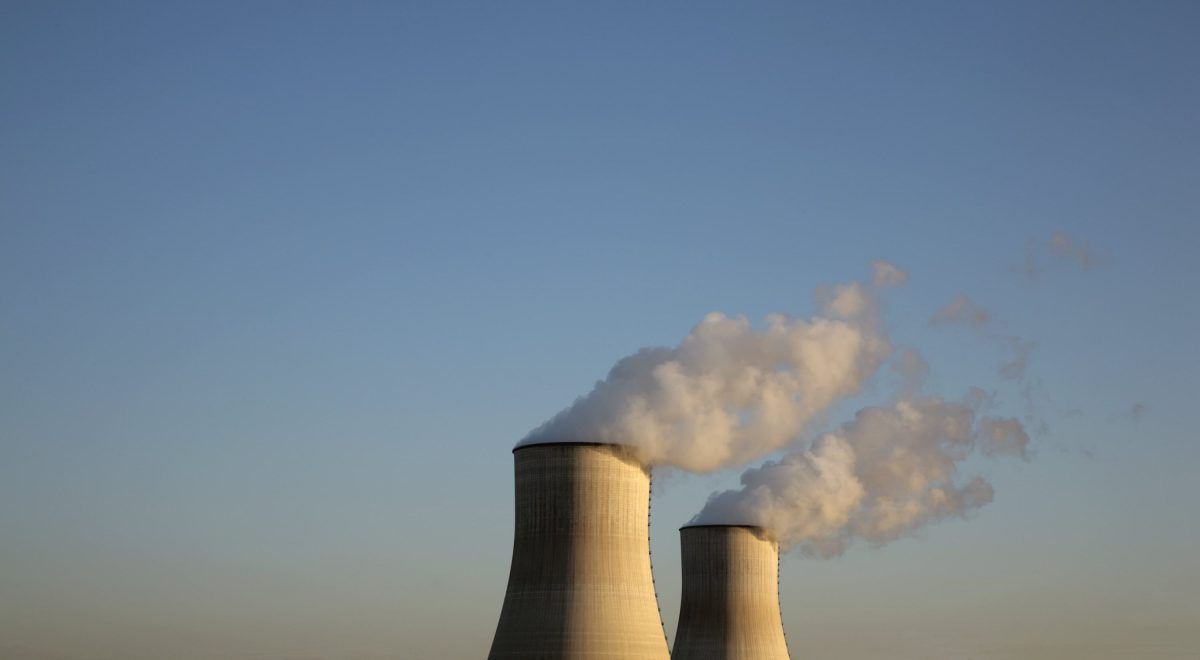 Amazon-backed X-energy targets up to $800M IPO as nuclear startup rides AI-driven power demand, with plans to supply 5GW of energy by 20392026-04
 Happy Monday everyone!🙂
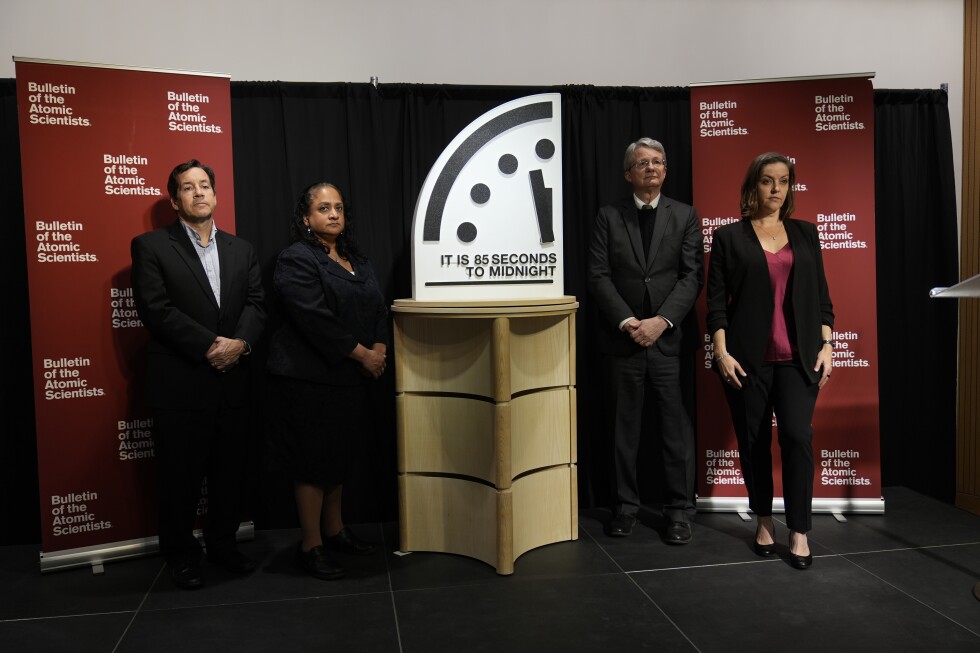
Doomsday Clock moved to 85 seconds to midnight, its closest ever, as scientists warn mounting nuclear, climate, and technological threats are pushing humanity toward unprecedented global danger.2026-03
Happy Monday everyone!🙂
Doomsday Clock moved to 85 seconds to midnight, its closest ever, as scientists warn mounting nuclear, climate, and technological threats are pushing humanity toward unprecedented global danger.2026-03 North Korean IT operatives posing as foreign remote developers at Western companies secretly funnel millions in wages to Kim Jong Un’s regime to help fund its nuclear weapons program.2026-02
 Curve’s Michael Egorov urges DeFi to adopt space- and nuclear-grade security amid surging cyber threats, warning that AI-driven tools are a double-edged sword.2025-02
 A CoinDesk investigation reveals North Korean IT workers have infiltrated over a dozen blockchain firms, posing cybersecurity risks and funding the regime’s nuclear program, violating U.N. sanctions and U.S. laws.2024-10
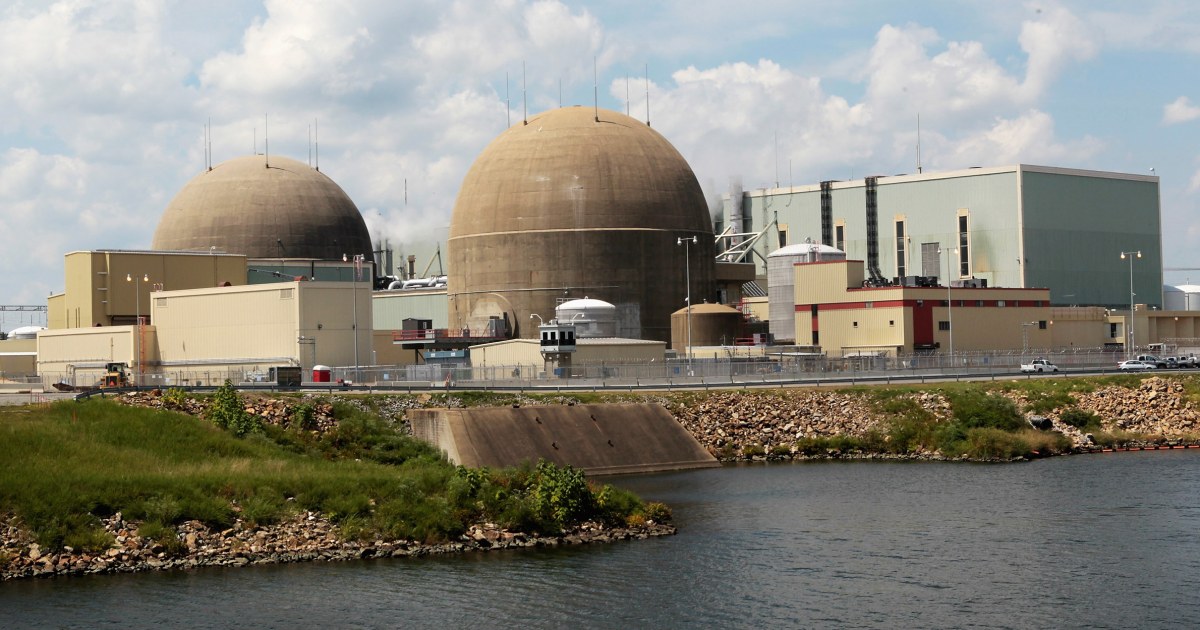 Amazon to invest over $500 Million in small modular nuclear reactors to power growing data center demands and drive net-zero carbon goal.2024-10
Few topics sit at the intersection of energy markets, geopolitics, and digital assets the way atomic power and atomic weapons do. For a crypto audience, "nuclear" matters on two fronts: as the baseload electricity increasingly courted to run data centers and mining rigs, and as a geopolitical variable that moves bitcoin and feeds prediction markets.
Two stories under one word
The word "nuclear" carries two largely separate threads that both touch crypto markets.
The first is nuclear energy — fission reactors that generate carbon-free, around-the-clock electricity. This thread has become central to the artificial intelligence (AI) buildout and, by extension, to bitcoin mining, because both are power-hungry industries chasing reliable supply.
The second is nuclear weapons and proliferation — the geopolitics of states such as Iran, Israel, and North Korea, and the diplomacy or conflict surrounding them. This thread feeds market volatility and the prediction-market venues, like Polymarket, where traders bet on outcomes directly.
Understanding "nuclear" for a crypto reader means keeping both threads in view: one is an infrastructure story about who powers the machines, the other a risk story about what could shock prices.

Amazon-backed X-energy targets up to $800M IPO as nuclear startup rides AI-driven power demand, with plans to supply 5GW of energy by 2039
Why nuclear energy became a crypto and AI story
The connection runs through electricity demand. Training and serving large AI models requires dense, uninterrupted power. The International Energy Agency has projected that AI data-center electricity consumption could roughly triple by 2030, and AI-focused facilities now draw on the order of 80 megawatts each — more than double a conventional data center (TNW, iRecruit). Goldman Sachs has estimated data-center power demand could rise around 160% by 2030 (WWT).
Renewables alone struggle to meet that profile without large battery investments, because solar and wind are intermittent. Nuclear offers baseload — steady output independent of weather. That has pushed large technology buyers toward reactors. AWS and Talen Energy arranged a long-term power purchase agreement (PPA) for roughly 1.92 GW from the Susquehanna plant in Pennsylvania, and Google signed an early corporate PPA with Kairos Power for small-reactor capacity in Tennessee (DCD, TechCrunch). A PPA is a contract to buy electricity at agreed terms over many years, giving developers the revenue certainty needed to build.
The crypto-native link is direct. Bitcoin miners already operate large, flexible electrical loads, and several are repositioning as AI and high-performance-compute hosts. Riot Platforms signed a memorandum of understanding with Terrestrial Energy to study co-locating small modular reactors at its facilities, with the partners describing up to several gigawatts of potential capacity (Energy Tech). For miners, sitting next to a reactor promises cheap, steady power; for reactor developers, miners are an anchor customer that can absorb output before AI tenants fully scale.
Crypto readers click 'nuclear' not as a physics story but as a threat-multiplier frame — state actors laundering nuclear weapons funding through crypto payroll, DeFi architects borrowing nuclear-grade security doctrine, and Middle East escalation cycles that move macro markets crypto trades against.
Small modular reactors and the X-energy launch
Much of the new activity centers on small modular reactors (SMRs) — factory-built fission reactors smaller than traditional gigawatt-scale plants, designed for faster deployment and lower upfront cost. SMRs aim to fill the baseload gap near data centers without the multi-decade timelines of conventional builds.
The clearest market signal came from X-energy's public listing. The Amazon-backed developer raised roughly $1.02 billion in what was reported as the largest nuclear initial public offering (IPO) on record, pricing above its range and rising sharply on its Nasdaq debut (TNW). Underpinning the order book is Amazon's earlier pledge to deploy about 5 GW of X-energy's Xe-100 reactors by 2039, alongside commitments from industrial customers (HeyGoTrade). The IEA has noted that the pipeline of conditional offtake agreements between data-center operators and SMR projects nearly doubled to roughly 45 GW (TNW).
Globally, the picture is still early. China's Linglong One is positioned to be among the first commercial onshore SMRs, and analysts have framed 2026 as a year nuclear power "reclaims relevance" on the back of AI demand and new reactor starts (Carbon Credits). For investors, that has spawned a class of nuclear and uranium equities that often trade with the same AI-infrastructure sentiment driving crypto-adjacent compute stocks — meaning a single narrative shift can move both at once.

Crypto project NUKES.FUN launches treasury to accumulate Nano Nuclear Energy stock via OTC bonds
Policy tailwinds in the United States
Energy policy has reinforced the trend. U.S. lawmakers have pushed bipartisan legislation aimed at expanding nuclear capacity, with Senate subcommittee hearings on the "nuclear energy future" and bills intended to lock in faster licensing and deployment. The administration has also marked anniversaries of executive orders directed at the sector. The throughline is a policy environment that treats reactors as strategic infrastructure for AI competitiveness.
For crypto readers, the relevance is indirect but real: cheaper, faster-permitted baseload power lowers the cost floor for the compute that underpins both AI services and proof-of-work mining, and it strengthens the case for miners to diversify into hosting. Policy that accelerates reactors is, in effect, policy that shapes the long-run economics of large-scale compute.
- 01DPRK crypto-nuclear payroll pipeline
Readers were drawn by the concrete operational detail that North Korean IT workers embedded inside legitimate blockchain firms are directly converting wages into nuclear weapons funding, making every hiring decision a sanctions-compliance risk.
- 02nuclear-grade DeFi security doctrine
Curve's Egorov naming nuclear and space programs as the security benchmark crypto should meet reframed DeFi's vulnerability problem as a civilizational-stakes one, not just a smart-contract bug story.
- 03Iran nuclear strikes market shock
Sequential escalation — Israeli strikes on Fordow, U.S. B-2 involvement, Iranian retaliation on U.S. bases, Hormuz closure threat — gave readers a live geopolitical tail-risk playbook directly linked to oil prices and macro crypto sentiment.
- 04Big Tech nuclear energy deals
Amazon's SMR investment and Meta's Constellation deal signal that nuclear is becoming the de facto energy substrate for AI and data centers, with direct implications for the infrastructure crypto and DeFi compute depends on.
- 05Doomsday Clock systemic risk signal
The 85-seconds-to-midnight record gave readers a single quantified macro-risk headline that collapsed nuclear, climate, and AI threats into one tradeable sentiment indicator.
- 06Polymarket nuclear event prediction markets
Backlash over nuclear detonation betting markets exposed the unresolved ethical boundary between hedging geopolitical tail risk and profiting from catastrophe, a live governance question for on-chain prediction platforms.
Nuclear weapons, geopolitics, and crypto volatility
The second thread is geopolitical. Bitcoin has repeatedly traded as a macro-risk asset, reacting to headlines around conflict and diplomacy in the same window as oil and equities. Coverage tying bitcoin's price action to the rhythm of Iran nuclear talks illustrates the pattern: progress toward de-escalation tends to coincide with risk-on moves, while flashpoints — for example, tensions around the Strait of Hormuz, a critical shipping chokepoint — can inject volatility.
Iran sits at the center of current proliferation diplomacy. President Donald Trump has publicly asserted that Iran "agreed to never have a Nuclear Weapon" and described a framework he contrasts favorably with the Obama-era Joint Comprehensive Plan of Action (JCPOA), the 2015 multilateral agreement that limited Iran's enrichment in exchange for sanctions relief. These are the administration's characterizations of an arrangement that, by the president's own statements, had not been fully finalized or published; independent verification of terms — including any handling of enriched uranium stockpiles — is the standard by which such claims should be judged. Readers should treat political statements about deal contents as claims pending confirmation by the parties and oversight bodies such as the International Atomic Energy Agency.
Other states keep the proliferation risk durable rather than episodic. North Korea retains a tested weapons program and remains a recurring source of escalation headlines, and Israel's posture toward Iran's program is a persistent regional variable. None of these resolve cleanly, which is precisely why markets price them continuously rather than once.

Happy Monday everyone!🙂 Doomsday Clock moved to 85 seconds to midnight, its closest ever, as scientists warn mounting nuclear, climate, and technological threats are pushing humanity toward unprecedented global danger.
So far we are efficient ...every other things is inconsequential
Where prediction markets fit
Prediction markets have become the most legible crypto-native instrument for trading these geopolitical questions. Polymarket — a blockchain-based platform where users buy and sell shares that pay out based on real-world outcomes — has run a large slate of Iran-related contracts, including markets on whether a US-Iran nuclear deal closes by specific dates, whether Iran surrenders its enriched-uranium stockpile, and whether a broader peace deal holds (Polymarket).
These markets matter beyond betting. The prices function as a continuously updated probability estimate that journalists, analysts, and traders cite as a sentiment gauge. When a contract on a deal "before 2027" trades near the high-90s in implied probability, that figure becomes a reference point — though readers should remember prediction-market prices reflect trader consensus and liquidity, not certainty, and can swing hard on single headlines (Polymarket). Thin markets are especially prone to noise, and resolution disputes over ambiguous wording are a known risk on any prediction venue.
- 2025-01milestone
Doomsday Clock set to 85 seconds to midnight — closest ever
- 2025-01regulatory
CoinDesk investigation reveals DPRK workers inside 12+ blockchain firms
- 2025-06milestone
Israel launches Operation Rising Lion, strikes Iran nuclear and missile sites
- 2025-06milestone
U.S. B-2 bombers strike Fordow, Natanz, Esfahan in Operation Epic Fury
- 2025-06milestone
Iran fires missiles at U.S. bases in Qatar and Iraq; parliament votes to close Hormuz
- 2025-06governance
Polymarket removes nuclear detonation prediction market after public backlash
- 2025-06regulatory
UN nuclear watchdog declares Iran non-compliant for first time in nearly 20 years
- 2025-06milestone
Amazon commits $500M+ to small modular reactors for AI data center power
Reading the threat narrative carefully
A recurring feature of nuclear coverage is hyperbolic framing on all sides — declarations of historic deals, dismissals of rivals, and dueling accusations of "fake news." For a crypto reader trying to gauge market impact, the signal is usually narrower than the rhetoric. The questions that actually move prices are concrete and verifiable: Is enrichment frozen or reversed? Are inspectors granted access? Is a shipping chokepoint open or contested? Has a launch or test occurred?
Speculative long-horizon framing — including arguments that humanity must expand beyond Earth to hedge against catastrophic risks like global nuclear war — circulates in tech and crypto circles but should be kept separate from near-term market analysis. Tail-risk philosophy is not a trading thesis, and conflating the two tends to produce noise rather than insight.
Outlook
The energy thread looks structurally durable: AI demand, reinforced by miners pivoting into compute hosting, gives reactors and SMR developers a customer base that did not meaningfully exist a few years ago, and policy is broadly supportive. Expect more PPAs, more co-location deals, and continued correlation between nuclear-adjacent equities and AI-infrastructure sentiment that also touches crypto-mining names. Execution risk remains real — SMRs are still largely pre-commercial, and timelines slip.
The weapons thread will stay episodic and headline-driven. Iran diplomacy, North Korea, and Israel-region tensions will keep generating the kind of binary, date-stamped questions that prediction markets are built to price, and bitcoin will likely keep reacting to escalation and de-escalation alongside other macro assets. The disciplined approach is to track verifiable facts — agreements actually signed, inspections actually granted, stockpiles actually moved — rather than the louder claims that surround them.
Latest nuclear news
Amazon-backed X-energy targets up to $800M IPO as nuclear startup rides AI-driven power demand, with plans to supply 5GW of energy by 2039Crypto project NUKES.FUN launches treasury to accumulate Nano Nuclear Energy stock via OTC bondsHappy Monday everyone!🙂
Doomsday Clock moved to 85 seconds to midnight, its closest ever, as scientists warn mounting nuclear, climate, and technological threats are pushing humanity toward unprecedented global danger.North Korean IT operatives posing as foreign remote developers at Western companies secretly funnel millions in wages to Kim Jong Un’s regime to help fund its nuclear weapons program.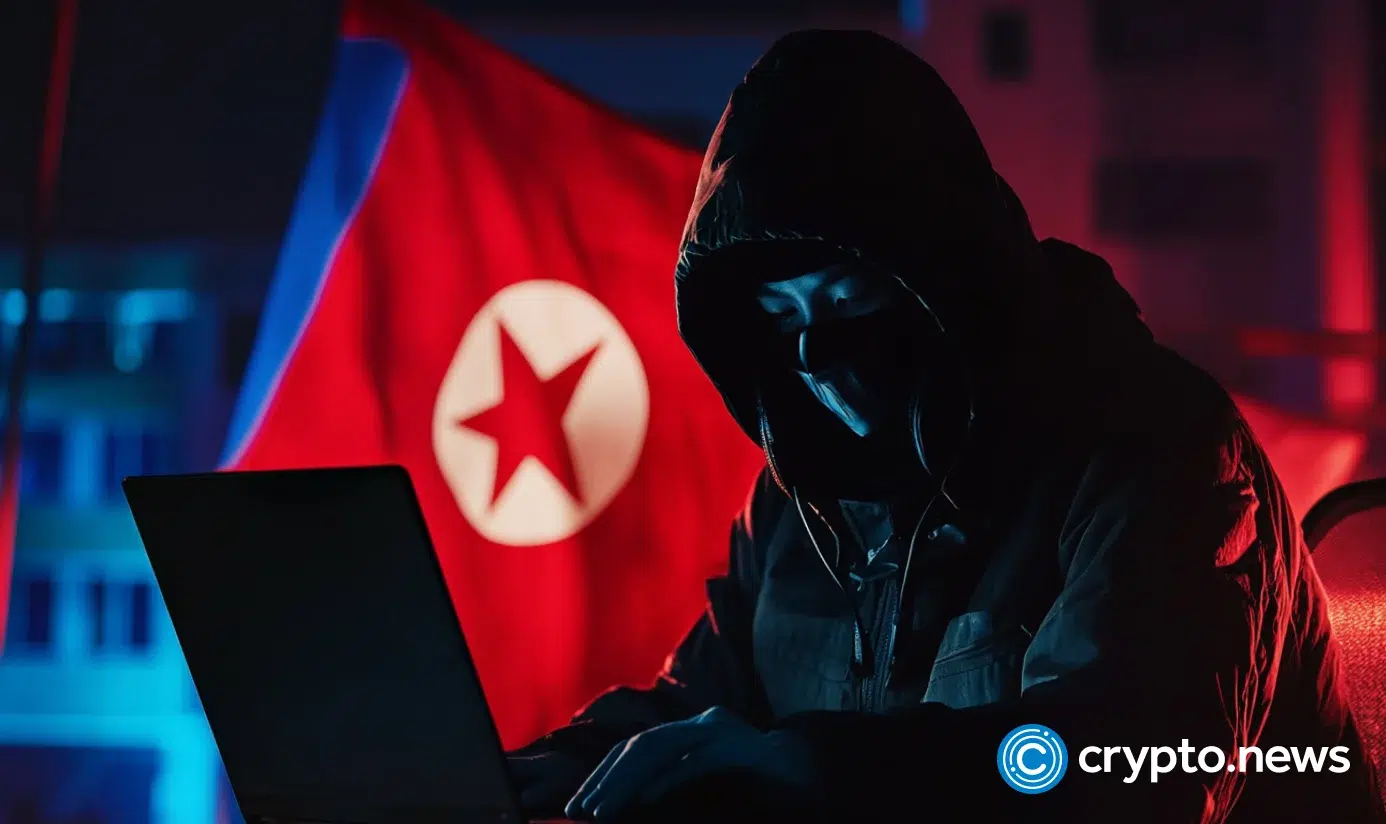 Up to 20% of crypto firms may unknowingly employ North Korean operatives, with nearly 40% of job applications linked to DPRK infiltration. Experts warn these embedded workers fuel billions in crypto theft for nuclear programs.
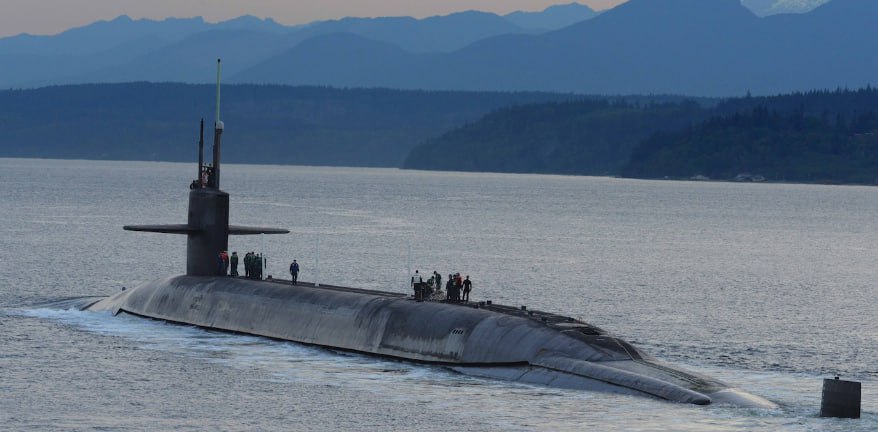 Trump orders two nuclear submarines deployed near Russia, warning former President Medvedev’s provocative remarks could have serious consequences.
Community notes
Spot something off or out of date? Drop a note. Editors review topic notes daily and roll accepted fixes into the explainer — contributors are recognized in the monthly $SQUID drop.
Loading notes…
Help improve this topic
Have a story or tip about this topic? Submit it. See something missing? Leave a note. Editors review daily; accepted submissions and fixes count toward the monthly $SQUID drop.