
In‑depth explainer on Israel’s role in crypto, covering regulation, taxation, Web3 innovation, the BILS shekel stablecoin, Iran tensions, Nobitex sanctions, Trump‑era diplomacy and how war‑driven macro shifts impact Bitcoin and digital asset markets.
+27 sources across the wider coverage universe
 Israel approves BILS, its first regulated digital shekel stablecoin built on Solana with Fireblocks custody and EY oversight2026-04
 Iran–Israel war escalates as Iran’s new supreme leader vows to keep the Strait of Hormuz closed, six tankers are attacked, and oil prices surge above 100 dollars a barrel2026-03
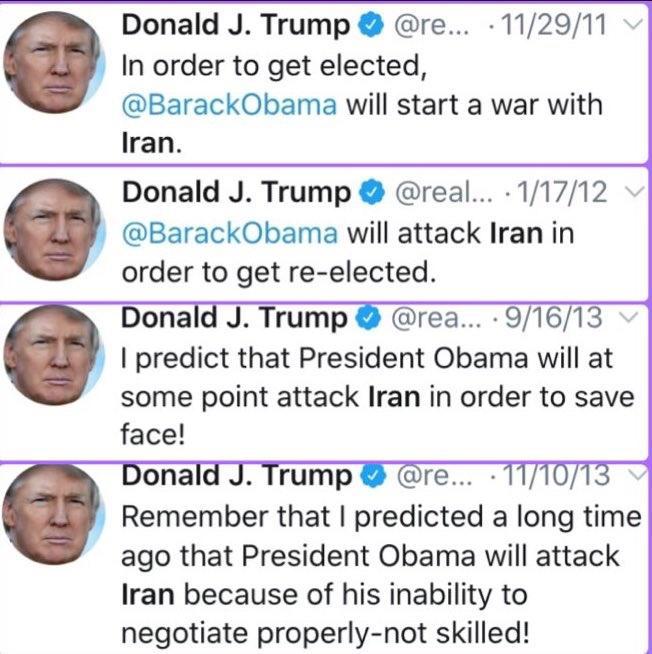 Trump greenlights Iran strikes alongside Israel, a decade after tweeting Obama would 'attack Iran to get re-elected'2026-02
 Iran has launched drone attacks at Israel, IDF military says2024-04
- Inaccurate estimations of Cryptocurrency's role in terrorism financing following Hamas attacks on Israel: Let's correct the record2023-10
- Israel launches strike in Iran triggering fears of an expanding war in the Middle East.2024-04
Israel, Crypto, and the Geopolitics of Digital Assets
The State of Israel is a technologically advanced Middle Eastern country whose outsized impact on cryptocurrencies, blockchain regulation and cyber-security is shaped by its start‑up economy, strategic alliance with the United States, and long‑running confrontation with Iran. For crypto investors, builders and policymakers, Israel sits at the crossroads of innovation, regulation and war‑driven macro risk that increasingly spills over into Bitcoin and digital asset markets.
Israel in the global crypto conversation
Israel’s role in the crypto ecosystem cannot be understood in isolation from its broader economic and security profile. A small country by population, it has built a reputation as a “Start‑Up Nation” with dense clusters of cybersecurity, fintech and deep‑tech firms, along with university and military programs that train highly technical talent. This technology base has naturally extended into blockchain infrastructure, analytics and custody, positioning Israeli firms as suppliers of critical tools used by exchanges, banks and institutional investors worldwide. At the same time, Israel’s proximity to conflict zones and its history of security threats create an environment in which anti‑money‑laundering and counter‑terrorist‑financing considerations loom especially large, directly influencing the way regulators and policymakers view cryptocurrencies.
From an investor’s perspective, Israel occupies a dual identity: it is both a producer of crypto infrastructure and a jurisdiction whose own regulatory and tax framework materially affects capital flows. The Israel Tax Authority (ITA) has taken a relatively early, clear stance that cryptocurrencies are not “money” but “assets,” a classification that drives tax treatment and shapes how domestic traders and companies approach Bitcoin and other digital tokens. At the same time, the Israeli Securities Authority (ISA) and other agencies have been grappling with how to fit tokenized instruments into existing securities and financial services law, working toward a comprehensive framework that remains a work in progress. This combination of legal experimentation and technological sophistication makes Israel an important reference point for regulators elsewhere attempting to balance innovation with risk management.
Geopolitics further amplifies Israel’s importance for crypto markets. The ongoing war dynamics between Israel, Iran and, at various points, Lebanon and Hezbollah have repeatedly driven volatility in global risk assets, including Bitcoin. When fears of supply disruptions in the Strait of Hormuz or broader regional escalation rise, oil prices and equities move sharply; crypto often trades alongside or in reaction to these swings, as recent episodes have shown when Bitcoin rallied above \(70{,}000\) USD as worries about an Iran war eased and traders anticipated de‑escalation. Conversely, intensified hostilities or surprise strikes have coincided with risk‑off behavior across markets, underscoring how closely digital asset prices are now tied to macro and security headlines.
The regional environment around Israel also matters. Across the Middle East and North Africa (MENA), crypto adoption has surged as households and businesses seek hedges against inflation, currency controls and political instability. Reports point to rapidly rising trading volumes in countries including Israel, Iran and Türkiye, driven by a mix of retail speculation, remittances and capital protection motives. In parallel, Iran has sought to leverage crypto for sanctions evasion and cross‑border payments, with domestic exchanges such as Nobitex playing a central role before coming under both cyberattack and international sanctions. Israel, as both a crypto innovation hub and an adversary of the Iranian regime, sits at the center of this regional interplay between digital assets, sanctions and security.
For a crypto‑focused audience, Israel therefore represents far more than a single jurisdictional datapoint. It is a live case study in how regulatory choices, tax policy, cyber operations and high‑stakes diplomacy interact with Bitcoin, stablecoins and digital asset markets. Understanding Israel’s approach to cryptocurrencies provides a lens into future trajectories for the broader MENA region, for US‑aligned regulatory models, and for how war and peace can move on‑chain liquidity as readily as they move traditional assets.

Israel approves BILS, its first regulated digital shekel stablecoin built on Solana with Fireblocks custody and EY oversight
Regulatory foundations: how Israel treats digital assets
Legal characterisation of crypto assets
Israel has not granted cryptocurrencies the status of legal tender, nor does it treat them as “money” on equal footing with the New Israeli Shekel (NIS) or foreign fiat currencies. In a pivotal 2018 circular, the Israel Tax Authority declared that virtual currencies are to be treated as “assets,” a category that places them closer to property or securities for legal and tax purposes than to cash. This classification has several important implications. It means that gains from the sale or exchange of digital assets, including trades of one token for another, are generally subject to capital gains tax rather than being treated as currency exchange gains. It also situates cryptocurrencies within the definition of “financial assets” under the Supervision of Financial Services (Regulated Financial Services) Law, 2016, bringing them under the scope of financial services regulation.
The Financial Services Law provides a list of instruments that can qualify as “financial assets,” and virtual currencies are explicitly included among them. By doing so, Israel signaled early that crypto would not be left in a legal vacuum; instead, service providers dealing in these assets would likely require licensing and be subject to anti‑money‑laundering and consumer protection rules similar to those governing other financial intermediaries. This approach reflects the authorities’ view that, while cryptocurrencies may not yet function as widespread means of payment, they do pose risks analogous to traditional financial products when it comes to fraud, market integrity and illicit finance.
In parallel, the Israel Securities Authority has taken steps to clarify when tokens fall under securities law. The ISA has outlined categories such as currency tokens meant primarily as means of payment, utility tokens conferring rights to access a product or service, and other tokens that may share characteristics with securities. Tokens that promise profits based on the efforts of others or are sold for investment purposes can be classified as securities, triggering prospectus requirements and ongoing disclosure obligations akin to those for shares or bonds. This functional classification is broadly aligned with international practice, even as the practical line‑drawing between utility and security tokens remains challenging.
It is important to emphasize that Israel’s legal framework is still evolving rather than fully codified. Authorities have acknowledged the need for a comprehensive regulatory structure addressing cryptocurrencies and tokenized securities, but as of the mid‑2020s this remains under development. In the meantime, regulators apply existing laws creatively, issuing guidance and enforcement actions that gradually fill in the contours of what is permissible. For entrepreneurs and investors, this creates both uncertainties and opportunities, as regulatory decisions in Israel often foreshadow approaches in other advanced financial centers watching the same issues.
Taxation, capital gains and voluntary disclosure
Taxation is one of the most concrete areas where Israel has given digital assets a defined treatment. Building on the classification of crypto as “assets,” the ITA’s 2018 circular explains that the sale of a digital asset for profit, including the exchange of one cryptocurrency for another, is generally subject to capital gains tax at a rate of 25 percent for individuals. This rate applies when the activity is not considered a business; if trading rises to the level of a business, income tax rules and potentially different rates can apply, as with other forms of professional trading or financial intermediation. Corporations holding digital assets are taxed under corporate tax rules, treating crypto as part of their asset base.
Because cryptocurrencies are not regarded as “currency” for Israeli tax purposes, they do not benefit from exemptions or treatments available to foreign exchange transactions, nor do they incur specific currency transaction taxes. Instead, each disposal event—such as selling Bitcoin for shekels or swapping Ether for a stablecoin—is a taxable event that can crystallize gains or losses. This creates practical challenges for active traders, who must maintain detailed records and may face complex reporting obligations, but it also offers clarity compared to jurisdictions where tax status remains ambiguous.
Recognizing that many taxpayers had accumulated significant crypto holdings without fully reporting gains in prior years, the Israel Tax Authority introduced a voluntary disclosure procedure targeting digital asset owners. A policy announced in August 2025 allowed individuals to correct past under‑reporting of crypto income and capital gains in exchange for immunity from criminal charges, subject to conditions. According to local reports summarized in English‑language crypto media, the ITA initially hoped this process would surface up to 1 billion USD equivalent in previously undisclosed crypto profits. However, by mid‑2026 the program had fallen far short of expectations, with only about 50 million USD equivalent in crypto capital reported and a mere 58 filers taking advantage of the procedure.
The voluntary disclosure rules include thresholds and deadlines that are particularly relevant for crypto holders. They provide immunity if the value of a filer’s crypto holdings did not exceed approximately 522,000 USD as of December 2024, provided the taxpayer files accurate revised returns and pays all taxes due before a deadline of August 31, 2026. Earlier pilot versions of Israel’s broader voluntary disclosure program had already underperformed relative to tax authority assumptions, suggesting a persistent gap between the scale of undeclared assets authorities suspect and the willingness of taxpayers to come forward. In the crypto context, this may reflect both the technical complexity of reconstructing historical gains and a belief among some holders that pseudonymous on‑chain positions are difficult for tax authorities to detect.
For market participants, these developments carry several messages. First, Israel is serious about taxing crypto as a mainstream asset class, and it is willing to combine carrots (amnesty programs) with sticks (the threat of criminal proceedings once amnesties expire). Second, the slow uptake of voluntary disclosure may motivate stricter enforcement, including greater use of blockchain analytics and information‑sharing agreements with foreign exchanges. Third, sophisticated investors and companies are likely to view Israel’s clarity on capital gains as an advantage compared with jurisdictions where future tax treatment remains uncertain, even if the effective tax burden is not especially low.
Licensing, AML obligations and market oversight
Beyond tax, Israel’s regulatory system for crypto touches a wide range of financial laws and agencies. The Supervision of Financial Services Law establishes licensing requirements for entities providing “financial asset” services, which now explicitly include virtual currencies. This means that exchanges, brokerages, wallet custodians and other virtual asset service providers (VASPs) operating in or targeting Israeli residents may need licences and must comply with detailed obligations on customer due diligence, record‑keeping and reporting of suspicious transactions. The law aims to ensure that crypto intermediaries meet standards comparable to those imposed on traditional financial institutions.
The Israel Securities Authority plays a central role in overseeing tokenized securities and certain token offerings. Where a token is deemed a security, its issuance may require a prospectus approved by the ISA, and secondary trading may be restricted to regulated venues or qualified investors. The ISA has also been one of the more proactive regulators in engaging with industry to develop guidelines and sandboxes for innovative financial technologies, including distributed ledger‑based platforms for trading and settlement. This engagement reflects a recognition that blockchain could make capital markets more efficient, even as it introduces novel risks.
Other authorities, such as the Bank of Israel and the Capital Market, Insurance and Savings Authority, also intersect with crypto regulation. The central bank has focused partly on the potential for a central bank digital currency (CBDC), often referred to as the “Digital Shekel,” while the Capital Market Authority supervises certain financial entities that may integrate crypto services. Collectively, these bodies form a patchwork of oversight rather than a single unified crypto regulator, which can lead to overlapping jurisdictions but also ensures that different risk dimensions—securities law, payment systems, AML, prudential supervision—are each addressed by specialized agencies.
Anti‑money‑laundering and counter‑terrorist‑financing remain especially salient. Israel’s experience with terrorism and its concerns about Hezbollah, Hamas and Iranian‑aligned groups motivate a conservative stance on any channel that could facilitate covert funding. This has led to tight scrutiny of crypto businesses, pressure on banks to vet relationships with exchanges and OTC desks, and close cooperation with international partners on sanctions implementation. For example, when the US Treasury’s Office of Foreign Assets Control sanctioned four major Iranian crypto exchanges—Nobitex, Wallex, Bitpin and Ramzinex—for facilitating sanctions evasion and terrorist financing, global VASPs were instructed to block accounts linked to these platforms and their executives. Israel’s regulators and intelligence agencies, aligned with US objectives, have a strong interest in ensuring that its own financial system does not become a conduit for such flows.
From the vantage point of crypto entrepreneurs, Israel’s licensing and AML requirements can appear demanding, but they also provide a relatively clear path to legitimacy. Companies willing to meet high compliance standards may find that Israeli regulatory approval enhances their credibility with international partners, particularly in a world where de‑risking by banks and institutional investors is widespread. In this sense, Israel is an example of a jurisdiction that seeks to leverage strong supervision as a competitive advantage rather than as a deterrent to innovation.
Leviathan readers treat the Israel-Iran conflict as a live crypto stress test — clicking hardest on the moments when geopolitical violence directly moved markets, froze funds, or exposed illicit-finance narratives, revealing that war is the lens through which they read crypto regulation, Tether censorship, and hacker extradition alike.
Technology, startups and Web3 innovation
From “Start‑Up Nation” to Web3 hub
Israel’s emergence as a hub for blockchain and Web3 innovation is deeply rooted in its broader technology ecosystem. A combination of military‑trained cyber specialists, top‑tier universities and a supportive start‑up culture has made the country one of the world’s densest concentrations of tech talent. Units within the Israel Defense Forces, such as those responsible for signals intelligence and cyber operations, have produced generations of engineers who later found companies in cybersecurity, analytics and fintech, including firms that now serve the global crypto industry. This pipeline, combined with access to venture capital and a culture of experimentation, has enabled Israeli teams to build tools that underpin the infrastructure of digital assets, from wallet security to blockchain analytics.
International observers have highlighted Israel’s attractiveness for Web3 entrepreneurship, noting factors such as its relatively small domestic market that encourages outward‑looking business models, its diaspora networks in Silicon Valley and Europe, and its history of exporting software rather than hardware. Blockchain projects founded or staffed by Israelis often target global problems—such as institutional custody, compliance technology or decentralized finance protocols—rather than focusing solely on local adoption. This outward orientation has helped Israeli firms secure partnerships with global banks, exchanges and asset managers seeking robust infrastructure for digital assets. It also means that Israel’s influence in crypto often extends beyond what its domestic trading volumes might imply.
The interplay between cyber expertise and crypto has been especially pronounced. Firms in Israel have built some of the most widely used institutional custody platforms and key management systems, addressing concerns about theft, loss and operational risk that have long deterred traditional financial institutions from holding digital assets. The same skill sets that make Israeli companies adept at defending networks and launching sophisticated cyber operations also make them natural builders of hardened cryptographic systems, secure multiparty computation and fraud‑detection tools. As a result, even institutions that are cautious about Israel’s geopolitical risks often rely on Israeli technology behind the scenes.
At the same time, this nexus of cyber and crypto has a darker mirror in regional conflicts. Israeli‑linked hacker groups have been implicated in offensive cyber operations targeting Iranian infrastructure, including the crypto ecosystem. One high‑profile example was the hack of Nobitex, Iran’s largest cryptocurrency exchange, by a group known as Predatory Sparrow, which has been linked to Israel. The attack, estimated at roughly 90 million USD in losses, exposed details about the infrastructure underlying Iran’s crypto economy and highlighted the vulnerability of exchanges operating under sanctions pressure. For Israeli policymakers and technologists alike, this episode underscored both the strategic importance of crypto platforms and their susceptibility to cyber warfare.
Institutional adoption and corporate Bitcoin treasuries
Beyond start‑ups, Israeli public companies have begun to incorporate Bitcoin and other digital assets into their balance sheets and business strategies. An illustrative case is ZOOZ Strategy, an Israeli firm listed on both the Tel Aviv Stock Exchange (TASE) and Nasdaq, which has committed over 100 million USD to Bitcoin holdings. By allocating a substantial portion of corporate treasury to BTC, ZOOZ aligns itself with a broader trend of companies treating Bitcoin as a long‑term store of value or “digital gold,” potentially hedging against fiat currency debasement or macro uncertainty. This move also signals to investors that the firm is willing to embrace digital assets as part of its financial and strategic planning.
For Israeli capital markets, such decisions are significant. They create precedents for how regulators, auditors and investors treat Bitcoin exposure on public company balance sheets. In ZOOZ’s case, the company’s dual listing on TASE and Nasdaq implies coordination with both Israeli and US securities rules, as well as the need for clear accounting treatment and disclosure. The fact that an Israeli firm with international capital‑market exposure has made such a large Bitcoin allocation suggests that the local regulatory environment is sufficiently accommodating to allow institutional‑scale crypto positions within a traditional corporate framework.
More broadly, institutional adoption in Israel spans several dimensions. Banks and financial institutions have begun exploring custody services and structured products tied to crypto, while pension funds and asset managers weigh the risk‑return profile of allocating to Bitcoin or blockchain‑related equities. While regulatory constraints and risk committees often temper the pace of these moves, the existence of domestic technology providers and a relatively sophisticated investor base offer fertile ground for further institutionalization. Israel’s traditions in venture capital and private equity also mean that limited partners are familiar with high‑volatility asset classes and may be more open to digital assets than counterparts in jurisdictions with more conservative investment cultures.
Nevertheless, institutional engagement remains shaped by the regulatory and tax environment. The capital gains treatment of crypto, combined with evolving guidance on how to value and report digital assets, requires careful navigation by CFOs and compliance teams. For firms considering Bitcoin treasuries or staking strategies, questions arise about whether such activities might reclassify them as financial entities under the Financial Services Law, prompting additional licensing obligations. In this sense, Israel is wrestling with the same dilemmas as many advanced economies: how to allow mainstream institutions to touch crypto without opening loopholes for speculative excess or regulatory arbitrage.
Stablecoins, the digital shekel and the BILS launch
One of the most significant recent developments in Israel’s digital asset landscape is the emergence of regulated stablecoins and ongoing exploration of a central bank digital currency. The Bank of Israel has been studying the feasibility of a “Digital Shekel,” a CBDC that would represent a direct liability of the central bank and potentially be used for retail payments. While no digital shekel has yet been launched nationwide, pilots and research programs signal serious interest in the technology’s potential to modernize payment systems, enhance financial inclusion and increase competition. At the same time, policymakers are acutely aware of the monetary policy and privacy implications of introducing a CBDC in a small open economy.
Parallel to official CBDC work, the private sector has moved forward with regulated shekel‑pegged stablecoins. Israel recently approved its first regulated stablecoin, known as BILS, which is pegged to the shekel and built on the Solana blockchain. BILS is notable not only for its regulatory status but also for its institutional‑grade infrastructure: it uses custody solutions from Fireblocks, a leading digital asset security platform, and incorporates auditing by EY to verify reserves and controls. This combination of on‑chain speed and off‑chain assurance is designed to make BILS attractive to both retail users and enterprises seeking a compliant way to hold and transfer NIS‑denominated value on public blockchains.
The launch of BILS illustrates several broader themes in Israel’s approach to digital money. First, it shows that regulators are willing to license private stablecoins that meet rigorous standards for reserve backing, custody and auditing, rather than insisting that all innovation wait for a central bank digital currency. Second, by choosing a high‑throughput chain such as Solana, the project emphasizes practical usability for payments and DeFi integration, reflecting a view that shekel‑stable liquidity should be able to interact with global crypto markets. Third, the involvement of established firms like Fireblocks and EY underlines the central role of Israeli and global professional‑services infrastructure in making stablecoins acceptable to larger institutions.
At a strategic level, BILS may function as a bridge between the Digital Shekel concept and existing crypto rails. While a CBDC would be issued directly by the central bank, a regulated stablecoin can circulate across exchanges, wallets and DeFi protocols that already support Solana, giving Israelis and foreign counterparties a way to transact in shekel‑denominated units today. In time, regulatory frameworks may clarify how such stablecoins coexist or compete with any eventual CBDC, including whether private issuers can access central bank reserves or settlement systems. For now, BILS stands as a concrete example of how Israel’s fintech ecosystem is translating regulatory and technical expertise into new forms of digital money.
The intersection of stablecoins and geopolitics is also worth noting. A robust, regulated shekel stablecoin could facilitate cross‑border payments and trade settlement between Israel and partners who prefer not to hold exposure to volatile currencies or to rely solely on US dollar stablecoins. At the same time, authorities will be vigilant about ensuring that such instruments do not become vectors for sanctions evasion by regional adversaries. The balance between openness and control in the design and supervision of stablecoins like BILS will therefore be a key test of Israel’s regulatory philosophy in the coming years.
- 01Iran-Israel war market impact↗
Readers wanted to know whether Bitcoin and crypto markets would crack or hold as drone strikes, nuclear-site attacks, and Strait of Hormuz closures escalated in real time.
- 02Nobitex hack pro-Israel group↗
A state-linked hacktivist group turning Iran's largest crypto exchange into a geopolitical weapon — and leaking its source code — was a novel, documented form of financial warfare readers hadn't seen before.
- 03Hamas crypto terrorism narrative
After the October 2023 Hamas attacks, mainstream media overclaimed crypto's role in terrorism financing, and readers clicked to get the factual correction.
- 04Gurevich arrest crypto fugitive
A $190M DeFi hacker caught fleeing under a false identity in Israel gave readers the accountability moment — a named suspect, a country, an arrest — that exploit stories rarely deliver.
- 05Tether sanctions freeze addresses↗
Tether unilaterally freezing 32 addresses tied to Israel and Ukraine conflict actors showed readers that stablecoin censorship is a live geopolitical tool, not a hypothetical.
- 06Israel crypto regulation CBDC↗
Readers engaged with Israel's regulatory milestones — the BILS digital shekel stablecoin, CBDC pilot with BIS and Hong Kong, and capital gains tax exemptions — as a counterweight to the conflict narrative.
War, Iran and the geopolitics of Israel’s crypto footprint
The Iran–Israel conflict and energy chokepoints
The long‑running confrontation between Israel and Iran, which has periodically erupted into open conflict involving missiles, proxy forces and cyber operations, is a central backdrop to Israel’s crypto narrative. Iran sees Israel as a regional rival aligned with the United States and Sunni Arab states, while Israel views Iran’s nuclear and missile programs, along with its support for groups like Hezbollah, as existential threats. This rivalry has spilled into arenas such as Syria, Lebanon, the Persian Gulf and cyberspace, and in recent years has also impacted crypto infrastructure, as seen in the Nobitex hack and subsequent sanctions.
One critical pressure point in this conflict is the Strait of Hormuz, a narrow waterway through which a significant proportion of global oil shipments pass. At moments of heightened tension, Iran has threatened to close the strait or has taken actions that disrupt shipping, prompting global concern about energy supplies. In one episode, Iran announced it had closed the Strait of Hormuz in response to Israeli attacks in Lebanon, warning that such actions were tied to ongoing negotiations with the United States over a broader deal. These actions have drawn strong reactions from Washington, including threats by then‑President Donald Trump to impose tolls on ships using the strait if a final Iran deal was not reached within a set period. Every such escalation carries implications for global markets, including crypto, which increasingly trades as a macro‑sensitive asset.
Diplomatic efforts to contain the Iran–Israel conflict have often involved high‑stakes brinkmanship. In recent negotiations, US President Donald Trump publicly urged both Israel and Iran to stop “shooting” and signaled that both sides were seeking an immediate ceasefire. Reports indicated that Trump had canceled planned US strikes on Iran after negotiations were elevated to and approved by Iran’s top leadership, suggesting that a deal was near and that all parties were looking for a way to climb down from the brink. However, Israeli military actions, such as attacks on Beirut’s southern suburbs targeting Hezbollah, have periodically threatened to derail these diplomatic tracks, prompting Trump to criticize such strikes as ill‑timed given the proximity of a potential peace agreement.
For crypto markets, these geopolitical dynamics are not abstract. They shape risk sentiment, influence capital flows and can drive both demand for hedging assets and regulatory crackdowns. Israel’s position as a US ally means that its actions are closely linked to American sanctions policy toward Iran, including measures targeting Iranian crypto exchanges and miners. At the same time, Iran’s efforts to use Bitcoin and other cryptocurrencies to bypass dollar‑centric financial infrastructure have made its crypto ecosystem a focus of international enforcement. As the confrontation ebbs and flows, traders increasingly price in the probability of disruption versus de‑escalation, and digital assets respond alongside oil, equities and currencies.
Market reactions: Bitcoin, equities and risk sentiment
Recent episodes in the Iran–Israel conflict have provided clear examples of how Bitcoin and broader markets react to war risk and peace prospects. In one notable instance, Bitcoin climbed back above 70,000 USD, reaching as high as 71,785 USD, as concerns about the Iran war’s impact on future oil supply eased. This rally occurred alongside fluctuating equity markets and a decline in oil prices, as policymakers signaled that interventions could cushion energy markets from the worst effects of the conflict. Traders interpreted these developments as a shift toward risk‑on sentiment, allocating capital to both traditional equities and crypto after a period of heightened anxiety.
Similarly, US stock futures jumped sharply when Iran’s president signaled readiness to end the war with the United States, just hours after reports that President Trump wanted to wind down America’s military campaign. This double signal—from both Tehran and Washington—was taken as evidence that a path out of the conflict was emerging, prompting investors to buy risky assets in anticipation of reduced geopolitical risk. Bitcoin and other cryptocurrencies, which had remained subdued during earlier phases of the conflict despite rising adoption in the MENA region, began to participate more in these broader rallies as traders reassessed their risk exposures.
However, crypto’s reaction to war news has not always been straightforward. At times, Bitcoin has decoupled from equities, failing to rally even as stocks hit records on the back of truce announcements or ceasefire extensions. Analysts have suggested that this divergence may reflect idiosyncratic factors within the crypto market, such as regulatory uncertainty, position unwinds or specific events like stablecoin de‑pegs, which can overshadow macro tailwinds. The key takeaway is that, while geopolitics is an important driver, it interacts with internal crypto market dynamics in complex ways rather than dictating price action in a linear fashion.
For Israel, these market patterns underscore the feedback loops between its security environment and its role in digital finance. When Israeli or Iranian actions raise the risk of a broader regional war—especially one that could disrupt energy supply chains—the resulting volatility affects Israeli firms that hold or build crypto assets, as well as global investors exposed to those firms. Conversely, moves toward ceasefire or peace, whether mediated by Trump or other actors, can create windows of optimism in which capital flows back into both Israeli tech equities and Bitcoin. Over time, this may contribute to a more explicit recognition among policymakers that digital asset markets are part of the broader financial stability and security landscape.
Cyber operations, Nobitex and sanctions enforcement
The intersection of Israel, Iran and crypto is perhaps most vividly illustrated in the saga of Nobitex and related Iranian exchanges. Nobitex, Iran’s largest crypto exchange, has been at the center of several major developments. First, it was targeted in a roughly 90 million USD hack attributed to the group Predatory Sparrow, which is linked to Israel. The attack not only caused significant financial losses but also exposed detailed information about the infrastructure underpinning Iran’s crypto economy, revealing how deeply integrated exchanges like Nobitex were in facilitating domestic and cross‑border transactions. Analysts noted that the hack laid bare vulnerabilities in Iran’s crypto services, which operate under the strain of sanctions and limited access to mainstream cybersecurity tools.
Subsequently, the US Treasury’s Office of Foreign Assets Control imposed sanctions on Nobitex and three other major Iranian exchanges—Bitpin, Ramzinex and Wallex—accusing them of facilitating widespread sanctions evasion, terrorist financing and support for the Iranian regime. Nobitex and its leadership were designated under counter‑terrorism authorities for their role in enabling illicit financial flows, and international virtual asset service providers were instructed to block any accounts or transactions linked to the sanctioned exchanges or their executives. This move effectively sought to isolate Iran’s crypto ecosystem from the global digital asset economy, mirroring the country’s exclusion from much of the traditional financial system.
TRM Labs, a blockchain analytics firm, has documented how Iran’s crypto market reacted to these pressures and to broader conflict dynamics. Following US‑Israeli strikes and the escalation of hostilities, Iran’s domestic crypto ecosystem slowed sharply and shifted into a defensive posture, characterized by liquidity stress, reduced activity and heightened risk management. However, TRM’s analysis suggested that the system did not experience a systemic collapse; exchanges remained operational, and users continued to transact despite considerable constraints. The picture that emerges is one of a crypto ecosystem under siege but still functioning, in part because for many Iranians digital assets offer one of the few viable channels for external financial interaction.
Israel’s role in this context operates on multiple levels. As an adversary of Iran, it has strategic incentives to disrupt channels that the Iranian state uses for sanctions evasion and funding of proxies, including crypto exchanges like Nobitex. As a close US ally, Israel also coordinates on sanctions enforcement and intelligence sharing, contributing to efforts to map and block illicit crypto flows emanating from Iran. At the same time, Israel’s own crypto ecosystem must be carefully policed to ensure that it does not become a backdoor for Iranian actors to launder funds through Israeli‑built infrastructure or exchanges. This requires intensive due diligence by Israeli VASPs, close collaboration with analytics firms and willingness to off‑board suspicious counterparties even at the cost of lost business.
For the broader crypto industry, the Nobitex story serves as a case study in how digital assets can both empower and constrain sanctioned regimes. While cryptocurrencies offer tools for censorship‑resistant transactions, they are also unusually transparent, allowing for sophisticated forensic analysis and targeted enforcement. Israel’s combination of cyber expertise and security imperatives makes it a key player in this evolving cat‑and‑mouse game, with lessons that extend well beyond the Middle East.
Israel’s largest regulated crypto broker Bits of Gold probes potential data leak reportedly affecting ~200,000 customers, raising fresh concerns over crypto user privacy
The regional context: MENA crypto adoption and cross‑border flows
Israel and Iran as dual poles of regional crypto activity
Across the Middle East and North Africa, crypto adoption has surged in recent years, driven by a mixture of economic and political factors. High inflation, volatile local currencies, capital controls and limited access to international banking have made digital assets attractive for both speculative and transactional use. In this broader MENA landscape, Israel and Iran stand out as dual poles of crypto activity, albeit for very different reasons. Israel represents a high‑tech, globally integrated hub that builds infrastructure and attracts venture capital, while Iran represents a sanctioned, financially isolated state that turns to crypto as a workaround for restrictions.
Reports focusing on the region highlight that crypto adoption has “skyrocketed” in MENA, with particularly high volumes observed in countries including Israel, Iran and Türkiye. In Iran, domestic exchanges and informal brokers enable residents to acquire and trade digital assets despite limited access to international platforms, and the state has intermittently encouraged crypto mining as a way to monetize electricity surplus. In Israel, by contrast, users often access global exchanges and DeFi protocols directly, leveraging strong internet infrastructure and a highly banked population, while start‑ups provide tools that serve institutions worldwide. The result is a region where crypto flows frequently cross borders, even as regulatory regimes diverge sharply.
These cross‑border flows are shaped by both legitimate and illicit activity. On the legitimate side, remittances, freelance payments, e‑commerce and investment all generate demand for crypto rails that bypass cumbersome traditional channels. For example, entrepreneurs in Lebanon or the Palestinian territories may find it easier to receive payment in stablecoins from clients abroad, converting to local currencies through OTC markets, than to rely on fragile banking systems. On the illicit side, actors connected to sanctioned regimes or designated organizations may use crypto to move funds, prompting intense scrutiny from Israel and its allies. The same transparent blockchains that facilitate everyday transactions thus become battlegrounds where compliance teams and intelligence agencies track flows linked to entities like Nobitex or addresses associated with Hezbollah.
Israel’s place in this regional matrix is particularly sensitive. Its banks and regulated VASPs are expected to enforce high standards of sanctions compliance, including screening counterparties for links to Iranian exchanges or other sanctioned entities. At the same time, Israeli regulators must balance the desire to foster domestic innovation with the need to avoid de‑risking so aggressively that activity simply migrates to less regulated jurisdictions. The presence of neighboring markets with heavy crypto use, such as Türkiye and the Gulf states, means that Israeli policy choices can influence whether cross‑border capital flows traverse compliant routes or circumvent them via grey channels.
Lebanon, Hezbollah and fragile ceasefires
Lebanon occupies a special position in Israel’s security environment and, by extension, in the geopolitics surrounding crypto flows. Hezbollah, a powerful Shiite militia and political movement backed by Iran, operates from Lebanese territory and has fought multiple conflicts with Israel. Periodic exchanges of rocket fire and airstrikes have occurred, particularly in southern Lebanon and the southern suburbs of Beirut. In one high‑profile incident, Israel conducted strikes on Beirut’s southern suburbs, claiming to target Hezbollah assets at a moment when US‑Iran ceasefire negotiations were reaching a critical juncture. The timing raised concerns that Israeli actions could jeopardize a broader regional peace deal.
US President Donald Trump reacted by publicly criticizing the Israeli strike, stating that it “should not have happened,” particularly on a day when a peace deal with Iran was close to being signed. He called on both Israel and Hezbollah to halt further attacks and urged all sides, including Iran, to stand down, emphasizing that an extension of the ceasefire and the reopening of the Strait of Hormuz were within reach. Subsequently, reports indicated that both Iran and Israel had halted attacks after Trump pressed them to “stop shooting,” framing the ceasefire as a step toward a longer‑term agreement. These episodes illustrate how Lebanon, though not a direct party to the Iran–US negotiations, functions as a proxy theater where actions can either support or undermine diplomatic efforts.
From a crypto perspective, Lebanon’s economic collapse and banking crisis have made digital assets increasingly attractive to its population. While detailed data on Lebanese crypto usage lies beyond the scope of the sources here, the country’s capital controls and currency devaluation have driven many residents in recent years to seek alternatives to the local banking system, including stablecoins and Bitcoin. In this context, Israel’s military operations and the risk of escalation with Hezbollah add another layer of uncertainty to cross‑border financial flows. Actors in Lebanon may turn to crypto both as a hedge against domestic instability and as a channel for external support, including potentially from Iranian sources.
The diplomatic processes between Israel and Lebanon, including attempts at direct talks for the first time in decades, also matter for the regional investment climate. Episodes of renewed diplomacy, such as reports of Israel and Lebanon holding direct talks and charting fragile ceasefire courses, tend to support risk‑on sentiment in regional markets, even if enforcement remains doubtful and Hezbollah’s posture remains confrontational. For crypto builders and investors, the question is whether such diplomatic openings create windows in which cross‑border projects, including those involving digital assets or shared infrastructure, become more feasible, or whether mistrust and security incidents continue to dominate.
Europe, the United States and allied responses
The behavior of external powers, particularly the United States and European states, shapes both the trajectory of the Iran–Israel conflict and the regulatory environment for crypto. The US under Trump has combined robust support for Israel with episodes of pressure aimed at restraining Israeli military responses when they threaten to derail diplomatic initiatives. In one case, Trump stated that he would call Israeli Prime Minister Benjamin Netanyahu to urge Israel not to strike back after Iranian missile barrages, emphasizing that both sides should seek de‑escalation. In another, he publicly thanked Netanyahu for turning Israeli troops around and not proceeding with a major raid into Beirut after a direct conversation, while also claiming to have engaged with representatives of Hezbollah to secure a halt to their attacks. These interventions illustrate the degree to which Washington can influence Israeli decisions that have wide‑ranging market implications.
European states, for their part, have sometimes pushed back against US and Israeli military strategies. France, for example, has closed its airspace to weapons shipments bound for Israel, and other European countries have restricted US military flights amid tensions linked to the Iran war. Such moves can complicate logistics for US‑Israeli military cooperation and signal disapproval of certain operations, even as Europe remains aligned with US goals on nuclear proliferation and regional stability. They also contribute to an environment in which sanctions and export controls become tools of policy, with potential spillover into financial and crypto domains.
For digital assets, allied responses manifest most clearly in coordinated sanctions enforcement and regulatory messaging. When the US imposes sanctions on Iranian crypto exchanges like Nobitex, European and other international exchanges face pressure to implement blocking measures, lest they risk secondary sanctions or reputational damage. Israel, as a central ally with deep intelligence capabilities, often acts as a source of information on illicit crypto flows, contributing to the global web of compliance expectations. At the same time, divergences between allies—such as European skepticism about certain military actions—can create uncertainty about the durability and scope of sanctions regimes, which in turn affects how aggressively crypto businesses police their counterparties.
These dynamics remind crypto market participants that geopolitical risk is not limited to spectacular events like missile strikes or hacks. It also encompasses gradual shifts in alliances, legal frameworks and enforcement priorities that can shape liquidity, exchange access and the viability of entire business models. For Israel, managing relationships with the US and Europe while confronting Iran and Hezbollah is an ongoing balancing act that will continue to influence its digital asset ecosystem.
- 2023-10regulatory
Hamas attacks Israel; crypto-terrorism financing claims spike
- 2024-04milestone
Iran launches drone and missile strikes at Israel
- 2024-04milestone
Israel retaliatory strikes on Iran; markets volatile
- 2024-05regulatory
DeFi hacker Alexander Gurevich arrested in Israel
Tether freezes 32 addresses linked to Israel/Ukraine conflict actors
Gonjeshke Darande hacks Nobitex for $48M–$90M, leaks source code
Israel strikes Iranian nuclear and missile sites; Bitcoin nears $72K
Israel approves BILS digital shekel stablecoin on Solana
Domestic politics, Trump‑era diplomacy and narratives around crypto
US–Israel ties, Trump’s mediation and peace politics
Israel’s close relationship with the United States has long been a cornerstone of its security and diplomatic posture, and this alliance has taken on new dimensions in the Trump era. Israeli leaders have often praised Trump as one of Israel’s strongest allies. Gideon Sa’ar, Israel’s foreign minister, has gone so far as to call Trump the one “building this board of peace,” describing him as the greatest friend of Israel and a remarkable leader. Sa’ar has emphasized Trump’s invitation for Israel’s prime minister to participate in new peace frameworks, reflecting a narrative in which US mediation is central to resolving conflicts with Iran, Lebanon and other actors.
Trump himself has taken a highly personal and public approach to diplomacy in the region. His social media posts exhorting Israel and Iran to stop “shooting,” his threats to impose tolls in the Strait of Hormuz, and his claims to have directly intervened to halt Israeli operations in Beirut all exemplify a style that blends grandstanding with transactional bargaining. At various points, Trump has suggested that both sides—Israel and Iran—are eager to reach a ceasefire, framing himself as the indispensable broker whose involvement could lead to a “long and beautiful peace.” Whether these characterizations accurately reflect the internal dynamics of the parties is open to debate, but they clearly influence public perceptions and market expectations.
For crypto markets and Israel’s digital asset ecosystem, Trump‑era diplomacy matters in several ways. First, the intensity and unpredictability of his interventions contribute to volatility in geopolitical risk assessments, which feeds into asset prices including Bitcoin. Traders must parse presidential statements, leaks from negotiations and localized military events to gauge the likelihood of escalation versus de‑escalation. Second, Trump’s broader policy orientation—including his administration’s stances on Iran, sanctions and technological decoupling—shapes the regulatory environment for crypto. Harsh sanctions on Iranian entities, for example, increase the compliance burden on Israeli and global exchanges, while also potentially driving more Iranian users into harder‑to‑trace channels.
Domestically in Israel, alignment with Trump has political ramifications. Leaders who emphasize their close relationship with Washington may feel emboldened to pursue certain security or settlement policies, while critics warn that overreliance on a single US president could expose Israel to future policy swings. In the crypto context, this plays out in debates over how closely to mirror US regulatory approaches, how aggressively to implement sanctions lists, and how to position Israel in emerging conversations about digital dollar alternatives and multipolar financial systems. Israel’s identity as “America’s bold, loyal ally,” as some commentators have put it, intersects with its aspirations to be a leading tech and crypto innovator in ways that both attract and deter different categories of investors.
Public discourse, from security to extraterrestrials
Public narratives about Israel and its leadership sometimes veer into the fantastical, intersecting with the same online cultures that fuel crypto speculation. A striking example is the claim by Haim Eshed, the former head of Israel’s Defense Ministry’s space directorate, that the US and Israel have been in contact for years with a “galactic federation” of extraterrestrials. In media interviews, Eshed has alleged that the US government, including President Trump, was aware of these aliens and had been on the verge of revealing their existence, only to be persuaded not to do so by the extraterrestrials themselves to avoid mass hysteria. He has further claimed that there is a secret underground base on Mars staffed by American and alien representatives.
These extraordinary claims have understandably been met with skepticism by scientists and officials, but they have captured the imagination of online communities, including some segments of the crypto world where distrust of official narratives and fascination with conspiracy theories are common. The idea that Israel and the US are privy to cosmic secrets dovetails with broader tropes about hidden elites, advanced technology and epochal change—tropes that also underpin some of the rhetoric around Bitcoin as a revolutionary break with the existing financial order. For critical observers, the Eshed episode serves as a reminder that the information environment surrounding Israel is saturated not only with serious policy debates but also with speculative or outright fantastical content that can distort perceptions.
The intersection of such narratives with crypto is not merely a curiosity. In markets where sentiment and memes can move prices in the short term, stories involving aliens, secret bases and presidential revelations can feed into cycles of hype and disillusionment, especially when amplified by influencers. While the Eshed claims themselves are unrelated to digital assets, the fact that a former senior Israeli official would make them underscores the complexity of disentangling credible information from noise in a media ecosystem that also covers serious topics like war, sanctions and regulation. For a crypto news audience, maintaining analytical rigor in the face of such narratives is essential.
At the same time, more grounded public discourse in Israel focuses on the country’s contributions to security, technology and innovation. Commentators have described Israel as a bold, loyal US ally delivering wins in these domains, highlighting its achievements in cybersecurity, military technology and start‑up formation. This narrative reinforces the attractiveness of Israeli tech equities and start‑ups, including those in the crypto space, for investors who see alignment with Western security interests as a source of stability rather than risk. As with any narrative, however, the reality is more nuanced, shaped by contested politics, ethical debates and the lived experiences of populations affected by conflict.
Israel has an active crypto regulatory framework including the BILS stablecoin approval and CBDC pilots, but enforcement of voluntary disclosure programs has been disappointing and the legal perimeter around conflict-linked addresses remains improvised.
Iran-Israel military escalation repeatedly caused sharp Bitcoin and equity volatility, with oil surging above $100/barrel and Strait of Hormuz closure fears injecting macro uncertainty directly into crypto price action.
Tether froze 32 addresses linked to conflict actors in Israel and Ukraine, and OFAC sanctioned Iranian crypto exchanges including Nobitex, demonstrating that stablecoin and exchange censorship is an active geopolitical instrument in this theater.
The Nobitex hack — attributed to pro-Israel group Gonjeshke Darande — reached $90M and included source-code exfiltration, demonstrating that state-adjacent hacktivists are now executing exchange-level exploits as acts of conflict.
Post-Hamas-attack narratives overstated crypto's role in terrorism financing; TRM Labs and Chainalysis data showed the actual on-chain flows were limited, but the reputational and regulatory overhang on the sector remains elevated.
Iran's government maintained tight control over Nobitex and domestic crypto infrastructure, meaning a single exchange hack — and its state-ordered shutdown — could freeze access for a large population of users with no decentralized fallback.
Israel’s crypto market structure and user behavior
Retail and institutional participation
Within Israel, crypto participation spans a spectrum from individual retail traders to sophisticated institutions. Tech‑savvy individuals, particularly those working in software and cybersecurity, were among the early adopters of Bitcoin and Ethereum, often experimenting with mining or trading on global exchanges. Over time, adoption has broadened to include a wider cross‑section of the population, reflecting global trends as crypto entered mainstream awareness through bull markets and media coverage. Regional data showing surging crypto adoption across MENA, including in Israel, suggests that local volumes have grown significantly, even if they remain smaller than in major global hubs.
Institutional participation in Israel has lagged retail adoption but is catching up. In addition to corporate treasury moves like ZOOZ Strategy’s 100+ million USD Bitcoin allocation, financial institutions have begun exploring custodial offerings, structured notes and exposure via exchange‑traded products. Regulatory clarity on the classification of crypto as an “asset” and on the conditions under which tokens count as securities provides a framework within which these institutions can operate, though many remain cautious due to volatility and compliance complexities. The presence of domestic infrastructure providers, including custody and security firms, lowers some operational barriers for Israeli institutions compared to peers in jurisdictions that rely entirely on foreign vendors.
User behavior in Israel, as elsewhere, reflects both speculative and utilitarian motives. Traders may seek to capitalize on price swings or yield opportunities in DeFi, while others use stablecoins for remittances, cross‑border payments or hedging against currency fluctuations. The shekel has been relatively stable compared to some regional currencies, reducing the urgency of crypto as a store of value for domestic users, but inflation episodes and concerns about fiscal policy have nonetheless driven interest in Bitcoin as “digital gold” among some investors. The availability of regulated on‑ramps and the tax consequences of trading influence how and where Israelis choose to access crypto markets, with some preferring local brokerages that handle reporting and others using offshore platforms.
Compliance challenges and opportunities for industry
Compliance obligations are a defining feature of Israel’s crypto market. Exchanges and brokers serving Israeli clients must implement robust know‑your‑customer (KYC) procedures, perform ongoing transaction monitoring and file suspicious activity reports, all under the watchful eye of regulators concerned about terror financing and sanctions evasion. Banks, historically cautious about relationships with crypto businesses, have faced pressure both to avoid de‑risking legitimate actors and to ensure they are not unwitting conduits for illicit flows linked to entities like Iranian exchanges. This has led to complex negotiations over account access, with regulators sometimes mediating between banks and crypto firms to establish clear standards.
For industry participants, these compliance demands can be both a burden and a competitive advantage. Companies that invest early in meeting stringent Israeli requirements position themselves to serve institutional clients who need assurance that their counterparties are fully compliant with international standards. The same systems that track exposure to sanctioned Iranian exchanges like Nobitex can be leveraged to provide advanced risk‑scoring and transaction screening services to partners in other jurisdictions, effectively turning compliance into a product. Israeli analytics and security firms already supply tools to global exchanges, demonstrating how domestic regulatory pressure can spur innovation with export potential.
At the individual level, tax compliance remains a challenge, as evidenced by the underwhelming response to the ITA’s voluntary disclosure program for crypto holders. The fact that only 58 taxpayers came forward under the special procedure, reporting a total of about 50 million USD equivalent in crypto capital, compared with initial expectations of up to 1 billion USD in disclosures, indicates that many remain uncertain or unwilling to regularize their positions. As the amnesty deadline approaches, the risk grows that the tax authority will adopt a more aggressive enforcement stance, potentially using blockchain analytics and data from exchanges to identify non‑compliant taxpayers. This prospect may spur the development of services that help Israelis reconstruct historical trading activity and optimize their tax reporting.
In sum, Israel’s crypto market structure reflects the tensions inherent in a jurisdiction that combines high technical sophistication, strong security imperatives and a commitment to integrating with Western financial systems. Users and firms are navigating a complex web of opportunities and constraints, with compliance playing a central role in determining who thrives.

Iran–Israel war escalates as Iran’s new supreme leader vows to keep the Strait of Hormuz closed, six tankers are attacked, and oil prices surge above 100 dollars a barrel
The war still continues. America's taxpayers are the only one suffering this, meanwhile Trump wants to pin Iran down
Israel in the evolving architecture of digital finance
Israel’s contributions to digital finance extend beyond its borders and encompass technological, regulatory and geopolitical dimensions. Technologically, Israeli firms have built core infrastructure for custody, key management and blockchain analytics that underpins institutional adoption of crypto worldwide. These tools make it possible for banks, asset managers and corporates to hold and manage digital assets with a level of security and auditability that would otherwise be difficult to achieve. In this sense, Israel functions as a behind‑the‑scenes enabler of the broader crypto ecosystem, even when end users are unaware of the country’s role.
Regulatorily, Israel offers a case study in how a small, advanced economy can integrate crypto into existing legal frameworks while addressing unique security concerns. Its decision to classify crypto as an “asset” and “financial asset,” subject to capital gains tax and financial services regulation, illustrates one path that other countries may follow, particularly those that wish to avoid granting digital assets the symbolic or legal status of “money.” Its efforts to craft guidance on tokenized securities and to experiment with regulated stablecoins like BILS show how innovation can be channeled into structures that align with investor protection and AML objectives. As international bodies like the Financial Action Task Force refine their recommendations, Israel’s experience may inform global standards.
Geopolitically, Israel sits at the fault lines of debates over sanctions, financial sovereignty and the future of the dollar system. Its alignment with the United States puts it firmly in the camp of those enforcing sanctions against Iran and other adversaries, including through targeting crypto exchanges and miners. At the same time, its own interest in developing a Digital Shekel and supporting private stablecoins reflects a recognition that the architecture of money is changing, with new forms of state and non‑state digital currencies emerging. How Israel navigates the balance between supporting the dollar’s dominance, advancing its own monetary innovations and accommodating global demand for crypto will influence its relationships with both Western allies and regional partners.
For crypto market participants, Israel’s trajectory offers several lessons. First, digital assets are increasingly embedded in the fabric of national security and foreign policy, not just in financial regulation. Hacks like that of Nobitex, sanctions on Iranian exchanges and the use of crypto by state and non‑state actors illustrate that blockchains are now arenas of geopolitical competition. Second, regulatory clarity, even when stringent, can be a catalyst for innovation by providing a stable environment in which firms can invest and plan. Israel’s combination of clear tax rules and evolving securities guidance has not prevented the emergence of a vibrant Web3 sector; if anything, it may have supported it by reducing legal uncertainty. Third, the interplay between war, diplomacy and markets means that crypto cannot be analyzed solely through a financial lens; political analysis is increasingly essential.
As the global financial system continues to digitalize, Israel’s role as a producer of technology, a site of innovation and a theater of conflict will keep it at the center of conversations about the future of money. Whether peace initiatives succeed, whether sanctions regimes evolve and whether CBDCs or private stablecoins dominate will all shape the contours of Israel’s crypto ecosystem and its connections to the rest of the world.
Conclusion
Israel’s significance for the crypto world lies in the convergence of three powerful forces: its status as a high‑tech start‑up hub, its complex and often violent regional security environment, and its deep integration with US‑led financial and diplomatic structures. On the technological front, Israeli firms have become central providers of infrastructure for custody, security and analytics, enabling institutions around the globe to engage with digital assets safely and at scale. On the regulatory front, the country has moved toward integrating crypto into established tax and financial services frameworks, treating it as an “asset” subject to capital gains tax and as a “financial asset” requiring licensed intermediaries, even as it grapples with the finer points of token classification and investor protection.
Geopolitically, Israel’s confrontation with Iran and its interactions with actors like Hezbollah and Lebanon have demonstrated how war and peace negotiations can move markets, including Bitcoin and other crypto assets. Episodes of escalation at chokepoints like the Strait of Hormuz and high‑profile events such as the Nobitex hack have shown that crypto infrastructure is both a tool and a target in modern conflict. US President Donald Trump’s personal diplomacy, oscillating between threats and overtures, has further highlighted how political messaging can ripple across energy, equity and crypto markets, underscoring the interconnectedness of these domains.
At the level of domestic policy and market behavior, Israel is wrestling with familiar but acute challenges. Voluntary disclosure programs for crypto taxes have underperformed expectations, suggesting a gap between regulatory ambition and taxpayer reality, and foreshadowing more assertive enforcement. Meanwhile, the launch of the first regulated shekel‑pegged stablecoin, BILS, alongside ongoing work on a possible Digital Shekel CBDC, signals a willingness to experiment with new forms of digital money under tight supervision. Corporate actors like ZOOZ Strategy allocating significant sums to Bitcoin illustrate that, despite risks and regulatory burdens, Israeli institutions are prepared to integrate crypto into their financial strategies.
For a crypto news audience seeking an evergreen understanding of Israel, the key is to appreciate the systemic nature of its role. Israel is not just another jurisdiction with a tax rate and licensing regime; it is a crucible where questions about technology, sovereignty, security and financial inclusion are being tested under intense pressure. The outcomes of these tests—from how sanctions are enforced on exchanges like Nobitex to how stablecoins like BILS are integrated into payments—will influence patterns of adoption, regulation and innovation far beyond the country’s borders.
Outlook
Looking ahead, Israel’s trajectory in crypto will be shaped by both domestic choices and external events. On the domestic side, the evolution of tax enforcement, the maturation of licensing regimes for VASPs and the integration of stablecoins into everyday payments will determine how deeply digital assets embed in Israeli economic life. The success or failure of the voluntary disclosure program will likely affect the intensity of subsequent audits and investigations, while the reception of BILS and any future Digital Shekel pilot will inform broader debates on the role of public versus private money in a digital age. Industry players that anticipate these regulatory shifts and invest in robust compliance and infrastructure will be best positioned to thrive.
Externally, the future of the Iran–Israel conflict and broader regional diplomacy will remain a key variable. A durable peace agreement, if achieved, could decrease geopolitical risk premia and open opportunities for cross‑border projects, including in digital finance, between Israel and its neighbors. Conversely, renewed escalation, cyber operations and sanctions cycles would keep crypto at the center of security concerns, prompting further efforts to track and block illicit flows while pushing some users toward more privacy‑enhancing tools. The posture of the United States and Europe, and their willingness to coordinate on sanctions and regulation, will continue to frame these developments.
In this evolving landscape, Israel is likely to remain a bellwether for how advanced, security‑conscious democracies approach crypto. Its blend of innovation and caution, experimentation and enforcement, will offer lessons for other countries grappling with similar dilemmas. For traders and builders, keeping a close eye on Israeli policy, technology launches and geopolitical moves will be essential to understanding not only the local market but also the broader currents shaping Bitcoin and digital assets worldwide.
Latest Israel news
Israel approves BILS, its first regulated digital shekel stablecoin built on Solana with Fireblocks custody and EY oversightIsrael’s largest regulated crypto broker Bits of Gold probes potential data leak reportedly affecting ~200,000 customers, raising fresh concerns over crypto user privacyIran–Israel war escalates as Iran’s new supreme leader vows to keep the Strait of Hormuz closed, six tankers are attacked, and oil prices surge above 100 dollars a barrelTrump greenlights Iran strikes alongside Israel, a decade after tweeting Obama would 'attack Iran to get re-elected' Crypto exchange Kraken has acquired the assets and technology of Capitalise.ai, an Israel-based startup to expand its platform
 Iran’s crypto exchange Nobitex begins phased reopening after $90M hack tied to pro-Israel group
Sources
19 records from 14 domains
globallegalinsights.com
x.com
canadiantaxamnesty.ca
trmlabs.com
chainalysis.com
jpost.com
dailycoin.com
pbs.org
bloomberg.com
youtube.com
cbsnews.com
facebook.com
tradingview.com
instagram.com
Community notes
Spot something off or out of date? Drop a note. Editors review topic notes daily and roll accepted fixes into the explainer — contributors are recognized in the monthly $SQUID drop.
Loading notes…
Help improve this topic
Have a story or tip about this topic? Submit it. See something missing? Leave a note. Editors review daily; accepted submissions and fixes count toward the monthly $SQUID drop.