
Explains how crypto regulation works across the US, EU, UK and emerging markets, with deep dives on stablecoins, AML/KYC, securities law and DeFi, plus how evolving rules reshape exchanges, neobanks and tokenised asset markets.
+38 sources across the wider coverage universe
 South Korea’s central bank nominee supports CBDC-first approach, limiting stablecoin role and prioritizing compliance, oversight, and anti-money laundering frameworks2026-04
 UK finalises 2026 crypto rules with DeFi carve-out, exempting truly decentralised protocols while requiring FCA oversight for projects with identifiable controlling entities2026-04
 South Korea fines Coinone $3.5M and imposes three-month partial suspension over AML violations, citing 70,000 identity verification failures impacting new user transactions2026-04
 Kalshi to launch parent portal and AI checks to stop underage users exploiting ID loopholes on prediction markets2026-04
 CFTC secures $1.3M penalty and trading ban against Florida resident in commodity pool fraud case, reinforcing crackdown on market abuse2026-04
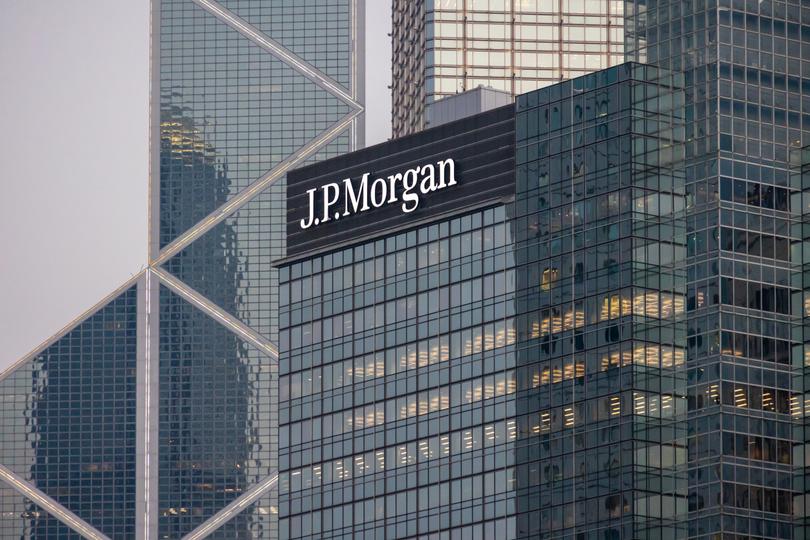 JPMorgan CFO warns stablecoins risk becoming 'giant arbitrage backdoor' around banking regulation2026-04
Crypto Regulation: An Evergreen Guide to How Rules Shape Digital Asset Markets
In finance, regulation refers to the set of laws, rules, supervisory practices and enforcement mechanisms that govern how markets operate, who can participate, and under what conditions. In crypto, regulation plays the same role but against a far more global, programmable and fast‑moving backdrop, turning legal boundaries into a central part of how protocols, stablecoins and exchanges are designed and used.
At its core, the regulatory story in crypto is about how traditional public policy goals—consumer protection, market integrity, financial stability and crime prevention—are being translated into code, compliance programs and new licensing regimes for digital assets. Regulators in the United States, the European Union, the United Kingdom and key emerging markets have moved from treating crypto as a niche sideline to treating it as a mainstream financial activity that must fit within anti‑money laundering rules, securities and commodities laws, and prudential standards. As a result, crypto’s biggest growth stories increasingly follow a predictable arc: they exploit market inefficiencies, harness viral growth loops, and then graduate into mainstream finance, where regulatory engagement becomes existential rather than optional. Recent moves—such as the U.S. Treasury’s proposal to require bank‑style customer identification programs for permitted payment stablecoin issuers under the GENIUS Act, or the European Union’s MiCA framework and new bloc‑wide anti‑money laundering regulation—show that stablecoins and centralized service providers are now at the forefront of supervisory agendas. At the same time, international bodies like the Financial Stability Board (FSB) and the IMF warn that implementation of global standards remains incomplete and uneven, leaving room for regulatory arbitrage but also for experimentation with models such as applying MiCA to segments of DeFi in Malta or tailoring oversight to Nigerian stablecoin usage. For market participants, understanding regulation is no longer just about reading enforcement headlines; it is about recognizing that legal design is becoming as important as protocol design in determining which crypto businesses endure.
Understanding Regulation in a Crypto Context
Regulation in financial markets serves several interlocking purposes, and these do not change simply because assets are represented on a blockchain. Policymakers aim to protect consumers and investors from fraud and abusive practices, to preserve fair and orderly markets, to safeguard the wider financial system from systemic shocks, and to prevent the use of financial channels for money laundering, terrorist financing or sanctions evasion. In traditional finance, these goals are advanced through licensing rules, prudential standards for banks and insurers, conduct-of-business rules for brokers and asset managers, disclosure and registration duties for securities issuers, and detailed anti‑money laundering and counter‑terrorist financing regimes. Over decades, financial regulators have developed institutional expertise and legal concepts that are tailored to intermediated, account‑based systems where activities are concentrated in regulated entities like banks and exchanges.
What makes crypto distinctive is not that these goals cease to apply, but that the technologies involved—public blockchains, smart contracts, self‑custody and global stablecoins—disrupt the assumptions on which those frameworks were built. Crypto assets can be transferred peer‑to‑peer without relying on traditional banks, and trading can take place through decentralized protocols that lack a clearly identifiable operator, challenging frameworks that assume a central intermediary. Tokens can also represent very different economic rights, ranging from pure utility or governance rights to claims on off‑chain assets or revenues, making it hard to slot them neatly into existing categories like “securities” and “commodities”. In parallel, the pseudonymous nature of many on‑chain interactions forces policymakers to rethink how to uphold AML and sanctions rules in environments where traditional customer identification and account screening are not always embedded at the base layer.
Regulation therefore becomes a negotiation between two kinds of architecture: legal architecture and protocol architecture. On one side, law and regulation define obligations, liabilities and enforcement powers. On the other, protocol design and smart contracts define what is technologically possible and how control is distributed, or deliberately minimized, among stakeholders. The most visible tensions in crypto regulation—whether over securities classification, stablecoin backing, DeFi front‑ends or prediction markets—are expressions of this deeper question: where, in a decentralized system, should regulators attach legal responsibility, and how far should code be reshaped to accommodate compliance?
What Regulators Do in Traditional Finance
To understand current regulatory debates in crypto, it is useful to recall how regulatory roles are traditionally allocated. In most jurisdictions, regulators can be grouped into prudential supervisors, conduct regulators, market infrastructure overseers and financial intelligence authorities, each with distinct but overlapping mandates. Prudential supervisors such as central banks or dedicated banking agencies focus on the safety and soundness of institutions whose failure could threaten the wider system, imposing capital, liquidity and risk‑management requirements. Conduct and investor‑protection regulators, often securities commissions, oversee the issuance and trading of securities, ensure fair disclosure, and police fraud and market abuse. Market infrastructure regulators license exchanges, clearing houses and payment systems, setting technical and operational standards for platforms deemed critical to the financial system. Finally, financial intelligence units, along with banking supervisors, implement AML/CFT frameworks that oblige financial institutions to know their customers, monitor transactions, and report suspicious activity.
These roles are accompanied by powerful enforcement tools. Regulators can impose fines, restrict business activities, revoke licenses, and, in some cases, pursue civil or criminal penalties. They can also issue guidance and interpretive statements that signal how existing rules apply to new business models, creating a form of “soft law” that shapes behavior even before formal rulemaking occurs. In the wake of the 2008 financial crisis, frameworks like the Dodd‑Frank Act in the United States expanded regulators’ mandates, especially in derivatives markets, to bring previously over‑the‑counter products like swaps under more centralized oversight. A key lesson from that crisis was that complex, opaque products and interconnections can create systemic risk that becomes apparent only when stress hits, a concern now increasingly voiced about large stablecoin arrangements that intermediate dollar exposure through issuers outside the traditional insured‑deposit system.
Regulators are not monolithic, however, and their approaches vary based on institutional culture, statutory powers and political oversight. Securities regulators often prioritize detailed disclosure and registration, while banking supervisors may focus more on risk management and resilience. This diversity matters in crypto because digital asset activities touch all these domains at once: a stablecoin issuer may face banking‑style liquidity risk, securities‑like disclosure requirements if its tokens are deemed investments, and AML duties because its products can be used for cross‑border transfers. In practice, this has led to overlapping and sometimes conflicting claims of jurisdiction, especially in the United States, where the SEC, CFTC, banking regulators and FinCEN each assert partial authority over parts of the crypto stack.
Why Crypto Changes the Regulatory Conversation
Crypto forces regulators to grapple with three structural shifts: disintermediation, programmability and globalization. Disintermediation arises because users can hold and transfer assets without accounts at regulated institutions, relying instead on self‑custody wallets and decentralized protocols. For AML and consumer protection regimes that are designed around intermediaries, this raises the question of whether and how to regulate interfaces such as centralized exchanges, neobanks and DeFi front‑ends as gatekeepers. Programmability means that financial logic—settlement, interest calculations, collateral management—can be encoded directly in smart contracts, enabling new instruments like automated market makers and perpetual swaps that do not map neatly onto legacy categories. Globalization is amplified by the internet‑native, borderless character of public blockchains: liquidity and user bases are global from day one, but regulation remains overwhelmingly national or regional.
These properties have led some crypto advocates to argue that regulation should adapt completely to the technology, while some policymakers initially tried to shoehorn crypto into existing categories. The emerging equilibrium is more nuanced. International bodies such as the FSB have concluded that the same activities should face the same requirements, regardless of the technology used, but that implementation has so far been inconsistent and incomplete. In a 2025 thematic review of its own crypto‑asset and global stablecoin recommendations, the FSB found “significant gaps and inconsistencies” in how jurisdictions had implemented measures on topics such as stablecoin reserves, governance, and cross‑border information sharing, especially outside major advanced economies. At the same time, regulators in markets with rapid crypto adoption, such as parts of Africa and Asia, have begun experimenting with tailored regimes that try to harness benefits while containing risks, as seen in the IMF’s call for Nigeria to combine openness to stablecoins with stronger oversight, better data collection and upgraded payment infrastructure.
The result is a crypto regulatory environment that is simultaneously converging and fragmenting. It is converging in the sense that themes such as KYC for centralized providers, robust stablecoin backing, and disclosure obligations for token issuers are now common across major jurisdictions. But it is fragmenting in that the specific answers—how to classify tokens, what licenses are required, which DeFi activities are in scope—vary widely, creating a patchwork that crypto businesses must navigate if they want to operate at scale.

EU financial regulator ESMA will make AI and tokenization a supervisory priority in 2027, mapping firms’ use of both technologies and launching targeted checks

The Global Regulatory Patchwork
No single jurisdiction has a monopoly on crypto regulation. Instead, projects and firms face a mosaic of regimes that differ in maturity, scope and enforcement intensity. For a global industry, this patchwork can be both an opportunity—by enabling regulatory arbitrage or jurisdictional shopping—and a risk, as compliance burdens multiply and conflicting requirements emerge.
United States: Enforcement First, Legislation Later
In the United States, crypto regulation has so far been dominated by existing agencies applying legacy statutes rather than by bespoke digital asset legislation. The Securities and Exchange Commission (SEC) has relied on the Howey test and other case law to argue that many tokens are “investment contracts” and thus securities, requiring issuers and trading platforms to register or qualify for exemptions. In 2023, the SEC charged Coinbase with operating its crypto asset trading platform as an unregistered national securities exchange, broker and clearing agency, and separately alleged that its staking‑as‑a‑service program constituted an unregistered securities offering. This enforcement‑driven approach created significant legal uncertainty about which tokens were securities and what compliance path was available for multi‑asset platforms.
By 2025, however, there were signs of a tentative shift. The SEC announced a joint stipulation with Coinbase to dismiss the ongoing civil enforcement action against the company, signaling at least a tactical de‑escalation in one of its flagship cases. At the same time, Congress in the House of Representatives passed the Digital Asset Market Clarity (CLARITY) Act, which aims to delineate when a digital asset should be treated as a commodity subject to CFTC oversight versus a security subject to SEC jurisdiction. The bill seeks to provide a clearer market structure for digital assets, including rules on how trading platforms can list tokens and share regulatory responsibilities between agencies. Yet, as of the mid‑2020s, the Senate had stalled consideration of the bill twice, and broader crypto legislation remained stuck amid partisan disagreements and lobbying by both industry firms and traditional financial institutions.
This legislative gridlock has prompted warnings that the United States risks falling behind jurisdictions like the EU, which have implemented comprehensive frameworks such as MiCA. Lawmakers such as Senator Cynthia Lummis have argued that continued reliance on enforcement alone leaves both consumers and innovators worse off by failing to provide predictable rules of the road. Industry executives have echoed these concerns, with figures from firms like Ripple suggesting that some large banks’ opposition to reforms like the CLARITY Act reflects a desire to preserve incumbents’ competitive advantages rather than a principled regulatory stance. Against this backdrop, key regulatory developments in the U.S. have instead occurred through targeted rulemaking in specific domains, most notably stablecoins and anti‑money laundering.
European Union: MiCA, AML and the Drive for Uniformity
The European Union has taken a more codified approach, centered on the Markets in Crypto‑Assets Regulation (MiCA), which establishes a harmonized regime for crypto‑asset issuance and services across the bloc. MiCA covers crypto‑assets that are not already captured by existing EU financial services legislation, and it introduces tailored categories for asset‑referenced tokens (backed by baskets of assets) and e‑money tokens (which aim to maintain a stable value against a single fiat currency). The regulation requires issuers of such tokens to meet transparency and disclosure obligations, to maintain adequate reserves, and to submit to authorization and ongoing supervision by competent authorities, particularly for “significant” tokens with large user bases. For crypto‑asset service providers (CASPs) such as exchanges, custodians and wallet providers, MiCA imposes conduct, governance and operational requirements, including prudential safeguards and rules for conflict management.
MiCA entered into force in 2023, with phased application dates. The general regime for CASPs applies from late 2024, while transitional periods for some member states extend until mid‑2026, allowing entities licensed under national rules to continue operating while they transition. Crucially, once licensed in one EU member state, a firm can “passport” its authorization to serve clients across the European Economic Area, creating a single market for compliant providers. This has triggered a wave of license applications as both European and global exchanges seek to ensure they can keep operating after transitional periods end. Reporting in the mid‑2020s indicated, for example, that Greece’s capital markets regulator appeared poised to reject the MiCA license application of Binance, the world’s largest crypto exchange, which would jeopardize its ability to continue serving EU clients after July 1, 2026 if it could not secure authorization in another member state. This episode illustrates how MiCA centralizes gatekeeping power: one national regulator’s decision can have EU‑wide consequences, even as firms contest such assessments and argue that they have met all requirements.
MiCA is complemented by a broader anti‑money laundering overhaul. The EU’s new Anti‑Money Laundering Regulation, Regulation (EU) 2024/1624, will apply from July 2027 and introduces a bloc‑wide cap of EUR 10,000 on cash payments for goods and services. It also tightens AML obligations for crypto‑asset service providers, strengthening customer due diligence expectations and integration into the EU’s “travel rule” regime that requires certain information to accompany cross‑border transfers. Together, MiCA and the AML regulation position the EU as one of the most comprehensive regulatory environments for crypto, with a clear licensing perimeter and convergent AML standards, albeit at the cost of higher compliance burdens for smaller or more experimental actors.
United Kingdom: Systemic Stablecoins and Beyond
The United Kingdom, operating outside the EU since Brexit, has pursued its own path that blends incremental reforms with targeted consultations on systemic risks. A key focal point has been stablecoins used for payments, especially those deemed “systemic” because their failure could threaten financial stability or confidence in the monetary system. In a 2025 consultation paper, the Bank of England set out its proposed regulatory regime for sterling‑denominated systemic stablecoins, including regimes for issuers, wallets and associated payment systems. The Bank’s approach emphasizes that systemic stablecoin arrangements performing retail payment functions should be subject to standards comparable to commercial bank money in terms of operational resilience, risk management and loss‑absorbing resources. It proposes prudential and conduct requirements calibrated to the risk profile of issuers and payment system operators, including requirements for backing assets, redemption rights and governance structures.
The UK has also moved to bring certain crypto‑asset activities within its financial promotions and market abuse regimes, while exploring a broader digital securities sandbox to allow experimentation with tokenized financial instruments under a controlled regulatory umbrella. However, as in other jurisdictions, the precise boundaries of regulatory perimeter—particularly for DeFi protocols and governance tokens—remain under active debate. The UK’s strategy can be characterized as incremental but pragmatic: rather than create a single omnibus “crypto law”, it is adapting existing frameworks (e.g., for e‑money, payments and market infrastructures) to capture high‑risk activities like stablecoins, while leaving some open questions about fully decentralized systems to future consultations.
Emerging Markets and Global Standard‑Setters
Outside the U.S., EU and UK, approaches to crypto regulation are even more diverse. Some Asian financial centers have sought to attract digital asset activity through clear licensing regimes, especially for exchanges and custodians, while tightening controls on retail access and speculative trading. Others, including large emerging markets, have oscillated between restrictive and permissive stances as they weigh capital‑flow concerns, consumer protection and innovation agendas. South Asia has emerged as the fastest‑growing region for crypto adoption between early 2025 and mid‑2025, according to TRM Labs, underscoring the need for frameworks that can accommodate high retail usage while combating fraud and illicit finance.
Nigeria offers a particularly illustrative case for stablecoins. The IMF has highlighted that stablecoins allow Nigerian households and small firms to move money across borders more efficiently than many traditional channels, but it warns that without appropriate oversight, such usage could undermine capital controls and economic management. The IMF’s recommended approach stresses four pillars: allowing innovation rather than blanket bans, strengthening regulatory oversight, improving data collection to understand flows, and upgrading domestic payment infrastructure to remain competitive with crypto alternatives. This blend of openness and caution reflects a broader trend among emerging markets, which often see both the promise and the peril of crypto more acutely than wealthier jurisdictions whose existing financial systems are more efficient.
International standard‑setting bodies play an important coordinating role in this landscape. The FSB, the Basel Committee on Banking Supervision, and the Financial Action Task Force (FATF) issue recommendations and standards on topics such as capital treatment of crypto exposures, stablecoin governance, and AML requirements for virtual asset service providers. While these are not directly binding, G20 jurisdictions commit to implementing them, and they influence national rulemaking. The FSB’s 2025 thematic review of the implementation of its global regulatory framework for crypto‑asset activities found that, despite progress, many jurisdictions had not fully implemented key recommendations, particularly around stablecoin arrangements and DeFi‑related risks. This patchy implementation creates both risk and opportunity: it can lead to regulatory blind spots exploited by bad actors, but it also leaves room for regulatory experimentation, such as Malta’s consultation on applying MiCA to DeFi, where the regulator proposes treating decentralization as a spectrum rather than a binary threshold.
Readers aren't clicking for abstract policy frameworks — they're tracking the specific boundary decisions that determine who escapes regulation entirely: which DeFi protocols qualify as 'fully decentralized' under MiCA, whether stablecoins can legally pay yield, and which jurisdictions are reversing crypto bans, revealing that regulatory arbitrage at the jurisdictional and definitional edge is the dominant reader concern.
Stablecoin Regulation as a Test Case
Stablecoins—crypto tokens pegged in value to fiat currencies or other assets—have become a central test case for crypto regulation. They sit at the intersection of payments, banking, securities and money market funds, and they are increasingly embedded in both on‑chain and off‑chain financial plumbing.
Why Stablecoins Matter for Regulators
Stablecoins have grown rapidly in scale and usage, prompting concerns about their potential to transmit shocks to the broader financial system. The Federal Reserve has estimated that during 2025, stablecoins expanded by about 50 percent in terms of market capitalization, with transaction volumes and use in DeFi protocols also rising sharply. Stablecoins are now widely used as quote currencies on centralized exchanges, as collateral and settlement assets in DeFi, and as a means of cross‑border value transfer, especially in regions with volatile local currencies or restricted access to dollars. TRM Labs’ 2025 adoption report finds that stablecoins account for a substantial share of on‑chain transaction volume, and that regions like South Asia are experiencing fast‑growing usage, including in commerce and remittances.
From a regulatory perspective, these tokens raise several tightly connected issues. There is liquidity and run risk: if users doubt an issuer’s reserves or redemption ability, they may rush to redeem, forcing fire sales of backing assets and potentially disrupting markets for short‑term securities or bank deposits. There is operational risk: outages or smart contract vulnerabilities could undermine confidence in payment mechanisms that users have come to rely on, especially if stablecoins start to be used at scale for everyday transactions. There is also prudential and monetary policy risk: large stablecoin arrangements that function as money‑like instruments can affect monetary transmission and compete with bank deposits, raising questions about oversight comparable to that applied to payment systems and deposit‑taking institutions. Finally, there are AML, sanctions and consumer protection considerations, since stablecoins can be used to move funds across borders and are often marketed as safe, cash‑equivalent assets.
These concerns have led regulators to frame stablecoins as a priority. The FSB’s frameworks call for global stablecoin arrangements to face robust governance, risk management, redemption and disclosure standards, and for authorities to coordinate across borders. Central banks like the Bank of England and the European Central Bank have emphasized that stablecoins used for payments should be subject to equivalent standards as other systemic payment instruments, recognizing that functional equivalence should drive regulatory treatment. These debates are occurring alongside discussions of central bank digital currencies (CBDCs), creating a spectrum of digital money options with varying degrees of public guarantees and regulatory intensity.
The U.S. GENIUS Act and FinCEN’s CIP Proposal
In the United States, legislative progress on comprehensive stablecoin rules has lagged, but 2026 saw a significant step with the implementation of the Guiding and Establishing National Innovation for U.S. Stablecoins (GENIUS) Act. This law directs that “permitted payment stablecoin issuers” be treated as financial institutions under the Bank Secrecy Act (BSA) and be required to maintain effective customer identification programs. To carry out this mandate, the U.S. Treasury’s Financial Crimes Enforcement Network (FinCEN), together with the Office of the Comptroller of the Currency, the Federal Reserve, the Federal Deposit Insurance Corporation and the National Credit Union Administration, issued a joint proposed rule establishing customer identification program (CIP) requirements for payment stablecoin issuers.
Under the proposal, stablecoin issuers would be required to obtain key identifying information from customers before opening an account, including a customer’s name, an individual’s date of birth or an entity’s date of formation, an address and an identification number, mirroring CIP requirements long applied to banks. Issuers must also establish procedures for verifying customer identities, including processes for denying service or imposing special terms when identity cannot be immediately verified. The rule further sets out recordkeeping and customer notification obligations, and requires issuers to check whether customers appear on government lists of known or suspected terrorists or terrorist organizations, aligning stablecoin CIPs with broader sanctions and national security frameworks.
The proposal allows stablecoin issuers, under reasonable circumstances, to rely on another federally regulated financial institution’s customer identification procedures, recognizing the interconnected role of sponsor banks and payment processors in many stablecoin business models. It also provides that a federal regulator, with the concurrence of the Treasury Secretary, can exempt specific issuers or types of accounts from CIP requirements when appropriate, and vice versa, ensuring some flexibility. Separately, earlier in 2026, FinCEN and the Office of Foreign Assets Control (OFAC) proposed rules imposing explicit AML/CFT and sanctions obligations on stablecoin issuers, including requirements to maintain AML programs and the capability to block or freeze transactions that violate U.S. sanctions. Together, these measures mark a clear move to embed stablecoin issuers within the BSA’s financial institution framework, even in the absence of a broader prudential regime covering their reserves and redemption practices.
These developments illustrate how U.S. regulators are using existing statutory tools to address immediate illicit finance risks posed by stablecoins, even while Congress remains divided on more comprehensive questions such as whether stablecoin issuers should hold bank charters or be subject to specific reserve composition rules. They also highlight a broader trend: the use of AML and sanctions law as a flexible instrument to assert jurisdiction over new types of financial intermediaries, including those in crypto.
MiCA, EU AML and the European Stablecoin Model
In the European Union, MiCA provides a dedicated framework for asset‑referenced tokens and e‑money tokens, both of which encompass stablecoins. Issuers of e‑money tokens must comply with requirements similar to those for traditional e‑money institutions, including full backing with funds and a redemption right at par value for token holders. Asset‑referenced token issuers face stringent governance, reserve and disclosure obligations designed to ensure that token holders can assess risks and redeem their holdings under stress. MiCA is particularly strict for “significant” tokens based on criteria such as market capitalization, transaction volume and interconnectedness with the financial system, subjecting them to enhanced supervision, higher own‑funds requirements, and in some cases, restrictions on large‑scale use as a store of value or means of exchange.
These rules are complemented by the EU’s AML reforms, which, as noted, introduce a bloc‑wide cash payment cap and tighter crypto KYC requirements from 2027. Crypto‑asset service providers involved in stablecoin issuance, exchange or custody must integrate enhanced customer due diligence, transaction monitoring and reporting obligations, aligning them with traditional financial institutions. For global stablecoin issuers, the combined effect is clear: if they want to service EU residents, they will need a regulated entity authorized under MiCA, robust AML controls, and an operational footprint consistent with EU data protection and consumer protection standards.
The European approach contrasts with the U.S. in that it provides a clearer, if demanding, regulatory path for compliant stablecoin issuance, at least for those willing to operate as identified, supervised entities. It also illustrates how MiCA’s passporting can make a single license issuer‑critical: decisions by national regulators, such as the reported move by Greek authorities to reject a large global exchange’s MiCA license application, can determine whether a firm can distribute stablecoins and related services across the bloc. This has already shaped strategic decisions by global players, many of which have prioritized obtaining authorization in jurisdictions perceived as both rigorous and predictable.
UK and Other Approaches to Systemic Stablecoins
The United Kingdom’s proposed regime for sterling‑denominated systemic stablecoins takes a slightly different angle, focusing on those arrangements that could pose risks akin to systemic payment systems. The Bank of England’s consultation envisions that systemically important stablecoin issuers would be subject to cash‑like redemption obligations, high‑quality liquid backing assets, and robust risk management, while the associated payment systems would face oversight similar to other systemic infrastructures. Wallet providers in systemic arrangements may also be subject to specialized requirements to ensure that user funds are adequately safeguarded and that operational resilience standards are met.
This approach reflects a functional perspective: the more a stablecoin looks and behaves like money in everyday payments, the more its issuer and ecosystem should be regulated like a payment system and deposit alternative. It also acknowledges that not all stablecoins are alike. Those used primarily in DeFi or trading may sit largely within securities and commodities regulation, whereas those targeting retail payments may fall under payments and banking law. Other jurisdictions, including some Asian financial centers, have taken a similar stratified approach, with specific regimes for “payment stablecoins” versus broader crypto tokens. As stablecoins evolve, the question of where to draw lines between these categories—and how to prevent regulatory arbitrage between them—will remain central.
Stablecoins in Emerging Markets
In emerging markets, stablecoins sit at the intersection of financial inclusion, currency substitution and capital‑flow management. The IMF’s analysis of Nigeria, which leads Sub‑Saharan Africa in stablecoin adoption, underscores that these instruments offer clear benefits for households and small firms needing to move money across borders quickly and cheaply. Yet regulators worry that widespread use of dollar‑linked stablecoins could weaken local monetary sovereignty, complicate macroeconomic management, and create new channels for illicit capital flight. The IMF’s pragmatic advice—allow innovation, strengthen oversight, improve data, upgrade payments—captures the balancing act faced by many such jurisdictions.
Stablecoin regulation in these contexts is often less about detailed prudential rules for issuers—many of whom are offshore entities—and more about setting boundaries for local institutions’ involvement, clarifying tax treatment, and integrating global AML standards. Some regulators have experimented with licensing local “virtual asset service providers” that offer stablecoin wallets and on‑ramps, making them subject to KYC and reporting obligations, while discouraging direct marketing by unlicensed foreign issuers. Others have considered or implemented caps on the volume of foreign‑currency stablecoins that can circulate domestically. The direction of travel, however, is towards engagement: outright bans have proven difficult to enforce and risk driving activity underground, whereas supervised integration offers at least some visibility and control.
Market Structure, Securities and Derivatives
If stablecoins are a test of how regulators treat crypto as money, disputes over token classification and derivatives show how they treat crypto as investments and trading instruments. Here, securities law, commodities regulation and derivatives oversight intersect.
Securities Law, the SEC and the Coinbase Saga
Securities regulation is chiefly concerned with protecting investors in instruments that represent claims on future cash flows, governance rights or pooled assets. In the U.S., the SEC applies the Howey test, which asks whether there is an investment of money in a common enterprise with a reasonable expectation of profits derived from the efforts of others, to determine whether a token is a security. Many token distributions—especially those involving fundraising from the public to build a new protocol—can meet this test, at least at issuance, leading the SEC to view them as securities offerings.
The Coinbase enforcement action, initiated in 2023 and dismissed by joint stipulation in 2025, became a focal point for this debate. The SEC alleged that Coinbase had been operating as an unregistered national securities exchange, broker and clearing agency by listing and facilitating trading in multiple tokens it considered securities, and that its staking‑as‑a‑service program involved the offer and sale of securities without registration. Coinbase disputed this characterization, arguing that the assets it listed were not securities under existing law and that the SEC had not provided a viable registration path for multi‑asset crypto platforms. The case drew intense industry and political scrutiny, with critics charging that the SEC was engaged in “regulation by enforcement” and that Congress, not the agency, should define the contours of digital asset regulation.
The dismissal of the action in 2025 did not resolve the legal questions, but it signaled a potential shift in regulatory tactics, perhaps influenced by legislative efforts like the CLARITY Act and the growing recognition that an enforcement‑only strategy was unsustainable. At the same time, other cases and settlements continued to shape expectations around token design, disclosure, and decentralization, including decisions in jurisdictions such as Australia, where courts have tested whether crypto yield products fall under existing financial services law. For crypto projects, the lesson has been that token design, marketing and governance structures cannot be divorced from securities law analysis, and that “regulatory risk” is now a core component of business and protocol strategy.
Commodities, Perpetuals and the CFTC–CME Dispute
Parallel to securities law, derivatives and commodities regulation has become a major arena for crypto. In the United States, the Commodity Futures Trading Commission (CFTC) asserts jurisdiction over derivatives on commodities, including many crypto assets, and over spot market manipulation in commodities. This has brought Bitcoin and Ethereum futures and options within the CFTC’s sphere, with major venues like CME Group operating regulated futures markets tied to crypto.
A significant mid‑2020s controversy arose over the classification and approval of perpetual futures contracts, which are margin‑based instruments with no fixed maturity often popular among crypto traders. CME Group’s CEO publicly threatened to sue the CFTC, arguing that the agency may have violated the Dodd‑Frank Act by treating certain perpetual contracts as futures rather than swaps. The distinction matters because swaps and futures fall under different regulatory requirements and clearing structures; classifying an instrument as a future may affect margin rules, capital requirements for clearing members, and cross‑border recognition. This dispute highlights the challenge of fitting novel crypto‑derived products into the derivatives taxonomy created after the 2008 crisis, and it underscores how regulatory decisions on categorization can have competitive and systemic implications.
Beyond the U.S., regulators have varied in how they treat crypto derivatives. Some jurisdictions have allowed retail access to leveraged products, while others have restricted or banned them, citing investor protection and systemic risk concerns. Platforms offering perpetuals and other complex derivatives must navigate these differences, often segmenting their user bases by geography and tailoring product offerings to local rules. As prediction markets, volatility tokens and leveraged synthetic assets proliferate on both centralized and decentralized platforms, the pressure on regulators to clarify their positions will only increase.
Prediction Markets and State‑Level Oversight
Prediction markets—platforms where users can trade on the outcomes of future events such as elections or sports results—sit at a particularly awkward intersection of derivatives, gambling and free speech. In the U.S., the CFTC has traditionally been cautious about event contracts, approving only a limited number of political prediction markets under strict conditions and cracking down on unregistered platforms. State regulators, meanwhile, treat sports‑related betting and some event contracts as gambling subject to state law.
The mid‑2020s saw renewed attention to this area as crypto‑native prediction markets gained traction, with some platforms facing enforcement actions or cease‑and‑desist orders at the state level. Coverage of Polymarket, a notable crypto prediction platform, highlighted its efforts to navigate both federal and state rules, including being denied initial relief from regulatory actions in at least one state. In Michigan, for example, regulators have taken a strict view of unauthorized online prediction markets, pushing platforms either to exit the state or to seek licensure. At the same time, a Polymarket trading market asking whether sports prediction markets would be banned in any U.S. state in 2025 reflected market participants’ assessment of regulatory risks: at one point, the crowd‑implied probability of “Yes” was effectively zero, suggesting an expectation of continued patchwork rather than outright prohibitions.
These developments illustrate how crypto’s borderless interfaces collide with the intensely local nature of gambling and consumer protection law. They also foreshadow future regulatory debates about on‑chain markets in other non‑traditional assets and events, ranging from climate indices to AI model outputs, where the distinction between financial derivatives, data markets and expressive activity will be contested.
- 01MiCA DeFi exemption lines↗
The Danish FSA's guidance on when a DeFi protocol qualifies as sufficiently decentralized to escape MiCA entirely is the highest-clicked story because it defines the compliance-or-exempt binary for the whole EU market.
- 02Nigeria regulatory reversal↗
Nigeria's central bank flipping from crypto ban to explicit allowance — while demanding tighter regulation — signals that emerging-market regulators are recalibrating under stablecoin adoption pressure rather than holding the line.
- 03US stablecoin yield ban fights↗
The STABLE Act's prohibition on yield-bearing stablecoins and bank lobbying against onchain dollar competition pulled readers tracking whether US law would structurally kneecap DeFi stablecoins versus bank deposits.
- 04SEC enforcement authority limits↗
Multiple headlines on Gensler's legal constraints, SEC roundtables, and advisory subcommittee pushback reveal readers watching whether the SEC's crypto jurisdiction survives court challenge or gets legislated away entirely.
- 05Global regulatory convergence pressure↗
The FSB's call for aligned global standards, Dubai's USDC/EURC recognition, and WEF's rejection of enforcement-only approaches show readers tracking whether a coherent international floor is actually forming.
- 06US mining and Bitcoin reserve geopolitics
The Mined in America Act targeting Chinese hardware supply chains and Trump's strategic Bitcoin reserve connect crypto regulation to national security framing, pulling in readers beyond pure DeFi audiences.
AML, KYC and the Fight Against Illicit Finance
If securities and derivatives law address what crypto assets are, AML and KYC frameworks address who is using them and for what purposes. Here, regulators are increasingly focused on bringing crypto‑asset service providers into parity with traditional financial institutions while grappling with DeFi and privacy‑preserving technologies.
From Bank Secrecy Act to On‑Chain Monitoring
In traditional finance, AML regimes require banks and other financial institutions to implement risk‑based customer due diligence, monitor transactions, and report suspicious activity to financial intelligence units. In the U.S., the Bank Secrecy Act and subsequent reforms set out these obligations, which FinCEN enforces. The GENIUS Act’s directive to treat permitted payment stablecoin issuers as financial institutions under the BSA and to require effective CIPs is an explicit extension of this framework into the crypto domain. Similarly, the EU’s AML Regulation and associated directives apply to virtual asset service providers, obliging exchanges, custodians and certain wallet providers to identify customers, assess risk, and cooperate with authorities.
However, the pseudonymous and borderless nature of crypto transactions means that AML in this space is not only about onboarding customers but also about analyzing on‑chain behavior. Blockchain analytics firms such as TRM Labs provide tools for clustering addresses, identifying illicit flows, and scoring counterparties, enabling both private actors and regulators to gain visibility into patterns that would otherwise be obscured. The IMF has emphasized in contexts like Nigeria that improving data collection and analytic capabilities is essential to effective oversight of stablecoin flows and crypto usage more broadly. In parallel, FATF has extended its “travel rule” guidance to virtual asset transfers, calling for VASPs to share information about originators and beneficiaries of transfers above certain thresholds, although implementation remains uneven.
These developments have sparked debates about privacy and proportionality. Some projects have responded by designing systems in which regulators (or trusted parties) can see who is transacting but not necessarily the transaction amounts, or where users can opt into enhanced transparency to access regulated services. Builders of programmable privacy layers on chains such as Aptos, for example, have argued that their architectures allow compliance with KYC and sanctions screening while preserving confidentiality of transaction details for counterparties and third parties. Such approaches aim to reconcile regulatory demands for identity and risk control with the crypto ethos of minimizing unnecessary data sharing.
DeFi, MiCA and the Decentralisation Spectrum
Decentralized finance poses a particularly acute challenge for AML and other regulations because many DeFi protocols are designed to operate without centralized intermediaries. Automated market makers, lending pools and derivatives platforms often deploy code that anyone can interact with directly from a self‑hosted wallet, without going through a KYC’d entity. Regulators have therefore asked whether and how obligations such as customer identification, transaction monitoring and sanctions compliance can be applied in such environments.
European debates around MiCA’s application to DeFi illustrate one emerging answer: focus on functions and degrees of control rather than labels. Malta’s financial regulator, for example, has launched a consultation on how to apply MiCA to DeFi activities, explicitly questioning how to assess decentralization and proposing that it be seen as a spectrum rather than a binary. Under such a model, if a small group of developers or a foundation retains significant control over protocol parameters, front‑end interfaces or upgrade processes, they may be treated as service providers subject to licensing and AML obligations, even if the underlying contracts are deployed on a public chain. Conversely, fully open‑source protocols with dispersed governance and no privileged access might be treated differently, though questions would remain about how to address associated risks.
The FSB’s thematic review similarly notes that DeFi often replicates traditional financial functions—trading, lending, leverage provision—and thus should not be immune from regulation simply because it uses novel technology, but it acknowledges that implementation of its recommendations in DeFi contexts remains limited. Some regulators have experimented with requiring centralized interfaces (such as web front‑ends and hosted APIs) to enforce KYC, geo‑blocking and sanctions screening, leaving the underlying smart contracts technically accessible but practically harder to use without compliance. Others have considered or implemented rules that treat governance token holders or DAO contributors as potential responsible persons, though such approaches face both legal and practical obstacles.
Travel Rules, Self‑Hosted Wallets and Privacy Debates
One of the most contested topics in AML regulation of crypto is the treatment of self‑hosted (or “unhosted”) wallets. These are wallets where users hold their own private keys, as opposed to custodial wallets provided by exchanges or neobanks. Many policymakers worry that unrestricted use of self‑hosted wallets makes it easier for criminals or sanctioned actors to move funds without detection, while crypto advocates argue that self‑custody is essential for privacy, financial autonomy and censorship resistance.
Regulators have generally taken the approach of imposing obligations on intermediaries at the “edges” of the system rather than banning self‑hosted wallets outright. The EU’s AML rules, for instance, focus on CASPs and payment service providers, requiring enhanced due diligence for transfers involving self‑hosted wallets above certain thresholds. Similarly, FinCEN’s guidance treats activities performed on one’s own behalf with self‑hosted wallets differently from those performed as a business for others, although some past proposals to impose stricter reporting on self‑hosted wallet transactions drew significant industry pushback.
In practice, this has led to a multi‑tiered landscape. Regulated exchanges implement KYC and travel rule compliance, sometimes limiting withdrawals to whitelisted addresses or relying on chain analytics to assess counterparties. DeFi protocols and peer‑to‑peer platforms often remain accessible without KYC but face rising pressure when they interact with regulated entities or attract systemic volumes. Privacy‑enhancing tools, including mixers and zero‑knowledge systems, are under growing scrutiny, especially when explicitly marketed as ways to evade sanctions or law enforcement. The ongoing policy debate revolves around whether AML objectives can be met through risk‑based, targeted measures that focus on high‑risk entities and behaviors, or whether broader restrictions on self‑custody and privacy tools are warranted, with significant implications for the future shape of crypto ecosystems.
Regulation’s Impact on Crypto Business Models
Regulation is not merely a constraint; it reshapes business models, competitive dynamics and even technical architectures in crypto. As rules crystallize, firms and protocols adapt in ways that can either entrench incumbents or open doors to new entrants.
Exchanges, Neobanks and the Push for Licensing
Centralized exchanges were among the first crypto businesses to face systematic regulatory scrutiny. Over time, the largest have sought licenses as securities brokers, alternative trading systems, payment institutions or full‑fledged banks, depending on jurisdiction. In the EU, MiCA accelerated this trend by requiring CASPs that wish to serve EU residents to obtain authorization and comply with prudential, governance and conduct requirements, with passporting benefits for those that do. The looming MiCA authorization deadlines, including the mid‑2026 end of transitional regimes for some member states, have prompted European and global exchanges to prioritize obtaining licenses, as illustrated by the intense focus on decisions by regulators in countries like Greece regarding major platforms’ applications.
Crypto‑focused neobanks and fintechs, which offer integrated wallets, cards and often yield products, are likewise being drawn deeper into the regulatory perimeter. Despite branding that emphasizes “bankless” experiences, most of these firms rely on sponsor banks, card networks like Visa and Mastercard, and traditional payment rails, making them vulnerable to shifts in bank risk appetites and regulatory guidance. Industry research has highlighted how the same sponsor banks that powered fintech giants like Chime and Cash App could become key partners for stablecoin integration as regulation and demand for digital dollars grow, turning banks into backbones of regulated stablecoin ecosystems. This “embedded compliance” model suggests that the line between crypto platforms and regulated financial institutions will continue to blur, with licenses, capital and compliance functions increasingly determining who can scale.
Institutional adoption has also pushed exchanges and custodians towards higher regulatory standards. Asset managers, pension funds and corporates entering the crypto space often require regulated counterparties, audited reserves and robust governance. The mainstreaming of crypto in 2025, as described by asset managers such as Amundi, was driven partly by regulatory clarity and the emergence of institutional‑grade market infrastructure. At the same time, heightened standards can create barriers to entry for smaller players and may channel activity into a handful of large intermediaries, raising new systemic and competition concerns.
Stablecoin Issuers, Sponsor Banks and Payment Rails
Stablecoin issuers sit at the center of another evolving business model. Early issuers often operated with limited transparency and ambiguous regulatory status, but as usage has grown, regulators have pushed for clearer structures. The U.S. GENIUS Act and FinCEN’s CIP proposal effectively treat permitted payment stablecoin issuers as BSA financial institutions. This status nudges them towards bank‑like compliance regimes even if they are not banks in a legal sense. Some issuers have responded by pursuing relationships with sponsor banks that can hold reserves, process fiat transactions and share KYC data, creating an ecosystem where banks act as infrastructure providers for crypto‑denominated payments.
In parallel, traditional banks and payment firms have begun exploring issuance of their own stablecoins or tokenized deposits, blurring the line between stablecoins and bank money. In several Asian jurisdictions, large banks have launched or proposed bank‑backed stablecoins, betting that their regulated status and deposit insurance frameworks will give them an edge over non‑bank issuers. At the same time, regulators caution that without clear rules, such instruments could introduce new risks by combining features of deposits, e‑money and securities. The Bank of England’s proposals for sterling stablecoins and the EU’s rules for e‑money tokens reflect efforts to provide structured pathways for such products.
Sponsor banks and card networks thus become both gatekeepers and enablers of stablecoin adoption. As regulation tightens, they can leverage their compliance infrastructure to offer “plug‑and‑play” solutions to fintechs and crypto platforms, effectively acting as wholesale providers of regulated fiat connectivity. This reinforces a pattern already visible in Web2 fintech, where many consumer‑facing apps sit atop a relatively small number of licensed banks and payment processors. It also raises questions about concentration, resilience and the bargaining power of internet‑native platforms vis‑à‑vis traditional intermediaries.
Tokenised Assets, Solana and Regulated On‑Chain Markets
Beyond native crypto assets and stablecoins, tokenisation of real‑world assets—from equities and bonds to funds and real estate—is emerging as a major theme. Public blockchains like Solana, Ethereum and others increasingly host tokenised versions of traditional securities, sometimes with on‑chain trading and settlement mechanisms. Industry data in the mid‑2020s suggested that a large share of tokenised equity trading volume was occurring on Solana, where projects such as Backpack, Ondo and others experimented with different structures for holder rights, corporate actions and regulatory compliance.
From a regulatory perspective, tokenised assets raise both familiar and novel questions. If a token represents a share in a company or a unit in a fund, it is typically a security and must comply with existing securities law, regardless of the technology used. The challenge lies in integrating tokenisation into existing post‑trade infrastructure, ensuring investor protections such as transfer restrictions, corporate governance voting and disclosure, and clarifying which entities—issuers, registrars, custodians or smart contract administrators—bear responsibility for compliance. Some jurisdictions are experimenting with “digital securities” sandboxes that allow these questions to be explored under controlled conditions, while others apply existing frameworks with minor tweaks.
Tokenisation also interacts with market structure. On‑chain markets can operate 24/7, settle instantly or within minutes, and allow fractional ownership and programmable transfers. Regulators must therefore decide how to adapt rules on trading hours, settlement cycles, short selling, margin and disclosure to this environment. The experience of regulating crypto derivatives and spot markets provides some precedents, but tokenised traditional assets introduce additional layers of complexity because they must remain interoperable with off‑chain legal and operational systems. Over time, regulatory clarity in this area may determine whether tokenisation remains a niche innovation or becomes a mainstream feature of capital markets.
EU MiCA regulation published in Official Journal
Nigeria's CBN lifts ban on banks servicing crypto firms
- 2024-01regulatory
SEC approves spot Bitcoin ETFs in the US
MiCA full application begins across all EU member states
- 2025-03regulatory
STABLE Act draft released with yield prohibition and two-year algo stablecoin moratorium
FSB thematic review calls for global crypto regulatory framework alignment post-Bitcoin ETF wave
FinCEN proposes GENIUS Act customer identification requirements for stablecoin issuers
Risks, Trade‑Offs and the Politics of Regulation
Crypto regulation is not a purely technocratic exercise; it reflects value judgments and political choices about which risks to prioritize and how to balance innovation against protection. Understanding these trade‑offs is crucial for interpreting regulatory moves and anticipating future developments.
Consumer Protection and Systemic Risk
Consumer and investor protection concerns have been central to regulatory interventions in crypto, especially following high‑profile failures of exchanges, lending platforms and algorithmic stablecoins. Regulators worry about information asymmetries, misleading marketing, inadequate disclosures, and the ability of retail users to understand complex products such as leveraged derivatives or yield‑bearing protocols. From this perspective, requirements for clear risk warnings, fit‑for‑purpose disclosures, and restrictions on marketing to certain categories of investors are seen as necessary safeguards.
Systemic risk is a related but distinct concern. The Fed’s analysis of stablecoins in 2025 emphasizes the potential for large, widely used stablecoins to amplify shocks by forcing asset sales or transmitting liquidity stress to money markets if confidence erodes. The FSB’s frameworks similarly highlight that global stablecoin arrangements and large crypto‑asset intermediaries can become systemically important, especially when interconnected with the banking system through deposits, credit lines or common holdings of safe assets like Treasuries. From this vantage point, regulation aims not only to protect individual users but also to prevent destabilizing feedback loops between crypto and the broader financial system.
The trade‑off arises when measures intended to reduce risk also constrain access or push activity into less regulated channels. Strict leverage caps on retail derivatives, for example, may reduce liquidation cascades but drive some traders to offshore platforms. Heavy‑handed restrictions on stablecoin usage could slow the growth of crypto payments but also push users towards less transparent alternatives. Policymakers must decide which risks are acceptable and which warrant decisive intervention, knowing that zero risk is neither achievable nor compatible with innovation.
Innovation, Competition and the Global Race for Clarity
Innovation policy and competitive positioning loom large in crypto regulation debates. Jurisdictions like the EU have framed MiCA as providing legal certainty that could attract responsible innovators, while critics warn that heavy compliance burdens may stifle small startups and entrench well‑capitalized incumbents. The U.S., by contrast, has been criticized for allowing uncertainty and enforcement‑driven policy to linger, prompting warnings from lawmakers that the country may cede leadership in digital asset innovation to more proactive regions.
Political economy considerations complicate the picture. Traditional financial institutions, including major banks and payment networks, often have interests that do not perfectly align with those of crypto‑native firms. Debates around bills like the CLARITY Act have seen accusations that incumbent institutions seek to shape regulation in ways that limit competition from open‑protocol stablecoins or decentralized exchanges, preferring models where tokenised assets and stablecoins run on permissioned rails controlled by regulated banks. Conversely, some crypto firms have resisted reasonable consumer protection measures in the name of decentralization, even when their business models rely heavily on centralized custody and opaque risk‑taking.
Internationally, there is a “race for clarity” more than a race to the bottom. Many policymakers recognize that clear, credible rules can be an asset in attracting high‑quality firms, as seen in the uptick of license applications in MiCA‑ready EU states and in jurisdictions that have articulated transparent licensing frameworks for exchanges, custodians and stablecoin issuers. At the same time, inconsistent implementation of global standards, highlighted by the FSB, ensures that some venues will remain more permissive or slower to enforce, creating enduring opportunities for regulatory arbitrage. For market participants, strategic decisions about where to base operations, list tokens or launch products increasingly hinge on assessments of regulatory robustness, clarity and enforcement culture.
Conclusion and Outlook
Crypto regulation has evolved from a peripheral concern to a central determinant of how digital asset markets function, who participates in them, and which business models endure. Across jurisdictions, regulators are converging on core themes: applying AML and sanctions rules to centralized service providers and stablecoin issuers; clarifying, albeit unevenly, when tokens are securities or commodities; and designing bespoke regimes for payment‑like stablecoins that can become systemic. Frameworks such as the EU’s MiCA, the U.S. GENIUS Act’s implementation via FinCEN’s CIP proposals, and the UK’s consultation on systemic stablecoins illustrate efforts to integrate crypto into mainstream financial regulation rather than treat it as an exotic outlier.
At the same time, substantial divergences remain in classification, perimeter and enforcement approaches, creating a patchwork that both challenges and enables global crypto projects. DeFi, privacy tools and prediction markets continue to test the limits of traditional regulatory categories, prompting experiments like Malta’s attempt to treat decentralization as a spectrum and prompting debates about the appropriate allocation of responsibility among protocol developers, governance token holders and interface operators. Stablecoins, whose growth has been documented by central banks and analytics firms alike, occupy a particularly delicate position, offering efficiency and inclusion benefits while raising concerns about runs, monetary sovereignty and illicit finance. As crypto moves further into mainstream finance, with tokenised assets, institutional adoption and integration into neobank and sponsor bank infrastructures, the line between “crypto” and “finance” will blur, making regulatory silos harder to maintain.
Looking ahead, the most important shift for crypto may indeed come from regulators rather than from purely technological innovation. Legal clarity on token classification, standardized frameworks for stablecoin backing and redemption, and harmonized AML expectations will influence which chains, protocols and business models can operate at scale. Jurisdictions that strike a credible balance between protection and openness are likely to attract high‑quality activity, while those that rely solely on punitive enforcement or, conversely, laissez‑faire permissiveness may either stifle innovation or invite instability. For builders and investors in crypto, regulatory literacy is now as critical as understanding consensus algorithms or tokenomics: navigating the evolving ruleset will be essential to turning short‑term product success into long‑term, resilient participation in global digital asset markets.
Latest Regulation news
Sources
20 records from 18 domains
bankingjournal.aba.com
cutimes.com
sumsub.com
esma.europa.eu
x.com
fincen.gov
bankofengland.co.uk
marketsmedia.com
fintechweekly.com
foxbusiness.com
journalducoin.com
polymarket.com
facebook.com
fsb.org
sec.gov
federalreserve.gov
research-center.amundi.com
trmlabs.com
Community notes
Spot something off or out of date? Drop a note. Editors review topic notes daily and roll accepted fixes into the explainer — contributors are recognized in the monthly $SQUID drop.
Loading notes…
Help improve this topic
Have a story or tip about this topic? Submit it. See something missing? Leave a note. Editors review daily; accepted submissions and fixes count toward the monthly $SQUID drop.