
Regulated stablecoins operate under government-mandated reserve, redemption, and licensing rules. This explainer covers global frameworks (GENIUS Act, MiCA, Asia), key issuers like Circle and Tether, payment adoption, and compliance challenges.
+7 sources across the wider coverage universe
 AllUnity expands MiCA-regulated euro stablecoin EURAU to Uniswap, Raydium, and Tempo via Flowdesk2026-04
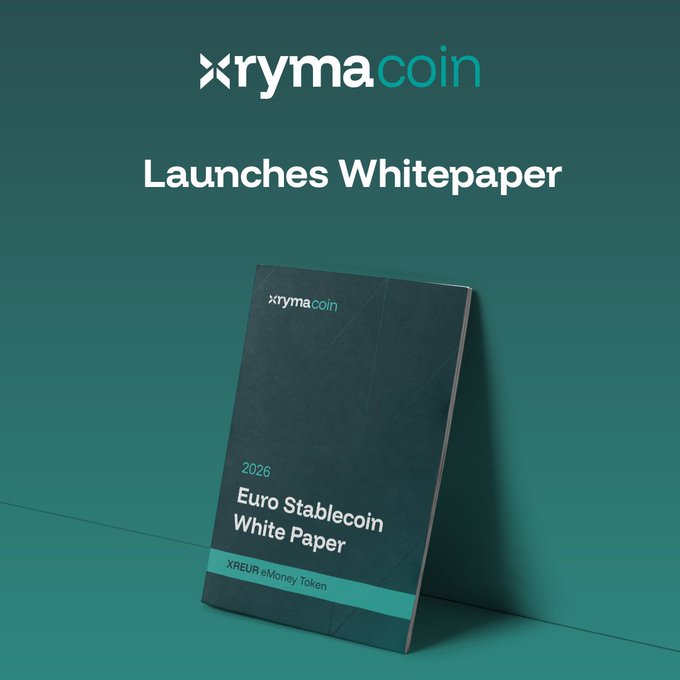 Xryma Plc announces the upcoming launch of XrymaCoin (XREUR), the regulated euro stablecoin designed to work like money.2026-07
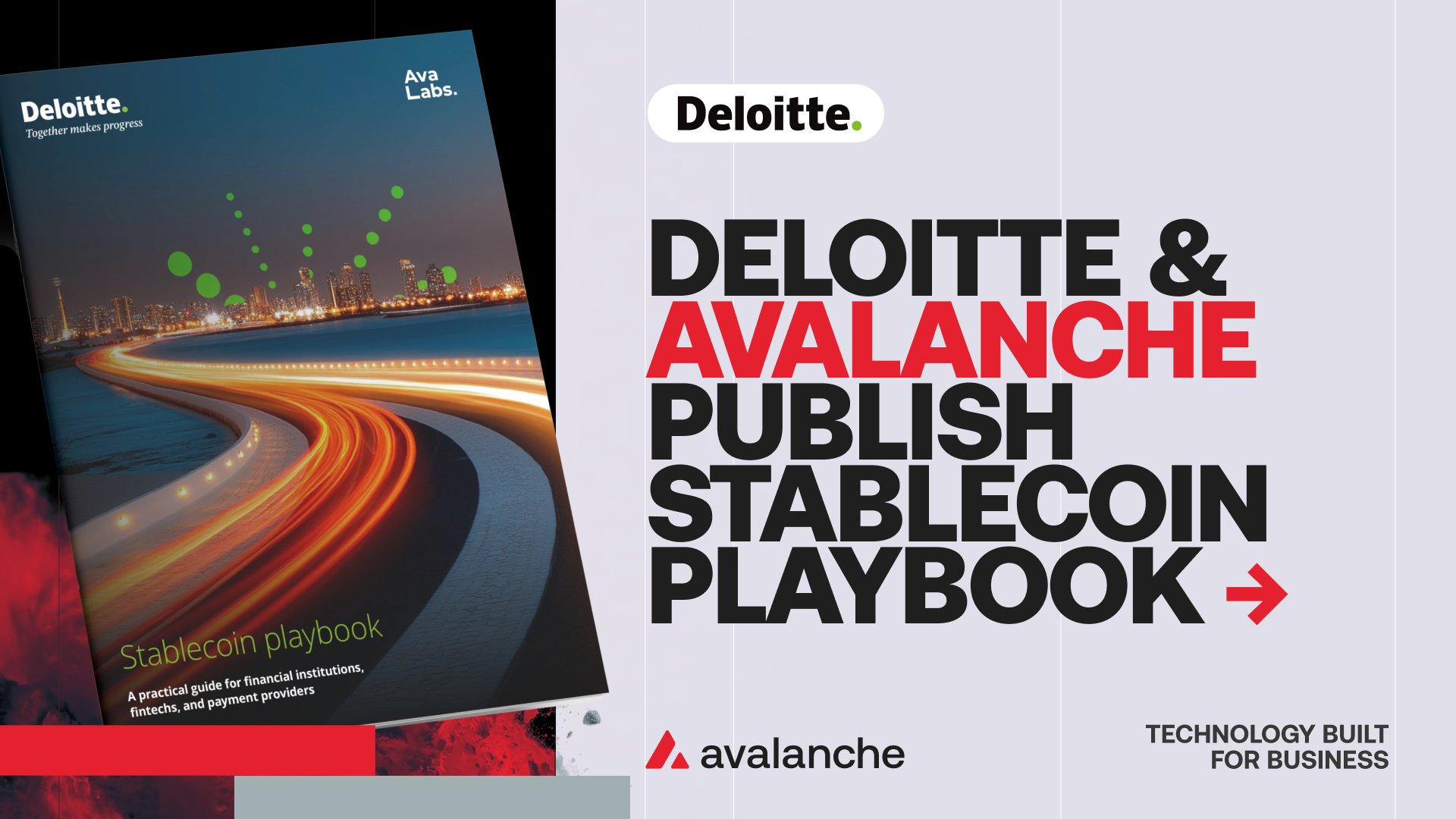 Deloitte and Avalanche have released a stablecoin playbook to help institutions navigate adoption, regulation and execution as stablecoins become core financial infrastructure2026-07
 Aave Labs secures FCA approval for UK crypto exchange operations through Push subsidiaries, expanding regulated stablecoin and payments infrastructure2026-05
 Tempo market researcher reveals how Sponsor banks that powered fintech giants like Chime and Cash App could become the backbone of stablecoin adoption as regulation and demand accelerate2026-06
 Visa joins Canton as super validator with $4.6B stablecoin settlement run rate for regulated finance2026-07
A regulated stablecoin is a price-stable digital asset whose issuer operates under an explicit government licence or statutory framework that mandates reserve composition, redemption rights, and ongoing supervisory oversight — distinguishing it from algorithmic or informally backed tokens.
The $300 billion stablecoin market spent years in a legal grey zone. By mid-2026 that era is ending, as legislators from Washington to Tokyo move from guidance letters to binding law, and issuers race to obtain the licences that will determine who is allowed to operate at scale. What follows is a guide to what makes a stablecoin "regulated," why the distinction matters, and how the competitive landscape is reshaping around compliance.
What Regulation Actually Requires
Not every stablecoin that calls itself "compliant" is subject to the same obligations. A genuinely regulated stablecoin regime typically imposes four core requirements:
Reserve rules. Issuers must hold assets — generally short-duration government securities and cash equivalents — in a specified ratio to tokens in circulation. Reserve composition is disclosed at regular intervals and subject to audit. New York's Department of Financial Services (NYDFS), building on its 2022 guidance, has proposed formal regulations that add explicit limits on the types and concentrations of assets that can count toward reserves, aligning with the federal GENIUS Act framework ahead of a 60-day public comment period.
Redemption guarantees. Holders must be able to redeem tokens at par on demand or on a defined schedule. This distinguishes regulated stablecoins from deposit tokens or money-market fund shares, which carry different legal treatment.
Issuer licensing. The entity creating tokens must hold a charter, licence, or registration that subjects it to capital requirements, examination, and enforcement. In the United States, the GENIUS Act (Guiding and Establishing National Innovation for US Stablecoins) would create a federal pathway through the Office of the Comptroller of the Currency alongside state-level routes. The Fed, FinCEN, and bank regulators have separately proposed customer-identification rules that would extend Bank Secrecy Act obligations to stablecoin issuers, requiring them to collect, verify, and retain customer data at the point of issuance.
Anti-money-laundering and sanctions compliance. Issuers must run transaction monitoring, report suspicious activity, and comply with OFAC sanctions lists — obligations that many informal stablecoin arrangements historically sidestepped.

Anchorage selects LayerZero as interoperability partner for regulated stablecoin issuance, expanding cross-chain access for compliant digital dollars
The U.S. Legislative Moment
The GENIUS Act is the most significant piece of stablecoin legislation to advance in the United States. It draws a boundary between "payment stablecoins" — the primary target of the bill — and other crypto assets, and establishes that issuers above a certain size must obtain federal approval while smaller issuers can operate under qualifying state regimes. The Blockchain Association has engaged the Treasury Department on the bill's implications for both domestic issuers and foreign entities seeking U.S. market access.
NYDFS's proposed update, which explicitly references the GENIUS Act framework, signals that even state regulators are calibrating to the federal direction rather than building divergent regimes. That alignment matters because fragmented state-by-state rules were a key compliance cost that stablecoin issuers and their banking partners had identified as a barrier to scale.
Readers aren't clicking on stablecoin regulation as a compliance story — they're tracking a competitive displacement race where yield, geography, and incumbent opacity (Tether) determine which regulated dollar wins the next trillion in float.
Circle, USDC, and the Regulated Issuer Model
Circle's USDC has become the clearest example of what a regulated stablecoin looks like in practice. With a market cap that reached an all-time high of approximately $80 billion in early 2026, and with more than a quarter of all circulating USDC residing in Coinbase products, USDC benefits from its issuer's long-standing commitment to monthly reserve attestations, state money-transmitter licences, and proactive engagement with U.S. regulators. Coinbase and Circle's relationship — formalized through the Centre Consortium and its successor arrangements — provides a distribution and compliance infrastructure that newer issuers find difficult to replicate quickly.
Circle's presence at events like the HSBC Global Investment Summit in Hong Kong underscores a deliberate strategy: positioning USDC as the institutional-grade choice as digital asset markets mature and regulated infrastructure becomes a prerequisite rather than a differentiator.
Tether's USDT, which holds the largest stablecoin market share by a wide margin, operates under a different model. Tether is registered as a money-services business in El Salvador but does not hold a major U.S. or EU licence. Its reserve disclosures, while improved since 2021 settlement agreements with the CFTC and New York Attorney General, remain less granular than those produced by regulated peers. As compliance requirements tighten globally, this gap in regulatory standing is becoming a more significant competitive variable for institutional clients choosing between stablecoin rails.
Europe: MiCA Sets the Template
The European Union's Markets in Crypto-Assets regulation (MiCA) came into full force for stablecoin issuers in mid-2024 and represents the most comprehensive framework implemented so far. MiCA classifies stablecoins as either "e-money tokens" (pegged to a single fiat currency) or "asset-referenced tokens" (pegged to a basket), and applies distinct requirements to each. Issuers of significant e-money tokens face hard caps on daily transaction volume.
European issuers and institutions have moved quickly to position within MiCA's rules. A consortium of twelve European banks has united under the Qivalis entity to launch a MiCA-regulated euro stablecoin on Fireblocks infrastructure, targeting H2 2026. ClearBank Europe has received approval to offer stablecoins under MiCA. AllUnity is expanding its MiCA-regulated euro stablecoin EURAU to major DeFi protocols including Uniswap and Raydium. These moves indicate that MiCA, rather than chilling euro stablecoin activity, has clarified a legal pathway that institutions are now willing to follow.
- 01Yield-bearing stablecoin legitimacy
Mountain Protocol USDM and Paxos USDL offering real-world yield to holders forced readers to ask whether regulated onchain interest fundamentally threatens bank deposit models — a question banks' lobbying efforts confirmed as existential.
- 02MiCA delisting pressure on USDT
Coinbase and Binance removing non-compliant stablecoins in the EU made the abstract threat of regulation concrete, and readers wanted to understand which assets survive and which get cut from the rails.
- 03Tether transparency deficit vs rivals
JPMorgan's public warning and the FSOC report crystallized a specific bet readers are tracking: whether Tether's opacity becomes a structural liability as compliant alternatives gain regulated exchange listings.
- 04Non-US regulatory arbitrage (UAE, UK)
The UAE dirham stablecoin, Paxos USDL via Abu Dhabi's FSRA, and the FCA-registered tGBP showed readers that jurisdiction shopping is a deliberate strategy — and that the US regulatory vacuum is being exploited.
- 05TradFi institutional entry
ING, Société Générale, Deloitte, and EquiLend moving into regulated stablecoin infrastructure signaled to readers that the asset class is graduating from crypto-native issuers to balance-sheet-backed incumbents.
- 06US stablecoin as de-facto digital dollar
The framing that 1:1 reserve stablecoins functionally replace a CBDC — without Congress explicitly authorizing one — drew readers interested in the political economy of dollar dominance in a tokenized world.
Asia: A Patchwork of Advancing Frameworks
Asia presents a varied regulatory picture that is converging more quickly than many expected.
Hong Kong has established a licensing regime for virtual asset service providers and has signalled intent to regulate stablecoin issuers through the Hong Kong Monetary Authority. Circle's growing engagement in Hong Kong reflects the jurisdiction's ambition to serve as a regulated hub for stablecoin activity connecting dollar and Asian currency markets.
Singapore regulates payment stablecoins under the Monetary Authority of Singapore's Payment Services Act amendments, requiring reserve backing, par-redemption rights, and MAS licensing. The UAE has launched its own AED-backed stablecoin infrastructure, with regulated stablecoins being positioned explicitly for AED-USD settlement rails.
Japan has amended the Payment Services Act to permit licensed banks, trust companies, and fund transfer operators to issue stablecoins, with Tokyo-based projects advancing through domestic regulatory channels. Japan's framework notably restricts stablecoin issuance to domestically licensed entities, which limits foreign entry.
Israel approved BILS, its first regulated digital shekel stablecoin, built on the Solana blockchain with Fireblocks providing custody and EY supplying oversight — a model combining blockchain infrastructure with traditional audit and custody assurance.
Australia saw OSL Group secure an Australian Financial Services Licence, strengthening its position in the regulated stablecoin and payments space there as the country works toward a formal digital asset framework.
Stablecoin Payments: Why Regulation Unlocks Adoption
The business case for regulated stablecoins is clearest in payments. Unregulated stablecoins present legal and counterparty risks that large institutions cannot accept in their treasury and settlement operations. Regulation removes that barrier.
Mastercard has expanded its settlement capabilities to include regulated stablecoins, enabling intraday, weekend, and holiday card settlement on the Stellar network — a programmable, always-on payment system that the traditional correspondent-banking model cannot match for speed or cost.
Sponsor banks — the chartered institutions that sit behind fintech platforms like Chime and Cash App — are now identified as potential backbone infrastructure for stablecoin adoption as regulation clarifies their role. Their existing compliance programs, regulatory relationships, and customer-identification systems make them natural partners for stablecoin issuers seeking compliant distribution.
Major U.S. banks including JPMorgan and Citi are developing a shared tokenized-deposit network through The Clearing House, explicitly positioned as a way to keep payments and deposits within the regulated banking system rather than ceding ground to crypto-native stablecoins. This represents a direct competitive response to stablecoin payments growth and illustrates that the distinction between "regulated stablecoin" and "bank-issued digital dollar" is narrowing.
- 2023-09launch
Mountain Protocol launches USDM with risk-free rate yield
- 2024-06regulatory
MiCA Title III stablecoin provisions take effect in EU
- 2024-06launch
Paxos launches USDL in UAE under FSRA oversight
- 2024-07regulatory
Coinbase and Binance begin delisting non-MiCA stablecoins for EU users
- 2024-12regulatory
FSOC annual report flags Tether opacity and systemic stablecoin risk
- 2025-03launch
Tether announces USA₮ U.S.-regulated stablecoin with Bo Hines as CEO
- 2025-06governance
Frax splits into Legacy FRAX, frxUSD, and sfrxUSD to isolate regulated product
- 2026-01milestone
Qivalis European bank consortium targets regulated euro stablecoin launch
Compliance Challenges and Barriers
Regulation solves some problems while creating others. Cross-border compliance is particularly complex: a stablecoin that is fully licensed in the United States may still be restricted from distribution in the EU under MiCA's third-country rules, and vice versa. The 2026 stablecoin compliance landscape has been described by practitioners as raising barriers to global payments adoption precisely because compliance costs are high and requirements vary by jurisdiction.
Key challenges include:
- Reserve custody fragmentation. Issuers operating in multiple jurisdictions may need to hold segregated reserves in each, increasing capital intensity.
- Travel Rule compliance. The FATF Travel Rule, which requires transmittal of sender and recipient information for transactions above threshold, is implemented inconsistently across jurisdictions, creating friction in cross-border stablecoin flows.
- Customer identification at scale. The proposed U.S. rules from the Fed and FinCEN would require issuers to know their customers in ways that are straightforward for banks with KYC infrastructure but costly to build for crypto-native issuers.
- DeFi protocol interaction. Regulated stablecoins circulating in decentralised protocols present ongoing challenges, because DeFi pools do not have the KYC infrastructure that regulations assume. The $200M TVL reached by the $USDG pool on Pendle — a platform providing fixed-rate yield exposure to regulated stablecoin assets — illustrates that demand exists, but also that the issuer and the protocol operate in different regulatory universes.
The Risk Distinction: Regulated vs. Unregulated
The practical difference between holding a regulated and an unregulated stablecoin comes down to recourse. If a regulated stablecoin issuer fails, holders have statutory protections and a defined priority in the issuer's reserve assets. If an unregulated issuer fails or depegs — as TerraUSD demonstrated catastrophically in 2022, triggering approximately $40 billion in losses — holders may have little legal recourse.
Run risk is also structurally different. Regulated issuers must hold liquid, short-duration assets that can meet mass redemption, and are subject to stress tests. Unregulated issuers may hold illiquid or opaque assets, making them more susceptible to bank-run dynamics. Research comparing the two categories has consistently found that regulated stablecoins exhibit lower depeg frequency and faster recovery when temporary depegs do occur.
Illicit finance risk follows the same logic. AML obligations on regulated issuers mean that transaction monitoring and suspicious-activity reporting create a paper trail. Unregulated stablecoins have historically provided channels for sanctions evasion that enforcement agencies have struggled to address without issuer cooperation.
Outlook
The direction of travel is toward comprehensive, jurisdiction-specific licensing requirements for any stablecoin that seeks access to institutional distribution, bank custody, or payment-network settlement. The remaining questions are about speed and design: how quickly will the U.S. GENIUS Act framework be finalised and implemented, whether MiCA's model will influence other major economies, and how cross-border mutual recognition will be negotiated.
For issuers, the window for operating at scale without regulation is closing. For institutions, the window for building stablecoin payment infrastructure on a compliant foundation is opening. The projects advancing under MiCA, the NYDFS framework, and Asia's emerging regimes are not experiments — they are the ground floor of a regulated digital-dollar and digital-euro infrastructure that is being built now. Stablecoin market cap above $300 billion, growing fast, suggests the demand is already there; the remaining variable is whether the regulatory scaffolding can keep pace.
Latest Regulated Stablecoin news
Community notes
Spot something off or out of date? Drop a note. Editors review topic notes daily and roll accepted fixes into the explainer — contributors are recognized in the monthly $SQUID drop.
Loading notes…
Help improve this topic
Have a story or tip about this topic? Submit it. See something missing? Leave a note. Editors review daily; accepted submissions and fixes count toward the monthly $SQUID drop.