
In-depth explainer on global stablecoin rules, covering U.S. GENIUS Act reforms, EU MiCA, UK and Asian regimes, AML/KYC, reserve and risk standards, and what evolving regulations mean for stablecoin users, DeFi builders and institutional crypto adoption.
- x.com11
- theblock.co8
- coindesk.com6
- cointelegraph.com3
- cryptonews.com2
- bloomberg.com2
- review.stanfordblockchain.xyz1
+8 sources across the wider coverage universe
 FDIC proposes GENIUS Act rules setting reserve, capital, and redemption standards for bank stablecoin issuers2026-04
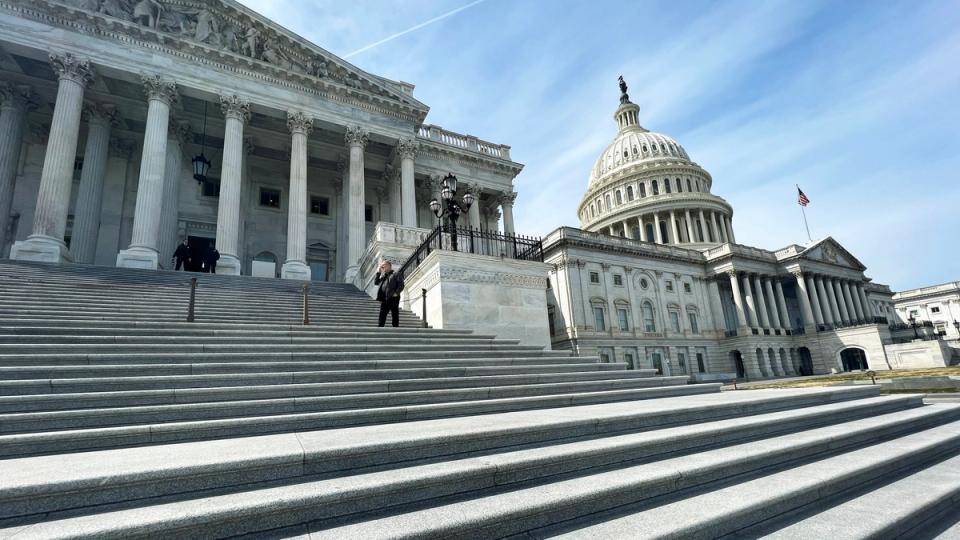 Revised PARITY Act brings crypto wash sale rules, stablecoin safe harbor, and staking tax deferral2026-04
 Citrea aims to unlock institutional Bitcoin utility with a zk-rollup that enables lending, stablecoins and DeFi without altering Bitcoin's consensus rules2026-06
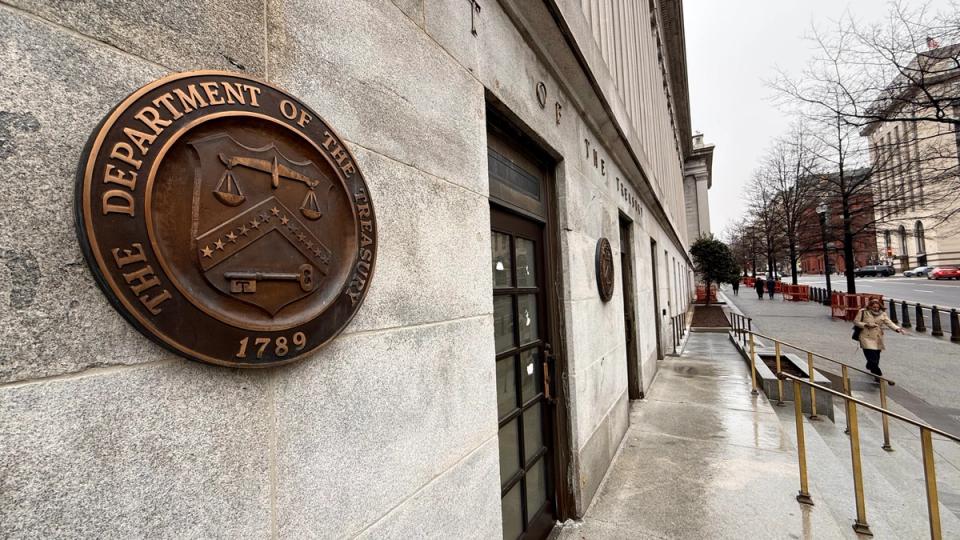 Treasury proposes GENIUS Act rules requiring stablecoin firms to block illicit transactions2026-04
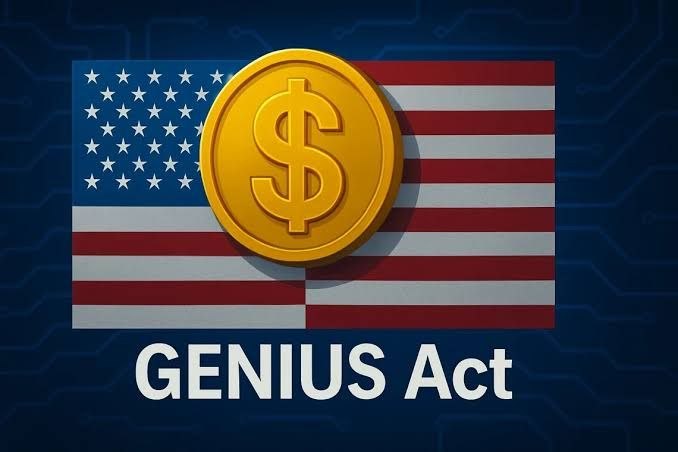 U.S. Treasury proposes first GENIUS Act rule, seeking public input on allowing smaller stablecoin issuers to operate under state-level oversight frameworks2026-04
 WalletConnect unveils compliance framework combining Travel Rule data collection and wallet ownership verification inside stablecoin payment flows2026-05
Stablecoin Rules: How Global Regulation Is Redrawing The Map For Digital Dollars
Stablecoin rules are the evolving set of laws, prudential standards, and anti–money laundering obligations that govern how fiat-pegged crypto tokens are issued, backed, traded, and supervised. Together, these frameworks are transforming what began as lightly regulated “digital cash” into a regulated financial infrastructure that increasingly resembles the banking system, with direct implications for traders, DeFi builders, and institutions worldwide.
In the past few years, stablecoins have moved from a niche plumbing layer for crypto markets to a strategically important payment and funding instrument that now sits at the intersection of monetary policy, bank regulation, and national security policy. This shift explains why regulators from Washington to Brussels to Tokyo are racing to craft detailed stablecoin rules that cover everything from reserves and redemption rights to customer identification, sanctions screening, and even caps on how many tokens users can hold. In the United States, the Guiding and Establishing National Innovation for U.S. Stablecoins (GENIUS) Act has become the anchor for a federal regime that treats large payment stablecoin issuers as Bank Secrecy Act financial institutions, subjecting them to bank-style customer identification programs and anti–money laundering (AML) controls. New York’s Department of Financial Services (NYDFS) is aligning its pioneering state framework with GENIUS, while the European Union is rolling out MiCA, the world’s first comprehensive crypto-asset rulebook, tightened further by the European Central Bank’s (ECB) resistance to loosening reserve rules for euro stablecoins. The Bank of England and UK Financial Conduct Authority (FCA) are crafting a two-pillar regime for systemic stablecoins and fiat-backed tokens used in payments, even as a House of Lords committee urges them to drop strict caps on retail holdings. Meanwhile, Asian jurisdictions such as Japan and South Korea are weaving stablecoins into broader digital asset and financial law reforms, reflecting the global convergence around core policy goals but also the risk of fragmented, jurisdiction-specific obligations. For stablecoin users and builders, these rules will fundamentally reshape how yields are earned, how DeFi protocols are designed, and how wallets and exchanges implement know-your-customer (KYC), Travel Rule, and sanctions compliance. The result is a new era in which stablecoins remain crypto-native but are increasingly governed by the same prudential, AML, and consumer protection architecture that surrounds traditional money and banking.
What Stablecoins Are And Why Rules Matter
Stablecoins are crypto tokens designed to maintain a stable value, usually pegged to a fiat currency such as the U.S. dollar, euro, or yen. They achieve this stability through mechanisms such as fully reserved fiat bank deposits, short-term government securities, money market instruments, or, in more experimental designs, on-chain collateral and algorithmic adjustment mechanisms. Although stablecoins emerged as a way to move value between crypto exchanges without touching the banking system, they have evolved into a general-purpose settlement asset for trading, DeFi, and increasingly, cross-border payments and remittances. The scale of their use and the liquidity they provide to the broader crypto ecosystem have prompted policymakers to view them not just as niche instruments, but as potential systemically important payment tools.
The design of a stablecoin profoundly shapes its risk profile. Fiat-backed stablecoins that hold highly liquid, high-quality assets such as central bank reserves, Treasury bills, and insured bank deposits tend to be more robust under stress but are tightly coupled to traditional markets and interest-rate cycles. Algorithmic and undercollateralized stablecoins promise capital efficiency and on-chain composability but have repeatedly proved vulnerable to loss of peg and death spirals, as past collapses demonstrated. These episodes of instability, combined with the rapid growth of dollar and euro stablecoin supply, have convinced regulators that unregulated or lightly overseen stablecoins could create run risk, transmit shocks into short-term funding markets, and potentially undermine bank deposits as the dominant form of digital money. Stablecoin rules are therefore not a peripheral regulatory curiosity; they are the main channel through which governments seek to tether this innovation to familiar prudential safeguards.
The rise of stablecoins has also blurred the boundary between payments, deposits, and securities, which complicates regulatory categorization. When a user holds a fiat-backed token that is redeemable at par for cash, that looks economically similar to a bank deposit or e-money; when a DeFi protocol offers yield-bearing positions in that token, the line begins to resemble an investment product or security. This ambiguity matters because it determines which regulators have jurisdiction, what capital and liquidity rules apply, and whether consumer investors are protected by disclosure and conduct-of-business regimes. The US, EU, UK, and Asia-Pacific jurisdictions have taken different paths in drawing these boundaries, but they broadly agree that large payment stablecoins should be backed by high-quality assets, offer prompt redemption at par, and be issued by entities that meet robust governance and risk-management standards.
For the crypto ecosystem, stablecoin rules matter because they influence which tokens can be listed on exchanges, plugged into DeFi protocols, or used as collateral in lending and derivatives markets. Rules that require stablecoin issuers to hold reserves only in short-term government debt or central bank reserves, for example, generate predictable yield that may or may not be passed through to users, shaping the economics of stablecoin-based yield strategies. Conversely, rules that treat high-yield or algorithmic stablecoins as securities can restrict their retail availability and push experimentation into narrower, professional-only markets. As regulators shift from high-level guidance to detailed rulebooks, traders and builders need to understand the legal status of different stablecoins, the obligations on issuers, and the constraints on how tokens can be used in decentralized finance.

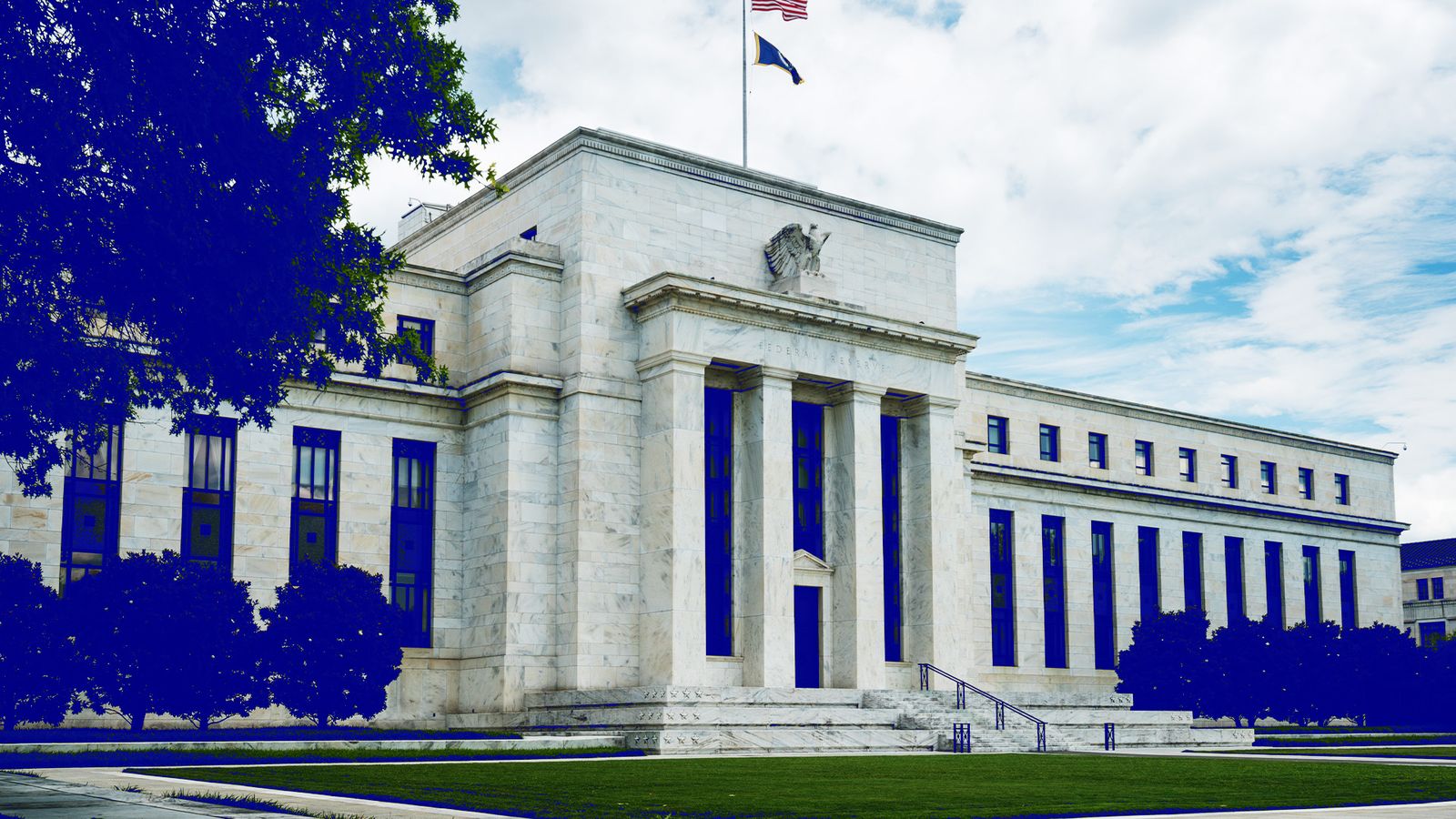
Fed proposes full reserve backing and capital rules for stablecoin issuers under GENIUS Act
Core Regulatory Themes Shaping Stablecoin Rules
Regulatory approaches to stablecoins vary across jurisdictions, but they tend to converge around a small set of core policy themes: consumer protection and prudential safeguards, AML and sanctions compliance, financial stability and monetary sovereignty, and tax and cross-border treatment. Each of these themes translates into specific rules around backing assets, redemption rights, customer identification, transaction monitoring, and reporting.
Consumer protection and prudential safeguards sit near the top of the list. Authorities worry that if a widely used stablecoin depegs or cannot meet redemption requests, retail users and merchants could suffer losses and payment disruptions, regardless of whether they consciously “opted in” to crypto risk. To mitigate this, frameworks such as New York’s stablecoin guidance and the EU’s MiCA require robust reserve management, segregation of customer funds, high-quality and liquid backing assets, and regular independent attestations or audits. New York’s Department of Financial Services was an early mover, insisting that USD-backed coins issued under its oversight be fully backed by permissible reserves and redeemable at par, and updating its proposed regulation in 2026 to add caps on how much reserve exposure can be concentrated at any one custodian, as well as detailed risk management requirements covering internal controls, information security, and growth strategies. These prudential rules are not about suppressing stablecoins; they are about making them behave more like tightly supervised e-money or narrow banks.
Anti–money laundering (AML), countering the financing of terrorism (CFT), and sanctions compliance form the second major theme. In the United States, the GENIUS Act explicitly designates “permitted payment stablecoin issuers” as financial institutions under the Bank Secrecy Act, requiring them to implement effective customer identification programs and broader AML controls. A joint proposal by the Treasury’s Financial Crimes Enforcement Network (FinCEN) and federal banking regulators would require stablecoin issuers to adopt formal customer identification programs modeled on existing bank rules, including collecting and verifying key customer details prior to account opening, maintaining records, and screening users against government watchlists. In a parallel rulemaking, FinCEN and the Office of Foreign Assets Control (OFAC) proposed additional AML/CFT requirements for permitted payment stablecoin issuers, including the capability to block or freeze transactions that violate U.S. sanctions, and a clarified distinction between issuer-facing activity and “secondary market” transactions where the issuer is not a direct counterparty. Globally, regulators are also pressing exchanges, custodians, and wallet providers to implement the Financial Action Task Force (FATF) Travel Rule for stablecoin transfers, extending compliance expectations deeper into the on-chain environment.
Monetary sovereignty, bank funding, and financial stability make up the third theme. Central banks worry that large-scale migration from bank deposits to stablecoins could reduce banks’ cheap, sticky funding base, raising funding costs and constraining credit supply. The European Central Bank has been especially vocal, warning EU finance ministers that easing reserve rules or allowing euro stablecoins to expand without tight constraints could weaken bank funding and make the transmission of monetary policy more difficult, even though euro-denominated stablecoins still represent a small share of the broader money supply. The Bank of England has similarly framed its proposed regime for sterling-denominated systemic stablecoins as a way to support a “multi‑money system” in which tokenized bank deposits, stablecoins, and a potential retail central bank digital currency (CBDC) coexist, without undermining financial stability or payment reliability. This theme explains why some authorities consider caps on individual holdings or strict backing requirements in central bank reserves or government bonds, at least during an initial transition period.
Finally, taxation, securities law, and cross-border issues complete the picture. While core prudential and AML frameworks fall under banking and financial stability authorities, tax rules are typically the domain of finance ministries and revenue agencies. In the United States, congressional tax committees are exploring comprehensive digital asset tax reforms that would affect how stablecoin transactions, lending, and staking are treated, including whether routine stablecoin payments trigger capital gains events and how yield from stablecoin lending or liquidity provision is classified. Similar questions arise in other jurisdictions: does interest earned on stablecoin reserves represent income for the issuer only, or can it be passed through without changing the legal nature of the token? Cross-border use of stablecoins intersects with capital controls, foreign exchange regulation, and tax reporting, making it likely that multinational corporate users will face overlapping disclosure and withholding obligations as they adopt stablecoins for treasury operations and trade finance.
Readers aren't following stablecoin regulation as a compliance checkbox story — the click pattern reveals they're tracking a structural fork: whether stablecoins get absorbed into the regulated banking system (yield prohibition, Fed access, GENIUS Act reserve rules) or remain a sovereign alternative (Type III immutability, MiCA rejection, Tether's defiance of EU rules).
The United States: GENIUS Act And Beyond
From patchwork to federal framework
For much of the 2010s and early 2020s, U.S. stablecoin oversight was a patchwork of federal securities and commodities enforcement, state money transmitter laws, and bespoke arrangements such as New York’s BitLicense and limited-purpose trust charters. Major stablecoins often operated with a mix of state-level licenses and informal engagement with federal regulators, while bank-issued projects remained mostly experimental. This fragmented landscape created legal uncertainty and competitive advantages for issuers willing to operate in regulatory gray areas, which in turn amplified calls from policymakers and banking trade groups for a clear federal regime that would subject stablecoin issuance to standards comparable to bank deposits.
The GENIUS Act, enacted as a dedicated stablecoin statute, was designed to address this fragmentation and to bring payment stablecoin issuers within a familiar regulatory perimeter. Rather than treating all stablecoins as identical, the Act focuses on “permitted payment stablecoins” that meet certain criteria, and on their issuers, which it subjects to Bank Secrecy Act obligations as if they were financial institutions. This approach reflects the view that large fiat-backed stablecoins used for payments are functionally bank-like and pose similar risks, even if they are issued by non-bank fintechs. It also creates a framework for federal certification of state-level stablecoin regimes, allowing states such as New York to maintain their own supervisory structures as long as they are aligned with GENIUS standards.
GENIUS Act objectives and Treasury rulemaking
The GENIUS Act tasks the U.S. Treasury with issuing regulations that both encourage innovation in payment stablecoins and provide a tailored regime to mitigate illicit finance risks and protect the financial system. To that end, Treasury issued an Advance Notice of Proposed Rulemaking (ANPRM) seeking public comment on how to implement the Act, inviting data and feedback from industry participants and the broader public. This ANPRM builds on an earlier Treasury request for comment on innovative methods to detect illicit activity involving digital assets, underscoring the administration’s emphasis on leveraging both regulatory and technological tools in overseeing stablecoins.
Treasury’s objectives under GENIUS can be summarized as threefold. First, to ensure that payment stablecoin issuers are subject to robust AML/CFT standards equivalent to those applied to banks and other financial institutions, closing potential gaps exploited by bad actors. Second, to align state and federal oversight in a way that recognizes the pioneering work of jurisdictions like New York but avoids a fragmented national market with uneven standards. Third, to support responsible innovation by providing clarity to issuers, banks, and fintechs that want to integrate stablecoins into payments, lending, and embedded finance products without fear of retroactive regulatory surprises.
Customer Identification Programs for stablecoin issuers
One of the most concrete regulatory moves under GENIUS so far is the joint proposed rule issued by FinCEN, the Office of the Comptroller of the Currency, the Federal Reserve, the Federal Deposit Insurance Corporation, and the National Credit Union Administration, which would require payment stablecoin issuers to maintain effective customer identification programs (CIPs). Modeled closely on existing bank rules, the proposal obliges issuers to collect and verify essential identifying information from customers before establishing an account relationship.
For individuals, this typically means collecting name, date of birth, address, and an identification number such as a Social Security number or other government-issued identifier. For organizations, issuers must gather information such as legal name, address, and formation details, and may need to verify beneficial ownership in line with broader customer due diligence expectations. The rule anticipates that issuers will adopt risk-based procedures to verify identities, which could combine documentary methods (such as government IDs) with non-documentary methods (such as database checks or digital identity solutions). Critically, issuers must inform customers that their identities will be verified during account opening, mirroring the disclosure practices used by banks and broker-dealers.
The proposed CIP rule also establishes recordkeeping obligations, requiring issuers to maintain records of the identifying information they collect, the verification methods used, and the results of those checks for specified retention periods. Issuers must screen customers against government lists of known or suspected terrorists and terrorist organizations, and implement procedures for handling situations where identity verification cannot be completed, such as denying services, restricting account features, or imposing conditions until verification is successful. While these requirements may be familiar to traditional financial institutions, they mark a significant shift for stablecoin-native firms that historically emphasized minimal friction and pseudonymous on-chain usage.
Importantly, the CIP rule would apply only to customers who have a direct relationship with the stablecoin issuer, such as those who buy or redeem tokens directly with the issuer or its designated agents. Secondary-market transactions between users on exchanges or in DeFi protocols are generally outside the rule’s direct scope, although they may be covered by other AML/CFT obligations applicable to the intermediaries facilitating those transactions. The proposal also allows permitted payment stablecoin issuers, under certain conditions, to rely on customer identification conducted by another federally regulated financial institution, reducing duplication in cases where banks or brokers distribute stablecoins on behalf of issuers.
AML/CFT obligations and secondary market debates
Alongside the CIP proposal, FinCEN and OFAC have advanced a separate rule to implement the GENIUS Act’s broader AML/CFT directives for permitted payment stablecoin issuers. In this rulemaking, the agencies clarify that they will refer to “secondary market” activity as stablecoin transactions that do not directly involve the issuer as a counterparty, such as transfers between users on public blockchains, trades on centralized exchanges, or interactions with DeFi protocols. While the primary legal obligations under the rule fall on the issuer, including suspicious activity reporting, sanctions compliance, and maintaining the ability to block or freeze illicit transactions, the treatment of secondary markets has become a flashpoint between regulators, industry advocates, and civil society groups.
Banking trade groups have argued that robust AML rules should extend meaningfully into secondary markets to prevent stablecoins from becoming a channel for evasion of sanctions and money laundering controls. Industry organizations focused on decentralized finance and crypto markets, such as the Hyperliquid Policy Center and Paradigm, have warned that overly strict secondary-market rules could effectively force stablecoin issuers to operate only in permissioned networks where counterparties are pre-vetted, undermining the open, interoperable nature of public blockchains. They caution that if issuers are held responsible for all downstream activity in tokens they originally minted, they may retreat from public chains altogether, reducing liquidity and innovation while pushing users toward less transparent alternatives.
This debate is not merely academic. How U.S. regulators ultimately define issuers’ obligations in relation to secondary-market activity will shape whether major fiat-backed stablecoins remain widely usable in permissionless DeFi, or whether they gravitate toward whitelisted, institution-only chains. It will also influence the business models of compliance-focused infrastructure providers, from on-chain analytics to Travel Rule messaging networks and wallet verification services. Initiatives such as WalletConnect’s emerging compliance framework, which combines Travel Rule data collection with wallet ownership verification inside stablecoin payment flows, reflect the industry’s attempt to design technical solutions that meet regulators’ expectations without eliminating self-custody or composability.
Interaction with state regimes: New York as a template
The GENIUS Act explicitly contemplates certification of state stablecoin regimes that meet federal standards, and New York’s Department of Financial Services (NYDFS) is positioning its framework as a primary candidate. NYDFS issued first-of-its-kind guidance in June 2022 for U.S. dollar–backed stablecoins under its oversight, emphasizing full backing by high-quality reserves, clear redeemability at par, and independent reserves attestation, among other safeguards. This guidance effectively set a benchmark for prudential supervision of fiat-backed stablecoins in the U.S., influencing both industry practices and the design of later federal proposals.
In June 2026, NYDFS proposed a formal regulation to build on its 2022 guidance and to align with federal GENIUS Act requirements. The proposed regulation incorporates prior requirements on backing and redeemability, permissible reserves, and independent audits, while also addressing new federal provisions. These include setting maximum amounts of reserves that can be held at any single custodian, to prevent excessive concentration risk, and obliging entities to adopt comprehensive risk management programs covering internal controls, information security, internal audit systems, asset growth strategies, earnings, insider and affiliate transactions, and service provider arrangements. The proposal is subject to a preproposal comment period followed by a full public consultation, demonstrating the iterative, collaborative nature of stablecoin rulemaking between state and federal authorities.
Industry and policy voices such as a16z have urged Treasury to ensure that state frameworks certified under GENIUS remain aligned and interoperable, warning that a patchwork of non-fungible state stablecoins could undermine fungibility, competition, and nationwide adoption. While these concerns are not yet fully reflected in formal rules, they highlight the delicate balance regulators must strike between leveraging state-level experimentation and maintaining a cohesive national market for digital dollars.
Industry and political feedback
The rollout of GENIUS Act rules has triggered an active feedback loop between regulators, industry participants, and political actors. Crypto-native firms, centralized exchanges, DeFi protocols, and policy advocacy organizations have submitted comment letters focused on preserving open access, privacy, and composability, while banking trade groups have pushed for level-playing-field standards that prevent regulatory arbitrage and protect traditional financial institutions from unfair competition. Lawmakers on tax and financial services committees are simultaneously exploring how stablecoin rules interact with broader digital asset policy, including securities law jurisdiction, investor protection, and the tax treatment of stablecoin-based lending and staking.
This dynamic is particularly visible in debates over the scope of AML obligations. Paradigm and the Hyperliquid Policy Center have publicly challenged aspects of the proposed GENIUS Act AML rule, arguing for a narrower focus on issuer-facing activity and opposing requirements that would force network-level censorship of transactions. Banking trade groups, conversely, argue that without robust secondary-market controls and effective Travel Rule implementation, stablecoins could become an attractive vector for illicit finance and sanctions evasion. As with earlier fights over internet regulation, encryption, and peer-to-peer technologies, stablecoin policy is becoming a venue where values such as privacy, openness, and innovation are weighed against security, compliance, and systemic risk.
Europe And The UK: MiCA, The ECB, And Bank Of England
MiCA’s approach to asset-referenced and e-money tokens
The European Union’s Markets in Crypto-Assets Regulation (MiCA) is the most comprehensive regional framework for crypto-assets to date, and it devotes significant attention to stablecoins, which it categorizes as either asset-referenced tokens (ARTs) or e-money tokens (EMTs). ARTs are tokens that reference a basket of assets, including potentially non-fiat assets, while EMTs are intended to maintain a stable value by referencing a single fiat currency, making them more analogous to traditional e-money. MiCA establishes uniform rules across the EU for the public offering and trading of such tokens, including requirements for transparency, disclosure, authorization, governance, and ongoing supervision by national competent authorities and the European Banking Authority.
For stablecoin issuance, MiCA imposes stringent obligations on issuers, including capital requirements, reserve management standards, redemption rights at par, and regular disclosures about the composition and valuation of backing assets. Significant ARTs and EMTs—those that meet thresholds for size, number of users, or importance—are subject to additional oversight and may face constraints designed to mitigate systemic risks. By creating a single passportable license framework, MiCA aims to support market integrity and financial stability while fostering innovation and cross-border competition across the EU’s internal market. For global stablecoin issuers, MiCA means that offering euro- or EU-targeted tokens without compliance will no longer be viable, pushing them either to seek authorization or limit their European footprint.
ECB’s stance on euro stablecoins and bank funding risks
While MiCA provides the legislative framework, the European Central Bank plays an influential role in interpreting and implementing stablecoin rules, particularly for euro-denominated tokens. The ECB has consistently expressed caution about large-scale euro stablecoin adoption, warning that if households and firms shift substantial portions of their money holdings from traditional bank deposits into privately issued tokens, banks’ funding models could be undermined, with knock-on effects for credit provision and monetary policy transmission. Even though euro stablecoins currently represent a small share of total euro-area money supply, the ECB has argued that relaxing reserve rules or supervisory constraints simply because the sector is small today would be shortsighted.
Reports indicate that the ECB recently rejected proposals to ease reserve requirements for euro stablecoins, with President Christine Lagarde warning that such a move could destabilize bank funding and complicate interest-rate control if stablecoins grew rapidly in popularity. The central bank has instead pressed for strict backing rules, robust supervision of significant stablecoin issuers, and close coordination with MiCA’s rollout to ensure that private digital money does not undermine the planned digital euro or the broader financial system. This stance underscores a key difference with some crypto-industry narratives: for central banks, stablecoins are not only a question of consumer-facing innovation, but also an issue of who ultimately controls the creation and distribution of systemically important money-like instruments.
Bank of England and FCA plans for systemic stablecoins
In the United Kingdom, stablecoin regulation is being developed through a coordinated effort involving the Bank of England, HM Treasury, and the Financial Conduct Authority (FCA). The UK is taking a phased approach, focusing first on fiat-backed stablecoins that may be used as a means of payment, and then integrating the broader crypto-asset regime. Under current plans, the issuance and custody of fiat-backed stablecoins will be regulated under the Financial Services and Markets Act 2000, while their use in payments will fall under the Payment Services Regulations (PSRs). This structure reflects the dual nature of stablecoins as both instruments of value storage and tools for executing payments.
The Bank of England has published a consultation paper on the proposed regulatory regime for sterling-denominated systemic stablecoins, framing them as part of a future “multi‑money” system alongside commercial bank money, tokenized deposits, and potentially a retail CBDC. The BoE’s objectives include ensuring that systemic stablecoins can be used safely in systemic payment chains, that they are fully redeemable at par in fiat, and that their issuers are subject to prudential standards commensurate with the risks they pose. The Bank has signaled that it plans to finalize rules for such stablecoins by the end of 2026, and has floated the possibility of requiring issuers to hold backing assets in government bonds or central bank reserves to strengthen safety and liquidity.
To mitigate initial transition risks, the BoE has also considered temporary limits on individual holdings of stablecoins and on total issuance, including caps in the £10,000 to £20,000 range for individuals and around £10 million for firms, according to reports. These ideas are controversial. A House of Lords committee has urged UK regulators to drop or significantly relax the proposed caps and a rule that would require 40% backing in central bank money, arguing that such constraints could stifle competition and entrench incumbents before the market has a chance to mature. The debate mirrors broader global tensions between cautious, stability-first regulation and more permissive approaches that give greater weight to innovation and market-led experimentation.
Tension over caps, backing rules, and competition
The UK’s emerging regime illustrates broader design questions that all jurisdictions face. Caps on holdings and issuance can limit systemic risk and buy time for regulators to gain comfort with new instruments, but they can also prevent stablecoins from fully realizing network effects in payments and DeFi. Requirements that reserves be held in central bank deposits or high-quality government bonds maximize safety and support monetary policy, yet they may reduce yield available to issuers and users, potentially making stablecoins less competitive versus bank deposits or alternative payment methods.
In this sense, the structure of stablecoin rules will shape competitive dynamics between banks, fintechs, and crypto-native issuers. If only banks can issue fully regulated stablecoins at scale, the result may be tokenized deposits that behave like stablecoins but remain tethered to bank balance sheets. If non-bank issuers can access safe backing assets but face strict governance and AML requirements, the market may see a mix of bank- and fintech-issued tokens. The BoE’s interest in a multi‑money system, combined with the FCA’s focus on consumer protection and market integrity, suggests that the UK will aim for a balanced model in which multiple types of digital money coexist under coordinated oversight.

ECB urges EU to tighten crypto rules, widen stablecoin interest ban

Asia-Pacific And Other Key Jurisdictions
Japan’s push for yen stablecoins and crypto ETFs
Japan’s regulatory stance on crypto has historically emphasized consumer protection and market integrity, but recent policy developments indicate a growing interest in leveraging digital assets, including stablecoins, for broader economic and financial innovation. Japan’s ruling Liberal Democratic Party has called for the creation of rules to allow crypto-based exchange-traded funds (ETFs) and for the promotion of yen-denominated stablecoins, presenting these as tools to strengthen the local digital asset sector and bolster the country’s role in regional finance. According to reports, the LDP has urged the government to develop a legal framework for crypto ETFs and to support the issuance of yen stablecoins as part of a broader strategy for digital finance.
Yen-denominated stablecoins could play several roles in Japan and the wider Asia-Pacific region. They might facilitate cross-border trade and investment flows by providing a digital representation of the yen that can be settled on-chain, integrate with regional DeFi and lending platforms, or support tokenized real-world asset (RWA) markets denominated in yen. At the same time, Japanese authorities will likely impose tight oversight on such tokens, drawing on the country’s experience regulating crypto exchanges and the lessons from earlier domestic exchange failures. The emphasis on ETFs and regulated stablecoins reflects a preference for integrating digital assets into well-understood financial products and infrastructure rather than leaving them entirely at the edges of the system.
South Korea’s integration into existing financial laws
South Korea offers another example of a jurisdiction seeking to integrate stablecoins into existing financial regulatory structures rather than building an entirely separate regime. Policymakers there plan to regulate tokenized real-world assets and stablecoins under existing financial laws, effectively treating these instruments as new forms of already regulated products rather than as sui generis crypto phenomena. This approach underscores a broader trend: as digital assets mature, regulators increasingly look for ways to apply familiar principles and frameworks, adapted where necessary, rather than crafting bespoke rules for every technical innovation.
In the Korean context, integrating stablecoins and RWAs into existing laws may mean that issuers and platforms must obtain licenses similar to those required for conventional financial services, comply with established AML and investor-protection standards, and coordinate with prudential regulators on risk management. South Korea has also moved to strengthen its oversight of cross-border crypto activity by approving a cross-border registration regime for overseas crypto businesses that serve Korean residents, which would likely extend to stablecoin platforms and liquidity providers. For global stablecoin issuers, this raises the bar for market entry, but it also offers regulatory legitimacy for those willing to meet local standards.
Emerging markets, state-backed tokens, and regional experiments
Beyond the major financial centers, a growing number of emerging markets are experimenting with stablecoins, sometimes in partnership with private issuers. Projects such as Tether’s collaboration with Georgia to launch a lari-backed stablecoin under new local rules, and similar explorations in other jurisdictions, illustrate how governments see potential benefits in digitizing their national currencies on public or consortium blockchains. These initiatives can support domestic payment modernization, cross-border remittances, and capital market development, but they also raise questions about capital controls, currency substitution, and the appropriate relationship between state-backed tokens, private stablecoins, and central bank digital currencies.
Regional risk assessments, such as Asia-focused reports highlighting top crypto risks, often flag stablecoin regulation as a key area of scrutiny. Regulators worry that loosely supervised foreign-currency stablecoins could exacerbate dollarization pressures in economies with weaker currencies, while poorly designed local stablecoins might introduce new avenues for fraud or financial instability. As a result, some emerging markets may adopt restrictive approaches that limit stablecoin issuance to banks or state-controlled entities, while others experiment with sandboxes and pilot programs that grant temporary, closely monitored licenses to private issuers.
Global policy convergence and fragmentation
The TRM Labs Global Crypto Policy Review for 2025–26 notes that stablecoins are a major focus for policymakers worldwide, with over 70% of jurisdictions making progress on stablecoin regulation in 2025 alone. This rapid convergence around the need for clearer rules reflects both the growing economic significance of stablecoins and the desire to preempt cross-border regulatory arbitrage. At the same time, differences in legal traditions, financial structures, and policy priorities mean that stablecoin rules remain fragmented. Some jurisdictions follow an EU-style model that categorizes tokens and imposes specific obligations based on those categories, while others, like the U.S., layer new rules on top of existing bank and securities law.
For global stablecoin issuers and large crypto platforms, this fragmentation creates both challenges and opportunities. On the one hand, they must navigate a complex patchwork of licensing, reserve, AML, and reporting requirements that vary by region. On the other hand, convergence on core themes—such as full backing, redemption rights, AML/CFT compliance, and operational resilience—allows well-capitalized, compliance-ready issuers to scale across multiple markets. Over time, mutual recognition arrangements or de facto standardization around leading regimes like MiCA and GENIUS could reduce friction, but in the near term, cross-border stablecoin operations will require sophisticated regulatory strategy and local partnerships.
- 01GENIUS Act architecture fight↗
The top-clicked headline — Treasury's first GENIUS Act rule seeking public input on state-level issuer oversight — signals readers are closely watching how the U.S. federal-vs-state framework gets wired, knowing it sets the global template.
- 02Yield prohibition vs. banking parity
JPMorgan's Dimon and the Senate yield-compromise headlines drew heavy clicks because they expose the core tension: if stablecoins can't pay yield, they lose a key competitive edge; if they can, banks argue it creates an unregulated parallel system.
- 03Type III autonomous governance
Cap Labs' 'Type III' concept pulled 129 clicks — second overall — because it represents the ideological pole opposite to every regulatory framework in the list: stablecoins governed by immutable code with no human override.
- 04MiCA competitiveness trap↗
Tether's MiCA defiance, the ECB's refusal to loosen rules, and the report showing euro stablecoins at under 1% global market share collectively show readers tracking whether strict EU rules protect or simply sideline European issuers.
- 05Travel Rule and AML enforcement↗
WalletConnect's compliance framework and the Fed/FinCEN customer-ID proposal attracted clicks because they represent the operational reality of compliance — issuers must now embed identity verification directly into payment flows.
- 06Global regulatory race fragmentation
Dubai, South Korea, Hong Kong, Canada, and the UK each appeared in clicked headlines, showing readers tracking whether national frameworks converge or splinter — and which jurisdiction wins issuer domicile by being fastest or most permissive.
Practical Implications For Traders, Builders, And Institutions
Onboarding, KYC, and using stablecoins in DeFi
For everyday crypto users and DeFi participants, stablecoin rules will be felt most directly through changes in onboarding, know-your-customer (KYC) processes, and the usability of certain tokens in decentralized applications. Under the proposed U.S. CIP rule, users who interact directly with a permitted payment stablecoin issuer—whether to mint new tokens, redeem for fiat, or open an account—will face bank-style identity verification, including providing personal details, undergoing database checks, and being screened against watchlists. Similar expectations will apply in EU and UK contexts where issuers and custodians are licensed financial institutions subject to AML rules.
However, most retail users currently obtain stablecoins through centralized exchanges, brokerages, or on-chain swaps rather than directly from issuers. Those intermediaries are already subject to KYC and AML requirements in many jurisdictions, so the direct marginal impact of issuer-level CIP rules may be limited for such users. The more significant changes will emerge if AML frameworks for stablecoins push issuers to restrict secondary-market flows to whitelisted addresses or to require wallet verification before tokens can be transferred on-chain. Projects like WalletConnect’s integration of Travel Rule data collection and wallet ownership verification into stablecoin payment flows are early examples of how compliance requirements might become embedded in wallet UX, especially for higher-value or cross-border transfers.
In DeFi, the key question is whether regulated stablecoins will remain fully composable with permissionless protocols. If issuers are required—either by law or by supervisory expectation—to blacklist or freeze tokens associated with sanctioned addresses, protocols that interact with those tokens may face heightened legal risk or need to incorporate compliance checks. Some protocols could respond by integrating screening tools and geofencing features, while others might pivot to less regulated or purely crypto-collateralized stablecoins, trading regulatory clarity for greater on-chain freedom but also higher risk and narrower institutional adoption.
Yield, risk, and the changing economics of stablecoins
Stablecoin rules have direct consequences for yield, both at the issuer level and in DeFi. Fiat-backed stablecoins generate yield from the reserves they hold—primarily bank deposits and short-term government securities—which in a higher interest-rate environment can be substantial. Prudential rules that require reserves to be held in highly liquid, low-risk instruments such as Treasury bills or central bank deposits, as in NYDFS guidance and similar regimes, constrain the risk-return profile of these reserves but also make the income more predictable. Whether that income is retained by the issuer, shared with users, or channeled into ecosystem incentives is a function not only of business strategy but also of regulatory classification.
In some jurisdictions, such as under EU e-money rules, paying interest directly on tokens can trigger a reclassification or additional regulatory obligations, which is why many regulated stablecoins either do not pay yield at the token level or do so indirectly via separate financial products. In the U.S., if stablecoin holdings were to be treated as deposits or securities, offering yield could change the regulatory perimeter. As a result, most stablecoin yield that traders see today comes not from the tokens themselves but from lending, liquidity provision, and other DeFi strategies that utilize stablecoins as collateral or trading inventory. These yields carry counterparty, smart contract, and market risks that are distinct from the underlying stability of the tokens.
Regulatory initiatives that tighten AML/CFT controls or restrict secondary-market flows may reduce some high-yield but opaque opportunities, especially those that rely on regulatory blind spots or access to unregulated counterparties. Conversely, greater legal clarity and institutional comfort could expand the universe of lower-risk yield strategies, as banks, brokerages, and asset managers begin to offer regulated stablecoin-based products, including tokenized money-market funds, repo, and on-chain treasury management solutions. The net effect on yield for retail users is uncertain: it may become lower but more sustainable, with a premium placed on transparency and compliance.
Wallets, Travel Rule, and compliance by design
Wallets are the primary interface through which users experience stablecoins, and they are increasingly at the front lines of regulatory compliance. The FATF Travel Rule, which requires virtual asset service providers to share sender and recipient information for qualifying transactions, is being implemented across jurisdictions and affects how exchanges and custodial wallets handle stablecoin transfers. Solutions that integrate Travel Rule messaging into wallet protocols, along with ownership verification and risk scoring, signal a shift toward “compliance by design,” where regulatory requirements are built into the underlying communication and settlement infrastructure.
WalletConnect’s introduction of a compliance framework that combines Travel Rule data collection with wallet ownership verification within stablecoin payment flows exemplifies this trend. Although self-custodial wallets are not uniformly regulated as financial institutions, their interactions with regulated counterparties—exchanges, custodians, and stablecoin issuers—create pressure to support compliance workflows, such as address verification, transaction risk flagging, and route selection based on jurisdiction. Over time, this may lead to a bifurcation between fully permissionless, privacy-maximizing wallet ecosystems and more regulated, institution-friendly ones that optimize for compliance and seamless integration with banks and payment providers.
For developers, the design question is how to preserve composability and user control while meeting the expectations of regimes like GENIUS, MiCA, and UK stablecoin rules. Techniques such as selective disclosure, zero-knowledge proofs for KYC attestations, and on-chain identity standards may become central tools in reconciling on-chain privacy with off-chain regulatory obligations. For users, the practical implication is that interacting with regulated stablecoins in certain contexts will increasingly resemble using online banking: identity-verified, monitored, and subject to transaction limits and reporting.
Tax rules touching stablecoin transactions
Tax treatment of stablecoin activity is evolving more slowly than AML and prudential rules, but it is no less important for users. In many jurisdictions today, including the U.S. and parts of the EU, using stablecoins to buy goods or services can trigger capital gains or losses if the tokens are treated as property rather than as currency. As stablecoin use in payments grows, this creates a friction that undermines their utility as everyday money. Legislative proposals and discussion drafts in the U.S. have floated ideas such as de minimis exemptions for small-value stablecoin transactions and clearer rules on the tax treatment of lending, staking, and yield earned on digital assets.
For institutions, questions include whether stablecoin-based treasury operations give rise to foreign exchange gains and losses, how to account for tokenized cash equivalents on balance sheets, and how to treat interest income from stablecoin reserves for tax and regulatory capital purposes. In the absence of clear guidance, many firms adopt conservative positions that limit the scope of stablecoin use to low-risk, well-documented transactions. Over time, as stablecoin rules mature and more jurisdictions adopt specific tax provisions for digital assets, the path may open for broader enterprise adoption, including on-chain invoices, receivables financing, and programmable tax-withholding mechanisms embedded directly into stablecoin payment flows.
Design Choices For Future-Proof Stablecoin Projects
Governance, reserves, and transparency
For issuers and protocol designers, stablecoin rules translate into concrete design choices around governance structures, reserve compositions, disclosure practices, and risk controls. Regulatory frameworks like MiCA, GENIUS, and NYDFS guidance emphasize not only the quality and liquidity of backing assets but also the robustness of issuer governance and the transparency of operations. This includes clear legal segregation of reserves from the issuer’s own assets, robust internal control frameworks, independent audits, and effective oversight by boards and risk committees.
Transparency is a differentiator in both regulatory and market terms. Issuers that provide frequent, detailed disclosures about reserve holdings, counterparties, and risk exposures, backed by independent attestations, are better positioned to satisfy regulators and institutional clients. Conversely, opaque or lightly attested stablecoins are likely to face mounting skepticism from supervisors and may find their access to banking and capital markets constrained. The NYDFS proposal to limit concentration of reserves at any single custodian underscores regulators’ focus on not just aggregate backing but also the distribution of custodial and counterparty risk.
Choosing jurisdictions and licensing paths
Stablecoin projects must also choose their regulatory homes and licensing strategies. Options include bank-chartered models, where stablecoin issuance occurs within an existing banking license; dedicated e-money or payment institution licenses; specialized state or national charters (such as New York’s BitLicense and trust company charters); and, in the EU, authorization under MiCA as an ART or EMT issuer. Each path carries trade-offs in terms of capital requirements, supervisory intensity, permissible activities, and cross-border passporting rights.
Some issuers may opt for multi-jurisdictional licensing, gaining authorization in both a U.S. state and the EU, for example, to access both markets under their respective rules. Others may focus on one region and rely on partnerships with local banks or fintechs elsewhere. As frameworks like GENIUS include mechanisms for certifying state regimes, and as international regulatory dialogues progress, there is potential for greater interoperability and recognition. Still, the near-term reality is a complex regulatory map that requires careful planning and significant legal and compliance investment.
Open networks versus permissioned models
A central tension in stablecoin design is the choice between open, permissionless networks and more controlled, permissioned models. Public, permissionless blockchains maximize composability, innovation, and user autonomy, but they pose challenges for AML/CFT compliance and sanctions enforcement. Permissioned networks, where nodes and participants are pre-approved and identities are known, make it easier to implement traditional compliance frameworks but sacrifice some of the core properties that make crypto attractive.
Regulators’ decisions about secondary-market obligations, as seen in the GENIUS AML rule debate, will influence this choice. If issuers are held responsible for controlling downstream flows to a degree incompatible with public chains, they may gravitate toward permissioned ledgers or walled-garden environments. If regulators accept a model where issuers focus on primary-market controls—KYC, monitoring, and reporting for direct customers—while intermediaries and analytics firms bear more responsibility for secondary markets, there may be room for regulated stablecoins to remain native to public blockchains. Hybrid designs, where tokens are issued on public chains but enhanced compliance features (such as address whitelisting, off-chain attestations, or embedded controls) are used in high-risk contexts, are also emerging.
Interoperability with CBDCs and tokenized deposits
Finally, stablecoin projects must consider how their tokens will coexist with central bank digital currencies (CBDCs) and tokenized bank deposits. Authorities like the Bank of England envision a future payments landscape where multiple forms of digital money operate side by side, including private stablecoins, tokenized deposits, and possibly a retail CBDC. In such a world, interoperability—both technical and regulatory—will be crucial. Stablecoins that can interoperate with tokenized deposit platforms, institutional DeFi, and CBDC-based payment systems via common standards and compliance frameworks may enjoy a competitive edge.
At the same time, the expansion of CBDCs and tokenized deposits could compress the space for large-scale, non-bank-issued stablecoins if regulators decide that core payment rails should be dominated by fully regulated banks and central banks. Stablecoins may then specialize in niches such as cross-border payments, programmable finance, and DeFi-native use cases, or evolve into white-labeled instruments issued in partnership with banks. Projects such as Citrea, which aims to unlock institutional Bitcoin utility with a zk‑rollup that supports lending, stablecoins, and DeFi without altering Bitcoin’s consensus rules, illustrate how infrastructure innovation can create new spaces for regulated stablecoins to operate, even as policy frameworks tighten.
NYDFS issues first U.S. stablecoin guidance requiring 1:1 reserve backing and monthly attestations
MiCA stablecoin provisions take effect in EU, mandating zero-yield reserves and capping daily transaction volumes
GENIUS Act introduced in U.S. Senate, establishing a federal permissioned payment stablecoin framework
Treasury publishes GENIUS Act AML rule in Federal Register, classifying permitted payment stablecoin issuers as financial institutions under the Bank Secrecy Act
Fed, FinCEN, and bank regulators jointly propose customer identification program rules for stablecoin issuers
NYDFS issues updated guidance reinforcing reserve and redemption requirements for New York-regulated stablecoin issuers
- 2026-06regulatory
FDIC proposes GENIUS Act-aligned rules setting reserve, capital, and redemption standards specifically for bank stablecoin issuers
Outlook
Stablecoin rules are no longer an abstract policy discussion; they are materializing in binding regulations across major jurisdictions, reshaping how digital dollars, euros, and yen are issued, used, and supervised. In the United States, the GENIUS Act and its implementing rules are on track to embed bank-style customer identification and AML obligations into the core of the stablecoin ecosystem, with ongoing debates over how far those obligations extend into secondary markets and open networks. New York’s alignment with GENIUS, combined with its own enhancements around reserve concentration and risk management, signals that state-level experimentation will continue but within an increasingly coherent federal framework. In Europe, MiCA’s entry into force, reinforced by the ECB’s insistence on strict reserve rules for euro stablecoins, will create a regulated market where only well-capitalized, transparent issuers can operate at scale, while the UK’s multi‑agency push toward a regime for systemic stablecoins and fiat-backed payment tokens will position London as a potential hub for institutional-grade digital money, albeit with tough prudential and consumer protection standards.
Across Asia and emerging markets, jurisdictions like Japan and South Korea are weaving stablecoins into broader digital asset strategies and existing financial laws, reflecting both the promise of tokenized money and the risks of unregulated growth. Global reports underline that stablecoins are a top priority for regulators, with the majority of jurisdictions advancing rules that emphasize full backing, redemption rights, AML compliance, and operational resilience. For users, traders, and DeFi builders, this means that the era of lightly regulated, high-yield stablecoin experimentation is giving way to a more structured landscape where regulatory compliance, transparency, and institutional comfort are central design constraints. Yield will not disappear, but it will increasingly come from regulated, well-understood strategies rather than opaque, unsupervised corners of the market. Wallets, exchanges, and on-chain protocols will need to embed compliance capabilities to remain interoperable with regulated stablecoins, while privacy-preserving technologies will be tested as tools to reconcile user rights with supervisory demands.
Over the medium term, the interplay between stablecoins, CBDCs, and tokenized deposits will determine whether private stablecoins remain at the heart of crypto and digital finance or become one of several interchangeable forms of regulated digital money. Policymakers’ choices about caps, backing requirements, secondary-market obligations, and cross-border recognition will shape the competitive landscape and the direction of innovation. For now, the most resilient strategy for market participants is to assume that stablecoins are becoming part of the mainstream financial system and to build with that reality in mind: designing products, protocols, and business models that can thrive under the emerging global rulebook rather than in its shadows.
Latest Stablecoin Rules news
Sources
19 records from 13 domains
ccn.com
cutimes.com
fincen.gov
dfs.ny.gov
facebook.com
bankofengland.co.uk
esma.europa.eu
htx.com
bitcoinfoundation.org
federalregister.gov
instagram.com
trmlabs.com
fca.org.uk
Community notes
Spot something off or out of date? Drop a note. Editors review topic notes daily and roll accepted fixes into the explainer — contributors are recognized in the monthly $SQUID drop.
Loading notes…
Help improve this topic
Have a story or tip about this topic? Submit it. See something missing? Leave a note. Editors review daily; accepted submissions and fixes count toward the monthly $SQUID drop.