
Deep dive explainer on how real wars, sanctions, prediction markets and AI “price wars” shape Bitcoin, gold and crypto markets, with a focus on Iran, regulation, risk, and what war really means for digital asset investors.
+89 sources across the wider coverage universe
 White House warns staff against Iran war bets after Polymarket traders net $600K on ceasefire timing2026-04
 IMF warns Iran war acts as 'sudden tax' on global economy, shrinks oil supply 13%2026-04
 AI and crypto super PACs amass $230M+ war chest for 2026 midterms with Andreessen at the nexus2026-04
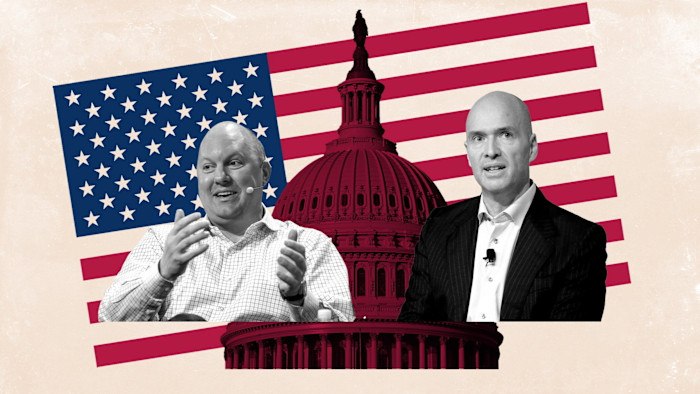 Crypto and AI super PACs stockpile $250M war chest to shape 2026 US midterms2026-04
 Trump‑backed crypto firm’s key networks processed $2.3B for Iran’s top exchange, exposing how World Liberty’s industry allies enabled flows tied to sanctioned institutions during the U.S.–Iran war.2026-05
 Crypto winter deepens in 2026 Q1 as total market cap drops 20% to 2.4T, BTC falls 22%, CEX volume sinks 39%, while stablecoins stay flat at 310B and oil surges 77% on war tensions.2026-04
War, Markets, and Crypto: An Evergreen Guide for Digital Asset Investors
Armed conflict between states and organized groups reshapes politics, economies, and financial markets, and the rise of Bitcoin and digital assets means those effects now spill directly onto blockchains as well. For a crypto-native audience, understanding both literal wars and the many metaphorical "wars" invoked in market rhetoric is essential to making sense of risk, regulation, narratives, and opportunity.
Understanding War: From Battlefields to Metaphors
In international relations and political science, war is commonly defined as sustained, organized armed conflict between states or between a state and organized non-state actors, typically involving the use of military force to achieve political, territorial, or ideological objectives. War is more than sporadic violence or crime; it implies coordination, command structures, and a scale of engagement that distinguishes it from ordinary unrest. Modern scholarship emphasizes that war is not only physical but also legal and economic, encompassing declarations, treaties, mobilization of resources, and the disruption of international norms. This broad definition matters because investors in crypto markets are increasingly exposed not just to kinetic warfare but also to the financial and informational dimensions that accompany it.
Contemporary war has diversified far beyond the image of conventional armies meeting on a battlefield. Since the twentieth century, the world has witnessed total wars between industrial states, proxy wars during the Cold War, insurgencies, cyber operations, and hybrid conflicts that blend military force with information campaigns, sanctions, and economic coercion. Nuclear weapons introduced the possibility of existential war, while drones and precision missiles introduced new forms of remote violence. The integration of digital infrastructure into critical systems means that cyberattacks can now complement or substitute for kinetic action. Each of these evolutions in warfare has implications for markets, from oil shocks to capital flight and, more recently, to stress on payment rails and digital finance.
A recent example illustrating the speed and complexity of modern war is the so‑called Twelve‑Day War between Iran and Israel in June 2025. This conflict began when Israel launched a surprise campaign against Iranian military and nuclear facilities, including the assassination of high‑profile military leaders and nuclear scientists, and strikes that damaged or destroyed parts of Iran’s air defenses. Iran retaliated with over 550 ballistic missiles and more than 1,000 suicide drones, targeting civilian population centers, a hospital, and at least a dozen military, energy, and government sites. The United States entered the conflict on Israel’s side on 22 June, striking key Iranian nuclear sites such as Fordow, Natanz, and Isfahan with bombers and cruise missiles; a ceasefire was reached on 24 June under U.S. pressure. Even in such a compressed timeline, markets reacted to perceived risks around energy, inflation, and geopolitical escalation, and crypto traders watched to see whether Bitcoin would behave more like a “digital gold” hedge or a high‑beta risk asset.
Alongside literal wars, political discourse and market commentary are saturated with metaphorical uses of the term. Governments launch “wars” on drugs, on poverty, or on inflation; energy‑rich U.S. states announce a “war on Bitcoin miners” after grid stress; derivatives platforms promote “War of Whales” trading contests; and exchanges describe their battle for market share as a “fee war” or “liquidity war.” In crypto specifically, narratives about an “oracle war” between prediction markets, a “jurisdictional war” between regulators, or a “price war” in AI cloud services borrow the language of war to frame competition as existential and zero‑sum. Metaphors can be powerful framing devices, but they also risk trivializing the human costs of actual armed conflict. For crypto market participants, it is important to distinguish between war as branding rhetoric and war as a real driver of macroeconomic shocks and policy responses.
Finally, war has always had a cultural dimension, shaping monuments, art, and national memory. The regilding of statues such as “Valor,” one of the Arts of War statues in Washington, D.C., and the revival of slogans like “Peace Through Strength” in official advertising underscore how societies attempt to legitimize or romanticize military power. These cultural signals matter for markets to the extent that they reflect political coalitions supporting higher military spending, more assertive foreign policy, or expanded national security powers—developments that often ripple into sanctions, surveillance, and financial regulation that directly affect digital assets.

White House warns staff against Iran war bets after Polymarket traders net $600K on ceasefire timing
Fifty fresh accounts hitting Polymarket minutes before a ceasefire drop is suspicious enough, but the $760M in oil futures that moved 15 minutes before Trump's Truth Social post is the real scale of this — prediction markets just made the information asymmetry visible in a way dark pool futures never do. Trump Jr. sitting on both the Polymarket and Kalshi cap tables while his father's war policy whipsaws these contracts is the kind of conflict-of-interest structure that would get a DeFi protocol's multisig signers doxxed and dragged on CT within hours.
Economic and Market Dimensions of War
How War Translates into Macro and Market Shocks
War affects financial markets through multiple channels: expected damage to productive capacity, disruptions to trade and energy supplies, increased fiscal deficits, changes in monetary policy, and shifts in risk appetite. Empirical work on the 2003 Iraq War provides a useful template for thinking about these dynamics. Researchers using financial data found that the probability of war with Iraq was gradually priced into U.S. equity markets before the conflict began. By combining news about war likelihood with movements in stock indices and other assets, they estimated that war risk reduced the value of U.S. equities by around 15 percent at its peak. Interestingly, they also observed that a decisive and relatively quick war scenario could reduce uncertainty about oil supplies and geopolitical risk, which in turn would have complex effects on asset prices. The key lesson for crypto investors is that markets react not only to whether war happens, but to the expected duration, intensity, and outcome, and to how these factors alter broader macro trajectories.
The global macro channel is particularly important when conflicts involve major commodity producers or shipping routes. Wars in the Middle East, for example, can disrupt oil flows through the Persian Gulf and drive up energy prices, which then feed into inflation, central bank decisions, and risk premia across asset classes. Elevated defense spending and emergency fiscal packages can widen budget deficits and influence bond yields. For years, Bitcoin advocates have argued that such episodes of geopolitical stress and monetary expansion strengthen the case for scarce, non‑sovereign assets. Yet in practice, the timing and magnitude of these effects are uncertain, and risk‑off moves into cash or Treasuries can dominate in the short term, especially if war coincides with other sources of economic anxiety.
Food and fuel channels are especially pernicious for emerging markets and vulnerable populations. The World Food Programme (WFP) has highlighted how conflict in parts of the Middle East is pushing the global food system towards a crisis point, with rising food and fuel costs and supply chain disruptions threatening to push an additional 45 million people into acute hunger, bringing the total to a record 363 million worldwide. These figures underscore that the economic consequences of war are not just about volatility on trading screens. They involve sharp reductions in real purchasing power, especially for import‑dependent countries, and compound existing inequalities. For digital assets, this context matters in two ways: first, because inflation and currency crises can spur interest in alternative monetary systems, and second, because regulatory and ethical scrutiny intensifies when crypto is seen as intersecting with sanctioned actors or crisis profiteering.
Gold, Safe Havens, and the Limits of Conventional Wisdom
Gold has long occupied a privileged place in discussions of war and markets as a classic “safe haven” asset. In theory, its limited supply, deep historical acceptance, and independence from any single sovereign make it an attractive store of value in times of geopolitical turmoil. However, recent research suggests that this status is more contingent than many investors assume. A study summarized by The Conversation analyzed gold’s performance amid recent geopolitical chaos and found that, while gold remains a preferred asset for investors shifting away from riskier holdings, it does not behave as an infallible storm shelter. Instead of remaining completely insulated from market turmoil, gold tends to absorb some of the volatility transmitted from equity and energy markets, and in some crises, its price can decline even as war risk rises.
Large financial institutions nonetheless remain structurally bullish on gold in a world of geopolitical fragmentation and potential monetary instability. J.P. Morgan’s global research team, for instance, has projected that gold prices could push toward \(6{,}000\) U.S. dollars per ounce by the final quarter of 2026, with a further rise toward \(6{,}300\) per ounce by the end of 2027, well above levels prevailing when the forecast was issued. Such projections implicitly assume continued demand for hard assets amid persistent inflation concerns and geopolitical risk. Still, even in this view, gold’s path is neither linear nor guaranteed; it is influenced by real yields, the dollar, central bank purchases, and the opportunity cost of holding non‑yielding assets.
For crypto investors, the contrast between gold’s complex reality and its safe‑haven reputation is instructive. Bitcoin is often marketed as “digital gold,” but the empirical record shows that even physical gold’s behaviour in wartime is contingent, path‑dependent, and tightly coupled to the broader macro environment. Appreciating these nuances can help temper simplistic narratives about any asset’s role during conflict.
The following table summarizes some of the dominant narratives and evidence around key assets in wartime:
| Asset | Common war‑time narrative | Evidence from recent crises | Key caveats for investors |
|---|---|---|---|
| Gold | Timeless safe haven during geopolitical chaos | Attracts flows as investors de‑risk, but can fall as it absorbs volatility from stock and energy markets. Central forecasts see potential for much higher prices by 2026–27. | Sensitive to real interest rates, dollar strength, and positioning; not guaranteed to rise during every conflict. |
| U.S. equities | Risky assets that sell off on war fears | Market‑implied probability of Iraq War corresponded to about a 15% decline in equity valuations during peak war risk. | Outcomes depend on war duration, geography, and whether conflict is seen as manageable or destabilizing. |
| Bitcoin | “Digital gold” hedge against war‑driven money printing | Trading volumes surged post‑COVID and Bitcoin showed some safe‑haven characteristics in later crises. However, it has also sold off amid Iran war jitters and rotation into AI stocks. | Behaviour depends heavily on global liquidity, leverage, and regulatory narratives; still behaves like a high‑beta macro asset in many episodes. |
This comparison highlights that war‑time asset behaviour is neither simple nor uniform. Crypto traders need to understand both the narratives and the data when forming views about how conflict may shape digital asset prices.
Readers click 'war' content not for the geopolitics but for the financial asymmetry it reveals — who is front-running conflict on prediction markets, which crypto flows evade sanctions, and whether Bitcoin is a hedge or collateral damage.
Digital Assets Under Fire: How Real Wars Move Crypto Markets
Bitcoin Between Risk Asset and Digital Safe Haven
Since its creation, Bitcoin has oscillated between being treated as a speculative risk asset and as a hedge against macro instability. Research into cryptocurrency dynamics during global crises provides a nuanced picture. A recent study found that Bitcoin’s trading volume increased significantly after the onset of the COVID‑19 pandemic, suggesting that investors turned to it as a digital safe haven when uncertainty spiked. This elevated activity and perceived safe‑haven role persisted through subsequent crises, with Bitcoin sometimes moving differently from traditional risk assets, although not in a perfectly decoupled way. The implication is that Bitcoin can behave as a partial hedge in certain types of shocks, particularly those that undermine confidence in fiat systems or lead to extraordinary monetary policy.
However, episodes around the Iran–Israel conflict demonstrate that Bitcoin’s crisis behaviour is far from uniform. Market commentary and data have documented instances where Bitcoin slumped toward roughly 60,000 U.S. dollars, approximately 50 percent below its 2025 peak, as investors rotated into AI‑linked equities and grew anxious about the prospect of a wider war with Iran and delayed U.S. crypto market‑structure reforms. Subsequent reports noted that while Bitcoin edged higher at times, uncertainty about the Iran war continued to cap upside, with traders wary of leverage in an environment of elevated geopolitical risk and regulatory overhang. These episodes suggest that, during kinetic conflicts involving major powers, Bitcoin can trade more like a high‑beta macro asset, with risk‑off moves dominating any immediate safe‑haven narrative.
This tension between the “digital gold” story and Bitcoin’s observed sensitivity to liquidity and risk appetite has become a central theme in macro‑crypto discourse. Some market participants argue that the safe‑haven function is more likely to manifest over multi‑year horizons driven by structural trends in money and debt, whereas shorter‑term war scares tend to trigger de‑leveraging across all speculative assets, including Bitcoin. Others contend that Bitcoin’s maturing derivatives markets and institutional adoption may gradually reduce its correlation to equities in future crises, though this remains an open empirical question.
War, Liquidity, and Bitcoin as a “Smoke Alarm”
One influential interpretation of Bitcoin’s behaviour in the context of war and broader macro risks comes from traders who see it primarily as a liquidity barometer. In an interview focused on the Iran war and markets, Arthur Hayes argued that Bitcoin functions as a kind of “liquidity smoke alarm” that responds most to the availability of fiat liquidity in the banking and credit system. In his view, if policymakers respond to war‑related shocks or credit stress by injecting liquidity or engaging in renewed money printing, Bitcoin will eventually benefit; if they are slow to act or are instead trying to tighten financial conditions, Bitcoin is likely to sell off.
In the specific context of a prolonged conflict between the United States and Iran, Hayes suggested that the medium‑term impact could be bullish for Bitcoin if central banks ultimately monetize war‑related losses and deficits, but that in the immediate term, he saw little reason to add risk, expecting a period of credit destruction before a renewed wave of liquidity. Importantly, this is a single trader’s framework rather than a consensus view, but it captures an emerging theme: that war’s impact on crypto may be mediated not just through fear and safe‑haven flows, but through the policy responses and credit dynamics that war can trigger.
For digital asset investors, this perspective encourages a shift from asking “Does war make Bitcoin go up or down?” to asking “How does war affect liquidity, interest rates, credit spreads, and regulatory pressure, and how do those variables historically correlate with crypto returns?” It also underscores the importance of watching not only battlefields and ceasefires, but central bank statements, fiscal packages, and bank balance sheets.
Digital Assets in Conflict Zones and Sanctioned Economies
Beyond price charts, war alters how people and institutions use digital assets in affected regions. In conflict zones or under heavy sanctions, access to traditional banking can be constrained, capital controls tightened, and local currencies destabilized. In such environments, cryptocurrencies and stablecoins can serve as alternative rails for remittances, humanitarian aid, savings, or capital flight. However, as digital asset volumes grow in sanctioned jurisdictions, they attract the attention of regulators engaged in financial warfare.
The U.S. Treasury’s designation of Bitpin, an Iranian digital asset exchange, illustrates how crypto is being incorporated into sanctions policy. According to the Treasury, Bitpin received about 10 percent of all Iranian digital asset inflows in 2025 and processed millions of dollars’ worth of transactions. By targeting the exchange, U.S. authorities signaled that they view large crypto intermediaries as part of the infrastructure that can be used to evade sanctions, financing networks, or capital controls. This move formed part of a wider strategy that some officials described as unleashing “economic fury” against Iran, extending the logic of war into digital financial channels. For crypto businesses and traders, such actions underscore the need to assess counterparties, on‑ and off‑ramps, and exposure to sanctioned persons, particularly when trading assets or using platforms linked to high‑risk jurisdictions.
War, Sanctions, and the Weaponization of Crypto
From Military Conflict to Financial Warfare
Modern war is waged not only with tanks and missiles but also with sanctions, export controls, and access restrictions to the global financial system. Freezing central bank reserves, cutting banks from messaging networks, and imposing secondary sanctions on companies that deal with targeted states are all tools of financial warfare. These measures seek to raise the economic cost of conflict, constrain an adversary’s ability to procure weaponry or technology, and incentivize domestic elites to pressure their governments. For dollar‑centric finance, these tools have become more potent as the global economy has become more interconnected.
Crypto sits at a sensitive intersection of these trends. On the one hand, decentralized networks offer censorship‑resistant payment and savings mechanisms outside traditional banking, which can be used by individuals seeking to escape capital controls or by NGOs trying to route aid into crisis zones. On the other hand, exchanges, stablecoin issuers, and major liquidity pools function as chokepoints where regulators can apply pressure. The U.S. and allies increasingly treat large centralized exchanges and key protocol teams as potential leverage points in sanctions policy, much as they do correspondent banks.
The Twelve‑Day War between Iran and Israel provides a concrete context in which these dynamics came into focus. As hostilities unfolded—with Israel striking Iranian nuclear facilities, Iran launching missile and drone attacks, and the U.S. entering the conflict—markets anticipated that whatever the kinetic outcome, the longer‑term confrontation would likely continue through sanctions and economic pressure. The designation of Bitpin and other financial actors fits into this broader pattern in which the “war after the war” is fought through banking access, shipping insurance, and now digital asset infrastructure.
The Bitpin Case: A Template for Crypto Sanctions
The Treasury’s action against Bitpin is notable not only for its Iranian context but also for what it signals about regulators’ expectations of crypto intermediaries. By highlighting that Bitpin had processed a substantial share of Iranian digital asset inflows in 2025, authorities implied that large centralized platforms serving sanctioned jurisdictions should expect intense scrutiny. The designation effectively warns that routing transactions that may touch sanctioned entities—even if nominally “permissionless”—can bring substantial legal risk for platforms with any connection to U.S. persons or infrastructure.
For exchanges and over‑the‑counter desks elsewhere in the world, this case illustrates the importance of know‑your‑customer (KYC), transaction monitoring, and robust sanctions screening. It also suggests that regulators see no clear line between “traditional” financial institutions and crypto platforms in sanctions enforcement. Traders using decentralized protocols must recognize that front‑ends, custodians, and stablecoin issuers may nonetheless be constrained, affecting liquidity and access in ways that reshape markets. For example, a protocol might remain technically accessible to Iranian users, but the stablecoins or custodial bridges they need could be blocked by issuers acting under legal pressure.
At the same time, such actions reinforce narratives among some crypto advocates that the existing financial system is being weaponized in ways that justify seeking alternatives. This tension between compliance and resistance is a recurring theme in the intersection of war, sanctions, and digital assets, and it shapes both regulatory debates and protocol design choices.
Legal, Compliance, and Counterparty Risk for Crypto Participants
For market participants, war‑related sanctions introduce layers of risk beyond price movements. Traders must consider not only market risk but also legal and compliance risk associated with counterparty exposure. Using platforms later designated as sanctioned can entail frozen funds, account closures, or even enforcement actions, depending on jurisdiction. For example, if an exchange is found to have facilitated significant flows for sanctioned entities, its global partners may sever ties, reducing its liquidity and raising counterparty risk for users.
Compliance teams within crypto firms increasingly treat geopolitical monitoring as part of their mandate, tracking sanctions lists, conflict developments, and regulatory announcements. The Bitpin case suggests that regulators are willing to name and target specific digital asset exchanges, treating them much like traditional banks. In that environment, crypto firms must balance commitments to open access with obligations under sanctions and anti‑money‑laundering regimes, and individuals must weigh the risks of using high‑risk platforms, even if those platforms offer attractive liquidity or yields.
IMF warns Iran war acts as 'sudden tax' on global economy, shrinks oil supply 13%
Wagers on War: Prediction Markets and On‑Chain Outcome Trading
Prediction Markets and the Allure of War‑Related Bets
Prediction markets are platforms where participants trade contracts whose payoff depends on the outcome of future events, such as elections, economic indicators, or geopolitical developments. A binary contract on whether a war will occur by a certain date, for example, might pay 1 unit of currency if war occurs and 0 if it does not. The market price can then be interpreted, under certain assumptions, as an implied probability of the event. For traders, these markets are opportunities to express views; for policymakers and researchers, they can serve as real‑time aggregators of dispersed information.
In the crypto ecosystem, prediction markets have blossomed as on‑chain protocols and off‑chain platforms leveraging stablecoins. Iran‑related contracts, including those about U.S. military actions or escalation scenarios, have drawn substantial volume. These war‑related markets attract attention because they intersect with national security, insider information, and ethical questions about profiting from conflict.
Polymarket, Iran, and Insider Trading Concerns
Polymarket is one of the most prominent platforms in this space, offering markets on political, economic, and geopolitical outcomes, including those related to Iran. The platform emphasizes that it is an international service “not regulated by the CFTC” and that trading involves substantial risk of loss, highlighting the regulatory gray zone in which many such markets operate. Users can trade using stablecoins, and markets on issues like “U.S. airstrikes on Iranian territory by year‑end” can attract intense interest as tensions rise.
This intersection of war, markets, and information asymmetries has raised concerns about insider trading and ethics. A CBS investigation, drawing on blockchain analytics, reported that nine interconnected Polymarket accounts had netted more than 2.4 million U.S. dollars with an estimated 98 percent win rate, largely on contracts predicting U.S. military actions. Analysts suggested that this pattern could reflect the use of non‑public government information, and the White House subsequently circulated a memo reminding staffers that it is a criminal offense to use non‑public information in prediction markets. While definitive proof of wrongdoing requires legal process, such episodes illustrate the unique risks of war‑related prediction markets: a small set of actors may have privileged knowledge, and the stakes involve not just corporate earnings but life‑and‑death state actions.
For crypto participants, these developments underscore both the frontier nature of on‑chain markets and the growing scrutiny they face. Traders must consider not only market risk but also the possibility that counterparties may be insiders and that regulators may tighten rules or bring enforcement actions after high‑profile controversies.
Hyperliquid HIP‑4 and the “Oracle War”
On the DeFi side, exchanges are increasingly integrating prediction markets directly into their trading engines. Hyperliquid, for instance, introduced HIP‑4 outcome markets, which embed binary event contracts inside the same on‑chain central limit order book (CLOB) used for spot and perpetual futures. Under HIP‑4, traders can buy contracts typically labeled “Yes” or “No” that settle to a fixed range: a winning side receives a settlement fraction of 1, while the losing side receives 0. Purchasing a “Yes” token at a price of 0.60 in the quote asset means paying 0.60 now in exchange for the possibility of receiving 1.00 if the event occurs; if the event does not occur, the trader loses the initial outlay. Because these contracts share collateral pools and accounts with other products on Hyperliquid, they effectively treat event risk as another asset class alongside crypto perps.
HIP‑4’s launch in 2026, with an initial testing window featuring zero protocol fees and a builder fee model, has been framed by some commentators as part of an “oracle war” with platforms like Polymarket. The contest is not merely about fees but about who controls the mechanisms for resolving reality—how the outcome of a war, an election, or a macro event is adjudicated on‑chain. Hyperliquid’s decision to bake outcome markets into its base layer, HyperCore, contrasts with Polymarket’s positioning as an application that sits atop Ethereum and other chains. For traders, this raises questions about decentralization, governance, and conflict of interest: if the same entity running a perps exchange also controls the oracle that decides whether a war contract resolves “Yes” or “No,” the potential for disputes, especially in ambiguous geopolitical scenarios, increases.
Regulation, Ethics, and the Future of War‑Related Markets
Regulators are still grappling with how to categorize and supervise prediction markets, particularly those related to war, terrorism, and political violence. The U.S. Commodity Futures Trading Commission (CFTC) has traditionally asserted jurisdiction over event contracts that are deemed swaps or futures, and legal scholarship has described a brewing “turf war” between the CFTC and the Securities and Exchange Commission (SEC) over various crypto products. Many prediction markets argue that their contracts are small‑stakes, informational tools or entertainment products, aligning them more with gambling than with regulated derivatives. Yet when markets reference geopolitical events, the lines blur.
Polymarket’s caution that it is not regulated by the CFTC reflects the fact that the agency has taken enforcement actions against some event‑based platforms and has questioned others’ legal status. In parallel, the CFTC has sought to clarify its authority over sports betting‑style products and has even gone to court to challenge state gaming frameworks it believes conflict with federal law. While these cases are not solely about war, they show a regulator willing to litigate jurisdictional issues around event risk.
Against this backdrop, legislative proposals such as the CLARITY Act, discussed below, and evolving agency guidance will shape whether and how future markets on wars and military actions can operate. Ethically, even if markets are permitted, questions remain about whether it is appropriate to profit from a missile strike or a coup, and whether such markets create perverse incentives or distort public discourse. Some defenders argue that accurate probability signals about war can help policymakers avoid miscalculation; critics counter that war is not an acceptable domain for speculative entertainment. For crypto platforms, threading this needle will require careful design, content policies, and engagement with regulators.
Regulatory “Wars” Over Crypto
The SEC–CFTC Turf War and the CLARITY Act
While literal wars play out abroad, a longstanding metaphorical “war” has been unfolding in Washington over who regulates crypto. For years, the SEC and CFTC have engaged in what commentators have called a turf war over jurisdiction, with each agency asserting authority over different slices of the digital asset landscape. In broad terms, the SEC claims jurisdiction over crypto assets that qualify as securities, such as certain token offerings that involve an investment of money in a common enterprise with an expectation of profit derived from the efforts of others. The CFTC, by contrast, regulates derivatives on commodities, and has treated Bitcoin and some other tokens as commodities under its purview. This overlapping and sometimes conflicting jurisdiction created a regulatory “Wild West” in which firms struggled to know which rules applied.
The CLARITY Act emerged as a legislative attempt to rationalize these boundaries. According to legal analysis, the Act aims in particular to define and regularize the respective jurisdiction of the SEC and CFTC over crypto assets and related activities, in effect attempting to cure the jurisdictional limbo that has plagued the industry. By delineating when a digital asset should be treated as a security, a commodity, or something else, the Act seeks to reduce duplicated oversight and give developers and exchanges clearer guardrails. For market participants, such clarity is often described as essential to unlocking institutional adoption and reducing the “regulatory war” narratives that have become common in crypto commentary.
Complementing legislative efforts, the SEC and CFTC have also taken steps to coordinate more closely. In a notable move, the CFTC joined the SEC in issuing an interpretation clarifying how federal securities laws apply to certain crypto assets and to transactions such as airdrops, protocol mining, protocol staking, and the wrapping of non‑security crypto assets. This joint guidance signals a recognition that the old siloed approach is inadequate for complex, composable digital assets. By addressing activities that are integral to DeFi and staking economies, the agencies are trying to provide a more predictable framework, even as they continue to enforce against perceived violations.
Jurisdictional Battles over Prediction Markets and Sports Betting
The regulatory “war” over crypto does not stop with asset classification. It extends to event markets, sports betting, and state versus federal authority. The CFTC has argued that certain event‑based contracts—such as political control of Congress or sports outcomes—can embody elements of both derivatives and gambling products, raising thorny questions about overlap with state gaming commissions and federal law. Platforms like Polymarket navigate this environment by geofencing U.S. users and highlighting their non‑regulated status, but they remain on regulators’ radar.
At the same time, the CFTC has taken action against firms offering unauthorized futures on sports or election outcomes, and has clashed with state officials over whether such activity falls under federal derivatives law or state gambling law. This has been described in some coverage as a “jurisdiction war” over sports betting. Although these disputes are not specifically about war‑related markets, they set precedents that will influence how regulators treat binary contracts about military actions. If a bet on the outcome of a football game is subject to CFTC oversight, then a bet on whether the U.S. will bomb a particular country may be even more likely to draw federal scrutiny.
For crypto investors, these jurisdictional battles matter because they shape the availability and legality of prediction market products, the degree of KYC and reporting required, and the risk that profitable markets could be shut down or retroactively sanctioned. They also illustrate how the language of “war” permeates regulatory debates, with agencies framing their mission as a struggle against fraud, illegal gambling, or systemic risk.
Politicization, War Rhetoric, and Crypto Policy
War rhetoric has increasingly migrated into domestic politics, including debates over crypto. Political leaders invoke themes of strength, victory, and “peace through strength” in speeches and even in marketing campaigns by departments rebranding themselves as inheritors of a “War Department” ethos. In the context of Iran, some politicians have publicly touted their administration’s “defeat” of Tehran and contrasted it with previous governments’ emphasis on diplomacy or financial settlements. At the same time, legislatures have sought to reassert authority over war‑making powers, including resolutions aimed at constraining unilateral military action against Iran by the executive branch.
This politicized environment spills into crypto when war, sanctions, and digital assets intersect. For example, allegations that certain crypto networks processed large volumes for Iranian exchanges, or that prediction markets allowed speculation on U.S. strikes, have been used by critics to argue that the industry enables adversaries or undermines national security. Conversely, some political figures champion crypto as a tool of financial freedom that can circumvent perceived overreach by “war on crypto” regulators. These clashing narratives mean that war‑related events can serve as catalysts not only for price volatility but also for policy swings, enforcement priorities, and public opinion toward digital assets.
- 01Polymarket war insider trading↗
Three separate high-click headlines about Polymarket traders netting six-figure profits on Iran strike timing before public announcements drew readers hungry for evidence that political intelligence leaks into crypto betting markets.
- 02Iran war commodity shock↗
Repeated coverage of oil spiking toward $150, Hormuz closure risk, and IMF warnings fused macro fear with crypto-market correlation, making this the dominant geopolitical thread by headline volume.
- 03North Korea state-sponsored hacking↗
The single most-clicked headline framed cyber warfare as a crypto-adjacent revenue engine for Pyongyang, linking Sony and WannaCry to a systematic state hacker army readers treat as an existential threat to the industry.
- 04Bitcoin as wartime macro hedge↗
Arthur Hayes' framing of Bitcoin rallying alongside gold during Treasury selloffs and 'inflationary world war' scenarios gave readers a thesis connecting geopolitical chaos to crypto upside rather than downside.
- 05Sanctions evasion via crypto flows↗
Two high-click stories — Tether's $20B in Russian exchange flows and Trump-backed World Liberty processing $2.3B for Iran's top exchange — confirmed reader appetite for evidence that crypto infrastructure actively bypasses wartime sanctions.
- 06Crypto political war chests↗
Fairshake's $193M PAC deployment and the broader 'war on encryption' story attracted readers tracking whether the crypto industry can translate geopolitical-era regulatory fear into electoral and legislative leverage.
AI Arms Races and Price Wars: The New “War” Vocabulary Around Tech
The AI Compute Arms Race and “Price War”
As artificial intelligence has surged to the forefront of tech and economic debates, commentators have increasingly described the competition among AI labs and cloud providers as an “arms race” or “war.” This language reflects both the scale of investment and the national security framing that governments have adopted. Reporting indicates that leading AI firms like OpenAI and Anthropic are engaged in a “price war” over AI services, with plans to spend nearly 65 billion U.S. dollars in a single year on computing, training, and operations, as they race to build and deploy ever larger models. A third competitor, DeepSeek, has been cited as intensifying this competition, particularly in the context of lower‑cost or open offerings.
Describing this as a “war” emphasizes the zero‑sum perception of market share and the potentially existential stakes that some attach to controlling advanced AI. Governments have also begun to treat access to high‑end chips and AI capabilities as matters of national security, imposing export controls and forming alliances to secure supply chains. The result is a blend of corporate competition, state policy, and technological acceleration that feels war‑like in its urgency and resource intensity, even though it is not a literal armed conflict.
Capital Rotation: AI Stocks versus Bitcoin
The AI boom has had tangible effects on crypto markets through capital rotation. As excitement over AI‑related equities and infrastructure has grown, some investors have reallocated from crypto into AI stocks, especially during periods of geopolitical uncertainty. Commentary on Bitcoin’s performance has noted that at times it has slumped to around 60,000 U.S. dollars—about 50 percent below its 2025 peak—as “hot money” rotated into AI plays, Iran war jitters rose, and hoped‑for U.S. crypto market‑structure reforms stalled. In such periods, Bitcoin’s price reflected not just war risk but also competition from another high‑beta tech narrative.
This interplay highlights that war and AI are not independent themes. Geopolitical tensions influence AI supply chains and investment; AI, in turn, shapes perceptions of productivity, labor markets, and long‑term growth. Crypto sits at the intersection, competing for attention and capital as both a macro hedge and a speculative technology bet. When investors perceive AI as the dominant driver of future returns, Bitcoin and other tokens can languish despite macro or war‑related narratives that might otherwise support them. Conversely, if an AI bubble bursts or if war‑related shocks undermine tech valuations, capital could rotate back into crypto as investors seek alternative theses.
AI Disruption, Credit Risk, and Bitcoin’s “Early Warning” Role
Arthur Hayes and others have suggested that AI itself could precipitate a “massive credit negative event,” as disruption to software and services business models and capital‑intensive AI investments reshape corporate cash flows and banking exposures. In his framing, Bitcoin’s recent behaviour—selling off despite war and inflation concerns—may indicate that it is anticipating such a credit event, particularly in Western markets where AI competition is fiercest. If AI investments financed with cheap capital generate lower‑than‑expected returns or if disrupted incumbents default, banks may face losses, prompting a renewed cycle of central bank support, liquidity injections, and, eventually, asset inflation that could benefit Bitcoin and other scarce assets.
This thesis connects multiple “wars”: the AI price war driving massive capex, the regulatory “war” over crypto classification, and the literal wars in regions like the Middle East that feed into inflation and supply chain risk. For crypto investors, it underscores that war is not just a geopolitical variable but a metaphor for a broader contest over technological and financial architectures. Whether or not one agrees with Hayes’s specific predictions, the idea that Bitcoin and other digital assets can serve as early warning indicators of stress in the fiat credit system resonates with many macro‑oriented traders.
AI and crypto super PACs amass $230M+ war chest for 2026 midterms with Andreessen at the nexus
NBC News mapped the interconnected web of super PACs funneling AI and crypto money into the 2026 midterms. Fairshake, the crypto PAC backed by Coinbase and a16z, entered the cycle with ~$194M after being the single largest corporate donor in 2024, while the AI-focused Leading the Future PAC holds $39M from backers including OpenAI's Greg Brockman and Palantir's Joe Lonsdale. Marc Andreessen sits at the center of both networks. Early results are mixed — the industries burned nearly $20M in Illinois primaries and mostly lost.
Human Costs, Hunger, and Energy Shocks: Grounding the War Narrative
In the midst of sophisticated debates about macro hedges, AI arms races, and regulatory turf, it is crucial not to lose sight of the human cost of war. Conflicts in the Middle East and other regions are not mere variables in a risk model; they devastate lives, infrastructure, and social fabrics. The World Food Programme’s analysis that an additional 45 million people could be pushed into acute hunger due to rising food and fuel costs and supply chain disruptions, bringing the global total to 363 million, starkly illustrates the scale of suffering associated with conflict‑driven economic shocks. These figures do not capture the full impact of displacement, lost education, and long‑term health consequences that will shape societies for decades.
Energy markets are a focal point where war, human welfare, and financial speculation intersect. Attacks on energy infrastructure, threats to shipping lanes, or sanctions on major producers can send oil and gas prices higher, raising transportation and heating costs worldwide. For low‑income households, this translates into difficult choices between food, fuel, and other essentials. In turn, high energy prices can influence crypto mining economics, prompting debates about energy use and environmental impact, and motivating some jurisdictions to “declare war” on miners whose operations are perceived as exacerbating grid stress or emissions.
Within this context, the ethical questions around prediction markets and war‑related speculation become sharper. Wagering on the likelihood of a bombing, sanction, or famine may appear ghoulish to those living through the consequences. At the same time, some argue that accurate probability signals could help NGOs and policymakers allocate resources more effectively or warn populations of risks. For crypto investors and builders, acknowledging this tension—and fostering norms that respect the gravity of war—is part of responsible participation in an ecosystem that can so easily turn everything into a tradable event.
Case Study: The Iran–Israel Twelve‑Day War and Digital Assets
Chronology and Military Dynamics
The Twelve‑Day War between Iran and Israel in June 2025 offers a concentrated case study of how modern conflicts can ripple through digital asset markets. On 13 June, Israel launched a surprise attack on Iranian military and nuclear facilities, including strikes that assassinated high‑ranking military commanders, nuclear scientists, and politicians, and damaged or destroyed air defenses. These attacks went beyond isolated operations; they constituted a major escalation in a years‑long shadow conflict between the two states. Iran responded by firing more than 550 ballistic missiles and deploying over 1,000 suicide drones against Israeli territory, targeting both civilian population centers and critical infrastructure such as energy and government sites, as well as at least one hospital.
As casualties mounted and damage accumulated, the risk of a broader regional war increased. On 22 June, the United States entered the conflict on Israel’s side, launching strikes on key Iranian nuclear sites at Fordow, Natanz, and Isfahan using B‑2 bombers and Tomahawk missiles. These strikes underscored the conflict’s strategic stakes and drew world powers more directly into the confrontation. Amid international pressure and fears of uncontrolled escalation, Iran and Israel agreed to a ceasefire on 24 June. Though the kinetic phase lasted only twelve days, the conflict’s economic and political consequences extended much longer, including through sanctions, diplomatic realignments, and domestic political narratives.
Market and Crypto Reactions
Even before the first missiles were launched, markets had been pricing some probability of escalation, given rising tensions and rhetoric. Once the conflict broke out, energy markets braced for potential disruptions, and risk assets experienced bouts of volatility. Bitcoin’s behaviour during and after the Twelve‑Day War reflected the ambivalence described earlier. On the one hand, some traders framed the conflict as yet another confirmation of a world sliding into geopolitical fragmentation, monetary expansion, and demand for hard assets. On the other hand, real‑time data showed Bitcoin struggling to gain sustained upside as uncertainty about the war’s duration and scope weighed on risk appetite.
Reports during the period around the Iran war noted that Bitcoin had slumped to roughly 60,000 U.S. dollars, significantly below its prior peaks, with analysts attributing the move partly to hot money rotating into AI‑related equities and partly to war jitters dampening speculative risk‑taking. Other market commentary observed that while Bitcoin occasionally edged higher on perceived de‑escalation news or truce rumors, overall gains were capped by lingering uncertainty about the conflict and about U.S. regulatory reforms that many had hoped would unlock new demand. This pattern suggested that, at least in the short run, Bitcoin was functioning more like a risk asset sensitive to liquidity and policy than as a pure safe haven responding to war headlines.
Prediction markets, meanwhile, offered real‑time crowdsourced probabilities for various war‑related scenarios, such as the likelihood of U.S. strikes on Iranian territory, the duration of hostilities, or the chances of a formal peace agreement. Polymarket’s Iran‑related markets, for example, drew significant activity, with traders attempting to parse diplomatic statements, troop movements, and intelligence leaks. The subsequent revelation that a cluster of accounts had allegedly earned millions of dollars on U.S. military action markets with an extremely high win rate raised questions about whether some participants had access to non‑public government information and whether prediction markets could inadvertently monetize classified decisions about war and peace.
Finally, the U.S. government’s broader economic response to the conflict, including sanctions on Iranian entities such as Bitpin, highlighted how digital assets and exchanges had become part of the theater of conflict. By targeting a platform that processed a notable share of Iran’s digital asset inflows, the U.S. signaled that it viewed major crypto intermediaries as potential conduits for sanctions evasion and as legitimate targets in economic warfare. This added a new dimension to the war’s impact on crypto, one focused on infrastructure and compliance rather than price alone.
Lessons for Crypto Market Participants
The Twelve‑Day War yields several lessons for crypto market participants thinking about war risk. First, the conflict shows how quickly kinetic events can escalate and how compressed timelines do not necessarily limit economic or regulatory repercussions. Even a 12‑day war can produce lasting sanctions, political narratives, and risk premia. Second, Bitcoin’s performance during the episode suggests that war does not automatically translate into safe‑haven flows; instead, the asset’s behaviour is mediated by broader liquidity conditions, competing narratives (such as AI), and the regulatory backdrop.
Third, prediction markets can provide valuable real‑time signals about market perceptions of war probabilities, but they also raise acute concerns about insider trading and ethics when tied to classified or highly sensitive military decisions. For traders, this means being cautious about assuming a level playing field in such markets and recognizing the potential for regulatory crackdowns in their aftermath. Fourth, the integration of crypto exchanges into sanctions policy, exemplified by actions against platforms like Bitpin, underscores that digital asset intermediaries are now firmly within the scope of economic warfare and must manage attendant compliance risks.
For a crypto audience, then, the Iran–Israel conflict is not just an episode of geopolitical history but a template for how future wars may intersect with Bitcoin, DeFi, prediction markets, and regulatory enforcement.
Navigating War Risk as a Crypto Market Participant
Portfolio Perspective: Narratives, Data, and Time Horizons
Crypto investors often approach war risk through narratives: Bitcoin as digital gold, Ethereum as global settlement layer, stablecoins as safe dollars, and so on. The evidence reviewed above suggests that these narratives have some grounding but are far from deterministic. Bitcoin has exhibited increased trading volumes and some safe‑haven characteristics during crises like COVID‑19, but it has also sold off amid war jitters and capital rotation into other risk assets. Gold remains a preferred refuge for many, yet it can decline during conflicts as it transmits volatility from other markets.
One practical takeaway is that time horizon matters. Short‑term war scares often lead to risk‑off moves across the board, particularly when accompanied by concerns about rate hikes, credit stress, or regulatory uncertainty. Over longer horizons, however, wars that lead to sustained fiscal deficits, money printing, and erosion of trust in institutions may support the case for scarce assets, including Bitcoin and gold. For portfolio construction, this suggests that war risk should be considered alongside other macro drivers and that position sizing, diversification, and leverage choices should reflect the possibility of both sharp drawdowns and multi‑year reflation cycles.
It is also important to distinguish between wars involving small or peripheral economies and those implicating major commodity producers or great powers. A localized conflict may have limited macro impact but still trigger sanctions and capital controls that affect specific tokens or exchanges. A larger war could reshape global trade patterns, inflation, and reserve management, with far‑reaching consequences for digital assets. Understanding the specific channels—energy, sanctions, refugee flows, technology controls—through which a given war operates is essential.
Platform, Counterparty, and Legal Risk
War‑related sanctions and regulatory reactions introduce a layer of platform and counterparty risk that can be as important as market risk. As the Bitpin case illustrates, exchanges serving sanctioned jurisdictions or facilitating large flows for designated entities can become direct targets of enforcement. Users of such platforms may find themselves unable to access funds or interact with other regulated entities. For this reason, due diligence on exchange jurisdiction, compliance practices, and on‑ and off‑ramp partners becomes crucial for traders exposed to war‑linked regions or assets.
Prediction markets and derivatives platforms present their own risk profiles. Polymarket’s legal status in relation to the CFTC, and the insider trading concerns raised by apparent use of non‑public information in war‑related markets, suggest that such platforms could face heightened scrutiny or restrictions. On‑chain outcome markets integrated into exchanges like Hyperliquid HIP‑4 raise questions about governance and oracle design, especially when applied to ambiguous geopolitical events. Users must weigh the benefits of these markets as tools for expressing views or hedging against war outcomes against the risks of resolution disputes, legal crackdowns, or moral hazard.
In a broader sense, war amplifies the importance of understanding where protocols, front‑ends, and teams are located, which laws apply to them, and how resilient they are to jurisdictional pressure. A protocol that appears decentralized in peacetime may reveal centralized dependencies in wartime, whether through reliance on a single cloud provider, oracle, or legal entity.
Ethics and Responsibility in a War‑Tinged Market
Finally, navigating war risk in crypto involves ethical considerations. Betting on war, trading tokens tied to sanctioned regimes, or marketing contests with war‑themed branding all raise questions about the culture of the industry. The WFP’s stark warning about tens of millions more people facing acute hunger due to conflict‑driven shocks challenges narratives that treat war primarily as volatility to be traded. At the same time, real use cases—such as sending aid into crisis zones via stablecoins, or providing censorship‑resistant savings for people facing currency collapse—highlight ways in which digital assets can help those affected by war.
Responsible participation thus entails recognizing the gravity of war, avoiding dehumanizing rhetoric, and supporting efforts to ensure that crypto tools are used in ways that align with humanitarian principles and legal obligations. For builders, this may mean designing systems that facilitate compliance with sanctions while preserving privacy where legitimate, or partnering with NGOs to develop secure aid disbursement mechanisms. For traders, it may mean reflecting on which markets one chooses to engage in and how one talks about them.
North Korea attributed to Sony Pictures hack
WannaCry ransomware tied to North Korean Lazarus Group
Russia-Ukraine war begins; Tether–Russia sanctions scrutiny intensifies
Twelve-Day War: Israel–Iran direct military exchange
Polymarket Iran war bets net $1M+; CFTC opens insider trading inquiry
IDF Operation Rising Lion; Hormuz closure fears spike oil 35% in one week
Fairshake PAC deploys $193M war chest ahead of 2026 midterms
Conclusion
War, in both its literal and metaphorical forms, has become a central organizing concept for how we think about geopolitics, technology, and markets. For crypto market participants, this means grappling with a complex interplay of kinetic conflicts like the Iran–Israel Twelve‑Day War, financial warfare through sanctions, regulatory “wars” over jurisdiction, AI “arms races,” and hyperbolic language about fee wars, oracle wars, and wars on miners. Each of these dimensions shapes the environment in which Bitcoin, Ethereum, stablecoins, and DeFi protocols operate.
The evidence reviewed here suggests that Bitcoin and other digital assets do not respond mechanically to war headlines. Instead, their behaviour reflects deeper variables such as global liquidity, credit conditions, regulatory clarity, and capital competition with other tech narratives like AI. Wars that disrupt energy and food supplies can trigger inflation and monetary responses that may eventually support scarce assets, but short‑term reactions often involve de‑risking and volatility. Prediction markets on war outcomes can provide valuable probabilistic signals but also raise acute concerns about insider trading, ethics, and the appropriateness of profiting from state violence. Sanctions cases such as the designation of Bitpin underline that crypto intermediaries are now part of the battlefield of economic warfare, with significant compliance implications.
At the same time, the metaphorical “wars” within crypto regulation and AI demonstrate that the language of conflict is often used to frame competition and policy fights in dramatic terms, even when no bullets are fired. This rhetoric can be useful in highlighting stakes but can also obscure nuance and inflate expectations about quick, decisive victories in domains where progress is incremental and contested. Practitioners must therefore cultivate the discipline to separate metaphor from reality, data from narrative, and short‑term noise from long‑term structural change.
Ultimately, war reminds us that markets, including crypto markets, operate within societies whose stability cannot be taken for granted. Digital assets may offer tools for resilience, censorship resistance, and alternative monetary arrangements, but they are not immune to the shocks, policy responses, and ethical dilemmas that war brings. For an informed crypto audience, the task is not to romanticize conflict or to view it solely as a source of volatility, but to understand its channels of impact and to act with both strategic and ethical awareness.
Outlook
Looking ahead, it is reasonable to expect that geopolitical tension, sanctions, and technological arms races will remain prominent features of the global landscape. Conflicts involving major energy producers or trade routes will continue to influence inflation, monetary policy, and the appetite for scarce assets like gold and Bitcoin. As AI competition drives massive capital expenditures and regulatory scrutiny, crypto will likely continue to compete with AI as a destination for speculative capital, with flows shifting as narratives and policy signals change. Meanwhile, regulatory “wars” over crypto jurisdiction may give way to more stable frameworks as legislation like the CLARITY Act and joint SEC–CFTC interpretations mature, reducing some uncertainty even as enforcement continues.
In this environment, digital asset investors should treat war risk as a multi‑dimensional factor that touches prices, platforms, regulation, and ethics. No simple rule can capture how Bitcoin or altcoins will behave in the next conflict, but understanding the mechanisms outlined here—from liquidity and sanctions to prediction markets and AI—can help market participants navigate a world where both real and metaphorical wars shape the contours of the crypto economy.
Latest War news
White House warns staff against Iran war bets after Polymarket traders net $600K on ceasefire timingIMF warns Iran war acts as 'sudden tax' on global economy, shrinks oil supply 13%AI and crypto super PACs amass $230M+ war chest for 2026 midterms with Andreessen at the nexusCrypto and AI super PACs stockpile $250M war chest to shape 2026 US midterms World Liberty delays Trump Maldives resort token sale as Iran war disrupts regional travelTrump‑backed crypto firm’s key networks processed $2.3B for Iran’s top exchange, exposing how World Liberty’s industry allies enabled flows tied to sanctioned institutions during the U.S.–Iran war.
Sources
19 records from 17 domains
en.wikipedia.org
siepr.stanford.edu
sciencedirect.com
home.treasury.gov
scholarship.richmond.edu
cftc.gov
polymarket.com
memeburn.com
theconversation.com
wfp.org
youtube.com
cbsnews.com
arnoldporter.com
defiprime.com
x.com
moomoo.com
jpmorgan.com
Community notes
Spot something off or out of date? Drop a note. Editors review topic notes daily and roll accepted fixes into the explainer — contributors are recognized in the monthly $SQUID drop.
Loading notes…
Help improve this topic
Have a story or tip about this topic? Submit it. See something missing? Leave a note. Editors review daily; accepted submissions and fixes count toward the monthly $SQUID drop.