
Explainer on Foundry Digital, the DCG subsidiary behind the leading Foundry USA Bitcoin pool and a fast‑growing Zcash pool, covering its institutional mining model, compliance focus, centralization debates, and impact on Bitcoin, ZEC and financial privacy.
+8 sources across the wider coverage universe
 Foundry launches institutional Zcash mining pool, already commands 30% of network hashrate2026-04
 Foundry to launch institutional-grade Zcash mining pool in April 20262026-03
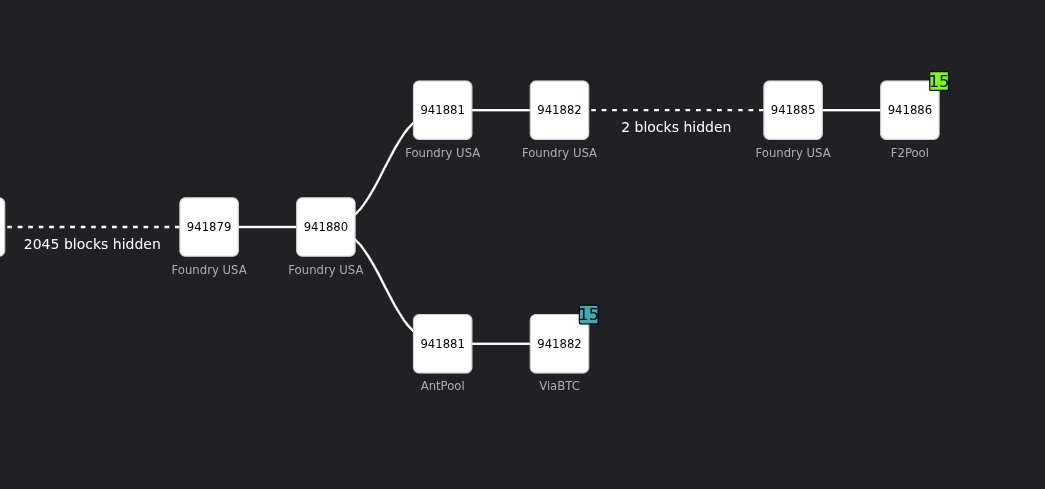 Foundry USA mines 7 consecutive Bitcoin blocks, triggers rare 2-block reorg amid centralization fears2026-03
 Foundry's invariant testing in action. This is how DeFi wins2026-01
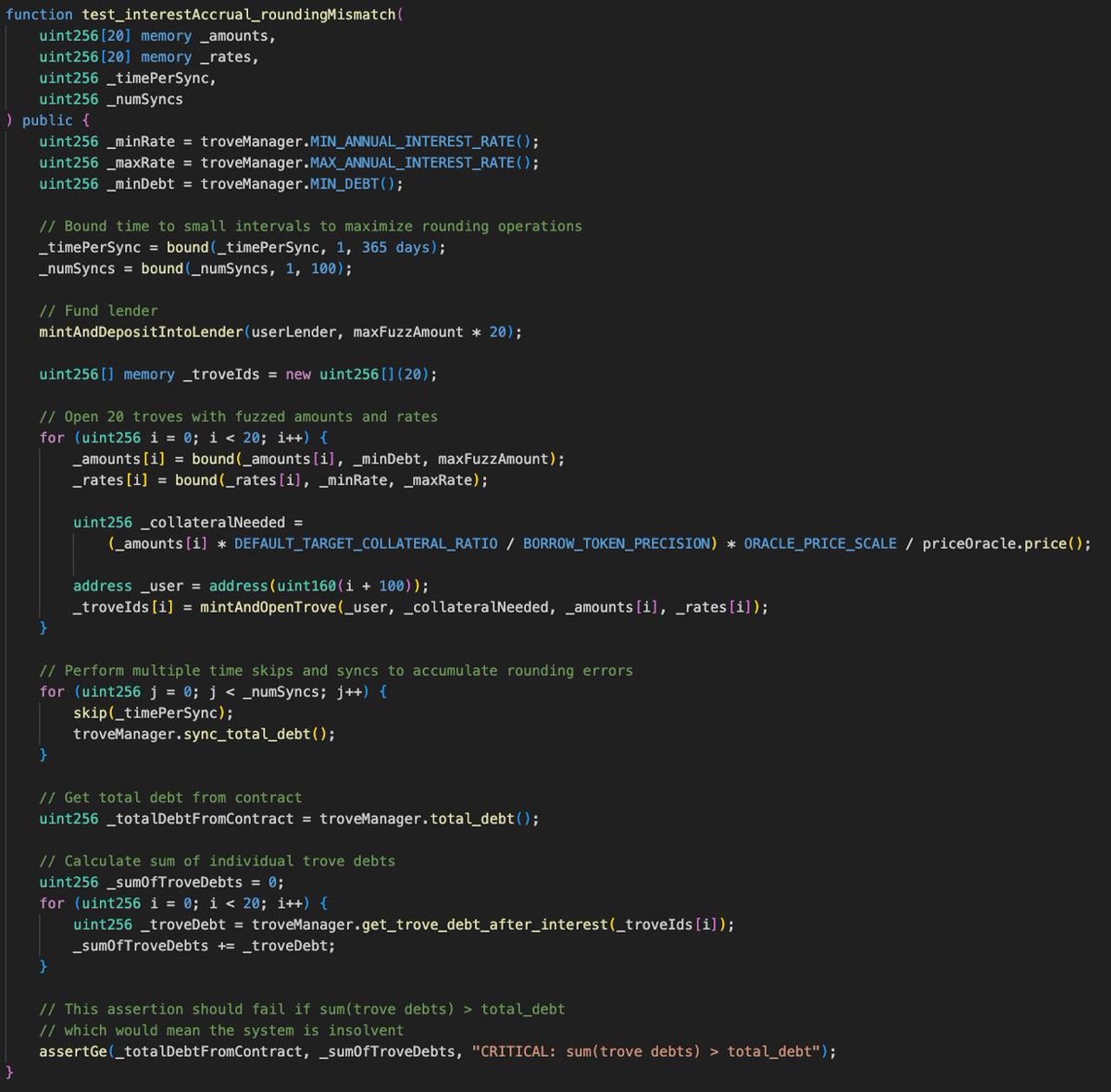 Claude oneshots a successful fuzz test in Foundry2025-12
 Frax announces partnership with Fjord Foundry to offer extra benefits and incentives to projects that deploy to Fraxtal via Fjord’s platform2024-04
Foundry in Crypto: Institutional Mining Infrastructure for Bitcoin and Zcash
Within digital assets, the name Foundry most often refers to Foundry Digital LLC, a Digital Currency Group subsidiary that operates the industry-leading Foundry USA Bitcoin mining pool and, more recently, an institutional-grade Zcash (ZEC) mining pool that rapidly captured around a third of that network’s hashrate, making the company a central player in the institutionalization of proof‑of‑work mining, financial privacy infrastructure, and compliance-focused crypto services.
Understanding “Foundry” in the Crypto Lexicon
The word “foundry” is used across technology and industry, from pharmaceutical “medicine foundries” in biotech R&D to cloud and artificial intelligence platforms that brand themselves as digital or AI foundries, but in crypto discourse it is primarily shorthand for Foundry Digital and its mining pools. This distinction matters because search results and headlines can intermingle unrelated initiatives: a life sciences “Medicine Foundry” or an enterprise “AI Foundry” have nothing to do with proof‑of‑work mining, Bitcoin, or Zcash, even though they share the same industrial metaphor of a place where raw inputs are transformed into high‑value outputs. When crypto news or on‑chain analysts refer to “Foundry’s share of the Bitcoin network” or “Foundry’s Zcash pool,” they are therefore speaking about a specific mining and infrastructure company rather than a generic technology platform.
Foundry Digital LLC itself is a specialized infrastructure arm within Digital Currency Group (DCG), an investment company that focuses on digital currencies and decentralized technologies and owns businesses such as Grayscale Investments, Luno and others. DCG is headquartered in Stamford, Connecticut, and created Foundry to meet institutional demand for better capital access, efficiency and transparency in the digital asset mining and staking industry. An SEC filing describes Foundry as a DCG subsidiary providing financing and advisory services around digital asset mining and staking, positioning it both as an operator and a capital provider in the mining sector. Over time, this has expanded into operating some of the largest mining pools in the world, building software and data tools, and offering education and workforce training.
In the mining context, “Foundry” most prominently denotes Foundry USA Pool, a United States–based Bitcoin mining pool that has grown into the largest pool by hashrate, often controlling between roughly one‑quarter and one‑third of Bitcoin’s total mining power depending on the measurement window. Foundry has also become closely associated with Zcash through the launch of Foundry Zcash Pool, an institutional‑focused ZEC pool that quickly reached about 29–30% of network hashrate shortly after launch, making it one of the dominant actors in that ecosystem as well. These roles give Foundry significant influence over the security, performance and economic structure of two of the most important proof‑of‑work networks: Bitcoin as the flagship cryptocurrency and Zcash as a leading privacy coin.
This dual presence in Bitcoin and Zcash makes Foundry an unusually useful lens for understanding how institutional adoption, regulatory compliance, privacy concerns and technical decentralization interact in contemporary mining. Bitcoin remains the benchmark for proof‑of‑work security and macro‑driven investor narratives, while Zcash sits at the intersection of financial privacy, regulation and cryptographic innovation. Foundry’s strategy—building SOC‑audited, compliance‑first infrastructure for public companies and institutional miners—exposes the tensions between open, permissionless networks and the governance and reporting requirements of large regulated entities. As a result, “Foundry” is no longer just a brand; it is shorthand for an institutional mining thesis that increasingly shapes both Bitcoin and Zcash.

Foundry launches institutional Zcash mining pool, already commands 30% of network hashrate
Foundry Digital, operator of the world's largest Bitcoin mining pool, officially launched its institutional-grade Zcash pool today with multiple miners already onboarded, capturing roughly 30% of Zcash's total hashrate since the March announcement. Alongside the pool, Foundry unveiled Zcashinfo.com, a dedicated Zcash block explorer with real-time network and mining data. The pool runs a PPLNS payout model with KYC/AML checks and transparent reward distribution — targeting the compliance gap that's kept institutions away from ZEC mining. ZEC itself is up 73% over the past month, trading around $354 after rallying from ~$50 to ~$700 in late 2025.
Corporate Structure, Mission and Service Lines
Foundry Digital occupies a specific niche within the broader Digital Currency Group portfolio, which holds stakes in or owns companies across asset management, exchanges, media and infrastructure in the crypto economy. While DCG’s best‑known subsidiary, Grayscale Investments, focuses on investment products like trust vehicles for BTC and other assets, Foundry was established in 2019 to focus on mining and staking as core infrastructure services. According to DCG disclosures and regulatory filings, Foundry’s mandate is to support the digital asset ecosystem by providing financing, equipment, and advisory services to miners and staking participants, lowering the barrier to entry for institutional actors that want exposure to block reward economics without building every capability in‑house. This positioning reflects a broader DCG strategy of vertically integrating across the crypto value chain, with Foundry as the “picks and shovels” provider for proof‑of‑work and staking.
From a legal and operational standpoint, Foundry Digital LLC is headquartered in Rochester, New York, and is explicitly identified by DCG as a wholly owned subsidiary that concentrates on digital asset mining and staking. The company’s public communications emphasize enterprise‑grade software and infrastructure, including mining pool backends, monitoring and reporting tools, and compliance frameworks designed for public companies and regulated miners. In contrast to earlier eras of mining dominated by loosely organized pools and anonymous operators, Foundry positions itself as a highly professionalized counterparty that can satisfy auditors, regulators and corporate boards. This is reflected in its pursuit of SOC 1 Type 2 and SOC 2 Type 2 audits for Foundry USA Pool, which it cites as part of its institutional‑grade credentials.
Foundry’s service lines extend beyond running pools. Historical disclosures and press materials indicate that the company has been involved in setting up and managing Bitcoin mining operations in the United States and Canada, as well as providing financing and equipment to other mining startups. By bundling capital, procurement and operational expertise, Foundry effectively acts as both infrastructure provider and ecosystem enabler, helping miners secure machines, access hosting, and integrate with pools and software. This model has been particularly attractive to North American miners, who face stringent energy, securities and reporting regulations and thus place a premium on transparent counterparties and clear contractual relationships.
An interesting extension of this infrastructure role is Foundry Academy, an initiative announced in 2022 to train technicians for the Bitcoin mining industry. Foundry Academy offers intensive, hands‑on programs taught by instructors from industry and academia, with the stated goal of developing a skilled workforce capable of installing, maintaining and troubleshooting mining hardware at scale. By investing in technical training, Foundry is not merely operating infrastructure but also shaping the human capital pipeline needed to sustain industrial‑scale mining in North America. This educational focus aligns with the company’s broader narrative of professionalization and institutional engagement in crypto mining.
Taken together, these elements—corporate backing from DCG, a focus on mining and staking, enterprise‑grade software and reporting, capital and equipment services, and workforce training—mean that “Foundry” functions as a multi‑faceted infrastructure platform rather than a single product. The Foundry USA Bitcoin pool and the Zcash pool are the most visible public‑facing components, but they sit atop a deeper stack of financing, operations and analytics that tie institutional balance sheets to the underlying blockchains. As institutional demand for regulated exposure to mining and privacy assets grows, this integrated model gives Foundry considerable leverage in shaping how those institutions actually engage with permissionless networks.
Readers engage with 'Foundry' as a proxy for institutional-grade credibility across three unrelated products — mining infrastructure, token launchpads, and dev tooling — revealing that the brand's trust signal, not any single product, is what drives attention.
Bitcoin Mining and the Foundry USA Pool
The basics of mining pools and hashrate
To understand Foundry’s influence, it is important to revisit how Bitcoin mining pools operate and why hashrate concentration matters. Bitcoin relies on proof‑of‑work, where miners expend computational effort to find valid blocks, securing the network and earning block rewards and transaction fees. Because individual miners face high variance in rewards, they typically join mining pools that aggregate hashpower and distribute payouts proportionally to contributed work, smoothing income and reducing downside risk. Pools do not usually own all the hardware; instead, they act as coordinators and payout managers—receiving shares from many miners, constructing block templates, and broadcasting found blocks to the network.
Hashrate, typically measured in exahashes per second (EH/s), reflects the total computational effort on the network and is a key indicator of security and miner investment. In 2026, Bitcoin’s total hashrate has reached record highs, signaling robust mining activity even during periods when the BTC price has underperformed relative to earlier cycles. This divergence between rising hashrate and weaker price action has fueled debate about whether “fundamentals” like security and miner commitment are becoming decoupled from short‑term market valuations and has underscored how capital‑intensive industrial mining has become. Within this environment, the composition of hashrate across pools is closely watched for signs of centralization or shifts in geographic and regulatory risk.
Foundry USA’s rise to the top of Bitcoin mining
Against this backdrop, Foundry USA has emerged as the largest Bitcoin mining pool by hashrate. Data from HashrateIndex shows Foundry USA controlling around 25–26% of global Bitcoin hashrate over a one‑year window, with an estimated pool hashrate of roughly 245 EH/s and leading the pool rankings by block count. On‑chain data from the Mempool.space mining dashboard similarly indicates that Foundry USA has, over its lifetime, mined about 7.37% of all Bitcoin blocks, but with a much higher share in recent periods: over 30% of blocks in the preceding week and about 31.78% in the past 24 hours in the snapshot referenced. These figures suggest that Foundry’s influence has grown significantly over time, with its share of blocks mined rising alongside the overall network hashrate.
Alternative estimates around specific events show even higher market share. During a rare two‑block chain reorganization discussed below, Foundry USA was estimated to control approximately 32.2% of network hashrate, compared with 15.7% for AntPool and 7.2% for ViaBTC at that time. Although estimates vary depending on the measurement interval and methodology, the broad picture is consistent: Foundry is the dominant Bitcoin pool by hashrate and a central pillar of the network’s mining topology. Its ascent reflects both the scaling of North American mining capacity and institutional miners’ preference for a U.S.‑based, compliance‑oriented pool operator with robust reporting and audit trails.
Operational characteristics and compliance posture
Foundry USA operates as a FPPS (Full Pay‑Per‑Share) or similar payout model according to data aggregators, which means miners receive predictable payouts tied to their submitted shares, independent of short‑term block luck. This model is generally attractive to institutional miners with tight financial planning constraints, since it reduces revenue volatility compared with PPLNS (Pay Per Last N Shares) schemes that more closely track actual block discovery but exhibit higher variance. Foundry’s marketing emphasizes transparent, auditable payout methodologies and real‑time reporting tools, which are designed to integrate cleanly with corporate accounting systems and auditor requirements.
Crucially, Foundry USA Pool is described as SOC 1 Type 2 and SOC 2 Type 2 compliant, indicating that independent auditors have evaluated its controls over financial reporting and security over an extended period. While these audits do not eliminate all risk, they signal a level of process maturity that aligns with what public companies and regulated financial institutions expect from critical vendors. The combination of U.S. jurisdiction, audited controls, and detailed data reporting has made Foundry a preferred counterparty for many North American miners, particularly those listed on stock exchanges or backed by institutional capital.
The rare two‑block reorganization and seven consecutive blocks
Foundry’s prominence has also put it at the center of discussions about network centralization, particularly after a rare two‑block chain reorganization on the Bitcoin network involving the pool. In 2026, around block height 941,880, the network experienced competing chains produced by Foundry USA, AntPool and ViaBTC. For a brief period, there were two valid branches at the tip of the chain, each with different combinations of blocks at heights 941,881 and 941,882, before Foundry USA extended its branch by mining several more blocks, making its chain the heaviest and causing nodes to reorganize to its version.
During this episode, Foundry USA mined seven consecutive Bitcoin blocks, an outcome that is statistically unlikely but not impossible given its large share of hashrate. Blockware Solutions highlighted this streak as an example of how, in the current landscape, a single large pool can occasionally string together enough blocks to override competing branches, even without malicious intent. U.Today and other commentators framed the event as a reminder that while single‑block reorgs are relatively common in Bitcoin, multi‑block reorgs are rare and can be disconcerting when tied to a single dominant pool. The episode did not involve double‑spends or overt attacks, but it intensified conversations about decentralization, mining pool governance and the need for miners to have the ability and incentives to switch pools if they detect censorship or other problematic behavior.
Centralization concerns in Bitcoin mining
The underlying worry is not that Foundry or any particular pool is currently malicious, but that high concentration of hashrate in a small number of entities reduces the decentralization margin of the network. In a worst‑case scenario, a coalition of large pools could censor transactions, reorder blocks to facilitate double‑spends, or exert influence over protocol upgrades by threatening to withhold hashrate. Industry analyses note that if a single pool began censoring transactions, miners could theoretically redirect their hashrate to other pools, but doing so requires technical readiness and sometimes contractual flexibility that not all miners possess. The seven‑block streak and two‑block reorg thus served as a concrete illustration of how much de facto power leading pools hold in the day‑to‑day operation of Bitcoin.
At the same time, it is important to contextualize these concerns within the broader hashrate distribution. While Foundry is the largest pool, AntPool, F2Pool and others also control substantial shares, and over a longer horizon the distribution of hashrate has remained fragmented among multiple major pools. Industry initiatives such as Stratum V2, which aims to give individual miners more control over transaction selection rather than delegating that entirely to pools, are explicitly designed to reduce centralization risks at the pool level, although adoption remains uneven. Foundry’s role in these protocol‑level debates is closely watched, since its decisions can materially impact the practical decentralization of block construction on Bitcoin.

Foundry to launch institutional-grade Zcash mining pool in April 2026

Impressive move, at least with price of zcash, it's a good bet
Foundry and Zcash: Institutional Privacy Mining
Zcash mining basics and the role of pools
Zcash (ZEC) is a proof‑of‑work cryptocurrency that extends Bitcoin’s model with zero‑knowledge proofs to enable optional, privacy‑preserving shielded transactions. From a mining perspective, Zcash uses specialized hardware and, at current network difficulty levels, effectively requires ASIC miners to compete profitably. The official Zcash mining guide emphasizes that solo mining is generally impractical for most participants and strongly recommends joining a mining pool to achieve a steadier stream of rewards. As with Bitcoin, miners choose pools based on factors such as pool size, payout method (for instance PPS versus PPLNS), fees, geographic location, latency, user interface, transparency of statistics, and customer support.
Over time, Zcash mining has become dominated by large pools, many of them operated by firms that also run pools for Bitcoin and other proof‑of‑work coins. Before Foundry’s entry, the Zcash pool landscape was led by operators such as F2Pool, 2Miners and ViaBTC, which cater largely to a global retail and semi‑professional miner base. Zcash’s privacy features have made it a sensitive asset from a regulatory perspective, especially in jurisdictions concerned about anti‑money‑laundering (AML) and counter‑terrorist financing (CTF) obligations, and this has historically dampened institutional participation compared with Bitcoin. Against this backdrop, the idea of an explicitly institutional, compliance‑first Zcash mining pool was a notable shift.
The institutional Zcash pool thesis
Foundry’s management and partners have argued that Zcash has matured into an institutional‑grade asset, particularly as on‑chain analytics and regulatory frameworks have evolved to better accommodate privacy‑enhancing technologies. However, they observed what they described as a gap between Zcash’s technological maturity and the mining infrastructure available to regulated miners and public companies. Existing pools were functional but not necessarily designed around the governance, reporting and compliance controls expected by large institutions with fiduciary duties and public market scrutiny.
In March 2026, Foundry Digital announced plans to launch an institutional‑grade Zcash mining pool in April, explicitly targeting institutions and public companies that require a U.S.‑based, compliance‑ready pool partner. Press materials stressed that the Zcash pool would be built on the same institutional‑grade framework that underpins the Foundry USA Bitcoin pool, including audited payout methodologies, real‑time reporting tools and a robust compliance program. Foundry framed the initiative as addressing a “critical gap” in Zcash’s mining landscape by bringing a major, regulated operator with established credibility in Bitcoin mining into the privacy‑focused network. This thesis resonated with miners who wanted exposure to ZEC’s financial privacy narrative while maintaining alignment with know‑your‑customer (KYC) and anti‑money‑laundering (AML) obligations.
Launch design, payout structure and compliance trade‑offs
According to Foundry’s announcements and independent reporting, the Zcash pool was designed with several distinctive features aimed at institutional users. It is operated out of the United States, which is marketed as mitigating compliance and counterparty risk for regulated miners that prefer U.S. legal jurisdiction. Participation involves KYC verification consistent with Foundry’s institutional standards, aligning miners’ identities and ownership structures with typical regulatory expectations for corporate clients.
The pool uses a PPLNS payout model that Foundry describes as fully auditable, providing detailed daily reconciliation data so miners can verify their earnings against pool‑reported shares and rewards. In an important design choice with privacy implications, Foundry routes payouts to transparent Zcash addresses rather than shielded ones, prioritizing ease of auditing and regulatory clarity over maximum on‑chain privacy for mining rewards. While miners can subsequently move funds into shielded addresses themselves, this architecture underscores the pool’s compliance‑first orientation and the need to balance privacy with institutional oversight.
Foundry also emphasizes transparent, documented payout methodologies and real‑time reporting tools similar to those used for its Bitcoin pool, enabling miners to integrate Zcash mining revenue into their broader accounting and risk management systems. The company has stated that there is no minimum hashrate requirement to join and that fees will be competitive, aiming to attract a broad base of institutional and professional miners rather than only the largest operators. In essence, the pool translates the operational and compliance patterns of institutional Bitcoin mining into the Zcash context, with specific adjustments for ZEC’s privacy features.
Rapid capture of roughly 30% of Zcash hashrate
After its launch in April 2026, Foundry Zcash Pool quickly gained traction among institutional and public miners. Within about a month of operation, Foundry and independent coverage reported that the pool had attracted multiple institutional customers and captured approximately 29–30% of the Zcash network’s hashrate. A Zcash block explorer developed by Foundry showed that the pool had mined more than 2,300 blocks shortly after launch, reinforcing the picture of rapid adoption and significant share of block production. Business Wire and Morningstar reprints cited hashrate data from the Zcashinfo.com explorer to describe Foundry Zcash Pool as a leading pool by hashrate as of mid‑April 2026.
This swift accumulation of hashrate can be interpreted in several ways. From one perspective, it validates Foundry’s thesis that institutional and public miners were waiting for a compliant, U.S.‑based Zcash pool and moved quickly once such an option was available. From another, it raises familiar questions about mining centralization: when a single operator—already dominant in Bitcoin—rapidly commands around a third of a privacy coin’s hashrate, observers naturally ask what this means for censorship resistance, protocol governance and the diversity of mining participants. Foundry itself has argued that its entry helps reduce hashrate concentration by giving miners an alternative to existing pools, particularly in regions or with risk profiles where previous options were less accessible. The net effect on decentralization depends on how much hashrate migrated from existing pools versus representing new, incremental capacity.
Zcashinfo.com and data transparency
Alongside the pool launch, Foundry unveiled Zcashinfo.com, a new Zcash block explorer and data portal designed for the Zcash community. The explorer, often labeled simply “Info” in official Zcash ecosystem listings, provides real‑time pool rankings, hashrate distribution, block data, and network difficulty trends, aggregating key on‑chain and mining metrics in a single interface. The Zcash ecosystem’s official web resources highlight Zcash Info as an explorer built by Foundry that reflects the new mining pool’s presence. By offering detailed visibility into mining dynamics, Foundry positions itself not only as a pool operator but also as a data provider for Zcash, similar to how Mempool.space and other explorers serve Bitcoin.
This emphasis on data transparency aligns with Foundry’s institutional branding. Institutional miners and investors often demand robust analytics and monitoring tools to assess risk, performance, and counterparty behavior. By integrating pool operations with a dedicated explorer, Foundry can demonstrate its share of the network, provide clear evidence of payout consistency, and surface metrics that reassure compliance teams and auditors. At the same time, this level of visibility makes it easier for the broader community to monitor hashrate concentration and detect potential anomalies or shifts in mining power, which is particularly important in a privacy‑focused network where transactional anonymity might otherwise obscure systemic risk.
Institutional Adoption, Compliance and Privacy Trade‑offs
What “institutional‑grade” means in mining
The term institutional‑grade is often overused in crypto marketing, but in the context of Foundry’s pools it has fairly specific implications. It refers to infrastructure, processes and governance designed to meet the expectations of regulated financial institutions and publicly listed companies that face rigorous audit, disclosure and risk management obligations. For a mining pool, this includes verifiable and consistent payout mechanics, comprehensive logging and reporting, strong operational security, clear contractual terms and a compliance program that addresses AML, KYC and sanctions screening where applicable. SOC 1 Type 2 and SOC 2 Type 2 audits of Foundry USA Pool provide independent validation of some of these controls, particularly those related to financial reporting and security over time.
For miners with institutional investors or public shareholders, these attributes are not optional. Mining revenue must flow through corporate finance systems, be auditable by external accountants, and withstand scrutiny from regulators and exchanges. Pools that lack formal governance or documentation can introduce unacceptable operational and regulatory risk, even if their raw payouts are higher. Foundry’s success suggests that a substantial portion of the modern mining industry is willing to trade some combination of fee level, payout variance or flexibility for the assurances that come with a compliant, U.S.‑based and audited pool.
Regulatory context for Bitcoin and Zcash
Bitcoin itself is widely treated as a commodity in major jurisdictions, and mining Bitcoin is generally permissible under existing regulatory frameworks, subject primarily to energy, environmental and, in some cases, securities‑related considerations for publicly listed miners. Zcash, however, occupies a more complex regulatory space because of its privacy features. While Zcash supports transparent addresses that behave similarly to Bitcoin addresses, its shielded addresses and zero‑knowledge proofs allow for strong on‑chain privacy. This has attracted both legitimate users concerned about financial privacy and regulatory attention focused on the potential misuse of privacy coins for illicit finance.
Discussions comparing Zcash and Bitcoin often highlight this tension: Zcash can offer superior privacy properties relative to Bitcoin, but that very strength can lead to delistings, tighter compliance scrutiny, or outright restrictions in certain jurisdictions. Foundry’s institutional Zcash pool is, in part, a bet that the market is moving toward a more nuanced equilibrium where privacy‑enhancing assets can coexist with robust compliance practices, especially when mining rewards and other entry points into the asset are structured to be transparent and auditable. By focusing on transparent address payouts and strong KYC/AML standards, Foundry aims to position Zcash mining as compatible with institutional risk appetites rather than inherently adversarial to regulation.
Privacy versus auditability in pool design
A central design trade‑off in Foundry’s Zcash pool is the decision to pay miners only to transparent addresses. From a privacy maximalist standpoint, this is suboptimal: miners who wish to keep their holdings private must manually move funds into shielded addresses, introducing additional steps and potential linking information. From a compliance perspective, however, this approach simplifies chain surveillance, reporting and reconciliation. Transparent addresses allow auditors and regulators to trace mining payouts on‑chain, match them to off‑chain records, and verify that income has been reported and taxed appropriately.
Foundry’s PPLNS model with detailed daily reconciliation reports further enhances auditability, enabling miners to cross‑check on‑chain payouts, pool‑reported statistics and internal accounting records. For public miners that must produce quarterly financial statements and respond to detailed auditor queries, these capabilities can make the difference between being able to mine ZEC at scale and being forced to limit operations to more straightforward assets like BTC. The pool’s design thus embodies a broader trade‑off in privacy‑oriented systems: achieving widespread institutional adoption often requires mechanisms that make certain flows more observable, even if the underlying protocol supports stronger privacy options.
Institutional adoption and the financial privacy thesis
Foundry’s move into Zcash is also a statement about the future of financial privacy in an increasingly surveilled digital economy. As traditional finance integrates more deeply with blockchain networks and regulators push for extensive transaction reporting and analytics, some investors view privacy coins as a hedge against excessive transparency or data misuse. At the same time, institutions cannot simply ignore regulatory expectations, particularly in areas like AML and tax compliance, so they seek structures that allow them to support privacy technologies without violating legal obligations.
By offering a compliant, transparent on‑ramp to Zcash via mining, Foundry is effectively trying to reconcile these competing pressures. Institutional miners can earn ZEC as part of a regulated business model, while users of the network retain the option to transact privately via shielded addresses and zero‑knowledge proofs. Critics might argue that this bifurcation creates a two‑tier system—transparent for institutions, private for others—yet it may be a pragmatic compromise that allows privacy‑enhancing technologies to persist and evolve within a regulated ecosystem rather than being marginalized. The speed with which Foundry’s Zcash pool captured roughly 30% of the network’s hashrate underscores that many miners see value in this compromise.
AI, analytics and the evolution of institutional mining
Although Foundry’s public communications focus on compliance and infrastructure rather than artificial intelligence per se, its operating model is emblematic of a broader trend in which large‑scale miners rely on sophisticated analytics and, increasingly, AI‑assisted tools to optimize operations. Industrial mining today involves dynamic decisions about where to allocate hashrate, how to manage power usage against fluctuating electricity prices, and when to switch between assets or pools based on profitability forecasts. These are classic optimization problems that lend themselves to machine learning and predictive analytics, even if specific implementations are proprietary and not always disclosed.
In parallel, the term “foundry” has gained currency in AI and cloud computing as a metaphor for platforms that help enterprises build and deploy machine learning models. While these AI‑oriented “foundries” are distinct from Foundry Digital’s mining operations, they reflect a shared narrative of industrialization: turning complex, technical processes into managed services that enterprises can consume with predictable SLAs and governance. For institutional actors navigating both crypto mining and AI adoption, the convergence lies not in shared ownership but in similar expectations around observability, control, and compliance. Foundry’s mining pools and explorers can thus be seen as part of a broader wave of data‑intensive, service‑oriented infrastructure that underpins both digital assets and AI systems.
Foundry USA mines 7 consecutive Bitcoin blocks, triggers rare 2-block reorg amid centralization fears
This is a big centralisation nightmare playing out This is very dangerous
Centralization, Network Health and Governance
Hashrate concentration across major Bitcoin pools
To evaluate Foundry’s impact on network health, it helps to situate its share of hashrate in the context of other major pools. HashrateIndex data for Bitcoin mining pools shows Foundry USA leading with approximately a quarter of global hashrate over a one‑year window, followed by AntPool, F2Pool, and a long tail of smaller pools. During specific periods in 2026, other analyses have estimated Foundry’s share as high as roughly one‑third, with AntPool and ViaBTC together making up another significant portion. While exact numbers vary over time and by methodology, a stylized snapshot can be summarized as follows, based on reported hashrate shares around 2026:
| Pool | Approximate Share of Bitcoin Hashrate | Notes |
|---|---|---|
| Foundry USA | ~25–32% | Largest pool; U.S.-based; FPPS-like model |
| AntPool | ~15–17% | Major Chinese-linked pool |
| F2Pool | ~13–14% | Longstanding multi-coin pool |
| ViaBTC | ~7% | Multi-coin; involved in reorg episode |
| Others | Remaining share | Numerous smaller and regional pools |
This illustrative distribution, derived from HashrateIndex and event‑specific reporting, underscores that Bitcoin mining is dominated by a handful of large pools, with Foundry at the top. Although the underlying hardware may be owned by many independent miners, the coordination layer is concentrated, giving these pools significant influence over block composition, transaction ordering and signaling for protocol upgrades.
Risks associated with mining pool centralization
Centralization at the pool level poses several theoretical and practical risks. From a security standpoint, if a single pool or colluding group of pools controlled more than 50% of hashrate, they could engage in majority attacks, enabling double‑spends or censorship of particular transactions or addresses. Even at lower thresholds, a dominant pool can exert soft power by choosing which transactions to include or exclude, possibly in response to regulatory pressure or internal policies. The two‑block reorg involving Foundry USA highlighted how, even in routine operation, a large pool’s block production can shape the canonical chain in ways that are highly salient to observers.
There are also governance implications. Bitcoin’s upgrade process has historically relied on miners signaling support or opposition to proposed changes, whether via version bits or other mechanisms. When a few pools aggregate a large share of signaling power, they can significantly influence perceptions of consensus, even if they are technically aggregating the preferences of underlying miners. This has led to calls for mechanisms that make it easier for individual miners to switch pools or assert more direct control over block construction, reducing the degree to which pools act as choke points.
Foundry’s role in centralization debates
Foundry’s explicit focus on compliance and its position as a U.S.‑based entity adds another layer to centralization debates. On one hand, many regulators and institutional investors may view a U.S.‑domiciled, audited pool as a positive because it is easier to oversee and hold accountable than opaque or offshore operators. On the other, concentrating a large share of hashrate in a jurisdiction subject to aggressive sanctions or other policy tools raises questions about how resilient Bitcoin and Zcash would be to state‑level attempts at transaction censorship. The fact that Foundry already controls a leading share of Bitcoin hashrate and rapidly achieved around 30% of Zcash hashrate intensifies these concerns.
Foundry itself has not positioned its growth as a threat to decentralization. Instead, it argues that by offering an alternative to existing pools—particularly in Zcash, where major pools like F2Pool and ViaBTC previously dominated—the company diversifies the distribution of hashrate across jurisdictions and governance models. Whether this leads to net decentralization gains depends on how miners allocate hashrate across pools and how responsive they are to any potential censorship or policy changes by pool operators. The ease with which miners can redirect hashpower, both technically and contractually, remains a crucial safeguard against over‑centralization.
Centralization in Zcash mining
In Zcash, Foundry’s arrival as an institutional pool has reshaped the mining landscape even more abruptly than in Bitcoin. As noted, Foundry Zcash Pool reached roughly 29–30% of network hashrate within its first month, instantly becoming one of the largest pools alongside incumbents like F2Pool, 2Miners and ViaBTC. In a network that is smaller than Bitcoin in absolute hashrate and market capitalization terms, such a share represents a significant concentration of block production power.
However, the starting point matters. Before Foundry’s launch, hashrate may already have been concentrated in a small number of non‑U.S. pools, and regulated North American miners may have had limited options for compliant Zcash mining infrastructure. Foundry’s entry therefore has the potential to redistribute hashrate across regions and regulatory environments, even as it increases concentration in itself. For the Zcash community, the critical questions are how the distribution evolves over time, whether new pools emerge or expand in response, and how miners respond to any perceived imbalance in governance or censorship risk.
Mitigating centralization: technical and economic levers
Addressing mining pool centralization requires both technical and economic approaches. On the technical side, protocols like Stratum V2 aim to give individual miners greater control over block templates, reducing the ability of pool operators to unilaterally select transactions and diminishing the impact of any single pool’s policy decisions. While Foundry’s public stance on such protocols is not detailed in the sources, its prominence means that its adoption choices can influence industry norms. On the economic side, miners can choose to distribute their hashrate across multiple pools, renegotiate contracts to retain flexibility, and support pools whose governance aligns with their values regarding censorship resistance and decentralization.
For institutional miners partnered with Foundry, these decisions are layered on top of compliance and operational considerations. A miner may prefer Foundry for its reporting and audit readiness but still maintain partial exposure to other pools to hedge against concentration risk. As the industry matures, one could envision more dynamic multi‑pool strategies, potentially guided by sophisticated analytics or even AI systems that optimize for a combination of revenue, risk and decentralization criteria. Foundry’s role in this future will likely depend on how it balances its growth ambitions with community expectations around decentralization and how actively it participates in technical standards that empower individual miners.
- 01Fjord Foundry launchpad power
Readers were drawn to Fjord Foundry's ability to set fundraising records ($1M in 10 minutes) and attract major DeFi protocols like Frax, signaling it as a high-stakes token distribution venue.
- 02Foundry dev tool DeFi security
The open-source Foundry framework's invariant testing, fuzz testing, and multisig scripting tools attracted readers who see smart-contract testing infrastructure as a core DeFi risk-reduction story.
- 03Foundry USA fee return ethics
A mining pool voluntarily returning a $777K accidental overpayment was a rare institutional-trust signal in an industry defined by moral hazard, making it a high-signal story about mining pool governance.
- 04DCG Foundry corporate restructuring↗
Foundry spinning out Fortitude Mining as a DCG self-mining subsidiary signals strategic repositioning under DCG's broader post-Genesis restructuring, pulling readers tracking the conglomerate's health.
- 05Zcash institutional pool expansion↗
Foundry entering Zcash mining with institutional compliance tools and immediately commanding 30% hashrate raised both excitement about privacy-coin legitimacy and alarm about single-pool dominance.
- 06Mining reorg centralization fears↗
Foundry USA mining 7 consecutive blocks and triggering a rare two-block reorg crystallized long-running concerns about pool concentration threatening Bitcoin's censorship resistance.
Foundry’s Broader Role in the Digital Asset Ecosystem
Integration with DCG’s ecosystem and capital markets
Foundry’s position within DCG gives it access to a broad network of counterparties, from asset managers like Grayscale to exchanges and custody providers in which DCG has invested. This ecosystem integration enables synergies such as miners using Foundry’s pools and financing services while ultimately off‑ramping BTC or ZEC through DCG‑linked platforms or structured products. Although specific cross‑business arrangements are not detailed in the sources, the strategic logic is straightforward: by controlling both infrastructure and investment channels, DCG can facilitate smoother capital flows between miners, institutional investors and end‑users, with Foundry as a key conduit on the infrastructure side.
For capital markets, Foundry’s presence offers a form of infrastructure risk premium mitigation. Public miners can point to their use of a SOC‑audited, U.S.‑based pool when communicating with shareholders and regulators, potentially lowering perceived operational risk compared with reliance on less transparent pools. This may translate into better financing terms or higher valuations, which in turn can support additional investment in hashpower. In this feedback loop, Foundry becomes both a beneficiary and enabler of institutional mining expansion.
Bitcoin “fundamentals” and the hashrate‑price disconnect
The 2026 cycle has highlighted an emerging disconnect between Bitcoin’s network fundamentals and its price behavior. As noted, Bitcoin hashrate has reached new all‑time highs, reflecting sustained investment in mining infrastructure even as BTC’s market performance has, at times, lagged earlier cycles. Commentators argue that such record‑breaking hashrate indicates persistent miner confidence in Bitcoin’s long‑term prospects, with firms like Foundry channeling capital and operational expertise into securing the network despite shorter‑term price volatility.
In this narrative, Foundry serves as both a barometer and driver of miner sentiment. Its growing share of hashrate and continued investment in pool infrastructure suggest that large, professional miners are willing to commit resources based on multi‑year horizons rather than short‑term price swings. At the same time, the need for miners to remain profitable amid rising difficulty and fluctuating prices has led to consolidation and increased reliance on efficient, compliant pools. Foundry’s dominance, therefore, can be seen as a product of competitive pressures in a maturing mining industry, where scale and professionalization are essential to survival.
Financial privacy, Zcash and institutional legitimacy
On the Zcash side, Foundry’s engagement contributes to the evolving legitimacy of privacy‑focused assets in institutional contexts. Comparisons between Zcash and Bitcoin often frame the former as a more privacy‑enhancing alternative, but one that faces greater regulatory uncertainty and volatility. Institutional adoption has historically been muted, with exchanges and custodians sometimes limiting support for privacy coins due to compliance concerns. Foundry’s decision to launch an institutional Zcash pool, coupled with the language of Zcash as an “institutional‑grade asset” in its communications, signals a belief that this situation is changing.
By bringing its compliance framework, U.S. jurisdiction and SOC‑informed operational standards to Zcash mining, Foundry effectively vouches for ZEC as an asset that can be integrated into institutional portfolios under the right structures. This does not eliminate regulatory risk, but it creates a concrete pathway for regulated miners to participate and, by extension, for institutional investors to gain exposure to ZEC via mining companies. The broader financial privacy ecosystem—including developers, wallets and users—can benefit from the increased security and network robustness that comes with higher institutional hashrate, even as debates continue about how to balance privacy and compliance.
Education, workforce development and ecosystem maturity
Foundry Academy exemplifies how mining infrastructure companies are investing in human capital as part of ecosystem development. The program offers intensive, week‑long training for aspiring technicians, covering the installation, maintenance and troubleshooting of Bitcoin mining hardware, with instruction from both industry practitioners and academics. By formalizing this training, Foundry both meets its own need for qualified staff and contributes to a broader talent pool that other miners and hosting providers can draw from.
This focus on education aligns with a broader trend toward professionalization in crypto infrastructure. As networks scale and institutional stakes grow, the demand for standardized skills, certification and best practices increases. Foundry’s dual role as operator and educator positions it as a hub not only of hashpower but also of knowledge and norms around mining. If similar educational efforts emerge for Zcash and other assets, one could imagine a future in which “mining technician” is a widely recognized profession, with career paths and training programs analogous to those in traditional energy or data center industries.
Branding collisions and the meaning of “foundry” across tech sectors
The term “foundry” has a long industrial history, referring to facilities where metal is melted and cast into new forms, and has been adopted across technology sectors to evoke the idea of forging or manufacturing complex products. In crypto, Foundry Digital has made the name synonymous with institutional mining infrastructure. In pharmaceuticals, “medicine foundries” evoke high‑throughput drug development platforms, while in AI and cloud computing, “AI foundries” or “model foundries” refer to platforms that help enterprises build and deploy machine learning systems. Although these domains are distinct, their shared branding points to a converging narrative: complex, technical processes are being packaged into managed, scalable services that others can consume.
For crypto audiences, this overlapping use of “foundry” can cause some confusion in headlines and feeds, especially when news about medicine foundries or AI model foundries appears alongside coverage of Foundry Digital’s mining operations. Maintaining clarity about context—whether a story concerns Bitcoin and Zcash mining or drug discovery and AI productization—is therefore essential. From a thematic standpoint, however, these various “foundries” all reflect the industrialization and institutionalization of formerly niche or experimental technologies, whether in finance, therapeutics or artificial intelligence.
Conclusion
Foundry Digital LLC has become one of the most consequential infrastructure providers in the crypto ecosystem, not by issuing a token or running a centralized exchange, but by professionalizing the core process of proof‑of‑work mining for Bitcoin and Zcash. As a subsidiary of Digital Currency Group, Foundry has leveraged corporate backing, capital access and a strong compliance culture to build the world’s largest Bitcoin mining pool and a rapidly ascendant Zcash pool, while also providing financing, equipment and education to miners. Its rise has coincided with record‑high Bitcoin hashrate and growing institutional involvement in mining, even amid volatile price and regulatory environments.
On Bitcoin, Foundry USA Pool’s roughly quarter‑to‑one‑third share of hashrate has made it a central pillar of network security and a focal point for debates about mining pool centralization, as exemplified by the rare two‑block reorg in which Foundry mined seven consecutive blocks and ultimately dictated the canonical chain. On Zcash, Foundry’s institutional pool has quickly captured around 30% of network hashrate, offering a compliance‑first, U.S.‑based alternative for regulated miners and signaling that privacy‑enhancing assets like ZEC are moving toward greater institutional legitimacy. Across both networks, Foundry’s SOC‑audited controls, transparent payout mechanisms and real‑time reporting tools embody a model of institutional‑grade mining infrastructure that aligns with the expectations of public companies and sophisticated investors.
At the same time, Foundry’s dominance raises important questions about decentralization, censorship resistance and jurisdictional concentration. While the company presents itself as a stabilizing, professional force in mining, its large share of hashrate in Bitcoin and Zcash necessarily concentrates operational influence in a single operator, prompting calls for technical and economic mechanisms that empower individual miners and encourage greater distribution of hashpower. Foundry’s decisions regarding protocols like Stratum V2, its willingness to support diverse transaction types, and its approach to regulatory requests will have outsized impact on how permissionless these networks remain in practice.
Ultimately, Foundry stands at the intersection of competing imperatives: the desire for financial privacy and censorship resistance on open networks; the demands of regulators and institutional investors for transparency, auditability and control; and the economic realities of industrial‑scale mining in an era of record hashrate and tightening margins. Its expansion into Zcash, development of tools like Zcashinfo.com, and investment in workforce training through Foundry Academy illustrate a long‑term bet that regulated, data‑driven mining will remain a core pillar of the crypto ecosystem. Whether this model strengthens or undermines the original ethos of decentralized cryptocurrencies will depend as much on community responses and competitive dynamics as on Foundry’s own choices.
- 2023-12milestone
Foundry USA returns $777K accidental BTC fee
Foundry USA 7-block run triggers rare two-block reorg near block 941,880
Foundry Zcash mining pool launches with institutional compliance tools
Foundry Zcash pool commands 30% of ZEC network hashrate at launch
DCG spins out Fortitude Mining as self-mining subsidiary from Foundry
Foundry Zcash block explorer goes live alongside pool growth
Outlook
Looking ahead, Foundry’s trajectory will likely be shaped by three intertwined forces: evolving regulation, technological innovation in mining protocols and hardware, and shifting narratives around privacy and institutional adoption. On the regulatory front, increasing scrutiny of both Bitcoin’s environmental footprint and privacy coins like Zcash will test Foundry’s compliance‑first strategy. Its ability to maintain strong relationships with regulators while preserving open access to its pools for a diverse set of miners will be critical to sustaining legitimacy in both communities. Policy developments around AML, sanctions and tax reporting could tighten requirements on mining pools, pushing more operators toward the kind of audited, transparent infrastructure that Foundry champions, but also raising the stakes of jurisdictional concentration.
Technologically, advances in mining protocols such as Stratum V2, improvements in ASIC efficiency, and the potential integration of more sophisticated analytics and AI‑driven optimization tools will reshape how miners allocate hashrate and interact with pools. If miners gain greater control over block templates and transaction selection, the effective centralization of decision‑making at the pool level could diminish, even if hashrate shares remain concentrated. Foundry’s stance on and support for such technologies will be interpreted as signals of its commitment to decentralization and censorship resistance. Meanwhile, the broader industrial trend toward “infrastructure as a service” in both crypto and AI suggests that demand for managed, compliant platforms like Foundry’s pools and explorers will continue to grow.
In the realm of privacy, Zcash’s evolution, including potential protocol upgrades and changing regulatory attitudes, will determine how large a role institutional miners can play in securing the network while preserving meaningful privacy guarantees for users. Foundry’s decision to pay out only to transparent ZEC addresses is a pragmatic compromise that may evolve over time as privacy‑preserving compliance tools improve. Should privacy coins gain renewed prominence as a hedge against financial surveillance, institutional interest in ZEC mining could expand, amplifying Foundry’s influence—unless competing institutional‑grade pools emerge and diversify the landscape.
For crypto market participants, understanding Foundry is increasingly synonymous with understanding the institutionalization of mining itself. As Bitcoin and Zcash continue to mature, Foundry’s infrastructure, governance decisions and risk management practices will play a significant role in shaping the security, decentralization and regulatory posture of both networks. The coming years will reveal whether this model of regulated, data‑rich mining infrastructure can harmonize the ideals of open, censorship‑resistant money with the realities of institutional capital and state oversight—or whether new paradigms will be needed to keep proof‑of‑work systems both robust and free.
Latest Foundry news
Foundry launches institutional Zcash mining pool, already commands 30% of network hashrateFoundry to launch institutional-grade Zcash mining pool in April 2026Foundry USA mines 7 consecutive Bitcoin blocks, triggers rare 2-block reorg amid centralization fearsFoundry's invariant testing in action. This is how DeFi winsClaude oneshots a successful fuzz test in Foundry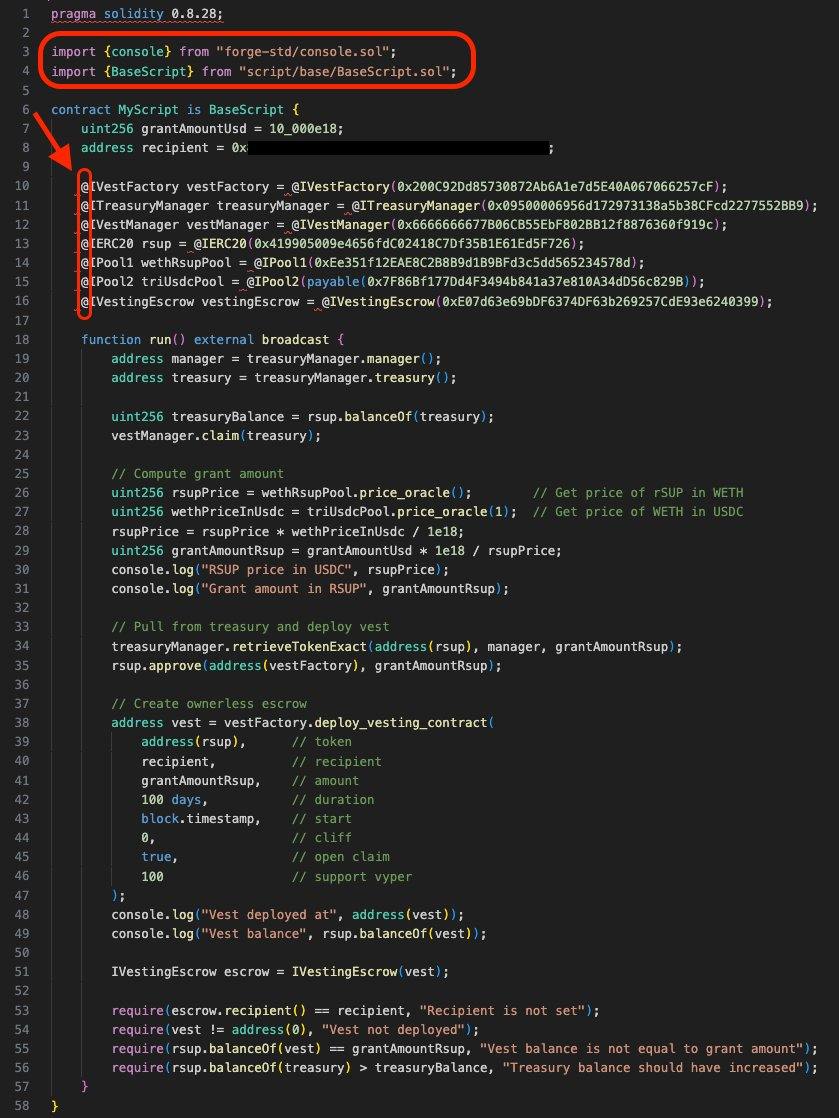 Wavey open sources "safesmith," a command line Foundry wrapper to queue multisig transactions via Solidity scripts
Sources
19 records from 16 domains
mempool.space
en.wikipedia.org
tradingview.com
bitcoinfoundation.org
businesswire.com
x.com
app.dealroom.co
sec.gov
blockwaresolutions.com
bitbo.io
hashrateindex.com
morningstar.com
z.cash
binance.com
zcash.readthedocs.io
prnewswire.com
Community notes
Spot something off or out of date? Drop a note. Editors review topic notes daily and roll accepted fixes into the explainer — contributors are recognized in the monthly $SQUID drop.
Loading notes…
Help improve this topic
Have a story or tip about this topic? Submit it. See something missing? Leave a note. Editors review daily; accepted submissions and fixes count toward the monthly $SQUID drop.