
How Bhutan mined a billion-dollar bitcoin reserve with hydropower, why Arkham tracked a 70% sell-off to Binance that the government disputes, and how Gelephu Mindfulness City fits in.
+11 sources across the wider coverage universe
 3iQ lands mandate to manage portion of Bhutan's Gelephu Mindfulness City Bitcoin reserves2026-07
 Sierra Leone, Bhutan NDI, and SIGN Foundation sign MOU for citizen digital identity system2026-07
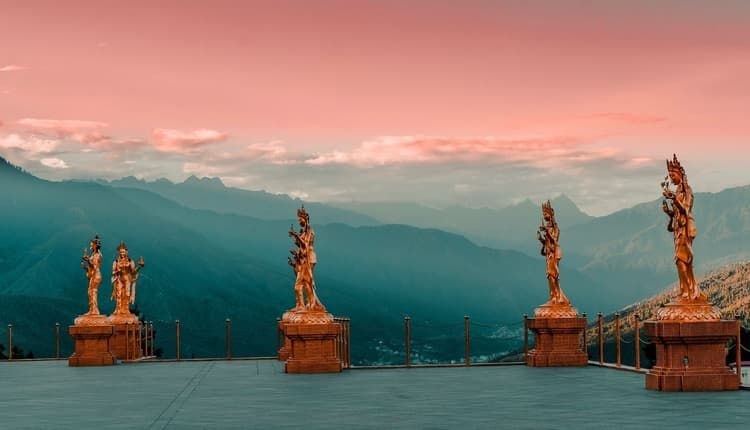 Bhutan denies selling as Arkham tracks $1B BTC leaving sovereign-linked wallets2026-05
 Bhutan’s Gelephu Mindfulness City is fast-tracking crypto licenses and bank access to attract regulated Web3 firms with zero-tax incentives and Bitcoin-backed reserves2026-05
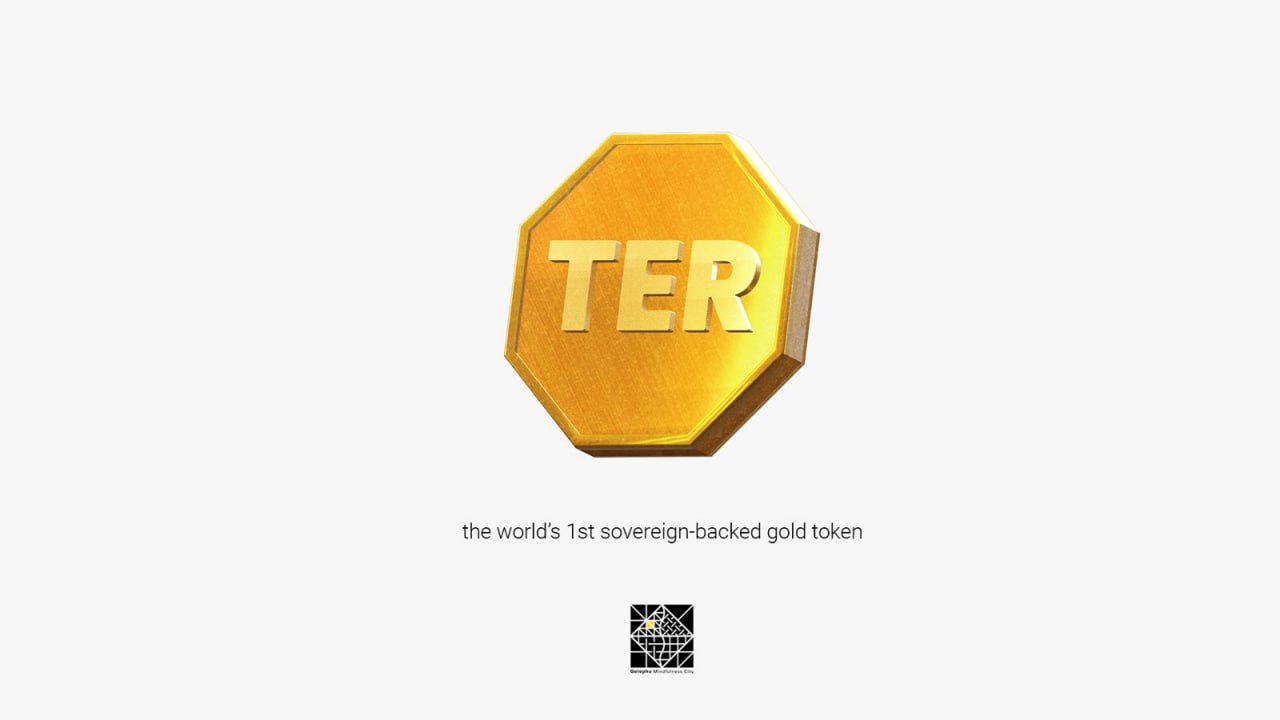 Bhutan debuts TER gold-backed token on Solana backed by physical gold, issued via Gelephu Mindfulness City and custodied by DK Bank, offering a blockchain-based representation of physical gold.2025-12
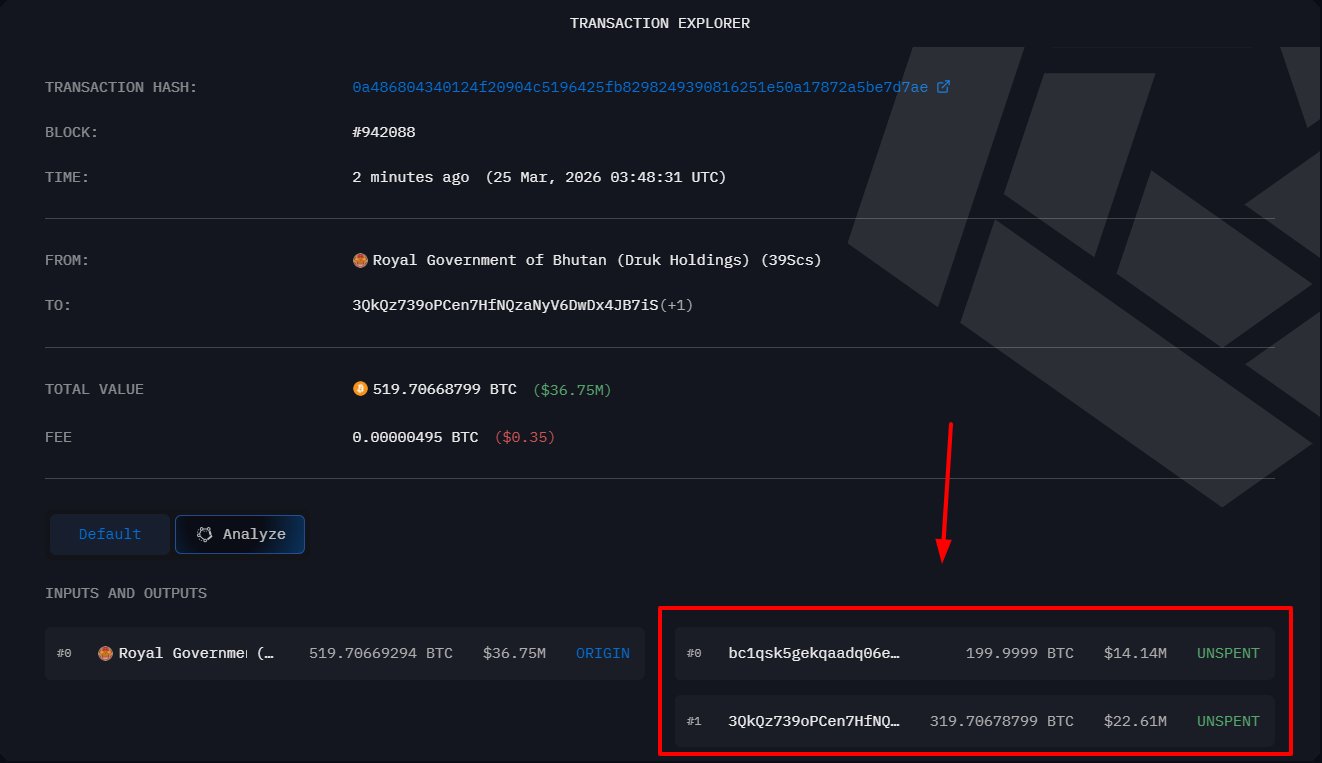 Bhutan moves $36.75M in Bitcoin to QCP Capital-linked wallets as sovereign stack continues drawdown2026-03
The small Himalayan kingdom of Bhutan is one of the few sovereign states to hold bitcoin on its public balance sheet, having quietly mined and accumulated the asset using surplus hydropower before becoming, in 2025–2026, one of the most closely watched government sellers in crypto.
This page explains how a country of roughly 800,000 people became a meaningful holder of BTC, why on-chain analysts tracked a steep drawdown in its reserves, and how its parallel bet on a crypto-friendly "special administrative region" fits into the broader story.
How Bhutan Acquired Bitcoin
Bhutan's bitcoin position is unusual because it was largely produced rather than purchased. The kingdom generates abundant, low-cost electricity from run-of-river hydropower in its mountain valleys, and from around 2019 onward it directed surplus power into bitcoin mining operations run through Druk Holding and Investments (DHI), the country's state-owned sovereign wealth fund.
Bitcoin mining is the process by which specialized computers compete to validate transactions and secure the network, earning newly issued BTC as a reward; it is energy-intensive, which makes cheap, clean power a decisive competitive advantage. Bhutan's hydropower gave it exactly that, allowing the state to build a reserve without spending scarce foreign currency.
The scale of those holdings only became public through blockchain forensics. The analytics firm Arkham Intelligence, which labels and tracks wallet clusters, attributed a set of addresses to the Royal Government of Bhutan and estimated peak holdings of roughly 13,000 BTC as of late 2024 (CoinDesk). At bitcoin's higher 2024–2025 valuations, that made the holding worth roughly a billion dollars — an enormous figure relative to Bhutan's GDP.

YZi Labs invests $500K in each of 24 fintech startups from Bhutan Demo Day cohort

The 2025–2026 Sell-Off
Beginning in mid-2025 and accelerating into 2026, Arkham's wallet tracking showed a sustained outflow from the Bhutan-linked addresses. Coins were moved in tranches to centralized exchanges — Binance featured repeatedly as a destination — and to unlabeled wallets consistent with over-the-counter sales or custodial transfers.
The cumulative numbers became the headline. Newsroom and analyst tallies described Bhutan offloading roughly 70% of its bitcoin reserves, cutting holdings to under 4,000 BTC and, in later movements, below 1,750 BTC (The Block). Arkham estimated that around $1 billion in BTC had left sovereign-linked wallets since mid-2025, with $215–230 million of outflows concentrated in 2026 alone (CoinDesk).
Individual transfers were reported almost as they happened: a 533 BTC (~$34.5 million) move to Binance, a 250 BTC transfer, a ~100 BTC (~$8 million) shift to an unlabeled address. The pattern shifted from sporadic to programmatic, which on-chain watchers interpreted as a deliberate liquidation schedule rather than one-off treasury management.
It is worth defining what "outflow" actually means here. On-chain analytics can prove that coins moved between addresses; they cannot prove the intent behind the move. A transfer to an exchange strongly suggests a sale, but a transfer to an unlabeled wallet could equally represent migration to a new custodian, collateral posted against a loan, or a structured OTC deal. This ambiguity sits at the center of the dispute described below.
Readers are most drawn to Bhutan's story not as a crypto speculation play but as a sovereign-scale experiment — where a tiny Himalayan kingdom quietly accumulated a Bitcoin reserve worth ~40% of GDP through hydropower mining, then began systematically liquidating it, triggering anxieties about whether the 10,000 BTC pledge can survive the drawdown.
Bhutan's Denial and the Attribution Problem
In May 2026, officials connected to DHI publicly pushed back, telling reporters the government "doesn't recall" selling any bitcoin and disputing the widely circulated $1 billion drawdown narrative (CoinDesk). The statement did not address specific wallet movements or confirm current holdings.
That created a stand-off between two kinds of evidence. On one side, Arkham's attribution of the wallets to Bhutan has stood undisputed for years and the on-chain transfers are independently verifiable by anyone. On the other, the government declined to ratify the "selling" framing. The most plausible reconciliation is definitional: Bhutan may not classify certain movements — transfers to custody, lending arrangements, or collateralized positions — as outright sales, even though coins demonstrably left the original addresses.
For a crypto audience, the episode is a useful case study in the limits of on-chain analysis. Wallet attribution and flow-tracking are powerful, but they describe movement, not motive. Sovereign actors, in particular, can structure transactions in ways that blur the line between a sale and a rebalancing.

Sierra Leone, Bhutan NDI, and SIGN Foundation sign MOU for citizen digital identity system
Did Bhutan Stop Mining?
A second thread running through the coverage is the apparent slowdown or halt of Bhutan's mining. Analysts noted an absence of significant new BTC inflows — the kind that would result from freshly mined block rewards — for more than a year (CoinDesk).
If mining has indeed paused, it changes the interpretation of the sell-off. A miner that keeps producing can sell into the market while replenishing its stack; a miner that has stopped is drawing down a fixed reserve. Several factors could explain a halt: seasonal variation in hydropower availability (river flows fall in the dry winter months), rising global mining difficulty squeezing margins, hardware refresh cycles, or a strategic decision to redeploy electricity elsewhere. Bhutan has not publicly confirmed the status of its operations, so the inference rests on the absence of mining-pattern inflows rather than an official statement.
- 01Sovereign Bitcoin accumulation scale
Bhutan surpassing El Salvador as a sovereign BTC holder — funded by hydropower mining rather than tax purchases — reframed the country as a credible crypto-state actor, not a gimmick.
- 02BTC sell-off and reserve drawdown
Readers tracked each on-chain transfer to exchanges or QCP Capital-linked wallets with alarm, especially as holdings slid two-thirds from peak and the 10,000 BTC Gelephu pledge appeared at risk.
- 03Gelephu Mindfulness City crypto hub
The SAR's moves — anchoring BTC/ETH as strategic reserves, fast-tracking crypto licenses, and offering zero-tax incentives — positioned it as Bhutan's regulatory sandbox and drew attention as a novel jurisdiction-building model.
- 04TER gold-backed token on Solana
A sovereign-linked gold-backed RWA token issued on Solana and custodied by a national bank offered readers a concrete example of Bhutan extending its crypto ambitions beyond Bitcoin into tokenized real assets.
- 05National crypto payment infrastructure
The Binance Pay and DK Bank partnership for tourism payments made Bhutan the first country to deploy a national crypto payment rail, connecting sovereign holdings to everyday economic use.
- 06Ethereum-anchored digital identity
Anchoring a national digital identity system on Ethereum signaled that Bhutan's blockchain strategy extends into public-sector infrastructure, not just treasury management.
Gelephu Mindfulness City: The Other Half of the Story
The drawdown does not read simply as panic selling, because Bhutan was simultaneously building an ambitious crypto and fintech jurisdiction. Gelephu Mindfulness City (GMC) is a planned special administrative region in southern Bhutan, conceived as a sovereign-backed economic zone with its own regulatory and financial framework.
In 2026, GMC's financial services authority launched a fast-track crypto licensing pathway aimed at firms that already hold licenses in established hubs such as Singapore, Abu Dhabi Global Market, and Hong Kong (The Block). Rather than forcing those firms to restart compliance from scratch, the zone offers a coordinated track that bundles incorporation, local approval, and banking access, paired with incentives including 0% corporate tax and zero capital gains tax for qualifying companies (Cryptonomist).
Banking access is a deliberate selling point. Crypto firms worldwide routinely struggle with "debanking" — losing or being denied bank accounts because traditional institutions treat the sector as high-risk. GMC has paired its licensing track with a designated bank offering multi-currency accounts and bitcoin-backed lending to every licensed firm (Crypto Briefing), positioning reliable banking as a core feature rather than an afterthought. Early traction included an in-principle approval for BTSE Bhutan to operate a regulated trading facility and custody service, an early signal that the licensing regime can attract recognizable exchange operators (Blockhead).
Bhutan had also signaled it would commit a portion of sovereign bitcoin — figures up to 10,000 BTC were referenced — to support GMC's long-term development. This is where the two storylines collide: if reserves have fallen to the low thousands of BTC, the kingdom no longer holds enough to honor a 10,000 BTC pledge at face value, raising questions about how the city's bitcoin-backed ambitions will be funded.
Bhutan denies selling as Arkham tracks $1B BTC leaving sovereign-linked wallets
Reading the Sell-Off in Market Context
Bhutan's selling drew outsized attention partly because of when it happened. The transfers landed during a period of bearish sentiment and crypto sell-off pressure, and a visibly liquidating sovereign holder can amplify a narrative of weakening conviction even when the absolute volumes are small relative to global trading.
Proportion matters here. Bhutan's reserves, even at their peak, were a rounding error against bitcoin's multi-trillion-dollar market capitalization, and its periodic transfers of tens of millions of dollars are easily absorbed by exchange liquidity. The market impact of Bhutan's selling is therefore far more about signal than supply — what it implies about how a pioneering state holder views the asset — than about direct price pressure.
There is also a straightforward fiscal reading. Bhutan is a small, developing economy, and converting an appreciated, volatile reserve asset into funding for national priorities — infrastructure, the Gelephu project, youth employment — is a defensible use of a windfall. Realizing gains near elevated prices to de-risk a concentrated position is ordinary treasury practice, not necessarily a verdict on bitcoin's future. The strategic question is whether Bhutan is exiting bitcoin or simply rotating a mined windfall into a longer-term bet on becoming a regulated crypto hub.
- 2023-04milestone
Arkham exposes secret sovereign BTC portfolio
- 2024-09milestone
Bhutan surpasses El Salvador in sovereign BTC holdings
- 2024-11governance
Gelephu SAR adopts BTC and ETH as strategic reserves
- 2025-03governance
Bhutan commits up to 10,000 BTC to power Gelephu development
- 2025-06launch
Bhutan partners with Binance Pay and DK Bank for national crypto tourism payments
- 2025-09milestone
Bhutan anchors national digital identity system on Ethereum
- 2025-11launch
Bhutan unveils TER gold-backed token on Solana via Gelephu and DK Bank
- 2026-06governance
Sovereign BTC sell-off accelerates; ~10,451 BTC sold since mid-2025, holdings down two-thirds from peak
Why Bhutan Matters to Crypto
Bhutan is a reference point in the debate over sovereign bitcoin adoption. Alongside larger or more vocal examples, it demonstrated that a state could accumulate a substantial position through domestic mining rather than open-market purchases, using a natural-resource advantage few countries possess.
Its 2026 behavior complicates the simple "nation-states are buying bitcoin" thesis. A sovereign holder can also be a sovereign seller, and the gap between visible on-chain activity and official messaging shows that even transparent blockchains do not eliminate ambiguity about state intentions. At the same time, GMC's licensing and banking push suggests Bhutan's interest in crypto is evolving from holding the asset toward hosting the industry — a shift from balance-sheet exposure to jurisdictional strategy.
Outlook
The near-term story will continue to be written on-chain: analysts at Arkham and others will keep tracking the Bhutan-linked wallets, and each significant transfer will be read against the kingdom's stated position that it is not "selling." Watch for three things — whether reserve outflows stabilize or resume, whether any mining-pattern inflows reappear to indicate operations have restarted, and how far Gelephu Mindfulness City's licensing regime attracts real firms and capital. The durable question is whether Bhutan ends up remembered as a sovereign that sold its bitcoin near a cycle top, or as one that converted a mined windfall into a lasting position as a regulated digital-asset jurisdiction. As of this writing, both narratives remain live.
Latest Bhutan news
YZi Labs invests $500K in each of 24 fintech startups from Bhutan Demo Day cohortSierra Leone, Bhutan NDI, and SIGN Foundation sign MOU for citizen digital identity systemBhutan denies selling as Arkham tracks $1B BTC leaving sovereign-linked wallets Bitget signs pact to pursue licensed crypto operation in Bhutan’s $100B Gelephu Mindfulness City3iQ lands mandate to manage portion of Bhutan's Gelephu Mindfulness City Bitcoin reservesBhutan’s Gelephu Mindfulness City is fast-tracking crypto licenses and bank access to attract regulated Web3 firms with zero-tax incentives and Bitcoin-backed reserves
Community notes
Spot something off or out of date? Drop a note. Editors review topic notes daily and roll accepted fixes into the explainer — contributors are recognized in the monthly $SQUID drop.
Loading notes…
Help improve this topic
Have a story or tip about this topic? Submit it. See something missing? Leave a note. Editors review daily; accepted submissions and fixes count toward the monthly $SQUID drop.