
Deep dive explainer on crypto wallets: how keys, custody and wallet types work; DeFi and tokenized asset use; security risks from malware and approvals; and how MPC, account abstraction and AI‑ready wallet infrastructure are reshaping Web3.
+68 sources across the wider coverage universe
 Delphi Digital says crypto privacy is finally “coming together” as advances in zero-knowledge pools, FHE, and wallet integration reshape compliance and default user anonymity2026-04
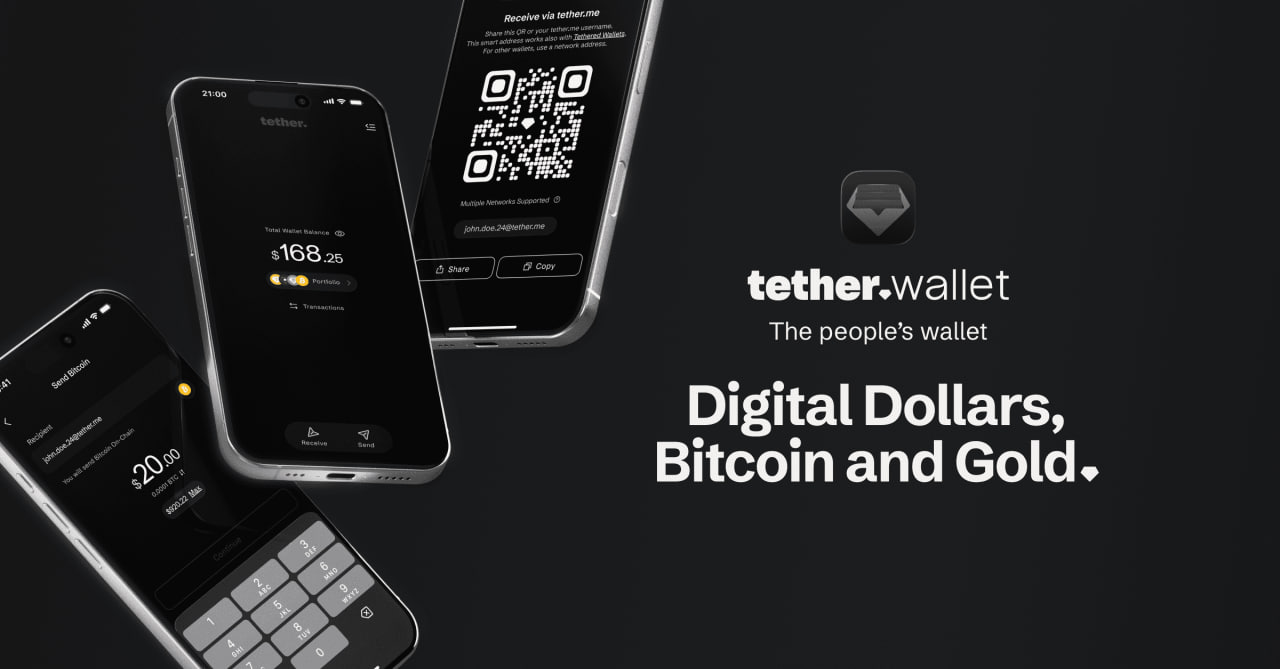 Tether launches tether.wallet, the people’s wallet, extending its global financial infrastructure directly to billions of users left behind by the traditional financial system.2026-04
 Rakuten Wallet integrates XRP for 44M users, enabling spending at 5M merchants across Japan2026-04
 eToro acquires keyless wallet startup Zengo for $70M, bringing self-custody to its 40M-user platform2026-04
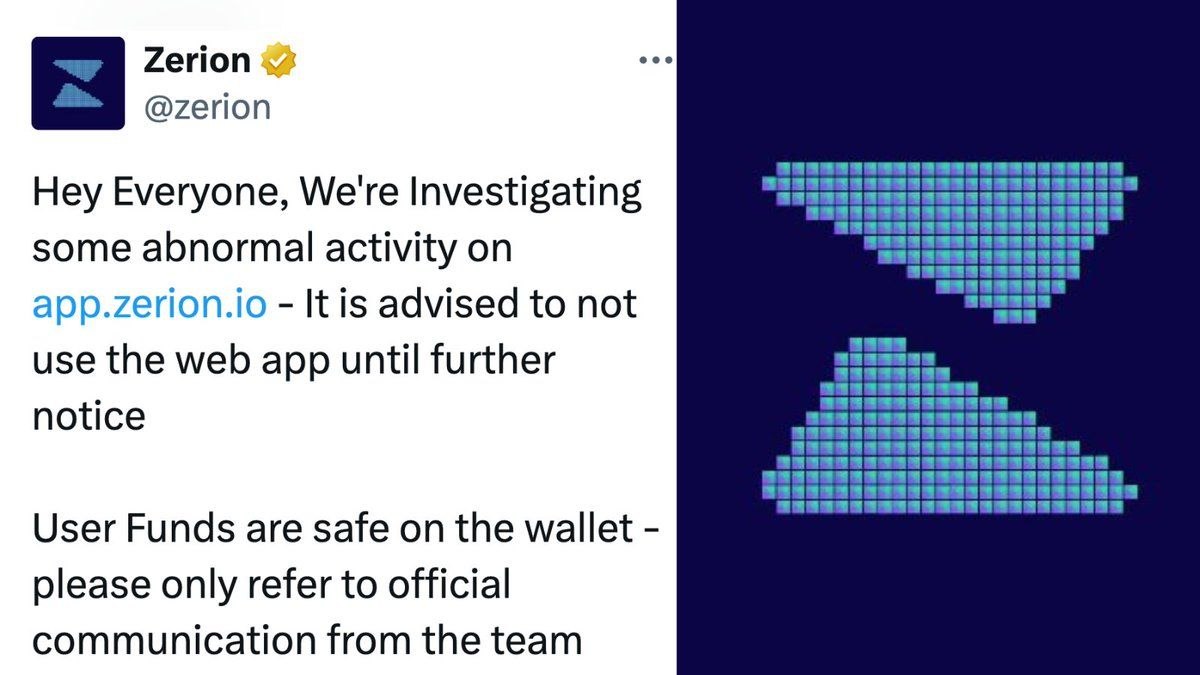 Zerion shuts down web app after detecting suspicious activity, confirms user funds are safe and unaffected across mobile apps and browser extension2026-04
 NEO governance tensions rise as co-founder Erik Zhang reportedly controls $250M treasury in single wallet, sparking feud with co-founder Da Hongfei2026-04
Crypto Wallets: How They Work, Why They Matter, and Where They’re Going
In crypto, the software and hardware that control your coins, tokens, and identities are bundled into what the industry calls a wallet, but in practice that “wallet” is closer to an operating system for your digital assets than a leather billfold. As Bitcoin, USDC, tokenized stocks, and AI-driven agents move deeper into mainstream finance and apps, understanding how wallets actually work—and how they are rapidly changing—is becoming one of the most important pieces of crypto literacy.
What is a crypto wallet?
A crypto wallet is best understood as a tool for managing cryptographic keys rather than a container that holds coins. On public blockchains like Bitcoin and Ethereum, assets live on-chain as entries in a distributed ledger; what the wallet stores is the private information that lets you prove ownership and authorize movements of those assets. In practical terms, a typical wallet manages one or more key pairs, derives blockchain addresses from those keys, presents balances and transaction histories, and signs new transactions when you send BTC, swap tokens, or interact with a DeFi protocol. This same model applies whether you are dealing with native coins like Bitcoin, ERC‑20 tokens like USDC, NFTs, or newer real‑world assets such as tokenized stocks and tokenized SpaceX exposure products sitting on networks like BNB Chain or Ethereum.
The metaphor of a “wallet” is therefore helpful but incomplete. A contemporary wallet is not only a key manager but also a browser for Web3 applications, a gateway into decentralized exchanges, a hub for managing tokenized positions, and increasingly an identity layer that other services use to recognize you. DeFi wallets highlighted by industry analyses are described as gateways to an entire ecosystem, allowing users to store, manage, and trade cryptocurrencies as well as interact with a wide range of decentralized applications across different blockchains. As centralized exchanges like Binance and Kraken integrate Web3 features directly into their apps, the line between a trading interface and a wallet has blurred, reinforcing the idea that the wallet is the primary control point for your crypto life rather than a passive destination where funds merely “sit.”
Wallets versus blockchain addresses
Because many analytics dashboards and news reports focus on addresses—reporting that a given Ethereum address accumulated a large volume of ETH or that a Bitcoin address linked to a government transferred BTC to Binance—it is easy to conflate addresses with wallets. Technically, an address is a public identifier derived from a public key according to chain‑specific rules; the wallet is the human‑facing software or device that manages the keys and handles the logic of deriving, scanning, and signing for many such addresses. A single wallet can manage hundreds or thousands of addresses behind the scenes, especially when it uses hierarchical deterministic standards, while an individual address observed on‑chain can be one of many belonging to the same user or institution.
This distinction matters for both privacy and risk management. On‑chain surveillance firms such as those producing annual crypto crime reports use clustering techniques to group addresses they believe are controlled by the same actor, helping regulators and exchanges link activity to specific wallet clusters rather than treating each address in isolation. At the same time, retail traders and whales often spread their holdings across multiple wallets for operational or privacy reasons, meaning that reading too much into the movements of a single address can be misleading. When a new wallet accumulates large amounts of a meme token or when a government treasury sends thousands of BTC from a cluster of addresses to an exchange, what is really happening is a change in control relationships between different wallets and entities rather than a movement of coins in a physical sense.
Wallets in practice: apps, browser extensions, and embedded experiences
From a user’s perspective, wallets show up as mobile apps, browser extensions, desktop programs, or features embedded inside larger apps. Classical self‑custodial wallets like MetaMask, Trust Wallet, or Phantom run as standalone apps or extensions; they generate private keys locally, store them on your device, and rely on you to back up a seed phrase, giving you full control and full responsibility. DeFi‑focused wallets emphasize cross‑chain support and dApp connectivity, positioning themselves as the primary gateway into Web3 protocols across multiple networks. These tools have become the default way retail users interact with on‑chain DEXs, NFT marketplaces, and yield platforms, making the wallet UI a crucial surface for communicating risk.
At the same time, major exchanges are shipping embedded wallets that blur the boundary between custodial accounts and self‑custody. Binance’s Web3 wallet, for example, positions itself as a bridge between the exchange and Web3, letting users explore multiple blockchains, access DeFi, and swap tokens from within the Binance app without juggling multiple interfaces. Kraken recently went further for Solana users, launching on‑chain trading for more than 2,500 Solana‑based tokens directly in its mobile app, using embedded self‑custodial wallet technology so customers do not have to set up a separate wallet or deal with seed phrases. In this model, you tap to trade a DEX‑listed token in the same app where you hold your centralized exchange balance; behind the scenes, Kraken routes the order through Solana DEX protocols and manages the on‑chain wallet, but the resulting holdings appear alongside your exchange balances in a single portfolio view. These hybrids illustrate how the concept of a “wallet” is moving from a separate app toward a more deeply integrated feature of every serious crypto platform.

Bitget details plan to use it's 5,500 BTC Protection Fund to cover assessed losses from the latest hot wallet incident

Keys, custody, and the basic security model
Underneath all of these interfaces lies a simple but unforgiving security model. Control over blockchain assets ultimately comes down to control over private keys, which are long alphanumeric codes generated by wallet software. A transaction spending from an address must be signed with the corresponding private key, and whoever holds that key can move the funds; by contrast, losing the key generally means losing access permanently. Because raw keys are unwieldy for humans, many wallets derive them from a seed phrase, a sequence of 12 or 24 words that encodes the entropy needed to reconstruct the keys later. Educational materials emphasize that this seed phrase is the master backup for your wallet and that it must never be shared or stored insecurely, because possession of the phrase is equivalent to full control of the wallet.
This hard link between keys and control is at the root of the crypto maxim “not your keys, not your coins.” If an exchange, custodian, or protocol holds the private keys on your behalf, they ultimately have the power to move or freeze your assets, subject to their own security practices and legal obligations. Conversely, if you hold the keys yourself in a non‑custodial wallet, you gain direct sovereignty but also take on the risks of loss, theft, and operational mistakes. Over the past decade, much of the innovation in wallet design—whether with hardware devices, passkey‑based smart contracts, or multi‑party computation—has been an attempt to soften this trade‑off between sovereignty and safety without fundamentally changing the cryptographic foundations.
Custodial versus non‑custodial wallets
One of the most important classifications is custodial versus non‑custodial wallets, which refers to who controls the private keys. In a custodial model, a third party such as a centralized exchange, broker, or specialist custodian manages the keys and secures the assets on your behalf; in a non‑custodial model, you or your organization hold the keys directly, either on personal devices or in dedicated key‑management systems. The basic principle, as Kraken and other educational resources emphasize, is that whoever holds the private key ultimately controls the wallet and its funds. Custodial services often abstract this away, presenting balances in an internal ledger and offering features like off‑chain transfers, but beneath the interface a small set of institutional wallets controls very large pools of assets.
Custodial wallets trade off some control for convenience, support, and sometimes regulatory clarity. For newer users with small balances, keeping BTC or USDC on a reputable exchange can be a pragmatic choice, particularly when frequent trading is involved and when the user is not yet comfortable handling seed phrases. Exchanges like Binance and Coinbase invest heavily in institutional‑grade security, cold storage, and insurance arrangements, and they can assist with account recovery when passwords are forgotten or devices are lost. Non‑custodial wallets flip this equation by giving you full control over your keys and recovery process. DeFi wallets built for Web3 explicitly market the ability to “be your own bank,” emphasizing that no third party can move or freeze your funds as long as you control the keys. However, this autonomy also creates a single point of failure: if you mishandle your seed phrase, fall for a signing scam, or succumb to malware, there is often no recourse.
A helpful way to visualize the differences is to compare several dimensions side by side:
| Dimension | Custodial wallet (exchange account) | Non‑custodial wallet (self‑custody) |
|---|---|---|
| Who holds keys | Third‑party service such as Kraken, Binance, or a custodian | User or organization directly |
| Recovery | Account recovery via email, KYC, or support | Seed phrase, device backups, social recovery, or MPC |
| Control of funds | Subject to platform terms, downtime, and potential freezes | Direct on‑chain control if keys are intact |
| DeFi access | Sometimes limited, via integrations or embedded wallets | Full access to dApps, DEXs, and protocols across supported networks |
| Security exposure | Platform hacks, regulatory seizures, internal failures | User mistakes, phishing, malware, physical theft of backups |
This table hides many nuances—for example, hybrid architectures where an exchange embeds a self‑custodial wallet in its app, or institutional solutions where custody is split across multiple entities—but it captures the core trade‑off most retail users face. In practice, many sophisticated participants use a mix: custodial accounts for fiat ramps and high‑speed trading, non‑custodial wallets for DeFi and NFTs, and hardware‑backed cold storage for strategic BTC or ETH positions that are rarely moved.
Hot wallets and cold storage
A second crucial dimension is whether a wallet is hot or cold, which refers to whether the device holding the keys is connected to the internet. Hot wallets are software wallets on connected devices such as phones, laptops, or browser extensions; they offer immediate access and are ideal for frequent transactions, DeFi interactions, and everyday spending. Cold storage refers to keeping keys on devices that remain offline or only briefly connect in limited ways, such as hardware wallets or air‑gapped computers; this significantly reduces the attack surface for remote hackers, making cold storage a favored solution for long‑term holdings and institutional treasuries.
Educational guides often frame hot versus cold storage as a spectrum of convenience versus security. One popular explanation compares storage choices to a pyramid: at the base are exchange accounts, which are convenient but rely on a centralized platform; in the middle are hot wallets, which are more sovereign but still connected; and at the top are hardware wallets and cold vaults, which are less convenient but offer the strongest protection against remote compromise. These guides recommend different mixes depending on portfolio size and use patterns—for example, advising that users with substantial holdings keep the majority of funds on a hardware wallet and only a smaller “working balance” in hot wallets for daily use. Although specific thresholds are opinionated, the underlying principle is widely accepted: the more you stand to lose, the more you should invest in cold, layered, and redundant storage.
Readers click wallet stories not for technical architecture but for sovereignty contests — every top story is about who actually controls the keys when compliance mandates, hackers, dormant-coin lawsuits, or autonomous AI agents challenge the premise that self-custody means self-control.
Types of crypto wallets
While the key and custody concepts apply across the board, the ecosystem now includes multiple categories of wallets differentiated by form factor, architecture, and recovery model. Understanding the differences helps you assess security claims and choose a stack that matches your risk profile and use cases, whether you are trading tokenized stocks, holding BTC long term, or building an app that creates wallets on the fly for new users.
Software and mobile wallets
Software wallets are the most visible category for retail users. These include mobile apps, browser extensions, and desktop clients that run on general‑purpose devices and store keys in software, often protected by device encryption and biometric locks. Well‑known examples include MetaMask for Ethereum and EVM chains, Phantom for Solana, and Trust Wallet for multi‑chain support. DeFi‑oriented wallets emphasize features like seamless dApp connectivity, cross‑chain swaps, and integrated NFT galleries, reflecting a shift from “storage” to “interaction” as the primary user need. When users connect these wallets to DEXs, lending markets, or NFT platforms, the wallet acts as a signing oracle, presenting transactions in human‑readable form and asking for confirmation before broadcasting them on‑chain.
Mobile wallets have become central not only for DeFi but also for accessing tokenized real‑world assets. Trust Wallet, for instance, has promoted access to on‑chain products such as SPCXB, a tokenized exposure to SpaceX, bringing what was once a niche venture market into the hands of retail users through a simple mobile interface. Similarly, news coverage around tokenized stocks on BNB Chain underscores that these instruments “shouldn’t just sit in a wallet”; instead, users are encouraged to put them to work in DeFi, using wallets and extensions that support liquidity provision, collateralization, and yield strategies. These developments illustrate how wallets are no longer just endpoints for holding assets but active conduits for deploying them in more complex financial workflows.
Hardware wallets and air‑gapped solutions
Hardware wallets are purpose‑built physical devices designed to keep private keys isolated from general‑purpose computing environments. They typically generate keys inside a secure element or similar chip and never expose the private key material to the host computer or phone, even when signing transactions. When you initiate a transaction from a companion app, the unsigned data is sent to the hardware wallet, which displays the details on its own screen, asks for physical confirmation, and returns a signed transaction. Because the keys never leave the device in plaintext and the device itself can remain disconnected except during brief signing sessions, hardware wallets are considered a form of cold storage.
Security educators emphasize several best practices around hardware wallets and their associated seed phrases. They advise never taking screenshots of seed phrases or storing them in cloud‑synchronized notes, since attackers actively scan cloud backups for these patterns. Instead, users are encouraged to write seed phrases on paper or engrave them on metal, store them in secure physical locations such as safes or safety deposit boxes, and avoid sharing them even with purported support staff—since any request for a seed phrase or private key is a near‑certain sign of a scam. For very large holdings, some guidance suggests using multiple hardware wallets and distributing backups across different locations to protect against physical disasters. Collectively, these practices illustrate how wallet security blends digital and physical considerations, especially as bitcoin and other cryptoassets reach life‑changing valuations.
Smart contract and account abstraction wallets
Beyond traditional externally owned accounts, a growing class of wallets is built as smart contracts on networks like Ethereum, leveraging features often referred to as account abstraction. In this model, the user’s account is a programmable contract that can define custom access rules, recovery mechanisms, and fee policies, while a separate verification scheme dictates how it recognizes signatures or other forms of authentication. Cobo describes account abstraction wallets as smart contracts that act as the user’s primary blockchain account, in contrast to traditional wallets that simply store keys for externally owned accounts. Because the account logic is programmable, developers can implement features like social recovery, batched transactions, session keys for specific dApps, and the ability to pay gas fees in stablecoins or ERC‑20 tokens instead of the native coin.
A key benefit of account abstraction is improved user experience. Workshops and talks in the Ethereum ecosystem have demonstrated “smart passkey wallets” that let users authenticate with WebAuthn passkeys—using the same face or fingerprint ID they rely on for other apps—while the underlying smart contract handles the translation into on‑chain signature verification. This can remove the need to present a seed phrase during everyday use and make non‑custodial wallets feel more like modern fintech apps. It also enables sophisticated policy frameworks: for example, you might enforce daily spending limits, require multiple approvals for large transfers, or delegate limited access to certain AI agents, all at the smart contract level rather than by sharing a single private key. As gas‑sponsored transactions and modular infrastructure mature, account abstraction wallets are likely to become a default in many consumer‑facing crypto apps.
MPC and seedless wallets
Another major innovation area is the move toward seedless and MPC‑based wallets. Traditional wallets often start by showing users a 12‑ or 24‑word seed phrase and instructing them to write it down, a process many find intimidating; seedless wallets aim to remove that friction while still providing secure recovery. As explained by security‑focused comparisons, a seedless wallet does not eliminate the need for a recovery model but replaces the mnemonic phrase with alternatives such as passkeys, hardware cards, social recovery among trusted contacts, or smart contract mechanisms. The key question these resources urge users to ask is what happens when something goes wrong—if a phone is lost, a cloud account is locked, or a backup device fails. The “best” seedless wallet is therefore framed as the one whose recovery logic users understand before they need it.
Multi‑party computation, or MPC, is one of the main techniques behind both enterprise custody and some consumer seedless wallets. Fireblocks describes MPC as a cryptographic method that splits a private key into multiple shares distributed across independent devices or parties, ensuring that the complete key is never assembled in a single place at any time. During key generation, each endpoint creates and randomizes its key share, and together they compute the public key (the wallet address) without any endpoint learning the full private key. When a transaction must be signed, a quorum of endpoints each validates the request against policy rules and contributes its share to a distributed signing protocol, producing a valid signature without reconstructing the private key. This architecture eliminates single points of compromise: even if one device or insider is compromised, the remaining shares cannot be used in isolation to move funds.
For institutions, MPC brings fine‑grained governance—requiring, for example, three of five approvals across different teams and devices for a large USDC transfer—without the limitations of traditional on‑chain multisig contracts. For consumers, some wallets use MPC to split control between a user’s phone, a cloud backup, and a vendor‑managed share, enabling recovery if any one component is lost while keeping the vendor unable to move funds alone. Combined with account abstraction and passkeys, these approaches are rapidly changing what a “wallet” feels like, even as the underlying cryptographic truths about private keys remain intact.
Binance Wallet now lets users pay gas fees with USDT on BNB Chain, Ethereum, Solana and TRON
Wallets as gateways to DeFi, tokenized assets, and apps
As DeFi and tokenized assets have grown, wallets have become the main interface for not only holding but also deploying capital. Far from being passive vaults, modern wallets orchestrate complex sequences of smart contract interactions, from providing liquidity on DEXs to claiming insurance payouts, with the click or tap of a button.
DeFi wallets and Web3 access
DeFi wallets are often positioned as the vanguard of digital asset management, emphasizing user control, security, and direct interaction with Web3 technologies. Yellow’s overview of leading DeFi wallets describes them as gateways to a new financial ecosystem, enabling users to store, manage, and trade cryptocurrencies while seamlessly connecting to dApps across multiple blockchain networks. Unlike custodial wallets, which require trust in a centralized intermediary, DeFi wallets put users in the “driver’s seat,” allowing them to connect to permissionless protocols for trading, lending, liquidity provision, derivatives, and more. In this context, the wallet acts as both key manager and universal login, replacing usernames and passwords with address‑based recognition.
The user experience of DeFi is therefore heavily dependent on wallet design. When you connect your wallet to a DEX, you are authorizing the smart contract to view and sometimes move your tokens; when you sign a transaction to add liquidity or borrow against collateral, the wallet must render what is happening in understandable terms. Poor wallet UX can lead to catastrophic errors, such as users approving infinite token allowances to malicious contracts or signing transactions that do more than they appear to. Conversely, well‑designed wallets can surface risk warnings, decode contract interactions, and integrate features like transaction simulations to show likely post‑trade balances before you commit. As DeFi protocols proliferate across Ethereum, BNB Chain, Solana, and newer networks, multi‑chain wallets that can coordinate these interactions from a single interface are becoming essential tools for sophisticated users.
Tokenized stocks and real‑world assets in wallets
A significant trend reshaping wallets is the arrival of tokenized real‑world assets (RWAs), from tokenized US Treasury bills and corporate credit to tokenized equities and private markets. Recent coverage around tokenized stocks on BNB Chain captures a key insight: these assets should not simply “sit in a wallet”; they become more compelling when wallets make it easy to plug them into native DeFi utility, such as on‑chain liquidity pools, collateralized lending, or structured yield strategies. When a user holds a token representing fractional exposure to a traditional stock, the wallet must not only display balances but also connect to specialized DeFi venues that respect the asset’s compliance constraints while providing more than passive price exposure.
Consumer wallets are beginning to reflect this shift. Trust Wallet’s support for tokens like SPCXB, which offer on‑chain exposure to companies like SpaceX, shows how retail‑facing apps are integrating RWAs into familiar interfaces with features like charting, staking, and DeFi integrations. Extension wallets associated with major exchanges have added support for trading tokenized securities on networks such as BNB Smart Chain and Ethereum, alongside tools for managing liquidity and visualizing positions. This kind of integration underscores that wallets will be central to how tokenized RWAs evolve from static instruments into active components of on‑chain portfolios, across both crypto‑native and traditional investors.
CEX–DEX hybrids and in‑app on‑chain trading
Perhaps the clearest sign of convergence between centralized and decentralized trading is the emergence of CEX apps with embedded on‑chain wallets and DEX routing. Kraken’s recent launch of on‑chain trading for thousands of Solana tokens through its mobile app is emblematic. Instead of forcing users to install a separate Solana wallet, acquire SOL, and navigate a DEX UI, Kraken uses embedded wallet infrastructure from Privy to create self‑custodial Solana wallets inside its app, routing trades through Solana DEX protocols while allowing users to pay with USD or USDC from their existing Kraken balances. The on‑chain holdings then appear alongside custodial account balances in a unified portfolio, and the user authorizes the combined funding and DEX swap with a single instruction.
Binance is pursuing similar goals through its Web3 wallet feature, promoted as a way to “bridge between the exchange and Web3” and enable cross‑chain token swaps and portfolio growth from within the Binance environment. These approaches reflect a broader trend: exchanges recognize that users want access to long‑tail tokens, on‑chain yield, and DeFi innovation, but do not want the friction of managing multiple wallets and seed phrases. Embedded wallets, MPC‑backed key management, and carefully designed UX aim to make on‑chain activity feel as simple as centralized trading while preserving some degree of self‑custody. For users, this offers powerful convenience—but it also calls for careful attention to where custody actually lies, how recovery works, and what protections apply in different parts of the app.
Wallets and stablecoins such as USDC
Stablecoins like USDC occupy a special role in the wallet landscape because they often function as the native unit of account and settlement across DeFi and Web3 apps. From a wallet’s perspective, USDC is an ERC‑20 or similar token on multiple chains, but for users it behaves more like programmable digital cash. Wallets that support USDC not only display balances but also integrate spending, savings, and yield options, from simple transfers and swaps to more complex strategies like supplying USDC to lending protocols or concentrated liquidity pools.
Developers building on USDC are increasingly treating wallets as programmable financial agents. Circle’s recently introduced Agent Stack describes “Agent Wallets” as a way for AI agents and automated systems to hold and move USDC under human‑defined policies, enabling them to discover services, pay for API access, and execute actions autonomously across an “agentic economy.” In this architecture, a wallet is not just a user interface but an API‑driven account with embedded policy controls, limits, and monitoring. Combined with smart contract and MPC techniques, this allows organizations to give AI systems controlled access to funds while enforcing transaction caps, allowlists, and human approval thresholds at the wallet infrastructure level. As stablecoins become more deeply embedded in payments, commerce, and machine‑to‑machine interactions, wallets will increasingly be the policy engines governing how these flows operate.
- 01Privacy vs compliance convergence↗
The top two stories by clicks show readers tracking a live collision between ZK/FHE privacy tooling and Travel Rule mandates — they want to know which side is winning.
- 02Private key theft and malware↗
Multiple high-click stories (Eli5DeFi drain, DPRK job-test malware, macOS SEO-poisoning campaign, fake MetaMask/Ledger apps) reveal readers treating key compromise as a recurring category, not isolated incidents.
- 03Dormant wallet legal drama
The 2011 Bitcoin wallet movement tied to a $285B lawsuit and Claude AI's role recovering an 11-year-locked wallet pulled readers drawn to the unsettled legal and recovery question around sleeping coins.
- 04Institutional wallet transparency↗
Arkham's BlackRock misattribution panic and NEO's $250M single-wallet treasury dispute show readers are acutely sensitive to centralized control masquerading as institutional legitimacy.
- 05AI agent autonomous wallets↗
The AI agent Manfred forming a U.S. corporation and Binance's agentic MCP sub-wallet both signaled a new liability frontier — readers engaged because no one has defined who is legally responsible when an agent holds and moves funds.
- 06Regulatory crackdown on privacy tools↗
Samourai Wallet's co-founder facing $2M in legal debt and expected prison time made readers confront that privacy-wallet infrastructure is now a criminal prosecution target, not just a regulatory grey area.
On‑chain identity, surveillance, and privacy
Because most major blockchains are transparent by design, wallets double as public identities. The same features that make DeFi auditable also enable extensive surveillance, copy trading, and exploitation, prompting a parallel wave of privacy and obfuscation technologies focused on wallet‑level activity.
Wallets as public identities
Every transaction you sign with a given wallet contributes to an on‑chain history visible to anyone with a blockchain explorer. Over time, this activity can paint a detailed picture of your behaviors: what tokens you buy, which DEXs you prefer, how quickly you exit positions, and how you respond to news. Analytics firms aggregate these traces, clustering addresses they believe belong to the same entity and labeling them as exchange hot wallets, OTC desks, DeFi protocols, or even specific funds and individuals. TRM Labs’ crypto crime reports, for example, analyze wallet clusters associated with sanctioned networks, tracking billions of dollars in flows, thefts, and laundering activity over time. For compliance teams at exchanges and custodians, this visibility is essential; for individual users, it can feel uncomfortably revealing.
The broader crypto discourse is full of stories that hinge on wallet identities. Reports that “whales are accumulating ETH” often refer to newly created wallets that have withdrawn large amounts of ETH from exchanges, suggesting bullish positioning. Government treasury movements are reported in similar terms, such as when wallet addresses linked to a sovereign entity move thousands of BTC to Binance, implying strategic sales or rebalancing. These narratives underscore that once a wallet is associated with a real‑world actor, its activity becomes a proxy for sentiment and strategy, feeding into copy trading, speculation, and sometimes targeted attacks.
Clustering, copy trading, and private DeFi
On‑chain transparency has also given rise to strategies and risks that hinge on observing wallet behavior. Copy trading platforms let users mirror the trades of wallets deemed “smart money,” while MEV bots and adversarial actors monitor large wallets to anticipate and exploit their moves. As DeFi usage has expanded, so has on‑chain surveillance, enabling automated extraction of value based on wallet patterns. Our own newsroom coverage has noted that DeFi’s growth has been accompanied by more aggressive wallet clustering and profiling, making it easier to track and sometimes front‑run public activity.
In response, a new wave of privacy‑enhancing technologies targets the wallet layer. COTI’s “Private DeFi” initiative, for example, offers a Privacy Portal that enables private DeFi interactions for any chain, token, wallet, and use case. The platform supports programmable privacy for ERC‑20 tokens, trading, NFTs, and even AI agents, allowing users to keep sensitive details such as position sizes, counterparties, and execution strategies out of public view while still settling transactions on public networks. These tools reflect a shift from binary privacy versus transparency debates toward more nuanced models where certain wallet activities are shielded by default, especially for serious capital and institutional participants who may face unacceptable risks from fully public strategies.
Compliance, sanctions, and blacklisting
Wallets are also increasingly implicated in regulatory and sanctions regimes. When authorities sanction a particular entity, they often publish known associated wallet addresses, and analytics firms attempt to track related clusters and flows. Exchanges and custodians then use these lists, along with commercial screening tools, to block or flag incoming and outgoing transactions involving tainted addresses. TRM’s reporting on a Russian sanctions evasion network, for example, links a particular wallet cluster to tens of billions of dollars in flows and billions in stolen funds, illustrating the scale at which wallet‑based sanctions enforcement now operates.
For end users, this has several implications. First, receiving funds from a blacklisted wallet can result in frozen assets or compliance inquiries when dealing with regulated platforms, even if the recipient is innocent. Second, using privacy tools that mix or obfuscate wallet histories can create compliance questions, especially if those tools are themselves sanctioned. Third, as tokenized assets and tokenized stocks become more regulated, wallets and dApps dealing with them may need to integrate more robust identity verification and access controls, turning some wallets into full‑fledged compliance clients. The emerging picture is one where wallets are at once tools of financial autonomy and nodes in a network of regulatory oversight.
Payy confirms user deposits were stolen in an Ethereum bridge exploit, with wallets paused as the team works on fund recovery and root cause analysis

Wallet threats and how attacks actually happen
Given that wallets control potentially large amounts of value and function as identities, they are prime targets for attackers. While sensational hacks often involve vulnerable smart contracts or compromised exchanges, many losses in practice stem from more mundane wallet‑level attacks that exploit user habits, malware, and confusing permission models.
Clipboard hijacking, address poisoning, and malware
One especially insidious pattern involves the moment users copy and paste wallet addresses. Because blockchain addresses are long and error‑prone to type, most users rely on copy‑paste, often trusting that the visible prefix and suffix match their intended recipient. Clipboard hijacking malware takes advantage of this by silently monitoring the clipboard and replacing any copied crypto address with one controlled by the attacker, so that when the user pastes, they unwittingly send funds to the wrong destination. Blofin’s primer on clipboard hijacking and address poisoning explains how such malware can also plant “poisoned” addresses in transaction histories or contact lists, tricking users into reusing subtly different addresses controlled by attackers.
Recent research from Microsoft Threat Intelligence describes a more sophisticated “crypto clipper” campaign that uses Tor and worm‑like propagation via removable USB drives to achieve persistence and spread. In this campaign, malicious .lnk shortcut files on USB drives trigger script engines like WScript or CScript, which then launch tools such as curl and PowerShell to download additional payloads, set up local SOCKS proxies on localhost:9050, and begin monitoring clipboard activity for wallet addresses. The malware not only swaps copied addresses with attacker‑controlled ones but also attempts to steal wallet data and seed phrases from infected machines, targeting users who handle crypto transfers. Microsoft’s guidance emphasizes the need for defenders to focus on behavioral detections around script execution, proxy use, and clipboard inspection rather than relying solely on static signatures.
For individual users, the takeaway is that verifying wallet addresses after pasting—and, where possible, sending small test transactions before moving large amounts—is not optional hygiene but a critical security step. Disabling AutoRun and AutoPlay for USB devices, restricting execution of .lnk files from removable drives, and being wary of unknown USB sticks are additional layers of protection against this kind of malware campaign. The intersection of traditional endpoint security and crypto‑specific behaviors is becoming a major front in wallet security.
Approval phishing and smart contract permissions
Another major threat vector involves token approvals and contract permissions. On Ethereum and similar networks, ERC‑20 tokens use an allowance model in which a user “approves” a smart contract to spend a certain amount of their tokens on their behalf. Many DeFi protocols request effectively unlimited approvals to avoid repeated prompting, and users often click through without fully understanding the implications. Attackers exploit this by building malicious dApps or phishing sites that prompt users to sign deceptive approval transactions, granting the attacker’s contract permission to move tokens in the future. Because these approvals do not immediately transfer funds, victims may not realize anything is wrong until their wallets are later drained.
D’CENT’s analysis of approval‑based phishing and exploits estimates that such attacks caused over $200 million in losses during 2024–2025, often through dormant permissions that users had forgotten about. Attackers may, for example, trick users into approving a fake token airdrop or minting an NFT, while in reality the approval grants access to high‑value tokens already in the wallet. Once the approval exists, the malicious contract can initiate transfers at any time, often when the victim is offline, and there is no way to “reverse” the damage on‑chain after the fact. The recommended mitigation is to regularly review and revoke token approvals using tools and wallets that surface existing allowances, especially for contracts that are no longer in active use. Wallets that present clear warnings about unlimited approvals and that integrate revocation workflows directly into the UI can significantly reduce the effectiveness of these attacks.
Seed phrase theft, social engineering, and support scams
The most catastrophic wallet failures usually involve direct compromise of seed phrases or private keys. Attackers use a wide range of tactics to obtain these secrets, from phishing websites that mimic legitimate wallet interfaces to fake browser extensions, malicious mobile apps, and outright social engineering campaigns. Educational content repeatedly stresses that no legitimate company will ever ask for your private key or seed phrase, whether via email, Telegram, Discord, or support chats; any such request is a red flag for a scam. Nonetheless, victims are regularly tricked into revealing these secrets to attackers posing as support staff, prize organizers, or recovery services, resulting in irretrievable loss of funds.
The storage of seed phrases can itself create vulnerabilities. Taking a screenshot of a seed phrase or storing it in cloud‑synchronized notes is particularly dangerous, since attackers who gain access to those cloud accounts can search for patterns that look like seed phrases and automatically drain associated wallets. Malware like the Tor‑based crypto clipper described by Microsoft may also scan local files, browser storage, or screenshots for seed phrases and wallet data. Best practices emphasize offline storage of seed phrases on paper or metal, kept in secure physical locations, as well as the importance of not reusing the same phrase across multiple wallets. For users uncomfortable with this level of operational security, seedless wallets, account abstraction, and MPC‑backed solutions can provide alternatives, though they introduce different recovery and trust assumptions that must be understood.
Wallet infrastructure and AI‑agent security
As AI agents become more tightly coupled with wallets and financial infrastructure, new categories of risk emerge that traditional endpoint and DeFi security models do not fully capture. Sherlock’s analysis of “agentic AI” security in Web3 highlights that once an AI agent can read untrusted content, install tools, and interact with funds, a single mistake or compromise can lead to permanent on‑chain loss. The biggest risks identified include malicious third‑party skills, indirect prompt injection in data sources, exposure of credentials or keys within the agent runtime, and poor wallet permission design. Simply instructing an agent in natural language to “be safe” is not sufficient; robust architectural controls are needed.
Sherlock and others recommend several architectural principles for safely connecting AI agents to wallets. The first is to keep signing operations outside the agent runtime, using hardware‑backed custody, HSM‑backed signing, or isolated signing services that approve or reject requests based on hard rules rather than model behavior. Second, they advise separating read access from execution access: the agent that reads emails, feeds, and web pages should not be the same one that can move funds or trigger sensitive actions, and these permission sets should be separated in infrastructure, not just policy. Third, they emphasize enforcing transaction limits, allowlists, and human approval thresholds at the wallet or custody layer, below the AI model, so that even a compromised agent cannot exceed pre‑defined risk budgets. Circle’s Agent Stack embodies many of these principles by providing Agent Wallets with policy frameworks that define how USDC can be held and moved, allowing agents to discover and pay for services while operating within human‑defined constraints.
For teams building AI‑driven trading bots, commerce agents, or automated treasury tools, these insights underscore that wallet integration is not just a matter of wiring up a private key. It requires careful design of key custody, signing flows, and permission scopes, as well as ongoing monitoring for anomalous behavior. As more commerce flows are delegated to agents, wallets will have to evolve from simple key stores into programmable policy engines that can mediate between human intent and agent autonomy.
Samourai Wallet co-founders arrested on money-laundering and unlicensed MSB charges
Bybit suffers ~$1.5B hack via compromised multisig wallet infrastructure — largest crypto theft on record
DPRK Contagious Interview campaign confirmed using Web3 job tests to deliver wallet-stealing malware
AI agent Manfred forms U.S. corporation with IRS EIN and live crypto wallet, prepares autonomous trading
Binance Wallet launches keyless agentic sub-wallet with MCP support across four chains
- 2026-06regulatory
WalletConnect unveils Travel Rule compliance framework combining wallet ownership verification with stablecoin payment flows
Microsoft documents crypto-clipper malware using Tor-based worm propagation to hijack wallet addresses at clipboard level
eToro acquires keyless wallet startup Zengo for $70M to bring self-custody to 40M users
Designing and choosing the right wallet stack
Given the diversity of wallet technologies and risks, there is no single “best” wallet for all situations. Instead, users and builders need to think in terms of stacks—combinations of wallets, custody models, and infrastructure tuned to particular use cases, regulatory constraints, and threat models.
Matching wallets to use cases and risk
Security educators often suggest that wallet choices should scale with both portfolio size and activity patterns. For small holdings and beginners, keeping assets on a reputable exchange app can be an acceptable starting point, providing user‑friendly interfaces, fiat on‑ramps, and support, while the user learns basic security habits such as strong passwords, two‑factor authentication, and skepticism toward unsolicited links. As holdings grow into the thousands of dollars and users begin interacting with DeFi, self‑custodial hot wallets become more appropriate, giving direct control over keys and access to Web3 protocols. At higher levels of capital, especially for long‑term BTC, ETH, or tokenized RWA positions, hardware wallets and cold storage are widely recommended, sometimes in combination with multiple devices and geographically distributed backups.
Seedless and smart contract wallets complicate this hierarchy by offering non‑custodial control without exposing users to raw seed phrases. However, as reviewers of seedless wallets stress, these approaches still require users to understand what they must protect and how recovery works if something goes wrong. Questions like how to regain access if a phone is lost, a cloud account is locked, or a social recovery contact becomes unavailable are crucial to answer before entrusting significant funds to a new recovery model. In practice, many advanced users adopt a hybrid strategy: using exchange accounts and in‑app embedded wallets for high‑velocity trading and access to launch events; maintaining hot wallets on phones or browsers for DeFi experimentation; and keeping core savings, including long‑term Bitcoin holdings, in hardware‑backed setups with carefully planned recovery procedures.
Embedded and enterprise wallet infrastructure
For developers and institutions, wallets increasingly appear as infrastructure rather than retail apps. Coinbase’s developer platform, for example, positions its wallet infrastructure, payment capabilities, trading systems, and stablecoin issuance as building blocks that others can integrate into their apps, all unified by consistent webhooks, billing, and treasury management. This reflects an architectural trend where many consumer applications will embed wallets under the hood, creating addresses and keys on behalf of users and abstracting away explicit seed phrase management, while still granting users some degree of control and portability.
Circle’s Agent Stack similarly offers a programmable wallet layer for USDC‑based agents, enabling them to create funded wallets, discover services in an agent marketplace, pay for API access, and execute actions while operating within predefined policy frameworks. Cobo and other custody providers offer account abstraction wallets and institutional vault solutions that integrate with trading systems, compliance workflows, and risk dashboards. Fireblocks, with its MPC platform, provides enterprise‑grade key management where wallet keys are split across multiple endpoints in cloud and on‑prem environments, enabling organizations to enforce internal approvals and policies even for high‑velocity trading desks. In all of these cases, “wallet” becomes a programmable concept that can be instantiated in many forms: as a mobile user app, as a backend custody module, or as a policy‑governed agent account.
Governance, multi‑sig, and MPC for institutions
Institutional investors, treasuries, and protocols managing large pools of assets require more than individual wallets with single signers. Traditional on‑chain multisignature (multi‑sig) wallets implement governance by requiring a threshold of authorized keys to approve transactions—such as three out of five board members for a major transfer. While effective, multi‑sig contracts can be inflexible across chains and sometimes expose governance metadata on‑chain, revealing internal structures. MPC‑based custody, as described by Fireblocks, offers an alternative by splitting private keys into shares controlled by different devices or stakeholders and requiring a quorum to generate valid signatures without ever reconstructing the full key. This allows organizations to enforce policies such as department‑level approvals, device diversity, and geographic separation, all while presenting a single wallet address externally.
The stakes for getting this right are clear from crypto crime analyses. TRM Labs’ reporting on illicit flows chronicles billions in stolen funds and sanctions evasion tied to particular wallet clusters, highlighting how a single compromised private key or poorly governed wallet can have outsized consequences. Institutional best practices now often combine MPC custody for hot operations, hardware security modules and deep cold storage for strategic reserves, and dedicated governance frameworks for protocol treasuries and DAOs. As tokenized assets, such as on‑chain money market instruments and tokenized stocks, migrate into institutional portfolios, these governance‑rich wallet architectures will likely become standard, blending regulatory requirements with crypto‑native security models.
Outlook
Crypto wallets have evolved from simple key managers for Bitcoin into multifaceted platforms that mediate nearly every interaction with digital assets, from DeFi swaps and NFT mints to tokenized stock trading and AI‑driven commerce. The next chapter of this evolution is likely to be defined by deeper abstraction on the surface and greater sophistication underneath. On the user side, seedless experiences, passkeys, and embedded wallets in exchange apps and consumer platforms will make self‑custody feel more like traditional fintech, reducing friction when someone launches a new app or token. On the infrastructure side, MPC, account abstraction, and agent‑oriented wallet stacks will provide richer policy controls and automation, especially for USDC‑based flows and institutional treasuries.
At the same time, the fundamental security properties of wallets will not change: control over private keys—whether held directly, split across devices, or encoded in smart contracts—remains synonymous with control over funds. As malware like crypto clippers, approval phishing campaigns, and sophisticated social engineering continue to target wallet users, the security arms race will intensify, pushing wallets to integrate better threat detection, clearer transaction decoding, and safer defaults. Privacy technologies will also mature, offering more nuanced ways to shield wallet activity from surveillance without undermining compliance, particularly for Private DeFi and serious capital operating under regulatory scrutiny.
For news readers tracking the latest launches from Binance, Kraken, and other major players, the key is to look beyond marketing language and ask concrete questions: who ultimately holds the keys, how is recovery handled, what policies govern AI agents or automated systems that can access funds, and how does the wallet expose or protect on‑chain behavior in a world of increasingly powerful analytics. Wallets sit at the intersection of crypto, finance, and software security; understanding them is no longer optional for anyone serious about Bitcoin, USDC, tokenized assets, or the emerging agentic economy.
Latest Wallet news
Bitget details plan to use it's 5,500 BTC Protection Fund to cover assessed losses from the latest hot wallet incidentBinance Wallet now lets users pay gas fees with USDT on BNB Chain, Ethereum, Solana and TRONPayy confirms user deposits were stolen in an Ethereum bridge exploit, with wallets paused as the team works on fund recovery and root cause analysis Payward partners with Ledger to bring hardware signers to Kraken and xStocks to Ledger Wallet
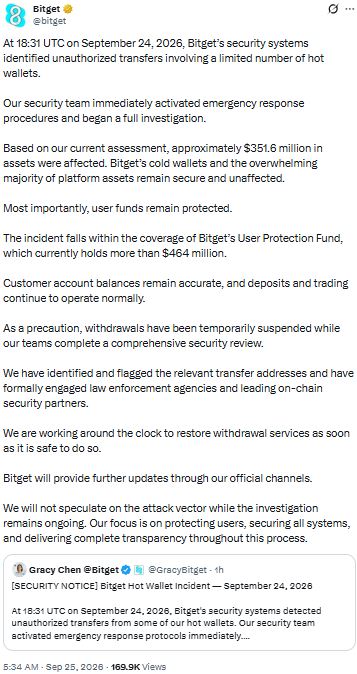 Bitget reports $351.6M in unauthorized hot wallet transfers, suspends withdrawals
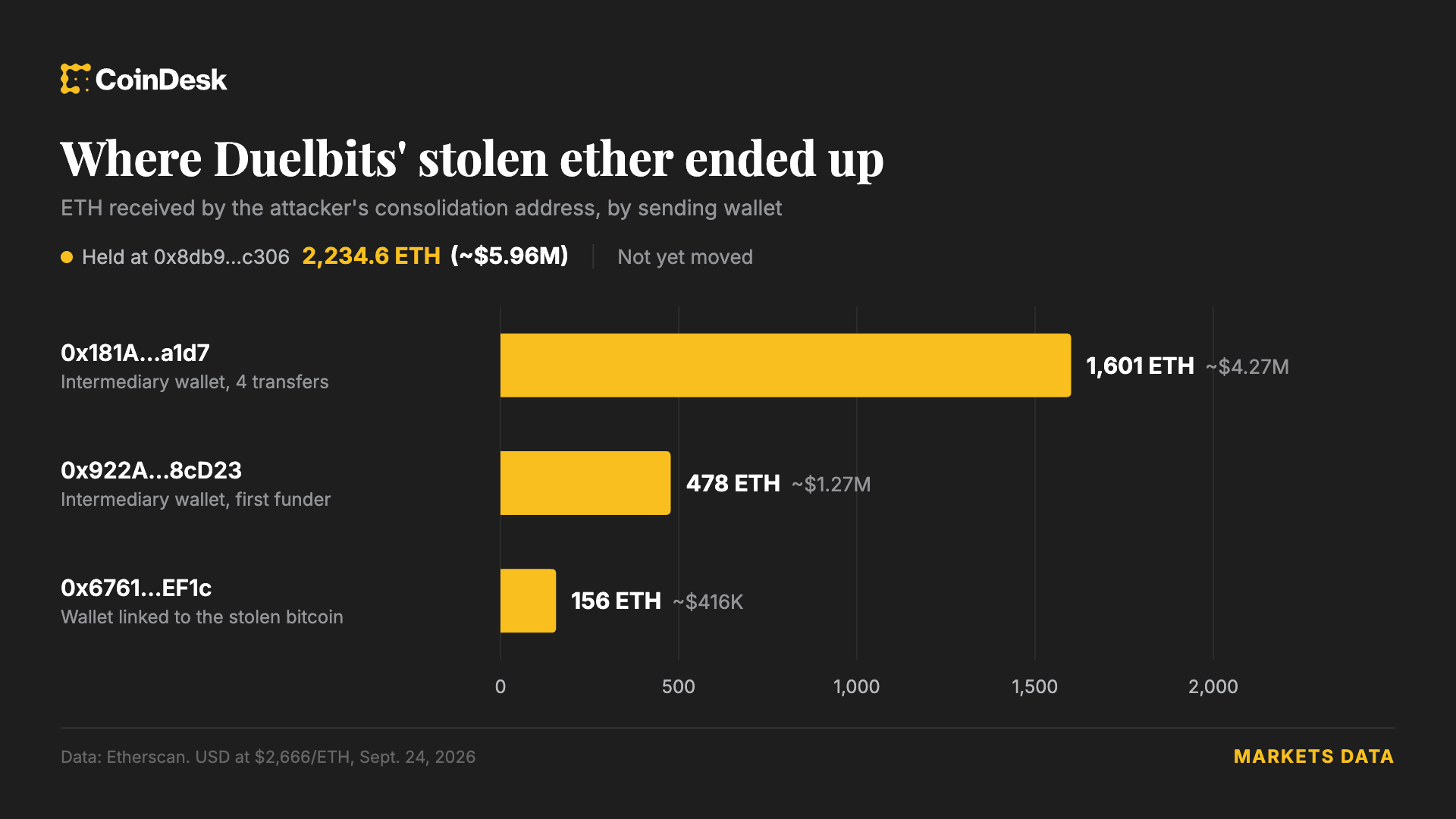 Crypto casino Duelbits goes offline after a $7M hot wallet hack drains funds across four blockchains, with $6M now held in one Ethereum address
Sources
19 records from 17 domains
cryptopolitan.com
kraken.com
cobo.com
fireblocks.com
walllet.com
yellow.com
binance.com
microsoft.com
store.dcentwallet.com
blofin.com
x.com
trmlabs.com
circle.com
youtube.com
archive.devcon.org
investopedia.com
sherlock.xyz
Community notes
Spot something off or out of date? Drop a note. Editors review topic notes daily and roll accepted fixes into the explainer — contributors are recognized in the monthly $SQUID drop.
Loading notes…
Help improve this topic
Have a story or tip about this topic? Submit it. See something missing? Leave a note. Editors review daily; accepted submissions and fixes count toward the monthly $SQUID drop.