
Deep explainer on how PayPal evolved from Web 2.0 wallet to major crypto gateway, issuing PYUSD stablecoin, integrating with Solana, Flow, WalletConnect, AP2 and agentic payments, and competing with Stripe, Coinbase and card networks in the AI‑era payment stack.
+14 sources across the wider coverage universe
 Mizuho research analysts report Elon Musk’s X Money could disrupt global payments and challenge PayPal, but planned crypto integration faces regulatory hurdles under proposed US legislation2026-04
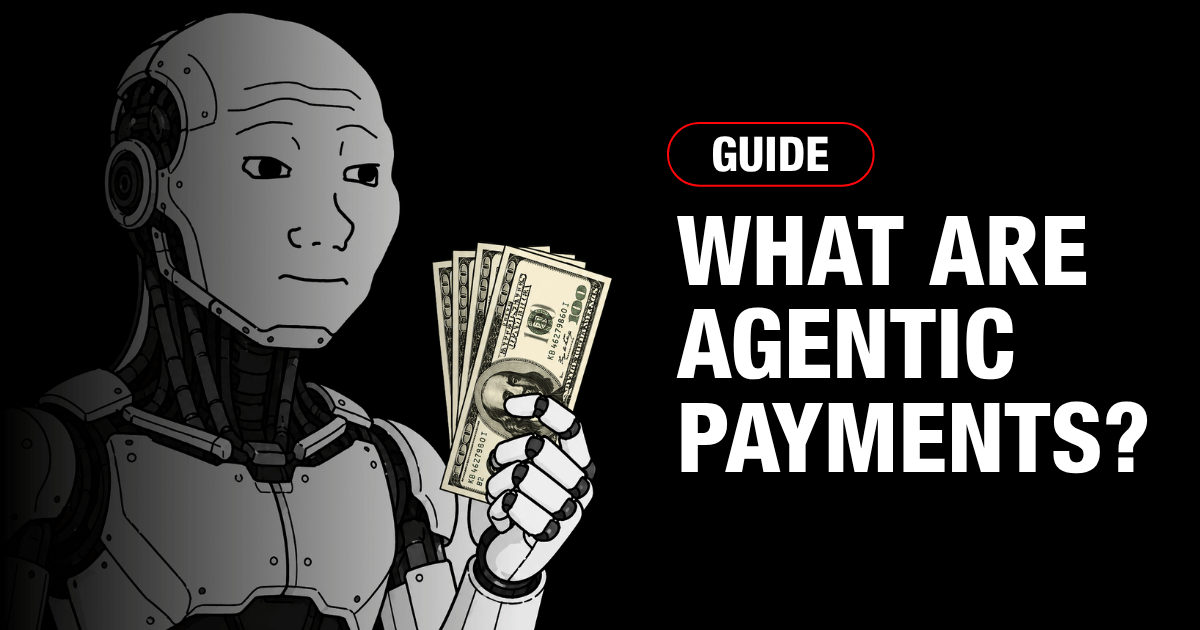 Arkham breaks down onchain AI agents and agentic payments, detailing how autonomous systems initiate transactions across Visa, Mastercard, PayPal, and Solana rails2026-05
 PayPal takes PYUSD global, expanding its stablecoin from two countries to 70 in one shot2026-03
 PayPal winds down venture arm PayPal Ventures as fintech giant restructures under new CEO Enrique Lores.2026-06
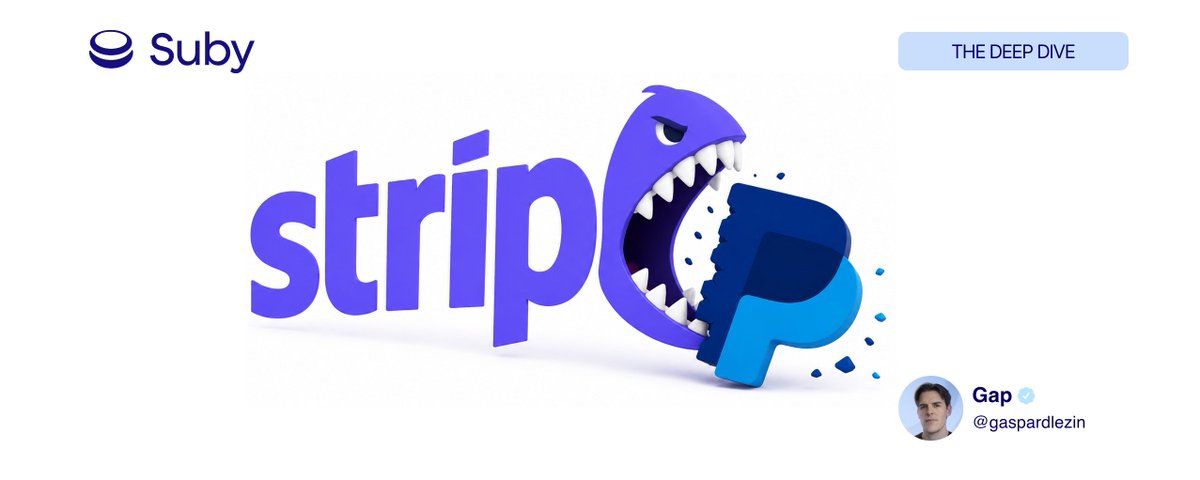 Researcher outlines why Stripe could pursue PayPal, arguing Venmo unlocks consumer deposits, stablecoin adoption and AI-driven payments while strengthening merchant checkout2026-07
 Paxos adds Dogecoin to brokerage infra used by PayPal, Venmo, and Interactive Brokers2026-06
PayPal, Crypto, and the Rise of Stablecoin Payments
PayPal is a global payments company that has evolved from a Web 2.0 checkout button into a major on‑ramp to crypto, offering retail users custodial access to digital assets and issuing its own U.S. dollar stablecoin, PYUSD, now deployed across multiple blockchains and integrated into mainstream wallets and merchant tools. For crypto markets, PayPal sits at a pivotal intersection between regulated fintech, stablecoin infrastructure, and emerging AI‑driven “agentic” payments, making its strategy a key signal for how digital money will be used at consumer scale in the coming decade.
From Web Payments Pioneer to Crypto Gateway
Origins and core business model
Long before anyone spoke about onchain AI agents or multichain liquidity, PayPal’s core value proposition was straightforward: make it easier and safer to pay and get paid online. The company became a default wallet for eBay sellers in the early 2000s, popularized one‑click checkout for small merchants, and helped normalize the idea that people would store balances with a non‑bank intermediary. That early success established the brand as a trusted consumer interface for money, even though the underlying infrastructure was still entirely legacy card networks and bank rails. In effect, PayPal built a Web 2.0 “skin” on top of the traditional payments stack, abstracting away IBANs, routing numbers, and card details in favor of email addresses and app logins.
This positioning made PayPal uniquely sensitive to the rise of Bitcoin and later stablecoins. Crypto was not just a speculative asset class; it was a competing vision of how value could move across the internet, with settlement happening on open networks instead of proprietary ledgers. For PayPal, that was both a threat and an opportunity. The threat was disintermediation: if merchants and consumers transacted directly in crypto, the need for a PayPal middle layer could diminish. The opportunity was to become the default interface to this new asset class for mainstream users who were unlikely to run their own nodes or manage self‑custody wallets anytime soon.
At the same time, PayPal’s core business started facing intensifying competition from other fintechs and big tech platforms. Stripe emerged as a powerful developer‑first payments processor, embedding APIs into the workflows of online businesses and later exploring its own stablecoin integrations for cross‑border commerce and payouts. Apple and Google layered payments into mobile operating systems through Apple Pay and Google Pay, while neobanks and super‑apps vied to become the primary financial app on users’ phones. Against that backdrop, crypto and stablecoins offered PayPal not only new revenue lines but also a way to differentiate itself in a crowded payments landscape.
Strategic pressures that pushed PayPal toward crypto
By the late 2010s, crypto was too big for a global payments incumbent to ignore. Volumes on major exchanges had grown into the hundreds of billions of dollars per month, and stablecoins such as USDT and USDC were beginning to serve as de facto settlement assets for on‑chain trading and, increasingly, for cross‑border remittances. PayPal faced a strategic choice: treat crypto as an external ecosystem and risk becoming a mere “off‑ramp,” or integrate crypto into its own wallet and merchant tools, effectively turning itself into a hybrid fintech‑crypto platform.
The company chose the latter path in 2020, when it launched a service allowing U.S. users to buy, hold, and sell cryptocurrencies directly within their PayPal accounts. The initial rollout covered major assets such as Bitcoin and Ethereum and deliberately emphasized simplicity and compliance rather than self‑custody or DeFi access. For many mainstream users, this was the first time crypto appeared inside an app they already used for everyday payments and online shopping, rather than in a specialized exchange interface or hardware wallet. In that sense, PayPal’s move echoed earlier moments in fintech history, when brokerages embedded ETFs or mobile banks embedded budgeting tools: the value proposition is not maximal sovereignty, but convenience under a regulated umbrella.
That strategic direction set the stage for deeper moves into crypto infrastructure. Once customers can buy and hold assets, the next questions are whether they can send those assets, spend them at merchants, or use them as collateral or yield‑bearing instruments. PayPal’s roadmap gradually extended from simple buy‑and‑sell functionality to features like “Pay with Crypto,” enabling users to check out in crypto while merchants receive fiat or stablecoins, and to the launch of its own U.S. dollar stablecoin, PYUSD, as a natively digital settlement asset under PayPal’s brand. Together, these steps made clear that the company did not see crypto as merely a speculative sideline, but as an integral part of its future payments stack.

Ex-PayPal CEO Bill Harris launches Evergreen.ai, a free AI financial advice app

PayPal’s Crypto Playbook
Launching consumer crypto services
When PayPal first enabled customers to buy, hold, and sell cryptocurrency in 2020, the framing was explicitly about accessibility and safety for non‑expert users. The service allowed customers to interact with Bitcoin and other major coins from within the familiar PayPal app, using their existing login credentials and funding sources, rather than requiring them to sign up at a specialized exchange. Behind the scenes, PayPal relied on regulated partners to handle brokerage and custody, insulating users from operational complexities such as private key management or exchange integrations.
Over time, PayPal expanded and refined its crypto offerings. Its consumer crypto page emphasizes that users can buy, sell, transfer, and hold cryptocurrencies, as well as use them in certain payment contexts through the same app they use for peer‑to‑peer transfers and online purchases. The company underscores its work to prevent unauthorized transfers and to apply rigorous security controls, signaling that its crypto services are embedded in the same risk and compliance framework that underpins its traditional payments products. This positioning is important for regulators and for conservative users who may associate crypto with hacks and scams; PayPal’s brand and risk controls function as a reputational shield for the underlying assets.
PayPal also moved from pure asset exposure toward transactional use cases. Its “Pay with Crypto” offering allows customers to fund purchases with crypto holdings, while PayPal automatically converts those holdings into stablecoins or fiat for merchants, reducing volatility risk on the merchant side. The company frames this as a way to connect merchants to a multi‑trillion‑dollar crypto market, while keeping pricing and settlement stable and predictable. For crypto users, this offers a way to spend digital assets at merchants who never needed to touch crypto infrastructure directly, blending the permissionless nature of the underlying assets with the convenience and compliance of a centralized processor.
From custodial buy/sell to payments and merchant tools
As PayPal leaned into crypto payments, it began to treat digital assets less as isolated investments and more as part of a broader money‑movement toolbox. Customers can hold crypto alongside fiat balances, fund purchases, or transfer value to external wallets, while merchants can accept crypto‑funded payments without retooling their operations to deal with on‑chain settlement. This approach mirrors the company’s historical role as a converter between various funding sources and payment endpoints, now extended into the crypto domain.
A key enabler of this strategy is PayPal’s partnership with Paxos, a regulated blockchain infrastructure provider that offers brokerage, custody, and stablecoin issuance services. Paxos received the first limited purpose trust charter for digital assets from the New York Department of Financial Services and operates under U.S. trust law, with regulatory oversight of its reserves and operations. By building on Paxos’ infrastructure, PayPal can offer crypto and stablecoin features under a regulated regime that is familiar to banking supervisors, rather than relying on opaque offshore structures. That foundation became particularly important with the launch of PYUSD, which Paxos issues as a fully reserved, 1:1 U.S. dollar‑backed stablecoin.
The merchant side of PayPal’s crypto playbook also evolved through partnerships and integrations. In addition to its native “Pay with Crypto” capability, PayPal has supported stablecoin‑based checkout through WalletConnect Pay, a system that enables stablecoin payments at merchants via compatible wallets and point‑of‑sale terminals. In this setup, PYUSD becomes a spendable token wherever WalletConnect Pay is integrated, extending PayPal’s reach into crypto‑native merchant environments while still leveraging its regulated dollar‑backed stablecoin. For merchants that already accept on‑chain payments, PYUSD offers a familiar brand and regulatory posture; for PayPal, it offers a bridge into the Web3 commerce stack without rebuilding every front‑end experience from scratch.
Readers click PayPal/crypto stories not for retail onramps but for PayPal-as-settlement-rail moments — PYUSD landing on Aave, funding Mt. Gox creditors, and backing Mesh transfers reveals the audience tracking whether a 26-year-old fintech giant becomes the unexpected plumbing beneath DeFi.
PYUSD: PayPal’s U.S. Dollar Stablecoin
Design, backing, and regulatory setup
PayPal USD (PYUSD) is the company’s flagship stablecoin, designed from the ground up for payments and issued by Paxos Trust Company under U.S. oversight. At launch, PayPal emphasized that PYUSD is fully backed by U.S. dollar deposits, short‑term U.S. Treasury instruments, and similar cash equivalents, and that it is redeemable at a one‑to‑one rate for U.S. dollars. Paxos’ own disclosures describe PYUSD as a fully regulated, 1:1 USD‑backed stablecoin issued by Paxos Trust Company, N.A., a chartered trust company regulated at the federal level by the Office of the Comptroller of the Currency. This combination of fully reserved backing and explicit regulatory supervision is meant to distinguish PYUSD from earlier stablecoins whose reserves, governance, or legal status have sometimes been opaque.
PYUSD is marketed as a payments‑oriented stablecoin, rather than primarily as an instrument for trading on centralized exchanges. PayPal and Paxos highlight that users can buy, hold, send, and convert PYUSD through PayPal’s digital wallet, and that holdings can earn rewards, positioning the token as a functional replacement for traditional stored‑value balances in a PayPal account. On PayPal’s PYUSD information page, the company reiterates that PayPal USD is redeemable one‑for‑one for U.S. dollars and can be used to move funds globally with ease, while offering crypto rewards of around four percent for holding the stablecoin in eligible jurisdictions. The combination of stable value, on‑chain transferability, and yield‑like rewards makes PYUSD behave, in consumer terms, like a hybrid of a payments balance and a savings instrument.
The regulatory architecture behind PYUSD is also designed to be legible to policymakers who are wary of “shadow banking” in stablecoin form. Because Paxos is organized as a trust company and subject to prudential oversight, regulators can scrutinize its reserve composition, risk management, and redemption processes. That framework has become more salient as global regulators debate stablecoin‑specific legislation and as traditional financial institutions consider how comfortable they are interacting with tokens issued by non‑bank entities. In this context, PYUSD represents a model in which a large consumer‑facing platform leverages a regulated infrastructure provider to issue a branded stablecoin, rather than issuing directly from within a commercial bank.
Expansion across markets and chains
Initially launched on Ethereum, PYUSD has gradually expanded across geographies and blockchains. PayPal and its partners have emphasized that the stablecoin is now available in dozens of markets, with users able to buy, hold, send, and earn rewards on what is described as a federally regulated, dollar‑backed stablecoin. This geographic expansion turns PYUSD from a U.S.‑centric experiment into a global product, aligning with PayPal’s broader footprint and ambitions in cross‑border payments and remittances. For users outside the United States, PYUSD offers exposure to U.S. dollar stability without needing a U.S. bank account, framed within the compliance and sanctions obligations that PayPal already enforces.
On the technical side, PayPal has moved to reduce friction and costs by deploying PYUSD on higher‑throughput blockchains. In May 2024, the company announced that PYUSD would be available on the Solana blockchain, citing faster and cheaper transactions for consumers compared to Ethereum’s congestion‑prone base layer. Crypto.com, Phantom, and Paxos were named as initial on‑ramps to enable users to acquire and use PYUSD on Solana, highlighting a strategy of working with both centralized exchanges and self‑custody wallets to seed liquidity. By offering PYUSD on Solana, PayPal taps into a network that has become known for low‑latency, low‑fee transfers and that has attracted significant stablecoin and DeFi activity, especially as regulatory clarity around SOL as a commodity has increased in some jurisdictions.
Beyond Ethereum and Solana, PYUSD has also gained traction on Flow, a blockchain known for NFT and consumer applications. Data from the Flow ecosystem indicates that the stablecoin supply on Flow reached an all‑time high, and that Flow is now the fourth‑largest network for PYUSD, with on‑chain transactions crossing the one‑billion mark. This suggests that PYUSD is not merely a single‑chain instrument but part of a multichain strategy aimed at embedding the stablecoin wherever consumer activity is strong, whether in gaming, NFTs, or financial applications. The combination of Ethereum, Solana, Flow, and other supported chains turns PYUSD into a kind of “omnichain PayPal balance,” bridging Web2 and Web3 contexts.
PYUSD in wallets, exchanges, and DeFi
PayPal’s own wallet and Venmo are the primary consumer front‑ends for PYUSD, with native integration that exposes the stablecoin to hundreds of millions of users who may never interact with a dedicated crypto wallet. The WalletConnect Pay integration further extends spendability to merchants that tap into WalletConnect’s Android point‑of‑sale terminals and web checkout experiences, allowing those merchants to accept PYUSD from compatible wallets without building custom infrastructure. Because PYUSD is an ERC‑20‑compatible token on its supported chains, it can also be held in standard self‑custody wallets such as MetaMask or Phantom once acquired, enabling users to move balances between PayPal’s custodial environment and open DeFi ecosystems where regulations permit.
The presence of PYUSD on major chains naturally invites comparisons to other stablecoins and questions about liquidity and composability. While PayPal has not positioned PYUSD as a trading pair of choice on decentralized exchanges, its on‑chain form means that DeFi protocols can, in principle, integrate it like any other compliant ERC‑20 token. Over time, if PYUSD liquidity deepens on DEXs and lending protocols, it could serve as collateral, a base currency for automated market makers, or a settlement asset for derivatives. Exchanges such as Coinbase and others that list stablecoins may also choose to support PYUSD trading pairs depending on demand and regulatory considerations, effectively turning PayPal’s branded token into a participant in broader crypto markets.
At the same time, PYUSD’s highly regulated nature and its ties to a centralized issuer imply that it will remain more constrained than permissionless, offshore stablecoins. Users must typically complete KYC processes to interact with PYUSD through PayPal’s primary interfaces, and both PayPal and Paxos retain the ability to freeze or redeem tokens in compliance with legal orders. That makes PYUSD ill‑suited for users seeking censorship‑resistant cash, but well‑suited for regulated commerce, payroll, and remittances where counterparties value legal recourse and predictable oversight. Within the stablecoin spectrum, PYUSD thus occupies a position closer to bank‑like digital money than to fully permissionless on‑chain cash.
PayPal in the Multichain Stablecoin Landscape
Solana, Flow, and high‑throughput rails
The decision to expand PYUSD beyond Ethereum underscores a broader shift in stablecoin strategy toward high‑throughput chains. On Solana, PYUSD benefits from sub‑second confirmation times and low fees, attributes that are critical for retail‑grade payments where users expect card‑like responsiveness. The collaboration with Crypto.com and Phantom illustrates a multi‑channel approach: centralized exchanges provide fiat on‑ramps for users who prefer familiar account models, while self‑custody wallets serve crypto‑native users who want to interact directly with DeFi and on‑chain apps. By supporting both, PayPal increases the likelihood that PYUSD volumes grow organically on Solana‑based DEXs, lending markets, and payment apps.
Flow’s role as the fourth‑largest network for PYUSD highlights another dimension: consumer‑facing experiences where users may not even realize they are using a blockchain. Flow is heavily associated with digital collectibles such as NBA Top Shot and with applications where wallets and on‑chain ownership are abstracted behind seamless interfaces. In these environments, a stablecoin like PYUSD can power marketplace settlements, peer‑to‑peer transfers, or in‑app purchases with the stability of the dollar and the compliance posture of a major U.S. fintech. The fact that PYUSD transactions on Flow have surpassed a billion indicates meaningful real‑world usage beyond speculative trading, especially as more applications adopt stablecoins as their in‑game or in‑app currency layer.
Multichain deployment also mitigates some risk concentrations. If one network experiences congestion, outages, or regulatory pressure, PYUSD can continue circulating on others, and bridging solutions can help balance liquidity. However, it introduces complexity in terms of monitoring compliance, managing cross‑chain risks, and ensuring that token supply and redemption processes are consistent across ecosystems. For PayPal and Paxos, this means operating not just as a single‑chain issuer but as a cross‑network liquidity manager, a role more akin to that of a global correspondent bank than a simple payment processor.
Tokenization, Avalanche, and institutional finance
Beyond retail payments, stablecoins and tokenized assets are increasingly being used in institutional finance, and PayPal’s ecosystem is indirectly tied into this trend. Researchers and market commentators have noted that Avalanche is becoming a kind of “AWS moment” for crypto infrastructure, as institutions such as BlackRock and Japanese financial consortia migrate tokenized funds and securities onto Avalanche‑based chains. These developments highlight a future in which large asset managers settle fund shares, bonds, and other instruments on public or permissioned blockchains, often using stablecoins as the cash leg for transactions. While PYUSD is not yet a default settlement asset in those institutional contexts, PayPal’s brand and regulated stablecoin design position it as a potential participant if and when large institutions look for consumer‑grade entry points into tokenized capital markets.
In this context, PayPal’s stablecoin competes and coexists with other regulated dollar tokens that may be preferred by institutions, such as those issued by banks or by specialized infrastructure providers. Its key differentiator is distribution: a direct line into millions of end users via PayPal and Venmo. That user base could be attractive to asset managers experimenting with tokenized funds that combine traditional securities with on‑chain settlement. For example, a tokenized money market fund on Avalanche or Ethereum could, in principle, accept PYUSD subscriptions from retail investors and pay out redemptions in PYUSD, while leveraging institutional rails for underlying asset custody. Such scenarios remain largely experimental today but illustrate why PayPal’s presence matters in conversations about tokenization: it could serve as a bridge between the mass‑market front end and the institutional back end.
The Avalanche example also underscores a broader convergence between fintechs, asset managers, and payment networks. BlackRock, PayPal, Visa, and others appearing together at major crypto conferences signal that tokenized finance is no longer confined to a crypto‑native niche. Instead, incumbents are negotiating where each will sit in the emerging stack: which firms issue tokens, which provide custody, which handle compliance, and which own the customer relationship. PYUSD is PayPal’s claim on the “digital cash” layer of this stack, and its success or failure will shape how much leverage PayPal has in future cross‑industry collaborations.
Dogecoin, Paxos network, and brokerage plumbing
The Paxos network that underpins PayPal’s crypto and stablecoin services is also used by other fintechs and brokers, creating a shared infrastructure layer that extends beyond PYUSD. Paxos’ enterprise‑grade crypto brokerage and custody platform is integrated not only with PayPal and Venmo but also with firms such as Interactive Brokers, allowing them to offer crypto exposure and settlement without building infrastructure from scratch. In a notable expansion of that network’s asset coverage, Paxos partnered with House of Doge to add Dogecoin support to its brokerage infrastructure, giving DOGE access to the same plumbing used by PayPal and Venmo for other digital assets. This means that when PayPal or its peers expand supported tokens, they are often drawing from a common, regulated infrastructure pool managed by Paxos.
The Dogecoin integration illustrates how token selection in consumer apps is increasingly driven by a combination of user demand, regulatory comfort, and infrastructure readiness. Meme coins like DOGE remain volatile and speculative, yet their inclusion in a regulated brokerage stack signals that even non‑serious assets can be intermediated through serious compliance controls. For PayPal users, the presence of such assets in the app next to PYUSD underscores the spectrum of crypto use cases, from stablecoins designed for payments to highly volatile tokens aimed at trading or social signaling. The shared Paxos backend simplifies risk management and reporting across this spectrum.
From a markets perspective, this convergence of brokerage and stablecoin infrastructure means that liquidity can move more seamlessly between speculative and transactional uses. A user who profits from DOGE trading in a brokerage‑enabled app could shift proceeds into PYUSD, spend them at merchants, or withdraw to a bank account, all within a regulated environment. Conversely, stablecoin balances can be mobilized into trading or yield‑generating activities when users choose to do so. The underlying lesson is that PayPal’s crypto stack is not an isolated silo but part of a broader infrastructure layer that connects multiple fintech front ends to the same regulated crypto backend.
- 01PYUSD multi-chain expansion↗
Each new chain (Ethereum, Solana, Arbitrum, Stellar) and cross-chain bridge (LayerZero) was treated as evidence that PayPal is serious about becoming programmable money rather than a closed wallet.
- 02Mt. Gox PayPal repayments
Creditors posting Reddit testimonials of JPY hitting PayPal accounts made an abstract decade-long saga suddenly tangible and created urgency to understand the payout mechanics.
- 03PYUSD DeFi integrations↗
Deployments on Aave v3, Curve, and Ondo 24/7 conversions signalled that PYUSD was escaping PayPal's walled garden and entering permissionless yield and liquidity markets.
- 04PayPal crypto platform build-out↗
Adding MetaMask integration, ENS .eth support, wallets, dApps, and NFT marketplaces in quick succession suggested a deliberate pivot from custodian to Web3 access layer.
- 05Stablecoin incumbent race↗
Bank of America, Stripe, and Revolut entering stablecoins while PayPal expanded to 70 markets framed a competitive map readers wanted to track — who displaces Tether and Circle first.
- 06PayPal corporate M&A speculation↗
Stripe takeover talks and PayPal Ventures wind-down raised questions about whether PayPal would survive as an independent crypto-adjacent company or be absorbed by a bigger fintech.
Competing in the Payments Stack: PayPal, Stripe, Coinbase, and X
How PayPal’s model differs from Stripe and card networks
In the emerging world of stablecoin payments, PayPal’s competitive set includes not just traditional rivals like card networks and banks, but also fellow fintechs and crypto‑native platforms. Stripe, for example, has articulated a clear view on stablecoin payments, explaining how businesses can use them for faster, lower‑cost transactions and borderless commerce, while emphasizing the risks in areas such as price volatility, regulation, and operational complexity. Stripe’s roots are in developer‑centric APIs and embedded financial services, whereas PayPal’s core strength lies in consumer‑facing wallets and merchant checkout buttons. Both can integrate stablecoins, but they approach the problem from opposite ends of the stack.
Card networks such as Visa and Mastercard, for their part, are experimenting with on‑chain settlement and tokenization while continuing to monetize their massive card rails. Mastercard’s Agent Pay program, launched to scale high‑frequency, low‑latency, low‑value payments executed by machines and agents, is one example of how card networks are thinking about next‑generation payment flows. PayPal operates one layer above these networks, routing payments over cards and bank rails where appropriate but increasingly adding on‑chain options for settlement and value transfer. PYUSD allows PayPal to shift some of its internal settlement and cross‑border flows away from cards and correspondent banking toward on‑chain rails, potentially reducing costs and dependencies over time.
Coinbase occupies a distinct but overlapping niche as a leading centralized exchange and crypto broker. While PayPal focuses on everyday payments and consumer wallets, Coinbase’s core business is trading, custody, and institutional services. Yet the two intersect in areas such as stablecoins, where exchanges can list tokens like PYUSD and provide liquidity, and in regulatory discourse, where PayPal executives have appeared on Coinbase‑hosted platforms to discuss compliance as a precondition for broader innovation. As lines blur between exchanges that add payments features and wallets that add trading features, competition between PayPal and firms like Coinbase could intensify, especially around who controls the primary interface for users’ digital assets.
Pay with Crypto, WalletConnect Pay, and merchant adoption
For merchants, the key question is not whether crypto is philosophically interesting, but whether it drives sales and reduces costs. PayPal’s “Pay with Crypto” product addresses this by letting users use crypto to fund purchases while merchants receive stablecoins or fiat, insulating them from price volatility. PayPal promotes this as a way for merchants to tap into a multi‑trillion‑dollar crypto market without becoming experts in wallets, private keys, or on‑chain risk management. From a fee perspective, stablecoin‑based settlement could, in theory, be cheaper than card acceptance, especially for cross‑border transactions, though actual merchant pricing depends on PayPal’s own fee structure and risk models.
The integration of PYUSD into WalletConnect Pay extends this logic into crypto‑native merchant environments. WalletConnect Pay enables stablecoin payments at checkout via compatible wallets and Android point‑of‑sale terminals, and the partnership with PayPal means that PYUSD can now be spent anywhere this system is accepted. Merchants who adopt WalletConnect Pay gain access to a cohort of users holding PYUSD in both PayPal‑linked wallets and crypto wallets, while users gain the ability to spend a regulated, dollar‑backed stablecoin across Web3 and Web2 contexts. That interoperability is crucial for adoption: if PYUSD is only useful inside the PayPal app, its network effects are limited; if it is widely spendable, it becomes more compelling as a store of value and medium of exchange.
At the same time, merchant adoption is sensitive to regulatory clarity and to the practicalities of accounting and tax compliance. Stablecoin receipts may need to be treated differently from fiat in accounting systems, and merchants must understand how to report gains or losses if they hold tokens rather than converting immediately to fiat. Companies like Stripe are working on tooling to abstract these complexities for businesses using stablecoins, offering integrated reporting and risk controls. PayPal, with its long experience in merchant services, is likely to build similar abstractions, turning PYUSD receipts into line items that can be handled much like traditional card or PayPal balance transactions. The competition will be as much about tooling and support as about the underlying tokens.
Exchanges, onramps, and stablecoins as market infrastructure
Stablecoins occupy a central place in crypto market infrastructure as base currencies for trading and collateral for derivatives. In this domain, exchanges such as Coinbase, Binance, and others dominate liquidity, and their decisions about which stablecoins to list and prioritize can shape market dynamics. While PYUSD is designed primarily as a payments instrument, its presence on major chains and in mainstream wallets makes it a candidate for exchange listings and DeFi integrations, especially as users seek to move funds between trading environments and everyday payment apps. Exchanges that support PYUSD deposits and withdrawals effectively turn PayPal into a retail on‑ramp for their platforms.
Conversely, PayPal’s crypto buy/sell interface can serve as an on‑ramp into PYUSD and other tokens that users then transfer to self‑custody wallets or exchanges for more advanced use cases. This resembles the role that fintech neobrokers play in traditional markets, onboarding retail users into equities or ETFs before they graduate to more specialized brokerages or trading platforms. The difference is that, in crypto, the same asset (say, PYUSD or ETH) can move seamlessly from a PayPal environment to an exchange or DeFi protocol via blockchain transfers, subject to any restrictions imposed by the issuer. This fluidity ties PayPal more tightly into the broader crypto asset pipeline than a traditional brokerage might be tied into stock markets.
The interplay between PayPal and other platforms is not purely cooperative. As stablecoins become more important as “real money” in everyday transactions, incumbents from card networks to exchanges to big tech will vie to issue their own tokens or to control key stablecoin rails. Research notes from banks like Mizuho have speculated that X (formerly Twitter), under Elon Musk, could launch its own payments product, potentially with crypto integration, to challenge PayPal’s dominance in online payments. Whether or not X Money or similar initiatives succeed, they underscore that the stablecoin and payments space is becoming increasingly contested, with each player hoping to become the default wallet or token for the next generation of money flows.
Compliance, Risk, and Regulatory Perimeter
Regulated infrastructure and trust
One of PayPal’s core strategic levers in crypto is its emphasis on compliance and regulatory engagement. The company’s collaboration with Paxos, a firm that holds a limited purpose trust charter for digital assets and operates under the oversight of U.S. regulators, signals a deliberate choice to build on regulated infrastructure. PYUSD’s 1:1 backing and regulatory supervision, together with regular attestations about reserves, are designed to create trust among users, merchants, and regulators that the token is more akin to digital cash in a bank‑like structure than to an unregulated IOU. This stands in contrast to some earlier stablecoins that have faced questions about their reserve quality and transparency.
PayPal’s internal governance structure reflects this compliance focus. The company has appointed senior leaders dedicated to crypto compliance and regulatory relations, such as its global head of crypto compliance, who appears in industry podcasts and conferences to discuss how PayPal navigates anti‑money‑laundering obligations, sanctions, and consumer protection in the context of digital assets. Public interviews and appearances by such executives serve a dual purpose: they reassure regulators and institutional partners that PayPal is approaching crypto cautiously and within the law, and they signal to crypto builders that the company is open to innovation, provided it fits within a compliant framework.
This stance has implications for product design. Rather than offering anonymized wallets or permissionless access to any token, PayPal’s crypto offerings require user identity verification and adhere to jurisdictional restrictions. Transactions may be screened for sanctions risks or blocked in certain countries, and PayPal or Paxos can freeze or redeem tokens when legally compelled. For crypto purists, this is a departure from the ideals of censorship resistance and self‑sovereignty. For mainstream adoption, however, it is likely a prerequisite, as regulators would be unlikely to tolerate a global payments platform operating unregulated, anonymous stablecoin rails at the scale PayPal commands.
Policy gray zones, Polymarket, and reputational risk
Operating at the interface between traditional regulators and crypto markets inevitably exposes PayPal to gray‑area use cases and reputational risk. A Politico investigation, as summarized in social media coverage, found that a senior executive at prediction market Polymarket sent over $2.5 million via a personal PayPal account to more than 800 recipients over a roughly one‑year period, with at least $350,000 linked to influencer promotions. While this incident involved personal use of PayPal rather than a corporate integration, it illustrates how PayPal’s ubiquitous payment rails can be used to distribute funds connected to high‑risk or lightly regulated crypto activities, even when the company itself does not actively serve those platforms.
Such episodes raise questions about how PayPal monitors and manages flows related to crypto speculation, influencer marketing, and other activities that occupy regulatory gray zones. On one hand, enforcing overly aggressive controls could alienate users and raise accusations of de‑platforming. On the other, failing to adequately monitor suspicious activity could invite regulatory scrutiny or enforcement actions. The challenge is compounded by the borderless nature of both PayPal and crypto: funds can move quickly across jurisdictions, platforms, and assets, making it difficult to maintain clear boundaries between “approved” and “unapproved” use cases.
PayPal’s emphasis on compliance, including its appointment of crypto‑focused risk leaders and its cooperation with regulators, suggests that it aims to err on the side of caution, even at the cost of friction for some users. The company’s stance that stablecoins like PYUSD should be treated as “real money,” subject to the same expectations of safety and transparency as bank deposits, reinforces this orientation. Over time, as regulators refine frameworks for prediction markets, DeFi platforms, and other innovative but risky applications, PayPal will have to continually adjust its controls and product offerings, potentially tightening or loosening certain flows in response to legal developments.
Venture bets, AI‑crypto experiments, and restructuring
For much of the last decade, PayPal Ventures functioned as the company’s corporate venture arm, investing in startups across fintech, crypto, and, increasingly, AI‑driven finance. These investments allowed PayPal to explore emerging themes such as AI‑powered trading, on‑chain analytics, and agentic commerce without committing to full in‑house product builds. However, recent reporting indicates that PayPal is winding down its ten‑year‑old venture team as part of a broader corporate restructuring under new CEO Enrique Lores. Headcount at PayPal Ventures reportedly fell from more than ten in late 2025 to just two, and the company has engaged investment bank Jefferies to explore secondary sales of some portfolio positions.
In a statement, PayPal described the move as part of ongoing efforts to “sharpen its focus” and noted that it is exploring strategic options for its corporate venture capital arm, without providing additional details. This shift suggests that PayPal is refocusing resources on its core product lines, including payments, merchant services, and stablecoins, and perhaps on a narrower set of strategic partnerships in areas like AI and tokenization. For the crypto and AI startups previously backed by PayPal Ventures, the wind‑down may mean less direct strategic support, but it does not preclude PayPal from partnering with them as a customer or infrastructure collaborator in the future.
The restructuring also reflects a broader industry pattern. As macroeconomic conditions tighten and public markets demand profitability, many large tech and fintech companies are reevaluating speculative or long‑horizon investments. In PayPal’s case, the pivot suggests that the company sees more immediate value in commercializing concrete products like PYUSD and AI‑enabled payment features than in maintaining a wide portfolio of minority stakes in experimental ventures. For crypto markets, this may signal a shift from the exuberant, venture‑heavy phase of corporate engagement toward a more operational and product‑driven phase.
PayPal launches crypto buy, hold, sell for U.S. users
PayPal launches PYUSD stablecoin on Ethereum via Paxos
PYUSD deploys on Solana, second blockchain supported
PayPal expands crypto to business accounts and mainstream payments
PYUSD expands from 2 countries to 70 in single rollout
PayPal Ventures wind-down announced amid restructuring
AI, Agentic Commerce, and Machine‑to‑Machine Money
What agentic payments are—and why PayPal cares
As crypto matures from speculation into infrastructure, a new frontier is emerging at the intersection of AI and payments: “agentic commerce,” in which autonomous software agents initiate, negotiate, and settle transactions on behalf of users or organizations. In this paradigm, an AI agent might manage a user’s subscriptions, optimize cloud‑compute spend, or orchestrate supply‑chain payments, all without human initiation of each individual transaction. For such systems to function efficiently, they require payments rails that are programmable, low‑latency, and available around the clock—attributes that align more closely with stablecoins and on‑chain settlement than with legacy batch‑based bank transfers.
PayPal, along with other payments and technology companies, has recognized this trend and begun contributing to infrastructure for agentic payments. Google recently announced the Agent Payments Protocol (AP2), an open protocol designed to let AI agents securely initiate payments, developed in collaboration with leading payments and technology firms including PayPal and Mastercard. AP2 aims to standardize how agents authenticate, obtain consent, and execute transactions across different networks, ensuring that autonomous payments remain auditable and controllable. PayPal’s participation in AP2 signals that it intends to be a first‑class citizen in the emerging machine‑to‑machine payments ecosystem, rather than ceding it to newer crypto‑native projects.
Agentic commerce raises both opportunities and risks for PayPal and the broader crypto industry. On the upside, autonomous agents could drive massive volumes of small, frequent transactions—precisely the type of flow that stablecoins and high‑throughput chains are optimized for. On the downside, delegating payment authority to software raises concerns about fraud, misconfiguration, and systemic vulnerabilities. PayPal’s brand and compliance posture position it as a potential gatekeeper, offering guardrails such as spending limits, anomaly detection, and revocable permissions for AI agents acting on behalf of users.
AP2, Mastercard Agent Pay, and cross‑network rails
The landscape for agentic payments is not limited to AP2. Mastercard’s Agent Pay program, introduced in 2025, provides a system for scaling high‑frequency, low‑latency, low‑value payments executed by machines, such as IoT devices or software agents coordinating services. Agent Pay sits at the intersection of card network infrastructure and emerging machine‑to‑machine use cases, aiming to bring the reliability and global reach of card rails to agent‑driven commerce. Together, AP2 and Agent Pay illustrate a broader industry move: large incumbents are adapting their infrastructure to accommodate not just human‑initiated transactions, but also autonomous flows.
In this context, stablecoins like PYUSD can serve as a settlement layer for agentic payments that require programmability, composability with smart contracts, or integration with DeFi protocols. AP2’s design as an open protocol suggests that agents could, in principle, initiate payments across multiple rails, including traditional card networks, bank transfers, and on‑chain stablecoin transfers. PayPal’s involvement ensures that its own infrastructure and tokens are accessible to these agents, while its compliance framework helps ensure that agentic transactions comply with regulations and consumer protections.
Cross‑network interoperability will be a key challenge. An AI agent managing a user’s finances may need to move funds between a PayPal PYUSD balance, a Stripe‑facilitated merchant payout, a Visa card charge, and a Solana‑based DeFi protocol. Protocols like AP2 aim to provide a common language and security model for these flows, but the underlying rails will still differ in settlement times, costs, and regulatory regimes. PayPal’s strategic bet seems to be that by embracing both on‑chain stablecoins and collaborative protocols like AP2, it can remain central to these complex, multi‑rail value flows.
PYUSD as a programmable settlement layer for AI agents
For PYUSD specifically, the agentic commerce narrative provides a compelling use case beyond human‑driven retail payments. An AI agent managing a user’s digital life could hold a portion of their funds in PYUSD, using it to pay for subscription services, digital goods, or micro‑services that prefer on‑chain settlement. Because PYUSD is redeemable one‑for‑one for U.S. dollars and backed by cash and Treasuries, it behaves, from the user’s perspective, like a dollar savings or checking account, but with the added benefit of programmable transfers and integration into smart contracts. For merchants or service providers, receiving PYUSD from agents can simplify reconciliation and enable automated workflows triggered by on‑chain events.
In more advanced scenarios, AI agents might interact with DeFi protocols on behalf of users, allocating a portion of PYUSD to lending pools or yield strategies, subject to user‑defined risk controls. While PayPal itself may or may not expose such functionality within its own app, the on‑chain existence of PYUSD makes it possible for third‑party agents and protocols to build around it, particularly in jurisdictions where such activity is permitted. The challenge will be balancing innovation with safety: on‑chain AI agents managing real funds could amplify vulnerabilities if their logic is flawed or if they are compromised.
Blockchain analytics firms and researchers have already begun analyzing how AI agents interact with crypto rails, including how they initiate payments across networks like Visa, Mastercard, PayPal, and Solana. Their findings highlight both the power of programmable money and the risk of complex, opaque flows that are difficult for humans to monitor. PayPal’s role in such an ecosystem may increasingly be to provide transparency, controls, and dispute‑resolution mechanisms around PYUSD‑denominated flows, even when the initiating agent is not a human pressing a button but a software process following a set of rules.
What PayPal Means for Crypto Users and Builders
For consumers and merchants
For everyday users, PayPal’s crypto offerings and PYUSD represent a familiar front door into digital assets. Instead of navigating seed phrases, hardware wallets, and exchange order books, a user can buy Bitcoin, Ether, or PYUSD within the PayPal app using funding sources they already trust. They can then hold these assets, transfer them to other users, or in some cases withdraw to self‑custody wallets or external platforms. For users who might otherwise never touch crypto, this lowers the barrier to entry, making digital assets feel like an extension of online banking rather than a separate, risky domain.
For merchants, the benefits are more pragmatic. PayPal’s crypto features allow them to accept crypto‑funded payments while receiving stablecoins or fiat, insulating them from volatility and simplifying accounting. The WalletConnect Pay integration expands their reach into Web3 communities that prefer on‑chain payments, with PYUSD serving as a bridge between traditional and crypto‑native user bases. Merchants can tap into new customer segments that hold crypto wealth while relying on PayPal to handle the complexities of currency conversion, fraud detection, and compliance. In regions with unstable local currencies, the ability to accept U.S. dollar‑denominated stablecoins may also offer a hedge against inflation, though legal and regulatory constraints vary by jurisdiction.
At the same time, consumers and merchants must understand the trade‑offs inherent in using a centralized, regulated stablecoin. PYUSD balances may be frozen or seized in response to legal orders, and users must comply with KYC requirements. Fees and FX spreads may still apply in cross‑border scenarios, depending on how PayPal prices its services. For users seeking maximum privacy, censorship resistance, or control, self‑custody and permissionless stablecoins may remain more attractive. Thus, PayPal’s role is less about replacing the entire crypto ecosystem and more about providing a regulated, user‑friendly slice of it.
For developers, DeFi, and the broader market
For developers and builders, PayPal’s moves into crypto and stablecoins have several implications. First, the existence of a major, regulated stablecoin like PYUSD on multiple chains means that developers can design apps and protocols that target mainstream users with a familiar brand backing their digital dollars. For example, a DeFi lending protocol could offer PYUSD deposit pools aimed at users who onboard via PayPal and then bridge funds to on‑chain environments, subject to regulatory constraints. A gaming platform could accept PYUSD for in‑app purchases, knowing that users can acquire it through PayPal or other on‑ramps.
Second, PayPal’s participation in initiatives like AP2 suggests that developers building AI agents and agentic commerce systems will have access to standardized ways of initiating payments across PayPal’s rails. This opens opportunities for startups focused on AI‑driven financial management, subscription optimization, or machine‑to‑machine marketplaces. At the same time, these developers will need to respect the consent, security, and compliance frameworks embedded in AP2 and PayPal’s APIs, which may constrain certain experimental or fully autonomous designs. The space for experimentation may be larger on permissionless rails, but the path to mainstream adoption may run through regulated systems like PayPal’s.
Third, PayPal’s strategic shifts, including the wind‑down of PayPal Ventures, indicate that the company will likely prioritize partnerships and integrations that closely align with its core payments and stablecoin strategy. Startups and protocols looking to work with PayPal may find more traction by offering concrete improvements to settlement, risk management, or user experience than by pitching speculative token models. Conversely, the reduced venture footprint may push some AI‑crypto experiments to seek capital elsewhere, even as they aspire to integrate with PayPal’s infrastructure as enterprise customers.
For the broader crypto market, PayPal’s presence is both a legitimizing force and a centralizing one. On one hand, when a household name issues a regulated stablecoin and adopts on‑chain settlement, it signals that crypto has moved beyond the fringes into the core of global payments. On the other hand, if users increasingly experience “crypto” only through custodial, KYC‑heavy gateways like PayPal, some of the original promises of permissionless, borderless, censorship‑resistant money may be diluted. The future is likely to be pluralistic, with PayPal, Stripe, Coinbase, DeFi protocols, and decentralized stablecoins all coexisting in a layered ecosystem where different users choose different trade‑offs.
Outlook
Looking ahead, PayPal’s role in crypto is likely to be shaped by three intertwined forces: regulatory evolution, competition in the stablecoin and payments market, and the rise of AI‑driven agentic commerce. On the regulatory front, lawmakers in major jurisdictions are moving toward explicit frameworks for stablecoins, which will determine how tokens like PYUSD are treated relative to bank deposits, money‑market funds, or payment instruments. PayPal’s partnership with a regulated issuer, emphasis on full reserve backing, and focus on compliance give it a strong starting position in this environment, but future rules could still affect how PYUSD can be used, how reserves must be managed, and how global its availability can be.
In terms of competition, PayPal will face pressure from both incumbent and upstart players. Stripe and other fintechs are building their own stablecoin and crypto payment capabilities, while card networks are innovating with programs like Agent Pay and exploring on‑chain settlement. Exchanges and crypto‑native wallets are gradually adding more consumer‑friendly payment features, and big tech platforms like X are exploring payment systems that could integrate crypto assets. PYUSD’s success will depend on whether PayPal can leverage its distribution, brand, and partnerships to make the stablecoin the default digital dollar for everyday users, rather than just one of many options in a crowded field.
The rise of AI and agentic commerce may be the most transformative driver over the longer term. As AP2 and similar protocols mature, software agents could become significant economic actors, managing subscriptions, automating business processes, and transacting at volumes that dwarf human‑initiated payments. In such a world, stablecoins like PYUSD could serve as the native currency for machine‑to‑machine value flows, provided they offer the right mix of programmability, compliance, and global reach. PayPal’s early involvement in agentic payments infrastructure suggests it aims to be part of that future, anchoring AI‑driven value flows in a regulated, consumer‑friendly stablecoin.
For crypto‑native builders and users, the challenge and opportunity will be to engage with PayPal’s ecosystem without losing the distinctive advantages of open, permissionless networks. Integrations with PYUSD, collaborations on agentic commerce protocols, and shared infrastructure with providers like Paxos and Stripe can expand the reach of on‑chain money while preserving space for decentralized alternatives. The story of PayPal in crypto is thus not simply about a single company entering a new market, but about how traditional and crypto‑native systems coevolve to define what “digital cash” means in the era of stablecoins and AI.
Latest PayPal news
Sources
18 records from 12 domains
newsroom.paypal-corp.com
- newsroom.paypal-corp.com· 2023-08-07-PayPal-Launches-U-S-Dollar-Stablecoin
- newsroom.paypal-corp.com· 2024-05-29-PayPal-USD-Stablecoin-Now-Available-on-Solana-Blockchain,-Providing-Fa…
- newsroom.paypal-corp.com· 2025-07-28-PayPal-Drives-Crypto-Payments-into-the-Mainstream,-Reducing-Costs-and-…
- newsroom.paypal-corp.com· 2020-10-21-PayPal-Launches-New-Service-Enabling-Users-to-Buy-Hold-and-Sell-Crypto…
paypal.com
fortune.com
fintechweekly.com
x.com
raptorgroup.com
cloud.google.com
mastercard.com
paxos.com
instagram.com
walletconnect.com
stripe.com
Community notes
Spot something off or out of date? Drop a note. Editors review topic notes daily and roll accepted fixes into the explainer — contributors are recognized in the monthly $SQUID drop.
Loading notes…
Help improve this topic
Have a story or tip about this topic? Submit it. See something missing? Leave a note. Editors review daily; accepted submissions and fixes count toward the monthly $SQUID drop.