
Deep explainer on ZachXBT, the pseudonymous on-chain crypto sleuth tracing hacks, scams and laundering across BTC, stablecoins and DeFi, his methods, major cases, market impact, and what his investigations mean for traders and builders.
+7 sources across the wider coverage universe
 Binance and Bitget investigate RAVE token spike as ZachXBT claims insiders orchestrated massive short squeeze, wiping out $44M in leveraged positions2026-04
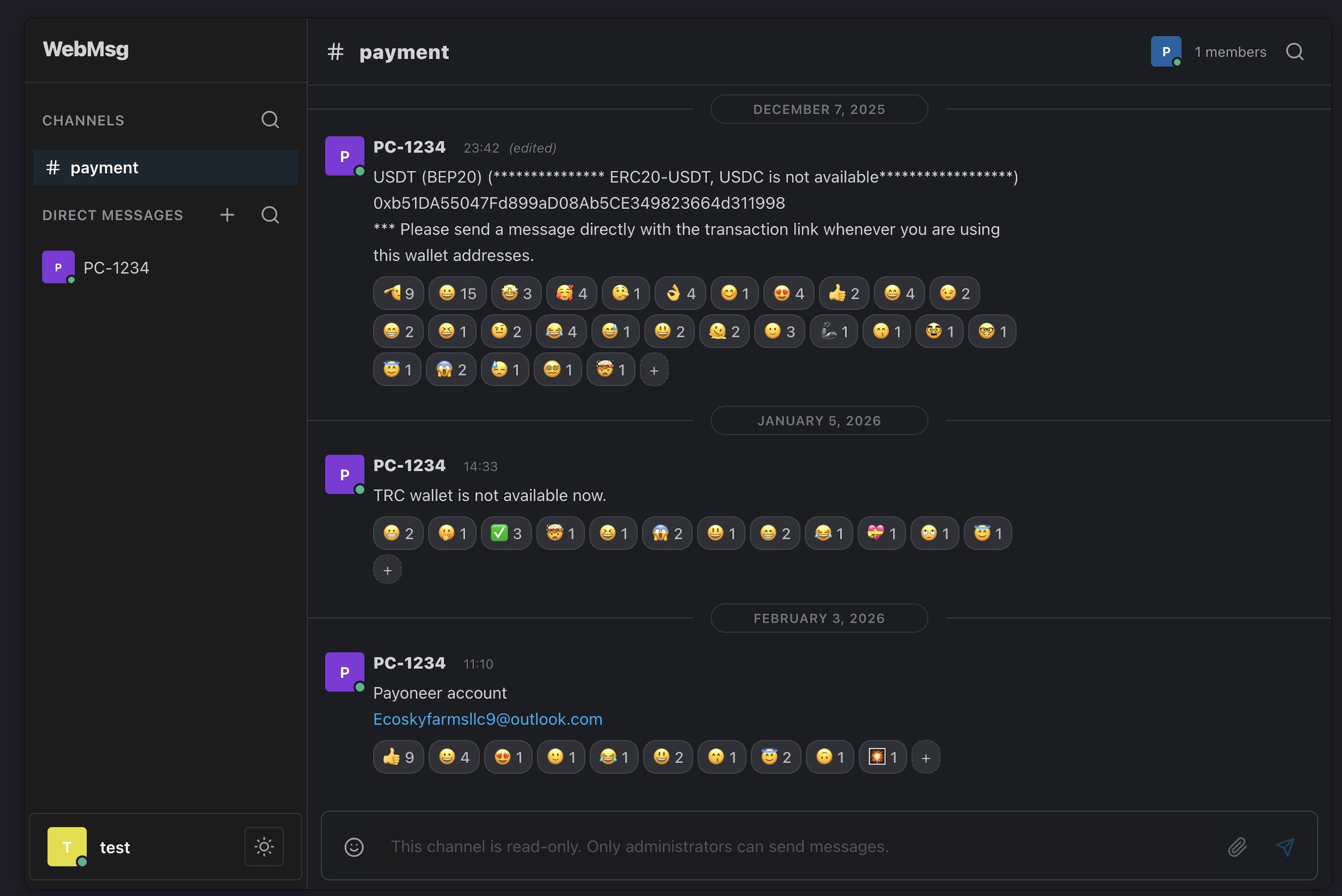 ZachXBT exposes 390-account DPRK IT worker network making ~$1M monthly and $3.5M since November2026-04
 Trezor defends hardware wallets after ZachXBT called them "complete garbage," arguing they remain the strongest self-custody option despite usability tradeoffs2026-07
 OKX CEO Star offers $25K bounty to support ZachXBT probe into RAVE token, following massive 11,000% surge and 95% crash linked to insider activity2026-04
 ZachXBT calls out MemeCore over $6B market cap and heavy insider control, raising concerns after probing the collapse of its RAVE token ecosystem2026-04
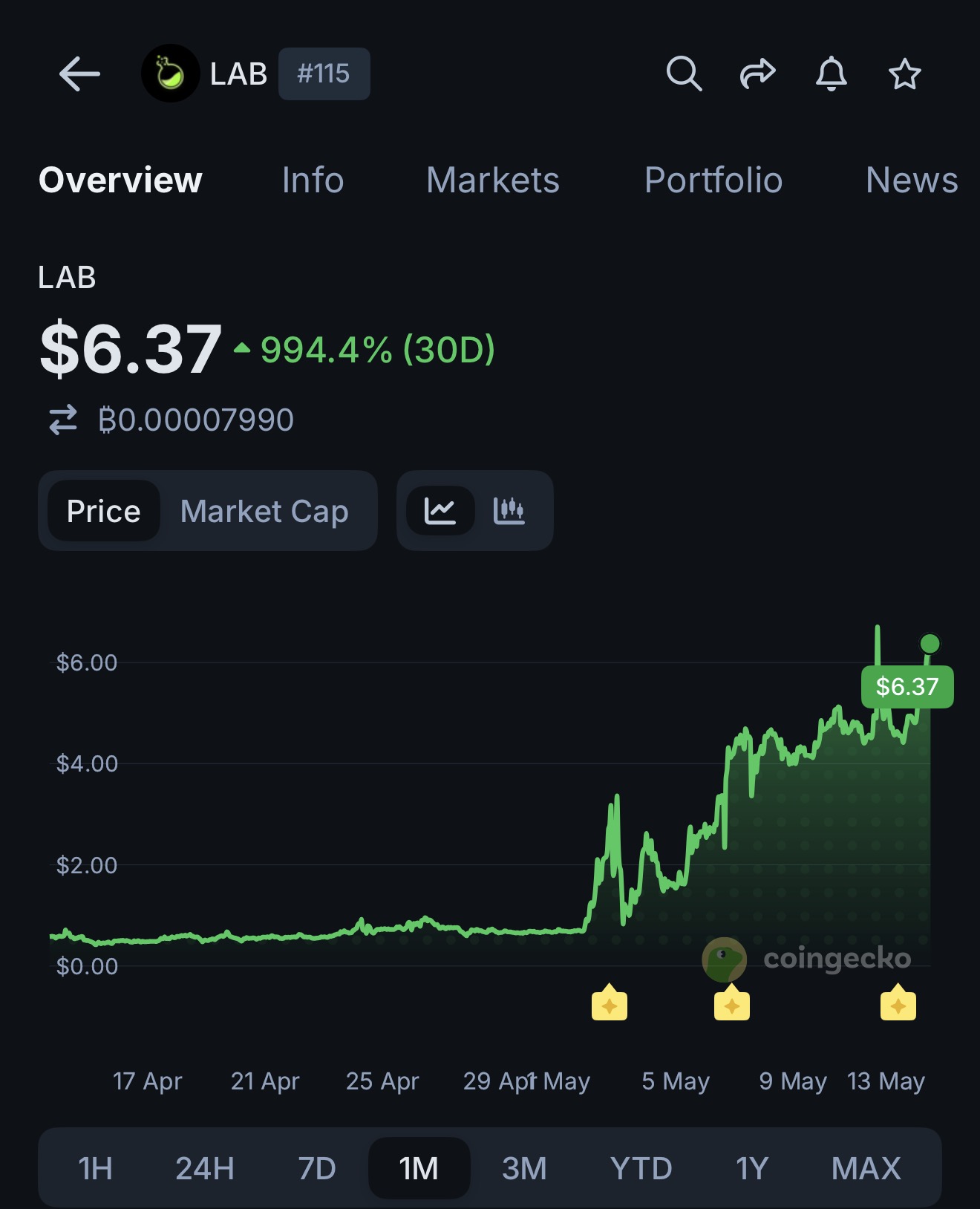 ZachXBT alleges $LAB's $6B FDV pump hid private loans, OTC deals, vesting changes, and greater than 95% supply control2026-05
ZachXBT: Inside Crypto’s Most Influential On‑Chain Investigator
ZachXBT is a pseudonymous blockchain investigator and open‑source intelligence (OSINT) researcher known for tracing hacked, laundered, or misappropriated crypto across chains and publicly calling out alleged scams, Ponzi schemes, and insider trading. Over hundreds of investigations touching assets from BTC and ETH to USDT and USDC, his work has helped freeze or recover substantial sums, informed law‑enforcement actions in multiple jurisdictions, and turned him into one of the most watched independent actors in the crypto markets.
Origins and Persona of a Pseudonymous Crypto Sleuth
Public profiles describe ZachXBT, also identified as Zachary Wolk, as an American investigator who operates under a pseudonym while conducting forensic work on public blockchains. He emerged in the early 2020s as a relentless on‑chain analyst, publishing long‑form investigations and multi‑part social media threads that often landed before formal announcements from exchanges, issuers, or law enforcement. Operating behind a cartoon platypus avatar, he brands himself as a “scam survivor turned 2D investigator,” signalling that his investigative work grew out of personal experience with crypto fraud rather than institutional backing. This blend of anonymity, personal narrative, and rigorous technical work has helped him build a large following among traders, developers, and journalists who see his account as an early warning system for emerging risks.
Coverage from research platforms and news outlets consistently places ZachXBT among the most visible independent crypto sleuths. CryptoSlate notes that he has been active since around 2021, focusing on tracing stolen funds, exposing alleged scams, and documenting large hacks across major networks including Bitcoin, Ethereum, and BNB Chain. Arkham Intelligence, a blockchain analytics platform that has both collaborated with and profiled him, has described him as a leading example of the “online sleuth” model: a technically sophisticated individual using public data and open tools to rival the capabilities of professional compliance or law‑enforcement teams. That positioning sets him apart from traditional analyst firms like Chainalysis, which primarily serve institutional clients, and from casual “rug pull” commentators who lack forensic depth.
The scope of his impact is underscored by the scale of the cases he touches. Biographical summaries attribute to his work contributions to the recovery of hundreds of millions of dollars in stolen digital assets and assistance in arrests across multiple countries. Over several hundred investigations, he has examined hacks and frauds that collectively involve billions of dollars in cryptoassets, ranging from BTC and ETH to stablecoins like USDT and USDC. These cases include centralized exchange breaches, DeFi protocol exploits, elaborate Ponzi schemes, cross‑chain laundering operations, and highly targeted social‑engineering attacks on individual high‑net‑worth holders.
Despite this reach, ZachXBT remains structurally independent. He is not a government investigator or a compliance officer, and he has often emphasized that he works on his own, supported by donations, occasional advisory roles, and, more recently, bounties offered by exchanges or community members interested in particular cases. His X (formerly Twitter) profile notes an advisory role with Paradigm, a prominent crypto venture firm, which underscores that his work is taken seriously even in institutional circles that sometimes find themselves on the receiving end of investigative scrutiny. This dual status—simultaneously an establishment‑adjacent advisor and a watchdog who publicly challenges projects, exchanges, and influential figures—makes him an unusual and sometimes controversial node in the crypto ecosystem.
The tension between anonymity and accountability runs through his public persona. On one hand, pseudonymity insulates him from some personal risks, especially given that his work often targets actors involved in major hacks, organized fraud, or state‑linked cybercrime. On the other hand, he has repeatedly chosen to name individuals he believes are responsible for large‑scale theft or deception, effectively doxxing them to a global audience and sometimes prompting legal pushback. Balancing those pressures requires a distinct investigative style: heavily documented threads, extensive on‑chain evidence, and an OSINT approach that attempts to ground claims in verifiable public data rather than speculation.
Over time, his account has become both a media source and a meta‑narrative about crypto itself. Each investigation illuminates not only a particular scam or exploit, but also the structural vulnerabilities and incentives that make such incidents possible. His work thus doubles as a running history of crypto’s growing pains: from lightly regulated offshore exchanges and opaque tokenomics to the increasing role of stablecoins, prediction markets like Polymarket, and cross‑chain bridge infrastructure in both legitimate activity and sophisticated criminal operations. For many market participants, “What does ZachXBT think?” has become an important question whenever a new hack, ponzi, or suspicious rally emerges.

Binance and Bitget investigate RAVE token spike as ZachXBT claims insiders orchestrated massive short squeeze, wiping out $44M in leveraged positions

Team wallets shipped 18.58M RAVE to Bitget hours before the squeeze, three addresses held 90% of supply, perps went live with deep liquidity anyway — every datapoint Bitget's "investigating" now was visible to its listing desk before approval. With float locked and shorts stacked into a coordinated spot bid, the $44M cascade was the only possible outcome. ZachXBT did the surveillance work the listing team gets paid for.
How On‑Chain Investigations Work
To understand why ZachXBT’s work matters, it is useful to unpack the mechanics of on‑chain investigation. Public blockchains such as Bitcoin and Ethereum maintain transparent ledgers of every transaction ever executed, allowing anyone with the right tools and patience to reconstruct the movement of value between addresses over time. While addresses are pseudonymous, patterns of behavior, links to exchange deposit wallets, interactions with known services, and off‑chain digital footprints create a mosaic that skilled analysts can assemble into a coherent picture. OSINT methods then supplement this on‑chain tracing with information from social media, domain registrations, messaging apps, and traditional corporate records to connect clusters of addresses to specific individuals or organizations.
In practice, investigations often begin with a single suspicious transaction or address. That starting point might be a known exploit contract, a wallet identified by a victim, a deposit address provided to scam targets, or an anomaly flagged by platforms like Arkham Intelligence. Analysts then construct a transaction graph, following funds as they are split, merged, bridged to other chains, swapped through decentralized exchanges, or funneled into mixers and privacy‑enhancing assets. In the infamous case where ZachXBT traced a roughly \(120\) million USDT laundering attempt, he tracked flows that moved from Tether’s dollar‑pegged stablecoin into Monero (XMR), a privacy‑oriented cryptocurrency. The laundering route was sufficiently large that it aggressively pushed Monero’s price from around \(330\) to \(438\) dollars before Tether intervened to freeze approximately \(72\) million dollars worth of USDT linked to the activity.
The tools employed range from public block explorers to specialized analytics platforms. Arkham’s own research on “online sleuths” describes workflows that involve identifying address clusters owned by exchanges, mixers, or known entities, labeling wallets over time, and integrating external data such as KYC leaks or court filings. ZachXBT’s work frequently shows manual steps layered on top of these automated capabilities: mapping social media handles to ENS names, tying Telegram usernames to funding addresses, or correlating timing of trades and announcements with insider access to project information. In the LAB token investigation, for example, he alleged that insiders and an associated market maker controlled more than \(95\%\) of the supply while using off‑market loans and OTC deals to facilitate a dramatic fully diluted valuation (FDV) pump.
Despite the power of these methods, on‑chain investigation has important limits. Wallet attribution is probabilistic: many heuristics involve educated guesses about which addresses are controlled by the same entity, and sophisticated adversaries actively try to break those heuristics using obfuscation strategies such as peel chains, cross‑chain swaps, and privacy protocols. Privacy coins like Monero, mixers, and some Layer 2 designs can dramatically reduce visibility once funds exit transparent chains, which is precisely why they appear so often as endpoints in laundering trails. Moreover, linking an address to a real‑world identity almost always depends on some form of off‑chain information, whether it is a leaked database, a careless public brag, or a business record.
ZachXBT’s reputation is built in part on how he navigates these uncertainties. His public write‑ups typically include detailed transaction diagrams and links to relevant tx hashes, allowing other analysts to replicate his reasoning. In high‑profile cases such as the Bybit exchange breach, in which approximately \(1.5\) billion dollars in Ethereum‑related assets were stolen, he reportedly leveraged both pre‑exploit test transactions and historical wallet behavior to argue that North Korea’s Lazarus Group was responsible. His analysis, submitted to Arkham Intelligence within hours of the incident, drew on timing patterns and connections to prior Lazarus operations; the FBI later formally confirmed that Lazarus was behind the attack, providing rare public validation of his methodology in a state‑level cybercrime context.
Another key dimension of his method is cross‑chain awareness. Modern exploits frequently hop across multiple networks: a vulnerability might drain ETH from a DeFi protocol, swap into stablecoins like USDT or USDC, and then bridge onto alternative chains such as BNB Chain, Polygon, or a bespoke sidechain to complicate tracking. In one community alert about THORChain, a cross‑chain liquidity protocol, ZachXBT warned that it had likely been exploited across Bitcoin, Ethereum, BSC, and Base, with multi‑chain losses potentially exceeding \(10\) million dollars. That alert prompted the protocol to pause trading and execute a global emergency response, illustrating how fast cross‑chain situational awareness can directly shape incident handling.
Because public blockchains are global and immutable, on‑chain investigations also have an unusually long shelf life. Even years after a hack, new insights can arise when previously anonymous addresses are later tied to KYC’d exchange accounts, sanctioned entities, or individuals implicated in separate cases. In the alleged theft of more than \(46\) million dollars from United States Marshals Service (USMS) wallets, ZachXBT’s investigation reportedly connected an online persona known as “Lick” to specific on‑chain activity and then to a real‑world identity, eventually naming John Daghita as the individual behind the operation. Months later, the FBI announced Daghita’s arrest on the island of Saint Martin in a joint operation with French authorities, seizing cash, hard drives, and security keys, and thereby completing a feedback loop between open‑source sleuthing and formal law‑enforcement work.
This blend of technical tracing and OSINT is not unique to ZachXBT, but his sustained output, public‑facing style, and willingness to tackle both large institutional hacks and small individual cases have made him emblematic of the field. His work shows how the same techniques used to follow billions in stolen ETH can also be applied to cases as granular as a single user’s 5.73 BTC frozen by a swap service, or as structurally complex as a multi‑year Ponzi that routed \(150\) million dollars through a thinly regulated exchange. For market participants, understanding the basics of these methods is increasingly essential to evaluating risk, especially as more activity migrates to DeFi, cross‑chain infrastructure, and stablecoin‑denominated markets.
Readers don't click ZachXBT stories for the exploit mechanics — they click for the named accusation: a specific person, wallet, or group publicly fingered, with onchain receipts attached.
Signature Case Studies
Following Stolen Funds Across Chains and Stablecoins
Many of ZachXBT’s most impactful investigations revolve around large thefts where the perpetrators attempted to use stablecoins and privacy assets to obscure their trail. The USDT laundering case that temporarily spiked Monero’s price is a vivid example. By reconstructing a web of transactions that began in USDT and ended in XMR, he was able to demonstrate the scale and coordination involved, framing the operation not as random whale activity but as a structured laundering pipeline. Tether’s subsequent decision to freeze \(72\) million dollars in USDT linked to the scheme underscored how independent on‑chain analysis can shape issuer behavior, especially when the integrity of their asset is at stake.
Stablecoins occupy a central position in many of these stories because they bridge fiat and crypto markets. Launderers value USDT and USDC for their liquidity and relatively low volatility, while investigators see them as choke points because centralized issuers such as Tether and Circle can blacklist addresses and freeze funds under certain conditions. The JuCoin case highlights how this dynamic can be complicated by opaque infrastructure. ZachXBT criticized the exchange’s self‑reported \(511\) million dollar reserves, pointing out that much of the claimed USDT and USDC appeared to be issued on its proprietary “JuChain” rather than by Tether or Circle themselves. That raised questions about whether these assets were fully backed or even redeemable, and whether traders were effectively holding IOUs dependent on the solvency and honesty of a single offshore platform.
Bitcoin remains a common starting point or endpoint in many laundering schemes, both because of its liquidity and its role as a neutral reserve asset in the crypto economy. In the Changelly case, where a user claimed that 5.73 BTC—roughly a mid six‑figure sum—had been unfairly frozen, ZachXBT dug into the provenance of the coins and linked them to a broader cluster of addresses associated with more than a million dollars of scam activity. According to public commentary about the episode, it appears the suspect reached out to him directly in private messages, demonstrating a recurring pattern in his work: once an investigation begins to surface, actors on all sides may try to shape the narrative or provide partial information, making skepticism and documentation crucial to maintaining credibility.
Another multi‑asset example is the DSJ/BG Ponzi scheme. Reports based on his findings describe a sprawling operation that drew in more than \(150\) million dollars from unsuspecting victims through a combination of high‑yield promises and a trading platform whose solvency depended on new inflows. As the scheme unraveled and an associated exchange collapsed, approximately \(41.5\) million dollars in assets were frozen, a partial win for victims but also a reminder of how much value can evaporate before authorities or platforms act. In such cases, ZachXBT’s role often lies in synthesizing scattered on‑chain evidence into a coherent account that victims, journalists, and regulators can use to pressure intermediaries and seek redress.
DeFi Exploits and Protocol Failures
The explosive growth of DeFi has created new attack surfaces, and ZachXBT has repeatedly stepped in to document and contextualize protocol‑level exploits. His alert on THORChain pointed to suspected exploits across multiple chains—Bitcoin, Ethereum, BSC, and Base—with cumulative losses he estimated at more than \(10\) million dollars. The protocol responded by pausing trading and initiating a global emergency process, illustrating how external watchdogs can accelerate internal incident response, especially when an exploit spans several environments and not all attack vectors are immediately obvious.
In another case, he drew attention to an apparent exploit involving Humanityprot’s H token. Following the incident, more than \(30\) million dollars in value was drained from at least seventeen wallets, and roughly \(100\) million unauthorized tokens were minted, sending the token price crashing by around \(80\%\). While many DeFi exploits are straightforward code vulnerabilities, ZachXBT publicly suggested that this incident looked “possibly staged,” implying that insiders or trusted parties might have been involved rather than an external attacker simply discovering a bug. That framing matters for users because it shifts the focus from purely technical risk toward governance and incentive structures: who controls upgrade keys, pause functions, and treasury assets; and how aligned are they with token holders.
Prediction markets like Polymarket have also come under his lens. In a community alert, he flagged a suspected attack on Polymarket’s UMA CTF Adapter contract on the Polygon network, with losses estimated at more than \(520,000\) dollars. The exploit appeared to target the integration layer connecting Polymarket’s markets to UMA’s infrastructure rather than Polymarket’s core contracts themselves, underscoring how composability—DeFi’s ability to stack protocols atop each other—can amplify security risks. For traders, the lesson is that even when a front‑end appears reputable, underlying adapters, oracles, and cross‑protocol bridges may present their own attack surfaces.
These DeFi cases often involve not just core assets like ETH, but also stablecoins and governance tokens that are used as collateral or liquidity. An exploit draining USDC from a lending pool, for example, can have ripple effects for Circle’s partners and for DeFi apps that rely on that pool as a source of liquidity. While Circle itself may not be directly involved in such incidents, the ubiquity of USDC in DeFi means that protocol failures affecting it are systemically important. Analyses like ZachXBT’s thus serve as an informal stress test for the broader DeFi–stablecoin nexus, revealing how code vulnerabilities, oracle failures, or governance lapses can propagate through the ecosystem.
Exchange Risk, Bucket Shops, and Opaque Reserves
Beyond DeFi, ZachXBT has devoted substantial attention to centralized exchanges, especially lightly regulated offshore platforms he sometimes describes as “bucket shops.” In one widely cited post he grouped Bitunix with exchanges like WEEX, JuCoin, KCEX, and Toobit, suggesting that they shared traits such as opaque ownership, questionable marketing practices, and unreliable withdrawal processes. Such platforms often list illiquid tokens that are central to pump‑and‑dump schemes, offer high‑leverage derivatives with minimal risk controls, and rely on self‑reported reserve figures that are hard to verify independently.
The JuCoin episode is emblematic. After users began reporting withdrawal issues, the exchange claimed to hold \(511\) million dollars in reserves, most of it apparently denominated in USDT and USDC. However, ZachXBT noted that much of this stablecoin exposure seemed to exist as tokens issued on JuCoin’s own JuChain, rather than as assets issued by Tether or Circle on widely used public networks. That architecture raises fundamental questions about backing and redeemability: if the “USDT” on JuChain is not redeemable 1:1 with Tether’s official USDT on Ethereum or Tron, then traders may be exposed to platform‑specific credit risk while believing they hold a global stablecoin. His critique thus goes beyond allegations of mismanagement and touches on the broader theme of how pseudo‑stable assets can mimic the branding of USDT or USDC without inheriting their governance or reserves.
Exchange‑linked Ponzis and fraudulent investment platforms also feature prominently in his investigations. The DSJ/BG case highlighted how a seemingly legitimate exchange interface can mask a structure where user deposits are recycled to pay earlier participants, with little to no real trading or external revenue. When such operations collapse, funds may be spread across multiple venues, sometimes including mainstream exchanges where coins are mixed with legitimate liquidity. Tracing these flows gives victims and authorities a chance—though often only a partial one—to identify assets that can be frozen before they are fully dissipated.
Another area where he has been particularly active is in examining exchange listings, wash trading, and alleged insider trading practices. In the RAVE token scandal, RaveDAO’s ecosystem saw an extraordinary rally in which the token reportedly surged by around \(11,000\%\) before crashing more than \(95\%\), wiping out roughly \(6.3\) billion dollars in paper market capitalization. ZachXBT alleged that insiders used multiple major exchanges to engineer a massive short squeeze and then offload positions onto retail traders, prompting Binance, Bitget, and Gate to open investigations. He offered a \(25,000\) dollar bounty for whistleblowers, and OKX CEO Star Xu publicly matched that figure to support the probe, illustrating how exchange executives sometimes align with independent investigators when confronted with potential insider abuse that could damage their platforms’ reputations.
Tokenomics, Insider Deals, and Market Manipulation
One of the more nuanced dimensions of ZachXBT’s work involves tokenomics and insider behavior in high‑FDV projects. In the LAB token investigation, he accused the team behind an AI trading terminal of operating a tightly controlled token ecosystem in which insiders—often in coordination with a market maker—held more than \(95\%\) of the supply. He argued that the project used hidden OTC deals, private loans, and shifting vesting terms to create thin float and artificially support a fully diluted valuation around \(6\) billion dollars, with retail traders effectively priced in at the margins. Calling the price action “highly questionable,” he offered a \(10,000\) dollar bounty for information about alleged market manipulation, underlining how community rewards are sometimes deployed to surface internal documents or testimony.
Similar themes appear in his scrutiny of RAVE and the broader MemeCore ecosystem. After RAVE’s boom‑and‑bust, he raised concerns that MemeCore’s multibillion‑dollar market cap rested on heavy insider control of supply, with complex cross‑holdings and related‑party dealings between the core team and liquidity providers. His investigations into such meme‑centric ecosystems do not merely target overt fraud; they often focus on the structural conditions that make it easy for a small group to steer price, from concentrated allocations and short cliff periods to the absence of meaningful disclosures about OTC financing or lock‑up arrangements.
ZachXBT has also clashed with well‑known industry figures over token behavior. In one notable episode, he publicly challenged BitMEX co‑founder Arthur Hayes after Hayes disclosed that he had sold his WLD (Worldcoin) holdings and exited his position. ZachXBT questioned how much “exit liquidity” Hayes had generated from followers who might have bought the token in response to his earlier public enthusiasm, raising broader issues about influencer marketing, disclosure standards, and the responsibilities of prominent voices in thinly regulated markets. In related commentary, he accused Sam Altman‑linked Worldcoin of using predatory tokenomics and exploiting biometric data collection in low‑income regions while insiders allegedly offloaded supply via OTC deals, thereby linking token design critiques to ethical concerns about data and consent.
These tokenomics‑focused investigations matter because they blur the line between legal but arguably unfair practices and outright market manipulation. A project may technically comply with listing rules and securities regulations while still creating a supply structure that makes it nearly impossible for retail buyers to avoid being the last in line. By publishing detailed analyses of cap tables, vesting schedules, and trading patterns, ZachXBT effectively provides a due‑diligence service that many smaller investors lack the time or tools to perform. His work in this area acts as a counterweight to promotional narratives that emphasize high FDVs and “blue‑chip” branding without disclosing the concentration of economic power behind the scenes.
Social Engineering, Home Invasions, and Personal Security
Not all of ZachXBT’s work is centered on protocols and tokens; a significant portion focuses on human‑level vulnerabilities, from phishing and SIM swapping to violent home invasions. In a widely discussed investigation, he documented how a small group of attackers stole \(243\) million dollars from a single person through a sophisticated social‑engineering operation, allegedly involving figures known as Greavys, Wiz, and Box, and later helped lead to multiple arrests and the freezing of millions in stolen funds. In follow‑up commentary, he stated that these individuals were not “crypto entrepreneurs” but threat actors involved in high‑profile fraud and data extortion campaigns, and that law enforcement had seized approximately \(18.9\) million dollars linked to their activity. This case underscores the reality that even sophisticated market participants can fall prey to targeted manipulation, particularly when attackers have access to internal exchange data or other sensitive information.
His reporting on home invasions adds a physical‑security dimension to crypto risk. Drawing on data collated in a public GitHub repository, he highlighted at least fifteen documented crypto‑related home invasions over a recent twelve‑month period, compared with seventeen in the previous year and thirty‑two in 2021. While the absolute count appeared to be declining, he noted that the severity and organization of some attacks were increasing, with one Florida man convicted of leading a violent series of home invasions aimed specifically at stealing cryptocurrency. These findings have resonated with a growing cohort of self‑custody advocates, who now emphasize not only digital hygiene but also careful management of how, where, and with whom information about large holdings is shared.
Investigations involving large institutions further illustrate the intersection of social engineering, insider access, and governance failures. The alleged theft from USMS‑managed wallets, for instance, reportedly involved a contractor’s misuse of privileged access rather than a DeFi exploit or exchange hack. By tracing funds and linking online activity to a specific individual with a family connection to a company awarded a USMS contract, ZachXBT’s work highlighted the importance of robust internal controls and third‑party risk management even within government agencies tasked with handling seized digital assets. These examples suggest that as BTC, ETH, USDT, and USDC balances grow on institutional balance sheets, internal governance and access management become as critical as cold storage or multisig schemes.
Collectively, these case studies show the breadth of ZachXBT’s portfolio: from billion‑dollar exchange hacks and multi‑chain DeFi exploits to targeted attacks on single victims and structural critiques of tokenomics. For observers trying to make sense of crypto’s evolving risk landscape, his body of work functions as a sprawling catalog of how and where things can go wrong.
ZachXBT exposes 390-account DPRK IT worker network making ~$1M monthly and $3.5M since November
Working with Institutions: Law Enforcement, Stablecoin Issuers, and Exchanges
Collaboration with Law Enforcement and Regulators
Although ZachXBT operates as an independent investigator, his work increasingly intersects with formal institutions. The Bybit hack is one of the clearest examples: within hours of the exchange losing roughly \(1.5\) billion dollars in Ethereum‑related assets, he submitted evidence to Arkham Intelligence arguing that the pattern of test transactions and wallet linkages pointed to North Korea’s Lazarus Group. His analysis, based on forensic graphs and timing comparisons with previous exchange attacks, was later effectively validated when the FBI publicly confirmed Lazarus as the perpetrator. This timeline illustrates a new investigative pipeline in which independent sleuths can sometimes move faster than formal agencies, providing early leads that authorities then vet and act upon.
The USMS theft case and the Genesis creditor theft case both show deeper integration with law enforcement. In the USMS case, his investigation reportedly helped identify a contractor’s son as the operator of wallets that siphoned off tens of millions from government‑managed addresses, culminating in an arrest in Saint Martin by U.S. and French authorities and the seizure of cash, hard drives, and hardware wallets. In the Genesis creditor theft, he publicly described the suspects as high‑profile social‑engineering and extortion actors rather than legitimate entrepreneurs, noting that law enforcement had seized approximately \(18.9\) million dollars tied to their activities. While the exact role his analysis played in those seizures is not always fully detailed, the public breadcrumbs suggest an increasingly symbiotic relationship between OSINT investigators and formal agencies.
Law enforcement’s growing reliance on on‑chain analytics has broader implications. As regulators and prosecutors gain confidence in the evidentiary value of blockchain data, independent analysts like ZachXBT may find themselves both more influential and more scrutinized. On one hand, their work can expedite asset freezes, inform sanctions designations, and support criminal charges; on the other, their public accusations can become part of the factual matrix in cases that carry significant legal consequences. This dynamic amplifies the stakes of accuracy and methodological transparency, which is why many of his major investigations include detailed transaction references that others can independently verify.
Tether, Circle, and the Role of Freeze Functions
Stablecoin issuers occupy a unique position in this landscape. Tether’s freezing of \(72\) million dollars in USDT after the Monero‑linked laundering attempt demonstrates how centrally controlled stablecoins can act as chokepoints in illicit flows when provided with sufficiently credible analysis. In that instance, the combination of on‑chain tracing and public pressure likely raised the reputational cost of inaction for Tether, leading to a decisive response that substantially reduced the attackers’ realized gains. For investigators like ZachXBT, such interventions provide a powerful tool: even when funds have not yet reached a KYC’d exchange, they may be immobilized if the relevant issuer chooses to blacklist them.
Circle, issuer of USDC, occupies a similar role, though the search results here focus more on the JuCoin controversy than on specific freeze events. In that case, ZachXBT’s concern was that JuCoin’s reserves included large amounts of USDT and USDC issued on its in‑house JuChain rather than by Tether or Circle on public networks, raising the possibility that traders were holding synthetic or unbacked versions of these stablecoins. While Circle was not directly implicated, the episode underscores how brand confusion around ticker symbols and token names can be exploited; users might assume that any “USDC” asset represents a claim on Circle’s reserves, when in fact it could be a platform‑specific representation with entirely different risk characteristics.
These dynamics point toward an evolving relationship between independent investigators and centralized stablecoin issuers. On the one hand, issuers benefit from analysts who identify large‑scale illicit uses of their tokens, enabling them to demonstrate compliance to regulators and banking partners. On the other hand, freeze powers are blunt instruments that can also affect innocent counterparties if attribution is flawed. This means that analysts like ZachXBT must not only trace flows but also consider collateral impacts; for example, if tainted USDT passes through multiple DeFi pools, freezing all downstream addresses may be neither feasible nor fair. Over time, best practices around selective blacklisting, communication with affected protocols, and remediation for impacted users are likely to emerge, with independent sleuths playing a catalyst role.
Bounties, Whistleblowers, and Community Intelligence
Another area where ZachXBT interacts with institutions is through bounties and whistleblower programs. In the RAVE scandal, as questions mounted about whether insiders had used multiple exchanges to orchestrate an 11,000\% price surge followed by a 95\% crash, he offered a \(25,000\) dollar bounty for information, explicitly inviting insiders to come forward with evidence of wrongdoing. OKX CEO Star Xu publicly matched that bounty, effectively turning a joint investigator–exchange initiative into a quasi‑whistleblower fund aimed at uncovering internal communications or trading records that could prove manipulation. This kind of public bounty is relatively novel in crypto markets, blending elements of bug bounties, whistleblower protections, and social pressure.
In the LAB case, he similarly offered a \(10,000\) dollar bounty for insights into alleged market manipulation, particularly around hidden OTC deals, private loans, and vesting changes that might not be visible on‑chain. These efforts acknowledge a key limitation of blockchain analysis: while transaction data can reveal flows and timing, it cannot directly expose side agreements, marketing strategies, or off‑platform promises made to early investors. Encouraging insiders to come forward—with monetary incentives and the implicit protection of public visibility—helps bridge that gap, though it also raises questions about verifying and contextualizing testimony.
Beyond formal bounties, much of ZachXBT’s work depends on community intelligence. Victims of hacks or scams often contact him directly, providing screenshots, transaction IDs, and narrative accounts that become starting points for investigations. In some cases, suspects themselves reach out, either to deny allegations or to negotiate, as appears to have happened in the Changelly 5.73 BTC cluster case. While these interactions can enrich the fact set, they also introduce biases and potential manipulation; investigators must carefully weigh claims against verifiable data, knowing that sources may have strong incentives to shape the story.
For crypto users, the rise of bounty‑driven investigations suggests that the line between “community” and “compliance” is increasingly blurred. Exchanges, issuers, and even large projects may find it efficient to outsource parts of their investigative work to public sleuths, rewarding them with bounties or advisory roles rather than building large in‑house teams. This model can deliver rapid insights but also raises questions about due process, confidentiality, and the potential for trial‑by‑social‑media.
- 01Bybit hack laundering trail↗
The combination of a record-breaking $1.5B loss and ZachXBT mapping 920 connected addresses in real time gave readers a live forensic drama with state-actor stakes.
- 02KOL pump-and-dump naming↗
Calling out Ansem, Murad, and Shkreli by name — with wallet evidence — turned abstract influencer suspicion into verifiable receipts readers could check themselves.
- 03Lazarus Group / DPRK attribution↗
Readers engage when a pseudonymous investigator, not a government, first attributes a billion-dollar hack to a nation-state and is subsequently confirmed correct.
- 04LastPass breach downstream losses↗
The Chris Larsen XRP loss and recurring wallet drains made the 2022 LastPass breach feel like a slow-motion ongoing disaster, with ZachXBT as the only scorekeeper.
- 05ZachXBT legal battles↗
A pseudonymous investigator being sued for defamation by the people he exposes, then funded by the community and ultimately vindicated, is a narrative arc that competes with any exploit.
- 06Memecoin scam exposés↗
Instant 50% price collapses seconds after ZachXBT posts — like the $GROK reveal — demonstrate his market-moving power and give readers a front-row seat to real-time ruin.
Legal, Ethical, and Market Implications
Defamation Risk and Due‑Process Concerns
Publicly accusing individuals and projects of fraud carries legal risk, and ZachXBT has already faced high‑profile defamation litigation. In 2023, Taiwanese–American entrepreneur and NFT whale Jeffrey Huang, also known as Machi Big Brother, sued him for defamation in a U.S. federal court after being accused in one of his investigations of misappropriating funds from a failed project. The case prompted a strong community response: ZachXBT raised more than \(600,000\) dollars in crypto donations to fund his legal defense, signaling widespread support for his investigative work and concern about the chilling effect such lawsuits could have on independent scrutiny. Ultimately, the lawsuit was dropped, and he announced plans to return unused funds to donors, a move reported by outlets like Blockworks as an affirmation of his commitment to accountability.
The Machi case highlights the tension between necessary whistleblowing and the rights of those accused. Blockchain data can reveal patterns of fund movement that look suspicious, but interpreting intent remains partly subjective. Projects fail for many reasons, and concentrated token movements are not always evidence of wrongdoing. For this reason, investigators like ZachXBT typically present a combination of on‑chain evidence, contemporaneous communications, and broader context to support their claims. Even so, the legal system may require standards of proof and procedural fairness that differ from the norms of crypto Twitter, making defamation suits an ongoing hazard.
Beyond formal litigation, there are ethical questions about doxxing, shaming, and the permanence of accusations in an immutable information environment. Once a thread naming a person as a scammer goes viral, that association can persist indefinitely in search results, even if later evidence complicates the narrative. For victims of genuine fraud, such exposure can be a rare source of validation and leverage; for those wrongfully or prematurely accused, it can be devastating. This asymmetry places a heavy burden on investigators to avoid overreach, clearly label allegations as such, and update or correct prior work when new information emerges.
Market‑Moving Investigations and Information Asymmetry
ZachXBT’s influence extends beyond legal and ethical realms into market microstructure. His investigations often move prices, whether by accelerating sell‑offs in tokens linked to alleged manipulation or by prompting freezes and withdrawals that affect liquidity on exchanges. The Humanityprot H token crash, the RAVE collapse, and the loss of confidence in JuCoin’s reserves all unfolded against a backdrop of public scrutiny that his posts helped intensify. In some cases, negative price action may be inevitable once underlying problems surface; in others, the timing and framing of his posts can shape how quickly and violently markets reprice.
This dynamic creates potential information asymmetries. While ZachXBT does not present himself as a trader front‑running his own alerts, the simple fact that his posts can affect prices means that those who see and act on them first may gain an advantage. This is especially true in thinly traded altcoins, where a few large sell orders triggered by a viral thread can cascade into broader liquidations. The situation is analogous to short‑seller reports in traditional markets: investigative work that exposes real issues can still be weaponized by speculators who anticipate its impact.
At the same time, many of his investigations reduce information asymmetry by making complex, fragmented data accessible to ordinary users. In the LAB and MemeCore cases, for instance, he distilled opaque cap tables and insider holdings into concrete claims about the percentage of supply effectively controlled by insiders, enabling small investors to make more informed decisions about whether to participate in rallies driven by aggressive marketing. Likewise, by highlighting home‑invasion trends and social‑engineering tactics, he equips individuals with knowledge that was previously dispersed across local news reports and law‑enforcement filings. The net effect on fairness and efficiency is thus ambiguous but significant: his presence changes how and when information enters the market.
What ZachXBT’s Work Reveals About Crypto’s Maturation
Taken together, the themes in ZachXBT’s work—exchange opacity, DeFi exploits, stablecoin laundering, social engineering, tokenomics games—provide a kind of shadow history of crypto’s maturation. Early in the industry’s development, hacks and scams were often opportunistic and technically unsophisticated, targeting obvious vulnerabilities in poorly audited contracts or misconfigured wallets. As the market grew and institutional money flowed in, the scale and sophistication of wrongdoing increased, with state‑linked groups like Lazarus mounting billion‑dollar exchange raids, and organized crime rings using cross‑chain bridges and privacy coins to wash proceeds.
At the same time, the industry’s defensive capabilities have improved. Exchanges now routinely collaborate with analytics firms; stablecoin issuers monitor large flows for suspicious patterns; and regulators increasingly recognize blockchain data as admissible evidence. Independent investigators like ZachXBT operate in this ecosystem as both catalysts and critics. By publicly surfacing issues that institutional actors might prefer to handle quietly—or, in some cases, ignore—they push the space toward higher standards of transparency and risk management. Their existence also reflects a core ethos of crypto: that open data empowers individuals to hold powerful actors accountable, whether those actors are centralized exchanges, venture‑backed projects, or even government agencies.
However, this maturation is uneven, and many of the incidents he covers show that the basic categories of risk—technical, financial, and human—remain intertwined. A protocol exploit might be exacerbated by poor treasury management; a stablecoin laundering operation might depend on weak KYC at a decentralized bridge; a home invasion might be enabled by oversharing about BTC holdings on social media. In documenting these stories, ZachXBT’s work serves not only as exposé but also as pedagogy, teaching the community how seemingly small lapses can interact with systemic vulnerabilities.
Trezor defends hardware wallets after ZachXBT called them "complete garbage," arguing they remain the strongest self-custody option despite usability tradeoffs
Apple’s Secure Enclave signing API exposes P-256, not the secp256k1 used by Ethereum EOAs, so a dedicated iPhone cannot give a standard EVM account native hardware-isolated signing through CryptoKit (Apple, Ethereum). For whales, custody moves up a layer: Safe can enforce a threshold across hardware, software, MPC and passkey owners instead of making one Trezor or iPhone the execution key (Safe docs).
Practical Lessons for Crypto Traders and Builders
Evaluating Platforms, Tokens, and Teams
For traders and builders trying to navigate this landscape, one of the most practical uses of ZachXBT’s investigations is as a template for due diligence. When he critiques an exchange like JuCoin or labels a platform like Bitunix a “sketchy bucket shop,” he typically highlights concrete red flags: opaque ownership, inconsistent statements about reserves, reliance on proprietary sidechains for supposedly mainstream assets like USDT and USDC, and persistent withdrawal issues. Users can incorporate these criteria into their own evaluations, favoring venues that provide verifiable proof‑of‑reserves, transparent legal structures, and clear relationships with stablecoin issuers and banking partners.
On the token side, his work on LAB, RAVE, MemeCore, and WLD underscores the importance of scrutinizing supply distribution, vesting schedules, and off‑chain financing arrangements. A high fully diluted valuation means little if the circulating supply is tiny and heavily controlled by insiders who can dump into thin liquidity once marketing campaigns peak. Builders serious about long‑term sustainability should recognize that the market is increasingly sensitive to these dynamics; projects that proactively disclose detailed cap tables, lock‑ups, and OTC deals—and that submit to credible third‑party reviews—may earn more durable trust than those that rely on narrative alone.
For investors, one practical heuristic is to treat any major token or platform that becomes the subject of a detailed ZachXBT thread as deserving of immediate, independent reassessment. This does not mean that every target of his investigations is guilty of all alleged misconduct; rather, it means that enough smoke exists to warrant a closer look at the fire risk. Reading his evidence, cross‑checking with other analysts, and revisiting one’s own risk tolerance can help prevent being the last holder in a rapidly collapsing structure.
Managing Custody, Privacy, and Physical Security Risk
The social‑engineering and home‑invasion cases documented by ZachXBT offer sobering lessons about personal security in a world where crypto holdings can be both highly liquid and extremely attractive to criminals. Self‑custody advocates often emphasize hardware wallets and multisig schemes, but his investigations show that physical coercion, phishing, and insider leaks can bypass even robust technical controls. Individuals with significant BTC, ETH, USDT, or USDC holdings should think carefully about how their operational security extends beyond the blockchain: minimizing public bragging about balances; distributing custody across multiple devices and jurisdictions; and ensuring that trusted family members or colleagues understand basic safety practices without being exposed to detailed key information.
Builders and exchanges also bear responsibility. Incidents like the alleged misuse of USMS‑managed wallets and the Genesis creditor theft highlight how privileged internal access can be exploited if not properly monitored. Implementing stringent role‑based access controls, mandatory multi‑party approvals for large transfers, and continuous logging and anomaly detection can reduce the risk of insiders quietly siphoning funds. Moreover, training staff to recognize and report social‑engineering attempts—whether via email, messaging apps, or even in‑person approaches—is increasingly essential as attackers seek to target human weak points in otherwise secure systems.
For everyday users, ZachXBT’s warnings about physical attacks suggest practical habits such as using PO boxes or office addresses for deliveries of hardware wallets, avoiding patterns that link physical locations to specific devices or accounts, and being cautious about invitations to in‑person meetings that involve discussions of large OTC trades. While not everyone will be a target, the stakes of a single violent home invasion are high enough that conservative precautions are warranted, especially for those who have been publicly visible in the crypto space.
How to Interpret and Use ZachXBT’s Findings
Finally, there is the question of how to read ZachXBT’s work responsibly. His investigations are valuable, but they are not canonical law‑enforcement findings, and he himself usually frames them as evidence‑driven allegations rather than final verdicts. Users should therefore approach his threads as high‑quality leads: sources of insight that should inform, but not wholly determine, trading and custody decisions. Cross‑checking his claims with other analytics providers, on‑chain data, and official statements can help build a more nuanced picture, especially in contentious cases where large sums and reputations are on the line.
For builders and teams, interactions with independent investigators can be an opportunity as much as a threat. Projects that respond to his inquiries with detailed documentation, clear timelines, and a willingness to admit mistakes may be able to salvage credibility even after serious incidents, whereas those that stonewall or retaliate with legal threats risk amplifying suspicion. In some cases, partnering with investigators to secure funds, compensate users, or improve transparency can turn a crisis into a catalyst for better governance.
At a broader level, ZachXBT’s prominence reflects a governance gap in crypto. Formal regulators often move slowly, and self‑regulatory organizations are still nascent. In this context, independent sleuths act as de facto auditors, especially for segments of the market—like offshore exchanges and meme tokens—that fall between regulatory cracks. For the ecosystem to mature, their role will likely need to be complemented by more robust institutional frameworks: clearer disclosure standards, stronger consumer‑protection regimes, and more effective cross‑border enforcement. Until that happens, the work of on‑chain investigators will remain an essential, if imperfect, line of defense.
LastPass data breach — seed phrase theft begins
ZachXBT links Chris Larsen's $100M+ XRP loss to LastPass hack
MachiBigBrother (Jeffrey Huang) files defamation suit against ZachXBT
Arkham awards $150k bounty to ZachXBT for identifying $DJT creator as Shkreli
ZachXBT documents $91.4M social engineering loss — 783 BTC drained in single attack
Bybit $1.5B hack — ZachXBT first to confirm exploit and attribute to Lazarus Group
Machi BigBrother dismisses defamation suit against ZachXBT
ZachXBT deactivates X account indefinitely, warns of unauthorized scam tokens bearing his name
Outlook
ZachXBT’s trajectory offers a glimpse into crypto’s next phase. As BTC, ETH, USDT, USDC, and a growing range of tokens become embedded in mainstream finance, the stakes of hacks, scams, and insider games will only increase. At the same time, the tools available to trace and respond to wrongdoing are improving, with independent analysts, institutional compliance teams, and law‑enforcement agencies all drawing from the same transparent ledgers. In this environment, figures like ZachXBT will continue to play a pivotal role: surfacing problems early, pressuring issuers and exchanges to act, and educating users about risks that traditional disclosures often overlook.
Whether the balance of power ultimately tilts toward greater accountability or more sophisticated forms of abuse will depend in part on how the ecosystem responds to the lessons embedded in his investigations. Projects that internalize those lessons—by strengthening governance, embracing transparency, and respecting the intelligence of their communities—are more likely to build durable value. Those that treat watchdogs as nuisances rather than signals may find that, in an age of permanent on‑chain memory, the truth is hard to outrun.
ZachXBT is an anonymous individual; his indefinite X deactivation immediately exposed how much of crypto's informal enforcement layer depends on one pseudonymous actor.
The MachiBigBrother suit demonstrated that targets of his investigations can weaponize defamation law against him, requiring community-funded legal defense via Brown Rudnick.
A single ZachXBT post erased ~$50M in $GROK market cap within minutes, meaning his disclosures function as an unregulated but highly effective price mechanism.
Publicly attributing $1.5B in Bybit losses to North Korea's Lazarus Group places ZachXBT in direct conflict with a state-sponsored threat actor with documented retaliation history.
Operating fully anonymously creates uncertainty about whether his investigative work could face classification as unlicensed financial services activity in tightening jurisdictions.
ZachXBT has publicly warned of a rise in home invasion crypto thefts, a threat category that is increasingly relevant for known onchain investigators holding visible assets.
Latest ZachXBT news
Binance and Bitget investigate RAVE token spike as ZachXBT claims insiders orchestrated massive short squeeze, wiping out $44M in leveraged positionsZachXBT exposes 390-account DPRK IT worker network making ~$1M monthly and $3.5M since NovemberTrezor defends hardware wallets after ZachXBT called them "complete garbage," arguing they remain the strongest self-custody option despite usability tradeoffsOKX CEO Star offers $25K bounty to support ZachXBT probe into RAVE token, following massive 11,000% surge and 95% crash linked to insider activityZachXBT calls out MemeCore over $6B market cap and heavy insider control, raising concerns after probing the collapse of its RAVE token ecosystemZachXBT alleges $LAB's $6B FDV pump hid private loans, OTC deals, vesting changes, and greater than 95% supply controlSources
20 records from 13 domains
en.wikipedia.org
cryptoslate.com
dlnews.com
youtube.com
x.com
- x.com· zachxbt
- x.com· cryptoamanclub / status / 2068214339446943930
- x.com· CoinDesk / status / 2065513213811454198
- x.com· CoinDesk / status / 2064248166535299350
- x.com· zachxbt / status / 2063612722315681914
- x.com· WuBlockchain / status / 2063577678842630612
- x.com· WuBlockchain / status / 2055229381816041861
- x.com· zachxbt / status / 2050119749854806164
info.arkm.com
blockworks.com
coinmarketcap.com
tradingview.com
instagram.com
facebook.com
binance.com
mitrade.com
Community notes
Spot something off or out of date? Drop a note. Editors review topic notes daily and roll accepted fixes into the explainer — contributors are recognized in the monthly $SQUID drop.
Loading notes…
Help improve this topic
Have a story or tip about this topic? Submit it. See something missing? Leave a note. Editors review daily; accepted submissions and fixes count toward the monthly $SQUID drop.