
Comprehensive explainer on WLD, the Worldcoin token powering a biometric-based global identity network. Covers tokenomics, unlocks, DeFi integration, privacy debates, and market dynamics in the AI–crypto landscape.
+8 sources across the wider coverage universe
 Sam Altman-linked World project cuts WLD token unlock pace by 43%, aiming to manage supply pressure after 49% of tokens entered circulation2026-04
 Hayes dumps Maelstrom's WLD stake as Worldcoin drops 10% and SpaceX pre-listing quote slides 50%2026-06
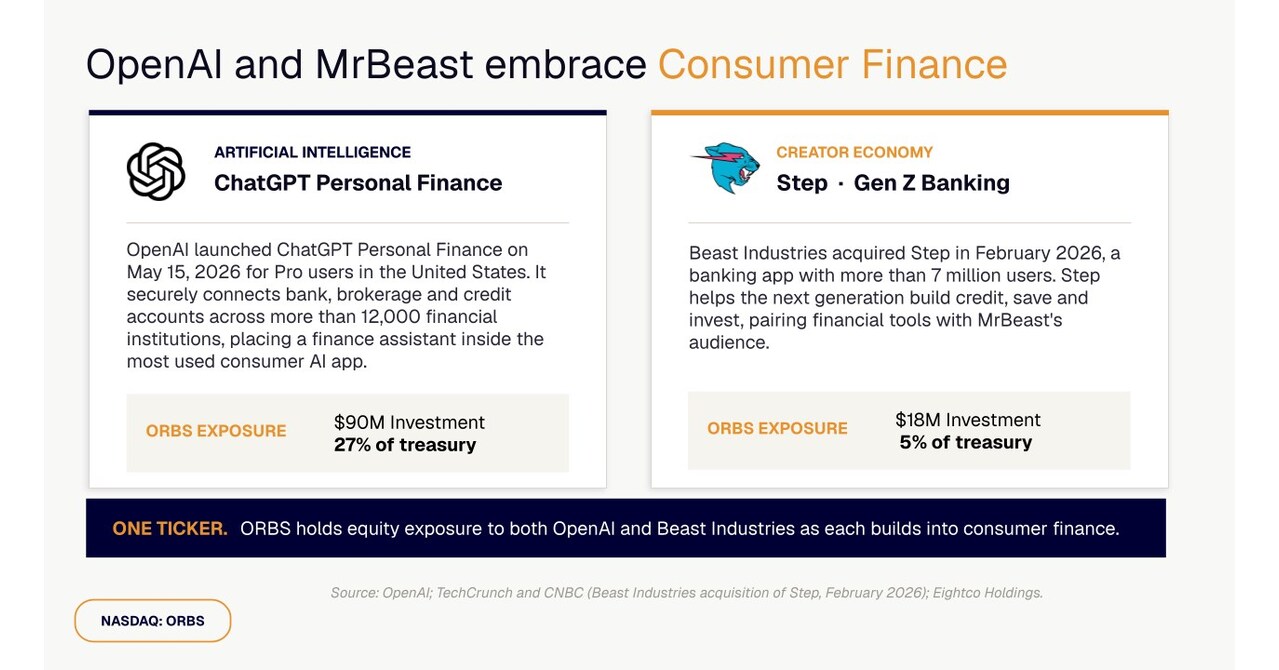 Eightco reports $337M treasury with 283M WLD, 11,068 ETH, and $90M indirect OpenAI stake2026-05
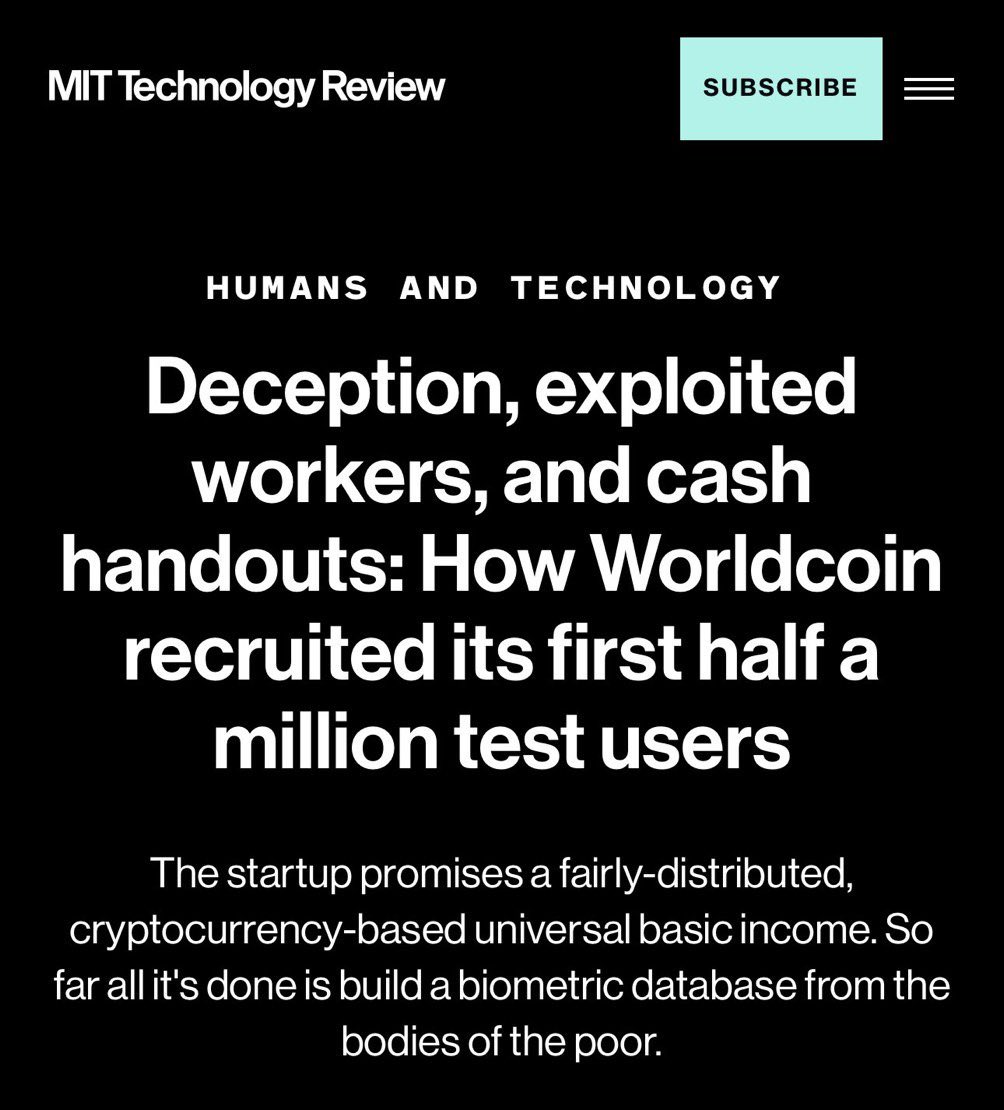 ZachXBT accuses Sam Altman-linked World (Worldcoin) of predatory $WLD tokenomics and exploiting biometric data in low-income regions while insiders offload supply OTC2026-04
 World Foundation sells $65M in WLD tokens OTC at $0.27 average, $25M under 6-month lockup2026-03
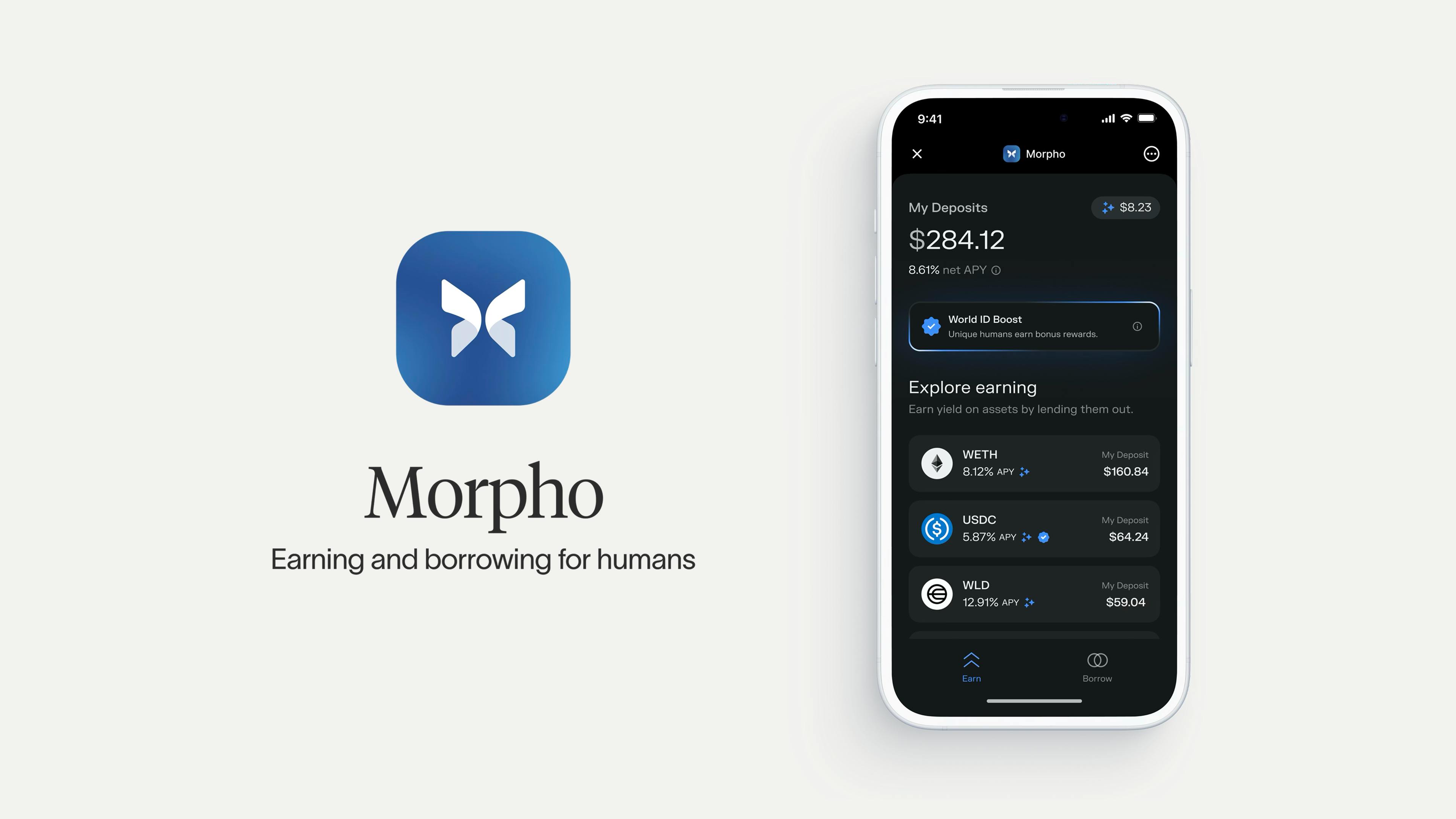 World app integrates Morpho, bringing decentralized lending to millions of users2025-05
WLD (Worldcoin) Token: Identity Infrastructure Meets Crypto Markets
The native token of the Worldcoin identity network, WLD, underpins a global “proof of personhood” experiment that combines biometric verification, on-chain governance, and broad token distribution aimed at billions of people worldwide. At the same time, WLD has become a heavily debated altcoin whose tokenomics, unlock schedule, and privacy trade-offs position it at the center of ongoing arguments about how crypto, AI, and digital identity should intersect.
What Is WLD and the Worldcoin / World Network?
WLD is the utility and governance token of the Worldcoin ecosystem, a project founded by Sam Altman, Alex Blania, and Max Novendstern with the ambition of building what they describe as the world’s largest identity and financial network as a public utility. The core idea is that anyone, anywhere, should be able to prove that they are a unique human being and then use that digital identity to access financial services and other applications, with WLD serving as the native asset that coordinates incentives and governance across the network. In this architecture, World ID functions as a privacy-preserving identity layer, while WLD is designed to reward participants, secure governance, and potentially act as a medium of exchange within the ecosystem.
The project is often referred to interchangeably as “Worldcoin” and “World,” with the latter branding used in official domains such as world.org and in products like the World App. The World App operates as a wallet and application interface for the network, allowing users to manage their World ID, claim WLD grants if eligible, and now access decentralized finance features through integrations like Morpho. Worldcoin positions itself at the intersection of AI and crypto by arguing that as AI systems generate increasingly convincing bots and synthetic identities, society will need robust proof-of-personhood rails, and WLD-backed World ID is one proposed solution.
From the outset, WLD has been framed as a utility token with governance properties, rather than a pure store-of-value or payment coin. Holders are expected, over time, to be able to vote on protocol parameters, including potential inflation after an initial 15-year period, as well as ecosystem-level decisions such as reward structures and use of treasury assets. The token’s design is tightly interwoven with the project’s distribution philosophy: the majority of the WLD supply has been earmarked not for early insiders but for people who verify as unique humans and participate in the network. That ambition—combined with the project’s controversial reliance on biometric scanning—has made WLD a lightning rod in debates about fairness, centralization, and ethics in token design.
While WLD is a relatively new asset compared with older altcoins like BTC, DOGE, or SOL, it has quickly climbed into the upper ranks of the market by capitalization and trading volume. Its listing on major exchanges such as Binance, where it has featured in trading campaigns like the Binance Traders League with hundreds of thousands of USDC in promotional rewards, has cemented WLD’s status as a mainstream speculative asset as well as an infrastructure token. Yet that market visibility has also exposed WLD to the same forces that shape other high-profile altcoins: unlock-driven supply waves, influencer-driven narratives, OTC deals, and sharp swings in sentiment that can overshadow its long-term technical aspirations.

Sam Altman-linked World project cuts WLD token unlock pace by 43%, aiming to manage supply pressure after 49% of tokens entered circulation

Community allocation gets slashed 50% while team/investor unlocks only drop 32% — so the team quietly carved itself a bigger relative share of daily emissions going forward. Pair that with the $65M OTC dump of 117M tokens in March right before announcing the slowdown, and it's textbook supply-side theater: tighten the tap after you've already filled your bucket. With 4.9B of 10B tokens already liquid, most of the dilution damage is baked in — this reads more like PR positioning for the remaining 51% locked through 2038 than meaningful relief for anyone holding the bag at current levels.
World ID, Orbs, and the Mechanics of “Proof of Personhood”
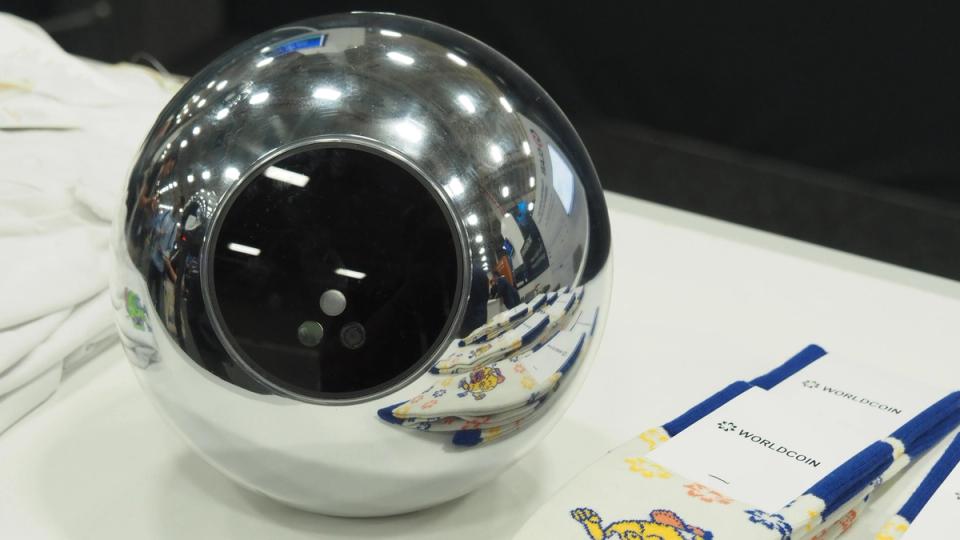
At the heart of WLD’s design is World ID, a global identity protocol that attempts to establish a one-person-one-account guarantee without requiring users to disclose their real-world identity details. To achieve this, the project deploys custom hardware devices known as Orbs, which capture high-resolution images of a person’s iris to generate a unique biometric template. The central technical claim is that rather than storing raw biometrics, the system derives an “iris code,” a numerical representation that can be used to check whether an iris has already been enrolled without allowing reconstruction of the original image. In principle, this allows the system to verify uniqueness while preserving a degree of pseudonymity, because the resulting World ID need not be linked to a person’s name, address, or other identifiers.
Individuals who choose to participate visit an Orb operator, present themselves for scanning, and, once verified as unique, can link the resulting World ID to the World App or other compatible wallets. According to the project, this identity credential can then be used to access various services, from future governance voting to potential universal basic income schemes, as well as to claim WLD token grants. The incentive structure is explicit: the promise of free tokens in exchange for biometric verification is intended to bootstrap a large user base and rapidly achieve global coverage. Worldcoin has deployed Orbs in a range of countries and has particularly targeted areas where it expects rapid adoption, including regions with limited access to traditional financial infrastructure.
The approach, however, has drawn substantial criticism from privacy advocates and some security researchers. The Electronic Privacy Information Center (EPIC) has warned that Worldcoin’s model “creates serious privacy risks” by effectively encouraging some of the world’s poorest and most vulnerable populations to exchange permanent biometric identifiers for relatively small token grants. EPIC and other critics argue that because biometrics are inherently immutable—unlike a password or private key, an iris cannot be reset—the consequences of a breach or misuse could be severe and long-lasting. While Worldcoin emphasizes that it stores only derived iris codes and offers users the ability to request deletion of their data, the trust assumptions involved remain controversial.
Technical observers have also raised questions about the robustness of the system’s security model, including how the Orbs themselves are secured, how attestation chains are managed, and whether the protocol is resilient against sophisticated spoofing attacks. A blog post from a cryptography researcher who inspected the project noted that while the team has clearly invested heavily in system design, the reliance on proprietary hardware and centralized manufacturing introduces potential attack surfaces that are difficult for the public to audit. Concerns have also been raised about issues such as the potential for backdoored Orbs, the integrity of in-field devices, and the extent to which independent third parties can verify that the deployed system matches the specifications described in the public documentation.
Beyond technical and privacy critiques, the incentive layer around World ID has begun to show its own emergent behavior. On-chain investigator ZachXBT and others have alleged that a secondary “black market” for verified World IDs has developed, whereby individuals in low-income regions enroll and then sell or transfer credentials to others. If such practices become widespread, they could undermine the core one-person-one-ID guarantee that World ID seeks to provide, and thereby the reliability of any applications that depend on it. These dynamics highlight the difficulty of building global identity systems that are robust not only against technical attacks but also against economically motivated abuse.
Despite these challenges, Worldcoin argues that World ID remains a necessary experiment in a world where AI-generated agents are rapidly eroding the reliability of traditional identity signals such as CAPTCHAs or simple KYC checks. In this view, WLD’s token incentives and the Orb network are an attempt to scale an alternative form of identity infrastructure that is both more inclusive and more secure than existing options, even if the path to achieving that balance is contentious. The resulting tension—between the ambition of global proof-of-personhood and the risks of biometric centralization—is central to understanding WLD’s long-term risk-reward profile.
Readers click WLD not for its AI-identity thesis but for supply weaponization against retail: every top story traces how tokens move from insiders outward — OTC sales, operator payment switches, unlock cliffs, and ZachXBT's accusations are all variants of the same exit-liquidity fear.
WLD Tokenomics: Supply, Distribution, and Unlocks
Supply and Initial Allocation
WLD launched with an initial total supply of 10 billion tokens, encoded in the token’s smart contract with a supply cap that is fixed for the first 15 years following launch. During this period, the on-chain contract enforces a hard maximum of 10 billion WLD, meaning that no additional tokens can be minted beyond that ceiling. After the 15-year window, the protocol’s governance mechanism may decide whether to introduce a modest inflation rate of up to 1.5% per year, with the stated rationale of supporting long-term sustainability, funding ecosystem development, or rewarding ongoing participation. This governance-controlled inflation potential is one of the key design levers that differentiates WLD from strictly fixed-supply assets such as BTC, aligning it more with governance tokens like ARB, which also rely on community decision-making for some parameters.
The initial 10 billion WLD supply has been divided among several stakeholder groups with a structure that aims, at least on paper, to prioritize broad community ownership. According to Worldcoin’s published tokenomics, 75% of the total WLD supply has been allocated to the “Worldcoin community,” which includes token grants for users who verify their World ID, rewards for Orb operators, ecosystem development funds, and other community-oriented pools. The remaining 25% is divided between the initial development team and early backers: 9.8% of WLD has been reserved for the initial development team, 13.5% for Tools for Humanity (TFH) investors, and 1.7% as a TFH reserve. Tools for Humanity, the company co-founded by Sam Altman and others, played a central role in building the early infrastructure and is a key beneficiary of this allocation.
This allocation structure stands in contrast to some prior altcoin launches, where insiders and venture investors have at times received the majority of token supply. The stated ambition with WLD is that over time, the majority of tokens will end up in the hands of individuals around the world who have verified as unique humans via World ID and, where applicable, participated in the network through other approved channels. Worldcoin’s own documentation describes its tokenomics as “unique” in this respect, stressing that “the majority of Worldcoin (WLD) tokens will be made available to individuals over time—simply for being a verified unique human.” However, realizing that vision depends on execution: the precise vesting timelines, unlock mechanics, and practical ability of individuals in different regions to access Orbs and the World App all shape how supply is actually distributed.
User Grants, World App, and Distribution Mechanics
A core element of WLD’s tokenomics is the user grant program that rewards individuals for participating in World ID. In its initial form, the program allowed people to claim WLD in two main ways: by verifying their unique humanness at an Orb and by adding a World ID Passport Credential within the app. For those who visited an Orb, the project advertised that they could receive a free allocation of WLD tokens, described in mid-2020s materials as “currently about 40 WLD,” which would then be distributed monthly over the course of one year. Separately, adding a Passport Credential could unlock an additional allocation, framed as “currently about 20 WLD,” also distributed on a monthly schedule.
The design of these grants is somewhat front-loaded. The first claimable amount for an individual who verifies was described as approximately 16 WLD, roughly one-third of the total grant, with the remaining portion vesting over the subsequent 11 months. Subsequent monthly distributions began at around 3 WLD in the first month after verification, decreasing gradually over time, with one example series citing about 3 WLD in the first month, 2.8 WLD the next, and so on. These figures illustrate how the project uses both immediate and delayed incentives to encourage people not only to enroll but to remain engaged with the World App and the broader ecosystem.
By early-to-mid 2020s, the project reported that approximately 525 million WLD had been claimed by individuals from the pool of user tokens reserved for community distribution. That number represents only a fraction of the total community allocation, indicating that a substantial portion of the 75% community pool remains to be distributed over future years. This ongoing stream of user grants is a double-edged sword from a market perspective: on one hand, it supports gradual decentralization of token ownership and aligns with the project’s stated fairness goals; on the other, it introduces continual sell-side pressure as some recipients may choose to liquidate grants rather than hold WLD for the long term.
The reach of these grants is amplified by the World App, which has been promoted as the primary interface for claiming and managing WLD for many users. The integration of DeFi capabilities via the Morpho mini-app, which promises “earn and borrow access” to tens of millions of participants and tens of millions of verified humans, adds another layer of utility by allowing WLD and other assets to be deployed into lending and borrowing strategies directly within the app. For WLD itself, this creates a potential feedback loop: user grants increase the number of token holders, DeFi integrations create more ways to use or collateralize WLD, and a richer ecosystem in turn may support demand for WLD as a governance and utility asset.
Team, Investor Vesting, and Extended Lock-Ups
Beyond community grants, a critical element of WLD’s tokenomics is the vesting schedule for the development team and early investors. These allocations are often a focal point for traders and analysts because they can introduce significant supply into the market when lock-ups end. Worldcoin’s documentation explains that the tokens held by TFH’s team and investors are subject to long-term vesting, with early materials indicating that around 20% would unlock over three years and the remaining 80% over five years. The rationale is to align these stakeholders’ incentives with the project’s long-term success and to avoid abrupt cliffs that could destabilize the market.
In mid-2024, the project announced an extension of lock-ups for a substantial portion of these insider tokens. Specifically, the unlock schedule for roughly 80% of TFH investor and team WLD tokens was extended from an initial three-year horizon to five years. Under the updated plan, starting July 24, 2024, approximately 2 million WLD held by TFH investors and team members were scheduled to begin unlocking daily in a linear fashion, with nearly all of these tokens expected to finish unlocking by the end of July 2028, five years after the protocol’s launch. This shift from shorter cliffs to longer linear vesting is intended to spread out insider selling pressure and signal confidence in the project’s longer-term trajectory.
The use of linear vesting—where a fixed number of tokens unlock each day or period—is broadly consistent with best practices across the industry. Linear vesting contrasts with cliff vesting, where a large block becomes liquid at once, potentially creating sharp supply shocks and volatility. For WLD, the daily unlock mechanics for insiders sit alongside daily unlocks for the community allocation, creating a complex emission profile that analysts must track carefully. Third-party platforms and analytics tools that specialize in token unlocks, such as those documented by Token Unlocks and similar trackers, have increasingly focused on WLD as a major component of upcoming altcoin supply flows, often modeling its unlocks alongside those of tokens like SOL, DOGE, and ARB.
Emissions, Unlock Rate Cuts, and Supply Overhang
By mid-2020s, Worldcoin disclosed that approximately 4.9 billion WLD—about 49% of the token’s 10 billion maximum supply—had been unlocked, with roughly 3.3 billion WLD actually in circulation on the market. The gap between unlocked and circulating supply reflects tokens that are unlocked but held in various treasuries, custody arrangements, or as yet undisbursed user grants. Nonetheless, the daily unlock rate had become a significant factor for traders and risk managers, as aggregate emissions of around 5.1 million WLD per day represented a meaningful ongoing drip of supply. This is comparable in scale to scheduled unlocks in other major altcoins and has been cited in analyses of broader altcoin market selling pressure.
In response to concerns about structural sell pressure, the project’s development team announced a reduction in WLD’s daily unlock rate starting July 24, 2026. According to the announcement, the aggregate daily unlocks would fall by about 43%, from approximately 5.1 million WLD per day to around 2.9 million. The largest adjustment affects the “World community” allocation, which includes tokens distributed to users and Orb operators: this stream is set to be cut in half, from roughly 3.2 million WLD per day to about 1.6 million. Meanwhile, the unlock rate for team and investor tokens is also scheduled to decline, from around 1.9 million WLD per day to about 1.3 million, a reduction of roughly 32%.
The project framed this change as a “tokenomics milestone,” arguing that slower emissions should gradually reduce structural selling pressure as more of the total supply becomes liquid and fewer tokens remain locked. From a market structure perspective, such a shift can be significant: lower daily unlocks make it easier for organic demand—whether from users, funds, or yield strategies—to absorb new supply without pushing prices downward. At the same time, the absolute level of ongoing emissions remains non-trivial, meaning that WLD will continue to face some headwinds in the form of steady supply inflows, much as tokens like ARB and other governance coins have had to navigate extended vesting periods.
OTC Sales, Treasury Concentration, and Institutional Exposure
Alongside protocol-defined unlocks, WLD’s supply dynamics are shaped by off-exchange sales and the holdings of large treasuries and institutional investors. A notable example is the World Foundation’s use of an affiliated entity, World Assets, to conduct over-the-counter (OTC) sales of WLD to institutional buyers. In one such transaction, World Assets closed approximately $65 million in OTC WLD sales, representing around 239 million tokens at an average price of roughly $0.2719 per token. Some portion of these tokens has been reported to be subject to additional lock-ups, such as six-month holding periods, which can help align institutional buyers with longer-term horizons while still monetizing part of the foundation’s holdings.
OTC sales of this kind serve several purposes. They allow the foundation to raise funds for development, operations, and ecosystem growth without necessarily flooding public markets with large sell orders that might depress prices or destabilize liquidity. At the same time, they introduce additional pockets of concentrated token ownership, as large buyers can acquire significant stakes outside of exchange order books. Over time, as these OTC positions vest or become transferable, they can contribute to both upside and downside volatility, depending on whether institutions choose to hold, stake, or sell their WLD.
Another illustration of concentrated institutional exposure comes from public-company treasuries. Eightco Holdings, for example, has disclosed that as of late May 2026 its treasury held approximately 283 million WLD tokens, alongside around 11,068 ETH, $90 million in indirect OpenAI equity, and $18 million in Beast Industries equity, bringing its total reported holdings to roughly $374 million. This positions WLD as one of the company’s largest single crypto holdings, underlining how Worldcoin has become part of the broader set of assets that public entities may use for diversification, strategic alignment with AI themes, or speculative treasury management.
Such concentrated positions can materially affect WLD’s market over time. On one hand, committed long-term holders may reduce effective float and act as a stabilizing force, especially if they choose to stake, participate in governance, or integrate WLD into business models. On the other, shifts in corporate strategy, regulatory guidance, or market conditions could prompt large liquidations that outstrip day-to-day liquidity, particularly if they coincide with major unlocks or negative news flow. Observers often compare these dynamics with those of other high-treasury altcoins, such as SOL in venture-backed ecosystems or DOGE in retail-heavy portfolios, underscoring that tokenomics is as much about who holds the supply as it is about how the supply is issued.
Hayes dumps Maelstrom's WLD stake as Worldcoin drops 10% and SpaceX pre-listing quote slides 50%
Trading, Liquidity, and Market Structure
WLD has rapidly evolved from a niche governance token into a widely traded altcoin, featuring on major centralized exchanges and increasingly in derivatives markets. On listings aggregators, it has ranked within the top tier of crypto assets by market capitalization, with live price feeds, volume metrics, and fully diluted valuations reflecting both its circulating supply and its large locked reserve. The presence of WLD on global platforms means that its price is now shaped by a diverse set of participants, ranging from retail traders to algorithmic funds and institutional desks.
Exchanges like Binance have actively promoted WLD trading through targeted campaigns. One example is the Binance Traders League Season 3, which featured a Worldcoin (WLD) Trading Challenge during a defined promotion period. In that event, eligible users who registered and met minimum trading volume thresholds—such as at least $500 equivalent in specified WLD trading pairs—could compete for a share of a prize pool totaling 400,000 USDC in token vouchers. Promotions of this kind can temporarily boost WLD’s liquidity and volatility as traders seek to qualify for rewards, deepen order books, and engage in short-term strategies that may not reflect long-term valuation considerations.
Beyond spot markets, WLD has also been drawn into the broader narratives and trading strategies that dominate the altcoin space. Maelstrom, an investment firm linked to BitMEX co-founder Arthur Hayes, publicly pitched WLD as a way to gain exposure to an “AI IPO” trade, framing it as a liquid proxy for the convergence of AI and crypto. Shortly thereafter, however, Hayes reportedly sold his entire WLD position, exiting just days after the public pitch. On-chain analyst ZachXBT questioned this sequence of events, pointing out that Hayes had repeatedly expressed bullish views about WLD before rapidly liquidating his holdings, and suggesting a pattern of touting tokens before selling that extended to other assets like NEAR, HYPE, and ZEC.
These episodes highlight how influencer narratives and short-term positioning can interact with WLD’s structural tokenomics. When influential traders accumulate and then abruptly exit positions, they can amplify both upside and downside moves, especially if the underlying asset has significant scheduled unlocks or OTC flows. In WLD’s case, the combination of steady daily unlocks, periodic large OTC sales, and promotional trading campaigns means that liquidity conditions can change quickly. Similar dynamics have been observed in other heavily watched altcoins, such as SOL and ARB, where unlock calendars and narrative shifts create windows of heightened volatility that traders attempt to time.
Another layer of complexity arises from cross-asset correlations. WLD’s narrative linkage to AI and Sam Altman’s role as CEO of OpenAI has led some market participants to trade it as part of a basket of “AI-adjacent” tokens, alongside other narratives like decentralized compute or data markets. At the same time, WLD is exposed to the same macro and regulatory shocks that affect the broader altcoin complex, including liquidity cycles, central bank policy shifts, and risk-on/risk-off rotations. When altcoin markets face broad selling pressure—for instance, in weeks where token unlock trackers project over $500 million in newly unlocked supply across multiple assets, including tens of millions of dollars in WLD and ARB—WLD is unlikely to be immune.
On the decentralized side, WLD’s integration into DeFi via the World App and Morpho opens additional venues for trading, borrowing, and leverage. Users may be able to supply WLD or other assets to lending pools, earn yield, or borrow against collateral, effectively using DeFi as a margin layer on top of spot holdings. While this can deepen liquidity and create more sophisticated markets, it also introduces additional risk factors, particularly smart contract risk and the potential for cascading liquidations in volatile conditions. Industry data have repeatedly underscored how DeFi hacks and exploits—amounting to hundreds of millions of dollars in losses in some years—can abruptly undermine trust and draw liquidity away from affected protocols and associated tokens.
Taken together, WLD’s market structure reflects the interplay of several components: scheduled emissions and unlocks, OTC flows and treasury decisions, exchange-level promotions and listings, influencer-driven narratives, and integration into DeFi leverage loops. For traders, this creates both opportunities and hazards. For long-term participants, it underscores the importance of understanding not just the project’s technical roadmap but also the financial plumbing that will determine how WLD trades across cycles.
- 01DeFi integration via Morpho↗
World App's Morpho lending integration was the single most-clicked story, signaling readers see utility expansion as the bullish counter-narrative to tokenomics concerns.
- 02Orb operator WLD payment switch↗
Forcing operators off USDC onto WLD transfers price risk to the ecosystem's own infrastructure workers, which readers recognized as a supply-absorption maneuver.
- 03Token unlock selling pressure↗
The $80M WLD cliff appearing alongside other major unlocks in a single week framed WLD as a structural overhang risk, not a one-off event.
- 04ZachXBT insider exploitation accusations↗
Allegations that insiders sold OTC while biometric data was harvested from low-income regions combined accountability, ethics, and tokenomics into one damaging narrative.
- 05Foundation OTC sales at discount↗
The World Foundation selling $65M in WLD at a $0.27 average — well below market — raised questions about whether the Foundation itself was a net seller against its own holders.
- 06Arthur Hayes exit and influencer scrutiny↗
Hayes dumping his WLD stake days after publicly promoting it, followed by ZachXBT questioning exit liquidity generated from followers, became a case study in insider timing risk.
Privacy, Ethics, and Regulatory Questions
The most intense debates around WLD center not on its price action but on the ethical and legal implications of its underlying identity model. EPIC and other civil liberties organizations have issued strong critiques of Worldcoin’s biometric data collection practices, emphasizing the asymmetry between the long-term risks of sharing immutable biometric identifiers and the relatively small, volatile token rewards offered in return. In their view, framing WLD grants as free money for participating in World ID obscures the fact that individuals—often in low-income regions—are providing deeply sensitive data whose misuse could have consequences that outlast any economic benefit from the tokens.
These concerns are amplified by the uneven distribution of bargaining power and information. Well-resourced crypto investors and technologists may have the tools to assess smart contract risk, tokenomics, and privacy guarantees, whereas individuals encountering Worldcoin at a physical Orb kiosk may rely primarily on marketing materials or brief explanations from operators. Critics argue that this information asymmetry makes it difficult for participants to give truly informed consent, particularly when they may not fully appreciate how biometric templates could be linked, correlated, or repurposed in future contexts. The allegation that Worldcoin “preyed on people from low income countries for biometric data by giving away small amounts of $WLD tokens,” as summarized by ZachXBT, reflects this broader critique of exploitative data collection practices under a veneer of financial inclusion.
Worldcoin has responded to these critiques by emphasizing its privacy-preserving design and data minimization strategies. The project stresses that it does not store raw iris images but instead uses them to generate one-way iris codes, and that users can request deletion of their biometric data. In principle, this approach is meant to ensure that even if the project’s infrastructure were compromised, attackers would have access only to anonymized codes rather than directly identifiable biometric images. Moreover, Worldcoin points out that participation is voluntary and that individuals can use World ID pseudonymously, without linking their credential to traditional identity documents.
However, privacy experts note that even derived biometric templates can present risks, particularly if they are combined with other data sets or fall into the hands of hostile actors. The long-term governance of the database—who controls it, how it can be queried, whether law enforcement or governments can demand access—remains a crucial open question. There are also concerns about function creep: the possibility that a system initially built to prevent Sybil attacks and support fair distribution of digital resources might later be repurposed for surveillance, social credit scoring, or other uses that participants did not anticipate when they exchanged their biometric data for WLD.
Regulators around the world have become increasingly attentive to these issues, particularly as more projects experiment with biometrics, on-chain identity, and AI-linked scoring systems. Even where specific regulations targeting Worldcoin are not yet fully articulated, there is growing recognition that biometric data require heightened safeguards and may be subject to strict consent, storage, and transfer restrictions. For WLD, this backdrop introduces legal and policy risk: if key jurisdictions impose stringent limits on biometric data collection or usage, Worldcoin’s business model and user acquisition strategies could face constraints that indirectly affect token demand and utility.
The ethical debates around WLD also intersect with broader questions about tokenomics and insider behavior. On-chain critics like ZachXBT have argued that WLD’s low initial float and aggressive unlock schedule resemble what they characterize as “predatory” tokenomics reminiscent of problematic projects from earlier cycles. In this framing, insiders may benefit disproportionately from early OTC sales and appreciation in WLD’s market price, while the people providing biometric data and participating in user grant programs bear greater long-term privacy risks and market volatility. EPIC’s warning that Worldcoin is “bribing the poorest and most vulnerable people to turn over unchangeable biometrics” encapsulates these intertwined ethical and economic concerns.
For participants and observers alike, these privacy and ethics questions are not merely philosophical; they feed directly into assessments of WLD’s long-term viability. If public backlash, regulatory action, or technical breaches severely damage trust in World ID, then the utility and governance roles envisioned for WLD could be compromised. Conversely, if the project can demonstrably maintain strong privacy guarantees, respond constructively to criticism, and align incentives more transparently, it may bolster the case that WLD is part of a responsible approach to global digital identity.
Eightco reports $337M treasury with 283M WLD, 11,068 ETH, and $90M indirect OpenAI stake
WLD in the Broader Crypto and AI Landscape
Worldcoin positions WLD as a token that sits at the convergence of several powerful themes: decentralized identity, financial inclusion, and the rise of AI. The argument is that as AI systems become more capable, the internet will need robust protocols for distinguishing human-generated activity from machine-generated content, and that this need will extend to domains like voting, social media moderation, and resource allocation. World ID, backed by biometric verification and anchored to cryptographic commitments, is presented as one of the first attempts to build such infrastructure at global scale. WLD, in turn, serves as the economic engine that incentivizes users, operators, developers, and institutions to contribute to and govern that infrastructure.
This positioning has led some market participants to treat WLD as part of an “AI narrative” basket within crypto, alongside tokens tied to AI compute, data marketplaces, or AI-focused infrastructure. Arthur Hayes’s characterization of WLD as a liquid “AI IPO” play is emblematic of this narrative framing, suggesting that WLD allows investors to express views on AI’s growth and its intersection with crypto without directly owning equity in AI companies. However, the subsequent rapid divestment of Maelstrom’s WLD holdings and the scrutiny it attracted from on-chain sleuths underscore how quickly such narratives can shift. The AI linkage is a double-edged sword: it can attract flows when AI is in favor but may also exacerbate volatility when sentiment turns or when high-profile figures change their stance.
Within the crypto ecosystem, WLD can be compared and contrasted with other major tokens that embody distinct narratives. DOGE, for instance, emerged as a memecoin with an inflationary supply model and no formal governance structure, relying heavily on community culture and social media for its value proposition. SOL, by contrast, represents a high-throughput layer-1 blockchain whose token is used for staking, fees, and ecosystem incentives. ARB serves as a governance and incentive token for the Arbitrum layer-2 network, whose value is tied to scaling Ethereum transactions. WLD, in this taxonomy, is neither a pure fee token nor a memecoin, but a governance and incentive asset for an identity and financial network that spans multiple chains and off-chain components.
Tokenomics analysts increasingly place WLD alongside these other altcoins when modeling future supply flows and potential market impacts. Platforms like Token Unlocks and related services highlight upcoming cliffs and linear emissions not only for WLD but also for ARB, SOL, DOGE, and a wide range of smaller tokens. For instance, periods where over $500 million in altcoin tokens are scheduled to unlock in aggregate—including tens of millions in WLD and ARB—are watched closely as potential sources of market-wide selling pressure or renewed liquidity, depending on how participants respond. In this context, WLD’s recent decision to cut its daily unlock rate by 43% is notable, as it attempts to recalibrate the balance between distribution goals and market absorbability.
The integration of Morpho into the World App further ties WLD into the DeFi landscape, where assets are not merely held but used as collateral, lent out, or traded in complex strategies. Morpho’s lending and borrowing functionality, made accessible to a user base counted in the tens of millions, could transform WLD from a passive grant asset into a more actively managed portfolio component for many holders. This mirrors broader trends where altcoins like SOL and ARB gained significant traction once deeply integrated into DeFi primitives, enabling staking, leverage, and yield strategies that became central to their demand profiles.
At the same time, the association with DeFi exposes WLD to additional systemic and idiosyncratic risks. Industry reports have documented hundreds of millions of dollars in losses from DeFi hacks and exploits in some periods, events that can shake confidence and lead to rapid deleveraging. For WLD holders who deploy their tokens into DeFi strategies via World App or external protocols, these risks add to the already non-trivial volatility associated with token unlocks and market sentiment. The interplay between identity-based incentives, AI narratives, and DeFi yield opportunities makes WLD a complex asset to model, one whose behavior is influenced by technical, social, and financial dynamics simultaneously.
Ultimately, WLD occupies a distinctive place in the crypto ecosystem. It is not merely another governance coin, nor simply an AI-themed speculative vehicle. It represents a particular bet: that a global, biometric-backed proof-of-personhood system will find enduring demand and that the token that funds, secures, and governs that system will accrue durable value, despite or perhaps because of the controversies surrounding it. Whether that bet pays off will depend on how well Worldcoin can execute on its technical roadmap, navigate regulatory scrutiny, address legitimate privacy concerns, and manage WLD’s complex tokenomic machinery.
WLD token launches on mainnet
Cryptographic privacy critique of iris scanning published
TFH team and investor lockup extended by Foundation
World Foundation closes $65M OTC WLD sale at $0.27 avg
ZachXBT accuses insiders of predatory OTC selling and biometric exploitation
Arthur Hayes exits Maelstrom WLD position; ZachXBT flags follower exit liquidity
WLD unlock rate cut 43%, extending supply absorption timeline
Morpho mini-app launches inside World App, enabling decentralized lending
Risks and Considerations for Participants
For individuals and institutions engaging with WLD—whether as network participants, traders, or long-term holders—a nuanced understanding of risk is essential. One of the primary risks is supply overhang, driven by the large proportion of WLD that remains locked but scheduled to unlock over the coming years. Even with the planned 43% reduction in daily unlock rates, millions of new tokens are set to become liquid each day, adding to potential selling pressure unless offset by organic demand from users, treasuries, and DeFi strategies. This stands in contrast to assets with fully realized circulating supplies, and aligns WLD more closely with other major tokens that are still in their vesting and distribution phase, such as ARB and certain SOL-era venture-backed projects.
A second major risk category relates to concentration and institutional behavior. The presence of large holders—whether foundations conducting OTC sales, corporate treasuries like Eightco, or major funds—means that decisions by a relatively small number of entities can strongly influence market dynamics. While some of these entities may be aligned with long-term network success, their fiduciary obligations or strategic priorities can change, potentially leading to significant token sales at times that may not align with the interests of smaller holders. Monitoring on-chain movements, treasury disclosures, and OTC activity thus becomes an important part of risk management for those with material exposure to WLD.
The third, and arguably most profound, risk concerns privacy and regulatory outcomes. If regulators in key jurisdictions decide that Worldcoin’s biometric data practices do not meet legal standards, they could impose constraints that impact user acquisition, Orb operations, or even the legality of certain aspects of the protocol. This, in turn, could reduce the utility and adoption of World ID, indirectly weakening the value proposition of WLD as its governance and incentive token. Likewise, any major breach, leak, or misuse of biometric data—whether due to technical vulnerabilities, insider malfeasance, or coercive access by state actors—could severely undermine trust in the system and prompt both legal action and user attrition.
Market structure and narrative risks also loom large. The episode involving Arthur Hayes’s rapid sale of WLD after publicly highlighting its AI-linked potential illustrates how quickly positions can reverse and how susceptible WLD is to sentiment shifts in the influencer-driven crypto landscape. For holders who entered on the back of such narratives, sudden reversals can be particularly painful, especially if they coincide with token unlock events, DeFi deleveraging, or broader altcoin sell-offs. Similar dynamics have been observed in other altcoins, including DOGE during meme-driven cycles and various governance tokens during periods of high unlock activity, underscoring the importance of distinguishing long-term fundamentals from short-lived narratives.
Finally, participants must consider technical and DeFi-related risks when using WLD in on-chain protocols. Integrations such as the Morpho mini-app within World App facilitate lending and borrowing but also expose users to smart contract risk, oracle failures, and potential governance attacks on the underlying DeFi protocols. The history of DeFi includes multiple high-profile hacks and exploits that have collectively drained hundreds of millions of dollars from users, prompting renewed scrutiny over contract design and security audits. For WLD holders, deploying tokens into yield strategies can enhance returns but also magnify downside in the event of protocol failures or severely adverse market moves.
None of these risks are unique to WLD; rather, they demonstrate how the token embodies a particularly concentrated version of the trade-offs that confront many modern crypto projects. Its ambitious scope, controversial methods, complex tokenomics, and rapid integration into both centralized and decentralized markets create a wide range of potential outcomes, from transformative success to significant capital losses and reputational damage. As such, any engagement with WLD—whether by having one’s iris scanned for user grants, trading the token on exchanges, or integrating it into institutional portfolios—requires careful due diligence, a clear understanding of one’s risk tolerance, and an appreciation for the project’s broader socio-technical implications.
The World Foundation and TFH insiders control a substantial token allocation and have demonstrated willingness to sell OTC at deep discounts, concentrate operator incentives in WLD, and extend lockups unilaterally.
Mandatory iris biometric collection in low-income regions has drawn scrutiny from EPIC and cryptographers over consent, data sovereignty, and GDPR-adjacent exposure across multiple jurisdictions.
With 49% of tokens already in circulation and scheduled cliff unlocks reaching $80M in single weeks, persistent sell-side pressure from insiders and the Foundation creates structural price headwinds.
The Morpho mini-app integration extends WLD's attack surface into decentralized lending; exploits on Morpho pools could affect World App users who may not understand DeFi custody risk.
Large concentrated holders — Eightco's 283M WLD position alone represents a meaningful fraction of circulating supply — mean that a single institutional exit can move the market materially.
Token unlock schedule changes, operator payment method switches, and OTC sale terms are decided unilaterally by the World Foundation with no on-chain governance mechanism for token holders.
Outlook
Looking ahead, WLD’s trajectory will be shaped by the interplay of three main forces: the evolution of World ID as a global identity layer, the maturation of WLD’s tokenomics and market structure, and the response of regulators and civil society to biometric-based proof-of-personhood. On the identity front, the project’s ability to securely scale Orb deployments, harden privacy guarantees, and demonstrate resistance to black-market credential sales will be critical in determining whether World ID can serve as a trusted primitive for applications beyond the World ecosystem itself. The more developers and platforms find value in integrating World ID—whether for Sybil-resistant airdrops, fair voting, or access controls—the stronger the case for WLD as a governance and utility token that underpins meaningful economic activity.
In terms of tokenomics, the planned reduction in daily unlocks marks a pivot from aggressive distribution toward a more measured emission profile that aims to balance decentralization with market stability. If the combination of slower unlocks, continued user grants, and emerging DeFi use cases leads to broader and stickier token ownership, WLD could gradually transition from a heavily supply-driven asset to one whose price is more influenced by organic demand and fundamental network metrics. Institutional involvement—whether via OTC deals like the World Foundation’s $65 million sale, corporate treasuries such as Eightco’s WLD holdings, or funds building AI-themed crypto portfolios—may further shape liquidity and governance outcomes.
The regulatory and ethical dimension will remain the wild card. Scrutiny from privacy advocates and investigative researchers is unlikely to diminish, particularly as awareness of biometric risks grows. Worldcoin’s responses—technical, governance-related, and communicative—will play a decisive role in whether WLD comes to be seen as part of a responsible, privacy-conscious solution to the challenges posed by AI-driven identity erosion, or as a cautionary tale about the dangers of monetizing biometric data through volatile crypto assets. In parallel, the broader altcoin environment, including unlock cycles for tokens like ARB, SOL, and DOGE, and the resilience of DeFi in the face of hacks and regulatory pressure, will influence how investors perceive WLD relative to its peers.
For now, WLD stands as one of the most ambitious and controversial experiments in the crypto space. It offers a compelling, if contentious, proposition: a world where every human has a cryptographic proof of personhood, where financial participation is tied to identity in privacy-preserving ways, and where a single token mediates incentives across billions of users. Whether that vision will be realized, and whether WLD will be a long-term beneficiary or casualty of the attempt, remains one of the key open questions at the intersection of crypto, AI, and digital rights.
Latest WLD news
Sam Altman-linked World project cuts WLD token unlock pace by 43%, aiming to manage supply pressure after 49% of tokens entered circulationHayes dumps Maelstrom's WLD stake as Worldcoin drops 10% and SpaceX pre-listing quote slides 50%Eightco reports $337M treasury with 283M WLD, 11,068 ETH, and $90M indirect OpenAI stakeZachXBT accuses Sam Altman-linked World (Worldcoin) of predatory $WLD tokenomics and exploiting biometric data in low-income regions while insiders offload supply OTCWorld Foundation sells $65M in WLD tokens OTC at $0.27 average, $25M under 6-month lockupWorld app integrates Morpho, bringing decentralized lending to millions of usersSources
19 records from 15 domains
coinmarketcap.com
world.org
blog.cryptographyengineering.com
epic.org
mariblock.com
morpho.org
cryptorank.io
crypto.news
beincrypto.com
prnewswire.com
thedefiant.io
x.com
binance.com
tokenomist.ai
openpr.com
Community notes
Spot something off or out of date? Drop a note. Editors review topic notes daily and roll accepted fixes into the explainer — contributors are recognized in the monthly $SQUID drop.
Loading notes…
Help improve this topic
Have a story or tip about this topic? Submit it. See something missing? Leave a note. Editors review daily; accepted submissions and fixes count toward the monthly $SQUID drop.