
In-depth explainer on Dogecoin (DOGE), tracing its meme origins, inflationary design, integrations with Paxos and Revolut, ETF ambitions, DeFi risks, and evolving role alongside BTC, XRP and SOL in the institutionalizing crypto market.
+15 sources across the wider coverage universe
 Dogecoin tests quantum-resistant transactions on mainnet using Falcon-512 signatures2026-04
 WallStreetBets argues $PENGU succeeds where DOGE stalled, combining meme culture with retail distribution, gaming, ETFs and mainstream brand adoption2026-05
 Paxos adds Dogecoin to brokerage infra used by PayPal, Venmo, and Interactive Brokers2026-06
 Qubic drops Monero for Dogecoin ASIC mining after capturing 51% of XMR hashrate, dedicates full GPU fleet to AI2026-04
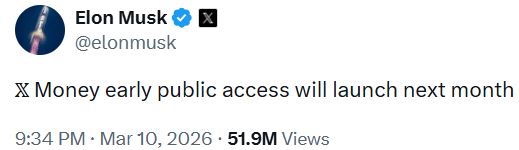 Dogecoin zooms as Elon Musk announces X Money launch date for April2026-03
 From $5k to $208M: Andrew Kang's epic path from Dogecoin trader to Mechanism Capital founder fueling DeFi giants2026-03
Dogecoin (DOGE): Meme Coin, Payments Rail, And Institutionalizing Joke Money
Dogecoin (DOGE) is a peer-to-peer cryptocurrency launched in 2013 as a lighthearted fork of Bitcoin’s codebase, themed around the Shiba Inu “doge” meme. It has since evolved into the archetypal meme coin, maintaining a large and active retail user base, an inflationary monetary policy, and growing hooks into regulated financial infrastructure.
Although Dogecoin began as a satire of cryptocurrency speculation, it has persisted through multiple market cycles, at one point surpassing a market capitalization of \(85\) billion United States dollars during the 2021 bull run. The network uses a proof-of-work consensus mechanism based on the Scrypt algorithm, sharing mining infrastructure with Litecoin and targeting one-minute block times for relatively fast settlement. Its monetary policy features a constant block subsidy of 10,000 DOGE per block, which translates into steady annual issuance and a slowly declining inflation rate as total supply rises. At a narrative level, Dogecoin sits at the intersection of internet culture, celebrity influence, and retail-driven trading, amplified by repeated public endorsements from Elon Musk, who has framed the coin’s success as the “most entertaining outcome.” More recently, DOGE has begun to move beyond pure meme status: Paxos has integrated the asset into brokerage and custody rails used by firms such as PayPal, Venmo, and Interactive Brokers, while Bitwise has filed for a Dogecoin exchange-traded product in the United States. At the same time, competing meme tokens, shifting macro conditions, and security incidents in the broader decentralized finance (DeFi) ecosystem complicate Dogecoin’s trajectory and invite a more sober, risk-aware view of the asset’s role in modern crypto portfolios.
Origins And Cultural Context
A joke currency that refused to die
Dogecoin was created in December 2013 by software engineers Billy Markus and Jackson Palmer, who explicitly framed the project as a joke about the frothy, speculative environment surrounding Bitcoin and its early altcoin imitators. The name and branding were drawn from the “doge” meme, which popularized deliberately broken English captions over images of a Shiba Inu dog, giving Dogecoin an instantly recognizable, humorous aesthetic. Technically, Markus adapted code from existing networks, most notably Luckycoin and Litecoin, which themselves were derived from Bitcoin, thereby inheriting a UTXO-based ledger structure and proof-of-work consensus while modifying parameters such as block time and issuance. This combination of meme-driven branding and functional blockchain infrastructure produced a system that was initially seen as ephemeral but nevertheless capable of facilitating real peer-to-peer transactions.
The timing of Dogecoin’s launch mattered for its early adoption. In late 2013 the cryptocurrency ecosystem was dominated by Bitcoin but already seeing rapid proliferation of alternative coins, many of which attempted to differentiate on technical parameters or niche use cases. Against this backdrop, Dogecoin’s openly comedic narrative was disarming; it invited participation without the pretense of solving grand economic problems, allowing newcomers to experiment with digital assets in a lower-stakes cultural environment. Forum-based communities on Reddit and other platforms quickly embraced DOGE as a tipping currency for content creators and as a vehicle for small-scale fundraising campaigns, cementing a social identity around generosity and humor rather than pure profit-seeking. Despite the tongue-in-cheek origin, the network’s real economic activity and resilient community built a foundation that would allow the asset to survive beyond the usual lifespan of fad tokens.
Over the following years, Dogecoin’s social capital was reinforced through high-profile community initiatives, such as sponsorships of sports teams and charity fundraisers, which showcased the coin’s utility as a friction-light medium for collective action. Although some of these events predate the recent news cycle, they established a template for later campaigns such as the Dogecoin Foundation’s collaboration with MoonPay and the American Kennel Club (AKC) Humane Fund to support canine welfare and domestic violence survivors via crypto donations. These activities differentiated DOGE from purely speculative meme coins by demonstrating a recurring pattern of altruistic use, even when market prices were far from their peaks. Collectively, this history explains why Dogecoin retained relevance long after many contemporaneous altcoins disappeared from the market.
Elon Musk, social media, and the mainstreaming of DOGE
Elon Musk’s recurring references to Dogecoin on social media and in interviews played a crucial role in propelling the asset from internet subculture into mainstream awareness. In a 2021 conversation hosted by ARK Invest, Musk described his support for Dogecoin partly in terms of narrative aesthetics, suggesting that “the most entertaining outcome is the most likely” and characterizing a joke coin becoming a leading cryptocurrency as inherently amusing. This framing resonated with retail traders, particularly those active on platforms such as Reddit’s WallStreetBets and Crypto Twitter, who increasingly treated DOGE as a vehicle for challenging perceived financial incumbents and for participating in a broader meme-driven market zeitgeist. Each public endorsement or tweet from Musk tended to coincide with spikes in Dogecoin’s trading volume and price, reinforcing a feedback loop between celebrity attention and market behavior.
The 2021 bull market crystallized this dynamic. As Bitcoin rallied to new all-time highs, Dogecoin outperformed even many high-profile altcoins, with its market capitalization briefly exceeding \(85\) billion dollars in May 2021. This rapid appreciation was not driven by a fundamental change in Dogecoin’s technology, which remained largely similar to its pre-2020 architecture, but rather by speculative inflows catalyzed by online promotion, viral memes, and simplified access through retail-friendly trading apps. The result was a sharp divergence between Dogecoin’s transactional usage and its market valuation, prompting both exuberant narratives—such as widespread calls for DOGE to reach one dollar per coin—and more cautious analyses from within the crypto news ecosystem that highlighted the mismatch between the asset’s inflationary tokenomics and long-term price targets.
As the cycle matured and volatility increased, Dogecoin’s role as a sentimental barometer of retail risk appetite became clearer. Periods of heightened interest in DOGE often coincided with phases in which traders were willing to chase high-beta assets, while subsequent drawdowns underscored the hazards of narratives driven more by social contagion than by cash flow or utility metrics. Nonetheless, Musk’s ongoing references to Dogecoin, combined with its entrenched meme status, allowed the coin to retain a unique place in the crypto discourse, even as other meme tokens emerged to claim portions of market attention. The idea that Dogecoin’s success would be the “most ironic outcome” continues to shape both bullish and skeptical commentary on the asset’s long-term prospects.

Dogecoin tests quantum-resistant transactions on mainnet using Falcon-512 signatures
Technology And Network Design
Consensus, ledger model, and core parameters
Dogecoin’s technical foundation is closely related to that of early Bitcoin derivatives, but with notable differences in parameters and mining algorithm. The network employs a proof-of-work consensus mechanism in which miners expend computational resources to solve cryptographic puzzles and propose new blocks to the chain. The ledger uses a UTXO (unspent transaction output) model, meaning that units of DOGE move through a series of discrete outputs, each of which can be spent only once, rather than through account balances as in some other chains. Blocks on Dogecoin are targeted to be mined approximately every one minute, a faster interval than Bitcoin’s ten-minute schedule, which allows for quicker settlement of transactions at the cost of a somewhat larger blockchain and potentially higher orphan rates.
At the algorithmic level, Dogecoin relies on Scrypt-based proof-of-work rather than the SHA-256 function used by Bitcoin. Scrypt was originally chosen to make mining more accessible by being relatively resistant to early generations of specialized ASIC hardware, though over time ASICs for Scrypt also emerged, leading to significant professionalization of mining. Importantly, Dogecoin is merge-mined with Litecoin, meaning that the same mining work can secure both chains simultaneously, thereby leveraging Litecoin’s hashpower and contributing to Dogecoin’s security without requiring a completely separate hardware ecosystem. This merge-mining arrangement has become a structural feature of Dogecoin’s security model and has implications for its long-term resilience and miner incentives.
Transaction throughput and capacity on Dogecoin are influenced by its faster block times and original design assumptions, which predate contemporary scaling debates. In practice, the network has typically operated far below its theoretical capacity, with low average utilization leading to minimal transaction fees most of the time. These low fees have been a key selling point for DOGE’s use in tipping and micro-payments, particularly compared with periods when Bitcoin transaction costs spiked due to congestion. However, this also means that Dogecoin has not been stress-tested to the same extent as more heavily used smart-contract platforms, leaving questions about how it would perform under sustained high demand. From an engineering perspective, Dogecoin Core, the main reference implementation, remains relatively conservative in scope, focusing on maintaining compatibility with existing network rules and stability rather than pursuing aggressive on-chain scaling or feature additions.
Mining, merge-mining, and economic security
Mining economics are central to understanding Dogecoin’s security and monetary policy. After its launch, Dogecoin initially featured a randomized block reward schedule but eventually transitioned to a fixed block subsidy of 10,000 DOGE per block. With a target block time of one minute, this design implies approximately 5.256 billion new DOGE entering circulation each year, assuming stable block production. As total circulating supply grows, the percentage inflation rate declines over time; for example, a fixed annual issuance becomes a smaller fraction of the outstanding supply as that supply increases. Advocates argue that this quasi-steady-state inflation encourages spending rather than hoarding, while critics view the absence of a hard cap as a disadvantage relative to Bitcoin’s scarcity narrative.
Merge-mining with Litecoin significantly affects Dogecoin’s security profile. Under this arrangement, miners can simultaneously validate blocks for both Litecoin and Dogecoin by solving a single proof-of-work puzzle, essentially obtaining DOGE rewards at marginal cost once they have committed resources to mining Litecoin. This linkage means Dogecoin benefits from the combined hashpower of the Scrypt mining ecosystem, making it more costly to attack than it would be as a standalone low-hashrate chain. However, it also ties Dogecoin’s mining health to that of Litecoin, creating a dependency on LTC’s market dynamics and miner profitability. Public reports and miner analyses often evaluate Scrypt mining profitability across merged pairs such as LTC and DOGE, illustrating how miners adjust allocations in response to price movements and network difficulty.
Economic security in proof-of-work systems ultimately depends on the cost of acquiring sufficient hashpower to reorganize the chain or censor transactions. In Dogecoin’s case, merge-mining has generally been viewed as a pragmatic compromise that leverages existing infrastructure while preserving the network’s independent monetary and governance rules. Nevertheless, compared with Bitcoin, Dogecoin’s smaller market capitalization and concentration of mining power among a limited set of industrial actors introduce non-trivial centralization risks. The emergence of large public miners with significant exposure to DOGE—such as the post-merger entity involving Shuttle Pharmaceuticals, which has been described in industry coverage as the largest public Dogecoin miner—can further concentrate influence over block production, even if such firms operate within competitive energy and hardware markets. For investors and users, these structural factors underscore the importance of monitoring mining distribution and hashpower trends as part of a holistic view of Dogecoin’s network health.
Development governance and protocol evolution
Dogecoin’s governance is informal and largely based on open-source collaboration rather than on-chain voting or formalized foundations. The Dogecoin Core repository on GitHub is maintained by a small group of volunteer and semi-professional developers who propose, review, and implement changes through standard open-source workflows. Historically, this contributor base has been comparatively small relative to major platforms such as Bitcoin or Ethereum, contributing to perceptions that Dogecoin’s protocol evolves slowly and sometimes lags behind in adopting security or performance improvements. However, the same conservatism has also limited the scope for contentious hard forks or unilateral parameter changes that might destabilize user trust.
The Dogecoin Foundation, originally established early in the project’s life and later revived, plays a coordination and advocacy role rather than exercising direct protocol control. It has assembled an advisory board that includes individuals with experience in software development, law, and crypto governance, and it has sometimes acted as a focal point for partnerships, branding, and philanthropic initiatives. For example, the Foundation and its corporate arm, House of Doge Inc., have collaborated with MoonPay to facilitate DOGE-denominated donations to the AKC Humane Fund, illustrating how quasi-institutional structures can harness the Dogecoin brand for social impact without altering the underlying protocol. Still, ultimate technical authority remains anchored in the open-source client implementations that nodes choose to run, consistent with the ethos inherited from Bitcoin’s development model.
Long-term protocol evolution for Dogecoin faces the familiar tension between backward compatibility and innovation. Proposals to improve scalability, privacy, or scripting capabilities must contend with the risks of introducing bugs or splitting the community, especially given Dogecoin’s image as a relatively simple, “just works” payments coin. At the same time, integration projects such as Dogecoin Cash’s blockchain-agnostic application framework and the exploration of Dogecoin-linked tokenized gold instruments highlight a trend toward building functionality around Dogecoin, rather than exclusively inside its base layer. This layered approach mirrors developments in Bitcoin, where many advanced features are implemented via sidechains, layer-two networks, or tokenization systems that anchor to the base chain for settlement. For Dogecoin, balancing protocol stability with ecosystem experimentation will remain a key governance challenge.
DOGE reader clicks cluster almost entirely around legitimization events — ETF filings, institutional infrastructure additions, and Musk-linked catalysts — revealing that readers treat DOGE as a real-time referendum on whether Wall Street will canonize a meme coin, not as a technology or DeFi asset in its own right.
Tokenomics, Supply, And Monetary Policy
From halving schedule to fixed issuance
Dogecoin’s monetary policy has undergone a notable evolution from its launch design to its current steady-state issuance model. Initially, Dogecoin employed a scheme with randomized block rewards that decreased over time through halving events, somewhat analogous to Bitcoin’s scheduled reductions but with different parameters and a more playful presentation. After a series of halvings, the protocol transitioned to a fixed block reward of 10,000 DOGE per block, a rule that continues to apply. With a target of one block per minute, this implies roughly 14.4 million DOGE issued per day, or about 5.256 billion DOGE per year, assuming stable conditions. There is no explicit maximum supply cap; instead, Dogecoin is designed to have perpetual issuance at this fixed rate.
This shift to a fixed block subsidy was motivated in part by security considerations. In proof-of-work systems, miner incentives are crucial for maintaining network security, and an excessively low block reward in the long term could undermine hashpower if fees alone are insufficient to compensate miners. By guaranteeing a perpetual subsidy, Dogecoin’s designers aimed to preserve a baseline economic incentive for miners, thereby supporting the resilience of the network. Critics note that this design trades off scarcity—often framed as a key value proposition for Bitcoin—for a more inflationary model that must be justified either by utility-based demand or by the argument that declining percentage inflation eventually approximates a de facto cap. The latter perspective emphasizes that as total supply increases, the fixed annual issuance constitutes a smaller percentage of circulating supply, thus reducing the inflation rate over time.
From an investor’s standpoint, understanding Dogecoin’s tokenomics is essential for evaluating narratives such as the oft-cited “one dollar DOGE” price target. With an already large and growing supply, the market capitalization implied by such price levels would be substantial, requiring commensurate inflows or reallocation from other assets to be sustainable. Editorial coverage in the crypto news ecosystem has increasingly emphasized this arithmetic, challenging simplistic upward price fantasies and encouraging readers to consider supply dynamics as a core input into valuation discussions. The contrast with Bitcoin’s capped supply and programmed halving schedule is especially salient here, as DOGE and BTC often trade in correlated fashion despite their divergent monetary designs.
Inflation dynamics and implications for use
Dogecoin’s fixed nominal issuance produces a distinctive inflation profile. In the early years, when total circulating supply was comparatively low, the addition of roughly 5 billion new DOGE per year represented a high percentage increase, reinforcing perceptions of Dogecoin as an aggressively inflationary asset. Over time, however, as supply has grown, the same absolute issuance yields a lower inflation rate, trending toward a level that some proponents argue is manageable and even desirable for a transactional currency. This pattern roughly resembles the asymptotic behavior seen in fiat monetary systems that target low, stable inflation, although the mechanism is algorithmic rather than discretionary.
The practical consequences of this inflation depend on demand. If user demand for Dogecoin as a medium of exchange, speculative asset, or collateral grows faster than its supply, prices can still rise, as has been observed in past bull cycles. Conversely, in periods of waning demand or risk-off sentiment, the steady issuance can contribute to downward pressure on price, especially if large holders or miners choose to sell their newly minted DOGE into thin markets. This dynamic underscores why tokenomics cannot be evaluated in isolation from market structure, liquidity, and macroeconomic conditions. For example, analyses of recent market action have highlighted episodes where Dogecoin dropped about \(9\%\) alongside other meme coins during broader crypto sell-offs, suggesting that DOGE’s inflationary supply may exacerbate downside moves when risk appetite retreats.
At the same time, Dogecoin’s inflationary model may support its use as a low-friction transactional asset. The absence of a strict cap reduces the incentive to hoard DOGE purely as a long-term store of value and instead encourages spending or tipping behavior, especially when combined with low on-chain transaction fees. This characteristic aligns with the coin’s original culture of micro-payments and charitable giving. Institutional and infrastructure developments, such as Paxos integrating DOGE into its brokerage and custody stack used by payment apps, could amplify this role by making it easier for consumers to acquire, hold, and spend Dogecoin within familiar interfaces. In that scenario, Dogecoin’s inflation becomes a feature that supports ongoing circulation rather than a bug that undermines its store-of-value narrative.
Comparing DOGE to BTC, XRP, and SOL
To situate Dogecoin within the broader crypto landscape, it is useful to contrast its core properties with those of Bitcoin (BTC), XRP, and Solana (SOL), each of which embodies different design trade-offs and narratives. Bitcoin positions itself as a digitally scarce store of value and base-layer settlement network, with a capped supply of 21 million coins and a proof-of-work consensus that prioritizes security and decentralization at the cost of relatively slow throughput. XRP, the native asset of the XRP Ledger, was engineered with a focus on cross-border payments and banking integrations, employing a consensus mechanism based on validator agreement rather than mining and featuring a large pre-mined supply that has been gradually distributed over time. Solana, in turn, represents a high-throughput, smart contract-oriented blockchain that uses a proof-of-stake consensus with a proof-of-history timing component, aiming to support complex decentralized applications and DeFi activity at low latency.
The table below summarizes some high-level differences across these assets. Figures are illustrative and omit specific supply numbers to maintain evergreen relevance.
| Asset | Consensus / Security Model | Monetary Policy | Primary Narrative | Typical Use Cases |
|---|---|---|---|---|
| Dogecoin (DOGE) | Scrypt proof-of-work, merge-mined with Litecoin | Fixed block reward of 10,000 DOGE; no hard cap; declining percentage inflation | Meme coin turned payments asset | Tipping, micro-payments, speculative trading, donations |
| Bitcoin (BTC) | SHA-256 proof-of-work, stand-alone mining | Capped at 21 million; halving of block subsidy approximately every four years | Digital gold, base money for crypto | Store of value, collateral, settlement layer |
| XRP | Validator-based consensus without mining | Large pre-mined supply with programmatic and discretionary distribution | Cross-border payments, banking rails | Liquidity bridge asset, enterprise settlement |
| Solana (SOL) | Proof-of-stake with proof-of-history timing | Inflationary with scheduled reductions and staking dynamics | High-throughput smart contract platform | DeFi, NFTs, consumer dApps, gaming |
This comparison highlights that Dogecoin occupies a relatively unique position: it is a proof-of-work coin like Bitcoin but lacks a hard cap and is culturally framed as a meme asset rather than as “digital gold.” Unlike XRP, it did not arise from a corporate-led initiative to build institutional payment infrastructure, although subsequent integrations with Paxos and other partners now move it closer to regulated rails. And whereas Solana emphasizes programmability and speed for complex decentralized applications, Dogecoin’s base layer is comparatively simple, with most advanced features externalized into bridges, wrappers, or adjacent projects. For investors and users, this means that DOGE’s value is tied less to formal technical roadmaps and more to narrative durability, social signaling, and the breadth of its integrations into wallets, exchanges, and consumer platforms.
Market Performance, Trading Dynamics, And Derivatives
Price cycles, stability phases, and correlation to Bitcoin
Dogecoin’s market history is characterized by extended periods of relative calm punctuated by sharp, speculative rallies tied to broader crypto cycles and idiosyncratic catalysts. After its initial launch and early community-driven usage, DOGE spent several years trading at very low absolute prices and modest market capitalizations, overshadowed by Bitcoin and higher-profile altcoins. The 2017–2018 cycle brought some appreciation alongside the wider market, but Dogecoin’s defining market moment came in the 2020–2021 bull run, when a combination of TikTok-driven campaigns, Elon Musk’s public comments, and surging retail interest in meme assets propelled the coin to price levels far above its historical range. This rally dramatically increased Dogecoin’s visibility and attracted both new adherents and critics.
In the aftermath of that peak, DOGE experienced substantial drawdowns, consistent with the broader crypto market’s move into a bear phase. However, coverage in 2026 indicates that Dogecoin’s price behavior has become somewhat more subdued compared with its prior parabolic spikes, with one analysis noting that DOGE was trading in the approximate \(0.09\)–\(0.11\) dollar range and exhibiting greater stability than in past bull markets. Other market reports from mid-2026 highlight episodes of pronounced volatility, such as days when Dogecoin and other meme coins dropped around \(9\%\) amid over \(1.6\) billion dollars in crypto liquidations, underscoring that “stability” remains relative in this asset class. On different occasions, DOGE has traded flat while Bitcoin experienced significant moves, such as during an episode when BTC oscillated above \(63,000\) dollars following a major listing, suggesting that Dogecoin sometimes decouples from Bitcoin’s short-term dynamics even if the broader correlation remains meaningful.
The relationship between DOGE and BTC is an important lens for traders. In many risk-on phases, Dogecoin acts as a high-beta expression of Bitcoin’s trend: when BTC rallies, capital often rotates into more speculative assets, amplifying moves in DOGE; when BTC corrects, meme coins can underperform as risk appetite evaporates. Market commentary referencing platforms like WOO X and other derivatives venues frequently frames DOGE trades as ways to gain leveraged exposure to broader crypto sentiment, with weekend volatility posing particular challenges and opportunities for retail participants. Against this backdrop, Dogecoin’s price behavior is best understood not in isolation but as part of a complex, correlated ecosystem in which Bitcoin’s trajectory, macroeconomic conditions, and idiosyncratic meme cycles interact.
Technical patterns: Dogecoin’s golden cross versus Bitcoin
Technical analysts track not only DOGE’s price in dollar terms but also its performance relative to Bitcoin through the DOGE/BTC trading pair. In this context, moving average crossovers such as the so-called “golden cross” can serve as signals of potential trend shifts. Recent research from exchanges like MEXC has highlighted that Dogecoin approached its first golden cross versus Bitcoin in 2026, defined as the 50-day moving average of the DOGE/BTC pair crossing above the 200-day moving average. This pattern is traditionally interpreted by chartists as a bullish signal, suggesting that shorter-term momentum has turned positive relative to longer-term price action and may presage a sustained period of outperformance.
The significance of such technical events for Dogecoin must be weighed cautiously. On one hand, golden crosses can attract additional speculative interest, especially from traders who incorporate trend-following strategies into their decision-making. The narrative of DOGE “breaking out” against Bitcoin can feed into social media discourse, potentially drawing in marginal buyers who fear missing out on the next meme-driven rally. On the other hand, technical patterns are inherently probabilistic and can fail, particularly in markets where liquidity, leverage, and exogenous news flow can quickly negate prior trends. Moreover, the DOGE/BTC pair reflects relative performance; a golden cross could occur even in a scenario where both assets are declining in dollar terms but DOGE is simply falling more slowly than BTC.
Nevertheless, the attention paid to such indicators underscores Dogecoin’s maturation into an asset that is not only meme-driven but also subject to conventional technical and quantitative analysis. As institutional and quasi-institutional actors gain exposure to DOGE through products like potential ETFs or regulated custody services, the interplay between meme narratives and professional trading frameworks will likely become more pronounced. In this environment, understanding the methodological limits of technical signals—and their susceptibility to self-fulfilling dynamics—is crucial for readers trying to interpret headlines about golden crosses and similar patterns.
Derivatives, perpetuals, and ETF ambitions
Dogecoin’s integration into derivatives and structured products reflects its transition from fringe meme coin to a more established component of the crypto trading complex. Perpetual futures contracts referencing DOGE are now common on major centralized exchanges, enabling traders to take leveraged long or short positions that magnify the coin’s already substantial volatility. Data circulating in the crypto community regularly highlights large whale positions, such as newly created wallets opening 10x leveraged longs on tens of millions of DOGE with tightly defined liquidation prices, or sophisticated traders pairing DOGE with other assets like Chainlink (LINK) in basket strategies. These positions can exacerbate price swings, as liquidations triggered by relatively modest moves can cascade through order books, adding reflexivity to DOGE’s market structure.
Beyond exchange-level derivatives, Dogecoin has also entered more regulated arenas. Kalshi, a regulated prediction market platform in the United States, lists perpetual markets that reference a variety of crypto assets, including Dogecoin, with contracts designed around standardized multipliers and reference indices. According to Kalshi’s documentation, its Dogecoin perpetuals use a CF Benchmarks DOGEUSD real-time index and specify contract sizes based on exposure to one million DOGE, though notional values are scaled to manageable increments for traders. While these products differ from traditional futures contracts on commodities or equities, their existence underscores the growing appetite for regulated ways to express views on DOGE’s price path without directly holding the underlying asset.
Perhaps the most notable step toward institutionalization is the filing of a Bitwise Dogecoin ETF in the United States. A preliminary prospectus submitted to the Securities and Exchange Commission describes the Bitwise Dogecoin ETF as an exchange-traded product designed to provide exposure to the price of DOGE, likely through a trust structure that holds the cryptocurrency on behalf of shareholders. If approved, such a product would allow investors to gain DOGE exposure within brokerage and retirement accounts without handling private keys or interacting with crypto exchanges directly. The success of Bitcoin ETFs in attracting capital has raised expectations that similar vehicles for major altcoins could meaningfully affect liquidity and price discovery, though regulatory outcomes remain uncertain. For Dogecoin, an ETF would mark a symbolic milestone in its evolution from internet joke to asset class with a foothold in traditional finance.

Japan-listed Remixpoint sells all ETH, SOL, XRP and DOGE holdings for $5.5M, shifting to a bitcoin-only strategy with roughly 1,506 BTC worth $115M
Use Cases, Payments, And Real-World Integrations
Peer-to-peer payments and tipping culture
Dogecoin’s fastest and lowest-friction use cases remain peer-to-peer payments and online tipping. Thanks to one-minute block times and historically low transaction fees, users can send DOGE quickly and cheaply, making it well-suited to micro-transactions that would be impractical with higher-fee networks or traditional payment rails. This characteristic fueled early adoption on social platforms, where users tipped one another small amounts of DOGE for entertaining content, assistance in forums, or participation in community events. The playful aesthetic of the coin reinforced a norm of generosity, with slogans and memes encouraging users to “do only good every day,” a backronym for DOGE that emphasized social utility over speculation.
In practice, Dogecoin’s user experience depends on wallet infrastructure, exchange integrations, and fiat on-ramps. Mobile and web wallets that abstract away technical jargon and present DOGE balances in familiar interfaces enable non-technical users to transact with minimal friction. Over time, broader retail access through platforms like Robinhood and other brokers expanded Dogecoin’s reach beyond crypto-native communities, enabling users who had never installed a dedicated wallet to buy, hold, and sell DOGE within existing financial apps. Campaigns by those platforms—such as promotions offering free DOGE, SOL, or even a full Bitcoin to certain subscribers—have leveraged Dogecoin’s meme appeal to drive engagement, even when the promotional mechanics remain fundamentally marketing tools rather than investment advice.
As Dogecoin’s supply grows and its inflation rate declines, its role as a transactional medium may become more salient relative to its earlier positioning as a speculative hot potato. The ability to send value globally without traditional banking intermediaries, combined with the asset’s brand recognition and low fees, gives DOGE a niche within the crowded landscape of crypto payment tokens. However, competition from stablecoins, which eliminate price volatility risk, and from more technologically advanced chains with integrated smart contract capabilities, means that Dogecoin must rely heavily on its cultural cachet, liquidity, and expanding integrations to remain relevant in real-world payment flows.
Fintech integrations: Paxos, PayPal, Venmo, and Revolut
A significant recent development for Dogecoin’s practical usability is its integration into regulated financial infrastructure via Paxos. Paxos is a New York-regulated trust company that provides blockchain-based brokerage, settlement, and custody solutions to a variety of enterprise clients, including PayPal, Venmo, Mercado Libre, and Interactive Brokers. According to public announcements, Paxos has added Dogecoin to its supported assets, enabling business partners to offer DOGE trading and custody services within their own user interfaces without having to build crypto infrastructure from scratch. In parallel, the Dogecoin Foundation’s corporate arm, House of Doge Inc., has partnered with Paxos to facilitate this integration, positioning DOGE for broader institutional and consumer adoption through regulated channels.
These integrations are strategically important for Dogecoin’s evolution from meme asset to payments rail. When a user can buy Dogecoin directly within a PayPal or Venmo interface, or hold it alongside traditional assets in a brokerage account powered by Paxos, the barrier to entry falls dramatically compared with using standalone crypto exchanges or self-custody solutions. Moreover, Paxos’ regulatory status and compliance infrastructure provide comfort to enterprise partners that might otherwise be hesitant to touch a meme coin with a volatile reputation. For Dogecoin, the inclusion in such platforms can translate into increased liquidity, deeper markets, and more stable access for both retail and institutional participants.
Fintech firms outside the Paxos orbit are also experimenting with Dogecoin-branded products. Revolut, a prominent fintech app, has launched a physical crypto debit card that features a Dogecoin-themed design, including an LED that lights up during payments. The card initially rolled out to users in the United Kingdom and much of the European Union and is designed to facilitate Visa and Mastercard payments settled in crypto balances, including DOGE, without additional exchange fees charged by Revolut. While the card’s aesthetic leans into Dogecoin’s meme culture, its underlying functionality illustrates a broader trend: DOGE is being abstracted into everyday financial experiences, where users can spend it as easily as fiat currencies, with conversions handled behind the scenes.
The combination of Paxos-powered brokerage offerings and consumer-facing products like Revolut’s card speaks to Dogecoin’s increasing entanglement with mainstream finance. If sustained, these integrations could give DOGE a level of real-world utility that exceeds its origins as a joke, even if its primary driver of trading volume remains speculative interest.
Commerce, collectibles, and philanthropic campaigns
Beyond direct payments, Dogecoin has also found a place in commerce and collectibles. One notable example is Cardsmiths’ “America250” trading card series, which incorporates codes redeemable for real digital assets, including Bitcoin, Ethereum, and Dogecoin. By embedding crypto rewards into physical trading cards themed around American history, Cardsmiths links DOGE to a hybrid physical-digital collectible experience that may appeal to both traditional card collectors and crypto enthusiasts. Such integrations underscore Dogecoin’s cultural resonance and its ability to surface in unexpected consumer products, where its logo and brand function as shorthand for the broader crypto zeitgeist.
Philanthropy remains a core thread in Dogecoin’s story. Recent initiatives include a fundraiser spearheaded by House of Doge Inc., MoonPay, and the Dogecoin Foundation in partnership with the AKC Humane Fund, which supports dog welfare, pet care, and services for domestic violence survivors. To kickstart the campaign, these partners collectively donated one million DOGE, setting an example and encouraging community members to contribute via a MoonPay Commerce-powered donation interface that accepts both Dogecoin and traditional currencies. By leveraging DOGE as both the medium of donation and the thematic focus—supporting canine-related causes—the campaign reinforces the coin’s identity as more than a speculative instrument.
These philanthropic and commercial use cases highlight an important aspect of Dogecoin’s value proposition: its brand serves as a bridge between disparate communities and initiatives. Whether through charity drives, merchandise, trading cards, or payment cards, DOGE’s recognizable imagery and lighthearted aura lower the barrier for newcomers to interact with crypto concepts. For an asset born of a meme, this soft power may be as consequential as any formal technical feature in determining its longevity.
- 01Spot ETF approval race↗
Competing filings from 21Shares, Grayscale, Bitwise, and Rex-Osprey — plus documented SEC delays — turned DOGE ETF status into an ongoing serial that readers track filing by filing.
- 02Elon Musk price leverage
A $258B price-manipulation lawsuit, the X Money launch date announcement, and the DOGE-agency name conflation kept Musk's outsized influence on DOGE price front and center across multiple distinct story cycles.
- 03Institutional infrastructure buildout↗
Coinbase futures, Paxos brokerage integration reaching PayPal and Venmo, and Robinhood Web3 wallet expansion signaled DOGE moving from retail toy to settleable institutional asset.
- 04DeFi and on-chain yield experiments
GOAT Network's stake-DOGE-earn-BTC mechanic and Doom inscribed as a Dogecoin ordinal surfaced an unexpected experimental layer on a UTXO chain with no native smart contracts.
- 05Political DOGE agency conflation
Elon Musk's Department of Government Efficiency sharing the DOGE ticker — Supreme Court access to SSA data, Steve Davis exit — created genuine narrative confusion that repeatedly pulled crypto readers into federal policy coverage.
- 06Corporate treasury and miner M&A plays↗
Dogecoin Cash's tokenized gold plan, Thumzup's all-stock DOGE/LTC miner acquisition, and Alex Spiro chairing a $200M DOGE treasury company pitched DOGE as a MicroStrategy-style balance-sheet asset.
Ecosystem Infrastructure And Adjacent Projects
Dogecoin Foundation, House of Doge, and ecosystem coordination
The Dogecoin Foundation’s revival and the emergence of its corporate arm, House of Doge Inc., signal a growing recognition that informal meme culture alone is not sufficient to steward an asset with multi-billion-dollar market capitalization. While the Foundation does not control the protocol, it provides a focal point for branding, partnerships, and philanthropic efforts, allowing disparate stakeholders to coordinate around shared goals. House of Doge, in turn, acts as a corporate entity that can enter into contracts, pursue mergers—such as its combination with Brag House Holdings—and launch campaigns that would be difficult for a purely decentralized community to execute. Together, these entities can interface with regulators, enterprises, and non-profits, helping to translate the diffuse energy of the Dogecoin community into concrete initiatives.
Recent collaborations with infrastructure providers like Paxos and payment processors like MoonPay illustrate how this semi-institutional layer operates. By serving as counterparties and project sponsors, the Foundation and House of Doge reduce coordination costs and provide continuity across market cycles. However, this also raises questions about centralization of influence and the degree to which a handful of entities shape the direction of a coin that markets itself as community-driven. For now, the balance appears to favor a hybrid model, wherein protocol-level decisions remain distributed while branding and business development coalesce around recognizable organizations.
Dogecoin Cash: patenting DOGE-focused rails
Dogecoin Cash Inc., a publicly traded company with the ticker DOGP, has pursued a strategy of building infrastructure around Dogecoin and related ecosystems, including filing a utility patent application for core technologies designed to improve Dogecoin transaction usability and decentralized application deployment. According to corporate disclosures, the patent covers a modular, blockchain-agnostic application framework aimed at enhancing Dogecoin app usability, streamlining dApp deployment, and enabling transaction confirmation notifications within five seconds for web and mobile applications. A central component is a real-time bridge that converts ZeroMQ (ZMQ) messaging from Dogecoin nodes into WebSocket events, allowing front-end applications to receive near-instant updates without requiring end users to run full nodes.
The patent also describes a low-code “Blocks” software development kit (SDK) that allows developers to build payment widgets, token-gated applications, and modular blockchain components on top of Dogecoin and compatible networks, lowering the barrier to integrating DOGE payments into existing web services. Behind the scenes, a “Chain-Connect” layer is designed to provide a unified abstraction over UTXO-based networks like Dogecoin and account-based, EVM-compatible chains, facilitating cross-chain interoperability and the possibility of multi-chain dApps. Finally, the framework includes an atomic, one-command command-line interface (CLI) deployment tool for publishing decentralized applications to IPFS with deterministic content addressing and launcher registration, streamlining the process of deploying and updating dApps in a decentralized manner.
From a strategic perspective, Dogecoin Cash’s patent initiative reflects an attempt to “professionalize” the Dogecoin ecosystem by offering standardized rails for application developers, akin to how enterprise middleware companies support traditional payment networks. While patenting infrastructure in an open-source-oriented ecosystem can be controversial, Dogecoin Cash positions its framework as a way to remove friction for developers and enterprises who want to use DOGE for payments, token-gating, or other forms of value transfer without dealing directly with node software or protocol idiosyncrasies. If adopted widely, such middleware could meaningfully enhance Dogecoin’s practical utility, though it would also create dependencies on proprietary technology unless open-licensed.
Dogecoin Gold: tokenized gold linked to the Dogecoin brand
In addition to infrastructure rails, Dogecoin Cash has announced a development initiative called “Dogecoin Gold,” a proposed digital asset framework designed to link blockchain-based tokens to physical gold reserves. According to company statements, Dogecoin Gold is envisioned as a platform where each token represents a precisely defined unit of physical gold, measured at the nanogram level, held under the custody of an independent, institutional-grade metals custodian. The project remains in the development and evaluation stage, with no tokens issued and no final determinations made regarding the technical structure, custody arrangements, regulatory treatment, or launch timeline.
Dogecoin Gold exemplifies a growing trend in crypto toward real-world assets (RWAs), in which tokenization is used to create digitally transferable claims on traditional commodities or financial instruments. By associating this framework with the Dogecoin brand, Dogecoin Cash seeks to combine meme-driven recognition with the perceived stability of gold, potentially appealing to investors who want exposure to precious metals through a crypto-native interface. However, the success of such a product would depend heavily on trust in the issuer, the custodian, and the legal enforceability of token-to-gold claims, all of which are subject to regulatory scrutiny and market skepticism.
From the standpoint of Dogecoin’s broader ecosystem, Dogecoin Gold is an adjacent experiment rather than a core protocol upgrade. It does not alter Dogecoin’s inflationary monetary policy or consensus mechanism but instead attempts to channel Dogecoin’s cultural capital into a separate asset class. For observers, it raises interesting questions about the extent to which the DOGE brand can be stretched into new domains—such as RWAs, ETFs, and gaming—without diluting its identity.
Security, DeFi bridges, and systemic risk
Dogecoin’s base layer lacks native smart contract capabilities comparable to Ethereum or Solana, but wrapped versions of DOGE circulate on various smart contract platforms, enabling the asset to participate in DeFi protocols, liquidity pools, and cross-chain bridges. This extended presence exposes DOGE holders to risks originating outside the Dogecoin blockchain itself. A recent \(292\) million dollar DeFi hack, traced to vulnerabilities in a cross-chain bridge associated with a staked Ethereum protocol called Kelp, triggered cascading impacts across lending markets such as Aave, Compound, Euler, and SparkLend, with billions of dollars in total value locked exiting these platforms in the aftermath. While the exploit primarily involved Ethereum-based assets, commentary in the crypto community highlighted potential knock-on effects for holders of various tokens, including DOGE and Worldcoin (WLD), who use DeFi infrastructures for leverage or yield.
Analysts noted that this incident did not stem from a failure in the core protocols of Aave or Dogecoin but rather from a poorly secured bridge setup, yet the resulting “bad debt” and loss of confidence underscored the interconnectedness of modern crypto markets. For Dogecoin holders, the lesson is clear: using wrapped DOGE in DeFi introduces counterparty and smart contract risks that are distinct from the security assumptions of the Dogecoin base chain. Yield opportunities in DeFi should therefore be weighed against the possibility of contract exploits, governance attacks, and liquidity crunches that could impair the value of wrapped assets or make exits difficult in stressed conditions. As DOGE’s integrations into DeFi expand, understanding these layered risks will be increasingly important for both retail and institutional participants.
Investment Narratives, Valuation, And Risks
Meme value versus functional utility
Dogecoin’s valuation story has always been inseparable from its status as a meme. Proponents often argue that the coin’s very absurdity—its origins as a joke, its dog mascot, its inflationary supply—makes it a perfect avatar for internet-native financial culture. Elon Musk crystallized this view by suggesting that the “most entertaining outcome” of crypto adoption would be a joke currency becoming a major global asset, framing Dogecoin’s rise as a kind of narrative prank on the financial establishment. This framing has genuine power: in markets saturated with abstract technical jargon and opaque mechanisms, DOGE offers a simple, relatable image and a community that celebrates not taking itself too seriously.
At the same time, Dogecoin has accumulated functional utility that goes beyond pure meme appeal. Its low fees and fast confirmation times make it a workable medium for small payments, tipping, and donations, particularly in contexts where high-fee chains are impractical. Integration into Paxos-powered brokerage and payment platforms, Revolut’s debit card, and philanthropic campaigns like the AKC Humane Fund initiative all underscore that DOGE is being used for real-world transactions and brand-aligned projects. For some investors and users, this practical usage supports a thesis that Dogecoin can serve as a kind of “fun” transactional currency, complementing Bitcoin’s store-of-value role and more complex DeFi platforms.
The tension between meme value and functional utility is not easily resolved. In bull markets, speculative narratives and celebrity endorsements can dominate price action, pushing valuations to levels that far exceed any reasonable discounted expectation of transaction-based demand. In bear markets, utilitarian use cases can keep a subset of users engaged but may not prevent substantial drawdowns in price. For readers evaluating Dogecoin, the key is to recognize that both dimensions are real: the meme is not merely superficial; it is a form of social infrastructure that shapes coordination, attention, and willingness to hold an otherwise arbitrary digital token.
The “one dollar DOGE” fantasy and supply arithmetic
One of the most persistent memes in Dogecoin’s history is the idea that DOGE will inevitably reach one United States dollar, often framed in social media slogans and retail trading campaigns. While Dogecoin has at times approached meaningful fractions of this level, critical analysis has repeatedly pointed out that the coin’s large and growing supply makes such price targets non-trivial. With tens of billions of DOGE already in circulation and new issuance of roughly 5 billion per year, a sustained price of one dollar would imply a market capitalization on the order of tens or even hundreds of billions of dollars, depending on the exact supply at that time. Achieving and maintaining such a valuation would require massive capital inflows or a significant reallocation from other crypto assets.
Coverage from within the crypto news ecosystem has increasingly emphasized this arithmetic, with headlines noting that “crypto traders demolish Dogecoin’s one dollar fantasy” by highlighting the mismatch between supply dynamics and aspirational price levels. These critiques do not assert that one dollar is impossible in a literal sense—crypto markets have a history of surprising both bulls and bears—but rather that treating such targets as baseline expectations rather than tail scenarios can lead to mispricing of risk. In other words, the problem is not that DOGE cannot ever trade at a dollar; it is that betting on such an outcome without considering supply and macro conditions is closer to lottery behavior than to disciplined investing.
Inflation further complicates the picture. Because Dogecoin’s supply is not capped, every year that passes before hypothetical price milestones are reached entails additional dilution, raising the bar for market capitalization. Analysts who approach DOGE from a fundamental perspective therefore tend to focus less on arbitrary round-number targets and more on potential equilibrium ranges conditioned on adoption as a payments asset, integration into financial infrastructure, and its role as a high-beta proxy for broader crypto cycles. The more the market internalizes these supply dynamics, the less traction naive one-dollar narratives may have, even if they persist as cultural memes.
Competition from HYPE, PENGU, and the broader memecoin field
Dogecoin’s status as the original meme coin has not insulated it from competition. Newer meme tokens frequently position themselves as the next evolution of the genre, promising improved tokenomics, integrated gaming, NFT ecosystems, or stronger links to mainstream brands. Recent coverage has noted that HYPE Token surged past Dogecoin in market capitalization during a period of heightened geopolitical tensions, even as privacy-focused coins such as Zcash and Monero declined, reflecting shifting investor appetites for meme-driven assets versus more politically sensitive privacy tools. This episode underscores that DOGE’s dominance among meme coins is not guaranteed; capital can rotate into newer narratives when they appear to offer greater upside or engagement.
Online communities like WallStreetBets have also championed alternative meme tokens, with some commentators arguing that projects such as PENGU succeed where DOGE has stalled by combining meme culture with retail distribution strategies, gaming integrations, exchange-traded fund narratives, and mainstream brand partnerships. While these claims are often promotional and should be treated skeptically, they reflect a perception that Dogecoin’s relative lack of technical evolution or structured ecosystem programs could leave space for competitors that more aggressively pursue partnerships and product development. At the same time, DOGE benefits from first-mover advantage, deep liquidity, and integration into large platforms such as Robinhood, PayPal, and Revolut, which are not easily replicated by new entrants.
For investors, the proliferation of meme tokens introduces additional risk and complexity. On the one hand, Dogecoin’s brand strength and entrenched infrastructure support may allow it to function as a “blue chip” meme coin—still volatile but relatively more established than ephemeral newcomers. On the other hand, memecoin markets are intrinsically narrative-driven, and shifts in social media attention can rapidly reprice relative value. Observing episodes like HYPE’s temporary overtaking of Dogecoin’s market cap can help readers appreciate that DOGE is not the sole expression of meme-based speculation and that diversification or cautious sizing may be warranted if engaging with this segment of the market.
Leverage, whale activity, and volatility cascades
Dogecoin’s high liquidity and volatility make it a natural target for leveraged traders. On-chain and exchange data regularly highlight large DOGE positions taken via perpetual futures or margin products, including individual wallets opening multi-million-dollar longs with leverage multiples such as 10x. For example, monitoring tools have reported newly created wallets opening leveraged long positions on 20 million DOGE and other addresses managing simultaneous positions in DOGE and LINK, reflecting complex multi-asset strategies. Such trades often have well-defined liquidation prices, meaning that if DOGE’s market price falls below certain thresholds, the positions can be forcibly closed by exchanges, adding sell pressure and potentially triggering further cascades.
This dynamic is visible in episodes of sharp declines tied to liquidations. Market reports have documented days when Dogecoin and other major altcoins such as Ethereum and Solana each dropped around \(9\%\), coinciding with more than \(1.6\) billion dollars in bullish positions being liquidated across the crypto market. In these environments, DOGE’s volatility is not driven solely by spot supply and demand but also by the unwinding of leverage and the behavior of automated risk controls. Weekend trading, in particular, can be treacherous for leveraged DOGE positions, as liquidity may be thinner and macro news flow can interact with technical triggers on platforms like WOO X and other exchanges.
For readers, the key takeaway is that Dogecoin’s price action is heavily influenced by market structure. Whale trades, derivatives funding rates, open interest, and liquidations can all shape short-term price movements in ways that may appear disconnected from fundamental news. While sophisticated traders may attempt to exploit these dynamics, they also introduce hazards for retail participants who might be enticed by stories of outsized gains without fully grasping the downside risks of leverage. Engaging with DOGE on margin or in complex DeFi positions should therefore be approached with caution and an understanding of the tools’ mechanics.
Bitwise shuts down its Dogecoin ETF just 10 months after launch as BWOW struggles to attract investors beyond its $3M debut trading volume

Regulation, Institutional Adoption, And Access
Regulatory uncertainty and asset classification
Like many crypto assets, Dogecoin exists in a regulatory gray area in several jurisdictions. In the United States, for example, there has been no definitive regulatory pronouncement specifically classifying DOGE as either a commodity or a security, though its decentralized origin, lack of formal initial coin offering, and long history of permissionless trading make it more analogous to assets such as Bitcoin than to centrally issued tokens. Nevertheless, enforcement actions against various altcoin projects and exchanges have highlighted that regulators can retroactively scrutinize token distributions, marketing claims, and ongoing managerial efforts in determining whether an asset falls under securities law. For Dogecoin, the absence of a central issuing entity and the meme-driven narrative may mitigate some risks, but the ecosystem’s increasing institutionalization and the activities of entities like House of Doge and Dogecoin Cash introduce new angles for regulatory attention.
Globally, regulatory attitudes toward crypto range from permissive to restrictive, with some jurisdictions embracing innovation sandboxes and others imposing strict licensing or bans. DOGE’s presence on major exchanges and in products like Revolut’s card suggests that, in practice, it is treated similarly to other large-cap crypto assets in many markets, subject to general crypto regulations such as know-your-customer (KYC) and anti-money laundering (AML) requirements. However, developments in areas such as consumer protection, advertising standards, and taxation can affect how platforms present and support Dogecoin, particularly as regulators grow wary of retail speculation in volatile assets.
Investors should be aware that regulatory changes can materially impact liquidity, access, and price discovery for DOGE. Exchange delistings, restrictions on derivatives, or new disclosure requirements for meme coins could alter market dynamics even in the absence of protocol-level changes. Conversely, clearer regulatory frameworks and approvals for products like ETFs may enhance legitimacy and broaden access, although they may also come with additional oversight and reporting obligations.
Paxos, regulated custody, and enterprise rails
Paxos’ integration of Dogecoin into its regulated custody and brokerage infrastructure marks a notable shift in DOGE’s institutional positioning. As a regulated trust company, Paxos must comply with stringent custody, capital, and compliance rules, and it has built a reputation as a reliable backend provider for firms that want to offer crypto services without directly handling digital assets. By adding DOGE to its supported roster, Paxos enables clients such as PayPal, Venmo, Mercado Libre, and Interactive Brokers to include Dogecoin in their offerings, subject to their own business decisions and regulatory approvals. This development means that DOGE can reach millions of users through familiar financial apps, potentially normalizing its presence alongside more established assets like Bitcoin and Ethereum.
From an institutional perspective, regulated custody is often a prerequisite for offering crypto exposures to clients, especially in jurisdictions where fiduciary responsibilities and risk management frameworks require robust infrastructure. Paxos’ move thus lowers the barrier for financial institutions that might have dismissed Dogecoin as too “fringe” to support. Combined with House of Doge’s role as a counterpart and advocate, this integration aligns DOGE with a broader trend toward institutional adoption of crypto through compliant intermediaries. While it does not guarantee sustained demand, it creates the plumbing through which such demand can flow if market conditions and client interest align.
ETFs, prediction markets, and public miners
The filing of a Bitwise Dogecoin ETF underscores the asset’s gradual migration into the orbit of traditional finance. According to the preliminary prospectus, the Bitwise Dogecoin ETF is structured as an exchange-traded product that issues shares representing fractional interests in a trust holding DOGE, with share prices designed to track the spot price of Dogecoin net of fees. If approved by regulators, the ETF would trade on a conventional stock exchange, allowing investors to buy and sell DOGE exposure through standard brokerage accounts without interacting with crypto-native systems. The launch of spot Bitcoin ETFs in major markets has demonstrated that such products can attract significant assets under management, though whether DOGE can replicate that success remains an open question.
Beyond ETFs, regulated prediction markets like Kalshi have listed Dogecoin in their perpetual contracts, further integrating DOGE into tradfi-adjacent products. At the corporate level, the merger involving Shuttle Pharmaceuticals and a Dogecoin-focused entity to create what has been described as the largest public Dogecoin miner highlights another vector of institutionalization: public companies whose business models depend on DOGE mining revenues and whose shares provide equity-style exposure to Dogecoin’s fortunes. These firms face all the usual challenges of mining—energy costs, hardware cycles, regulatory policies on crypto mining—but their presence in equities markets means that Dogecoin’s risks and opportunities are increasingly embedded in diversified portfolios and index funds.
Collectively, ETFs, prediction markets, and public miners illustrate a broadening menu of access points to Dogecoin, spanning on-chain holdings, derivatives, structured products, and equity proxies. This diversification can support liquidity and deepen markets, but it also complicates the asset’s risk profile, as shocks in one channel (for example, an ETF-related arbitrage dislocation or a mining firm bankruptcy) can reverberate into others.
Dogecoin launched as a Bitcoin fork with Shibe meme branding
DOGE reaches all-time high ~$0.73 amid Elon Musk SNL appearance hype
Kabosu, the original Doge meme dog, dies
- 2025-09launch
Rex-Osprey DOJE ETF launches — first US memecoin ETF
- 2026-01regulatory
21Shares files S-1 for Dogecoin ETF on NASDAQ
- 2026-03regulatory
Grayscale amends S-1 to convert GDOG Trust into a spot Dogecoin ETF on NYSE Arca
Paxos adds DOGE to brokerage infrastructure serving PayPal, Venmo, and Interactive Brokers
- 2026-04milestone
Dogecoin tests quantum-resistant Falcon-512 signatures on mainnet
Dogecoin In The Broader Crypto Landscape
DOGE as high-beta proxy and sentiment gauge
Within the multi-asset crypto market, Dogecoin frequently functions as both a high-beta proxy for Bitcoin and a sentiment gauge for risk appetite. When macro conditions favor risk-on behavior and BTC begins to trend upwards, traders often rotate into more speculative assets in search of higher percentage returns, with DOGE among the first beneficiaries because of its liquidity, brand recognition, and wide exchange support. Conversely, during risk-off phases—whether triggered by macroeconomic data, regulatory news, or security incidents—DOGE can sell off sharply, sometimes underperforming Bitcoin and large-cap smart contract platforms as capital seeks relative safety.
Market reports that pair DOGE and BTC in combined narratives reflect this dynamic. For instance, coverage that describes “keeping your eyes on the macro shift” while highlighting both BTC and DOGE emphasizes that traders often consider these assets together when positioning around volatility, particularly on derivatives venues like WOO X. In that context, Dogecoin’s role is less about unique fundamentals and more about its function as a levered expression of the same themes that drive Bitcoin—monetary policy expectations, liquidity conditions, and speculative fervor. This explains why technical structures like the DOGE/BTC golden cross attract attention even among Bitcoin-focused traders.
DOGE, XRP, and SOL: different paths to payments and usage
Although Dogecoin, XRP, and Solana are often mentioned together in trading contexts—as when platforms like Kalshi or major exchanges list them alongside one another—their design philosophies and usage patterns differ substantially. XRP was created with an explicit focus on cross-border payments efficiency, targeting banks and payment providers as primary users and positioning the XRP Ledger as a settlement network that could reduce friction in international remittances. Solana, by contrast, focuses on high throughput and low latency for a wide range of decentralized applications, including DeFi, NFTs, and gaming, using a proof-of-stake consensus mechanism optimized for performance.
Dogecoin’s trajectory has been more bottom-up and culturally driven. It did not emerge from a corporate initiative to solve a specific payments problem or from a research-driven attempt to optimize blockchain performance. Instead, it became a payments asset almost incidentally, as users adopted it for tipping and micro-transactions because of its low fees and infectious branding. This bottom-up adoption has now intersected with top-down institutionalization via Paxos, Revolut, and other partners, blurring the line between meme coin and payment token. Yet DOGE still lacks some of the technical features and ecosystem breadth that support XRP- or SOL-based application stacks, relying instead on wrappers, bridges, and adjacent infrastructure projects to expand its utility.
For readers, this comparison highlights that grouping DOGE, XRP, and SOL together as “altcoins” or “ETF hopefuls” can obscure more than it reveals. Each asset reflects different trade-offs among decentralization, performance, monetary policy, and target user base. Dogecoin’s distinctive proposition lies less in technical novelty and more in its cultural resonance and growing integration into consumer-facing platforms.
Macro, geopolitics, and evolving narratives
Crypto markets, including Dogecoin, do not exist in a vacuum. Episodes such as the HYPE token surpassing Dogecoin’s market capitalization amid rising geopolitical tensions illustrate how macro narratives can drive shifts in investor preference. In that case, capital flowed into a new meme token even as privacy-focused projects like Zcash and Monero saw declines, suggesting that investors may differentiate between assets perceived as politically sensitive and those framed as entertainment or speculative playthings. Dogecoin, with its apolitical meme origins, often falls into the latter category, though its growing institutional entanglements could gradually change perceptions.
Global monetary policy, inflation expectations, and regulatory developments also shape Dogecoin’s environment. When interest rates rise and liquidity tightens, speculative assets like DOGE typically face headwinds, as opportunity costs of capital increase and risk tolerance diminishes. Conversely, periods of abundant liquidity can fuel renewed meme coin manias, with Dogecoin often acting as a benchmark against which newer entrants are measured. In this sense, DOGE serves as both a beneficiary and a bellwether of the broader macro cycle.
Outlook
Dogecoin’s future sits at the intersection of culture, infrastructure, and regulation. On one trajectory, DOGE continues to function as the archetypal meme coin, periodically rediscovered by new waves of retail traders whenever Bitcoin rallies and social media narratives coalesce around high-beta plays. In this scenario, its price would remain volatile and heavily influenced by leverage and derivatives, with technical events such as golden crosses versus BTC serving as catalysts for speculative surges. Even without dramatic protocol innovations, Dogecoin’s deep liquidity, entrenched brand, and existing exchange listings could sustain its relevance as a speculative instrument across multiple cycles.
On another trajectory, Dogecoin’s expanding integrations into regulated infrastructure—via Paxos, Revolut, potential ETFs, and enterprise-facing middleware like Dogecoin Cash’s application framework—could gradually shift its center of gravity toward being a mainstream, if quirky, payments and savings asset. In that world, DOGE would be less defined by parabolic rallies and more by steady transactional usage, corporate partnerships, and consumer products that hide blockchain complexity behind familiar interfaces. Philanthropic campaigns and real-world asset experiments such as Dogecoin Gold could further broaden its appeal, particularly if they successfully combine meme culture with tangible benefits.
The most likely outcome may be a blend of these paths. Dogecoin’s meme identity is too deeply ingrained to disappear, yet its institutional hooks are becoming too significant to ignore. For current and prospective participants, the key is to approach DOGE with clear eyes: its inflationary tokenomics, competitive landscape, regulatory uncertainties, and exposure to broader crypto market structure all impose real risks alongside its undeniable cultural and speculative allure. Whether or not Dogecoin ever fulfills the “most entertaining outcome” that Elon Musk imagines, its ongoing evolution offers a unique lens into how internet culture, financial innovation, and regulation collide in the crypto age.
Latest DOGE news
Dogecoin tests quantum-resistant transactions on mainnet using Falcon-512 signaturesJapan-listed Remixpoint sells all ETH, SOL, XRP and DOGE holdings for $5.5M, shifting to a bitcoin-only strategy with roughly 1,506 BTC worth $115MBitwise shuts down its Dogecoin ETF just 10 months after launch as BWOW struggles to attract investors beyond its $3M debut trading volume T. Rowe Price allocates 1.26% of active crypto ETF to DOGE, viewing memecoin seasons as blockchain stress testsWallStreetBets argues $PENGU succeeds where DOGE stalled, combining meme culture with retail distribution, gaming, ETFs and mainstream brand adoptionPaxos adds Dogecoin to brokerage infra used by PayPal, Venmo, and Interactive Brokers
Sources
19 records from 17 domains
en.wikipedia.org
earnpark.com
x.com
sec.gov
youtube.com
paxos.com
finextra.com
markets.businessinsider.com
globenewswire.com
bitcoinfoundation.org
crowdfundinsider.com
instagram.com
tradingview.com
help.kalshi.com
akc.org
crypto.com
mexc.com
Community notes
Spot something off or out of date? Drop a note. Editors review topic notes daily and roll accepted fixes into the explainer — contributors are recognized in the monthly $SQUID drop.
Loading notes…
Help improve this topic
Have a story or tip about this topic? Submit it. See something missing? Leave a note. Editors review daily; accepted submissions and fixes count toward the monthly $SQUID drop.