
Comprehensive evergreen guide to Canada’s crypto landscape, covering regulation, Coinbase and Robinhood launches, USDC and CADD stablecoins, tax and privacy debates, and how Canada fits into the US‑UK‑EU digital asset ecosystem.
+14 sources across the wider coverage universe
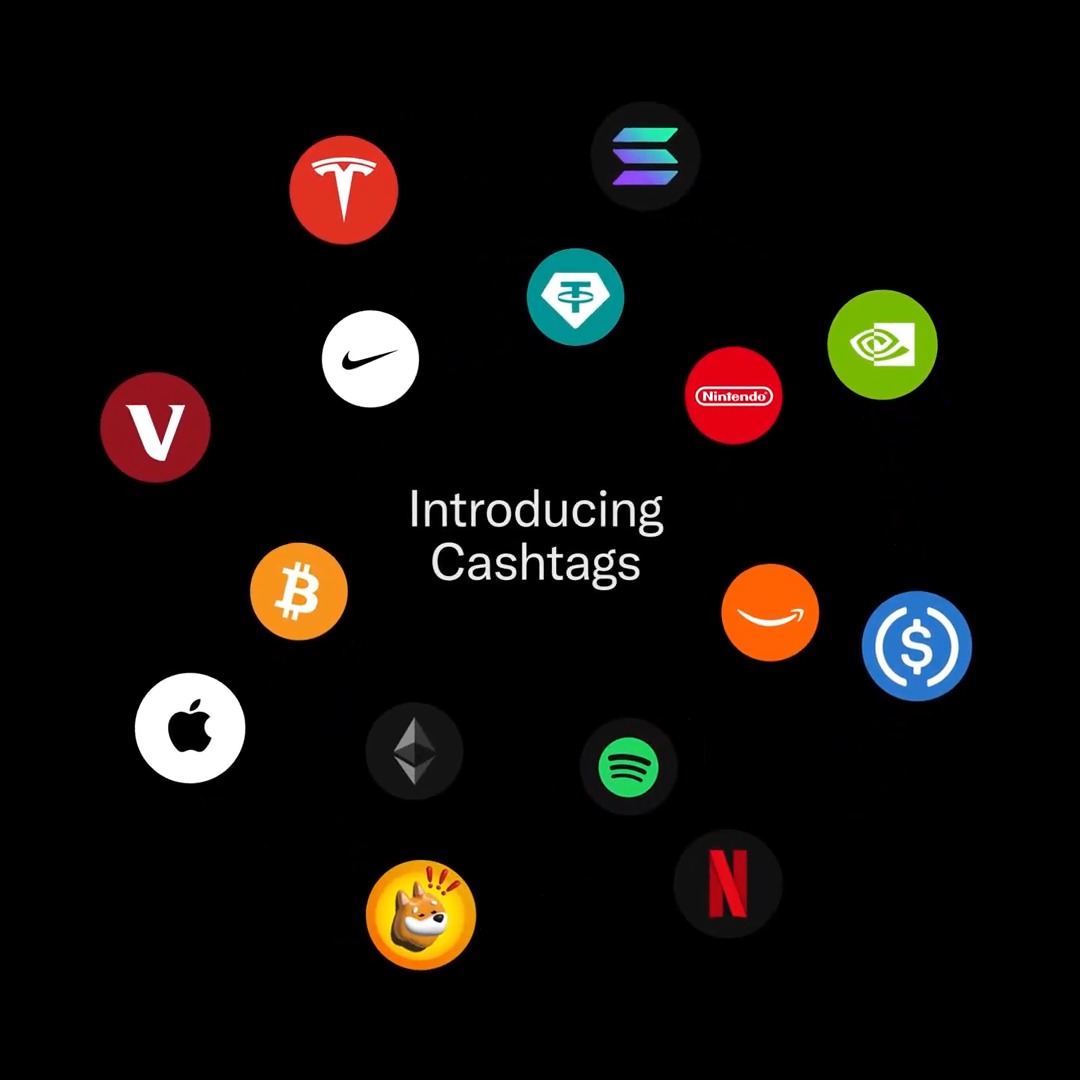 X rolls out Cashtags on iPhone in US & Canada, enabling real-time stock and crypto tracking with in-app price charts tied to posts2026-04
 Operation Atlantic freezes $12M, identifies 20,000+ victims in US-UK-Canada approval phishing crackdown2026-04
 Coinbase aims to become Canada's "everything exchange," pushing into derivatives, tokenized assets, and DeFi while calling for permanent crypto regulations2026-07
 Movement pivots toward global payments and remittances, securing licensed rails across the US, Canada and EU while repurchasing 19% of investor-allocated tokens in a major strategic shift2026-06
 Robinhood enters Canada with C$250M WonderFi close, adding Bitbuy, Coinsquare and 300K funded customers2026-06
 RedotPay strengthens compliance infrastructure for digital asset across Argentina, Canada, and the U.S.2026-03
Canada and the Crypto Economy: An Evergreen Guide for Investors and Builders
Among the major economies experimenting with digital assets, Canada stands out as a jurisdiction that is attempting to blend investor protection, banking‑grade infrastructure and an increasingly explicit framework for stablecoins. From the arrival of global exchanges such as Coinbase and Robinhood to the launch of the first bank‑issued Canadian‑dollar stablecoin, the country has become an important testbed for how a G7 market can integrate Bitcoin, stablecoins and tokenized finance into its existing financial system.
Canada’s Strategic Role in the Global Crypto Landscape
Understanding Canada’s place in the crypto ecosystem starts with its broader economic profile. Canada is a G7 economy closely integrated with the United States through trade, supply chains and financial markets, and it maintains deep links with the United Kingdom and European Union through investment and capital flows. This makes Canadian regulation and market structure relevant not only to domestic users but also to cross‑border investors, liquidity providers and payment networks that need coherent rules spanning the US–UK–EU corridor. Stablecoins, Bitcoin trading platforms and tokenized assets that win approval in Canada can therefore influence architectures and standards well beyond its borders.
Canada’s financial system is notable for its concentration and conservatism, anchored by a handful of large banks and a strong federal prudential regulator in the Office of the Superintendent of Financial Institutions (OSFI). That backdrop has historically made regulators cautious about novel financial products, yet it has also enabled relatively coordinated policy responses when new technologies, including crypto, begin to affect mainstream markets. This is visible in the country’s deliberate approach to cryptoasset custodianship, mutual fund exposure and stablecoin backing requirements, where authorities have tried to minimize systemic risk while allowing innovation to proceed within defined boundaries.
At the same time, Canada’s economy is exposed to global macro shocks, including commodity price swings and trade conflicts, which shape local attitudes toward risk and diversification. Analysis by major Canadian banks suggests that a severe tariff shock from the United States—on the order of 25 percent on many goods—could reduce Canadian GDP by several percentage points, raise unemployment and create recessionary conditions reminiscent of the 2008–09 crisis. In that kind of scenario, some investors may look to Bitcoin, dollar‑denominated stablecoins or tokenized US Treasury and corporate bond–like instruments as hedges or diversification tools, while regulators worry about capital flight and consumer protection.
The combination of a sophisticated but concentrated banking sector, close ties to the US and UK, and a history of both resource‑driven booms and external shocks makes Canada an instructive case study for how a developed economy can integrate crypto. Global exchanges launching Canadian platforms, stablecoin issuers partnering with domestic financial institutions, and regulators drafting a national stablecoin law are all manifestations of a broader question: how can a modern economy use blockchain‑based assets to enhance payments, inclusion and capital markets without sacrificing stability or civil liberties?

Canada's Big Six banks to pilot tokenized deposits for interbank payments

Economic and Financial Context: Why It Matters for Crypto
Any evergreen view of Canada and crypto should be grounded in how the country’s traditional financial system works. Canada issues its own fiat currency, the Canadian dollar (CAD), managed by the Bank of Canada, and maintains deep government and corporate bond markets dominated by institutional investors such as pension funds and insurance companies. These bond and money markets provide the benchmark yields and risk‑free rates that shape demand for alternative assets, including Bitcoin, stablecoins and tokenized fixed‑income products. When domestic bond yields are low and inflation is contained, risk‑seeking capital may flow into digital assets; when yields spike or macro uncertainty rises, that flow can reverse.
Recent macro discussions in Canada have focused on the risk that large, sustained tariffs from trading partners could simultaneously depress growth and add temporary inflationary pressure. Analysts at major banks have estimated that a broad 25 percent tariff scenario, combined with retaliatory measures, could cut Canadian GDP by around 5 percent and reduce employment by hundreds of thousands of jobs, while pushing inflation above the central bank’s 1–3 percent target range for a period. For crypto markets, such scenarios are relevant in two ways: first, they shape the income, savings and risk appetite of Canadian households and institutions; second, they may affect the relative attractiveness of CAD versus USD or other currencies, which in turn influences interest in CAD‑pegged and USD‑pegged stablecoins.
Canada’s banking sector is dominated by a small number of large institutions, all tightly regulated and systemically important. This structure has historically meant fewer bank failures and a relatively conservative lending culture, but it has also sometimes limited competition and slowed the adoption of new financial technologies. The arrival of regulated fintechs offering crypto exposure and the launch of stablecoins supported by established financial institutions can thus change the dynamics of competition and innovation. When a bank‑regulated trust company issues a CAD‑backed stablecoin for institutional settlement, for example, it is not just adding another token to the market but also signaling a shift in how core financial plumbing might operate.
Because Canada is so integrated with the United States, developments in US crypto regulation, such as Securities and Exchange Commission enforcement or potential federal stablecoin legislation, have spillover effects. Conversely, Canadian innovations—like early approval of crypto exchange‑traded funds, clear rules for cryptoasset trading platforms, or a federal stablecoin act—can inform debates in Washington and London. For builders and investors, this interconnected environment means that Canada is not an isolated niche market but rather a laboratory whose lessons may quickly influence the North American and transatlantic crypto landscape.
Canadian readers aren't tracking retail crypto adoption — they're tracking Ottawa and OSFI methodically building institutional rails and enforcement infrastructure that will determine which assets, exchanges, and payment models survive in a regulated Canadian market.
The Regulatory Landscape: From Cautious Oversight to Stablecoin Frameworks
Institutional Architecture and Legal Foundations
Crypto in Canada exists within a multilayered regulatory architecture, combining federal oversight of banking and anti‑money laundering with provincial jurisdiction over securities and derivatives. The Bank of Canada handles monetary policy and financial stability analysis, while OSFI supervises federally regulated deposit‑taking institutions and insurers. Securities regulation is led by provincial and territorial securities commissions, which coordinate through the Canadian Securities Administrators (CSA). In parallel, the federal Financial Transactions and Reports Analysis Centre of Canada (FINTRAC) oversees anti‑money‑laundering and counter‑terrorist‑financing compliance.
Early on, Canadian regulators signaled that many cryptoasset trading platforms would be treated as securities dealers or marketplaces, especially when they custody client assets and intermediate trades in ways that create ongoing obligations to users. This resulted in a framework where domestic and foreign platforms serving Canadians have had to enter into registration or pre‑registration undertakings, meet capital and compliance standards, and adhere to investor protection rules similar to those applied to traditional dealer‑brokers. These obligations have shaped which global exchanges chose to operate in Canada and under what conditions, thereby influencing market structure and liquidity.
2025–2026 Crypto Realignment: Stablecoins, Staking and Funds
Regulatory activity accelerated in 2025, leading some observers to describe the period as a crypto realignment for Canada. Authorities and policymakers moved beyond ad hoc guidance and enforcement toward more comprehensive frameworks in three key areas: stablecoins, tax transparency and public investment funds. OSFI and the federal government took public positions supporting prudentially regulated stablecoins, while securities regulators refined expectations for cryptoasset trading platforms and funds. This combination of supervisory signalling and draft legislation marked a shift from cautious oversight to more explicit integration of certain types of digital assets into the regulated financial system.
One of the most consequential developments was the introduction of draft federal legislation to regulate fiat‑referenced stablecoins, packaged within the 2025 budget implementation bill. The proposed Stablecoin Act would establish Canada’s first national regime for fiat‑backed stablecoins, setting out requirements for fully backed, bankruptcy‑remote reserves held with qualified custodians, strict redemption rights, robust governance and risk‑management programs, and ongoing auditor and legal reporting, under the oversight of the Bank of Canada. Importantly, the Act contemplates a limited carve‑out from securities laws but does not displace provincial securities or derivatives regulation when stablecoins are used to offer yield, mimic investment exposures or are distributed in ways that trigger securities rules. The details of definitions and technical standards are expected to be fleshed out in accompanying regulations, illustrating how Canadian lawmakers are attempting to craft a bespoke prudential framework while preserving existing investor‑protection tools.
In parallel, Canadian regulators finalized amendments to National Instrument 81‑102 governing investment funds, formally codifying rules for public cryptoasset funds. These amendments require crypto custodians servicing such funds to keep the majority of assets in offline “cold wallet” storage, obtain annual assurance reports from independent public accountants on the design and effectiveness of their controls, and maintain appropriate insurance, all subject to diligent oversight by fund managers. The changes also restrict direct crypto investment to alternative mutual funds and non‑redeemable investment funds, allowing traditional mutual funds to gain only limited exposure through qualified derivatives subject to caps, and explicitly exclude non‑fungible tokens (NFTs) from eligible assets because of liquidity and valuation concerns. This illustrates a cautious but defined path for institutional and retail fund exposure to crypto within Canada’s regulated fund universe.
Tax authorities also contributed to this realignment by clarifying the treatment of staking. The Canada Revenue Agency (CRA) confirmed that where cryptoassets are held as capital property and the taxpayer retains beneficial ownership, merely depositing or staking assets with a compliant platform does not constitute a disposition for tax purposes. However, staking rewards are taxable and must be included in income, characterized as either business or property income depending on the intensity and circumstances of the activity. Rewards must be reported in the year they are credited to the taxpayer’s account or as earned under the accrual method, adding an additional compliance layer for active on‑chain participants.
Global Tax Transparency: CARF and Cryptoasset Service Providers
Canada is also preparing to implement the OECD’s Crypto‑Asset Reporting Framework (CARF), which will impose rigorous annual reporting obligations on cryptoasset service providers operating in the country. Under the contemplated rules, entities such as crypto trading platforms and online marketplaces that accept cryptoassets in exchange for goods or services will be required to collect and report detailed information on user holdings and transactions, akin to the way traditional financial institutions report on bank and securities accounts. This data will then be exchanged across jurisdictions through existing tax‑cooperation arrangements, a process that will likely involve the UK and EU as well as other G20 members.
For platforms, CARF means building or upgrading compliance systems capable of identifying tax‑residency information, tracking cost basis and gains, and generating standardized reports. For Canadian users, it means that tax authorities will have much more visibility into crypto positions and trading activity, reducing the scope for under‑reporting while also increasing the importance of accurate record‑keeping and professional advice. The CARF push underscores Canada’s commitment to aligning its crypto taxation regime with global standards and signals to foreign regulators that Canadian‑regulated platforms will not become an offshore tax haven.
Enforcement and Cross‑Border Cooperation: Operation Atlantic
Regulation in Canada is complemented by active law enforcement and cross‑border cooperation, particularly with the United States and the United Kingdom. A striking recent example is Operation Atlantic, a multi‑agency crackdown on a sophisticated crypto fraud scheme that used cloned investment platforms and deceptive adverts to lure victims in multiple countries. Authorities in the UK, US and Canada, with analytical support from blockchain intelligence firm TRM Labs, managed to freeze approximately USD 12 million in assets and identified more than 20,000 victims of the scam. The operation underscores both the scale of cross‑jurisdictional crypto fraud and the growing sophistication of law‑enforcement responses.
From a market‑structure perspective, Operation Atlantic demonstrates that on‑chain anonymity is not an absolute shield and that regulated platforms and fiat on‑ramps in Canada are intertwined with global enforcement networks. For legitimate builders and users, this can be reassuring, as it shows authorities pursuing large‑scale scams and working to recover funds. At the same time, it signals that compliance standards and transaction monitoring expectations for Canadian‑serving platforms will continue to rise, with UK and US agencies often involved in joint investigations.
Stablecoins in Canada: From Policy to Real‑World Pilots
Why Stablecoins Matter in a Canadian Context
Stablecoins occupy a central position in the Canadian crypto story because they bridge blockchain rails with the fiat currencies that dominate contracts, wages and taxes. For Canadian users and institutions, both USD‑pegged and CAD‑pegged stablecoins are relevant. USD stablecoins like USDC allow users to access dollar‑denominated liquidity, DeFi yields and cross‑border payments without opening US bank accounts, while CAD‑pegged tokens promise new forms of domestic settlement and corporate treasury management. The policy challenge is to ensure that these instruments are transparent, fully backed and interoperable with existing payments and securities regimes.
Canada’s deliberate move toward a national stablecoin framework reflects recognition that stablecoins are not merely speculative tokens but potential components of core financial infrastructure. By setting requirements around reserve composition, custody, redemption and governance, the draft Stablecoin Act seeks to avoid the types of opacity and run risk that characterized some previous stablecoin failures while still allowing private issuers to innovate. At the same time, regulators are explicit that when stablecoins are packaged into yield‑bearing products or used as de facto money‑market funds, traditional securities and derivatives law will still apply.
The Draft Stablecoin Act: Prudential Rules for Fiat‑Referenced Tokens
Under the draft Stablecoin Act, issuers of fiat‑referenced stablecoins in Canada would be subject to a prudential regime focused on the integrity of backing assets and the enforceability of redemption rights. Reserves would need to be fully backed and held in a bankruptcy‑remote manner with qualified custodians, which implies high‑quality banks or trust companies subject to robust supervision. Issuers would bear strict obligations to redeem tokens at par in the reference currency within prescribed timeframes, an important safeguard for users relying on stablecoins for payments and savings.
Beyond reserves and redemption, the Act requires “robust” risk management and data‑security programs, along with continuous oversight by the Bank of Canada. Issuers would have to provide regular reports verified by auditors and legal counsel, ensuring that both regulators and the market can assess the health of the stablecoin. This approach aligns conceptually with how some policymakers in the US and UK are thinking about systemically important payment stablecoins, though Canada’s framework is being developed more holistically at the federal level while still respecting provincial securities law.
Because the implementing regulations have yet to be finalized, issuers and platforms do not know exactly how certain technical questions—such as treatment of on‑chain governance features, multi‑chain deployments or algorithmic stabilization mechanisms—will be handled. However, the direction of travel is clear: Canada is moving toward a world in which fiat‑backed stablecoins resemble narrow‑bank‑like institutions with strict reserve and reporting rules, potentially making them attractive instruments for conservative users and institutions.
CADD: The First Bank‑Issued CAD Stablecoin
One of the most significant market developments aligned with this policy direction is the launch of CADD, described as Canada’s first CAD‑backed stablecoin issued through a regulated Canadian financial institution. CADD is issued by Tetra Digital Group in partnership with Tetra Trust Company, which is a regulated trust company approved by Alberta Treasury Board and Finance, and is positioned as a tokenized representation of the Canadian dollar targeted initially at institutional use cases. The stablecoin is live on multiple networks, including Ethereum and the Base layer‑2, with support for additional chains such as Solana planned.
CADD is explicitly aimed at use cases such as 24/7 cross‑border settlement, real‑time corporate treasury flows and direct fintech‑to‑fintech transfers, positioning it as a piece of financial infrastructure rather than a retail speculation vehicle. Notably, major Canadian and global players including Shopify and National Bank of Canada are among the backers of the project, signaling interest from both the technology and banking sectors in using a CAD‑pegged digital asset for trade settlement and liquidity management. For example, a merchant or marketplace integrated with Shopify could, in principle, settle certain flows in CADD, while National Bank of Canada and its institutional clients might explore using the token for after‑hours funding and collateral movements.
By anchoring the stablecoin in a regulated trust company and targeting institutional use from day one, CADD has been framed as consistent with the prudential principles outlined in the draft Stablecoin Act, even if formal licensing under that Act will await the law’s passage and implementation. This alignment suggests a future in which CAD‑denominated stablecoins operate under banking‑style oversight and are used to modernize the plumbing of Canadian and cross‑border capital markets, including potential tokenization of bonds and other securities that settle against tokenized cash.
USDC in Canada: Rewards, Payments and Settlement
Alongside CAD‑pegged tokens, USD‑pegged stablecoins play an important role in Canada’s crypto ecosystem. USD Coin (USDC), issued by Circle and available across many global exchanges, is marketed as a fully reserved stablecoin designed to be redeemable 1:1 for US dollars. In Canada, USDC features prominently on platforms such as Coinbase and in emerging payments pilots.
Coinbase has positioned USDC as a core asset for Canadian users by offering USDC rewards, enabling customers to earn a yield simply by holding USDC in their Coinbase accounts. Promotional materials in recent years have highlighted rates in the low‑to‑mid single digits, paid weekly with no cap and with funds accessible at any time, although the exact reward rate and terms can change over time and may differ from US‑specific offers. For Canadian users, such rewards effectively turn USDC balances on a trusted platform into a yield‑bearing dollar‑denominated savings instrument, albeit one that carries platform, regulatory and counterparty risks that differ from insured bank deposits.
On the payments side, Visa Canada and Wealthsimple announced a pilot in which Wealthsimple, a major Canadian fintech offering crypto trading among other services, would settle certain obligations to Visa in USDC rather than via traditional bank transfers. This arrangement allows near‑real‑time, seven‑day‑a‑week settlement compared to legacy systems that typically operate on a five‑day cycle, thereby improving liquidity management and potentially reducing costs for both parties. Because USDC transactions occur on public blockchains, the settlement process can be automated and programmatically integrated with other financial operations, creating a template for how stablecoins might modernize card‑network and fintech settlement flows more broadly.
More generally, industry analyses highlight that stablecoins can support 24/7 cross‑border transfers with near‑instant speed and lower fees compared to traditional correspondent banking, especially when combined with robust compliance controls. For Canadian businesses engaged in trade with the US, UK or EU, using USD‑backed stablecoins could reduce the friction and settlement risk associated with international wire transfers. When paired with CAD‑pegged stablecoins like CADD, this opens the possibility of on‑chain foreign‑exchange markets and programmable cross‑currency settlement, where a USD stablecoin position can be automatically swapped into a CAD stablecoin at the moment of payment or investment, potentially linking seamlessly into Canadian bond or equity markets.
Comparing USDC and CADD in the Canadian Ecosystem
To understand how these stablecoins play complementary roles, it is helpful to compare key characteristics:
| Feature | USDC in Canada | CADD (CAD stablecoin) |
|---|---|---|
| Reference currency | US dollar | Canadian dollar |
| Issuer type | US fintech, regulated in multiple jurisdictions | Canadian regulated trust company / financial institution partner |
| Primary use cases in Canada | Savings with rewards on platforms, DeFi access, cross‑border payments, Visa–Wealthsimple settlement pilot | Institutional CAD settlement, real‑time corporate treasury, cross‑border and fintech flows |
| Regulatory trajectory | Subject to Canadian securities/derivatives law where applicable; potential inclusion under future stablecoin acts; global US/UK/EU regulatory oversight | Aligned with proposed Canadian Stablecoin Act principles; supervised as a Canadian financial institution product |
| Network presence | Multiple chains; widely integrated in DeFi and exchanges | Launched on Ethereum, Base and Tempo, with Solana support planned |
USDC’s strength in Canada lies in its global liquidity, DeFi integration and emerging role in card and fintech settlement, while CADD’s differentiator is its direct anchoring in the Canadian banking system and focus on CAD‑denominated institutional settlement. Together, they illustrate how Canada is likely to exist in a multi‑stablecoin environment, with different tokens serving distinct niches rather than a single “winner‑takes‑all” scenario.
Exchanges, Platforms and On‑Ramps: How Canadians Access Crypto
Coinbase’s Canadian Launch and Expansion
Global exchange Coinbase has become one of the most visible on‑ramps for Canadians entering crypto. The company formally accelerated its international expansion with an official launch in Canada, including deep integration with Interac e‑Transfers, the dominant retail bank transfer system, which it now makes available to essentially all Canadian users of the platform. This integration allows customers to move Canadian dollars in and out of Coinbase quickly and with low friction, addressing one of the historical pain points of crypto adoption: getting funds from a bank account into a trading environment and back again.
Coinbase markets itself in Canada as a secure platform for buying, selling, transferring and storing cryptocurrencies, emphasizing regulatory compliance, security standards and an intuitive interface. Campaigns have encouraged Canadians who are “thinking about getting into crypto” to start their journey on Coinbase, sometimes linked to promotions such as earning small amounts of Bitcoin for completing educational tasks or making initial trades, and to leverage features like USDC rewards for dollar‑denominated savings. These marketing strategies position Coinbase not just as a trading venue for experienced users but also as a gateway for retail investors who may previously have had exposure only to traditional assets like stocks, bonds and mutual funds.
From a regulatory perspective, Coinbase operates in Canada within the broader framework applied to cryptoasset trading platforms, which includes obligations around client asset segregation, capital requirements, risk disclosure and, in some cases, restrictions on margin and derivatives offerings. While the specific legal entities and registration statuses can evolve, the company’s strategy of emphasizing trust and compliance aligns with Canada’s cautious regulatory culture and may make it easier for institutions like investment advisers or family offices to recommend or use Coinbase as a service provider for clients.
Robinhood, WonderFi and the Consolidation of Domestic Platforms
Another major development in Canada’s exchange landscape is the entry of Robinhood via its acquisition of WonderFi, a Canadian firm that operates regulated crypto platforms Bitbuy and Coinsquare. The transaction, valued at roughly C$250 million, gives Robinhood an immediate footprint in Canada through two of the country’s longest‑standing regulated crypto trading platforms and adds approximately 300,000 funded customers to its international user base. Following the deal, WonderFi’s platforms are being integrated into the Robinhood brand, and Canadian users are being invited to download the Robinhood app, which promises a familiar user experience and a flat 0.5 percent fee per CAD trade.
This combination illustrates a broader pattern in Canada and globally: the consolidation of local regulated exchanges into larger, globally scaled platforms that can spread compliance and technology costs over a wider user base. For Canadian users, Robinhood’s arrival introduces another major brand offering access to Bitcoin, Ethereum and other cryptoassets, potentially alongside equities and options if the company extends its multi‑asset brokerage model to Canada. For regulators, it raises questions about cross‑border supervision and the alignment of Canadian standards with those applied in the United States, especially in areas like securities classification and retail trading protections.
The WonderFi acquisition also highlights the strategic value of regulatory licenses and compliance infrastructure in Canada. Bitbuy and Coinsquare spent years securing and maintaining their approvals as domestic crypto trading platforms, and Robinhood’s willingness to acquire rather than build from scratch underscores how difficult and time‑consuming it can be to meet Canadian regulatory expectations. For builders and investors, this suggests that licenses and on‑ramp infrastructure in Canada are increasingly strategic assets, akin to bank licenses or broker‑dealer registrations.
Wealthsimple and Visa: Stablecoin Settlement Within Mainstream Finance
Wealthsimple, a Canadian fintech known for its commission‑free investing and robo‑advisory services, has also become a key player in Canada’s crypto space by offering retail access to Bitcoin, Ethereum and other assets. Its partnership with Visa Canada to pilot USDC‑based settlement for certain card‑related obligations demonstrates how cryptoassets are moving into the back end of mainstream financial services. By settling in USDC, Wealthsimple can complete funding cycles over weekends and holidays, improving capital efficiency compared to traditional bank transfers that are limited to business days.
This pilot is significant because it shows a major global payment network and a household‑name Canadian fintech using a stablecoin not as a speculative asset but as a settlement medium within the card ecosystem. It offers a glimpse into a future where card networks, banks and fintechs routinely use stablecoins for real‑time settlement while cardholders and merchants continue to transact in familiar ways. In such a world, stablecoins would function as an invisible layer of digital cash underpinning credit, debit and other payment products.
For Canadian regulators, these pilots raise important questions about how to supervise stablecoin settlement at scale, how to manage credit and liquidity risk, and how to ensure compliance with AML, sanctions and consumer‑protection obligations. The draft Stablecoin Act, combined with existing securities, banking and payments laws, will have to accommodate these emerging patterns if Canada is to realize the efficiency gains of stablecoin settlement while preserving financial stability.
Social Trading and X’s Cashtags: Opportunities and Risks
Another frontier for crypto access in Canada is the integration of asset discovery and trading into social platforms. X (formerly Twitter) has introduced Cashtags that allow users in the US and Canada to search for assets, view live price charts and stay connected to market conversation directly within the app on iOS. By tapping on a cashtag associated with a stock or cryptocurrency, users can see real‑time price information and, depending on integrations, may be able to click through to trading interfaces. This development is part of a broader push by X to evolve into an “everything app,” blending social media, payments and commerce.
For Canadian crypto users, smart cashtags lower the friction between encountering market narratives and taking trading action, potentially increasing engagement but also raising concerns about impulsive, sentiment‑driven investment decisions. When price charts, influencer commentary and trading links are all only a tap away, the boundary between information and execution blurs. This can be particularly problematic in the crypto space, where volatile assets and complex derivatives are often promoted aggressively through social channels.
Privacy advocates also worry about the data implications of social‑trading integration. X’s cashtag features, combined with detailed behavioral analytics, could allow platforms or third parties to build granular profiles of users’ financial interests and activity. While this can enable personalized services, it also creates new vectors for targeted scams, manipulative advertising and potential misuse of financial data. In Canada, where debates over lawful access and encryption are already intense, the rise of social‑embedded trading underscores the importance of robust privacy protections and user education.
Cross‑Border Payment Rails: Movement and Other Networks
Beyond exchanges and consumer apps, specialized networks are emerging to facilitate cross‑border payments and remittances using crypto‑native rails. Projects like Movement Network have publicly emphasized securing licensed payment rails across the US, Canada and the EU as part of a pivot toward global payments and remittances. In parallel with token buybacks and protocol redesigns, these networks aim to connect on‑chain value transfer with traditional bank and card infrastructure, creating pathways for migrants, freelancers and businesses to move funds across borders more quickly and cheaply than via legacy corridors.
For Canada, such initiatives are especially relevant given its large immigrant population and strong trade links with both the US and Europe. Remittances from Canada to other countries, and payments from foreign clients to Canadian service providers, often incur high fees and delays under the traditional SWIFT‑based correspondent banking system. Stablecoin‑enabled payment networks that operate within regulatory perimeters in Canada, the US and the UK could materially improve these flows, provided that compliance, fraud prevention and consumer protection are adequately addressed.
- 01OSFI bank crypto capital rules↗
Readers engaged because Canada's banking regulator demanding banks report and capitalize against crypto exposure signals that TradFi-crypto integration is now a supervised systemic risk, not a fringe balance-sheet bet.
- 02CBDC wholesale pivot
The Bank of Canada abandoning retail CBDC in favour of wholesale applications pulled readers because it redraws which institutions — not consumers — will control the digital-dollar settlement layer.
- 03stablecoin federal framework↗
Ottawa's move toward a federal stablecoin law, combined with the Bank of Canada's par-redemption mandate and early real issuances like CADD and the Visa-Wealthsimple pilot, made this the most watched regulatory buildout in Canadian crypto.
- 04exchange enforcement fines
Record-setting FINTRAC penalties against Binance and KuCoin signalled that Canada's AML enforcement had shifted from registration warnings to nine-figure fines backed by Federal Court appeals.
- 05G7 North Korea crypto threat
Framing state-sponsored crypto hacks as a G7 summit agenda item elevated the story from a crypto niche to a geopolitical priority for readers tracking nation-state risk entering mainstream policy.
- 06CRA crypto tax enforcement
CRA auditing 2,500 Dapper Labs users and recovering $72M confirmed that Canadian tax authorities treat exchange data as fully subpoenable, alarming holders who assumed cross-border crypto activity was practically invisible.
Institutional Adoption, Funds and Tokenized Markets
Crypto in Public Investment Funds: Custody and Eligibility
Institutional adoption of crypto in Canada has been shaped heavily by rules governing public investment funds. The amendments to National Instrument 81‑102 mentioned earlier formalize a regime under which alternative mutual funds and non‑redeemable investment funds can hold cryptoassets directly, while traditional mutual funds are limited to indirect exposure through regulated derivatives up to specified caps. By allowing some funds to hold Bitcoin or other crypto directly, but restricting that privilege to structures designed for higher‑risk or more sophisticated investors, regulators aim to balance innovation with investor protection.
A central pillar of this framework is custody. Crypto custodians servicing public funds must store the majority of assets in offline, air‑gapped “cold wallets,” which significantly reduces the risk of hacking or operational compromise compared to online “hot wallets.” They must also obtain annual assurance reports from independent public accountants who assess the design and operational effectiveness of the custodian’s controls, creating an external check on security practices. Fund managers are expected to perform thorough due diligence when selecting custodians, including evaluating insurance coverage and risk management frameworks.
By setting these standards, Canada has effectively created a regulated market for institutional‑grade crypto custody, which can also serve corporates and high‑net‑worth individuals beyond the fund sector. This, in turn, lays the groundwork for broader tokenization, including potential future products such as tokenized bond funds or money‑market instruments that might settle against regulated stablecoins like CADD. The explicit exclusion of NFTs from eligible assets for public funds underscores regulators’ concerns about illiquidity, valuation uncertainty and the speculative nature of many NFT markets.
Banks, Corporates and Stablecoin‑Based Treasury Management
The involvement of mainstream corporates like Shopify and systemically important institutions like National Bank of Canada in backing CADD illustrates growing interest in using stablecoins for treasury and settlement functions rather than retail speculation. For a large merchant platform, the ability to settle supplier payments, affiliate payouts or cross‑border marketplace flows in a programmable CAD stablecoin could reduce reconciliation costs and improve cash‑flow visibility. For a bank, providing custody, foreign exchange and hedging services around CAD and USD stablecoins can become a new line of business that complements traditional cash‑management products.
In principle, corporates could use a CAD‑pegged stablecoin like CADD for intraday liquidity management, sweeping excess balances into yield‑bearing instruments or moving funds between subsidiaries in different time zones without waiting for traditional batch settlement windows. Tokenized bonds or short‑term instruments could be structured to pay interest in stablecoins, integrating directly into on‑chain corporate treasury dashboards. While such use cases are still emerging, the combination of regulated stablecoin issuance and clear fund‑custody rules suggests that Canada is building the legal and operational scaffolding needed for this kind of tokenized treasury ecosystem.
Tokenization of Bonds and Other Assets
The mention of bonds in a Canadian crypto context naturally invokes the idea of tokenized fixed‑income. While Canada has not yet seen large‑scale issuance of tokenized government or corporate bonds targeted at retail investors, the building blocks are coming into place. Regulated stablecoins provide a settlement asset, institutional‑grade custody standards allow secure holding of tokenized securities, and CARF‑aligned reporting mechanisms can extend to tokenized instruments. In the UK and EU, regulators and banks have already piloted tokenized government bond sales and on‑chain repo transactions, and Canada is likely to watch these experiments closely as it develops its own approach.
For Canadian pension funds, insurers and asset managers, tokenized bonds could eventually offer operational efficiencies in collateral management and securities lending, particularly when combined with instant or near‑instant settlement against CAD or USD stablecoins. The macro‑economic scenarios discussed earlier, in which tariffs or other shocks affect growth and interest rates, may also influence the relative appeal of tokenized versus traditional bonds. If tokenization can reduce operational and funding costs, it may provide modest yield enhancements that become more meaningful in low‑rate environments or under tight spreads.
Retail Adoption, Everyday Use and Consumer Protection
Investing and Saving: From Bitcoin to USDC Rewards
At the retail level, Canadian crypto adoption spans speculative trading, long‑term Bitcoin holding, stablecoin‑based saving and participation in DeFi and NFT markets. Platforms like Coinbase, Wealthsimple and the soon‑to‑be‑launched Canadian version of Robinhood provide user‑friendly interfaces for buying Bitcoin, Ethereum and other assets with CAD, often emphasizing seamless deposits and withdrawals via Interac e‑Transfer and transparent fee structures. Marketing campaigns frequently position Bitcoin as “digital gold” and other large‑cap cryptoassets as components of a diversified portfolio, while cautioning about volatility and the possibility of total loss.
Stablecoins, especially USDC, have also been pitched to Canadian users as a way to earn yield on dollar‑denominated holdings without committing to term deposits or more complex DeFi strategies. Coinbase’s USDC rewards feature, which automatically credits interest‑like rewards to users holding USDC on the platform, is a prominent example. These rewards are paid out weekly and have been advertised at competitive rates with no explicit cap on the balance that can earn rewards, though the rate is subject to change and reflects broader market conditions and platform policies. For risk‑aware users, such offerings can be seen as a middle ground between leaving cash idle in a low‑yield bank account and taking on the higher volatility of Bitcoin or altcoins.
However, it is important to recognize that stablecoin rewards are not equivalent to insured bank interest. They depend on the solvency and risk management of both the stablecoin issuer and the platform offering the rewards. Regulatory safeguards, while improving, may not fully replicate the protections available for traditional savings products. Users in Canada need to understand the legal status of their claims, the location and nature of reserves, and the potential impact of future regulation, including the Stablecoin Act and CARF reporting obligations.
Remittances, Payments and Everyday Spending
Beyond investing and saving, stablecoins and crypto rails are increasingly used for cross‑border payments, remittances and, to a lesser extent, everyday spending. For Canadian residents sending funds to family in countries with less developed banking systems or capital controls, transferring value in Bitcoin or USDC and converting it on the recipient side can be faster and cheaper than conventional remittance services, especially for larger transfers. Networks like Movement aim to streamline this process by combining licensed fiat on‑ and off‑ramps in Canada, the US and the EU with compliant stablecoin infrastructure, reducing friction for both senders and recipients.
Within Canada, crypto‑denominated payments for retail purchases remain niche, largely because merchants and consumers are comfortable with the existing Interac, card and e‑transfer systems. However, stablecoins are gaining ground as wholesale payment instruments behind the scenes. The Visa–Wealthsimple USDC settlement pilot, CADD’s institutional settlement focus and similar initiatives by banks and fintechs suggest that while Canadians may continue to tap their debit cards and smartphones as usual, a growing share of the underlying settlement flows could occur in stablecoins.
Over time, if stablecoin infrastructure proves reliable and cost‑effective, more consumer‑facing use cases may emerge. These could include stablecoin‑denominated prepaid cards, loyalty programs where rewards are paid in tokens with stable real‑world value, or micro‑payments for digital content. In such scenarios, the line between “crypto” and “fiat” blurs, as users interact with branded apps and cards while balances are represented internally as tokenized Canadian dollars or US dollars.
Prediction Markets, Gaming and Speculation
Crypto is also intersecting with gaming, sports betting and prediction markets in Canada. Decentralized prediction protocols allow users to stake tokens on outcomes such as sports matches or political events, sometimes settling in stablecoins or native tokens. During major global events like the FIFA World Cup, crypto platforms and communities have experimented with prediction games and contests, illustrating how on‑chain markets can mirror or augment traditional betting. While such activities can drive engagement and liquidity, they also raise regulatory issues around gambling law, consumer protection and the potential for addiction.
Video content and live streams discussing betting odds, including those focusing on Canada’s national teams, contribute to the cultural overlap between sports fandom and crypto trading. For regulators and consumer advocates, this convergence underscores the need for clear rules distinguishing regulated financial instruments from unregulated gaming or wagering and for platforms to adopt responsible‑gambling and risk‑disclosure practices. For users, it is a reminder that not all “crypto opportunities” are investments; some are simply high‑risk wagers packaged with blockchain branding.
Fraud, Scams and Operation Atlantic
Consumer protection remains a central concern in Canada’s crypto landscape, as exemplified by Operation Atlantic. The scheme targeted by the operation used fake online investment platforms that mimicked legitimate brands, combined with aggressive marketing and personalized outreach, to convince victims to deposit funds that were then laundered through crypto channels. By the time authorities intervened, more than 20,000 victims had been identified and approximately USD 12 million in assets were frozen, though total losses may have been higher.
For Canadian users, the key takeaway is that fraudsters are sophisticated and often operate across borders, exploiting both the technical features of crypto and the human tendency to trust convincing narratives. Even in a country with robust regulation and enforcement, individuals must exercise caution, verify platform registrations, and be wary of unsolicited investment offers and guaranteed‑return schemes. Operation Atlantic also highlights the growing use of blockchain analytics by Canadian and partner authorities, which can help trace stolen funds but cannot always guarantee recovery, especially when scammers move quickly through mixers and unregulated offshore platforms.
Privacy, Surveillance and Civil Liberties: The Bill C‑22 Debate
Bill C‑22 and Lawful Access
A crucial dimension of Canada’s digital‑asset environment is the ongoing debate over surveillance, encryption and lawful access. Bill C‑22, described by digital rights advocates as a “Lawful Access Bill,” proposes to require a wide range of digital services—including telecommunications providers and messaging apps—to log and retain extensive metadata about users for up to a year. It would also expand information‑sharing with foreign governments, including the United States, and introduce mechanisms for the Minister of Public Safety to compel companies to introduce backdoors into their services to facilitate law‑enforcement access to data, provided that such mandates do not create a “systemic vulnerability.”
Critics argue that the concept of a non‑systemic backdoor is technically incoherent and that any deliberate weaknesses in encryption or security architecture will inevitably increase the risk of data breaches, unauthorized surveillance and abuse. The bill also contemplates gag orders that would prohibit companies from publicly disclosing the existence of such backdoor mandates, making it difficult for users to assess the trustworthiness of services or to know whether their data is being accessed. In effect, Bill C‑22 raises the stakes in the long‑running conflict between law enforcement’s desire for guaranteed access to communications and civil society’s insistence on strong, end‑to‑end encryption as a foundation for privacy and security.
Implications for Crypto and Self‑Custody
The Bill C‑22 debate has direct and indirect implications for crypto in Canada. Directly, some crypto service providers—especially those offering communications features, key‑management assistance or messaging within wallets—could potentially fall within the bill’s scope, forcing them to log user metadata or alter security designs in ways that weaken privacy. Indirectly, the bill sends a signal about the Canadian government’s broader approach to encryption and lawful access, which can influence how developers and users perceive the safety of building or transacting in Canada.
Secure messaging providers have already indicated that they may exit markets where they are required to compromise end‑to‑end encryption, and Canada has been cited as one such jurisdiction in recent statements. While self‑custodial crypto wallets are not messaging apps in the traditional sense, they increasingly include social and communication features, and their security depends on robust cryptographic primitives. If developers fear that Canadian law might force them to embed backdoors or logging functionality, they may choose to locate teams and infrastructure elsewhere, or to block Canadian IP addresses from accessing certain features.
At the same time, the push for greater surveillance runs counter to one of crypto’s foundational promises: the ability for individuals to control their own assets and transact without intermediaries having full visibility into their financial lives. While Canadian regulators have thus far focused on regulating intermediaries like exchanges and custodians, rather than banning self‑custody, the broader direction of surveillance policy could gradually erode the space for privacy‑preserving tools. For users who value both regulatory protections and civil liberties, this tension will be an important factor in deciding how and where to hold their assets.
Balancing Compliance, Safety and Freedom
Canada’s challenge is to reconcile legitimate concerns about money laundering, terrorist financing and cybercrime with the protection of fundamental rights and the preservation of an innovative ecosystem. Operation Atlantic shows that it is possible to pursue large‑scale criminal schemes using targeted investigation and advanced analytics without blanket backdoors into all digital services. The draft Stablecoin Act and CARF implementation demonstrate that strong regulatory and reporting frameworks can be built around crypto intermediaries without banning or undermining encryption itself.
For the crypto community, engaging constructively in the Bill C‑22 debate means articulating how strong encryption and privacy‑preserving technologies can coexist with effective law enforcement. It also means designing systems that minimize data collection, use open‑source, auditable code and enable users to choose their own balance between privacy and convenience. Canada’s ultimate policy choices will shape not only the domestic environment for messaging and payments but also its reputation as a jurisdiction that either respects or compromises digital civil liberties.
- 2024-08regulatory
Kraken announces Monero delisting in Canada ahead of September 2 deadline
- 2024-12governance
Bank of Canada signals pivot from retail CBDC to wholesale interbank applications
- 2025-03regulatory
Bank of Canada mandates stablecoin par-redemption and T-bill backing; Ottawa announces 2025 federal stablecoin framework
Tetra Digital Group launches CADD — Canada's first bank-issued CAD-backed stablecoin
Visa Canada and Wealthsimple launch stablecoin settlement pilot
Robinhood completes C$250M WonderFi acquisition, entering Canadian regulated crypto market
Operation Atlantic freezes $12M and identifies 20,000+ victims in US-UK-Canada approval-phishing crackdown
Tax, Reporting and Compliance in Practice
CRA Guidance on Staking and Income Recognition
As noted earlier, the Canada Revenue Agency has clarified several important aspects of crypto taxation, with particular attention to staking. When an individual or entity holds cryptoassets as capital property and stakes them through a compliant platform without transferring beneficial ownership, the CRA does not treat this as a disposition for tax purposes, meaning that no capital gain or loss is realized at the time of staking. This is significant for long‑term holders who want to participate in protocol rewards without triggering immediate tax events on their principal holdings.
However, staking rewards themselves must be included in taxable income. The CRA has indicated that such rewards may be characterized as business income or property income depending on the frequency, organization and commercial character of the activity. For example, a company that runs multiple validator nodes with significant capital and infrastructure may be treated differently from an individual occasionally staking small amounts via a consumer platform. Rewards must be valued and reported in the tax year in which they are credited to the taxpayer’s account or, for accrual‑basis taxpayers, as they are earned. This makes record‑keeping and careful tracking of reward timing essential, especially given crypto price volatility.
More broadly, crypto gains and losses in Canada can be treated as either capital gains or business income depending on the facts, including factors such as holding period, frequency of trades and the taxpayer’s profession. While detailed classification is beyond the scope of this overview, the key point for Canadian crypto users is that tax treatment is fact‑specific and often requires professional advice. Platforms may provide transaction histories and cost‑basis tools, but ultimate responsibility for accurate reporting lies with the taxpayer.
CARF and Platform Obligations
With CARF implementation, cryptoasset service providers in Canada will face expanded obligations similar to those applied to banks and brokerages under the Common Reporting Standard for financial accounts. Platforms will need to perform due diligence to determine clients’ tax residency, collect identifying information and report relevant transaction and balance data to Canadian authorities, who will then share the data with foreign tax administrations under international agreements.
This will have several implications. First, anonymous or pseudonymous trading on regulated platforms will become practically impossible, as tax reporting requires real‑world identities. Second, users attempting to use Canadian platforms to evade taxes in other jurisdictions will face increased detection risk, particularly if their home countries are part of the CARF network. Third, platforms will have to invest in compliance infrastructure, which could raise operating costs and affect which business models and asset types they support.
For users, CARF is a reminder that on‑platform activity is not private from tax authorities. Those who want to maintain financial privacy will need to understand the legal and ethical boundaries of self‑custody, peer‑to‑peer transactions and decentralized protocols, while recognizing that attempts to hide taxable income can lead to serious legal consequences. In practice, many users may choose to accept the transparency of regulated platforms in exchange for convenience, security and access to regulated stablecoins and institutional‑grade custody.
AML, KYC and Cross‑Border Compliance
Canadian crypto platforms are also subject to robust anti‑money‑laundering (AML) and know‑your‑customer (KYC) requirements. They must register as money‑services businesses where applicable, implement customer‑identification and enhanced due‑diligence procedures, monitor transactions for suspicious activity, and file reports with FINTRAC. Cross‑border transfers, especially those involving high‑risk jurisdictions, are scrutinized and sometimes blocked, and sanctions lists must be enforced.
When combined with CARF and stablecoin regulation, this AML/KYC framework means that Canada is unlikely to become a permissive environment for secrecy‑focused crypto services. Instead, the country is positioning itself as a jurisdiction where compliant platforms, institutional stablecoins and tokenized financial products can thrive under strong oversight. For builders and investors who prioritize long‑term legitimacy and integration with mainstream finance over short‑term regulatory arbitrage, this can be an attractive proposition. For those who value maximum anonymity, it may push activity toward decentralized, non‑custodial protocols that operate without Canadian nexus, albeit with higher legal risks.
Ecosystem, Talent and Community
Conferences, Hubs and Developer Culture
Canada hosts a vibrant crypto and blockchain developer community, concentrated in cities like Toronto, Vancouver and Montreal. Major universities in these regions produce strong cohorts of computer scientists, cryptographers and economists, and many Canadian founders have gone on to build prominent global projects. This talent base is both a driver and a beneficiary of Canada’s emerging position as a crypto hub.
Flagship events such as the Blockchain Futurist Conference, held in Toronto and paired with Canada Crypto Week, bring together builders, investors, regulators and corporate executives to discuss trends in Web3, AI and financial innovation. The conference, returning again with a program spanning several days, serves as a focal point for ecosystem networking, announcements and hackathons, and often features discussions of topics like stablecoins, DeFi regulation and tokenization. Satellite events and meetups across Canada complement these larger gatherings, creating a year‑round community for knowledge sharing and collaboration.
Traditional Sectors Experimenting with Web3
Beyond pure‑play crypto startups, more traditional sectors in Canada are experimenting with Web3 and tokenization. Real estate brokerages, for instance, have explored partnerships with blockchain projects or token platforms to streamline property transactions, manage commissions and enable new forms of fractional investment, though these experiments are still in early stages and subject to regulatory uncertainty. Similarly, e‑commerce platforms, exemplified by Shopify’s backing of CADD, are investigating how tokenized payments and loyalty systems can enhance user experience and reduce costs.
Financial institutions, including the major banks and credit unions, are also building internal blockchain and digital‑asset teams, sometimes in partnership with fintechs. Their interests range from improving internal settlement and collateral management to offering crypto custody, index products or tokenized deposits to clients. While they tend to move slowly and within tight regulatory constraints, their involvement adds credibility and resources to the Canadian ecosystem.
Compliance and Analytics Infrastructure
Canada’s role in operations like Operation Atlantic underscores the importance of compliance and analytics infrastructure in the country’s crypto landscape. Blockchain intelligence firms and regtech providers work closely with Canadian financial institutions and regulators to develop tools for transaction monitoring, risk scoring and forensic analysis. These capabilities are essential not only for combating fraud and money laundering but also for enabling new products like stablecoin‑based trade finance or tokenized bonds to meet regulatory expectations.
As more assets move on‑chain, the demand for such tools will grow, creating opportunities for Canadian startups specializing in compliance technology. In the UK and EU, similar trends are evident, with regulators and banks relying on sophisticated analytics to bridge the gap between transparent blockchains and privacy rights. Canada’s close cooperation with UK and US authorities in initiatives like Operation Atlantic positions it as a key node in this global compliance network.
Canada’s Place in a Tri‑Continental Crypto Order
Canada’s crypto evolution cannot be fully understood in isolation from developments in the US, UK and EU. Operation Atlantic, which brought together UK, US and Canadian authorities to tackle a cross‑border fraud scheme, is a vivid example of how enforcement already functions on a transatlantic basis. CARF will further institutionalize data‑sharing among tax authorities in these regions, while stablecoin pilots and legislation are likely to converge on broadly similar principles, even if specific rules differ.
The UK, for its part, has signaled interest in becoming a global hub for crypto and digital assets, including proposals to regulate fiat‑backed stablecoins as payment instruments and to bring certain crypto activities under the purview of the Financial Conduct Authority. The EU is implementing the Markets in Crypto‑Assets Regulation (MiCA), which sets comprehensive rules for stablecoin issuers, trading platforms and other service providers. Canada’s draft Stablecoin Act and its crypto fund and platform frameworks place it within this emerging club of jurisdictions that seek to integrate rather than exclude crypto, albeit with different emphases on consumer protection, prudential oversight and innovation.
For global projects and investors, this tri‑continental environment means that building compliant products in Canada can facilitate expansion into the US, UK and EU, and vice versa. Stablecoins that meet Canadian prudential standards may find it easier to win acceptance from European or UK regulators, while platforms that align with CARF reporting and robust AML controls can more easily interoperate with banks and payment networks. Conversely, missteps in one jurisdiction—for example, major enforcement actions or failures in stablecoin reserve management—can quickly affect perceptions and regulatory posture across the others.
In this sense, Canada is both a laboratory and a bridge. Its relatively small but sophisticated market, strong institutions and close ties to larger economies make it an ideal place to test new models of crypto‑enabled finance, from tokenized bonds and stablecoin settlement to social trading and cross‑border remittances. At the same time, the country’s choices on privacy, surveillance and lawful access will signal to the global community whether it intends to be a champion of civil liberties in the digital age or to align more closely with expansive surveillance regimes.
Conclusion and Outlook
Canada’s crypto story is one of cautious integration rather than unrestrained experimentation or outright prohibition. On the one hand, regulators have moved assertively to define the rules for crypto trading platforms, public funds and, increasingly, stablecoins, emphasizing robust custody, full backing, transparency and investor protection. On the other hand, the country has welcomed major global platforms like Coinbase and Robinhood, enabled domestic fintechs like Wealthsimple to innovate with stablecoin settlement, and supported bank‑issued CAD‑pegged stablecoins like CADD aimed at institutional settlement and treasury management. This combination of openness and oversight has made Canada an attractive environment for builders and investors who seek legitimacy and long‑term viability.
At the same time, challenges loom. The Bill C‑22 lawful access proposals have sparked deep concerns about encryption, privacy and the potential for backdoors that could undermine not only messaging apps but also the security assumptions of crypto wallets and financial infrastructure. Macroeconomic risks, including possible tariff‑driven slowdowns and inflationary pressures, inject uncertainty into the broader investment climate and may influence demand for Bitcoin, stablecoins and tokenized bonds. Global regulatory evolution in the US, UK and EU will also shape the parameters within which Canadian projects and platforms operate, particularly in the areas of stablecoin regulation, securities classification and cross‑border tax reporting.
For the crypto community—investors, developers, institutions and policymakers—the key will be to capitalize on Canada’s strengths while addressing its vulnerabilities. That means building products that align with prudential and investor‑protection principles, engaging in good‑faith dialogue on surveillance and civil liberties, and leveraging Canada’s position as a bridge between North America and Europe to design infrastructure that can operate seamlessly across jurisdictions. It also means continuing to invest in education, community building and compliance tools so that both retail users and institutions can navigate the evolving landscape safely and effectively.
Looking ahead, Canada is likely to remain a significant, if not dominant, player in the global crypto economy. Its stablecoin framework, bank‑integrated tokens like CADD, regulated on‑ramps like Coinbase and Robinhood, and sophisticated enforcement capabilities place it at the forefront of efforts to bring Bitcoin, stablecoins and tokenized assets into the mainstream of finance. Whether it can also become a model for balancing innovation with privacy and civil liberties will depend on how it resolves debates like Bill C‑22 and how it chooses to govern encryption and digital rights in the years to come.
Latest Canada news
Sources
18 records from 15 domains
osler.com
coinbase.com
businesswire.com
morningstar.com
robinhood.com
eff.org
futuristconference.com
x.com
trmlabs.com
glenbrook.com
crossriver.com
globenewswire.com
youtube.com
investor.coinbase.com
thoughtleadership.cibc.com
Community notes
Spot something off or out of date? Drop a note. Editors review topic notes daily and roll accepted fixes into the explainer — contributors are recognized in the monthly $SQUID drop.
Loading notes…
Help improve this topic
Have a story or tip about this topic? Submit it. See something missing? Leave a note. Editors review daily; accepted submissions and fixes count toward the monthly $SQUID drop.