
Deep explainer on what “launch” means in crypto, covering mainnets, tokens, stablecoins, AI agents, ETFs, RWAs and payment rails, plus lifecycle, strategies, risks and regulation shaping onchain markets.
- x.com554
- theblock.co114
- coindesk.com57
- decrypt.co35
- prnewswire.com29
- cointelegraph.com25
- globenewswire.com23
+72 sources across the wider coverage universe
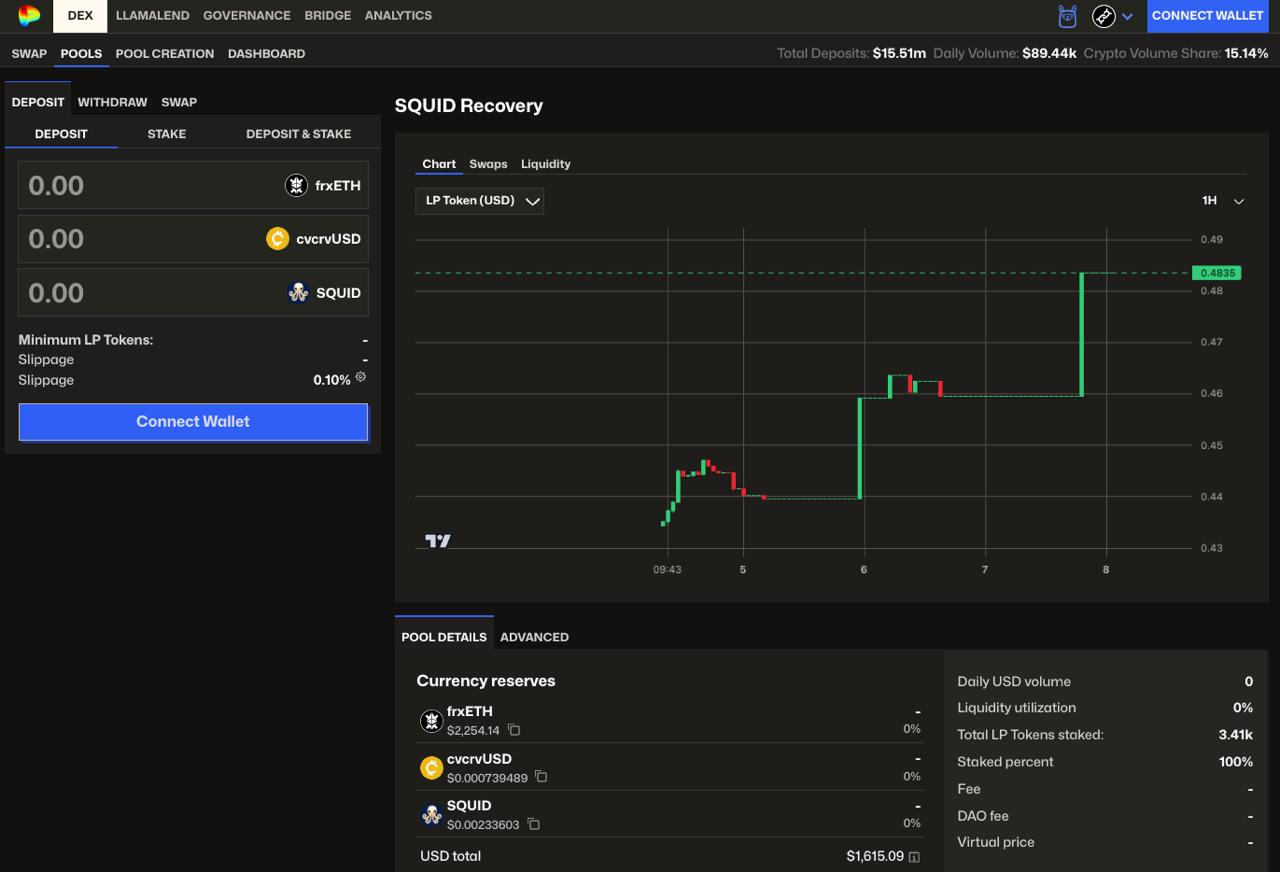 Leviathan SQUID DAO launches recovery pool for lenders affected by Llama Lend bad debt on Fraxtal2026-04
 Leviathan Launches Agent Monetization Chat2026-04
 Circle launches managed USDC settlement for banks, abstracts all crypto complexity across 20+ chains2026-04
 Visa launches Intelligent Commerce Connect for AI agent payments, Sei-based Sumvin among pilot partners2026-04
 DOJ launches victim compensation for $4B OneCoin crypto pyramid scheme via asset forfeiture2026-04
 Coinbase and MarketVector launch volatility-weighted Bitcoin-gold index, backtested at 31% CAGR since 20162026-04
Launch in Crypto: From Mainnets to Markets
In crypto, a “launch” is the moment a new network, token, product, or market stops being an idea or a testnet experiment and becomes a live, onchain part of the digital asset economy. It is simultaneously a technical cutover and a market event that shapes how users, liquidity, and narratives form around a project.
Across the industry, the word launch has taken on a much broader meaning than simply “going live,” encompassing everything from the first block of a new blockchain to the debut of a stablecoin by a global payments company, the rollout of an AI-agent trading platform, or the listing of a new Bitcoin ETF on a traditional exchange. A launch can mean compiling and deploying smart contracts to a mainnet, opening up a token’s first liquidity pool on a decentralized exchange, switching on a national Bitcoin mining pool under government oversight, or enabling cross-border remittances via a dollar-backed stablecoin. These events are technically and economically diverse, but they share a common structure: multi-stage preparation, careful coordination of infrastructure and regulation, and a decisive moment where risk, reputation, and capital are all placed on the line in public view. Recent examples such as MoneyGram’s MGUSD stablecoin on Stellar, Base’s Beryl mainnet upgrade with its new B20 token standard, Zelle’s ZelleUSD launch for international payments, Injective’s onchain AI-agent platform, Venus Protocol’s tokenized stock collateral markets, and BlackRock’s Bitcoin income ETF illustrate how “launch” in crypto now spans consumer payments, DeFi, AI, and regulated markets at once. Understanding what launches are, how they are structured, and why they succeed or fail has become essential for anyone tracking crypto, stablecoins, AI-driven trading, and the broader onchain economy.
What “Launch” Means in Crypto
In traditional technology or finance, a launch usually refers to a fairly discrete event: the release of a new app, the listing of a stock on an exchange, or the rollout of a payment product to customers. In crypto, the same word is used far more flexibly. It can refer to the genesis block of a new blockchain, the first deployment of smart contracts for a DeFi protocol, the introduction of a stablecoin on a particular network, or even the moment a token starts trading on perpetual futures markets. This semantic overload reflects the layered nature of the crypto stack, where infrastructure, assets, and applications all ship independently but interact in real time onchain.
At its core, a launch in crypto has three intertwined dimensions. The first is technical: code is deployed to a production blockchain, nodes are upgraded, or smart contracts move from testnets to mainnets. The second is economic: new assets become tradeable, new markets open, or new forms of collateral and leverage are admitted into existing systems. The third is social and regulatory: communities coordinate around a token or protocol, regulators and compliance teams assess risks, and institutions decide whether to integrate, trade, or sit on the sidelines. Because all three dimensions are visible and often contested, launches become focal points for speculation, governance debates, and regulatory scrutiny.
Crypto also blurs the line between first launch and ongoing launch. A blockchain can be technically live for years yet have its most important “launch” moments when a major upgrade ships, a flagship application debuts, or a previously niche network gains significant onchain liquidity. Base’s planned Beryl mainnet upgrade, for example, is framed as a major launch event even though the Layer 2 has been active for some time, because it introduces a new B20 token standard designed specifically for efficient token creation and storage in the L2 environment. Similarly, the rollout of encrypted balance support on Aptos or a new Bitcoin staking product can be covered as launches even when they are layered on top of existing chains and assets. In this sense, launch in crypto is less a single moment than a recurring pattern: a project repeatedly crossing thresholds of technical maturity, market relevance, and regulatory acceptability.
Finally, the word carries different weight depending on where you sit in the ecosystem. For protocol engineers, launch might mean the first time a contract is immutable on mainnet. For traders, it is the first moment an asset can be bought or sold in size, whether via spot markets, perpetual futures, or options. For compliance teams and regulators, launch is tied to when a product becomes available to retail users or crosses borders. And for users, especially in emerging markets, launch may mean simply that a new stablecoin or exchange finally supports their local currency and banking rails. This diversity of perspectives is why unpacking the many kinds of launches in crypto is useful, from mainnets and tokens to stablecoins, AI agents, ETFs, and national mining pools.

Anoma launches private tokenized stocks on Anomapay for BNB Chain bStocks

The Many Types of Launches in Crypto
Because crypto is a full-stack ecosystem, launches occur at multiple layers at once. A new stablecoin might launch on top of an existing blockchain, which itself is rolling out a major upgrade, while an ETF tied to that coin’s underlying asset launches on a traditional exchange. Understanding these layers helps explain why launch cycles can be so intense and why market reactions can be hard to predict.
Network and Mainnet Launches
At the base of the stack are network launches, most notably mainnets. In blockchain terminology, a mainnet is the live, production network where real value is transferred, as opposed to testnets where developers experiment with no monetary risk. Launching a mainnet involves configuring consensus, spinning up nodes, deploying core contracts, and often migrating state from previous test networks. It is the moment when a blockchain’s security assumptions leave the lab and confront adversarial reality. Because failures can mean permanent loss of funds or chain halts, mainnet launches are typically preceded by extensive testing, audits, and sometimes limited-access beta phases.
Layer-2 networks and app-specific chains now have their own flavor of mainnet launches and upgrades. Base, Coinbase’s Ethereum Layer 2, is a good example: its upcoming Beryl mainnet upgrade introduces a new B20 token standard tailored to the L2 environment, with the explicit goal of reducing token creation costs, state storage overhead, and gas usage for issuers. Although Beryl is an upgrade rather than a brand-new chain, it is treated as a launch event because it changes the economics and capabilities of the network in a way that matters for DeFi apps, meme tokens, and onchain markets built on Base. In other words, network launches now include protocol-level releases that significantly alter a chain’s performance and developer surface area.
Not all network-adjacent launches are purely technical. Oman’s creation of a mandatory national Bitcoin mining pool, Omanhash, illustrates a form of state-backed infrastructure launch. Under the country’s regulatory framework, all licensed mining companies are required to route their hashrate through this single official pool, which was launched in cooperation with a local blockchain firm. The pool is expected to consolidate roughly 10 exahashes per second in its initial phase, with ambitions to expand further. While the Bitcoin network itself is unchanged, this launch concentrates mining power within a regulated national pool, raising questions about centralization, energy policy, and the interaction between sovereign states and permissionless networks. It shows that “launching” in crypto can also mean bringing offchain institutions and regulations into closer control of onchain infrastructure.
As networks mature, they continue to launch significant features: privacy-preserving assets, ZK-proving systems, or staking frameworks. Initiatives like newly launched zero-knowledge proving systems or Bitcoin-native yield protocols are marketed as major launches even though they build on top of existing consensus layers. This accretion of launches over time is how chains evolve from experimental ledgers into multifaceted platforms supporting DeFi, gaming, AI agents, and beyond.
Token and Protocol Launches
Moving up the stack, token launches remain one of the most visible forms of crypto launches. A token can represent native currency for a blockchain, a governance and fee token for a DeFi protocol, a claim on tokenized real-world assets, or a unit of account for AI agents and data markets. At launch, these tokens are created via contract deployment or genesis allocations and then distributed through mechanisms such as sales, airdrops, liquidity mining, or fair launch auctions.
The mechanics of token launches have evolved significantly. Research into the “evolution of token launches” traces a progression from early initial coin offerings (ICOs), where tokens were broadly sold to the public, to more curated mechanisms such as initial exchange offerings (IEOs), launchpads, and initial DEX offerings (IDOs). Those iterations attempted to address problems of information asymmetry, regulatory risk, and poor alignment between early buyers and long-term users. In parallel, fair launch models emerged, where there are no presales or team allocations and everyone has an equal chance to acquire tokens at launch through open markets or mining mechanisms. According to definitions popularized by crypto analytics platforms, a fair launch typically means there are no pre-allocated tokens, no private rounds, and all tokens must be acquired directly from decentralized exchanges or the protocol itself, minimizing centralization and preventing insiders from dominating supply.
Today, token launch design is a strategic choice. A meme coin might lean into a fair-launch narrative to attract grassroots traders and avoid regulatory scrutiny, whereas a complex DeFi protocol might use a combination of VC funding, community allocation, and incentives to reward early testers. The choice affects everything from perceived legitimacy to market liquidity. For instance, protocols that launch with deep onchain liquidity and broad distribution can see rapid growth in unique wallets and transactions, as seen in ecosystems where the number of trading addresses ballooned from tens of thousands to hundreds of thousands within months of launch. By contrast, heavily pre-allocated tokens may trade thinly at first and face skepticism about insider unlocks and sell pressure.
Launches are not limited to fungible tokens. Non-fungible tokens (NFTs) and more specialized primitives like soulbound tokens or AI-agent IDs also go live through launch events, often tied to mints, whitelists, or raffles. Although market cycles for NFTs differ from fungible tokens, the same underlying themes—distribution, fairness, utility, and long-term alignment—shape whether a token launch becomes a one-day flash or a durable onchain community.
Stablecoin Launches
Stablecoin launches deserve separate attention because they sit at the intersection of crypto, payments, and regulation. Stablecoins are digital tokens designed to maintain a stable value, typically pegged to a fiat currency like the U.S. dollar, and they use blockchain technology to enable near-instant settlement and programmable transfers. Central banks and regulators have noted that if stablecoins become widely used for payments, they can generate risks similar to those of other payment systems, including credit, liquidity, operational, and settlement risks. These concerns frame how new stablecoin launches are designed and scrutinized.
Recent launches by established payments companies highlight this convergence. MoneyGram’s MGUSD is a native U.S. dollar stablecoin launched as the foundation for a growing suite of financial services across its global network. MGUSD is minted and burned using smart contract infrastructure provided by M0 and initially deployed on the Stellar blockchain. The design leverages Stellar’s existing cross-border payment capabilities while positioning MGUSD as a programmable asset for remittances, cash-in/cash-out at MoneyGram’s retail partners, and potentially DeFi integrations. Despite the institutional backing, MGUSD still faces the classic stablecoin questions: how reserves are held, what redemption rights users have, and how it will be regulated alongside other stablecoins and payment instruments.
Zelle’s ZelleUSD (ZLUSD) illustrates a related but distinct model. Operated by Early Warning Services, Zelle is a U.S. P2P payments network created by major banks, and it announced ZelleUSD as a proprietary dollar-backed stablecoin focused on supporting international payment capabilities. The company selected India as the first country where U.S. consumers can use Zelle to send money to family and friends overseas, with ZLUSD envisioned as a future onramp to additional international corridors. Here, launch is not just about deploying a token contract; it is about integrating a stablecoin into existing bank-centric rails, compliance regimes, and consumer apps, while also competing with established onchain stablecoins such as USDC that already serve cross-border and DeFi use cases.
Regulatory research emphasizes that extensive use of stablecoins for payments could concentrate risks in particular issuers and infrastructures, potentially affecting financial stability if not properly mitigated. That means newer entrants like MGUSD and ZelleUSD must operate in an environment where expectations around reserve transparency, redemption, and operational resilience have been shaped by earlier stablecoins and by supervisory guidance. Successful launches in this category typically involve careful coordination with regulators, conservative reserve management, and credible disclosures—all of which complicate the once-simple playbook of “deploy and list” that characterized early crypto tokens.
AI-Agent and AI-Linked Launches
A newer but fast-growing category of launches involves AI agents and AI-linked tokens. Market aggregators now track a specific subset of crypto assets associated with AI agents, ranking “AI Agent coins” as a distinct category with dedicated pricing, market cap, and liquidity metrics. These tokens often underpin networks where autonomous agents perform tasks such as trading, data analysis, or infrastructure management on behalf of users.
On the infrastructure side, projects like Injective have begun launching AI-agent platforms directly onchain. Injective’s platform uses ERC-8004 identifiers for agents and supports automatic routing of trading fees back to each agent on every filled order, with registration handled through a command-line interface that publishes agents to a public onchain registry. This kind of launch blends several threads: the deployment of new smart contracts, the registration of autonomous agents as first-class entities, and the creation of economic incentives for those agents to trade or provide services on behalf of humans. Because these agents can operate continuously and at scale, launches in this space immediately raise questions of market integrity, fairness, and risk: what happens if AI agents collude, manipulate thinly traded markets, or exploit cross-exchange arbitrage in ways that destabilize liquidity?
AI-linked launches are not confined to agent infrastructure. Many token launches now market themselves as AI-native or AI-enhanced, promising to use machine learning for portfolio management, data curation, or onchain credit scoring. While some projects deliver substantive technology, others simply overlay AI branding on conventional tokenomics. For investors and regulators, this makes due diligence at launch even more critical: both AI and crypto are complex, hype-prone domains, and their intersection increases the risk of opaque systems that are hard to audit or govern. Nevertheless, as AI agents become more integrated into onchain trading and DeFi, launches in this niche are likely to become some of the most scrutinized events in the market.
TradFi and Market-Instrument Launches
Finally, there is a class of launches that take place within traditional financial market infrastructure but are intimately linked to crypto assets. These include ETFs, structured products, and regulated prediction markets that reference digital assets or adopt crypto-like payout structures.
BlackRock’s iShares Bitcoin Premium Income ETF (BITA) is one such product. Launched in June 2026, BITA is classified as a digital assets fund and seeks to provide investors with exposure to Bitcoin while also generating income through an actively managed options strategy written on top of its holdings. Though not an onchain asset, BITA’s launch is a significant event for Bitcoin markets because it introduces new channels of demand, hedging, and yield generation, and because its holdings and flows are monitored by both crypto-native analytics platforms and traditional investors.
Cboe Global Markets has gone a step further by announcing an innovative prediction markets framework based on options. Under this proprietary, patent-pending design, customers can trade contracts with three potential outcomes: a zero-dollar payout, a partial payout within a defined “payout zone,” or a full $100 payout, starting with a Mini S&P 500 Index product. The framework uses a traditional options wrapper to deliver fixed-return outcomes and settles in cash, similar to standard index options. While not strictly crypto, this launch echoes the payoff profiles of onchain binary options and prediction markets, highlighting how design ideas now flow both ways between DeFi and TradFi. It is also connected to headlines about large brokerages like Charles Schwab exploring “all-or-nothing” options with Cboe, showing that outcome-based trading is being launched simultaneously in regulated venues and onchain platforms.
In sum, launches in crypto today range from blockchains and tokens to stablecoins, AI agents, ETFs, and hybrid prediction markets. To make sense of them, it is helpful to examine not just what is launched, but how the launch lifecycle unfolds.
Readers click launch stories as power-mapping exercises — the top-clicked headlines are not about technology shipping but about who is placing capital bets (Morph/Foresight $20M, Bridgetower $250M), who is making credibility promises (MakerDAO PureDai, BlackRock ETF), and who is handing ordinary users new weapons (5-minute memecoin tooling, gasless wallets) — every top launch is a question of which faction is seizing the next infrastructure layer.
The Launch Lifecycle: From Idea to Onchain Reality
Every launch, regardless of type, passes through a lifecycle that includes design, testing, go-live, and post-launch evolution. While the specifics vary between a stablecoin and a Layer 2 upgrade, the underlying pattern is recognizable across the industry.
Pre-Launch: Design, Governance, and Regulatory Groundwork
The pre-launch phase is where most of the critical decisions are made, even if the broader market only pays attention later. For a token or protocol launch, this includes defining the token’s role, supply schedule, governance model, and revenue flows, as well as choosing which blockchain or Layer 2 to build on. For a stablecoin, issuers must design reserve structures, redemption processes, and compliance frameworks that align with regulatory expectations and user needs. Payment-focused launches like MGUSD and ZelleUSD require especially careful mapping of how tokens will be minted, held, and redeemed across multiple jurisdictions.
From a regulatory perspective, pre-launch is often about reducing unknowns. Research from central banks and regulators underlines that stablecoins used for payments can create risks similar to existing payment systems, such as credit, liquidity, and operational risks, which must be managed through robust governance and oversight. Projects that ignore these warnings may face post-launch interventions, whereas those that engage early with regulators and auditors can build trust. For example, MoneyGram’s decision to partner with a specialized infrastructure provider for MGUSD’s smart contracts and to deploy initially on Stellar reflects a design choice aligned with an existing cross-border payment ecosystem and compliance stack.
Exchanges and trading venues have their own pre-launch playbooks. Guidance on “how to start a crypto exchange” emphasizes steps like ensuring legal compliance, establishing banking and payment integration, and building secure trading and custody infrastructure before going live. Coinbase’s expansion into India with direct INR rails reflects these principles: the launch involves connecting local users’ bank accounts for INR deposits and withdrawals, offering both spot and perpetual futures trading, and adapting the global Coinbase platform to local regulatory and banking environments. For derivatives venues listing new perpetual futures pairs or RWA markets, pre-launch work includes risk modeling, margin parameter calibration, and sometimes external market-making agreements to avoid illiquid or disorderly markets on day one.
Governance is another critical pre-launch dimension, especially for protocols with token-based voting. Decisions about initial parameter settings, multisig signers, and emergency controls can determine how resilient a protocol will be to post-launch shocks. Many projects now conduct governance “dry runs” or use testnets with governance hooks so that tokenholders can practice proposals and votes before real value is at stake.
Testnets, Audits, and “Soft Launches”
Having a solid design is not enough; pre-launch testing has become an industry norm. For smart-contract-based protocols, this typically means deploying to one or more public testnets, where developers and early users can interact with the system without risking funds. Mainnet launches are preceded by test deployments that mimic final contract addresses, or by “shadow forks” where networks simulate the behavior of upgrades on parallel chains.
Audits and formal verification are part of this vetting process. The goal is to catch vulnerabilities in smart contracts or protocol logic before launch, especially for systems that will hold large deposits or interact with other DeFi protocols. Some teams also run bug bounty programs, inviting independent security researchers to probe the code for rewards. These measures do not guarantee safety, but they significantly reduce the risk of catastrophic bugs appearing immediately after launch.
Soft launches or phased rollouts provide another layer of risk management. A protocol might open only to whitelisted addresses or impose strict deposit caps during an initial period, gradually increasing limits as confidence grows. Stablecoins might start with limited circulation and redemption channels before expanding to broader retail or DeFi use. Even national-scale launches, such as Oman’s mining pool, can follow a phased approach, onboarding licensed miners over time and scaling hashrate gradually rather than all at once.
For AI-agent platforms, test deployments are especially important because agent behavior can be hard to predict. Injective’s approach of registering agents through a CLI and publishing them into a public onchain registry gives developers a way to prototype and observe agent behavior in controlled environments before exposing them to significant capital. Over time, feedback from these pre-launch experiments informs risk controls, such as throttles, minimum capital requirements, or agent whitelisting, that become part of the main launch.
Go-Live: Mainnets, Listings, and Liquidity
The moment of launch is where technical readiness, market structure, and narrative all intersect. For a blockchain, this might be the production mainnet genesis or a significant upgrade like Base’s Beryl release, where nodes upgrade software and new features (such as the B20 token standard) become active. For a stablecoin, launch can be defined by the first onchain mint, the first redemption, or the opening of key liquidity pools on DEXs and CEXs. For a token or protocol, it often means the first block in which trading is live or deposits are accepted.
Liquidity is critical at this stage. A token that launches without sufficient liquidity can experience extreme volatility, front-running, and poor price discovery, undermining user trust. That is why many modern launches coordinate with market makers or seed liquidity pools on decentralized exchanges from day one. As derivatives venues add perpetual futures or options tied to new tokens—for example, EVAA/USDT perps launching with up to 10x leverage on a major exchange—market “surface area” expands, allowing traders to express both long and short views and to hedge spot positions. These secondary-market launches can be as important as the initial token launch in shaping long-term volatility and adoption, because they determine who can get exposure and on what terms.
Cross-chain and cross-market access also matter. When Venus Protocol launched its tokenized stock-backed lending service on BNB Chain, it enabled users to deposit onchain U.S. stock assets linked to companies like Tesla, Nvidia, and SpaceX—packaged as bStocks—as collateral to borrow stablecoins while retaining exposure to the underlying stocks. The service is available around the clock and accessible via common wallets like Binance Wallet and Trust Wallet, as well as through asset swaps on PancakeSwap. In effect, the launch simultaneously turned on a new asset type (tokenized stocks), a new collateral market in DeFi, and new trading patterns for the associated stablecoins and stock tokens.
Similarly, when a major prediction-market framework launches in TradFi, or when a Bitcoin income ETF like BITA begins trading, it creates new channels through which market participants can express directional or volatility views on crypto assets. These events may not involve new onchain contracts, but they are tightly coupled to onchain markets via arbitrage, hedging, and sentiment spillovers. That is why crypto news outlets track both onchain and offchain launches as part of a unified market story.
Post-Launch: Iteration, Upgrades, and “Re-Launches”
After the initial excitement, projects enter the long and less glamorous phase of iteration. Bugs are patched, parameters are tuned, and new features are developed. In a sense, every significant upgrade is its own mini-launch. Base’s Beryl upgrade is a clear example: by introducing an L2-specific B20 token standard that optimizes state storage and gas usage, it effectively “relaunches” the economics of token issuance and operation on the network. Protocols built on Base may then run their own launches to adopt B20, creating cascades of secondary launch events.
Stablecoins and payment tokens also evolve post-launch. Issuers expand to new chains, integrate with additional wallets and exchanges, or adjust reserve composition in response to regulation and market conditions. ZelleUSD, for instance, is framed as initially supporting India, with an explicit plan to use the token to power future international payment capabilities in other markets. Each new corridor or integration is publicized as a launch, helping the issuer demonstrate traction and global reach.
For AI-agent platforms, post-launch involves monitoring agent behavior, refining incentive mechanisms, and upgrading agent standards (such as ERC-8004 IDs) as new use cases emerge. Failures and exploits during this phase can lead to forks, governance interventions, or even “v2” launches that attempt to reset the system. Similarly, DeFi protocols sometimes undergo major revamps, with new tokenomics or governance structures that effectively re-launch the project in the eyes of the market.
This iterative view of launch underscores an important point: in crypto, launch is not a finish line but a starting point. The projects that endure are those that treat launch as the beginning of a continuous process of refinement, listening to onchain data and community feedback while adapting to regulatory and technological change.
Nillion begins Blacklight node migration from its L2 to Ethereum L1, with operators moving ahead of the Blacklight L1 mainnet launch on October 5
Launch Strategies: Fair Launch, Airdrops, and Growth
Beyond the technical lifecycle, launch is also a strategic exercise in distribution and growth. How a token or protocol is introduced to users and investors has lasting consequences for decentralization, governance, and market behavior.
Fair Launches versus Premines and VC Rounds
The debate between fair launch and pre-allocated models is one of the defining arguments in token economics. A fair launch, as described by industry sources, means that a cryptocurrency token is distributed without presales or pre-allocated team or investor allocations, giving everyone an equal opportunity to acquire tokens at launch. Typically, tokens in a fair launch can only be acquired directly from decentralized exchanges or via mechanisms like liquidity mining and onchain auctions, which are open to all participants. The goal is to minimize centralization, reduce the scope for insider trading and price manipulation, and align incentives between core developers and the broader community.
However, fair launches also have trade-offs. Without initial funding from investors, projects may struggle to finance development, audits, and marketing. Some fair-launch projects rely heavily on community volunteers, which can slow or fragment progress. Conversely, pre-allocated models, where teams and investors receive tokens before public trading, can provide crucial capital and expertise but introduce concerns about concentration and eventual sell pressure. The evolution of token launches documented by analysts shows a proliferation of hybrid models—such as protocols that reserve a modest allocation for core contributors and public goods while still ensuring that a majority of tokens are distributed over time through open mechanisms.
Market narratives around fairness can themselves affect launch outcomes. Tokens perceived as genuinely community-driven often see rapid grassroots adoption, with large numbers of unique wallets trading the asset shortly after launch and active communities forming on social networks and governance forums. By contrast, heavily financialized launches with large private rounds may be viewed as “insider coins,” leading to more cautious retail participation. For institutional investors, the calculus is different: clear cap tables and professional governance can be more attractive than chaotic fair launches. In practice, the most durable projects are often those that find a workable compromise between broad distribution and sustainable funding.
Airdrops and Community Distribution
Airdrops have emerged as one of the most widely used launch and growth tools in crypto. An airdrop involves distributing tokens for free (or in exchange for specified onchain actions) to existing or prospective users, with the aim of bootstrapping communities, rewarding early adopters, and seeding liquidity. Marketing-focused research into airdrops highlights their potential to dramatically increase user engagement and retention when executed thoughtfully. Some studies suggest that well-designed airdrop campaigns can increase user retention by more than threefold, while also raising concerns about wash trading and sybil attacks as users attempt to maximize their share of the distribution.
The best airdrop strategies are now seen as continuous, data-driven growth campaigns rather than one-off giveaways. Protocols might reserve part of their token supply for ongoing incentive programs that reward sustained usage, governance participation, or contributions like liquidity provision and development. Onchain data enables more granular targeting, allowing projects to distinguish between long-term users and opportunistic farmers. However, this same transparency also makes airdrops highly gamable, as users can spin up multiple wallets or automate interactions to meet eligibility criteria.
Stablecoins and payment tokens have been more cautious with airdrops, given regulatory sensitivities and the need to avoid incentivizing money-laundering risks. Instead, they often rely on partnerships with wallets, exchanges, and merchants to promote adoption. Nevertheless, we are beginning to see hybrid models where stablecoin use in DeFi protocols is rewarded with governance tokens, blurring the line between payment utility and speculative upside.
Exchange Listings, Perpetuals, and Market Surface
For many traders, the real launch of a token occurs not when its contract is deployed, but when it starts trading on major exchanges and in derivatives markets. Listings on centralized exchanges provide access to large user bases, fiat onramps, and professional market-making, while decentralized exchanges offer permissionless access and onchain transparency. The timing and selection of these listings can significantly affect price action and user composition.
Derivatives expand the market surface area of a token or asset. When EVAA/USDT perpetual futures were launched on a global exchange with up to 10x leverage, it gave traders new ways to gain long or short exposure to EVAA without holding the underlying, increasing its visibility and integrating it into broader market strategies. Similarly, when new RWA tokens, meme coins, or DeFi governance tokens are added to perps frameworks like those supported by Orderly-powered DEXs, they become part of a much larger ecosystem of cross-margined, leveraged trading.
This expansion is not without risk. Leverage amplifies both gains and losses, and thin-liquidity tokens can experience violent moves when perps launch, especially if funding mechanisms are poorly calibrated. Exchanges and protocols therefore increasingly treat perps launches as major events requiring communication, risk management, and sometimes gradual scaling of allowed leverage. For tokens tied to underlying real-world assets, like Venus’s bStocks or tokenized treasuries, derivatives launches raise additional questions about correlation, hedging, and regulatory treatment.
Cross-Border and Payments-Focused Launches
In the payments space, launch strategy revolves around corridors, partners, and compliance rather than tokenomics. Zelle’s decision to make India the first country where U.S. consumers can send money abroad using its network reflects a strategic focus on a large, remittance-heavy corridor. ZelleUSD is positioned as a future bridge to other markets, giving U.S. users more options to send money to family and friends globally.
MoneyGram’s MGUSD launch, by contrast, leverages the company’s existing global remittance footprint and retail presence. By issuing MGUSD on Stellar and integrating it with MoneyGram’s network, the company aims to blend onchain settlement with offchain cash-in and cash-out points. In these launches, marketing emphasizes reliability, regulatory compliance, and user experience rather than speculative upside. Yet the same tokens may later find their way into DeFi protocols and onchain markets, where they are treated as collateral, yield-bearing assets, or components of algorithmic strategies.
These payment-focused launches also sit in a competitive field with established stablecoins like USDC, which already power a significant share of onchain transfers and DeFi liquidity. New entrants must differentiate on fees, integration partners, user experience, or regulatory clarity. Over time, we are likely to see launches that explicitly target niche segments—such as B2B cross-border payments or NGO disbursements—using specialized compliance features and programmability as selling points.
- 01Decentralization promise vs. delivery↗
MakerDAO's PureDai pledge (952 clicks) and Friend.Tech's collapse after a failed v2 (294 clicks) bookend the same reader anxiety: whether 'fully decentralized' launch announcements are credible commitments or temporary marketing cover before founders exit.
- 02Ecosystem fund dealmaking
Morph's $20M fund (778 clicks) and Bridgetower's $250M Abu Dhabi platform (380 clicks) drew readers tracking early-stage capital allocation as a forward signal for which chains and geographies insiders are actually betting on.
- 03Institutional ETF entry↗
BlackRock and Fidelity's record ETF launch (641 clicks) and the Vanguard CEO hire who shepherded that product (301 clicks) show readers treating institutional product launches as macro legitimacy signals, not just price catalysts.
- 04Memecoin launch tooling democratization↗
The Vyper/boa tutorial (464 clicks), 50+ alien memecoins (354 clicks), and the X account suspension for tweet-launched coins (275 clicks) reflect fascination with the shrinking barrier to speculative asset creation and who controls that access.
- 05Stablecoin issuer corridor expansion↗
BBVA/Visa (252 clicks), Tether's UAE Dirham coin (227 clicks), and Tether's XAU1 (226 clicks) attracted readers watching TradFi incumbents and crypto-native issuers race to colonize new currency corridors before regulation hardens.
- 06DeFi protocol go-live timing↗
Synthetix Infinex (241 clicks), Inverse Finance Monolith (389 clicks), and AAVE/Trident fixed-yield (299 clicks) pulled readers tracking whether novel DeFi primitives ship on schedule and attract genuine TVL rather than mercenary capital.
Launches Across the Stack: Infrastructure to User Apps
One reason launches in crypto are so frequent is that every layer—from hardware and mining through protocol infrastructure to consumer apps—can have its own launch cycle. A shift at one layer often creates opportunities and constraints at others.
Infrastructure and Protocol Tooling
At the infrastructure level, launches include mining pools, SDKs, APIs, and scaling frameworks. Oman’s national Bitcoin mining pool, Omanhash, is a clear example of a state-level infrastructure launch that affects mining economics and network decentralization. By requiring all licensed miners in the country to join this single pool, the government centralizes hash power within a regulated framework and collaborates with Frontier Technologies, an Omani blockchain company, to operate it. This structure may facilitate compliance and energy policy coordination, but it also raises questions about the concentration of mining power and the potential for regulatory overreach or censorship pressures.
Developer tooling launches are equally important, though less visible to end users. When a company like GoMining launches a Bitcoin payments SDK and API, it effectively lowers the barrier for merchants and developers to accept BTC in commerce. By abstracting away complexity around address management, fee calculation, and settlement, such tools can enable a wave of secondary launches, as merchants and fintech apps integrate Bitcoin payments into their offerings. Similarly, new ZK-proving systems, rollup frameworks, and account abstraction toolkits are often launched with a focus on developers, who then use them to build consumer-facing products.
AI-agent infrastructure sits at this layer as well. Injective’s AI-agent platform and ERC-8004 IDs provide a standardized way to register and identify agents, along with built-in fee-routing mechanisms that automatically direct trading fees back to the agent’s associated account. This kind of launch transforms AI agents from ad hoc bots into first-class onchain entities, enabling structured marketplaces for agent services and paving the way for more complex AI-native DeFi primitives.
Consumer Apps, Exchanges, and UX
At the user-facing layer, exchange and wallet launches are central to how new audiences encounter crypto. Coinbase’s launch in India with direct INR rails allows local customers to deposit and withdraw INR, trade spot and perpetual futures, and access the same platform used by customers in other regions, tailored for local banking and regulatory conditions. For users in India, this launch is less about new token types and more about improved access, liquidity, and regulatory comfort.
Wallets and super-apps play a similar role. Launches of new wallet versions often emphasize features like support for additional chains, integration with stablecoins and payment rails, account abstraction for easier onboarding, or built-in access to DeFi and NFT markets. When Venus Protocol’s bStocks markets went live, for example, they highlighted that users could access the service via familiar wallets like Binance Wallet and Trust Wallet, smoothing the path for non-expert users to interact with tokenized stocks and stablecoin borrowing.
Community-driven apps and campaigns also follow launch patterns. Memetic events—such as creative onchain experiments launched by individuals or small teams on social platforms like Farcaster—can quickly evolve into full-fledged projects with tokens, governance, and marketplaces if they capture the public imagination. These “bottom-up” launches illustrate the permissionless nature of onchain development: anyone can deploy a contract and see if the market responds. The challenge is turning viral attention into sustainable usage, a problem that many meme-driven launches struggle to solve.
Tokenized Assets, RWAs, and Collateral Markets
Tokenization of real-world assets (RWAs) has become one of the most active frontiers for launches. Venus Protocol’s introduction of bStocks, tokenized stocks that can be used as collateral on BNB Chain, is a concrete example. By allowing users to deposit onchain representations of U.S. stocks such as Tesla, Nvidia, and SpaceX into its core pool and borrow stablecoins against them, Venus effectively launched the first tokenized stock collateral market in its ecosystem. Users retain exposure to the underlying stock price movements while unlocking liquidity in stablecoins, and the service runs continuously, accessible through common DeFi interfaces.
This model ties together multiple launch types: tokenization of TradFi assets, integration with DeFi lending protocols, and expansion of stablecoin use cases. It also raises complex risk questions: how accurately do bStocks track the underlying equities, what happens during market halts or corporate actions, and how are regulatory requirements around securities and margin lending handled across jurisdictions? Launches of similar RWA products—from tokenized treasuries to real estate—face related issues, and their success depends on robust custodial and legal arrangements as much as on smart-contract design.
Perpetual DEX frameworks that allow users to launch their own perp markets with no code—such as those described by some liquidity-layer projects—further expand the launch surface for RWAs and niche tokens. A user or small team can spin up leveraged markets for new tokenized assets, which can be attractive for traders but also magnify risks if underlying liquidity or price feeds are poor. As a result, the RWA and derivatives segments are likely to see increasing convergence between launch innovation and risk management tooling.
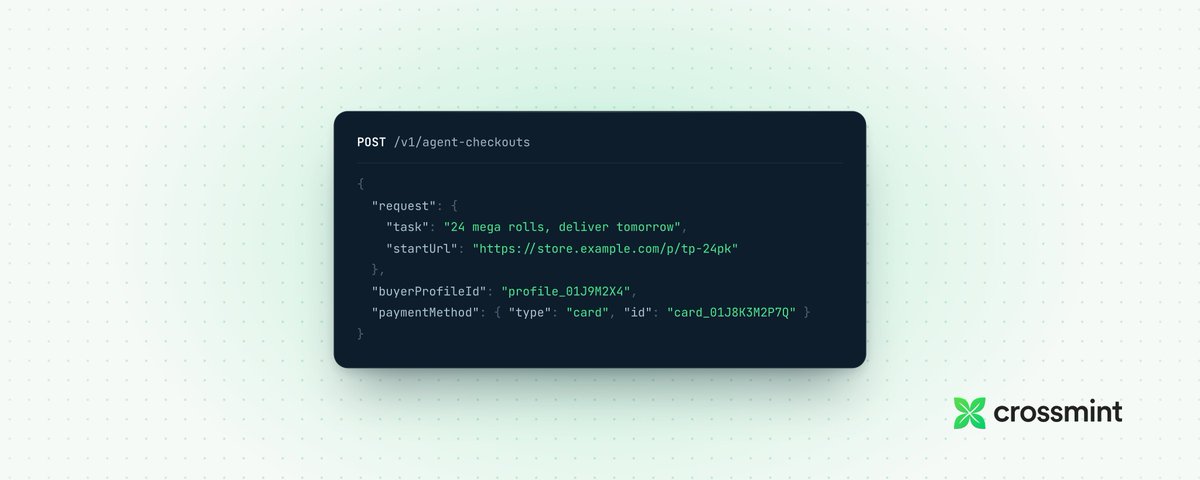
Crossmint launches Agent Checkouts, letting AI agents buy from online stores through one API that handles checkout, payment, and automation
Risk, Regulation, and Ethics Around Launches
Because launches represent moments where new risk enters the system, they are focal points for regulators, risk managers, and ethicists. Stablecoins, derivatives, AI agents, and national mining pools each pose distinct challenges that must be considered alongside their innovation potential.
Stablecoin Risk and Systemic Considerations
Research from central banks and supervisors stresses that wider use of stablecoins for payments could generate risks analogous to those in conventional payment systems, including credit risk if reserves are not robust, liquidity risk if redemptions surge, and operational risk from technological or cyber failures. In addition, concentration of payment flows through a small number of stablecoin issuers or infrastructures could introduce single points of failure or market power concerns.
Stablecoin launches therefore attract scrutiny on several fronts. Regulators assess reserve quality and custody arrangements, redemption promises, disclosure practices, and the stability of smart contracts and governance mechanisms. Issuers like MoneyGram, which hold MGUSD reserves and operate the token on Stellar, must demonstrate that their onchain design is backed by offchain risk management consistent with their broader payments business. ZelleUSD, backed by a consortium of major U.S. banks, faces expectations that its issuance and redemption flows will integrate seamlessly with bank balance sheets and anti-money-laundering frameworks.
Established stablecoins such as USDC have set a benchmark for transparency and regulatory engagement that new launches are increasingly expected to match or exceed. Failures or depeggings by smaller or algorithmic stablecoins can have spillover effects, damaging trust in the broader category and inviting stricter regulation. From an ethical standpoint, stablecoin issuers must balance innovation with responsibility, recognizing that their products can become critical infrastructure for users in regions with volatile currencies or limited banking access.
Securities Law, Derivatives, and Prediction Markets
Token and protocol launches often bump up against securities and derivatives regulation. Tokens that promise profit from the efforts of a small team may be treated as securities in some jurisdictions, while derivatives such as perpetual futures and options are generally subject to specialized rules and licensing regimes. The boundary between onchain prediction markets and regulated betting or derivatives platforms is similarly contested.
Cboe’s launch of a new prediction markets framework within the traditional options ecosystem illustrates one way to navigate these constraints. By designing contracts with discrete payout zones—zero, partial, or full $100—and wrapping them in standard options infrastructure that settles in cash, Cboe positions the product within existing regulatory categories while delivering a user experience reminiscent of binary options and prediction markets. Plans to launch the framework first through a Mini S&P 500 Index contract show that the concept is being tested in a familiar asset class before any potential application to digital assets.
Onchain platforms, by contrast, often operate without explicit authorization, relying on decentralization and open-source code as defenses. Innovations like non-custodial risk hubs for user-created prediction markets, perp DEXs, and Web3 gaming blur regulatory lines further. As TradFi and DeFi converge—through launches like BITA’s Bitcoin income ETF or institutionally oriented Bitcoin staking partnerships—the pressure grows for consistent regulatory treatment. Launch teams must increasingly consider not just technical security but also legal classification and cross-border compliance as integral parts of their go-to-market strategy.
Governance, Centralization, and National Controls
Launches can reshape power dynamics within networks and between nations. Oman’s mandatory national Bitcoin mining pool is an instructive case: by requiring all licensed miners to join Omanhash, the government centralizes block production influence within its jurisdiction and can impose standards on energy use, KYC for operators, or even the selection of mining software. While this may improve regulatory oversight and potentially attract investment—as indicated by hundreds of millions of dollars in mining investments in the country—it also concentrates risk if the pool is mismanaged or compelled to censor transactions.
Similar centralization questions arise around stablecoin and L2 launches. A stablecoin issued by a consortium of banks or a payment giant may have strong governance but limited openness, potentially undermining the censorship resistance and neutrality that attract users to permissionless networks. Layer-2 networks operated or heavily influenced by a single corporation must balance the benefits of professional management with the ideals of decentralization, particularly when launching upgrades like Base’s Beryl that affect all users and applications on the network.
Ethically, launch teams face choices about how much control to retain and how quickly to decentralize. Multisig-administered contracts, upgradeability, and emergency controls can protect users but also create central points of failure or abuse. Transparent roadmaps, onchain governance, and sunset clauses on admin powers are increasingly seen as best practices, especially for protocols that aspire to long-term neutrality.
AI, Automation, and Market Integrity
The integration of AI agents into onchain trading and DeFi raises new ethical and regulatory issues. Agents that can autonomously submit orders, rebalance portfolios, or exploit arbitrage opportunities may improve market efficiency, but they also risk exacerbating volatility or engaging in manipulative behavior if not properly constrained. Injective’s AI-agent platform, where each agent has an ERC-8004 ID and automatically receives trading fees for orders it fills, exemplifies an architecture where agents are economic actors in their own right.
Token launches connected to AI themes, including those listed in AI-agent coin categories, often promise cutting-edge capabilities but may be opaque about how models are trained, governed, or audited. The combination of AI’s opacity and crypto’s pseudonymity can make accountability difficult when things go wrong. Market surveillance tools, both onchain and offchain, will likely need to incorporate AI-specific signals to detect anomalies linked to automated agents.
From an ethical standpoint, launch teams building AI-integrated protocols should consider guardrails such as rate limits, sandboxed environments, and clear documentation of agent capabilities and limitations. Users need to understand when they are interacting with AI agents, what data those agents access, and how incentives might shape their behavior. As AI-agent and DeFi launches proliferate, the industry will need norms and potentially regulations to ensure that automation enhances rather than undermines market integrity.
EDX Markets launches, backed by Citadel Securities, Fidelity, and Charles Schwab
- 2023-07launch
Worldcoin rolls out official global launch with iris-scanning digital identity
BlackRock and Fidelity spot Bitcoin ETFs approved and begin trading — record product launch
Fraxtal L2 mainnet launches; Brevan Howard stakes $9.8M FXS ahead of go-live
US spot Ethereum ETFs begin trading; VanEck among first to go live
- 2025-03milestone
PumpSwap launches on Solana, reaches #2 AMM by volume within days of go-live
EigenLayer expands with six additional Actively Validated Services beyond founding EigenDA AVS
Outlook and Conclusion
Launches have always been central to crypto culture, but the concept of “launch” is broadening and maturing. No longer limited to new coins and mainnets, launch now encompasses stablecoin payment rails, AI-agent platforms, tokenized stock collateral markets, regulated prediction frameworks, Bitcoin income ETFs, national mining pools, and more. Each of these events brings new capabilities and risks into the ecosystem, and each is shaped by the interplay of technology, markets, regulation, and community governance.
In the coming years, several trends are likely to define how launches evolve. First, institutional launches—from payment networks like Zelle and MoneyGram to asset managers like BlackRock—will continue to blur the lines between crypto-native and traditional finance. These players bring scale, compliance expertise, and regulatory scrutiny, which may push standards up across the board, particularly around stablecoins and Bitcoin-related products. Second, Layer-2 and infrastructure launches such as Base’s Beryl upgrade will continue to focus on efficiency, cost reduction, and developer experience, enabling a new wave of application and token launches tailored to AI agents, RWAs, and complex DeFi primitives.
Third, AI-driven launches will expand the role of autonomous agents in onchain markets, raising important questions about fairness, transparency, and control. The projects that succeed will likely be those that pair innovative agent architectures with robust governance and oversight, addressing concerns about manipulation and systemic risk. Fourth, regulation and risk management will be increasingly baked into launch strategies from the outset, as stablecoin issuers, derivatives platforms, and prediction markets seek to align with evolving legal frameworks while preserving the benefits of open, onchain finance.
Ultimately, launch in crypto is not a singular moment but a recurring process of experimentation and refinement. The most resilient ecosystems will be those that treat launches as opportunities to learn, iterate, and broaden participation, rather than as one-off marketing events. For newsrooms, investors, builders, and regulators alike, paying attention to how launches are conceived, executed, and governed will remain one of the best ways to understand where crypto, stablecoins, AI agents, and onchain markets are headed next.
Most protocol launches in this set (Instadapp Fluid, Inverse Finance Monolith, Synthetix Infinex) debuted in test phase or with limited audit coverage, leaving early TVL exposed to undetected vulnerabilities during the highest-traffic window.
Exchange launches (EDX Markets, Sony Japan) and stablecoin issuances (BBVA/Visa, Tether UAE Dirham) each face jurisdiction-specific licensing requirements that can halt or reverse a launch after public announcement and capital commitment.
The Pump.fun headline — 'memecoins struggle to even launch' — and Friend.Tech's shutdown after a lackluster v2 illustrate that most token launches fail to sustain sufficient depth beyond initial hype, collapsing into illiquid long tails.
Projects that launch with decentralization as a headline promise (PureDai, EigenLayer AVS) routinely retain admin keys, upgrade proxies, or DAO multisig thresholds low enough for unilateral action by a small insider cohort.
Memecoin launches enabled by sub-five-minute tooling are structurally speculative and typically collapse within hours of listing; the 50+ alien memecoin cohort exemplifies zero-sum launch dynamics where early deployers extract value from late buyers.
High-profile institutional backers (Citadel/Fidelity/Schwab behind EDX; Brevan Howard staking $9.8M ahead of Fraxtal) raise expectations that delayed or underperforming launches damage both the project and the sponsoring institution's credibility in the space.
Latest Launch news
Anoma launches private tokenized stocks on Anomapay for BNB Chain bStocksNillion begins Blacklight node migration from its L2 to Ethereum L1, with operators moving ahead of the Blacklight L1 mainnet launch on October 5Crossmint launches Agent Checkouts, letting AI agents buy from online stores through one API that handles checkout, payment, and automation Colb launches Colbee, a WhatsApp AI agent for onchain transactions, with $40M in client volume
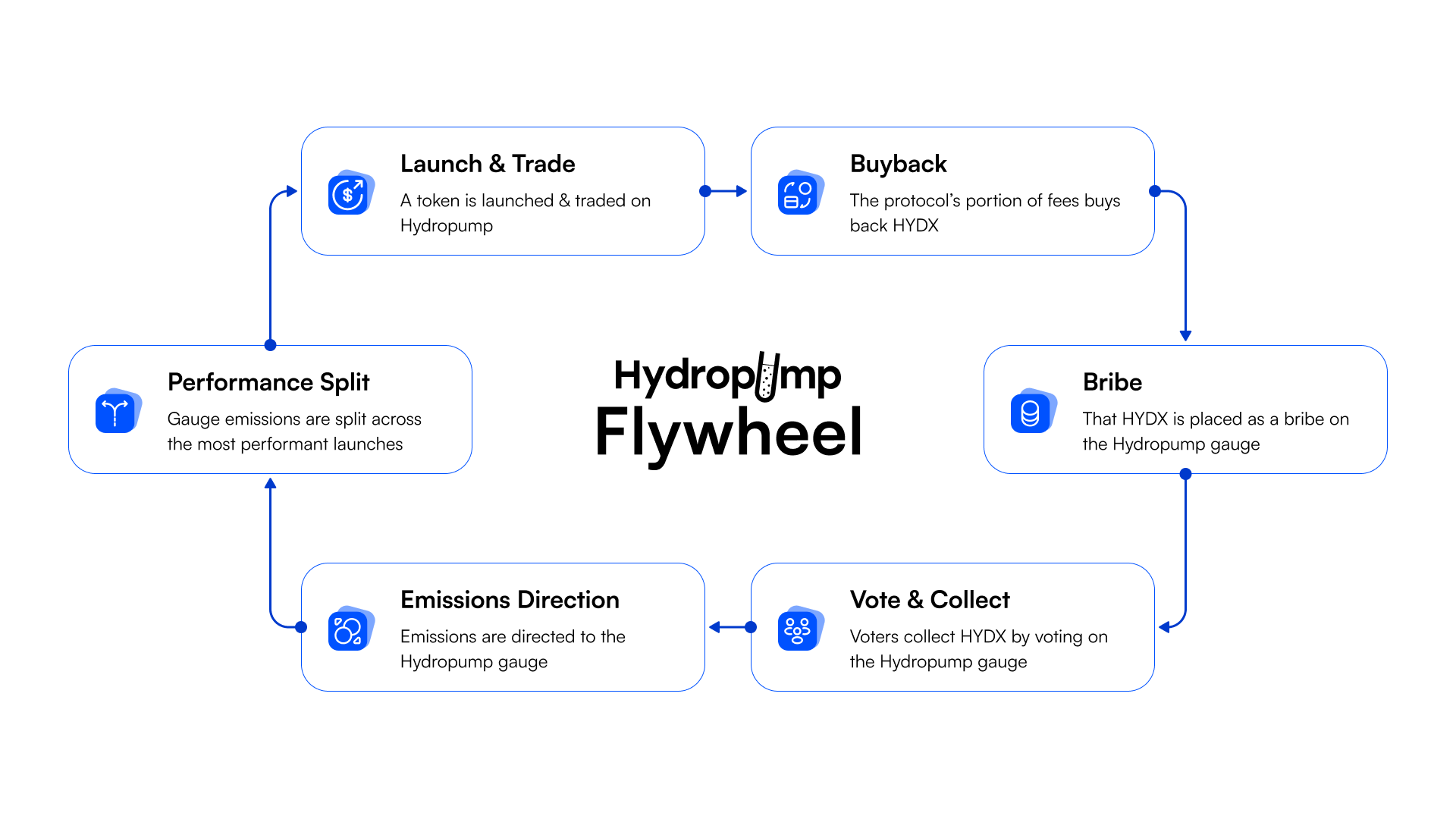 Hydrex to launch Hydropump flywheel on Base starting Monday
 Fhenix to launch quantum-safe privacy stack on Ethereum mainnet in October 2026, teasing dual mode money
Sources
20 records from 17 domains
en.wikipedia.org
blog.sei.io
rba.gov.au
alphapoint.com
coingecko.com
en.bloomingbit.io
beincrypto.com
earlywarning.com
tradingview.com
x.com
coinbase.com
ir.cboe.com
bitcoinmagazine.com
prnewswire.com
blackrock.com
zerocap.com
rzlt.io
Community notes
Spot something off or out of date? Drop a note. Editors review topic notes daily and roll accepted fixes into the explainer — contributors are recognized in the monthly $SQUID drop.
Loading notes…
Help improve this topic
Have a story or tip about this topic? Submit it. See something missing? Leave a note. Editors review daily; accepted submissions and fixes count toward the monthly $SQUID drop.