
In-depth explainer on institutional crypto adoption, covering Bitcoin ETFs, stablecoins, DeFi lending, tokenized real-world assets, custody, compliance, and how large investors are reshaping onchain markets and yield opportunities.
+10 sources across the wider coverage universe
 DigiShares integrates Aptos to expand RWA infrastructure, leveraging sub-second finality and Move-based security to deliver scalable, institutional-grade asset tokenization globally2026-04
 IXS selects BitGo to secure Bitcoin collateral for institutional yield products, enabling BTC-backed liquidity and RWA exposure through regulated, bankruptcy-remote infrastructure2026-04
 ClearBank secures MiCA approval to offer crypto services, targeting Circle’s EURC and USDC to enable regulated fiat-to-stablecoin conversions for institutional clients2026-04
 Stbl integrates Redstone’s Proof of Reserves to add external verification, strengthening trust with dual-layer reserve transparency for institutional-grade infrastructure2026-04
 Alchemy integrates with Canton Network, joining 800+ validators and major financial giants to scale $8T+ tokenized asset ecosystem for institutional blockchain adoption2026-04
 Inside USSD security architecture: Sonic builds resilient stablecoin with controlled issuance, multisig governance, and institutional-backed reserves for long-term liquidity stability2026-04
Institutional Adoption in Crypto: A Deep Dive
In digital asset markets, institutional adoption refers to the growing participation of professional, regulated investors and financial infrastructure providers in crypto assets and onchain markets, from Bitcoin ETFs to tokenized private credit. It encompasses both owning crypto as an investable asset class and using blockchains, stablecoins, and DeFi rails as part of the financial system’s core infrastructure.
Defining Institutional Adoption in Crypto
The phrase “institutional adoption” has been a recurring theme in crypto since at least the 2017 bull market, often used loosely to suggest that “big money” was about to enter and push prices higher. In practice, however, the concept is more nuanced and structural. It describes a shift from crypto being dominated by retail traders, proprietary trading firms, and early technologists toward a landscape where banks, asset managers, pension funds, insurers, corporates, and regulated fintechs have formal strategies, risk frameworks, and product lines tied to digital assets. Rather than a single switch being flipped, it is better understood as a gradual deepening of involvement along multiple dimensions, including investment, infrastructure, and regulatory integration.
Institutional adoption is also not limited to buying and holding volatile cryptoassets such as Bitcoin or Ether. It increasingly encompasses the use of blockchains and stablecoins as payment rails, the issuance and trading of tokenized real‑world assets, the deployment of onchain private credit strategies, and the integration of decentralized finance (DeFi) protocols into treasury and trading workflows. Stablecoins and tokenized cash are being explored as a next‑generation payments infrastructure by financial institutions and market utilities, including models such as “stablecoin‑as‑a‑service” and tokenized cash for interbank settlement. At the same time, the technology behind digital assets is now widely recognized as a legitimate force in financial services, even by traditionally conservative firms, with analysts arguing that as regulatory frameworks mature, digital assets are poised to become an integral part of the global financial ecosystem.
Crucially, institutional adoption is as much about constraints as it is about enthusiasm. Institutional investors and service providers operate under fiduciary duties, capital rules, compliance obligations, and reputational considerations that do not apply to most retail crypto users. Surveys of institutional investors consistently highlight legal and regulatory complexity, safeguarding and custody, and security and privacy concerns as top barriers to allocating more to digital assets. These actors cannot simply spin up a Metamask wallet and bridge into a new yield farm; they need qualified custodians, audit trails, robust risk management, and clarity about how a token is classified in their jurisdiction. As a result, institutional adoption reshapes crypto markets, pushing them toward more standardized products, compliance‑aware infrastructure, and formal disclosures.
Finally, institutional adoption is a spectrum, not a binary state. A hedge fund trading bitcoin futures on a regulated exchange, a bank piloting stablecoin payments for corporate clients, a pension fund investing in a tokenized treasury bill fund, and a sovereign wealth fund backing an onchain private credit protocol are all examples of institutional participation, but with very different risk profiles and policy implications. Understanding where a given initiative sits on this spectrum is essential for interpreting headlines about “institutions entering crypto” and assessing how durable those flows may be.
From Fringe Experiment to Candidate Asset Class
Bitcoin’s early years were dominated by retail enthusiasts, miners, and a small number of venture investors, with little attention from mainstream financial institutions. Over the past decade, this picture has changed markedly. Large asset managers now publish formal research on Bitcoin’s role in portfolios, often framing it as a potential diversifier with a distinct supply schedule and asymmetric long‑term upside. State Street Global Advisors, for instance, has argued that institutions are increasingly embracing Bitcoin for its diversification potential, long‑term growth prospects, and improving regulatory clarity, reflecting a broader shift from viewing Bitcoin as a speculative curiosity to a candidate component in strategic asset allocation.
This shift has been reinforced by empirical and survey data. Fidelity Digital Assets’ 2024 Institutional Investor Digital Assets Study reported that about 67% of institutional investors surveyed viewed digital assets as having a role in investment portfolios. The same study highlighted that the features investors found most appealing included high potential upside, exposure to innovative technology, and the enablement of decentralization as a new paradigm for financial infrastructure. Even when crypto prices were still far below prior highs—for example, when spot bitcoin exchange‑traded products (ETPs) launched in early 2024 while bitcoin remained roughly 60% below its all‑time high—institutions were already evaluating and, in many cases, allocating to the space.
Industry observers now emphasize that digital assets are no longer a fringe topic inside major financial institutions. Thomas Murray, a risk and custody advisory firm, has noted that institutional adoption of digital assets accelerated rapidly into 2025 and that the technology underpinning these assets is increasingly recognized as a legitimate force in the financial sector. The path has not been straightforward, with regulatory uncertainty, volatility, and high‑profile failures periodically slowing momentum, but the direction of travel is clear. As frameworks mature and institutional confidence grows, digital assets are expected to become embedded within the global financial ecosystem rather than remaining a parallel universe.
What has changed, in short, is not only the price level of major assets like Bitcoin, but their perceived legitimacy and the surrounding infrastructure. Dedicated digital asset custodians have emerged, traditional banks have entered the custody and settlement business, and global asset managers now run specialist crypto research and trading teams. This institutionalization feeds back into how the market is structured, from the availability of compliant onramps and derivative products to the design of DeFi protocols themselves.
What Counts as “Institutional” in Crypto?
The term “institutional” is often used loosely in crypto discourse, sometimes to denote any large capital flow or sophisticated trading strategy. In capital markets, however, the concept has a more precise meaning. Institutional investors typically include asset managers, pension funds, insurers, endowments, sovereign wealth funds, investment banks, broker‑dealers, and large corporations, all of which manage third‑party or corporate capital under regulatory oversight and formal mandates. Their activities are constrained by regulations governing client suitability, capital adequacy, risk management, and custody, among other areas.
In the crypto context, one can distinguish at least three broad categories of institutional actors. The first is traditional financial institutions that are expanding into digital assets, such as banks offering custody or trading services, asset managers launching crypto funds or ETFs, and payment networks exploring stablecoin settlement. The second category comprises crypto‑native institutions that, while relatively new, operate at institutional scale, including centralized exchanges, market‑making firms, prime brokers, and large DeFi protocols that collectively manage billions in user funds. The third category consists of corporates and fintech platforms that integrate digital assets into their operations or products, such as treasuries holding stablecoins, fintechs issuing crypto‑linked cards, or platforms using tokenization to modernize capital raising.
This taxonomy matters because regulatory and operational constraints differ across these groups. For example, many traditional asset managers are required to use qualified custodians for client assets, which has driven demand for regulated third‑party crypto custodians and pushed exchanges and digital asset managers to obtain relevant licenses and insurance coverage. Banks exploring stablecoins for interbank use must ensure compliance with payment systems regulation and anti‑money laundering (AML) rules, which shapes their choice of blockchain networks and stablecoin designs. Meanwhile, crypto‑native institutions may be structurally more comfortable with onchain risk and innovation but face their own regulatory scrutiny, especially when serving retail customers or offering leverage.
Institutions also vary in whether they interact with crypto mainly as an asset class or as infrastructure. Some institutions, such as hedge funds running basis trades or macro funds taking directional exposure to Bitcoin, engage primarily at the asset level. Others, such as banks piloting tokenized cash settlement or fintechs issuing stablecoin‑linked cards under a Swiss fintech license, focus more on using blockchains as rails while minimizing direct exposure to volatile tokens. In between, a growing number of actors engage in both dimensions, for instance by offering clients access to yield‑bearing onchain credit products while carefully managing token price risk.
Forms of Exposure: From Bitcoin to Onchain Credit
Institutional exposure to crypto can take many forms, each with different implications for market behavior and risk. The most straightforward is direct ownership of spot cryptoassets, held either via self‑custody or, more commonly for institutions, through a third‑party custodian or a regulated trust structure. However, surveys such as Fidelity’s suggest that institutions increasingly gain exposure via pooled products like funds and exchange‑traded products, which fit more neatly into existing operational and compliance workflows. Spot Bitcoin ETFs and similar vehicles allow institutions to gain price exposure through familiar brokerage accounts, without needing to manage private keys or interact directly with exchanges and onchain protocols.
Derivatives such as futures and options, especially on regulated venues, provide another route, enabling leverage, hedging, and relative‑value strategies without touching the underlying spot markets. More recently, institutions have begun to access yield‑oriented strategies in digital assets, including market‑neutral quant funds that exploit funding spreads and basis trades, as well as onchain lending and staking products that generate income from protocol‑level rewards or credit risk. These strategies can involve both centralized platforms and DeFi protocols, depending on the institution’s risk appetite and compliance framework.
Beyond pure crypto price exposure, institutions are increasingly engaging with onchain credit and tokenized real‑world assets (RWAs). Onchain private lending protocols extend credit to businesses and institutions via blockchain‑based infrastructure, often using real‑world assets such as invoices, real estate, or treasury bills as collateral. Unlike traditional DeFi lending, which tends to require borrowers to over‑collateralize loans by posting crypto worth more than the amount borrowed, onchain private lending can operate with under‑collateralization or rely on offchain collateral and legal enforcement. Platforms like Maple Finance and Goldfinch use delegates or auditors to assess credit risk and then encode the approved loan terms into smart contracts that issue tokens representing the debt obligations.
These developments sit alongside a broader tokenization trend. Partnerships like the one between Centrifuge and IOSG VC, which aims to advance institutional tokenization across Asia and is supported by increased open‑market investment from IOSG, signal growing conviction that tokenized assets are moving from an emerging theme to a more central pillar of capital markets. Similarly, Kaia Investment Partners’ initiative to bring collateral‑backed, enterprise‑grade Korean private credit onchain via KaiaChain illustrates how region‑specific private credit markets are beginning to leverage blockchain infrastructure to reach new investor bases and enable more granular, programmable financing structures. Taken together, these forms of exposure illustrate how institutional adoption has evolved from simple Bitcoin price bets into a more complex engagement with the onchain credit stack and tokenized capital markets.

Wellington and Fasanara institutional strategies go live on Avalanche through Midas

Why Institutions Are Moving Into Digital Assets
Portfolio Diversification, Upside, and Mandate Evolution
A primary driver of institutional interest in digital assets is the search for diversified sources of return in an environment of compressed yields and highly financialized traditional markets. Asset allocators have long sought assets with return profiles that are not perfectly correlated with equities and bonds, especially those that offer asymmetric upside potential. Research from large asset managers has emphasized Bitcoin’s potential role as a diversifying asset, given its distinct monetary policy, limited supply, and historically episodic but substantial price appreciation, even while acknowledging its high volatility. This narrative positions Bitcoin—and by extension some other large‑cap digital assets—as a small but meaningful satellite allocation in multi‑asset portfolios.
Survey data reinforces this framing. Fidelity’s 2024 institutional study found that high potential upside was among the most frequently cited attractive features of digital assets, alongside their role as an innovative technology play and their ability to enable decentralized market structures. This combination is unusual: few asset classes offer both a macro thesis around digital scarcity and a micro thesis around investing in the infrastructure of a new transaction and settlement layer. As a result, some institutions view digital assets not just as speculative bets but as exposure to a secular technological shift, akin to the early days of the internet or cloud computing, albeit with far greater regulatory and market structure complexity.
The evolution of mandates has also been important. Early on, many institutional investors were either explicitly prohibited from holding crypto or lacked clear guidance on how such holdings would be treated for risk and capital purposes. Over time, both internal policies and external regulations have adapted, with more institutions permitting limited allocations under specific conditions, often via regulated vehicles like ETFs or closed‑end funds. In parallel, dedicated digital asset funds and specialist managers have emerged, making it easier for investors who prefer to outsource implementation to allocate capital to the sector within a familiar limited‑partner structure. This institutional plumbing—funds, mandates, benchmarks—turns a previously “uninvestable” asset into something that can be slotted into traditional portfolio construction frameworks.
At the same time, many institutions remain cautious. Fidelity’s survey highlighted that regulatory concerns, worries about market manipulation, uncertainty about security, and a perceived lack of traditional fundamentals to value some tokens remain major obstacles. In other words, the appeal of high upside and innovation is tempered by structural concerns that only gradual institutionalization—through better regulation, improved custody, and more mature market infrastructure—can address.
Technology Rails, Stablecoins, and Tokenization
The second major driver of institutional adoption is the recognition that blockchains and smart contracts can serve as infrastructure for payments, settlement, and asset servicing, not just as venues for speculative trading. Stablecoins, in particular, have become a focus of attention as programmable representations of fiat currency that can move 24/7 across borders at low cost. McKinsey has described how tokenized cash and stablecoins can enable next‑generation payments, with use cases ranging from retail payments and remittances to wholesale settlement and treasury management. For institutional and infrastructure players, opportunities include offering stablecoin‑as‑a‑service, facilitating real‑world asset tokenization, and enabling interbank settlement on shared ledgers.
This infrastructure narrative matters even for institutions that have little appetite for holding volatile cryptoassets. A bank might use a tokenized deposit system or regulated stablecoin for instant settlement between branches or with key partners, while keeping most client balances in traditional accounts. A corporate treasury might use stablecoins for just‑in‑time payments along global supply chains or to minimize trapped cash in certain jurisdictions. Payment firms and card issuers, including those operating under strict licenses like Swiss fintech charters, may offer crypto‑linked cards where the user’s interaction with blockchains is abstracted behind the scenes, but the underlying settlement benefits from the programmability and finality of onchain transfers.
Tokenization extends this infrastructure logic to securities and other financial claims. Tokeny’s ecosystem map of real‑world asset (RWA) tokenization illustrates the breadth of players now involved in this space, from issuance platforms and compliance providers to secondary markets and servicing specialists. Financial institutions are experimenting with tokenizing treasury bills, money market funds, corporate bonds, trade receivables, and even equity stakes, with the promise of enabling fractional ownership, 24/7 markets, and more automated workflows around corporate actions and collateral management. As Thomas Murray notes, these innovations require robust, real‑time oversight mechanisms to ensure that stablecoins and tokenized assets remain secure and compliant, especially for institutions with fiduciary responsibilities such as custodians and trustees.
The interplay between onchain and offchain infrastructure is thus a key aspect of institutional adoption. Institutions are not merely buying tokens; they are testing whether blockchains can reduce settlement risk, operational costs, and time‑to‑market for new products. Tokenized private credit platforms, for example, aim to streamline origination, servicing, and investor reporting by encoding loan terms and cash flow waterfalls into smart contracts, while still relying on offchain legal frameworks for enforcement. If these experiments succeed at scale, institutional adoption will be driven as much by operational efficiency and competitive pressure as by return‑seeking.
Client Demand, Competition, and the Signaling Game
No institution operates in a vacuum. Asset managers respond to client inquiries and peer behavior, banks monitor what competitors are offering, and corporates pay attention to how capital markets are evolving. As younger, crypto‑native cohorts accumulate wealth and become more influential within institutional investor bases, demand for some level of digital asset exposure has grown. Surveys and anecdotal reports suggest that even institutions that remain cautious feel pressure to “have a view” and be prepared to act if clients demand exposure or if digital assets become standard components of reference indices and benchmarks.
Listed products like ETFs serve as a key signaling mechanism in this process. Spot Bitcoin ETFs and similar ETPs provide an institutional‑grade wrapper for bitcoin exposure, enabling investors to buy shares that track the price of bitcoin through traditional brokerage accounts, without directly handling digital wallets or private keys. Market participants closely watch ETF fund flows to infer institutional sentiment, using them as a proxy for allocation preferences toward Bitcoin and, by extension, broader crypto market risk appetite. When net inflows are strong, they are interpreted as evidence that “smart money” is buying; when outflows dominate, they may signal de‑risking.
The phenomenon is not limited to Bitcoin. The launch of spot ETFs tracking other crypto assets, such as tokens associated with high‑growth ecosystems, can generate significant early trading volumes and attention. For instance, spot ETFs tracking the HYPE token reportedly saw nearly 900 million dollars in trading volume shortly after launch, indicating strong early demand and suggesting that institutional and sophisticated retail investors were willing to engage with a broader set of crypto assets when packaged in familiar structures. Such launches can catalyze further infrastructure development, as custodians, prime brokers, and data providers build support for the underlying tokens, reinforcing the cycle of institutionalization.
Signaling also operates at the research and policy level. When the world’s largest asset managers publish whitepapers on topics such as quantum computing and blockchains, analyzing the long‑term security implications for Bitcoin and Ethereum’s cryptography, it sends a message that these technologies are being taken seriously at the highest levels of institutional finance. BlackRock’s analysis, for example, notes that the 256‑bit elliptic‑curve cryptography currently securing Bitcoin and Ethereum would take contemporary classical supercomputers millions to billions of years to break, while also examining how future quantum advances could alter that risk. The very fact that such research is being produced and discussed in institutional forums reinforces the perception that digital assets are now part of the mainstream financial technology conversation, rather than a niche concern.
Readers click hardest when a named TradFi incumbent makes a concrete operational commitment — not when institutions say they are 'exploring' crypto — revealing that the adoption story readers actually track is about infrastructure lock-in: which rails, which custodians, and which collateral standards Wall Street will standardize on.
The Building Blocks: Custody, Market Access, and Compliance
Institutional-Grade Custody and Security
For most institutions, custody is the foundational building block of any digital asset strategy. Crypto custody refers to the secure storage and safeguarding of digital assets such as Bitcoin and Ethereum, ensuring that private keys are protected against theft, loss, or operational errors. While individual users can self‑custody assets using hardware wallets or software clients, institutions typically rely on third‑party custodians that are licensed, regulated, and equipped with robust security and operational controls. In traditional finance, qualified custodians are trusted entities that store money, securities, and other assets on behalf of clients; similar models are now being adapted for crypto.
There are several types of institutional crypto custody providers. Some centralized exchanges store client funds in internal wallets and, in some cases, partner with specialist custodians for segregated accounts. Traditional custodian banks such as BNY Mellon and JPMorgan, leveraging their experience safeguarding conventional assets, have begun offering crypto custody to institutional clients following regulatory permissions, including a 2020 update from the U.S. Office of the Comptroller of the Currency (OCC) that allowed national banks to provide crypto custody services. Dedicated digital asset custody firms and infrastructure providers have also emerged, offering services such as cold storage, multi‑party computation (MPC), insurance, and integrated staking and governance workflows.
Security and regulatory oversight are central to these offerings. Institutional custody solutions often combine offline key storage (“cold storage”), segregation of client accounts, multi‑signature authorization, and rigorous access controls to minimize the risk of theft or insider misuse. Some providers also carry substantial insurance coverage; for example, BitGo’s institutional platform, which recently added support for staking the HYPE token, emphasizes regulated cold storage with segregated accounts, offline key management, and insurance coverage reportedly up to 250 million dollars, alongside audit‑ready reporting. By allowing clients to stake assets while keeping them within a qualified custody framework, such platforms aim to reconcile the desire for yield with institutional security and compliance requirements.
These services come at a cost. Institutional crypto custody typically involves fees ranging from hundreds to tens of thousands of dollars per year, depending on asset types, volumes, and additional services such as staking, reporting, and insurance. This cost structure, combined with minimum account sizes and onboarding requirements, means that high‑quality institutional custody remains largely the domain of larger investors and corporates. Nonetheless, the existence of these custodians is essential for institutional adoption, as many regulated entities are either required or strongly encouraged by policy to use qualified custodians rather than holding assets directly.
Market Access: ETFs, Exchanges, and Structured Products
Beyond custody, institutions need reliable, compliant market access to trade, hedge, and implement digital asset strategies. For many, the path of least resistance runs through exchange‑traded products and other regulated pooled vehicles. A Bitcoin ETF is a security listed and traded on a stock exchange that aims to track the market price of bitcoin, typically by holding spot bitcoin or related futures contracts. Such vehicles enable investors to gain exposure to bitcoin through traditional brokerage accounts, sidestepping the operational complexities of handling digital wallets or interacting with crypto exchanges. They also tend to fit better within existing compliance frameworks, as ETFs are governed by established securities laws and reporting requirements.
The launch of spot bitcoin ETPs in jurisdictions like the United States in early 2024, at a time when bitcoin was still significantly below its prior peak, illustrates how regulatory milestones can catalyze institutional interest even in less exuberant market conditions. These products allow a broad swath of institutional investors—pension funds, registered investment advisors, corporate treasuries—to consider bitcoin exposure without needing bespoke custody arrangements or exemptions. ETF fund flow data is widely used by analysts as a proxy for institutional allocation preferences toward bitcoin, with net inflows and outflows providing a real‑time read on appetite for the asset.
Similar logic applies to ETFs and ETPs tied to other digital assets. The early trading performance of spot HYPE ETFs, with reported volumes nearing 900 million dollars shortly after launch, suggests that institutional and sophisticated investors are willing to engage with more specialized crypto themes when packaged in familiar wrapper formats. Structured products, such as notes with capital protection linked to crypto indices or yield‑enhancement strategies using options, further expand the toolbox for institutions seeking to tailor risk exposures. At the same time, centralized exchanges and brokerages, including those targeting institutional clients, have launched products such as market‑neutral quant funds and fixed‑income‑like earn programs that bring traditional strategies, like volatility harvesting or credit exposure, into the crypto domain.
An important development is the rise of onchain structured products targeted at institutional or quasi‑institutional users. The partnership between Plume and Bybit, for example, allows eligible users to deploy idle stablecoins from their exchange accounts into institutional‑grade fixed income vaults backed by assets such as mortgage‑backed securities and high‑yield corporate bonds, sourced from managers like PIMCO and CMBI. These vaults effectively bring traditional fixed‑income exposures onchain, offering programmable access and potentially faster settlement, while still relying on offchain asset management expertise and legal structures. Such products blur the lines between centralized and decentralized finance, using DeFi‑style smart contracts and onchain accounting while meeting institutional standards for asset quality and risk management.
Compliance, KYC/AML, and Decentralized Identity
Compliance is the third critical pillar underpinning institutional adoption. Regulatory concerns are consistently cited as the most prevalent obstacle by institutional investors considering digital assets, encompassing worries about legal and regulatory classification, AML and sanctions compliance, customer suitability, and reporting obligations. In Fidelity’s survey, legal and regulatory complexities were identified as a top barrier, alongside issues around safeguarding and custody, and concerns that some tokens might be deemed unregistered securities. These concerns influence not just whether institutions invest, but how they structure their involvement.
Traditional custodians and service providers are subject to Know‑Your‑Customer (KYC) and AML requirements, which extend to crypto. All reputable custodians must identify their clients, monitor transactions, and report suspicious activity, a process that can lengthen onboarding and impose ongoing compliance costs. Exchanges and brokers face similar obligations, often implementing transaction monitoring tools tailored to blockchain analytics. For onchain protocols, which by design can be accessed pseudonymously, aligning with these requirements poses additional challenges.
One promising avenue is the development of decentralized identity (DID) systems and verifiable credentials. Industry voices have argued that decentralized identity is the “missing layer” for institutional blockchain adoption, enabling participants to prove compliance with KYC/AML and other requirements without revealing unnecessary personal or transactional details. In a DID model, users hold cryptographic credentials issued by trusted entities (such as KYC providers or regulators) that attest to properties like accreditation status, residency, or risk profile, and can selectively disclose these attributes to protocols or counterparties as needed. This approach could allow DeFi protocols to enforce access controls, risk tiers, and jurisdictional restrictions while preserving a degree of privacy and minimizing data duplication.
Onchain private lending platforms already experiment with permissioned pools, where borrowers and sometimes lenders must pass KYC/AML checks before interacting with the protocol. In such setups, smart contracts are configured to accept funds only from addresses associated with verified identities, and governance processes may incorporate offchain committees that review borrower information and loan proposals. More broadly, institutional DeFi efforts increasingly emphasize privacy‑preserving compliance, drawing on techniques such as selective disclosure. Orochi, for instance, argues that data privacy compliance for institutions should emphasize selective disclosure rather than complete secrecy, enabling regulators and stakeholders to view necessary information without exposing sensitive details to the entire network. As DeFi protocols seek to attract institutional capital, combining rigorous compliance with robust privacy will be a central design challenge.

Morpho proposes classifying vaults as noncustodial or discretionary as institutional interest grows

Institutional Adoption Onchain: DeFi, Stablecoins, and RWAs
Stablecoins and Onchain Cash Management
Stablecoins play a pivotal role in bridging traditional finance and onchain markets. For institutional users, they serve as a form of onchain cash, enabling rapid movement of value across exchanges, protocols, and wallets, and acting as a base asset for trading and lending. McKinsey’s analysis of tokenized cash and stablecoins highlights how such instruments can power next‑generation payments, citing use cases ranging from consumer and merchant payments to treasury, trade finance, and cross‑border settlement. For institutions, stablecoin‑based systems can reduce settlement times, lower transaction costs, and enable more flexible cash and collateral management, particularly when integrated with programmable smart contracts.
In DeFi, dollar‑pegged stablecoins are central to virtually all major money markets and automated market makers, forming the bulk of trading pairs and lending collateral. Institutions that are willing to interact with DeFi may deposit stablecoins into lending protocols to earn yield, provide liquidity to stablecoin pools, or stake them in yield‑bearing vaults that abstract away protocol complexity. Exchanges and wealth platforms have begun offering curated “onchain earn” products built on top of these primitives; for instance, Bybit’s RWA Earn program, developed in partnership with Plume, channels stablecoins from users’ exchange accounts into tokenized fixed‑income vaults backed by real‑world credit exposures. In this model, stablecoins function as the portable funding currency that connects CeFi users to institutional‑grade onchain assets.
Beyond yield‑seeking, institutions are exploring stablecoins for treasury and risk management purposes. Trading firms and market makers use them as a neutral settlement asset across venues, while corporates may hold limited amounts as working capital to facilitate rapid payments and hedging. Banks and fintechs, meanwhile, are piloting tokenized deposit or stablecoin platforms for internal and client use, sometimes under bespoke regulatory frameworks. The core attraction is the combination of programmability, instant settlement, and global reach, which can be leveraged to automate complex workflows around escrow, margin calls, and contingent payments.
However, stablecoin adoption also introduces new requirements for governance and oversight. Institutions must assess the quality of stablecoin reserves, legal structures, redemption mechanisms, and compliance processes. As Thomas Murray notes, for institutions with fiduciary responsibilities, innovations like stablecoins and tokenized assets necessitate robust, real‑time oversight mechanisms to ensure that these instruments remain secure and compliant, including around reserve composition and insolvency protection. The institutionalization of stablecoins is thus deeply entwined with broader regulatory debates about payment system risk and deposit insurance.
DeFi Lending’s Shift Toward Modular, Risk-Isolated Architectures
Early DeFi lending protocols such as Compound and the first versions of Aave utilized pooled lending models in which multiple assets shared risk within a single protocol or pool. While simple and capital‑efficient, this design meant that a failure or exploit involving one collateral type could threaten the solvency of the entire pool, a risk profile that is difficult to reconcile with institutional standards. As institutional interest grows, DeFi lending is evolving toward more modular and risk‑isolated architectures that better align with traditional risk management practices.
Analysts have described a “risk management war” among DeFi lending platforms, with projects like Morpho, Aave v4, and Euler v2 converging on models that emphasize risk isolation and operational separation. These designs often employ isolated lending markets or vaults, where specific collateral and borrow assets are segregated so that idiosyncratic risks do not spill over to the broader system. Additionally, governance and risk parameter updates may be compartmentalized, and protocol components are architected as modules that can be upgraded or replaced without endangering the core system. This modularization resonates with institutional requirements to ring‑fence risk, conduct granular risk assessments, and avoid cross‑contamination across portfolios.
In parallel, onchain private lending platforms are emerging to serve institutional borrowers and lenders with credit products that mirror traditional private credit dynamics more closely than over‑collateralized DeFi loans. As Chainlink explains, onchain private lending involves issuing and managing uncollateralized or under‑collateralized loans using blockchain technology, secured not by crypto collateral but by offchain assets or the borrower’s creditworthiness. Borrowers propose loan terms such as interest rates, duration, and payment schedules; delegated underwriters or auditors then assess credit risk using offchain information before approving the loan, which is subsequently tokenized into a digital representation, often an NFT or fungible token, encapsulating the debt obligation.
Once approved, liquidity providers deposit stablecoins into lending pools, and smart contracts automatically disburse funds when predefined conditions are met. Repayments are made onchain, with smart contracts handling interest calculations, fee distribution, and, in the event of default, triggering liquidation or restructuring processes that typically rely on offchain legal enforcement. The benefits include real‑time transparency into loan performance, global access to credit markets, and instant settlement (T+0) compared to traditional T+2 or T+3 timelines. For institutions, these features can improve capital efficiency and reporting, but they come with challenges around legal enforceability, regulatory classification, and smart contract risk.
Institutional DeFi lending also intersects with privacy and compliance considerations. While onchain transparency is attractive for monitoring, institutions cannot disclose all borrower details or proprietary credit models in public. This tension fuels interest in designs that separate public and private data, such as using permissioned pools with KYC’d participants and employing privacy‑preserving technologies for sensitive information, as discussed below. The shift toward modular, risk‑isolated, and compliance‑aware lending protocols is thus a crucial part of making DeFi a viable venue for institutional credit.
Tokenized RWAs and Private Credit as Institutional Wedges
If Bitcoin and Ethereum provided the initial speculative hook for institutional engagement, tokenized real‑world assets and private credit are increasingly seen as the wedge that could bring larger, more stable flows onchain. Tokenization allows traditional financial claims—such as government bonds, corporate loans, invoices, real estate interests, or trade finance receivables—to be represented as digital tokens on a blockchain, with ownership and cash flows tracked and managed programmably. For institutions, this can reduce operational friction, enable fractional ownership and secondary liquidity, and support more granular structuring of risk and yield.
Centrifuge is one example of an ecosystem focused on tokenizing real‑world credit. Its partnership with IOSG VC, which aims to advance institutional tokenization across Asia and is reinforced by IOSG’s increased open‑market positioning in Centrifuge’s token, has been framed as evidence that tokenized assets are moving from an emerging theme to a more established segment of the market. Such collaborations typically involve building standardized frameworks for originating, tokenizing, and servicing loans, as well as integrating with DeFi liquidity to fund those loans through onchain pools. By connecting asset‑originating institutions (such as lenders or asset managers) with a global base of onchain investors, these platforms seek to transform traditionally illiquid private credit into more flexible, accessible instruments.
Regional initiatives like Kaia Investment Partners’ effort to bring collateral‑backed, enterprise‑grade Korean private credit onchain via KaiaChain illustrate how tokenization is spreading beyond global hubs into local markets. In these models, onchain representations of private credit exposures are backed by legal documentation and collateral arrangements in the underlying jurisdiction, while smart contracts handle cash flows, fee distributions, and investor reporting. Institutions can participate as originators, borrowers, or liquidity providers, accessing yields that may differ from those of traditional fixed‑income markets. Platforms like Plume extend this concept by partnering with exchanges such as Bybit to offer fixed‑income vaults where users’ stablecoins fund portfolios of offchain assets like mortgage‑backed securities and high‑yield corporate bonds, curated and managed by established players such as PIMCO and CMBI.
Chainlink emphasizes that real‑world assets are the “collateral backbone” of onchain private credit, particularly when loans are not secured by over‑collateralized crypto positions. Borrowers may pledge offchain assets like real estate deeds, trade invoices, or treasury bills, which are then tokenized to create digital representations recognized by the blockchain ecosystem. These tokens can be used within smart contracts to manage loan conditions, but their ultimate enforceability still depends on traditional legal systems. This hybrid model underscores the importance of strong legal frameworks and credible intermediaries to link onchain representations to offchain realities.
Privacy and regulatory compliance are critical to scaling this sector. Orochi’s analysis of private onchain credit highlights that data privacy compliance for institutions requires selective disclosure rather than complete opacity, allowing relevant parties to access necessary information without exposing sensitive details publicly. This approach aligns with the need to protect borrower confidentiality while satisfying regulatory oversight and investor due diligence. If these challenges can be addressed, onchain private credit and tokenized RWAs represent a potentially vast market opportunity, with the prospect of bringing trillions of dollars of traditional assets into programmable, globally accessible formats.
Infrastructure, DEXs, and Institutional-Grade Blockspace
As institutional adoption shifts onchain, attention has increasingly turned to the quality and resilience of the underlying infrastructure. DeFi protocols and base layers seeking to attract institutional users emphasize audits, formal verification, upgradable architectures, and robust monitoring. Aerodrome, for example, describes itself as “institutional‑grade” infrastructure, stressing that audits and security are critical, with no shortcuts or half measures in its design and deployment process. Such projects often engage multiple third‑party audit firms, publish detailed security reports, and maintain ongoing bug bounty programs to build trust with sophisticated users.
Custody providers and infrastructure platforms similarly position themselves as institutional‑grade by integrating advanced security measures with operational tooling suitable for large organizations. BitGo’s support for institutional staking of HYPE exemplifies this trend, enabling clients to participate in network validation and earn staking rewards while maintaining either qualified custody or self‑custody, with integrated reward tracking, validator support, and automation built into the platform. Importantly, all activity is accompanied by audit‑ready reporting via both user interfaces and APIs, aligning staking with institutional treasury and reconciliation workflows. This combination of security, compliance, and operational integration is essential for making onchain participation viable at scale.
On the market side, the growth of tokenized assets is expected to drive significantly more onchain trading activity, with decentralized exchanges (DEXs) positioned as key beneficiaries. Blockworks Research has argued that as more assets are tokenized, onchain secondary trading volumes will increase, potentially boosting fee revenue and liquidity on DEXs such as Uniswap. However, recent analysis also questions whether Uniswap remains the best proxy for DEX expansion, suggesting that institutional flows may gravitate toward specialized venues and aggregators that offer better execution quality, compliance features, or direct connectivity to offchain markets. This raises important questions about how DEX design, governance, and fee structures will evolve in response to institutional demand.
At the base‑layer and rollup levels, institutional adoption intersects with debates about blockspace and transaction ordering. As more critical financial activity moves onchain—from tokenized bonds to interbank stablecoin transfers—institutions will care increasingly about transaction finality, censorship resistance, and the predictability of fees and execution. Industry discussions have highlighted the risks and tradeoffs involved in real‑time Ethereum settlement for institutions, including the impact of MEV (miner/validator‑extractable value), transaction sequencing fairness, and the potential need for specialized blockspace or private mempools for sensitive flows. Oracle providers and data infrastructure firms, such as those integrating institutional collateral data into onchain feeds, add another layer, ensuring that smart contracts have access to reliable, timely information needed to manage margin and risk.
In short, institutional adoption onchain is catalyzing a push toward hardened infrastructure at every layer of the stack, from L1s and L2s to DEXs, lending protocols, oracles, and custody systems. The goal is to combine the openness and programmability of public blockchains with the reliability and controls expected in institutional finance.
- 01TradFi standardizing on shared rails↗
UBS, JPMorgan, Swift, and Mastercard converging on Chainlink infrastructure signals a winner-take-most race for tokenization settlement layers that readers recognize as structurally irreversible once adopted.
- 02Bitcoin as institutional collateral↗
JPMorgan accepting BTC and ETH on the balance sheet — and BlackRock aggressively accumulating into the US close — represents the shift from speculative allocation to credit-grade integration that readers have been waiting to confirm.
- 03Stablecoins as treasury infrastructure↗
The Fireblocks finding that 90% of financial institutions are using or exploring stablecoins reframes the asset class from crypto product to institutional cash-management plumbing, pulling in readers tracking where institutional liquidity flows.
- 04RWA tokenization crossing pilot to live↗
Italy's central bank, Birch Hill's onchain REIT lending market, and Base's 24/7 S&P 500 exposure all crossed from announced pilots to operational products, which is the threshold readers care about.
- 05Institutional DeFi yield products↗
Apollo's mEVUSD, Zircuit's 8–11% APR platform, and Lombard/Bitwise's Bitcoin yield unlock show institutions demanding DeFi-native returns rather than just regulated custody, a newer and more consequential demand signal.
- 06Regulated stablecoin issuance race↗
MiCA-compliant launches like AllUnity's CHFAU backed by Deutsche Bank and Deloitte's QCAD rails signal that the regulated stablecoin issuer landscape is consolidating fast around compliance-first designs, and readers are tracking who gets to market first.
Risks, Constraints, and Open Questions
Regulatory Uncertainty and Asset Classification
Despite substantial progress, regulatory uncertainty remains one of the most significant constraints on institutional adoption. Fidelity’s survey underscores that legal and regulatory complexities are the most prevalent obstacle perceived by institutional investors, encompassing concerns around evolving rulemaking, jurisdictional inconsistencies, and the risk that certain digital assets may be reclassified under more restrictive regimes. Approximately 39% of investors surveyed cited concerns that specific coins could be deemed unregistered securities, while 40% pointed to fears of market manipulation. These worries directly affect risk committees’ willingness to approve allocations or product launches.
The regulatory picture is particularly complex for stablecoins and tokenized assets. As Thomas Murray notes, while digital assets are increasingly recognized as a legitimate force in the financial sector, their proliferation—especially in the form of stablecoins and tokenized securities—requires robust, real‑time oversight mechanisms to ensure security and compliance. Regulators grapple with questions such as whether a given token represents a security, a commodity, a payment instrument, or some hybrid; how to regulate reserve transparency and redemption rights for stablecoins; and how to oversee cross‑border flows when blockchains do not respect national boundaries. Institutions, in turn, must interpret and implement these evolving rules across multiple jurisdictions, often erring on the side of caution.
Tokenized RWAs and onchain private credit add additional layers of complexity. In many jurisdictions, offering interests in tokenized credit pools may trigger securities or fund regulation, requiring prospectuses, licensing, and ongoing disclosures. Some tokenization platforms address this by focusing on professional investors and qualifying their offerings under private placement or exempt regimes, but this can limit the addressable investor base. Others pursue full regulatory licensing as securities exchanges or alternative trading systems tailored to digital assets, which can be a lengthy and costly process. The outcome is a fragmented regulatory landscape where similar products may be treated differently depending on the jurisdiction and legal wrapper, complicating cross‑border institutional participation.
Given these uncertainties, many institutions adopt a phased approach to digital assets. They may start with the most clearly regulated products, such as Bitcoin ETFs in jurisdictions where these are approved, or tokenized versions of government securities managed by regulated asset managers. Over time, as regulatory clarity emerges and best practices solidify, they can expand into more complex areas like DeFi lending, tokenized private credit, or multi‑asset strategies. The pace and direction of institutional adoption will therefore depend heavily on how regulators balance innovation, investor protection, and financial stability concerns in the coming years.
Security, Smart Contract, and Operational Risk
Security concerns remain a major hurdle. Fidelity’s survey found that 40% of institutional investors cited security risks as a concern, alongside worries about market manipulation and custody. High‑profile hacks of exchanges and DeFi protocols, as well as operational failures at centralized entities, have reinforced perceptions that digital assets carry unique and sometimes poorly understood risks. Even as institutional‑grade custody and infrastructure have improved, risk committees must evaluate not only the safety of asset storage but also the integrity of the systems through which assets move and are used.
On the custody side, institutional providers mitigate risk through a combination of cold storage, segregated accounts, multi‑party authorization, and insurance, as seen in offerings like BitGo’s regulated cold storage and insured custody for HYPE and other assets. However, these protections are not absolute. Insurance policies may have caps, exclusions, and conditions; operational errors can still occur; and custodial concentration can create systemic risk if a major provider experiences a failure. Moreover, the integration of staking, governance, and DeFi interactions into custody platforms introduces new attack surfaces, as institutional funds may become subject to slashing risks, governance attacks, or protocol exploits.
Smart contract risk is especially salient in DeFi and tokenization. Protocols can contain bugs or design flaws that allow attackers to drain funds, manipulate prices, or bypass controls. Even thoroughly audited contracts are not immune, and complex interactions between multiple protocols—such as composable lending, derivatives, and oracles—can create emergent vulnerabilities. Platforms like Aerodrome emphasize extensive audits and security‑first design to address these concerns, but institutions must still perform their own technical due diligence and consider worst‑case scenarios. Onchain private lending and RWA tokenization, which blend onchain logic with offchain legal claims, face the additional challenge that smart contracts cannot, by themselves, enforce rights against real‑world collateral; they must rely on reliable offchain enforcement.
Operational risk also looms large. Crypto markets operate 24/7, with continuous trading and settlement across global venues. For institutions used to end‑of‑day batch processes and well‑defined cut‑offs, this can strain existing risk and control frameworks. Processes for margining, collateral calls, reconciliation, and reporting may need to be redesigned to handle near‑real‑time flows. Incident response procedures must account for the fact that blockchain transactions are generally irreversible once confirmed and that attacks can unfold at machine speed. Institutions also face key management challenges: how to ensure that private keys are securely stored, that access is tightly controlled, and that there are robust processes for recovery and governance in the event of loss or compromise.
Privacy, Transparency, and Data Quality
Institutional adoption must navigate a delicate balance between transparency and privacy. Public blockchains are designed for transparency: transaction histories are visible to anyone, and, with sufficient analysis, flows can often be traced back to specific entities. This transparency is attractive for regulators and risk managers, who can observe positions, flows, and protocol health in near real time. On the other hand, institutions are bound by confidentiality obligations and competitive concerns. They cannot expose detailed client information, trading strategies, or proprietary credit evaluations to the entire world.
Orochi’s analysis of private onchain credit argues that effective data privacy compliance for institutions hinges on selective disclosure, not secrecy. In this framework, sensitive information is disclosed only to parties that need to see it—such as regulators, auditors, or specific counterparties—while the broader network sees only what is necessary to operate the protocol. Techniques such as zero‑knowledge proofs, viewing keys, and encrypted metadata can support this approach, enabling institutions to prove that certain conditions are met (for example, that a borrower meets KYC criteria or that collateral exists) without revealing all underlying details. Implementing these techniques at scale, however, remains technically and operationally challenging.
Decentralized identity systems and verifiable credentials play an important role here, providing a mechanism for institutions and individuals to prove attributes without exposing full identities. DID frameworks aim to allow users to carry attestations issued by trusted parties, which can be checked by protocols or other institutions without requiring a centralized identity database. Combined with privacy‑preserving computation and access controls, these tools could enable a more nuanced sharing of information, supporting both regulatory compliance and client confidentiality.
Data quality is another concern. Institutions rely on accurate, timely data to make decisions and fulfill reporting obligations. In crypto, this includes not only price and volume data but also protocol metrics, governance changes, and risk exposures. Oracle networks such as Chainlink and other providers bring offchain data—like prices, interest rates, and collateral valuations—onchain for use in smart contracts. At the same time, research has highlighted gaps in the investor relations infrastructure of many crypto projects, with a significant number of large‑cap tokens reportedly lacking meaningful IR practices, comprehensive disclosures, or regular communication channels tailored to institutional audiences. Combined with the perception that many tokens lack traditional fundamentals for valuation, as noted by 37% of institutions in Fidelity’s survey, this data deficit can hinder institutional capital formation.
Technological Unknowns and Quantum Computing
Finally, institutions must consider long‑term technological risks that could affect the security and viability of digital assets. One such risk is the potential impact of quantum computing on modern cryptography. A whitepaper from BlackRock analyzes how quantum computing might affect blockchains, noting that the elliptic‑curve cryptography (ECC) used by Bitcoin and Ethereum relies on 256‑bit keys that would take current classical supercomputers millions to billions of years to break by brute force. However, advances in quantum algorithms and hardware could, in theory, reduce the time required to compromise such keys, posing a threat to the security of wallets and transactions if the ecosystem does not upgrade to quantum‑resistant schemes in time.
The paper does not suggest that quantum attacks are imminent; rather, it frames the issue as a long‑term planning challenge for both blockchain communities and institutional investors. Institutions investing in digital assets with multi‑decade horizons—such as pensions or endowments—must evaluate not only current protocol security but also the likelihood that networks can successfully migrate to quantum‑resistant cryptography when needed, and whether their governance and upgrade processes are robust enough to coordinate such changes. The fact that large asset managers are publicly grappling with these questions signals a maturing conversation about protocol risk that goes beyond short‑term price volatility.
Other technological unknowns include the evolution of layer‑2 scaling solutions, cross‑chain interoperability, censorship‑resistant transaction routing, and MEV mitigation. Each of these areas can influence the attractiveness of blockchains as institutional infrastructure. For example, if blockspace becomes dominated by private channels or specialized rollups catering to specific asset classes, institutions must decide which execution environments to trust and integrate. Conversely, improvements in interoperability and security could make it easier to treat multiple chains as a unified settlement fabric. Institutional adoption thus proceeds in tandem with ongoing technical innovation, and risk assessments must remain dynamic.
Dinari adds three institutional finance hires to expand tokenized equities business

How Institutional Adoption Changes Crypto Markets
Liquidity, Volatility, and ETF Flows
As institutional participation grows, it reshapes crypto market structure in several ways. One key effect is on liquidity and volatility. Large institutional investors can provide deep, stable liquidity, especially through market‑making, arbitrage, and basis trades between spot and derivatives markets. When institutions deploy capital systematically into Bitcoin ETFs, futures, or spot markets, they can dampen some of the extreme illiquidity seen in earlier cycles, particularly during U.S. trading hours. ETF fund flows, which are now widely used as a proxy for institutional participation in bitcoin, provide a window into these dynamics. Sustained net inflows can support prices and encourage additional arbitrage activity, while large outflows can amplify downside moves as market makers rebalance.
At the same time, institutional strategies can introduce new forms of volatility and reflexivity. For instance, risk‑parity or volatility‑targeting funds may dynamically adjust crypto exposure based on realized volatility, creating feedback loops in stressed markets. Structured products with autocallable features or path‑dependent payoffs can lead to concentrated hedging flows when prices cross certain thresholds. The increasing use of leverage in institutional quant strategies, including those marketed as market‑neutral, can contribute to crowded positions that unwind rapidly during risk‑off events. In this way, institutional adoption alters not only the magnitude but also the texture of crypto market cycles.
The proliferation of ETFs and ETPs tied to assets beyond Bitcoin and Ethereum further diversifies the channels through which institutional flows can impact markets. The strong early trading volume in spot HYPE ETFs, for example, suggests that institutional‑style flows may influence the price discovery and liquidity of ecosystem tokens more directly than in earlier cycles, where such tokens were primarily traded on crypto‑native exchanges. As more tokens gain ETF‑like vehicles, price formation may become more fragmented across onchain and offchain venues, with arbitrage linking them. This can have implications for DeFi pricing, collateral management, and risk models, which often rely on exchange and oracle prices as inputs.
Onchain Activity, Blockspace Value, and Yield
Institutional adoption is also expected to increase onchain activity and, by extension, the economic value of blockspace. As more tokenized assets come to market and onchain private credit scales, transaction volumes related to issuance, transfers, interest payments, and secondary trading should rise. Blockworks Research has argued that the growth of tokenized assets will drive significantly more onchain trading activity, which in turn should benefit DEXs like Uniswap by boosting volumes and fee revenue. This additional activity can also translate into higher base‑layer or rollup fees, increasing the yield available to validators, stakers, and sequencers, and potentially making staking tokens more appealing to income‑oriented institutional investors.
DeFi protocols stand to gain from institutional flows into yield‑bearing strategies. Onchain private lending and tokenized fixed income vaults, such as those offered through partnerships like Plume–Bybit, provide avenues for institutions and sophisticated retail users to allocate stablecoins into credit strategies with transparent, programmable cash flows. Market‑neutral quant funds offered on centralized platforms, which may use DeFi primitives under the hood, further embed onchain markets into institutional yield generation. Over time, yields in more mature segments of DeFi are likely to compress as competition and capital inflows increase, but they may still offer attractive risk‑adjusted spreads relative to traditional markets, especially in niches where tokenization reduces friction or opens new asset classes.
The demand for predictable, low‑latency settlement from institutions is giving rise to new forms of blockspace engineering. Zero‑knowledge rollups, optimistic rollups with fast finality, and application‑specific chains are being developed or tuned to support institutional use cases, such as real‑time trading, collateral management, and cross‑margining across asset classes. In parallel, debates around MEV, transaction ordering, and censorship resistance are taking on an institutional dimension, as large players seek assurances that their transactions will not be front‑run, sandwiched, or selectively censored. This has led to the exploration of specialized order flow auctions, private mempools, and protocol‑level MEV mitigation, all of which could shape how onchain markets function as institutional traffic grows.
Governance, Standards, and the Institutional Voice
As institutions become significant holders of tokens and users of protocols, they inevitably influence governance and standards. Many DeFi protocols and tokenized asset platforms rely on token‑holder voting to make decisions about risk parameters, collateral listings, fee structures, and upgrades. Institutions holding governance tokens may choose to abstain from voting to avoid regulatory or fiduciary complications, or they may engage actively, pushing for changes that align with their risk frameworks, such as stricter listing standards, enhanced disclosures, or more conservative parameterization. The presence of large, sophisticated voters can alter governance dynamics, potentially stabilizing some processes while raising concerns about centralization of control.
Institutional involvement also raises the bar for disclosure and investor relations. Traditional capital markets operate with well‑established reporting standards, including quarterly and annual financial statements, management discussion and analysis, and audited accounts. Many crypto projects, by contrast, have historically offered limited transparency beyond tokenomics documents and community updates. Research indicating that a majority of major crypto assets lack meaningful investor relations infrastructure underscores this gap. Combined with institutional investors’ concerns about the lack of fundamentals to gauge appropriate value for many tokens, as documented by Fidelity, this creates pressure for better reporting and communication. Some protocols and foundations have responded by publishing detailed treasury reports, protocol revenue metrics, and governance summaries, and by hiring dedicated IR personnel, but practices remain uneven across the industry.
Tokenized RWAs further blur the line between traditional and crypto governance. Onchain legal wrappers and governance structures must ensure that token holders’ rights are clear and enforceable, including around voting, information access, and recourse in case of disputes. Chainlink’s description of onchain private lending highlights that while smart contracts can automate many aspects of loan lifecycle management, enforcement in the event of default still hinges on offchain legal frameworks and intermediaries. Ensuring that these frameworks are compatible with token‑holder governance and cross‑border participation is a nontrivial challenge.
Over time, institutional adoption is likely to drive convergence between crypto and traditional capital markets in terms of governance norms and disclosure standards. Protocols that can communicate effectively with institutional stakeholders, provide reliable data, and demonstrate robust risk management will be better positioned to attract and retain long‑term capital.
US spot Bitcoin ETFs approved; BlackRock iShares and Fidelity FBTC begin trading
BlackRock BUIDL tokenized money-market fund launches on Ethereum
EU MiCA stablecoin provisions (Title III/IV) take effect for ARTs and e-money tokens
Fidelity institutional survey: majority of respondents plan digital asset allocation increases
US spot Ethereum ETFs approved and begin trading, expanding institutional on-ramps
- 2026-04launch
Foundry launches institutional-grade Zcash mining pool
Conclusion and Outlook
Institutional adoption in crypto is best understood not as a singular event or binary threshold but as a multi‑dimensional, ongoing process. It encompasses the gradual integration of digital assets into institutional portfolios, the use of blockchains and stablecoins as infrastructure for payments and settlement, the tokenization of real‑world assets, and the emergence of onchain private credit and DeFi as venues for institutional yield and risk transfer. Alongside these developments, we observe the construction of institutional‑grade custody, trading, and compliance systems, the evolution of DeFi protocols toward modular, risk‑isolated architectures, and a growing emphasis on privacy‑preserving identity and data solutions.
The drivers of this process are diverse. On the asset side, institutions are attracted by the combination of high potential upside, diversification, and exposure to innovative technology, as repeatedly highlighted in surveys and research from firms like Fidelity and State Street Global Advisors. On the infrastructure side, stablecoins, tokenized cash, and RWA platforms promise operational efficiencies, new product possibilities, and global distribution, with major consultancies and custodians arguing that digital assets are poised to become an integral part of the financial ecosystem as regulatory frameworks mature. At the same time, client demand, competitive pressure, and the signaling effect of ETF launches and research publications nudge institutions to develop coherent digital asset strategies even if they remain cautious in implementation.
Yet institutional adoption remains constrained by substantial risks and open questions. Regulatory uncertainty around classification, cross‑border enforcement, and stablecoin oversight continues to weigh on decision‑making, with legal and regulatory complexities consistently cited as top barriers. Security concerns—spanning custody, smart contract vulnerabilities, and operational resilience—have not disappeared, even as institutional‑grade infrastructure has improved. Privacy and data quality challenges complicate compliance and due diligence, prompting exploration of decentralized identity, selective disclosure, and more robust investor relations practices. Long‑term technological uncertainties, such as the potential impact of quantum computing on cryptographic primitives, require forward‑looking risk assessments and governance mechanisms capable of coordinating protocol upgrades.
Looking ahead, the trajectory of institutional adoption seems likely to be upward but uneven across segments. Bitcoin and large‑cap digital assets accessed via ETFs and regulated funds will probably remain the entry point for many institutions, serving as liquid, benchmarkable exposures. Stablecoins and tokenized cash are well positioned to gain traction as payment and settlement rails, particularly in cross‑border and wholesale contexts. Tokenized RWAs and onchain private credit could evolve into major asset classes if legal and technical frameworks mature, potentially bringing substantial volumes of traditional fixed‑income and credit markets onchain. DeFi protocols that successfully integrate institutional requirements—through risk‑isolated designs, compliance‑aware architectures, and strong security practices—may attract increasing institutional liquidity, altering how credit, leverage, and yield are sourced and distributed.
For crypto market participants and observers, understanding institutional adoption requires moving beyond simple narratives of “institutions are buying” or “institutions are not here yet.” It involves tracking concrete developments in custody, regulation, market structure, tokenization, and protocol design, and recognizing that institutions are heterogeneous, with varied mandates and constraints. As more capital and critical infrastructure move onchain, the line between “crypto markets” and “institutional finance” will continue to blur, creating new opportunities and risks. The most resilient strategies—whether for investors, builders, or regulators—will be those that appreciate this complexity and adapt as the institutionalization of crypto unfolds.
Latest Institutional Adoption news
Wellington and Fasanara institutional strategies go live on Avalanche through MidasMorpho proposes classifying vaults as noncustodial or discretionary as institutional interest growsDinari adds three institutional finance hires to expand tokenized equities business Galaxy Digital adds $100M in Sky's sUSDS to treasury, approves it as institutional collateral
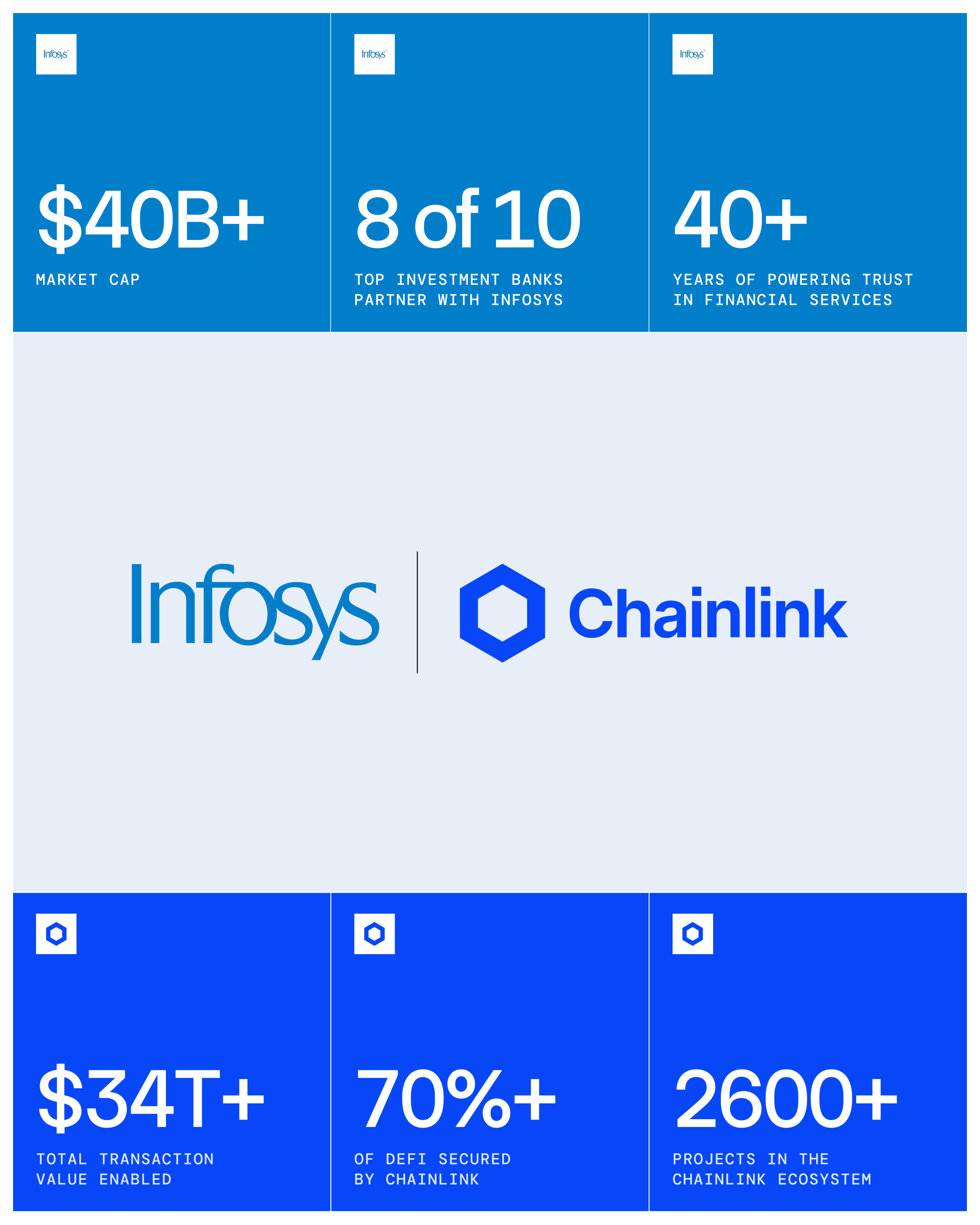 Infosys partners with Chainlink to accelerate institutional onchain finance and standardize adoption of Chainlink’s infrastructure
 Monad and Category Labs to unveil privacy solution for institutional activity on public ledgers
Sources
19 records from 12 domains
ssga.com
fidelitydigitalassets.com
x.com
- x.com· tiger_research_ / article / 2067068857676972062
- x.com· IOSGVC / status / 2067543045013479576
- x.com· ForbesTechCncl / status / 2067593210289860826
- x.com· WuBlockchain / status / 2066422077931045127
- x.com· KaiaChain / status / 2067898350138253584
- x.com· blockworksres
- x.com· AerodromeFi / status / 2067644768096759930
- x.com· Dinarian888 / status / 2067017910376071541
orochi.network
mckinsey.com
thomasmurray.com
tokeny.com
blackrock.com
coinglass.com
milkroad.com
chain.link
bitgo.com
Community notes
Spot something off or out of date? Drop a note. Editors review topic notes daily and roll accepted fixes into the explainer — contributors are recognized in the monthly $SQUID drop.
Loading notes…
Help improve this topic
Have a story or tip about this topic? Submit it. See something missing? Leave a note. Editors review daily; accepted submissions and fixes count toward the monthly $SQUID drop.