
In-depth explainer on silver for crypto investors, covering its physical and monetary roles, market structure, boom–bust cycles, tokenization, 24/7 perps, and how it fits alongside Bitcoin, gold, bonds, and USDC in onchain portfolios.
+14 sources across the wider coverage universe
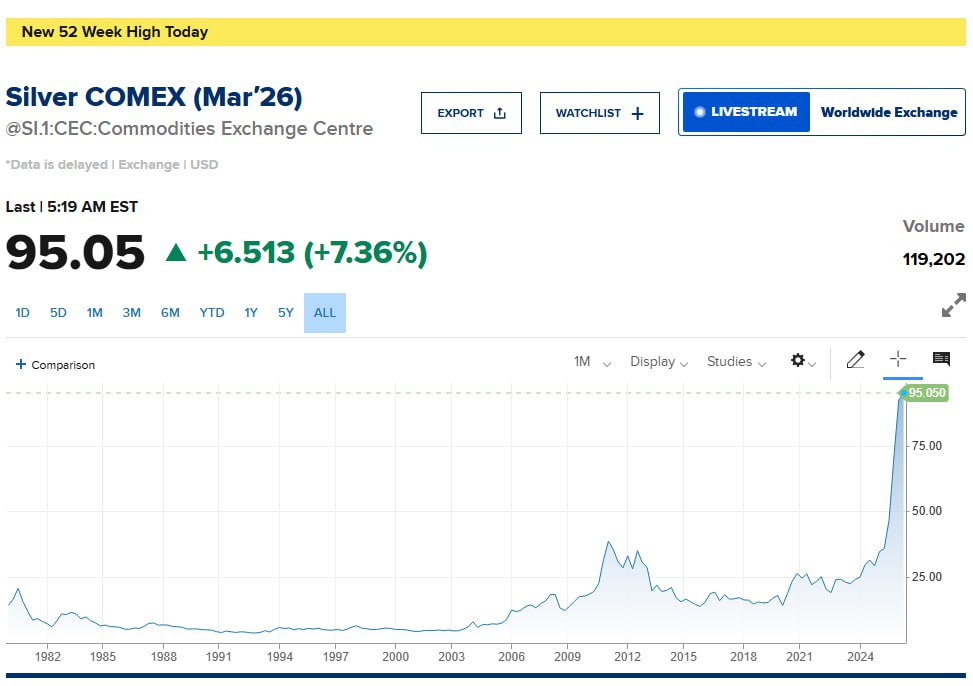 SILVER HITS $95/OZ FOR THE FIRST TIME IN HISTORY2026-01
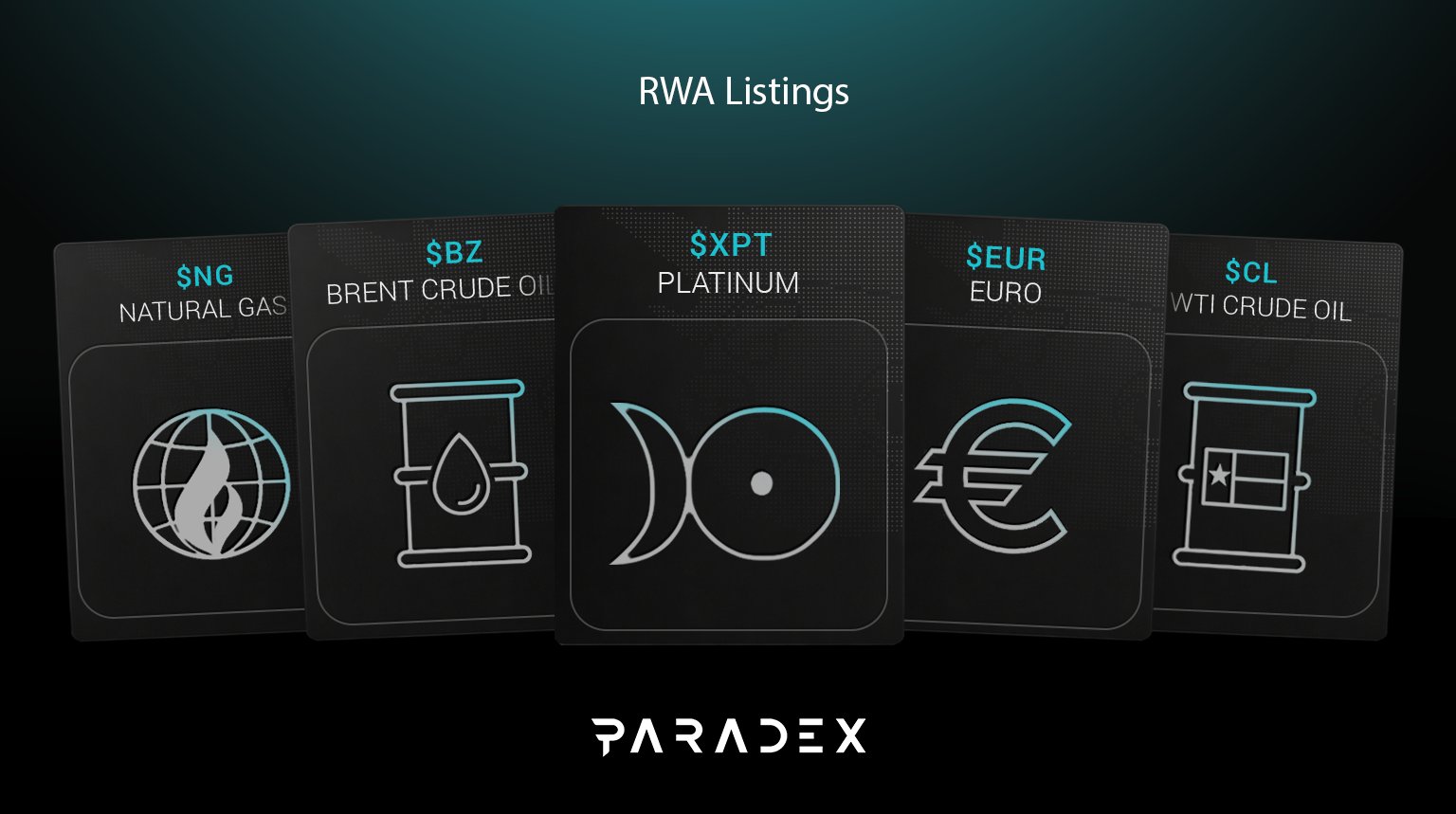 Paradex launches TradFi perpetuals: trade silver, platinum, oil, nat gas and euro 24/72026-04
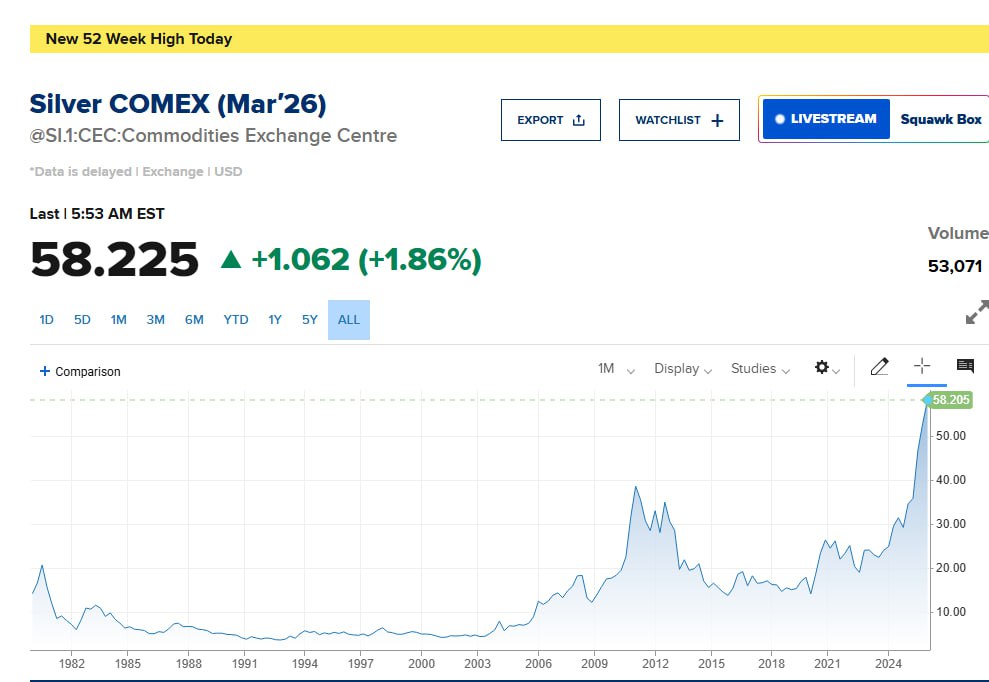 Silver is hitting another ATH $58.612025-12
 Is the Blowout in Silver Signaling A Crypto Bottom?2026-02
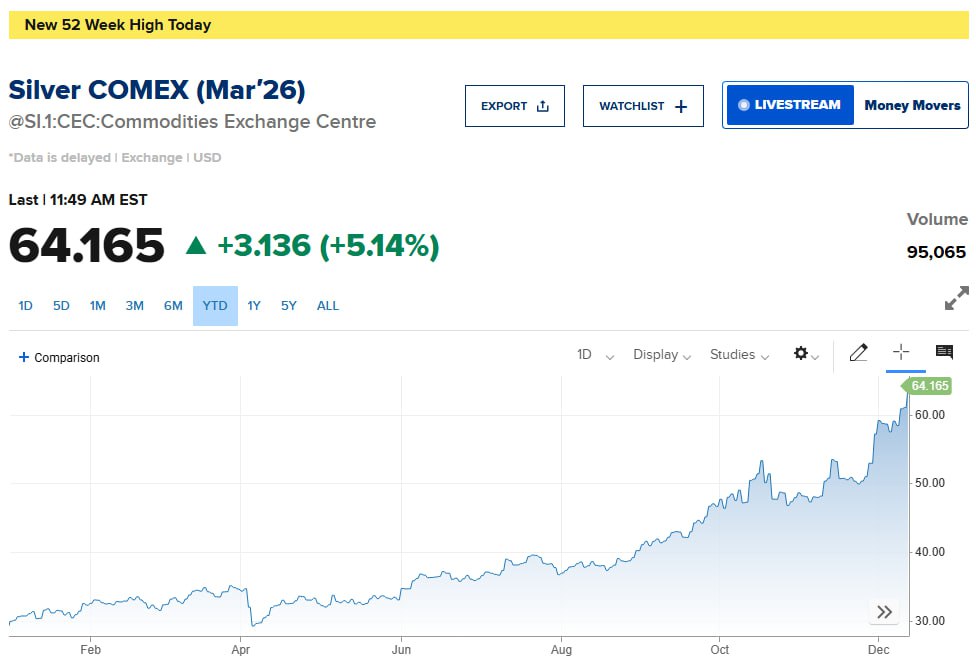 Silver out performs BTC 2025.
Silver Soars 115% to Record Highs as Investors Bet the “Sleeping Beauty” Metal Could Push Toward Triple Digits2025-12
Silver out performs BTC 2025.
Silver Soars 115% to Record Highs as Investors Bet the “Sleeping Beauty” Metal Could Push Toward Triple Digits2025-12 The Coinbase Bitcoin Premium flipped positive for the first time in weeks, signalling a rebound in US demand as silver hits a record high and hard-asset appetite returns. With seller exhaustion and Fed-pivot hopes rising, Bitcoin could see a more active December.2025-11
Silver in the Crypto Era: Metal, Market, and Onchain Asset
A hybrid between monetary metal and industrial workhorse, silver occupies a unique place in global markets as both a traditional store of value and a key input to modern technologies from solar panels to AI data centers. As crypto infrastructure increasingly wraps real-world assets, silver is also becoming a programmable, 24/7-tradable onchain instrument, blurring the line between commodity, derivative, and digital asset.
What Silver Actually Is
Silver is a chemical element (Ag) with exceptional electrical and thermal conductivity, high reflectivity, and relative scarcity in the Earth’s crust, which together explain its dual role as both industrial commodity and monetary asset. Historically, its physical divisibility and durability made it an ideal medium of exchange, underpinning coinage systems across Europe, Asia, and the Americas for centuries. Even after formal demonetization in most countries, silver retained a monetary aura among investors who treat it as “poor man’s gold” or a higher‑beta hedge against inflation and currency debasement. That hybrid identity makes silver more complex than either a purely industrial metal like copper or a primarily monetary asset like gold, and it underpins both its opportunity and its risk profile for crypto‑native investors.
In physical markets, silver is traded primarily in troy ounces, with large wholesale transactions denominated in thousands of ounces in London Good Delivery bars. Prices are usually quoted in United States dollars per troy ounce, although local currency pricing and coin or bar premiums can be significant in periods of high retail demand. The same unit conventions have been inherited by tokenized silver and derivatives built on crypto rails, where symbols such as XAG (silver) and XAU (gold) are used to denote synthetic or collateralized positions. This continuity of units and market conventions makes it relatively straightforward for crypto participants to connect with established precious metals benchmarks, but it also imports decades of volatility patterns and leverage dynamics into a new onchain environment.
Physical and Industrial Characteristics
The physical characteristics of silver are not merely scientific curiosities; they are central to its economic value. Silver has the highest electrical conductivity of any metal, which makes it critical for applications in electronics, solar photovoltaics, and automotive components where minimizing resistance and energy loss is essential. It is also an excellent reflector of light and heat, supporting uses in mirrors, coatings, and specialized optics. These properties cannot be easily replicated by cheaper metals without sacrificing performance, which gives silver a structural role in several technology supply chains.
In practice, silver demand is widely diversified across industries. In solar energy, silver paste is used in photovoltaic cells to collect and transport electricity, and its use has tracked the global deployment of solar capacity. In the automotive sector, the rise of electric vehicles and increasingly complex electronics has increased the silver content per vehicle, with industry forecasts projecting global automotive silver demand to grow at a compound annual rate of around 3.4% between 2025 and 2031. Data centers and AI infrastructure rely on silver in contacts, connectors, and high‑reliability components because marginal improvements in conductivity and reliability can translate into significant economic and energy efficiency gains. This broad industrial footprint explains why silver’s price often responds not only to monetary conditions but also to global manufacturing cycles and technology trends.
Silver’s physical properties also create complexity around recycling and supply elasticity. While large bullion bars and jewelry can be recycled relatively efficiently, much of the silver used in electronics and solar panels is dispersed in small amounts across devices, making it harder and sometimes uneconomic to recover. As a result, secondary supply responds slowly to price spikes, and primary mine production—which is often a byproduct of lead, zinc, or gold mining—cannot be quickly ramped up in response to demand surges. For investors and traders, this lagged supply reaction is one reason why price spikes can be sharp and extended when investment or industrial demand surges unexpectedly.
Monetary and Cultural Role
Although most economies abandoned formal silver standards more than a century ago, the metal’s monetary legacy remains deeply embedded in culture and financial practice. Many languages use the same word for “silver” and “money,” reflecting its historical role in coinage and transactional life. Bimetallic monetary systems, which operated with both gold and silver coinage at fixed or floating ratios, persisted in various forms into the late nineteenth century before being superseded by gold standards and eventually by fiat currencies. The collapse of those systems, and the subsequent volatility in silver prices as it lost official monetary status, still informs investor attitudes today.
In modern markets, silver sits awkwardly between gold and higher‑beta risk assets. It is often described as “poor man’s gold” because it offers exposure to similar macro narratives—such as fiat currency debasement, sovereign debt concerns, or geopolitical stress—at a lower unit cost. That framing is particularly resonant among retail investors and in emerging markets where access to gold may be limited or expensive. At the same time, silver’s industrial demand can cause it to trade more like a cyclical asset during economic expansions, responding positively to manufacturing and construction upturns. This duality means that silver’s correlation with broader markets can flip sign between regimes: sometimes behaving like a defensive hedge, sometimes like an economically sensitive commodity.
Popular financial media have emphasized silver’s instability by branding it the “devil’s metal,” a moniker that reflects its history of violent rallies and crashes. During the mid‑2020s, for example, silver repeatedly set new all‑time highs before suffering some of the most extreme daily moves in its 275‑year recorded history, including a single‑day drop on the order of 30% after an extended rally. Such episodes reinforce the perception that silver is a speculative playground, yet they are rooted in structural features of its market—such as modest depth, concentrated positioning, and leverage through futures and exchange‑traded funds—that crypto investors will recognize from digital asset cycles. Understanding this cultural and behavioral component is as important as studying mine supply or industrial demand when evaluating silver in a crypto‑centric portfolio.

SILVER HITS $95/OZ FOR THE FIRST TIME IN HISTORY

When will crypto commence its own rally
Silver as Money and Investment over Time
From Bimetallism to Fiat
For much of recorded economic history, silver was a primary monetary metal alongside or instead of gold. Under bimetallism, governments fixed a legal exchange ratio between gold and silver coins, typically in the range of 15:1 to 20:1 by weight. As relative market prices of the metals shifted, Gresham’s Law implied that the overvalued metal would circulate while the undervalued metal would be hoarded or exported. This dynamic contributed to recurrent monetary instability and eventually to the abandonment of fixed bimetallic ratios in favor of gold standards or fiat systems. The eventual move to purely fiat money, backed only by state authority and central bank policy, severed the formal link between silver and currency but did not erase the metal’s role as a privately held store of value.
In the twentieth century, silver’s monetary role continued primarily through coinage and bullion investment, even as central banks largely ceased holding silver reserves. Many countries used silver or silver‑alloy coins in circulation well into the post‑war period, gradually replacing them with base metals as silver prices rose. The inflationary 1970s marked a turning point, as silver prices surged alongside gold, culminating in the infamous Hunt Brothers episode when a group of investors attempted to corner the silver market. That bubble burst in 1980, but it cemented silver’s reputation as a speculative vehicle and as a potential hedge in high‑inflation or monetary stress scenarios.
The late twentieth and early twenty‑first centuries saw silver investment democratized through exchange‑traded products and online trading platforms. Silver exchange‑traded funds (ETFs) and similar vehicles allowed investors and institutions to gain price exposure without handling physical bars, contributing to larger and more fluid investment positions. According to the Silver Institute, holdings in silver exchange‑traded products increased by roughly 18% in 2025 alone, adding around 187 million ounces of silver exposure and helping to support record prices. This process resembles the way crypto exchange‑traded products and derivatives have expanded Bitcoin and ether’s investor base, and it introduces a similar set of reflexive feedback loops between price, flows, and sentiment.
Silver’s Volatility and the “Devil’s Metal” Reputation
The “devil’s metal” label captures a core reality: silver is materially more volatile than gold, both in absolute and percentage terms. In the mid‑2020s, silver’s price roughly doubled over the course of 2025 and then rose by more than 50% in January 2026 before collapsing by about 30% in a single trading day, according to analysis by the Bank for International Settlements. Historical data show that such a move ranks among the largest daily declines in nearly three centuries of silver price history, comparable to the end of bimetallism, the unwinding of the Hunt Brothers’ corner attempt, and the March 2020 COVID‑19 shock. For context, these swings rival the largest one‑day moves in major cryptocurrencies, despite silver being a physically settled commodity with deep historical markets.
This volatility is not random. The BIS has argued that retail‑driven exuberance, funneled through ETFs and leveraged products, played a key role in amplifying silver’s mid‑2020s boom‑bust episode. Daily rebalancing of leveraged ETFs, margin calls on retail and institutional futures positions, and trend‑following strategies by commodity trading advisers (CTAs) created positive feedback loops: rising prices forced leveraged funds to buy more, pushing prices higher, while a subsequent reversal triggered forced selling and outsized price declines. Crypto traders will recognize similar dynamics from funding‑rate driven liquidations on perpetual futures, reflexive “short squeezes,” and cascade liquidations during sharp drawdowns.
Social media and online communities further amplify these cycles. During the 2025 silver rally, viral posts celebrated milestones such as silver breaking previous all‑time highs and approaching round‑number targets like \(50\), \(75\), or even \(100\) dollars per ounce, framing the metal as a neglected “sleeping beauty” poised for a secular rerating. When the reversal came, many retail participants were over‑leveraged and under‑hedged, leading to significant losses that mirrored crypto liquidations after parabolic runs. For a crypto audience, the key takeaway is that silver’s legacy status as a precious metal does not immunize it from speculative excess; in fact, its limited market depth and complex investor base can make it dangerously susceptible to crowding.
Safe-Haven Behavior in Crisis
The notion of silver as a safe haven is more nuanced than popular narratives often suggest. In financial economics, a safe haven is defined as an asset that is uncorrelated or negatively correlated with a given portfolio—often equities—during periods of market stress. Empirical research has generally found that gold is the most reliable safe haven among precious metals, but that silver, platinum, and palladium can sometimes exhibit safe‑haven behavior in specific crises or time windows. However, silver’s industrial demand and higher volatility mean it behaves less consistently as a hedge than gold, particularly in severe liquidity shocks when investors sell a wide range of assets to raise cash.
Real‑world market episodes illustrate this ambiguity. In some geopolitical flare‑ups or inflation scares, silver has rallied alongside gold and sovereign bonds, reflecting investor demand for hard assets and perceived stores of value. In other episodes, particularly when markets anticipate only brief conflicts or when interest rates are rising, silver has sold off despite elevated uncertainty, as investors rotate towards cash or short‑term government securities instead. During one such period of conflict in the Middle East, for example, gold, silver, and platinum resumed a prior sell‑off even as war headlines dominated news flow, suggesting that the safe‑haven narrative was overwhelmed by broader risk‑off positioning and expectations of a short‑lived confrontation.
For crypto investors weighing silver against Bitcoin or stablecoins, this history implies that silver cannot be treated as a deterministic hedge. Unlike a fully collateralized stablecoin such as USDC, which is designed to track the US dollar, silver’s price can move sharply both up and down during crises, depending on the specific mix of inflation fears, growth expectations, and liquidity conditions. In some scenarios it behaves more like a leveraged play on gold and macro uncertainty; in others it trades as a cyclical commodity exposed to industrial demand. This conditional behavior is important when designing diversified portfolios that combine crypto assets, precious metals, and bond exposures.
Leviathan readers click silver stories not for silver's own investment thesis but as a macro decoder ring for crypto — silver's price records and ETF standings serve as real-time signals readers use to time and justify Bitcoin positions.
Anatomy of Today’s Silver Market
Supply, Mining, and Structural Deficits
Modern silver supply is dominated by mine production, with recycling providing a secondary but important contribution. A notable feature of the market is that a significant share of silver output comes as a byproduct of mining other metals such as lead, zinc, copper, and gold. This means that silver supply is often dictated more by the economics of base metal mining than by the silver price itself, limiting the responsiveness of mine output to changes in investor demand. According to the Silver Institute, global mined silver supply was estimated at about 813 million ounces in 2025, essentially flat year‑on‑year as higher production in Mexico and Russia offset declines in Peru and China. This relative rigidity in primary supply makes the market vulnerable to tightness when demand surprises to the upside.
Recycling adds flexibility at the margin but is constrained by the distributed nature of silver use. Scrap supply from jewelry, silverware, and investment bars tends to respond somewhat to price, as households and investors sell into rallies, but recycled material from electronics and photovoltaics is harder to capture efficiently. In 2025, silver scrap supply was estimated to decline by around 6%, reinforcing the impact of flat mine output and contributing to a continued market deficit. The Silver Institute projected a fifth consecutive structural deficit in 2025, on the order of 95 million ounces, bringing the cumulative deficit between 2021 and 2025 to almost 820 million ounces. These cumulative deficits imply that above‑ground inventories have been drawn down materially, even as prices have been volatile.
Structural deficits do not guarantee a straight‑line price increase, but they do shape long‑term narratives and institutional positioning. For example, the designation of silver as a critical mineral by the US government, reflecting its importance for technology and energy transition applications, has increased policy and investor attention to supply security. Trade tensions and tariffs can also affect supply chains, as seen when concerns about US tariffs contributed to record volumes of silver being delivered into CME vaults in 2025. For crypto investors, these dynamics matter because tokenized silver and synthetic exposures ultimately depend on the robustness of the underlying physical market. A structurally tight market with periodic supply squeezes can amplify the risk of dislocations between onchain instruments and offchain realities.
Industrial Demand: Solar, EVs, and AI Infrastructure
On the demand side, silver’s industrial uses are undergoing a structural shift driven by the energy transition and digitization. Solar photovoltaics have become a major source of demand, as silver paste is used in the conductive fingers and busbars that collect current from photovoltaic cells. While ongoing technological innovation aims to thrift silver content per panel, global deployment of solar capacity has so far more than offset these efficiency gains, keeping net silver demand in this sector on an upward trajectory. Policy support for renewable energy, decarbonization commitments, and declining solar costs suggest that this trend will remain a key pillar of the silver demand story into the 2030s.
The automotive sector is another growth engine. Electric vehicles and advanced driver‑assistance systems require more sophisticated electronics and connectivity, increasing the silver content per vehicle compared with traditional internal combustion engines. Charging infrastructure, smart grids, and emerging vehicle‑to‑grid technologies further embed silver in the broader electrification ecosystem. Industry forecasts from the Silver Institute project that global automotive silver demand will increase at a compound annual growth rate of around 3.4% between 2025 and 2031, reflecting both higher unit content and growing vehicle fleets. This structural demand, while cyclical around recessions, creates a baseline pull for silver that is independent of its monetary or investment function.
Data centers and AI infrastructure represent a newer but increasingly visible demand channel. High‑end servers, networking equipment, and power management systems rely on silver‑bearing components to maximize conductivity and reliability, particularly in high‑density environments where small efficiency gains can yield significant energy savings. In financial commentary, both gold and silver have been described as “AI infrastructure metals” because of their use in high‑bandwidth memory and advanced electronics, which contributed to investor enthusiasm linking precious metals to the AI theme. At one point, TradingView data showed gold and silver rallying sharply as markets framed them as beneficiaries of AI‑driven hardware demand, before both metals later erased their year‑to‑date gains as sentiment shifted. This illustrates how real industrial linkages can be amplified into powerful investment narratives that are then repriced as macro and policy expectations evolve.
Investment Demand and Recent Boom–Bust Cycles
Alongside industrial uses, investment demand remains a swing factor for silver prices. This includes purchases of physical bars and coins, flows into ETFs and other exchange‑traded products, and speculative positioning in futures and options. The mid‑2020s provide a vivid case study. In 2025, silver prices reached repeated record highs, with London bullion fixing near \(72\) dollars per ounce by year‑end, up about 144% from the previous year according to one bullion market analysis. The annual average silver price topped \(40\) dollars per ounce, rising by over 40% year‑on‑year and delivering the sharpest annual increase in more than a decade. These gains significantly outpaced consensus forecasts from professional analysts compiled by the London Bullion Market Association, with silver’s annual average beating the median forecast by roughly 22%.
The Silver Institute observed that, despite a modest 4% decline in total global silver demand in 2025, investment demand strengthened noticeably, more than offsetting weakness in other categories such as jewelry and silverware. Exchange‑traded product holdings rose by about 18% through early November, and silver’s year‑to‑date price gains of around 67% by that point eclipsed those of gold and broad equity indices. The gold‑to‑silver ratio, a longstanding barometer of relative value between the two metals, peaked above 107 in April 2025 before declining to around 78 by October, its lowest level in more than a year, signaling increased institutional confidence in silver. In effect, silver transitioned from laggard to leader within the precious metals complex, attracting “catch‑up” flows.
Yet the subsequent reversal in early 2026 underscored how fragile such positioning can be. The BIS documented how, after doubling over 2025 and surging an additional 50% in January 2026, silver suffered a single‑day drop of about 30%, an event far outside the range implied by standard models of daily returns. A separate analysis plotted 275 years of silver daily returns and found that this move ranked among the largest in history, comparable to the collapse of the Hunt Brothers’ attempted corner and other extreme episodes. Crucially, these price swings were hard to reconcile with changes in fundamental supply‑demand balances or macroeconomic indicators alone, pointing instead to the impact of leverage, retail flows through ETFs, and forced liquidations by trend‑following strategies.
For crypto‑native investors, these episodes offer two key lessons. First, silver’s volatility can rival or exceed that of major digital assets, particularly during crowded trades and narrative‑driven rallies. Second, the same structural features that make crypto markets prone to reflexive booms and busts—including leverage, 24/7 trading, and social‑media‑driven sentiment—are increasingly present in silver markets as they become more tightly integrated with onchain platforms and ceaseless derivatives trading. Recognizing these parallels can help investors avoid assuming that legacy commodities are intrinsically safer or more stable than digital assets.
- 01Silver price record runs↗
Multiple ATH headlines ($58.61, $95/oz, 115% gain) drove repeated engagement — readers tracked each new milestone as validation of the hard-asset supercycle narrative playing out alongside crypto.
- 02On-chain commodity perps launch↗
Paradex and Hyperliquid enabling 24/7 silver perpetuals on DeFi rails represented a structural shift readers recognised as TradFi convergence, not just a feature drop.
- 03Bitcoin vs silver ETF race↗
Bitcoin ETFs surpassing Silver ETFs in US AUM within weeks of launch reframed Bitcoin as a legitimate store-of-value competitor, which readers found both validating and strategically significant.
- 04Silver as crypto bottom signal↗
The Coinage analysis linking a silver blowout to a possible crypto floor tapped readers seeking cross-asset timing cues when confidence in pure crypto signals was low.
- 05Hard-asset inflation narrative↗
Kiyosaki-style messaging bundling silver with Bitcoin and gold as anti-fiat instruments resonated with readers already primed for central-bank skepticism.
- 06Tokenized silver / RWA on-chain↗
Headlines about 1inch RWA volume and dedicated tokenized-silver platforms showed readers that physical silver exposure is now available inside DeFi without custodial brokers.
Silver in Traditional Finance (TradFi)
Spot, Futures, and ETFs
In traditional finance, the silver market is organized around spot trading, futures and options, and exchange‑traded products. Spot transactions typically occur in the over‑the‑counter market, with London serving as the primary global hub for wholesale physical trading via the London Bullion Market Association. Futures trading is concentrated on exchanges such as the COMEX division of the CME Group, where standardized contracts allow market participants to hedge or speculate on future price movements. These futures contracts are often cash‑settled in practice, with only a small fraction resulting in physical delivery, but they play a crucial role in price discovery.
Exchange‑traded funds and similar products offer investors exposure to silver prices through shares that are either physically backed or synthetically linked to futures. Physically backed ETFs hold silver bars in vaults on behalf of shareholders, while synthetic products may rely on swaps or other derivatives. The growth of these vehicles has transformed the investor base for silver, enabling institutions and retail investors to build positions in brokerage accounts without handling physical metal. As noted earlier, holdings in silver ETFs increase or decrease in response to net buying and selling, effectively creating a bridge between capital markets and underlying physical demand. This structure parallels the role of Bitcoin spot ETFs and derivatives in translating traditional capital flows into crypto exposures.
Leverage, Margin, and Volatility Cascades
Futures and leveraged ETFs introduce significant leverage into the silver market. Futures contracts require only a margin deposit, typically a small percentage of the notional value, allowing traders to control large positions with relatively little capital. Leveraged ETFs aim to deliver multiples of daily price changes, such as two or three times the underlying asset’s movement, by using a combination of swaps and futures and rebalancing daily. During strong trends, these instruments attract speculative capital because they magnify returns; during reversals, they can trigger forced rebalancing that exacerbates volatility.
The BIS analysis of the 2025–26 silver episode highlights how these leveraged structures can amplify price moves. In a rising market, leveraged long ETFs must buy more futures to maintain their target exposure, adding incremental demand that pushes prices higher, while leveraged short products are forced to buy to cover losses, further fueling the rally. When the trend reverses, the dynamics flip: leveraged long funds must sell futures to reduce exposure, while leveraged shorts may re‑enter, creating a self‑reinforcing downdraft. Margin calls on futures traders can cause additional forced selling, especially if risk management systems are calibrated to historical volatility that underestimates tail risk. This is conceptually similar to auto‑deleveraging and liquidation cascades on crypto derivatives platforms.
Silver’s relatively smaller market capitalization and shallower depth compared with gold make it particularly susceptible to these feedback loops. Even large institutional flows can move prices materially, especially during periods of thin liquidity or when dealers and market‑makers are reluctant to warehouse risk. Crypto investors familiar with “thin books” on smaller exchanges will recognize how limited depth can interact with leveraged positioning to produce seemingly disproportionate price reactions to modest news or order flow. The difference is that in silver, these dynamics are embedded in traditional venues and regulated products as well as in any onchain representations.
Gold–Silver Ratio and Macro Drivers
The gold‑to‑silver ratio (GSR), defined as the price of gold per ounce divided by the price of silver per ounce, is a longstanding indicator of relative value within the precious metals complex. Historically, the ratio has ranged widely, from near 10 in ancient times to over 100 in modern episodes of silver underperformance. In the mid‑2020s, the ratio climbed above 107 before falling to around 78 as silver staged a sharp catch‑up rally. Investors sometimes interpret a very high GSR as signaling that silver is undervalued relative to gold, although such signals can persist for years and are not mechanical arbitrage opportunities.
Macro drivers such as real interest rates, inflation expectations, and the US dollar play key roles in determining both absolute prices and the GSR. Rising real yields tend to be negative for non‑yielding assets like gold and silver, as the opportunity cost of holding them increases relative to interest‑bearing bonds. However, silver’s industrial component means it can sometimes outperform gold in reflationary environments where growth expectations are improving even as rates rise, particularly if industrial demand is robust. Conversely, in deflationary or severe risk‑off episodes, silver can underperform gold as its cyclical exposure weighs on prices. Understanding these macro linkages is crucial for any investor, crypto‑native or otherwise, who is considering cross‑asset rotations between Bitcoin, precious metals, and sovereign bonds.

Paradex launches TradFi perpetuals: trade silver, platinum, oil, nat gas and euro 24/7
Who could ever have thought there will be a day tradfi operates 24/7🤔
Silver Meets Crypto: Tokenization and 24/7 Markets
Tokenized Silver and Real-World Assets (RWAs)
The rise of real‑world asset (RWA) tokenization has created new ways to access silver markets. Tokenized silver typically takes one of two forms. In the first, tokens represent fractional ownership of specific silver bars held in custody by a regulated entity, with onchain transfers reflecting changes in beneficial ownership. In the second, tokens are synthetic instruments whose value is pegged to silver through collateral and hedging strategies, similar to how some stablecoins or synthetic dollar tokens operate. Platforms and analytics providers such as RWA.xyz track the growing universe of tokenized commodities, stocks, and other assets, providing transparency into issuance, collateralization, and onchain activity.
Dedicated platforms have emerged to facilitate buying, selling, and trading tokenized silver. Some combine access to traditional silver futures and other TradFi products with crypto‑denominated derivatives like XAG/USDT perpetual futures, offering up to 100x leverage and around‑the‑clock trading. Others focus on providing regulated, fully collateralized tokens that can be redeemed for physical silver, appealing to investors who want both the technical advantages of blockchain settlement and the comfort of tangible backing. For DeFi protocols, such tokens can serve as collateral in lending markets, components of index products, or building blocks for structured notes and yield strategies tied to silver’s price.
The fractional, programmable nature of tokenized silver opens up use cases that are awkward or impossible in legacy systems. A DeFi platform can, for example, accept silver‑backed tokens as collateral, lend against them in USDC, and hedge price risk via onchain or offchain derivatives in a fully automated smart contract. Retail users can dollar‑cost average into silver exposures in small increments without paying the high premiums that often apply to small physical bars or coins. However, these innovations also introduce new layers of counterparty risk, smart‑contract risk, and oracle risk, all of which must be carefully assessed.
Silver Perpetuals on Centralized Exchanges
Centralized crypto exchanges have increasingly embraced commodities like silver as part of their perpetual futures and derivatives line‑ups. Binance, for example, has highlighted how its “TradFi derivatives” have turned gold and silver into 24/7 crypto‑native markets, reporting cumulative trading volumes exceeding \(153\) billion dollars for commodity perpetual contracts within months of launch, with daily turnovers for gold and silver alone reaching up to \(3.7\) billion dollars. These perpetual contracts are margined and settled in stablecoins or platform‑specific dollar tokens, allowing crypto traders to express macro views on silver without leaving the digital asset ecosystem.
Other venues such as Hyperliquid, integrated into institutional trading platforms through initiatives like Ripple Prime, offer onchain perpetual futures in oil, gold, and silver alongside cryptocurrencies. In these systems, institutional traders can access both crypto and commodity exposures through a single interface, with unified collateral management and risk controls. This convergence is particularly attractive for macro and quantitative funds that seek to exploit relative‑value opportunities across asset classes, such as trading silver against Bitcoin, or hedging silver exposure against moves in gold or global bond yields.
Perpetual futures on silver share many design elements with crypto perps: funding rates align the contract price with spot, positions can be highly leveraged, and liquidations are automated based on margin thresholds. Unlike traditional futures, there is no fixed expiry, which means positions can be rolled indefinitely as long as margin requirements are met. This structure suits traders accustomed to crypto markets but requires them to understand the distinct behavior of silver prices, which can be driven by physical market disruptions, ETF flows, and macro data in ways that differ from the drivers of Bitcoin or Ether.
Onchain Perps, USDC Settlement, and Composability
Beyond centralized exchanges, onchain derivatives protocols are beginning to list silver as an underlying asset alongside major cryptocurrencies and FX pairs. Some of these “TradFi perp” platforms settle exclusively in regulated dollar‑linked tokens such as USDC or specialized units like USD1, rather than in crypto‑native stablecoins with weaker governance, in an effort to make them more appealing to institutions. The choice of settlement asset has implications for risk management: using a well‑regulated, fiat‑backed stablecoin can reduce basis risk between collateral and payout, but it also introduces dependencies on banking rails and custodians.
In a DeFi context, silver perps can be embedded in more complex strategies. A DAO might implement a treasury strategy that holds Bitcoin and Ether for growth, USDC for liquidity, and tokenized silver as a diversifier, while hedging part of the silver exposure via onchain perps to manage volatility. Structured products can offer tokenized notes that pay yields conditional on silver staying within a given range, with payouts in USDC or governance tokens. Composability allows silver exposures to be combined with other RWAs, such as tokenized bonds or equities, creating synthetic portfolios that resemble multi‑asset mutual funds but operate on transparent, programmable infrastructure.
These innovations make silver more accessible and flexible for crypto‑native users, but they also mean that shocks to the silver market can propagate into DeFi in new ways. A sudden 30% move in silver, of the kind observed in early 2026, could trigger cascading liquidations across onchain perps, collateralized lending, and structured products if not properly risk‑managed. As the boundary between TradFi and DeFi blurs, understanding silver’s idiosyncratic risk profile becomes even more important.
US Bitcoin spot ETFs launch; AUM overtakes Silver ETFs within days
Silver breaks $50/oz, clearing decade-long ceiling set in 2011
1inch RWA volume surpasses $2.5B, with tokenized silver among leading commodity tokens
Paradex launches 24/7 TradFi perpetuals including XAG (silver) on-chain
Coinage publishes analysis linking silver blowout to potential crypto market bottom signal
Silver hits $95/oz all-time high; Citi had forecast $150 target for 2026
Silver Institute confirms fifth successive annual structural market deficit
Comparing Silver, Gold, and Bitcoin
Scarcity, Utility, and Narrative
Silver, gold, and Bitcoin each derive value from a mix of scarcity, utility, and narrative, but the balance differs in important ways. Gold is extremely scarce, chemically inert, and largely held for monetary and jewelry purposes; its industrial demand is relatively small and stable. Silver is less scarce and more abundant than gold but has greater industrial utility, particularly in energy and electronics. Bitcoin, by contrast, is digitally scarce with a hard‑coded supply cap of \(21\) million coins, but it has no physical industrial use; its utility lies in censorship‑resistant transactions, programmable settlement, and its role as a non‑sovereign monetary asset.
These differences shape market behavior and investor narratives. Gold is often framed as the archetypal hedge against inflation and monetary disorder, with a track record that spans centuries. Silver inherits part of this narrative but is also marketed as a play on technology and the green transition, reflecting its industrial demand. Bitcoin is frequently described as “digital gold,” appealing to investors who share concerns about fiat debasement but who are comfortable with higher volatility and a younger asset class. In crypto culture, Litecoin has sometimes been branded as “silver to Bitcoin’s gold,” echoing the historical monetary pairing of gold and silver, although this is more a marketing analogy than a reflection of actual economic roles.
From the perspective of a crypto investor, silver can be thought of as a hybrid between gold and a high‑beta macro asset. It participates in the same broad cycles of real rates, inflation, and dollar strength that influence gold and Bitcoin, but its industrial leg gives it additional sensitivity to growth and technology spending. This means that in some regimes, silver may outperform both gold and Bitcoin, particularly when industrial demand and inflation expectations are rising simultaneously, while in others it may lag both.
Performance and Correlation
Historically, silver has tended to exhibit higher percentage volatility than gold and often trades with a gold‑beta greater than one, meaning it tends to move more than gold in both directions. During the 2025 rally, for instance, silver’s year‑to‑date gain of around 67% by early November outpaced gold’s approximate 52% rise and the roughly 14% increase in the S&P 500. By year‑end, silver had gained more than 140% compared with the previous year’s close, while gold was up about 65% over the same period. On some occasions, silver has even outperformed Bitcoin over specific time windows, attracting attention from crypto traders who view it as a tradable macro instrument with strong momentum.
However, correlations between silver, gold, and Bitcoin are far from stable. Research on precious metals as safe havens has found that correlations with equities and other risk assets can vary significantly across crises, with gold more consistently acting as a hedge and silver sometimes behaving like a risk asset. During certain periods, such as the COVID‑19 shock, all three—gold, silver, and Bitcoin—have sold off initially as investors raised cash, only to recover later as policy responses and narratives evolved. In more recent episodes, analysts have noted that Bitcoin’s performance relative to gold has sometimes fallen to historically low levels, raising questions about whether flows into precious metals and out of crypto might eventually reverse.
An interesting emerging narrative is the idea that extreme moves in silver could signal turning points in crypto. One analysis, for example, highlighted how a 6‑sigma‑type daily move in silver, following a 130% rally over two months, might mark a capitulation in crowded macro trades that could create conditions for a crypto bottom. While such cross‑asset signals should be treated with caution, they reflect the growing integration of silver, gold, Bitcoin, and other assets in multi‑asset macro portfolios and the increasing attention paid to relative performance and correlation regimes.
Role in a Multi-Asset Portfolio
In a multi‑asset portfolio that includes cryptocurrencies, precious metals, equities, and bonds, silver can play several roles. As a precious metal with industrial demand, it can provide some diversification relative to both gold and Bitcoin, particularly in scenarios where technology and energy transition spending are strong. Its correlation with traditional risk assets and with crypto can be low or even negative in certain regimes, which can improve risk‑adjusted returns when positions are sized modestly. At the same time, its high volatility and episodic drawdowns mean that large allocations can increase portfolio risk materially, especially when combined with leveraged crypto positions.
For investors focused on preserving real purchasing power, combining Bitcoin, gold, silver, and inflation‑linked bonds is sometimes proposed as a strategy to hedge against a broad range of monetary and macro scenarios. Gold may perform best in stagflationary or financial‑stress environments, silver in reflationary growth phases with strong industrial demand, and Bitcoin in periods of aggressive monetary expansion and digital adoption. Government bonds can provide income and partial offset in deflationary shocks, though their performance is sensitive to starting yields and inflation expectations. In constructing such portfolios, understanding the distinct behavior of silver, rather than treating it as simply a cheaper gold, is critical.
Tokenized silver protocols rely on oracle price feeds for XAG/USD; a stale or manipulated feed during a volatile silver spike could cause mis-priced liquidations across collateral vaults.
Most on-chain silver exposure routes through a small number of venues (Paradex, Hyperliquid, Binance TradFi derivatives) whose off-chain custody or matching engines reintroduce single-point-of-failure risk.
Synthetic silver perpetuals offered to retail users on-chain are likely commodity derivatives under CFTC jurisdiction; no DeFi venue currently holds a CFTC designation for commodity perps, leaving the entire product class in legal limbo.
While Binance's 24/7 gold and silver derivatives crossed $153B in cumulative volume, silver perp depth is a fraction of BTC/ETH books, making large positions susceptible to slippage during fast spot moves.
Silver's 115% run to record highs reflects industrial demand and macro tailwinds, but its historical volatility — including full roundtrips of multi-year gains — means leveraged on-chain positions face outsized drawdown risk versus the underlying.
Physical-backed tokenized silver requires trusted vaulting; audits of reserve adequacy are infrequent and non-standardised, leaving token holders exposed to undiscovered shortfalls between attestation cycles.
Onchain Use Cases and DeFi Integrations
Silver-Backed Stablecoins and Payment Rails
One emerging onchain use case for silver is as backing for commodity‑linked stablecoins or payment instruments. In these designs, each token is purportedly backed by a fixed weight of silver held in custody, and users can redeem tokens for physical metal subject to fees and minimums. Such tokens can function as a form of digital commodity money, offering an alternative to fiat‑backed stablecoins like USDC for users who prefer exposure to precious metals. Merchants and platforms can accept silver‑backed tokens alongside other stablecoins, potentially appealing to communities skeptical of fiat currencies but comfortable with digital payments.
Projects have also experimented with prepaid debit or credit cards funded with crypto assets or commodity‑backed tokens, enabling users to spend value drawn from silver holdings at traditional point‑of‑sale terminals. In these models, backend systems convert silver tokens into fiat at the time of purchase, allowing card networks to operate as usual while end‑users perceive themselves as spending “silver” or “crypto.” Such setups blend the historical idea of silver as money with modern payment rails, though they depend heavily on custodial infrastructure and regulatory approval.
For DeFi protocols, a silver‑backed token can also serve as a stability layer or pseudo‑stable collateral, though it is important to recognize that silver’s price can be highly volatile in dollar terms. Unlike USDC, which is engineered to maintain a one‑to‑one peg with the dollar, a silver‑backed token will fluctuate with the metal’s price, making it unsuitable as a pure cash equivalent. However, for users who want to hold part of their “savings” in hard assets while still participating in onchain yield opportunities, such tokens can be attractive.
Collateral, Yield Strategies, and Structured Products
In lending protocols and money markets, tokenized silver can be accepted as collateral alongside crypto assets, allowing users to borrow stablecoins or other tokens against their silver holdings. Because silver is less correlated with many crypto assets than those assets are with each other, it can offer diversification benefits on the collateral side. Protocols may apply conservative loan‑to‑value ratios to account for silver’s volatility and liquidity profile, similar to how they treat smaller‑cap tokens or volatile governance tokens. Interest rates and collateral factors can be adjusted dynamically based on onchain price feeds and volatility measures.
More sophisticated DeFi applications can build structured products around silver price dynamics. For instance, options vaults can write covered calls on synthetic silver exposures, generating yield for token holders willing to cap their upside in exchange for premium income. Dual‑currency products might offer returns linked to whether silver settles above or below a strike price at maturity, with payouts in USDC or governance tokens. Index protocols can create baskets that include Bitcoin, Ether, silver, and tokenized bond exposures, giving users a single token that tracks a diversified multi‑asset strategy blending crypto, commodities, and TradFi instruments.
These products illustrate how silver can be integrated into the composable Lego‑block architecture of DeFi. However, they also underscore the importance of robust risk management. Pricing and hedging options on silver requires reliable implied volatility surfaces and deep underlying liquidity, which may be challenging on smaller onchain venues. Basis risk between onchain silver prices and offchain benchmarks can create hedging mismatches, particularly during stressed markets. Protocol designers must therefore pay close attention to oracle design, market depth, and the potential for manipulation.
Infrastructure: Oracles, Custody, and Audits
Reliable infrastructure is critical for any onchain asset that references offchain markets, and silver is no exception. Price oracles must aggregate data from reputable exchanges and OTC markets, adjusting for time zones, holidays, and idiosyncrasies in different venues. Because silver trades primarily during traditional market hours but some onchain instruments trade 24/7, oracle providers need methodologies to handle periods when underlying markets are closed, such as using last‑traded prices with appropriate safeguards or blending futures and spot indicators. Poor oracle design can lead to mis‑pricings that are exploitable by arbitrageurs or that cause unfair liquidations.
Custody is another cornerstone. For physically backed silver tokens, custodians must manage storage in secure vaults, maintain accurate bar lists, and undergo regular third‑party audits. The integrity of these arrangements determines whether token holders actually have the exposure they believe they do. Crypto history provides numerous examples where purportedly backed tokens had insufficient or mismatched collateral; the same risks exist for commodity‑backed tokens if governance is weak. Transparent reporting, onchain proof‑of‑reserve mechanisms, and credible legal structures can mitigate these concerns.
Auditing and regulation complete the infrastructure picture. Depending on jurisdiction, tokenized silver may fall under commodities regulation, securities law, or bespoke digital asset frameworks. Issuers need to navigate rules on marketing, custody, anti‑money‑laundering, and investor protection. For DeFi protocols that are not legal issuers but that integrate silver tokens, understanding the regulatory posture of underlying assets is important to avoid inadvertently entangling themselves in compliance issues. As regulators increasingly focus on RWAs and tokenized markets, silver is likely to feature in debates about where to draw boundaries between commodities, securities, and payment instruments.
Silver is hitting another ATH $58.61

Bullish $LTC?
Risks, Regulation, and Market Structure
Market and Basis Risk
Silver’s core market risks stem from its price volatility and from basis risks between different instruments. Spot silver, futures, ETFs, and onchain tokens can all trade at slightly different prices due to liquidity, fees, and local supply–demand factors. In normal times, arbitrage keeps these bases within narrow ranges, but during stress events they can blow out. For example, concerns about tariffs or physical shortages can cause futures to trade at substantial premiums to spot as market participants scramble for deliverable metal, or discounts if storage costs and financing conditions change. Onchain instruments that rely on specific benchmarks can be exposed if their reference prices diverge sharply from the prices at which hedges can be executed.
Perpetual futures add another layer of basis through funding rates. When long interest is heavy, funding rates can become persistently positive, meaning that long holders effectively pay shorts to maintain positions; the reverse occurs when short interest is dominant. Crypto traders are accustomed to these dynamics for Bitcoin and Ether, but in silver perps, funding conditions are also influenced by offchain positioning, especially if market makers hedge on traditional futures exchanges. Misjudging these relationships can lead to unexpected costs or P&L swings even if the underlying metal’s price does not move dramatically.
Counterparty and Custodial Risk
Tokenized silver creates a chain of dependencies that can introduce counterparty risk at multiple levels. Users must trust that issuers or custodians actually hold the promised silver, that it is not rehypothecated in unsafe ways, and that legal frameworks give token holders clear claims in case of insolvency. If custodians face operational issues, legal disputes, or regulatory sanctions, token holders may find their assets frozen or impaired. DeFi protocols that accept such tokens as collateral are indirectly exposed to these risks, even if their own smart contracts are secure.
Centralized exchanges listing silver perps or spot products also pose familiar exchange‑counterparty risks. Historical failures of crypto exchanges have shown how customer funds can be compromised by poor risk management or malfeasance. In the case of silver, there is an additional layer: the exchange’s hedging and settlement arrangements with TradFi partners. If an exchange cannot rely on its brokers or clearing members in traditional futures markets, or if those partners themselves suffer losses, the integrity of on‑exchange silver instruments can be threatened. Careful due diligence and diversification of venues are therefore essential for sophisticated participants.
Regulatory Uncertainty Around Commodity Tokens
Regulation of commodity‑linked tokens remains a work in progress in many jurisdictions. Some regulators treat physically backed tokens as analogous to warehouse receipts or stored‑value instruments, subject to commodities and payments regulation rather than securities law. Others view certain tokenized structures as investment contracts, especially when they involve profit‑sharing or complex rights, bringing them into securities frameworks. This patchwork can create uncertainty for issuers and for DeFi protocols that integrate such tokens.
For silver specifically, its designation as a critical mineral by governments such as the United States adds a geopolitical dimension. Policymakers concerned about supply chain security may impose export controls, reporting requirements, or other measures that affect the availability and pricing of physical silver. If tokenized silver markets grow large enough, they could attract additional scrutiny around their impact on physical markets, similar to debates about whether commodity ETFs or index funds distort prices. Regulators may also scrutinize cross‑border flows of silver‑backed tokens under anti‑money‑laundering and sanctions regimes, particularly given the use of precious metals historically as a store of wealth in regions with unstable fiat currencies.
How Crypto Investors Can Think About Silver
Strategic vs Tactical Exposure
For crypto investors, silver can be approached either as a strategic allocation or as a tactical trading instrument. Strategically, a modest allocation to silver—via tokenized products, ETFs, or futures—can provide diversification benefits relative to pure crypto and equity holdings, particularly in regimes where industrial demand and inflation expectations are rising together. However, its volatility and less consistent safe‑haven behavior compared with gold or high‑quality bonds mean it should generally play a supporting rather than core defensive role. Some high‑net‑worth investors skeptical of fiat currencies allocate across Bitcoin, gold, and silver as complementary hedges, viewing silver as a higher‑beta component within that basket.
Tactically, silver offers rich trading opportunities for crypto‑savvy participants comfortable with derivatives. The metal’s propensity for sharp momentum moves, crowded positioning, and periodic squeezes makes it attractive for strategies that can go long or short via perps or options. Cross‑asset traders may exploit relative‑value relationships, such as trading silver against gold when the gold–silver ratio reaches historical extremes, or against Bitcoin when valuations and narratives diverge. However, such strategies require careful risk management given the potential for extreme one‑day moves.
Position Sizing and Risk Management
Given silver’s historical swings, prudent position sizing is essential. Investors accustomed to the volatility of major cryptocurrencies might underestimate the risks of layering leveraged silver positions on top of crypto exposures, especially when both are funded from the same USDC or stablecoin collateral. A 30% daily move in silver, while rare, is not purely hypothetical, and can trigger margin calls on perps just as severe as those in small‑cap altcoins. Using conservative leverage, setting clear stop‑loss levels, and monitoring funding rates can help mitigate blow‑up risk.
Diversification across instruments and venues also matters. Holding a mix of physically backed tokenized silver, unleveraged spot exposures, and carefully sized derivatives positions can reduce reliance on any one platform or product. For long‑term holders who view silver as part of a macro hedge alongside Bitcoin and gold, dollar‑cost averaging and periodic rebalancing are often more appropriate than aggressive trading. Conversely, short‑term traders may treat silver perps as part of a broader macro toolkit that also includes positions in global bonds, equity indices, and FX, using onchain and offchain venues to manage exposures dynamically.
Behavioral Traps and Narrative Cycles
Finally, crypto investors should be aware of behavioral traps that are particularly acute in silver. The narrative that silver is chronically undervalued relative to gold or that it is “due” to catch up with Bitcoin can encourage anchoring on historical price ratios rather than on current fundamentals and positioning. Social‑media‑driven campaigns during rallies can create a sense of inevitability around targets such as triple‑digit silver prices, tempting traders into over‑leveraged bets. The mid‑2020s episode, where silver surged over 100% in a year before suffering a near‑unprecedented single‑day crash, illustrates how quickly such narratives can reverse.
At the same time, dismissing silver entirely because of its volatility overlooks its genuine economic importance and its potential role in diversified portfolios. The same industrial demand drivers that make silver sensitive to growth can support long‑term value, particularly in a world increasingly reliant on electrification, solar power, and AI infrastructure. Balancing respect for these fundamentals with a sober appreciation of silver’s speculative cycles is key to using it intelligently within a crypto‑centric investment framework.
Outlook
Looking ahead, silver’s trajectory will be shaped by the interplay of three broad forces: industrial demand from energy transition and digital infrastructure, macro‑monetary conditions, and the ongoing integration of silver into crypto and onchain financial systems. On the industrial side, forecasts point to continued growth in demand from solar photovoltaics, electric vehicles, and data centers through at least the early 2030s, underpinned by decarbonization policies and digitalization trends. On the macro side, the path of real interest rates, inflation, and the US dollar will influence whether investors treat silver as a desirable hedge or as a source of liquidity in risk‑off episodes.
The financialization of silver via ETFs, leveraged products, and now tokenized instruments and 24/7 perps is likely to persist, bringing both deeper liquidity and greater susceptibility to speculative excess. Crypto infrastructure has already turned gold and silver into always‑open, globally accessible markets, with platforms reporting tens or hundreds of billions of dollars in cumulative trading volume for commodity perpetual contracts. As tokenized RWAs, including silver, grow on chains and aggregators like RWA.xyz track an expanding universe of assets, the boundary between TradFi commodities and DeFi will continue to blur.
For crypto‑native investors, silver will remain a complex but potentially valuable tool: a hard asset with real industrial backing, a volatile macro instrument, and a bridge between the old world of commodities and the new world of programmable finance. Using it well will require an understanding of both its physical market foundations and its evolving onchain manifestations, along with disciplined risk management that respects its reputation as the “devil’s metal.” In a multi‑asset digital future where Bitcoin, tokenized bonds, stablecoins, and real‑world assets coexist on shared infrastructure, silver is likely to retain its relevance—not as a relic of the past, but as a dynamic component of the next generation of global markets.
Latest Silver news
SILVER HITS $95/OZ FOR THE FIRST TIME IN HISTORYParadex launches TradFi perpetuals: trade silver, platinum, oil, nat gas and euro 24/7Silver is hitting another ATH $58.61Is the Blowout in Silver Signaling A Crypto Bottom?Silver out performs BTC 2025.
Silver Soars 115% to Record Highs as Investors Bet the “Sleeping Beauty” Metal Could Push Toward Triple DigitsThe Coinbase Bitcoin Premium flipped positive for the first time in weeks, signalling a rebound in US demand as silver hits a record high and hard-asset appetite returns. With seller exhaustion and Fed-pivot hopes rising, Bitcoin could see a more active December.Sources
19 records from 13 domains
bullionvault.com
facebook.com
- facebook.com· cnbcinternational / posts / after-silver-hit-another-record-high-some-see-the-so-…
- facebook.com· CrazyRussianHacker / posts / silver-just-hit-95-an-ounce-at-this-point-make-you-w…
- facebook.com· binance / posts / just-90-days-old-binance-tradfi-derivatives-are-scaling-fast-on…
- facebook.com· cnbcinternational / posts / breaking-gold-silver-and-platinum-resumed-their-recen…
youtube.com
coinage.media
wublockchain.xyz
tradingview.com
beincrypto.com
silverinstitute.org
papers.ssrn.com
financemagnates.com
bis.org
app.rwa.xyz
binance.com
Community notes
Spot something off or out of date? Drop a note. Editors review topic notes daily and roll accepted fixes into the explainer — contributors are recognized in the monthly $SQUID drop.
Loading notes…
Help improve this topic
Have a story or tip about this topic? Submit it. See something missing? Leave a note. Editors review daily; accepted submissions and fixes count toward the monthly $SQUID drop.