
In-depth explainer on Asia’s pivotal role in crypto: adoption, stablecoins, DeFi, regulation, tokenization, and key hubs like Japan, Singapore, Hong Kong, and Korea, plus how AI, geopolitics, and onchain capital markets shape the region’s digital asset future.
+37 sources across the wider coverage universe
 ITCEN Global-backed KorDA launches $KGLD as one of Asia's first tokenized gold assets on LayerZero2026-04
 Stables and Mansa partner to launch a liquidity layer designed to bridge the stablecoin connectivity gap in Asia.2026-04
 Circle launches stablecoin payouts in Singapore, expanding USDC cross-border infrastructure into Asia2026-04
 Gobi Partners backs Transak to scale compliant stablecoin payments across Asia2026-04
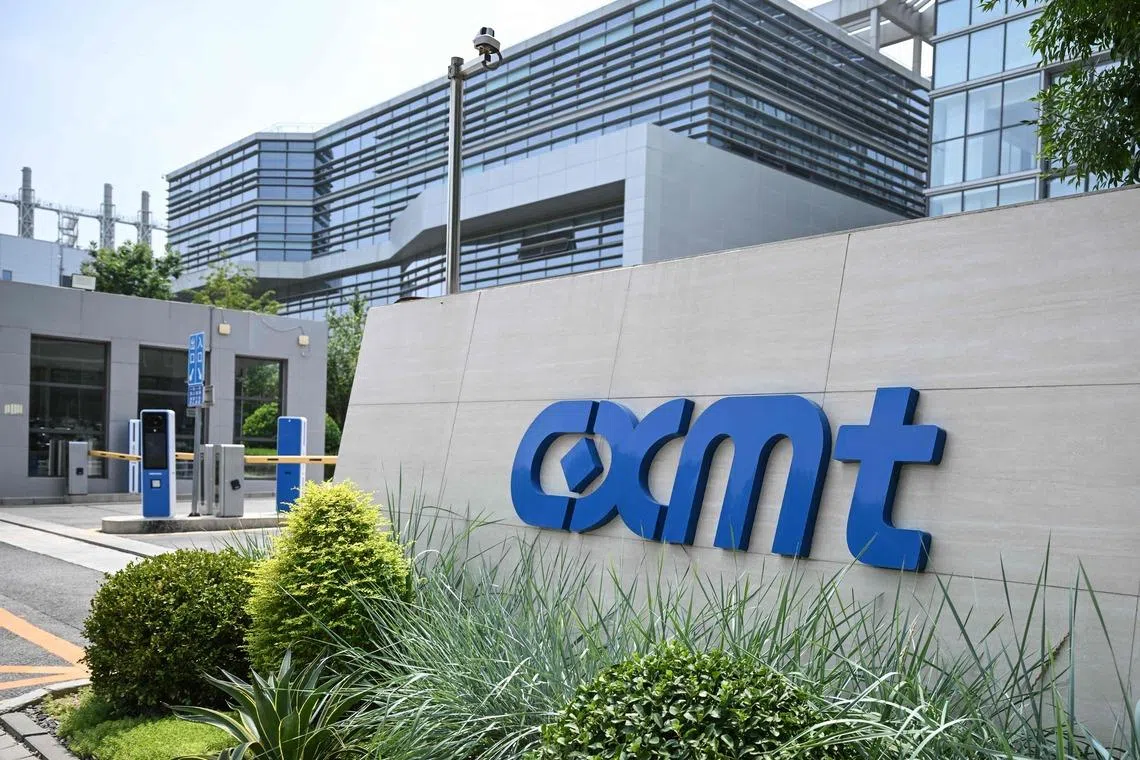 CXMT, Asia's biggest IPO of 2026, puts crypto shadow market to the test2026-07
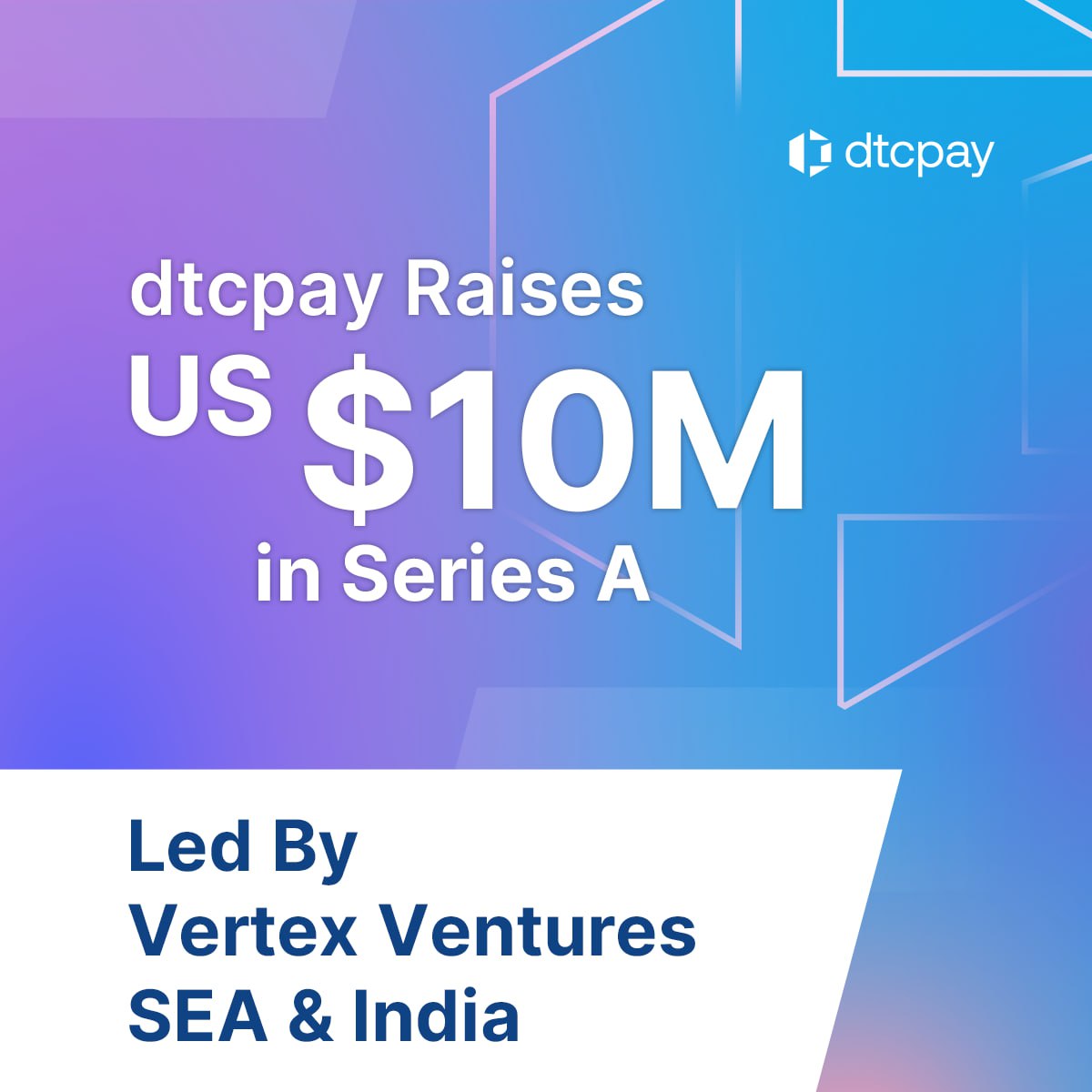 dtcpay raises US$10M in Series A led by Vertex Ventures Southeast Asia & India to bring compliant stablecoin payments to global scale.2026-03
Asia’s Role in the Crypto Economy: An Evergreen Guide
Home to nearly sixty percent of the world’s population and an increasingly digital, mobile-first middle class, Asia has become one of Bitcoin’s most important growth markets and a central arena for the future of stablecoins, tokenization, and onchain capital markets. At the same time, the region’s regulatory experiments, geopolitical shifts, and cultural innovations are shaping how the next generation of internet-native finance will work everywhere, not just between Asian counterparties.
From Region to Narrative: What “Asia” Means in Crypto
In everyday crypto discourse, “Asia” is as much a narrative as it is a geography. On one level, it refers to the broad sweep of economies from Japan and Korea through Southeast Asia and India, across to the Gulf and West Asia, whose market hours collectively form the “Asia trading session” that many traders monitor alongside Europe and the U.S. On another level, “Asia” has become shorthand for a set of distinctive patterns in adoption: high retail participation, pervasive use of stablecoins and dollar-linked assets, strong gaming and entertainment use cases, and relatively experimental regulators who are willing to try new licensing and sandbox regimes. This narrative is grounded in demographic reality; with roughly sixty percent of the world’s people, Asia is a natural focal point for Bitcoin and digital assets as they move from niche instruments to mainstream financial tools.
Data from blockchain analytics firms reinforces the idea that Asia is already central to global crypto usage. Chainalysis’s 2024 Global Crypto Adoption Index finds that the Central & Southern Asia and Oceania (CSAO) region leads the world in terms of overall cryptocurrency adoption, indicating particularly strong participation in emerging markets across the subcontinent and Southeast Asia. This adoption is not driven solely by speculative fever or short-lived bull markets; it is underpinned by structural factors such as remittances, capital controls, currency volatility, and the widespread use of mobile payments in economies that leapfrogged traditional banking. When crypto exchanges and DeFi platforms talk about building products “for Asia,” they are often designing for users who already move value digitally every day and for whom the boundary between fintech and crypto is increasingly blurry.
The “Asia” narrative also derives from macroeconomic and geopolitical shifts. Investors and policymakers are acutely aware that power is slowly rebalancing away from a U.S.-centric order toward a more multipolar system in which Chinese and broader Asian economic gravity plays a larger role. Ray Dalio has described this as the emergence of a new “tribute system” in which Asia—especially China and its neighbors—sits at the center of trade and political relationships, with significant implications for economies like Taiwan, Japan, and the Philippines. That shift inevitably extends into the monetary and financial sphere, where questions of reserve currencies, cross-border settlement, and digital infrastructure are increasingly intertwined with blockchain and stablecoin innovation.
Within this context, it is important to remember that “Asia” is not a single regulatory bloc or cultural space but a mosaic of very different jurisdictions and market structures. Singapore’s tightly regulated institutional hub looks very different from the retail-driven exchanges of South Korea, the offshore structures in parts of Southeast Asia, or the sovereign mining projects in West Asia and the Gulf. Oman’s decision to launch a mandatory national Bitcoin mining pool, for example, reflects a highly centralized industrial policy that contrasts sharply with the permissionless, decentralized ethos that inspired early crypto mining communities. Yet even these divergences contribute to a shared regional story: Asia is where many of the world’s most consequential experiments in governing and scaling crypto are being played out in real time.

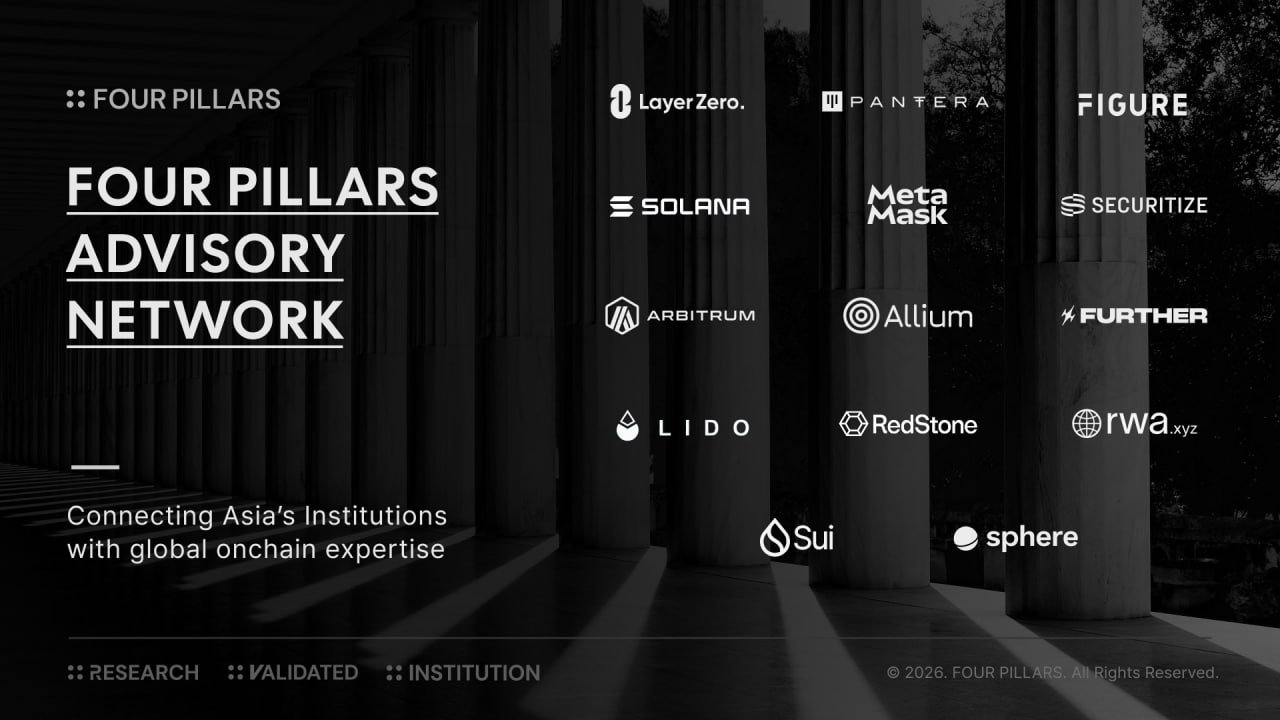
Four Pillars launches advisory network to bridge Asian institutions with onchain protocols
Adoption and Use Cases: Why Asia Leads
Retail, Remittances, and Everyday Crypto
One reason Asia looms so large in crypto conversations is the sheer breadth of everyday use cases. In many Asian economies, billions of dollars in remittances flow each year from workers abroad back to families at home, often through costly, slow traditional channels. While precise current figures vary by country and corridor, the appeal of permissionless, near-instant, low-fee transfers is obvious in settings where margins are slim and access to traditional banking can be patchy. When a worker in Singapore or Hong Kong can send a stablecoin directly to relatives in the Philippines or Vietnam who immediately cash out through local exchanges or peer-to-peer marketplaces, the advantage over legacy systems becomes tangible.
Chainalysis’s observation that CSAO leads the world in crypto adoption captures this dynamic at a regional level. Adoption in this region is not merely the result of institutional investors allocating to Bitcoin as “digital gold”; it is also fueled by small-scale merchants accepting stablecoins, online freelancers getting paid in crypto, and families using cryptocurrencies for cross-border transfers. Social media and messaging platforms have further lowered the friction of such transactions, enabling stablecoin transfers wrapped into everyday apps. The more these flows become normalized, the stronger the network effects that keep users in the crypto ecosystem even through bear markets.
Crucially, the demand profile in many Asian markets differs from the speculative hype cycles that dominate Western narratives. Whereas some U.S. or European retail users may focus on meme coins or leveraged trading, large swathes of Asian users align more with pragmatic objectives: hedging against local currency depreciation, moving money across borders, or accessing credit where traditional banks are slow or absent. This helps explain why stablecoins, in particular, have become so deeply embedded in Asian trading and payment flows, and why regulatory debates around stablecoin issuance have become so important to banks and policymakers in the region.
Trading Behavior and Asset Mix
On centralized exchanges, Asian trading patterns are distinctive in both volume and asset mix. According to reporting on Asia’s cryptocurrency market trends, Bitcoin, Ethereum, and Tether remain the most-traded digital assets in the region, and Asia trades more stablecoins than any other part of the world. That combination of top-tier cryptoassets and deep stablecoin usage points to a structural preference: traders in Asia often treat stablecoins as base money and settlement rail, moving in and out of them even more than into local fiat currencies. This stands in contrast to some Western markets where fiat on- and off-ramps play a larger role and stablecoin usage is still catching up.
The dominance of stablecoins in Asian trading volumes also interacts with the region’s appetite for yield-bearing products. CoinShares’ 2026 Digital Outlook notes that the total value of tokenized U.S. Treasury products more than doubled in 2025, rising from about \(3.9\) billion USD to approximately \(8.7\) billion USD in on-chain assets. Although these products are global, Asia’s deep familiarity with dollar-linked stablecoins makes the region a natural market for tokenized Treasuries that behave like onchain money market funds. For Asian investors facing low yields in domestic bank accounts or seeking dollar exposure without moving funds into the U.S. banking system, such instruments can be attractive.
Trading behavior is also shaped by the relative size of crypto markets versus traditional capital markets in each jurisdiction. In South Korea, for instance, data compiled in late May 2026 show that the total cryptocurrency trading volume across the country’s five compliant exchanges accounted for about eight percent of the concurrent stock trading volume on the KOSPI, Korea’s main equity index. This ratio underlines two points: first, that crypto is already meaningful within the local financial ecosystem; and second, that conventional stock markets still dominate, leaving room for crypto to grow without yet posing systemic risks. As regulation matures and institutional products proliferate, that balance could shift.
Culture, Gaming, and New Digital Experiences
Beyond trading and remittances, Asia has become a laboratory for crypto-infused cultural and entertainment experiences. The region’s strength in gaming, animation, and pop culture gives it two advantages: a vast population of digitally native consumers and a sophisticated ecosystem of developers and IP owners who understand virtual economies. Animoca Brands cofounder Yat Siu has argued that Asia will likely lead the world in fusing artificial intelligence and blockchain, combining the region’s gaming expertise with new forms of digital ownership and personalized content. In his view, that combination could unlock a “next wave” of AI and cryptocurrency applications that feel native to local audiences, rather than retrofitted onto legacy Web2 platforms.
Concrete experiments already reflect this trajectory. Web3-focused conferences such as WebX Asia in Tokyo bring together developers, investors, and creators exploring how NFTs, gaming tokens, and onchain identity can reshape digital experiences. Regional music and nightlife scenes have started to integrate onchain ticketing and loyalty systems, as seen in events where organizers partner with Web3 collectives to issue tokenized tickets and digital collectibles across cities like Singapore and Hong Kong. These experiments are not yet dominant business models, but they signal how Asia’s cultural industries are prototyping new ways to blend physical and digital experiences using blockchain rails.
Such cultural use cases also help socialize users into crypto without requiring them to become traders or speculators. A fan collecting digital memorabilia for a favorite band, an e-sports player earning in-game tokens, or a traveler booking a hotel through a crypto-enabled platform may not think of themselves as “crypto users,” yet they contribute to onchain activity and help legitimize the underlying infrastructure. Over time, these soft onramps could prove as significant for adoption as more traditional financial products, especially in younger demographics for whom virtual assets are as natural as social media.
Readers click Asia crypto stories not for market price moves but for three simultaneous tensions the region uniquely concentrates: Asia is at once the world's largest organized-scam infrastructure hub, its fastest-growing institutional wealth allocator into digital assets, and the regulatory proving ground where governments are actively competing to diverge from Western rules to attract capital.
Market Structure: Exchanges, Liquidity, and Price Discovery
Local Exchanges and Domestic Markets
Asia’s crypto market structure is anchored by a mix of local exchanges subject to domestic regulation and global platforms that serve the region from centralized or offshore hubs. South Korea provides a textbook example of a tightly regulated domestic exchange ecosystem. The country’s five compliant exchanges—Upbit, Bithumb, Coinone, Korbit, and Gopax—operate under strict licensing requirements, including capital adequacy, custody, and compliance standards. As of late May 2026, their combined trading volume equated to roughly eight percent of the volume on the KOSPI, highlighting both the vibrancy of local crypto trading and its subordinate role to equity markets.
Korea’s market is also shaped by a dedicated legal framework. The Virtual Asset User Protection Act (VAUPA), enacted in 2023 and implemented in July 2024, established a comprehensive regime for regulating virtual asset service providers, with provisions addressing market manipulation, insider trading, and the segregation of customer assets. This law reflects hard lessons from earlier episodes of exchange hacks and operator misconduct, and it signals a broader shift toward treating digital assets as a mainstream part of the financial system. By embedding exchanges within a recognized regulatory perimeter, VAUPA aims to reduce systemic risk while preserving the ability of retail traders to access a wide range of tokens.
Other jurisdictions in Asia have adopted different models. Some, like Japan and Singapore, emphasize licensing, capital requirements, and detailed rules on custody and listing standards, in effect creating “club-like” markets where only regulated entities may serve local retail users. Others tolerate or informally accommodate offshore exchanges that serve residents without formal local authorization, often resulting in uneven consumer protection. Over time, international bodies and standard-setting institutions are likely to push more convergence, but for now Asia remains a patchwork of distinct exchange ecosystems, each shaped by domestic politics and institutional capacity.
Global Platforms and Asian Footprints
Global exchanges continue to play a central role in how Asian users access crypto markets, even where domestic platforms are strong. Binance, the world’s largest exchange by volume, has repeatedly reorganized its presence in Asia as regulators tighten oversight. In the Philippines, Binance has partnered with local firm BlockShoals Technologies, which is registered as a Crypto Asset Intermediary under rules set by the Philippine Securities and Exchange Commission, to act as its local service provider. This structure allows Binance to tap into local demand while relying on a licensed intermediary familiar with domestic requirements, illustrating a broader trend of global platforms working through regional partners rather than directly.
Binance’s ambition extends beyond crypto-only offerings. Reports that the firm has explored Asian stock trading underscore a broader convergence between digital asset platforms and traditional brokerage services. If realized at scale, such offerings could blur the lines between equity and crypto markets, enabling retail investors to move seamlessly between tokenized and non-tokenized assets within a single interface. That convergence raises complex regulatory questions about investor protection, market surveillance, and the applicability of securities laws to tokenized instruments, issues that Asian regulators are actively grappling with.
Other global exchanges, some of which rank among the best-performing platforms in early 2026, similarly emphasize stability, features, and broad asset coverage, and they compete aggressively for Asian market share. Although these rankings are global in scope, many of the platforms highlighted either originate from Asia or treat the region as a core growth market, reflecting its importance to global liquidity. The competition between homegrown and international exchanges, and between centralized and decentralized venues, will shape how price discovery and liquidity provision evolve in the region over the next decade.
Asia Trading Sessions and Global Price Dynamics
The rhythms of Asian trading sessions exert a growing influence on global crypto price dynamics. Many traders monitor “Asia hours” as a distinct period in which regional news, regulatory announcements, and local investor flows can drive volatility independently of developments in Europe or the United States. For example, Bitcoin price rebounds that take shape during Asian trading sessions—such as moves toward the mid-\$60,000 range following prior sell-offs—are often interpreted as signals of renewed risk appetite or dip-buying by regional investors, setting the tone for subsequent trading in other time zones.
This temporal segmentation interacts with structural differences in who trades when. Institutional investors based in Japan, Singapore, Hong Kong, and Australia tend to operate during their local working hours, while retail traders in emerging markets may be more active at night and on weekends. These patterns influence which assets are most liquid at different times of day, how quickly new information is incorporated into prices, and where arbitrage opportunities arise. The growth of programmatic market-making and cross-exchange arbitrage, often run by firms with round-the-clock operations, mitigates some of these frictions but does not eliminate them.
DeFi platforms and onchain automated market makers also factor into this picture. As issuance, trading, and settlement for a growing range of assets move onto public ledgers, a concept explored in detail in the Internet Capital Markets 2026 report co-authored by Tiger Research and Orca, liquidity is no longer confined to centralized exchanges with fixed operating hours. Orca’s role as a permissionless AMM providing trading infrastructure for token issuers illustrates how onchain liquidity pools can provide continuous, globally accessible markets that complement or compete with centralized venues. For Asian users, this means that even if local exchanges are offline or restricted, DeFi protocols may still provide access to markets—subject, of course, to their own distinct risks.
Regulation and Policy: Fragmented Experiments
Regional Overview and Global Context
Asia’s regulatory landscape for crypto is complex, fast-moving, and far from uniform. TRM Labs’ Global Crypto Policy Review for 2025–26 analyzed developments across 30 jurisdictions representing more than 70 percent of global crypto exposure, highlighting the degree to which regulatory initiatives in Asia and other major markets now shape the entire industry. The report underscores how issues such as anti-money laundering (AML), stablecoin oversight, licensing of service providers, and consumer protection have moved from niche concerns to central topics on policymakers’ agendas. In Asia, this has translated into a series of sometimes contradictory moves: tightening rules in some areas, new licensing pathways in others, and ongoing debates about the proper classification of different digital assets.
Stablecoins have been a focal point for many regulators, both globally and in Asia. FinTech Weekly’s 2025 analysis of stablecoin developments describes how these instruments shifted from being primarily speculative trading chips to becoming structural components of the financial system, as banks, fintech firms, and regulators worked together to build digital money infrastructure. That evolution has been particularly visible in Asia, where banks in several jurisdictions have begun experimenting with issuing their own fiat-backed stablecoins under regulatory oversight, and where central banks have sharpened scrutiny of stablecoin reserves, disclosures, and systemic risk. Combined with local debates over crypto exchange-traded funds, digital asset taxation, and cross-border capital flows, these discussions are steadily weaving digital assets into the fabric of mainstream financial regulation.
At the same time, political and economic considerations shape policy choices in ways that cannot be reduced to purely technical arguments about risk and innovation. Concerns about capital flight, sanction evasion, and domestic financial stability often drive a cautious stance toward stablecoins and unregulated exchanges, particularly in economies with closed capital accounts or fragile banking systems. Conversely, jurisdictions that position themselves as regional financial hubs see an opportunity to attract talent and investment by offering clear, relatively permissive regulatory regimes, as long as they can satisfy international standards for AML and investor protection.
Case Study: South Korea’s Virtual Asset User Protection Act
South Korea’s Virtual Asset User Protection Act represents one of the region’s most detailed attempts to craft a dedicated legal regime for cryptoassets. Enacted in 2023 and implemented in July 2024, VAUPA establishes a comprehensive framework governing virtual asset service providers, addressing issues such as the segregation of customer funds, prohibitions on unfair trading practices, and duties of care toward users. By moving beyond ad hoc guidance and patchwork amendments to existing financial laws, the act signals that Korean authorities view crypto as a permanent feature of the financial landscape that requires bespoke rules rather than short-term fixes.
In practice, the act’s requirements have helped professionalize the local exchange industry and reduce some of the more egregious risks that characterized earlier periods of rapid, lightly supervised growth. Exchanges must now implement robust internal controls, maintain adequate capital buffers, and comply with detailed reporting obligations. The legislation also facilitates enforcement against misconduct such as wash trading, manipulation, and misuse of customer funds, providing clearer legal hooks for prosecutors and regulators. Together with the consolidation of trading activity onto a handful of licensed exchanges, VAUPA thus raises the floor of consumer protection, even if it does not eliminate all risks.
However, regulation comes with trade-offs. Higher compliance costs and stricter listing standards may reduce the range of tokens available on regulated Korean platforms, pushing some users toward offshore exchanges or decentralized protocols. The eight percent ratio of crypto to KOSPI trading volume indicates that, although the domestic crypto market is vibrant, it remains a relatively small component of overall financial activity. Korean policymakers must therefore balance the desire to foster innovation and maintain competitiveness with the imperative to protect largely retail user bases from volatility and abuse. How they calibrate that balance will influence not only domestic markets but also regional perceptions of what a “mature” Asian crypto regime looks like.
Case Study: Hong Kong, Mainland Flows, and Investor Checks
Hong Kong occupies a unique position in Asia’s crypto ecosystem as both an international financial center and a gateway to mainland China. Regulatory measures by the Hong Kong Monetary Authority (HKMA) aimed at accounts held by mainland investors reveal how sensitive authorities are to the intersection of cross-border capital flows and digital asset markets. Documents from the HKMA require registered institutions to implement additional measures when opening and managing investment accounts for mainland investors, including closing accounts opened with suspicious or forged documents, shutting dormant zero-balance investment accounts that show no activity over a specified period, and obtaining written declarations from mainland investors confirming that funds used for investment come from legal sources outside mainland China.
These requirements are targeted: they apply only to investment accounts, including investment sub-accounts within integrated bank accounts, and specifically exclude non-investment accounts such as ordinary savings, current and time deposits, payment services, loans, and credit cards. They also focus on individual customers rather than corporate or institutional clients. Nonetheless, their effect is to tighten control over the channels through which mainland individuals can access Hong Kong’s investment products, including, potentially, digital asset offerings. In this sense, Hong Kong’s crypto policy cannot be understood in isolation; it forms part of a broader effort to manage capital flows, safeguard financial stability, and align with mainland regulatory priorities while preserving the city’s appeal as an open market.
For crypto firms, these dynamics translate into both opportunities and constraints. On the one hand, Hong Kong’s willingness to authorize licensed virtual asset trading platforms and explore regulated stablecoin frameworks signals a desire to reclaim its status as a digital asset hub. On the other hand, the constraints on mainland investor accounts and the need to navigate complex cross-border compliance considerations may limit the scale and composition of demand. Firms that succeed in Hong Kong will likely be those that combine strong compliance capabilities with product offerings tailored to sophisticated, internationally oriented investors.
State Steering of Mining and Infrastructure: The Case of Oman
While many Asian governments focus on exchanges, stablecoins, and investor protection, some are also directly shaping the crypto mining landscape. Oman, situated in West Asia, has taken one of the most direct steps anywhere to bring Bitcoin mining under formal state oversight by launching a mandatory national mining pool. Under the approved regulatory framework, Omanhash.com is the sole official and mandatory mining pool for all licensed cryptocurrency mining companies in the country, and it is operated in cooperation with Frontier Technologies LLC, an Omani blockchain and Web3 firm, under the supervision of the Ministry of Transport, Communications and Information Technology.
This model centralizes hash power from all licensed miners into a single state-backed pool, enabling authorities to monitor operations, enforce environmental and energy policies, and capture a share of mining revenue. From a regulatory perspective, it offers clarity and control; from a decentralization perspective, it raises concerns about concentration of power and the potential for censorship or politically motivated intervention. Nonetheless, the approach illustrates how resource-rich states may seek to integrate Bitcoin mining into national industrial strategies, rather than leaving it entirely to private actors or banning it outright.
Oman’s experiment may foreshadow similar efforts in other parts of Asia where governments control significant energy resources and view Bitcoin mining as a way to monetize surplus power or diversify revenue streams. It also underscores a broader point: as crypto becomes more intertwined with national interests, state-directed models—whether in mining, stablecoin issuance, or digital identity—will compete with more open, permissionless architectures. The outcome of that competition will profoundly shape the character of the global crypto ecosystem.

IonQ and SDT partner to bring quantum computing and networking to Asia-Pacific

Stablecoins and Digital Money Infrastructure
From Speculation to Structure
Stablecoins have become one of the most important pillars of Asia’s crypto economy, underpinning both trading and real-world use cases. FinTech Weekly’s 2025 review of stablecoins describes how these instruments moved from speculation to structure as regulators, banks, and fintechs began to treat them as core components of digital money infrastructure rather than exotic side bets. Regulatory developments during that period focused on issues such as reserve transparency, redemption rights, and systemic risk, paving the way for banks and licensed intermediaries to issue their own fiat-backed stablecoins under clearer rules.
In Asia, this shift has been especially pronounced because of the region’s heavy reliance on stablecoins for trading and settlement. As Nasdaq’s survey of cryptocurrency market trends observed, Asia trades more stablecoins than any other region, using them extensively as quote currencies and collateral on centralized exchanges. This means that changes in stablecoin regulation or market structure—such as restrictions on certain issuers, the emergence of new local-currency stablecoins, or shifts in demand for dollar versus non-dollar stablecoins—can have outsized effects on regional liquidity. Banks in some Asian jurisdictions have responded by experimenting with their own regulated stablecoins, often backed one-to-one by deposits and designed to integrate seamlessly with existing payment systems.
Meanwhile, policymakers in countries such as Japan have begun to consider how yen-denominated stablecoins might support cross-border trade and investment across Asia, with ruling party policymakers urging both the promotion of yen stablecoins and the establishment of rules for crypto exchange-traded funds. This reflects a recognition that leaving the stablecoin landscape entirely to private dollar-linked issuers could erode monetary sovereignty and deepen dependence on U.S. financial infrastructure. Whether national or regional stablecoins ultimately gain meaningful traction against dollar-based incumbents will depend on factors such as liquidity, regulatory clarity, and user experience.
Cross-Border Corridors and Bank Involvement
One of the most compelling promises of stablecoins is their potential to streamline cross-border payments. In practice, realizing that promise requires more than technology; it demands regulatory cooperation and the involvement of financial institutions with the licenses and infrastructure to move funds between onchain and offchain environments. The partnership between HashKey MENA, Aptos, and Daya to build a regulated stablecoin payments corridor between the Middle East and Africa illustrates what such arrangements can look like. By connecting bank-grade on- and off-ramps with a programmable stablecoin rail, these initiatives aim to offer faster, cheaper, and more transparent cross-border transactions than legacy correspondent banking.
Although this particular corridor focuses on the Middle East and Africa, it is closely watched in Asia because it offers a template that could be adapted to trade routes linking Asian economies with their global partners. Asian banks and fintechs, already active in cross-border remittances and trade finance, are well positioned to integrate similar stablecoin-based corridors into their offerings. The involvement of regulated entities also reassures policymakers that AML and sanctions compliance can be maintained, addressing one of the main objections to purely peer-to-peer cryptocurrency transfers.
In parallel, Asian banks are exploring how stablecoins might be used in intra-regional settlement systems, including pilot projects for wholesale central bank digital currencies and bank-issued tokens representing deposit claims. Although these efforts are distinct from public stablecoins, they share similar design challenges: ensuring interoperability across jurisdictions, managing legal risk, and providing sufficient transparency to maintain trust. The interplay between public stablecoins, bank-issued tokens, and central bank projects will be a defining feature of Asia’s digital money landscape in the coming years.
Tokenized Treasuries and Yield Products
Stablecoins are not the only dollar-linked instruments gaining traction in Asia. Tokenized U.S. Treasuries and other real-world assets (RWA) have begun to attract attention from both institutional and sophisticated retail investors seeking yield. According to CoinShares’ 2026 Digital Outlook, the total value of tokenized U.S. Treasury products more than doubled in 2025, rising from about \(3.9\) billion USD to roughly \(8.7\) billion USD in onchain assets. This rapid growth underscores a broader trend: investors increasingly view tokenized securities as credible, liquid instruments that can sit alongside or even replace traditional money market funds in certain portfolios.
Centrifuge’s Tokenization Outlook 2026 highlights significant expected growth in institutional adoption of tokenized assets, while noting that expectations differ substantially depending on a firm’s headquarters location and size. Together with a strategic partnership between Centrifuge and venture firm IOSGVC aimed at advancing institutional tokenization across Asia—building on IOSG’s initial backing of Centrifuge in 2021 and subsequent open-market purchases—this points to growing conviction that Asia will be a major theater for RWA deployment. The region’s large pools of private wealth, sophisticated family offices, and appetite for alternative investments make it a natural fit for tokenized funds, credit products, and securitized real-world exposures.
On the more retail-facing side, companies such as RWA.LTD, which secured a strategic investment from Luda Technology Group (NYSE: LUD) to build Asia’s consumer token ecosystem, are exploring how tokenization can be packaged into products for everyday users. These efforts range from tokenized loyalty programs and brand-linked assets to consumer-accessible investment products representing fractional interests in portfolios of real-world assets. While the line between innovation and regulatory grey areas can be thin, the overall trajectory suggests that Asia will be a key testbed for bringing tokenization from institutional pilots into mass-market offerings.
Not all experiments succeed. DeFi lending platforms like Goldfinch, which offered uncollateralized loans to real-world businesses in regions including Africa and parts of Asia and advertised yields around ten percent, experienced significant stress as defaults and restructurings mounted. One investor, Morra, reported losing most of his 2021–2022 deposits amid troubled loans totaling approximately \(53.8\) million USD and an official reported loss rate near twenty percent, which he claimed understated actual losses. This episode illustrates the challenges of underwriting real-world credit risk via onchain mechanisms and highlights the need for robust due diligence, transparency, and alignment of incentives in RWA and DeFi-credit products.
DeFi and Onchain Capital Markets in Asia
From DeFi to “Internet Capital Markets”
Decentralized finance began as a set of niche protocols offering peer-to-peer lending, automated market making, and synthetic asset exposure. In Asia, however, DeFi is increasingly discussed in the language of “onchain capital markets” rather than isolated experiments. The Internet Capital Markets 2026 report by Tiger Research, co-authored with the DeFi protocol Orca, maps how issuance, trading, and settlement are moving onto a single public ledger and explores the implications for institutions, particularly in Asia. Orca’s role as the permissionless AMM providing trading infrastructure for issuers like Streamex exemplifies how onchain liquidity pools can serve as the backbone of a new type of capital market, one that is globally accessible, transparent, and programmable.
Solana’s regional strategy reinforces this narrative. In a discussion about “Internet Capital Markets” focused on the Asia-Pacific region, Lu Yin of the Solana Foundation framed the goal as increasing access to sophisticated financial services for users globally, arguing that the technology and products available to Wall Street should not be limited to New York, California, or the United States. He described an emerging model in which assets, order flow, and settlement live natively on a high-throughput public blockchain, enabling market participants anywhere to interact under a common set of rules and technical standards. Asia, with its large population of digitally savvy users and growing institutional engagement, is seen as a key locus for this transition.
Some of Asia’s most regulated crypto markets have taken concrete steps to integrate such infrastructure. One heavily supervised jurisdiction recently gave the green light to Solana-based products, a move that both validates the chain’s technical capabilities and signals openness to high-performance layer-1 platforms as the foundation for regulated capital markets. This is part of a broader evolution in which regulators, initially focused primarily on the risks of permissionless DeFi, are starting to explore how specific protocols and chains might be harnessed under supervised frameworks to deliver efficiency and transparency to traditional financial instruments.
Building APAC’s Onchain Rails: Kaia and Regional Ecosystems
Another prominent example of Asia-centered onchain capital market infrastructure is Kaia, a DeFi ecosystem whose vision is to engineer the foundational rails that can anchor Asia-Pacific’s onchain capital markets and serve as a central engine for institutional settlement. Over the first half of 2026, the Kaia ecosystem has focused on building the core components required for such a system, including secure settlement layers, institutional-friendly DeFi primitives, and interoperability bridges connecting to other chains and traditional systems. By positioning itself as “infrastructure” rather than a consumer-facing app, Kaia aims to attract banks, asset managers, and corporates that need robust, compliant rails for tokenized assets and onchain settlement.
These efforts align with a broader institutional shift toward tokenization documented in reports like Centrifuge’s Tokenization Outlook 2026 and reflected in partnerships such as Centrifuge’s collaboration with IOSGVC. Together, they suggest that Asia’s onchain capital market infrastructure will likely be a blend of public blockchains, application-specific chains, and permissioned environments that interoperate at the protocol and governance levels. For institutions, the key questions will revolve around security, regulatory clarity, and the degree of control they retain over their processes; for protocol developers, the challenge is to design systems that meet institutional requirements without sacrificing the composability and openness that make DeFi powerful.
Tokenized consumer ecosystems such as the one envisioned by RWA.LTD, backed by Luda Technology Group, complement this institutional layer. By focusing on consumer tokens and RWAs tailored to everyday users, these projects aim to bootstrap demand and familiarity with onchain assets from the bottom up, while infrastructure projects like Kaia build the top-down rails that institutions require. The interplay between these layers will determine whether Asia’s onchain capital markets emerge as vibrant, multi-sided platforms or fragmented silos.
Credit, Risk, and Lessons from the Goldfinch Saga
The case of Goldfinch offers a cautionary tale about the risks of applying DeFi mechanics to real-world credit in Asia and beyond. Goldfinch, backed by notable venture investors, extended uncollateralized loans to businesses in emerging markets, including parts of Africa and Asia, using a model that relied heavily on social trust and reputation rather than traditional collateral. For a time, it offered yields around ten percent to depositors attracted by the promise of real-world returns uncorrelated with crypto market cycles. However, as defaults mounted and borrowers struggled to repay, the platform faced severe losses and complex restructurings.
One investor, Morra, described losing most of his deposits from the 2021–2022 period, citing roughly \(53.8\) million USD in troubled loans and an official loss rate of around 19.95 percent that he claimed understated true losses, which he estimated exceeded seventy percent. This discrepancy between headline figures and investor experiences underscores how opaque underwriting standards, limited disclosure, and complex legal arrangements can undermine confidence in DeFi credit products. For policymakers in Asia observing such episodes, the lesson is clear: while DeFi can, in principle, expand access to credit and lower costs, it also introduces new vectors for misaligned incentives and information asymmetry.
For Asia’s emerging onchain capital markets, incorporating these lessons will be critical. Institutional tokenization projects, whether focused on trade finance, SME lending, or consumer credit, will need to embed robust risk management, clear legal recourse, and transparent governance structures. Regulators may, in turn, require that such projects operate under existing securities or banking laws, or under new bespoke frameworks, rather than entirely outside them. The path forward will likely involve a mix of experimentation and incremental integration, with early failures serving as valuable, if painful, sources of insight.
- 01pig-butchering industrial scale
The top-clicked story by a wide margin: readers wanted the organized-crime infrastructure angle — state-adjacent operations, billion-dollar scale — not generic scam warnings.
- 02stablecoin payment rail build-out↗
Five distinct high-click stories (StraitsX surge, dtcpay raise, USDC remittances, Circle Singapore, Japan JPYC) reveal readers tracking a coordinated regional payment infrastructure shift, not individual product launches.
- 03family office crypto allocation
Two closely ranked stories on Asian HNW families and private wealth managers increasing digital asset exposure signal readers monitoring how fast the institutional on-ramp is moving in the region.
- 04developer talent concentration shift↗
Asia surpassing the US in active crypto developers — validated by Electric Capital data and amplified by Arbitrum's Asia-focused dev programs — drew readers tracking where the next cycle's builders are locating.
- 05Hong Kong regulated crypto hub race↗
Retail spot ETF consideration, a $100M local VC fund, and corporate Bitcoin treasury moves from HK-listed firms show readers watching whether Hong Kong can credibly compete with Singapore and Dubai.
- 06regulatory arbitrage destinations↗
Worldcoin pivoting from Europe to Asia on GDPR friction, and Japan-Korea-UAE diverging on rules, show readers tracking where projects flee restrictive Western regimes.
Bitcoin, Mining, and Macroeconomic Narratives
Asia as a Growth Market for Bitcoin
Bitcoin’s global narrative—digital gold, censorship-resistant money, macro hedge—resonates differently across Asia’s diverse economies. In some countries, persistent inflation, currency controls, or political instability make the idea of a non-sovereign store of value particularly compelling. In others, well-functioning financial systems and stable currencies mean that Bitcoin is more often treated as a speculative asset or portfolio diversifier. Across the region as a whole, however, demographic and adoption data point to Asia as one of Bitcoin’s most important growth markets. With roughly sixty percent of the world’s population and a large cohort of digitally native young people, the region provides both a vast potential user base and a steady influx of new participants.
Chainalysis’s finding that the CSAO region leads the world in global crypto adoption suggests that Bitcoin usage—whether for savings, remittances, or trading—is particularly strong across South and Southeast Asia. These markets often combine relatively high internet and smartphone penetration with underdeveloped formal financial infrastructure, making crypto wallets a natural extension of existing digital behaviors. In diaspora communities, Bitcoin and stablecoins function as parallel rails for moving value across borders, often alongside or intertwined with traditional remittance channels.
Institutional interest in Bitcoin across Asia is more uneven. Some jurisdictions encourage or at least tolerate Bitcoin exchange-traded products and derivatives, while others restrict institutional exposure due to concerns about volatility and systemic risk. The Central Bank of Russia, whose jurisdiction spans both Europe and Asia, has proposed capping banks’ investment risks related to crypto assets at one percent of a banking group’s capital, explicitly limiting direct holdings while categorizing customer crypto assets separately as operational risk subject to a 50 percent risk weight. Although Russia’s situation is distinct, its approach illustrates the cautious stance that some regulators in the broader Eurasian space adopt toward institutional Bitcoin exposure.
Mining Policies, Energy, and State Strategy
Bitcoin mining has long been concentrated in regions with cheap electricity or favorable regulatory environments. In Asia, this has included both decentralized, privately driven operations and increasingly, state-influenced initiatives. Oman’s launch of a mandatory national Bitcoin mining pool, Omanhash.com, stands out as a notable experiment in state-directed mining. Under the approved framework, all licensed cryptocurrency mining companies in the country are required to participate in this state-backed pool, which is operated by Frontier Technologies LLC in cooperation with the Ministry of Transport, Communications and Information Technology.
By centralizing hash power from licensed miners into a single pool, Omani authorities gain visibility into mining activities, the ability to enforce environmental and energy policies, and a direct channel for capturing economic benefits. This model may appeal to other resource-rich Asian states seeking to harness surplus energy or diversify their economic base, particularly in the Gulf region. However, from a Bitcoin network perspective, such centralization raises concerns about potential censorship of transactions, surveillance, and concentration of influence over block construction.
Elsewhere in Asia, mining policies range from permissive to restrictive. Some countries encourage industrial-scale operations in designated zones, viewing them as a way to monetize stranded energy or attract foreign investment in data centers. Others impose heightened scrutiny or outright bans due to concerns about energy consumption, environmental impact, or financial crime. The net effect is a dynamic landscape in which hash power migrates in response to regulatory signals, energy prices, and infrastructure availability. For the global Bitcoin network, Asia will remain a crucial arena for these dynamics, given its large energy resources and growing digital infrastructure.
Trading Products, ETFs, and Institutional Access
The development of Bitcoin exchange-traded products and other regulated investment vehicles in Asia is an important dimension of the asset’s institutionalization. Policymakers in countries like Japan have debated the merits of allowing Bitcoin and broader crypto ETFs, balancing investor demand for convenient exposure against worries about volatility and market integrity. Japan’s ruling party has also advocated for promoting yen-denominated stablecoins in Asia, which, while distinct from Bitcoin, reflects broader efforts to position the country as a leader in digital asset innovation and regional financial integration.
In other jurisdictions, Bitcoin exposure is largely channeled through regulated exchanges and derivatives markets rather than ETFs. Where regulators are cautious, institutions may rely on offshore products, over-the-counter desks, or synthetic exposures to gain or provide Bitcoin-linked returns. The direction of travel, however, is toward clearer, more mainstream access channels. As regulatory regimes mature and investor protections improve, the likelihood increases that Asian pension funds, insurers, and other long-term investors will allocate small but meaningful portions of their portfolios to Bitcoin and related digital assets.
Travix raises seed round led by Amber Group to build on-chain perpetual layer for compute and Asian assets

Key Hubs: Japan, Singapore, Hong Kong, Korea, and Beyond
Japan: Conservative to Constructive
Japan holds a unique place in crypto history as the locus of early exchange activity and some of the industry’s most prominent scandals. In the post-Mt. Gox era, Japanese regulators adopted a cautious, rules-based approach that demanded robust licensing and oversight of exchanges. Over time, this conservative stance has evolved into a more constructive framework that allows for innovation under clear constraints. Recent policy discussions have focused on promoting yen-denominated stablecoins across Asia and designing regulatory regimes for crypto ETFs, signaling a desire to harness digital assets to reinforce, rather than undermine, Japan’s regional financial role.
Events such as WebX Asia in Tokyo exemplify the country’s efforts to position itself as a convening hub for the global Web3 community. By bringing together developers, investors, and policymakers, such conferences foster dialogue about topics ranging from NFTs and gaming to DeFi and institutional tokenization. Japan’s strengths in entertainment, gaming, and intellectual property also make it a natural leader in blockchain-based content and licensing. As AI tools for content creation become more sophisticated, Japan’s creative industries may leverage blockchain for rights management, distribution, and fan engagement, aligning with Yat Siu’s vision of Asia at the forefront of AI–blockchain fusion.
Singapore: Regulated Hub and Experimentation Lab
Singapore has emerged as one of Asia’s most important crypto and fintech hubs, thanks to its stable political environment, sophisticated financial sector, and proactive regulatory stance. The Monetary Authority of Singapore (MAS) has generally favored a licensing-based approach that permits crypto activity under strict AML, market integrity, and consumer protection rules. This has encouraged the growth of regulated exchanges, custodians, and blockchain infrastructure providers while discouraging more speculative or opaque projects.
The city-state also hosts a vibrant community of Web3 developers, venture funds, and cultural innovators. Collaborations between Web3 collectives and nightlife or music venues—such as onchain ticketing experiments for electronic music events—show how crypto can be woven into everyday cultural experiences without undermining the overall regulatory framework. Singapore’s role as a gateway to Southeast Asia means that many regional projects, from DeFi protocols to gaming studios, maintain a presence there even if their user bases are spread across multiple countries.
As international regulators tighten expectations around stablecoins and DeFi, Singapore is likely to remain a bellwether for what a highly regulated yet innovation-friendly crypto hub can look like. Its decisions on topics such as stablecoin licensing, treatment of tokenized securities, and guidelines for institutional involvement in DeFi will reverberate across the region.
Hong Kong and the Greater Bay
Hong Kong’s crypto story cannot be separated from its status as a bridge between mainland China and global markets. After a period of uncertainty, the city has moved toward a more structured framework for virtual asset trading platforms, with licensed exchanges allowed to serve retail investors under certain conditions. At the same time, HKMA’s measures targeting investment accounts held by mainland individuals—such as the requirement to close accounts opened with suspicious documents, shut dormant zero-balance accounts, and obtain declarations about the lawful origin of funds—highlight ongoing sensitivities around capital flows and financial crime.
These steps underscore a broader balancing act. Hong Kong aims to attract digital asset businesses and remain competitive with hubs like Singapore, while aligning with mainland priorities on capital controls, AML, and financial stability. The outcome will influence whether the city can sustain a robust, internationally relevant crypto ecosystem or whether much of the activity migrates to other jurisdictions. For now, its advantages in legal infrastructure, professional services, and market connectivity ensure that it remains a key node in Asia’s crypto network.
South Korea: Hyperactive Traders, Strict Rules
South Korea is renowned for its intense retail trading culture, where retail investors often play a larger role in driving price moves than institutional players. The country’s five compliant exchanges, which collectively accounted for about eight percent of KOSPI trading volume in May 2026, facilitate high-turnover trading across a broad range of tokens. South Korean traders have historically shown a willingness to engage with altcoins, leading to episodes of rapid price inflation and subsequent crashes.
The implementation of the Virtual Asset User Protection Act in 2024 has added a layer of discipline to this environment. By imposing stringent requirements on exchanges and prohibiting certain abusive practices, the law aims to mitigate the worst excesses without suppressing legitimate activity. Yet the risks of volatility remain, as illustrated by cases such as Trend Research, a secondary investment institution under Yi Lihua, which reportedly liquidated large holdings of UNI and COMP tokens at significant losses—selling about 2.705 million UNI and 114,000 COMP in May at average prices of roughly \(3.3\) USD and \(19.4\) USD, respectively, for an estimated total loss of over \(40\) million USD. Such episodes demonstrate how even sophisticated players can incur heavy losses in thinly regulated altcoin markets.
Emerging Players: Philippines, India, ASEAN, and Gulf Crossovers
Beyond the major hubs, a range of emerging markets are shaping Asia’s crypto landscape. In the Philippines, Binance’s partnership with BlockShoals Technologies, a locally registered Crypto Asset Intermediary under Philippine SEC rules, illustrates how global platforms adapt to local regulatory environments to regain or maintain market access. The country’s large diaspora and remittance corridors make it a natural venue for stablecoin-based payments and crypto adoption, provided regulatory concerns about fraud and consumer protection are addressed.
Across the broader CSAO region, countries such as India, Vietnam, and others contribute significantly to global crypto adoption, as indicated by Chainalysis’s regional index, even if their regulatory frameworks remain in flux. Meanwhile, cross-regional initiatives like HashKey MENA’s stablecoin payments corridor between the Middle East and Africa point to increasing interconnectedness between Asian and other emerging markets. As trade and migration flows evolve, Asia’s crypto network is likely to become even more deeply integrated with neighboring regions, both economically and technologically.
Risks, Scams, and Consumer Protection
Fraud Networks and Cross-Border Enforcement
Rapid growth and uneven regulation make parts of Asia fertile ground for crypto-related fraud and illicit activity. Investment scams, pig-butchering schemes, and fake trading platforms often target victims both within and outside the region, exploiting jurisdictional gaps and the pseudonymous nature of blockchain transactions. In response, law enforcement agencies and compliant exchanges have stepped up cooperation across borders. For instance, Coinbase has worked with the U.S. Department of Justice and other partners in operations to freeze millions of dollars tied to crypto fraud rings operating in Southeast Asia, helping to disrupt networks that used digital assets to move and launder proceeds.
These enforcement actions highlight both the vulnerabilities and strengths of the crypto ecosystem. On the one hand, criminals are attracted to the speed, global reach, and relative opacity of certain crypto channels. On the other, the transparency of public blockchains and the willingness of regulated intermediaries to trace and block suspicious flows can make illicit activity more detectable than in some traditional financial systems. For Asia, where some jurisdictions have less developed enforcement capacity, international collaborations and the use of advanced blockchain analytics will be critical tools for curbing abuse.
Volatility, Leverage, and the Altcoin Treadmill
Apart from outright fraud, ordinary market risks pose significant challenges for retail and institutional participants in Asia. High volatility and leverage are intrinsic features of crypto markets, but their impact is amplified where investor education is limited and speculative fervor is strong. The case of Trend Research’s substantial losses on UNI and COMP holdings, totaling more than \(40\) million USD, exemplifies how quickly positions in relatively illiquid tokens can sour. Such episodes are not unique to Asia, but the region’s high participation rates and concentration of trading on a limited set of exchanges can make them particularly salient.
Derivatives and perpetual futures products, widely available on both centralized and decentralized platforms, further magnify these dynamics. While sophisticated traders can use leverage to hedge or express nuanced views, retail users may be drawn into positions they do not fully understand, leading to forced liquidations and cascading losses. Regulators in markets like South Korea and Japan have responded with position limits, marketing restrictions, and stronger suitability checks, but enforcement remains an ongoing challenge, especially when offshore platforms target local users.
Regulatory Overreach and Innovation Trade-Offs
Efforts to protect consumers and the financial system sometimes risk overreach, potentially stifling beneficial innovation. Measures like Russia’s proposed cap on banks’ crypto investment risk at one percent of capital and the imposition of a 50 percent risk weight on customer crypto positions reflect deep caution about institutional exposure to digital assets. While such limits may be prudent in the short term, especially where regulatory capacity is limited, they can also deter legitimate experimentation with tokenization and digital asset services that could improve efficiency and competitiveness.
Similarly, Hong Kong’s stringent checks on mainland investor accounts, though justified by concerns about fraud and capital flight, may inadvertently limit access to regulated investment products, including well-structured digital asset offerings. Oman’s centralized mining pool, while promoting oversight and alignment with national objectives, raises questions about the long-term implications of state control over what is meant to be a decentralized network. For Asia as a whole, the challenge will be to craft regulatory frameworks that meaningfully mitigate risks without freezing the evolution of crypto and onchain finance at an early, imperfect stage.
Geopolitics, AI, and Competing Visions of the Future
A New Asia-Centric Order and Financial Multipolarity
Macro investors like Ray Dalio argue that the world is moving toward a new “tribute system” in which China and the broader Asian region sit at the center of trade and political relationships, analogous in some respects to historical arrangements in East Asia. According to Dalio, the reluctance or inability of the United States to fully confront or accommodate China’s rising influence accelerates this shift, with significant implications for countries such as Taiwan, Japan, and the Philippines. In a more multipolar world, questions of monetary power, reserve currencies, and financial infrastructure become even more salient.
Crypto and digital assets intersect with these dynamics in complex ways. On the one hand, dollar-denominated stablecoins and tokenized Treasuries extend the reach of the U.S. financial system into every corner of the globe, including Asia, potentially reinforcing rather than undermining American monetary influence. On the other, experiments with regional currencies, bank-issued tokens, and cross-border settlement systems denominated in non-dollar units—such as yen, yuan, or baskets of Asian currencies—could gradually chip away at dollar dominance. The emergence of Asia-centric trade and financial blocs, combined with digital infrastructure that can support multi-currency settlement, opens the possibility of a more pluralistic monetary order.
AI–Blockchain Fusion and Cultural Leadership
Technological convergence adds another layer to this picture. Yat Siu of Animoca Brands has argued that Asia is poised to lead in fusing AI and blockchain, leveraging the region’s strengths in gaming, digital entertainment, and mobile platforms. In his view, AI can be used to generate personalized content, optimize game economies, and enhance user experiences, while blockchain provides verifiable ownership, interoperable assets, and transparent value flows. This combination could underpin new forms of digital goods, identity, and social structures, with Asia’s cultural industries at the forefront.
If such a vision materializes, it would reinforce Asia’s position not just as a consumer of global technology but as a producer of globally influential digital norms. The way Asian developers and regulators handle issues such as data privacy, algorithmic bias, and digital rights management in AI–blockchain systems will shape global expectations. Projects that successfully marry compelling cultural content with robust, user-friendly blockchain infrastructure could redefine what mainstream adoption of Web3 looks like.
Internet Capital Markets as Global Public Infrastructure
The idea of “Internet Capital Markets,” championed by researchers and builders in projects like Orca and articulated in Solana’s APAC strategy, frames blockchains as global public infrastructure for issuing, trading, and settling all kinds of assets. In this vision, capital markets are not confined to national jurisdictions or proprietary platforms but exist as open, programmable layers of the internet, accessible to anyone with a smartphone and compliant wallet. Asia’s central role in this future stems from its large user base, fast-growing economies, and willingness to experiment with new financial architectures.
Whether this vision comes to pass will depend on a host of factors: regulatory acceptance, scalability and security of underlying protocols, interoperability with legacy systems, and the resolution of governance challenges in decentralized networks. Infrastructure projects like Kaia, institutional tokenization platforms like Centrifuge, and cross-border corridors like those pursued by HashKey MENA and partners are early building blocks. How Asian institutions, regulators, and users engage with these tools over the next decade will go a long way toward determining whether “Internet Capital Markets” remain a niche concept or become a defining feature of global finance.
- 2024-04regulatory
Hong Kong SFC approves spot Bitcoin and Ethereum ETFs for retail investors
- 2024-11milestone
Arbitrum launches Road to Devcon Asia initiative; Devcon held in Bangkok
Electric Capital report: Asia surpasses US in active crypto developer share
- 2025-02milestone
HK Asia Holdings approves Bitcoin treasury purchase at ~$97K average cost
- 2025-06launch
Circle expands USDC stablecoin payouts infrastructure into Singapore
Animoca Brands co-founder: Asia positioned to lead AI-blockchain convergence
Conclusion
Asia’s role in the crypto economy is multifaceted and evolving. Demographically and economically, the region is simply too large and dynamic to be peripheral: with roughly sixty percent of the world’s population and leading scores in global crypto adoption indices, Asia is already a central theater for Bitcoin, stablecoins, DeFi, and tokenization. On the ground, adoption is driven by practical needs—remittances, hedging, access to credit and yield, digital entertainment—as much as by speculative trading, with stablecoins serving as the quiet infrastructure on which much of this activity runs.
Regulatory responses across the region range from Korea’s detailed Virtual Asset User Protection Act to Hong Kong’s finely calibrated investor checks and Oman’s centralized mining pool, illustrating both the diversity of approaches and a shared recognition that crypto can no longer be treated as a fringe phenomenon. Institutional tokenization, exemplified by the rapid growth of onchain U.S. Treasuries and partnerships like Centrifuge–IOSGVC, is pushing digital assets deeper into the mainstream, while consumer-focused RWA and token ecosystems are experimenting with ways to bring ordinary users into onchain markets.
Asia is also at the forefront of conceptual shifts: from DeFi to “Internet Capital Markets,” from speculative coins to stablecoin-based digital money infrastructure, and from isolated trading platforms to integrated onchain capital markets spanning multiple asset classes. The region’s cultural industries, particularly in gaming and entertainment, and its emerging AI prowess are positioning it as a potential leader in fusing AI and blockchain, creating new forms of digital value that may set global standards. Yet alongside these opportunities lie significant risks—fraud networks, volatile altcoin markets, regulatory overreach—that require careful management and cross-border cooperation.
For a crypto news audience, understanding “Asia” means more than tracking price moves during Asian trading hours or monitoring regulatory headlines from a handful of hubs. It means recognizing how demographic trends, regulatory experiments, technological innovation, and geopolitical shifts are combining to make the region a proving ground for the future of internet-native finance. The choices that Asian regulators, institutions, developers, and users make in the coming years will shape not only regional outcomes but the global trajectory of crypto itself.
Outlook
Looking ahead, Asia is likely to remain both a driver and a mirror of global crypto trends. If stablecoins and tokenized Treasuries continue to embed themselves as core tools in the region’s financial plumbing, and if onchain capital markets mature under pragmatic regulatory regimes, Asia could pioneer a model of digital finance that others emulate. Conversely, if regulatory fragmentation deepens or high-profile failures erode trust, innovation may shift to more favorable jurisdictions or morph into tightly permissioned platforms that dilute some of crypto’s original promises.
In practice, the most plausible trajectory is messy and hybrid. Regulated hubs like Singapore, Tokyo, Hong Kong, and Seoul will refine licensing and oversight, while emerging markets experiment with new use cases and onramps. Cross-border corridors, AI–blockchain applications, and institutional tokenization will test the limits of existing frameworks, forcing regulators to adapt. Through all of this, Asia’s scale, diversity, and dynamism ensure that it will remain indispensable to anyone trying to understand where crypto is going next—and why the future of digital assets will be shaped as much in Jakarta, Mumbai, and Manila as in New York or London.
Latest Asia news
Four Pillars launches advisory network to bridge Asian institutions with onchain protocolsIonQ and SDT partner to bring quantum computing and networking to Asia-PacificTravix raises seed round led by Amber Group to build on-chain perpetual layer for compute and Asian assets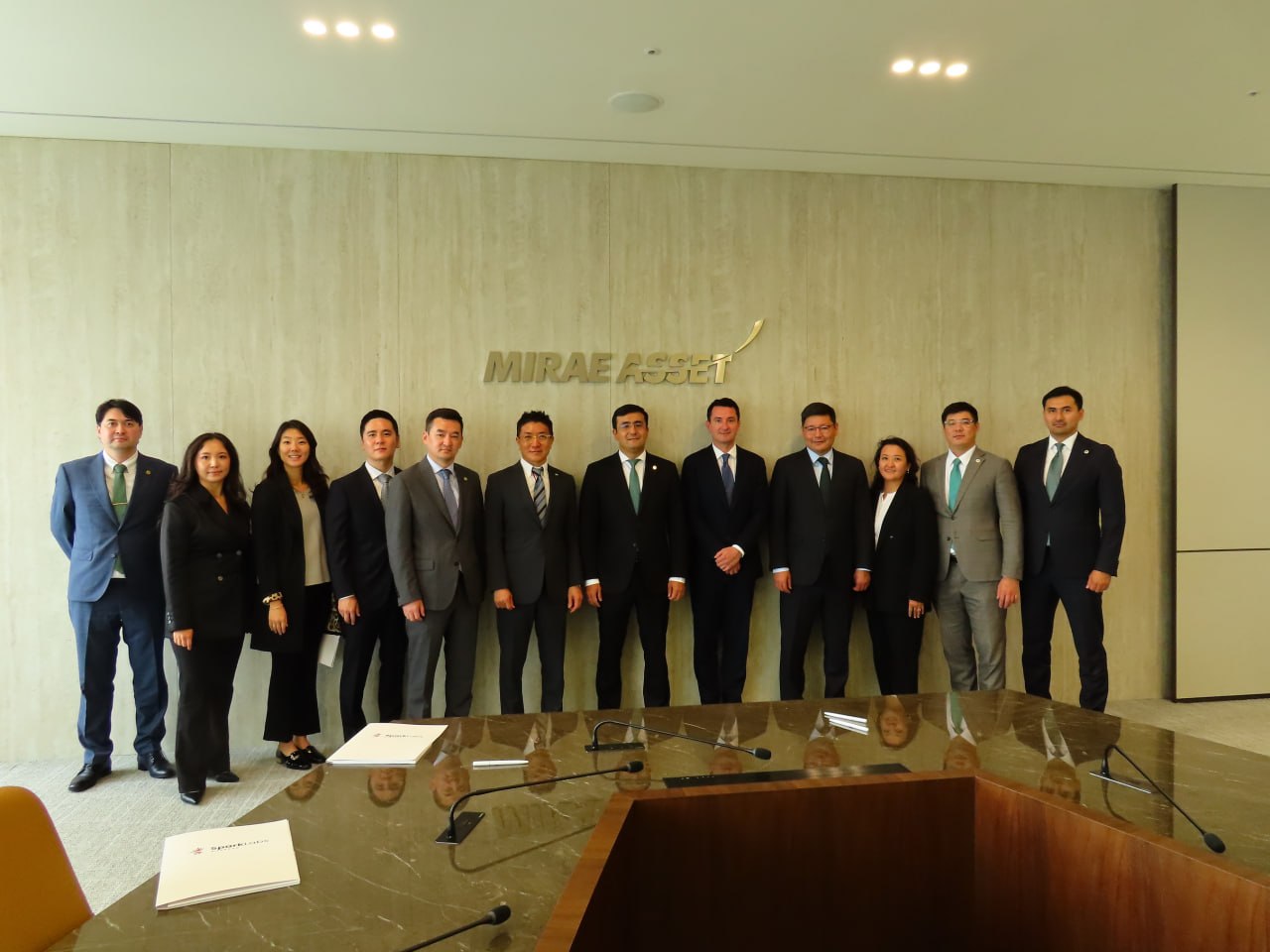 SparkLabs and Mirae Asset sign term sheet for Central Asian venture fund
Sources
19 records from 16 domains
trmlabs.com
nasdaq.com
bitcoinmagazine.com
x.com
facebook.com
wublockchain.xyz
fortune.com
centrifuge.io
raydalio.substack.com
fintechweekly.com
group.hashkey.com
plataformamedia.com
news.bitcoin.com
youtube.com
chainalysis.com
sciencedirect.com
Community notes
Spot something off or out of date? Drop a note. Editors review topic notes daily and roll accepted fixes into the explainer — contributors are recognized in the monthly $SQUID drop.
Loading notes…
Help improve this topic
Have a story or tip about this topic? Submit it. See something missing? Leave a note. Editors review daily; accepted submissions and fixes count toward the monthly $SQUID drop.