
In‑depth explainer on Animoca Brands, tracing its evolution from mobile games to a Web3 and AI conglomerate, its bets on AI agents, AVAX and XDC, real‑world assets and stablecoins, and the risks shaping its Asia‑centric strategy.
+11 sources across the wider coverage universe
 Animoca Brands invests in Ava Labs to boost Avalanche ecosystem growth, combining institutional distribution with scalable blockchain infrastructure for real-world adoption2026-03
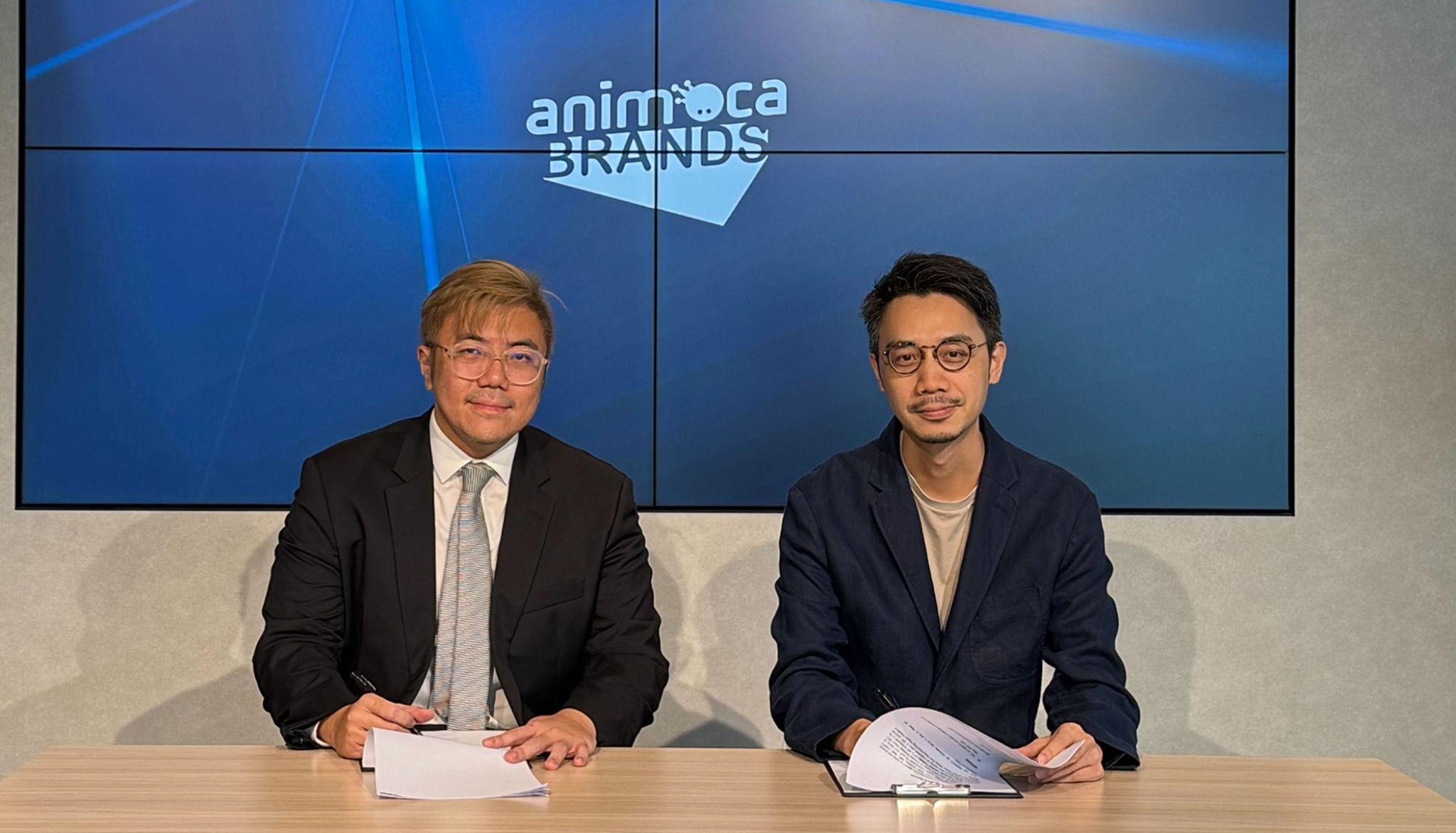 Animoca Brands joins XDC as masternode validator for RWA and trade finance network2026-05
 RWA yield platform Nuva raises $5.2M seed led by Morgan Creek, with Animoca backing, to build a marketplace connecting users directly to tokenized real-world asset yields2026-04
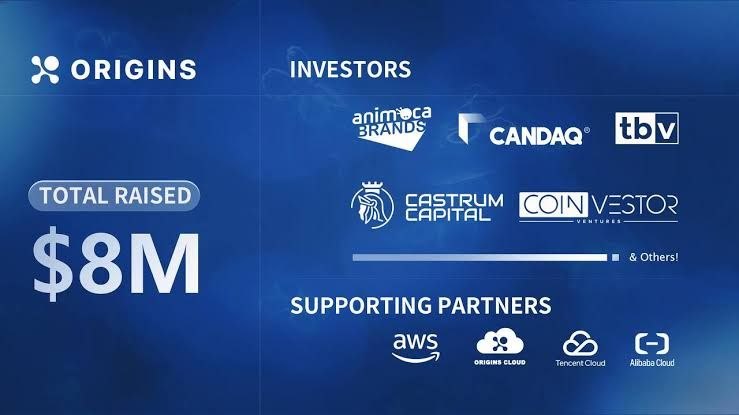 Animoca-backed Origins secures $8M to develop AI-focused blockchain, enabling verifiable compute and auditable agent decisions using Proof of Computation model2026-03
 Animoca Brands and Solv partner to help Japan-based corporations earn 4–12% BTC yield using Solv’s lending, AMM liquidity, and structured staking—turning Bitcoin treasuries into productive capital.2025-12
 Animoca Brands announced acquisition of SOMO, the studio behind monster-collecting games like SOMO Codex and Battleground, adding it to their portfolio of over 540 web3 projects. SOMO raised $20 million in 2024 presales with promises of blockchain pets for battling and trading, but faced backlash over stalled progress, no token launch, and sparse updates from holders demanding accountability.2026-01
Animoca and the Agentic Web: An Evergreen Guide for Crypto Readers
As one of Web3’s most active builders and investors, Animoca Brands sits at the crossroads of crypto, gaming, artificial intelligence, and real‑world assets, shaping what its leaders describe as a future “agentic” digital economy. In practice, Animoca has evolved from a mobile gaming studio into a sprawling Web3 conglomerate with hundreds of portfolio companies, a growing stack of AI‑agent platforms, and an increasingly Asia‑centric strategy around tokenization, digital property rights, and on‑chain finance.
This explainer unpacks what “Animoca” really means in today’s crypto conversation. It traces how the company moved from free‑to‑play games into blockchain and NFTs, then into AI agents and real‑world assets, and how that transition reflects a wider shift in how value and work might move on the internet. It examines Animoca’s core products and platforms, such as The Sandbox, Moca Network, Minds by Animoca Brands, and AliBAE, and explains how they fit together into a broader thesis about owning and governing digital assets. It also looks closely at Animoca’s infrastructure bets on networks like Avalanche and XDC, its role in Asia’s evolving regulatory sandbox, and its push into tokenized assets via projects like NUVA and AWARP. Finally, it addresses the risks that come with this ambition—from audit delays and funding pressure to the practical and regulatory challenges of putting AI agents and tokenized RWAs at the center of the next internet economy—before considering where the Animoca story might go next.
From Mobile Games to Web3 Conglomerate
Early origins and the pivot to blockchain
Animoca Brands was founded in 2014 and initially built its business around mobile and free‑to‑play games, a sector that trained the company to think in terms of digital items, in‑game economies, and user engagement at scale. That background is important because it gave Animoca practical experience with virtual goods long before those goods were tokenized as NFTs or appeared on public blockchains. When non‑fungible tokens and Ethereum‑based games began to emerge in the late 2010s, Animoca was well positioned to see them as a way to extend the virtual item model beyond closed platforms and into open ownership.
Around 2018, Animoca executed a strategic pivot from conventional free‑to‑play titles toward blockchain gaming and digital collectibles, repositioning itself as a Web3 company focused on digital property rights. The firm began acquiring or incubating key projects and infrastructure in the NFT and gaming space, including high‑profile bets on metaverse platforms and NFT ecosystems. Over time it built or helped develop platforms like The Sandbox, Open Campus, Anichess, and the broader Moca Network, which collectively showcase Animoca’s ambition to create interoperable virtual worlds and education and gaming environments built on tokenized assets. As these initiatives grew, Animoca increasingly described its mission in terms of “reimagining future economies” and “the open metaverse,” language that captures both its technological and ideological orientation.
Today, Animoca presents itself less as a single operating business and more as an interconnected group of studios, platforms, and investments. The company is recognized for both building its own digital asset platforms and for providing services that help other Web3 projects launch and scale, in addition to deploying capital into what it calls frontier technology. That combination of operator and investor roles is central to understanding what “Animoca” now represents in crypto: a hybrid entity that runs products, holds strategic token positions, and coordinates a large portfolio across gaming, DeFi, NFTs, AI, and infrastructure.
Digital property rights and the open metaverse thesis
At the core of Animoca’s identity is a theory about digital property rights. Co‑founder and chairman Yat Siu has repeatedly argued that the real unlock of Web3 is giving users enforceable ownership of their digital assets—whether those are game items, art, credentials, or even AI model outputs—at internet scale. This view was initially most visible in gaming and NFTs, where users could hold tokens representing land parcels in The Sandbox or in‑game assets across various titles and marketplaces. Over time, however, the same argument has expanded to cover broader categories of tokenized value, including real‑world assets and AI‑produced artifacts.
In public remarks, Siu frames this as a civilizational shift analogous to the spread of physical property rights in earlier eras, suggesting that blockchain can anchor a new class of digital ownership that governments, institutions, and consumers will eventually take for granted. The open metaverse, in Animoca’s telling, is not just a set of virtual worlds but a network of interoperable environments where users can carry their assets and identity across platforms, earning, trading, and staking them in ways that resemble both work and play.
This thesis explains why Animoca has been willing to back such a wide range of projects, from consumer‑facing games and NFT collections to lower‑level infrastructure, wallets, and marketplaces. By investing in or partnering with more than 570 to 600 companies and protocols, including names like Yuga Labs, Axie Infinity, Polygon, ConsenSys, Magic Eden, and OpenSea, the firm aims to catalyze network effects across the open metaverse rather than confine users to a single walled garden. In practice, that means Animoca’s brand is as much about the idea of participatory digital economies as it is about any one product or token, a stance that shapes how it approaches newer domains like AI agents and tokenized RWAs.

Animoca Brands invests in Ava Labs to boost Avalanche ecosystem growth, combining institutional distribution with scalable blockchain infrastructure for real-world adoption
Huge one here. Love the partnership 💯
Corporate Structure, Capital Markets, and Token Exposure
Business lines and portfolio composition
As it stands, Animoca’s operations can be grouped into three overlapping domains: in‑house platforms, digital asset services, and a large investment portfolio. Its in‑house platforms include well‑known brands such as The Sandbox and Moca Network, along with newer offerings like AliBAE, which leverages Alibaba’s Qwen AI models to support a “build‑and‑earn” system for creators. These products generate activity directly on chain, often via NFTs, game tokens, or platform‑specific assets.
On the services side, Animoca offers digital asset advisory and launch services, working with Web3 teams to help design tokenomics, orchestrate distribution strategies, and connect projects to its ecosystem of partners and users. This service arm complements its role as an investor, as many portfolio companies may also become service clients or integration partners. The investment portfolio itself is broad, spanning gaming, NFTs, DeFi, infrastructure, and now AI and real‑world asset platforms, with more than 570 disclosed holdings as of recent corporate statements and over 600 mentioned in other contexts.
From a market perspective, this structure gives Animoca exposure to a wide range of altcoins and project tokens. The company holds positions not only in its own ecosystem tokens but also in investments it has backed, which can tie its balance sheet to overall market cycles in crypto. It is also increasingly exposed to AI‑linked tokens and RWA‑related assets via platforms like NUVA, AWARP, Origins Network, and others. For traders and analysts, this makes Animoca less like a single‑project bet and more like a diversified, actively managed Web3 and AI infrastructure play.
Reverse merger plans and tokenized equity experiments
On the corporate finance side, Animoca has explored several paths to access public markets and broaden its investor base beyond private equity and token holders. One of the most notable is a proposed reverse merger with Currenc Group Inc., a Nasdaq‑listed fintech specializing in AI‑powered call center solutions and real‑time remittances. Under a non‑binding term sheet signed in late 2025, Currenc would acquire the full equity of Animoca Brands, effectively turning the combined entity into a listed vehicle with exposure to both AI fintech and Web3 digital assets. In May 2026, Currenc announced that the exclusivity period for this transaction had been extended, signalling that both sides remained engaged but that the timeline was stretching longer than initially anticipated.
This extended exclusivity feeds into a broader narrative, reflected in critical coverage, that Animoca’s push into Web3 and RWAs has encountered headwinds, including audit complexities, market volatility, and delays around public‑market ambitions during a challenging crypto funding environment. While the precise timing and structure of any Nasdaq‑linked listing remains uncertain, the reverse‑merger approach underscores how Animoca sees itself: less as a standalone game company and more as a diversified tech and digital assets group that belongs alongside AI‑driven fintechs and infrastructure providers.
In parallel with these public‑equity plans, Animoca has also experimented with tokenizing its own equity via third‑party platforms. Recent newsroom coverage has highlighted efforts by Republic to tokenize Animoca Brands shares on Solana, effectively treating equity as a form of real‑world asset (RWA) that can be fractionally owned and traded on chain. This is consistent with Animoca’s broader RWA thesis, which seeks to bring traditional financial instruments and off‑chain value into programmable crypto environments, and also shows the firm’s willingness to use its own cap table as a test bed for tokenization models.
The combination of a potential Nasdaq pathway via Currenc, tokenized equity experiments, and a sprawling altcoin portfolio makes Animoca a complex entity from an investor’s standpoint. Traditional equity holders, token investors, and users of its products all interact with different slices of the same underlying business, blurring the lines between public‑company governance, venture‑style risk, and token‑driven community participation. That complexity becomes even more pronounced as Animoca leans into AI agents and tokenized RWA infrastructures.
Readers click Animoca not for its gaming portfolio but for its institutional infrastructure bets — validator seats, ecosystem anchor investments, and regulatory arbitrage — revealing an audience tracking whether Animoca's capital can convert Web3 positioning into real network leverage.
Animoca and the Agentic Web: AI, Agents, and Minds
From AI tools to an “agentic economy”
In Animoca’s current worldview, AI is not just an efficiency tool but the foundation for what it calls an agentic economy, where autonomous or semi‑autonomous software agents transact, negotiate, and collaborate on behalf of humans. Yat Siu has argued that to truly empower AI, you need to give it access to money so it can act autonomously—a capability he believes blockchains are uniquely suited to provide securely at scale. In his view, AI agents will soon number in the hundreds of billions, interacting with each other to perform not only business transactions but also social and creative tasks.
This agentic framing has been a recurring theme at Animoca Portfolio Day events and in the company’s public discourse, where leadership emphasizes a future in which AI agents become the dominant economic actors in digital systems. The thesis is that agents will choose the fastest and cheapest payment rails available, which favors on‑chain transactions and stablecoins over traditional card networks with higher fees. In such a world, wallets, smart contracts, and tokenized assets become the primary interface not just for human users but for their AI proxies, from portfolio managers and customer‑service bots to game characters and trading algorithms.
Recent coverage from Animoca’s ecosystem recap underscores how central this view has become to the firm’s strategy. Portfolio companies, developers, and institutional partners are being encouraged to build products that assume AI agents will be persistent, interoperable, and economically empowered, raising questions about identity, accountability, and governance for non‑human actors. Animoca’s response to those questions centers on platforms like Minds by Animoca Brands, which are designed to give users more fine‑grained control over how agents operate, store context, and interact on chain.
Minds by Animoca Brands: persistent AI agents as a platform
Minds by Animoca Brands (also referred to as Animoca Minds) is the company’s flagship platform for persistent AI agents. Launched in collaboration with technologies from partners like CryptoSlam’s Ethoswarm, Minds is framed as a way to remove hardware and infrastructure bottlenecks so that both developers and non‑technical users can deploy always‑on AI agents without running local servers. Instead of treating AI as a series of one‑off chat sessions, Minds enables agents that maintain identity, memory, and evolving context across tasks and over time, effectively turning them into long‑lived digital workers or collaborators.
Animoca highlights three interrelated concepts to describe Minds. The first is persistent context, meaning that an agent can retain knowledge about a user, a project, or a team across multiple sessions, improving its performance and personalization as interactions accumulate. The second is collaborative intelligence, which refers to the ability of a single Mind to be shared across teams or to work in conjunction with other Minds, forming networks of specialized agents that coordinate on complex workflows. The third is agentic sovereignty, the idea that each Mind can operate as a sovereign, always‑on entity that functions as a persistent networked service, capable of acting and interacting without constant human oversight while still remaining under user‑defined constraints.
Minds is intended to be accessible to a wide spectrum of users. For non‑technical participants, Animoca offers a white‑label experience where agents can be “awakened” in the cloud and accessed through familiar interfaces like email and messaging apps such as Telegram, with support for additional channels planned. For builders, Minds exposes a platform layer that can be integrated into products across verticals, from gaming and finance to productivity tools, social applications, and trading protocols. In theory, this means a single underlying agentic infrastructure could support a game character that persists across titles, a DeFi copilot managing strategies, and a customer‑service agent handling ticket triage, all within a consistent framework of context, permissions, and on‑chain capabilities.
The Minds Investment Programme, Build East, and Superior.Trade
To accelerate adoption of Minds as a core agentic platform, Animoca launched the Minds Investment Programme, committing up to US$10 million to projects that integrate Minds as a foundational product layer. The programme targets early‑stage teams with clear product theses, strong execution capabilities, and credible paths toward deployable products and scalable businesses. It is open across verticals, provided Minds is central to the offering, and it combines capital with non‑capital support such as platform resources, “Cognition Credits” for compute, and access to the Minds technical team.
Beyond direct platform support, projects accepted into the programme gain access to Animoca’s wider ecosystem of more than 600 Web3 companies, opening doors for partnerships, user distribution, and joint go‑to‑market strategies. This ecosystem lever is significant because it allows a new Minds‑based application to plug into existing communities, networks, and liquidity rather than growing entirely from scratch. It also aligns with Animoca’s long‑standing approach of using its portfolio as a set of mutually reinforcing nodes rather than isolated bets.
One of the programme’s first publicized investments was a US$1 million co‑investment in Superior.Trade, a protocol layer for agentic trading teams that is built on Minds. Superior.Trade aims to enable networks of AI agents that can coordinate trading strategies, risk management, and execution across markets, using Minds as the underlying framework for agent persistence and sovereignty. The investment, made alongside affiliates of Animoca, signalled that Minds is not merely a conceptual platform but a live stack on which trading‑oriented and financial applications can be constructed.
In parallel, Animoca partnered with the Hong Kong Science and Technology Parks Corporation (HKSTP) to launch Build East, a demo‑day initiative originally focused on identifying top Hong Kong‑based teams building with Minds. The programme gives selected teams the opportunity to pitch for inclusion in the Minds Investment Programme and to receive tailored packages of Cognition Credits, developer support, ecosystem introductions, and potentially capital from the US$10 million pool. Initial plans emphasized Hong Kong startups, but subsequent newsroom coverage indicated that the deadline was extended and eligibility quietly widened to include global teams, reflecting both strong interest and Animoca’s desire to source agentic AI innovation from beyond a single city.
Build East also illustrates how Animoca uses regional hubs—especially in Asia—to seed ecosystems that reflect its own strategic priorities. By anchoring a Minds‑focused demo day in Hong Kong with a public tech‑park partner, the company is effectively blending startup acceleration, government‑aligned innovation narratives, and agentic‑web infrastructure into a single regional story.
AliBAE and creator‑facing AI platforms
If Minds is Animoca’s agentic platform for persistent AI workers, AliBAE is its experimental interface between AI, creators, and token incentives. Launched as a “build‑and‑earn” platform powered by Alibaba’s Qwen models, AliBAE allows creators to generate AI‑assisted content and applications and to compete for bounty rewards based on the quality and impact of their contributions. The platform connects brands with a distributed network of builders, turning AI‑assisted work into a form of open contest where the best outputs, campaigns, or micro‑apps can earn tokens or other rewards.
AliBAE reflects several layers of Animoca’s broader thesis. First, it treats AI models as infrastructure that many different creators can tap, but it overlays that with crypto‑native reward mechanisms that can be tuned via bounties, governance, and community feedback. Second, it positions brands not just as advertisers but as participants in a build‑to‑earn marketplace, where they can commission creative assets or micro‑experiences from a global talent pool. Third, by launching with a large initial bounty pool—reportedly including a 100,000 CHECK opening reward in early campaigns—Animoca is explicitly using token incentives to bootstrap activity and discover which sorts of AI‑assisted work attract attention and engagement.
At the same time, AliBAE highlights some of the risks embedded in Animoca’s AI and token strategy. Token‑funded bounty campaigns can be powerful bootstrapping tools but also expose participants to volatility and speculation, especially when associated tokens are thinly traded or infrequently updated. Recent coverage has noted that while AliBAE’s bounty structure may appeal to early adopters, it also operates in “uncharted token volatility” territory, where the long‑term value of rewards may be uncertain and regulation around work‑for‑token arrangements remains fluid. For observers, AliBAE thus serves as both a test case for AI‑assisted creator economies and a reminder that Web3 incentive design still carries significant execution and market risk.
AI infrastructure bets: Origins Network and beyond
Beyond its own agent platforms, Animoca is also investing in infrastructure designed specifically for AI agents and verifiable compute. A notable example is its participation in an US$8 million strategic funding round for Origins Network, a modular blockchain tailored for AI agents that introduces a “Proof of Computation” (PoC) design. Origins aims to make AI “auditable, not mystical,” allowing users and counterparties to verify that an AI agent actually performed a claimed computation or followed a particular pipeline, without forcing every node in the network to re‑execute the underlying workload.
Under the PoC model, heavy AI inference runs off chain on GPU‑rich infrastructure provided by partners like AWS, Tencent Cloud, and Alibaba Cloud, while succinct proofs of that computation are posted back to the Origins chain. This allows the chain to function as a verifier of AI behavior rather than a data center, balancing scalability with trust. For agentic trading, autonomous DeFi strategies, or AI‑driven credit underwriting, such verifiable computation could provide a critical audit layer, particularly when agents are entrusted with handling funds or executing on behalf of users.
Origins fits neatly into Animoca’s thesis that digital property rights must extend to AI outputs and agent decisions. If AI agents are to own or manage assets on chain, then their actions must be inspectable and challengeable, just as transactions on a blockchain are. By backing Origins, Animoca is effectively investing in the legal and technical scaffolding that might one day be required for AI‑native contracts, disputes, and audits. Together with Minds, AliBAE, and partner technologies like Ethoswarm, these bets show that Animoca sees AI not as a bolt‑on feature to existing products but as the next foundational layer of Web3 infrastructure.

Animoca Brands joins XDC as masternode validator for RWA and trade finance network
Web3 Infrastructure, AVAX, XDC, and Real‑World Assets
Avalanche and AVAX: expanding Web3 gaming and identity in Asia and the Middle East
Animoca’s move into Web3 infrastructure is not limited to AI‑specific chains. The company has also taken positions in existing layer‑one and layer‑two ecosystems where it sees strategic alignment, especially in regions where it is already active. A prominent example is its collaboration with Ava Labs, the core developer behind the Avalanche blockchain and its native token AVAX. In a joint announcement, Animoca and Ava Labs outlined a partnership focused on expanding Avalanche’s ecosystem across Asia and the Middle East, two regions experiencing sustained growth in digital asset adoption.
The collaboration spans multiple fronts, including capital deployment into Avalanche‑based projects, explorations of product integrations, and strategic advisory for teams building on the network. Initial verticals of focus include entertainment, real‑world assets, and digital identity, which align closely with Animoca’s gaming background and its newer interests in tokenized finance and on‑chain credentialing. By investing in both the underlying infrastructure and the applications that run on it, Animoca aims to help Avalanche capture more of the Web3 gaming, NFT, and RWA markets in regions where Animoca already has partners and portfolio companies.
From Avalanches’s perspective, having Animoca as a backer and ecosystem partner offers access to one of Web3’s largest networks of gaming studios, creators, and investors. For Animoca, the AVAX ecosystem represents a programmable, high‑throughput environment suited to the kind of interactive, cross‑application experiences it envisions for the agentic web. Recent coverage has framed this alliance in nautical terms—Animoca “hoisting AVAX sails” for Web3 gaming—but beneath the metaphors is a straightforward infrastructure bet: that Avalanche will be one of the chains where AI agents, tokenized RWAs, and entertainment converge in Asia and beyond.
XDC Network: institutional validator for trade finance and RWAs
Another infrastructure play is Animoca’s role as an institutional masternode validator for the XDC Network, a blockchain designed in part around trade finance and real‑world asset tokenization. By operating XDC masternodes, Animoca helps secure the network and participates directly in its consensus and governance, signaling confidence in XDC’s institutional positioning. The partnership is framed as strengthening XDC’s validator base with an active Web3 builder that can bring both technical and ecosystem expertise.
This move fits into a larger pattern of Animoca aligning itself with RWA‑centric chains and platforms. XDC’s focus on trade finance and tokenized instruments dovetails with Animoca’s efforts to bridge traditional capital markets and Web3, especially in Asia and emerging markets. As a validator, Animoca not only earns staking rewards but also gains an inside view of how trade‑linked RWAs, supply‑chain finance tools, and institutional on‑ramps are evolving on chain. Recent digital‑assets coverage underscores that XDC views Animoca as a “key institutional validator,” reinforcing the idea that the company is becoming a recognizable name in enterprise‑facing blockchain infrastructure as well as consumer‑oriented metaverse and gaming.
Building an RWA stack: NUVA, AWARP, and the Fosun partnership
Animoca’s real‑world asset strategy has crystallized around a cluster of partnerships and platforms designed to tokenize traditional financial products, physical assets, and institutional yield streams. One pillar of this strategy is NUVA, a curated, institutional‑grade RWA marketplace launched on Ethereum and co‑created by Animoca Brands and Nuva Labs. Positioned as a premier venue for tokenized assets, NUVA aims to connect global investors with vetted RWA products and to provide infrastructure for on‑chain vaults and yield opportunities. Its launch in May 2026 was framed as part of Animoca’s broader push to integrate AI and the agentic web with tokenized finance, indicating that NUVA could eventually serve AI agents as well as human investors.
Complementing NUVA is a three‑way strategic partnership between Animoca, Fosun Wealth Holdings, and FinChain to advance an Asia‑centric RWA ecosystem. Fosun brings traditional wealth‑management expertise, FinChain contributes blockchain finance capabilities, and Animoca provides Web3 distribution channels and digital property‑rights know‑how. Together, they plan to use NUVA as an on‑chain vault marketplace for distributing Fosun’s RWA products, such as tokenized credit instruments or yield‑bearing assets, to a global investor base. The partnership also includes plans to co‑publish research and explore business models that bridge digital and traditional assets, reflecting an intent to not only launch products but shape market understanding of RWAs in Asia.
Another key piece is AWARP, a “sovereign‑grade” financial infrastructure project focused on emerging markets, which has secured strategic investment from Animoca. AWARP’s mandate is ambitious: to build national‑level digital economy infrastructure centered on a public blockchain, digital identity systems, industrial parks, compliant payment rails, and RWA tokenization. It has committed to adopting regulated stablecoins as core settlement units, with the goal of connecting local economies in the ASEAN region and other emerging markets to global liquidity networks. Through AWARP’s key implementation partner, the Lao National Digital Technology Group (LADT), the initiative will prioritize tokenization of assets such as minerals, variable renewable energy, and AI data centers, alongside strengthening on‑chain settlement systems.
Animoca’s role in AWARP includes support for asset issuance, product and application development, user growth, and exploration of regulated stablecoin use cases, especially around cross‑border payments. Taken together, NUVA, the Fosun‑FinChain partnership, and AWARP create a layered RWA stack: curated marketplaces for global investors, institutional partnerships for distribution and education, and sovereign‑grade infrastructure for tokenizing local assets in emerging economies.
Stablecoins, Hong Kong, and Asia’s regulatory sandbox
Animoca’s RWA and infrastructure efforts are tightly bound up with Asia’s evolving regulatory landscape, particularly in Hong Kong. Recent coverage has highlighted that the Hong Kong Monetary Authority (HKMA) granted its first stablecoin licenses to a short list of issuers, including Anchorpoint Financial, a joint venture between Standard Chartered, Animoca Brands, and Hong Kong Telecom. This move positions Animoca not just as a consumer‑facing platform provider but as a stakeholder in regulated digital money systems, where stablecoins are subject to central‑bank oversight and designed for institutional‑grade compliance and transparency.
Anchoring a stablecoin JV in Hong Kong fits with Animoca’s broader Asia‑first orientation, which Yat Siu has emphasized in interviews. He argues that Asia, with its dense mobile adoption, active retail trading culture, and increasingly supportive regulatory regimes, is likely to lead in blending AI and blockchain into mainstream financial and commercial systems. Hong Kong in particular is pitched as a sandbox where regulated stablecoins, tokenized RWAs, and agentic‑AI applications can coexist within a framework friendly enough to foster innovation but structured enough to appeal to banks and large corporates.
The stablecoin license also complements AWARP’s use of regulated stablecoins for settlement in emerging markets. In both cases, Animoca is betting that compliant, fiat‑linked tokens will be the medium of exchange that AI agents and human users rely on for day‑to‑day transactions, from cross‑border payments and remittances to on‑chain trade finance and agentic trading bots. For crypto audiences, the key takeaway is that Animoca is not just backing speculative tokens; it is increasingly involved in regulated digital money and the infrastructure that institutional investors and governments are willing to endorse.
To summarize these infrastructure plays in a compact form, it is helpful to view them side by side:
| Initiative | Primary Focus | Animoca’s Role | Geographic Emphasis |
|---|---|---|---|
| Avalanche / AVAX | Web3 gaming, entertainment, RWAs, identity | Strategic investor and ecosystem partner | Asia and Middle East |
| XDC Network | Trade finance and RWA tokenization | Institutional masternode validator | Global, with trade‑finance focus |
| NUVA | Institutional‑grade RWA marketplace | Co‑creator and ecosystem integrator | Global investors, with Asia focus |
| Fosun–FinChain RWA alliance | Distribution of institutional RWA products | Strategic partner and Web3 distributor | Asia, especially Greater China |
| AWARP | Sovereign‑grade RWA and payment infra | Strategic investor and product partner | ASEAN and emerging markets |
| Anchorpoint stablecoin JV (HKMA license) | Regulated stablecoin issuance | JV partner in licensed stablecoin issuer | Hong Kong and broader Asia |
This table underscores that Animoca’s RWA strategy is not a single bet but a portfolio of interconnected initiatives, spanning regulated stablecoins, national‑level infrastructures, and investor‑facing marketplaces.
- 01Validator and infrastructure stakes↗
Animoca's moves onto TON and XDC as an institutional validator signal a shift from passive portfolio holding to active network control, which readers found more consequential than ordinary investments.
- 02Avalanche ecosystem anchor bet↗
Multiple clicks across several Ava Labs headlines show sustained reader interest in whether Animoca's AVAX investment and Asian distribution network can meaningfully accelerate a competing L1.
- 03Sandbox restructuring and portfolio stress
The layoff of over half of Sandbox's staff exposed the gap between Animoca's bullish Web3 narrative and the operational reality of its flagship metaverse holding.
- 04US listing and regulatory opportunism↗
Readers engaged with Animoca's explicit framing of a Trump-era deregulation window as a rare market-access event, making the US listing story about timing and political risk as much as finance.
- 05HKD stablecoin and Asia regulatory play
The Standard Chartered and HKT joint venture signaled Animoca moving into regulated financial infrastructure in Hong Kong, a qualitatively different risk profile from its typical venture bets.
- 06AI-blockchain pivot beyond gaming↗
Headlines spanning Origins, Animoca Minds, and Yat Siu interviews collectively show readers tracking whether Animoca's diversification into AI agent infrastructure is strategic repositioning or narrative drift.
Governance, Management, and Ecosystem Strategy
Executive appointments and organizational maturity
As Animoca’s activities have expanded, the company has taken steps to professionalize its governance and operational structure. In June 2026, it announced the appointment of Shaun Kraft as chief financial officer and the promotion of Brian Chan to chief development officer, alongside other executive moves. Kraft’s appointment is significant given the complexity of Animoca’s financial footprint, which spans equity investments, token holdings, revenue from platforms like The Sandbox and Moca Network, and potential public‑market transactions such as the Currenc reverse merger. A seasoned CFO is crucial for navigating audits, regulatory disclosure requirements, and the reconciliation of on‑chain and off‑chain financial activity.
Brian Chan’s elevation to chief development officer reflects the importance of strategic partnerships, ecosystem growth, and product development in Animoca’s model. As CDO, Chan is responsible for orchestrating how the company’s various business units—from gaming studios and AI platforms to RWA initiatives and stablecoin ventures—align with the broader thesis of reimagining future economies through AI and the agentic web. The appointments collectively indicate a shift from a fast‑moving startup or holding‑company posture toward a more structured corporate entity, capable of operating at the intersection of venture capital, public markets, regulation, and cutting‑edge technology.
These leadership changes also matter for external stakeholders—regulators, institutional investors, and partners in Asia, Europe, and North America—who increasingly expect crypto‑aligned firms to meet traditional standards of governance and risk management. As Animoca deepens its involvement in regulated domains such as stablecoins, RWAs, and national‑level financial infrastructure, the credibility of its executive team becomes part of the risk calculus for counterparties deciding whether to build on its platforms or accept its tokens.
Ecosystem orchestration and portfolio synergies
One of Animoca’s distinctive strengths is its ability to orchestrate a large and diverse portfolio into a semi‑cohesive ecosystem. With more than 570 to 600 portfolio companies and digital assets, the firm can function as a distribution node, matchmaker, and strategy hub for projects that might otherwise operate in silos. For example, a gaming studio building an NFT‑driven title can be introduced to a DeFi protocol experimenting with game‑asset collateralization, while both can tap identity solutions, marketplaces, and AI‑agent platforms from elsewhere in the portfolio.
The launch of Minds and the Minds Investment Programme has created a new layer of ecosystem synergies. Teams accepted into the programme not only receive capital and technical support but also gain curated introductions across Animoca’s network, potentially linking AI‑agent projects with gaming, DeFi, and RWA infrastructures that can benefit from persistent agents. Superior.Trade is a case in point: as a protocol for agentic trading teams, it can interact with AVAX‑based DeFi platforms, RWA marketplaces like NUVA, or XDC‑linked trade‑finance instruments, all while running on the Minds platform that Animoca directly controls.
Events such as Animoca Portfolio Day serve as coordination points where portfolio founders, investors, and partners can share insights on the agentic economy, regulatory shifts, and cross‑chain opportunities. Animoca’s own social channels have highlighted Portfolio Day 2026 as a venue for sharing its mission in the agentic web economy and for discussing how AI agents will reshape work, investing, and digital creativity. These convenings are not mere marketing; they are mechanisms for aligning incentives, disseminating playbooks, and nudging builders toward shared infrastructure choices, such as using Minds for agents, AVAX or XDC for certain workloads, or NUVA for RWA integration.
This orchestration role gives Animoca leverage beyond its direct equity stakes or token holdings. When the company backs a new protocol or platform, it can plug that project into an existing web of users and complementary services, accelerating adoption and increasing the chance that the project becomes part of a broader standard. That leverage, however, also raises questions about concentration of influence in what is nominally a decentralized ecosystem, an issue that becomes more salient as Animoca’s thematic bets—particularly on AI agents and RWAs—gain traction.
Asia‑centric strategy and global reach
Geographically, Animoca is anchored in Asia but operates with global ambitions. Hong Kong is a key hub, serving as a staging ground for initiatives like Build East, the Anchorpoint stablecoin JV, and collaborations with entities such as HKSTP and the HKMA. The emphasis on Hong Kong and the broader Asia‑Pacific region reflects both regulatory pragmatism and historical precedent: Asian markets have often been quicker to adopt mobile payments, digital wallets, and retail crypto trading, creating fertile ground for experiments in tokenization and agentic AI.
In his public commentary, Yat Siu has argued that Asia will likely lead in fusing AI and blockchain, pointing to early moves by payment giants like Visa, Mastercard, and Stripe to support stablecoin payments and to design systems through which AI agents can autonomously discover and purchase goods on behalf of users. Exchanges like Coinbase have also simplified flows for AI agents to transact in cryptocurrencies, but Siu suggests that it will be Asian regulators and institutions that first normalize AI‑driven, on‑chain commerce at scale. From that perspective, Animoca’s focus on Hong Kong, ASEAN markets via AWARP, and Asia‑centric RWA partnerships with groups like Fosun looks less like regional bias and more like a calculated alignment with where regulatory and market momentum is strongest.
At the same time, Animoca’s investments and partnerships extend to Europe, North America, and the Middle East. Its collaboration with Ava Labs includes an explicit focus on the Middle East, where sovereign funds and regional exchanges are exploring tokenization, digital identity, and AI‑driven services. Its portfolio includes Western NFT and infrastructure leaders, and its experiments with tokenized equity via Republic target a global investor base. Animoca thus operates as a bridge: Asian in regulatory orientation and operational base, but global in capital flows, partnerships, and ecosystem reach.
RWA yield platform Nuva raises $5.2M seed led by Morgan Creek, with Animoca backing, to build a marketplace connecting users directly to tokenized real-world asset yields
Risks, Critiques, and Open Questions
Market cycles, funding pressures, and audit delays
No discussion of Animoca would be complete without acknowledging the risks and critiques that surround its aggressive expansion. Crypto markets remain cyclical and volatile, with periods of exuberance followed by “crypto winters” that can strain funding pipelines, depress token prices, and challenge the viability of long‑tail projects. As a company with extensive exposure to altcoins and early‑stage ventures, Animoca is particularly sensitive to these cycles. In downturns, its token holdings may lose value, portfolio companies may struggle to raise further capital, and planned token launches or product rollouts may be delayed.
Recent coverage has also flagged concerns about audit delays and the complexity of reconciling on‑chain and off‑chain financial reporting for a group as diversified as Animoca. The proposed reverse merger with Currenc, while offering a path to a Nasdaq listing, also introduces layers of regulatory and disclosure obligations that may be hard to meet in a timely fashion in the midst of market turbulence. Extensions of exclusivity periods and the absence of a finalized merger timeline have been interpreted by some observers as signs of friction, whether due to market conditions, internal readiness, or both.
For investors and analysts, these dynamics raise questions about transparency and risk management. How quickly can Animoca adapt its portfolio strategy in response to a prolonged bear market? To what extent are its valuations and token positions robust to shocks, and how clearly are those positions disclosed to current and prospective equity holders? As the company takes on more regulated roles—such as stablecoin issuance and sovereign‑grade RWA infrastructure—the tolerance for opaque or delayed reporting will likely diminish, increasing pressure to professionalize financial operations and audit practices.
Technology and execution risk in AI agents
On the technology side, Animoca’s embrace of AI agents and the agentic web introduces its own set of execution risks. Platforms like Minds and initiatives like Superior.Trade assume that users will trust always‑on agents to act on their behalf, potentially with access to funds, credentials, and private data. While persistent context and agentic sovereignty can be powerful, they also create attack surfaces: compromised agents, misconfigured permissions, or unanticipated behaviors could lead to financial loss or privacy breaches.
Moreover, the idea of billions of AI agents transacting autonomously raises difficult questions about accountability. If an AI trading agent exploits a DeFi protocol bug, front‑runs other participants, or participates in market manipulation, who is responsible: the user who configured it, the platform that hosted it, or the infrastructure provider that verified its computations? Solutions like Origins Network’s Proof of Computation can help by making agent actions auditable and verifiable, but they do not, by themselves, resolve legal and ethical questions. Animoca’s bet is that blockchain‑based identity, verifiable compute, and programmable constraints can combine to create a manageable framework for agentic behavior, yet this remains largely untested at scale.
There is also execution risk in building developer ecosystems around agentic platforms. Minds must attract and retain enough high‑quality builders to generate compelling use cases; otherwise, it risks becoming just another AI tooling layer in a crowded market. The Minds Investment Programme and Build East are designed to mitigate this by subsidizing early builders and clustering talent around the platform. However, it is far from certain that Minds will emerge as a dominant standard for AI agents, especially given competition from both centralized AI providers and other decentralized agent frameworks.
Regulatory and RWA‑specific challenges
Animoca’s deepening involvement in RWAs and regulated stablecoins exposes it to evolving regulatory landscapes that vary significantly by jurisdiction. Tokenizing financial instruments and physical assets requires careful navigation of securities law, KYC/AML obligations, consumer‑protection rules, and, in some cases, cross‑border capital‑controls regimes. Platforms like NUVA and AWARP must balance the promise of global, permissionless access with the realities of compliance, investor suitability, and jurisdictional restrictions.
For example, AWARP’s commitment to using regulated stablecoins for settlement in ASEAN and other emerging markets aligns with a desire for regulatory alignment but also presumes the existence of robust legal frameworks around such stablecoins. In practice, those frameworks are still emerging, and their specifics may differ sharply across countries. Similarly, NUVA’s positioning as an institutional‑grade RWA marketplace implies rigorous asset selection, due diligence, and ongoing disclosure, all of which must be maintained even as crypto markets and regulatory guidelines shift.
The HKMA’s issuance of stablecoin licenses, including to the Anchorpoint JV that counts Animoca as a partner, signals a willingness to bring stablecoins into the regulated financial system but also places licensees under close supervision. Stablecoin issuers must manage reserves, respond to regulatory reporting demands, and ensure operational resilience across both crypto and traditional banking infrastructure. For Animoca, this means that part of its business must operate under standards more akin to a bank or payment institution than a typical Web3 startup, with all the compliance burdens that entails.
Reputation risk, token volatility, and retail exposure
Finally, there is reputational risk associated with Animoca’s broad footprint in tokens, NFTs, and yield‑bearing products. Initiatives like AliBAE, with large bounty pools and AI‑assisted content production, can easily be perceived as speculative or gamified labor markets, particularly if token rewards fluctuate wildly in value or are tied to tokens with limited liquidity. Portfolio projects that fail, are hacked, or run afoul of regulators can reflect back on Animoca, especially when the company has provided advisory services or public endorsements.
For retail users, the Animoca ecosystem can be confusing: some tokens are tied to gaming or metaverse experiences, others to AI or RWA yield, and still others to governance roles or experimental platforms. Distinguishing between relatively safer, regulated products (such as licensed stablecoins) and highly speculative assets (such as thinly traded game tokens) is not always straightforward, particularly when they share marketing channels and branding. While Animoca often emphasizes digital property rights and long‑term ecosystem building, it operates in an environment where speculative trading remains a dominant user behavior.
For these reasons, many of the usual caveats about crypto apply strongly in Animoca’s orbit: not all tokens or projects will succeed; past performance of flagship platforms like The Sandbox does not guarantee future returns; and the convergence of AI, RWAs, and Web3 may introduce new, poorly understood risk vectors. Animoca’s ability to manage these reputational and market risks will be a key determinant of how regulators, institutional investors, and mainstream users ultimately perceive “Animoca” as a brand.
- 2026-01milestone
Animoca announces 2026 expansion into stablecoins, AI, DePIN, DeFi
Animoca and Ava Labs partner for Avalanche ecosystem growth in Asia and Middle East
- 2026-04governance
The Sandbox restructures, laying off over half of roughly 250 employees
Currenc Group extends exclusivity for proposed reverse merger with Animoca Brands toward Nasdaq listing
Animoca joins XDC Network as institutional masternode validator for RWA and trade finance
Origins raises $8M backed by Animoca to build AI-focused modular blockchain with Proof of Computation
Yat Siu interview outlines AI agents plus blockchain as the future of internet ownership
Animoca launches AliBae build-and-earn platform powered by Alibaba Qwen models with 100K CHECK bounty
How Animoca Fits into the Wider Crypto and AI Landscape
Positioning among Web3 conglomerates and AI builders
Within the broader crypto ecosystem, Animoca occupies a role similar in some respects to large venture funds like a16z Crypto or corporate groups like Binance Labs, but with a more pronounced focus on gaming, culture, and now AI agents. Like those entities, it provides capital, advisory support, and market access to a portfolio of projects, some of which become core pillars of the wider ecosystem. Unlike a pure investment fund, however, Animoca also operates its own major platforms, making it both an LP‑style investor and a first‑party product builder.
In the AI landscape, Animoca is not trying to compete directly with foundation model providers such as OpenAI or Anthropic. Instead, it positions itself as a Web3 interface and infrastructure layer for AI, focusing on how agents are deployed, governed, rewarded, and integrated into tokenized economies. Minds, AliBAE, and its stakes in AI‑agent chains like Origins embody this positioning. This gives Animoca a distinctive niche: it is a crypto‑native player that views AI through the lens of property rights, programmable incentives, and decentralized infrastructure, rather than purely through model performance or enterprise software margins.
For crypto market participants, Animoca can thus be seen as a bellwether for the convergence of AI and blockchain. When it backs a protocol like Origins or an agentic trading platform like Superior.Trade, it is effectively voting for the thesis that AI agents will be financially empowered actors on chain and that they will require new forms of auditability, identity, and economic coordination. Conversely, if Animoca were to shift away from such bets, that would be a signal that the agentic‑web narrative was losing momentum.
Implications for traders, builders, and institutions
For traders and token investors, Animoca’s moves offer both directional signals and direct opportunities. Its backing of networks like Avalanche and XDC suggests where it expects gaming, RWAs, and institutional adoption to grow. Participation in RWA platforms like NUVA and AWARP points to regions and asset classes it deems ripe for tokenization, particularly in Asia and emerging markets. Meanwhile, initiatives like AliBAE and Minds highlight categories—AI‑assisted content, agentic trading, persistent agents—for which Animoca is willing to commit capital and ecosystem support.
Builders can view Animoca as both a potential partner and a potential platform layer. Integrating with Minds or building on chains where Animoca has a stake may open doors to funding and distribution. Participation in programmes like Minds Investment or events like Build East can lead to mentorship, technical support, and introductions across a large portfolio. At the same time, reliance on a single corporate ecosystem carries its own risks, including strategic shifts, platform deprecations, or conflicts between the interests of Animoca’s own products and those of independent builders.
For institutions—banks, asset managers, payment companies, and corporates—Animoca’s trajectory offers a case study in how a Web3‑native group can evolve into a counterpart for regulated ventures. Its involvement in licensed stablecoins, RWA marketplaces, and national‑level digital infrastructure shows that it is willing to operate under traditional regulatory regimes when necessary. Yet it also maintains a strong presence in more experimental, high‑volatility domains like NFTs and AI agents. Institutions considering partnerships must therefore assess Animoca project by project, distinguishing between regulated offerings and speculative ventures, even when they share brand associations.
Scenario analysis: if Animoca succeeds or stumbles
Looking ahead, one way to think about Animoca’s significance is to consider contrasting scenarios. In a success scenario, Animoca’s agentic‑web thesis gains traction: Minds becomes a widely used platform for AI agents; Origins or similar chains provide verifiable compute for agentic workloads; RWA platforms like NUVA and AWARP achieve scale in Asia and beyond; and regulated stablecoins like those issued by Anchorpoint become standard rails for both human and AI‑driven transactions. In such a world, Animoca would emerge as a central coordinator of digital property rights, AI‑native finance, and tokenized assets, with influence over standards, governance, and user experiences across multiple chains and regions.
In a stumble scenario, several things could go wrong. Crypto markets could enter a prolonged bear phase that undermines token values and dries up venture funding, impairing both Animoca’s portfolio and its ability to invest in new initiatives. Regulatory backlash against RWAs or AI‑driven trading could impose constraints or liabilities that make some of its core bets less attractive. AI‑agent platforms like Minds could fail to achieve product‑market fit beyond niche use cases, leaving agentic‑web narratives as more hype than reality. Under those conditions, Animoca would still have legacy businesses in gaming and NFTs, but its position as a frontier innovator at the AI‑crypto nexus would be weakened.
Reality will likely fall somewhere between these extremes. Animoca may succeed in some domains, such as regulated RWAs and Asia‑centric stablecoins, while facing tougher competition or slower adoption in agentic‑AI infrastructure. For market participants, the key is to track not just high‑profile announcements but also evidence of sustained usage, regulatory buy‑in, and ecosystem traction across Animoca’s many initiatives.
Outlook
For a crypto audience trying to decode where “Animoca” fits into the next decade of digital assets, several themes stand out. First, the company is doubling down on the idea that AI agents, not just humans, will be primary participants in on‑chain economies, and it is building platforms, investment programmes, and infrastructure stakes to support that vision. Second, it sees Asia—especially Hong Kong and ASEAN markets—as the most likely region to normalize the fusion of AI, blockchain, RWAs, and regulated stablecoins, and is positioning itself at the center of that regional story through partnerships, licenses, and sovereign‑grade projects.
Third, Animoca is constructing a layered RWA and infrastructure stack, spanning AVAX and XDC for base‑layer settlement, NUVA and AWARP for tokenized assets and payments, and Anchorpoint and related ventures for compliant stablecoin rails. Finally, it is attempting to professionalize its governance and financial reporting in ways that could support a future public‑market listing, even as the Currenc reverse merger and broader market conditions introduce uncertainty and delay.
For now, Animoca remains one of the most important reference points for understanding how crypto, AI, and tokenized finance might converge. Whether it fulfills its ambition to help build an agentic web where digital property rights, AI agents, and RWAs form a seamless economic fabric will depend on market cycles, regulatory choices, technical execution, and the willingness of users—human and machine—to trust the infrastructures it is assembling.
Latest Animoca news
Animoca Brands invests in Ava Labs to boost Avalanche ecosystem growth, combining institutional distribution with scalable blockchain infrastructure for real-world adoptionAnimoca Brands joins XDC as masternode validator for RWA and trade finance networkRWA yield platform Nuva raises $5.2M seed led by Morgan Creek, with Animoca backing, to build a marketplace connecting users directly to tokenized real-world asset yieldsAnimoca-backed Origins secures $8M to develop AI-focused blockchain, enabling verifiable compute and auditable agent decisions using Proof of Computation modelAnimoca Brands and Solv partner to help Japan-based corporations earn 4–12% BTC yield using Solv’s lending, AMM liquidity, and structured staking—turning Bitcoin treasuries into productive capital.Animoca Brands announced acquisition of SOMO, the studio behind monster-collecting games like SOMO Codex and Battleground, adding it to their portfolio of over 540 web3 projects. SOMO raised $20 million in 2024 presales with promises of blockchain pets for battling and trading, but faced backlash over stalled progress, no token launch, and sparse updates from holders demanding accountability.Sources
18 records from 6 domains
animocabrands.com
- animocabrands.com
- animocabrands.com· newsroom
- animocabrands.com· announcement / animoca-brands-and-ethoswarm-launch-animoca-minds-to-accelerate-ag…
- animocabrands.com· announcement / animoca-brands-launches-up-to-us-10m-investment-programme-for-deve…
- animocabrands.com· announcement / minds-by-animoca-brands-and-hkstp-launch-build-east-demo-day-to-un…
- animocabrands.com· announcement / animoca-brands-and-ava-labs-partner-to-support-avalanche-ecosystem…
- animocabrands.com· announcement / animoca-brands-fosun-wealth-holdings-finchain-form-strategic-partn…
- animocabrands.com· announcement / nuva-launches-on-ethereum-as-premier-curated-institutional-grade-r…
- animocabrands.com· announcement / animoca-brands-announces-key-executive-appointments
- animocabrands.com· announcement / animoca-brands-and-affiliates-co-invest-us-1-million-in-superior-t…
- animocabrands.com· announcement / xdc-network-welcomes-animoca-brands-as-institutional-masternode-va…
- animocabrands.com· announcement / awarp-secures-strategic-investment-from-animoca-brands-to-accelera…
- animocabrands.com· announcement / animoca-brands-launches-alibae-build-and-earn-platform-powered-by-…
podcasts.apple.com
x.com
crypto.news
globenewswire.com
fortune.com
Community notes
Spot something off or out of date? Drop a note. Editors review topic notes daily and roll accepted fixes into the explainer — contributors are recognized in the monthly $SQUID drop.
Loading notes…
Help improve this topic
Have a story or tip about this topic? Submit it. See something missing? Leave a note. Editors review daily; accepted submissions and fixes count toward the monthly $SQUID drop.