
In‑depth explainer on altcoins: how non‑Bitcoin crypto assets work, their history, types, market cycles, regulation, and role in portfolios, plus how BTC, ETH, stablecoins, ETFs and platforms like Coinbase shape this volatile sector.
+6 sources across the wider coverage universe
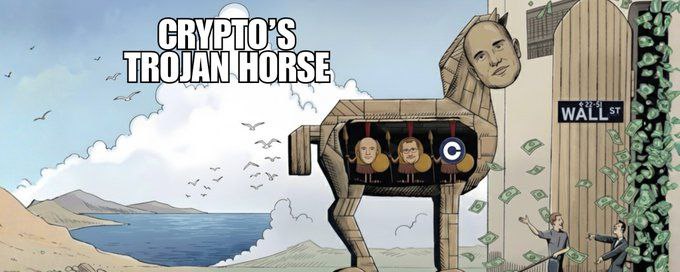 A LOOK INTO COINBASE:
Coinbase’s “brand refresh” is really a pivot into an everything exchange—AI agents, stocks, perps, prediction markets, regulated token sales, B2B stablecoins, SocialFi, and curated DeFi—all on crypto rails. Bull case: this makes Coinbase a global financial utility, pulls TradFi liquidity onchain, scales revenue, and accelerates mass adoption. Bear case: it dilutes altcoins, centralizes power, invites heavy regulation, and could kill degen culture as capital rotates from speculative tokens into real, cash-flow assets.2025-12
A LOOK INTO COINBASE:
Coinbase’s “brand refresh” is really a pivot into an everything exchange—AI agents, stocks, perps, prediction markets, regulated token sales, B2B stablecoins, SocialFi, and curated DeFi—all on crypto rails. Bull case: this makes Coinbase a global financial utility, pulls TradFi liquidity onchain, scales revenue, and accelerates mass adoption. Bear case: it dilutes altcoins, centralizes power, invites heavy regulation, and could kill degen culture as capital rotates from speculative tokens into real, cash-flow assets.2025-12 Celsius gains approval to sell off Altcoins for BTC and ETH beginning July 1st 2023-06
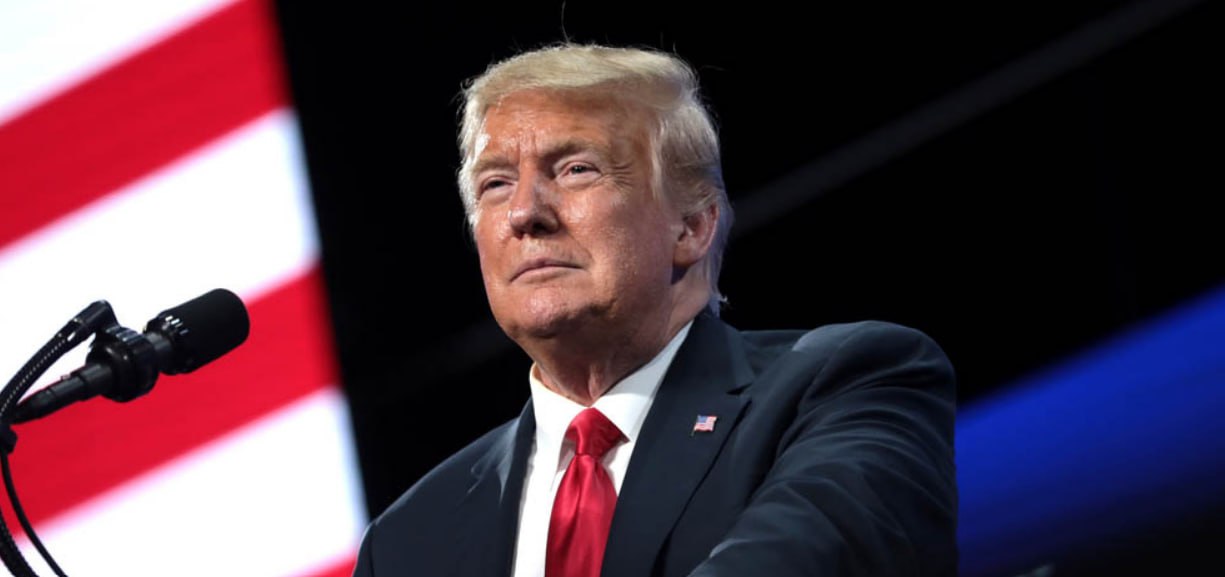 Experts call Trump’s crypto reserve “ridiculous” and “messed up,” criticizing the inclusion of centralized altcoins alongside Bitcoin and Ethereum.2025-03
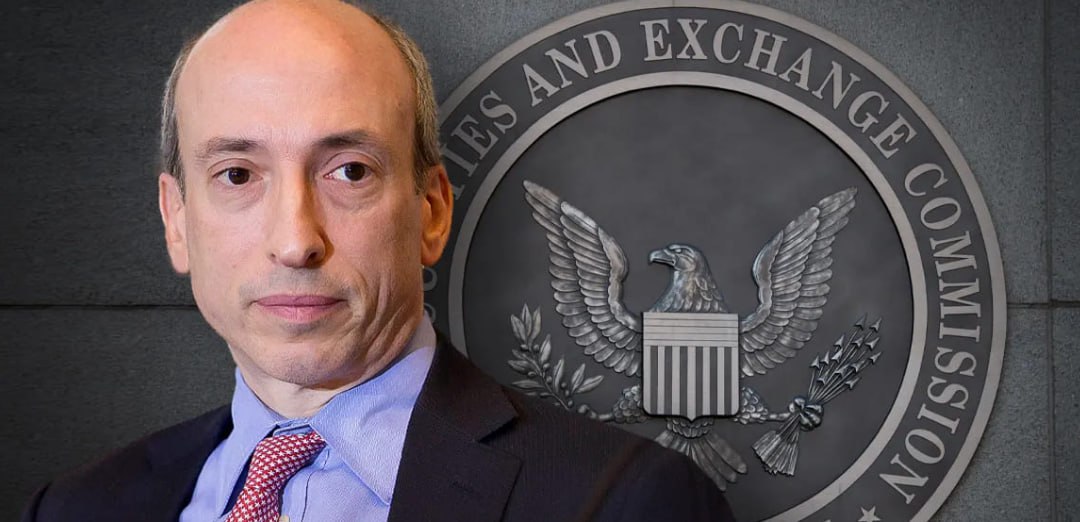 Ex-SEC chief Gary Gensler sounds alarm on altcoins as agency pivots on crypto; Fed cuts rates, Warren targets crypto czar Sacks, and Dragonfly’s Rob Hadick breaks down funding trends.2025-09
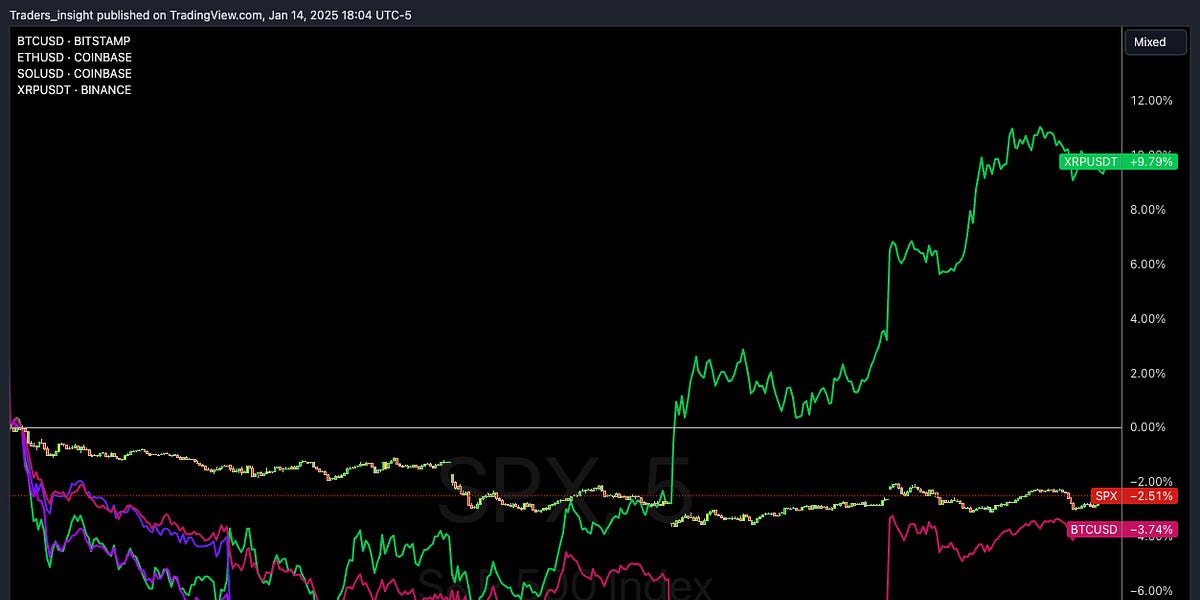 The crypto and equity markets took a nosedive after a stronger-than-expected U.S. jobs report dampened hopes for Federal Reserve rate cuts. BTC dropped below $90K, losing 7%, while altcoins felt even sharper pain—though XRP managed to defy the trend, surging nearly 10%.
Meanwhile, Soneium’s much-hyped Web3 launch by Sony sparked drama, with blacklisted memecoins causing outrage in the DeFi community. Critics called it centralized overreach, while others praised Ethereum’s OP stack for enabling censorship-resistant workarounds.
On the brighter side, Euler Finance is making a comeback, turning a $200M hack into a new era of innovation. Their v2 protocol is live, TVL is climbing, and the team is proving that resilience pays off.
For the full scoop on these stories and more, check out our latest newsletter! 🦑2025-01
The crypto and equity markets took a nosedive after a stronger-than-expected U.S. jobs report dampened hopes for Federal Reserve rate cuts. BTC dropped below $90K, losing 7%, while altcoins felt even sharper pain—though XRP managed to defy the trend, surging nearly 10%.
Meanwhile, Soneium’s much-hyped Web3 launch by Sony sparked drama, with blacklisted memecoins causing outrage in the DeFi community. Critics called it centralized overreach, while others praised Ethereum’s OP stack for enabling censorship-resistant workarounds.
On the brighter side, Euler Finance is making a comeback, turning a $200M hack into a new era of innovation. Their v2 protocol is live, TVL is climbing, and the team is proving that resilience pays off.
For the full scoop on these stories and more, check out our latest newsletter! 🦑2025-01 The SEC has once again hit pause on crypto ETF decisions—delaying bids from BlackRock, Fidelity & Franklin Templeton to add ETH staking, plus Franklin’s proposed XRP and Solana funds.2025-09
Altcoins: An Evergreen Explainer
In crypto markets, the term altcoin generally describes every cryptocurrency that is not Bitcoin, ranging from smart‑contract platforms like Ethereum and Solana to stablecoins, meme tokens, and DeFi governance assets. While some analysts carve out Ethereum as a separate category, the core idea remains the same: altcoins are the vast, experimental frontier of digital assets that trade alongside Bitcoin but often behave very differently in terms of utility, risk, and regulation. Altcoins collectively represent a majority of the token universe by count and a large share of the global crypto market value, with stablecoins alone accounting for more than a tenth of total capitalization, and they have become both a gateway for new users and a central source of volatility, innovation, and controversy in today’s crypto ecosystem.
Defining Altcoins in a Bitcoin‑Dominated Market
The simplest way to understand altcoins is to start from Bitcoin and work outward. Bitcoin was the first cryptocurrency and remains the benchmark asset in the space, often treated as a kind of “digital commodity” or macro asset whose primary purpose is to store value and secure a censorship‑resistant payments network. Everything that came after Bitcoin, and that is not Bitcoin itself, is generally placed in the altcoin bucket, including general‑purpose smart‑contract platforms such as Ethereum, transactional networks such as XRP, meme tokens, and tokens that represent claims on DeFi protocols or gaming ecosystems. Some industry voices argue that Ethereum is now so large and central that it should not be considered an altcoin, but most mainstream financial and data providers still treat it as part of the broader altcoin complex, if only because it is not Bitcoin.
From an investor’s perspective, the distinction between Bitcoin and altcoins is not just semantic. Bitcoin tends to trade as the most liquid and institutionally visible asset in the sector, and it is increasingly being slotted into portfolio constructs alongside gold and other alternatives. Altcoins, by contrast, span a spectrum from relatively established networks like Ethereum and Solana to micro‑cap tokens with thin liquidity and unclear fundamentals. They can behave more like early‑stage venture investments than like mature financial instruments, even when they trade on the same exchanges as Bitcoin. This heterogeneity is part of their appeal to speculative traders seeking outsized returns relative to BTC, but it is also the source of their heightened risk profile.
Despite Bitcoin’s continuing dominance, altcoins are no longer a mere sideshow. Global crypto market data show that the total capitalization of digital assets sits in the multi‑trillion‑dollar range, with stablecoins alone representing roughly 13–14% of the total market cap. Since Bitcoin itself accounts for a large but not overwhelming share of that total, the rest of the value is spread among thousands of altcoins of varying size and legitimacy. This has created an environment in which Bitcoin can move sideways or grind higher while selected altcoins post double‑digit gains or losses in short periods, giving rise to the recurring notion of “alt seasons” when non‑BTC coins dramatically outperform the benchmark.
One often overlooked shift is how users are entering crypto in the first place. Survey data from CoinGecko indicate that while nearly two‑thirds of participants say Bitcoin was their first crypto purchase, almost one in ten report that they have never owned Bitcoin at all. This suggests that for a meaningful minority of users, their first contact with digital assets is via altcoins—often through Ethereum, stablecoins, meme coins, or tokens associated with specific communities and brands—rather than through BTC. That pattern has important implications for on‑ramps, regulation, and market education, because it means many newcomers are directly exposed to higher‑volatility instruments without first experiencing Bitcoin’s risk‑return profile.
The term “altcoin” also encodes a set of cultural and ideological debates within crypto. Bitcoin maximalists argue that almost all altcoins are either unnecessary or outright scams, diluting capital and attention from what they see as the one credible monetary asset. At the same time, the broader developer and investor community points to Ethereum, DeFi, and other altcoin ecosystems as evidence that programmable money, NFTs, and on‑chain finance would not exist at scale without experimentation beyond Bitcoin. The tension is visible even in events marketed as “bitcoin‑only” conferences that nevertheless feature altcoin conversations and sponsorships, underscoring how hard it is to draw a clean line between BTC and everything else in practice.
Politics is starting to entangle itself with this distinction as well. In the United States, high‑profile figures such as Donald Trump have floated proposals for crypto reserves and product suites that include both Bitcoin and a curated basket of altcoins, often wrapped into exchange‑traded products or other TradFi‑style vehicles. The inclusion of altcoins in these plans has sparked backlash from some pro‑Trump and pro‑Bitcoin circles, who see non‑BTC tokens as a distraction or regulatory liability, while others argue that a broader mix of assets better reflects the reality of on‑chain innovation and could help pull more traditional capital into the sector. Regardless of where one stands, these debates show that “altcoin” is no longer just a technical label; it is a shorthand for conflicting visions of what crypto should become.

A LOOK INTO COINBASE: Coinbase’s “brand refresh” is really a pivot into an everything exchange—AI agents, stocks, perps, prediction markets, regulated token sales, B2B stablecoins, SocialFi, and curated DeFi—all on crypto rails. Bull case: this makes Coinbase a global financial utility, pulls TradFi liquidity onchain, scales revenue, and accelerates mass adoption. Bear case: it dilutes altcoins, centralizes power, invites heavy regulation, and could kill degen culture as capital rotates from speculative tokens into real, cash-flow assets.
From Forks to DeFi: A Brief History of Altcoins
Altcoins began as relatively modest experiments in tweaking Bitcoin’s code. Early projects like Litecoin and Namecoin forked the Bitcoin software to adjust parameters such as block time, hashing algorithm, or privacy features, claiming incremental improvements while preserving the same fundamental design. These first‑generation altcoins competed mainly on narrative and branding rather than on radically new capabilities, and while some still trade today, their long‑term impact was limited compared with what came later. They nevertheless established a pattern in which open‑source code could be copied, modified, and relaunched under a new ticker, a practice that remains common in meme‑coin cycles and speculative altcoin launches.
The launch of Ethereum marked the first real break from that pattern. Instead of primarily being a peer‑to‑peer payment network, Ethereum introduced a general‑purpose smart‑contract platform that allowed developers to write arbitrary code and deploy decentralized applications using its native currency, ETH, as “gas” to pay for computation. This shifted the role of a base‑layer coin from purely monetary use to also being a resource token necessary to execute logic on the network. Ethereum’s success spawned a wave of competing smart‑contract platforms and app‑specific tokens that aimed to capture particular use cases such as gaming, prediction markets, or privacy, firmly entrenching the idea that altcoins could embody different forms of utility rather than simply being alternative monies.
The initial coin offering (ICO) boom of 2017–2018 was the first large‑scale altcoin mania. Projects raised billions of dollars by selling tokens directly to the public, often with thin disclosures and unclear regulatory status. Many of those tokens either never delivered working products or were later deemed to be unregistered securities offerings. Regulators and courts have since been grappling with how to categorize such assets, laying the groundwork for the current wave of enforcement actions and policy proposals that focus heavily on altcoin issuers and trading venues. The ICO era also reinforced a recurring pattern in altcoin markets: rapid capital inflows driven by narratives and momentum, followed by deep drawdowns and lengthy bear markets when expectations fail to materialize.
The next major phase came with the rise of decentralized finance (DeFi) and non‑fungible tokens (NFTs) in 2020–2021. On Ethereum and rival chains, protocols for lending, trading, derivatives, and asset management issued governance tokens that conferred voting rights and fee‑sharing mechanisms. These DeFi tokens turned into a new class of altcoins whose value was tied, at least in principle, to the cash flows and growth of underlying protocols rather than to pure speculation. At the same time, NFTs brought attention to application‑level tokens, game economies, and creator coins, expanding the universe of alt assets beyond fungible ERC‑20 style tokens into digital collectibles and identity‑linked assets. The period culminated in a broad crypto bubble, with both Bitcoin and many altcoins reaching all‑time highs before entering a painful downturn.
The subsequent crash exposed the fragility of many altcoin projects. Token prices for a wide range of DeFi, gaming, and infrastructure coins fell far more than Bitcoin, in some cases 90% or more from their peaks. High‑profile collapses such as Terra‑Luna, centralized lenders, and algorithmic stablecoins undermined confidence in complex token designs and in the premise that yield‑bearing altcoins could be low‑risk income instruments. In later cycles, including major market breaks where large‑cap altcoins dropped 30–80% in a matter of weeks, funds and “smart money” traders publicly unwound positions at deep losses, underscoring how quickly paper gains can reverse when liquidity and sentiment evaporate.
Alongside these boom‑bust dynamics, altcoins have steadily penetrated more traditional financial structures. Digital asset treasuries—corporate entities that hold large inventories of tokens and raise capital via public markets—have emerged as a way to monetize and market altcoin ecosystems. In parallel, new vehicles such as altcoin‑focused ETFs, structured products, and tokenized notes are being pursued by issuers who hope to wrap volatile altcoins in familiar wrappers for retail and institutional investors. Trump‑branded “Made in America” crypto ETFs that mix U.S. crypto stocks, Bitcoin, and altcoins, with platforms like Crypto.com providing custody and technology, exemplify how altcoins are escaping the confines of crypto‑native exchanges and entering mainstream distribution channels.
The cultural trajectory of altcoins has also shifted. What began as niche technical experiments now spans meme coins that trade like internet culture derivatives, governance tokens that function as voting chips in decentralized organizations, and network tokens that underpin real‑world payment and settlement rails. This diversity means that talking about “altcoins” as a single asset class can be misleading; their behaviors and risk profiles differ dramatically depending on design, adoption, and regulatory treatment. Yet they remain grouped under a single umbrella largely because markets still reference Bitcoin as the anchor asset and everything else as an alternative.
Readers don't click altcoin stories for price moves — they click when an external actor (bankrupt estate, government policy, regulator) threatens to forcibly reshape the altcoin market structure against holders' will.
Types of Altcoins and What They Do
Because the altcoin universe is so broad, it is useful to think in terms of functional categories rather than individual tickers. One major category is base‑layer smart‑contract platforms. Ethereum is the best‑known example, providing a programmable environment where users can issue tokens, trade, lend, and build applications whose logic is enforced by the network. Competing layer‑1 networks such as Solana, as well as next‑generation rollups and layer‑2 solutions anchored to Ethereum, have their own native tokens that play a similar role in paying fees and securing consensus. These assets are often viewed as “platform bets,” with their valuation tied loosely to the economic activity and developer traction they host.
Another category comprises transactional and payments‑oriented altcoins. Tokens like XRP were designed with cross‑border transfers and remittances in mind, seeking to offer faster and cheaper settlement than legacy systems. Although stablecoins now dominate many on‑chain payment flows, these older transactional altcoins remain heavily traded, especially during periods when regulatory clarity or new use cases are in focus. Derivatives venues such as Kalshi have sought approval to list perpetual futures tied to XRP and other major altcoins like Solana and Dogecoin, indicating that there is sufficient demand for price exposure in these names to warrant regulated futures markets. If such products are green‑lit, they would allow traders to take altcoin positions without holding the underlying tokens, potentially deepening liquidity but also adding leverage‑driven volatility.
Stablecoins are a special but crucial subset of altcoins. These tokens are designed to maintain a peg to assets such as the U.S. dollar or other fiat currencies, and they have grown into a massive segment of the crypto market. Data from major aggregators show that stablecoins’ combined market capitalization is in the hundreds of billions of dollars, representing roughly 13–14% of total crypto market value. Stablecoins serve as the primary quote currency on many exchanges, as collateral in DeFi, and increasingly as rails for cross‑border business‑to‑business payments. Venture data and interviews with investors highlight a surge in funding for stablecoin and payments infrastructure firms, with the number of deals and the total capital raised in these segments climbing sharply in recent years. Studies of cross‑border B2B flows suggest that stablecoin‑based payments are already handling billions of dollars annually, with rapid growth as more companies adopt them.
DeFi tokens form another major group. These are typically governance or utility tokens associated with decentralized exchanges, lending platforms, derivatives protocols, or yield aggregators. Their holders may receive a share of protocol fees, voting rights on parameters such as collateral ratios, or boosted rewards for providing liquidity. While some DeFi tokens attempted to mimic the cash‑flow profile of equities, the 2020–2022 cycles showed that market prices for these altcoins can decouple sharply from underlying usage metrics, especially during speculative peaks or risk‑off episodes. The case of Trend Research, a secondary investment institution that accumulated millions of dollars’ worth of UNI and COMP during a rebound, only to later liquidate at average prices far below their entry and realize losses of over $40 million, illustrates the dangers of treating DeFi blue chips as stable long‑term holdings without robust risk management.
Meme coins and culture tokens have become a defining feature of altcoin cycles. These tokens often have minimal technical differentiation and derive their value almost entirely from community memes, social media virality, and speculative flows. They can deliver extraordinary short‑term returns for early holders but typically lack sustainable fundamentals, making them particularly prone to boom‑and‑bust behavior. At the same time, their success has influenced corporate and political strategies: issuers and digital asset treasuries may create branded meme‑like tokens to drive engagement, while public figures such as Trump find themselves navigating whether to embrace or distance themselves from such altcoins when constructing policy proposals or product lineups.
Privacy and niche‑use altcoins round out the landscape. Tokens like Zcash (ZEC) focus on enabling shielded transactions, using advanced cryptography to obscure sender, receiver, and amount. These coins occupy a fraught position in the ecosystem because they can be used for legitimate privacy needs but also attract regulatory scrutiny related to anti‑money‑laundering and sanctions compliance. The behavior of prominent traders, such as Arthur Hayes’ continued support for ZEC even after selling large positions in other altcoins including ETH and ENA, speaks to the belief in certain corners that privacy‑focused altcoins remain undervalued or strategically important despite regulatory headwinds. Other specialized tokens target gaming, file storage, oracle services, or real‑world assets, each with their own token economic models and dependency on adoption within their niche verticals.
Finally, there are tokens that emerge explicitly at the intersection of crypto and traditional finance. SocialFi tokens, tokenized stocks, and governance tokens for prediction markets all fall under the altcoin umbrella and increasingly sit on platforms that straddle the line between CEX and DeFi. Coinbase, for example, has outlined an ambitious “brand refresh” positioning itself as an “everything exchange,” with plans for AI agents, stock and commodity trading, regulated token sales, prediction markets, B2B stablecoin services, SocialFi integrations, and curated DeFi access all running on crypto rails. The bull case is that such platforms could transform altcoins into more usable, revenue‑linked assets, pull traditional liquidity on‑chain, and accelerate mass adoption. The bear case is that concentrating so much functionality and listing power in a few centralized entities could dilute altcoin diversity, centralize control, invite intense regulation, and erode the free‑wheeling “degen” culture that has defined altcoin trading to date.
Coinbase Derivatives will launch 24/7 futures trading for major altcoins in December, expanding beyond BTC and ETH. The exchange also plans U.S. perp-style futures with five-year expiries to deepen its derivatives lineup.
Market Structure, Liquidity, and Cycles
Understanding altcoins requires a grasp of the broader crypto market structure in which they trade. The global cryptocurrency market capitalization sits in the multi‑trillion‑dollar range, with day‑to‑day fluctuations driven by macroeconomic conditions, regulatory news, and endogenous crypto factors. Within that total, Bitcoin and Ethereum command large individual shares, but thousands of other altcoins collectively make up a substantial portion of the remaining value. Market data show that stablecoins alone have a market cap on the order of hundreds of billions of dollars, underscoring how much of the ecosystem’s liquidity is now denominated in dollar‑pegged tokens rather than in BTC or ETH themselves. This matters because altcoin trading is often quoted against stablecoins, meaning capital can rotate among altcoins without passing through Bitcoin at all.
Altcoin markets remain highly cyclical. Periods of relative calm or grinding uptrend in Bitcoin often coincide with sharp rallies in selected altcoins, generating headlines about altcoins “ripping” or posting double‑digit gains while BTC consolidates near key levels. Data from exchanges and price trackers show repeated instances where Bitcoin holds a narrow trading range—such as hovering in the mid‑$60,000s—while Ethereum surges over 20% in a week on the back of bullish research notes, and smaller altcoins like HYPE or other mid‑caps rally even more aggressively. Similarly, localized rallies in names like Algorand, Provenance, and other mid‑cap altcoins have accompanied Bitcoin’s approach toward psychological thresholds around $69,000–$70,000, contributing to short‑term expansions in total crypto market cap and flushing out leveraged positions across the board.
The flip side is that altcoins tend to experience disproportionately large drawdowns during market crashes. Historical episodes, such as the post‑2021 bubble correction, saw Bitcoin fall from its peak by roughly 30% while many altcoins suffered losses of 60–90% as speculative capital fled and liquidity thinned. More recent crashes have followed a similar script, with headlines describing large‑cap altcoins dropping 30–80% in the largest sector‑wide sell‑offs since the last bear market, even as Bitcoin held up somewhat better. The asymmetry reflects the fact that altcoin valuations are more reliant on future growth narratives and reflexive DeFi yields, making them vulnerable when funding rates flip negative, stablecoins de‑peg, or centralized lenders unwind positions.
Regional market dynamics play a significant role in shaping altcoin liquidity and price discovery. In South Korea, for example, domestic financial, securities, and IT firms have competed aggressively to acquire equity stakes in local cryptocurrency exchanges like Upbit, Bithumb, Coinone, and Korbit. Hana Bank, Samsung‑linked entities, Mirae Asset, and others have pursued substantial shareholdings as part of a broader push to institutionalize the won‑denominated stablecoin and integrate crypto trading into mainstream financial services. At the same time, trading volume data show that following a significant digital asset market crash and a booming local equities market, total crypto turnover on Korean compliant exchanges fell to a fraction of stock market volume, illustrating how quickly retail enthusiasm for altcoins can ebb when alternative opportunities arise.
Regulatory developments in other jurisdictions also reshape altcoin market structure by constraining or enabling liquidity channels. In Hong Kong, the Monetary Authority has introduced additional measures requiring banks to tighten checks on mainland investors opening investment accounts, including enhanced scrutiny of identity documents, closure of dormant zero‑balance investment accounts, and written declarations that invested funds come from legal sources outside mainland China. While these rules apply broadly to investment accounts rather than specifically to crypto, they affect how cross‑border investors can access altcoins and other digital assets through Hong Kong‑based intermediaries. In Russia, the central bank has proposed capping banks’ direct crypto asset exposure at 1% of a single banking group’s capital and applying a steep 50% risk weight to customer crypto positions, citing extreme price volatility and seizure risks. Such measures, if implemented, would likely limit the role of banks as direct altcoin investors and custodians, pushing exposure into specialized firms and offshore venues.
The growth of digital asset treasuries and structured equity deals adds another structural layer. Market participants describe a developing “DAT market,” in which companies holding substantial altcoin treasuries seek to raise capital or monetize holdings via public vehicles. One mechanism involves private investment in public equity (PIPE) transactions into shell companies, with the proceeds and corporate actions designed to have an immediate and material effect on the underlying token’s economics. In this model, altcoins are not just traded on exchanges; they become embedded in the balance sheets and capital structure of public entities, further blurring the lines between crypto‑native and traditional markets. The speed with which such Alt DAT deals can be brought to market makes them attractive for issuers looking to influence token liquidity and price in the near term.
These structural trends intersect with macrofinancial conditions. Research and market commentary note that U.S. money market funds have accumulated over \$7 trillion in assets, and analysts argue that looming interest‑rate cuts by the Federal Reserve could prompt some of that capital to rotate out of cash and into risk assets, including Bitcoin and altcoins. At the same time, academic work suggests that since the onset of the Covid‑19 pandemic, correlations between Bitcoin and traditional assets have increased, reducing Bitcoin’s diversification benefits within multi‑asset portfolios. As Bitcoin trades more like a high‑beta macro asset, altcoins often behave as even higher‑beta extensions of that risk factor, amplifying both upside and downside moves. This means that altcoin cycles are increasingly tied to global liquidity conditions and risk appetite, not just to crypto‑specific news.
In summary, altcoin markets are shaped by a complex interplay of global macro forces, regional regulations, exchange competition, and evolving capital‑markets structures such as digital asset treasuries and ETFs. For traders and investors, this translates into a landscape where liquidity can be deep in some names and paper‑thin in others, where regional policy changes can abruptly alter access, and where seemingly isolated events—such as a single fund unwinding DeFi positions or a central bank proposing new exposure limits—can reverberate across the entire altcoin complex.
Trading and Investing in Altcoins
From a trading standpoint, altcoins are often treated as high‑beta vehicles relative to Bitcoin and Ethereum. Their prices respond more sensitively to shifts in market sentiment, and their order books are typically thinner, making them more prone to sharp moves when large market orders hit. This behavior attracts both retail speculators and professional traders who seek leverage to directional views on crypto as a whole. When bullish narratives dominate—such as expectations of Fed rate cuts, large inflows from money market funds, or regulatory breakthroughs in ETFs—capital often cascades from BTC into large‑cap altcoins like ETH, SOL, and XRP, and then into mid‑ and small‑cap tokens, driving outsized percentage gains. Conversely, when macro or geopolitical shocks hit, altcoins usually lead on the way down, as seen in episodes where Bitcoin gained or held steady while Ether, Solana, and other altcoins tumbled on rising geopolitical tensions and risk aversion.
Technical analysis (TA) is widely used by altcoin traders. TA refers to the methodology of evaluating investments based on statistical analysis of market activity, primarily price and volume, rather than on underlying fundamentals. Chart patterns, momentum oscillators, moving averages, and order‑flow tools are applied across BTC, ETH, and a wide array of altcoins in an attempt to identify high‑probability setups. Proponents argue that because altcoins are highly speculative and reflexive, their price action is especially amenable to TA‑driven strategies, while skeptics counter that low liquidity and susceptibility to manipulation can render classic signals unreliable. Articles and practitioner accounts debate whether TA “works better” on Bitcoin or altcoins, often concluding that while patterns can be clearer on highly liquid majors, the largest percentage moves—and therefore the most lucrative TA‑driven trades—tend to occur in altcoins precisely because of their higher volatility.
Fundamental analysis of altcoins is more complex and less standardized than for traditional equities. For a smart‑contract platform like Ethereum, investors might look at metrics such as transaction fees, active addresses, total value locked (TVL) in DeFi, and the pace of developer activity. For DeFi tokens, relevant indicators could include protocol revenue, user growth, and the governance structure that dictates how fees are distributed or how token emissions change over time. For stablecoins, key variables are the quality and transparency of reserves, redemption mechanisms, and regulatory jurisdiction. Many altcoins, however, lack robust data or clear links between token ownership and value accrual, making it difficult to build discounted cash‑flow models or other traditional valuation frameworks. As a result, narratives, comparative analysis (for example, valuing a new DeFi token relative to established peers), and tokenomics design play outsized roles in how the market prices altcoins.
Correlation risk is a central concern for altcoin investors. Academic research shows that since early 2020, Bitcoin’s correlation with traditional assets like stocks and commodities has risen markedly, and this structural shift has diminished Bitcoin’s ability to enhance the efficient frontier of conventional portfolios in the way earlier studies suggested. As Bitcoin has become more entwined with macro risk factors, altcoins that key off Bitcoin’s moves have likewise become less effective as independent diversifiers. BlackRock and other asset managers still discuss Bitcoin and, indirectly, crypto as potential diversification tools and alternative investments, but they increasingly emphasize the need to consider evolving correlations and to demand higher expected returns to justify the added volatility. Market commentary frequently warns that altcoins, in particular, tend to track Bitcoin closely in downturns, limiting their diversification benefits despite their idiosyncratic stories.
Investor behavior around altcoins often swings between cautious accumulation and aggressive momentum chasing. During periods of fear, “smart money” wallets and funds may quietly accumulate positions in selected altcoins they view as undervalued, using on‑chain analytics to gauge sentiment and liquidity. Headline narratives about whales hoarding specific altcoins amid “stormy fear seas” at metaphorical “Terra‑Luna depths” speak to this dynamic, in which sophisticated players treat crash conditions as opportunities to acquire tokens from forced sellers. Later, as sentiment improves and retail participation returns, research pieces touting “7 altcoins poised to surge past Bitcoin” proliferate, feeding a feedback loop in which expectations of outperformance attract flows that can, temporarily, deliver that performance—until liquidity dries up or macro conditions turn.
Risk management is therefore critical in altcoin investing. The experience of institutions such as Trend Research, which accumulated large UNI and COMP positions at average costs of roughly \$9.50 and \$49.30 respectively and ultimately sold at around \$3.30 and \$19.40 for estimated losses exceeding \$40 million, illustrates how even sophisticated players can misjudge the depth and duration of altcoin drawdowns. Position sizing, diversification across narratives and chains, and clear exit criteria become essential tools. However, diversification has limits: if all altcoins in a portfolio are highly correlated with Bitcoin and with each other during stress events, the effective diversification may be much lower than the raw number of tickers suggests. This is one reason why some portfolio managers continue to anchor their crypto exposure in BTC and ETH, using smaller altcoin positions tactically rather than structurally.
Derivative markets amplify both opportunities and risks. Leveraged products, perpetual swaps, and options on altcoins allow traders to express views with less capital and to hedge portfolios, but they also increase the potential for liquidation cascades when prices move abruptly. Liquidations totaling hundreds of millions of dollars across leveraged positions have accompanied sharp altcoin rallies and crashes, including episodes where Bitcoin’s move toward key resistance levels triggered squeezes in altcoin derivatives and forced traders to close positions. As regulated venues like Coinbase Derivatives and Kalshi expand their altcoin offerings, including perpetual futures and long‑dated contracts, the reach of derivatives‑driven dynamics into altcoin pricing is likely to grow.
Ultimately, trading and investing in altcoins sits at the intersection of macro, micro, technical, and behavioral forces. Bitcoin and Ethereum may set the overall tone, but altcoins express more granular bets on technology stacks, regulatory outcomes, cultural memes, and platform adoption. For participants willing to embrace this complexity, altcoins offer the possibility of significant upside along with the near‑certainty of high volatility and episodic drawdowns. For those seeking more measured exposure, carefully chosen altcoins can complement core BTC and ETH holdings, but only with a clear understanding that their behavior will rarely be independent in true stress scenarios.
Arthur Hayes dumped large amounts of ETH, ENA, and several altcoins after the market crash, even after previously vowing not to take profits again. Meanwhile, ZEC surged strongly, becoming the only major alt he continues to support.
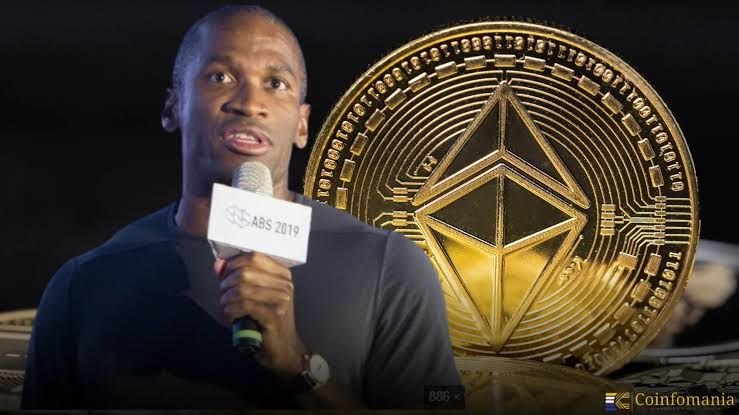

"Recall that the Maelstrom exec sold off a significant portion of his alt holdings back in August as well. At the time, he warned that the crypto market is due for another pullback. However, that’s not what took place, as the market started to recover and he had to reaccumulate ETH at higher prices. Afterward, he “pinky” swore that he would never take a profit again."
Regulation, ETFs, and Institutional Adoption
Regulation is one of the defining challenges for altcoins as they seek broader adoption. U.S. securities law, in particular, looms large because many altcoins may meet the criteria of investment contracts under the Howey test, exposing issuers and intermediaries to potential enforcement action. Former SEC Chair Gary Gensler has repeatedly voiced concerns that most altcoins are unregistered securities and that platforms listing them could be operating unregulated securities exchanges, even as the agency has slowly pivoted toward more nuanced crypto policies under new leadership. Enforcement actions against token issuers, exchange operators, and DeFi projects have created an environment in which large institutions are cautious about listing or promoting altcoins without clear regulatory guidance.
One of the most closely watched fronts is the development of exchange‑traded funds and similar products for altcoins. The SEC has periodically “hit pause” on decisions regarding ETFs tied to major altcoins such as XRP, Solana, Litecoin, and Dogecoin, as well as on proposals to add staking features for Ethereum and to launch products referencing baskets of altcoins. In March 2026, for instance, the agency designated a longer review period for several proposed ETFs tied to XRP and Solana, leaving at least a dozen applications in limbo and delaying clarity for investors awaiting regulated altcoin exposure in brokerage accounts. These delays illustrate the tension between strong market demand for simple, regulated vehicles and regulators’ unease about market integrity, custody, and investor protection in altcoin markets.
At the same time, private issuers and politically connected firms are pushing ahead with their own visions for altcoin‑inclusive products. Trump Media, for example, has announced plans in partnership with Crypto.com and Yorkville to roll out a suite of “Made in America” crypto ETFs under its Truth.Fi brand, featuring combinations of U.S.‑based crypto‑related stocks, Bitcoin, and selected altcoins, with Crypto.com providing custody and underlying technology. Separately, Trump’s proposal for a national crypto reserve that would hold a mix of BTC and altcoins has sparked intense debate among both crypto natives and political supporters, with critics arguing that including higher‑risk altcoins could expose public funds to unacceptable volatility and regulatory hazards. These initiatives underscore that altcoins are no longer confined to the realm of retail trading, but are being woven into policy narratives and financial products with broader systemic implications.
Institutional asset managers are also probing the altcoin space. Grayscale, a major digital asset manager known for its Bitcoin and Ethereum trusts, regularly publishes an “Assets Under Consideration” list that includes a rotating roster of altcoins it is evaluating for potential investment products. Its Q1 2026 watchlist, for instance, named 36 altcoins under review, including networks such as Tron (TRX), TON, ENA, HYPE, and others, reflecting both demand from clients and Grayscale’s view on which ecosystems are mature enough to merit institutional‑grade vehicles. Although inclusion on such a list does not guarantee the launch of a product, it signals growing interest in diversifying beyond BTC and ETH and in constructing multi‑asset crypto portfolios within regulated fund structures.
Derivatives regulation is another key area. Kalshi, a CFTC‑regulated prediction market platform, has obtained approval for a Bitcoin perpetual futures contract and has reportedly filed to certify similar perpetual futures tied to XRP, Solana, Dogecoin, and other major altcoins. While these altcoin products have not yet received the same public approval as the Bitcoin contract, and thus remain reported filings rather than live markets, their eventual status will be a bellwether for how U.S. derivatives regulators view mainstream altcoin exposure. If approved, such contracts would offer U.S. traders a regulated way to trade altcoin prices using perpetual futures without owning the tokens directly, potentially expanding institutional participation but also raising questions about market surveillance and manipulation.
Large spot and derivatives exchanges are positioning themselves to capture this demand. Coinbase Derivatives, for example, describes itself as a crypto‑centric futures exchange offering products across a range of asset classes and contract sizes, and it has signaled plans to extend 24/7 futures trading beyond BTC and ETH to include major altcoins. The exchange has also floated the idea of U.S.‑compliant perpetual‑style futures with multi‑year expiries, which would allow traders to express long‑term views on altcoins within a regulated framework. The combination of spot markets, derivatives, and new product lines such as regulated token launches and prediction markets on platforms like Coinbase blurs traditional boundaries and raises the stakes of regulatory clarity for altcoins.
Global regulatory approaches add further complexity. As noted earlier, the Central Bank of Russia’s proposal to cap banks’ direct crypto exposure at 1% of capital and to assign high risk weights to customer crypto holdings reflects concerns about volatility and seizure risk. These policies, although not altcoin‑specific, effectively limit how deeply traditional banks can engage with altcoins relative to Bitcoin or to other assets, thereby shaping the channels through which institutional money can flow. In jurisdictions like Hong Kong and South Korea, policymakers are simultaneously tightening investor‑protection measures and enabling institutional access to exchanges and stablecoin projects, creating patchworks of opportunity and constraint that altcoin issuers and investors must navigate.
For altcoins, the regulatory and institutionalization trajectory is neither linear nor guaranteed. On the one hand, the steady expansion of ETF proposals, derivatives filings, digital asset treasury deals, and exchange capabilities indicates that sophisticated actors see long‑term potential in building products around leading altcoins. On the other hand, delays, enforcement actions, and cautious language from regulators highlight ongoing skepticism. The eventual settlement of these tensions will play a significant role in determining which altcoins evolve into durable components of the financial system and which remain confined to speculative niches.
- 01Celsius forced altcoin liquidations
A court-approved, scheduled mass conversion of altcoins into BTC/ETH represented a concrete, dated forced-sell event that readers with altcoin exposure treated as a systemic price threat.
- 02Trump reserve altcoin legitimacy fight
The inclusion of centralized altcoins (XRP, SOL) alongside BTC in a proposed U.S. strategic reserve split the community and raised questions about which assets deserve sovereign-grade status.
- 03SEC altcoin ETF delays↗
Repeated SEC deferrals on XRP, Solana, and ETH-staking ETFs signaled that regulatory access to altcoin exposure through traditional finance remains gated and uncertain.
- 04Macro rate-cut sensitivity
A single stronger-than-expected jobs report wiped out altcoin gains disproportionately versus Bitcoin, making the Fed rate path a direct lever on altcoin portfolio risk.
- 05Institutional altcoin product expansion↗
Trump Media ETFs, Coinbase derivatives, and digital asset treasury vehicles signaled growing institutional wrapping of altcoins — drawing readers who track where real capital channels are forming.
- 06Arthur Hayes capitulation trades
A high-profile insider publicly reversing on ETH and other altcoins after a crash served as a sentiment signal that readers used to gauge broader conviction among sophisticated holders.
Platforms, Infrastructure, and the Coinbase Question
Altcoins live and trade on a diverse set of platforms, from centralized exchanges to decentralized protocols and application‑specific networks. Centralized exchanges (CEXes) remain the primary venues for price discovery and liquidity in most altcoins, especially for fiat on‑ramps and off‑ramps. Global players like Coinbase and Binance list hundreds of altcoins, each with its own liquidity profile and regulatory considerations. Regional exchanges, such as those in South Korea, have become hotspots for particular tokens, occasionally driving local premiums or idiosyncratic price action when domestic interest spikes or regulatory news hits. The intensifying competition among Korean financial institutions to acquire equity stakes in exchanges like Upbit and Coinone reflects the perception that these platforms will play a central role in future digital asset markets.
Decentralized exchanges (DEXes) and DeFi platforms constitute the parallel infrastructure arm of the altcoin ecosystem. On Ethereum and other smart‑contract platforms, automated market makers, order‑book DEXes, and lending protocols facilitate permissionless trading, borrowing, and leverage for a wide array of tokens. Many altcoins first launch on DEXes before securing CEX listings, using liquidity mining incentives and community campaigns to bootstrap volume. DeFi’s open architecture has enabled rapid experimentation with tokenomics, risk‑sharing, and cross‑chain bridges, but it has also exposed users to smart‑contract vulnerabilities, governance attacks, and opaque counterparty risks. For altcoins, DeFi is both a proving ground and a systemically important source of liquidity.
Coinbase’s strategic evolution captures the broader trend of CEXes positioning themselves as full‑stack financial utilities. The company’s “brand refresh” framework envisions Coinbase not just as a place to buy and sell BTC or ETH, but as a comprehensive marketplace for crypto and traditional assets alike. On this roadmap, altcoins play multiple roles: as instruments for SocialFi platforms, as underlying assets for prediction markets, as collateral in B2B stablecoin solutions, and as candidates for curated DeFi access provided through a semi‑custodial interface. AI agents, running on or interacting with on‑chain protocols, could automate complex strategies involving dozens of altcoins, while tokenized stocks and other real‑world assets blur distinctions between crypto and traditional markets. For altcoin issuers, securing a place in such ecosystems may become as important as technical innovation, because platform decisions about listings, integrations, and fee structures can materially influence liquidity and adoption.
The bull and bear cases for this platform‑centric future differ sharply. Optimists argue that a Coinbase‑like “everything exchange” can serve as a global financial utility that standardizes access, reduces friction, and channels vast pools of traditional liquidity into crypto, benefiting high‑quality altcoins that offer genuine utility. Pessimists warn that such centralization could narrow the spectrum of supported altcoins, as compliance and commercial considerations lead platforms to favor a limited set of tokens that align with regulatory expectations and revenue goals. In the bear case, capital rotates away from long‑tail speculative altcoins toward a smaller set of large‑cap tokens and tokenized cash‑flow assets, potentially “killing” parts of degen culture and making it harder for new altcoins to gain traction without institutional endorsements.
Other exchanges and fintech platforms are pursuing their own versions of this strategy. Binance, despite regulatory scrutiny in multiple jurisdictions, continues to expand into new markets such as the Philippines through partnerships with local firms, positioning itself as a key infrastructure provider for altcoin trading and payments in emerging economies. Regional banks and brokerages are building crypto desks and integrating stablecoins into their offerings, further embedding altcoins into everyday financial workflows. In parallel, specialized derivatives exchanges, including Coinbase Derivatives and Kalshi, are building out altcoin futures and perpetual contracts that tie into both CEX and DeFi liquidity, creating a multilayered ecosystem in which spot and derivatives markets feed back into each other.
The infrastructure story extends beyond exchanges to wallets, custody solutions, and developer tools. Institutional‑grade custody providers must navigate how to securely store a wide variety of altcoins, each with its own technical quirks and staking or governance features. Retail wallets need to present complex token portfolios in user‑friendly ways, surfacing critical information about permissions, upgradeability, and risk. Developer ecosystems around Ethereum, Solana, and other base layers produce tooling, SDKs, and indexing services that make it easier for new altcoins to plug into DeFi, wallets, and analytics dashboards from day one. In aggregate, this infrastructure determines not only how altcoins are traded, but also how visible and interpretable they are for end users.
As infrastructure matures, the line between on‑chain and off‑chain altcoin activity will continue to blur. Digital asset treasuries, AI‑driven trading agents, and embedded crypto services in social apps may transact in altcoins behind the scenes, with users interacting through familiar interfaces and rarely thinking about the underlying tokens. The success or failure of this embedded future will hinge in part on whether platforms like Coinbase, Binance, and regional incumbents can balance innovation with regulatory compliance, and on whether altcoin protocols can evolve to meet the performance, security, and governance standards demanded by large‑scale integrations.
Culture, Politics, and Narratives
Altcoins are as much cultural artifacts as they are financial instruments. Their communities organize around memes, ideological commitments, and shared aspirations as much as around code or protocol specifications. Meme coins, in particular, exemplify this dynamic: tokens themed around dogs, frogs, or internet in‑jokes have, at times, reached multi‑billion‑dollar valuations despite having minimal intrinsic utility. Their success depends on social media virality, influencer endorsements, and a self‑aware blend of irony and greed that is distinctive to online crypto culture. For many participants, the fun and community of trading such altcoins is part of the appeal, even if they understand that the probability of long‑term value retention is low.
Bitcoin maximalism stands in tension with this altcoin culture. Maximalists argue that any capital or attention devoted to altcoins is a distraction from building and securing Bitcoin as sound money. They frequently describe altcoins as scams, noting the history of ICOs and token launches that enriched insiders while leaving late buyers with steep losses. Yet the persistence of altcoin trading, and the presence of altcoin sponsors at nominally “bitcoin‑only” conferences, suggest that the ecosystem has become too intertwined to be neatly separated. Many individuals who identify as Bitcoiners also hold or trade altcoins opportunistically, and key infrastructure providers like exchanges and custodians rely on altcoin volumes as a major revenue driver.
Politically, altcoins are becoming flashpoints in debates about innovation, national strategy, and consumer protection. Trump’s crypto reserve proposal and Truth.Fi ETF platform, which explicitly include altcoins alongside Bitcoin, have divided his own base of tech‑savvy supporters. Some applaud the recognition that crypto innovation extends beyond BTC and that the U.S. should not cede leadership in DeFi, stablecoins, and Web3 to other jurisdictions. Others worry that attaching the state’s balance sheet or political brand to volatile altcoins could backfire if prices crash or if regulatory scandals emerge. Similar debates play out more quietly in policymaking circles and corporate boardrooms, where decisions about whether to hold or endorse altcoins carry both financial and reputational risks.
Digital asset treasuries and public‑market vehicles add another layer of narrative complexity. These entities pitch themselves as engines for adoption, promising to deploy capital to grow altcoin ecosystems, fund developer grants, and promote real‑world use cases. Critics counter that some DAT structures primarily serve as exit liquidity for large token holders, who can sell into the increased visibility that public listings and corporate marketing provide. Accusations of self‑dealing and misalignment between token holders and equity investors surface regularly, feeding a broader skepticism about whether altcoin‑driven corporate strategies create durable value or simply redistribute wealth among insiders and speculators.
Personalities play an outsized role in altcoin narratives. Figures such as Arthur Hayes, former exchange executives, protocol founders, and influential traders can move markets with their endorsements or criticisms. Hayes’ decision to dump substantial holdings of ETH, ENA, and other altcoins after publicly vowing not to take profits again, while continuing to support ZEC, became a talking point about conviction, hypocrisy, and strategy in crypto circles. Celebrity endorsements of meme coins or NFT projects likewise often precede surges in price and attention, sometimes followed by sharp collapses and regulatory scrutiny. In such an environment, altcoin investing often feels as much like reading people and social dynamics as it does like analyzing code or economic models.
Altcoins also function as gateways to crypto for new demographics. The fact that almost one in ten crypto users has never owned Bitcoin suggests that some communities identify more strongly with Ethereum, Solana, or specific application‑level tokens than with BTC. For gamers, NFT collectors, or SocialFi users, the primary interaction with crypto may be through tokens tied to their preferred platforms or brands, with Bitcoin occupying a distant, abstract role. This fragmentation means that public discourse about “crypto” increasingly reflects multiple, sometimes incompatible, subcultures, each with its own favored altcoins and narratives.
These cultural and political dimensions are not mere side stories; they feed back into markets. Memes can drive flows, which move prices, which attract media coverage and regulatory attention, which in turn reshape the cultural conversation. Altcoins sit at the center of this loop because they are the vehicles through which many of these narratives are expressed and monetized. Understanding altcoins, therefore, requires not only reading whitepapers and analyzing charts, but also tracking how communities, influencers, and policymakers talk about them—and how those conversations shift over time.
- 2022-07regulatory
Celsius Network files for bankruptcy
FTX collapse triggers largest altcoin crash since 2018
- 2024-07governance
Celsius court approval to convert altcoins to BTC and ETH
- 2025-01regulatory
Trump announces U.S. strategic crypto reserve including altcoins
- 2025-01regulatory
Gary Gensler departs SEC; agency signals crypto policy pivot
SEC pauses BlackRock, Fidelity, Franklin altcoin ETF decisions
- 2025-02milestone
Strong U.S. jobs report triggers 7%+ BTC drop; altcoins fall harder
Coinbase Derivatives launches 24/7 altcoin futures trading
Outlook
Altcoins occupy a paradoxical position in the crypto ecosystem. They are simultaneously the source of much of its innovation and much of its risk; they power DeFi, NFTs, stablecoin payments, and SocialFi experiments, yet they also underpin many of the most spectacular bubbles and busts. Bitcoin remains the gravitational center, but the bulk of new code, application design, and user experiences continues to emerge in altcoin ecosystems. Over the next several years, the trajectory of altcoins will likely be shaped by three main forces: macrofinancial conditions, regulatory settlement, and infrastructure maturation.
Macro conditions will influence how much capital is available to flow into risk assets. With trillions of dollars parked in money market funds and the prospect of rate cuts on the horizon, any shift in relative yields could send a wave of liquidity back into equities, Bitcoin, and higher‑beta altcoins. If that happens alongside the launch of new ETFs, derivatives, and digital asset treasury deals, the stage would be set for another powerful altcoin cycle. Conversely, if inflation resurges or regulatory shocks hit, altcoins could once again bear the brunt of risk‑off sentiment, with correlations to Bitcoin and traditional assets limiting their diversification benefits and amplifying drawdowns.
Regulatory clarity will determine which segments of the altcoin universe can integrate into mainstream finance. Approval of ETFs and regulated derivatives for leading altcoins such as ETH, SOL, and XRP would open large new channels of demand, especially from institutions that cannot or will not hold tokens directly. At the same time, stricter rules around token issuance, disclosure, and exchange listing standards could marginalize low‑quality projects and shrink the viable universe of tradable altcoins. Jurisdictional competition—from Hong Kong’s virtual asset regime to South Korea’s institutionalization of stablecoins and Russia’s cautious exposure limits—will create a patchwork of opportunities and constraints that sophisticated investors will navigate, but that may confuse or exclude retail users.
Infrastructure and platform strategies will shape altcoin accessibility and utility. If Coinbase and its peers succeed in becoming global financial utilities, altcoins that align with their compliance frameworks and product plans could see sustained liquidity, integration into AI‑driven financial agents, and exposure to billions of dollars in B2B and consumer flows. Stablecoins are likely to continue growing as payment and settlement instruments, reinforcing the central role of dollar‑pegged altcoins in on‑chain economies. DeFi protocols that can offer real, sustainable yields and robust risk controls may differentiate their tokens from purely speculative peers, particularly if they can tie token value to protocol revenue in transparent ways.
For crypto participants, the practical takeaway is that altcoins are not going away, but the bar for long‑term success is rising. The era of easy ICO gains and unchecked meme‑coin rallies is giving way—gradually and unevenly—to an environment in which regulatory scrutiny, professional risk management, and competition for integration slots on major platforms will winnow the field. Bitcoin and Ethereum are likely to remain the core of most portfolios, but carefully selected altcoins, chosen for their fundamentals, governance, and integration into real‑world or DeFi use cases, can still play a strategic role. Navigating this landscape requires skepticism, patience, and a willingness to engage with both the technical and cultural dimensions that make altcoins unique.
Latest Altcoins news
A LOOK INTO COINBASE:
Coinbase’s “brand refresh” is really a pivot into an everything exchange—AI agents, stocks, perps, prediction markets, regulated token sales, B2B stablecoins, SocialFi, and curated DeFi—all on crypto rails. Bull case: this makes Coinbase a global financial utility, pulls TradFi liquidity onchain, scales revenue, and accelerates mass adoption. Bear case: it dilutes altcoins, centralizes power, invites heavy regulation, and could kill degen culture as capital rotates from speculative tokens into real, cash-flow assets.Coinbase Derivatives will launch 24/7 futures trading for major altcoins in December, expanding beyond BTC and ETH. The exchange also plans U.S. perp-style futures with five-year expiries to deepen its derivatives lineup.Arthur Hayes dumped large amounts of ETH, ENA, and several altcoins after the market crash, even after previously vowing not to take profits again. Meanwhile, ZEC surged strongly, becoming the only major alt he continues to support.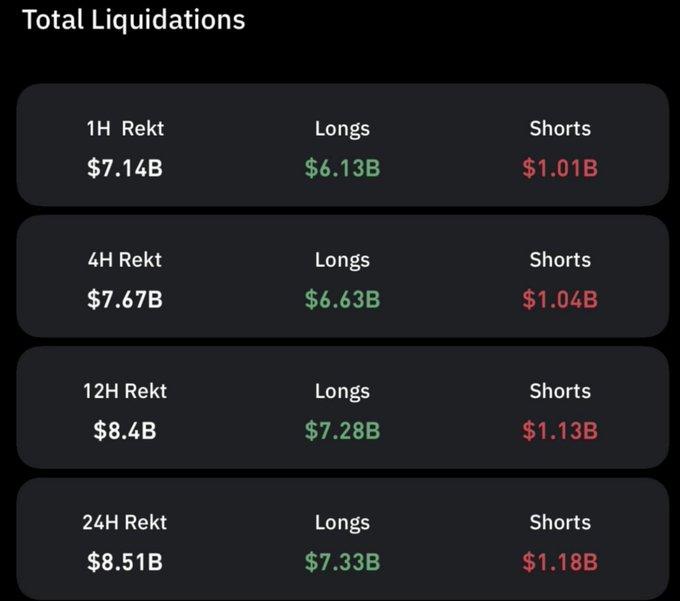 Major altcoins drop 30-80% in largest crypto market crash since 2022
 Nearly 1 in 10 crypto users have never owned Bitcoin, a CoinGecko survey found. While 63% started their crypto journey with BTC, altcoins are increasingly becoming the first entry point for newcomers.Ex-SEC chief Gary Gensler sounds alarm on altcoins as agency pivots on crypto; Fed cuts rates, Warren targets crypto czar Sacks, and Dragonfly’s Rob Hadick breaks down funding trends.
Sources
18 records from 16 domains
investopedia.com
coingecko.com
blackrock.com
masterthecrypto.com
x.com
crypto.news
wublock.substack.com
facebook.com
bitcoinfoundation.org
tradingview.com
mexc.com
coinbase.com
en.wikipedia.org
youtube.com
stocktwits.com
sciencedirect.com
Community notes
Spot something off or out of date? Drop a note. Editors review topic notes daily and roll accepted fixes into the explainer — contributors are recognized in the monthly $SQUID drop.
Loading notes…
Help improve this topic
Have a story or tip about this topic? Submit it. See something missing? Leave a note. Editors review daily; accepted submissions and fixes count toward the monthly $SQUID drop.