
In-depth explainer on crypto games and web3 gaming, covering NFTs, tokens, P2E economics, platforms like Immutable, Gala, and Epic Games Store, plus AI, security, regulation, and the future outlook for sustainable blockchain-powered play.
+18 sources across the wider coverage universe
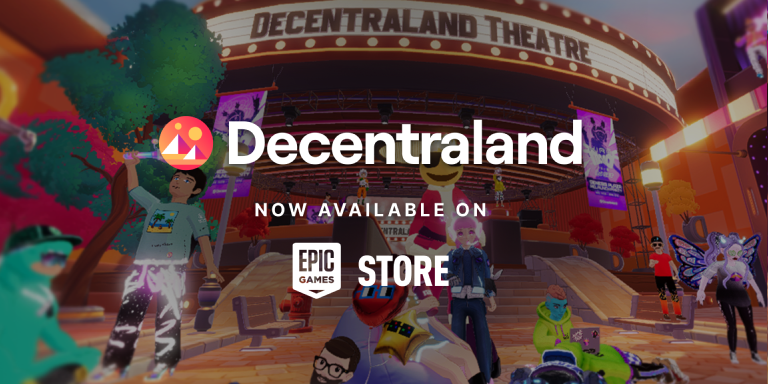 Decentraland lands on Epic Games Store and Google Play, bringing metaverse platform to mainstream distribution2026-03
 TikTok parent ByteDance sells recently acquired Moonton in $6B deal with Saudi-backed Savvy Games, marking pivot away from gaming toward AI development2026-03
 Crypto gaming collapsed in 2025 as venture capital funding dried up, forcing many Web3 games to shut down, abandon communities, and wipe out token value, exposing weak incentives and unsustainable token-first models.2025-12
 X Games partners MoonPay to launch global team league, citing Gen Z’s growing interest in crypto as key driver behind shift to youth-focused, digital-first sports model2026-03
 A 2025 Nature Communications study found that engaging in cognitively demanding activities like real-time strategy games can slow brain aging by 4–7 years, with complex games such as StarCraft II improving brain efficiency, unlike slower turn-based games.2025-12
 Epic Games lays off 15% of staff citing “unrealistic metaverse ambitions”2023-09
Crypto Games: How Web3 Is Rewriting The Rules Of Play
Within crypto, web3 gaming describes a broad category of interactive experiences that integrate blockchains, tokens, and NFTs into game economies, ownership structures, and distribution models. In practice, these “crypto games” range from full-fledged virtual worlds and competitive trading card games to prediction markets and Telegram casinos, all experimenting with new ways to own, trade, and monetize in-game value.
Defining “Games” In A Web3 Context
When crypto communities talk about “games” today, they are rarely referring only to traditional entertainment products that happen to accept digital assets as payment. Instead, the term has expanded to include any interactive system where gameplay, speculation, and financial incentives are tightly interwoven, whether that system looks like an MMO, a sports league, or a browser-based strategy puzzle. Play-to-earn titles, on-chain trading card games, and metaverse platforms share a common thread: they use blockchains to track assets, rewards, or governance in ways meant to be transparent and composable.
The earliest wave of blockchain games focused on simple mechanics wrapped around tokens and NFTs, often prioritizing yield over fun. Play-to-earn (P2E) as a term still describes games where players can earn cryptocurrency or NFTs with direct financial value, but the design conversation has shifted toward “play-and-earn,” emphasizing retention and enjoyment rather than extractive grinding. Contemporary projects like trading card titles on blockchain, which promise competitive gameplay on PC and mobile, signal an attempt to meet mainstream players on familiar platforms while keeping tokenized ownership under the hood. This evolution is also visible in Gala Games’ portfolio, where new releases such as the cyberpunk tower defense game Cybercore Node 99 blend conventional genres with on-chain inventories and node-based infrastructure.
The category also stretches beyond strictly “video games.” Metaverse projects like Decentraland function as persistent social spaces that host concerts, events, and user-generated content while still being discussed under the broad banner of web3 gaming. Similarly, initiatives such as the MoonPay X Games League bring crypto infrastructure into action sports, creating hybrid entertainment products that combine real-world competition with digital-first fan engagement and token-enabled experiences. These trends illustrate that in crypto discourse, “games” increasingly refers to an entire spectrum of interactive, incentive-driven systems, not just software sold through traditional channels.
The result is a landscape where financial speculation, community governance, and entertainment all coexist. This convergence complicates regulation, business models, and player expectations, especially as developers integrate AI for growth and content generation and as large platforms like Epic Games cautiously open their distribution channels to blockchain titles while imposing strict rules on crypto integrations. Understanding what “games” means in this environment requires looking at both technical primitives and the socio-economic experiments they enable.

Decentraland lands on Epic Games Store and Google Play, bringing metaverse platform to mainstream distribution
Tokens, NFTs, And On-Chain Economies
Crypto games differ most sharply from legacy titles in how they treat in‑game value. At the core of web3 gaming are fungible tokens, NFTs, and smart contracts that together define how players acquire, use, and exchange digital assets. Fungible tokens often serve as in‑game currencies or governance instruments, traded on open exchanges and sometimes doubling as gas tokens for the underlying chain. Ecosystems that standardize around a single primary asset are attempting to simplify user experience and align incentives across multiple games and services, though this also concentrates risk if that token’s economics fail.
Non-fungible tokens are the building blocks of itemized ownership in many crypto games. Skins, cards, avatars, weapons, and land plots can all be represented as NFTs, allowing players to hold them in self-custodial wallets, list them on secondary marketplaces, and potentially use them across interoperable titles. Platforms like Immutable offer tooling to mint, manage, and trade these NFTs at scale, while their broader growth stack focuses on converting anonymous users into persistent player profiles that can be targeted with tailored offers and content. This combination of asset infrastructure and AI‑driven segmentation is designed to make it easier for studios to launch games with complex on‑chain economies without building everything from scratch.
However, the same traits that make NFTs attractive for gamers—portability, pseudo-anonymity, and liquid markets—also create fertile ground for financial crime. Legal scholarship has pointed out that NFTs are vulnerable to money laundering and that existing AML frameworks often do not adequately cover NFT marketplaces, especially when they sit outside traditional financial intermediaries. Because an NFT’s price can be justified as “artistic” or “collectible” value, it is relatively easy to engage in wash trading or overpay for assets as a way to move funds while maintaining plausible deniability. In this sense, NFT-heavy games can unintentionally function as sophisticated laundering channels if no additional controls are put in place.
Game tokenomics further complicates the picture. Many early P2E designs promised outsized yields funded by new entrants, effectively operating as reflexive economies that only worked during rapid user growth. When market cycles turned, token prices collapsed, and the incentives underpinning the game loops evaporated. Newer projects experiment with multi-token systems, longer vesting, and more careful reward sinks, but the underlying challenge remains: designing sustainable game economies that can withstand speculative booms and busts. Programs like Avalanche’s Retro9000, which incentivize builders by rewarding those who burn native tokens and reach specific development milestones, underscore how chains themselves are now subsidizing gaming ecosystems to bootstrap long-term activity.
At the same time, the line between “in‑game currency” and “investment asset” is blurred in the eyes of regulators and players. Tokens that function primarily as speculative instruments but are marketed through the language of gaming raise questions about securities law, consumer protection, and disclosure. This is especially pronounced when guilds or influencers encourage users to buy NFTs or tokens to participate in quests and yield strategies, as seen in some Yield Guild Games (YGG) campaign structures, which tie point rewards to NFT shop purchases. The resulting environment is one where economic design, legal compliance, and community ethics are deeply entangled, turning game economies into live experiments in both finance and regulation.
Readers click gaming-crypto stories hardest when mainstream institutions suffer visible human costs — Epic's layoffs and Polkadot's 'Hunger Games' retreat outperformed every funding round and product launch, revealing that the audience is tracking institutional failure and broken metaverse promises more than web3-native progress.
Genres And Use Cases In Crypto Gaming
Play-To-Earn, Play-And-Earn, And Grinding For Yield
The first mainstream wave of crypto games was dominated by play-to-earn. In these titles, players invest time—and often upfront capital in the form of NFTs—to generate token rewards that can be cashed out. Video coverage of the space continues to highlight live P2E games that promise direct crypto payouts, including browser-based PvP arenas where players can win ETH, grind-heavy MMORPGs that reward leaderboard placement, and mobile-friendly auto-battlers that distribute tokenized rewards. These games typically appeal to users who view play as a side hustle or investment, rather than purely as entertainment.
However, the pure P2E model exposed structural weaknesses. When token prices are high, players rush in to farm yields, often creating unsustainable inflation and undermining long-term game balance. When prices fall, the same players may exit en masse, leaving behind hollow worlds populated only by speculators. In response, many studios now speak of “play-and-earn,” where rewards are meant to supplement, not define, the experience. This shift is visible in the marketing of newer titles on platforms like Gala Games, which emphasize genre familiarity—tower defense, RPG, survival—while presenting token rewards as one part of a broader ecosystem.
Guilds sit at the center of this evolution. Yield Guild Games, one of the earliest and largest web3 gaming guilds, built its brand on discovering games, offering scholarships, and helping players monetize their time. As YGG consolidates community and gaming activities under YGG Play, a flagship hub for games, quests, and social engagement, it is reframing its role from pure yield aggregator to discovery and community layer for web3 gaming. Yet questions remain when guild quests require players to buy NFTs from affiliated shops to earn points, underscoring ongoing tensions between gamified engagement and financial promotion.
The concept of “grinding” itself has changed meaning in this context. In traditional MMOs, grinding is a time investment for in‑game progression; in P2E titles, it can resemble work, with spreadsheets tracking ROI and guild managers optimizing strategies. As crypto games mature, one of the key design challenges is reclaiming grinding as an enjoyable activity rather than a chore, while acknowledging that for many players in emerging markets, the financial component is not optional but central to their participation.
Trading Card Games And Collectible Ecosystems
Trading card games (TCGs) are a natural fit for blockchains because they already revolve around unique, tradable objects with complex interactions and metas. Turning each card into an NFT extends the existing logic of physical card collecting into the digital realm, enabling provable scarcity, secondary markets, and cross-game portability. Coverage of blockchain TCGs indicates that the segment is “making serious money,” with titles like Parallel aiming for full-featured releases on PC and planned iOS and Android launches, signaling ambition beyond niche crypto audiences.
In these games, each NFT card encapsulates both gameplay function and economic value. Deck construction becomes not only a strategic exercise but also a portfolio management problem, as players weigh the cost of acquiring meta-defining cards against their expected performance and resale potential. Secondary markets can dramatically reshape competitive balance: if a particular archetype becomes dominant and its key cards spike in price, new entrants may find themselves priced out of top-tier play unless developers intervene through balancing or reprints.
The bridge between digital and physical collecting is also being explored by NFT-native IPs. Pudgy Penguins, for example, has partnered with PlayMonster Games—known for viral real-world games—to bring its “Pengu” characters into physical play experiences. While the full details of this collaboration are still emerging, such moves illustrate how NFT brands are seeking to extend beyond screens into toys, board games, and party games, potentially linking physical products back to digital ownership or in‑game benefits. This two-way flow between IRL collectibles and digital tokens blurs the boundary between toy companies and web3 studios, broadening the definition of what counts as a “game” in the crypto ecosystem.
Trading card games also highlight the risk of financialization overshadowing fun. When cards become high-value assets, the fear of loss can discourage experimentation, especially if misplays or meta shifts can wipe out significant investments. Designers must therefore balance scarcity and price appreciation with accessibility and gameplay depth, ensuring that players at different spending levels can still compete meaningfully. In the long run, the success of blockchain TCGs will depend on whether they can deliver enduring, skill-based competition that justifies their economic complexity.
Metaverse Worlds And Social Play
Metaverse projects occupy a particular niche in the web3 gaming conversation. Rather than focusing on tightly designed game loops, they offer open-ended virtual spaces where users can socialize, build, and attend events. Decentraland is one of the most prominent examples, and its recent launch on the Epic Games Store and Google Play represents an attempt to reach mainstream gamers through familiar distribution channels while retaining its on-chain identity. By appearing alongside conventional PC and mobile titles, Decentraland seeks to normalize metaverse participation and lower the friction for new users.
This distribution strategy is not without complications. Reports on Decentraland’s expansion note that it lands on major storefronts amid ongoing concerns about crypto scams and platform safety, reminding observers that metaverse platforms can be fertile ground for fraudulent schemes and misleading promotions. The combination of user-generated content, virtual land speculation, and NFT-powered collectibles creates a dense environment where legitimate projects and scams coexist, and where the average user may struggle to distinguish between official and counterfeit experiences.
Nevertheless, metaverse worlds continue to attract attention as venues for digital events, pop-up installations, and branded experiences. The promise is that creators can build and monetize virtual spaces in a permissionless, globally accessible environment, potentially earning from attendance fees, NFT sales, or sponsorships. For crypto projects, metaverses also function as marketing hubs where communities can gather, showcase their brands, and host activations. The long-term viability of these platforms will likely hinge on whether they can transcend speculative land trading and cultivate sustainable cultures of social play, creativity, and collaboration.
Esports, Prediction Markets, And Gamified Sports
The boundaries between gaming, sports, and financial products are also eroding. The partnership between X Games and MoonPay to create the MoonPay X Games League (XGL) exemplifies how crypto infrastructure is being woven into mainstream sports properties. Under this multi-year, category-exclusive deal, MoonPay becomes the title partner of a year-round, team-based global league, marking a shift from one-off events to an ongoing competition model. The collaboration is explicitly framed as a response to Gen Z’s interest in crypto and digital-first experiences, suggesting that younger audiences increasingly expect their sports and esports to integrate web3-style engagement.
Around these leagues, a variety of prediction markets and fantasy experiences are emerging. Meme coins such as BONK have announced plans to bring sports prediction markets and casino-style games into environments like Telegram chats, blurring the line between gaming, betting, and social media. While such products are not always presented as “games” in the conventional sense, they use gamified interfaces, leaderboards, and reward structures to make speculation feel like play. This raises complex questions about consumer protection and the distinction between casual fun and regulated gambling.
Esports organizations and game publishers are similarly experimenting with token-based fan engagement tools, from NFT collectibles to vote-enabled passes that influence league decisions. These mechanisms import governance concepts from DeFi into the sports context, allowing fans to feel closer to the action but also exposing them to the volatility and security risks of crypto assets. As the XGL and similar initiatives evolve, they will test how far traditional sports audiences are willing to go in adopting web3-native forms of participation and ownership.
Casino, Arcade, And Casual Experiences
Beyond high-profile MMOs and metaverse platforms, a long tail of blockchain-powered casino, arcade, and casual games has emerged. Some replicate classic casino formats—slots, roulette, dice—on-chain, emphasizing provable fairness and instant payouts, while others package DeFi protocols as “games” with cartoonish interfaces and real financial risk. The BONK-aligned prediction and casino games planned for messaging platforms reflect a broader trend toward lightweight, chat-native experiences that can spread virally through communities rather than app stores.
Casual web3 games are often used as lead-generation tools for larger ecosystems. Short-session arcade titles can onboard users into a project’s wallets, NFT collections, or DeFi products. Platforms such as Gala Games make this approach explicit by offering browser-based experiences that can be built, refined, and published using integrated tools, including AI-assisted game creation. By lowering the barrier to entry for developers and players alike, these platforms hope to cultivate a pipeline of simple, sticky games that feed into more complex ecosystems.
However, the ease of spinning up casual games also contributes to saturation and quality concerns. With so many low-effort projects, distinguishing legitimate, thoughtfully designed titles from cash grabs becomes difficult for players. This environment further underscores the need for trusted curation layers—guilds, influencer networks, or editorial outlets—that can help audiences navigate the noise while disclosing conflicts of interest.
Infrastructure And Distribution: How Crypto Games Launch
Game Engines, Studios, And Middleware
On the production side, crypto games run the gamut from indie experiments to AAA-scale projects. Studios like Gunzilla Games, which describes itself as founded on a desire to innovate and deliver deeply engaging next-gen experiences, are exploring how to integrate blockchain into high-fidelity shooters and narrative-driven titles without compromising production values. Their efforts signal that web3 gaming is not limited to pixel-art browser projects but is gradually attracting talent and capital from the traditional industry.
To support these ambitions, middleware providers and service platforms have emerged. Immutable, for example, positions itself as a growth platform for games, combining wallet tooling, NFT infrastructure, and AI-powered analytics to help studios acquire players, automate engagement, and drive revenue. By converting cold traffic into unified audience profiles, Immutable aims to give developers a granular view of their player base, while its AI models analyze game and marketing data to suggest concrete next steps, from what to test to which features to fix before launch. This mirrors the broader shift in gaming toward data-driven live ops, now fused with the specifics of on-chain assets and marketplaces.
Similarly, Gala Games is evolving from a publisher of discrete P2E titles into a platform that offers a dedicated launcher, distribution hub, and development tools. Its browser-based creation environment allows teams to turn game ideas into playable drafts, refine them collaboratively, and publish them for Gala’s community, with AI playing a growing role in prototyping and iteration. These ecosystem platforms lower technical barriers for integrating NFTs, tokens, and node-based infrastructure, making it more feasible for small teams to ship web3 games without building bespoke chains or marketplaces.
Chains, Gas Tokens, And Builder Programs
Beneath the application layer, competition among chains for gaming mindshare is intense. General-purpose L1s and L2s tout low fees and high throughput, while specialized “gaming chains” offer tailored SDKs, near-instant finality, and built-in NFT standards. Some ecosystems consolidate around a single gas and governance token, seeking to unify transaction costs and align stakeholders across multiple games. When a token like PYR becomes the native gas asset of a chain such as Elysium, for instance, the entire ecosystem—from games to trading platforms—effectively orients around that asset, centralizing value capture but also systemic risk.
In parallel, grant and incentive programs target game developers specifically. Avalanche’s Retro9000 C‑Chain initiative exemplifies how chains are using structured competitions to attract and prioritize projects. In its second round, Retro9000 introduces leaderboard multipliers for builders: projects that previously achieved a minimum viable product stage can receive a 10x multiplier, while new entrants get a 5x boost, affecting how they rank in the program. The model rewards not just raw token burn—participants burn AVAX to climb the leaderboard—but also tangible progress and ecosystem contribution, with special focus on Build Games projects. These frameworks treat game launches as milestones in a broader ecosystem narrative, aligning economic incentives with development timelines.
Such programs, however, can skew developer priorities toward short-term metrics like token burns or rapid MVP releases, at the expense of deep playtesting and community building. Builders must navigate the tension between optimizing for incentive programs and creating sustainable games that will survive beyond the life of a grant or leaderboard. For players, understanding how these incentives shape game roadmaps is critical to evaluating long-term viability.
Platform Policies: Epic Games, App Stores, And Crypto
Distribution remains a bottleneck for crypto games aiming at mainstream audiences. Desktop and mobile storefronts impose their own policies on blockchain integrations, often reflecting broader regulatory uncertainty. Epic Games, best known for Fortnite, has taken a more open stance toward web3 titles than some competitors, allowing blockchain games on the Epic Games Store while still enforcing specific rules. Its blockchain technology guidelines prohibit links to external blockchain, NFT, or cryptocurrency marketplaces on Epic Games Store pages, among other restrictions, limiting how aggressively developers can promote on-chain trading from within the store’s ecosystem.
Epic’s approach is colored by its own financial and strategic challenges. The company laid off around 830 staff in a restructuring that CEO Tim Sweeney attributed not to AI but to “unrealistic expectations” about metaverse-inspired revenue, acknowledging that spending had outpaced sustainable growth. For crypto games, this episode is a cautionary tale: betting too heavily on hype-driven narratives about virtual worlds and digital economies can lead to painful corrections, even for market leaders. It also suggests that while Epic may continue to host web3 titles, it will likely be conservative in its risk exposure and compliance posture.
Mobile platforms add another layer of complexity. Decentraland’s arrival on Google Play reflects a willingness by Android’s ecosystem to accommodate metaverse and crypto-related apps, but with country-specific restrictions and evolving rules around in-app purchases tied to tokens. iOS policies are even stricter, often requiring NFT sales to go through Apple’s payment rails and discouraging mechanisms that might be construed as unlicensed gambling or securities trading. Navigating this patchwork of platform rules is now a core part of any crypto game’s launch strategy, influencing choices about on-chain architecture, user flows, and monetization.
Guilds, Aggregators, And Quest Hubs
Beyond stores and launchers, guilds and quest platforms serve as discovery and distribution channels for crypto games. Yield Guild Games operates as a community hub where players can make friends, discover titles, and level up together, leveraging shared resources and knowledge. As YGG consolidates its ecosystem into YGG Play, it is positioning this hub as the primary interface for quests, game integrations, and community events, effectively functioning as a curated launcher for web3 experiences. For developers, being featured in such a hub can drive a surge of motivated players; for guild members, it offers a semi-trusted filter in a saturated market.
Quest platforms incentivize engagement by rewarding users for completing specific actions, from playing a certain number of matches to buying NFTs from partner shops. While these campaigns can jump-start liquidity and social proof, they also raise concerns about pay-to-participate structures when access to full rewards requires up-front purchases. In extreme cases, quest systems can encourage behavior that skirts the line between marketing and investment solicitation, particularly if participants are led to expect financial returns rather than pure entertainment.
Other aggregators, such as on-chain dashboards and web3 gaming news sites, contribute to distribution by surfacing metrics, reviews, and analyses. As AI tools mature, some of these curation layers may become more personalized, recommending games based on wallet history, social graphs, or play patterns. This could improve discovery but also tighten feedback loops, making it harder for new or experimental titles to break out of algorithmic silos.

TikTok parent ByteDance sells recently acquired Moonton in $6B deal with Saudi-backed Savvy Games, marking pivot away from gaming toward AI development
Bytedance just basically said we are shifting from Gaming to AI.. Wonder if that will be the case for majority of Chinese business
AI’s Expanding Role In Web3 Gaming
AI-Assisted Development And Content Creation
Artificial intelligence is increasingly woven into the lifecycle of crypto games, from prototyping to live operations. On the development side, platforms like Gala Games explicitly incorporate AI into their tools, allowing creators to “turn game ideas into playable drafts” directly in the browser. By automating parts of level design, asset generation, and scripting, these AI-assisted environments lower the technical barrier to entry and accelerate iteration, particularly for small teams or community developers.
This democratization of game creation has particular resonance in web3, where user-generated content is often tokenized and monetized. If players can use AI-powered tools to create mini-games, items, or quests that plug into larger ecosystems, they effectively become co-developers, potentially earning tokens or revenue shares for their contributions. AI’s ability to rapidly prototype variants also enables A/B testing of game mechanics and economies, helping teams identify more engaging or balanced designs before committing to full production.
At the same time, AI introduces new challenges around originality, IP rights, and moderation. Generative models trained on existing game art and code raise questions about derivative works and compensation for source creators. In a tokenized context, where AI-generated assets might be minted as NFTs and sold on-chain, disputes over provenance and authorship could become particularly fraught. Studios entering this space must therefore consider not only technical efficiency but also ethical and legal frameworks for AI-assisted creation.
AI For Growth, Personalization, And Live Ops
Beyond development, AI is being used to optimize how crypto games attract, retain, and monetize players. Immutable’s AI growth platform exemplifies this approach, analyzing data from games, Steam pages, and launch timelines to recommend high-impact actions that can grow wishlists, improve conversions, and drive revenue. By converting cold traffic into unified audience profiles and tracking player behavior across touchpoints, the platform enables highly targeted campaigns, personalized offers, and adaptive in‑game events.
In a web3 setting, AI can also segment players based on wallet activity, NFT holdings, and on-chain behaviors, tailoring experiences accordingly. High-value collectors might receive early access to new drops or governance proposals, while casual users could be steered toward low-risk, free-to-play modes. Quest recommendations, event invitations, and even in-game difficulty settings could all be adjusted based on predictive models that infer player preferences and lifetime value.
However, this level of personalization raises privacy and fairness concerns. While web3 is often associated with anonymity, the reality is that wallet addresses and on-chain behavior form rich, linkable data trails. AI systems trained on such data may inadvertently discriminate against certain user profiles, funneling them into more extractive monetization paths or excluding them from lucrative opportunities. Balancing growth objectives with user autonomy and transparency will be a key governance challenge for AI-enabled gaming platforms.
AI, Labor, And The Political Economy Of Game Making
The impact of AI on the game industry’s labor dynamics is already visible, though not always in the ways that press narratives suggest. Epic Games’ mass layoffs, for example, were explicitly framed by CEO Tim Sweeney as unrelated to AI, instead attributed to unrealistic expectations about metaverse-driven revenue and overspending relative to sustainable income. This statement underscores that macroeconomic and strategic miscalculations can be more decisive than automation in shaping employment trends, even as AI tools continue to diffuse through studios.
For web3 games, AI may simultaneously empower small teams and put pressure on traditional roles. Writers, artists, and QA testers may find parts of their work augmented or replaced by generative models and automated testing systems. Yet blockchain gaming also introduces new job categories, from tokenomics designers and community DAO coordinators to on-chain data analysts and smart contract security auditors. AI’s net effect on employment in this niche will depend on how quickly studios adopt it, how much they invest in upskilling, and how game communities respond to AI-authored content.
In community-driven projects, AI tools may be used by guilds and player groups to analyze game economies, optimize strategies, or even build bots and scripts that interact with on-chain mechanics. This can raise fairness issues if AI-enhanced players gain significant advantages over others, particularly in games with direct financial rewards. Developers may need to introduce anti-bot measures or design game systems that remain engaging and viable even in the presence of algorithmic optimization.
- 01Big-tech metaverse retreat↗
Epic's 15% layoffs explicitly blamed on 'unrealistic metaverse ambitions' hit the highest click count, signaling readers want accountability on the companies that bet biggest and lost.
- 02Layoff culture contagion
Both the top two stories are about mass layoffs — Epic and Polkadot — suggesting readers are following a broader pattern of workforce consequences from failed web3/gaming crossover bets.
- 03VC funding cycle collapse
The arc from Bitkraft's $103M web3-gaming wager and Azra's $42.7M raise to the 2025 collapse narrative and 75% studio closures is a single boom-bust thread readers tracked across years.
- 04Platform gatekeeping crypto↗
Telegram barring non-TON networks and Apple blocking Fortnite both frame the same conflict: platform owners using exclusivity to control which tokens and games reach users.
- 05Token-first model failures
The 2025 collapse headline and the '75% of web3 games discontinued' story explicitly name unsustainable token incentives as cause — readers engaged with the post-mortem framing.
- 06Institutional esports crypto deals↗
Coinbase/Riot Games and X Games/MoonPay represent a parallel thread where traditional sports and esports brands adopt crypto partnerships, drawing a different reader segment than pure web3 gaming.
Risks, Regulation, And Security: Games As Attack Vectors
NFT Laundering, AML Gaps, And Regulatory Pressure
The integration of financial instruments into games has attracted the attention of regulators and legal scholars, particularly around money laundering risks. Research into NFT markets argues that the sector’s susceptibility to financial crime stems from a lack of robust AML regulations and the ease with which NFTs can be used to move value across borders. Unlike traditional art markets, where galleries and auction houses are increasingly subject to AML rules, many NFT platforms operate in a regulatory gray zone, with minimal customer due diligence and limited transaction monitoring.
In gaming contexts, these vulnerabilities are magnified by volume and velocity. High-frequency trading of in‑game items, loot boxes represented as NFTs, and player-to-player marketplaces all create opportunities for layering and integration in laundering schemes. Bad actors can use the guise of gaming and collectibles to justify large or unusual transactions, while exploiting the fact that many players and developers are unfamiliar with AML best practices. As a result, some scholars and policymakers advocate extending AML frameworks to cover NFT intermediaries and possibly even large gaming platforms that facilitate NFT transactions.
For developers, this implies a future where compliance is not optional. Integrating identity verification, transaction monitoring, and suspicious activity reporting into game marketplaces may become a baseline expectation in major jurisdictions. While this could impose significant overhead, especially for small teams, it may also legitimize the space in the eyes of regulators and institutional partners, opening doors to mainstream distribution and partnerships that are currently hesitant due to perceived AML risks.
Malware, Phishing, And Wallet Theft Via Fake Games
Security threats in web3 gaming go beyond economic design and regulation. A recent investigation by Insikt Group at Recorded Future uncovered a Russian cybercrime group using fake web3 gaming projects to distribute infostealer malware targeting macOS and Windows systems. These attackers created imitation gaming websites with names and branding closely resembling legitimate projects and backed them with fake social media accounts to appear credible. When users downloaded what they believed were game clients, they instead installed malware such as Atomic macOS Stealer (AMOS), Stealc, Rhadamanthys, or RisePro, which harvested browser data, credentials, and crypto wallet information.
This campaign illustrates how the excitement around new game launches can be weaponized. Web3 gamers, accustomed to downloading experimental clients and connecting wallets to unfamiliar dApps, present an attractive target population. Infostealers that exfiltrate seed phrases or private keys can lead to immediate and irreversible theft of assets, with little recourse for victims. The sophistication of branding and social engineering in these campaigns makes them particularly dangerous, as they exploit both technical vulnerabilities and community trust.
Mitigating these risks requires a multi-layered response. Developers and publishers must invest in official communication channels, code signing, and verifiable download sources, while educating players about the dangers of sideloaded clients and unverified links. Security researchers and news outlets play a critical role in surfacing campaigns like the one described by Insikt Group, enabling faster community response. Over time, the establishment of canonical discovery hubs and whitelisting frameworks may help reduce the attack surface, but the arms race between security and malware authors is unlikely to abate.
Platform Guidelines, Legal Compliance, And Consumer Protection
Large platform operators are keenly aware of these risks and are adjusting their policies accordingly. Epic Games’ blockchain technology guidelines, for instance, place clear boundaries on how developers can integrate NFTs and cryptocurrencies into products distributed via the Epic Games Store, including prohibitions on linking to external marketplaces from store pages. These constraints aim to reduce exposure to scams and regulatory uncertainty, while still allowing experimentation with on-chain assets within controlled parameters.
Consumer protection concerns extend beyond malware and scams. The blending of gaming and investing in many web3 titles raises questions about disclosure, suitability, and risk communication. Games that encourage players to stake tokens, provide liquidity, or participate in prediction markets must navigate securities, derivatives, and gambling regulations that vary by jurisdiction. Misalignment between how a product is marketed (“just a game”) and how it functions economically (“high-risk leveraged bet”) can attract regulatory enforcement and damage trust.
Developers and publishers who wish to operate at scale will need to embed legal and compliance expertise into their teams, engaging proactively with regulators where possible. Clear terms of service, prominent risk warnings, and age-appropriate gating mechanisms will likely become standard expectations. For smaller projects, aligning with platforms that provide shared compliance infrastructure—such as KYC providers, NFT marketplaces with robust policies, or gaming chains with regulated ramps—may be the most pragmatic way forward.
Player Safety And Best Practices
At the player level, safety in crypto games requires a mix of technical hygiene and critical literacy. Users must learn to treat downloadable clients and browser extensions with skepticism, verify URLs and social media accounts, and understand that private keys and seed phrases should never be shared with anyone, including purported support staff. Multi-factor authentication, hardware wallets, and separate devices for high-value activities can all reduce risk, though they introduce friction that game designers must account for in onboarding flows.
Education about economic risk is equally important. Players should be encouraged to view NFTs and in‑game tokens as speculative assets whose prices can fall as well as rise, rather than guaranteed earn opportunities. Guilds and influencers, given their outsized influence on player behavior, bear particular responsibility for communicating these risks honestly. As the space matures, community norms around disclosure, sponsorships, and risk-sharing will play a significant role in determining whether web3 gaming’s reputation trends toward legitimacy or opportunism.
Economics And Sustainability Of Crypto Games
Tokenomics, Incentives, And The P2E Hangover
Designing sustainable economies is arguably the hardest problem in crypto gaming. Tokens introduce powerful incentives, but they can also distort player behavior and destabilize games when misapplied. Many early P2E projects tied their core reward loops directly to emissions schedules, causing token supply to balloon as players farmed and sold rewards. In bull markets, speculative demand could temporarily offset this inflation; in bear markets, sell pressure overwhelmed demand, leading to collapse.
Sustainable tokenomics requires aligning rewards with genuine value creation rather than pure participation. This might mean tying token distribution to contributions that strengthen the ecosystem, such as content creation, competitive achievements, or governance participation, rather than mere time spent. Programs like Avalanche’s Retro9000 illustrate one approach, rewarding projects that reach MVP status and burn AVAX—a costly signal of commitment—more heavily than those that simply join the ecosystem. For players, similar principles could prioritize rewards for skillful play, community-building, or long-term engagement.
The P2E hangover has prompted some teams to de-emphasize tokens entirely in early stages, focusing instead on building compelling games and communities before introducing on-chain assets. Others are experimenting with off-chain soft currencies for day-to-day progression, reserving on-chain tokens for higher-order functions such as governance or rare-item trading. These hybrid models aim to capture the benefits of web3 ownership without tying every interaction to volatile markets.
Guilds, Quests, And The Economics Of Attention
Guilds like Yield Guild Games operate at the intersection of finance and community, aggregating capital to acquire NFTs and tokens, then deploying them through scholarship programs, quests, and structured play. Their business models depend on capturing a share of the value generated by players using these assets, often in the form of revenue splits, yield shares, or token allocations. As YGG transitions into YGG Play as its flagship hub, it is effectively formalizing this role as an attention broker between games and players.
Quest-based campaigns, where players earn points or tokens for completing in‑game tasks, exemplify how attention is monetized. When quests require NFT shop purchases to qualify for rewards, the line between marketing, gameplay, and investment becomes blurred. For developers, such campaigns can drive immediate revenue and bootstrap economies; for players, they can be fun and lucrative if timed well, but they also carry the risk of encouraging overextension into assets tied to a single project’s fortunes.
In this environment, the value of attention is explicitly priced. Builders compete not just on the quality of their games but on the generosity of their incentive programs. Over time, we may see an equilibrium where players demand higher-quality experiences in exchange for their time and risk, forcing projects to move beyond simple token bribes. Attention markets are unlikely to disappear, but their mechanics will likely evolve to incorporate more nuanced measures of engagement and contribution.
Ecosystem Strategies And The Role Of Big Studios
Large studios and IP holders bring additional complexity to web3 game economics. Companies like Gunzilla Games, if successful in integrating blockchain into polished AAA titles, could introduce millions of players to tokenized economies without requiring them to engage with wallets or exchanges directly. Their monetization strategies may blend traditional models—premium pricing, in‑app purchases, season passes—with NFT drops, tokenized battle passes, or interoperable cosmetic items.
Mainstream sports and entertainment brands, such as X Games in partnership with MoonPay, experiment with league passes, fan tokens, and experiential NFTs that tie into live events. These products are less about grinding for yield and more about deepening fan engagement, though secondary markets inevitably emerge. The economic challenge here is ensuring that tokens and NFTs enhance rather than cannibalize core revenue streams like broadcasting, sponsorships, and ticket sales.
The broader game industry’s experience with the metaverse hype cycle serves as a cautionary backdrop. Epic Games’ layoffs, driven in part by overinvestment in metaverse initiatives that did not produce expected revenue, highlight the danger of conflating speculative narratives with sustainable business. Web3 game teams must be careful to ground their economic models in realistic assumptions about player spending, retention, and regulatory constraints, rather than extrapolating from short-lived bull market conditions.
Crypto gaming collapsed in 2025 as venture capital funding dried up, forcing many Web3 games to shut down, abandon communities, and wipe out token value, exposing weak incentives and unsustainable token-first models.

The truth is different niches will dip,.more will spring up..it is just a cycle
Case Studies Across The Web3 Gaming Landscape
Gala Games And Cybercore Node 99
Gala Games has emerged as a prominent ecosystem focused on play-to-earn and play-and-own experiences, building not just individual titles but a broader platform that includes a launcher, marketplace, and node network. Its recent launch of Cybercore Node 99, described as a cyberpunk tower defense and inventory management game created by AureonGames and hosted by Gala, showcases the platform’s strategy of combining familiar genres with blockchain-powered ownership. The game’s release was accompanied by community discussion about node staking, reflecting ongoing debates about how infrastructure participants are rewarded and how closely their incentives align with game success.
Gala’s introduction of AI-assisted game creation tools in its browser environment further signals its ambition to be more than a publisher. By enabling creators to rapidly prototype and refine arcade-ready experiences, Gala positions itself as a kind of Roblox-for-web3, where user-generated games can plug into a shared economy and infrastructure. Cybercore Node 99, as a first-party or closely partnered title, serves both as a proof of concept and as a flagship product that can drive adoption of the wider Gala stack.
Decentraland’s Mainstream Distribution Play
Decentraland, one of the earliest Ethereum-based metaverse worlds, has long been a reference point in discussions about virtual land, avatar economies, and NFT-based social spaces. Its launch on the Epic Games Store and Google Play marks a significant step in bringing metaverse experiences into mainstream gaming distribution channels. By listing alongside conventional PC games and mobile apps, Decentraland hopes to overcome some of the onboarding friction associated with web-based dApps and manual wallet setups, making it easier for curious users to explore its world.
At the same time, the move occurs against a backdrop of heightened concern about crypto scams and platform quality. Reports on Decentraland’s Epic listing emphasize that the platform arrives amid broader worries about web3-related fraud and the sustainability of metaverse projects. Epic’s own blockchain guidelines and cautious stance toward external NFT marketplaces reflect this tension, as the company seeks to balance openness to innovation with protection for its user base. Decentraland’s trajectory will thus serve as a test case for whether metaverse worlds can thrive under the constraints and expectations of traditional storefronts.
Yield Guild Games And YGG Play
Yield Guild Games epitomizes the rise of guilds as key intermediaries in web3 gaming. As a self-described “world’s first and biggest web3 gaming guild,” YGG has focused on building community, discovering promising games, and helping players level up through shared knowledge and asset access. Its evolution toward a consolidated platform, YGG Play, reflects both operational learning and strategic repositioning. By unifying games, quests, and community activities under a single hub, YGG aims to create a more cohesive experience for members and a more compelling integration point for developers.
However, this centralization also concentrates influence. When YGG Play features a game or structures a quest that requires NFT purchases for point rewards, it can meaningfully shift demand and shape perceptions of value. Transparency around partnerships, revenue sharing, and risk is therefore essential to maintain trust. In an ideal scenario, YGG Play could function as a community-governed gateway that upholds high standards for game quality and ethical design; in a worst-case scenario, it could exacerbate speculative cycles by amplifying hype around short-lived opportunities.
Gunzilla Games And AAA Experimentation
Gunzilla Games, though not exclusively a web3 studio, has attracted attention for its ambition to “break down technological boundaries in pursuit of deeply engaging next-gen experiences.” While specific details of its blockchain integrations may evolve, the studio symbolizes the trend of seasoned game developers exploring how web3 can augment, rather than define, their titles. For AAA and AA teams, the challenge is to integrate on-chain features in ways that respect their craft and player expectations, avoiding the perception that crypto is a bolt-on monetization gimmick.
Studios like Gunzilla can also push the technical limits of on-chain infrastructure, demanding higher throughput, lower latency, and more robust tooling than many early web3 games required. Their feedback and experimentation can drive improvements in wallets, key management, and asset streaming that benefit the entire ecosystem. Conversely, if such teams conclude that blockchain adds more complexity than value, their pivot away from web3 could dampen enthusiasm among traditional developers watching from the sidelines.
X Games, MoonPay, And Digital-First Leagues
The partnership between X Games and MoonPay illustrates a different vector of convergence between gaming, sports, and crypto. By naming MoonPay as the title partner of the newly formed MoonPay X Games League (XGL), the collaboration marks the first league title partnership in X Games history and signals a shift from episodic events to a year-round, team-based global league. MoonPay’s role as a crypto payments provider suggests that the league’s digital platform will integrate token-based experiences, on-chain ticketing, or other web3 features, aiming to resonate with Gen Z’s interest in crypto and online-native engagement.
This model hints at a future where “games” encompass not only digital simulations but also digitally mediated real-world competitions. Fans interacting with the XGL might earn badges, NFTs, or tokens for participating in challenges, watching streams, or supporting teams, turning spectating into a gamified, financially infused activity. How mainstream audiences respond to these experiments will shape the next phase of sports-entertainment convergence.
Trading Card Games And Avalanche’s Retro9000
Blockchain trading card games, as highlighted in recent coverage, are experiencing a surge of activity and revenue, with some titles preparing cross-platform releases that include PC and mobile. Their success leans on decades of familiarity with collectible card formats, now enhanced with verifiable scarcity and secondary market liquidity. Parallel and similar games offer a template for how carefully designed on-chain assets can coexist with competitive, skill-based gameplay.
Parallel to these product-level examples, ecosystem programs like Avalanche’s Retro9000 create structural incentives for building game-related projects on specific chains. By offering leaderboard multipliers and rewards for Build Games participants and new ecosystem entrants, Retro9000 shapes where and how TCGs and other game genres might choose to deploy their contracts. Together, individual game launches and chain-level initiatives illustrate the multi-layered nature of web3 gaming’s growth, where product-market fit and infrastructure strategies intertwine.
Epic Games lays off 15% of staff, cites metaverse overreach
- 2023-10milestone
Web3 gaming records $2.3B inflow in Q3 2023
- 2024-01governance
Polkadot Foundation mass layoffs preceded by 'Hunger Games' staff retreat
Gala Games CEO files $130M theft lawsuit against co-founder; SEC fraud case concurrent
- 2024-10regulatory
Telegram enforces TON exclusivity, bars rival networks from mini-apps and games
Decentraland listed on Epic Games Store and Google Play
- 2025-12milestone
Crypto gaming sector collapse confirmed: VC funding dried up, majority of studios shut down
- 2026-06launch
Off The Grid prepares Steam launch after Epic Games Store early access; steady onchain wallet retention cited
Games, Culture, And The Broader Evolution Of Play
Beyond technical and economic considerations, crypto games are reshaping cultural understandings of play, ownership, and value. The integration of NFTs into IRL products, as seen in Pudgy Penguins’ collaboration with PlayMonster Games, reflects a desire to extend digital-native IP into physical toys and games that can be enjoyed by broader audiences, including those who may never set up a crypto wallet. This cross-pollination suggests that web3-born characters and worlds can achieve the same cultural resonance as legacy franchises, albeit with different underlying business models.
Similarly, the proliferation of on-chain educational games, children’s clapping games reimagined with nautical vocabularies, and phonics-focused mini-games hints at how blockchain concepts are reaching younger demographics in indirect ways. While not every such project integrates tokens or NFTs, the framing of “games” as vehicles for both learning and economic participation is becoming more common in crypto discourse, raising questions about age-appropriate design and the right timing for introducing financialized systems to children.
In adult contexts, the gamification of finance—through leverage trading interfaces that mimic video games, DeFi platforms with cartoon mascots, or prediction markets presented as sports betting—complicates efforts to maintain clear boundaries between entertainment and risk. Crypto games sit at the heart of this tension, celebrated for their capacity to onboard users into complex technologies through play, yet criticized for potentially normalizing speculative behavior as a pastime. How communities, regulators, and industry bodies navigate this tension will profoundly influence the direction of web3 gaming.
Conclusion
Crypto games have evolved from simple experiments in NFT ownership and token rewards into a sprawling ecosystem that encompasses metaverse worlds, trading card arenas, prediction markets, esports leagues, casual chat-based casinos, and AI-assisted creation platforms. Their defining feature is not any single genre but the integration of blockchains, tokens, and NFTs into the core fabric of gameplay and community, enabling new forms of ownership, monetization, and collaboration. Ecosystem platforms such as Immutable and Gala Games provide the infrastructure and tooling that allow studios to embed on-chain economies into their titles, while guilds like Yield Guild Games, builder programs like Avalanche’s Retro9000, and distribution channels like the Epic Games Store and Google Play mediate how these games reach audiences.
At the same time, the risks associated with web3 gaming are substantial and multi-faceted. NFT-based economies present fertile ground for money laundering, necessitating stronger AML frameworks and compliance practices. Security threats, including sophisticated malware campaigns that use fake web3 games as lures, highlight how gamers’ enthusiasm for new launches can be exploited for wallet theft and data exfiltration. Platform policies from companies like Epic Games, along with regulatory scrutiny of gambling-like mechanics and token offerings, impose constraints that shape what is possible and permissible in mainstream distribution. The economic sustainability of many token models remains unproven, as the P2E boom and bust demonstrated, and the sector must grapple with how to design game economies that can survive beyond speculative cycles.
Yet amid these challenges, there are clear signs of maturation. Projects like Cybercore Node 99, Parallel, and Decentraland’s store launches show that teams are experimenting with deeper gameplay, cross-platform distribution, and more nuanced tokenomics. Partnerships such as X Games x MoonPay and Pudgy Penguins x PlayMonster suggest that web3 concepts are permeating mainstream entertainment, sports, and toy industries, not as novelties but as integral parts of new products and formats. AI’s integration into development, growth, and live ops promises both efficiency and personalization, while also raising fresh questions about labor, fairness, and data use. For players, investors, and builders, understanding this complex landscape is essential to making informed decisions about where to spend time, capital, and creative energy.
Outlook
Looking ahead, the web3 gaming sector is likely to move beyond the binary of “P2E hype or bust” toward a more diverse ecosystem where tokens and NFTs are tools rather than selling points. Expect to see more hybrid models that use off-chain currencies for everyday progression and on-chain assets for high-value items, governance, or cross-game interoperability. Chains will continue to compete for gaming mindshare through incentive programs like Retro9000, while platforms such as Immutable and Gala Games refine their AI-driven growth and creation stacks to lower friction for both developers and players. Regulatory clarity around NFTs, gambling mechanics, and securities will remain uneven but should gradually improve, providing a more stable backdrop for long-term investment.
Security and consumer protection will be central to this transition. As malware campaigns targeting web3 gamers become more sophisticated, the value of trusted distribution channels, verified launches, and security-aware communities will rise. Mainstream platforms like Epic Games and Google Play will likely maintain cautious openness, allowing carefully vetted blockchain titles while enforcing strict guidelines on external marketplaces and on-chain monetization. Over time, players may come to view crypto features as one of many layers in game design—alongside graphics, narrative, and social systems—rather than as the defining characteristic of an entire genre. In that future, “games” in crypto will be judged less by their token price charts and more by the enduring quality of the worlds, communities, and experiences they create.
Latest Games news
Decentraland lands on Epic Games Store and Google Play, bringing metaverse platform to mainstream distributionTikTok parent ByteDance sells recently acquired Moonton in $6B deal with Saudi-backed Savvy Games, marking pivot away from gaming toward AI developmentCrypto gaming collapsed in 2025 as venture capital funding dried up, forcing many Web3 games to shut down, abandon communities, and wipe out token value, exposing weak incentives and unsustainable token-first models.X Games partners MoonPay to launch global team league, citing Gen Z’s growing interest in crypto as key driver behind shift to youth-focused, digital-first sports modelA 2025 Nature Communications study found that engaging in cognitively demanding activities like real-time strategy games can slow brain aging by 4–7 years, with complex games such as StarCraft II improving brain efficiency, unlike slower turn-based games. Winklevoss-founded Gemini moves to enter prediction markets. The move would bring Gemini into the broader rush of financial firms entering the nascent industry developing around prediction markets, which offer a federally regulated way to bet on the outcome of sports games, elections and other events.
Sources
17 records from 14 domains
youtube.com
illinoisjltp.com
immutable.com
games.gala.com
gunzillagames.com
news.gala.com
thenextweb.com
xgames.com
recordedfuture.com
playtoearn.com
tradingview.com
x.com
facebook.com
dev.epicgames.com
Community notes
Spot something off or out of date? Drop a note. Editors review topic notes daily and roll accepted fixes into the explainer — contributors are recognized in the monthly $SQUID drop.
Loading notes…
Help improve this topic
Have a story or tip about this topic? Submit it. See something missing? Leave a note. Editors review daily; accepted submissions and fixes count toward the monthly $SQUID drop.