
Deep explainer on Sony’s crypto strategy, covering its Soneium Ethereum Layer‑2, yen and dollar stablecoins, Strium RWAs, S.BLOX exchange, and Japan‑centric partnerships with Startale and SBI that bridge entertainment and onchain finance.
+5 sources across the wider coverage universe
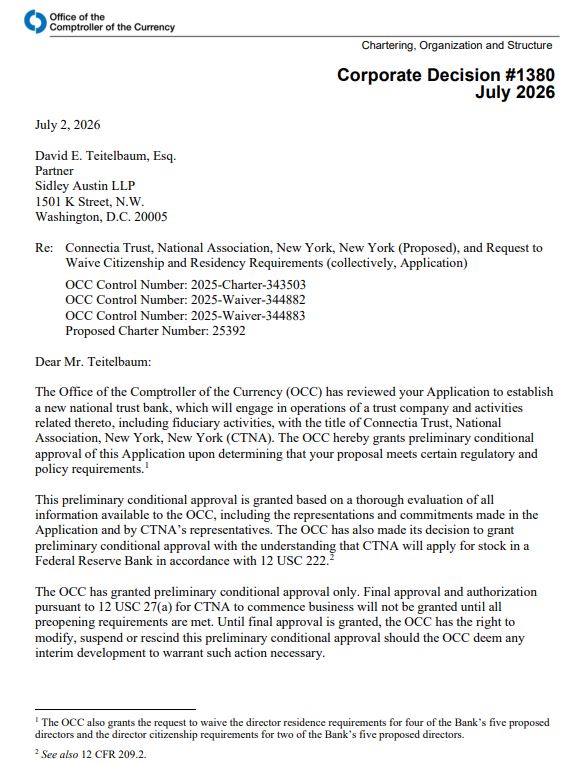 Sony Bank wins conditional OCC approval for Connectia Trust's dollar-backed stablecoin plan2026-07
 Startale raises $63M Series A from SBI and Sony to scale tokenized securities and JPY stablecoin infrastructure2026-03
 Sony's blockchain partner launches institutional-grade stablecoin as the default settlement currency for Ethereum layer-2 platform Soneium alongside a rewards program called STAR Points that incentivizes transactions through the Startale App. Stablecoin platform M0 is providing the underlying infrastructure for Startale USD (USDSC). The launch follows Japan's financial regulator approving a yen-stablecoin pilot from the country's three megabanks earlier this month.2025-12
 Sony files patent for AI-powered censorship tech to alter video game content as part of its push to future-proof PlayStation as it prepares for the next console generation Playstation 6 era. Sony’s approach could allow players to customize what they see and hear without developers creating separate game versions.2025-12
 Sony Bank is preparing to launch a USD-pegged stablecoin by 2026, aiming to cut payment fees across its gaming and anime ecosystem. Its OCC application faces pushback from U.S. community banks.2025-12
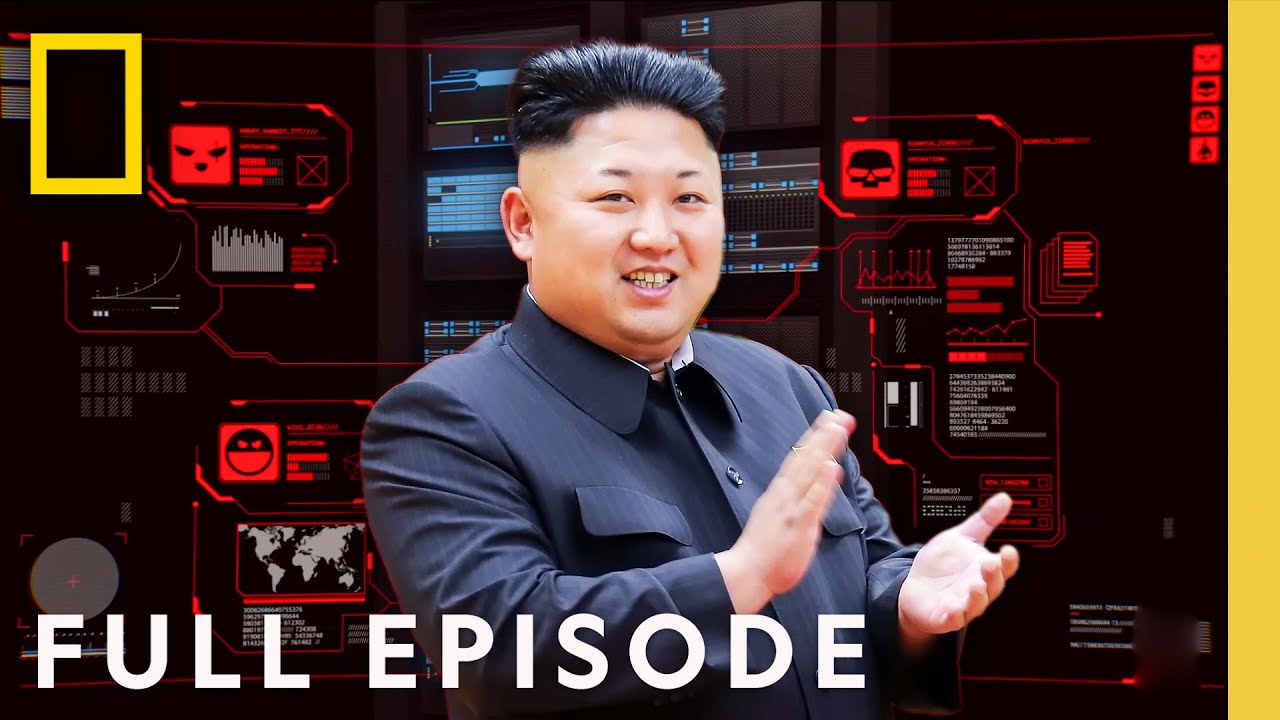 Inside North Korea’s Cyber State: With a 6,000-strong hacker army, the regime pulls off global attack from Sony to WannaCry, waging war without ever setting foot on foreign soil.2025-04
Sony in Crypto: Soneium, Stablecoins, and the Web3 Strategy
Sony, the Japanese conglomerate best known for PlayStation, music, and cameras, is quietly assembling one of the most comprehensive crypto strategies of any global tech giant, spanning an Ethereum Layer‑2 network, bank‑backed stablecoins, a regulated exchange, and onchain capital markets infrastructure. By combining its entertainment and hardware reach with partners like Startale Group and SBI Holdings, Sony is positioning itself at the intersection of consumer Web3, institutional finance, and Japan’s evolving digital asset regime.
From Electronics Giant to Web3 Contender
To understand Sony’s move into crypto, it helps to start from its corporate DNA. Sony Group Corporation has long operated at the convergence of hardware, software, and content, from the Walkman and PlayStation to its music and film studios. That same cross‑domain integration is now being extended to blockchain, with Sony treating Web3 not merely as a speculative asset class but as an underlying network layer for payments, digital rights, and fan engagement. The creation of Sony Block Solutions Labs in Singapore as a dedicated blockchain planning and development entity, formed as a joint venture with Startale Labs, signals that this is not a peripheral experiment but a structured, medium‑term strategic bet.
Sony Block Solutions Labs, originally established as Sony Network Communications Labs in 2023 and rebranded in 2024, sits at the core of this strategy. Its mandate is to design and operate new network infrastructure using blockchain technology, and its flagship project is Soneium, a public Ethereum Layer‑2 chain based on Optimism’s OP Stack and designed to join the Optimism “Superchain” of interconnected rollups. This structure lets Sony leverage Ethereum’s security while outsourcing much of the low‑level protocol innovation to open‑source communities, focusing instead on user experience, content, and distribution where it already has strong competitive advantages. The result is an unusual configuration: a consumer electronics and entertainment company operating what is effectively a programmable public infrastructure layer for crypto applications.
Sony’s crypto push is also deeply shaped by its home market. Japan has been one of the more proactive major economies in building a regulatory framework for digital assets, particularly in the areas of exchange licensing and stablecoins, even if that has sometimes made it a more conservative venue for permissionless DeFi experimentation. SBI Holdings, one of Japan’s most aggressive financial groups in Web3, has played a central role in tokenized securities and security token offerings, including helping establish the Japan Security Token Offering Association to standardize and legitimize the space. Sony’s decision to align closely with SBI through the Startale partnership effectively plugs its Web3 ambitions into the heart of Japan’s emerging onchain capital markets infrastructure, rather than trying to build financial plumbing alone.
At the same time, Sony is operating in a reputational environment shaped by both high‑profile cyberattacks and public debates over platform responsibility. The 2014 Sony Pictures hack and subsequent WannaCry ransomware wave, often linked in analysis of North Korea’s offensive cyber capabilities, underscored how deeply entrenched Sony is in the geopolitics of digital security and surveillance. That history informs the company’s cautious posture around issues like content moderation, compliance, and consumer protection in crypto, even as it experiments with permissionless technologies. It is not surprising that Sony’s blockchain projects place unusual emphasis on regulatory clarity, know‑your‑customer rails, and intellectual property control compared with many purely crypto‑native networks.
Taken together, these factors help explain why Sony’s crypto strategy is not a simple “launch a token and metaverse” play. Instead, it resembles a layered stack: an Ethereum Layer‑2 (Soneium) for scalable smart contracts; stablecoin infrastructure for yen and dollar settlement; a regulated exchange for on‑ and off‑ramping; and a tokenized securities platform (Strium) for institutional RWAs, all stitched together by consumer‑facing wallets and superapps. The rest of this explainer unpacks each of these pieces and how they fit into a coherent, if still evolving, Web3 roadmap.

Sony's S.BLOX exchange becomes first registered platform in Japan to list Midnight's NIGHT token
Inside Soneium: Sony’s Ethereum Layer‑2
Origins and architecture
Soneium is the centerpiece of Sony’s public blockchain ambitions, designed as a general‑purpose Ethereum Layer‑2 network tailored for mass‑market entertainment, creators, and communities. Technically, Soneium is built on the OP Stack, the modular rollup framework developed by the Optimism Foundation, and is intended to join the Optimism “Superchain,” a federation of L2s that share common tooling and standards. As a rollup, Soneium off‑loads execution and data processing to its own chain while relying on Ethereum for settlement and security, addressing Ethereum’s limitations on throughput and transaction fees for consumer‑scale applications.
Sony’s approach has been to iterate through a public testnet before mainnet launch. The Soneium Minato testnet runs as an OP Stack rollup anchored to Ethereum’s Sepolia testnet, giving developers a realistic environment for contracts and dApps while isolating experimental risks from mainnet capital. Documentation confirms that Soneium’s eventual mainnet will settle back to Ethereum mainnet, providing the same base layer security guarantees as other Optimism‑based L2s. Crucially for developers, Soneium is described as EVM‑equivalent rather than merely EVM‑compatible, meaning it aims to replicate Ethereum’s execution environment as closely as possible so that existing Solidity contracts and tooling can be ported with minimal changes.
Gas design is deliberately conservative. Soneium uses ETH itself as the native gas token, rather than introducing a separate L2 governance or utility coin. Official documentation notes that there are currently no plans for a dedicated Soneium token, a choice that both simplifies user experience and sidesteps some of the most contentious regulatory and speculative dynamics associated with L2 token economics. While this may change in the future as governance needs evolve, the initial posture aligns with Sony’s broader emphasis on compliance and stability over short‑term token incentives. For Ethereum users, paying gas in ETH on Soneium reduces friction relative to chains that require bridging into bespoke gas assets.
From a network design perspective, Soneium aims to function as a public, permissionless chain, but one that is closely curated and heavily integrated with Sony’s own products and partners. The chain is being developed and operated by Sony Block Solutions Labs, with Startale providing much of the Web3 protocol expertise as a co‑founder of the venture. This dual structure mirrors how many enterprise‑backed chains are being built: a corporate sponsor that can leverage distribution and brand, paired with a crypto‑native builder that understands protocol engineering and DeFi market structure.
Positioning within the Optimism Superchain
By selecting the OP Stack, Sony is aligning Soneium with a broader movement toward rollup standardization and interoperability. The Optimism Superchain vision imagines a mesh of L2s that share core infrastructure, such as sequencer software, proofs, and bridges, while allowing individual chains to specialize for different use cases or communities. For Soneium, that means the ability to interoperate with other OP‑based chains and to benefit from shared upgrades to scalability and security, without having to fork or maintain a proprietary rollup framework.
From a developer’s standpoint, building on Soneium should feel very similar to building on Optimism mainnet or other OP Stack chains. Tooling, libraries, and infrastructure cultivated in the Optimism ecosystem can be reused, and contracts written for one OP chain can often be migrated or re‑deployed with minor modifications. This is particularly important if Sony wants game studios, NFT projects, and DeFi protocols already comfortable with Ethereum to consider Soneium as an additional deployment venue. EVM equivalence, along with OP Stack standardization, positions Soneium as an additional “city” in the broader Ethereum “nation,” rather than a walled garden.
At the same time, Sony has room to differentiate at the application and UX levels. While core protocol upgrades are likely to track the OP Stack roadmap, Soneium can layer its own user‑facing services, such as account‑abstracted wallets, fiat on‑ramps, scoring systems, and curated app stores. The chain’s documentation emphasizes a focus on accessibility, scalability, and efficiency while “evoking emotion” and “empowering creativity” across industries. Those phrases, while marketing‑heavy, hint at a strategy where Soneium becomes a default settlement and identity layer for various Sony‑linked experiences, from fan token campaigns to digital collectibles tied to music, films, or games.
Sony’s choice to join an open Superchain also places limits on how tightly it can control user behavior. In principle, assets and applications on one OP Stack chain can move or be mirrored to others, and censorship on a single L2 can be mitigated by bridging or deploying to adjacent networks. Advocates of the Superchain see this as a feature that balances sovereign chain policy with system‑wide resilience. For Sony, it is a double‑edged sword: aligning with the Superchain grants access to a larger developer and liquidity pool, but makes it harder to enforce absolute platform rules when users and capital can simply migrate. The controversies around Soneium’s memecoin policy, explored below, illustrate this tension.
Governance, censorship, and decentralization debates
Soneium’s mainnet debut sparked immediate debate in the crypto community when some memecoins were reportedly blacklisted or constrained at launch, ostensibly over intellectual property concerns and Sony’s brand protection priorities. Coverage framed this as a clash between the ethos of open, permissionless networks and the realities of a publicly traded conglomerate that must manage legal risk and content moderation, especially around unlicensed use of Sony‑owned IP or trademarks. Some users argued that this kind of chain‑level intervention undermines the decentralization narrative and exposes the fragility of corporate‑backed L2s; others countered that IP enforcement is inevitable on consumer‑facing networks and that Ethereum’s broader ecosystem provides sufficient escape valves for strongly permissionless activity.
Technically, an OP Stack chain like Soneium can implement blocklist logic at various layers, from centralized sequencer policies to curated front‑ends and RPC providers. That means Soneium can restrict visibility or trading of certain tokens in its default interfaces, even if the underlying smart contracts remain callable by more sophisticated users via direct RPC or by bridging assets to another chain. Ethereum’s base layer and alternative L2s thus act as a “pressure release,” ensuring that no single corporate sponsor controls the entire user universe, even as they gate access within their own ecosystem. In this sense, Soneium’s approach raises important questions about how far corporate governance can go on a public rollup before users and capital vote with their feet.
The memecoin episode fits into a broader pattern of Sony taking a compliance‑first stance in its crypto experiments. Unlike purely community‑launched chains, Soneium must answer to regulators, IP lawyers, and mainstream consumers, not only token traders. From one perspective, this might limit the chain’s appeal as a sandbox for permissionless experimentation. From another, it could make Soneium more attractive to institutional issuers, established brands, and risk‑averse users who value guardrails, especially around scams and infringement. The long‑term trajectory of Soneium’s governance will be a key signal of whether a compromise model between corporate oversight and open infrastructure can gain broad adoption.
Scoring, gamification, and consumer UX
Beyond core protocol design, Soneium is experimenting with behavioral incentives and reputation systems to encourage onchain activity. The network has introduced a scoring system that records user participation across actions such as swapping tokens, staking, and minting NFTs, awarding badges that reflect onchain engagement. This kind of gamified reputation layer serves multiple purposes: it nudges users to explore more of the ecosystem, provides a non‑financial metric of community contribution, and creates a data primitive that can later be used for targeted airdrops, loyalty programs, or access‑controlled experiences. For an entertainment‑driven ecosystem, such badges can become part of the fan identity itself.
Sony’s partners are also building consumer gateways aligned with this vision. Startale is developing the Startale App as an all‑in‑one “superapp” for the Startale and Soneium ecosystem, designed to make interaction with stablecoins, tokenized assets, and mini‑apps as seamless as mainstream fintech products. Positioned as a way to abstract blockchain complexity behind intuitive interfaces, the app aims to combine asset management, payments, and social features into a single environment, including access to DeFi via stablecoins like JPYSC and USDSC. In the Soneium context, the Startale App doubles as a wallet and control panel for onchain experiences, potentially integrating with Soneium’s scoring system and reward mechanics.
Soneium’s early campaigns also show how Sony intends to blend IP‑driven fan engagement with Web3 infrastructure. One example is S.BLOX’s “Ghost in the Shell” NFT distribution, a campaign by Sony’s crypto exchange subsidiary that offered NFTs minted on Soneium to users who completed simple social actions such as following the S.BLOX account and reposting content. By tying a globally recognized anime IP to an onchain collectible distributed via a Sony‑affiliated exchange and recorded on Soneium, Sony is effectively test‑driving a full vertical stack from content to chain to user wallet. Another initiative, the SNFT fan marketing platform highlighted in Soneium communications, aims to let creators, brands, and enterprises reward fans with NFTs for participation, building loyalty loops that are native to the Soneium chain.
These experiments underscore how Sony sees Soneium as more than a technical rollup: it is a canvas for reimagining fan clubs, loyalty programs, and in‑game economies. Whether these initiatives can scale beyond promotional campaigns into sustainable, user‑driven ecosystems will depend on how well Sony balances UX polish with genuine ownership and composability in the underlying smart contracts.
Readers engage with Sony in crypto through two irreconcilable frames simultaneously — as the world's most famous nation-state hack victim and as one of the most credentialed TradFi-to-Web3 builders in Japan — and the tension between those identities drives clicks more than any single product launch.
Stablecoins: Yen and Dollar Strategies
Why stablecoins matter for Sony
Stablecoins sit at the heart of Sony’s onchain strategy because they bridge the gap between crypto rails and real‑world commerce. For a company that operates massive digital marketplaces in gaming, music, and video, denominating transactions in volatile assets like ETH or BTC is a non‑starter. Stablecoins pegged to fiat currencies, especially the Japanese yen and the U.S. dollar, offer a way to embed crypto‑native programmability into payments and rewards while keeping everyday users insulated from price swings. They also open a path toward tokenized securities, onchain fundraising, and cross‑border settlements in a form that banks and regulators can more readily accept.
Sony’s stablecoin efforts are not limited to a single chain or geography. On the yen side, it has aligned with SBI and Startale to support JPYSC, a trust‑bank issued yen stablecoin structured under Japan’s new regulatory regime. On the dollar side, Startale has launched USDSC as an institutional‑grade stablecoin backed by U.S. Treasuries and positioned as the primary settlement currency on Soneium. Sony Bank has separately moved to test integrations with existing yen stablecoins like JPYC and is exploring its own USD‑denominated stablecoin to reduce payment friction in its global entertainment ecosystem. Together, these initiatives amount to a multi‑currency, multi‑issuer approach that treats stablecoins as core infrastructure rather than add‑ons.
JPYSC: a trust‑bank backed yen stablecoin
JPYSC is a Japanese yen‑pegged stablecoin developed through a strategic partnership between SBI Holdings and Startale Group, and it illustrates the institutional, regulated end of Sony’s stablecoin universe. The token is issued by Shinsei Trust & Banking as a Type 3 Electronic Payment Instrument under Japan’s financial regulatory framework, meaning it is subject to specific rules on asset backing, redemption, and oversight. This trust‑bank issuance model is designed to make JPYSC function seamlessly between traditional financial systems and blockchain networks, effectively serving as a “digital yen” proxy that institutions can treat with a measure of confidence similar to bank deposits.
In public materials, Startale and SBI frame JPYSC as a foundational element for onchain finance in Japan and beyond. It is intended to support use cases ranging from retail payments and remittances to onchain dividends and yield distribution for tokenized securities on networks like Strium. Because JPYSC is issued under clear Japanese law and backed by a trust bank, it can be more easily integrated into existing financial products, including those offered by regulated brokerages and asset managers. For Sony, backing an ecosystem that includes JPYSC gives it a yen‑denominated payment and rewards rail that can eventually plug into everything from PlayStation wallets to loyalty programs, even if that integration remains speculative for now.
The JPYSC initiative also reinforces the triangulation between Sony, SBI, and Startale. SBI’s $50 million investment in Startale’s Series A round, combined with Sony Innovation Fund’s earlier $13 million contribution, brought Startale’s total raise to $63 million and secured long‑term alignment around building stablecoin and tokenization infrastructure. In statements around the raise, Startale emphasized its plan to scale adoption of JPYSC and USDSC stablecoins, positioning them as core components of a vertically integrated stack that links institutional capital markets with consumer applications. Sony, via its joint venture with Startale and the planned integration of Soneium into this stack, stands to benefit as both a distribution channel and a beneficiary of yen‑denominated onchain liquidity.
USDSC on Soneium: settlement layer for DeFi
If JPYSC represents regulated yen liquidity, USDSC (Startale USD) is the dollar leg of Sony’s onchain settlement strategy. Startale Group has deployed USDSC as an institutional‑grade dollar stablecoin backed by U.S. Treasuries, with the explicit goal of making it the primary settlement currency for Sony’s Soneium network. Positioned as the “core unit of value” within Soneium’s DeFi ecosystem, USDSC is meant to underpin trades, lending, and other financial primitives in a way that satisfies both institutional risk managers and crypto‑native protocols.
The rollout of USDSC on Soneium is being paired with an incentive program called STAR Points, a rewards engine designed to motivate users to mint the stablecoin and provide liquidity on venues like Uniswap. By rewarding onchain behavior with points that can later be redeemed or used for access, Startale is effectively bootstrapping a liquidity and user base for USDSC in the same ecosystem where Sony is promoting entertainment and fan‑focused applications. The Startale App acts as a convenient interface for these interactions, letting users move between stablecoin positions, tokenized assets, and social experiences without dealing directly with DeFi’s traditional complexity.
Structurally, USDSC’s backing by U.S. Treasuries places it in the same conceptual category as major reserve‑backed stablecoins, but with the distinction that it is deeply embedded in a specific corporate‑backed L2 ecosystem. For Sony, this offers an opportunity to shape how dollar liquidity flows through Soneium, including how it interacts with games, NFTs, and other content. At the same time, reliance on a single issuer and a single L2 introduces concentration risks. If regulators or market events were to disrupt USDSC, much of Soneium’s economic activity could be affected. How open Soneium remains to alternative stablecoins and liquidity sources will therefore be an important signal of its commitment to neutrality versus vertical integration.
Sony Bank, JPYC, and other yen initiatives
While JPYSC and USDSC are tightly linked to Startale and SBI, Sony Bank is pursuing its own stablecoin experiments that point to a future where Sony’s financial arm acts as a direct issuer. In collaboration with stablecoin project JPYC, Sony Bank has announced plans to test instant yen stablecoin purchases funded directly from customer accounts, exploring real‑time transfers that allow users to acquire JPYC seamlessly from bank balances. The stated objective is to study how bank‑grade infrastructure can interface with public blockchains in a way that preserves convenience and compliance, paving the way for more integrated stablecoin services.
Beyond this pilot, Sony Bank has articulated ambitions to issue a USD‑pegged stablecoin of its own, aimed at reducing payment fees and foreign exchange friction across Sony’s global gaming and anime ecosystems. Although those plans will depend heavily on regulatory approvals, especially from U.S. banking authorities, they signal that Sony is not content to treat stablecoins solely as third‑party products. Instead, it appears to be positioning its bank as a first‑class issuer and operator of fiat‑linked tokens, complementing but not duplicating the efforts of partners like Shinsei Trust & Banking and Startale.
These moves come at a time when regulators and bank lobbies are debating the appropriate role of non‑traditional institutions in stablecoin issuance. Some U.S. community banks, for example, have urged prudential regulators to scrutinize or even reject stablecoin license applications from foreign‑linked entities, citing competitive fairness and systemic risk. Sony Bank’s foray into USD‑linked stablecoins thus sits at the frontier of cross‑border financial innovation and regulatory politics. For Soneium and Sony’s broader crypto ambitions, successful navigation of these debates will be crucial to achieving scale without sacrificing legal stability.
Sony’s bets on stablecoin infrastructure providers
Sony is not just building and supporting specific stablecoins; it is also investing in the infrastructure companies that power enterprise‑grade stablecoin issuance. One example is its participation, alongside Coinbase and Samsung, in a funding round for Bastion, a startup that offers white‑label stablecoin systems. Bastion’s business model is to let companies issue digital dollars without having to build their own onchain plumbing or navigate the full complexity of regulatory licensing, offering modular services that include wallets, off‑ramps, and compliance tooling.
By backing a platform like Bastion, Sony gains optionality. It can experiment with branded digital dollars or integrate stablecoin rails into specific products without committing all flows to a single proprietary issuer or chain. Bastion competes with providers like Paxos and Agora, which similarly offer turnkey stablecoin solutions to enterprises, suggesting that Sony sees the competitive dynamics of stablecoin infrastructure as strategic enough to warrant venture investment rather than just vendor relationships. In combination with its internal projects and partnerships with Startale and SBI, this investment underscores Sony’s view of stablecoins as foundational to the next phase of digital commerce, not just a niche trading instrument.

Sony Bank wins conditional OCC approval for Connectia Trust's dollar-backed stablecoin plan
Onchain Capital Markets: Strium, RWAs, and SBI
SBI–Startale alliance and the Strium network
Alongside Soneium, another critical pillar in Sony’s extended Web3 ecosystem is Strium, a Layer‑1 blockchain launched by Startale and SBI Holdings to handle tokenized securities and real‑world assets (RWAs). Strium is designed as a settlement and exchange framework for Asia’s onchain capital markets, enabling institutional trading of tokenized bonds, equities, funds, and potentially alternative assets, all under regulatory‑compliant conditions. SBI’s deep involvement in traditional finance, combined with Startale’s blockchain expertise, makes Strium a natural locus for regulated financial experimentation in Japan and the broader region.
The capital raised in Startale’s $63 million Series A round is explicitly earmarked to accelerate Strium’s development and adoption. With $50 million from SBI Group and an earlier $13 million first close from Sony Innovation Fund, the round establishes Startale as a central infrastructure player spanning Ethereum L2s, stablecoins, tokenized securities, and consumer applications. Startale has stated that Strium will be tightly integrated with stablecoins like JPYSC and USDSC, enabling onchain dividends, yield distribution, and efficient settlement for tokenized assets, while Soneium and the Startale App provide retail‑oriented interfaces and experiences.
For Sony, Strium is not a chain it operates directly, but it is woven into the same ecosystem via shared ownership, strategic alignment, and stablecoin interoperability. Sony Innovation Fund’s investment supports Strium’s growth, and Sony’s entertainment and consumer businesses stand to benefit from financial rails that make it easier to tokenize revenue streams, future royalties, or even slices of IP. In a hypothetical future, a Sony music catalog could be fractionally tokenized and settled via Strium, with fan‑facing instruments or rewards mirrored on Soneium, all underpinned by JPYSC and USDSC as payment rails.
Relationship between Strium and Soneium
Although Strium and Soneium operate at different layers and target different audiences, they can be thought of as complementary components of a vertically integrated onchain stack. Strium, as a Layer‑1 designed for tokenized securities and RWAs, is the institutional core where regulated financial instruments live and trade. Soneium, as an Ethereum Layer‑2 tied to entertainment and consumer engagement, is the edge network where users interact with brands, IP, and experiences, and where smaller‑scale financial flows such as micro‑payments or fan rewards occur. Stablecoins like JPYSC and USDSC, along with applications in the Startale App, are the connective tissue that lets value flow between these layers.
This architecture mirrors traditional finance’s separation between wholesale and retail infrastructures. Wholesale markets, including interbank settlement and securities clearing, operate on specialized systems with strict access controls, while retail banking and consumer payment apps abstract that complexity. In the crypto analogue, Strium is the wholesale layer, and Soneium plus consumer interfaces are the retail layer. Sony’s involvement in both, through direct operation of Soneium and investment in Strium via Startale, suggests a deliberate attempt to recreate this two‑tier structure with the added benefits of programmability and composability.
Such a model has implications for interoperability and risk. On the one hand, tightly coupled layers can offer a smooth UX: a user might purchase a tokenized bond on Strium via a retail app that also handles their game NFTs and fan badges on Soneium, without needing to understand which chain they are touching. On the other hand, coupling means that issues on one layer can propagate. A regulatory event that constrains Strium’s operations, or a stablecoin depegging, could impact Soneium applications that rely on those instruments. Managing this interdependence while preserving the open, modular nature of blockchains will be a key design and governance challenge.
Regulatory clarity and institutional adoption
SBI’s broader Web3 strategy provides important context for why Sony chose this particular set of partners. SBI has been a pioneer in Japan’s security token and tokenized securities industry, playing a leading role in establishing the Japan Security Token Offering Association to ensure compliance and investor protection in this nascent market. Its Web3‑related businesses span crypto exchanges, digital asset custody, and tokenization platforms, with a stated emphasis on aligning innovation with regulatory frameworks. For Sony, whose brand depends on trust from consumers and regulators alike, partnering with SBI is a way to tap into this institutional credibility rather than navigating onchain capital markets alone.
The intersection of Strium, JPYSC, USDSC, and Soneium exemplifies a thesis that institutional adoption of onchain finance will require multi‑stakeholder collaboration. Banks and securities firms bring regulatory licenses and risk frameworks; tech companies like Sony bring consumer distribution and UX; Web3 firms like Startale bring protocol engineering and crypto‑native design. None of these actors alone can credibly build a global, compliant tokenized market, but together they can assemble the necessary pieces. Sony’s role is not to replace banks or exchanges but to extend its entertainment and hardware ecosystems into a world where money, identity, and content share a common programmable substrate.
Exchanges, Wallets, and Consumer On‑Ramps
S.BLOX: Sony’s crypto exchange play
A blockchain ecosystem needs on‑ and off‑ramps, and Sony is building those as well. The company has acquired and rebranded the Japanese crypto trading platform WhaleFin into S.BLOX Co., a subsidiary that aims to serve as Sony’s primary crypto exchange presence. According to announcements, S.BLOX plans to collaborate with other Sony Group businesses to enhance crypto trading services, with a redesigned user interface and a new mobile app aimed at improving user experience. While the specific launch timeline for the S.BLOX exchange has not been fully disclosed, its positioning indicates that Sony sees regulated exchange infrastructure as a core part of its Web3 stack, not an ancillary service.
By controlling an exchange, Sony gains flexibility in how it lists and promotes tokens related to its own blockchain projects, such as assets on Soneium or stablecoins tied to its partners. It can also integrate exchange functionality into broader consumer experiences, such as letting users purchase NFTs or in‑game assets seamlessly with fiat, or swapping between stablecoins and other tokens without leaving the Sony ecosystem. Sota Watanabe, the founder and CEO of Startale Labs, has publicly mentioned that a Startale external director will lead Sony’s exchange initiative, further reinforcing the tight alignment between Soneium, Startale, and S.BLOX.
Operating an exchange also exposes Sony directly to the challenges of compliance, market surveillance, and custodian risk. Japan’s exchange regulations are among the strictest in the world, requiring detailed segregation of customer assets, periodic reporting, and robust internal controls. Navigating these requirements while offering the breadth of assets that crypto users expect will test Sony’s ability to balance risk management with product competitiveness. Nevertheless, if successful, S.BLOX could become a powerful funnel of liquidity and users into Soneium and related stablecoin ecosystems.
NFT campaigns, SNFT, and IP experiments
S.BLOX and Soneium are already being used as canvases for IP‑driven NFT campaigns that test new forms of fan engagement. One notable initiative is S.BLOX’s “Ghost in the Shell” NFT campaign, conducted to commemorate the renewal of its crypto asset trading services. The campaign distributed NFTs on Soneium to Japanese users who followed the S.BLOX X account, reposted designated content, and claimed the NFTs via a special site, effectively blending social media engagement with onchain rewards. The NFTs themselves tie into a beloved anime franchise, demonstrating how Sony can use its broader entertainment portfolio to seed demand for blockchain‑based collectibles.
Another piece of this puzzle is the SNFT fan marketing platform, highlighted in Soneium communications as a tool for creators, brands, and enterprises to reward fans using NFTs. By offering a packaged solution for issuing and distributing NFTs tied to specific engagements or achievements, SNFT lowers the barrier for non‑technical brands to enter the Web3 space on Soneium. The combination of SNFT, S.BLOX, and Soneium’s scoring system creates a layered fan engagement stack: SNFT handles campaign logic and NFT issuance, S.BLOX onboards users and provides trading functionality, and Soneium records the underlying transactions and badge history.
These early experiments are likely just the beginning of how Sony might blend IP and blockchain. Over time, one can imagine richer onchain experiences, such as dynamic NFTs that evolve based on gameplay or event attendance, or token‑gated communities for fans of specific artists or game franchises. The key question will be whether Sony uses blockchain primarily as a back‑end infrastructure, with most logic controlled by centralized services, or whether it embraces more open, composable standards that allow third‑party developers and communities to innovate on top of its IP in permissionless ways.
Payments, commerce, and stablecoin integration
On the payments side, Sony is cautiously experimenting with crypto as a means of settlement in traditional e‑commerce. In Singapore, Sony Electronics has partnered with Crypto.com to enable customers to pay for products on the Sony Online Store using USDC via Crypto.com Pay, expanding payment options beyond conventional cards and bank transfers. Such integrations are modest in scope but symbolically important, signaling that Sony is willing to accept stablecoins as a legitimate medium of exchange for real‑world goods, at least in select markets.
Looking ahead, the convergence of Soneium, Sony Bank’s stablecoin ambitions, and external payment integrations suggests a path toward deeper crypto‑native commerce within Sony’s digital ecosystems. In principle, a user could top up a wallet with JPYSC or USDSC, earn rewards in the same stablecoins for in‑game achievements or fan participation on Soneium, and spend them on hardware or digital content, all without leaving the Sony universe. Achieving this vision will require navigating tax, KYC, and consumer protection rules in multiple jurisdictions, but it reflects why stablecoins and Layer‑2 infrastructure are strategically important to Sony’s long‑term digital commerce play.
Startale raises $63M Series A from SBI and Sony to scale tokenized securities and JPY stablecoin infrastructure

$63M from SBI and Sony backing tokenized securities and JPY stablecoin shows Japan going hard on blockchain finance.
Security, Compliance, and Content Integrity
Lessons from past cyberattacks and risk posture
Sony’s posture toward crypto cannot be separated from its history with cybersecurity incidents. The infamous attack on Sony Pictures in 2014, widely discussed in the context of North Korea’s state‑sponsored hacking capabilities, and the later WannaCry ransomware outbreak, which exploited similar vulnerabilities, embedded Sony in the public imagination as a target in broader cyber conflicts. These experiences likely left a deep imprint on the company’s approach to digital risk, including in emerging domains like Web3, where phishing, protocol exploits, and wallet drainers are common.
As Sony moves deeper into crypto, it must contend with a landscape where security responsibilities are more distributed and user‑centric than in traditional platforms. While a centralized service can reset passwords or reverse some fraudulent transactions, blockchain interactions are often irreversible. Incidents like the fake Google ad for Soneium that reportedly led users to a wallet‑draining site, flagged by security researchers, highlight how even basic marketing channels can be weaponized against newcomers. For Sony, this reality underscores the need for strong official communication channels, robust user education, and secure defaults in wallets and dApps.
The company’s conservative stance on certain memecoins and its emphasis on regulated stablecoins can be read partly through this lens of risk minimization. By focusing on instruments issued under clear legal frameworks and by exerting some control over which assets are promoted or accessible through official interfaces, Sony is trying to limit exposure to fraud, market manipulation, and reputational damage. Whether this cautious approach will suffice in an environment where attackers constantly innovate, and whether it will alienate users who expect maximal permissionlessness, remains an open question.
AI content filtering and programmable media
In parallel with its blockchain initiatives, Sony is pursuing advanced research in AI‑driven content filtering and customization. A patent filed by Sony Interactive Entertainment describes an AI system for “automatic bespoke edits of video content,” where the AI can censor or modify audio and video in real time based on user‑specified content filters. The envisioned tool could, for example, mute profanity, blur nudity, or otherwise tailor a game or video stream to individual preferences without developers having to create separate versions.
While this patent is not directly about crypto, it intersects with Web3’s debates over programmable content, user autonomy, and platform control. On one hand, AI‑based, client‑side content filtering aligns with a vision of user empowerment: players choose what they see and hear, and the system adapts accordingly. On the other hand, the same technologies could, in theory, be used to enforce regional censorship rules or brand‑driven content policies in ways that are opaque to users. In a future where NFTs represent not just static images but dynamic media experiences, the boundary between an onchain token and the off‑chain content it points to will increasingly depend on such programmable layers.
For Sony, which straddles the worlds of entertainment content, hardware devices, and now blockchain infrastructure, AI content filtering could become part of a broader stack that includes provenance signals and smart contracts. A game on Soneium might issue an NFT that unlocks particular content, while AI filters and local device policies determine how that content is presented in different contexts. The combination raises complex questions about what “ownership” means when the token is global and immutable, but the actual experience is dynamically shaped by software in ways that users may not fully understand.
Content provenance, C2PA, and Web3
Sony also participates in industry efforts to tackle misinformation and media manipulation at the level of content provenance. The Coalition for Content Provenance and Authenticity (C2PA) provides an open technical standard that allows publishers, creators, and consumers to cryptographically record the origin and edit history of digital content. C2PA’s framework enables cameras, editing software, and publishing platforms to embed tamper‑evident metadata about where and how an image or video was created and modified, helping distinguish authentic content from deepfakes or doctored media.
Although C2PA is formally distinct from blockchain, it shares philosophical and technical parallels, especially around immutable audit trails and cryptographic signatures. In a world where Sony’s cameras, phones, or consoles produce C2PA‑signed content, and Soneium or other chains record ownership and licensing via NFTs or smart contracts, users could benefit from a multi‑layered authenticity stack. The camera might attest to the original capture; the blockchain might attest to the ownership and usage rights; and AI systems might enforce or personalize the viewing experience within those parameters. For crypto users, this convergence suggests that NFTs could evolve from simple tokens pointing to media files into rich containers for provenance, rights, and contextual rules.
Sony’s presence in both C2PA‑related efforts and Web3 infrastructure gives it a unique vantage point on these developments. It can influence how cameras and devices embed provenance, how blockchains store and expose rights metadata, and how apps present or restrict content based on that information. The challenge, again, will be ensuring that these systems enhance user sovereignty rather than entrenching centralized control under the guise of safety and authenticity.
Compliance‑first design and the memecoin blacklist
Returning to Soneium’s launch, the controversy over blacklisted or restricted memecoins illustrates the sometimes‑awkward interface between compliance and decentralization. Reports indicated that certain tokens were blocked or de‑prioritized on Soneium at launch, sparking backlash from segments of the crypto community who saw this as antithetical to the ethos of open networks. Sony and its partners, however, must consider intellectual property rights, anti‑money laundering obligations, and consumer protection expectations, particularly in a jurisdiction as tightly regulated as Japan.
In practice, compliance‑first design on a Layer‑2 can take many forms. It might mean proactively monitoring and restricting tokens that appear to infringe on trademarks or copyright, especially if those marks belong to Sony or its partners. It could involve stricter KYC requirements for certain onchain activities, especially those involving higher risk or institutional counterparties. It may also lead to curated front‑ends that default to “safe” asset lists, even if more advanced users can bypass those filters. Each of these choices moves Soneium closer to a semi‑permissioned environment on the user experience layer, even if the underlying smart contracts remain permissionless.
Whether this model succeeds will depend on how Sony balances the needs of mainstream users and regulators with the expectations of crypto‑native communities. If Soneium becomes too constrained, developers and users may prefer more permissive L2s for innovative or edgy projects, relegating Soneium to a walled garden of official IP and compliant finance. If, however, Sony can create clear, transparent rules that protect users without stifling creativity, Soneium could attract a substantial share of developers looking for a stable, regulated, yet still composable environment.
Phishing, wallet drainers, and consumer protection
The Soneium ecosystem has already seen examples of the broader crypto problem of phishing and malicious tooling. Security researchers have warned about fake “official” Google ads that led users searching for Soneium to wallet‑draining sites, where malicious smart contracts could empty wallets once permissions were granted. Such incidents are not unique to Soneium, but they are particularly damaging for a corporate‑backed chain whose target audience includes many first‑time or casual crypto users.
For Sony, tackling these threats will require a multi‑pronged strategy. Strong branding and verified channels can help users distinguish real Soneium interfaces from impostors. Wallets integrated into the Startale App or official Sony experiences can incorporate transaction simulation, permission warnings, and curated contract lists to minimize accidental approvals. Over time, onchain analytics and scoring systems might be used to flag or even automatically block interactions with addresses associated with scams, though such measures raise their own decentralization concerns. In any case, Sony’s experiences here will likely influence how other mainstream companies think about consumer protection in their own forays into crypto.
- 01North Korea Sony hack legacy
The most-clicked headline reframes Sony's 2014 breach as the opening move of a state cyber-war still active today, giving crypto readers a geopolitical thriller anchored to a brand they know.
- 02Soneium mainnet launch timeline↗
Readers tracked every milestone — teaser video, mainnet reveal, scoring system — of a major consumer-brand L2 built on Ethereum's OP Stack, treating it as a bellwether for Web2-to-Web3 legitimacy.
- 03S.BLOX Japan exchange launch↗
Sony converting the acquired WhaleFin platform into a licensed Japanese crypto exchange signaled a direct corporate bet on regulated retail crypto, not just blockchain infrastructure.
- 04JPY and USD stablecoin buildout↗
Sony Bank and Startale Labs pursuing both yen-pegged and dollar-pegged stablecoins on Soneium attracted readers watching whether a major bank-brand could legitimize stablecoin rails in Asia.
- 05Soneium memecoin blacklisting controversy↗
Soneium's decision to delist memecoins at launch crystallized the centralization-vs-censorship-resistance debate inside an otherwise celebrated Web3 rollout, pulling in DeFi readers who normally ignore corporate chains.
- 06Startale Labs funding and infrastructure role↗
Startale's $63M Series A from SBI and Sony revealed the institutional capital stack quietly underpinning Soneium, reframing the chain as a funded B2B infrastructure play rather than a consumer experiment.
Developer Ecosystem and Tooling
OP Stack, EVM equivalence, and dev experience
For developers, Soneium’s value proposition hinges on familiarity and tooling. By basing its tech stack on the OP Stack and targeting EVM equivalence, Soneium ensures that most existing Ethereum developer tools—compilers, frameworks, debuggers, and testing suites—work out of the box. Contracts written in Solidity or Vyper should behave identically to how they would on Ethereum mainnet or other EVM chains, reducing the cognitive overhead of targeting a new network. This stands in contrast to chains that require learning new virtual machines or programming paradigms, a barrier that has stymied adoption in some enterprise blockchains.
Soneium’s documentation emphasizes that it operates as a public Ethereum Layer‑2 that combines Ethereum’s security and decentralization with enhanced scalability and user‑friendliness. Developers can deploy a wide range of applications, from DeFi protocols to NFT marketplaces and social dApps, and can tap into the broader Optimism and Ethereum ecosystems for tooling and design patterns. The absence of a native Soneium gas token simplifies onboarding: developers do not need to design around a bespoke token economy just to pay for gas, and users can fund their wallets with ETH, a widely held asset.
At the same time, Soneium’s integration with Sony‑specific services offers unique opportunities. Developers building games or fan experiences tied to Sony IP could, in principle, leverage Soneium’s scoring system, SNFT’s fan marketing tools, and the Startale App’s user base to accelerate growth. Stablecoins like USDSC and JPYSC provide programmable money primitives with institutional backing, which may be more appealing to traditional brands or financial institutions than purely algorithmic or offshore‑issued tokens. This combination of open infrastructure and curated corporate resources is part of what distinguishes Soneium from purely grassroots chains.
Testnet, mainnet, and L1 relationships
The Soneium Minato testnet provides a sandbox for developers to experiment before mainnet deployment. Built on the OP Stack and anchored to Ethereum’s Sepolia testnet as its L1, Minato replicates the architecture that will be used on mainnet, where the L1 will be Ethereum mainnet itself. This arrangement lets developers debug contracts and applications in an environment that mimics production conditions, including rollup behavior and bridging, but with test assets instead of real funds. Documentation around Minato clarifies that gas on the testnet is still denominated in ETH, maintaining consistency with the mainnet design.
Over time, Soneium’s mainnet has been rolled out with increasing capacities, handling tens of millions of transactions during extended testing phases before public launch according to coverage. The chain’s performance and reliability will be crucial for attracting serious applications; entertainment and gaming workloads can be bursty and spiky, demanding both throughput and predictable latency. Leveraging Ethereum mainnet as the settlement layer ensures a high security baseline, but the scalability and cost profile will depend on optimizations at the rollup and data‑availability layers, areas where OP Stack’s roadmap plays a central role.
From a broader ecosystem perspective, Soneium sits alongside not just Strium but also other Ethereum‑based and non‑Ethereum chains that Sony and its partners may interact with, including networks used by stablecoin issuers like JPYC or white‑label platforms like Bastion. Developers must therefore think of Soneium as one component in a multi‑chain strategy, especially if they aim to reach users across different wallets, jurisdictions, and regulatory environments. Sony’s challenge is to make Soneium compelling enough—via incentives, tooling, and distribution—that builders see it as a primary deployment target rather than an afterthought.
Incubation programs, grants, and venture support
Recognizing that developer ecosystems do not emerge organically around corporate chains, Sony and Startale have launched initiatives to cultivate builders. The “Soneium Spark” incubation program, presented jointly by Sony Block Solutions Labs and Startale, is designed to support startups and projects that want to build on Soneium and related infrastructure. Such programs typically offer a mix of funding, technical mentorship, co‑marketing, and potential access to Sony’s broader business units, aligning early‑stage teams with the chain’s strategic direction.
Beyond incubation, Sony’s venture arms, including Sony Innovation Fund and Sony Financial Ventures, have been active in backing Web3 startups that complement its infrastructure goals. Startale itself is a prime example, with Sony Innovation Fund participating in its Series A, but other winners of Sony‑sponsored awards, like JANCTION with its decentralized GPU cloud platform, illustrate Sony’s interest in adjacent technologies such as AI infrastructure for Web3 workloads. These investments signal to developers that Sony is willing to put capital behind the ecosystem, not just provide a chain and hope for organic adoption.
The long‑term success of Soneium and related networks will hinge on whether a critical mass of high‑quality projects choose to build there. Incubation programs and venture capital can help jump‑start this process, but they must be paired with genuine openness and technical excellence. Developers are wary of platforms that appear overly controlled or that reserve the best opportunities for corporate affiliates. Sony’s ability to foster a vibrant, semi‑independent builder community, even while retaining compliance and IP safeguards, will be a key determinant of Soneium’s relevance.
Scoring, community, and growth loops
Soneium’s onchain scoring system is a notable attempt to create structured growth loops that go beyond token price speculation. By awarding badges for activities like swapping, staking, and NFT minting, the system creates a visible, verifiable record of user engagement that can be leveraged for future rewards or social status. For example, a DeFi protocol could airdrop governance tokens to users with high scores in relevant categories; a game could unlock special content for players who have demonstrated sustained onchain activity; or Sony itself could offer perks to users with particular badge combinations.
These dynamics can help overcome the cold‑start problem faced by new chains, where users have little reason to experiment beyond short‑lived speculative incentives. Unlike mercenary yield farming, which often leads to capital flight once rewards diminish, reputation systems and badges can foster longer‑term attachment if designed thoughtfully. However, they also risk becoming gamified in ways that encourage spammy or meaningless actions, or that exclude users who are privacy‑conscious or unable to participate in early campaigns. The design of Soneium’s scoring algorithms, and how transparent and adaptable they are, will influence whether the system becomes a genuine community asset or merely a marketing tool.
Strategic Positioning: Sony vs Other Tech Giants
A multi‑pronged, vertically integrated approach
Compared with other global tech companies dabbling in crypto, Sony’s strategy stands out for its breadth and vertical integration. Rather than focusing on a single area like NFTs, payments, or wallets, Sony is constructing a stack that spans a public Ethereum Layer‑2 (Soneium), regulated stablecoins (JPYSC, USDSC, and potential Sony Bank issues), a tokenized securities chain (Strium), a crypto exchange (S.BLOX), and consumer applications (Startale App, SNFT, NFT campaigns). This approach mirrors how Sony historically combined hardware, software, and content to create ecosystems around products like the PlayStation.
The partnership with Startale and SBI adds institutional heft and technical depth to this stack. Startale brings protocol expertise and a portfolio of products that tie together infrastructure and consumer apps, while SBI contributes financial market access, regulatory experience, and distribution to its tens of millions of customers. Sony’s role is both as operator (through Sony Block Solutions Labs and S.BLOX) and as a strategic investor and integrator, aligning its entertainment, hardware, and financial arms around a coherent Web3 roadmap. Few other tech giants are attempting such a comprehensive configuration, making Sony a bellwether for how large, diversified conglomerates might enter crypto.
Comparison with other corporate blockchain strategies
Other consumer tech and internet companies have experimented with blockchain in different ways. Some have issued branded stablecoins or tokens tied to loyalty programs; others have integrated limited NFT support into existing platforms or partnered with third‑party payment providers to accept crypto. A number of financial institutions have built private or consortium chains for internal settlements. What distinguishes Sony’s approach is the decision to operate and promote a public, EVM‑based Layer‑2 (Soneium) that is explicitly tied to its brand and product ecosystem, rather than relying solely on third‑party chains or private networks.
This choice carries both upside and downside. On the positive side, owning a chain gives Sony greater control over network parameters, fee structures, and ecosystem incentives, and provides a clear focal point for developer and user engagement. It also allows deeper integration with Sony’s own products, such as direct wallet support in devices or special L2‑native experiences in games and media apps. On the downside, operating a public chain exposes Sony to complex questions about decentralization, censorship, and liability, especially if the chain hosts controversial content or financial activity beyond Sony’s direct control. The memecoin blacklist controversy is a microcosm of these tensions.
By contrast, companies that limit themselves to accepting stablecoins or integrating third‑party chains can offload some of these responsibilities and controversies. They may sacrifice some upside in terms of ecosystem control and user data, but they avoid becoming direct stewards of a blockchain’s governance. Sony’s willingness to embrace that role suggests a conviction that the benefits of owning a programmable infrastructure layer outweigh the risks, provided it can navigate the regulatory landscape and community expectations effectively.
Risks, challenges, and competitive pressures
Despite the ambition of Sony’s crypto strategy, success is far from guaranteed. On the technical side, Soneium sits in a crowded field of Ethereum L2s, sidechains, and alternative L1s all vying for developer attention and liquidity. Competing chains may offer more aggressive incentives, looser content policies, or more established DeFi ecosystems. Sony will need to differentiate Soneium not just by association with its brand, but by tangible advantages in UX, integration, and opportunities for developers.
On the regulatory front, Sony must juggle regimes in Japan, the United States, and other markets where it operates. Stablecoin issuance and crypto exchange operations are under increasing scrutiny worldwide, and missteps could lead to fines, license suspensions, or reputational damage. The stablecoin ambitions of Sony Bank, in particular, may provoke resistance from incumbent financial institutions that view tech‑driven stablecoin issuers as competitors. Sony also has to manage IP risks, ensuring that its blockchain projects do not inadvertently facilitate piracy or unauthorized commercial use of its content.
Finally, there is the question of internal alignment and focus. Sony is a sprawling conglomerate with many business units, each with its own priorities and constraints. Integrating Soneium, Strium, S.BLOX, and stablecoin initiatives into coherent products that matter to everyday users will require sustained coordination across divisions that may not traditionally collaborate closely. If these projects remain siloed proofs‑of‑concept or marketing experiments, their impact will be limited. If, however, Sony can embed Web3 capabilities deeply into flagship experiences—without forcing users to think about blockchains explicitly—it could help normalize crypto usage for tens of millions of people.
Sony announces Soneium Ethereum L2
Soneium reveals mainnet launch date via video
Sony Innovation Fund closes $13M first tranche of Startale Series A
Soneium mainnet and S.BLOX exchange unveiled alongside NFT platform
Startale launches USDSC stablecoin as Soneium default settlement currency
Startale closes $63M Series A led by SBI Group
- 2026-03regulatory
US community banks urge OCC to reject Sony Bank stablecoin license
Soneium launches onchain participation scoring system
Outlook
Sony’s crypto journey is still in its early chapters, but the contours of its strategy are becoming clear. By launching Soneium as an Ethereum Layer‑2 based on the OP Stack, Sony is betting that public, EVM‑compatible infrastructure will be the backbone of future digital experiences, from games and fan clubs to tokenized securities. By backing and integrating regulated stablecoins like JPYSC and USDSC, and exploring its own Sony Bank‑issued tokens, it is positioning stablecoins as the monetary layer for these experiences, tightly linked to Japan’s evolving digital asset frameworks and global dollar liquidity. And by building or investing in surrounding pieces—Strium for RWAs, S.BLOX for exchange access, the Startale App for consumer UX, and standards like C2PA for content provenance—Sony is constructing an interconnected web that spans finance, entertainment, and trust infrastructure.
The coming years will test whether this ambitious, multi‑layered approach can deliver real value to users and partners. Success will likely depend on Sony’s ability to abstract away blockchain complexity behind familiar interfaces, to offer compelling content and financial products that are meaningfully better because they are onchain, and to navigate the trade‑offs between compliance and decentralization in ways that avoid alienating either regulators or the crypto‑native community. The controversies around memecoin blacklisting, the constant threat of phishing and wallet drainers, and the broader regulatory debates around stablecoins are reminders that Web3 remains a risky and contested domain.
For crypto observers, Sony’s experiment offers a glimpse of one possible future in which large, regulated companies operate public blockchains, issue or support major stablecoins, and weave onchain logic into mainstream consumer experiences. If Soneium and its associated stablecoin and RWA infrastructure succeed, they could catalyze broader institutional and retail adoption in Japan and across Asia, and set precedents for how corporate‑backed chains can coexist with permissionless ecosystems. If they falter, the lessons learned will still inform how the next wave of enterprises approaches crypto. Either way, Sony has moved from being a distant observer to a central participant in the evolution of Ethereum‑based finance and Web3 entertainment.
Latest Sony news
Sony's S.BLOX exchange becomes first registered platform in Japan to list Midnight's NIGHT tokenSony Bank wins conditional OCC approval for Connectia Trust's dollar-backed stablecoin planStartale raises $63M Series A from SBI and Sony to scale tokenized securities and JPY stablecoin infrastructureSony's blockchain partner launches institutional-grade stablecoin as the default settlement currency for Ethereum layer-2 platform Soneium alongside a rewards program called STAR Points that incentivizes transactions through the Startale App. Stablecoin platform M0 is providing the underlying infrastructure for Startale USD (USDSC). The launch follows Japan's financial regulator approving a yen-stablecoin pilot from the country's three megabanks earlier this month.Sony files patent for AI-powered censorship tech to alter video game content as part of its push to future-proof PlayStation as it prepares for the next console generation Playstation 6 era. Sony’s approach could allow players to customize what they see and hear without developers creating separate game versions.Sony Bank is preparing to launch a USD-pegged stablecoin by 2026, aiming to cut payment fees across its gaming and anime ecosystem. Its OCC application faces pushback from U.S. community banks.Sources
19 records from 14 domains
soneium.org
docs.soneium.org
startale.com
technode.global
tradingview.com
es.tradingview.com
cryptorank.io
x.com
sbigroup.co.jp
binance.com
thedefiant.io
c2pa.org
vice.com
sony.com
Community notes
Spot something off or out of date? Drop a note. Editors review topic notes daily and roll accepted fixes into the explainer — contributors are recognized in the monthly $SQUID drop.
Loading notes…
Help improve this topic
Have a story or tip about this topic? Submit it. See something missing? Leave a note. Editors review daily; accepted submissions and fixes count toward the monthly $SQUID drop.