
In-depth explainer on Soneium, Sony’s Optimism-based Ethereum layer-2 for onchain entertainment, covering its architecture, Sony–Startale partnership, Soneium Score, USDSC stablecoin, ecosystem games and NFTs, Aave deployment, risks, and long-term outlook.
- x.com9
- sony.com1
- leviathannews.substack.com1
- astar.network1
- startale.com1
- governance.aave.com1
- thedefiant.io1
+4 sources across the wider coverage universe
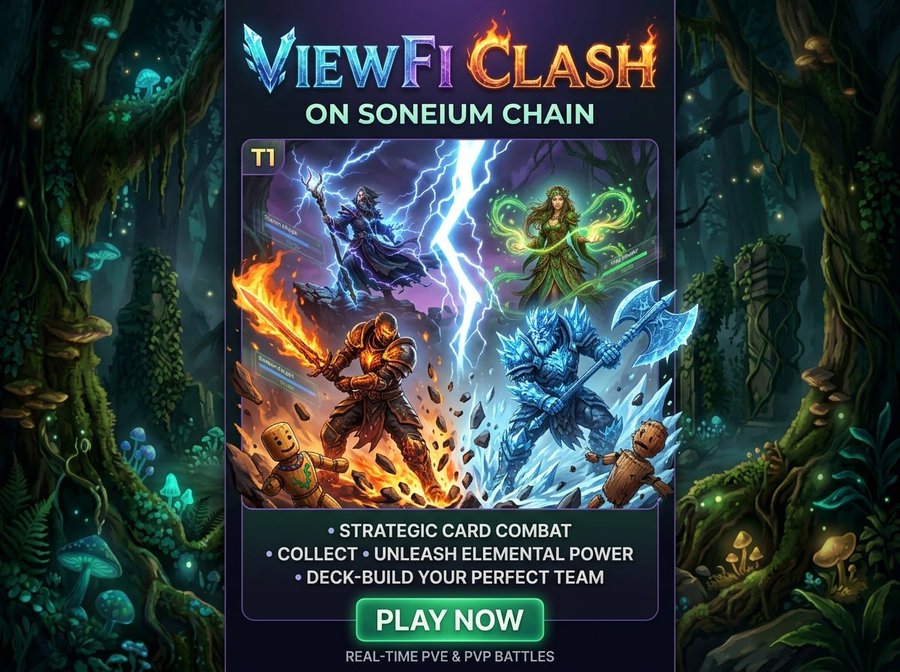 ViewFi Clash goes live on Soneium, bringing new play-to-earn battles2026-04
 Sony's blockchain partner launches institutional-grade stablecoin as the default settlement currency for Ethereum layer-2 platform Soneium alongside a rewards program called STAR Points that incentivizes transactions through the Startale App. Stablecoin platform M0 is providing the underlying infrastructure for Startale USD (USDSC). The launch follows Japan's financial regulator approving a yen-stablecoin pilot from the country's three megabanks earlier this month.2025-12
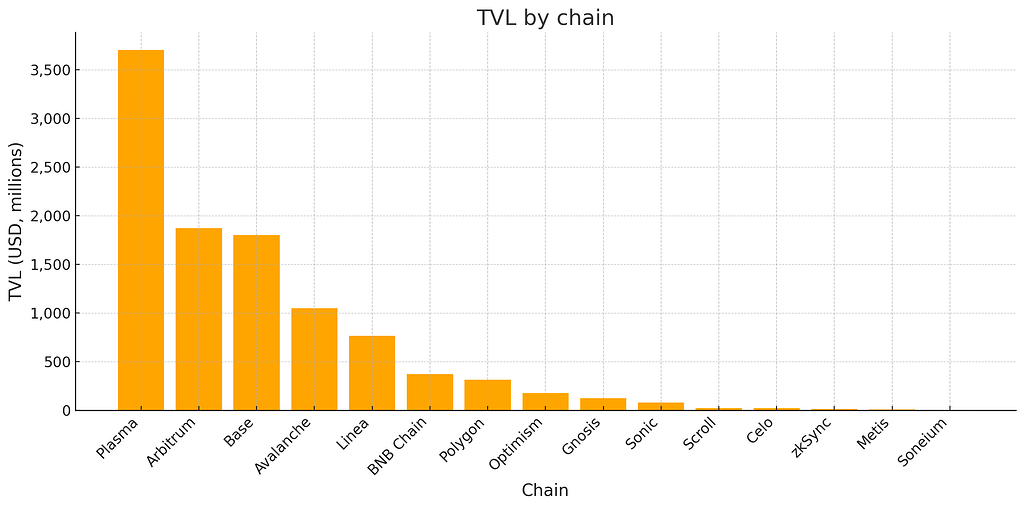 Aave proposes refocusing its V3 multichain strategy by raising reserve factors on weak networks, shutting down low-revenue markets on zkSync, Metis, and Soneium, and requiring at least $2M in annual revenue for any new chain deployment.2025-12
 Soneium, the anticipated Sony layer 2 on Ethereum, released a video with a date 2024-08
 Sony Group unveils Soneium mainnet, S.BLOX exchange, and NFT fan marketing platform2025-01
 "The Soneium situation is a good live demonstration of how launching an ethereum L2 is great for businesses *and* users" - a take by Vitalik2025-01
Soneium: Sony’s Ethereum Layer‑2 Bet On Onchain Entertainment
As an Ethereum-based layer‑2 network built with Optimism’s OP Stack and Superchain technology, Soneium is a public blockchain developed by Sony Block Solutions Labs (Sony BSL) to host games, NFTs, DeFi tools, and entertainment applications while inheriting Ethereum’s security. It is backed by Sony Group and Web3 development firm Startale, positioned as an infrastructure layer where mainstream entertainment IP, creator economies, and onchain finance intersect. Around this core network, Sony and Startale are building a broader product stack that includes the Startale App, an institutional-grade stablecoin called Startale USD (USDSC), and a gamified participation layer called Soneium Score to coordinate user activity and developer incentives. Together, these elements frame Soneium as a long-term experiment in whether a corporate-backed Ethereum layer‑2 can turn onchain entertainment from a niche curiosity into a sustainable, revenue-generating ecosystem.
Origins And Strategic Vision
Soneium emerged from a collaboration between Sony Group and Startale Labs, a Web3 company best known for developing the Astar Network on Polkadot and Ethereum. In 2023, the two firms announced Sony Block Solutions Labs, or Sony BSL, a joint venture whose flagship mandate is to launch and operate a public Ethereum layer‑2 called Soneium. Sony BSL is described in official materials as the entity responsible for developing and stewarding the L2, suggesting a more centralized and corporate governance structure at least in the early stages, in contrast to purely community-launched chains. By partnering with Startale, Sony gains access to crypto-native engineering, ecosystem relationships, and experience in bootstrapping developer communities, while Startale gains a global entertainment partner with deep IP, distribution, and consumer-brand expertise.
From the outset, Soneium has been framed not as a generic infrastructure play but as a purpose-built network for “the future of Web3 entertainment.” Official introductions emphasize its role in supporting gaming, NFTs, creator platforms, and other interactive experiences that can benefit from low fees and fast confirmation times but still require Ethereum-compatible security guarantees. Startale’s public messaging expands this vision into a broader thesis of “bringing the world onchain” through a stack of products—Soneium, the Startale App, and Astar Network—that collectively aim to move consumer experiences, identity, and value transfer onto public blockchains. In practice, this means Soneium is expected to host not only experiments from crypto-native teams but also entertainment initiatives from Sony and partners, ranging from interactive collectibles to game economies and fan engagement platforms.
The strategic vision has been articulated most clearly around the idea of a “SuperApp” experience built on Soneium. At industry events, Startale’s CEO has described a future where users interact with Web3 through a unified application layer that abstracts away much of the complexity of wallets, bridges, and transaction management, while Soneium serves as the underlying settlement and execution environment. This vision aligns with Sony’s interest in controlled, high-quality user experiences and with Startale’s role as a middleware provider through the Startale App, which aims to route transactions, stablecoin payments, and incentives across the Soneium ecosystem. The combination of a consumer-friendly front end, an entertainment-focused L2, and institutional-grade infrastructure like USDSC positions Soneium as a test case for vertically integrated, corporate-backed Web3 stacks.
Financially and organizationally, Startale has reinforced this long-term plan by raising significant venture capital explicitly tied to Soneium’s growth and ecosystem development, including a reported Series A round of roughly sixty‑three million dollars led by major investors. These resources are earmarked for building core protocol infrastructure, funding developer grants, supporting liquidity campaigns around DeFi deployments such as Aave, and scaling user acquisition initiatives like Soneium Score and Spotlight campaigns. When combined with Sony’s balance sheet and IP portfolio, this capital base gives Soneium a very different starting position than most community-launched L2s, with potentially stronger resilience through market cycles but also tighter strategic control by corporate stakeholders.

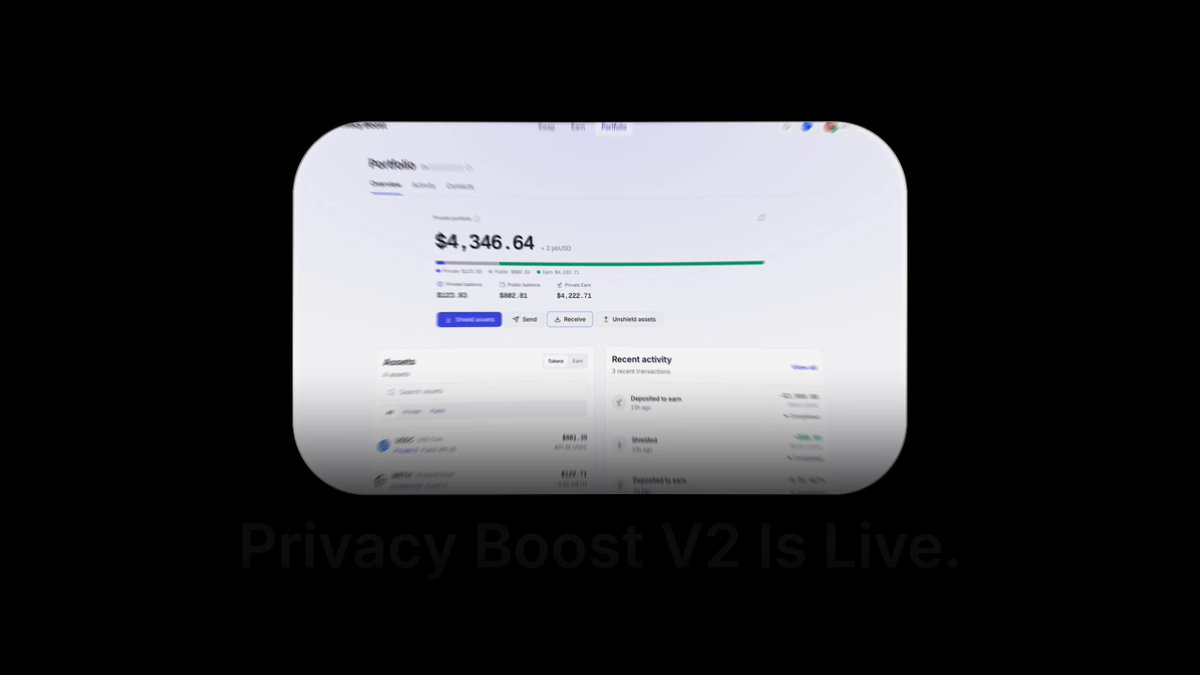
Privacy Boost launches V2 for private DeFi, MPC/multisig support, and anonymous deposits on Base, Optimism, and Soneium
Technical Architecture And Layer‑2 Design
Soneium As An OP Stack Layer‑2
Technically, Soneium is built as an Ethereum layer‑2 using the OP Stack, a modular software framework developed by the Optimism Foundation to power so‑called “Superchain” L2 networks. The OP Stack implements an optimistic rollup architecture, where transactions are executed off‑chain on the L2 and periodically batched and posted to Ethereum mainnet, inheriting its security under the assumption that fraudulent state transitions can be challenged during a predefined window. By building on this stack, Soneium benefits from a shared technology roadmap with other OP Stack chains, including improvements in throughput, fault-proof systems, and cross‑chain interoperability within the Optimism Superchain. It also ensures full EVM compatibility, allowing most Ethereum smart contracts to be redeployed to Soneium with minimal modification and enabling developers to reuse existing tooling such as Solidity compilers, RPC interfaces, and popular frameworks.
The choice of OP Stack has several strategic implications for Soneium’s role in the Ethereum ecosystem. First, it lowers the barrier to entry for developers who already understand Ethereum to experiment with entertainment-focused applications on Soneium, since they can port contracts and front ends rather than learning a new virtual machine or bespoke SDK. Second, it places Soneium within a larger family of L2s that share a common set of interoperability standards, potentially allowing smoother movement of assets and messages between Soneium and other Superchain members. This shared infrastructure could be especially important for DeFi protocols like Aave, which often deploy the same codebase across many chains and increasingly rely on cross‑chain governance and liquidity routing. Third, it allows Soneium to focus engineering resources on ecosystem-specific features—such as specialized APIs for games, NFT tooling, or identity systems—rather than rebuilding low‑level rollup logic from scratch.
Although detailed public documentation of Soneium’s node configuration and sequencer design remains limited, its use of the OP Stack implies a familiar trust model for users accustomed to optimistic rollups. In such systems, a central sequencer or a small set of sequencers typically control transaction ordering and block production, providing fast confirmations but introducing some degree of centralization risk until more decentralized sequencing schemes and permissionless proof systems are adopted. For Soneium, this centralization may be partly mitigated by the reputational stakes of Sony and Startale, which have strong incentives to avoid censorship and downtime, but users still rely on the eventual maturation of Optimism’s proof and governance roadmap to achieve more robust trust minimization. This layered dependency—Soneium on OP Stack, OP Stack on Ethereum—creates a complex security posture that is important to understand when evaluating the network as a venue for high‑value entertainment assets and DeFi positions.
Scalability, Fees, And User Experience
One of the core rationales for building Soneium as a layer‑2 rather than directly on Ethereum is the ability to offer lower transaction fees and higher throughput for consumer applications. On Ethereum mainnet, gas costs can spike significantly during periods of congestion, making micro‑transactions, in‑game actions, and low‑value NFT interactions economically unviable. By batching transactions and settling them to mainnet more efficiently, optimistic rollups like Soneium dramatically reduce the marginal cost per user action, especially when combined with techniques such as calldata compression and shared sequencing infrastructure. This cost advantage is critical for Soneium’s entertainment focus, since games and interactive experiences often require many small, frequent state changes that would be prohibitively expensive on L1.
User experience is further enhanced by ecosystem-level tooling designed to simplify complex onchain workflows. A prominent example is Soneium’s promotion of “seven onchain actions in one click,” a mechanism powered by ZNS Connect that allows users to execute multiple actions—such as claiming rewards, minting NFTs, and interacting with dApps—through a single transaction, reducing both cognitive friction and the cumulative gas paid across separate operations. By collapsing multi‑step flows into a single onchain call and potentially subsidizing some gas costs, Soneium aims to make its environment feel more like a conventional digital application than a series of discrete blockchain interactions. This approach dovetails with the Startale App’s ambition to act as a SuperApp frontend that routes different transaction types to appropriate contracts and campaigns on Soneium without requiring users to manage each individually.
The emphasis on UX is also evident in Soneium’s integration strategy. Rather than assuming users will manually discover individual dApps, Soneium coordinates network‑wide campaigns like Spotlight, which aggregates multiple ecosystem projects into a single quest interface where users can connect a wallet, complete various tasks across integrated protocols, and claim rewards from a shared prize pool. This model not only reduces discovery friction but also encourages users to try different application categories—games, NFTs, DeFi, social—within a unified experience, making the network’s capabilities more tangible. The Soneium Score system, discussed later, adds a persistent meta‑layer that tracks such activity across seasons, further smoothing the path from sporadic experimentation to habitual engagement.
Interoperability And The Optimism Superchain
By aligning with Optimism’s Superchain vision, Soneium is designed to participate in a broader network of OP Stack chains that share security and interoperability standards. In principle, this means Soneium could benefit from cross‑chain messaging protocols, shared sequencing, and liquidity bridges that enable assets and data to flow more seamlessly between different OP‑based L2s. For entertainment applications, this could translate into scenarios where a user’s identity, achievements, or items move between games deployed on different but interoperable chains, or where DeFi positions opened on one L2 can be referenced or collateralized on another. Although full realization of this Superchain vision remains a work in progress across the ecosystem, Soneium’s choice of stack makes interoperability an architectural possibility rather than an afterthought.
In practice, Soneium’s interoperability story is also shaped by its integration with external protocols that operate across many chains. Aave, one of the largest DeFi lending platforms, has considered and in some cases implemented deployments on Soneium as part of its multi‑chain V3 strategy, tying Soneium’s liquidity and user base into a larger cross‑chain credit market. Similarly, the Solv Protocol’s SolvBTC product previously supported Soneium alongside a wide array of other networks, enabling Bitcoin‑backed synthetic assets to circulate on Soneium until the protocol decided to close burn‑and‑mint permissions for selected chains, including Soneium, as part of a risk management update. These decisions underscore that Soneium is one node in a dense network of interdependent protocols and chains, whose policies and technical choices can significantly influence how assets move in and out of the ecosystem.
Interoperability also brings risk, particularly when it relies on bridges and cross‑chain messaging systems that can become single points of failure. For Soneium, the challenge is to harness the benefits of being part of a multi‑chain DeFi and entertainment landscape—access to external liquidity, user acquisition from other networks, portable assets and reputations—while minimizing exposure to vulnerabilities in third‑party bridges and protocols. The OP Stack’s roadmap toward more standardized and secure cross‑chain interactions offers one path forward, but Soneium’s corporate stakeholders and ecosystem builders must still make careful choices about which bridges to endorse, how to structure incentive campaigns that involve cross‑chain flows, and how to communicate complex trust assumptions to users who may be more familiar with entertainment brands than with the intricacies of rollup security.
Readers clicked Sony's institutional credibility signals (launch dates, mainnet reveal, yen stablecoin) at nearly 4× the rate of DeFi mechanics — but the memecoin blacklisting story reveals the real tension: Sony's brand is the draw, and Sony's centralized control is the risk, and readers sense both at once.
Economic Model, Stablecoins, And Revenue
Gas, Fees, And The Absence Of A Native Token
At the time of writing, Soneium’s public materials do not highlight a dedicated native token for network governance or gas, which distinguishes it from many other L2 launches that center token economics from day one. Instead, the focus is on using existing Ethereum ecosystem assets and an institutional-grade stablecoin, Startale USD (USDSC), as the primary settlement and incentive instruments. This design choice aligns with the network’s entertainment and mainstream-user ambitions: by de‑emphasizing speculative native token dynamics in the early phase, Soneium can present itself as a neutral execution environment, while still leveraging tokens at the application and campaign level to drive engagement. It also reduces regulatory complexity around securities classification of a chain token, at least until such an asset is introduced with clear legal and compliance frameworks.
Fees on Soneium are paid in ETH or other EVM‑compatible gas assets, depending on how the OP Stack instance is configured, but the broader economic picture is shaped by how applications structure their own tokens, NFTs, and reward systems. Games like ViewFi Clash issue NFT cards that users can mint and trade, with creators reportedly receiving 90 percent of primary sale revenue, indicating a model where most value flows directly to creators while Soneium captures value via transaction fees and ecosystem growth. Campaigns such as Spotlight and Soneium Score seasons often reward users with NFTs, points, or off‑chain perks rather than fungible tokens, reinforcing a pattern where economic incentives are primarily programmatic and context-specific rather than tied to a single chain-level asset.
This architecture leaves open questions about long‑term protocol revenue and value capture. Without a native token whose value accrues from network usage, Soneium’s economic sustainability rests on transaction fees, business arrangements between Sony/Startale and ecosystem partners, and indirect benefits such as increased demand for Sony IP and related products. In the near term, this may be mitigated by venture funding and corporate backing that can subsidize campaigns and infrastructure, but over a longer horizon, the network’s ability to sustain itself through organic fee revenue and ecosystem cash flows will be an important benchmark. Aave’s governance debates around withdrawing from low‑revenue chains illustrate how external DeFi protocols benchmark chain viability based on revenue contributions and market activity, putting pressure on L2s like Soneium to demonstrate economic traction beyond marketing campaigns.
Startale USD (USDSC) And STAR Points
A central component of Soneium’s economic stack is Startale USD (USDSC), a stablecoin built in partnership with M0, a “universal stablecoin platform” designed to support scalable, liquid, and institutionally friendly USD‑pegged assets. According to Startale, USDSC is intended to act as the default settlement currency across its products, including the Startale App and Soneium, providing a consistent unit of account for payments, DeFi, and rewards. The use of M0’s infrastructure suggests an approach where underlying collateral management, regulatory compliance, and cross‑chain issuance are handled by a specialized platform, allowing Startale to focus on integration and user-facing features. This aligns with broader trends in stablecoins, where institutional-grade offerings seek to bridge traditional finance and crypto-native ecosystems with robust legal and operational safeguards.
Alongside USDSC, Startale has introduced a rewards program called STAR Points, which incentivizes transactions and engagement through the Startale App. Users earn STAR Points by performing eligible activities, such as making payments, bridging funds, or interacting with supported dApps, and these points can be redeemed for various benefits within the Startale/Soneium ecosystem. While STAR Points are not described as transferable tokens on a public blockchain, they form an important part of Soneium’s incentive layer by providing a loyalty-like metric that can be combined with Soneium Score seasons, ecosystem quests, and potentially Sony loyalty programs. In effect, STAR Points and Soneium Score operate as dual meta‑layers: one anchored in Startale’s app-centric universe, the other embedded directly in Soneium’s onchain activity tracking.
The launch of USDSC also occurs against a backdrop of evolving stablecoin regulation, particularly in Japan, where financial authorities have recently approved yen‑pegged stablecoin pilots from major banks. This regulatory environment is relevant because Sony and Startale, both with Japanese roots, must navigate domestic and international rules around issuance, redemption, KYC/AML, and cross‑border transfer of digital currencies. By partnering with M0 and framing USDSC as an institutional-grade stablecoin, Startale signals an intent to align with those regulations and to position Soneium as a compliant venue for corporate and fintech use cases that require stable, scalable USD liquidity. If successful, this could make Soneium an attractive base for entertainment platforms that need reliable in‑game currencies, subscription payments, or revenue sharing mechanisms denominated in a stable unit.
Revenue, Aave Deployment, And Sustainability
Soneium’s DeFi footprint offers a useful lens on its revenue prospects and the challenges of building a sustainable L2 economy. Early governance discussions at Aave considered deploying Aave V3 to Soneium with the support of a substantial liquidity incentive program, including a commitment of one hundred million ASTR tokens from the Astar ecosystem, equivalent to a seven‑figure USD value, to attract deposits and borrowers. The proposal framed Soneium as a promising new chain whose growth could be accelerated by aligning DeFi infrastructure with broader entertainment and gaming uses. However, subsequent Aave governance debates on refocusing the protocol’s multichain strategy have cast doubt on the viability of some newer deployments, including Soneium, which have not generated meaningful revenue relative to the cost and complexity of supporting them.
A later “temp check” on Aave’s governance forum proposed shutting down V3 markets on zkSync, Metis, and Soneium, describing them as instances that “have proven to lack product market fit” and generate insufficient revenue. The same proposal suggested raising reserve factors on other underperforming chains and setting a requirement that any new deployment must guarantee at least two million dollars in annual protocol revenue to be considered. DeFiLlama’s analytics reinforce these concerns: among all chains where Aave V3 operates, Soneium contributes only a negligible fraction of the protocol’s aggregate holders’ revenue, with figures in the low hundreds of dollars range compared to tens of millions across all networks. For Soneium, this is a stark indication that DeFi usage and fee generation remain at an early, experimental stage, even as the network invests heavily in user acquisition for entertainment and gamified campaigns.
Revenue shortfalls in DeFi do not necessarily doom an entertainment-focused chain, especially if core use cases revolve more around NFTs, games, and creator platforms than leveraged lending and borrowing. Nevertheless, the Aave episode illustrates how external protocols assess chain health and how they can withdraw support if usage fails to materialize. It also highlights a tension in Soneium’s model: while marketing campaigns and rewards can attract short‑term activity, sustainable revenue requires applications that users value enough to pay for over time, whether in the form of transaction fees, in‑game purchases, NFT mints, or other monetization. Here, Sony’s IP and Startale’s infrastructure may be decisive—if they can deliver entertainment experiences that generate durable cash flows, Soneium’s revenue mix may shift away from DeFi toward consumer spending, potentially making it less vulnerable to the metrics that drive decisions at protocols like Aave.
Participation Design: Soneium Score, Seasons, And Badges
Design Of The Soneium Score
Soneium Score is a core innovation in the network’s approach to user engagement, functioning as a chain‑wide scoring system that tracks and rewards onchain activity across multiple protocols and campaign partners. Rather than focusing solely on transactional volume or token holdings, Soneium Score uses several distinct components to create a more nuanced picture of participation. The Activity Score captures metrics such as the number of transactions, the number of unique active days, and the length of continuous activity streaks, encouraging users to show up regularly rather than in sporadic bursts. A Liquidity Score accounts for contributions to total value locked across integrated DeFi protocols, recognizing users who supply capital to pools, lending markets, or other financial primitives.
In parallel, an NFT Score reflects holdings of specific NFTs, divided into categories such as “Sony NFT Score” and “Ecosystem NFT Score,” which measure exposure to collections associated with Sony-related initiatives and broader community projects respectively. Finally, a Bonus Score offers extra points for engaging with featured partners and seasonal campaigns, enabling Soneium to spotlight new games, tools, or creator projects by making their usage directly impact a user’s overall Score. Together, these components form a composite metric, usually expressed on a scale from zero to one hundred points per season, that determines eligibility for rewards such as NFT badges and other perks.
This design serves both as a gamified engagement layer and as an analytics framework that helps Sony and Startale understand how users interact with the ecosystem. By tracking streaks and diversification of activity across categories instead of only high-volume trading, Soneium Score can identify “daily grinders” and genuinely engaged community members, which in turn informs how future campaigns and partner incentives are allocated. The system is surfaced through the Soneium Portal, an online dashboard where users can monitor their Score in real time, see how different actions contribute to their component scores, and plan their participation to reach desired thresholds before a season ends. In a sense, Soneium Score acts as a loyalty and reputation layer native to the L2, tying together disparate dApps under a common engagement metric.
Seasons, Badges, And Incentives
Soneium Score operates in discrete seasons, typically lasting twenty‑eight days, during which users accumulate points before the scoreboard is reset and a new season begins. This seasonal structure introduces a rhythm to participation, making it easier to run time‑bounded campaigns, measure cohort behavior, and rotate through different featured partners and quest types. At the end of each season, users who achieve a specified Score—often eighty points or higher out of one hundred—become eligible to claim a unique NFT badge, issued as a soulbound token (SBT) permanently linked to their wallet. These badges act as digital trophies that commemorate sustained engagement and can signal reputation within the Soneium ecosystem, since they cannot be transferred or traded.
Each season tends to highlight a different mix of activities and partners, evolving alongside the ecosystem itself. Earlier seasons focused heavily on basic DeFi tasks such as providing liquidity and making swaps, while later iterations introduced more diverse interactions, including gaming, social engagement, and puzzle mints. For example, Season 8 was described as “a new chapter” that expanded integration to additional protocols and introduced weekly “puzzle pieces” that users could mint, adding a collectible layer to the scoring experience. Bonus Score partners have also become more sophisticated over time; one initiative integrated a reward network that turns off‑chain community activity into Soneium Score points, effectively bridging Discord or social participation with onchain scoring using verifiable quests and attestations.
Official communications and independent coverage emphasize that Soneium Score is meant to go beyond simple gamification by tying badges and high Scores to exclusive perks from ecosystem projects, such as early access, boosted rewards, or whitelists for future drops. In practice, recent seasons have layered in increasingly complex questlines, including multi‑quest voyages via the Startale App, Galxe-based campaigns like Spotlight, and collaborations with external platforms such as MidasHand and WorldHumanLabs’ Human Tap initiative, all of which feed into a user’s Score. Newsroom coverage has highlighted how later seasons—such as Season 9, 10 (“Level Up”), and 11 (“Game On”)—continue this trajectory by offering fresh badges, bonus quests, and prize pools that reward both breadth and depth of engagement across the network.
To provide a compact view, the core components of Soneium Score can be summarized as follows:
| Component | What It Measures | Example Activities |
|---|---|---|
| Activity Score | Transaction counts, active days, streaks | Regular transfers, contract calls, daily check‑ins |
| Liquidity Score | Contributions to TVL in integrated DeFi protocols | Supplying assets to lending pools or AMMs |
| NFT Score | Holdings of specific Sony and ecosystem NFT collections | Owning campaign NFTs, creator drops, or partner collectibles |
| Bonus Score | Engagement with season-specific featured projects and campaigns | Completing Spotlight quests, using featured games or tools |
This table is simplification rather than a full specification, but it illustrates how Soneium uses multiple dimensions to shape user behavior instead of relying on a single activity metric.
Behavioral Effects And Critiques
The behavioral impact of Soneium Score is significant, both in how users relate to the chain and in how developers design their onboarding flows. By publicizing Score seasons and associated prize pools—including additional campaigns for “daily grinders” and builders who show up consistently—Soneium has managed to concentrate user attention during defined windows, generating noticeable spikes in onchain activity as participants chase thresholds for badges and rewards. The recurring nature of seasons encourages users to return and maintain streaks, which benefits ecosystem metrics and provides more data for Sony and Startale to analyze retention patterns. In this sense, Soneium Score functions as a behavioral engine that nudges users toward habits aligned with the network’s growth goals.
At the same time, gamified scoring systems can attract opportunistic behavior and raise safety concerns. Newsroom coverage and community commentary during Season 8, for instance, noted that Startale’s aggressive promotion of Score campaigns via its newly launched X (Twitter) accounts led to some confusion and potential impersonation risks, with cloned accounts and phishing attempts targeting users who were eager to participate in high‑value quests. Social platforms’ own policies on crypto promotions and reward campaigns also triggered occasional bans or throttling of official communications, complicating outreach and amplifying the need for education about verifying official links. These episodes highlight a classic challenge in Web3 growth strategies: the more attractive the rewards, the more incentive malicious actors have to exploit user excitement with scams and fake campaigns.
From a design perspective, Soneium Score also raises questions about the sustainability of incentive-driven engagement. While NFTs and badges can create a sense of progression and collection, prize pools and bonus Score opportunities often rely on subsidies from Sony, Startale, or ecosystem partners. If such subsidies decline over time, there is a risk that activity may fall as users who primarily value rewards migrate to newer campaigns elsewhere. The Soneium team’s response has been to increasingly tie Score to intrinsic ecosystem benefits, such as access to new games, creator drops, and community initiatives like Human Tap, which offers a recurring prize pool for top score‑holders, including weekly rewards to keep participation steady. Over the long term, the success of Soneium Score will likely be judged by how effectively it transitions from pure incentive farming to a reputation and loyalty system that users value even in the absence of outsized giveaways.
Featherlend takes over operation of Morpho’s Mini App on World Network, expanding access to Morpho across Sei, Celo, Kaia, Hemi, Soneium and MegaETH

Ecosystem Growth: Games, NFTs, DeFi, And Creator Tools
Gaming And Onchain Entertainment
Soneium’s positioning as an entertainment‑first L2 is most visible in its gaming ecosystem. One flagship example is ViewFi Clash, a game promoted by Soneium in which players upload artwork, choose from different character classes, roll stats, and battle in an arena using NFT cards minted directly to their wallets. These cards are fully onchain NFTs that can be traded on secondary markets, and the economics are skewed toward creators, who are said to receive ninety percent of every primary sale. This model illustrates Soneium’s dual focus: it provides low‑cost infrastructure for frequent in‑game interactions while also enabling creator‑centric monetization, positioning onchain games as both entertainment experiences and micro‑entrepreneurial platforms.
Beyond individual games, Soneium orchestrates ecosystem‑wide campaigns that feature multiple gaming and entertainment projects. The Spotlight initiative, for example, is a one‑month onchain campaign hosted on Galxe that brings together gaming, NFT, IP, and creator communities under a unified quest interface. Users who connect their wallets can complete tasks across participating projects—such as in‑game actions, NFT mints, and social engagement—and earn rewards from a prize pool of up to ten thousand dollars, provided they complete all quests. Spotlight’s framing as a “shared stage” for entertainment projects aligns with Soneium’s ambition to be the home base for an entire entertainment ecosystem rather than a single killer app, encouraging cross‑pollination as players discover multiple games within a single campaign.
The network also hosts experimental social‑gaming hybrids like Human Tap by WorldHumanLabs, which launched an exclusive community initiative on Soneium. In this campaign, participants compete for top spots on an activity leaderboard, with the highest-ranked user receiving a one‑thousand-dollar reward and the top one hundred sharing a four‑thousand‑five‑hundred‑seventy‑five-dollar prize pool, supplemented by recurring weekly prizes of fifty dollars that reset each week. Such designs blend casual participation with meaningful monetary incentives and are deeply intertwined with Soneium Score seasons, where performance in Human Tap and similar dApps can contribute to a user’s Bonus and Activity scores. Over time, these interconnected campaigns create a network of mutually reinforcing loops: games drive Score, Score drives campaigns, and campaigns drive further game experimentation.
NFTs And Collectibles
NFTs are central to Soneium’s identity, both as stand‑alone collectibles and as components of Soneium Score and gaming experiences. The Score system itself issues soulbound NFT badges at the end of each season to users who surpass the specified threshold, usually eighty points or more. These badges are minted as SBTs that are non‑transferable and permanently linked to a user’s wallet, serving as durable markers of engagement and reputation. Each season’s badge is uniquely designed, and Soneium’s blog emphasizes that they can be claimed easily through marketplaces like OpenSea, reflecting a deliberate effort to bridge the network’s native tooling with mainstream NFT platforms. Over multiple seasons, a user’s wallet can accumulate a series of these badges, effectively forming a visual timeline of their participation history.
Within the Score framework, the NFT Score component explicitly rewards holdings of particular collections categorized under Sony NFTs and ecosystem NFTs. Although Soneium has not yet fully detailed all Sony-branded NFT initiatives, the presence of a dedicated Sony NFT category signals an intention to make use of Sony’s substantial IP catalog—spanning music, film, gaming, and consumer electronics—in future drops, promotions, or fan-club experiences. Ecosystem NFTs, by contrast, encompass collections issued by independent projects building on Soneium, including game items, campaign collectibles like puzzle pieces from Score seasons, and creator tokens featured in campaigns such as Spotlight. In this setup, NFTs are not only speculative assets but also functional keys that unlock Score bonuses, access rights, and cross‑app identity.
Soneium’s NFT ecosystem is also shaped by its integration with external platforms and tools. Campaigns hosted on Galxe, a popular quest and credential platform, often involve NFT mints as proof of participation or completion, which then feed back into Soneium Score or unlock further quests within the Spotlight or Startale App environments. Games like ViewFi Clash rely on NFT standards to represent dynamic, user-generated content, while creator-economy projects leverage NFTs for revenue sharing and fan engagement. By standardizing on EVM-compatible NFT protocols, Soneium ensures that these assets remain interoperable with broader Ethereum tooling, which could be critical for secondary market liquidity and for connecting Soneium-based collections to cross‑chain NFT aggregators and wallets.
DeFi, Tools, And Liquidity
Although Soneium is not primarily marketed as a DeFi chain, financial primitives and tools play an important supporting role in its ecosystem. Aave V3’s deployment to Soneium, along with associated liquidity incentive campaigns funded partly by Astar’s ASTR tokens, aimed to provide lending, borrowing, and interest-bearing opportunities for users holding assets on Soneium. Even if usage has not yet reached sustainable levels from Aave’s perspective, the presence of such infrastructure is important for enabling other applications—games, NFT projects, creator platforms—to integrate yield strategies, collateralized borrowing, or leverage into their own product offerings. For example, a game might allow users to stake tokens or NFTs in DeFi protocols to earn yields that feed back into gameplay, or creators might leverage lending protocols to manage working capital tied to NFT sales.
Soneium has also attracted specialized tools focused on gamified investing and activity tracking. MidasHand, for instance, fully integrated with Soneium to offer daily tasks, on‑chain competitions, and revenue‑sharing mechanisms that reward active users. Participants can complete daily quests to earn tickets, compete in MidasHand events to earn points, and thereby boost both their own revenue and their Soneium Score. This sort of meta‑tool positions Soneium as a laboratory for new forms of financial entertainment—sometimes called “GameFi”—where trading, prediction, and investing are wrapped in reward structures and social competition.
However, DeFi integrations also bring network‑level risk, as illustrated by Solv Protocol’s decision to close burn‑and‑mint permissions for SolvBTC on a range of chains, including Soneium. This move reflects risk management decisions at the protocol level, potentially related to liquidity fragmentation, regulatory pressures, or smart contract risks, and demonstrates how quickly cross‑chain asset support can change. For Soneium, it underscores the importance of diversifying DeFi integrations and communicating clearly to users when external protocols adjust their footprint on the network. Over time, Soneium’s DeFi stack will likely evolve toward a curated set of protocols that align with its entertainment focus, potentially including simplified savings products, creator‑oriented funding tools, and low‑complexity yield opportunities that fit mainstream user expectations better than advanced leveraged instruments.
Campaigns, Quests, And Ecosystem Curation
A distinguishing feature of Soneium’s ecosystem growth strategy is its heavy reliance on curated campaigns and quest frameworks to introduce users to new applications. Spotlight, Soneium Score seasons, MidasHand quests, and Human Tap competitions are all examples of how the network uses structured narratives and reward ladders to guide users through multiple dApps in a coherent way. Rather than expecting organic discovery in a crowded dApp directory, Soneium curates journeys where each quest builds on the previous one, gradually exposing users to games, NFT mints, DeFi tools, and social platforms while keeping progress visible via Score dashboards and campaign UIs.
This curation is partly editorial and partly algorithmic. On the editorial side, Soneium’s team selects projects that fit its entertainment thesis and can support campaigns with reliable infrastructure and clear user value. On the algorithmic side, Score formulas and quest logic determine how much each interaction contributes to users’ standings, allowing the network to steer users toward underexplored verticals by adjusting point values or bonus multipliers. Over time, the ecosystem has broadened beyond early anchor projects to include new games, DeFi tools, and creator initiatives, as reflected in newsroom coverage that describes the Soneium ecosystem as “setting sail” with a mix of new entertainment and financial applications.
From an evergreen perspective, this campaign-driven growth strategy highlights both Soneium’s strengths and its dependencies. It provides a powerful mechanism for bootstrapping new projects and aligning them with network-wide metrics, but it also relies on the continued ability of Sony and Startale to fund, design, and promote compelling campaigns. As the ecosystem matures, one key question will be whether third‑party project teams can independently launch successful campaigns that plug into the Score system and Spotlight-like frameworks without heavy central coordination, thereby decentralizing not just the protocol infrastructure but also the narrative arcs that drive user engagement.
- 01Sony mainnet launch timing↗
The teaser video with a date and the mainnet unveil were the two highest-clicked stories, showing readers tracked Sony's credibility-building rollout as a corporate event, not a crypto launch.
- 02Yen stablecoin institutional play↗
Three separate headlines covering Sony Bank, Startale, and M0's USDSC collectively signal readers see Soneium's stablecoin stack as the clearest sign of Japan's regulated crypto ambitions materialising on a real chain.
- 03Vitalik L2 business endorsement↗
Vitalik explicitly naming Soneium as a model for how OP-stack L2s serve both businesses and users gave the project unusual third-party legitimacy and pulled readers who track Ethereum's institutional trajectory.
- 04Memecoin blacklist centralization↗
Sony's decision to blacklist memecoins at launch became a live stress-test of whether a corporate L2 can coexist with permissionless DeFi, drawing readers who wanted a verdict on censorship resistance.
- 05Aave deployment viability↗
Readers followed Aave's arc on Soneium — from deployment to loss-making operations to a governance proposal to shut the market — as a concrete liquidity signal for whether the ecosystem has real DeFi traction.
- 06Google Ad drainer scam
A search-ad impersonating Soneium as a wallet drainer surfaced exactly when the brand was at peak recognition, making it a high-urgency safety story for readers already watching the launch.
Governance, Corporate Structure, And Alignment With Sony
Sony Block Solutions Labs And Corporate Stewardship
Governance on Soneium currently revolves around Sony Block Solutions Labs, the joint venture between Sony Group and Startale that is explicitly tasked with developing and operating the L2. This organizational model differs from purely community-driven chains that launch with a foundation and a token-based governance system; instead, Soneium begins life with a clearly identified corporate steward that can make decisions about upgrades, partnerships, and risk management with a unified strategic vision. Sony BSL’s involvement signals Sony’s serious commitment to exploring public-blockchain infrastructure rather than limiting itself to private or consortium chains, but it also means that Soneium’s early governance is likely to be relatively centralized, with major decisions flowing through corporate processes and board-level oversight.
From Sony’s perspective, this structure offers advantages in risk control, brand management, and compliance. As a global conglomerate with regulated subsidiaries across media, finance, and hardware, Sony must ensure that any public blockchain bearing its name adheres to legal requirements and does not expose the group to undue reputational or operational risk. Centralized stewardship via Sony BSL allows for clear lines of responsibility, robust vendor and partner vetting, and strategic alignment with existing business units, such as PlayStation, Sony Music, or Sony Pictures, even if those units are not yet publicly engaged with Soneium. For Startale, the joint venture provides access to decision-making at a major corporate partner and positions the company as the technology backbone behind a potentially large-scale consumer blockchain.
Soneium’s integration with the OP Stack and the Optimism Superchain adds another layer to governance, since protocol-level changes to the rollup framework are often coordinated across chains or decided by Optimism’s own governance processes. This means that certain aspects of Soneium’s behavior—such as fault-proof upgrades or cross‑chain messaging standards—depend on broader community and foundation decisions beyond Sony BSL’s direct control. The interplay between corporate governance at Sony BSL and community-driven governance at the OP Stack level will be an important feature of Soneium’s evolution, potentially influencing how quickly the network adopts new features and how it participates in Superchain-wide initiatives.
Community Voice And Future Decentralization
Public communications from Soneium and Startale emphasize community engagement in terms of campaigns and participation metrics, but they have so far been more circumspect about formal onchain governance structures. The prominence of Soneium Score, NFT badges, and campaign participation suggests that user contributions are currently recognized more through engagement and loyalty mechanisms than through direct voting rights over protocol parameters. Over time, one could imagine these badges or Score histories serving as inputs into governance models—whether via snapshot voting, quadratic weighting, or reputation-based systems—but such designs remain speculative in the absence of explicit announcements.
The question of whether Soneium will introduce a governance token, move toward community-controlled treasury management, or delegate certain decisions to representative councils is still open. Given Sony’s corporate responsibilities and regulatory exposure, any shift toward decentralization will likely be gradual and structured, with clear guardrails and possibly hybrid models that combine tokenholder input with corporate vetoes or oversight. For now, the most visible forms of user voice are informal: feedback on social channels, responses to campaigns, developer participation in ecosystem programs, and usage patterns that signal which dApps resonate with the community. As the network matures, it may need to articulate more explicit governance roadmaps to attract builders who prioritize credibly neutral infrastructure.
In this context, Soneium’s experiment is as much about governance models for corporate-backed L2s as it is about entertainment use cases. If Sony and Startale can demonstrate that a chain can be both compliant and meaningfully shaped by its users, Soneium could become a template for other large enterprises exploring public blockchains. Conversely, if governance remains tightly held and opaque, there may be tension between the ethos of open, permissionless infrastructure and the structure of a traditional multinational corporation. The trajectory Soneium chooses will be closely watched, especially by regulators and industry peers evaluating how mainstream companies integrate with public crypto networks.
Security, Risk, And Regulatory Considerations
Technical Security And L2 Trust Assumptions
Like any optimistic rollup, Soneium inherits a layered security model that blends Ethereum’s base-layer guarantees with additional assumptions about sequencer behavior, fraud proofs, and bridge integrity. Users rely on Ethereum’s consensus to secure the data and state commitments that Soneium posts to L1 but must also trust that there are honest actors capable of monitoring Soneium’s state and submitting fraud proofs if the sequencer or other participants attempt to finalize invalid transactions during the challenge window. Until fully permissionless fault-proof systems with multiple independent provers are widely deployed on OP Stack rollups, this monitoring function is often carried out by a relatively small set of entities, increasing the importance of governance and operational security at Sony BSL and its partners.
Sequencer centralization is another key consideration. In many OP Stack deployments, a single sequencer or a small committee controls transaction ordering, which enables fast confirmations and efficient fee management but also introduces potential attack surfaces and censorship risks. If a sequencer were compromised, misconfigured, or operated maliciously, it could reorder or temporarily block transactions, exploit MEV opportunities, or degrade service availability. While the ultimate fallback is that users can eventually exit to Ethereum based on the last honest state commitment, such events can be disruptive, especially for real‑time entertainment applications that depend on low latency and continuous availability. Soneium’s association with Sony raises the bar for operational robustness, as outages or security incidents could have impacts beyond crypto-native circles, affecting mainstream users and brand perception.
Bridges and cross‑chain protocols further complicate the security landscape. As seen in the SolvBTC case, where Solv Protocol decided to close burn‑and‑mint permissions for several chains including Soneium, risk decisions at one protocol can materially affect the safety and usability of assets on Soneium. Bridge vulnerabilities have historically been among the most costly failures in DeFi, and any chain that actively promotes cross‑chain campaigns or multi‑network asset flows must pay close attention to the security posture of its bridge partners. For Soneium, which aspires to serve mainstream entertainment users who may be less familiar with crypto risk management, clear communication and conservative integration choices will be critical to maintaining trust.
Financial, Liquidity, And Counterparty Risk
From a financial perspective, Soneium’s early reliance on incentives and external protocols introduces several forms of risk. Aave’s multichain strategy documents reveal that some deployments, including on Soneium, have operated at a loss, generating less than three million dollars in annualized revenue and prompting proposals to raise reserve factors or shut down markets on underperforming chains. If Aave and similar protocols withdraw support, Soneium’s users may face reduced liquidity, fewer yield opportunities, and increased slippage or borrowing costs. These dynamics can create feedback loops where liquidity providers and sophisticated users migrate to chains with deeper markets, making it harder for Soneium-based games and NFTs to tap into robust financial infrastructure.
Campaigns and reward systems introduce another set of financial risks, especially when they involve prize pools and token incentives. Users who allocate capital or time based on expectations of future rewards may be disappointed if campaign parameters change, seasons are adjusted, or promised integrations are delayed. While Soneium has generally delivered on its Score badges and campaign payouts, the broader Web3 context is full of examples where aggressive incentive programs led to unsustainable behavior, rapid boom‑and‑bust cycles, and community disillusionment. For Soneium, managing expectations, pacing campaign intensity, and gradually shifting toward more organic revenue-based incentives will be critical to avoid similar pitfalls.
Counterparty risk also emerges through Soneium’s corporate structure and stablecoin design. USDSC’s safety depends on M0’s operational and legal robustness, as well as on the trustworthiness of entities managing collateral and redemption mechanisms. While institutional-grade positioning suggests strong controls, users ultimately rely on Startale and M0 to maintain the peg, honor redemptions, and comply with regulatory obligations. Should any of these links weaken—through regulatory action, bank failures, or governance disputes—the impact would ripple across Soneium’s economy, particularly in applications that adopt USDSC as their primary in‑app currency. Careful diversification across stablecoins and transparent reporting from Startale and M0 will therefore be important components of Soneium’s financial risk management.
Regulatory And Consumer Protection Challenges
Regulatory considerations loom large over Soneium’s trajectory, given Sony’s global footprint and Startale’s ambitions to bridge traditional and crypto-native finance. Stablecoin regulation is one of the most immediate areas of concern. As noted, Japan’s financial regulator has begun approving yen-stablecoin pilots from major banks, signaling a cautious but evolving approach to digital currency issuance. USDSC, as an institutional-grade USD stablecoin intended to operate across Soneium and other environments, must fit within both domestic regulations and the broader patchwork of international rules around AML/KYC, securities, and payment systems. Any misalignment could constrain availability in certain jurisdictions or impose stringent compliance requirements on applications that integrate USDSC.
Onchain entertainment itself faces regulatory scrutiny in several dimensions. Some game mechanics that involve chance, monetary rewards, or non‑fungible assets could be interpreted as forms of gambling or sweepstakes in certain jurisdictions, triggering licensing requirements or consumer protection obligations. Prize pools like those in Spotlight, Human Tap, or Soneium Score seasons are typically structured as skill‑based competitions or loyalty rewards, but regulators may examine how transparent the rules are, how winners are selected, and whether disclosures adequately convey risk and value. Sony and Startale must therefore design campaigns and gaming experiences with legal review and jurisdictional variation in mind, potentially tailoring participation conditions or reward types to comply with local laws.
Consumer protection concerns also arise from the intersection of mainstream users and onchain risk. Many of Soneium’s target users may be fans of Sony entertainment properties, casual gamers, or creators who are less familiar with private key management, phishing threats, and irreversible transaction semantics. Incidents like impersonation attempts on social platforms during Score Season 8 underline how easily excitement around rewards can be weaponized by scammers. To mitigate these risks, Soneium and its partners will need to invest in user education, robust verification of official communication channels, and UX patterns that minimize high‑risk actions such as signing arbitrary messages or interacting with unknown contracts. Balancing the open, permissionless nature of an L2 with the expectations of consumer protection associated with a brand like Sony is a central challenge for Soneium’s regulatory and ethical posture.

ViewFi Clash goes live on Soneium, bringing new play-to-earn battles
Positioning In The Ethereum Layer‑2 Landscape
Comparison With Other Aave‑Enabled Chains
Soneium operates in a crowded field of Ethereum-compatible chains, many of which also host deployments of major DeFi protocols like Aave. Governance discussions within Aave reveal a taxonomy of chains based on revenue contribution and product‑market fit, with top tiers including Ethereum mainnet and large L2s, and lower tiers consisting of smaller or newer networks such as zkSync, Metis, Celo, and Soneium that have not yet driven significant usage. In this context, Soneium is currently grouped among the less proven environments, evidenced by proposals to shut down its Aave V3 instance due to low revenue and limited activity. This categorization does not necessarily reflect Soneium’s long-term potential, especially in non‑DeFi verticals, but it does signal that, as of now, the network has yet to demonstrate the kind of DeFi traction that cements a chain’s position as a core liquidity hub.
The Aave case also raises questions about what kind of chain Soneium aspires to be. Some L2s have built their brands as generalized DeFi platforms or as optimized environments for specific financial primitives, leveraging high‑frequency trading and liquidity concentration to generate fees. Soneium, by contrast, markets itself around entertainment, gaming, and creator economies, with DeFi positioned as supporting infrastructure rather than as the main attraction. This difference suggests that Soneium might ultimately accept a modest DeFi footprint while focusing on transaction-intensive but relatively low-value entertainment flows, relying on stablecoin throughput, NFT mints, and in‑app purchases rather than leveraged lending revenue. Aave’s eventual decisions about Soneium will thus be informative in understanding whether a chain can thrive with limited DeFi presence if its entertainment use cases achieve scale.
From a user’s perspective, the choice between Soneium and other Aave-enabled chains involves trade-offs. Chains with deep DeFi liquidity may offer better borrowing terms, lower slippage, and more sophisticated yield strategies, but they may not provide the same concentration of entertainment and gaming experiences or the same integration with a corporate ecosystem like Sony’s. Conversely, Soneium’s curated campaigns, Score system, and entertainment partners offer differentiated value that may justify accepting thinner DeFi options, particularly for users whose primary goal is engagement rather than yield optimization. Over time, Soneium’s competitive positioning will depend on whether it can sustain a rich entertainment ecosystem while tapping enough DeFi infrastructure to support those applications’ financial needs.
L2 Competition For Consumer Use Cases
Beyond DeFi, Soneium competes with other L2s and sidechains that target consumer-facing use cases such as gaming, NFTs, and social applications. Many of these environments also emphasize low fees, high throughput, and EVM compatibility, making technological differentiation less salient than ecosystem curation, partnerships, and UX design. Soneium’s distinctive assets in this race are Sony’s brand and IP portfolio, Startale’s infrastructure stack (including USDSC and the Startale App), and the sophisticated participation systems built around Soneium Score and campaigns like Spotlight. Together, these elements allow Soneium to offer a more vertically integrated experience than purely infrastructure-focused L2s, positioning it as a “home base” for entertainment rather than as a neutral execution layer.
However, this focus also raises the bar for content and experiences. Users may reasonably expect a Sony-affiliated chain to feature high-production-value games, recognizable IP, and polished UX, which are more resource-intensive to produce than minimal-viable-product DeFi dApps or basic NFT collections. Delivering on these expectations requires coordination across Sony business units, third-party studios, and independent creators, as well as a steady pipeline of launches and updates to keep the ecosystem fresh. Early examples like ViewFi Clash, Human Tap, and MidasHand integrations showcase the types of experiences Soneium aims to foster, but the long-term test will come when larger-scale, possibly IP‑based entertainment franchises debut on the network.
A further dimension of competition involves regulatory arbitrage and geographic focus. Some L2s target specific regions or regulatory environments, tailoring their offerings and partnerships accordingly. Soneium’s roots in Japan, combined with the country’s evolving stance on stablecoins and crypto regulation, may influence how quickly and in what form certain entertainment experiences can be rolled out. For instance, local rules around gacha mechanics, loot boxes, and prize promotions might constrain game design or require specific disclosures. While this could slow some initiatives relative to chains operating in more permissive jurisdictions, it could also give Soneium an advantage in establishing compliant, long-lived entertainment services that can scale without regulatory whiplash.
Soneium testnet launched by Sony Block Solutions Labs
Sony Bank and Startale announce yen-pegged stablecoin development
Soneium mainnet goes live; S.BLOX exchange and NFT platform unveiled
- 2025-01governance
Memecoin blacklisting triggers DeFi censorship debate at mainnet launch
Aave V3 deploys on Soneium
Startale USD (USDSC) institutional stablecoin launched on Soneium
Soneium onchain scoring system introduced for participation tracking
Aave governance proposes shutting Soneium market due to below-revenue threshold
Using Soneium: Wallets, Apps, And Onchain Journeys
Getting Onto The Network
For users, the starting point with Soneium is typically connecting an EVM-compatible wallet, bridging funds, and selecting an initial set of applications or campaigns to explore. Because Soneium is EVM-compatible and built on the OP Stack, wallets that already support Ethereum and major L2s can easily add Soneium as a new network by configuring the appropriate RPC and chain parameters, often via one‑click integrations on dApp front ends. On‑ramp options vary depending on region and third‑party support, but the presence of USDSC and other stablecoins may facilitate fiat-to-crypto gateways in the future as Startale deepens its financial partnerships. Once on Soneium, users can hold ETH, USDSC, and other ERC‑20 tokens, as well as NFTs and SBTs earned through Score seasons and campaigns.
The Startale App is positioned as a key entry point for less technical users, abstracting away some of the complexity of chain selection, gas estimation, and dApp discovery. Within the app, users can initiate transactions that are routed to Soneium under the hood, accrue STAR Points for eligible actions, and access curated campaigns that often tie into Soneium Score or Spotlight. This design aims to make Soneium feel like just another content layer in a broader application environment, rather than requiring users to think in terms of RPC endpoints and chain IDs. For more advanced users, direct interaction with Soneium via web-based dApps, DeFi protocols, and game UIs allows deeper control but also demands greater attention to security practices and contract verification.
Earning Soneium Score And Exploring Campaigns
Once connected, many users’ first sustained interaction with Soneium involves pursuing Soneium Score seasons and ecosystem quests. A typical journey may start with visiting the Soneium Portal, connecting a wallet, and viewing the current season’s tasks and Score breakdowns. Users can then perform onchain actions such as making transactions, interacting with featured dApps, minting NFTs, supplying liquidity, and participating in special campaigns like Spotlight or Human Tap, all of which contribute to one or more Score components. The real-time dashboard updates encourage users to monitor their progress toward the season’s badge threshold, adjust behavior to maximize streaks, and seek out high‑yield activities that boost their Bonus or Liquidity scores.
Ecosystem campaigns provide structured paths through these activities. In Spotlight, for instance, users are guided through a sequence of quests across multiple entertainment and DeFi projects, with the promise of sharing in a ten‑thousand-dollar prize pool if they complete all tasks. Human Tap offers a more competitive experience, with leaderboards and cash prizes for top performers as well as recurring weekly rewards that reset standings and keep the competition open to newcomers. MidasHand introduces trading and prediction elements, where success in onchain competitions not only yields direct rewards but also feeds into Soneium Score via integrated quests. Together, these campaigns create a layered experience that blends exploratory play, financial incentives, and meta‑goals tied to badges and reputation.
The “seven-onchain-actions-in-one-click” tooling further streamlines participation by allowing users to batch actions such as quest completions, NFT mints, and DeFi interactions into a single transaction, reducing both friction and gas exposure. This is particularly valuable for users who engage with multiple campaigns simultaneously or who prefer a less granular interaction model. For daily grinders and builders, Soneium has also experimented with campaigns that grow a reward pool over time and distribute it among users who maintain consistent activity, reinforcing the network’s emphasis on habit formation and ongoing engagement rather than one‑off farming.
Building On Soneium As A Developer
For developers, Soneium offers a familiar EVM environment with the added benefit of close alignment with Sony and Startale’s product stack. Smart contracts can be written in Solidity, tested using standard Ethereum tooling, and deployed to Soneium with minimal changes, leveraging the OP Stack’s compatibility. Developers who integrate their dApps with Soneium Score—by registering contracts and defining how interactions contribute to Activity, Liquidity, NFT, or Bonus scores—gain access to a powerful distribution channel, as Score seasons and campaigns can spotlight their projects and drive targeted traffic. Similarly, participation in Spotlight and other curated campaigns can accelerate user acquisition and provide telemetry on how users move through different dApp flows.
Startale’s infrastructure, including USDSC and the Startale App, offers additional integration points. Applications that accept USDSC can tap into stablecoin liquidity and potentially integrate with fiat on‑ramps that route funds directly into USDSC balances, making it easier for users to move from traditional payment methods into Soneium-based services. Developers who integrate with the Startale App can benefit from its SuperApp-like discovery environment, where users encounter new dApps through recommendation feeds, campaign banners, or Score-related quests. Over time, deeper integrations may enable programmatic access to STAR Points, reputation signals, and cross‑app identity features, though concrete APIs and frameworks will depend on Startale’s roadmap.
At the same time, developers must navigate the constraints and expectations of building on a Sony-affiliated chain. Content guidelines, IP usage rules, and regulatory compliance requirements may be stricter than on fully permissionless, purely community-governed networks. For some teams, this will be a feature, offering clearer rules and more predictable enforcement; for others, it may feel limiting compared to the relative freedom of launching on unbranded L2s. Soneium’s challenge is to articulate policies that protect users and brand integrity while still leaving room for innovation, experimentation, and independent creator expression. Success on this front will be a key determinant of how vibrant and diverse the Soneium developer ecosystem becomes.
Conclusion
Soneium represents an ambitious attempt to fuse a corporate-backed Ethereum layer‑2 with a vibrant, user-centric entertainment ecosystem. By building on Optimism’s OP Stack and positioning itself as part of the Superchain, Soneium gains a technologically robust foundation and compatibility with the broader EVM world, while Sony Block Solutions Labs and Startale provide governance, capital, and strategic direction. The network distinguishes itself through a focus on gaming, NFTs, and creator economies, supported by sophisticated participation frameworks such as Soneium Score, seasonal campaigns, and curated quest platforms like Spotlight, which together shape user behavior and tie disparate dApps into a coherent narrative. Stablecoin infrastructure via USDSC and the Startale App’s SuperApp vision further integrate Soneium into a broader financial and UX stack aimed at mainstream users.
At the same time, Soneium faces significant challenges. DeFi traction remains limited, as evidenced by Aave governance proposals to scale back deployments on low‑revenue chains, including Soneium, and analytics showing minimal revenue contribution compared to more mature networks. Security and regulatory considerations are complex, involving layered trust assumptions in optimistic rollup architecture, cross‑chain bridge risks, stablecoin compliance, and consumer protection expectations associated with Sony’s brand. Gamified incentives and campaigns provide powerful growth engines but also create exposure to scams, platform policy conflicts, and questions about the sustainability of subsidy-driven engagement, particularly as Seasons grow more elaborate and competitive.
Despite these obstacles, Soneium’s experiment is uniquely positioned to test whether a major entertainment conglomerate, working with a crypto-native partner, can build a durable, user-friendly onchain ecosystem that appeals beyond the usual DeFi and NFT speculator base. If the network can leverage Sony’s IP, maintain robust security and compliance, and foster a developer community that delivers compelling games and creator platforms, Soneium could help define what “onchain entertainment” looks like at scale. If not, it may serve as a cautionary case study in the limits of corporate-led blockchain experiments. Either way, Soneium will be an important project to watch for anyone interested in the intersection of Ethereum layer‑2 technology, consumer applications, and the evolving role of large enterprises in public crypto networks.
Outlook
Looking ahead, Soneium’s trajectory will hinge on its ability to convert early campaigns and incentives into enduring user habits and revenue-generating entertainment experiences. The network has laid strong foundations through OP Stack integration, Soneium Score, USDSC, and a growing roster of games and creator tools, but it must now demonstrate that these components can sustain engagement without perpetual subsidy. Governance evolution will also be key: as Sony and Startale refine Soneium’s role within their broader strategies, clearer pathways for community voice and, potentially, more decentralized decision-making will be important to attract builders who prioritize openness and neutrality. Finally, regulatory developments around stablecoins, gaming, and digital assets will shape the contours of what is possible on Soneium, potentially creating both constraints and opportunities as jurisdictions clarify rules for onchain entertainment.
If Soneium can navigate these technical, economic, and legal challenges while capitalizing on Sony’s unique strengths in content and distribution, it may emerge as a leading example of an entertainment-focused Ethereum L2, offering a blueprint for how mainstream brands can responsibly embrace public blockchain infrastructure. If not, other L2s and platforms will likely absorb the lessons, iterating on the blend of corporate backing, community engagement, and technical design that Soneium is currently pioneering. For now, the project remains in an active, experimental phase, with Score seasons, ecosystem campaigns, and infrastructure rollouts providing an ongoing stream of data on how users and developers respond to this distinctive fusion of Web3 and entertainment.
Latest Soneium news
Privacy Boost launches V2 for private DeFi, MPC/multisig support, and anonymous deposits on Base, Optimism, and SoneiumFeatherlend takes over operation of Morpho’s Mini App on World Network, expanding access to Morpho across Sei, Celo, Kaia, Hemi, Soneium and MegaETHViewFi Clash goes live on Soneium, bringing new play-to-earn battlesSony's blockchain partner launches institutional-grade stablecoin as the default settlement currency for Ethereum layer-2 platform Soneium alongside a rewards program called STAR Points that incentivizes transactions through the Startale App. Stablecoin platform M0 is providing the underlying infrastructure for Startale USD (USDSC). The launch follows Japan's financial regulator approving a yen-stablecoin pilot from the country's three megabanks earlier this month.Aave proposes refocusing its V3 multichain strategy by raising reserve factors on weak networks, shutting down low-revenue markets on zkSync, Metis, and Soneium, and requiring at least $2M in annual revenue for any new chain deployment. Sony’s Soneium rolls out scoring system to record onchain participation on its blockchain
Sources
18 records from 6 domains
soneium.org
startale.com
governance.aave.com
x.com
thedefiant.io
defillama.com
Community notes
Spot something off or out of date? Drop a note. Editors review topic notes daily and roll accepted fixes into the explainer — contributors are recognized in the monthly $SQUID drop.
Loading notes…
Help improve this topic
Have a story or tip about this topic? Submit it. See something missing? Leave a note. Editors review daily; accepted submissions and fixes count toward the monthly $SQUID drop.