
Deep dive on Better’s Fannie Mae‑eligible, crypto‑backed mortgages with Coinbase, explaining how Bitcoin and USDC collateral fund home down payments, key risks, regulatory context, and what this signals for stablecoins, AI agents, and tokenized real‑world assets.
+32 sources across the wider coverage universe
 JPMorgan says institutional appetite for perpetual futures remains limited, arguing the products are better suited for speculation than risk managements2026-06
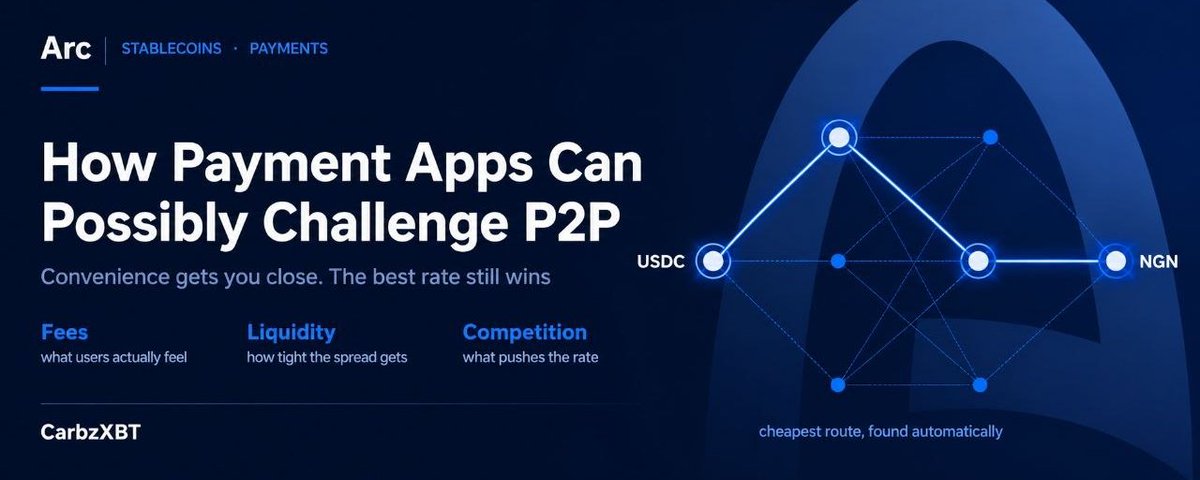 Despite the rise of Stablecoin payment applications, P2P remains dominant as users prioritize better exchange rates over convenience in stablecoin payments2026-06
 Delphi says JTX could become Solana's trading hub by leveraging Jito's infrastructure, BAM block builder and DFlow routing to deliver tighter spreads and better execution2026-07
 Cardano founder Charles Hoskinson warns Bitcoin could lose its top crypto spot if governance can't adapt to quantum computing, arguing Cardano is better equipped with onchain governance2026-07
 Fannie Mae will for the first time back mortgages that let homebuyers pledge bitcoin and other cryptocurrencies held with Coinbase as collateral for their down payment via a new Better,com product2026-03
 USDT0 argues legacy payment rails are ill-suited for AI agents, positioning stablecoin infrastructure as a better fit for real-time API-driven transactions2026-06
Better: Crypto-Backed Mortgages at the Intersection of Bitcoin, Stablecoins, and Housing Finance
A digital-first mortgage lender, Better Home & Finance (commonly branded as Better) has become one of the first traditional housing-finance players to treat crypto as usable collateral, not just speculative wealth, by partnering with Coinbase and Fannie Mae on a token-backed mortgage product. This explainer unpacks how Better’s Bitcoin- and USDC-backed mortgages work, why Fannie Mae’s involvement matters, what risks and opportunities they create for crypto holders, and how they fit into a broader trend toward “better” rails for payments, AI-driven finance, and real‑world asset tokenization.
Better in the Crypto Conversation
Better Home & Finance Holding Company is a U.S. mortgage provider listed on Nasdaq under the ticker BETR, known primarily as a digital-first platform for home loans rather than a crypto-native company. In March 2026, Better announced a partnership with Coinbase and Fannie Mae to offer what they describe as the first Fannie Mae‑eligible token-backed mortgage, allowing borrowers to pledge certain digital assets as collateral to help fund their home purchase. That initiative quickly moved from announcement to execution, with Better and Coinbase later confirming they had funded the first Fannie Mae‑backed mortgage in the United States that uses Bitcoin as collateral. In doing so, Better has placed itself at the center of a high‑stakes experiment in merging the U.S. housing finance system with the crypto economy, while still operating within the familiar guardrails of a conforming, agency‑backed mortgage.
To understand why this matters, it is important to distinguish Better’s approach from earlier attempts to marry crypto and real estate. Before this partnership, crypto-backed mortgages existed, but they were largely niche products offered by private lenders, often outside the conforming loan channel and without backing from government-sponsored entities like Fannie Mae. These earlier products typically relied heavily on the value of the borrower’s digital assets, sometimes de‑emphasizing traditional income and credit underwriting, and they were not packaged into agency mortgage‑backed securities. Fannie Mae, by contrast, has historically required that down payments and reserves come from traditional, documented sources of funds, and federal programs like FHA have explicitly refused to treat cryptocurrency as acceptable collateral or down payment capital. Against that backdrop, Fannie Mae’s decision to accept mortgages where the down payment is indirectly financed by a crypto‑collateralized loan marks a notable shift in the posture of mainstream housing finance toward digital assets.
Better’s collaboration with Coinbase is also significant because it taps into Coinbase’s role as a primary on‑ramp, custodian, and infrastructure provider for Bitcoin and stablecoins like USDC in the U.S. market. Under the partnership, Coinbase serves as the custodial venue where borrowers pledge approved cryptocurrencies, and its platform is the locus of the “token” side of the token‑backed mortgage. Coinbase has increasingly positioned itself as a universal financial infrastructure layer, offering not only crypto trading but also tokenized securities, agent‑friendly APIs, and tools for AI-driven “agentic finance,” all of which can in principle intersect with products like Better’s mortgage offering. In effect, Better is leveraging Coinbase’s crypto rails and custody capabilities while Fannie Mae provides the backbone of traditional mortgage liquidity, creating a three-way bridge between the crypto ecosystem, a regulated exchange, and the U.S. housing finance apparatus.
This move also resonates with a broader rhetorical and technical theme across crypto markets: the drive to build “better” trading and payment infrastructure. DeFi portfolio protocols such as Velvet highlight “better trade execution” when they integrate additional liquidity sources like SushiSwap APIs across chains including Base and BNB Chain, emphasizing execution quality as a competitive edge. Layer‑1s such as Sei frame major upgrades as delivering a fundamentally “better trading experience,” spanning perpetual futures, tokenized real‑world assets, and stablecoins in a single optimized environment. Stablecoin infrastructure projects argue that legacy payment rails were never designed for always‑on, API‑driven AI agents, positioning on‑chain stablecoin rails as a better fit for real‑time, programmable transactions. Within this wider landscape of continual incremental improvements to crypto trading, payments, and compute, Better’s brand and product sit at a symbolic and practical intersection: making something as old‑line as a Fannie Mae mortgage “better” by wiring it into token‑based collateral and crypto custody.

Grokipedia v0.2 is coming and will be 'better than ever,' developer says
How Better’s Token-Backed Mortgage Actually Works
Better’s flagship crypto‑linked offering is frequently described as a “token‑backed mortgage,” but the underlying structure is more precise: it is a conventional, conforming first‑lien mortgage that meets Fannie Mae’s eligibility criteria, paired with a separate, crypto‑collateralized loan that finances the borrower’s down payment. The first mortgage looks familiar to anyone who has taken out a conforming home loan: the borrower applies through Better, undergoes standard underwriting based on income, credit, and debt‑to‑income ratios, and, if approved, ends up with a typical fixed‑rate or adjustable‑rate mortgage that Fannie Mae can purchase on the secondary market. The innovation lies in how the borrower sources the funds for the down payment and potentially closing costs, substituting a loan backed by Bitcoin or USDC for some or all of the cash they would otherwise need to contribute up front. This design allows Fannie Mae to maintain its conventional risk exposure on the primary mortgage while still enabling crypto holders to unlock housing liquidity without selling their digital assets.
At a high level, the borrower’s journey involves three moving parts: the crypto custodian, Coinbase; the mortgage originator and servicer, Better; and the agency investor, Fannie Mae. The borrower must have or open an account with Coinbase, and must hold sufficient quantities of approved cryptocurrencies—initially Bitcoin and the USDC stablecoin—to serve as collateral for a separate loan that effectively functions as a down payment bridge. Once the borrower applies with Better and meets the usual credit and income requirements, they also authorize the pledge of their crypto assets, which are locked in Coinbase custody and cannot be traded while they secure and maintain the mortgage. That pledged collateral backs a second loan, distinct from the primary mortgage, whose proceeds are used to fund the cash down payment required for the Fannie Mae‑eligible first‑lien loan. Fannie Mae then purchases the primary mortgage from Better “just like any other conforming mortgage,” while the crypto‑collateralized loan remains secured by the borrower’s digital assets held at Coinbase.
The Two-Loan Structure and Fannie Mae’s Role
The two‑loan architecture is central to understanding why this product qualifies as Fannie Mae‑eligible, even though crypto is involved. According to public descriptions, the borrower simultaneously takes out a standard mortgage with Better and a second, separate loan that is explicitly backed by Bitcoin or USDC. The second loan does not directly change the characteristics of the first‑lien mortgage; instead, its proceeds are used to generate the cash that shows up as the borrower’s down payment on the primary loan. In other words, from Fannie Mae’s vantage point, it is still acquiring a conventional mortgage where the borrower has met all standard requirements for income, credit, and down payment size, even though that down payment was financed by a crypto‑collateralized borrowing facility rather than from savings alone. Fannie Mae has indicated that it will purchase these loans like any other conforming mortgage, which implies that the agency treats the down payment loan as analogous to other forms of borrowed funds that borrowers have sometimes used to supplement their equity contribution.
This structural separation is not cosmetic; it is a risk‑management decision. By keeping the crypto‑backed loan outside the first mortgage, Fannie Mae avoids taking direct exposure to the volatility of Bitcoin or to the credit performance of the crypto‑loan itself, which is secured by collateral that can be liquidated independently. If the value of the pledged crypto were to fall substantially, the lender on the second loan could demand additional collateral or liquidate part of the digital assets, but the primary mortgage payments and collateral—the home itself—would continue to be governed by standard Fannie Mae rules. This approach contrasts with earlier crypto‑backed mortgages in which the lender might have relied heavily on digital asset collateral to support the entire loan and retained that risk on its own balance sheet or in privately structured securities. In Better’s case, the crypto serves as a way to generate the cash down payment without liquidation, while the long‑term mortgage remains within the traditional conforming framework that investors and regulators understand.
Collateral Custody, Coinbase, and Asset Lock-Up
Coinbase’s role in this architecture is both operational and regulatory. As a large, regulated cryptocurrency exchange and custodian, Coinbase provides the infrastructure for borrowers to pledge Bitcoin and USDC as collateral in a way that satisfies the risk and compliance requirements of both Better and Fannie Mae. The crypto assets must be held in a Coinbase account, and once they are pledged to back the down payment loan, they are effectively frozen for trading purposes; the borrower cannot continue to speculate with the same coins that are securing their obligation. This lock‑up is necessary to ensure that the lender on the crypto‑backed loan has reliable collateral that is not being rehypothecated or used for leveraged trading elsewhere, and it also simplifies valuation and margin monitoring. The arrangement reflects broader industry practice for crypto‑backed lending, where borrowers typically transfer tokens to a third‑party custodian or smart contract that enforces collateralization ratios and can trigger liquidations if asset values fall too far.
From a risk perspective, using Coinbase as custodian introduces a classic centralized‑infrastructure trade‑off. On one hand, Coinbase’s scale, regulatory footprint, and security investments may make Fannie Mae and Better more comfortable than they would be if collateral were held at a smaller, less regulated platform or solely in self‑custody. On the other hand, concentrating collateral in a single custodial venue creates counterparty risk: a severe operational failure, legal issue, or regulatory enforcement action affecting Coinbase could, in principle, affect borrowers’ ability to manage or retrieve their pledged collateral, even if their mortgages remain current. The design is therefore a hybrid between the decentralized, self‑custodial ethos of DeFi and the centralized, regulated model of traditional finance, reflecting the compromises often made when integrating crypto into existing institutional systems. For borrowers, the practical takeaway is that pledging crypto to support a Better mortgage means accepting not only market risk on the underlying assets but also custody and platform risk associated with Coinbase.
Approved Assets: Bitcoin and USDC
At launch, the token‑backed mortgage product accepts a narrow set of cryptocurrencies as collateral: Bitcoin and USDC, a widely used U.S. dollar‑pegged stablecoin. Bitcoin’s inclusion is unsurprising, given its status as the largest and most established crypto asset by market capitalization and liquidity, and its role as the primary long‑term holding for many crypto investors. USDC’s inclusion reflects a different rationale: stablecoins pegged to fiat currencies introduce far less day‑to‑day price volatility than Bitcoin, reducing the likelihood of sudden margin calls, while their deep liquidity and transparent reserves make them relatively attractive collateral from a lender’s standpoint. Industry experience with crypto‑backed loans has generally favored blue‑chip assets and major stablecoins, because deep order books and 24/7 markets are essential to managing collateral and executing liquidations when necessary. By starting with Bitcoin and USDC, Better and Coinbase are aligning their collateral policy with practices observed across crypto lending platforms, while limiting exposure to thinly traded altcoins or experimental tokens.
The reliance on USDC is also emblematic of the growing role of stablecoins as connective tissue between crypto and traditional finance. Stablecoins like USDC are already widely used for cross‑border transfers, trading collateral, and on‑chain liquidity provision, and their relatively predictable value has made them attractive as a sort of “crypto cash” within DeFi protocols and centralized exchanges. In this context, treating USDC as acceptable collateral for a home‑purchase down payment is less radical than it might appear, particularly when the underlying risk is managed through conservative loan‑to‑value ratios and strict custody arrangements. Nevertheless, stablecoins are not risk‑free; de‑pegging events, regulatory pressure, or changes in reserve quality could affect their reliability as collateral, and lenders must account for these tail risks in their risk models. The inclusion of both a volatile asset (Bitcoin) and a relatively stable one (USDC) gives borrowers flexibility in how they allocate collateral, but it also requires careful modeling of how different market scenarios could affect the overall risk profile of the crypto‑backed loan.
Borrower Eligibility, Underwriting, and the Loan Lifecycle
Despite the novel collateral, the core underwriting criteria for the primary mortgage remain anchored in the standard Fannie Mae conforming framework. Prospective borrowers must satisfy traditional income verification, credit score, and debt‑to‑income benchmarks, and the property itself must meet the usual appraisal and eligibility criteria. The crypto-collateralized loan that supplies the down payment does not substitute for these fundamentals; instead, it supplements the borrower’s available cash by monetizing their digital asset holdings in a way that preserves ownership. As commentators have noted, this structure is designed for individuals who may have accumulated substantial crypto wealth but prefer not to sell, often to avoid realizing taxable capital gains and to maintain exposure to potential future appreciation. Better’s product thus targets a specific intersection of crypto‑rich, income‑qualified borrowers: those who are mortgage‑eligible by traditional measures but capital‑constrained in liquid cash, often because their wealth is tied up in Bitcoin or stablecoins.
Operationally, the life cycle of a token‑backed mortgage involves several distinct phases. During application and underwriting, the borrower works with Better to submit documentation while simultaneously authorizing Coinbase to lock up a defined quantity of Bitcoin or USDC as collateral for the down payment loan. Once preliminary approval is granted and collateral is pledged to the lender’s custody solution, the second loan is funded, the down payment is contributed to the purchase transaction in fiat currency, and the first mortgage is closed in the standard way. The borrower then begins making regular payments on the primary mortgage to Better, as they would with any other home loan, while also maintaining whatever obligations exist on the crypto‑backed down payment loan, such as interest charges or amortization, depending on how that facility is structured. Throughout the term of the crypto‑backed loan, automated systems monitor the value of the pledged Bitcoin or USDC and can trigger margin calls if collateral values fall below required thresholds, potentially requiring the borrower to add more crypto or accept partial liquidation of the pledged assets. When the crypto‑backed loan is repaid or refinanced away, the pledged collateral is released and becomes freely tradable again, ending the token‑supported phase of the transaction while the Fannie Mae mortgage continues as usual.
To clarify how Better’s product compares to other arrangements, it is helpful to set its main features alongside those of traditional conforming mortgages and earlier crypto‑backed mortgages from private lenders:
| Feature | Standard Conforming Mortgage | Early Private Crypto-Backed Mortgage | Better/Coinbase Fannie Mae-Eligible Product |
|---|---|---|---|
| Primary underwriting basis | Income, credit, property value | Often crypto asset value plus income | Income, credit, property value (Fannie Mae standards) |
| Source of down payment | Cash, savings, allowed gifts | Crypto or fiat from crypto loan | Cash funded by separate crypto‑collateralized loan |
| Crypto used as | Generally not accepted | Direct collateral for full mortgage | Collateral for second loan funding down payment |
| Fannie Mae or government backing | Yes (if conforming/agency) | No, privately held or securitized | Yes on first mortgage; crypto loan remains private |
| Accepted crypto assets | N/A | Varies; often BTC, ETH, stablecoins | Bitcoin and USDC initially |
| Custody of crypto collateral | N/A | Exchange, specialized custodian, or smart contract | Coinbase custody; collateral locked and non‑tradable |
This table underscores the hybrid character of Better’s approach: it leaves the primary mortgage squarely inside the familiar conforming universe while attaching a crypto‑based financing layer at the periphery.
Readers click 'Better' stories not for DeFi yield mechanics but for the moment crypto escapes its own ecosystem — the Fannie Mae mortgage headline dominated because it proved crypto collateral can unlock a mainstream American financial product without requiring holders to sell.
Why Crypto Holders Might Use a Better Mortgage
For crypto investors, the main appeal of a token‑backed mortgage is straightforward: it allows them to access the purchasing power of their Bitcoin or stablecoins without selling and realizing capital gains. Many early adopters and long‑term holders have accumulated substantial unrealized gains in Bitcoin, and in some jurisdictions, selling a portion to fund a home down payment could trigger significant tax liabilities. By contrast, borrowing against appreciated assets—whether stocks, bonds, or crypto—is a familiar wealth‑management strategy that permits continued exposure to potential upside while obtaining liquidity. Better’s product effectively brings that strategy into the housing market, combining it with the standardized protections and pricing of a Fannie Mae‑eligible mortgage rather than requiring borrowers to rely solely on bespoke private lending or margin loans. For individuals who strongly believe in Bitcoin’s long‑term appreciation and view their holdings as multi‑decade investments, the ability to keep coins intact while still buying a home is a psychologically and financially attractive proposition.
There is also a portfolio‑management angle. Crypto assets are notoriously volatile, and some Bitcoin‑rich individuals may be overexposed to a single asset class relative to their housing and real‑asset holdings. In that context, using a crypto‑backed loan to acquire a home can be seen as a partial rebalancing strategy, converting some of the effective economic exposure into residential real estate without forcing an outright sale. Because the borrower’s collateral remains subject to market fluctuations and potential liquidation, this is not equivalent to selling and diversifying, but it may better align the household balance sheet by pairing a long‑term fixed‑rate liability with a real‑world asset that has its own return characteristics. The structure thus allows crypto wealth to be “rehypothecated” into the housing market, with Fannie Mae acting as the ultimate end‑investor on the mortgage side and crypto markets continuing to price the collateral side. For HODL‑oriented investors, this hybrid approach may feel more palatable than liquidating into cash, especially in tax regimes where loan proceeds are not taxed as income.
Another layer of motivation is ideological. A subset of Bitcoin advocates are reluctant to sell for cultural reasons, having internalized the narrative of Bitcoin as “digital gold” that should be accumulated, not spent, to maintain exposure to a scarce asset. For this group, the idea of converting coins into a house via a loan—while technically increasing leverage—can feel more consistent with their ethos than cashing out permanently. Better’s product speaks directly to that mindset by advertising the ability to “keep the cryptocurrency and still secure home financing,” echoing a theme repeated in explanatory materials and third‑party coverage. At the same time, however, this approach introduces the risks of leverage and potential forced liquidation, meaning that borrowers must reconcile their ideological preferences with a realistic assessment of how much volatility and margin risk they are willing to tolerate over the life of the down payment loan.
From a macro perspective, products like Better’s also offer a tentative answer to a long‑standing question: how can crypto wealth be integrated into real‑economy capital formation without simply encouraging speculative leverage cycles? Housing is a critical sector of the real economy, and high barriers to down payment accumulation have kept many prospective buyers sidelined. If crypto‑backed mortgages remain prudently structured and limited in scale, they could channel part of the crypto asset base into homeownership, potentially improving housing access for a specific slice of the population while maintaining robust risk controls. Conversely, if such products were to proliferate without careful limits, they might create new channels for correlated stress between crypto markets and housing finance, echoing the kinds of feedback loops observed in past credit cycles. Better’s Fannie Mae‑aligned design can therefore be seen both as a cautious first step and a test case for how far and how safely these two systems can be interwoven.
Risk, Volatility, and Safeguards in Token-Backed Mortgages
The most obvious risk embedded in a crypto‑backed down payment loan is market volatility. Cryptocurrency prices can fluctuate sharply over short periods, and a significant decline in the value of pledged Bitcoin or even in a stablecoin’s peg can erode the effective collateral coverage of the loan. In crypto‑secured lending, lenders typically manage this risk using loan‑to‑value (LTV) thresholds and automatic margin‑call mechanisms: if the value of the collateral falls below a specified percentage of the outstanding loan, the borrower may be required to post additional collateral or accept partial liquidation of their holdings. Applied to a down payment loan linked to a mortgage, this means that a borrower could face a demand to top up their pledged Bitcoin or USDC at precisely the moment when markets are under stress, creating liquidity pressure and emotional strain. If the borrower cannot meet the margin call, the lender may liquidate some or all of the pledged assets, potentially crystalizing losses and leaving the borrower with an outstanding mortgage but reduced or zero crypto exposure.
Stablecoins mitigate but do not eliminate this risk. USDC is designed to track the U.S. dollar, and its issuer has emphasized transparency and high‑quality reserves, making it comparatively conservative among stablecoins. However, stablecoins have historically experienced episodes of short‑term de‑pegging due to liquidity shocks, operational incidents, or market panic, and regulatory actions could in theory affect their use or circulation. A de‑peg that lowers the market value of USDC relative to the dollar would affect the collateral coverage of any loan that values USDC mark‑to‑market, potentially triggering margin‑related actions. Lenders can respond by applying more conservative LTV ratios to stablecoin collateral than to fiat cash, by diversifying among collateral types, and by maintaining robust monitoring and liquidation systems. Borrowers, for their part, need to understand that pledging USDC is not the same as depositing dollars in an FDIC‑insured account; it is an investment in a tokenized liability structure that carries its own set of risks.
Counterparty and custody risk are another central concern. By design, the pledged crypto assets are held at Coinbase in a manner that supports the lender’s security interest and allows for controlled liquidation if necessary. While Coinbase has built a large institutional custody business and emphasizes security practices, any centralized custodian introduces dependencies on operational resilience, cybersecurity, legal clarity, and regulatory tolerance. The collapse or impairment of prominent centralized lenders and exchanges in prior years—such as Celsius, Voyager, or FTX—illustrated how quickly platform risk can crystallize into real losses for users, even when underlying crypto markets continue functioning. Better’s product intentionally situates itself within a more regulated and transparent environment than those failed platforms, but the structural risk of relying on a single major custodian cannot be ignored. Borrowers staking their down payment on the stability of the crypto‑collateralized loan are implicitly trusting that the combination of Coinbase’s infrastructure and the legal arrangements around custody will hold up under stress.
Regulatory risk adds another layer of uncertainty. Crypto regulation remains an evolving patchwork, especially in the United States, where agencies have taken differing views on the classification and treatment of digital assets. Some states have updated licensing rules for lenders using crypto, with the stated aim of reducing risk and enhancing consumer protections. Changes in how regulators treat stablecoins, exchange custody, or crypto‑backed lending could impact both the feasibility and economics of token‑backed mortgages, potentially forcing modifications to product design or leading to tighter constraints on acceptable collateral. For instance, if new rules limited the ability of exchanges to rehypothecate or commingle client assets, that might alter margin‑management practices or capital requirements, affecting loan pricing and availability. Conversely, clearer frameworks could encourage more institutions to adopt similar structures, broadening the market but also increasing systemic considerations.
There are also consumer‑protection and behavioral risks. Crypto‑backed mortgages are inherently more complex than traditional home loans, involving additional contracts, collateral arrangements, and potential margin mechanisms that borrowers must understand and monitor. If the product is marketed too aggressively as a way to “keep your Bitcoin and buy a house,” some borrowers may underestimate the downside scenarios, such as being forced to sell crypto at depressed prices or being left with a fully encumbered home and no remaining digital assets. Fintech marketing, in general, has sometimes blurred the line between empowerment and encouragement of risky leverage, and regulators have increasingly scrutinized how complex products are presented to retail consumers. Better’s alignment with Fannie Mae and its existing mortgage compliance framework may impose stricter disclosure and suitability obligations than those faced by purely crypto‑native lenders, but the risk of mis‑understanding remains. Successful deployment of these products will require not just technical soundness but also clear, conservative communication about risk.
Systemic risk is, at this stage, more hypothetical but nonetheless worth noting. In the current early phase, crypto‑backed mortgages represent a tiny fraction of overall mortgage volumes, and Fannie Mae’s exposure is confined to the conventional mortgage performance rather than to the crypto‑collateralized loans themselves. However, if such structures were to scale substantially, they could create new channels of contagion between crypto markets and housing finance. A severe crypto bear market could simultaneously hit borrowers’ collateral values, increase margin‑call stress, and indirectly affect consumer balance sheets, even as traditional macroeconomic conditions were stable. Conversely, a housing downturn might impair borrowers’ overall financial health, increasing the risk that they default on both their mortgages and their crypto‑backed loans, potentially forcing liquidation of collateral into fragile crypto markets. While the current design is more insulated than a fully crypto‑collateralized primary mortgage would be, policymakers and risk managers will need to monitor interaction effects if the segment grows.
Regulation, Fannie Mae, and the Policy Significance
Fannie Mae’s involvement is what distinguishes Better’s product from prior crypto‑backed mortgages. Fannie Mae is a government‑sponsored enterprise (GSE) with a public mission to support liquidity and affordability in the U.S. housing market by purchasing conforming mortgages from lenders and bundling them into mortgage‑backed securities. Historically, its guidelines have been conservative about acceptable sources of down payment funds and reserves, focusing on documented cash, seasoned assets, and specific types of gifts or assistance. Crypto assets, being relatively new, volatile, and sometimes difficult to verify for anti‑money‑laundering purposes, have not fit neatly into this framework, and other federal housing programs, such as FHA, have explicitly stated that cryptocurrency cannot be used for down payments or as collateral. Against this conservative backdrop, Fannie Mae’s willingness to purchase mortgages where the down payment is indirectly funded by a crypto‑backed loan—so long as the primary mortgage itself meets its traditional criteria—signals a carefully constrained opening toward treating digital assets as part of the broader financial landscape.
Importantly, Fannie Mae is not directly accepting crypto as payment or collateral for the mortgage it buys. Instead, it is acknowledging a borrower’s use of crypto‑secured borrowing as an upstream financing source for the down payment, analogous to how it has long allowed certain forms of secondary financing or documented borrowed funds under defined conditions. From a policy perspective, this distinction matters because it allows the GSE to maintain its core credit‑risk posture—anchored in the value of the home and the borrower’s ability to pay—while still accommodating a new type of asset‑backed borrowing in the background. Legal analyses have emphasized that the mortgages themselves are Fannie Mae‑compliant, with the crypto‑backed loan structured in a way that fits within the existing framework of allowable subordinate financing and does not alter the primary mortgage’s eligibility. This approach demonstrates how new asset classes can be integrated into legacy systems by inserting them at points the system already knows how to handle—here, as a variant of secondary financing—rather than by forcing wholesale changes to the core risk model.
State‑level regulators also play a role, especially because mortgage origination, money transmission, and lending licensure are partly governed at the state level in the U.S. Rocket Mortgage’s overview of crypto mortgages notes that some states have updated licensing rules for lenders using crypto, explicitly aiming to reduce risk and improve consumer protections around such products. These changes can affect which entities are allowed to offer crypto‑backed mortgages in particular jurisdictions, what disclosures they must provide, and how they manage reserves and collateral. Better’s national footprint and public-company status may give it an advantage in navigating this patchwork compared with smaller upstarts, but it also subjects the firm to heightened scrutiny. Over time, the regulatory trajectory—whether toward harmonization and clarity, or toward fragmentation and restriction—will influence how many lenders follow Better’s path and whether Fannie Mae or its counterpart Freddie Mac further expand their own guidelines to address digital assets.
Fannie Mae’s move also interacts with broader debates about how, and whether, crypto should be integrated into mainstream financial stability frameworks. Some policymakers worry that extending agency backing to any structure involving crypto—even indirectly—could be perceived as an endorsement of digital assets and might encourage risk‑taking. Others argue that carefully structured integrations, like Better’s token‑backed mortgages, offer a safer alternative to unregulated or offshore arrangements by subjecting crypto‑derived financing to established consumer‑protection and underwriting standards. The fact that Fannie Mae only purchases the conventional mortgage component, and that the crypto‑backed loan remains outside its risk perimeter, will likely be central to how regulators and politicians evaluate the experiment. If performance data over time shows no unusual default behavior or systemic issues, the case for cautiously expanding similar structures may strengthen; if problems emerge, they may prompt a re‑tightening of guidelines.
Finally, the product touches on global regulatory and competitive dynamics. Other jurisdictions have experimented with crypto‑collateralized lending, tokenized securities, and stablecoin‑based payment systems, sometimes with more permissive frameworks than the United States. For example, the growth of on‑chain real‑world asset (RWA) platforms, including tokenized U.S. Treasury funds, illustrates how regulatory clarity can spur institutional participation in tokenized debt markets. In that context, Fannie Mae’s small but symbolically important step toward crypto‑adjacent mortgages can be seen as part of a broader race to define how established financial institutions will participate in tokenized and on‑chain finance. Whether the U.S. ultimately becomes a leader or a laggard in integrating digital assets into core financial infrastructure will depend on how experiments like Better’s are judged, regulated, and replicated.
- 01Fannie Mae crypto mortgage collateral↗
The Coinbase-Better partnership letting homebuyers pledge BTC or USDC as down-payment collateral — with Fannie Mae backing — signaled institutional legitimacy that readers treated as a watershed moment rather than a niche DeFi product.
- 02Better Money stablecoin clearinghouse
A former a16z crypto investor raising $10M to build fungibility infrastructure between stablecoin issuers attracted readers focused on the missing settlement layer underneath stablecoin adoption.
- 03Euclid cross-chain unified liquidity
Native asset swaps across 40+ chains with reduced slippage pulled in readers tracking whether cross-chain liquidity fragmentation is finally being solved at the infrastructure layer.
- 04Stablecoin P2P rate dominance
Data showing P2P users choosing exchange rates over convenience challenged the narrative that UX improvements alone would drive stablecoin payment adoption.
- 05Stablecoin rails for AI agents↗
USDT0's argument that legacy payment infrastructure cannot serve real-time API-driven AI transactions resonated with readers watching the agent-economy thesis develop.
- 06Spicenet DeFi brokerage roadmap
A structured roadmap from a DeFi brokerage network framing its mission as 'better financial outcomes' attracted readers tracking whether institutional-grade DeFi order flow is becoming a real category.
Stablecoins, Payments, and the Drive for “Better” Rails
Better’s acceptance of USDC as approved collateral underscores the central role of stablecoins in bridging traditional and crypto finance. Stablecoins such as USDC and USDT have become foundational to crypto trading and DeFi, providing a relatively stable unit of account and settlement asset for on‑chain transactions. Their deep liquidity and consistent dollar peg (when well managed) make them appealing as collateral, not only for leverage in trading but also for more traditional credit products like loans and lines of credit. By allowing borrowers to pledge USDC to support a down payment loan, Better and Coinbase are effectively treating a tokenized representation of dollars as functionally similar to other liquid financial assets that can back secured borrowing. This move aligns with a broader trend in which stablecoins are increasingly used in cross‑border payments, corporate treasury operations, and even retail transactions, sometimes offering better speed, cost, and programmability than legacy banking rails.
In the payments space, the argument that stablecoin rails are “better” than legacy systems often hinges on two factors: continuous availability and native programmability. Traditional payment networks, especially those underlying card systems and interbank transfers, were not designed for 24/7, API‑driven, machine‑to‑machine transactions; they carry batch settlement schedules, cutoff times, and complex intermediaries that introduce friction and cost. By contrast, stablecoin transfers can occur at any time on-chain, settle with finality in minutes or seconds depending on the network, and can be orchestrated by smart contracts or AI agents without human intervention. Projects explicitly focused on AI‑native payment infrastructure argue that today’s payment systems are poorly suited for AI agents that may need to execute thousands or millions of small, real‑time transactions, positioning deep stablecoin liquidity and programmable settlement as a better fit for emerging agentic finance use cases. Against this backdrop, the use of USDC in a core consumer product like a mortgage down payment loan is another datapoint in the gradual normalization of stablecoins as mainstream financial primitives.
Within the DeFi and trading ecosystem, the drive for better execution and liquidity management further underscores the importance of robust stablecoin markets. Protocols like Velvet have integrated external DEX APIs (such as SushiSwap) across multiple chains, emphasizing “better execution” as a user‑facing value proposition that depends heavily on stable, liquid quotation and settlement assets. Layer‑1 chains like Sei highlight their ability to support trading in perpetual futures, real‑world asset tokens, and stablecoins through performance‑oriented upgrades that promise a fundamentally better trading experience. Because stablecoins often sit at the center of these liquidity networks, improvements in their speed, cost, and composability can have outsized impacts on user experience, slippage, and pricing quality. Better’s use of USDC as collateral is not directly about trading, but it does benefit from these same liquidity and reliability properties, making it easier to value and, if necessary, liquidate collateral without disrupting markets.
The intersection of stablecoins, payments, and housing finance also points to future possibilities that go beyond collateralization. In principle, there is nothing preventing mortgage payments themselves from being denominated in or funded by stablecoins, especially as more wallet and banking interfaces integrate on‑chain assets alongside fiat balances. While Fannie Mae‑backed mortgages are currently denominated in dollars and serviced through traditional ACH or card payments, one can easily imagine a future in which borrowers choose to pay their monthly installments using USDC, either directly from a self‑custodial wallet or via a Coinbase or exchange account, with back‑end systems handling conversion and reporting. Such evolutions would blur the line between “crypto‑backed” and “crypto‑funded” mortgages and could create new opportunities for programmable payment schedules, automated budgeting, and integration with DeFi yield strategies that help borrowers manage their housing costs more dynamically.
At the same time, integrating stablecoins more deeply into housing finance will raise regulatory questions about money transmission, consumer protection, and systemic risk. Regulators will need to ensure that stablecoin issuers maintain adequate reserves and transparency, that wallets and payment providers adhere to robust KYC/AML and fraud‑prevention standards, and that consumers understand the differences between insured bank deposits and tokenized liabilities. For now, Better’s use of USDC as collateral rather than as a payment medium is a relatively contained experiment, but it sits on a trajectory that could extend toward more direct stablecoin participation in core consumer financial flows.

Hypernova launches Wallet Connect, letting traders link their trading history to unlock better assessment pricing, starting with Hyperliquid
AI, Agentic Finance, and “Better” Borrowing Experiences
One of the more forward‑looking threads intertwined with Better’s token‑backed mortgages is the rise of AI‑mediated finance, sometimes called “agentic finance.” Coinbase has explicitly launched tooling that allows AI agents—using models like Claude or ChatGPT—to access its platform, manage portfolios, and execute strategies within user‑defined guardrails. This means that, in principle, AI agents could monitor collateral balances, track LTV ratios, rebalance between Bitcoin and USDC, and even initiate top‑ups or partial deleveraging in response to market conditions, all on behalf of a borrower who has authorized such actions. In the context of a crypto‑backed down payment loan, AI agents could help reduce the cognitive and operational burden on borrowers by automating routine risk‑management tasks, such as adding collateral preemptively when markets begin to decline or trimming exposure when conditions become frothy.
The fusion of AI agents with stablecoin rails and tokenized assets also opens new possibilities for personalized, continuous mortgage management. An AI‑enabled financial assistant could, for example, simulate the impact of different Bitcoin price trajectories on the borrower’s effective leverage, projected housing equity, and overall net worth, then propose adjustments to collateral or refinancing strategies to keep risks within user‑defined tolerances. Because stablecoin payments and transfers can be executed at any time and in small increments, AI agents could implement micro‑adjustments to portfolios and collateral positions that would be impractical with legacy payment systems. Over time, as more financial products—mortgages, investment funds, insurance policies—become natively programmable and API‑accessible, AI agents could orchestrate complex cross‑product strategies aimed at optimizing a household’s financial health, including their housing finance, in near real time.
Better itself, as a digital‑first mortgage lender, is also likely to be an active user of AI in underwriting, customer support, and risk analytics, even if those internal systems are not directly visible to borrowers. Industry‑wide, mortgage providers have been experimenting with machine‑learning models to improve credit scoring, fraud detection, property valuation, and servicing efficiency, though these efforts are constrained by regulatory expectations around explainability and fairness. The addition of crypto collateral and tokenized assets to the mix introduces new data sources and model features—for example, volatility measures, on‑chain liquidity indicators, or exchange‑based risk metrics—that AI systems can incorporate when evaluating not just individual borrowers but also portfolio‑level risk. As AI models gain longer context windows, better coding capabilities, and faster inference, they can handle more complex, multi‑source data streams, and synthesize them into actionable risk assessments, making the management of hybrid crypto‑mortgage products more tractable.
Of course, AI‑mediated finance introduces its own risks and governance challenges. Delegating collateral management or mortgage‑related decisions to AI agents requires robust safeguards, clear logs of actions taken, and mechanisms for human override when needed. Misconfigured agents could over‑ or under‑react to market moves, triggering unnecessary liquidations or failing to protect against downside in time. The integration of AI into consumer finance therefore demands careful design of permissions, testing regimes, and regulatory oversight. Nonetheless, the convergence of tokenized assets, stablecoins, and AI agents on platforms like Coinbase hints at a future where managing a token‑backed mortgage is less about manually logging into dashboards and more about setting high‑level preferences and constraints that an AI system executes against dynamically.
Market Landscape, Competition, and Real-World Asset Tokenization
Better’s partnership with Coinbase and Fannie Mae does not exist in isolation; it is part of a broader ecosystem of experiments in crypto‑backed lending and real‑world asset tokenization. Prior to this product, a variety of specialized lenders had offered crypto‑backed mortgages and real estate loans, commonly targeting high‑net‑worth individuals with significant digital asset holdings. These products typically involved the borrower pledging Bitcoin, Ethereum, or stablecoins to a private lender, which then issued a loan denominated in fiat or crypto that could be used to purchase property, sometimes without a traditional mortgage at all. Because these loans fell outside the conforming mortgage system, they lacked Fannie Mae or Freddie Mac backing and were often more bespoke in terms of interest rates, LTVs, and legal structures, making them less scalable and sometimes more expensive. Better’s differentiation lies precisely in bringing crypto‑backed financing into the conforming channel, marrying it with the liquidity and standardization of agency mortgage markets.
In parallel, the tokenization of real‑world assets has accelerated, with asset managers, DeFi protocols, and fintechs experimenting with on‑chain representations of U.S. Treasuries, money market funds, real estate equity, and other traditional instruments. These tokenized RRAs are often used as collateral in DeFi lending markets, as building blocks for structured products, or as yield‑bearing alternatives to stablecoins in on‑chain portfolios. Coinbase itself has announced plans to launch 1:1 backed tokenized stocks, positioning equity tokens alongside crypto assets and stablecoins as part of its broader platform offerings. In that landscape, a Fannie Mae‑backed, token‑supported mortgage can be seen as another step in the direction of turning traditional financial claims—whether mortgages or corporate equity—into programmable, composable assets that interact with on‑chain ecosystems. While Better’s mortgages are not themselves tokenized in the initial design, the presence of tokenized collateral and ties to a platform actively building tokenized stocks and other RWAs suggests a trajectory toward more holistic tokenization in the future.
Competition is likely to intensify if Better’s product proves successful. Other mortgage lenders may seek partnerships with crypto exchanges or custodians to offer similar down payment financing structures, especially if regulators provide clearer guidance and if Fannie Mae or Freddie Mac expand their comfort with such arrangements. Crypto‑native lenders, for their part, may attempt to move upmarket by securing their own institutional funding lines or by designing products that can be securitized and sold to investors, even if not directly to the GSEs. The key differentiators will include regulatory alignment, risk management sophistication, custodial robustness, and user experience. Better’s early‑mover advantage with Fannie Mae gives it a head start, but sustained leadership will require continued innovation and transparency.
Beyond mortgages, the steady march of “better” infrastructure in crypto—from improved trading execution to decentralized compute—suggests that tokenization will continue to seep into traditional asset classes. Projects like io.net emphasize that decentralized compute is good and more decentralized compute is even better, illustrating how infrastructure‑level improvements are framed as steps toward more open and scalable systems. Payment‑focused projects like Fasset highlight their mission of helping money move better for billions of underserved people, underscoring a social and inclusionary dimension to the push for improved rails. As tokenized assets, stablecoins, and AI‑driven services become more sophisticated and regulated, the line between financial “products” and financial “protocols” may blur, with mortgages, loans, and securities increasingly instantiated as programmable, composable components. Better’s token‑backed mortgages are an early, highly visible example of this shift at the retail credit layer.
Considerations for Borrowers and the Crypto Community
For individual borrowers, deciding whether to use a Better‑style token‑backed mortgage instead of a traditional cash down payment involves weighing several interlocking considerations: risk tolerance, tax situation, time horizon, and beliefs about Bitcoin or stablecoin stability. From a risk‑management standpoint, the key question is whether the borrower is comfortable layering market‑dependent collateral on top of a long‑term, illiquid obligation like a 30‑year mortgage. If Bitcoin’s price were to fall significantly, the borrower might have to add more collateral or face liquidation of pledged coins, even if their income and housing situation remained unchanged. This adds a path‑dependent risk dimension to homeownership that is absent in standard mortgages funded from savings or stable income streams. Borrowers with volatile or uncertain incomes, or those already stretched on debt‑to‑income ratios, may be particularly vulnerable to the stress of a margin call during a crypto downturn.
Tax considerations can cut both ways. On one hand, avoiding the sale of appreciated Bitcoin or other crypto can defer capital gains taxes, which might otherwise consume a material portion of the funds available for a down payment. On the other hand, interest paid on the crypto‑backed down payment loan may or may not be tax‑deductible depending on jurisdiction, usage, and tax rules, and borrowers should consult tax professionals to understand the net after‑tax impact compared with simply selling a portion of their holdings. Additionally, using appreciated crypto as collateral concentrates risk: the borrower is effectively betting that the after‑tax, after‑interest performance of Bitcoin will be better than the alternative of de‑risking into housing equity and paying down a smaller overall debt load. For committed long‑term Bitcoin believers, this may be a bet they are comfortable making; for more cautious investors, the calculus may favor a mix of partial liquidation and smaller, more conservative use of collateralized borrowing.
Time horizon and life planning also matter. A token‑backed down payment loan might be a reasonable tool for someone who expects to hold the property and the crypto for many years, has stable income, and can weather market volatility without needing to tap the pledged assets. It may be less appropriate for borrowers anticipating near‑term life changes, income uncertainty, or other large capital needs, where the flexibility to sell assets or reallocate portfolios quickly is more important. In the extreme, if a borrower expects that they may need to sell their home or downsize in a few years, layering a crypto‑collateralized obligation on top of that may introduce unnecessary complexity and risk. Crypto markets can move much faster than housing markets, and the mismatch in liquidity and price dynamics can create uncomfortable scenarios if not carefully planned.
For the broader crypto community, products like Better’s token‑backed mortgage present a nuanced set of implications. On the positive side, they validate the idea that crypto holdings are a form of real wealth that can be recognized by mainstream financial institutions and used to support meaningful life milestones, such as buying a home. They also demonstrate that integration does not have to mean abandonment of crypto’s unique properties; by avoiding forced liquidation, these structures respect the desire to maintain long‑term exposure and the programmability of digital assets. However, they also tether crypto more tightly to the existing financial system, including its regulatory, risk‑management, and monetary regimes. To some decentralization‑minded participants, this may feel like co‑optation or domestication, moving crypto away from its original vision of parallel, uncensorable financial rails.
The community must also wrestle with the moral‑hazard question. If crypto holders can borrow against their assets to fund real‑estate purchases, there is a risk that rising crypto prices will fuel speculative borrowing and asset inflation in housing, amplifying cycles in both markets. Conversely, sharp crypto downturns could impose pain on borrowers who levered up near the top, potentially souring public opinion on crypto itself. The design choices in Better’s product—such as conservative LTV ratios, strict underwriting, and the separation of crypto risk from the conforming mortgage—are intended to mitigate these dangers. Ultimately, whether token‑backed mortgages contribute to a “better” financial system will depend on how prudently they are used and how effectively lenders, regulators, and borrowers manage the inherent risks.
Better + Coinbase + Fannie Mae crypto mortgage partnership announced
First Fannie Mae-conforming token-backed mortgage fund closes
- 2026-04launch
Former a16z investor raises $10M to launch Better Money stablecoin clearinghouse
- 2026-04launch
Euclid goes live on Polygon with unified liquidity across 40+ chains
USDT0 publishes case for stablecoin rails as AI-agent payment infrastructure
- 2026-04milestone
A16Z announces investment in The Better Money Company
Conclusion
Better’s token‑backed mortgage, developed in partnership with Coinbase and accepted by Fannie Mae as conforming first‑lien collateral, represents a notable milestone in the slow but steady integration of crypto into mainstream financial infrastructure. By structuring Bitcoin and USDC as collateral for a separate down payment loan, while keeping the primary mortgage squarely within Fannie Mae’s existing guidelines, the product threads a delicate needle between innovation and conservatism. It allows crypto‑rich, income‑qualified borrowers to access homeownership without liquidating their digital assets, harnessing familiar wealth‑management strategies within a heavily regulated, standardized mortgage ecosystem. At the same time, it introduces new layers of market, custody, and regulatory risk that require careful management and clear communication.
The product’s significance extends beyond housing finance. It highlights the maturing role of stablecoins like USDC as bridges between on‑chain and off‑chain finance, the growing ambition of platforms like Coinbase to serve as the infrastructure backbone for tokenized assets and AI‑mediated finance, and the willingness of institutions like Fannie Mae to cautiously accommodate digital assets within established frameworks. It also resonates with broader industry efforts to build “better” trading, payment, and compute rails, as seen in upgrades by DeFi protocols, layer‑1 chains, and decentralized infrastructure projects that emphasize improved execution, fee predictability, and inclusion. In this sense, Better’s aptly named brand becomes a microcosm of a wider push to make financial systems more flexible, programmable, and accessible, without abandoning the safeguards that have evolved over decades.
For the crypto community and prospective borrowers, the emergence of token‑backed mortgages is both an opportunity and a responsibility. Used prudently, such products can translate digital wealth into real‑world assets, diversify household balance sheets, and reduce the friction and tax drag associated with moving between crypto and fiat domains. Used recklessly, they could create new channels for leverage‑driven boom‑bust dynamics, intertwining crypto volatility with housing markets and potentially undermining both. The design of Better’s product, with its emphasis on conforming underwriting and separation of risks, is a thoughtful attempt to capture the upside while limiting the downside, but no structure can completely eliminate the inherent uncertainties of combining a 30‑year mortgage with highly volatile collateral. As data accumulates on performance, defaults, and borrower behavior, the industry will gain a clearer picture of whether this experiment truly makes housing finance better—or merely different.
Outlook
Looking ahead, the most plausible trajectory is incremental expansion rather than explosive growth. If Better’s token‑backed mortgages perform well—showing default rates and loss severities comparable to traditional conforming loans—Fannie Mae and other institutional investors may become more comfortable with crypto‑adjacent structures, potentially opening the door for more lenders, more approved collateral types, and more flexible product designs. Stablecoins are likely to play an increasingly prominent role, not only as collateral but also as payment media, especially as wallet interfaces and regulatory frameworks improve. AI agents and programmable finance will further lower the operational barriers to managing complex collateralized positions, making it easier for borrowers to safely navigate the interplay between crypto markets and long‑term liabilities.
At the same time, regulatory developments will be decisive. Clearer, harmonized rules for stablecoins, exchange custody, and crypto‑backed lending could spur innovation, while ambiguous or adversarial frameworks could stall or reverse institutional engagement. Global competition in RWA tokenization and digital asset integration will continue, and jurisdictions that strike a workable balance between innovation and prudence may attract both capital and talent. For now, Better’s token‑backed mortgages stand as a carefully engineered bridge between Bitcoin, USDC, and the American dream of homeownership—an early test of whether crypto can make one of the most important financial products in people’s lives not just different, but genuinely better.
Latest Better news
Sources
20 records from 11 domains
investors.better.com
facebook.com
housingwire.com
goodwinlaw.com
emarketer.com
rocketmortgage.com
ennessglobal.com
griffinfunding.com
milkroad.com
x.com
- x.com· movement_xyz / status / 2064105689560261010
- x.com· USDT0_to / with_replies
- x.com· Velvet_Capital / status / 2066932831578722321
- x.com· SeiNetwork / status / 2062228579161624754
- x.com· JupiterExchange / status / 2062527793053974908
- x.com· ionet / status / 2064631510309753188
- x.com· DecryptMedia / status / 2067726422597111911
- x.com· Lombard_Finance / status / 2064060576695988347
instagram.com
Community notes
Spot something off or out of date? Drop a note. Editors review topic notes daily and roll accepted fixes into the explainer — contributors are recognized in the monthly $SQUID drop.
Loading notes…
Help improve this topic
Have a story or tip about this topic? Submit it. See something missing? Leave a note. Editors review daily; accepted submissions and fixes count toward the monthly $SQUID drop.