
A plain-language explainer of U.S. cryptocurrency bills — the GENIUS Act stablecoin law, the Clarity Act market structure bill, key sticking points on DeFi, yield, and jurisdiction, and what passage would mean for investors.
+4 sources across the wider coverage universe
 Poland’s government has reintroduced its rejected crypto bill unchanged, framing it as a national-security necessity despite President Nawrocki’s veto. Critics argue the law exceeds MiCA, threatens civil liberties, and could drive Poland’s crypto sector abroad.2025-12
 Indiana State Rep. Kyle Pierce introduced a broad crypto bill arguing U.S. legislation shouldn’t favor Bitcoin alone, aiming to support the wider digital asset market, protect miners, and expand crypto exposure in public retirement programs.2025-12
 Sen. Bernie Moreno says crypto bill talks have been “decently frustrating” as Senate and House struggle to align on market-structure rules, agency jurisdiction, and DeFi/stablecoin language, with year-end timelines increasingly uncertain.2025-12
 A new bill introduced to Parliament in the UK would classify cryptocurrencies as "personal property", clarifying their status in disputes.2024-09
 Taiwan introduces new crypto bill, requiring all platforms to obtain permit for operation.2023-10
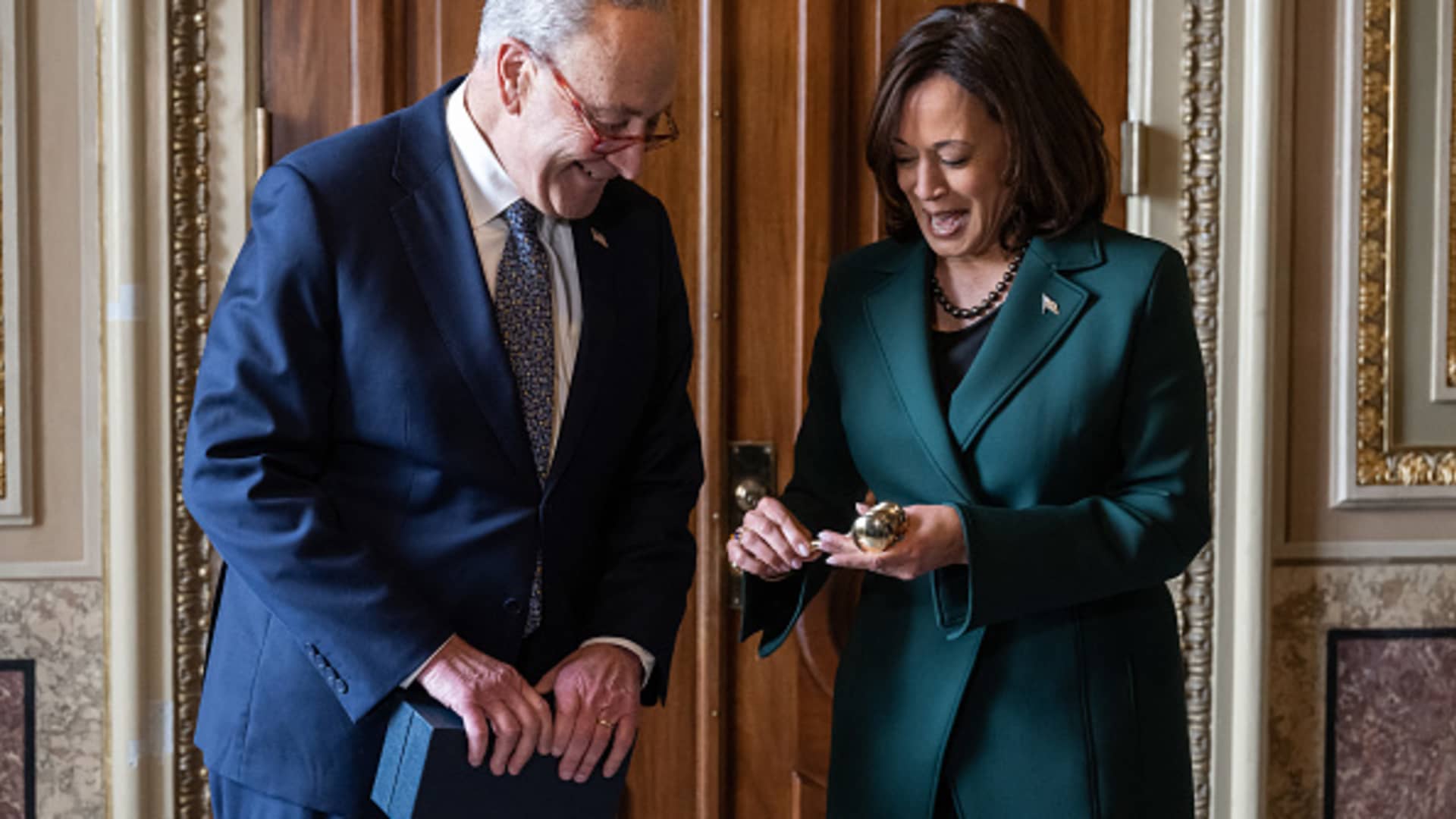 Senate Majority Leader Schumer confident in passing bipartisan Crypto Regulation Bill before year's end.2024-08
Federal cryptocurrency legislation in the United States refers to a set of bills moving through Congress that would, for the first time, establish a comprehensive legal framework governing digital assets — covering who regulates them, how stablecoins operate, and what protections exist for investors and markets.
Why Congress Is Acting Now
For more than a decade, the U.S. treated digital assets through a patchwork of enforcement actions and regulatory guidance rather than statute. The Securities and Exchange Commission (SEC) claimed jurisdiction over most tokens as securities; the Commodity Futures Trading Commission (CFTC) asserted authority over others as commodities. Courts produced conflicting rulings. Crypto firms either migrated offshore or operated under persistent legal uncertainty.
The 2022 collapse of the FTX exchange — which wiped out roughly $8 billion in customer funds — gave legislative efforts new urgency. But it was the broader political realignment around digital assets, accelerated by the 2024 election cycle and President Donald Trump's openly pro-crypto posture, that created the current window for legislation. By early 2025, leadership in both chambers signaled crypto bills were a genuine priority, not merely a perennial talking point.

Poland’s government has reintroduced its rejected crypto bill unchanged, framing it as a national-security necessity despite President Nawrocki’s veto. Critics argue the law exceeds MiCA, threatens civil liberties, and could drive Poland’s crypto sector abroad.

"According to local reports, Prime Minister Donald Tusk framed the legislation as a matter of national security, citing more than 100 entities in Poland’s crypto registry linked to Russia, Belarus, and other former Soviet states. The reintroduced bill contains no modifications from the version Nawrocki rejected, government spokesman Adam Szłapka confirmed. The measure will now return to parliament later this year despite the president’s concerns about excessive restrictions that exceed European Union requirements and threaten property rights. Szłapka declared “not even a comma” had been changed in the new bill."
The Two-Track Legislative Approach
Congress is pursuing cryptocurrency legislation on two parallel tracks:
Stablecoin regulation — rules governing dollar-pegged digital currencies like USDC and Tether — moved first and further, producing the GENIUS Act (Guiding and Establishing National Innovation for U.S. Stablecoins). The bill passed the Senate in 2025 with bipartisan support, establishing reserve requirements, redemption rights, and federal licensing standards for stablecoin issuers.
Market structure — the broader question of which assets are securities versus commodities, and which regulator governs them — has proven harder. The House passed the Financial Innovation and Technology for the 21st Century Act (FIT21), which the Senate has adapted into its own version, often referenced alongside the Clarity Act. This legislation would draw a clearer line between SEC and CFTC jurisdiction, a division the industry has long sought.
The Senate Agriculture Committee published a draft market structure bill of its own, a necessary procedural step as the upper chamber develops its counterpart to the House's Clarity Act. JPMorgan analysts have charted crypto bill passage as achievable within months, though Senate negotiators describe the path as "decently frustrating," with disagreements persisting on DeFi definitions, agency jurisdiction, and AML obligations.
Readers click crypto bill coverage not for policy detail but for power exposure — the highest-engagement stories reveal who is secretly authoring legislation (the American Bankers Association), who is stalling it (key Democrats, bill sponsors), and who is paying to shape it (Tether lobbying +150%), showing readers treat crypto bills as a proxy story about incumbent financial interests fighting decentralization.
What the Stablecoin Bill Does — and Doesn't Do
The GENIUS Act establishes that issuers of payment stablecoins must hold reserves of equivalent value in high-quality liquid assets — U.S. Treasuries, central bank reserves, and similar instruments. Issuers must be chartered at either the federal or state level, and they must publish monthly reserve attestations from registered accounting firms.
What sparked the most controversy was a late-stage provision on stablecoin yield — whether issuers can pass interest income from their reserves on to token holders. An updated Senate draft tackled stablecoin rewards directly but stopped short of an outright ban, instead requiring careful disclosure and regulatory review. Critics, including executives at Coinbase, warned that a stablecoin yield ban would undermine a key competitive advantage for U.S.-issued stablecoins versus offshore alternatives like Tether, which operates outside U.S. jurisdiction.
The timing of the yield debate also intersected with concerns about conflict of interest. Trump family entities have financial stakes in crypto ventures, and Democrats repeatedly pressed for provisions that would prohibit senior government officials from launching or profiting from stablecoins. The updated Senate stablecoin bill notably sidestepped these conflict-of-interest questions, a decision that drew bipartisan criticism even from some supporters of the broader legislation.
Circle, the company behind USDC, saw its stock decline amid uncertainty over the bill's final stablecoin yield language and the competitive pressure from Tether's move to secure a Big Four audit — a credibility step that could ease Tether's eventual entry into regulated Western markets.
Indiana State Rep. Kyle Pierce introduced a broad crypto bill arguing U.S. legislation shouldn’t favor Bitcoin alone, aiming to support the wider digital asset market, protect miners, and expand crypto exposure in public retirement programs.
The Market Structure Bill: What's at Stake
The market structure legislation attempts to resolve a foundational ambiguity: when does a digital asset function as a commodity (and fall under CFTC oversight) versus a security (under the SEC)?
Under FIT21 and its Senate analogues, a token issued by a sufficiently decentralized network would generally be treated as a commodity. Tokens tied to ongoing promises of profit from the efforts of a development team would remain securities. The bills also attempt to define "digital commodity exchanges," create registration pathways for platforms that trade both asset types, and establish disclosure requirements adapted from existing securities law.
The Clarity Act framing in the Senate builds on this foundation. Bipartisan discussions have reportedly brought both chambers to roughly 90% alignment on core provisions, with Coinbase among the most active industry participants pushing for a final deal. The company's government affairs operation has pressed hard for clear DeFi and stablecoin language, though Coinbase's aggressive lobbying posture has itself drawn backlash — particularly on the stablecoin yield issue, where critics argue the company is conflating consumer protection concerns with competitive self-interest.
Tokenization of real-world assets — securities, real estate, commodities represented on a blockchain — remains a contested area. Some lawmakers want explicit rules governing tokenized securities; others worry that premature specificity will freeze emerging practices into law before markets have matured.
Key Sticking Points
Several issues have repeatedly stalled the legislation:
DeFi and AML. Decentralized finance protocols — software that enables lending, trading, and other financial activity without a central intermediary — pose a genuine compliance challenge. Anti-money laundering (AML) laws require financial institutions to identify their customers (KYC). Applying these rules to autonomous software is legally and technically ambiguous. Sen. Cynthia Lummis, a leading Republican crypto advocate, has cautiously acknowledged progress while flagging DeFi and AML as unresolved risks.
Agency jurisdiction. The SEC and CFTC have institutional interests in the outcome. The CFTC would gain significant new authority under most proposals; the SEC would cede some. Both agencies have lobbied Congress, and their views have influenced key Democratic members on the relevant committees.
Hardware wallets. A Kentucky state crypto bill drew attention after it included a provision that critics — including the Banking Policy Institute — characterized as a potential backdoor requirement for hardware wallet manufacturers. Advocates urged the state Senate to strip the provision. The episode illustrated how technical details with significant privacy and security implications can slip into broadly worded crypto legislation.
Tax treatment. A markup session at the Senate Banking Panel prompted discussion of potential tax changes tied to stablecoin activity, adding another variable to an already complex negotiation.
Coordination between chambers. Sen. Bernie Moreno has described Senate-House coordination as "decently frustrating," with the two chambers struggling to align on market structure definitions even as leadership in both parties has signaled they want a bill.
Sen. Bernie Moreno says crypto bill talks have been “decently frustrating” as Senate and House struggle to align on market-structure rules, agency jurisdiction, and DeFi/stablecoin language, with year-end timelines increasingly uncertain.
"Despite passing a law regulating stablecoins this summer, U.S. lawmakers have faced roadblocks on a more comprehensive bill for crypto market structure — essentially clarifying jurisdiction between agencies like the Securities and Exchange Commission and Commodity Futures Trading Commission, and passing consumer protections."
The White House Dimension
President Trump has publicly urged Congress to pass crypto legislation quickly, framing the issue as one of American competitiveness and explicitly criticizing banks that he accused of blocking progress. A reported private meeting between Trump and Coinbase CEO Brian Armstrong shortly before the president publicly rebuked banks' opposition to crypto legislation drew scrutiny over the extent of industry influence on White House positioning.
Trump's financial entanglements with the crypto sector — including the World Liberty Financial stablecoin project associated with his family — have complicated the bipartisan coalition the legislation needs. Democratic senators who are otherwise sympathetic to some form of crypto regulation have used conflict-of-interest concerns as grounds to withhold support, particularly on the stablecoin bill.
At the same time, the administration's general posture has had a market effect. Ethereum-focused investment funds saw roughly $222 million in outflows during a period of heightened legislative uncertainty, suggesting that investors are treating bill passage (and the specifics of what passes) as a material variable for asset prices.
- 01FIT21 House passage drama
Multiple headlines tracking the US market structure bill from committee through floor vote captured readers who wanted a live legislative scoreboard — especially the White House no-veto signal and Gensler's opposition creating genuine uncertainty.
- 02Banking lobby authoring anti-crypto bills
The revelation that the American Bankers Association ghostwrote Warren and Marshall's crypto ban bill reframed the legislative fight as incumbents protecting turf, which is a more compelling story than policy debate.
- 03Global property rights for crypto
The UK bill classifying crypto as personal property led all clicks because it resolves a concrete legal ambiguity — what happens to your coins in a divorce or insolvency — rather than abstract regulatory philosophy.
- 04Warren anti-crypto bill stalling
Readers tracked the fate of the Digital Asset Anti-Money Laundering Act as a bellwether for whether the most hostile US regulatory push would gain traction, with the lack-of-sponsors angle signaling industry lobbying was working.
- 05State and retirement fund crypto exposure
Michigan, Indiana, and the Trump 401(k) executive-order bill collectively signal a bottom-up push to put public money into crypto, which attracts both pro-adoption and risk-skeptic readers.
- 06Stablecoin regulation legislative path
The stablecoin bill's Senate passage represented the most concrete near-term US regulatory outcome, and readers engaged because stablecoins are the on-ramp most retail users actually touch.
State and International Context
Congress is not acting in a vacuum. Individual U.S. states have pressed ahead with their own frameworks:
- Indiana legislators introduced a broad crypto bill arguing that federal legislation should not favor Bitcoin exclusively, and pushing for provisions that protect miners and expand crypto exposure in public pension programs.
- Kentucky saw debate over a crypto bill that would have included hardware wallet provisions, ultimately drawing industry pushback.
Internationally, the legislative moment is also notable:
- France has proposed a comprehensive pro-crypto bill that includes a Bitcoin strategic reserve, stablecoin payment rails, and mining incentives — a more aggressive posture than anything currently on the table in Washington.
- Poland reintroduced a rejected crypto bill unchanged after a presidential veto, framing it as a national security measure. Critics argue it goes beyond the EU's existing Markets in Crypto-Assets (MiCA) regulation and could push Polish crypto activity offshore.
- MiCA itself — which took full effect for stablecoins in mid-2024 and for other crypto assets by year-end 2024 — provides a reference point that U.S. negotiators have implicitly benchmarked against, even as American legislation takes a different structural approach.
Investor and Market Implications
Legislation would have concrete effects on how crypto assets are treated by financial institutions, what products can be offered to retail investors, and which offshore platforms can legally serve U.S. customers.
Stablecoin rules would determine whether U.S.-issued stablecoins can compete with Tether (which has no U.S. regulatory status but dominates global volume) and whether holders can earn yield on their balances. Market structure rules would determine whether exchanges like Coinbase must register new business lines, whether DeFi protocols face compliance obligations, and how tokenized securities are settled.
Polymarket, the prediction market platform, was pricing crypto bill passage probability in the context of broader geopolitical events, a signal of how intertwined legislative outcomes have become with short-term market behavior. JPMorgan's research desk has charted bill passage as achievable within months, while acknowledging that the Senate-House alignment gap and the stablecoin yield controversy remain live risks.
- 2024-01regulatory
Warren-Marshall Digital Asset Anti-Money Laundering Act reintroduced in Senate
- 2024-05regulatory
White House declines to issue veto threat against FIT21
- 2024-05regulatory
US House passes FIT21 crypto market structure bill
- 2024-05governance
Senate votes to overturn SEC Staff Accounting Bulletin 121; Biden veto threatened
- 2024-09regulatory
UK Property (Digital Assets) Bill introduced, classifying crypto as personal property
- 2025-03regulatory
Warren-Marshall bill stalls due to insufficient Senate co-sponsors
- 2025-06milestone
US Senate passes GENIUS stablecoin bill
- 2025-06governance
Senate defeats amendment to One Big Beautiful Bill that would bar officials from profiting on crypto they hold
Outlook
The legislative window is real but not guaranteed. With the GENIUS Act through the Senate, Congress has demonstrated it can pass crypto-specific legislation — a first. The market structure bill faces a harder path: more complex substantive disagreements, more agency equities, and a Senate calendar crowded with other priorities.
The most likely near-term outcome is a stablecoin law that establishes federal licensing standards while leaving the yield question partially unresolved, followed by slower progress on market structure. A comprehensive bill covering both stablecoins and trading-market oversight in a single package remains possible but would require resolution of the DeFi, AML, and conflict-of-interest disputes that have persisted through multiple drafts.
What is less uncertain: the regulatory ambiguity that has defined U.S. crypto policy for the past decade is ending, one way or another — either through legislation or through continued enforcement actions that courts will eventually adjudicate. Congress is choosing whether to shape that outcome or let it be shaped for them.
Latest Cryptocurrency Bill news
Poland’s government has reintroduced its rejected crypto bill unchanged, framing it as a national-security necessity despite President Nawrocki’s veto. Critics argue the law exceeds MiCA, threatens civil liberties, and could drive Poland’s crypto sector abroad.Indiana State Rep. Kyle Pierce introduced a broad crypto bill arguing U.S. legislation shouldn’t favor Bitcoin alone, aiming to support the wider digital asset market, protect miners, and expand crypto exposure in public retirement programs.Sen. Bernie Moreno says crypto bill talks have been “decently frustrating” as Senate and House struggle to align on market-structure rules, agency jurisdiction, and DeFi/stablecoin language, with year-end timelines increasingly uncertain. The Senate Agriculture Committee published its draft crypto market structure bill, a necessary step as the Senate inches toward its own version of the House's Clarity Act
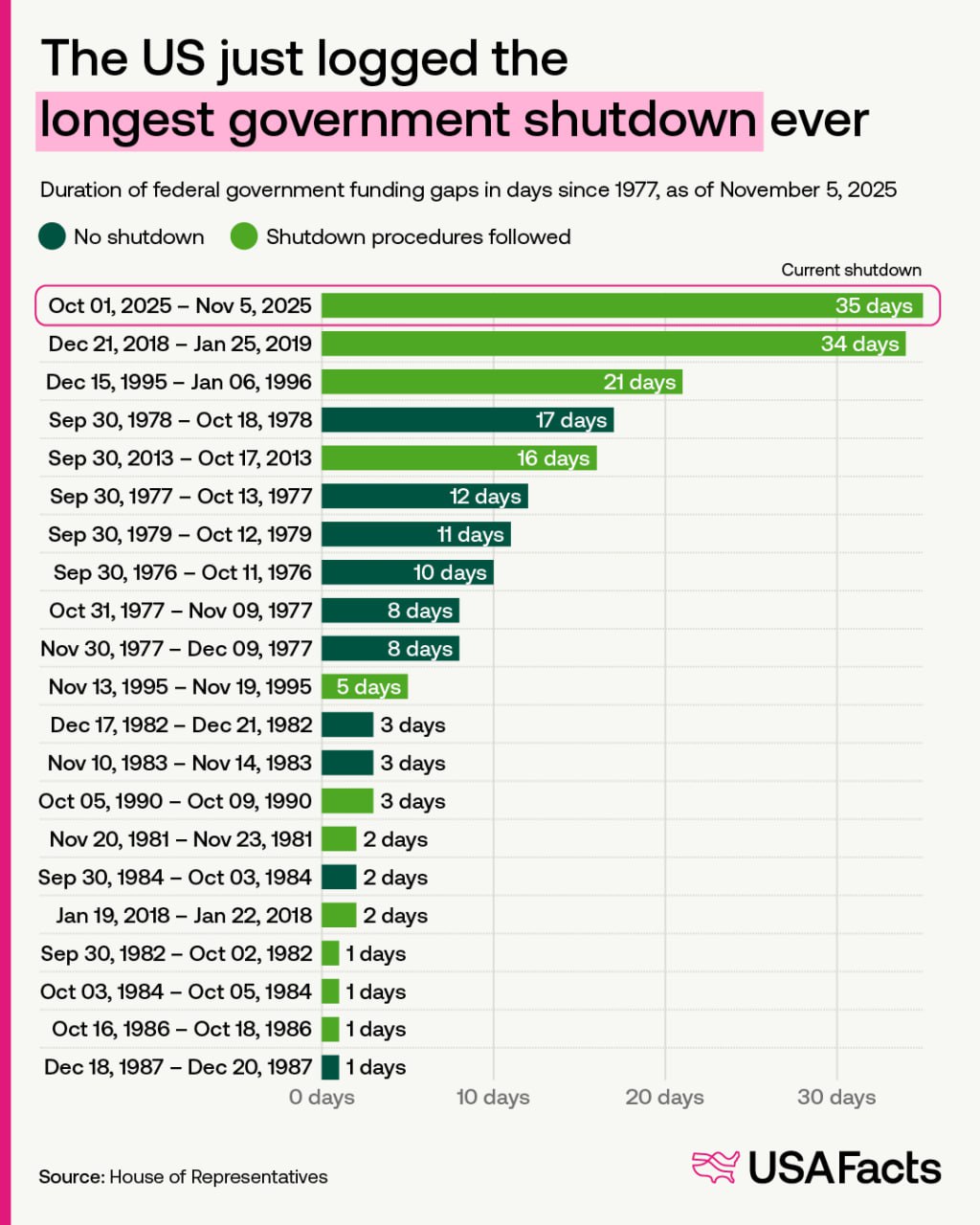 U.S. Government shutdown stretches to record 36 days, continues risk of derailing crypto bill. Market structure legislation could still see movement this year, but likely won't become law before 2026.
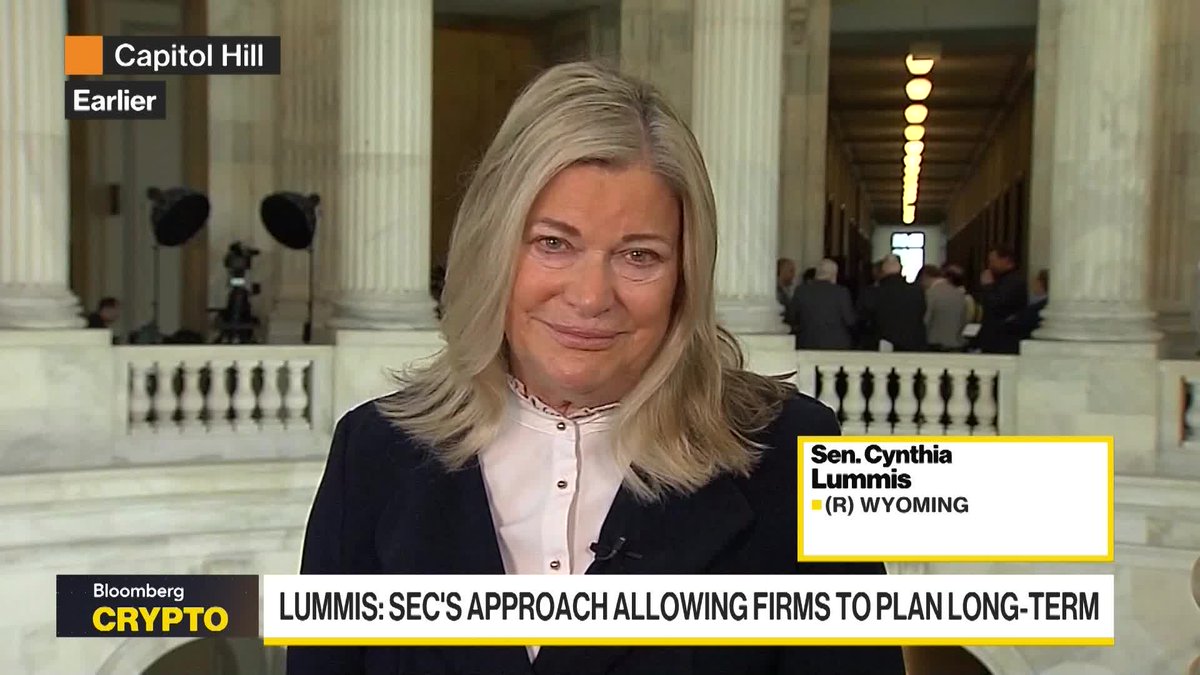 With the GENIUS Act now passed, Congress turns its attention to a landmark crypto market-structure bill set to overhaul U.S. digital asset regulation.
Community notes
Spot something off or out of date? Drop a note. Editors review topic notes daily and roll accepted fixes into the explainer — contributors are recognized in the monthly $SQUID drop.
Loading notes…
Help improve this topic
Have a story or tip about this topic? Submit it. See something missing? Leave a note. Editors review daily; accepted submissions and fixes count toward the monthly $SQUID drop.