
How the U.S. Congress shapes crypto regulation — covering the CLARITY Act, SEC oversight, CBDC bans, prediction markets, and the political dynamics defining digital asset policy through 2026.
+29 sources across the wider coverage universe
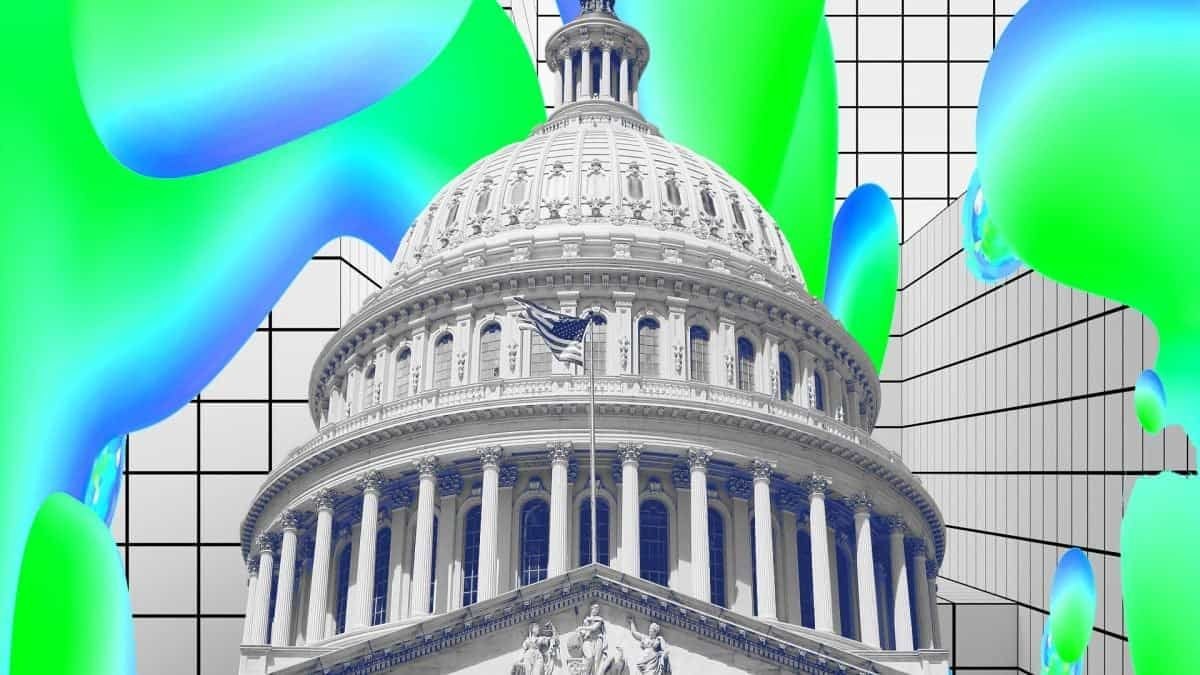 The Solana Policy Institute urges the U.S. Senate to advance the Clarity Act before Congress shifts to election season, calling regulatory certainty critical for crypto innovation2026-07
 New York AG Letitia James warned the Clarity Act would weaken states' power to prosecute crypto fraud, urging Congress to strengthen AML, ethics and investor protection rules2026-07
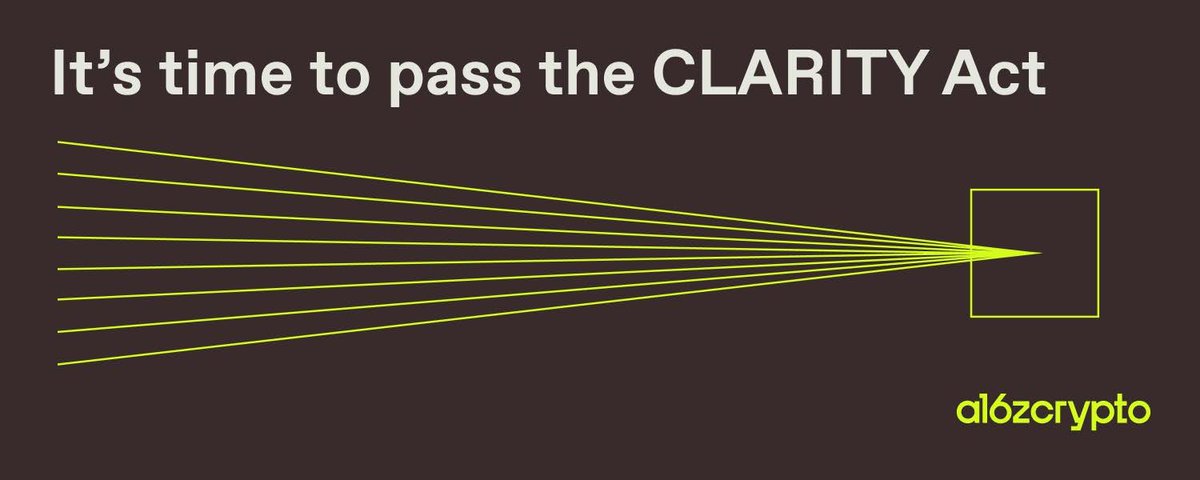 a16z Chris Dixon urges Congress to pass the CLARITY ACT, arguing clear blockchain rules will unlock tokenization, stablecoins and institutional crypto adoption while strengthening U.S. leadership2026-07
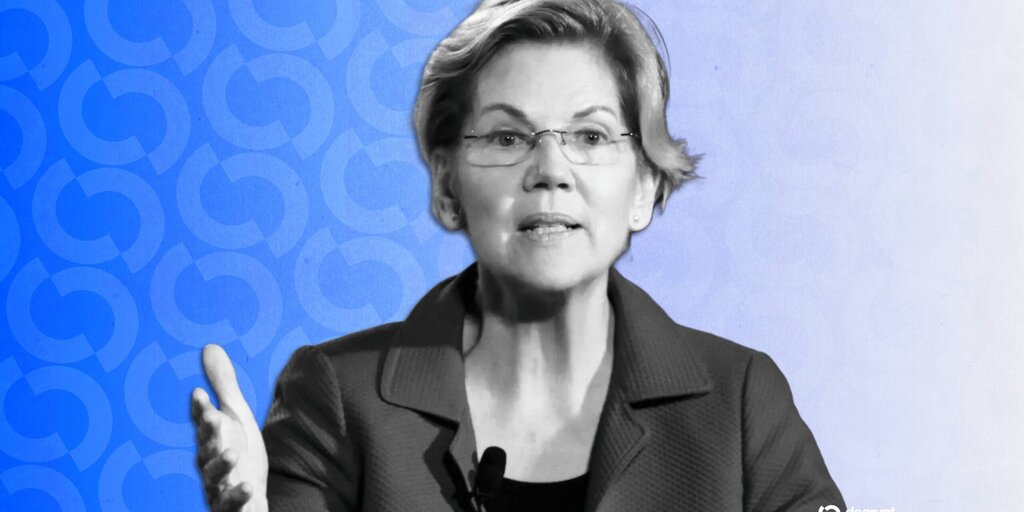 Elizabeth Warren accuses SEC Chair Paul Atkins of misleading Congress over declining enforcement actions, raising concerns about investor protection2026-04
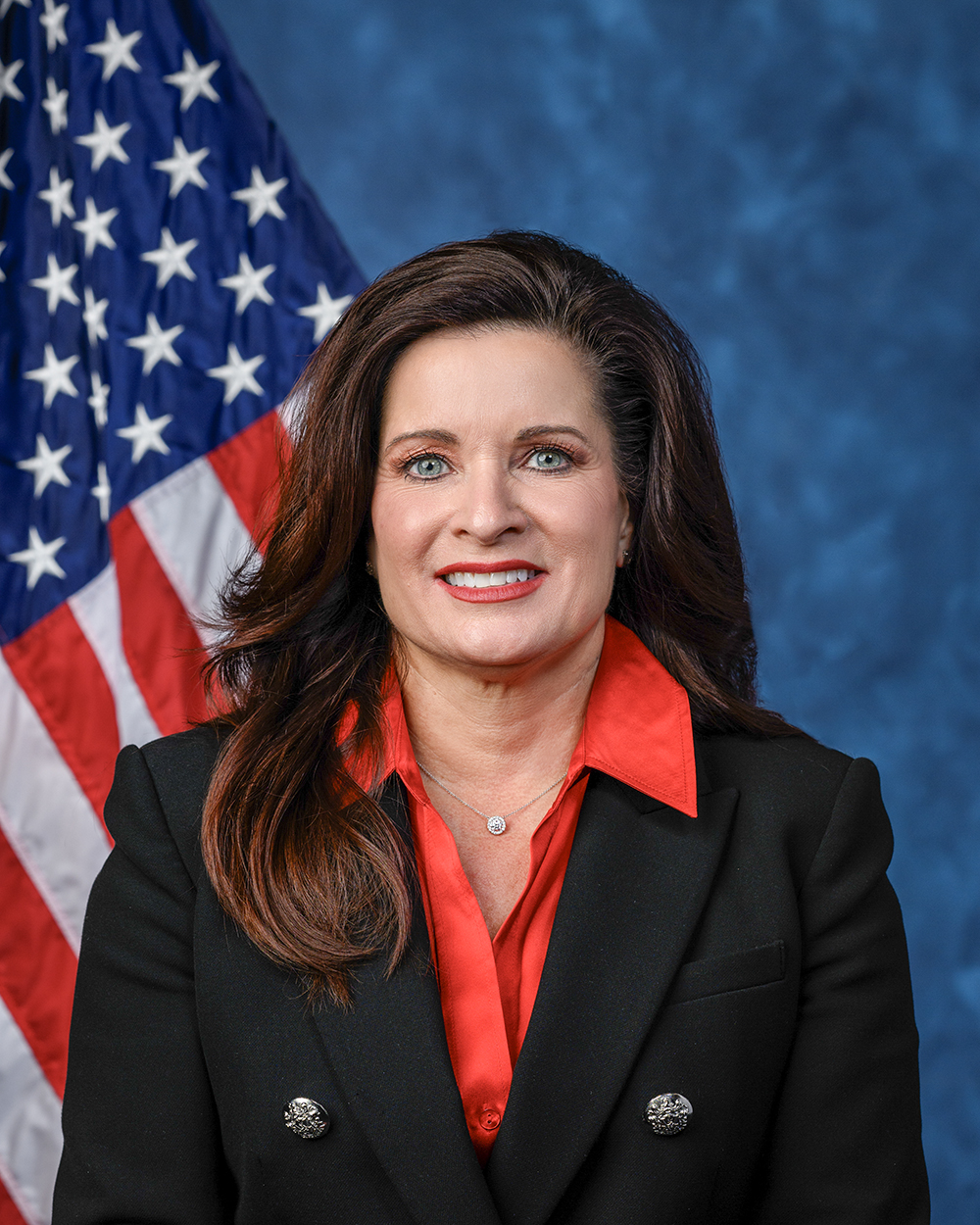 Rep. Sheri Biggs discloses Bitcoin purchase up to $250K, among largest BTC buys ever filed by a sitting Congress member2026-04
 Crypto lobby groups urge Congress to pass the Tax Clarity for Mining and Staking Act unchanged, allowing staking rewards to be taxed only when sold2026-06
The United States Congress is the bicameral federal legislature — composed of the Senate and the House of Representatives — that holds the primary authority to write, debate, and pass laws governing financial markets, including the rapidly expanding digital asset sector.
What Congress Does (and Why It Matters for Crypto)
Congress does not regulate day-to-day markets. That work falls to agencies: the Securities and Exchange Commission (SEC), the Commodity Futures Trading Commission (CFTC), the Treasury Department, and others. What Congress does is define the statutory boundaries within which those agencies operate. It sets mandates, allocates budgets, confirms agency leadership, and — crucially — can pass legislation that resolves jurisdictional ambiguity when agencies disagree or when existing law simply does not contemplate a new asset class.
For digital assets, that jurisdictional ambiguity has been the central problem for more than a decade. Bitcoin, Ethereum, stablecoins, DeFi protocols, and prediction markets do not map cleanly onto the 1933 Securities Act or the 1974 Commodity Exchange Act. Courts have delivered conflicting rulings. The SEC and CFTC have publicly disagreed about which tokens constitute securities and which are commodities. The result is a regulatory vacuum — and vacuums, in finance, create consumer risk.
Congress is the only institution that can resolve this cleanly. Which is why, heading into 2025–2026, the legislative calendar for digital assets has become as closely watched as any Fed meeting.

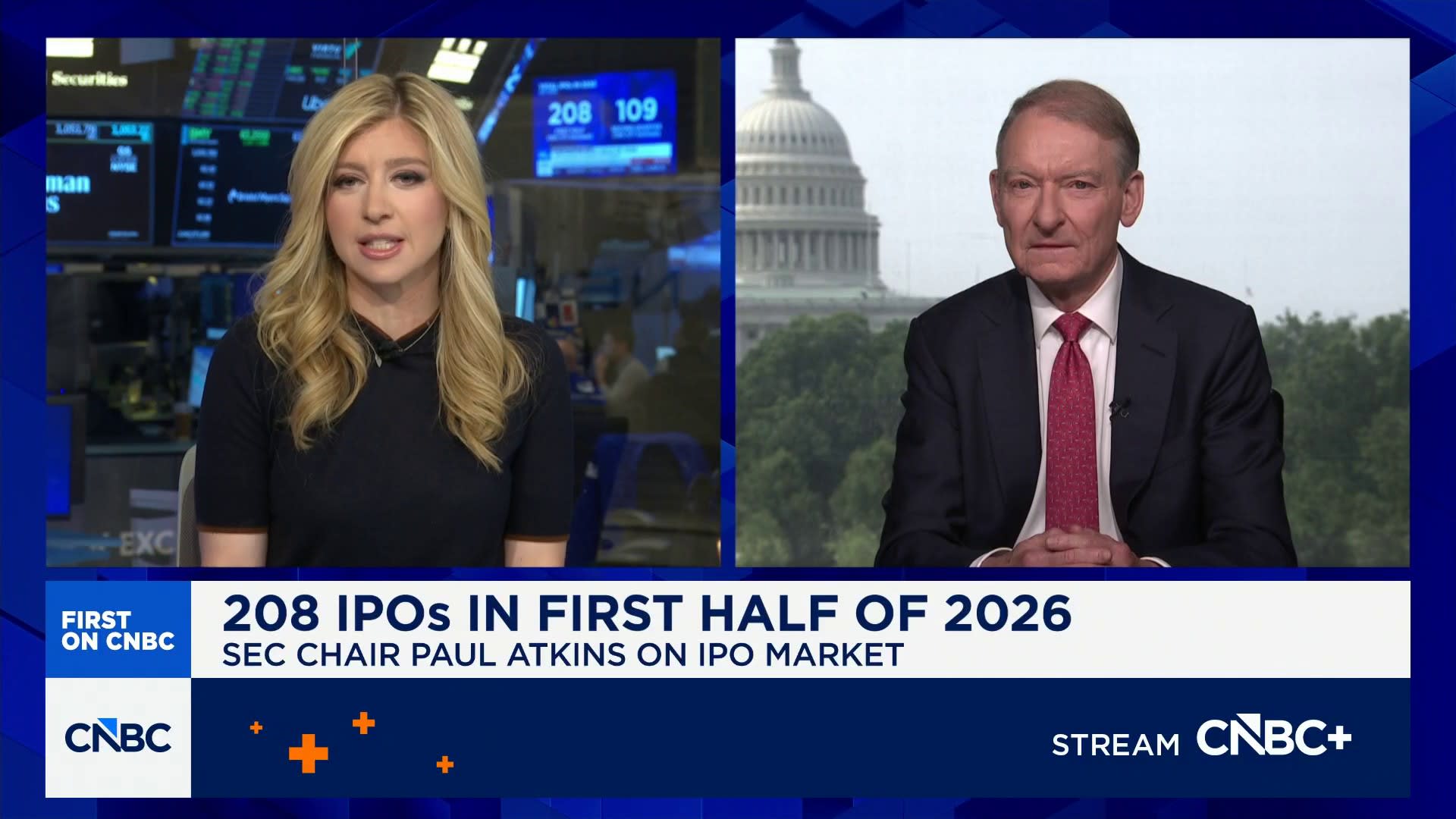
SEC Chair Paul Atkins says agency will issue crypto rules if Congress fails to pass CLARITY Act
The Current Legislative Landscape
The CLARITY Act
The centerpiece of congressional crypto activity in the current session is the Digital Asset Market Structure and Investor Protection Act, widely referred to as the CLARITY Act. The bill attempts to do what no prior legislation has accomplished: draw a clean boundary between which digital assets fall under SEC jurisdiction (securities) and which fall under CFTC oversight (commodities), and establish disclosure, custody, and exchange registration requirements accordingly.
Treasury Secretary Scott Bessent has publicly urged Congress to pass the CLARITY Act as a mechanism to bring digital asset activity onshore, arguing that without a clear framework, U.S.-based developers and exchanges face a competitive disadvantage against jurisdictions — the EU with its MiCA framework, Singapore, the UAE — that have moved faster.
Senator Cynthia Lummis (R-WY), one of the most vocal crypto advocates in the Senate, has warned that the current Congress may represent the last realistic legislative window before 2030. Her argument: if this session fails to act, a subsequent shift in political composition could reset the entire process. Without new legislation, she has said, developers will remain in a legal gray zone, deterring investment and pushing innovation offshore.
Consumer Protection Arguments
Supporters of the CLARITY Act have framed it explicitly as a consumer protection measure. Without clear custody rules, when a digital asset exchange goes bankrupt — as happened with FTX in 2022 — customers have no guaranteed right to recover their own assets. They join a creditor line alongside institutional investors and wade through expensive legal proceedings. That outcome is not a quirk of crypto; it is a direct consequence of the absence of statutory protections that equity investors take for granted under existing securities law.
Opposition and Complications
The bill is not without friction. Senator Elizabeth Warren (D-MA) has described a weakened CFTC — whose crypto jurisdiction would expand under the CLARITY Act — as a "recipe for disaster," arguing the agency lacks the resources and enforcement history to oversee a volatile, technically complex asset class. Senator Angela Alsobrooks (D-MD) has flagged Democratic concerns about illicit finance risks and ethics considerations that she says could stall the bill's passage.
From an unexpected direction, gaming industry coalitions, tribal gaming groups, and labor unions have pressed Congress to carve prediction markets out of the CLARITY Act entirely — specifically targeting platforms like Kalshi and Polymarket, which allow users to bet on election outcomes, sports results, and macro events using crypto. These groups argue that allowing crypto-based sports prediction markets would undermine existing regulated gambling frameworks. Kalshi, for its part, has responded by launching a lobbying group called "Fair Markets" as Congress has simultaneously opened an insider trading probe into prediction market activity.
Readers click Congress/crypto headlines not for policy detail but for institutional combat — the drama of whether the SEC, CFTC, or Congress itself holds the whip hand over digital assets, with Gensler as the recurring villain and stablecoin bills as the contested prize.
The CBDC Question
Alongside market structure legislation, Congress has been wrestling with the question of a U.S. Central Bank Digital Currency. In a notable development, a housing bill passed in 2026 included a provision banning a U.S. CBDC until 2030 — reflecting bipartisan wariness about government-issued programmable digital money and its implications for financial privacy and surveillance. Treasury Secretary Bessent has separately ruled out a U.S. CBDC, aligning the executive branch with the congressional disposition.
This is significant: it means the U.S. policy trajectory, at least through this session, is toward regulated private-sector digital assets (stablecoins, tokenized securities, exchange-traded crypto) rather than a government-issued alternative.

NFT project Coattail Brokers gives each collectible its own onchain wallet to accumulate tokenized stocks mirroring disclosed US Congress trades.

Public Pressure and Industry Lobbying
A 2026 poll conducted by DCG and HarrisPoll found that 81% of Americans support legislation creating a clear regulatory framework for digital assets, and 60% want Congress to act immediately even if the rules will need refinement over time. That polling data has been circulated aggressively by industry groups, framing crypto regulation not as a niche financial-sector concern but as mainstream consumer policy.
The crypto industry's political mobilization has accelerated accordingly. Industry PACs — including those with ties to Coinbase — have widened their congressional footprint, backing candidates in primary races across multiple states. A congressional race in which a Stripe-made millionaire lost to a candidate backed by Ripple's co-founder illustrated how directly crypto interests are now competing in electoral politics, not just in lobbying corridors.
The Trump Factor
The political context for crypto legislation in 2025–2026 is inseparable from the Trump administration. President Trump has endorsed multiple congressional incumbents and challengers, including several in districts where crypto policy intersects with broader economic agendas — tax cuts, deregulation, energy production. The administration's general posture toward crypto has been permissive relative to the Biden-era SEC enforcement approach under Gary Gensler.
Trump has also pushed Congress on parallel economic legislation, including a large defense and reconciliation package, which competes for floor time with digital asset bills. The legislative calendar is finite; major spending debates, appropriations battles, and oversight hearings all crowd out the bandwidth available for crypto-specific legislation. This is part of why Lummis and others speak of a closing window: the longer market structure legislation waits, the more likely it gets pushed past an election cycle.

a16z Chris Dixon urges Congress to pass the CLARITY ACT, arguing clear blockchain rules will unlock tokenization, stablecoins and institutional crypto adoption while strengthening U.S. leadership
Oversight and the SEC
Congress exercises influence over the SEC not just through legislation but through oversight hearings, budget authority, and the confirmation process for commissioners. During the Biden administration, the SEC under Gensler pursued aggressive enforcement against major exchanges including Coinbase, taking the position that most tokens constitute unregistered securities. Congressional Republicans pushed back vocally, arguing the SEC was regulating by enforcement rather than through rulemaking, leaving markets in unnecessary uncertainty.
With Gensler's departure and a change in administration, the SEC's posture has shifted. But the underlying statutory ambiguity remains — which is precisely why legislation rather than personnel changes is seen as the durable solution. Commissioner leadership turns over; statutory authority does not.
- 01Gensler vs Congress showdown
Multiple high-click headlines framed Gensler as defying, misleading, or contemptuous of Congress, making him a personified antagonist readers tracked obsessively.
- 02Stablecoin bill race
The GENIUS Act vs STABLE Act rivalry gave readers a concrete legislative horse race with clear winners and losers — banks, DeFi protocols, Tether — which drove sustained engagement.
- 03Crypto lobbying money flood
Headlines quantifying PAC spending, Tether's 150% lobbying surge, and $245M in pro-crypto funding revealed a money-politics feedback loop readers found alarming and compelling.
- 04FIT21 market structure vote
The House FIT21 vote was framed as a binary referendum on the White House's anti-crypto stance, giving readers a clear political stakes moment to follow.
- 05Regulatory turf war SEC vs CFTC
The CFTC chair calling the agency 'handcuffed' while the SEC pushed Congress to block FIT21 exposed an interagency power vacuum readers recognized as the root of crypto's legal limbo.
- 06Pro-crypto Congress composition
Post-election headlines declaring a majority pro-crypto House gave readers a scoreboard moment after years of hostile regulatory headlines.
What Passes and What Doesn't: A Legislative Reality Check
Understanding Congress requires understanding its friction points. A bill introduced in the House does not automatically receive a Senate vote. Conference committees must reconcile differences between chambers. Sixty votes are required in the Senate to overcome a filibuster on most legislation — meaning crypto bills need genuine bipartisan support, not just majority-party enthusiasm.
The CLARITY Act has backers on both sides of the aisle, but Democratic concerns about illicit finance, investor protection, and the political optics of being seen as favoring wealthy crypto interests have complicated coalition-building. Meanwhile, attaching crypto provisions to must-pass legislation (budget bills, defense authorizations, housing packages) has become a practical strategy — the CBDC ban reaching law through a housing bill is a clear example of this approach.
Key Players
- Senator Cynthia Lummis (R-WY): Lead Senate advocate for comprehensive digital asset legislation; framing this Congress as a deadline.
- Senator Elizabeth Warren (D-MA): Consistent skeptic; focuses on illicit finance, consumer risk, and CFTC capacity.
- Senator Angela Alsobrooks (D-MD): Emerging voice on Democratic concerns that could shape or stall CLARITY Act passage.
- House Financial Services Committee: Primary House venue for crypto market structure bills.
- Senate Banking Committee: Jurisdiction over stablecoin legislation and financial regulatory reform.
- 2024-05regulatory
House passes FIT21 market structure bill with bipartisan majority
- 2024-11milestone
US elections produce majority pro-crypto House; crypto PACs spend ~$245M
- 2024-12regulatory
FSOC 2024 annual report renews stablecoin systemic-risk warnings, urges Congress to act
- 2025-01regulatory
Gensler departs SEC; Paul Atkins nominated as replacement
- 2025-03milestone
Trump addresses Digital Asset Summit, calls on Congress to pass stablecoin bill
- 2025-04governance
GENIUS Act and STABLE Act advance in Senate; competing stablecoin yield provisions trigger industry coalition pushback
- 2025-05regulatory
SEC Chair Atkins frames token taxonomy guidance as interim; says only Congress can make rules permanent
Outlook
The 2025–2026 congressional session represents the most consequential legislative moment for digital assets in U.S. history. Polling suggests broad public support for action; executive branch signals are favorable; and the industry has built unprecedented political infrastructure. The obstacles are real — partisan disagreement on scope, ancillary fights over prediction markets and CBDCs, and a packed legislative calendar — but the momentum is genuine.
If the CLARITY Act or a comparable framework passes, it would establish the first comprehensive statutory foundation for U.S. crypto markets: defined jurisdictional splits, custody protections, exchange registration requirements, and stablecoin standards. If it stalls, the default state — agency-by-enforcement, legal uncertainty, offshore developer migration — continues into the next election cycle, potentially until the early 2030s.
The stakes are not abstract. They determine where digital asset companies incorporate, where capital flows, and whether U.S. consumers have enforceable protections when crypto platforms fail. Congress holds that decision.
Latest Congress news
SEC Chair Paul Atkins says agency will issue crypto rules if Congress fails to pass CLARITY ActNFT project Coattail Brokers gives each collectible its own onchain wallet to accumulate tokenized stocks mirroring disclosed US Congress trades.a16z Chris Dixon urges Congress to pass the CLARITY ACT, arguing clear blockchain rules will unlock tokenization, stablecoins and institutional crypto adoption while strengthening U.S. leadership Senator Lummis warns Congress has to pass the Clarity Act, saying the next real chance for crypto market structure legislation may not come until 2030New York AG Letitia James warned the Clarity Act would weaken states' power to prosecute crypto fraud, urging Congress to strengthen AML, ethics and investor protection rulesElizabeth Warren accuses SEC Chair Paul Atkins of misleading Congress over declining enforcement actions, raising concerns about investor protection
Community notes
Spot something off or out of date? Drop a note. Editors review topic notes daily and roll accepted fixes into the explainer — contributors are recognized in the monthly $SQUID drop.
Loading notes…
Help improve this topic
Have a story or tip about this topic? Submit it. See something missing? Leave a note. Editors review daily; accepted submissions and fixes count toward the monthly $SQUID drop.