
In‑depth explainer on how the U.S. Senate works and why it is the key battleground for U.S. crypto policy, from CLARITY Act and stablecoin rules to CBDC bans, market structure bills, and their impact on exchanges, DeFi and digital asset markets.
+35 sources across the wider coverage universe
 Crypto Super PACs pour $8M into Ohio Senate race as 2026 midterms echo 2024 spending blitz2026-04
 Solana Policy Institute bankrolls PACs with $3.5M as crypto targets Sherrod Brown's Ohio Senate comeback2026-04
 The Solana Policy Institute urges the U.S. Senate to advance the Clarity Act before Congress shifts to election season, calling regulatory certainty critical for crypto innovation2026-07
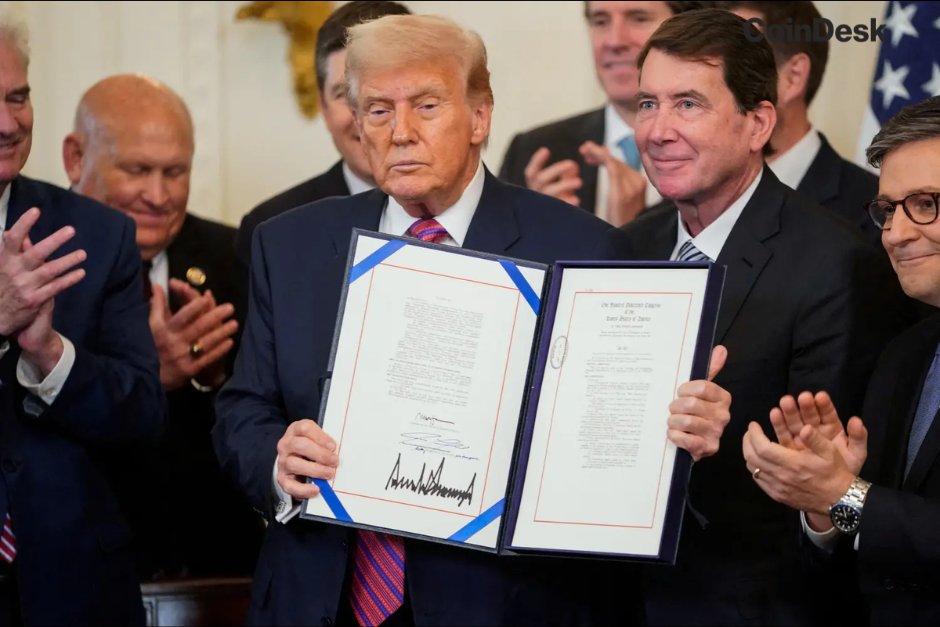 Senate CLARITY Act draft merges Banking and Agriculture texts, adding ethics rules with floor vote possible next week2026-07
 BlackRock, Fidelity and Goldman Sachs back Clarity Act as Senate's August recess nears2026-07
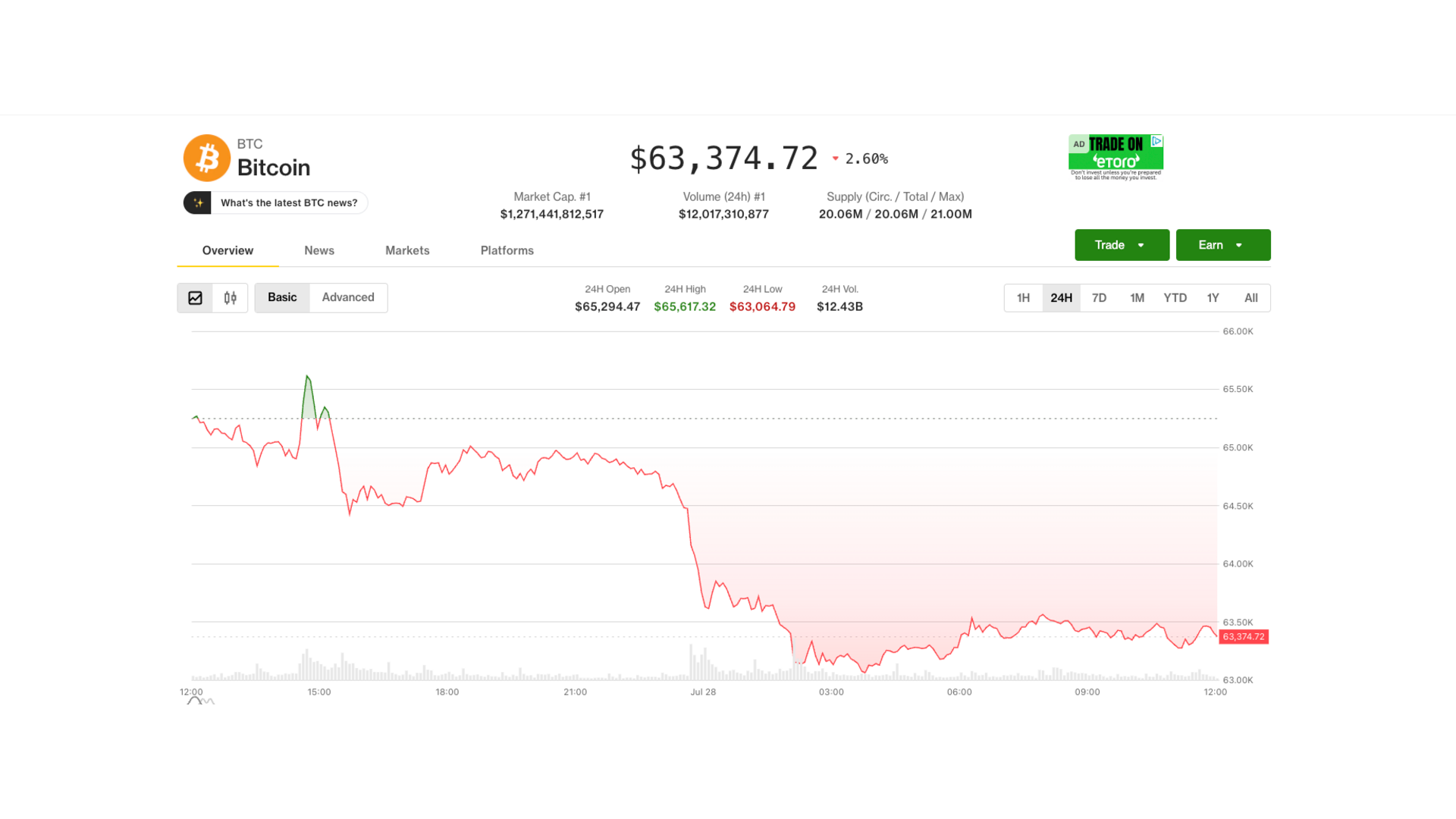 Bitcoin sheds 2% as KOSPI plunges 10.8% and Senate postpones CLARITY Act with August recess looming2026-07
The United States Senate is the upper chamber of Congress, where 100 senators representing the 50 states share power over federal legislation, major appointments, and treaties. For crypto, it is the chokepoint that can either unlock regulatory clarity or stall market-structure reforms for years at a time.
What the Senate Is and How It Works
The Senate was designed by the framers of the U.S. Constitution as a counterweight to both the more populist House of Representatives and to the executive branch. Each of the 50 states elects two senators, regardless of population, for staggered six‑year terms, creating a body that is smaller, more insulated from short‑term political swings, and structurally more deliberative than the House. Senators are grouped into three “classes,” with roughly one‑third of the chamber up for election every two years, which helps maintain continuity in membership and committee leadership. This design makes the Senate particularly important for long‑horizon questions such as financial regulation, where crypto policy now sits alongside banking, securities, and monetary reform.
Formally, the Senate shares legislative power with the House: no bill can become law without being passed in identical form by both chambers and then signed by the president. But the Senate has several unique constitutional roles that make it especially consequential for markets. It alone provides “advice and consent” on presidential nominations for ambassadors, federal judges, and senior executive branch officials, including the heads of the Securities and Exchange Commission (SEC), the Commodity Futures Trading Commission (CFTC), and key Treasury and Federal Reserve officials. The Senate also must approve treaties and plays a central role in impeachment trials, further entrenching its position as the main forum where federal power over money, markets, and enforcement is contested.
Day‑to‑day, much of the Senate’s work is channeled through a powerful committee system. Standing committees specialize in areas such as Banking, Housing, and Urban Affairs or Agriculture, Nutrition, and Forestry, and they control the early life of most legislation. In the crypto context, the Senate Banking Committee oversees financial services issues, including the SEC and federal banking regulators, while the Senate Agriculture Committee has jurisdiction over the CFTC. These committees hold hearings, draft and mark up bills, and decide which proposals advance to the full Senate floor. For digital assets, their chairs and ranking members effectively act as gatekeepers for any serious effort to define what is a security, what is a commodity, and how exchanges, stablecoin issuers, and DeFi platforms will be supervised.
One of the defining procedural features of the Senate is the tradition of unlimited debate, which underpins the modern filibuster. Unlike the House, which operates under strict time limits controlled by the majority, individual senators can prolong debate on most legislation indefinitely, effectively blocking a final vote. To cut off debate, the Senate must invoke “cloture,” a mechanism adopted in 1917 that originally required a two‑thirds vote and since 1975 has required three‑fifths of all senators duly chosen and sworn, typically 60 out of 100. Because the filibuster still applies to most legislation—but not to most nominations after changes adopted in the 2010s—any major crypto bill, from the CLARITY Act to stablecoin reforms, must be written with that 60‑vote hurdle in mind. This pushes drafters toward bipartisan compromises and makes Senate dynamics far more relevant to crypto markets than House vote counts alone might suggest.
The Senate’s calendar and floor procedures further shape the pace of crypto policy. Official schedules published by the chamber show limited “working days” and competing priorities, ranging from judicial confirmations to must‑pass appropriations bills and large omnibus packages such as housing or defense legislation. Even when committees have produced detailed digital asset bills, leadership must decide whether floor time is available and whether the political coalition exists to survive cloture votes and amendments. This is why market participants closely track not only legislative text but also arcane signals like the majority leader’s weekly schedule and the number of remaining session days in a given year.

White House adviser defends Trump's crypto ties after Clarity Act fails in Senate

Why the Senate Matters for Crypto and Digital Assets
For the digital asset ecosystem, the Senate matters because it sits at the intersection of financial regulation, monetary policy, and technology governance. Federal financial regulation has historically pursued two overarching goals: ensuring the safety and soundness of the financial system, and protecting consumers and investors from fraud and abuse. Crypto now touches both concerns. Market crashes, stablecoin de‑peggings, and exchange bankruptcies raise systemic risk questions, while token sales, yield products, and DeFi protocols challenge traditional investor protection frameworks. The Senate’s committees oversee the regulators tasked with balancing these objectives, which means senators are central to deciding whether crypto is treated as a niche asset class, a systemic risk, or a core part of the future financial system.
Jurisdictionally, crypto sits across multiple regulatory silos, and the Senate’s committee architecture mirrors that fragmentation. The Senate Banking, Housing, and Urban Affairs Committee exercises oversight over financial services issues and the SEC, along with the Federal Reserve and other banking regulators. The Senate Agriculture Committee has oversight of the CFTC, which historically supervised derivatives and commodity markets but has asserted authority over certain digital assets deemed “commodities.” Because each committee defends its turf, major crypto legislation must often be structured to give both the SEC and CFTC defined roles, as reflected in recent market structure bills that assign securities‑like tokens to the SEC and digital commodities to the CFTC. The Senate’s willingness to broker this division is a critical determinant of whether exchanges, brokers, and DeFi platforms can operate under a coherent federal framework.
Beyond formal jurisdiction, the Senate functions as a political veto point that can slow or redirect crypto policy even when the House and the White House are aligned. Many in the industry recall that the FIT21 market structure bill, which laid out criteria for token decentralization and intermediary obligations, passed the House by a wide bipartisan margin in May 2024 but stalled in the Senate. More recently, the House has passed the Digital Asset Market Clarity Act (often called the CLARITY Act) with strong bipartisan support, only for the measure to become entangled in Senate negotiations over competing committee drafts, stablecoin yield rules, and ethics provisions tied to former President Donald Trump. Because of the filibuster, a bare majority is not enough; crypto advocates must assemble a coalition of at least 60 senators, crossing ideological and party lines, to move substantive legislation.
The Senate is also the body that can most directly influence the architecture of the U.S. dollar in the digital age. Recent bipartisan housing legislation, H.R. 6644, carried an amendment temporarily banning the Federal Reserve from issuing a U.S. central bank digital currency (CBDC) through 2030. That anti‑CBDC provision was added at the urging of House Republicans but required Senate approval, which it received in a lopsided 89‑10 vote when the chamber passed the bill in March 2026. Separate digital asset market structure drafts from the Senate Banking Committee would amend the Federal Reserve Act to prohibit Federal Reserve banks from offering certain products or services directly to individuals and to bar the use of any central bank digital currency as a tool of monetary policy. Together, these actions signal that the Senate is not only shaping how private crypto markets are regulated but also setting boundaries around the public sector’s role in issuing digital money.
Finally, Senate control matters for personnel as much as for statutes. Because the chamber must confirm senior executive branch officials, shifts in Senate majority or in the composition of key committees can determine whether the SEC pursues an aggressive enforcement‑first approach to crypto or embraces a registration pathway for token issuers and exchanges. The same dynamic applies to CFTC commissioners, Fed governors, Treasury officials overseeing sanctions and anti‑money‑laundering policy, and even judges who will adjudicate disputes over how to interpret new crypto statutes. In practical terms, the Senate does not simply write the rules; it also selects the referees who enforce them.
Readers click Senate crypto coverage as a binary scorecard — did the Senate kill a hostile rule or stall a friendly one — which means vote outcomes and named appointments generate far more engagement than the policy substance those votes produce.
The Senate’s Crypto Docket: CLARITY Act, Stablecoins, and Market Structure
The Digital Asset Market Clarity Act (CLARITY Act)
The Digital Asset Market Clarity Act of 2025, commonly known as the CLARITY Act, has become the focal point of congressional efforts to build a comprehensive federal framework for digital assets. The bill, which passed the House in July 2025 with strong bipartisan support, aims to end the long‑running jurisdictional tug‑of‑war between the SEC and CFTC over crypto assets. It proposes dividing responsibility based on how a digital asset functions: tokens that behave like securities would fall under the SEC’s purview, while commodities on decentralized networks would be regulated by the CFTC. In doing so, the Act aspires to give exchanges, brokers, and trading venues a clearer sense of which regulator they must answer to and how to register and comply.
For builders and DeFi developers, some of the most closely watched provisions involve safe harbors and the treatment of non‑custodial activity. The CLARITY Act includes explicit protections for DeFi developers and validators, recognizing that actors who do not control user funds may not fit neatly within traditional money‑transmitter or broker‑dealer categories. It also creates mechanisms for tokens that begin life as investment contracts, perhaps in a private sale or initial coin offering, to “morph” into commodities as their networks decentralize over time. This addresses a longstanding industry complaint that the absence of a clear path from security to commodity status forces projects either to avoid public markets or to operate in regulatory gray areas.
In the Senate, however, the CLARITY Act does not stand alone. The Senate Banking Committee and the Senate Agriculture Committee have each drafted their own market structure bills, styled as the “Digital Asset Market Clarity Act” and the “Digital Commodity Intermediaries Act,” respectively. The Banking Committee’s version is broader and incorporates elements of the House CLARITY Act while also asserting a stronger role for the SEC and federal banking regulators. The Agriculture Committee’s bill, by contrast, focuses more narrowly on establishing a system for regulating the offer and sale of digital commodities by the CFTC and defining the obligations of intermediaries that list or clear those products. Any final Senate product will have to reconcile these drafts and then be harmonized with the House‑passed CLARITY Act before reaching the president’s desk.
Industry pressure on the Senate has intensified as this process has dragged on. More than 200 crypto firms and trade groups have publicly urged Senate leadership to bring a market structure bill to the floor, framing it as an opportunity to keep innovation and jobs in the United States rather than ceding them to offshore jurisdictions. A separate coalition of over 60 crypto CEOs and founders, including major DeFi protocols and infrastructure providers, has stressed the importance of ensuring that developers who do not control user funds are not treated as money transmitters under the final legislation, a concern closely aligned with the safe‑harbor approach in the CLARITY Act. While the White House has expressed a desire to see crypto market structure legislation enacted by the Fourth of July, legislative analysts point to the limited number of remaining Senate working days, the need to merge committee texts, and the requirement to secure 60 cloture votes as obstacles that make that timeline challenging.
Stablecoin Regulation and the GENIUS Act
If market structure bills determine which agencies regulate which assets, stablecoin legislation decides the conditions under which dollar‑pegged tokens can exist inside the banking system. In 2025, the Senate Banking Committee approved the GENIUS Act, a payment stablecoin bill that would, for the first time, establish a comprehensive federal framework for the issuance and regulation of payment stablecoins in the United States. The law, later adopted, creates licensing requirements and prudential standards for entities that issue stablecoins intended for everyday payments, bringing them into a regime more akin to banks or insured depository institutions. By setting clear guardrails on reserves, redemption rights, and supervisory oversight, the GENIUS Act is intended to support broader digital asset adoption while limiting the risk that a run on a large stablecoin could destabilize financial markets.
Stablecoin policy has also become a key battlefield between federal and state regulators. Analyses of stablecoin bills introduced in recent Congresses highlight a recurring debate over whether stablecoin issuers should face a primarily federal regime—perhaps administered by the Fed and federal banking agencies—or whether state‑chartered entities and state‑level innovation, such as New York’s BitLicense or Wyoming’s special charters, should retain significant autonomy. The stablecoin tracker maintained by policy experts notes that several major stablecoin bills, including the Clarity for Payment Stablecoins Act of 2023 in the House, have wrestled with how to balance federal standard‑setting with a role for state regulators, and that these bills expire at the end of each Congress if not enacted. This dynamic ensures that stablecoin debates will recur unless and until the Senate and House agree on a durable allocation of authority.
The Senate’s own crypto market structure bill has further implications for stablecoin business models. The substitute text advanced by the Senate Banking Committee in May 2026 includes a provision that prohibits the payment of interest or yield “solely for holding payment stablecoins,” while leaving room for certain activity‑based rewards or incentives to be defined later. Earlier drafts had preserved broader rewards for stablecoin holders, but the compromise language reflects concerns that stablecoins could evolve into functional deposit substitutes outside of the traditional banking system, potentially undermining monetary policy transmission and bank funding. For centralized stablecoin issuers and DeFi protocols that have built products around offering yield on stablecoin deposits, the final shape of this prohibition—and its carve‑outs—could materially affect revenue models and token economics.
Market Structure Bills in the Banking and Agriculture Committees
The Senate Banking Committee’s Digital Asset Market Clarity Act is explicitly framed as a comprehensive market structure bill, seeking “a system of regulation of the offer and sale of digital commodities by the Securities and Exchange Commission and the Commodity Futures Trading Commission,” while also amending other statutes such as the Federal Reserve Act. The bill addresses core areas of concern for policymakers: illicit finance, including anti‑money‑laundering and sanctions evasion; the regulatory treatment of DeFi protocols; limits on stablecoin yield; standards for tokenization of real‑world assets; and protections for customers in the event of an intermediary’s bankruptcy. It also includes developer protections aligned with a “regulatory certainty” approach for non‑controlling software developers, and provides “Keep Your Coins” self‑custody protections that aim to preserve individuals’ ability to hold digital assets in their own wallets rather than exclusively through custodial intermediaries.
A notable feature of the Banking Committee bill is its tokenization framework. The substitute text allows banks and credit unions to use digital assets or distributed ledger technology in otherwise authorized activities, effectively giving them explicit permission to tokenize securities or other financial instruments under existing regulatory regimes. Importantly, it treats tokenized financial instruments the same as the underlying instrument for regulatory purposes, so a tokenized security remains a security subject to securities laws, rather than being re‑characterized simply because it lives on a blockchain. This approach is designed to accommodate experimentation with tokenized deposits, funds, or bonds without creating regulatory arbitrage.
By contrast, the Senate Agriculture Committee’s Digital Commodity Intermediaries Act is narrower in scope but no less important for trading venues and derivatives markets. Updated drafts released by Senate Agriculture Republicans in January 2026 focus on clarifying the CFTC’s authority to regulate digital asset markets and intermediaries that list, clear, or custody digital commodities. The legislation seeks to create a more explicit registration category for digital asset platforms within the CFTC’s framework, including requirements related to capital, segregation of customer assets, and risk management. Because the Agriculture Committee has oversight responsibility only for the CFTC, its bill does not attempt to rewrite securities laws or amend the Federal Reserve Act, leaving those tasks to the Banking Committee and the House.
Both Senate bills must navigate mark‑ups and committee votes before some type of joint package can be sent to the full chamber. Reports indicate that the Agriculture Committee has advanced its version through markup, albeit without a full bipartisan agreement, while the Banking Committee at times paused its work on market structure to focus on other priorities such as affordable housing legislation. Once both committees settle on text, leadership will need to decide how to merge them, possibly through a substitute amendment that combines securities, commodities, and banking elements into a single comprehensive bill. Only then can the Senate consider a floor vote, after which the resulting legislation must still be reconciled with the House’s CLARITY Act to resolve differences over taxonomy, DeFi treatment, stablecoin yield, and ethics provisions.
CBDC Bans and Digital Dollar Politics
The Senate’s stance on central bank digital currencies offers a window into how it views the relationship between public and private money in a digitizing world. The housing bill that carried a temporary ban on a U.S. CBDC through 2030 illustrates how digital currency policy can be tucked into broader legislative vehicles. The anti‑CBDC provision, pressed by House Republicans and backed by the Trump White House, restricts the Federal Reserve from issuing a retail digital dollar or similar product for several years, effectively delaying any nationwide CBDC experiment. Treasury Secretary Scott Bessent has reinforced this position in public comments, explaining that a digital dollar is “off the table” for now. The Senate’s overwhelming 89‑10 vote to pass the housing bill with that provision suggests that skepticism about CBDCs extends beyond a narrow partisan faction.
In parallel, the Senate Banking Committee’s market structure bill would amend the Federal Reserve Act to prohibit Federal Reserve banks from offering certain products or services directly to individuals and to bar the use of a central bank digital currency for monetary policy purposes. This reflects concerns that a CBDC, especially if widely adopted by households and businesses, could disintermediate banks, alter the composition of deposits and reserves, and give the Fed an overly powerful tool to implement unconventional monetary policies. By constraining how a future CBDC could be designed—if it is allowed at all—the Senate is trying to keep the traditional two‑tiered banking system intact even as digital assets proliferate.
At the same time, executive‑branch policy has begun to treat some digital assets not as threats but as strategic reserves. Treasury Secretary Bessent has stated that seized bitcoin will be retained as part of a federal digital asset reserve rather than auctioned off as in the past, and that the government has halted the sale of such bitcoin. This signals a subtle but important shift: rather than viewing all crypto holdings as contraband to be liquidated, the federal government is recognizing that certain digital assets may play a role in its broader balance sheet and financial strategy. Combined with congressional limits on a CBDC, this posture suggests a future in which private stablecoins, tokenized bank liabilities, and perhaps even bitcoin coexist with—but do not replace—a largely traditional dollar infrastructure.
Senate’s Clarity Act rejection benefits traditional banks by shielding deposits from yield-bearing stablecoins, while overseas crypto hubs like Dubai gain an edge
Senate Politics: Elections, Partisanship, and Crypto Coalitions
The Senate’s formal powers are only half the story; the composition of the chamber and its internal politics are equally important for crypto. Because each state has two senators, small states wield disproportionate influence compared to their population, making it necessary for crypto advocates to engage not only with large coastal states but also with relatively small jurisdictions where local concerns may revolve around agriculture, energy, or tribal gaming. Committee chairs and ranking members are selected by party leaders but are constrained by their caucuses and by their own electoral vulnerabilities. For example, the Senate Banking Committee in the current Congress is led by Senator Tim Scott of South Carolina as chair and Senator Elizabeth Warren of Massachusetts as ranking member, while the Senate Agriculture Committee is chaired by Senator John Boozman of Arkansas with Senator Amy Klobuchar of Minnesota expected as ranking member. This pairing juxtaposes pro‑market and more skeptical voices, ensuring that any crypto bill must appeal to senators who prioritize consumer protection, financial stability, and national security as much as innovation and competitiveness.
Electoral politics have become increasingly intertwined with crypto policy as digital asset firms and their executives test the waters of political spending. In the Alabama Republican Senate primary runoff, a crypto‑linked political action committee called Defend American Jobs spent heavily to support Congressman Barry Moore’s bid. Public filings and reporting indicate that the PAC devoted roughly 7.4 million dollars to media in favor of Moore ahead of the May 20 runoff, accounting for a substantial portion of total ad spending in that race. Subsequent coverage highlighted that Moore ultimately won the runoff, and that crypto‑backed spending was widely seen as a factor in his victory. For industry strategists, this was a proof of concept: targeted spending in key Senate races can shape who writes the rules for digital assets in Washington.
Crypto interests are not the only players vying to shape Senate decisions on digital assets. The gaming industry, tribal governments, and labor unions have lobbied aggressively against the expansion of on‑chain prediction markets that offer betting on sports and other events. In one high‑profile example, these groups urged the Senate to include language in a crypto bill that would effectively ban sports prediction markets, arguing that such platforms could cannibalize revenue from regulated casinos and state lotteries and undermine labor protections in existing gaming operations. Their opposition illustrates how crypto legislation frequently becomes a proxy fight for incumbents in adjacent industries, from casinos and banks to fintech firms and payment networks. Senators attentive to home‑state interests must weigh these competing factions when deciding how to vote on bills that affect decentralized protocols and tokenized betting markets.
Former President Donald Trump and his political movement also loom over Senate crypto debates. Trump has made a point of endorsing Senate candidates who align with his “America First” agenda, including outspoken supporters from states such as Alabama, Oklahoma, and Georgia, and he has used his platform to celebrate allies’ bids for Senate seats. At the same time, his White House has backed anti‑CBDC provisions in major legislation and has publicly promoted the idea of the United States as a global crypto leader, as reflected in administration initiatives and statements from officials such as the White House Crypto Executive Director. For Republican senators with strong ties to Trump’s base, supporting crypto‑friendly legislation that emphasizes innovation, jobs, and resistance to perceived “surveillance money” can be politically advantageous. For Democrats, the calculus is more complicated, with some seeing crypto as a tool for financial inclusion and others emphasizing consumer protection and climate impacts.
Partisan control of the Senate determines committee gavels and, with them, the agenda for hearings and markups that can make or break crypto bills. When pro‑crypto members hold key positions on Banking or Agriculture, the likelihood that market structure legislation will be drafted and advanced increases substantially. Conversely, a shift toward more skeptical leadership can put the brakes on legislative progress even if the House remains comparatively friendly to digital assets. Because each new Congress begins with a “clean slate”—all bills introduced in the prior session expire and must be reintroduced—electoral swings can wipe out years of incremental progress on complex legislation such as stablecoin frameworks or market structure bills. This reset risk is one reason why industry lobbyists and advocacy groups are investing not only in passing specific bills but also in shaping who occupies Senate seats over the medium term.
- 01GENIUS Act stablecoin passage↗
A single landmark bill moved through multiple high-drama stages — committee markup, cloture defeat, eventual passage — keeping readers returning to track whether U.S. stablecoin law would materialize.
- 02Biden-era rule kill votes↗
The IRS broker rule repeal (70-27 Senate, 292-131 House) and SAB 121 CRA handed crypto its clearest legislative wins in years, and readers tracked each vote as a scoreboard update.
- 03Morehead Puerto Rico tax probe
The Senate Finance Committee targeting a high-profile crypto fund manager over $850M in offshore gains made abstract tax-haven strategy suddenly feel like personal legal exposure.
- 04Stablecoin yield bank clash↗
Senators framing yield-bearing stablecoins as a deposit-flight risk to community banks gave readers a concrete mechanism for why this bill kept stalling even after bipartisan support.
- 05Crypto PAC Senate targeting↗
A 440,000-member crypto PAC entering Senate races — and the Warren fundraising counter-battle — showed readers that legislative outcomes were now being fought at the electoral level.
How Senate Procedure Shapes Crypto Legislation
Committees, Markups, and Hearings
The path from concept to law in the Senate begins with committees, where bills are drafted, debated, and rewritten long before they reach the public spotlight. For crypto, the Senate Banking and Agriculture Committees function as parallel laboratories of policy design. Hearings bring in witnesses ranging from SEC and CFTC chairs to CEOs of exchanges and stablecoin issuers, academic experts, and consumer advocates. These sessions allow senators to probe the details of token classification, exchange supervision, DeFi risks, and CBDC design, and they often generate sound bites that reverberate through markets. Sharp questioning about the solvency of a specific platform or the legality of a popular protocol can move token prices, even if no legislation is immediately forthcoming.
Once a bill has been drafted, committees hold “markup” sessions where members can propose and vote on amendments line by line. The CLARITY Act’s journey in the House included multiple markups in both the Financial Services and Agriculture Committees, where the allocation of oversight between the SEC and CFTC, the definition of “digital commodity,” and provisions on DeFi and custody were hashed out. In the Senate, the Banking Committee has gone through a similar process with its Digital Asset Market Clarity Act, issuing discussion drafts in early 2026 and later adopting substitute text that integrated compromises on stablecoin yield, tokenization, and developer protections. The Agriculture Committee likewise released updated drafts of its Digital Commodity Intermediaries Act, accompanied by lists of proposed amendments from members reflecting unresolved partisan differences.
These committee stages are where the most technical aspects of crypto policy are decided, often with limited public attention compared to floor votes. For example, the insertion of language barring “interest or yield solely for holding payment stablecoins” emerged from Banking Committee negotiations rather than a high‑profile floor amendment. Similarly, the decision to explicitly allow banks and credit unions to use distributed ledger technology in otherwise authorized activities was crafted in committee text and reflected in legal analyses before being widely discussed in mainstream media. Crypto builders and investors who focus only on final votes risk missing these mid‑stream changes that can, for instance, differentiate between DeFi protocols that can rely on safe harbors and those that fall squarely under money‑transmitter rules.
Floor Debate, Filibuster, and Cloture
After a bill clears committee, it must secure time on the Senate floor, where the dynamics shift from technocratic drafting to broader political theater. Here, the filibuster looms large. Because any senator can extend debate on a bill, the majority leader typically will not bring contentious legislation to the floor unless there is a clear path to invoking cloture—that is, securing the three‑fifths majority needed to limit debate and proceed to a vote. This requirement acts as an informal screening mechanism: crypto legislation must be crafted not only to please committee specialists but also to avoid losing moderate senators worried about systemic risk, national security, or constituent backlash.
The need for 60 votes is especially salient when crypto is linked to broader culture‑war issues. Provisions dealing with CBDCs, perceived financial surveillance, or Trump‑related ethics and conflict‑of‑interest measures can sharply polarize senators who might otherwise agree on the need for clear token classification and exchange registration frameworks. Market structure bills that combine technical securities‑and‑commodities language with these flashpoint topics may face a steeper climb to cloture, even if they enjoy majority support. Senators opposed to specific elements can threaten to filibuster, forcing leadership either to strip controversial provisions or to allocate scarce floor time to a drawn‑out debate.
Once cloture is invoked, amendments can still be offered, but under stricter time limits. Strategic senators may use this window to force votes on politically sensitive crypto questions, such as whether to ban certain categories of privacy coins, impose strict limits on DeFi derivatives, or carve out exemptions for particular types of stablecoins. Even if these amendments fail, they can put senators on record, shaping future campaigns and fundraising, particularly as crypto PACs and advocacy groups track voting records. For example, gaming‑industry‑backed amendments aimed at banning sports prediction markets could resurface in floor debates as senators try to align themselves with casinos, tribes, or unions in their home states.
Conference and Reconciliation with the House
Even after the Senate passes a crypto bill, the process is not complete. Because the Constitution requires that both chambers pass identical text, differences between House and Senate versions must be reconciled, either through a formal conference committee or through exchanges of amendments. For the CLARITY Act and related market structure initiatives, this reconciliation step is unusually complex. The House bill divides oversight between the SEC and CFTC and includes detailed provisions on safe harbors, token morphing, and DeFi developer protections. The Senate Banking and Agriculture bills, however, contain different definitions, alternative approaches to stablecoin yield, and additional constraints on CBDCs and Federal Reserve powers.
Negotiators from the House Financial Services and Agriculture Committees and the Senate Banking and Agriculture Committees must therefore work through multiple layers of divergence. Taxonomy questions—such as how to define “digital commodity” versus “restricted digital asset”—intersect with jurisdictional turf battles between the SEC and CFTC. Provisions dealing with DeFi may be phrased differently or carry distinct thresholds for when a protocol or developer falls under regulatory obligations. Even politically charged topics such as ethics rules for former presidents’ involvement in digital asset ventures can become sticking points if one chamber is more willing than the other to adopt restrictions.
Time is the enemy in this reconciliation phase. As policy trackers emphasize, each new Congress begins with a clean docket; all unpassed bills from the prior session expire and must be reintroduced. If negotiations drag on past the end of a Congress, years of work can be wiped away, forcing drafters to start anew and potentially weakening political momentum. This reset risk is particularly acute for sprawling crypto bills that span hundreds of pages and multiple committees. It also helps explain why some advocates favor narrower, modular legislation—such as standalone stablecoin bills like the GENIUS Act—while others push for comprehensive packages that address market structure, DeFi, and CBDCs in one shot.
Advice and Consent: Confirmations that Shape Crypto Enforcement
Beyond legislation, the Senate’s advice‑and‑consent role gives it ongoing influence over how existing laws are interpreted and enforced in the crypto space. The Constitution provides that the president shall nominate, and by and with the advice and consent of the Senate, appoint ambassadors, judges of the Supreme Court, and “all other Officers of the United States,” unless Congress vests their appointment elsewhere. In practice, this covers the chairs and commissioners of the SEC and CFTC, the Secretary of the Treasury and senior Treasury officials, the Attorney General and key Justice Department leaders, and the Board of Governors of the Federal Reserve System.
These appointments matter enormously for crypto. An SEC chair who views most tokens as unregistered securities may prioritize enforcement actions against exchanges, token issuers, and DeFi projects, using existing securities laws to police the space even in the absence of new legislation. A different chair might focus on providing guidance and registration pathways under a new market structure statute. Similarly, a CFTC chair’s interpretation of “digital commodity” can expand or narrow that agency’s role in supervising spot crypto markets and derivatives. Treasury officials influence how aggressively sanctions and anti‑money‑laundering rules are applied to mixers, privacy tools, and cross‑border exchanges, while Fed governors shape decisions about payments, stablecoin oversight, and the boundaries of any future CBDC.
For the Senate, confirmation hearings offer an opportunity to press nominees on their crypto views. Senators can demand commitments on enforcing or revising guidance, implementing provisions of the CLARITY Act or GENIUS Act, and engaging with industry stakeholders. Given the volume of “Nominations Sent to the Senate” every year across multiple agencies, key crypto‑related confirmations can sometimes be overlooked outside specialized media, yet they may have more immediate impact on enforcement posture than the slow march of legislation. For market participants, tracking these hearings and votes is an essential complement to following the text of bills.
Crypto PAC Fairshake commits $30M against Sherrod Brown days after the Senate’s Clarity Act setback, marking its largest 2026 spending move

Implications for Crypto Markets, Builders, and Investors
Regulatory Clarity versus Uncertainty
The Senate’s decisions on market structure and stablecoin laws will define the regulatory perimeter within which exchanges, protocols, and token projects must operate. A well‑designed CLARITY Act and companion Senate bills could sharply reduce uncertainty by clearly distinguishing when a token is a security, when it is a commodity, and how platforms must register and segregate customer assets. Such clarity would be particularly valuable for large U.S. exchanges and broker‑dealers weighing whether to list new tokens, support staking, or integrate DeFi protocols, as well as for institutional investors evaluating token exposure. Conversely, if the Senate fails to pass coherent legislation or adopts vague standards, the current patchwork of enforcement‑driven regulation may persist, keeping legal risk high.
Developer protections and safe harbors are another crucial dimension. Clear statutory language that non‑custodial developers and validators are not automatically treated as money transmitters or broker‑dealers could encourage open‑source innovation and reduce the chilling effect of ambiguous enforcement threats. Industry letters to the Senate have emphasized that a developer who does not control user funds should not be regulated as a financial intermediary, a position that aligns with the safe‑harbor concepts embedded in the CLARITY Act and some Senate drafts. If those protections are watered down or omitted in the final Senate bill, developers may face pressure to relocate or to limit their activities to avoid U.S. jurisdiction.
Customer protection provisions will also influence market structure. The Senate Banking Committee’s bill includes rules on how customer digital assets are treated in bankruptcy and provides an insolvency safe harbor designed to ensure that customers, not general creditors, have first claim on assets held by a failed intermediary. After high‑profile exchange collapses and lender failures, such protections could restore confidence and reduce the systemic impact of future failures. They also create compliance obligations around custody, segregation, and disclosure that may favor better‑capitalized or more sophisticated players. Investors should expect that once such rules are enacted, exchanges and custodians will need to adjust their business models and risk management systems, with potential knock‑on effects for fees and product offerings.
Prediction Markets, DeFi, and the Edges of Legality
The Senate’s handling of prediction markets illustrates how DeFi applications at the boundary of existing law can attract powerful opposition. Crypto‑native platforms that allow users to trade event contracts—on sports, elections, or macroeconomic indicators—blur the line between derivatives, gambling, and information markets. Traditional gaming operators, tribal casinos, and unions representing workers in those industries have argued that unregulated on‑chain prediction markets could siphon off revenue and jobs. Their push to have the Senate ban sports prediction markets in crypto legislation underscores how decentralized protocols can trigger lobbying from entrenched incumbents whose interests are threatened.
For DeFi developers, the lesson is that legal risk is not limited to securities and commodities law. Even if a protocol is designed to comply with market structure rules, it may still run afoul of state or federal gambling statutes, anti‑money‑laundering requirements, or consumer‑protection standards. The Senate’s willingness to write explicit bans or carve‑outs for prediction markets, decentralized derivatives, or leveraged products will therefore shape which DeFi business models are viable in the U.S. market. Crypto investors should be wary of assuming that early regulatory forbearance in a niche area will persist once trade groups and affected industries fully engage in the legislative process.
CBDC Limits, Bitcoin Reserves, and Competition with the Dollar
By temporarily banning a U.S. retail CBDC and constraining the Fed’s potential use of such a currency for monetary policy, the Senate has signaled a cautious approach to government‑issued digital money. For private stablecoin issuers, this could be a double‑edged sword. On one hand, delaying or limiting a digital dollar reduces competitive pressure from a publicly backed alternative and may give dollar‑pegged tokens more room to grow as payment instruments and store‑of‑value vehicles. On the other hand, the same skepticism that fuels CBDC bans can spill over into stricter oversight of stablecoins, particularly if senators view them as de facto private CBDCs that could undermine the banking system or facilitate illicit finance. The GENIUS Act’s insistence on robust reserves and supervision, coupled with the Senate Banking bill’s limits on interest for mere stablecoin holding, reflects that tension.
The executive branch’s decision to retain seized bitcoin as part of a federal digital asset reserve adds another layer to this picture. Holding rather than selling these assets suggests that policymakers see strategic or financial value in maintaining a crypto position, even if relatively small compared to traditional reserves. For bitcoin advocates, this is an incremental step toward institutional acceptance; for skeptics, it raises questions about volatility and risk. Either way, it underscores that crypto’s relationship with the U.S. state is no longer purely adversarial or purely speculative. The Senate will eventually have to grapple with questions about how such reserves are managed, disclosed, and potentially used in financial operations.
Monitoring Senate Risk and Opportunity
For builders, traders, and long‑term investors, the Senate is both a risk factor and a source of optionality. Monitoring its actions requires more than scanning headlines. Official Senate calendars and committee schedules reveal when key hearings, markups, and votes are likely to occur. Roll‑call vote records show which senators support or oppose crypto‑related provisions, helping to map potential coalitions and identify swing votes. Policy trackers and law‑firm analyses provide early insights into draft texts, such as the Banking and Agriculture market structure bills, often weeks or months before broader media coverage catches up.
Crypto‑native actors are increasingly sophisticated in their own analysis. Trading desks now handicap the odds of specific bills passing and adjust positioning based on perceived momentum or gridlock, cutting their probability estimates when the Senate calendar tightens or when intra‑party disputes flare. Lobbying strategies have evolved from focusing narrowly on the House Financial Services Committee to targeting key senators on Banking, Agriculture, Judiciary, and even Budget or Appropriations, recognizing that crypto can surface in must‑pass vehicles like housing or spending bills. Over time, this convergence of legal, political, and market analysis will likely become as routine for major crypto firms as monetary‑policy watching is for traditional macro funds.
Senate passes SAB 121 CRA; Biden vetoes
- 2025-01regulatory
Scott Bessent confirmed Treasury Secretary 68-29
Senate Banking Committee approves GENIUS Act
Senate votes 70-27 to repeal IRS broker rule
Senate rejects GENIUS Act cloture vote
GENIUS Act clears Senate; stablecoin bill enacted
CLARITY Act market-structure markup delayed; 2025 passage unlikely
Outlook
The U.S. Senate will remain the pivotal arena for crypto policy in the United States for the foreseeable future. Its institutional features—equal state representation, powerful committees, the filibuster, and the advice‑and‑consent role—ensure that no durable framework for digital assets, stablecoins, or CBDCs can emerge without broad and bipartisan support. The CLARITY Act, the GENIUS Act, and the Senate’s own market structure bills represent serious attempts to move beyond regulation by enforcement toward a statutory regime, but their ultimate shape will depend on how senators balance innovation, consumer protection, financial stability, and political incentives.
For crypto builders and investors, this means that interpreting Senate dynamics will be as important as reading white papers or on‑chain data. Legislative timelines will be measured in months and years, not days, and setbacks are likely as bills collide with crowded calendars, electoral cycles, and cross‑cutting interest‑group pressures. Yet the trajectory is clear: crypto has moved from the margins of Senate attention to the center of debates over market structure, monetary sovereignty, and the future of the dollar. Those who understand how the Senate works—and how it thinks about digital assets—will be best positioned to navigate the opportunities and risks that follow.
Latest Senate news
White House adviser defends Trump's crypto ties after Clarity Act fails in SenateSenate’s Clarity Act rejection benefits traditional banks by shielding deposits from yield-bearing stablecoins, while overseas crypto hubs like Dubai gain an edgeCrypto PAC Fairshake commits $30M against Sherrod Brown days after the Senate’s Clarity Act setback, marking its largest 2026 spending moveSources
20 records from 16 domains
senate.gov
ballotpedia.org
avemarialaw.edu
glenbrook.com
thedefiant.io
paulhastings.com
mayerbrown.com
instagram.com
en.wikipedia.org
dwt.com
morganlewis.com
law360.com
facebook.com
hunton.com
in.tradingview.com
lw.com
Community notes
Spot something off or out of date? Drop a note. Editors review topic notes daily and roll accepted fixes into the explainer — contributors are recognized in the monthly $SQUID drop.
Loading notes…
Help improve this topic
Have a story or tip about this topic? Submit it. See something missing? Leave a note. Editors review daily; accepted submissions and fixes count toward the monthly $SQUID drop.