
France has become a pivotal EU crypto hub, blending strict MiCA regulation, stablecoin and Bitcoin adoption, aggressive security responses to wrench attacks, and forward‑leaning encryption and AI infrastructure policies that will shape Europe’s digital asset future.
+19 sources across the wider coverage universe
 France rolls out emergency security measures to combat surge in crypto-linked kidnappings, with 41 cases reported in 2026 amid rising physical extortion risks2026-04
 France says crypto firms without MiCA licences face blacklists and prosecution after June 302026-05
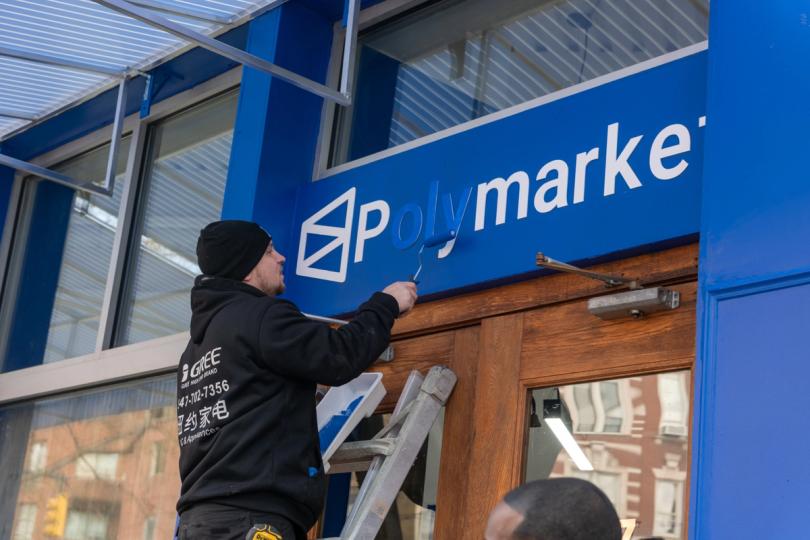 France orders internet service providers to block Polymarket, citing addictive mechanics, weak user protections and widespread access despite previous financial restrictions2026-07
 Circle secures France approval to launch MiCA-compliant crypto services across EEA, enabling custody and transfers for USDC and EURC in regulated European markets2026-05
 Kidnappers target Sandbox co-founder Sébastien Borget's wife as France logs 41 crypto-linked cases2026-05
 Crypto wrench attack exposure jumps 11.8-fold to $124.1M in H1 as France accounts for 33 of 52 cases2026-07
France and Crypto: Regulation, Risk, and Innovation in Europe’s Key Market
France has emerged as one of the most consequential countries for global crypto markets, combining heavyweight economic clout, pioneering EU regulation, and a hard-edged security response to both digital and physical risks. At the same time, it is a paradoxical case study: a jurisdiction that is actively courting MiCA‑compliant stablecoin issuers and institutional Bitcoin treasuries while grappling with an unprecedented wave of crypto‑linked kidnappings and asserting a strongly interventionist stance on encryption, platform liability, and post‑quantum security.
France’s Economic and Digital Context
Any assessment of France’s role in crypto begins with its broader macroeconomic and institutional profile. France operates a highly developed social market economy with strong state participation in strategic sectors, reflecting a long tradition of dirigisme in which public authorities play a prominent role in steering industrial and technological priorities. It is the world’s seventh‑largest economy by nominal GDP and ninth‑largest by purchasing power parity, accounting for roughly 3% of global output. The French economy is dominated by services, which represent close to four‑fifths of GDP, while industry accounts for about a fifth and agriculture a small remaining share. This heavily service‑oriented structure is directly relevant to crypto, since financial services, payments, tourism, and digital platforms are the sectors most likely to integrate blockchain‑based infrastructure or be reshaped by it.
France’s legal and administrative culture also shapes its crypto profile. The country is a civil‑law jurisdiction with a centralized regulatory state that uses national agencies to implement European Union directives and regulations in a comparatively prescriptive manner. Financial markets are overseen primarily by the Autorité des marchés financiers (AMF) and the banking and insurance supervisor Autorité de contrôle prudentiel et de résolution (ACPR). This institutional apparatus has historically taken a relatively strict approach to consumer protection and financial stability. That legacy is visible in the national crypto regime that preceded the EU’s Markets in Crypto‑Assets Regulation (MiCA) and in the way France is now enforcing MiCA’s licensing, disclosure, and governance standards.
France also positions itself as a digital powerhouse inside the European Union. The government has repeatedly used its flagship “Choose France” investment summits to attract global technology and infrastructure firms, including in AI, cloud computing, and data centers. SoftBank Group’s decision to commit up to €75 billion to develop 5 gigawatts of AI data center capacity in France—its largest European AI infrastructure investment—underlines the country’s ambition to be a central node in future compute‑intensive industries, many of which overlap with crypto trading, on‑chain analytics, and high‑performance blockchain research. The first phase of this plan, comprising a €45 billion investment to deliver 3.1 gigawatts of AI data center capacity in the Hauts‑de‑France region by 2031, was announced at the 2026 Choose France summit hosted by President Emmanuel Macron. This scale of capital deployment signals that digital infrastructure, including the energy‑hungry facilities on which exchanges and DeFi analytics depend, is now deeply enmeshed with France’s broader economic strategy.
For crypto market participants, this mix of economic weight, regulatory capacity, and digital‑infrastructure investment makes France a jurisdiction that cannot be ignored. It is simultaneously a gateway to the wider European Economic Area (EEA), via EU financial passporting rules, and a testing ground for how far a democratic state will go in controlling digital finance, encrypted communications, and physical security around high‑value crypto holdings. The sections that follow examine how France is implementing MiCA, how it is managing stablecoins and institutional Bitcoin exposure, how it has become the epicenter of physical “wrench attacks,” and how its policies on encryption, quantum security, and platform liability are likely to reverberate through the global crypto ecosystem.

France rolls out emergency security measures to combat surge in crypto-linked kidnappings, with 41 cases reported in 2026 amid rising physical extortion risks
Regulatory Architecture: MiCA, National Supervisors, and Market Access
The introduction of the Markets in Crypto‑Assets Regulation marks the most far‑reaching attempt yet to create a harmonized regulatory framework for crypto across a major economic bloc. MiCA establishes uniform market rules in the European Union for crypto‑assets not already captured by existing financial services legislation, covering issuers and service providers dealing in crypto‑assets, asset‑referenced tokens (ARTs), and e‑money tokens (EMTs). The regulation’s core provisions impose obligations around transparency, white paper disclosures, prudential safeguards, and conduct of business, with a particular focus on public offers and trading venues. One of MiCA’s explicit aims is to support market integrity and financial stability while ensuring that consumers are better informed about the risks associated with crypto‑assets, thereby closing perceived gaps in investor protection.
France has been among the EU member states most proactive in anticipating this shift. Before MiCA, it already operated a bespoke regime for digital‑asset service providers (prestataires de services sur actifs numériques, or PSAN) under the AMF. That regime included registration and optional licensing requirements for firms offering custody, exchange, or other crypto services to French residents, emphasizing anti‑money‑laundering controls and organizational safeguards. With MiCA’s entry into force, the PSAN framework is effectively transitioning into the broader EU CASP (crypto‑asset service provider) regime, in which firms authorized in one member state can passport their services across the EEA. For France, this transition is both an opportunity and a moment of leverage: the country’s supervisors can grant or deny what amounts to an EU‑wide license.
Recent regulatory messaging suggests that France intends to use that leverage assertively. The French authorities have signaled that crypto firms must complete their MiCA authorization applications or face escalating consequences. A prominent example came when the French regulator warned unlicensed firms operating in France that they needed to finalize their MiCA applications, with local media and industry organizations characterizing the message as the start of a stricter phase of enforcement. In parallel, policymakers have indicated that after key MiCA transition deadlines, crypto businesses without the requisite authorization could face blacklisting and prosecution if they continue serving French users, underscoring the country’s willingness to translate EU rules into robust national enforcement.
This tough line is particularly visible in the ongoing saga around major global exchanges. Reporting from French crypto media has indicated that European Central Bank President Christine Lagarde, who is herself French, expressed opposition to Binance’s entry into the EU market under MiCA, with some accounts suggesting that, as other avenues narrowed, France might become one of the exchange’s last viable options for obtaining an EU‑wide license. While the specifics of any one firm’s application remain fluid, the broader signal is clear: the combination of MiCA and a powerful national supervisor like the AMF gives France outsized influence over which actors will be able to operate at scale across the European single market.
At the same time, France is using this framework to attract entities willing to embrace strict regulatory standards. The most notable case to date is Circle, the issuer of the USDC and EURC stablecoins. Circle France has received approval from the AMF to provide crypto‑asset services under MiCA, including custody and transfer services for USDC and EURC, pursuant to Article 60(4) of the regulation. Circle is described as the largest regulated e‑money token issuer under MiCA in the EU, and this authorization allows the French entity to serve customers throughout the European Economic Area, leveraging France as its regulatory anchor. This illustrates how France can function both as gatekeeper and enabler: firms that meet the bar gain the ability to distribute MiCA‑compliant products at scale, including in markets with less developed domestic regulatory apparatus.
In practical terms, this evolving architecture means that any serious crypto business targeting EU users must treat France not just as another national market but as a central node in its regulatory strategy. The AMF’s track record of engagement with both incumbent financial institutions and Web3 natives, combined with the country’s willingness to threaten blacklists for non‑compliant actors, implies that France will shape industry norms around disclosure, governance, and risk management well beyond its borders. For crypto users and developers, this also means that changes in French policy—whether around stablecoin reserves, travel‑rule implementation, or custody standards—are likely to ripple outward through the entire MiCA regime.
Readers treat France not as a generic crypto jurisdiction but as a dual-pressure zone where state power is tested twice — once against a tech billionaire running a global communication platform, and once against street criminals targeting crypto holders — revealing that the country's crypto story is fundamentally about who controls enforcement, not about innovation.
Stablecoins, the Digital Euro, and Institutional Bitcoin in France
Stablecoins, particularly those categorized as e‑money tokens under MiCA, sit at the intersection of payments, banking regulation, and crypto innovation. Under MiCA, e‑money tokens are crypto‑assets referencing a single official currency and intended primarily as a means of exchange; they must be issued by credit institutions or electronic money institutions and are subject to capital, reserve, and redemption requirements designed to mirror those of traditional e‑money. Circle’s USDC and EURC are archetypal examples, pegged one‑to‑one to the U.S. dollar and the euro respectively, and backed by high‑quality liquid assets.
Circle’s decision to make France its primary regulatory hub for MiCA‑compliant operations is therefore significant for both the company and the broader market. With AMF approval, Circle France is authorized to provide custody and transfer services for crypto‑assets related to USDC and EURC, enabling it to serve institutional and retail clients in any EEA country via passporting. This places France at the center of a growing European stablecoin ecosystem, in which regulated issuers seek to integrate with banks, payment processors, and fintechs that must comply with both MiCA and legacy financial rules. Because stablecoins often act as the basic settlement asset for trading and DeFi, France’s stance on their issuance and use will materially affect liquidity, spreads, and risk profiles across EU‑facing crypto markets.
The relationship between private stablecoins and the prospective digital euro further complicates this picture. European Central Bank officials, including Christine Lagarde, have argued that a central bank digital currency is necessary to ensure monetary sovereignty in an increasingly digitalized payment environment, but they have also been at pains to stress that a digital euro would complement, rather than replace, physical cash. In remarks to the European Parliament, Lagarde emphasized that the digital euro is “in no way intended to replace cash,” underscoring that cash must remain available, usable as legal tender, and “honored as a means of payment.” For France—where political debates over privacy, surveillance, and the role of the state in finance are particularly intense—this dual reassurance is essential in legitimizing a public digital currency while accepting the continued presence of private euro‑denominated stablecoins like EURC.
In practice, France may become a key test bed for how private EMTs, bank deposits, and a future digital euro coexist. French payment institutions and banks already operate within a tightly supervised framework, and those that choose to integrate stablecoin rails will have to reconcile MiCA’s requirements for issuers and CASPs with existing rules on customer due diligence, capital adequacy, and consumer protection. At the same time, the ECB’s insistence that a digital euro will not displace cash may lead French authorities to calibrate their supervision in a way that preserves space for private sector innovation while maintaining the central bank’s privileged role as the final guarantor of money.
The interplay between stablecoins and Bitcoin is another noteworthy aspect of France’s crypto landscape. While much of the regulatory focus has been on EMTs and CASPs, French corporates are beginning to experiment with Bitcoin as a treasury asset. Capital B, a France‑listed digital assets treasury firm, recently raised €15.2 million via a targeted private placement, structured as an issuance of approximately 23 million new shares with attached warrants, at a modest premium to recent trading levels. The firm has indicated that the net proceeds—estimated at around €14.4 million after costs—will be used primarily to expand its core Bitcoin treasury operations, potentially adding up to 182 BTC and lifting its total holdings toward approximately 3,125 BTC. The funding round attracted participation from prominent institutional investors, including Adam Back, known for the Hashcash proof‑of‑work concept foundational to Bitcoin, and the asset manager TOBAM.
This example illustrates how French capital markets are beginning to integrate Bitcoin into conventional corporate finance, even as regulators tighten the rules around service providers and stablecoin issuance. It also highlights an emerging division of labor: stablecoins like USDC and EURC, especially when regulated as EMTs, may serve as transactional and liquidity rails, while Bitcoin functions as a long‑term, high‑volatility reserve asset for companies that are comfortable with its risk profile. In such a configuration, France’s dual role as a MiCA gatekeeper and a home to Bitcoin treasuries suggests that it could become an influential reference point for how institutional adoption of crypto proceeds within the confines of European financial regulation.
French engagement with crypto also extends into the cultural and speculative domains, where the country’s soft power intersects with on‑chain markets. For example, decentralized prediction platforms like Polymarket have hosted markets on international sporting events, with World Cup contracts drawing more than a billion dollars in volume and pricing France, alongside Spain, as a co‑favorite at around sixteen percent implied probability before a single match was played. Such markets underscore how national teams and cultural symbols become collateral in the global casino of crypto‑native speculation, reinforcing France’s visibility as both a geopolitical actor and a subject of on‑chain financial narratives.
Physical Crime and the Rise of Crypto “Wrench Attacks”
One of the most striking, and troubling, developments in France’s crypto story is the surge in physical attacks on digital‑asset holders. So‑called “wrench attacks”—a colloquial term for extortion that relies on physical coercion, rather than cryptographic exploits, to obtain access to victims’ wallets—have become disproportionately concentrated in France. Industry analysts and law enforcement data indicate that roughly seventy percent of documented physical cryptocurrency extortion incidents worldwide now occur in France, making the country the global epicenter of such attacks. According to public remarks by French officials and investigative reporting, France has logged at least forty‑one crypto‑related kidnappings or extortion cases in 2026 alone, averaging roughly one incident every two and a half days.
The scale and trajectory of the problem are underscored by security‑firm data. Between January and April 2026, one leading blockchain security company recorded thirty‑four verified wrench attack incidents globally, compared to twenty‑four over the same period in 2025, representing a forty‑one percent increase. Within Europe, France dominated the country‑by‑country breakdown by a wide margin, with twenty‑four documented and public incidents during that four‑month window, versus just four across the rest of the continent, and twenty incidents in France for the entirety of 2025. These figures confirm that the phenomenon is both growing in absolute terms and increasingly concentrated in France.
The modus operandi of French wrench attacks has also evolved. Analysts describe a shift in early 2026 toward a “data‑driven targeting” model in which prior physical surveillance of victims becomes less necessary once attackers have access to detailed personal information, such as full names, home addresses, and financial profiles. This information can be gleaned from leaked databases, social media, or compromised KYC records, and it allows crime organizers—often remote “bosses” operating with relative impunity—to direct low‑level operatives to specific targets. Despite this digital sophistication, the immediate access vectors remain reminiscent of traditional home‑invasion and kidnap‑for‑ransom tactics. The “doorbell” vector, in which attackers pose as delivery personnel, tradespeople, or even fake police officers to gain entry to a residence, continues to feature prominently in French cases. Another common scenario is the “honeypot,” where victims are lured to fictitious business meetings or over‑the‑counter crypto deals and then coerced into transferring funds once isolated.
A particularly disturbing trend in France is the systematic targeting of “proxies” rather than primary crypto holders themselves. More than half of documented incidents involve a close family member—a spouse, child, or elderly parent—either as the direct victim or as leverage against the primary target. This tactic reflects both the attackers’ desire to exploit emotionally charged pressure points and the reality that high‑profile crypto figures may have already hardened their own security while leaving relatives more exposed. It also raises the stakes in terms of psychological trauma and public perception, as the line between financial crime and violent domestic intrusion becomes increasingly blurred.
One case that has drawn widespread attention is the attempted kidnapping of the wife of Sébastien Borget, co‑founder of the metaverse platform The Sandbox. According to press reports, attackers posing as couriers entered the courtyard of the family home in Villenoy, France, on May 20 and attempted to force Borget’s wife into a vehicle. Neighbors intervened, causing the assailants to flee, and two suspects—teenagers born in 2009 and 2010—were subsequently arrested, while four others remain at large. The youth of the alleged perpetrators, combined with the high profile of the intended victim and the brazen use of a doorbell pretext, encapsulates many of the patterns seen across French cases. Other incidents have likewise involved adolescents or young adults recruited via social media, underscoring how “crime bosses steer wrench attack fleets from afar,” delegating risk to a disposable pool of vulnerable recruits.
French authorities have begun to respond more systematically to this wave of physical crypto crime. At Paris Blockchain Week 2026, the Ministry of the Interior publicly acknowledged forty‑one incidents linked to physical attacks on crypto holders since the start of the year, signaling that the issue had moved to the top tier of law‑enforcement priorities. The government has reportedly implemented emergency protocols aimed at protecting digital‑asset holders, including specialized training for police units, improved coordination with exchanges and wallet providers, and efforts to encourage prompt reporting of incidents that victims might otherwise conceal out of embarrassment or fear. The interior minister has also announced plans to meet with cryptocurrency professionals to discuss preventive strategies, highlighting the need for closer collaboration between public authorities and the private sector.
Despite these measures, the structural drivers of wrench attacks remain difficult to dislodge. As one security analysis noted, improvements in protocol and wallet security tend to push attackers away from exploiting code and toward exploiting the “human link.” As long as substantial crypto holdings can be associated—through KYC data, public on‑chain behavior, or social signaling—with identifiable individuals, physical coercion will remain, in purely economic terms, an attractive option for determined criminals. For France, this poses a delicate policy challenge. On the one hand, stricter regulation and enforcement under MiCA may reduce fraud and market abuse in the digital realm. On the other hand, by driving more of the crypto economy into traceable, KYC’ed channels, it may inadvertently generate richer datasets that sophisticated adversaries can weaponize to build victim lists.
For the crypto community, France’s wrench‑attack crisis functions as a stark reminder that self‑custody and transparency, while central to the ethos of blockchain, carry non‑trivial personal‑security risks when deployed in environments where crime networks are adaptive and well‑resourced. The French experience is likely to influence global discourse around privacy‑preserving financial tools, the design of custody solutions that minimize single‑point‑of‑failure scenarios, and the role of insurance and law enforcement in mitigating the consequences of physical coercion.

France says crypto firms without MiCA licences face blacklists and prosecution after June 30
Platform Liability, Encryption, and the Telegram–Durov Precedent
Alongside its focus on MiCA and physical crime, France has become a central theater in the debate over platform liability and encrypted communications, with significant implications for crypto users who rely on messaging apps for trading, coordination, and information sharing. The arrest and indictment of Pavel Durov, co‑founder of Telegram and VK, has crystallized many of these issues. On August 24, 2024, Durov was detained by French authorities after his private plane landed at Le Bourget Airport, near Paris. A French prosecutor later explained that the detention was linked to an ongoing investigation, begun in July, into an unnamed person, and that Durov was subsequently charged with a series of offenses related to the operation of Telegram.
According to the Electronic Frontier Foundation (EFF), which is closely monitoring the case, there appear to be three main categories of Telegram‑related charges against Durov. The first concerns the “refusal to communicate upon request from authorized authorities the information or documents necessary for the implementation and operation of legally authorized interceptions,” suggesting that French authorities sought Telegram’s assistance in intercepting communications on the platform and were dissatisfied with the response. The second set of charges alleges complicity in crimes committed on or through Telegram, including organized distribution of child sexual abuse material, drug trafficking, organized fraud, conspiracy, and money laundering in an organized group. The third category relates to Telegram’s alleged failure to comply with French cryptography import regulations, specifically by not filing a required declaration for those who import cryptographic systems into France.
The EFF has warned that this combination of charges could set a dangerous precedent for the security, privacy, and freedom of expression of Telegram’s roughly 950 million users worldwide. If a platform operator can be held criminally liable for failing to proactively monitor and police all forms of illicit activity on an encrypted service, or for not customizing encryption practices to a particular country’s import rules, other providers may feel pressure to weaken security or to compromise on user privacy to pre‑empt similar legal exposure. In France, where concerns about terrorism, organized crime, and child protection have long fueled debates over encryption, the Durov case encapsulates the tension between protecting citizens from harm and preserving robust end‑to‑end security.
For the crypto ecosystem, this tension is especially acute. Telegram has been a central hub for crypto communities since the ICO boom, hosting everything from developer groups and DeFi project channels to private OTC trading chats and pump‑and‑dump schemes. Many crypto users rely on its encrypted messaging and channels for coordination, support, and even market‑moving information. If French and other EU authorities succeed in establishing a legal norm that platform operators must enable interception or accept liability for user behavior, the knock‑on effects could include more aggressive monitoring of crypto‑related groups, de‑platforming of high‑risk communities, and potential chilling effects on legitimate discourse about privacy‑enhancing technologies and censorship‑resistant finance.
The cryptography‑import dimension of the Durov case also dovetails with France’s broader stance on encryption and its emerging post‑quantum policy. The fact that failure to file a declaration about importing a cryptographic system can form part of a criminal indictment illustrates the extent to which France treats cryptography not merely as a technical tool but as a regulated commodity with national‑security implications. This approach, rooted in older laws that predate the mainstreaming of end‑to‑end encryption, interacts uneasily with the global, open‑source reality of modern crypto protocols and wallets, which are distributed via app stores and code repositories rather than traditional import channels.
Over time, the outcome of the Durov proceedings—whether they result in conviction, settlement, or dismissal—will likely shape how other messaging platforms, wallet providers, and even decentralized communication tools approach the French market. A heavy‑handed precedent could push some services to geofence French users or to adopt differentiated encryption policies, while a more restrained outcome might preserve room for strong, universal encryption. Either way, France has positioned itself as a key battleground in the struggle to define the legal responsibilities of intermediaries in an era when digital, financial, and communication infrastructures are converging.
- 01Durov arrest legal saga↗
The multi-chapter arc — arrest, charges, court transfer, relocation to Dubai — gave readers a rare real-time accountability story involving a crypto-adjacent billionaire versus a G7 state.
- 02Crypto kidnapping epidemic↗
France logging 41 violent extortion cases in 2026, including attacks on executives' families and a $1M bitcoin home invasion, made the physical-security threat to crypto holders viscerally concrete rather than abstract.
- 03Circle MiCA stablecoin first-mover↗
Circle Mint France being the first MiCA-compliant stablecoin issuer in the EU turned a regulatory technicality into a competitive-positioning story with real market stakes.
- 04AMF MiCA passporting pushback↗
France's regulator publicly threatening to block firms licensed in lenient EU jurisdictions exposed an internal EU enforcement rift that readers recognized as a threat to the single-market promise of MiCA.
- 05Tokenization and CBDC experiments
Parallel moves by BNP Paribas, Banque de France via Project Agorá, and a cross-border CBDC test with Singapore and Switzerland positioned France's TradFi establishment as an active participant in on-chain infrastructure.
- 06Telegram free-speech vs. platform liability↗
Durov's public denial of charges and claim of political motivation reframed the arrest as a censorship debate, drawing readers tracking the broader collision between encrypted platforms and government content demands.
Post‑Quantum Security and France’s Cryptographic Pivot
Looking beyond immediate enforcement controversies, France is also making strategic moves in anticipation of longer‑term cryptographic risks, particularly those associated with quantum computing. The country’s cybersecurity agency, ANSSI (Agence nationale de la sécurité des systèmes d’information), has announced that it will stop certifying security products that do not include quantum‑resistant encryption starting in 2027. According to reports based on ANSSI’s guidance, the agency has further advised that companies should aim to purchase only quantum‑safe products by 2030, effectively setting a deadline for the migration of critical systems away from classical public‑key algorithms vulnerable to quantum attacks. Because ANSSI certification is required for security products used by French government agencies and operators of critical infrastructure, this policy amounts to a de facto phase‑out of non‑quantum‑resistant cryptography in those sectors.
The significance of this decision lies less in any prediction of an imminent “Q‑Day”—the moment when quantum computers become powerful enough to break widely deployed schemes like RSA and elliptic‑curve cryptography—and more in the practical signal it sends about state‑driven cryptographic migration. By embedding post‑quantum requirements into its certification regime years before the arrival of a cryptographically relevant quantum computer, ANSSI is forcing vendors and integrators to begin the arduous process of transitioning algorithms, updating protocols, and hardening key‑management practices. This is particularly relevant in a “harvest now, decrypt later” threat model, where adversaries may already be recording encrypted traffic or exfiltrating stored ciphertext in anticipation of future decryption capabilities.
For crypto, the implications are profound. Most major blockchains, including Bitcoin and Ethereum, rely on elliptic‑curve digital signature schemes, such as ECDSA over secp256k1, which are theoretically vulnerable to Shor’s algorithm running on a sufficiently advanced quantum computer. Security researchers have warned that if such a machine became available, addresses whose public keys are visible on‑chain—either because they have already spent funds or because the script type reveals the key—could be at risk of key recovery and unauthorized spending. One estimate by quantum security firm Project Eleven, cited in reporting on ANSSI’s decision, suggested that a cryptographically relevant quantum computer could arrive as early as 2030, potentially putting around seven million Bitcoin at risk under pessimistic assumptions. Although such timelines remain highly speculative, they nonetheless frame the urgency with which long‑term holders and service providers need to approach quantum preparedness.
France’s post‑quantum certification timeline is likely to accelerate the adoption of quantum‑resistant schemes in products that intersect with crypto, such as hardware security modules, secure enclaves, and hardware wallets. Vendors seeking ANSSI certification for products used by French public entities or infrastructure operators will have to integrate approved post‑quantum algorithms, which may include lattice‑based or hash‑based signatures, and ensure that these schemes are compatible with key‑management workflows in a mixed classical‑quantum environment. As these products mature, crypto custody providers operating in France—or serving clients who demand French‑grade certification—may begin to incorporate post‑quantum features, even before core blockchain protocols themselves are upgraded.
For MiCA‑regulated entities like Circle France and future EU‑authorized custodians, quantum readiness will increasingly be seen as part of operational risk management. Because MiCA already imposes stringent requirements around custody, security, and incident reporting, supervisors like the AMF may, over time, interpret these obligations as encompassing not only current cyber threats but also foreseeable future ones, including quantum attacks. This could translate into expectations that large holdings be managed in ways that minimize exposure of public keys on‑chain, that migration paths to post‑quantum‑secure address formats be planned, and that customer education campaigns explain the long‑term risks and mitigations.
At a more conceptual level, France’s quantum policy reinforces its broader posture as a state that is willing to intervene proactively in the cryptographic foundations of digital infrastructure. In combination with the Durov case and long‑standing cryptography import regulations, ANSSI’s stance signals that France sees encryption as a domain of strategic regulation, not merely a backend implementation detail. For the crypto industry, which has historically treated cryptographic primitives as apolitical and globally uniform, adapting to a world where national authorities mandate algorithmic choices and timelines will be both technically challenging and philosophically contentious.
Infrastructure, AI, and Web3 Innovation
While regulation, crime, and cryptography dominate much of the discourse around France and crypto, the country’s role as a digital‑infrastructure and innovation hub should not be overlooked. SoftBank Group’s commitment to build 5 gigawatts of AI data center capacity in France, representing up to €75 billion in investment, speaks to the scalability of the country’s digital ambitions. The first phase alone, comprising €45 billion for 3.1 gigawatts of capacity in the Hauts‑de‑France region by 2031, will involve major facilities in locations such as Dunkirk (Loon‑Plage), Bosquel, and Bouchain. These data centers are designed primarily to support AI workloads, but in practice, the boundaries between AI, cloud computing, and crypto infrastructure are porous. High‑performance data centers underpin centralized exchange matching engines, blockchain‑data indexers, MEV research labs, and risk‑management systems that rely on machine learning.
France’s ability to attract such large‑scale investments reflects a combination of political support, access to energy resources, and a regulatory environment that, despite its strictness in some domains, offers predictability for capital‑intensive projects. For crypto, this means that firms seeking low‑latency connectivity to European markets, robust data‑sovereignty protections, and integration with emerging AI tools may find French‑based infrastructure increasingly attractive. At the same time, the energy footprint of both AI and crypto will inevitably raise questions about sustainability, grid resilience, and the alignment of such projects with France’s climate commitments—issues that are likely to occupy regulators and investors in the years ahead.
On the innovation side, France hosts a growing ecosystem of Web3 and fintech startups, as well as marquee events such as Paris Blockchain Week. The 2026 edition of that conference was notable not only as an industry gathering but also as a platform for the Ministry of the Interior to present its data on wrench attacks, reflecting the government’s willingness to engage directly with the crypto community. This kind of interaction, in which law enforcement uses a private‑sector conference to communicate security priorities, illustrates a distinctive French pattern: rather than seeing crypto purely as an object of repression or laissez‑faire libertarianism, the state is attempting to assert itself as a central interlocutor in an ongoing negotiation over the rules of digital finance.
French universities, grandes écoles, and research institutes also contribute to the crypto and blockchain ecosystem, particularly in areas like cryptography, distributed systems, and financial engineering. While these contributions receive less mainstream attention than high‑profile regulatory moves, they are crucial for sustaining a domestic talent pipeline capable of building and auditing advanced crypto protocols. When combined with the influx of AI‑related investment and the structuring effect of MiCA, this intellectual capital positions France as a plausible candidate for leadership in areas such as formal verification of smart contracts, post‑quantum wallet design, and the integration of blockchain with AI‑driven risk analytics.
The interplay between infrastructure, regulation, and innovation can be summarized by considering how a typical MiCA‑regulated firm might operate if headquartered in France. Such a firm would develop its products within a legal environment that demands rigorous disclosure and governance; it would deploy services on infrastructure increasingly optimized for AI and high‑reliability workloads; it would hire from a talent pool trained in both traditional finance and advanced cryptography; and it would navigate a security landscape in which both cyber threats and physical wrench attacks are salient, prompting investments in comprehensive risk‑management frameworks. This complex environment, while challenging, may ultimately confer a competitive advantage on firms that can master it, as their capabilities in compliance, security, and technical sophistication become exportable across the European and global markets.
Chainalysis estimates crypto tax non-compliance may top 90% in some countries as France prepares for 2027 EU reporting rules
France in European and Global Crypto Geopolitics
France’s specific combination of regulatory activism, security concerns, and infrastructure ambitions must also be understood within the broader context of European and global crypto geopolitics. Within the EU, MiCA is designed to harmonize rules and prevent regulatory arbitrage, but differences in supervisory culture and political priorities mean that member states still occupy distinct niches. Smaller jurisdictions like Malta or Luxembourg have historically sought to attract crypto businesses with relatively light‑touch regimes, while larger economies like Germany have integrated crypto into existing banking and securities frameworks with varying degrees of enthusiasm. France stands out among these peers for the assertiveness of its approach: it has used its national PSAN regime as a springboard into MiCA, signaled a willingness to blacklist non‑compliant firms, and engaged in high‑profile enforcement and security campaigns.
At the European Central Bank level, France’s influence is amplified by the presidency of Christine Lagarde. Her dual messaging—championing a digital euro as essential for sovereignty while insisting that cash remains “queen” and must continue as legal tender—reflects an attempt to reconcile innovation with the social and political attachment to physical money in countries like France. At the same time, reports that Lagarde opposed Binance’s entry into the EU market under MiCA, even as some member states considered hosting the exchange, illustrate how French perspectives on prudential risk and market integrity are shaping decisions about which global players are deemed fit to operate within the European regulatory perimeter.
Internationally, France’s approach to security—both physical and digital—has parallels with its role in traditional geopolitics. Just as the country participates in naval and drone missions to secure key maritime chokepoints like the Strait of Hormuz, reflecting a willingness to project power in defense of trade routes and energy supplies, it is now deploying regulatory and law‑enforcement tools to secure what might be called its “digital sea lanes.” These include not only the formal channels of licensed exchanges and stablecoin issuers but also the informal networks of messaging platforms, OTC brokers, and physical attackers who ply the risky waters of crypto wealth. The state’s assertive posture in areas such as ANSSI’s quantum policy, the Durov indictment, and the crackdown on wrench attacks can thus be seen as an extension of a broader French doctrine of strategic autonomy and centralized control.
At the same time, France is not acting in isolation. Its decisions reverberate across the EU via MiCA and across the global crypto industry via the allocation of licenses and the interpretation of platform liability. If France proves successful in combining strict regulation with a vibrant, innovation‑driven ecosystem—where firms like Circle France and Capital B can thrive and where infrastructure investments like SoftBank’s AI data centers deliver competitive advantages—other jurisdictions may adopt similar models. Conversely, if excessive rigidity or security incidents discourage investment and drive activity underground, it could spur a search for more accommodating hubs elsewhere.
From the perspective of a crypto news audience, France therefore functions as both a barometer and a bellwether. Developments in Paris—be they new AMF guidance on stablecoin reserves, court decisions in the Durov case, or changes in ANSSI’s certification criteria—offer early signals of where European policy may be heading. Meanwhile, the country’s struggles with wrench attacks and its experiments with institutional Bitcoin treasuries provide concrete examples of how abstract debates about transparency, custody, and risk manifest in the lives of actual users and firms.
Pavel Durov arrested at Paris airport
Durov charged with 12 offenses including facilitating drug trafficking
Durov released from custody, transferred to court for questioning
Circle Mint France becomes first MiCA-compliant stablecoin issuer in EU
Durov leaves France for Dubai following court approval
France logs 41 crypto-linked violent kidnapping cases; government announces emergency measures
France warns unlicensed crypto firms face blacklists and prosecution after MiCA deadline
Conclusion
France occupies a uniquely multifaceted position in the global crypto landscape. Economically, it is a major advanced economy with a service‑dominated structure and strong state participation in strategic sectors, making it both a significant market for digital‑asset services and a powerful regulator. Legally and institutionally, it has leveraged the EU’s MiCA framework to increase its influence over which crypto‑asset issuers and service providers can operate across the European Economic Area, using its national agencies, particularly the AMF, to enforce high standards of transparency, consumer protection, and financial stability. The authorization of Circle France as a MiCA‑compliant provider of custody and transfer services for USDC and EURC exemplifies this dual function: France is simultaneously a gatekeeper and an enabler for firms willing to submit to stringent oversight.
At the same time, France confronts challenges and controversies that expose the frictions inherent in bringing a traditionally centralized, security‑conscious state into alignment with decentralized, borderless financial technologies. The country’s emergence as the global epicenter of physical crypto extortion, accounting for an estimated seventy percent of documented wrench attacks worldwide and at least forty‑one incidents in 2026 alone, highlights the human‑level risks that accompany the digitalization of wealth. Attack patterns in France—characterized by data‑driven targeting, doorbell and honeypot vectors, and the systematic exploitation of family proxies—underscore the reality that as protocol‑level security hardens, attackers are incentivized to shift toward the weakest link: people.
France’s assertive stance on platform liability and encryption, crystallized in the arrest and indictment of Telegram CEO Pavel Durov, further complicates its crypto profile. By pursuing charges that encompass refusal to facilitate lawful interception, alleged complicity in crimes conducted via the platform, and failure to comply with cryptography import regulations, French authorities are probing the boundaries of responsibility for intermediaries in an era of end‑to‑end encryption and global communications. The outcome of this case will have implications not only for messaging apps but also for crypto projects that rely on encrypted channels and open‑source cryptography to function.
Looking beyond immediate enforcement, France’s forward‑leaning approach to post‑quantum security—embodied in ANSSI’s decision to stop certifying products that lack quantum‑safe encryption from 2027 and to encourage the exclusive purchase of quantum‑resistant products by 2030—positions it at the forefront of a global transition in cryptographic standards. This policy will influence how hardware wallets, custody solutions, and institutional key‑management systems evolve, and may implicitly raise expectations for MiCA‑regulated entities to demonstrate quantum preparedness in their risk‑management frameworks.
Against this backdrop of regulation and security, France is also investing heavily in the infrastructure and innovation needed to sustain a digital‑asset economy. SoftBank’s €75 billion plan for 5 gigawatts of AI data center capacity in France, the growth of events like Paris Blockchain Week, and the emergence of firms like Capital B as institutional Bitcoin treasuries collectively signal that the country is not merely constraining crypto but also enabling new forms of digital finance. The tension between these constructive and restrictive elements is likely to define France’s crypto story in the years ahead.
For a crypto audience, the key takeaway is that France is a jurisdiction of both opportunity and risk. Its role as a MiCA hub, a stablecoin regulator, and an AI‑infrastructure center offers significant advantages for compliant firms and sophisticated users. At the same time, the prevalence of wrench attacks, the assertiveness of law enforcement, and the evolving stance on encryption and quantum security create a complex environment that demands careful navigation. Understanding France’s policies and dynamics is therefore not optional; it is essential for anyone seeking to operate in, invest in, or simply interpret the future of crypto in Europe.
Outlook
Looking forward, France is poised to remain a central actor in the evolution of crypto regulation, security, and infrastructure within the European Union and beyond. As MiCA’s implementation matures, more issuers and service providers are likely to seek authorization through French regulators, following the path blazed by Circle France and others. Whether major global exchanges secure MiCA licenses via France or find themselves constrained by prudential concerns and political opposition will be a crucial indicator of how open the EU’s unified crypto market will be in practice. In parallel, the interaction between MiCA‑regulated stablecoins, traditional banking, and a future digital euro—framed by ECB assurances that cash will remain “queen”—will test the capacity of France and the EU to accommodate both public and private forms of digital money without undermining financial stability or individual autonomy.
On the security front, the trajectory of wrench attacks in France will be closely watched. If enhanced law‑enforcement measures, emergency protocols, and closer cooperation with industry succeed in reducing the frequency and severity of physical extortion, France could offer a model for response to other jurisdictions facing similar threats. Conversely, if incidents continue to rise despite increased policing, it may prompt a re‑evaluation of the trade‑offs between transparency, KYC requirements, and personal‑security risks. The Durov case, meanwhile, will likely establish important precedents around the responsibilities of platform operators and the permissible scope of encryption regulation, with knock‑on effects for crypto projects that rely on secure communications and open cryptographic tools.
France’s post‑quantum agenda will also shape the medium‑ to long‑term outlook. As ANSSI’s 2027 and 2030 milestones draw closer, vendors and institutions that serve the French market will be compelled to adopt quantum‑resistant schemes, potentially catalyzing broader adoption within the crypto industry. How seamlessly these transitions occur—and whether they can be accomplished without fragmenting global standards or compromising performance—will influence the perceived resilience of crypto assets in the face of emerging computational threats.
Finally, the convergence of AI, data‑center investment, and Web3 innovation suggests that France’s role in crypto will be increasingly intertwined with its position in the wider digital economy. If projects like SoftBank’s AI data centers deliver on their promise, and if French research and startup ecosystems continue to produce technical advances in cryptography and decentralized finance, the country could solidify its status as both a regulatory and technological leader. In that scenario, France would not only set rules for crypto markets but also help build the tools and infrastructure that make those markets function. For builders, investors, and users alike, keeping a close eye on developments in France will remain an essential part of understanding where the next phase of crypto’s global story is headed.
Latest France news
France rolls out emergency security measures to combat surge in crypto-linked kidnappings, with 41 cases reported in 2026 amid rising physical extortion risksFrance says crypto firms without MiCA licences face blacklists and prosecution after June 30Chainalysis estimates crypto tax non-compliance may top 90% in some countries as France prepares for 2027 EU reporting rulesFrance orders internet service providers to block Polymarket, citing addictive mechanics, weak user protections and widespread access despite previous financial restrictionsCircle secures France approval to launch MiCA-compliant crypto services across EEA, enabling custody and transfers for USDC and EURC in regulated European marketsKidnappers target Sandbox co-founder Sébastien Borget's wife as France logs 41 crypto-linked casesSources
19 records from 17 domains
esma.europa.eu
bitcoinfoundation.org
circle.com
safelogic.com
cryptonews.net
x.com
youtube.com
group.softbank
instagram.com
askfuzz.ai
en.wikipedia.org
certik.com
cryptopolitan.com
financefeeds.com
crowdfundinsider.com
lemonde.fr
eff.org
Community notes
Spot something off or out of date? Drop a note. Editors review topic notes daily and roll accepted fixes into the explainer — contributors are recognized in the monthly $SQUID drop.
Loading notes…
Help improve this topic
Have a story or tip about this topic? Submit it. See something missing? Leave a note. Editors review daily; accepted submissions and fixes count toward the monthly $SQUID drop.