
In-depth explainer on Pavel Durov for crypto readers, covering his role at Telegram, the TON/Gram ecosystem, bond and IPO financing, free-speech and EU policy battles, and how legal risks shape Telegram’s crypto super-app ambitions.
+6 sources across the wider coverage universe
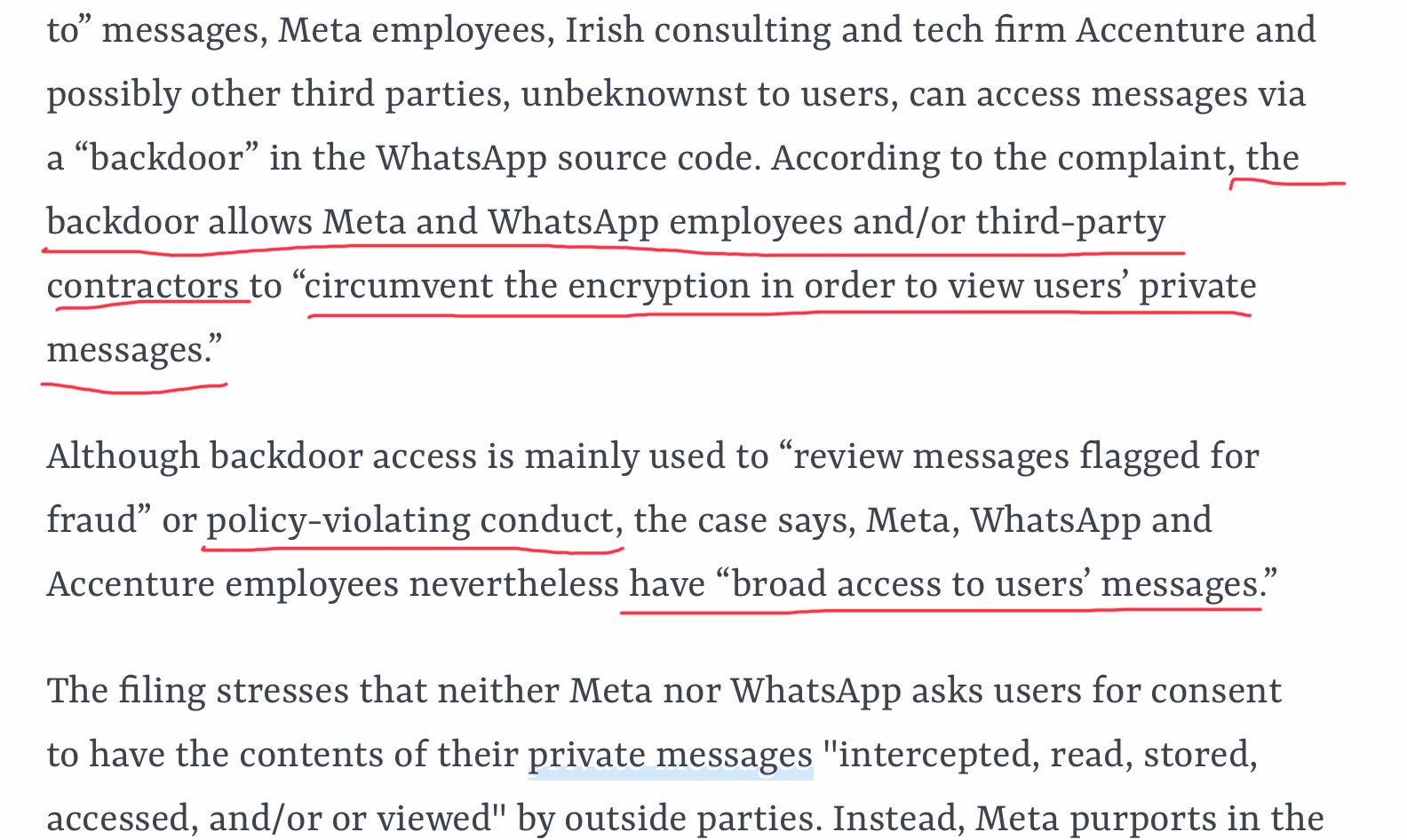 Telegram CEO Pavel Durov claims WhatsApp’s encryption is deceptive, alleging the platform reads user messages and shares data externally, calling it a major consumer fraud while positioning Telegram as a secure alternative2026-04
 Russia’s FSB charges Telegram founder Pavel Durov with facilitating terrorism, alleging the app failed to remove content used for sabotage and mass attacks, and issues an international arrest warrant.2026-07
 Telegram CEO Pavel Durov warns EU age-verification app risks mass surveillance, citing security flaws and potential expansion into broader identity tracking2026-04
 Russia opens criminal terrorism investigation into Telegram founder Pavel Durov as FSB throttles network traffic to force domestic MAX transition2026-02
 TON Blockchain publishes a response statement regarding Pavel Durov's arrest 2024-08
 Telegram updates rules to enable moderation of private chats following CEO Pavel Durov's arrest in France for failing to control illegal content.2024-09
Pavel Durov: Telegram, TON and the Politics of Crypto-Enabled Communication
A Russian‑born technologist turned global platform founder, Pavel Durov is best known as the creator, chief executive and owner of the messaging app Telegram and as the driving force behind The Open Network (TON) and its Gram token. Through Telegram and TON, he has become a central figure at the intersection of encrypted communications, digital freedom, and large‑scale crypto adoption, while simultaneously facing intensifying regulatory and criminal scrutiny in Europe and Russia.
Who Is Pavel Durov?
Pavel Durov occupies a rare position in the technology landscape as both a consumer‑app founder at near‑billion‑user scale and a vocal advocate of crypto‑native financial systems. On his public profiles he consistently presents himself as the founder, chief executive and owner of Telegram, underlining how tightly governance of the platform remains bound to a single figure. Before Telegram, he co‑founded VKontakte (VK), the dominant Russian social networking site often compared to Facebook, which he began building at the age of twenty‑one just after university, initially as the company’s sole employee. This early experience of creating and scaling VK into Russia’s largest social network shaped his reputation as a talented but uncompromising product builder who prefers tight control over corporate structures and codebases.
In public discussion Durov is frequently described as a Russian tech billionaire, a label that reflects both his VK exit and subsequent success with Telegram. Yet he has long tried to live and operate outside any single nation state’s jurisdiction, relocating repeatedly and taking citizenship in more than one country as pressure from Russian authorities mounted. His later move into crypto further reinforced this aura of statelessness, framing him not simply as another founder of a social app but as a figure engaged in what he portrays as a wider struggle over financial sovereignty, encrypted communications and human freedom. For the crypto community, this narrative of independence and resistance to state pressure is central to his appeal.
Telegram’s origin story in 2013 marks a turning point in Durov’s trajectory. After proving he could build a successful social network within Russia, he turned to the more ambitious task of creating a global messaging platform, marketed from the outset as fast, secure and resistant to censorship. Over time, Telegram has become deeply entwined with both political activism and crypto culture, serving as the default communications hub for many token communities, exchanges and trading groups. Through this evolution, Durov’s personal brand has shifted from regional social‑media entrepreneur to global symbol of digital privacy, freedom of expression and, increasingly, crypto‑enabled financial experimentation.
From VKontakte to Telegram
The path from VKontakte to Telegram is crucial for understanding Durov’s mindset and his later embrace of blockchain technologies. VK began as a university project and quickly grew into Russia’s largest social network, a feat he achieved while still in his early twenties and with minimal initial staff support. The experience taught him how powerful network effects can create quasi‑monopolistic platforms in a short period, but it also exposed him to the vulnerabilities of operating such an infrastructure under an authoritarian‑leaning state. Conflicts over user data, political pages, and control of VK’s corporate governance eventually pushed him out, cementing his distrust of state interference in digital platforms.
Telegram, launched in 2013, was in many ways a response to the constraints Durov experienced with VK. Rather than building another ad‑driven social network tied closely to one country, he created a cloud‑based messaging service that from the outset targeted a global audience and emphasized cryptographic security and resistance to censorship. This shift from a domestically anchored social platform to a borderless messaging service aligns closely with later crypto narratives about jurisdiction‑agnostic networks. The same impulse that drove him to escape the political pressures surrounding VK appears to have driven his determination to keep Telegram’s core infrastructure and governance outside the direct reach of any single government.
The Telegram project also represented an evolution in how Durov thought about financial sustainability. VK was a conventional Web2 company monetized through advertising and platform features. Telegram, for many years, operated at a loss and was funded largely from his personal wealth. Later, he began to rely increasingly on bond financing and, ultimately, the appreciation of crypto assets associated with the Telegram ecosystem. This transition from ad‑supported social networking to messaging financed through personal capital, bonds and crypto holdings mirrors a broader shift in the digital economy toward business models that blend traditional finance and decentralized assets.
Public Image, Ideology and the Crypto Audience
Over the past decade Durov has cultivated a public image that blends minimalist aesthetics, privacy maximalism and a certain distance from mainstream celebrity culture. He gives relatively few interviews, preferring to communicate through his Telegram channel and occasional long‑form conversations such as his four‑plus‑hour appearance on Lex Fridman’s podcast, where he discussed Telegram, freedom, censorship, money, power and human nature. For many in the crypto space, this mix of philosophical reflection and hard‑edged product execution resembles the archetype of the ideal “founder‑philosopher,” someone who not only builds infrastructure but articulates a broader theory of digital liberty.
Central to this image is his insistence that Telegram is a platform for free speech. In one widely circulated formulation, the company stated that it is a platform where people are welcome to peacefully express their opinions, including those that Telegram’s team does not share. This framing has attracted activists, opposition figures and alternative media who view Telegram as a refuge from censorship. At the same time, it has drawn intense criticism from governments that see the platform as a haven for extremist propaganda, criminal coordination and disinformation, criticisms that have now crystallized into formal criminal charges in France and a terrorism‑related investigation in Russia.
For crypto audiences, Durov’s ideological stance on freedom of speech and privacy naturally connects with broader debates about decentralization and censorship resistance. His portrayal of Telegram as a bulwark against state overreach dovetails with narratives that present Bitcoin, TON and other decentralized networks as monetary analogues to encrypted messaging. When he predicts that Bitcoin will one day reach a price of one million dollars and describes it as a hedge against fiat money printing, he reinforces the impression that his commitment to crypto is not merely opportunistic but rooted in a consistent worldview that prizes scarcity, autonomy and resilience against state control.

Telegram CEO Pavel Durov claims WhatsApp’s encryption is deceptive, alleging the platform reads user messages and shares data externally, calling it a major consumer fraud while positioning Telegram as a secure alternative

Durov calling WhatsApp encryption "the biggest consumer fraud" while Telegram doesn't even enable E2E encryption by default is peak glass-house energy — regular Telegram chats sit on their servers, only "Secret Chats" get E2E, and most users never toggle that on. The class action lawsuit citing a backdoor for Accenture contractors to read messages is serious if substantiated, but the Signal protocol WhatsApp uses is open-source and heavily audited, which is more than anyone can say about Telegram's homebrew MTProto. Both platforms have trust problems; Durov just has better PR instincts than Zuck.
Telegram as a Platform: Scale, Business Model and Strategic Position
Telegram has grown from a niche secure‑messaging app into one of the world’s most widely used communication platforms, a transformation that is central to understanding Durov’s significance for the crypto ecosystem. In public statements he has indicated that Telegram reached around nine hundred million users by early twenty twenty‑four, and other coverage has estimated approximately eight hundred million users around the time of his arrest in France. Taken together, these figures suggest that Telegram is approaching, or may already have crossed, the one‑billion‑user threshold, placing it in the same league as WhatsApp, WeChat and Instagram. For any blockchain seeking mainstream adoption, such a distribution channel is of enormous strategic value.
Functionally, Telegram began as a fast, cloud‑based chat application with client apps spanning mobile, desktop and web. It built its brand around speed, configurable privacy features, and an open platform for bots and channels, distinguishing itself from rivals through large group sizes and public channels that behave more like broadcast social feeds than private chats. From the start, Durov portrayed Telegram as an alternative to both Western and Russian incumbents that were perceived as either too closely tied to state surveillance or too slow to innovate. This positioning made Telegram particularly attractive to communities that valued both anonymity and reach, including crypto traders, ICO teams and later DeFi projects, for whom Telegram groups and channels became primary coordination spaces.
Security, Privacy and Competition with WhatsApp
The app’s security posture has been central to its brand. Telegram emphasizes encrypted communication and offers “secret chats” that use end‑to‑end encryption, along with features like self‑destructing messages and passcode locks. Over time, Durov has sharpened his critique of rivals such as WhatsApp, alleging that their encryption claims are deceptive and that they effectively read user messages and share data with third parties, assertions he has framed as a major consumer fraud while positioning Telegram as a more trustworthy alternative. Though WhatsApp disputes such characterizations, the rhetorical contrast has helped Telegram consolidate users who are skeptical of Meta’s data practices and prefer a platform that markets itself as fiercely independent of both US and Russian state power.
At the same time, security experts and rival privacy advocates have complicated this picture. Moxie Marlinspike, the creator of the Signal protocol, has argued that popular perception of Telegram as secure is misleading, since the app is not end‑to‑end encrypted by default and stores most messages on its servers, even if they are encrypted in transit and at rest. His critique underscores that Telegram’s security model differs markedly from that of Signal, where all standard chats are end‑to‑end encrypted and the service retains minimal metadata. Nevertheless, Telegram’s reputation as “notorious for refusing to share data with government agencies” remains strong among many users, particularly in countries where it is seen as one of the few channels beyond direct state control. For crypto communities that rely on Telegram for organizing token launches, governance discussions and trading groups, this mix of strong but not absolute privacy, combined with rich group features, has proven more attractive than the stricter but less feature‑rich environment of Signal.
User Growth, Network Effects and IPO Ambitions
The scale of Telegram’s user base is not simply an abstract metric; it shapes the viability of TON and Gram as real, transacting assets. Durov has stated that Telegram’s user count reached roughly nine hundred million and has indicated that the company is actively considering an initial public offering once it achieves sustained profitability, with internal expectations pointing toward a likely United States listing. According to reports based on sources familiar with the matter, Telegram has already received informal valuation indications north of thirty billion dollars from prospective investors, though Durov has so far resisted selling equity at these levels in order to maintain control and preserve his long‑term strategic vision for the platform.
This tension between scale and independence mirrors dilemmas faced by other founder‑led tech companies, but in Telegram’s case it is sharpened by the regulatory controversies surrounding the platform’s content and encryption, as well as by its close association with a public blockchain network. An IPO in a major Western market would bring not only capital but also heightened scrutiny from securities regulators, data‑protection authorities and lawmakers concerned about extremism and criminal content. For the crypto ecosystem, the prospect of a publicly listed Telegram tightly integrated with a major L1 blockchain raises questions about how securities law, platform liability and financial regulation might interact in novel ways.
Financing Telegram: Bonds, Losses and Crypto Holdings
Unlike many large social platforms, Telegram operated for years without meaningful revenues, financed instead by Durov’s personal wealth, which he has said was significantly composed of Bitcoin holdings accumulated since twenty thirteen. In his conversation with Lex Fridman, he explained that Bitcoin has funded his personal life, whereas Telegram as a company has historically run at a loss. As the platform’s infrastructure and staff costs grew with its user base, this model became increasingly unsustainable, pushing Durov to experiment with new kinds of financing that would not dilute his control.
One major tool has been bond issuance. Telegram raised approximately two hundred seventy million dollars in bonds in an earlier round, a quarter of which were reportedly purchased by Durov himself, reinforcing both his financial commitment and his desire to avoid outside equity investors. More recently, in March twenty twenty‑four, he announced on his Telegram channel that the company had secured an additional three hundred thirty million dollars in investment through bond sales, a raise later confirmed in coverage by TechCrunch. By relying on debt rather than equity, Durov has been able to fund Telegram’s operating losses and growth initiatives while preserving full ownership and control, albeit at the cost of higher leverage and the need to eventually service or refinance the debt from future revenues.
Crypto assets have become an increasingly important part of this financial picture. According to reporting based on Telegram’s financial statements, the company’s cryptocurrency holdings grew from about four hundred million dollars at the end of twenty twenty‑three to approximately one point three billion dollars in the first half of twenty twenty‑four, a roughly threefold increase. Over the same period, Telegram generated about five hundred twenty‑five million dollars in revenue, representing a one hundred ninety percent increase compared with the prior year. While the exact composition of these crypto holdings is not fully public, it is widely understood that assets tied to the TON ecosystem play a significant role. For crypto investors, this means that Telegram’s balance sheet is, to an unusual degree, exposed to volatility in digital asset markets, and that the company’s ability to service its bonds and move toward profitability is partially dependent on the success of its blockchain strategy.
Readers clicked Durov's arrest story primarily as a TON/crypto infrastructure risk event — the TON response statement and airdrop stability concerns outranked the arrest headline itself, revealing that the audience treats Durov's legal jeopardy as a proxy for counterparty risk on a $1B+ crypto ecosystem, not merely a tech-CEO scandal.
Durov, Crypto and The Open Network (TON / Gram)
If Telegram is Durov’s vehicle for reimagining communication, The Open Network is his vehicle—directly and indirectly—for reimagining digital value. TON began as a Telegram‑initiated blockchain project that aimed to integrate a high‑throughput, sharded L1 network into the messaging app, with a native token called Gram. Regulatory interventions in the United States halted the original Telegram Open Network token issuance, and Telegram formally stepped back from the project. However, an independent community of developers revived the code and vision under the name “The Open Network,” with a token called Toncoin. Over time, Telegram has moved closer again to TON, embracing it as its preferred blockchain and re‑adopting the Gram name for the native token.
TON as a High‑Performance L1 with Telegram Distribution
In its current incarnation, TON markets itself as a leading layer‑one blockchain designed for speed, scalability and low transaction costs. The official TON website describes the network as offering sub‑second finality, “nearly zero” fees and “native access” to more than a billion users through Telegram integration. From a technical perspective, TON uses a multi‑chain architecture with dynamic sharding, designed to allow parallel processing of transactions and horizontal scaling as demand grows. For a crypto‑savvy audience, these design choices place TON in the same general category as other high‑performance L1s such as Solana or Near, but with the distinctive advantage of deep integration into a messaging super‑app.
TON’s positioning is not purely technical; it is explicitly socio‑technical. By emphasizing “native access to 1B+ users in Telegram,” the project signals that its key differentiator is distribution rather than features alone. For developers, this means that building mini apps, games or DeFi tools on TON can, in principle, put their products within a few clicks of hundreds of millions of users who already rely on Telegram daily. For Durov, this integration represents a way to embed programmable money and digital property into the communication layer he already controls, creating a self‑reinforcing ecosystem in which community building, payments, and on‑chain activity all occur within a unified interface.
Gram as the Heart of TON
With the re‑adoption of Gram as the name of TON’s native token, Durov and the TON community have sought to reconnect the current ecosystem with the branding and vision of Telegram’s original blockchain white paper. According to an official announcement by the TON team, a community vote on the governance platform TON Vote resulted in approximately eighty‑one percent of participating token holders supporting the change of the token name from Toncoin (ticker TON) to Gram (ticker GRAM). The switch was scheduled to take effect at noon coordinated universal time on June fifteenth, with wallets, infrastructure providers and ecosystem applications expected to complete the transition over roughly three weeks.
The TON website now describes Gram as “the heart of TON blockchain” and specifically as a “Telegram‑native currency for users, mini apps and channels,” signalling that its primary use case lies within the Telegram product surface rather than as a generic store of value. This contrasts with more purely financial L1 tokens, which typically position themselves around DeFi and NFTs across a broad range of front‑ends. For Telegram users, the branding of Gram as a “native” currency suggests that, over time, they may encounter Gram in contexts as mundane as in‑app purchases, tipping content creators, paying for premium features or participating in mini‑app economies. In practice, this could allow millions of users with little prior exposure to crypto to begin interacting with on‑chain assets without ever leaving the messaging app.
From a regulatory perspective, the revival of the Gram name is notable because it was associated with the original SEC‑challenged token sale. By anchoring Gram firmly in a community‑run network and positioning Telegram itself as an integrating client rather than the issuer of the token, Durov and the TON community are effectively trying to resolve past regulatory disputes while retaining the brand equity of the original project. For investors, this strategy underscores the importance of governance decentralization and clear separation between the messaging company and the blockchain foundation.
Staking Rewards, Yield Narratives and Risk
A key part of TON’s appeal to crypto investors has been its staking economics. Durov has used his presence on social platforms such as X to highlight that TON offers some of the highest staking rewards among large‑cap cryptocurrencies. In one post, he asserted that TON ranked first in staking rewards among the fifty largest cryptocurrencies, with an annual percentage rate of eighteen point eight percent, a figure that attracted considerable attention in DeFi communities. For traders and yield‑hunters, such a headline number signals significant potential returns, especially when combined with the narrative of Telegram‑driven growth.
Independent analyses paint a more nuanced picture. A detailed report by staking‑infrastructure provider Twinstake found that TON’s staking APR during twenty twenty‑four fluctuated within a band roughly between three and eight percent, starting at higher levels earlier in the year, declining during the mid‑year period and stabilizing at approximately five point three percent over the most recent three months. Looking ahead to the first quarter of twenty twenty‑five, the same report projects a slight increase in the average APR to about five point eight percent, assuming that current network activity persists and that block times continue to decline modestly. These figures suggest that TON’s sustainable, medium‑term staking returns are likely closer to those of other major proof‑of‑stake chains than the double‑digit rates occasionally quoted on dashboards or in promotional materials.
For a crypto‑native audience, the discrepancy between Durov’s cited figure of eighteen point eight percent and Twinstake’s more conservative estimates highlights the importance of interrogating how staking yields are measured. Some aggregators report peak or compounding APRs under ideal conditions, or include incentives from liquidity‑mining programs in their headline numbers, whereas long‑term returns actually experienced by delegators will depend on validator fees, inflation rates, network utilization and potential slashing events. The broader lesson is that while TON’s staking economics are competitive, investors should analyze validator distribution, lock‑up periods and governance risk rather than simply chasing the highest advertised APR.
A simple comparison helps clarify this point:
| Source | Reported or Projected TON Staking Yield | Timeframe and Context |
|---|---|---|
| Durov (via X, reported by CoinDesk) | Approximately 18.80% APR | Promoted as top yield among fifty largest cryptocurrencies |
| Twinstake report | Roughly 3%–8% APR, stabilizing near 5.3%, projected around 5.8% | Realized APR throughout 2024 and forecast for early 2025 based on network data |
This table underscores that the more conservative, data‑driven view places TON’s yields firmly within a sustainable PoS range. For institutional or long‑term holders, the stability and decentralization of the validator set, as well as legal and regulatory risk surrounding the ecosystem’s lead figure, may be more important than headline APR.
Durov’s Influence over TON and the Ecosystem
Although TON is formally a community‑run blockchain with its own foundation, Durov’s influence remains substantial. His public endorsements, including appearances at conferences such as Blockchain Life twenty twenty‑five, where he addressed the TON community, help coordinate attention and signal Telegram’s strategic commitment to the network. Moreover, Telegram’s decision to integrate TON wallets, host TON‑based mini apps and style Gram as a “Telegram‑native” currency all stem from choices that Durov, as the platform’s ultimate decision‑maker, has either made or approved.
At times of crisis, this influence becomes even more visible. After Durov’s arrest in France on charges related to Telegram’s alleged role in facilitating criminal activity, the TON Foundation moved quickly to issue a statement reassuring the community that the network’s operations and governance would continue unaffected, emphasizing its independence from Telegram’s corporate structure. For crypto participants, this response both highlighted the ecosystem’s reliance on Durov for narrative momentum and underscored the resilience that can be achieved when protocol control is not formally vested in a single individual or company.
In practice, TON sits somewhere between a fully founder‑agnostic protocol and a founder‑centric network. On the one hand, it boasts an independent validator set and open‑source code. On the other, its distribution, user acquisition and much of its brand equity are bound up with Telegram, an app wholly controlled by Durov. This duality is one of the central strategic facts crypto investors and developers must grapple with when deciding how deeply to commit to the TON ecosystem.
Telegram CEO Pavel Durov warns EU age-verification app risks mass surveillance, citing security flaws and potential expansion into broader identity tracking
Legal Battles in France and Russia: Platform Liability Meets Crypto
Durov’s recent legal troubles illustrate how quickly the balance between digital freedom and regulatory compliance can shift, especially when a platform becomes a central node in both political communication and crypto markets. Two cases are particularly significant: the French criminal proceedings against him and the Russian Federal Security Service’s terrorism‑related investigation.
Arrest and Indictment in France
On August twenty‑fourth, twenty twenty‑four, Durov was arrested after landing at Le Bourget Airport, near Paris, on a flight arriving from Azerbaijan. The detention immediately drew international attention, given his status as the head of a platform used by hundreds of millions of people worldwide and his reputation as a champion of encrypted communication. French authorities initially provided limited details, but local media reports, later echoed in international coverage, indicated that he was being investigated for allegedly failing to prevent or sufficiently police criminal activity on Telegram, including cyberattacks, scams, and activities linked to terrorism and drug trafficking.
After several days of questioning by French investigators, he was placed under formal judicial investigation and charged with multiple counts relating to Telegram’s purported role in facilitating extremist and criminal content. According to reporting by Le Monde and others, a judge set bail at around five million euros—figures in some English‑language coverage translate this to approximately five and a half million dollars—and imposed strict conditions, including a ban on leaving French territory. On August twenty‑eighth he was formally charged and placed under judicial supervision, a status roughly analogous to indictment in other legal systems. Subsequent reporting and court documents indicated that the total number of offenses cited by prosecutors was twelve, including accusations of facilitating drug trafficking and money laundering through Telegram channels and bots, as well as failing to adequately moderate extremist content.
The French case is unprecedented in its breadth. Rather than targeting individual Telegram channels or accounts, it focuses on the personal criminal liability of a platform founder for the actions of users on his service. French President Emmanuel Macron, responding to a wave of criticism from digital‑rights advocates and some foreign leaders, publicly stated that the arrest was not politically motivated and that France’s judiciary operates independently. Durov and his supporters, by contrast, have portrayed the proceedings as ill‑considered and politically tinged, arguing that they misunderstand the technical and legal realities of operating a global messaging platform and risk undermining free speech online.
After roughly a year under travel restrictions, Durov obtained court approval to temporarily leave France and subsequently relocated to Dubai, according to recent coverage that places this decision in March of the following year. Dubai, with its business‑friendly climate and limited extradition arrangements with some Western and post‑Soviet states, has become a favored base for crypto founders and digital‑platform entrepreneurs. While this move gives Durov more physical freedom, the French case remains active, and he continues to face legal exposure in that jurisdiction. For Telegram and TON, the outcome of this case will shape not only Durov’s personal risk profile but also the willingness of European regulators to tolerate heavily encrypted, crypto‑integrated messaging platforms.
Russian FSB Investigation and Network Throttling
While France targets Durov for alleged failure to police criminal content, Russia has opened a different line of attack. According to reporting summarized by The Moscow Times, the Russian Federal Security Service (FSB) is investigating Durov as part of a criminal case under a section of the Russian criminal code relating to “assistance to terrorist activity.” Government‑aligned media, including the newspaper Rossiyskaya Gazeta and the tabloid Komsomolskaya Pravda, have framed Telegram as a platform that facilitates extremist communications and have suggested that Durov’s refusal to provide full data access constitutes tacit support for terrorism.
In parallel with the criminal investigation, Russian state regulators have introduced an increasing number of restrictions on Telegram’s technical operations within the country, including throttling network traffic and promoting a domestically controlled alternative messaging application often described as MAX. This two‑pronged strategy—criminal proceedings against the founder combined with infrastructural pressure on the service—illustrates how states can weaponize both law and network control to push users toward state‑preferred platforms. For the crypto community, these measures also serve as a reminder that censorship resistance is not solely a matter of encryption or protocol design; access to physical and logical network infrastructure remains a critical point of vulnerability.
The Russian case places Durov in a particularly complex position. As a Russian‑born entrepreneur who has long presented himself as independent of the Kremlin and as a defender of free expression, he now faces accusations of terrorism‑related complicity from his country of origin. At the same time, Telegram remains popular among Russian users, including both opposition activists and apolitical communities. For TON, which seeks global adoption, the risk is that prolonged conflict with Russian authorities may limit uptake in a large potential market and complicate relationships with validators or developers based in or near Russia.
Policy Shifts: Data Sharing and Private‑Chat Moderation
Telegrams’s response to mounting legal pressure has included notable policy adjustments that underscore the limits of absolute privacy in a world of intensifying regulation. Since twenty eighteen, Telegram has had the capacity to disclose IP addresses and phone numbers of users in response to formal legal requests related to terrorism investigations, a policy that Durov himself has acknowledged when defending the company’s approach to law enforcement. In public statements clarifying recent controversies, he has emphasized that this exception applies only to narrow categories of serious criminality and that the number of accounts affected is very small relative to Telegram’s total user base.
Nevertheless, the very existence of such an exception complicates the platform’s reputation for never cooperating with authorities. As Marlinspike’s commentary suggests, many users believe that Telegram refuses to share any data with governments, an impression reinforced by stories that describe it as “notorious” for non‑cooperation. The reality is that Telegram, like most major platforms, has long maintained at least some channel for responding to law enforcement, even if its bar for cooperation is higher than that of many competitors. For crypto communities that value absolute privacy, this nuance is important: Telegram offers strong protections but is not equivalent to a fully decentralized, metadata‑minimizing protocol.
A more dramatic policy change occurred in the wake of Durov’s arrest in France. Investigative reporting revealed that Telegram had quietly updated its Frequently Asked Questions page, removing earlier language that asserted private chats were shielded from any moderation and inserting more conditional wording that left open the possibility of intervention. This update came roughly two weeks after his detention on charges that included allowing illegal activities like child exploitation and drug trafficking to proliferate on the platform. The timing suggests that French investigative pressure may have played a role in prompting Telegram to signal a willingness to more actively address some forms of abuse, potentially including content shared in private chats.
For a crypto audience, these developments highlight a familiar pattern: platforms that begin with absolutist positions on privacy often soften their stance when faced with credible legal threats, reputational risk and the possibility of being blocked or throttled in key markets. This does not necessarily mean that Telegram has abandoned its commitment to user privacy; rather, it underscores that any centralized service, no matter how committed its founder, will face hard trade‑offs between its ideals and the legal obligations imposed by states.
Clashes with EU Digital Policy
Beyond the specific cases in France and Russia, Durov has clashed with aspects of European Union digital policy that he sees as dangerous to privacy and civil liberties. Recent coverage has highlighted his strong criticism of an EU‑backed age‑verification app intended to protect minors online. Durov has warned that such a system could act as a Trojan horse for mass surveillance, enabling authorities or private actors to link online activity to verified identities and potentially expand the system into a broader digital‑identity infrastructure across the bloc. He has also raised concerns about the security of the app’s implementation and the risk that centralized identity data could be compromised.
These critiques echo broader debates around EU proposals for client‑side scanning of encrypted messages, data retention and the regulation of end‑to‑end encryption. For Durov, such policies threaten not only Telegram but also the wider ecosystem of privacy‑preserving technologies, including crypto wallets and decentralized applications that might one day be integrated into messaging platforms. Many in the crypto space view EU regulatory trends with a mix of admiration for their consumer‑protection goals and concern about overreach. Durov’s interventions thus serve as a bridge between messaging‑app policy debates and questions about how far states should go in monitoring digital financial activity.
- 01TON ecosystem arrest fallout↗
The TON blockchain's official response and the concurrent $1B airdrop stability fears were the single highest-clicked angle, showing readers immediately mapped Durov's detention to on-chain risk.
- 02Telegram compliance U-turn↗
Telegram's sudden shift to sharing user IP addresses and enabling private-chat moderation — after years of privacy absolutism — signaled that legal pressure had directly altered platform behavior, pulling readers tracking censorship resistance.
- 03French criminal proceedings↗
The sequential court appearances, 12-count indictment, supervised release, and eventual departure to Dubai gave readers a slow-burn legal saga with direct implications for who controls Telegram and TON.
- 04Telegram crypto balance sheet↗
The combination of $270–330M in bond sales (partly self-purchased by Durov) and $1.3B crypto holdings framed Telegram as a crypto-native treasury under legal stress, drawing readers focused on financial resilience.
- 05Dual-state geopolitical squeeze↗
France charging Durov while Russia simultaneously opened an FSB terrorism investigation created a rare both-sides pressure narrative — neither Western nor Eastern safe harbor — that readers found distinctly alarming.
- 06Durov free-speech-vs-state ideology↗
His Lex Fridman appearance, Le Point interview denials, and WhatsApp encryption attacks positioned Durov as an ideological actor, giving readers a frame for whether his defiance was principled or legally strategic.
Freedom, Money and Durov’s Crypto Worldview
Underlying Durov’s work on Telegram and TON is a coherent, if sometimes controversial, worldview that links free speech, privacy and hard money. Understanding this worldview is crucial for crypto participants who must assess how durable his commitments are and how they might shape the evolution of TON and Gram.
Free Speech and Platform Neutrality
Durov repeatedly frames Telegram as a neutral platform where users, not the company, bear primary responsibility for their speech. The statement that Telegram is a platform for free speech where people are welcome to peacefully express their opinions, including those the company does not agree with, is emblematic of this stance. In practice, Telegram has removed channels and content in response to clear legal orders, particularly regarding terrorism‑designated organizations, but it generally maintains a higher threshold for intervention than many Western social platforms.
This approach has clear resonance in the crypto space, where many view censorship by centralized intermediaries, whether banks or social networks, as a primary problem to be solved. For token communities, Telegram’s permissive environment can be a double‑edged sword. On the one hand, it allows open discussion of controversial projects, aggressive trading, and even criticism of powerful entities that might not be tolerated elsewhere. On the other hand, it has made Telegram a fertile ground for scams, pump‑and‑dump schemes and fraudulent token sales, whose proliferation can tarnish both the platform’s and the wider industry’s reputation.
Privacy, Security and the Limits of Centralization
The gap between Telegram’s privacy image and its actual architecture mirrors tensions in many centralized crypto platforms. Marlinspike’s critique that Telegram is less secure than many users believe, because its default chats are not end‑to‑end encrypted and the company retains significant control over metadata, highlights how branding can drift away from technical reality. At the same time, Telegram’s gradual shift toward limited data sharing with authorities and potential moderation of private chats shows that even strong‑willed founders eventually must accommodate at least some legal demands.
For DeFi and Web3 builders, these dynamics are instructive. A centralized exchange or custodial wallet can promise strong privacy and resistance to censorship, but as long as it holds users’ data and funds, it remains subject to regulatory pressure. Telegram’s experience underscores the value of genuinely decentralized infrastructure, where decisions about data access and protocol rules are not solely in the hands of a single company or founder. It also suggests that long‑term sustainability for privacy‑preserving tools may require carefully designed legal strategies and advocacy, not just technical measures.
Bitcoin Maximalism, Fiat Skepticism and Gram
Durov’s views on money align closely with those of many Bitcoin maximalists. In his conversation with Lex Fridman, he argued that Bitcoin’s fixed supply and predictable issuance schedule make it a natural hedge against the tendency of governments and central banks to expand fiat money supplies, especially during crises. He expressed confidence that, over the long run, this dynamic could push Bitcoin’s price as high as one million dollars per coin. While price predictions are inherently speculative, the underlying logic—scarcity plus growing adoption equals upward pressure—is a familiar one in crypto circles.
Crucially, Durov has stated that Bitcoin has funded his personal life since around twenty thirteen, indicating that he has not merely held Bitcoin as a small portfolio allocation but has effectively treated it as his main store of wealth and medium of long‑term savings. This level of personal exposure to Bitcoin sets him apart from many tech executives who talk about crypto while keeping most of their wealth in fiat‑denominated assets or equity. For Gram and TON, this matters because it suggests that Durov’s instinctive response to financial and political problems is to look for crypto‑native solutions rather than traditional banking or capital‑market mechanisms.
While Bitcoin serves as Durov’s primary store of value, Gram is envisaged as the medium of exchange and unit of account within the Telegram‑TON ecosystem. The two assets play complementary roles in his worldview: Bitcoin as digital gold and Gram as the programmable fuel for a global communication and mini‑app platform. For Gram to succeed, it must be more than a speculative asset; it needs real usage in payments, tipping, staking and in‑app economies. In this sense, Durov’s Bitcoin maximalism coexists with a pragmatic willingness to embrace an application‑specific token when it serves a clear functional purpose and is deeply integrated into an existing user experience.
Jurisdictional Arbitrage and the Search for Freedom
Durov’s personal movements over the past decade—away from Russia amid increasing state pressure, and more recently away from France following his arrest and conditional release—reflect a broader strategy of jurisdictional arbitrage. By basing himself and his companies in locations that offer relatively favorable legal environments, including Dubai, he aims to maximize operational freedom while minimizing legal risk. For many crypto founders, this approach is familiar: exchanges and protocols often choose to incorporate and operate from jurisdictions with clear or lenient regulatory frameworks for digital assets.
However, Telegram’s sheer scale and centrality to global communications make it difficult to fully escape the reach of major powers. Even if the company is headquartered in a favorable jurisdiction, it must still comply with local laws in countries where it has substantial user bases, or else risk blocking, throttling or criminal enforcement against local staff. The French and Russian cases show that being physically beyond a country’s borders does not guarantee immunity when that country believes a platform is undermining its laws or security. For TON, which aspires to be more decentralized, the lesson is that wide validator distribution and open‑source clients can provide some protection, but the close association with Telegram and Durov ensures that legal and reputational risks remain intertwined.

Russia’s FSB charges Telegram founder Pavel Durov with facilitating terrorism, alleging the app failed to remove content used for sabotage and mass attacks, and issues an international arrest warrant.
Telegram, TON and the Broader Crypto Landscape
The convergence of Telegram’s messaging platform with the TON blockchain positions Durov and his ecosystem at the center of one of the most ambitious attempts yet to build a crypto‑enabled “super‑app.” This has far‑reaching implications for user onboarding, DeFi, staking and regulatory strategy across the digital‑asset space.
Telegram as a Crypto Super‑App
Telegram’s scale and responsiveness make it an ideal candidate for a crypto super‑app that combines messaging, social feeds, payments and on‑chain interactions. TON’s official messaging emphasizes that the blockchain provides native access to more than one billion users on Telegram and that Gram is intended to be the currency for users, mini apps and channels. This implies a future where many everyday Telegram interactions—subscribing to premium channels, tipping creators, playing games or using productivity bots—could involve Gram transfers behind the scenes.
Recent product updates such as the launch of a native Telegram app for Apple Watch, announced around the same period as the Gram rebranding, indicate that the company is continuing to expand its presence across device categories. For crypto builders, this expanding footprint matters because it increases the number of contexts in which a user might encounter Gram payments or TON‑based mini‑apps without ever explicitly stepping into a separate wallet or exchange. The barrier between “using Telegram” and “using crypto” could gradually erode, potentially accelerating mainstream adoption of blockchain‑based features.
From a design standpoint, Telegram’s bot and mini‑app frameworks offer developers a way to build applications that feel native to chat while interacting with smart contracts on TON. Similar to how WeChat mini programs turned the Chinese messaging app into a platform for ride‑hailing, payments and e‑commerce, Telegram’s mini‑app environment could, in theory, host lending protocols, prediction markets, play‑to‑earn games and other Web3 experiences—so long as technical performance and regulatory constraints allow.
DeFi, Staking and User Incentives in the TON Ecosystem
Within this emerging super‑app environment, staking and DeFi protocols play a crucial role in bootstrapping liquidity and aligning incentives. TON’s proof‑of‑stake mechanism allows holders to delegate their tokens to validators in exchange for rewards, while validators themselves earn both issuance‑based and fee‑based rewards for securing the network. High staking yields, as highlighted by Durov’s claim of an eighteen point eight percent APR, can attract both retail and institutional stake, but they must be balanced against inflation and sustainability concerns.
For DeFi builders, TON’s low fees and fast finality make it attractive for high‑frequency applications such as on‑chain order books, derivatives trading and real‑time gaming. The integration with Telegram means that user acquisition costs may be lower than on standalone L1s, since projects can leverage existing channels and groups rather than building brand‑new communities from scratch. However, this tight coupling also introduces platform risk: changes in Telegram’s policies, app‑store relationships or legal status could propagate quickly to TON‑based applications, even if the underlying blockchain remains technically operational.
User incentives in this ecosystem extend beyond pure staking yields. Airdrops, loyalty programs and channel‑based reward schemes can encourage users to adopt Gram wallets and participate in on‑chain activities. Reports of large‑scale TON airdrops, including distributions approaching the billion‑dollar range, have generated both excitement and concern about network stability and speculative behavior, particularly when such events coincide with external shocks like Durov’s arrest. For responsible builders and investors, it will be essential to distinguish between short‑term speculative incentives and sustainable, utility‑driven token flows.
Regulatory Risk and Its Pricing in TON and Gram
The legal pressures faced by Durov and Telegram feed directly into how markets price TON and Gram. Each major regulatory development—whether the French indictment, the Russian terrorism investigation or new EU rules on encryption and data retention—feeds into market expectations about the future usability of Telegram and, by extension, the likely trajectory of Gram adoption. If, for instance, the EU or a major member state were to impose stringent restrictions on Telegram’s encryption or its ability to integrate crypto payments, this could significantly dampen Gram’s value proposition as a medium for everyday transactions within the app.
Market participants must therefore treat regulatory risk as a core part of TON’s valuation model, not merely a background concern. This involves monitoring developments in key jurisdictions, assessing the extent to which Telegram can geo‑fence or localize compliance measures, and understanding how decentralized the TON validator set truly is. The TON Foundation’s response to Durov’s arrest, which emphasized the network’s independence and ongoing operations, suggests that the ecosystem is keenly aware of these concerns and is working to reassure stakeholders that the protocol can survive even serious shocks to its public figurehead.
For projects and investors accustomed to dealing with more founder‑agnostic networks like Bitcoin, this situation may feel unusual. However, it is not unprecedented: Ethereum’s early history was heavily shaped by the reputations and statements of its core founders, and many newer L1s remain closely associated with specific teams or individuals. The difference in TON’s case is that its founder is not only a protocol evangelist but also the owner of a massive messaging platform that regulators see as a crucial piece of information infrastructure.
Lessons for the Wider Crypto Industry
Several lessons emerge from the Durov‑Telegram‑TON nexus for the broader crypto industry. First, distribution is king. The core competitive advantage of TON over many other L1s is not necessarily superior technology but its integration with Telegram’s vast user base. For other projects, this underscores the importance of securing strategic distribution channels, whether through partnerships with wallets, exchanges, payment apps or even non‑crypto platforms.
Second, centralization of narrative and governance around a single charismatic founder carries both benefits and risks. Durov’s involvement has undoubtedly accelerated TON’s adoption and given it a powerful, coherent narrative around freedom and censorship resistance. At the same time, it has made TON more vulnerable to regulatory actions taken against him personally. Projects should therefore think carefully about how to balance founder leadership with genuine community governance and technical decentralization.
Third, the interaction between messaging platforms and on‑chain assets is likely to become a central battleground in future regulatory debates. As apps like Telegram integrate crypto more deeply, questions will arise about how anti‑money‑laundering rules, travel‑rule requirements and consumer‑protection laws should apply to chat‑based payments and DeFi mini‑apps. Durov’s experiences in France, Russia and the EU provide an early case study in how messy and contested this process can be.
Telegram raises $330M via bond sales; Durov buys portion personally
Durov arrested at Paris Le Bourget airport
TON blockchain publishes official arrest response statement
Durov released under judicial supervision; charged with 12 offenses
Telegram confirms IP/phone disclosures to authorities since 2018
Durov permitted to leave France; relocates to Dubai
Russia opens FSB terrorism investigation into Durov
Durov announces TON native token renamed from TON to Gram
Outlook
For a crypto audience, Pavel Durov represents both an opportunity and a warning. On one side lies the possibility of a truly global, crypto‑enabled messaging super‑app, with Gram as the connective tissue linking users, creators, mini‑apps and on‑chain protocols. TON’s technical ambitions, Telegram’s reach and Durov’s personal conviction about Bitcoin and digital freedom make this vision more plausible than many previous attempts to marry social messaging and blockchain. On the other side lie formidable legal and political headwinds, as states increasingly view both encrypted communication and borderless digital money as challenges to their authority.
In the near to medium term, the trajectory of Telegram, TON and Gram will depend on several interlocking factors: the outcome of Durov’s legal battles in France and Russia; the evolution of EU and other major‑market regulations around encryption, age verification and digital identity; Telegram’s progress toward profitability and a possible IPO; and the TON ecosystem’s ability to sustain real usage beyond speculative staking and airdrops. For builders and investors, the key question is whether the network can achieve sufficient decentralization—technical, economic and narrative—to remain resilient even if its founder’s position becomes more constrained.
If Durov and his ecosystem succeed, TON and Gram could become a cornerstone of mainstream crypto adoption, embedded seamlessly into the daily communication habits of hundreds of millions of people. If they falter under regulatory pressure or governance challenges, their story will still offer valuable lessons about the promises and perils of trying to fuse a massive centralized app with an open blockchain. Either way, Pavel Durov’s experiment at the intersection of freedom, apps, bonds, crypto and the European regulatory environment will remain one of the most closely watched in the digital‑asset world for years to come.
TON's governance, Telegram's treasury, and platform policy are all concentrated in a single founder who faced simultaneous criminal proceedings in France and a terrorism investigation in Russia.
Durov was indicted on 12 counts in France including facilitating drug trafficking and money laundering; separately, Russia's FSB opened a terrorism-linked criminal investigation in February 2026.
Telegram reversed its privacy-first stance by enabling private-chat moderation and confirming IP/phone-number disclosures to authorities since 2018, fundamentally altering the trust model that underpins TON's user base.
A projected $1B TON airdrop surge during Durov's detention raised network-stability concerns, and Telegram's $1.3B crypto holdings represent a large treasury whose disposition depends on founder access.
No material TON protocol exploit has been linked to the legal events; smart-contract risk is secondary to the governance and regulatory risks facing the ecosystem.
Latest Pavel Durov news
Telegram CEO Pavel Durov claims WhatsApp’s encryption is deceptive, alleging the platform reads user messages and shares data externally, calling it a major consumer fraud while positioning Telegram as a secure alternativeTelegram CEO Pavel Durov warns EU age-verification app risks mass surveillance, citing security flaws and potential expansion into broader identity trackingRussia’s FSB charges Telegram founder Pavel Durov with facilitating terrorism, alleging the app failed to remove content used for sabotage and mass attacks, and issues an international arrest warrant.Russia opens criminal terrorism investigation into Telegram founder Pavel Durov as FSB throttles network traffic to force domestic MAX transition Telegram CEO Pavel Durov says Apple briefly removed its App Store listing after extortionists planted hidden AI-generated illegal content, exposing risks for apps hosting user-generated content
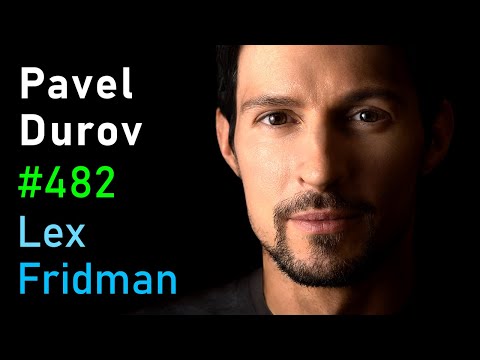 Pavel Durov joins Lex Fridman for a 4+ hour conversation on Telegram, freedom, censorship, money, power, and human nature in Podcast #482.
Sources
20 records from 13 domains
instagram.com
lemonde.fr
youtube.com
ton.org
x.com
techcrunch.com
mezha.ua
facebook.com
en.wikipedia.org
binance.com
themoscowtimes.com
twinstake.io
tradingview.com
Community notes
Spot something off or out of date? Drop a note. Editors review topic notes daily and roll accepted fixes into the explainer — contributors are recognized in the monthly $SQUID drop.
Loading notes…
Help improve this topic
Have a story or tip about this topic? Submit it. See something missing? Leave a note. Editors review daily; accepted submissions and fixes count toward the monthly $SQUID drop.