
In-depth profile of Tron founder Justin Sun, covering his rise in crypto, Tron and HTX empire, SEC case, UK sanctions, and his explosive feud with Trump-backed World Liberty Financial, with lessons on DeFi governance and systemic risk.
+22 sources across the wider coverage universe
 OKX founder Star denies CZ autobiography claim he reported Huobi's Li Lin, implicates Justin Sun probe2026-04
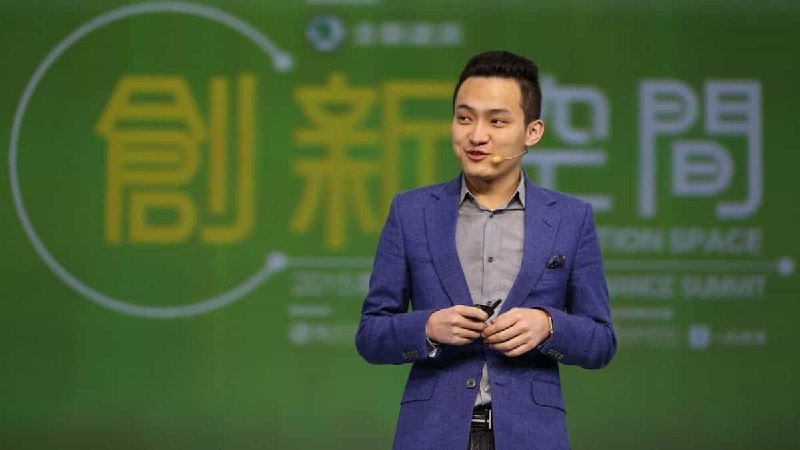 Justin Sun reveals Tron’s post-quantum upgrade, targeting NIST-standard signatures to protect network from quantum computing risks and future-proof transactions2026-04
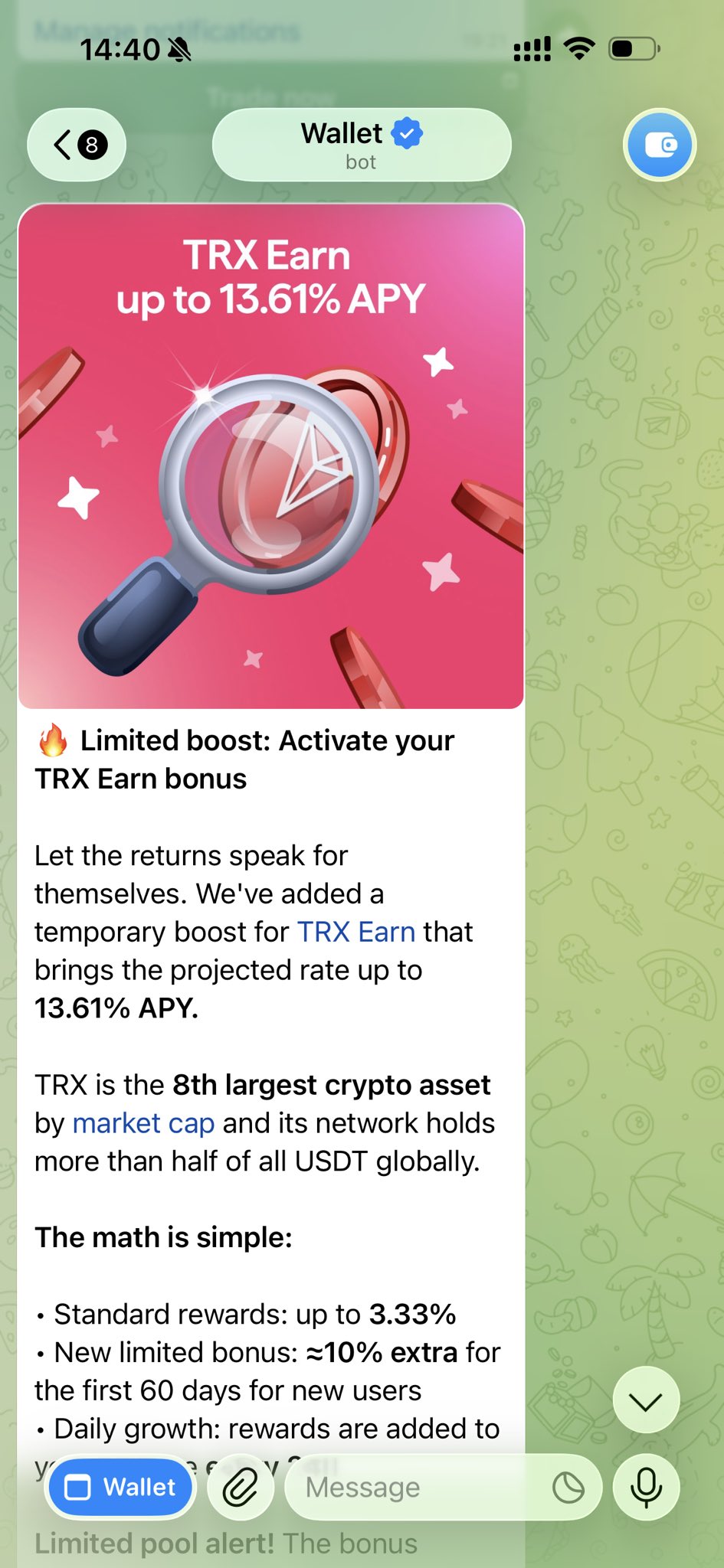 TRON’s Justin Sun launches TRX Earn on Telegram with boosted yields up to 13.61% APY, combining base rewards and a limited 60-day bonus for new users2026-04
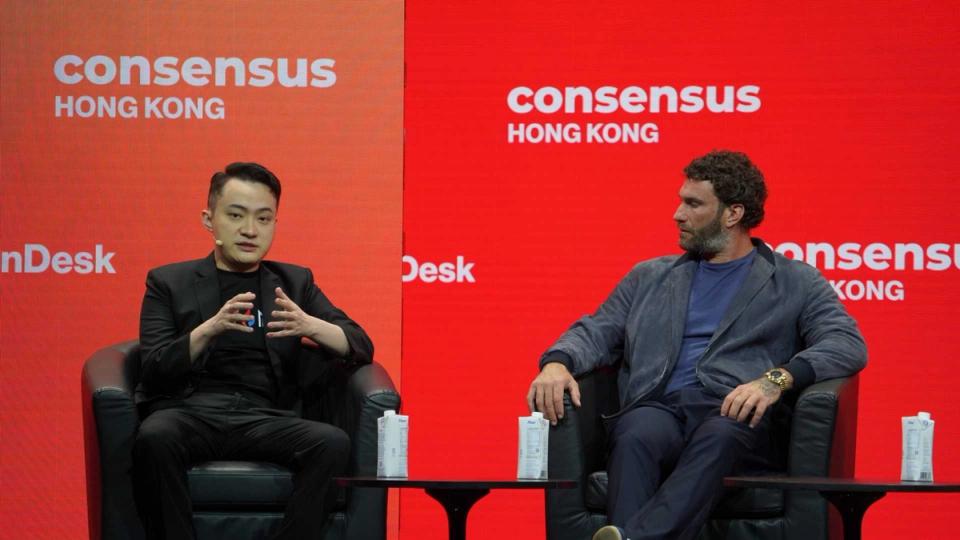 Justin Sun denounces Trump-backed WLFI as a 'personal ATM' after it borrows $75M on a platform its own adviser co-founded2026-04
 Justin Sun accuses World Liberty Financial of blacklisting his $75M WLFI stake via hidden contract backdoor2026-04
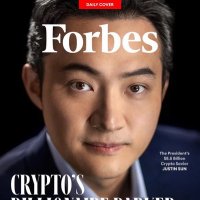 Justin Sun calls for talks with KelpDAO attacker over $300 million exploit, highlighting risks of cascading impact on Aave and major DeFi protocols2026-04
Justin Sun: Architect of a Controversial Crypto Empire
A polarizing figure in global crypto, Justin Sun is a Chinese-born, Kittitian billionaire best known as the founder of the Tron blockchain, the TRX cryptocurrency, and a sprawling web of investments spanning exchanges, stablecoins, and politically connected DeFi projects. Emerging as both a prolific builder and a magnet for regulatory and governance battles, he now sits at the center of disputes involving the U.S. Securities and Exchange Commission (SEC), United Kingdom sanctions on his affiliated exchange HTX, and a high-stakes feud with Trump-backed World Liberty Financial over blacklisted tokens and control of a flagship DeFi protocol.
Origins and Early Rise in Crypto
Early life, citizenship, and entry into tech
Understanding Justin Sun’s influence in crypto begins with his trajectory from Chinese tech entrepreneur to globally mobile billionaire seeking regulatory and political leverage across jurisdictions. Public biographies describe him as born in China in 1990, with early exposure to internet culture and technology during China’s rapid digital expansion, before he shifted into entrepreneurship in social media and fintech. Over time he pursued international education and cultivated English-language media fluency, a skill that would later support his aggressive personal branding in Western crypto circles as much as in Asian markets. Eventually he acquired citizenship in Saint Kitts and Nevis, making him a Chinese-born Kittitian national, a status consistent with a broader pattern of crypto billionaires leveraging Caribbean citizenship-by-investment regimes to gain flexibility in travel, taxation, and regulatory exposure.
Before Tron entered the picture, Sun gained a foothold in consumer tech by founding Peiwo, a Chinese voice-based social and streaming app often likened to an audio-first hybrid of Snapchat and early live-streaming platforms. That experience provided him with an understanding of high-volume consumer infrastructure and digital entertainment ecosystems, themes that would later be central to Tron’s early narrative of decentralizing the “Web entertainment” economy. During this period he also became active in Chinese blockchain circles and reportedly developed relationships with early crypto projects, giving him insight into token issuance, cross-border fundraising, and the dynamics of global crypto exchanges. This combination of social media entrepreneurship, marketing instincts, and early crypto exposure set the stage for his next act: founding a dedicated layer-1 blockchain with himself at the center.
Founding Tron and positioning against Web2 intermediaries
Tron was launched in 2017 with the stated ambition of building a high-throughput blockchain platform for decentralized applications (dApps), focused initially on digital content, entertainment, and gaming. At a conceptual level, Tron’s pitch mirrored a recurring Web3 narrative: that creators should be able to publish, monetize, and distribute content without relying on centralized Web2 platforms, instead using smart contracts and tokens as the backbone of a new digital economy. Sun positioned himself as both visionary and frontman for this project, appearing frequently in conferences and social media campaigns to articulate Tron’s mission and highlight its competitive advantage in speed and transaction costs relative to early networks like Ethereum.
Tron introduced TRX as its native token, initially issued as an ERC‑20 asset on Ethereum before migrating to its own mainnet. TRX was marketed as the fuel of a future entertainment-centric ecosystem, granting users the ability to pay for services, participate in governance, and stake with network validators. In practice, TRX became the gateway asset for nearly every part of Sun’s expanding crypto footprint, from DeFi protocols and lending markets to centralized exchanges where he held significant influence. The initial token distribution, early fundraising mechanisms, and subsequent liquidity on major exchanges gave Sun both capital and a liquid asset he could deploy across his broader strategy.
Sun’s personal brand and Tron’s public image quickly became intertwined. Crypto observers noted that Tron’s marketing frequently leaned on Sun’s persona, from high-profile charity bids—such as his heavily publicized but ultimately aborted lunch with Warren Buffett—to frequent announcements of partnerships, acquisitions, and ecosystem milestones that were often framed around his individual role. This personalization of a layer‑1 chain around a single figure would later amplify both the upside of his success and the reputational risk when regulators, counterparties, or political actors turned their attention to him.
Consolidating control through ecosystem building
From the outset, Tron’s governance and economics were structured around a Delegated Proof-of-Stake (DPoS) model in which token holders vote for a limited set of “super representatives” tasked with validating transactions and producing blocks. In theory, this design promises scalability and low fees by concentrating validation in a smaller, elected group, while still preserving a form of token-holder democracy. In practice, critics have long questioned whether such systems drift toward oligopoly, with a small number of actors—often aligned with founding teams—exerting outsized control over the network’s direction and resource allocation. Sun’s role in shaping community narratives and coordinating major stakeholders has thus remained central to debates about how decentralized Tron actually is.
As Tron’s on-chain ecosystem grew, it quickly expanded beyond its initial entertainment pitch to become a general-purpose smart contract platform with a particular focus on low-cost transfers and stablecoin activity. Developers launched decentralized exchanges, lending protocols, and gaming applications, many of which benefited from Tron’s low transaction fees and Sun’s strategic promotion. The chain’s compatibility with common virtual machine paradigms, and its support from centralized exchanges, gave it momentum at a time when users were increasingly sensitive to Ethereum’s gas costs.
Simultaneously, Sun pursued a strategy of vertical integration and cross-network influence. Rather than remaining a founder confined to a single chain, he began taking positions in centralized exchanges, acquiring legacy Web2 infrastructure, and backing DeFi protocols that could route flows through Tron and its associated assets. This approach blurred the lines between on-chain decentralization and off-chain corporate control, making it difficult to separate Tron’s technological trajectory from Sun’s broader investment and governance agenda.

OKX founder Star denies CZ autobiography claim he reported Huobi's Li Lin, implicates Justin Sun probe
Two CEX founders publicly accusing each other of being government informants — CZ says Li Lin told him Xu snitched on Huobi, Xu fires back saying CZ was the one who reported Justin Sun — and neither has produced a single piece of verifiable evidence. Li Lin's alleged screenshot never surfaced, the 2014 contract forgery docs are still contested after a decade, and CZ's publisher literally stuck a disclaimer on page 4. Meanwhile the actually interesting detail gets buried: during OKX's five-week withdrawal freeze in October 2020, Xu was apparently the sole keyholder to exchange wallets while detained in China. That's the kind of single-point-of-failure custody setup that would make any on-chain risk team lose sleep, and it tells you more about early CEX infrastructure than any memoir ever will.
The Tron Network and Sun’s Expanding Crypto Empire
Architecture, TRX, and role in on-chain finance
At the technical core of Sun’s influence sits the Tron blockchain, which uses a Delegated Proof-of-Stake consensus mechanism in which token holders vote for a rotating set of validators responsible for block production. This architecture prioritizes fast block times and high throughput, enabling the network to process a large number of transactions with low fees, an advantage that has made it particularly attractive for stablecoin transfers and high-frequency activity such as gaming and gambling dApps. The governance model is designed so that TRX holders can stake their tokens, vote on super representatives, and indirectly influence network parameters, although in practice the concentration of votes among large stakeholders has raised questions about the extent of genuine community control.
TRX functions as the native asset of the network, serving multiple roles: payment for transaction fees, staking collateral for voting, and a base asset for liquidity pairs in Tron-based decentralized exchanges. Tokenomics are shaped by a combination of initial distribution, ongoing block rewards distributed to validators and voters, and burning mechanisms tied to network usage, each affecting supply dynamics and perceived value over time. Because Sun and entities associated with him were early recipients and beneficiaries of TRX distributions, his financial fortunes are deeply intertwined with the token’s market performance, a dynamic that regulators later scrutinized when evaluating whether the TRX sale constituted a securities offering.
Beyond TRX, Tron has become a hub for stablecoin activity, particularly dollar-pegged assets that use its low-fee infrastructure to facilitate remittances, trading, and arbitrage across centralized exchanges. Although the search results focus primarily on USDD, the algorithmic stablecoin associated with Tron DAO Reserve, the broader pattern is that Tron serves as the rails for large-scale dollar token movement, amplifying the network’s systemic importance within crypto even as it heightens regulatory interest in Sun’s activities. This combination of a widely used base layer, an influential founder, and a dense cluster of stablecoin flows helps explain why Tron and Sun remain central to discussions about crypto’s financial plumbing.
Acquiring BitTorrent and integrating legacy Web2 infrastructure
A core component of Sun’s strategy has been to fuse legacy Web2 distribution networks with Web3 token economics, a vision that materialized prominently in Tron's acquisition of BitTorrent Inc., the company behind the popular peer-to-peer file sharing protocol. BitTorrent rebranded as Rainberry Inc. and later became one of the entities named in the SEC’s complaint against Sun, but from a business perspective the acquisition gave Tron control over a massive user base and a culturally significant piece of internet infrastructure. Sun promoted the deal as evidence that Tron would extend beyond a niche crypto audience to capture mainstream file distribution and content sharing markets by layering token incentives on top of BitTorrent’s protocol.
Following the acquisition, Tron introduced the BitTorrent Token (BTT), designed to reward users for seeding files and contribute to a tokenized bandwidth marketplace. The SEC later alleged that the offering and distribution of BTT constituted part of an unregistered securities offering by Sun and his companies, tying what might otherwise have been a purely technological integration into a broader regulatory narrative about token sales and investor protections. Regardless of the legal framing, the move illustrated Sun’s preference for high-profile, brand-recognizable assets that could be quickly woven into Tron’s narrative and monetized through token mechanisms.
From a strategic standpoint, BitTorrent also showcased Sun’s appetite for acquisitions that provide both user acquisition and bargaining power with regulators and partners. By controlling a widely used consumer product, he could argue that his projects contributed to digital infrastructure rather than speculative trading alone. At the same time, merging a legacy P2P network with token economics raised complex issues about user consent, data governance, and securities law, foreshadowing the scrutiny that would culminate in the SEC enforcement action years later.
Centralized exchanges: Poloniex, HTX, and market influence
Sun’s empire also extends deeply into centralized trading venues, where control over order books and listings can shape liquidity for his own projects and those of allies. In 2019, he acknowledged that he was part of the investor group that acquired the Poloniex exchange from fintech firm Circle, confirming long-standing speculation that he had a significant role in the deal. Poloniex, once a dominant U.S.-facing exchange before regulatory pressure drove it offshore, provided a ready-made platform where Tron-based assets could find liquidity and where Sun could experiment with new listings, products, and cross-chain integrations. His involvement, while not always formally disclosed in marketing, cemented the perception that he operated on both sides of the market: as protocol founder and as exchange backer.
More recently, Sun has become closely associated with the exchange HTX, formerly known as Huobi, where he is described as a prominent advisor with significant ownership ties. A 2025 press release from HTX’s parent entity highlighted that, as Advisor to HTX and founder of Tron, Sun was instrumental in driving user acquisition and trading volume, contributions that helped earn him the “Innovator of the Year” award at the 2025 Asia FinTech Awards. The announcement framed his role as a builder of Web3 infrastructure and a proponent of financial inclusion, emphasizing the positive narrative surrounding his work even as regulatory risks accumulated elsewhere.
HTX’s prominence and Sun’s association with it later drew the attention of U.K. authorities. In May 2026, the U.K. government designated Huobi Global S.A., the Panama-registered entity operating HTX, under its Russia sanctions regime, citing concerns that the platform was among the entities “making available funds, economic resources, goods or technology” to individuals and entities in the Russian financial sector. The designation subjected HTX to asset freezes and barred U.K. persons and firms from dealing with the exchange, requiring them to cease transactions and report any exposure to the Office of Financial Sanctions Implementation. While Sun himself was not individually listed, the action directly impacted an exchange he publicly promotes and strategically influences, underscoring how his cross-border activities can expose affiliates to geopolitical as well as financial regulatory risk.
Stablecoins and the Tron DAO Reserve
Tron’s central role in stablecoin flows is reinforced by Sun’s involvement in launching and promoting USDD, a stablecoin issued by the Tron DAO Reserve. USDD has been presented as a decentralized, overcollateralized asset designed to maintain a peg to the U.S. dollar using a combination of reserve assets and algorithmic mechanisms, echoing but also seeking to differentiate itself from more fragile algorithmic stablecoins that collapsed in prior cycles. From a governance standpoint, the Tron DAO Reserve conceptually shifts responsibility for maintaining the peg from a single corporate issuer to a consortium of entities and on-chain mechanisms, although in practice Sun’s influence as founder and key promoter remains substantial.
The strategic importance of USDD and related stablecoin initiatives lies in their ability to lock capital into the Tron ecosystem and generate demand for TRX and other reserve assets. When users mint or redeem stablecoins, they may interact with Tron-based smart contracts, pay fees in TRX, or route collateral through Tron-affiliated protocols, all of which deepen the network’s economic moat. At the same time, the systemic importance of stablecoins invites regulatory scrutiny, especially in jurisdictions debating how to classify and oversee dollar-pegged tokens that can mimic bank deposits or money market funds without equivalent protections.
Sun’s parallel backing of other stablecoins—such as Trump-linked USD1 via his association with World Liberty Financial—complicates this picture further. As the HTX delisting of USD1 later showed, stablecoins can become flashpoints in governance and legal disputes, with Sun sometimes on both the sponsoring and delisting sides depending on where his broader interests lie. For investors, this intertwining of founder influence, stablecoin mechanics, and exchange control illustrates both the advantages of coordinated strategy and the concentration risks inherent in Sun’s empire.
Readers click Justin Sun stories not for blockchain innovation but for systemic contagion risk: his coordinated moves across stablecoins, DeFi liquidity pools, and political capital repeatedly send shockwaves through markets he doesn't officially control.
Regulatory Scrutiny, the SEC Case, and Global Oversight
SEC allegations over TRX and BTT offerings
The most prominent regulatory confrontation in Justin Sun’s career emerged in March 2023, when the U.S. Securities and Exchange Commission filed a complaint charging him and three wholly owned companies—Tron Foundation Limited, BitTorrent Foundation Ltd., and Rainberry Inc. (formerly BitTorrent Inc.)—with securities law violations. The SEC alleged that Sun and these entities conducted the unregistered offer and sale of crypto asset securities Tronix (TRX) and BitTorrent (BTT), arguing that the tokens were marketed and sold to investors in a manner that met the Howey test for investment contracts. According to the complaint, the offerings involved extensive promotional campaigns targeting U.S. investors, including online marketing, bounty programs, and exchange listings, without registration statements or applicable exemptions, thereby depriving investors of mandated disclosures.
Central to the SEC’s argument was the assertion that investors were led to expect profits derived from Sun’s entrepreneurial and managerial efforts, particularly given his public promotion of token price appreciation and ecosystem growth. The complaint cited examples such as token burns, exchange partnerships, and public statements about future network expansion to support the idea that TRX and BTT were marketed not merely as utility tokens but as speculative assets tied to Sun’s success. This framing aligned with a broader wave of SEC enforcement actions against token issuers who conducted initial coin offerings (ICOs) or similar fundraising without registering their tokens as securities, even if those tokens later gained some functional utility within blockchain ecosystems.
The SEC also alleged that Sun’s companies facilitated the distribution of tokens through so-called “bounty programs” that rewarded individuals with TRX or BTT for promotional activities like creating accounts, referring users, or posting content about the tokens on social media. From the SEC’s perspective, these programs constituted additional unregistered offers and sales of securities, further entrenching its view that the projects violated federal law. For Sun, the lawsuit represented both a direct legal threat and a reputational blow, confirming that U.S. regulators were prepared to pursue high-profile founders of non-U.S. projects whose tokens reached American investors.
Wash trading and celebrity promotions
Beyond the unregistered offering allegations, the SEC’s complaint included a separate strand focused on market manipulation and celebrity promotions. The agency accused Sun and his companies of fraudulently manipulating the secondary market for TRX through extensive wash trading, a practice that involves the simultaneous or near-simultaneous buying and selling of a security to create the illusion of active market trading without any actual change in beneficial ownership. According to the SEC, Sun allegedly directed employees or controlled entities to engage in such trades on an affiliated trading platform, artificially inflating trading volume and creating misleading signals of genuine investor demand. By painting a picture of robust secondary market activity, the SEC argued, Sun and his companies misled investors about the liquidity and popularity of TRX.
The complaint further alleged that Sun orchestrated a scheme to pay celebrities to promote TRX and BTT on social media without ensuring appropriate disclosures of the compensation they received. The SEC simultaneously charged eight celebrities with illegally touting these tokens, noting that they failed to disclose both the fact and the amount of their compensation as required under U.S. securities law when endorsing securities. Although most of the celebrities agreed to pay more than $400,000 in disgorgement, interest, and penalties to settle the charges without admitting or denying the SEC’s findings, the episode reinforced the perception that Sun’s promotional strategy relied heavily on influencer marketing that pushed legal boundaries.
From a market-structure perspective, the wash trading allegations are particularly significant because they strike at the core of how token liquidity and price discovery are perceived. If trading volume is partially manufactured through non-economic trades, investors may make decisions based on distorted information, undermining market integrity. Wash trading is explicitly prohibited under securities law in traditional markets, and the SEC’s application of these concepts to TRX signaled its intent to treat crypto assets as subject to similar anti-fraud norms wherever they meet the definition of securities.
Settlement, dismissal of claims, and legal implications
The SEC case did not proceed to a full trial. Instead, in early 2026 the Commission and the defendants pursued a negotiated resolution that culminated in a proposed final judgment filed in the U.S. District Court for the Southern District of New York. As part of a global resolution, the SEC and Rainberry reached a settlement related to the wash trading claims, in which the company agreed to resolve allegations that it facilitated wash trading of TRX in violation of Section 17(a)(3) of the Securities Act of 1933. Importantly, the proposed final judgment provided for the dismissal, with prejudice, of the Commission’s remaining claims against Rainberry and all claims against Justin Sun, Tron Foundation Limited, and BitTorrent Foundation Ltd., meaning the SEC would not pursue those particular charges further once the settlement was approved.
A separate letter from members of the U.S. House of Representatives’ Financial Services Committee, referencing the SEC’s suit, observed that the Commission had dropped its broader case against Sun and his associated entities beyond the Rainberry wash trading settlement. Taken together, these developments indicated that while the SEC secured a win on the specific issue of wash trading by one corporate entity, it opted not to push forward with the full suite of unregistered offering and fraud allegations against Sun personally and the Tron‑related foundations. For Sun, the outcome allowed him to claim partial vindication while still leaving a formal finding that one of his associated companies had engaged in improper market activity.
Legally, the settlement underscores the SEC’s pragmatic approach in some high-profile crypto cases. By securing a judgment on wash trading without litigating all aspects of the ICO-era offerings, the agency reinforced its stance that manipulative trading behavior violates securities laws when tokens are treated as securities, yet avoided the uncertainty of a courtroom battle over the precise status of TRX and BTT. For market participants, the resolution offers limited clarity: it confirms that wash trading is unacceptable, but it leaves open questions about how other token issuers should navigate registration and disclosure when tokens have mixed utility and investment characteristics.
UK sanctions on HTX and the geopolitical dimension
While the SEC case focused on investor protection and market integrity, Sun’s orbit later intersected with geopolitical concerns when the United Kingdom imposed sanctions on HTX’s operating entity under its Russia sanctions regime. On May 26, 2026, the U.K. government designated Huobi Global S.A., the Panama-registered entity behind HTX, as one of several platforms alleged to be “making available funds, economic resources, goods or technology” to individuals and entities in Russia’s financial sector, potentially enabling sanctions evasion through cryptocurrency channels. This designation placed Huobi Global S.A. on the U.K.’s consolidated sanctions list under the Russia (Sanctions) (EU Exit) Regulations 2019.
The consequences of the designation are severe. Designated entities are subject to U.K. asset freezes, meaning that any funds or economic resources within U.K. jurisdiction that belong to or are controlled by HTX must be frozen. U.K. persons and companies are prohibited from dealing with the exchange, including transferring funds, providing services, or engaging in transactions that might circumvent the sanctions. Violations can lead to significant civil and criminal penalties, compelling financial institutions and crypto businesses in the U.K. or with U.K. exposure to immediately sever ties with the platform and report any existing exposure to the Office of Financial Sanctions Implementation.
Although Justin Sun himself was not individually listed as a sanctioned person, the move directly affected an exchange whose operations he publicly advises and substantially influences. Media coverage described HTX as “Justin Sun’s global crypto exchange” and noted that he had been a key backer of the Trump family’s cryptocurrency businesses, including World Liberty Financial, before their relationship soured. The designation thus illustrates how Sun’s activities sit at the intersection of financial innovation, regulatory oversight, and global geopolitical tensions, especially when exchanges tied to his name are accused of facilitating funds flows that might intersect with sanctioned jurisdictions.
For market participants, the HTX sanctions highlight the importance of understanding not just protocol-level risk but also exchange-level legal exposure. Users who rely on HTX for liquidity in TRX, WLFI, or stablecoins like USDD and USD1 face new operational uncertainties as jurisdictions react differently to the U.K.’s move. Meanwhile, Sun must navigate the reputational and business fallout of having a core piece of his infrastructure caught in the crosshairs of Western sanctions policy.

Justin Sun reveals Tron’s post-quantum upgrade, targeting NIST-standard signatures to protect network from quantum computing risks and future-proof transactions
World Liberty Financial, Trump, and the WLFI Governance War
Structure of World Liberty Financial and Trump family economics
World Liberty Financial (WLFI) is a decentralized finance protocol and associated company launched in 2024 with the ambition of becoming a flagship DeFi and stablecoin ecosystem backed by a globally recognizable political brand. The project was founded by Zachary Folkman, Chase Herro, Alex Witkoff, Zach Witkoff, and members of the Trump family, blending crypto-native entrepreneurs with a political dynasty seeking to monetize its recognition in digital asset markets. WLFI’s on-chain protocol supports a governance token, WLFI, and associated products such as lending markets and the USD1 stablecoin, designed to anchor the ecosystem’s financial flows.
The economic alignment between the Trump family and the protocol is unusually explicit. According to public descriptions, the Trump family receives 75% of net proceeds when WLFI sells tokens, in addition to a share of profits from the stablecoin operations. By December 2025, the Trumps had reportedly profited around $1 billion from World Liberty-related activities, underscoring the scale of value transfer from token buyers to the founding family. Independent investigations into Trump-linked crypto ventures more broadly have suggested that these projects often create limited net economic value, functioning more as mechanisms for transferring wealth from investors to the Trumps rather than generating productive returns, although WLFI’s specific long-term performance remains contested.
The WLFI token sits at the center of the protocol’s governance and value capture, conferring voting rights over key parameters, including fee structures, collateral policies, and treasury management. In theory, token holders can influence the direction of the project and hold founding teams accountable. In practice, the design of WLFI’s smart contracts, vesting schedules, and administrative controls has become a source of intense controversy, particularly after revelations about the protocol’s ability to blacklist addresses and freeze large token holdings without transparent due process.
Sun’s investment, advisory role, and expectations
Justin Sun emerged as one of WLFI’s largest and most high-profile investors, participating in early pre-sale rounds and establishing a formal advisory role within the project. Reports and on-chain analyses suggest that he invested approximately $75 million into WLFI during its presale phases, receiving substantial allocations of WLFI tokens subject to vesting schedules that reflected his status as a strategic backer. As the market for WLFI expanded, the notional value of his holdings—including vested and unvested tokens—reportedly reached into the hundreds of millions of dollars, and at certain peaks may have approached or exceeded $1 billion on paper, though valuations fluctuated with token prices and unlock dynamics.
In addition to financial exposure, Sun’s role included expectations around governance influence. He has claimed that WLFI’s founders and Trump-linked backers promised him specific voting rights or advisory authority, positioning him not merely as a passive investor but as a partner with meaningful input into the protocol’s evolution. This framing is consistent with his broader pattern in crypto: investing capital and reputation in projects where he can wield influence over strategic decisions, often via a combination of token holdings, board-level relationships, and public campaigns targeted at retail investors.
For WLFI, Sun’s involvement brought both capital and credibility. As the founder of Tron and a major figure in DeFi and exchanges like HTX, his endorsement was leveraged in marketing narratives that pitched WLFI as a serious, institutionally connected project rather than a fleeting meme token or purely political stunt. His association suggested that the project had backing from experienced crypto builders, not just political celebrities, potentially appealing to more sophisticated investors who might be wary of purely personality-driven tokens.
However, this alignment also created a collision course once disagreements over governance, token liquidity, and administrative controls surfaced. The very factors that made Sun a valuable ally—his resources, media reach, and activist approach to protocol politics—later made him a formidable adversary when he turned against WLFI’s leadership.
Blacklisting, frozen tokens, and HTX’s USD1 delisting
The conflict between Sun and World Liberty Financial escalated dramatically when WLFI’s smart contract blacklist features were used to freeze an address associated with his holdings. On-chain analysis and subsequent commentary indicated that a wallet widely attributed to Sun, holding hundreds of millions of WLFI tokens, was blacklisted via an administrative function embedded in the token contract. One independent video analysis described the affected holdings as roughly 545 million WLFI tokens, while other reports, including coverage noting investor backlash, referred to approximately $107 million worth of WLFI being frozen at the time of the blacklisting, highlighting some variation in estimates depending on token prices and which addresses were counted.
The freeze reportedly occurred after an attempted transfer of around 9 million WLFI tokens from Sun’s wallet, which triggered an internal control mechanism that blocked further movement of the address. According to Sun and outside analysts, WLFI’s token contract contained a backdoor-style blacklisting function controlled by a combination of a three‑of‑five multisignature wallet and an external “guardian” account with unilateral authority to ban addresses. This structure meant that a small group of insiders could, at any time and without on-chain governance approval, freeze any holder’s tokens, effectively confiscating or immobilizing assets that investors believed to be freely transferable.
Sun publicly criticized this design, characterizing WLFI as a “trap door” marketed as an “open door” and warning that such backdoor administrative powers undermined the very premise of decentralized finance. He argued that the blacklisting of his wallet was executed without notice, transparent criteria, or recourse, and framed the move as evidence that WLFI’s founding team and Trump-linked backers were willing to use protocol-level controls to discipline or dispossess even their largest investors. As the value of his frozen holdings fell—one analysis cited a drop from hundreds of millions on paper to around $42 million based on post-freeze prices—he intensified his campaign against the project’s governance.
The conflict spilled over into the stablecoin realm when HTX, the exchange closely associated with Sun, announced that it had delisted the USD1 stablecoin issued by World Liberty Financial. HTX accused WLFI of freezing exchange-linked wallets and effectively undermining the fungibility and reliability of USD1, arguing that an ecosystem where token issuers could unilaterally block major counterparties posed unacceptable risk to users and platforms. The delisting significantly reduced USD1’s liquidity on a major global exchange and signaled to the market that Sun was willing to use his exchange influence to retaliate against WLFI’s governance decisions, deepening the standoff between the two camps.
Lawsuits and dueling narratives: fraud versus defamation
The dispute eventually moved from on-chain governance and social media into the courts. In April 2026, Justin Sun filed a lawsuit against World Liberty Financial in U.S. federal court, accusing the Trump-backed venture of what he described as “criminal extortion.” He claimed that WLFI had denied him the voting rights he had been promised for his WLFI token holdings and that the project’s leadership had used the threat of blacklisting or token burns to pressure him into making additional investments or accepting disadvantageous governance changes. Sun alleged that WLFI froze his digital token holdings after he declined to provide further funding, resulting in claimed losses of approximately $276 million and blocking his ability to sell tokens that he argued could have been worth up to $1 billion at market peaks.
World Liberty Financial, for its part, vehemently rejected Sun’s allegations and portrayed him as the bad actor. In May 2026, the company filed a defamation lawsuit against Sun in Florida state court, asserting that he had embarked on a coordinated smear campaign to damage WLFI’s reputation and extract financial concessions. The complaint alleged that Sun had improperly transferred and shorted WLFI tokens, including using straw purchasers to conceal his identity and bet against the project, while simultaneously portraying himself as a victim of governance abuse. WLFI claimed that it froze tokens owned by one of Sun’s companies not as retaliation but to “protect World Liberty and the broader community of $WLFI holders” from what it described as misconduct.
The defamation suit further accused Sun of making false statements on social media, including claims that WLFI “treat[s] the crypto community as a personal ATM” and that its governance practices were fundamentally improper. The complaint alleged that Sun deployed online influencers and fake social media bot accounts to amplify his accusations, generating millions of views and widespread media coverage that caused profound reputational harm to the project. Because Sun is widely recognized as a leading figure in the crypto industry, WLFI argued, his public attacks carried special weight and materially undermined investor confidence.
Sun responded by dismissing WLFI’s lawsuit as “a meritless PR stunt,” reiterating that he stood by his actions and looked forward to defeating the case in court. The dueling lawsuits illustrate how on-chain disputes increasingly spill into traditional legal arenas, with founders and investors leveraging defamation law, securities law, and contract law to pursue remedies that protocol governance alone cannot resolve. They also demonstrate that the legal framing of DeFi conflicts is rarely one-sided: each party constructs a narrative of victimhood and misconduct by the other, leaving courts—and investors—to sort through complex mixtures of code, contracts, and public statements.
Governance design, “trap doors,” and lessons for DeFi
Beyond the personalities involved, the WLFI–Sun conflict has become a case study in DeFi governance risk. Independent analyses of the WLFI token contract and associated infrastructure identified several structural red flags that, while specific to WLFI, reflect broader patterns that investors should scrutinize in any token launch. First, the presence of backdoor administrative functions—such as the ability to pause transfers, blacklist addresses, or freeze assets—controlled by a small group of signers with no time-locks or on-chain governance oversight undermines the promise of censorship resistance and creates a latent confiscation risk. Even if such controls are justified as compliance tools, their existence shifts power from token holders to insiders.
Second, governance concentration, where a small number of typically anonymous wallets hold the majority of voting power, can turn decentralization into a marketing façade rather than an operational reality. In such systems, DAO votes may function as rubber stamps for decisions made by insiders, and large investors may find their formal voting rights meaningless if they lack the numerical power or coordination capacity to influence outcomes. Sun’s claim that he was denied promised voting rights speaks to the importance of clarifying not just token balances but also procedural rules around delegate selection, quorum thresholds, and veto powers.
Third, complex or coercive vesting restructures—such as proposals that require investors to opt into extended lock-up periods under threat of penalties or token burns—can indicate liquidity stress, insider exit pressure, or deliberate attempts to suppress market-clearing supply during politically advantageous windows. WLFI governance proposals regarding token locks and re-vesting schedules have triggered sharp criticism from Sun and other holders, who have labeled certain votes an “absurd governance scam” and warned that they effectively trap investors to protect founders’ upside. These tensions highlight how tokenomics and governance mechanics can be weaponized in disputes between early backers and project teams.
Finally, insider-controlled lending venues and circular liquidity loops—where a project deposits its own tokens into affiliated lending protocols, then borrows stablecoins or other assets against them—can create the illusion of deep liquidity and robust collateralization without meaningful external capital inflows. While the search results do not detail WLFI’s specific lending arrangements, the analytical framework developed in critiques of the project is widely applicable: investors should examine whether a protocol’s total value locked (TVL) and liquidity are driven by genuine external demand or by leverage and self-referential positions that can quickly unwind under stress.
For the broader DeFi ecosystem, the WLFI saga reinforces several lessons. Code is not law when contracts contain centralized override functions. Formal token ownership does not guarantee control when governance is concentrated or procedurally ambiguous. And political branding—such as association with a former U.S. president—can attract capital while masking complex, founder-friendly structures that differ markedly from the ethos of permissionless, community-driven finance.
Mediation efforts and investor pushback
As the legal and on-chain battles intensified, third parties began exploring whether the dispute between Sun and WLFI could be resolved through negotiation rather than protracted litigation. Reports indicated that the Sameer Group, associated with investor Syed Sameer, publicly offered to mediate the conflict by brokering a deal to unfreeze Sun’s blacklisted tokens. Sameer suggested that, as a significant investor himself and a respected figure in certain crypto circles, he could help bridge the gap between Sun and WLFI’s leadership, balancing the interests of the largest stakeholders with the need to protect retail token holders.
At the same time, rank-and-file WLFI investors grew increasingly vocal about governance proposals that would lock large tranches of tokens for extended periods or alter vesting in ways perceived as favoring insiders. Media coverage documented an investor revolt led in part by Sun, who criticized new WLFI proposals—such as unlocking or re-locking tens of billions of tokens over many years—as structurally unfair and detrimental to ordinary holders. His framing of WLFI as treating investors like a “personal ATM” connected directly to fears that governance was being manipulated to extract maximum value for the Trump family and core insiders while limiting exit options for others.
Some observers argued that mediation could provide a face-saving outcome for both sides: WLFI could avoid a drawn-out public fight with a prominent crypto billionaire and potentially reduce the legal risk associated with blacklisting large investors, while Sun could recover at least part of his frozen capital and position himself as a defender of investor rights rather than merely an aggrieved whale. Others were skeptical that the fundamental issues—control over governance, the presence of backdoor functions, and deep economic alignment with the Trump family—could be resolved without a structural overhaul of the protocol.
Regardless of the ultimate outcome, the WLFI conflict underscores how DeFi governance now involves a complex interplay of on-chain voting, social media narratives, legal strategies, and ad hoc mediation efforts. In this landscape, figures like Justin Sun can function simultaneously as builders, investors, litigants, and political actors, with each role reinforcing the others.
- 01TUSD reserves fraud, $450M missing↗
Multiple high-click headlines traced a specific $456M shortfall through unauthorized investments and alleged fraud, making this a rare case of a named stablecoin crisis with an identifiable villain and paper trail.
- 02DeFi liquidity shock moves↗
Sun's large, rapid withdrawals from Aave and Binance visibly spiked borrow rates and triggered a stETH depeg, making him a single point of systemic DeFi risk readers could watch in real time.
- 03Regulatory and legal exposure↗
The SEC lawsuit, reported CZ testimony, and simultaneous lawsuits across companies Sun doesn't formally own created a sprawling legal narrative readers tracked for potential industry fallout.
- 04Trump WLFI political investment↗
Sun's $30M bet on Trump's crypto project and the subsequent address blacklist and lawsuit exposed how political crypto vehicles can become adversarial to their own largest backers.
- 05Tron stablecoin and RWA expansion↗
Gas-free stablecoin transfers, stUSDT, and USDD 2.0 launches show Tron positioning aggressively in yield-bearing stablecoins — readers tracked whether the infrastructure could back the promises.
- 06Sun market influence and reputation battles↗
From publicly offering to buy German government Bitcoin OTC to calling out critics at $0.03 per token, Sun's high-profile posturing attracted readers who treat him as a leading indicator of crypto sentiment.
Public Persona, Politics, and Cultural Footprint
Relationship with Trump-linked ventures and political branding
Sun’s engagement with World Liberty Financial is part of a broader pattern of aligning with politically connected projects, particularly those associated with Donald Trump and his family. By investing heavily in WLFI and serving as a public backer during its rise, Sun positioned himself as a key bridge between crypto-native capital and a political brand that commands global media attention. This alignment initially appeared mutually beneficial: the Trump family gained a credible crypto figure to validate their entrance into DeFi, while Sun gained access to a politically powerful network and a high-profile platform for showcasing his vision of Web3 finance.
However, as the WLFI dispute demonstrates, political capital can be volatile. Once Sun turned against the project, Trump family members and allies responded aggressively, with Eric Trump reportedly mocking Sun’s WLFI lawsuit by comparing him to the buyer of the $6 million banana artwork, a reference to Sun’s infamous art purchase. Public exchanges between Sun and Trump-linked figures have ranged from derisive comments to serious legal threats, emphasizing how quickly alliances in politically branded crypto ventures can deteriorate.
Critics of Trump-linked tokens have argued that these ventures, including WLFI and earlier projects, often function as mechanisms for wealth transfer rather than genuine innovation, with investigative reporting suggesting that the Trump family has profited by billions of dollars while investors have incurred corresponding losses. By associating with such ventures, Sun has exposed himself to reputational risk, particularly among crypto users who view politically themed tokens skeptically. At the same time, his willingness to confront Trump-linked entities when he perceives governance abuses shows that he is not simply a compliant partner but an independent actor prepared to challenge even powerful allies.
Micronations, diplomacy, and the Liberland narrative
Beyond conventional states and political figures, Sun has also engaged with alternative governance experiments, including relationships with self-declared micronations. One notable example is his involvement with Liberland, a self-proclaimed libertarian micronation established on disputed territory between Croatia and Serbia. Recent coverage has highlighted that a Justin Sun–aligned Liberland initiative awarded Ethereum co-founder Vitalik Buterin its top honor, a move that symbolically linked two of the most recognizable names in crypto under the banner of an experimental microstate.
While the direct legal implications of such micronation projects are limited, they reveal Sun’s interest in narratives that blur the line between digital sovereignty and physical jurisdiction. By associating with Liberland and similar experiments, he signals an affinity for libertarian and crypto-anarchist themes in which blockchain networks and voluntary associations challenge the authority of traditional nation-states. At the same time, his practical behavior—acquiring Caribbean citizenship, operating exchanges in regulated jurisdictions, and engaging with presidents like Kyrgyzstan’s Sadyr Japarov—shows that he is equally comfortable working within existing state systems when it serves his strategic interests.
This duality is characteristic of many crypto leaders, but in Sun’s case it is particularly pronounced. He speaks the language of decentralization and sovereignty while building highly centralized corporate structures and negotiating directly with heads of state. His embrace of micronations like Liberland thus functions as both ideological signaling and marketing, reinforcing his image as a boundary-pushing actor in the emerging world of crypto geopolitics.
Art, publicity, and the “banana” episode
Perhaps no single episode better encapsulates Sun’s unconventional approach to publicity than his purchase of Maurizio Cattelan’s conceptual artwork “Comedian,” best known as a banana duct-taped to a wall. In November 2024, Sun purchased one of three limited-edition rights to the artwork for $5.2 million, or about $6.2 million including fees, at an auction in New York. Shortly after the purchase, he ate the banana onstage, a performance that sparked global media coverage and memes, blurring the line between high art, stunt marketing, and crypto culture.
Sun later pledged to buy 100,000 bananas from the original New York street vendor who supplied the fruit, reportedly paying around 25 cents per banana, a gesture that further amplified the spectacle. Supporters interpreted the episode as a playful critique of value, consumption, and the commodification of concepts—an apt metaphor for a world in which digital tokens with no intrinsic use can command billions in market capitalization. Critics saw it as emblematic of the excesses and frivolity of crypto wealth, highlighting a disconnect between billionaires and ordinary investors who bear the brunt of market volatility.
The banana episode has continued to shadow Sun’s public image. Opponents, including Eric Trump during the WLFI dispute, have used it as shorthand to portray Sun as a reckless spender or attention-seeker rather than a serious builder. Yet the fact that the stunt remains widely recognized years later suggests that Sun understands the dynamics of attention in a crowded media environment. For better or worse, he has mastered the art of making himself—and by extension his projects—impossible to ignore.
Recognition and reputation in Asia and beyond
Despite controversies in Western regulatory and political arenas, Sun has maintained a strong presence in Asian crypto and fintech circles, where his work is often framed more positively as innovative and regionally impactful. In August 2025, he was named “Innovator of the Year” at the Asia FinTech Awards, an accolade that highlighted his role in advancing blockchain technology, Web3 infrastructure, and financial inclusion. The award citation, shared in an HTX press release, emphasized his contributions as Advisor to HTX and founder of Tron, crediting him with driving significant growth in user acquisition and trading volume that reinforced HTX’s position as a top‑tier exchange.
Such recognition reflects a broader divergence in how Sun is perceived across jurisdictions. In Asia, where digital asset adoption is often framed as a tool for financial modernization and inclusion, his efforts to expand access to crypto trading and on-chain finance resonate strongly. In contrast, Western regulators and media have focused more on enforcement actions, governance disputes, and geopolitical concerns, painting a more ambivalent or critical picture. Sun operates at the intersection of these narratives, leveraging praise from one arena to counterbalance scrutiny in another.
His status as a billionaire is itself contested in public estimates. Forbes has ranked him among the world’s richest individuals, estimating his net worth at around $8.5 billion as of April 2026, while Bloomberg’s Billionaires Index has cited figures closer to $12 billion. These discrepancies reflect both the opacity of private holdings and the volatility of crypto asset valuations. Regardless of the exact number, Sun’s wealth gives him the capacity to pursue ambitious, high-risk initiatives—and to absorb losses and legal costs that would devastate smaller players.
TRON’s Justin Sun launches TRX Earn on Telegram with boosted yields up to 13.61% APY, combining base rewards and a limited 60-day bonus for new users
13.61% APY on TRX when base staking yields sit around 3-4% — that ~10% delta is pure user acquisition subsidy that burns off after 60 days. Sun's running three parallel demand sinks right now: Telegram Earn, the Canary Capital staked TRX ETF filing (advertising 4.5% yield), and the sTRX→USDD dual-profit loop. All designed to lock up circulating supply while TRX price action stays flat despite growing network activity. Convenient timing too — this drops weeks after the $10M SEC settlement cleared Rainberry's regulatory overhang.
Sun’s Role in DeFi Risk, Security, and Future Tech
Engagement with major DeFi exploits and systemic risk
Justin Sun’s prominence in DeFi has also made him a key player in responses to major exploits and systemic risk events. Recent coverage has noted his public interventions following the KelpDAO exploit, a large-scale incident in which a hacker extracted hundreds of millions of dollars in assets, with potential cascading impacts on lending protocols such as Aave. In the wake of the attack, Sun used his platforms to call for negotiations with the attacker, urging discussions that might lead to partial fund recovery and containment of systemic damage.
By positioning himself as a mediator between hackers and protocols, Sun echoes a pattern in DeFi where high-profile figures act as informal crisis managers, leveraging their visibility, negotiating skills, and liquidity to stabilize situations that could otherwise spiral. This approach raises complex questions about incentives: hackers may be more inclined to negotiate when they believe influential intermediaries can facilitate favorable deals, but reliance on ad hoc negotiations can also create a moral hazard if attackers come to view “white hat” settlements as an acceptable exit strategy.
Sun’s involvement in exploit responses also intersects with his role as an exchange and protocol backer. When attacks threaten platforms tied to Tron, HTX, or his wider ecosystem, he has both reputational and financial reasons to mitigate contagion. At the same time, his visibility in these situations can inadvertently reinforce a perception that DeFi remains dependent on charismatic leaders rather than resilient, automated mechanisms, complicating narratives about decentralization.
Tron’s post-quantum security roadmap
Another dimension of Sun’s influence lies in his attention to long-term security risks, particularly quantum computing. Recent statements and coverage have described a Tron “post-quantum upgrade” in which Sun has emphasized adopting NIST-standard signature schemes to protect the network from future quantum attacks. The concern is that sufficiently powerful quantum computers could eventually break widely used cryptographic primitives, such as the elliptic curve signatures currently securing most blockchains, enabling attackers to forge transactions or seize funds.
By positioning Tron as an early adopter of post-quantum cryptography, Sun aims to frame the network as forward-looking and security-conscious. Transitioning to quantum-resistant signatures is non-trivial, as it requires updating wallet software, client implementations, and possibly address formats while maintaining backward compatibility for existing users. It can also introduce performance tradeoffs, since many post-quantum schemes have larger key sizes or signature overhead than current algorithms.
Nonetheless, Sun’s focus on quantum resilience aligns with broader industry discussions about crypto’s long-term viability. Even if practical quantum attacks remain years away, planning migrations now can reduce the risk of rushed, error-prone changes later. For investors and developers, such initiatives highlight that protocol security is not static but must evolve as external threats change, and that founders like Sun can significantly influence the pace and direction of that evolution.
State-level partnerships: Kyrgyzstan and the “Digital Silk Road”
Sun’s ambitions extend beyond private protocols to state-level partnerships. Recent coverage has highlighted his engagement with Kyrgyzstan, where he has proposed blockchain collaborations aimed at making the country a regional Web3 hub and building a “Digital Silk Road.” In publicized meetings with Kyrgyz President Sadyr Japarov, Sun has discussed using Tron-based infrastructure to support digital payments, cross-border remittances, and potentially tokenized representations of assets or state-backed instruments.
These initiatives reflect a broader strategy of courting smaller or emerging economies that are eager to position themselves as crypto-friendly jurisdictions. By offering technical expertise, infrastructure, and access to global liquidity networks, Sun and the Tron ecosystem can become central partners in a country’s digital transformation, gaining regulatory goodwill and potential preferential treatment in return. For Kyrgyzstan, embracing such partnerships can be framed as a way to leapfrog traditional financial infrastructure and attract foreign investment.
However, state-level partnerships also magnify regulatory and geopolitical stakes. If a country integrates deeply with a blockchain ecosystem closely associated with a single founder, it becomes exposed to that founder’s legal and reputational risks. Sanctions against HTX or enforcement actions against Tron-related entities could indirectly impact state projects built on the same infrastructure. The intertwining of Sun’s private ventures with public-sector ambitions thus raises nuanced questions about dependency, resilience, and governance in national digital strategies.
Investment style, risk appetite, and systemic footprint
Taken together, Sun’s ventures paint a picture of an aggressive, opportunistic investment style characterized by large, concentrated bets on high-risk, high-reward projects. His strategy has included founding a major layer‑1 chain, acquiring legacy internet infrastructure via BitTorrent, taking stakes in centralized exchanges like Poloniex and HTX, launching or backing stablecoins like USDD and USD1, and becoming a central investor in politically branded DeFi protocols such as WLFI. In each case, he has sought not only financial returns but also structural influence: control over consensus, order books, or governance mechanisms that shape outcomes beyond simple price appreciation.
This approach amplifies both upside and downside. When markets are favorable and regulatory scrutiny is limited, Sun’s integrated ecosystem can channel liquidity efficiently, creating network effects between Tron, associated exchanges, and affiliated protocols. When legal, governance, or geopolitical shocks occur—whether SEC complaints, HTX sanctions, or WLFI blacklisting—they reverberate throughout the same interconnected web, potentially impacting multiple segments of the crypto economy at once.
Sun’s risk appetite is also evident in his willingness to confront powerful counterparties. He has sued a Trump-backed crypto venture in U.S. federal court, challenged WLFI governance proposals publicly, and criticized DeFi designs he views as structurally unfair, even when he initially backed the projects in question. At the same time, he has accepted settlements and pursued awards and state partnerships that demonstrate a pragmatic side, suggesting that his strategy combines ideological narratives about decentralization with a hard-nosed, transactional approach to power.
For the broader ecosystem, Sun’s systemic footprint means that his actions—whether launching new products, responding to hacks, or engaging in legal disputes—can have outsized ripple effects. Investors and developers who build on Tron or rely on HTX must therefore factor in not only protocol-level risk but also the strategic decisions and legal exposures of the individual at the center of this empire.
Tron Foundation established
USDD algorithmic stablecoin launched on Tron
SEC files civil complaint against Sun for market manipulation and unregistered securities
Poloniex exchange hacked; Sun announces full reimbursement pledge
Sun offers to buy German government's seized Bitcoin OTC
Sun invests $30M in Trump's World Liberty Financial, becomes largest investor
WLFI blacklists Sun's address, freezing $540M in tokens; Sun files lawsuit
Tron announces public listing plans as US reportedly halts Sun investigation
Outlook
Justin Sun’s trajectory illustrates both the promise and the peril of founder‑driven crypto ecosystems. On one hand, he has built and stewarded one of the industry’s most widely used blockchains, extended its reach through strategic acquisitions like BitTorrent, and helped connect emerging markets and states to Web3 infrastructure. On the other, he has been a central figure in regulatory enforcement, from the SEC’s now-partially resolved case over TRX and BTT to the U.K.’s sanctions on HTX’s operating entity under Russia-related rules, and is locked in a high-stakes legal and governance battle with a Trump-backed DeFi protocol that has crystallized concerns about blacklisting, administrative backdoors, and investor protections.
In the near to medium term, several factors will likely shape Sun’s legacy and influence. The resolution of his litigation with World Liberty Financial will set important precedents for how courts interpret the interplay between smart contract powers, investor expectations, and public statements in DeFi disputes. If courts side with WLFI, it could embolden other projects to maintain strong administrative controls and aggressive vesting restructures; if they favor Sun, it may push protocols to more genuinely decentralized governance structures and greater transparency around backdoor functions. Mediation efforts, such as those proposed by the Sameer Group, offer a third path in which economic compromises and partial unfreezing of tokens reduce the need for definitive legal judgments but may leave underlying design issues unresolved.
At the same time, regulators worldwide will continue to reassess how to handle founder-centric ecosystems that blend layer‑1 chains, centralized exchanges, and DeFi protocols. The SEC’s choice to settle narrow wash trading claims while dropping broader allegations against Tron-related entities leaves important questions open but also signals that even highly adversarial cases can end in negotiated outcomes. The U.K.’s sanctions on HTX highlight that exchanges are now squarely within the realm of geopolitical enforcement, particularly when they are perceived to facilitate sanctioned flows. How Sun adapts to this environment—whether by restructuring governance, diversifying geographic exposure, or shifting public messaging—will influence the resilience of his projects.
For investors and builders, the core lesson is not simply to avoid projects associated with any particular individual, but to rigorously interrogate power structures. In systems where one founder or small group can direct consensus, exchange listings, stablecoin policies, and governance outcomes, decentralization may be more aspirational than real. The WLFI conflict has made visible a set of structural risks—blacklisting, governance centralization, vesting coercion, and circular liquidity—that apply broadly across DeFi. Whether the industry uses this episode as a catalyst for more robust, transparent design or merely as another cautionary tale will depend in part on how stakeholders respond.
From a technological perspective, Sun’s focus on post-quantum security and state-level partnerships suggests that he will remain an influential voice in debates over crypto’s long-term direction. Efforts to migrate Tron toward quantum-resistant signatures, if successful, could set precedents for other chains and push the ecosystem toward proactive security planning. Collaborations with governments like Kyrgyzstan’s may expand access to on-chain financial services, but they will also test whether politically sensitive infrastructure can truly remain neutral when anchored to a founder with complex legal and geopolitical ties.
Ultimately, Justin Sun embodies the contradictions of crypto’s current phase. He is at once a builder of real infrastructure and a participant in speculative, politically charged ventures; a champion of decentralization and a practitioner of concentrated control; a beneficiary of regulatory arbitrage and a target of regulatory and sanctions enforcement. For a crypto news audience, understanding his story is less about judging him as hero or villain and more about recognizing how his choices illuminate the fault lines in modern crypto: between code and law, decentralization and governance power, innovation and accountability. As the industry matures, those fault lines will determine not only Sun’s legacy, but also the shape of the financial systems that emerge from the Web3 experiment.
The SEC filed a civil complaint in March 2023 alleging market manipulation, unregistered securities sales, and celebrity payment schemes; a separate congressional letter raised concerns about Sun's influence on WLFI while Trump was in office.
Sun exercises effective control over Tron, HTX (formerly Huobi), Poloniex, USDD, and TUSD governance despite holding no formal title at several of these entities, creating single-point-of-failure governance across multiple protocols.
HTX's withdrawal of 570M USDT from Aave in three hours drove deposit rates from 3.8% to 29% and borrow rates from 4.4% to 33.6%, demonstrating that Sun-affiliated wallets can destabilize major DeFi money markets unilaterally.
USDD carries algorithmic collateralization risks flagged by rating agency Bluechip, and TUSD's $456M reserve shortfall revealed that Sun-adjacent stablecoins can suffer opaque custodial failures even when smart contracts function correctly.
Allegations of coordinated minting and burning of tens of millions of TUSD/USDT, combined with the SEC's market manipulation claims, suggest Sun's entities may use cross-protocol token flows to manage prices artificially.
Sun's dispute with World Liberty Financial — resulting in a $540M token freeze and subsequent lawsuit — illustrates that even high-profile co-investors face asset lock-up risk when governance conflicts arise with project insiders.
Latest Justin Sun news
OKX founder Star denies CZ autobiography claim he reported Huobi's Li Lin, implicates Justin Sun probeJustin Sun reveals Tron’s post-quantum upgrade, targeting NIST-standard signatures to protect network from quantum computing risks and future-proof transactionsTRON’s Justin Sun launches TRX Earn on Telegram with boosted yields up to 13.61% APY, combining base rewards and a limited 60-day bonus for new usersJustin Sun denounces Trump-backed WLFI as a 'personal ATM' after it borrows $75M on a platform its own adviser co-foundedJustin Sun accuses World Liberty Financial of blacklisting his $75M WLFI stake via hidden contract backdoorJustin Sun calls for talks with KelpDAO attacker over $300 million exploit, highlighting risks of cascading impact on Aave and major DeFi protocolsSources
18 records from 13 domains
en.wikipedia.org
investopedia.com
sec.gov
nasdaq.com
democrats-financialservices.house.gov
youtube.com
instagram.com
x.com
cbsnews.com
binance.com
chainbulletin.com
facebook.com
askfuzz.ai
Community notes
Spot something off or out of date? Drop a note. Editors review topic notes daily and roll accepted fixes into the explainer — contributors are recognized in the monthly $SQUID drop.
Loading notes…
Help improve this topic
Have a story or tip about this topic? Submit it. See something missing? Leave a note. Editors review daily; accepted submissions and fixes count toward the monthly $SQUID drop.