
Deep explainer on npm’s role in crypto: how JavaScript’s package manager underpins wallets and dApps, why it’s a prime target for supply‑chain hacks, and what developers and users can do to manage rising npm malware risk.
- x.com9
- thehackernews.com2
- slowmist.medium.com1
- aikido.dev1
- leviathannews.xyz1
- arstechnica.com1
- cleanroom.btnomb.com1
+2 sources across the wider coverage universe
 Velora identifies and unpublishes malicious npm package version in supply chain attack targeting its DEX aggregator SDK2026-04
 Users urged to avoid interacting with any DeFi dApps as Vercel-linked incident involving stolen GitHub and NPM keys raises fears of compromised frontends and supply chain attacks2026-04
 Researchers uncover how hackers used over 34 fake npm, PyPI and Rust packages in “TrapDoor” attack targeting Solana, Sui and Aptos developers to steal wallets and cloud credentials2026-05
 Hackers hide malware in GitHub, npm, and VS Code packages using invisible Unicode so supply‑chain attacks bypass human review and common defenses.2026-03
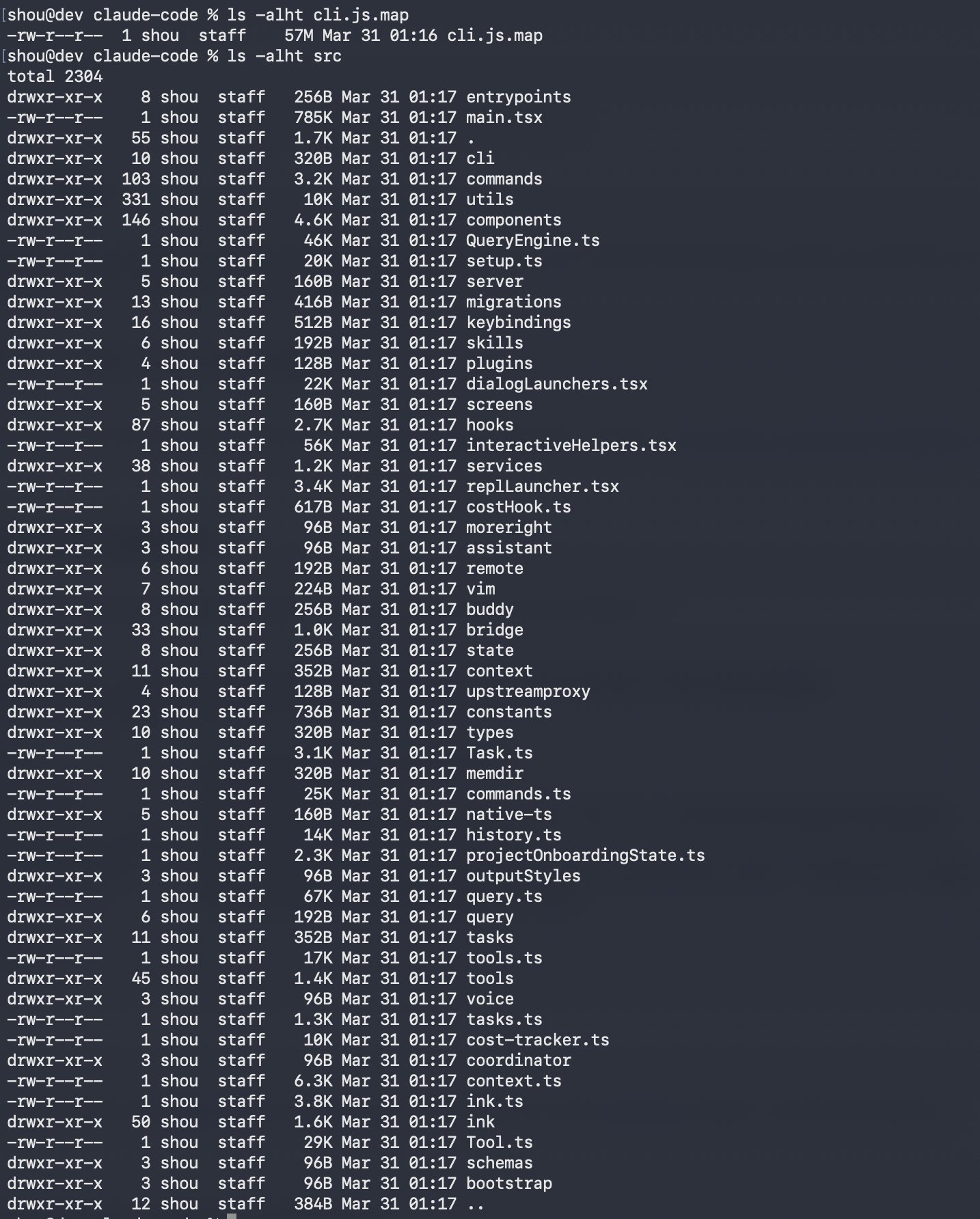 Anthropic's Claude code exposed via map file in public npm registry2026-03
 Lazarus Group ramps up Linux developer attacks with fake recruiter lures and poisoned npm, PyPI, and GitHub packages2026-04
npm is the default package manager for Node.js and the broader JavaScript ecosystem, used to install, update, and manage reusable pieces of code called packages that applications depend on. In crypto and DeFi, most web wallets, dApp frontends, trading bots, and blockchain SDKs are ultimately assembled from npm packages—turning this toolchain into one of the most critical and contested attack surfaces in the industry.
What npm Is And How Crypto Ended Up Relying On It
From Node.js Package Manager To Web3 Dependency
npm began life as a simple command‑line utility to download and manage dependencies for Node.js applications. A developer would declare the libraries they needed in a package.json file, and running npm install would fetch those packages plus their transitive dependencies into a node_modules folder. Over time, this workflow matured into a standardized way of describing and reproducing JavaScript application environments, extending from backend services to frontend applications and command‑line tools.
In parallel, JavaScript frameworks like React, Next.js, and Vue transformed how web interfaces were built, and bundlers such as Webpack, Vite, and Rollup began compiling browser applications out of thousands of npm modules. For crypto, this meant wallet UIs, DeFi dashboards, NFT marketplaces, and explorer frontends all started as Node‑based projects built atop npm dependency trees before being compiled and shipped to the browser. The same is true for many server‑side components, such as indexers, bots, oracles, and off‑chain services that speak to Ethereum, Solana, and other chains.
Today, npm is no longer just “a package manager”; it is the default supply chain for large swathes of web and server infrastructure. When a crypto project runs npm install, it does not merely pull in a few helper libraries; it may be resolving hundreds of packages, each maintained by different authors and transitively trusted in production. This deep reliance has also attracted attackers, who understand that compromising a popular npm module, or the account of its maintainer, can cascade into thousands of downstream crypto deployments with a single malicious update.
npm In Wallets, dApps, And Trading Bots
To understand why npm matters for crypto, it helps to trace a typical DeFi user journey. A wallet like MetaMask, Phantom, or a Ledger‑backed browser extension is often written using React or similar libraries, and many of its cryptographic primitives, serialization routines, and network calls are imported from npm packages. SDKs that let frontends talk to chains—such as Solana, XRPL, or EVM clients—are also commonly distributed via npm. When a dApp integrates a “Connect with Ledger” button, there is usually an npm package behind that button handling the device transport and transaction formatting for the browser.
Similarly, algorithmic trading bots, MEV strategies, and arbitrage tools are frequently implemented in Node.js, with npm providing HTTP clients, WebSocket libraries, exchange APIs, and on‑chain SDKs. The “TrapDoor” campaign, for instance, leveraged more than 30 malicious packages across npm, PyPI, and Rust’s crates.io to target developers working on crypto, DeFi, AI, and security tooling, with the explicit aim of exfiltrating wallet keys and cloud credentials used by those bots and services. By poisoning the toolchains rather than the applications themselves, the attackers tried to compromise developer environments at scale.
Even security‑critical infrastructure such as monitoring dashboards, on‑chain analytics platforms, and cross‑chain bridges often depends on npm when building their web UIs or CLI tooling. That includes incident‑response dashboards and governance portals that users trust to propose upgrades or sign multi‑sig transactions. In effect, npm has become embedded deep within the operational fabric of the crypto economy, from retail‑facing frontends to the tools professionals use to secure large treasuries.
The Dependency Graph Behind Every Click
Under the hood, every npm install resolves a directed graph of dependencies, where each package may depend on others, which in turn depend on yet more libraries. Developers typically declare high‑level, human‑meaningful packages in package.json, such as axios for HTTP requests or a chain‑specific SDK like @velora-dex/sdk. npm then consults the registry metadata, determines compatible versions, and downloads each tarball, recursively including any transitive dependencies those packages require.
This graph is usually pinned in a lockfile, such as package-lock.json or pnpm-lock.yaml, which records the exact version and source URL of each dependency. Lockfiles are crucial for reproducibility and security: they make it possible to ensure that what is installed in production matches what was verified in development, and they allow tools like lockfile linters to enforce that all packages originate from expected registries. However, many projects still treat lockfiles as implementation details rather than first‑class security artifacts, leaving room for “lockfile injection” and unexpected resolution of malicious or compromised versions.
From a security standpoint, the important point is that any package in this graph, not just the ones a developer explicitly names, can execute code during installation or at runtime. npm supports lifecycle scripts such as preinstall, install, and postinstall, which can run arbitrary commands when the package is added. Attackers have repeatedly abused these hooks, for example by dropping remote access trojans (RATs) via a postinstall script that runs silently as part of npm install. That means a single compromised dependency anywhere in the graph can compromise the developer’s machine, CI pipeline, or end‑user environment.
Why npm Matters To Non‑Developers
For non‑technical crypto users, npm may seem far removed from daily actions like signing a swap or staking tokens. Yet many of the most impactful recent thefts and near‑misses did not involve any on‑chain protocol bug; they originated in the JavaScript supply chain that sits between users and their smart contracts. When a wallet drainer is injected into a popular library and compiled into hundreds of dApp frontends, a user can lose funds even if the contract they interact with is perfectly audited.
The Ledger Connect Kit incident illustrates this dynamic clearly. In that case, attackers took over the npm account of a popular library used by many dApps to support Ledger hardware wallets, publishing a malicious update that attempted to intercept and redirect transactions. Users who thought they were interacting with trusted DeFi interfaces were instead exposed to compromised frontends, even though Ledger’s hardware devices and secure elements were not themselves breached. Similarly, attacks on npm packages underpinning wallet adapters, router libraries, or UI components can ripple into countless sites that reuse those modules.
As a result, crypto users and investors are increasingly advised to pay attention to supply chain risk, not just contract audits. Instructions such as verifying CDN‑served versions, clearing caches to remove malicious versions of a library, or temporarily avoiding interaction with certain dApps during an npm incident are now part of standard incident‑response messaging from major projects. Understanding npm’s role is therefore no longer a niche developer concern; it has become part of assessing the real‑world security of any crypto stack.

Velora identifies and unpublishes malicious npm package version in supply chain attack targeting its DEX aggregator SDK

npm supply chain attacks against DeFi SDKs are a different beast than hitting a general-purpose lib like axios — a compromised DEX aggregator SDK sits directly in the transaction signing path, meaning the payload doesn't need a RAT or C2 callback, it just needs to swap the recipient address or skim approval transactions. Post-axios (Sapphire Sleet, March 2026), every protocol shipping an npm package should be running automated diffing on published versions against their source repo, but most don't — @velora-dex/sdk has 771 stars and 114 forks, so the blast radius of even a single malicious patch version landing in downstream dApps is non-trivial. Catching it fast and unpublishing is table stakes; the harder question is whether any integrators pulled that version during the window it was live, because npm caches and lockfiles mean "unpublished" doesn't mean "uninstalled."
How npm Packages, Scripts, And Tooling Work
Packages, Dependencies, And Lockfiles
At the core of npm is the concept of a package: a bundle of JavaScript code, metadata, and configuration published to a registry under a name and version. Each package has a package.json file that describes its dependencies, scripts, and entry points. When a developer runs npm install <package-name>, npm downloads that package and, by default since npm v5, adds it to the project’s dependencies in package.json so it will be restored on future installs. For example, a crypto project might install axios as an HTTP client to call REST APIs on indexers or bridges, or pull in @ledgerhq/hw-transport-webusb to interact with a hardware wallet in the browser.
Lockfiles sit alongside package.json and capture the exact dependency graph as resolved at a specific time. They include not only the chosen versions but also the integrity hashes and the exact registry or tarball URLs where the packages were fetched. Package managers such as npm, pnpm, and Yarn can then use these lockfiles to perform deterministic installs, especially when combined with commands like npm ci, which installs exactly what the lockfile specifies and fails if the manifest and lockfile diverge. For high‑stake crypto systems, using deterministic installs is a key strategy to prevent unexpected version bumps or registry‑side tampering.
However, lockfiles are not a silver bullet. Attackers who gain control of a repository can modify lockfiles directly; attackers who control a registry account can publish a new version with the same number in a less strictly controlled ecosystem; and misconfigured tooling can regenerate lockfiles in ways that inadvertently pull in malicious updates. Security‑focused tools such as lockfile-lint can mitigate some of these risks by inspecting lockfiles to ensure each resolved URL matches a trusted registry and disallowing exotic sources for transitive dependencies. For crypto teams, treating lockfiles as code that must be reviewed, signed, and monitored is increasingly seen as a necessary practice rather than optional hygiene.
Lifecycle Scripts, npx, And Global Installs
npm’s power comes with complexity, particularly around scripts that can run at install time. Packages can define lifecycle scripts such as preinstall, install, postinstall, and prepublish, which the npm CLI executes automatically at specific stages. These hooks exist for legitimate reasons—for example, compiling native extensions or generating code—but they also provide a stealthy mechanism for dropping malware. The Axios compromise demonstrated how a widely used library can ship a malicious postinstall script that acts as a cross‑platform RAT dropper, silently infecting macOS, Windows, and Linux systems during a brief window before the malicious versions were removed.
Developers also use npx to run packages without permanently installing them. While convenient, this pattern can be dangerous in security‑sensitive contexts, because it effectively executes arbitrary code from the registry with minimal friction. Best‑practice guidance now recommends pre‑installing packages into a controlled workspace with a lockfile and then forcing npx to operate in offline mode so that only pre‑vetted versions are run. The goal is to avoid “just‑in‑time” code execution from the registry in CI pipelines or administrative workflows, where a single compromised package could leak cloud keys or sign malicious artifacts.
Global installs add another dimension of risk. Many CLIs used in crypto—such as tools for deploying smart contracts, interacting with wallets, or managing AI‑driven dev tools—are installed globally using commands like npm install -g. Malware such as the GhostClaw package, which masqueraded as an “OpenClaw Installer” CLI, took advantage of this pattern by deploying a multi‑stage infection chain that harvested system credentials, browser data, crypto wallets, SSH keys, and Keychain databases, then installed a persistent RAT with capabilities like SOCKS5 proxies and live browser session cloning. Because such tools often run with elevated trust and broad filesystem access, a malicious global CLI can compromise both development and personal environments.
Recognizing these risks, some security guides now recommend configuring npm to disable lifecycle scripts by default and selectively allowing them only for specific packages via tools like @lavamoat/allow-scripts. This shifts the default from “execute any install script” to “scripts are blocked unless explicitly approved,” substantially shrinking the attack surface of npm install in environments that handle private keys, signing operations, or production deployment credentials.
Registries, Scopes, And CDNs
npm packages are fetched from registries, with the public npmjs.com registry being the dominant source for open‑source JavaScript. Organizations can also operate private registries or use scopes (such as @redhat-cloud-services or @ledgerhq) to namespace their packages. Scopes can help structure governance, but they are not a security boundary by themselves; the compromise of an internal scope can still propagate malware widely, as seen in the attack on multiple packages within the @redhat-cloud-services scope, where malicious payloads executed via preinstall hooks on every installation.
Another often underappreciated vector is the content delivery network (CDN) layer. Projects sometimes load packages or bundles directly from CDNs such as jsDelivr or unpkg using URLs like https://cdn.jsdelivr.net/npm/@ledgerhq/connect-kit@1. While this improves performance and ease of integration, it also means that a cached malicious version can persist in users’ browsers even after the upstream package is patched. In the Ledger Connect Kit aftermath, users were explicitly instructed to verify that the CDN URL resolved to version 1.1.8 and to clear their browser storage if it did not, illustrating how browser caching interacts with npm‑originating supply chain incidents.
Security‑conscious configurations increasingly emphasize pinning allowed registries, blocking git‑based dependency URLs, and enforcing trust policies that disallow downgrades to versions with weaker provenance. For example, setting allow-git=false and enforcing a trustPolicy: no-downgrade in compatible package managers can ensure that all dependencies are fetched from vetted registries with full security controls and that attackers cannot trick builds into using less trustworthy releases. For crypto projects, this can be the difference between a build that pulls from a carefully monitored internal mirror and one that fetches code from arbitrary git repositories on the open internet.
Readers click npm attack stories in direct proportion to blast radius — the 307-click story about 18 libraries with 2.6 billion weekly downloads dwarfed all others, revealing that what drives engagement is not the hack mechanism but the discovery that trusted, invisible infrastructure is already weaponized against them.
npm As A Crypto Attack Surface: Recent Case Studies
Wallet Drainers And Browser‑Side Malware
The most direct way npm has been weaponized against crypto users is through wallet‑draining malware injected into widely used libraries. A high‑profile incident analyzed by Palo Alto Networks involved attackers gaining access to maintainer accounts and publishing malicious updates to 18 popular npm packages, including debug, chalk, and ansi-styles, which collectively see over 2.6 billion weekly downloads. The malicious code executed in users’ web browsers and acted as a “crypto‑stealer” or “wallet drainer,” modifying transaction flows and replacing wallet addresses in an attempt to divert funds.
A related case examined by Sygnia showed how the chalk library, a ubiquitous tool for styling console output in Node.js, became a distribution vector for cryptocurrency‑draining malware. Because chalk is deeply embedded in many dependency trees and often perceived as innocuous, a malicious update could propagate into a vast array of developer tools, CLIs, and server components without triggering suspicion. In both situations, the core issue was not a vulnerability in smart contracts but a compromise of the JavaScript libraries that developers and users implicitly trust.
The TrapDoor campaign further emphasized browser‑side and developer‑side exfiltration. Researchers found dozens of malicious packages across npm, PyPI, and crates.io that targeted crypto, DeFi, AI, and security developers, often branding themselves in ways that appealed to these communities. Once installed, the malware attempted to steal wallet keys, browser data, and cloud credentials, laying the groundwork for both direct asset theft and later lateral movement into CI systems or production infrastructure. For web3 projects, these incidents underscore that the line between “developer malware” and “user malware” is increasingly blurred.
Compromised SDKs And Blockchain Client Libraries
Crypto‑specific SDKs and client libraries distributed via npm have also been directly compromised. The XRPL team disclosed that certain versions of the xrpl JavaScript package on npm carried a malicious backdoor intended to steal private keys. The affected versions were identified (including 4.2.1–4.2.4 and 2.14.2), and patched releases (4.2.5 and 2.14.3) were published, with strong recommendations to avoid the compromised versions and upgrade safely. Because these libraries often handle signing operations and key management, even a short‑lived backdoor can have severe consequences.
Another recent example involved the @velora-dex/sdk package, which underpins a DEX aggregator’s JavaScript SDK. A specific version (9.4.1) was found to include a registry‑only supply chain attack targeting macOS systems: when imported, the malicious code dropped an architecture‑aware backdoor binary into the user’s Application Support directory and registered a persistent launchctl service under zsh.profiler. The attack triggered as soon as the compromised version was imported, including in CI environments or local development machines, and included callbacks to a command‑and‑control (C2) server at a hard‑coded IP address. The vendor and security researchers quickly advised pinning to a known‑good version (9.4.0), scanning lockfiles and npm caches, and rotating all credentials on affected machines.
These episodes illustrate the unique risk posed by chain‑specific npm packages. Unlike generic utilities, blockchain SDKs frequently manage private keys, sign transactions, and interact directly with RPC endpoints. A backdoor not only compromises application logic but can fully exfiltrate seed phrases and signing keys. For developers, this means that updating or adding a blockchain library via npm install must be treated as a high‑risk change in its own right, akin to rotating a hardware wallet firmware.
Account Takeovers, Maintainer Phishing, And CI/CD Breaches
Many npm supply chain attacks begin not with a novel exploit but with stolen credentials. The Axios compromise is a notable instance: a maintainer account was hijacked, and within a narrow timeframe attackers published malicious versions to both the 1.x and 0.x branches of the popular HTTP client library. The injected versions used a postinstall script to drop a cross‑platform RAT, turning any npm install axios performed during that window into a potential system compromise. Although the malicious versions were live for under three hours, that was sufficient for attackers to target developer machines, CI pipelines, and possibly production environments.
A separate but related class of incidents involves upstream service breaches that grant access to GitHub and npm tokens. The Vercel episode, for example, arose when a third‑party AI platform called Context.ai had a consumer account compromised via the Lumma Stealer malware, leading to theft of Google Workspace credentials and various access keys. An employee used their work email with this consumer AI app and granted broad OAuth permissions, which were then abused to access Vercel’s Google Workspace and, according to claims, obtain GitHub and npm tokens. Although the full scope of npm‑level impact remained under investigation, the case highlighted how seemingly unrelated SaaS usage by developers can indirectly threaten software supply chains, including DeFi frontends built on Vercel’s stack.
OpenAI’s disclosure about the TanStack Router npm supply chain attack represents another dimension of this pattern. Attackers compromised the npm account of a widely used routing library and published malicious versions that eventually impacted two employee devices inside OpenAI’s corporate environment. From there, they obtained access to some internal repositories and signing keys used for desktop and mobile applications, prompting the company to re‑sign all apps, rotate certificates, and set deadlines for users to update macOS desktop builds. While OpenAI reported no evidence of customer data or production systems being compromised, the incident demonstrated how a single npm attack can reach right up to the code‑signing trust boundary of large organizations.
Account takeovers also intersect with targeted operations by groups like Lazarus. Reports describe campaigns in which attackers pose as recruiters and send developers coding challenges that require installing npm, PyPI, or GitHub‑hosted dependencies laced with remote access trojans. By exploiting the trust inherent in the hiring process and the ubiquity of npm in development workflows, these campaigns aim to gain persistent access to developer machines, from which they can exfiltrate credentials, modify code, or publish malicious packages under legitimate names. For crypto organizations, where a single developer workstation may hold keys to CI/CD pipelines, wallets, and production clusters, this threat model is particularly acute.
Invisible Code And Obfuscated Payloads
Not all npm attacks rely on obvious malicious scripts or suspicious package names. The “Glassworm” campaign showcased an innovative use of invisible Unicode characters embedded in source files to hide malicious logic across more than 150 GitHub repositories, npm packages, and Visual Studio Code extensions. By inserting zero‑width characters and other invisible Unicode glyphs, attackers created code that looked benign to human reviewers but executed different logic at runtime, allowing them to bypass many manual code reviews and some automated scanners. When these packages were consumed via npm, the hidden payloads could run in developer environments or browser contexts without raising immediate red flags.
GhostClaw, the malicious @openclaw-ai/openclawai package, combined several stealth techniques to appear legitimate. It presented itself as an installer for a supposed “OpenClaw” AI tool, complete with polished prompts and behavior mimicking a real CLI, while in fact deploying an extensive RAT that harvested credentials, browser sessions, crypto wallets, and even macOS Keychain databases. The package encrypted payloads, fetched additional components at runtime, and used persistence mechanisms to survive reboots, complicating detection and cleanup. Developers were advised not only to uninstall the package but also to rotate all system, SSH, cloud, OpenAI, Stripe, npm, and GitHub credentials and to consider full system re‑imaging.
Such campaigns highlight that modern npm malware often leverages obfuscation, delayed activation, environment checks, and polymorphism. For crypto teams, where the assets at stake are natively digital and often irrecoverable once stolen, the tolerance for these stealthy threats must be extremely low. Security reviews can no longer rely on scanning for obviously malicious code snippets; they must consider encoding tricks, supply chain relationships, and behavioral indicators uncovered by dedicated analysis tools.
The diversity of attack vectors is summarized below.
| Attack Vector Type | Representative Example | Primary Target | Notable Technique |
|---|---|---|---|
| Wallet drainer in core utility libraries | Malicious updates to debug, chalk, ansi-styles | Browser‑based dApps and wallets | Address replacement and transaction hijacking in the browser |
| Backdoored blockchain SDK | Compromised xrpl and @velora-dex/sdk versions | Apps handling signing and trading | Key exfiltration and macOS backdoor via launchctl |
| Maintainer account takeover | Axios RAT incident | Developer machines and CI pipelines | postinstall RAT dropper and credential theft |
| Obfuscated/invisible code | Glassworm Unicode malware | Repos, npm packages, VS Code extensions | Hidden payloads using zero‑width characters |
| Malicious CLI masquerading as AI tool | @openclaw-ai/openclawai | Developer systems and crypto wallets | Multi‑stage infection, full RAT, Keychain theft |

Users urged to avoid interacting with any DeFi dApps as Vercel-linked incident involving stolen GitHub and NPM keys raises fears of compromised frontends and supply chain attacks
Defending Crypto Projects In The npm Ecosystem
Hardening Local Development And CI/CD
Given the breadth of npm‑borne threats, hardening local development environments and CI/CD pipelines is essential for crypto projects. One core recommendation is to treat any developer machine that installs a later‑discovered malicious package as compromised by default. The Axios incident response guidance, for example, advised organizations to examine three surfaces—code repositories, CI/CD pipelines, and developer endpoints—to determine exposure, and to assume full compromise if malicious packages or RAT artifacts were present on a developer machine. Cleanup steps included isolating devices from the network, inventorying all stored secrets, wiping and rebuilding systems, and rotating credentials across cloud providers, GitHub, npm, and other critical services.
On CI/CD systems, using deterministic installation commands such as npm ci instead of npm install can significantly reduce risk by preventing unpinned version drift and enforcing strict lockfile adherence. When npm ci encounters inconsistencies between package.json and the lockfile, it fails the build instead of silently updating dependencies, which is vital for detecting unauthorized lockfile changes. Combining this with lockfile linting, which verifies that all resolved URLs point to trusted registries and that no exotic sources (such as direct git URLs or tarballs) are used by transitive dependencies, further strengthens supply chain integrity.
Developers can also configure the npm CLI and alternative package managers to disable dangerous features by default. For instance, setting configuration options to block git‑based dependency resolution, enforcing a no‑downgrade trust policy, and disabling lifecycle scripts unless explicitly allowed can collectively prevent several common attack vectors. Tools like @lavamoat/allow-scripts enable a pragmatic approach: scripts are blocked globally, and only specific packages that legitimately require build steps (such as native bindings) are granted permission. In the crypto context, applying these controls to any environment that handles private keys, seed phrases, or signing operations is especially important.
Package Selection, Vetting, And Monitoring
Selecting and vetting packages is another critical defense layer. Crypto teams should be cautious when adopting newly published or lightly maintained packages for security‑sensitive tasks such as key management, transaction construction, or access to centralized exchange APIs. Attacks like TrapDoor, Lazarus’ fake job campaigns, and targeted DeFi SDK compromises show that adversaries actively craft packages with names and descriptions appealing to crypto developers. Regular auditing of dependencies, especially those that have been recently updated or contain suspicious naming patterns, is therefore advised.
Security‑focused tooling is emerging to assist with this vetting. Socket’s “Socket Firewall” (sfw) acts as a real‑time firewall that intercepts package manager commands and blocks installations of packages flagged for malicious behavior, leveraging deep package analysis and threat intelligence. StepSecurity’s AI Package Analyst continuously monitors the npm registry for suspicious releases, scoring packages for supply chain risk before installation and flagging those with traits such as unusual lifecycle scripts or connections to known malicious infrastructure. These tools move beyond simple signature‑based antivirus to behavior‑oriented analysis, which is better suited to detecting novel supply chain attacks.
Some teams experiment with alternative approaches to mitigate trust in upstream code entirely. The BTNOMB Cleanroom project, for instance, offers “AI‑regenerated npm packages” that are rebuilt from documentation alone using a three‑agent isolation pipeline. In this model, one agent reads docs, another writes specifications, and a third implements code that matches the documented API but does not reuse the original source, aiming to deliver a drop‑in replacement with the same surface area but no inherited supply chain risk. While such approaches raise questions about completeness, performance, and subtle behavioral differences, they illustrate how the ecosystem is exploring radical designs to reduce reliance on opaque third‑party code.
Monitoring also extends to runtime behavior and network patterns. In the Velora DEX SDK incident, defenders were advised to search CI logs and developer machines for connections to a specific C2 IP address (89.36.224.5), as any outbound traffic to that host confirmed execution of the malicious payload. Similar indicators of compromise (IOCs) are published in many advisories, and integrating them into internal intrusion detection systems or EDR solutions can help catch infections that slipped past initial install‑time defenses. For crypto organizations, where compromised machines may hold keys that cannot be revoked as easily as passwords, early detection can mean the difference between a contained incident and a treasury‑level loss.
Secrets, Credentials, And Recovery Playbooks
Nearly every serious npm supply chain attack ends up targeting secrets: wallet keys, cloud API tokens, SSH keys, browser cookies, and password managers. GhostClaw explicitly harvested crypto wallets, SSH keys, Apple Keychain databases, and browser sessions, while Axios’ RAT dropped cross‑platform binaries designed for remote control and further credential theft. The Velora DEX SDK backdoor likewise prompted recommendations to rotate all secrets that might have resided on an affected machine, from npm and GitHub tokens to cloud provider credentials and browser‑stored passwords.
Best‑practice guidance therefore emphasizes minimizing the exposure of plaintext secrets on disk and in environment variables, particularly in .env files committed to repositories or left unencrypted on laptops. Organizations are encouraged to use secrets management solutions that store only references in environment variables and require additional authentication, such as hardware tokens or biometric prompts, to fetch actual values just‑in‑time. This way, even if malware reads the environment or the filesystem, it may not immediately obtain usable long‑term credentials.
When compromise is suspected, having a well‑rehearsed recovery playbook is crucial. Advisories often recommend steps such as isolating affected machines from the network, creating an inventory of all secrets to be rotated, wiping and re‑imaging devices, and revoking all active sessions across services like Google, GitHub, cloud dashboards, and exchanges. For npm‑related accounts, enabling two‑factor authentication (2FA) and avoiding committed authentication tokens in .npmrc files are key; tokens should be kept in user‑level configuration or injected at runtime via environment variables like NPM_TOKEN, never stored in source control. Crypto organizations may also need to coordinate with exchanges and custodians to ensure that API keys are rotated and that unusual withdrawals are monitored during and after the incident window.
Overall, defending against npm‑borne threats is not a matter of a single tool or practice; it requires layered controls across development, CI/CD, runtime monitoring, and incident response, with a particular focus on protecting high‑value secrets and signing material.
- 01mainstream library wallet hijacking↗
The revelation that 18 widely-used npm packages — already installed across billions of weekly downloads — were silently swapping out wallet addresses made the threat feel inescapable rather than avoidable.
- 02SDK backdoors stealing private keys↗
The XRPL and TrapDoor incidents showed attackers embedding key-exfiltration directly into crypto-specific SDKs, meaning developers could lose user funds simply by upgrading a dependency.
- 03dApp frontend supply chain cascade↗
The Ledger connect-kit and Velora DEX stories demonstrated how a single poisoned npm package can compromise every dApp frontend loading it, turning a developer tooling issue into an immediate retail wallet-draining risk.
- 04maintainer account takeover↗
The Axios breach — where a hijacked maintainer account pushed a RAT to both major version branches within 39 minutes — showed that npm's trust model collapses entirely when a single set of credentials is compromised.
- 05invisible Unicode evasion↗
Readers engaged with the Unicode obfuscation story because it undermined the last reliable defense — human code review — by hiding malicious logic in characters that render as whitespace.
- 06state-sponsored developer targeting↗
Lazarus Group's use of fake recruiter lures and poisoned npm packages confirmed that nation-state attackers treat the developer supply chain as a primary entry point into crypto infrastructure.
Emerging Responses: AI, Clean Rebuilds, And Registry Controls
AI‑Assisted Package Analysis And Agents
As the sophistication of npm supply chain attacks grows, defenders are increasingly turning to AI‑assisted tools to analyze packages and detect anomalies. Threat‑intelligence platforms now combine static code analysis, behavioral profiling, and registry metadata to score packages on risk, flagging new releases that, for example, suddenly add lifecycle scripts, introduce obfuscated code, or connect to previously unseen network endpoints. Such tools were instrumental in quickly identifying campaigns like TrapDoor and Glassworm and in correlating seemingly disparate malicious packages across multiple ecosystems.
Agentic workflows—where AI agents orchestrate tasks like dependency updates, security patching, or code refactoring—are also emerging. Projects like Clanker, which launched CLI tools and “skills” deployed via npm, demonstrate how AI agents themselves are distributed through the same package ecosystem they help manage. While these agents can use threat intelligence feeds to avoid known‑bad packages and enforce organization policies, they also represent new potential targets: compromising an AI agent’s npm package or configuration could give attackers a powerful automated foothold in developer workflows.
To mitigate these risks, some organizations are experimenting with “defensive agents” that monitor other agents’ actions, cross‑checking package selections against curated allowlists and external security feeds. For instance, an agent might intercept an npm install request issued by another automation tool, query an AI Package Analyst service for risk scores, and block the install if the package exhibits suspicious traits. In this way, AI is used not just to write or refactor code but also to enforce security constraints at the boundaries of the npm supply chain.
Cleanroom Rebuilds And Deterministic Supply Chains
The BTNOMB Cleanroom approach represents a more radical attempt to eliminate inherited trust in third‑party code by regenerating packages from documentation alone. In this pipeline, one agent reads the docs of a target project, another writes a detailed specification of expected behavior and API surface, and a third implements the code, all without directly copying from the original source repository. The result is an npm package that aims to be behaviorally equivalent, with verified test coverage, but whose source code has no continuity with the upstream project, thereby theoretically eliminating any malware or backdoors that may exist there.
This model aligns with a broader push toward deterministic and verifiable builds, in which every step from source to binary is reproducible and auditable. In the npm ecosystem, that can include pinned dependencies, content‑addressable storage, signed artifacts, and continuous comparison of built outputs against known‑good baselines. For crypto projects, such techniques resonate with principles from reproducible Bitcoin Core builds and deterministically compiled smart contracts: the goal is to allow independent verification that the artifact being used matches a transparent, reviewed specification.
However, cleanroom regeneration also introduces complexity. It relies on the quality and completeness of documentation, may struggle with edge cases, and can diverge subtly from original behavior in ways that matter for security or compatibility. It might also lag behind upstream updates, creating a tension between patch velocity and cleanliness of the supply chain. Nevertheless, as supply chain attacks on npm continue to escalate, these experimental approaches are likely to gain more attention, especially in high‑risk sectors like crypto custody, institutional trading, and core infrastructure.
Policy, Governance, And Ecosystem‑Level Safeguards
At the ecosystem level, npm, registries, and major vendors are under pressure to strengthen governance. Security best‑practice guidance for npm maintainers now emphasizes enabling 2FA on all accounts, reducing unnecessary dependencies, publishing with provenance attestations, and using modern mechanisms like OpenID Connect (OIDC) for authentication instead of long‑lived tokens. These measures aim to reduce the likelihood and impact of account takeovers like those that affected Axios, TanStack Router, and various Red Hat Cloud Services packages.
Registries and package managers are also implementing stricter policies around exotic dependency sources. For instance, pnpm introduced options like blockExoticSubdeps, which prevents transitive dependencies from resolving from non‑registry sources such as arbitrary git repositories or direct tarball URLs. By limiting the allowed sources for transitive dependencies and enforcing lockfile integrity, package managers can help prevent attackers from sneaking in malicious code via rarely inspected corners of dependency graphs.
Incident disclosure and coordination are another critical aspect of governance. The XRPL team’s detailed vulnerability disclosure for the xrpl npm package, which included specific version ranges to avoid and clear upgrade paths, exemplifies transparent communication with downstream users. Similarly, open reports on campaigns like Glassworm, TrapDoor, and GhostClaw provide IOCs and technical details that enable defenders to scan their environments and improve detection rules. In the crypto space, where attacks can have immediate financial consequences, timely and precise disclosures are especially valuable.
Even non‑malicious incidents, such as Anthropic accidentally exposing the full TypeScript source for its Claude Code CLI via a misconfigured source map in an npm release, highlight the importance of packaging discipline. While Anthropic emphasized that this was a release process error rather than a breach and that no customer data or credentials were involved, the episode shows how sensitive internal design information can be inadvertently leaked through npm. For crypto, similar mishandling could expose proprietary trading logic, undisclosed security controls, or internal network architecture.
Taken together, these governance trends suggest that npm security is increasingly viewed as a shared responsibility—spanning registry operators, maintainers, enterprises, and end‑user projects—rather than as an issue each project must solve in isolation.
Researchers uncover how hackers used over 34 fake npm, PyPI and Rust packages in “TrapDoor” attack targeting Solana, Sui and Aptos developers to steal wallets and cloud credentials
npm, AI Tooling, And The Future Crypto Developer Stack
Agentic CLIs And Multi‑Tool Workflows
The modern crypto developer stack is edging toward “agentic” workflows, where humans orchestrate an ecosystem of CLIs, AI assistants, and automation scripts, many of which are distributed via npm. Tools like Clanker’s CLI and skills, which are installed and updated through npm, exemplify this shift: they allow developers to script complex sequences of actions across on‑chain and off‑chain systems by invoking higher‑level “skills” powered by AI. As more of this orchestration logic moves into reusable packages, the security posture of npm becomes inseparable from that of the entire development environment.
At the same time, AI‑based helpers can surveil npm dependencies for known malware signatures, unusual code patterns, or suspicious network behavior. For example, an internal agent might periodically scan a project’s lockfile against threat‑intelligence feeds, flagging any package that appears in reports like TrapDoor or GhostClaw, or that suddenly adds outbound connections to questionable IP ranges. Another agent might inspect diffs between package versions, summarizing security‑relevant changes so that human reviewers can focus their attention on potentially risky updates.
Yet the same automation magnifies risk if compromised. If an attacker subverts an AI agent’s own npm dependencies or configuration, they may gain the ability to silently alter code, dependencies, or deployment scripts across many repositories. Consequently, crypto organizations adopting agentic workflows must treat AI tooling as part of their critical supply chain, applying the same scrutiny to AI CLIs and libraries as they would to wallet SDKs or core protocol clients.
Lessons From TanStack, Anthropic, And Axios
Recent incidents involving TanStack Router, Anthropic’s Claude Code CLI, and Axios illustrate diverse but related lessons about npm in hybrid AI‑crypto environments. The TanStack Router compromise, which affected OpenAI’s internal environment, showed how a single npm package used for routing can be leveraged to reach high‑value corporate systems and code‑signing keys, even in a company deeply familiar with security. It underscored the importance of minimizing the permissions granted to build and deployment machines and of treating any device ingesting npm packages as potentially untrusted.
Anthropic’s accidental publication of TypeScript source via a source map in an npm release, while not a malicious attack, demonstrated how build and packaging errors can leak sensitive information. In a crypto context, a similar mistake could expose proprietary trading models, internal risk controls, or private APIs that attackers might then probe for weaknesses. The incident also highlighted the difficulty of fully auditing what is shipped in npm tarballs, especially when source maps and debug artifacts are involved.
The Axios RAT incident, finally, showed the speed with which account takeovers can cascade: within 39 minutes, attackers reportedly pushed malicious versions to both major branches, and a single npm install during the short window was enough to trigger RAT deployment. It emphasized the value of continuous monitoring of maintainer accounts, the necessity of rapid takedown and notification channels, and the importance of defense in depth on developer machines. For crypto organizations, it serves as a reminder that even ubiquitous, long‑trusted libraries can become attack vectors overnight.
Regulatory And Market Pressures
As more institutional capital flows into crypto, regulators and auditors are paying closer attention to software supply chain security. Standards for how exchanges, custodians, and DeFi protocols manage dependencies, sign releases, and respond to supply chain incidents are likely to tighten. Evidence of practices such as deterministic builds, rigorous secrets management, 2FA‑protected maintainer accounts, and structured incident‑response procedures may become part of due‑diligence processes and regulatory examinations.
Market forces are also at work. Users are increasingly sensitive to news of npm hacks affecting wallets, DEXs, or major infrastructure providers. Incidents where users are urged to avoid interacting with DeFi dApps due to fears of compromised frontends, or where prominent brands like Ledger and Leviathan must reassure customers that their websites or device firmware remain safe despite npm‑related turmoil, erode trust in the broader ecosystem. In response, projects that can demonstrably prove the integrity of their frontends and supply chains may gain a competitive advantage.
In the long run, this could encourage greater convergence between best practices developed in traditional software supply chain security—such as SBOMs (Software Bills of Materials), SLSA (Supply‑chain Levels for Software Artifacts), and rigorous code‑signing frameworks—and the unique demands of crypto, where the cost of a single compromise can be measured directly in lost digital assets rather than abstract reputational harm.
Ledger connect-kit supply chain attack; version 1.1.8 patch issued
Checkmarx documents wave of crypto-targeting npm account takeovers
XRPL npm package versions 4.2.1–4.2.4 backdoored to steal private keys
TrapDoor campaign: 34 fake npm/PyPI/Rust packages target Solana, Sui, Aptos developers
Sygnia documents large-scale npm supply chain attack targeting crypto developers
Axios npm maintainer hijacked; cross-platform RAT shipped to 1.x and 0.x branches in 39 minutes
Anthropic Claude Code source maps exposed via public npm registry
Multiple Red Hat Cloud Services npm packages compromised in supply chain poisoning
Outlook
npm has evolved from a convenience tool for Node.js developers into a foundational layer of the crypto economy’s software stack. Nearly every interaction a user has with a web3 application—connecting a wallet, submitting a swap, or viewing an on‑chain dashboard—depends on code assembled from npm packages. This ubiquity has made npm a prime target for attackers, who increasingly view the JavaScript supply chain as a lever for stealing crypto assets, exfiltrating cloud credentials, and compromising high‑value organizations.
The wave of attacks spanning wallet drainers in popular utility libraries, backdoored chain SDKs, malicious CLIs, invisible Unicode malware, and account takeovers of core packages like Axios and TanStack Router demonstrates that no part of the npm ecosystem is immune. For crypto teams, the necessary response is a layered defense: deterministic installs, strict lockfile enforcement, registry and script hardening, continuous package vetting, strong secrets management, and rapid, well‑practiced incident‑response playbooks.
At the same time, the ecosystem is beginning to innovate on defense. AI‑assisted analysis, tools like Socket Firewall and AI Package Analyst, cleanroom regeneration of packages, and tighter governance of registries and maintainer practices point toward a future where npm supply chains can be monitored and controlled with greater confidence. Yet these defenses will need to keep pace with adversaries who are equally creative, as seen in campaigns like TrapDoor, Glassworm, and GhostClaw.
For a crypto audience—developers, traders, and users alike—the key takeaway is that npm is no longer an invisible implementation detail. It is a central element of security posture, deserving the same scrutiny as smart contract audits or hardware wallet design. Projects that invest in securing their npm dependencies, and that can clearly explain how they do so, will be better positioned to earn and retain trust as the stakes and sophistication of supply chain attacks continue to rise.
Compromising a single npm maintainer account can inject malware into packages with billions of weekly downloads, giving attackers asymmetric leverage across the entire crypto developer ecosystem.
npm's trust model centralizes enormous power in individual maintainer credentials; there is no multi-sig or threshold requirement before a malicious version reaches production users.
npm attacks do not exploit smart-contract logic directly, but backdoored SDKs and wallet libraries can silently redirect transaction signing to attacker-controlled addresses, producing the same fund-loss outcome.
Software supply chain security is under increasing regulatory scrutiny following high-profile incidents, but no crypto-specific npm disclosure or remediation mandate yet exists.
Discovery of a poisoned SDK in a major protocol typically triggers an immediate advisory to avoid all DeFi dApps, causing short-term liquidity flight and reputational damage even when the attack window is narrow.
Attackers now use invisible Unicode characters to conceal malicious code from human reviewers and standard static-analysis tooling, meaning even careful manual audits of diff output can miss the payload.
Latest npm news
Velora identifies and unpublishes malicious npm package version in supply chain attack targeting its DEX aggregator SDKUsers urged to avoid interacting with any DeFi dApps as Vercel-linked incident involving stolen GitHub and NPM keys raises fears of compromised frontends and supply chain attacksResearchers uncover how hackers used over 34 fake npm, PyPI and Rust packages in “TrapDoor” attack targeting Solana, Sui and Aptos developers to steal wallets and cloud credentialsHackers hide malware in GitHub, npm, and VS Code packages using invisible Unicode so supply‑chain attacks bypass human review and common defenses.Anthropic's Claude code exposed via map file in public npm registryLazarus Group ramps up Linux developer attacks with fake recruiter lures and poisoned npm, PyPI, and GitHub packagesSources
18 records from 15 domains
nodejs.org
github.com
checkmarx.com
sygnia.co
socket.dev
stepsecurity.io
thestack.technology
xrpl.org
rescana.com
cleanroom.btnomb.com
openai.com
aikido.dev
research.jfrog.com
paloaltonetworks.com
infoq.com
Community notes
Spot something off or out of date? Drop a note. Editors review topic notes daily and roll accepted fixes into the explainer — contributors are recognized in the monthly $SQUID drop.
Loading notes…
Help improve this topic
Have a story or tip about this topic? Submit it. See something missing? Leave a note. Editors review daily; accepted submissions and fixes count toward the monthly $SQUID drop.