
In‑depth explainer on Plasma, the stablecoin‑native L1 and neobank. Covers architecture, gas in stablecoins, Plasma One cards and yields, DeFi ecosystem (Aave, Curve, Gearbox), TVL growth, stablecoin and smart‑contract risks, and future outlook.
+8 sources across the wider coverage universe
 Peter Thiel-backed Ramp launches zero-fee USDT↔USD conversions across its platform, expanding support for Ethereum, Solana and Plasma as stablecoin payments gain traction2026-04
 Plasma One launches on Android with six months of Core free for new users2026-07
 Plasma One enters private beta with limited early access, teasing massive ambitions as team hints at trillion-dollar scale for its next-gen financial infrastructure2026-04
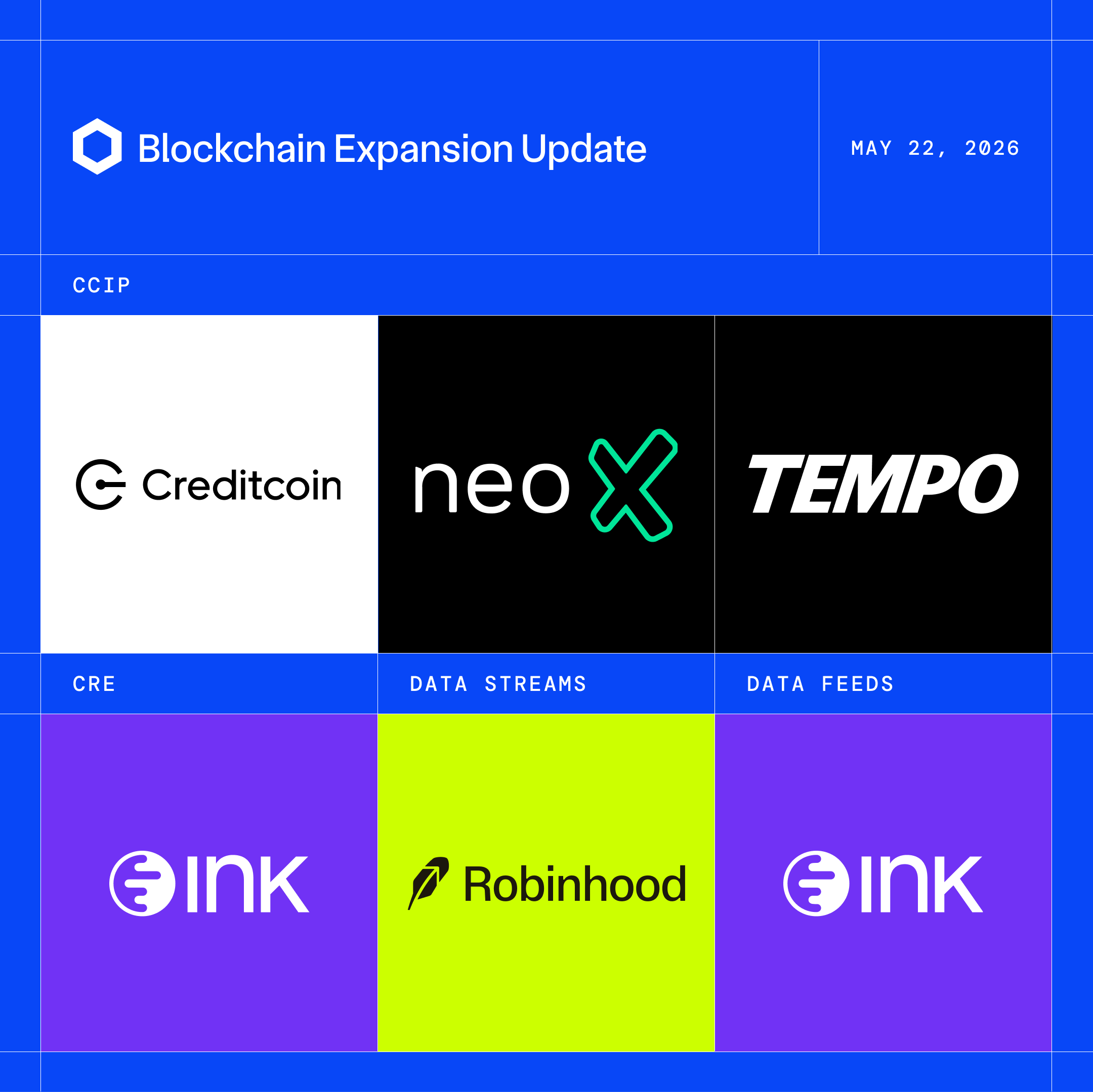 Chainlink expands CCIP, CRE, and Data Feeds to Robinhood Chain testnet, MegaETH, Plasma, and more2026-05
 Zaheer Ebtikar shutters Split Capital as ETFs hollow out crypto hedge funds, joins Plasma as CSO2026-04
 Plasma’s Zaheer says stablecoins, better UX, and vertical chains will drive crypto adoption, as industry shifts from speculation toward real-world utility2026-04
Plasma: A Stablecoin-Native Blockchain and Neobank Explained
A purpose-built blockchain for stablecoins, Plasma combines a high-throughput layer‑1 network with a consumer neobank called Plasma One that aims to make digital dollars spendable, saveable, and yield‑bearing anywhere in the world. Built from the ground up around stablecoin payments rather than volatile crypto assets, Plasma pitches itself as financial infrastructure for everyday money, not just speculative trading. With rapid growth in total value locked (TVL), deep DeFi integrations, and an aggressive push into card payments and high‑yield savings, it has become a focal point in debates about how stablecoins will be used at scale and what risks a “stablecoin chain” entails. This explainer unpacks Plasma’s architecture, its ecosystem and products, the strategic bets behind it, and the key risks and questions that a crypto‑savvy audience should weigh.
What is Plasma?
Plasma is a layer‑1 blockchain explicitly designed around stablecoin payments, with protocol features and economics tuned to treat tokens like USDT and other dollar‑pegged assets as first‑class citizens rather than just one asset class among many. Official materials describe the Plasma network as a “purpose‑built blockchain” for making stablecoin payments fast, reliable, and low‑cost at global scale, positioning it closer to a payment rail than a general‑purpose smart‑contract platform. Rather than framing itself primarily around a speculative native token, Plasma centres its narrative on “digital dollars” and their use in everyday transactions, remittances, and savings.
On top of this base chain sits Plasma One, the flagship consumer product of the ecosystem: a stablecoin account for spending, saving, and earning. Plasma One is marketed as a “stablecoin‑native neobank” that integrates card payments, transfers, and yield on stablecoin balances into a single app experience, abstracting away most of the complexity of blockchain interactions. AFP reporting highlighted that Plasma One is designed to make stablecoins “feel like money,” framing them as more accessible, reliable, and efficient than earlier generations of crypto finance. In practice, this means users see something that looks like a modern fintech interface, but their balances and transactions are settling on the Plasma chain.
Technically, Plasma combines a custom consensus mechanism, known as PlasmaBFT, with an execution environment based on the high‑performance Reth client, a modern implementation of the Ethereum stack. Commentary from independent research outfits notes that the network’s architecture has been designed from the ground up to optimize for stablecoins, including features like the ability to pay transaction fees in stablecoins themselves, zero‑fee transfers for certain assets such as USDT on specific routes, and confidential transactions for enhanced privacy. These features work in tandem with the neobank front‑end to position Plasma as a vertically integrated stack for stablecoin‑denominated finance.
From a timeline perspective, Plasma’s public emergence came alongside the launch of its mainnet beta, which was scheduled for September 25 and promoted as going live with more than two billion dollars’ worth of stablecoins committed to the network. Blockworks reported that Plasma would initially act as its own first customer, using Plasma One to test and scale its payments stack on top of the base chain during this beta phase. GN Crypto later detailed that the consumer neobank rollout would closely follow this mainnet beta, with virtual and physical cards and high‑yield savings products tied to stablecoin deposits. In less than a year, Plasma evolved from a relatively unknown project to a chain tracked by DeFiLlama with its own TVL, fee, and stablecoin metrics.
In contrast to generalist L1s that position themselves as “do‑everything” smart contract platforms, Plasma is intentionally narrow in scope: it is a chain for money, particularly dollar‑denominated money, backed by a neobank that showcases its capabilities. That specialization underpins its design choices and also shapes both its advantages and its vulnerabilities, as explored in the sections that follow.

Plasma One opens to all users, letting them create accounts and start spending

Stablecoins in context: why a dedicated chain?
Stablecoins are crypto assets designed to track the value of a reference asset, most commonly the U.S. dollar, through mechanisms ranging from off‑chain fiat reserves to on‑chain collateral and algorithmic stabilization. The largest centralized stablecoins, such as Tether’s USDT and Circle’s USDC, hold portfolios of cash and short‑term securities and issue tokens redeemable for dollars, while decentralized or synthetic designs may rely on overcollateralized loans, delta‑hedging strategies, or governance‑driven monetary policies. Over the past several years, stablecoins have shifted from a niche corner of crypto into one of its most important building blocks, with total market capitalization surpassing two hundred billion dollars according to recent analyses. VisualCapitalist, for example, noted that stablecoins have reached a historic milestone in aggregate market cap, with USDC in particular gaining ground in terms of dominance.
Despite this growth, the user experience of holding and spending stablecoins remains fragmented. On Ethereum mainnet, fees can spike unpredictably, making small payments uneconomical; on other chains like Tron or Solana, fees are lower but users must navigate a patchwork of wallets, bridges, and token standards. Stablecoins exist on many networks, but they do not yet function like a cohesive global rail where the average user can send money as easily as sending a text. Bridging between chains introduces security risks; coordinating across multiple wallets introduces cognitive overhead; and paying gas in a chain’s volatile native token rather than in the stablecoin itself adds friction for non‑crypto‑native users.
Adoption patterns also highlight a gap between what stablecoins enable in principle and how they are used in practice. For many, stablecoins function primarily as quotes and collateral on centralized exchanges, or as yield‑generating assets in DeFi money markets, rather than as everyday spending money. Plasma’s leadership and advocates have argued that the next wave of crypto adoption will hinge on taking stablecoins “out of the casino” by pairing them with better user experiences and infrastructure optimized specifically for payments. In interviews and long‑form discussions, they have emphasized that stablecoins, improved UX, and vertical chains tuned for particular use cases are more likely to drive mainstream adoption than yet another generalized smart‑contract platform or speculative meme token.
The concept of a vertical chain—an L1 or L2 network tailored to a particular function, such as trading, gaming, or payments—has gained traction as an alternative to “one chain to rule them all.” A vertical chain can bake domain‑specific assumptions into its architecture, fee model, and ecosystem design, potentially making it more efficient and user‑friendly for that domain. Plasma embodies this logic by focusing on stablecoins and payments, from its gas mechanics to its flagship app. In effect, it asks: if you designed a blockchain solely to make digital dollars useful, what would it look like?
With this context in mind, Plasma’s architecture can be understood as an attempt to resolve stablecoin pain points—high fees, poor UX, and fragmentation—by turning stablecoins into the default currency of the chain and integrating them deeply into both protocol and product.
Plasma readers concentrated on Stablewatch created a dashboard dedicated to Plasma.
Plasma network architecture and core features
Consensus, throughput, and finality
Plasma’s design combines a Byzantine Fault Tolerant (BFT) consensus mechanism—referred to in ecosystem writings as PlasmaBFT—with a high‑performance execution layer based on the Reth client. The Reth client is a modern reimplementation of Ethereum’s execution environment, suggesting that Plasma maintains strong EVM compatibility while customizing its consensus and networking layers to prioritize speed and stability for payments use cases. A BFT consensus protocol typically provides fast finality, meaning transactions become irreversible within seconds once included in a block, a key requirement for card payments and merchant acceptance.
Performance goals are a central part of Plasma’s value proposition. Official materials emphasize that the network is engineered to deliver fast, reliable, and low‑cost stablecoin payments at global scale. For a blockchain, this implies not only high throughput but also predictable and stable fee dynamics; unpredictable spikes undermine user trust, especially if Plasma wants to replace or rival traditional payment systems in certain corridors. While precise throughput figures vary and may evolve as the network matures, the architectural choices around consensus and client implementation are guided by the need to process large volumes of stablecoin transfers with minimal latency.
Security in such a system arises from the validator set that runs PlasmaBFT, the quality of the client software, and the correctness of the network’s economic incentives. As with other proof‑of‑stake and BFT‑style systems, Plasma must ensure that validator concentration, governance, and upgrade processes do not introduce centralized points of failure. Although detailed validator metrics are beyond the scope of the available sources, the chain’s reliance on oracles and stablecoin‑linked features increases the importance of robust consensus and monitoring, since failures could directly impact user balances and payments.
Chainlink’s integration with Plasma adds another layer to this picture. Chainlink has announced that its Cross‑Chain Interoperability Protocol (CCIP) and data feeds are available on Plasma alongside other networks such as Celo, Mantle, and Robinhood Chain’s testnet. This integration provides verified price data and cross‑chain messaging infrastructure, which Plasma can use both for its DeFi ecosystem and for core features like gas payments in stablecoins. By anchoring certain on‑chain decisions to widely used oracle feeds, Plasma attempts to reduce the risk of manipulated prices undermining its fee mechanics or DeFi protocols.
Fees, gas, and paying with stablecoins
One of Plasma’s most distinctive features is its approach to transaction fees. Unlike most blockchains, where gas can only be paid in the native token, Plasma allows users to pay fees in whitelisted assets such as USDT or BTC, in addition to its native XPL token. The network uses on‑chain oracle data to convert the non‑native token into the equivalent amount of XPL at market rates, which is then used internally as the actual transaction fee. For users, this means they do not need to acquire XPL to interact with the chain; holding a supported stablecoin is sufficient.
This design aligns closely with Plasma’s stablecoin‑first philosophy. For everyday users of Plasma One, the requirement to hold a volatile gas token would be a significant UX barrier. By enabling fees in USDT and other whitelisted currencies, Plasma reduces friction and models an experience closer to traditional digital wallets, where everything from balances to fees is denominated in a familiar unit of account. It also potentially lowers the learning curve for users coming from centralized fintech apps who may never have held a chain’s native token before.
Another notable feature is the promise of zero‑fee USDT transfers on certain routes. Independent research describing Plasma’s architecture notes “zero-fee USDT transfers” as one of the network’s user‑experience features, enabled by custom gas mechanics and fee subsidies. GN Crypto reported that within Plasma One, users can transfer USDT at zero cost when using Plasma’s own network routes, at least during the network’s initial rollout and stress‑testing phase. The article clarified that these zero‑fee transfers initially apply mainly between Plasma’s own products, suggesting a controlled environment for subsidized transactions before potentially expanding further.
Economically, these free or subsidized transactions must be financed somehow, whether through protocol‑level emission of XPL, allocation of treasury funds, or cross‑subsidization from other revenues such as card interchange or spread on yield products. In the short term, this model can be justified as a growth strategy to build network effects: the cheaper and simpler it is to move USDT on Plasma, the more appealing the platform becomes for users and merchants. Over the longer term, the sustainability of such subsidies will depend on whether stablecoin flows, DeFi activity, and neobank revenues can fund them without devaluing XPL or compromising security.
Confidential transactions add another dimension to Plasma’s fee and UX model. Research summarizing Plasma’s design mentions “confidential transactions,” implying some form of privacy feature that hides certain transaction details from public view while preserving verifiability. In a stablecoin context, confidentiality might involve masking transaction amounts or counterparties for specific use cases, which can be attractive to users concerned about financial privacy. However, it also raises questions about how such features coexist with compliance expectations, especially for a chain seeking to handle large volumes of digital dollars.
Smart contracts, compatibility, and tooling
Plasma’s reliance on the Reth client strongly suggests EVM compatibility, meaning Ethereum‑style smart contracts and tooling can be ported with relatively minor changes. This compatibility has facilitated rapid deployment of major DeFi protocols onto Plasma, including Aave for lending and Curve for stablecoin swaps. DeFiLlama’s tracking of Plasma’s TVL, chain fees, DEX volume, and other metrics reflects a growing ecosystem of contracts and protocols that mirror or extend what exists on other EVM chains.
For developers, EVM compatibility means they can use familiar languages like Solidity, as well as existing frameworks for testing and deployment. Wallet providers, infrastructure firms, and analytics platforms can also reuse much of their Ethereum tooling. This in turn lowers the barrier to building on Plasma and helps explain why multiple protocols and analytic platforms, such as stablewatch’s Plasma Yield Dashboard, were able to launch support relatively quickly. Stablewatch explicitly noted that its dashboard was designed to help Plasma users make informed decisions about capital allocation across the chain’s yield opportunities.
From a platform‑design perspective, Plasma appears to embed stablecoin‑related assumptions into its default environment. Features like paying gas in USDT, custom gas mechanics for free transfers, and built‑in oracle usage for conversion rates signal that the chain treats stablecoins not only as assets but as integral parts of the transaction model. That is distinct from a generalist chain where stablecoins are “just another ERC‑20” and most protocol logic is asset‑agnostic. Plasma’s approach may encourage developers to design applications that assume stablecoins will be the primary medium of exchange, rather than designing first for volatile tokens and adding stablecoin support later.
These architectural choices aim to support an ecosystem where stablecoin‑denominated activity feels natural and seamless, underpinning both DeFi use cases and consumer products like Plasma One.
The Plasma DeFi and stablecoin ecosystem
Growth in TVL and stablecoin supply
Total value locked, or TVL, is a commonly used metric to gauge the scale of a blockchain’s DeFi ecosystem, representing the aggregate value of assets deposited into protocols like lenders, DEXs, and structured products. DeFiLlama tracks Plasma as a distinct network, providing TVL, stablecoin market cap, chain fees, revenue, and DEX volumes, among other metrics. The very presence of Plasma in such dashboards indicates a threshold level of adoption; beyond that, the trajectory of these numbers has drawn attention.
According to industry coverage and public protocol metrics, Plasma has experienced episodes of rapid growth in TVL, at times climbing into the upper tier of chains by that measure. Aave’s deployment on Plasma has been a major driver. The official Aave account reported that Aave on Plasma was adding over 1.5 billion dollars in deposits per day at one stage, with total deposits reaching around 6.5 billion dollars. These figures highlight just how quickly liquidity can move when incentives are attractive and when users perceive a new chain as offering compelling opportunities.
This growth occurs against the backdrop of a broader expansion in stablecoins. As noted earlier, the total market cap of stablecoins has exceeded 200 billion dollars, with USDC and USDT dominating the landscape. DeFiLlama’s stablecoins dashboard allows observers to see how that supply is distributed across chains and monitor inflows, peg stability, and utilization. Within days of its mainnet beta and associated launches, Plasma was reported to have amassed a substantial stablecoin market cap, rivaling or surpassing that of some more established L2 networks, underscoring the appetite for stablecoin‑denominated yields and products on new rails.
However, TVL is not a perfect proxy for adoption. It can be inflated by temporary incentives, recursive lending (for example, borrowing a stablecoin on Aave and redepositing it to farm extra yield), or a small number of large whales parking capital for short periods. Nonetheless, Plasma’s rapid ascent in TVL rankings points to an ecosystem that is far from dormant, even if the durability of this capital remains to be tested.
Major protocols: Aave, Curve, Gearbox, and others
Aave’s presence on Plasma is significant because it is one of DeFi’s most trusted money markets. Its deployment on a new chain is often seen as a vote of confidence in that chain’s infrastructure and security, albeit with chain‑specific risk parameters. On Plasma, Aave has attracted billions of dollars in deposits, primarily in stablecoins, creating a base layer of yield‑generating opportunities and collateral that other protocols can build upon. Users can supply USDT, USDC, or synthetic stablecoins, earn interest, and borrow against those deposits, enabling both conservative strategies and leveraged plays.
Curve Finance, specialized in low‑slippage swaps for stablecoins and correlated assets, serves as another foundational protocol in the Plasma ecosystem. Gearbox Protocol publicized that users could now “lever up” certain Curve pools on Plasma, specifically citing a USDe/USDT0 pool as an example where one dollar of capital could provide ten dollars of liquidity by borrowing via Gearbox credit accounts. Curve pools on Plasma thus not only facilitate efficient swapping between different stablecoins but also act as venues for leveraged liquidity provision, amplifying both volume and risk.
Gearbox itself has leaned heavily into Plasma. The protocol’s “credit accounts” on Plasma enable users to borrow USDT0 and deploy that borrowed capital across whitelisted DeFi strategies, including buying fixed‑yield positions on Pendle and participating in other yield‑bearing protocols. Gearbox’s messaging emphasizes that users can turn “one dollar into ten” by borrowing with leverage, effectively magnifying their exposure to yield sources on Plasma. While this leverage can generate impressive returns in benign market conditions, it also increases systemic fragility, especially given the possibility of stablecoin depegs.
Beyond these flagship protocols, ancillary infrastructure has emerged to help users navigate Plasma’s growing complexity. Stablewatch launched a Plasma Yield Dashboard, describing it as a tool for users to make informed decisions about capital allocation across the network’s various yield opportunities. The dashboard aggregates yields, risk indicators, and asset information, reflecting the recognition that Plasma’s DeFi landscape is dense enough to require specialized analytics.
The Resolv USR episode illustrates how experimental stablecoins can introduce stress into such an ecosystem. Cryptopolitan reported that Resolv’s USR, a yield‑oriented stablecoin, remained heavily depegged around 0.31 dollars even after approximately 70 million dollars of related debt had been repaid across BNB Chain and Plasma. Although USR’s problems were not unique to Plasma, its presence there underscores the fact that a “stablecoin chain” can host both robust fiat‑backed coins and highly experimental designs, with very different risk profiles.
Composition and concentration of stablecoins
The composition of stablecoin supply on Plasma matters as much as its aggregate size. Globally, USDT and USDC remain dominant by market cap, supported by large fiat reserves and used widely in centralized and decentralized venues. On Plasma, these coins coexist with newer and more complex instruments such as Ethena’s USDe and synthetic dollars like USDT0, which appear frequently in DeFi integrations like the Gearbox‑enabled Curve pools. Each of these assets has its own risk model, from off‑chain reserves to delta‑hedged positions and collateral baskets.
Concentration in a small set of experimental stablecoins can be dangerous, particularly in a leveraged environment. If a widely used synthetic stablecoin on Plasma were to lose its peg, the impact could cascade throughout the ecosystem, affecting Curve pools, borrowed positions on Aave, leveraged strategies via Gearbox, and by extension, user balances in Plasma One savings products that indirectly rely on these protocols. The Resolv USR case, where the stablecoin’s price languished at roughly 30 cents for a period despite partial debt repayment, offers a concrete example of how peg instability can linger and cause ongoing damage.
Here, analytics platforms play an important role. DeFiLlama’s stablecoins section provides data on circulating supply, inflows, and peg stability across chains and individual assets. For Plasma users, such tools can indicate whether the chain’s growth is anchored in relatively conservative fiat‑backed stablecoins or driven by speculative synthetic designs. Stablewatch’s decision to build a dedicated Plasma dashboard further suggests that monitoring yield and risk on this chain requires focused attention.
For a network that brands itself around stablecoins, the quality and resilience of those coins are crucial. If the chain becomes associated with high‑profile depegs or collapses of experimental stablecoins, that could undermine its positioning as safe infrastructure for digital dollars, even if core assets like USDT and USDC continue to function normally. Balancing innovation with prudence in stablecoin listings and integrations will be a central challenge for Plasma’s ecosystem.
Plasma One: the stablecoin neobank
Product vision and launch
Plasma One is the consumer‑facing counterpart to the Plasma base chain, designed to showcase what a stablecoin‑native banking experience can look like. Plasma’s website describes Plasma One as a “stablecoin account for spending, saving and earning,” built on the Plasma network to make digital dollars usable for everyday money flows. AFP’s coverage of its launch portrayed Plasma One as an attempt to make stablecoins feel like conventional money, by emphasising accessibility, reliability, and efficiency.
Blockworks referred to Plasma One as the first “stablecoin‑native neobank,” highlighting its integration of spending, saving, and earning functions for dollar‑denominated stablecoins in a single platform. Rather than spreading these functions across multiple DeFi protocols and wallets, Plasma One aims to bundle them behind a familiar fintech‑style interface, with the blockchain abstracted away under the hood. In this model, the average user is not expected to know about concepts like smart contracts or yield farming; they simply see balances, yields, cards, and transfers.
The launch was tightly coupled to Plasma’s mainnet beta. Blockworks noted that Plasma itself would serve as Plasma One’s first customer, effectively dogfooding its own payments infrastructure ahead of the mainnet beta launch on September 25. Public.com reported that the mainnet beta would go live with more than two billion dollars’ worth of stablecoins, underscoring the scale of liquidity committed to the ecosystem at launch. GN Crypto’s coverage indicated that Plasma One’s full feature set, including cards and high‑yield savings, would roll out around this time, following the initial network activation at 8:00 a.m. ET on launch day.
This sequencing reflects a strategic choice: instead of waiting for third‑party developers to build consumer apps, Plasma shipped its own neobank simultaneously with the base chain, offering an end‑to‑end payments and savings experience centred on stablecoins. That stands in contrast with many other chains, where the base protocol launched years before polished consumer fintech wrappers emerged.
Accounts, cards, yields, and cashback
At its core, Plasma One functions as a global spending account for stablecoins, primarily USDT in its initial marketing and integrations. GN Crypto reported that Plasma One offers both virtual and physical payment cards, usable at over 150 million merchants across more than 150 countries, made possible through partnerships with established card networks. When a user pays at a point of sale, their USDT balance on Plasma is debited, while the merchant receives settlement in their own currency via the card network, with Plasma and its partners handling exchanges and conversions.
Within the Plasma ecosystem, transfers are designed to be cheap or free. Users can send USDT between Plasma One accounts at zero cost on Plasma routes, at least during the early phase of the network’s rollout. These transfers are settled on the Plasma blockchain but abstracted through the neobank interface, making them feel similar to instant transfers between accounts in a conventional fintech app. The explicit limitation to Plasma’s own products during the initial stress‑testing phase suggests a cautious approach to scaling free transfers as the network’s performance and cost structure become clearer.
On the savings side, Plasma One emphasizes yield. GN Crypto noted that the neobank advertises yields exceeding ten percent on certain stablecoin balances, paired with up to four percent cashback on card purchases for eligible tiers. Such returns dwarf those offered by traditional bank savings accounts and even many centralized crypto lending platforms. Behind the scenes, these yields are likely generated by routing deposits into DeFi strategies across Plasma, such as lending on Aave, providing liquidity on Curve, or participating in incentive programs from new protocols. In essence, Plasma One abstracts the complexity of DeFi yield farming into a simplified savings product.
Marketing around Plasma One, including YouTube interviews and conference talks, has framed the product as “neo‑banking for the unbanked” with ambitions to compete over time with major payment networks like Visa. Discussion points have included the belief that trillions of dollars in stablecoin flows could eventually be settled over chains like Plasma, with card and app front‑ends serving as the primary touchpoints for end‑users. In this vision, cashback and high yields are not just perks but tools for rapidly onboarding users into a new kind of digital money system.
Those same selling points demand careful scrutiny. Double‑digit yields on stablecoins tend to be associated with risks such as leverage, protocol incentives, or exposure to experimental stablecoins, rather than risk‑free return. It is therefore important that Plasma One’s disclosures make clear where yields originate and what can cause them to fall or reverse. For sophisticated DeFi users, this may be obvious; for mainstream users arriving via card offers, it may not.
Tiers, pricing, and early access strategies
To segment its user base and tailor benefits, Plasma One introduced multiple account tiers, including Platinum, Core, and Lite, ahead of its general launch. Internal and newsroom coverage described offers where early adopters could secure a first‑year Core tier free of charge, valued at over one thousand dollars, as a way to reward early participation and generate word‑of‑mouth interest. While the precise features of each tier may evolve, the model broadly mirrors subscription‑based neobanks in traditional fintech: higher tiers offer richer rewards, higher limits, and sometimes priority support.
In Plasma One’s case, tiering also intersects with DeFi access. Higher tiers may unlock access to more aggressive yield strategies, larger cashback caps, or enhanced transfer limits, all of which rely on routing more capital into Plasma’s underlying DeFi ecosystem. The interplay between card rewards, savings rates, and DeFi protocol incentives introduces a complex web of funding flows. For example, cashback could be subsidized by yield earned on idle deposits, which in turn depends on borrowers in Aave or trading fees in Curve pools.
During the private beta, Plasma One maintained limited access, creating a sense of exclusivity and allowing the team to test features with a smaller group of users before full scale‑up. Communications hinted at “trillion‑dollar scale” ambitions for the underlying infrastructure, reflecting a belief that stablecoin banking could grow to rival traditional banking volumes, particularly in emerging markets and cross‑border corridors. Early‑access campaigns and tiered plans should be understood as components of this broader growth strategy.
As Plasma One opens more widely, the structuring of these tiers will influence user experience and risk exposure. Lite users may experience Plasma primarily as a global USDT debit card with modest yields, while Platinum users may be more exposed to leveraged or experimental yield sources behind the scenes. Clarity in how each tier maps to underlying DeFi activities will be essential for aligning expectations and protecting less‑sophisticated users.

Plasma blockchain marks its first year with anniversary post
Strategy, leadership, and the shift toward utility
From hedge funds to stablecoin infrastructure
Plasma’s strategic direction is closely tied to key figures who have repositioned themselves from speculative trading to infrastructure building. One prominent example is Zaheer Ebtikar, founder of the crypto hedge fund Split Capital. Fortune reported that Split Capital decided to wind down as the rise of crypto exchange‑traded funds eroded the edge of active hedge funds, leading Ebtikar to join Plasma as its chief strategy officer. This move symbolized a broader pivot within parts of the crypto industry from trading and arbitrage toward building the rails and applications that might drive mainstream adoption.
In interviews and public commentary, Plasma’s leadership has argued that stablecoins, better user experience, and vertical chains represent the next frontier for crypto growth. Rather than framing Plasma primarily as a speculative asset, they emphasize its role as infrastructure for stablecoin payments, remittances, and banking‑like services. This narrative aligns with the view that the large and growing stablecoin market cap reflects unmet demand for digital dollar rails that current banking and card networks do not fully address.
The reallocation of talent from hedge funds to projects like Plasma suggests an expectation that value in crypto will increasingly accrue to platforms that enable real‑world usage, not just price exposure. For Plasma, this has translated into a focus on building sustainable revenue streams from fees (for example, a spread on card transactions or yield products) rather than relying solely on appreciation of its native token. At the same time, the presence of a liquid XPL market ensures that speculative dynamics remain part of the story.
Market data aggregators such as Hiperwire show that XPL’s price has been volatile, with episodes of significant drawdowns and double‑digit daily moves. At times, the token has fallen sharply from prior peaks, reflecting shifting investor sentiment and questions about the persistence of activity on the chain. This volatility underscores the tension between the project’s long‑term, utility‑driven narrative and the short‑term realities of token trading in a highly speculative environment.
Vertical chains, oracles, and interoperability
Plasma is not alone in pursuing a vertical‑chain strategy. Networks such as Celo, Gnosis Chain, and Mantle have also positioned themselves around specific niches like mobile payments, DAO infrastructure, or modular execution layers, and have sought infrastructure partnerships to strengthen their respective ecosystems. Chainlink’s decision to extend CCIP and data feeds to Plasma in the same cohort as these networks suggests that it sees Plasma as a meaningful player in the emerging landscape of specialized chains.
Interoperability is critical for any vertical chain that wants to be more than a walled garden. Stablecoin users may want to earn yields on Plasma but settle some obligations on Ethereum, conduct high‑frequency trading on another L2, or cash out to local currency via a centralized exchange on yet another chain. Chainlink CCIP provides a framework for moving assets and messages across chains in a more secure and standardized way, reducing reliance on bespoke bridges that have historically been a significant source of hacks. By integrating CCIP, Plasma can, in principle, support safer cross‑chain stablecoin flows and messaging, enhancing its utility as a hub rather than a cul‑de‑sac.
Oracles also underpin Plasma’s own internal mechanics. As noted earlier, Plasma uses oracle price feeds to convert non‑native fee tokens like USDT or BTC into XPL when users pay gas, and DeFi protocols rely on those feeds for collateral valuations and liquidation logic. Any compromise of oracle integrity could therefore have chain‑wide repercussions, from mispriced gas conversions to cascading liquidations. Chainlink’s established presence as a leading oracle provider provides a degree of reassurance, though operational risks remain.
Plasma’s vertical specialization and interoperability ambitions are thus intertwined. The chain seeks to be the best possible environment for stablecoin usage, but it also depends on robust connections to other networks for on‑ramps, off‑ramps, and cross‑chain opportunities. Its success will depend as much on these external linkages and partnerships as on the internal elegance of its architecture.
Risks, critiques, and due diligence considerations
Token volatility, TVL sustainability, and incentive loops
The pace of Plasma’s growth has led to questions about how much of its activity is organic versus incentive‑driven. Large inflows into Aave on Plasma—over 1.5 billion dollars per day in deposits at one reported point, culminating in a total of 6.5 billion dollars—suggest that whales and DeFi power users have been willing to move considerable capital onto the chain. However, such flows can be motivated by short‑term incentives, such as token rewards for early depositors, rather than long‑term conviction about the chain’s utility.
When liquidity mining programs end or more lucrative incentives appear elsewhere, capital can depart, potentially exposing how much of the earlier TVL was “sticky.” Observers have also pointed to periods where Plasma’s on‑chain activity did not fully match the exuberance implied by its TVL and token valuation, followed by significant declines in the price of XPL as expectations reset. This pattern is not unique to Plasma; many chains have seen boom‑and‑bust cycles driven by incentives and narrative shifts.
Leveraged strategies compound these dynamics. Gearbox’s messaging that users can provide ten dollars in liquidity for every one dollar of capital by borrowing and levering positions on Curve pools illustrates how yield and TVL can be mechanically inflated through leverage. While such structures are transparent to sophisticated users, they can nonetheless distort aggregate metrics and increase systemic risk. In the event of a severe stablecoin depeg, liquidity crunch, or smart contract exploit, highly leveraged positions can unwind violently, triggering liquidations and losses that reverberate across the ecosystem.
For a user evaluating Plasma One or DeFi protocols on Plasma, it is essential to distinguish between yields generated by sustainable demand for credit or liquidity and those paid out primarily from token emissions and leverage. High TVL and eye‑catching yields can be alluring, but they may also signal that capital is temporarily stacked atop fragile incentive structures.
Stablecoin design and peg risk
Stablecoins themselves constitute another major risk vector on Plasma. As mentioned earlier, there is a wide spectrum of stablecoin designs, from fiat‑backed coins like USDT and USDC to fully on‑chain, overcollateralized coins and more speculative, algorithmic, or yield‑bearing designs. The Resolv USR case, where the stablecoin traded around 0.30 dollars for a period despite significant debt repayment efforts, exemplifies the latter category’s vulnerability to persistent peg breaks.
On a chain branded around stablecoins, the presence of such assets can be a double‑edged sword. On one hand, Plasma aims to be a home for innovation in digital dollars, and that includes novel mechanisms that might offer attractive yields or decentralization properties. On the other hand, high‑profile failures of experimental stablecoins on Plasma could tarnish its reputation as a safe venue for everyday money. The risk is particularly acute if users access these assets indirectly through seemingly straightforward savings products in Plasma One or similar neobank interfaces.
Regulators are increasingly attentive to these issues. As stablecoin legislation and guidance evolve in major jurisdictions, products that present themselves as “accounts” with “balances” and “yields” may come under scrutiny if they bundle exposure to risky stablecoins without clear disclosures. While Plasma itself is a blockchain protocol, its connections to fiat on‑ramps, off‑ramps, and card networks mean that it will inevitably intersect with regulated entities, who may impose stringent requirements on which stablecoins and products they are willing to support.
For risk‑conscious users, due diligence on stablecoins used within Plasma is crucial. Tools like DeFiLlama’s peg stability trackers and specialized monitors such as stablewatch can help identify whether a given “stable” asset is trading consistently at par across markets or exhibiting signs of stress. Allocating capital across multiple stablecoins with differing designs, rather than concentrating solely in a single experimental one, may mitigate some risk, though it introduces additional complexity.
Smart contract, bridge, and custodial risks
Beyond asset‑level concerns, Plasma shares the usual array of infrastructure risks common to new chains. Smart contracts deployed on Plasma, even when ports of existing Ethereum protocols, can harbour vulnerabilities introduced during migration, configuration, or integration with chain‑specific features like custom gas mechanics. The relative youth of these deployments means they may not have undergone the same battle testing as their Ethereum counterparts.
Bridges used to move assets such as USDT or USDC onto Plasma remain a critical risk vector. Historically, cross‑chain bridges have been the site of some of the largest hacks in crypto, often involving the theft or freezing of hundreds of millions of dollars’ worth of assets. Chainlink’s CCIP offers a more standardized and security‑conscious approach to cross‑chain transfers, and its integration with Plasma is designed in part to mitigate such risks. However, no bridge is entirely risk‑free, and issues such as misconfigurations, governance attacks, or bugs in associated smart contracts can still arise.
Custodial and semi‑custodial components of Plasma’s ecosystem also introduce counterparty risk. Plasma One, by design, sits between users and underlying DeFi strategies, potentially pooling and reallocating funds. Card issuers and payment processors form additional links in the chain; if they change risk assessment or compliance policies, they could restrict or terminate card services related to Plasma One even if the underlying blockchain remains functional. Users must therefore understand that while Plasma as a chain may be decentralized, their overall experience may depend on multiple centralized entities.
In summary, using Plasma—whether via DeFi protocols or Plasma One—means accepting a layered stack of risks: smart contract risk, bridge risk, stablecoin risk, market risk, and custodial risk. Yields and UX improvements should be evaluated in light of this cumulative exposure.
How to engage with Plasma today
For stablecoin holders and DeFi users
Stablecoin holders considering Plasma face a familiar trade‑off: the promise of lower fees, smoother UX, and higher yields versus the added risks of a newer network. Plasma’s ability to let users pay gas in stablecoins, its zero‑fee transfer routes within Plasma One, and its tight integration with DeFi protocols like Aave and Curve make it an attractive venue for those seeking to put digital dollars to work. However, these advantages come with exposure to Plasma’s security model, its bridges, and its mix of stablecoin designs.
A cautious approach often involves starting small, testing the process of moving a modest amount of USDT or USDC onto Plasma via a reputable bridge or on‑ramp, and performing basic actions such as transfers and, if desired, minor allocations to Aave or savings products in Plasma One. Over time, users can decide whether the yields and user experience justify greater exposure. Throughout, monitoring metrics such as TVL, transaction volumes, and stablecoin peg stability via platforms like DeFiLlama and stablewatch can provide early warning signals of emerging stress.
For more advanced DeFi users, Plasma presents an opportunity‑rich environment. Lending on Aave can provide relatively straightforward yield on stablecoins, while providing liquidity on Curve pools or using leveraged credit accounts via Gearbox offers paths to higher returns. Each of these strategies demands understanding protocol‑specific risks, including liquidation thresholds, oracle dependencies, and liquidity conditions. Given the presence of synthetic and experimental stablecoins on Plasma, extra attention should be paid to the composition of any pools or portfolios.
For those who prefer not to manage complex strategies directly, Plasma One’s curated savings products serve as a higher‑level abstraction. Nonetheless, users should remember that delegation of strategy selection does not eliminate risk; it simply moves responsibility to the neobank’s design and risk teams. Asking what happens to those yields in different market scenarios is a prudent part of any engagement with such products.
For builders and institutions
Developers contemplating building on Plasma can view it as an EVM‑compatible environment with a user base that is heavily oriented around stablecoins and payments. Infrastructure support from providers like Chainlink, combined with liquidity from Aave, Curve, and other protocols, gives builders a foundation on which to deploy lending markets, remittance tools, merchant payment solutions, or novel yield products. The ability to design applications that assume users hold stablecoins as their primary assets, and can pay gas in those assets, opens UX possibilities distinct from those on chains where users must juggle multiple tokens.
Institutions, including fintechs and stablecoin issuers, may see Plasma as a potential backend rail for their own products. For example, integrations where on‑ramps like Ramp provide zero‑fee USDT‑to‑USD conversions and support multiple chains, including Plasma, hint at a future where stablecoin payment networks compete or cooperate with traditional card networks in certain corridors. Although the precise form of such integrations will vary, they illustrate the interest of regulated entities in exploring stablecoin rails alongside conventional rails.
However, institutional engagement will be sensitive to regulatory clarity, risk management, and governance. Entities may demand assurances about the decentralization and resilience of Plasma’s validator set, the security of its bridges and key protocols, and the governance processes governing changes to whitelisted fee tokens or subsidy structures. They may also prefer to limit exposure to more speculative stablecoins or leverage‑heavy protocols, potentially nudging Plasma’s ecosystem toward a more conservative composition over time.
In this sense, Plasma sits at a crossroads: it is both a playground for DeFi experimentation and a candidate backbone for more conservative, institution‑facing stablecoin services. How it balances these constituencies will shape its evolution and perception.
Outlook
Plasma’s bet is that a blockchain purpose‑built for stablecoins, paired with a polished consumer neobank, can bridge the gap between crypto’s infrastructure and everyday money. Its architecture—featuring BFT consensus, EVM compatibility, oracle‑driven gas in stablecoins, and zero‑fee stablecoin transfers on certain routes—aims to make digital dollar transactions fast and intuitive. Its ecosystem, anchored by Aave, Curve, Gearbox, and analytics tools like stablewatch, provides a broad spectrum of yield opportunities and financial primitives. And its consumer front‑end, Plasma One, seeks to turn these capabilities into a global card and savings product that feels more like a neobank than a crypto wallet.
Yet Plasma’s future is far from guaranteed. It faces competition from older and larger networks already hosting vast stablecoin flows, as well as newer L2s and appchains that are iterating on similar themes. The sustainability of its yields, the resilience of its stablecoin mix, the security of its bridges and contracts, and the behaviour of its native token XPL in volatile markets will all influence whether users and institutions view it as a trustworthy rail or a transient yield farm. Regulatory developments around stablecoins and high‑yield digital accounts will further shape the contours of what is possible.
For now, Plasma offers a concentrated case study in the promises and perils of stablecoin‑centric design. It demonstrates how deeply stablecoins can be integrated into a blockchain’s core mechanics and user experience, while also highlighting the layers of risk that come with rapid growth, leverage, and experimentation. Whether Plasma ultimately emerges as a dominant stablecoin rail, one of several important vertical chains, or a historical stepping stone, its trajectory will likely inform how the industry at large approaches the task of turning digital dollars into everyday money.
Latest Plasma news
Sources
18 records from 12 domains
plasma.org
public.com
afp.com
defillama.com
fortune.com
x.com
blockworks.com
facebook.com
gncrypto.news
youtube.com
hiperwire.io
cryptopolitan.com
Community notes
Spot something off or out of date? Drop a note. Editors review topic notes daily and roll accepted fixes into the explainer — contributors are recognized in the monthly $SQUID drop.
Loading notes…
Help improve this topic
Have a story or tip about this topic? Submit it. See something missing? Leave a note. Editors review daily; accepted submissions and fixes count toward the monthly $SQUID drop.