
Deep dive on El Salvador’s Bitcoin experiment, from 2021 legal tender launch to IMF‑driven reforms, strategic BTC and gold reserves, stablecoin innovation, and what this evolving “Bitcoin Country” model means for crypto and sovereign finance.
+2 sources across the wider coverage universe
 El Salvador's Strategic Bitcoin Reserve surpasses 7,600 BTC, now valued at $506M2026-03
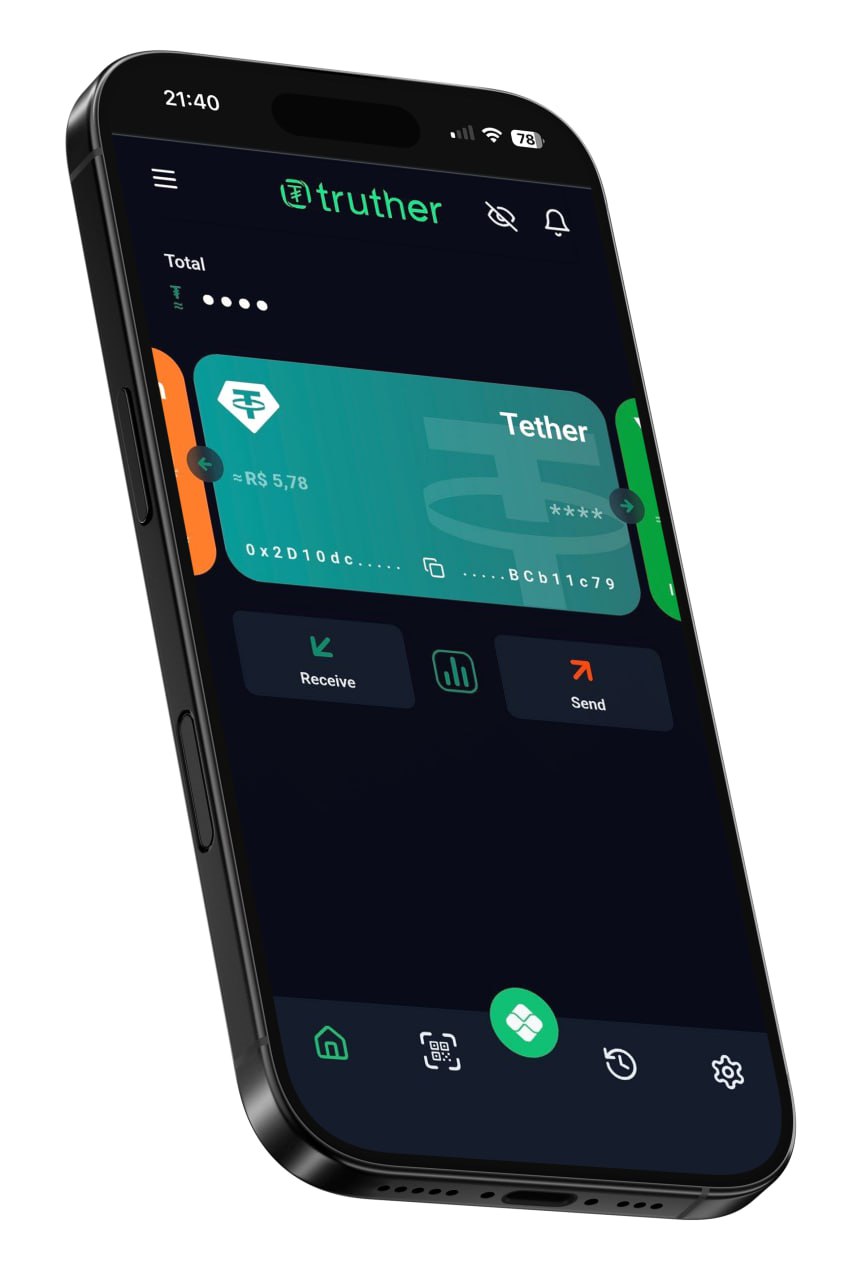 Crypto payments firm Truther to launch non-custodial USDT Visa Card in El Salvador on January 29, 2026. The card doesn't require preloading funds or custodial services, and carries a 2% fee on currency conversions, with no IOF tax for Brazilian users. Truther plans to expand its services to other countries, including Argentina, Mexico, Colombia, and Russia, and will integrate more local stablecoins into its self-custody wallet by early 2026.2025-11
 El Salvador takes a victory lap on their long-term Bitcoin investment2024-11
 El Salvador launches online dashboard to monitor its $360MM worth of Bitcoin holdings in realtime2024-05
 El Salvador revises Bitcoin adoption strategy to align with $1.4B IMF deal, making BTC acceptance voluntary instead of mandatory for businesses.2025-01
- Nayib Bukele claims landslide victory in second term as president of El Salvador, citing overwhelming popular support.2024-02
El Salvador’s Bitcoin Experiment: A Pillar Guide for Crypto Readers
El Salvador is a dollarized Central American nation that became the first country in the world to adopt Bitcoin as legal tender in 2021, turning itself into a live testbed for how a sovereign state can integrate BTC into its monetary system. Over the following years, the country’s leadership has repeatedly recalibrated this experiment under market stress, public resistance, and International Monetary Fund (IMF) pressure, while simultaneously building a strategic Bitcoin reserve, expanding into gold, and opening its doors to stablecoin and crypto capital markets as part of a broader nation-branding project around “Bitcoin Country.”
El Salvador in Context: Dollarization, Remittances, and Financial Exclusion
To understand why El Salvador’s Bitcoin launch mattered for crypto markets, it is essential to situate the country in its economic and monetary context. El Salvador is a small, densely populated Central American republic whose official currency has been the U.S. dollar since 2001, following a decision to abandon the colón and fully dollarize the economy. Dollarization helped stabilize inflation and anchored expectations to U.S. monetary policy, but it also meant surrendering control over monetary issuance and seigniorage, leaving fiscal policy and external borrowing as the main macroeconomic levers. This constraint is crucial for evaluating why Bitcoin, an asset with a fixed supply and global liquidity, appeared attractive to domestic policymakers seeking alternatives to the dollar-centric system.
The Salvadoran economy is heavily driven by services and remittances, with a significant share of households reliant on money sent from relatives working abroad, particularly in the United States. Traditional remittance channels, dominated by money transfer operators and banks, have historically charged sizable fees relative to household incomes, and cash pick‑up windows have often required long waits, travel, and exposure to crime. These frictions created a narrative opening for Bitcoin advocates who argued that permissionless rails could slash costs and allow direct wallet‑to‑wallet transfers. President Nayib Bukele explicitly framed Bitcoin’s adoption as a way to lower remittance fees and keep more dollars in Salvadorans’ pockets instead of in the hands of intermediaries.
Despite dollarization, financial inclusion remained limited as of the early 2020s, with a substantial share of the adult population lacking access to a bank account or formal credit. Low incomes, documentation barriers, distrust of banks, and limited branch networks meant that many citizens were effectively locked out of the digital economy and reliant on cash. This backdrop made the promise of free state‑sponsored digital wallets, instant payments, and small BTC balances particularly compelling in the official narrative. By tying Bitcoin to inclusion, innovation, and modernization, the government framed its initiative as a leapfrogging strategy rather than a risky macro bet.
At the same time, El Salvador entered the Bitcoin era with elevated public debt and a challenging relationship with international capital markets, including ongoing negotiations with the IMF for an Extended Fund Facility (EFF) to support fiscal sustainability and reserve buffers. Investors and multilateral institutions were watching closely, not only because of the crypto dimension but also because of concerns over governance, transparency, and rule of law in the country’s broader political trajectory. The Bitcoin move therefore unfolded at the intersection of domestic development goals, global remittance flows, and the geopolitics of dollar‑denominated sovereign finance.

IMF says El Salvador’s Bitcoin accumulation since its first review came from private donations, with no public funds used.
How Bitcoin Became Legal Tender
The decision to adopt Bitcoin as legal tender moved from idea to law with striking speed. In June 2021, President Bukele announced at a Bitcoin conference that El Salvador would recognize BTC as legal tender, and within days the Legislative Assembly, dominated by his allies, passed the Bitcoin Law. The law came into force on 7 September 2021, making El Salvador the first jurisdiction in history to give Bitcoin full legal tender status alongside the U.S. dollar. This meant that, at least on paper, Bitcoin had to be accepted by all economic agents for payments, and it could be used to settle tax obligations and other public charges.
Bukele and his administration articulated several core objectives for this bold move. First, they argued that Bitcoin could promote financial inclusion by offering unbanked citizens free digital wallets and access to an open payment network. Second, they emphasized remittances: if diaspora Salvadorans sent Bitcoin instead of dollars via money transfer firms, households could receive more value instantly and at lower cost. Third, they claimed that positioning the country as a Bitcoin pioneer would attract foreign direct investment, tech entrepreneurs, and tourism, especially from crypto enthusiasts seeking a friendly regulatory environment. The branding of El Salvador as the world’s first “Bitcoin nation” quickly became central to the government’s international messaging.
Implementation of the Bitcoin Law relied heavily on a state‑backed wallet, Chivo, developed under tight deadlines and launched nationwide in September 2021. The government seeded adoption by offering a one‑time bonus of approximately 30 U.S. dollars in Bitcoin to each citizen who downloaded and registered the app, financed through public funds. A publicly funded trust at the state development bank was established to guarantee instant convertibility between Bitcoin and dollars at a fixed market rate, insulating merchants from exchange rate risk if they preferred to hold USD rather than BTC. In theory, this architecture meant that every Salvadoran smartphone could become a node in a new, low‑cost payment ecosystem integrated with the global Bitcoin network.
The rollout, however, encountered immediate and persistent challenges. On launch day, the Chivo app suffered repeated outages and server overload, leading to a poor first experience for many users. Reports soon emerged of identity theft, as fraudsters allegedly registered wallets using stolen national ID numbers to capture the $30 Bitcoin bonus, damaging trust in the system’s security. Protests erupted in San Salvador and other cities, with demonstrators criticizing both the substance of the policy and its rapid, top‑down imposition without broad public consultation. International rating agencies and the IMF raised concerns about macro‑financial risks, including Bitcoin’s extreme price volatility and potential impacts on fiscal sustainability and financial stability.
From a legal perspective, the Bitcoin Law stretched conventional notions of legal tender. Analyses by central banks and legal scholars highlighted that, unlike traditional legal tender currencies, Bitcoin is highly volatile and not issued by a sovereign authority, raising questions about its suitability as an obligatory unit of account or payment medium. The law’s obligation that all economic agents accept Bitcoin for payments, except where technologically impossible, went beyond the typical function of legal tender rules, which generally govern the discharge of debts but do not require universal acceptance of non‑cash payment methods. These unusual features would later become focal points in negotiations with the IMF and in domestic reforms aimed at “confine” the scope of Bitcoin’s legal status.
Readers engage with El Salvador not as an ideological story but as a live performance audit — the top clicks cluster around reserve dashboards, gains, and IMF defiance, revealing that audiences want to know whether the sovereign Bitcoin bet is actually paying off, not whether it was theoretically sound.
Four Years On: What Happened to Everyday Bitcoin Use?
By the time El Salvador’s Bitcoin experiment crossed the four‑year mark, the reality on the ground diverged sharply from the initial vision of widespread BTC payments. Surveys and independent research found that most citizens stopped using the Chivo wallet after spending the initial bonus and that Bitcoin adoption as a daily payment method remained very low. The SSRN analysis of the experiment concluded that, despite significant government incentives, Bitcoin use for ordinary purchases and remittances was minimal, with the majority of businesses and consumers continuing to rely primarily on U.S. dollars. In practice, dollar cash and card payments remained the default in most shops, markets, and service providers, especially outside tourist hotspots.
Several factors contributed to this limited adoption. Technical issues with the Chivo wallet, including outages, bugs, and transaction delays, undermined user confidence early on. Security lapses and alleged identity fraud during registration eroded trust among citizens who feared losing their funds or having their personal data misused. In addition, many users found the user interface confusing, particularly when dealing with price volatility and on‑chain confirmations, making dollar cash appear simpler and more predictable for everyday use. For merchants, the promise of instant convertibility into dollars through Chivo was offset by fears of tax audits, unfamiliarity with accounting for crypto, and the perceived administrative burden of dealing with a second “currency” alongside USD.
Bitcoin’s price volatility further discouraged widespread retail use. After an initial price surge in 2021–2022, crypto markets experienced a sharp downturn in 2022, with BTC losing a substantial share of its peak value before gradually recovering. For low‑income households living paycheck to paycheck, the prospect of receiving wages or remittances in an asset whose purchasing power could swing dramatically within days or hours was unappealing. Instead, many users treated the $30 bonus as a one‑time windfall, quickly converting it to dollars or cashing out, rather than embracing BTC as a long‑term store of value or unit of account for daily budgeting.
The remittance channel, a central justification for the Bitcoin Law, also failed to transform as envisioned. Research showed that only a small fraction of remittances entered the country through crypto wallets, with the vast majority still routed via traditional money transfer services and banking channels. For diaspora workers, the friction of onboarding into Bitcoin, concerns about volatility, and the need for their relatives back home to navigate the Chivo system or other wallets diminished the appeal of switching from familiar remittance providers. Moreover, many Salvadorans receiving remittances valued the ability to pick up cash in dollars, which they could use directly, rather than needing to manage digital keys or worry about price swings.
Over time, a nuanced pattern emerged in which Bitcoin found some niche use cases without achieving mass adoption. Certain tourism‑oriented businesses, Bitcoin‑themed venues, and tech‑savvy merchants in areas like El Zonte (“Bitcoin Beach”) continued to accept BTC enthusiastically, often as part of a broader marketing identity. At the same time, a portion of the population came to view Bitcoin less as a payment tool and more as a speculative asset sponsored by the government, one whose ups and downs they observed but did not directly participate in. Stablecoins such as Tether’s USDT, by contrast, gained attention among some users and firms as a way to leverage blockchain rails while retaining dollar stability, even though this phenomenon unfolded more in the private sphere than through headline‑grabbing legal reforms.
The gap between official rhetoric about a nationwide Bitcoinized economy and the modest reality of everyday usage has become a central feature of any honest assessment of El Salvador’s experiment. Bitcoin is legal and politically symbolic, and it has carved out specialized niches, but as of the mid‑2020s it has not replaced the dollar in practice, nor has it become the dominant medium of exchange for most Salvadorans. Understanding this divergence is critical for crypto observers looking to extrapolate from El Salvador to other jurisdictions considering similar policies.
From Mandated Legal Tender to Voluntary Use: IMF Conditionality and Legal Retrenchment
As the limitations and risks of the original Bitcoin Law became apparent, El Salvador entered extensive negotiations with the IMF over a multi‑year Extended Fund Facility of about 1.4 billion U.S. dollars. The IMF’s staff statements emphasized that program discussions focused on strengthening public finances, boosting bank reserve buffers, and improving governance and transparency, while also addressing macro‑financial risks arising from Bitcoin’s legal tender status. The Fund highlighted concerns that large, volatile Bitcoin exposures on the public balance sheet, combined with widespread legal tender obligations, could undermine fiscal sustainability and financial stability, especially in a dollarized economy with limited policy tools.
In this context, Bitcoin policy became both a bargaining chip and a risk management issue. IMF staff reported “joint recognition” with Salvadoran authorities that further efforts were needed to enhance transparency and mitigate fiscal and financial stability risks from the Bitcoin project. Negotiations eventually produced a framework under which El Salvador would retain but significantly “confine” its Bitcoin experiment, reducing mandatory public sector exposure while preserving the ability to promote crypto innovation in the private sector. This recalibration marked a shift from the maximalist ambition of nationwide Bitcoinization toward a more constrained, mixed‑use model.
Key elements of the resulting policy package included making Bitcoin acceptance voluntary instead of mandatory for businesses, ensuring that taxes and other public obligations are paid exclusively in U.S. dollars, and reducing direct government management of the Chivo wallet. Under this revised approach, firms could continue to accept BTC if they wished, but the state no longer compelled them to do so; similarly, citizens could hold and use Bitcoin for private transactions, yet they could no longer discharge tax liabilities in BTC. The Chivo app, while still in operation, was to be run with greater distance from the central government, aligning with IMF concerns about governance and contingent liabilities.
America’s Quarterly reports that the government and Legislative Assembly went even further in early 2025, abolishing Bitcoin’s formal status as legal tender and limiting its use to the voluntary private sphere. The new legal framework set clear boundaries to “confine” Bitcoin‑related transactions, including prohibiting tax payments in BTC and clarifying that the U.S. dollar remains the sole legal tender for public sector operations and official accounts. In substance, this reform rolled back the most radical components of the 2021 Bitcoin Law, even if the government continued to champion Bitcoin symbolically and in its reserve strategy.
Reconciling these developments with earlier legal and political rhetoric underscores how fluid the notion of “legal tender” can become in practice. Initially, El Salvador’s Bitcoin Law granted BTC the full legal privileges associated with state money, including mandatory acceptance and tax payment, despite its decentralized origins and volatility. Under IMF‑influenced reforms, Bitcoin moved toward a hybrid status: still fully legal, still publicized by the government, but no longer embedded at the core of public finance and obligations in the same way. Legal scholars note that by removing tax payment functions and acceptance mandates, the authorities have stripped Bitcoin of many practical attributes traditionally associated with legal tender, even if they stop short of banning its use.
For crypto policy watchers, this retrenchment offers two key lessons. First, the most ambitious form of legal tender adoption—where a non‑sovereign, volatile asset is placed on equal footing with the national or anchor currency—can collide with the institutional requirements of international finance, especially when a country depends on IMF support. Second, legal reforms are reversible; the arc of policy in El Salvador shows how a government can pivot from maximalist commitments toward more constrained frameworks while still maintaining a pro‑crypto narrative and reserve exposure. The “Bitcoin nation” brand and the country’s strategic BTC holdings survived, but their legal and macro‑financial footprint was substantially reshaped.

JAN3 releases OMEGA60 Bitcoin valuation model, citing its use in designing El Salvador's Bitcoin Bond program

The Strategic Bitcoin Reserve: Holdings, Custody, and On‑Chain Controversies
While retail adoption faltered and legal tender rules were dialed back, the Salvadoran government doubled down on a different dimension of the Bitcoin experiment: holding BTC on the national balance sheet as a strategic reserve asset. From the outset, Bukele publicly announced government Bitcoin purchases via social media, often framing them as “buying the dip” and later adopting a “one Bitcoin a day” accumulation slogan. Over time, these purchases were consolidated into what authorities branded the Strategic Bitcoin Reserve, a portfolio intended to sit alongside traditional reserve assets such as dollars and gold.
In practice, quantifying the exact size and performance of this reserve has been challenging, because not all transactions are transparent, and methods for attributing on‑chain addresses to the state have evolved. America’s Quarterly reported that by March 2025, El Salvador’s Strategic Bitcoin Reserve Fund held approximately 6,102 BTC, worth around 500 million dollars at prevailing market prices. DLNews, using blockchain analysis, indicated that the country controlled roughly 6,160 Bitcoin in early 2025, up from about 6,055 BTC a month earlier, suggesting modest net additions. By 2026, other analyses estimated that government‑linked wallets collectively held around 7,600 BTC as the reserve continued to grow and Bitcoin’s market value recovered, placing the notional value of the stash again in the vicinity of half a billion U.S. dollars.
These headline numbers, however, mask significant price volatility and raise questions about how much of the reported growth reflects new purchases versus internal wallet reorganizations. The 2022 crypto market crash dramatically reduced the mark‑to‑market value of El Salvador’s Bitcoin holdings, exposing the country’s fiscal accounts to swings that critics argued it could ill afford. Subsequent price rebounds improved the reserve’s valuation, yet the underlying issue remained: Bitcoin’s dollar value can move sharply within short periods, making it a risky anchor for a heavily indebted, dollarized economy that still must service obligations in fiat. For supporters, this volatility is the flip side of Bitcoin’s upside potential; for skeptics, it is an unacceptable source of macro‑financial uncertainty.
The IMF’s 1.4 billion dollar program added another layer of complexity. As part of the EFF agreement, the Fund insisted on a “non‑accumulation” clause, under which the public sector would stop using fiscal resources to purchase additional Bitcoin. IMF officials later confirmed that El Salvador was complying with key conditions, including the non‑accumulation requirement, asserting that public sector Bitcoin purchases had halted. At the same time, DLNews and other analysts documented continued growth in government‑linked Bitcoin wallets, indicating that holdings had risen by roughly 240 BTC since the IMF deal was announced in December 2024.
This apparent contradiction sparked intense debate over whether the government was genuinely acquiring new BTC or merely moving existing coins between wallets. On‑chain evidence showed patterns of transfers from a central treasury wallet to newly created addresses, sometimes consistent with internal reallocation rather than fresh purchases. The IMF acknowledged that while public funds under the program were not being used for new acquisitions, it could not fully police what might be happening outside the program’s fiscal perimeter. Meanwhile, the government’s Bitcoin Office continued to publicly post “daily purchase” announcements, framing each transaction as a step in its accumulation strategy, even as analysts argued that many of these movements simply “recycled” Bitcoin already under state control.
Concerns about custodial security have also surfaced as part of the strategic reserve discussion. Best practices in Bitcoin treasury management typically call for using multi‑signature wallets, geographic key distribution, and address rotation to mitigate hacking and operational risks over long horizons. In response to hypothetical threats—including the future possibility of quantum computing undermining current cryptographic standards—Salvadoran authorities have reportedly moved funds from a small number of highly visible addresses into multiple new, unused addresses, a step consistent with strengthening key management and making reserves harder to target. Such moves, while prudent from a security perspective, can further complicate on‑chain attribution and deepen skepticism among observers trying to reconcile public statements with blockchain data.
To help structure these developments, it is useful to view El Salvador’s strategic Bitcoin reserve through a time‑line of policy phases and on‑chain observations.
| Period / Phase | Approx. BTC Holdings (Est.) | Policy Context and Events | Sources |
|---|---|---|---|
| Initial Adoption (late 2021–2022) | Several thousand BTC | Launch of Bitcoin Law, early purchases, Chivo rollout, onset of 2022 crash. | |
| Pre‑IMF Agreement (2023–late 2024) | Around 6,000 BTC | “Buy the dip” rhetoric, reserves fluctuate with price; negotiations begin. | |
| Early IMF Program (Dec 2024–early 2025) | 6,055–6,160 BTC | Non‑accumulation clause; wallets show modest net increase and reshuffling. | |
| Strategic Reserve Branding (2025–2026) | Roughly 6,100–7,600 BTC | Bitcoin Reserve Fund publicized; value ~500M USD depending on BTC price. |
This table underscores that the strategic reserve is as much a political and narrative asset as a financial one. Its size and valuation provide talking points for government officials and crypto advocates, while its opacity invites criticism from the IMF, opposition parties, and independent analysts. For the broader crypto community, El Salvador’s reserve acts as a high‑profile demonstration of how a state might treat Bitcoin as a quasi‑sovereign asset, but it also highlights the governance, transparency, and risk management challenges of doing so under the scrutiny of international creditors.
- 01Bitcoin reserve scorecard↗
Real-time dashboards, BTC totals, and dollar-gain milestones turned El Salvador's holdings into a public leaderboard readers kept refreshing.
- 02IMF deal versus stacking defiance↗
The tension between a $1.4B loan requiring BTC restraint and evidence of continued secret purchases made every IMF update feel like a geopolitical thriller.
- 03Crypto industry relocation magnet↗
Tether moving its entire group HQ and Bitfinex launching locally signaled that El Salvador's policies were attracting institutional crypto capital, not just tourist enthusiasm.
- 04Bukele political consolidation↗
A landslide second term followed by legislation eliminating term limits and extending presidential terms framed Bitcoin adoption as inseparable from authoritarian state-building.
- 05Bitcoin adoption retreat and revision↗
Making BTC acceptance voluntary after the mandatory experiment exposed real friction between ideological ambition and merchant-level economic reality.
- 06Citizenship and investment gateway↗
A capped visa program letting foreigners buy citizenship with $1M in BTC or USDT reframed El Salvador as a crypto-native offshore wealth destination.
Beyond Bitcoin: Gold, Stablecoins, and Investment Law Modernization
Although Bitcoin dominates headlines, El Salvador’s broader reserve and financial strategy is more diversified than sometimes portrayed. In a notable shift, the country’s central bank recently increased its gold holdings for the first time since 1990, purchasing 13,999 troy ounces valued at about 50 million U.S. dollars. This acquisition raised El Salvador’s total gold reserves from roughly 44,106 troy ounces to 58,105 troy ounces, signaling a strategic move to complement its existing reserve mix. The decision came amid a wider trend of central banks globally returning to net gold buying, with aggregate net purchases in April reflecting renewed interest in the metal as a hedge against monetary and geopolitical uncertainty.
For a country framed internationally as a “Bitcoin nation,” the pivot toward gold is revealing. Gold has long been the classic sovereign reserve asset, prized for its liquidity, durability, and lack of credit risk. By adding physical gold while already holding significant Bitcoin, El Salvador appears to be constructing a barbell‑style reserve strategy that pairs a highly volatile, high‑upside digital asset with a traditional, low‑yield safe haven. This approach can be read as an attempt to diversify away from exclusive dependence on the U.S. dollar while balancing the optics of crypto innovation with the prudence associated with gold. In political terms, it allows the government to reassure more conservative stakeholders that it is not betting the nation solely on BTC, even as it continues to promote Bitcoin domestically and abroad.
In parallel, El Salvador has become a testing ground for private‑sector stablecoin innovation. Crypto payments company Truther announced plans to launch a non‑custodial USDT Visa card in El Salvador, allowing users to spend Tether (USDT) directly from self‑custody wallets without preloading funds. The card promises a 2 percent fee on currency conversions and, for Brazilian users, no IOF tax, effectively enabling cross‑border spending linked to USDT balances on‑chain. Truther chose El Salvador as a strategic test market because of its Bitcoin‑friendly legal environment and plans to use the country as a launchpad for expansion into Argentina, Mexico, Colombia, Russia, and other jurisdictions, integrating additional local stablecoins into its wallet over time.
This initiative illustrates how, even as official Bitcoin use has been scaled back in the public sector, private actors see opportunity in combining stablecoins with local and international payment networks. Tether’s USDT, pegged to the U.S. dollar, offers the same denomination as El Salvador’s official currency while leveraging blockchain settlement, sidestepping the volatility that limits BTC’s appeal as a medium of exchange for many users. For merchants and consumers, a USDT‑denominated card can feel more like a familiar dollar debit product, but with the added benefits of crypto liquidity and global accessibility. In this sense, stablecoins may end up playing a more substantial role than Bitcoin itself in everyday digital payments, even in the world’s first “Bitcoin legal tender” country.
Regulatory and capital market reforms are also part of El Salvador’s broader crypto and investment strategy. A new Investment Bank Law opened the door for innovative products, explicitly including Bitcoin and other crypto‑based instruments. According to reporting on the law, investors can use this framework to access new types of securities and structured products that reference digital assets, potentially including tokenized instruments or Bitcoin‑linked notes. By modernizing its investment law, El Salvador aims to attract capital seeking both yield and regulatory arbitrage, positioning itself as a jurisdiction willing to accommodate crypto‑centric financial engineering that might face greater scrutiny elsewhere.
The combination of crypto‑friendly laws, stablecoin experimentation, and increased gold reserves has drawn attention from global investors and asset managers looking for regulatory clarity or upside exposure. Some commentators have encouraged “regulation holdouts” in the crypto industry to “set sail” for El Salvador, treating it as a jurisdiction where innovation is welcomed and compliance burdens are comparatively lighter than in major Western markets. At the same time, IMF oversight and global AML standards impose constraints: as the Fund’s staff statements emphasize, El Salvador is under pressure to strengthen governance frameworks, address money‑laundering vulnerabilities, and align procurement and financial regulations with international best practices. The result is an evolving, hybrid regime that seeks to court crypto capital while staying within the bounds of multilateral expectations.
Education, Conferences, and the Branding of “Bitcoin Country”
Beyond laws and reserves, El Salvador has invested heavily in narrative and education, cultivating a distinct identity as “Bitcoin Country.” The government’s National Bitcoin Office and allied organizations have organized conferences, media campaigns, and educational initiatives to embed Bitcoin into the country’s self‑image and youth curriculum. This soft‑power strategy aims not only to attract foreign tourists and investors but also to nurture a domestic generation familiar with Bitcoin’s principles and technology.
One of the flagship initiatives is the Bitcoin Diploma program, originally piloted in certain schools and later revamped as Bitcoin Diploma 2.0 for rollout across public schools in 2026. The updated program introduces students to Bitcoin’s history, technical foundations, and financial applications, often framing BTC as both a tool for individual empowerment and an emblem of national innovation. By embedding crypto literacy in public education, El Salvador is attempting to normalize Bitcoin within its institutional fabric, even as the legal and macro‑financial parameters of the experiment evolve. For the global crypto community, this represents a rare case of a sovereign state systematically teaching Bitcoin concepts in its school system.
Conferences have played a central role in El Salvador’s external branding. The country hosted PLANB Forum 2025, billed as the largest crypto assets conference in Central America, drawing developers, investors, and advocates for panels on Bitcoin, mining, regulation, and macroeconomics. The government has also backed Bitcoin Histórico, a two‑day, government‑sponsored Bitcoin conference organized by the National Bitcoin Office in San Salvador and scheduled for November 2026. Framed as the world’s first government‑sponsored Bitcoin conference of its kind, Bitcoin Histórico is designed to celebrate Bitcoin’s history and El Salvador’s role in it, positioning the country as a convening hub for the global Bitcoin community.
These events are complemented by symbolic celebrations such as “Bitcoin Day,” marking the anniversary of the Bitcoin Law’s entry into force. On the fourth anniversary, the government highlighted the progress of “Bitcoin Country” and ceremonially added a symbolic number of coins—such as 21 BTC, echoing Bitcoin’s 21 million supply cap—to public reserves as part of the festivities. Such rituals serve dual purposes: domestically, they reinforce the narrative that the Bitcoin project is ongoing and successful; internationally, they provide media moments that keep El Salvador in the crypto spotlight.
Tourism has been another beneficiary of this branding. While systematic data are limited, anecdotal evidence points to an influx of Bitcoin enthusiasts visiting locations like El Zonte, known as “Bitcoin Beach,” and other parts of the country to experience a semblance of circular Bitcoin economies in action. Merchants catering to tourists are more likely to accept BTC, often using Lightning Network wallets, while offering discounts or themed experiences tied to Bitcoin culture. Even if this activity remains small relative to the overall economy, it reinforces the perception that El Salvador is a unique destination where Bitcoin is not only legal but actively celebrated.
Taken together, education, conferences, and tourism illustrate how the country’s Bitcoin strategy transcends purely financial dimensions. The government is using Bitcoin as a narrative anchor for national modernization, digital competence, and global relevance. For crypto watchers, this underscores that state‑level Bitcoin adoption can be as much about identity and diplomacy as about payments or reserves. Success, in this narrative sense, does not depend solely on how many grocery bills are settled in BTC, but also on how effectively a country can claim a differentiated role in the emerging digital asset landscape.

El Salvador's Strategic Bitcoin Reserve surpasses 7,600 BTC, now valued at $506M
Geopolitics, Governance, and Policy Risks
El Salvador’s Bitcoin trajectory cannot be separated from its evolving political and governance context. On 31 July 2025, the Legislative Assembly passed a constitutional amendment allowing the incumbent president, Nayib Bukele, to run for a third term, removing previous restrictions that penalized the promotion of presidential re‑election. The reform also eliminated runoff elections, extended presidential terms from five to six years, and synchronized presidential, legislative, and municipal elections starting in 2027. Critics argue that these changes entrench executive power and weaken democratic checks and balances, while supporters claim they provide stability and continuity for long‑term projects, including Bitcoin policy.
Governance concerns extend beyond electoral rules. The IMF’s communications around the EFF program emphasize the need to improve governance, transparency, and the overall investment climate, including measures to address corruption, money‑laundering vulnerabilities, and weaknesses in procurement frameworks. Bitcoin’s early legal tender status raised worries about its potential use for illicit finance, given that pseudonymous addresses and cross‑border transferability can facilitate evasion of capital controls and AML rules if not properly regulated. While there is limited evidence that El Salvador has become a major hub for crypto‑based money laundering, the perception of regulatory laxity can itself attract scrutiny from global watchdogs and complicate banking relationships.
Geopolitically, El Salvador’s embrace of Bitcoin has created new diplomatic channels and alignments. Pakistan, for example, recently established formal ties with El Salvador that put Bitcoin front and center, with the two nations discussing information‑sharing arrangements focused on Bitcoin policy and infrastructure. Such initiatives reflect a broader trend in which states see crypto expertise and regulation as domains for cooperation, competition, or differentiation, particularly among countries exploring alternatives to Western‑dominated financial systems. For El Salvador, these ties can bring political support and potential investment, but they may also deepen concerns in Washington and multilateral circles about strategic realignments.
Domestically, opinions about the Bitcoin project remain polarized. Some Salvadorans view Bitcoin as a symbol of national pride and a potential ticket to technological progress, celebrating the country’s distinctiveness on the global stage. Others are skeptical or hostile, seeing the policy as an elite project that has not materially improved everyday life, especially when weighed against other pressing issues such as crime, poverty, and institutional fragility. Social media posts and commentary have at times painted a dire picture, alleging that the Bitcoin gambit has led to economic instability and social unrest, though these claims often blend factual reporting with political rhetoric. For an external observer, the key point is that Bitcoin has become deeply politicized within El Salvador, serving as a proxy battle over governance, priorities, and the country’s development model.
From a risk perspective, the concentration of political power increases the likelihood that Bitcoin policy will remain stable in the short to medium term, since the administration that spearheaded the experiment is likely to remain in office. However, it also means that any future change of government could trigger sharp policy reversals, including potential divestment of Bitcoin reserves or further legal curtailment of crypto’s role. Moreover, the combination of political centralization, large strategic Bitcoin holdings, and constrained fiscal space creates an environment where decisions about reserve management and transparency are heavily influenced by a narrow circle of actors, raising concerns about accountability and long‑term stewardship.
Bitcoin becomes legal tender in El Salvador
Bukele wins presidential re-election by landslide
IMF non-accumulation agreement signed; public BTC purchases paused
IMF approves $1.4B 40-month EFF arrangement
BTC acceptance made voluntary for businesses under IMF deal terms
Bitcoin Histórico: world's first government-sponsored Bitcoin conference
Legislature approves indefinite presidential reelection and six-year terms
Tether Group announces full HQ relocation to El Salvador
Lessons for Crypto, DeFi, and Other States
El Salvador’s Bitcoin experiment has generated a rich body of analysis, much of it cautionary. The SSRN paper “An Analysis of El Salvador’s Experiment” characterizes the 2021 legal tender adoption as bold but ultimately flawed, citing public rejection, technological deficiencies, market volatility, and international financial pressure as key drivers of its partial failure. Despite generous incentives, the study finds that adoption remained minimal, technical and security issues in the Chivo wallet undercut trust, and the 2022 market collapse exposed the country’s economic vulnerability, prompting a scaling back of ambitious plans under IMF influence. The authors highlight the importance of phased implementation, robust financial infrastructure, and clear regulation for any state considering integrating Bitcoin or other cryptoassets into its monetary system.
These findings suggest several lessons for crypto and DeFi observers. First, legal tender status alone does not guarantee adoption. For ordinary users, the perceived reliability, usability, and stability of payment tools matter more than legal designations. If wallets are buggy, volatility is high, and merchants are ambivalent, people will default to the simplest and most trusted option, which in El Salvador’s case remains the U.S. dollar. Second, government‑built infrastructure like Chivo must meet or exceed the quality of private alternatives; otherwise, it risks becoming a liability that undermines both financial inclusion goals and the reputation of the broader crypto ecosystem.
Third, macro‑financial context is crucial. A heavily indebted, dollarized economy with limited fiscal space is less able to absorb large mark‑to‑market losses on volatile reserves than a richer, more diversified country. While Bitcoin’s upside potential is attractive, the downside risk can be politically and economically destabilizing when public balance sheets are thin. In El Salvador’s case, the need for IMF support effectively capped the extent of permissible experimentation, forcing a retreat from the most aggressive elements of the Bitcoin Law and constraining the use of public funds for further accumulation.
Fourth, the El Salvador experience highlights that stablecoins and tokenized dollars may offer a more intuitive path for everyday crypto payments in dollarized economies than Bitcoin itself. Products like the Truther non‑custodial USDT Visa card show how private firms can layer user‑friendly interfaces on top of blockchain rails, giving consumers the benefits of digital asset portability without exposure to BTC’s volatility. For DeFi builders, this underscores the potential of stablecoin‑centric solutions and tokenized real‑world assets in emerging markets, particularly when integrated with local banking and card networks.
Fifth, diversification across Bitcoin, gold, and traditional fiat reserves offers a blueprint—albeit an experimental one—for how states might gradually reduce reliance on the U.S. dollar without fully exiting the existing system. El Salvador’s choice to expand gold holdings while maintaining a substantial Bitcoin reserve illustrates a multi‑asset approach to reserve management in an era of geopolitical uncertainty and debates over de‑dollarization. For other countries, especially smaller or frontier economies, this example suggests that crypto adoption need not be binary; Bitcoin can be incorporated as a minority reserve asset alongside gold and hard currency, rather than replacing them outright.
Finally, the experiment underscores the importance of governance and trust. Even the most sophisticated crypto infrastructure cannot substitute for credible institutions, transparent reporting, and robust legal frameworks. On‑chain transparency is powerful, but without clear official disclosures and independent oversight, it can fuel as much suspicion as confidence, as seen in disputes over whether El Salvador’s Bitcoin stash is truly growing or merely being shuffled. For other states contemplating Bitcoin reserves or state‑sponsored DeFi ventures, building institutional trust may be as important as writing code or passing legislation.
Conclusion
El Salvador’s journey from the dramatic launch of Bitcoin as legal tender in 2021 to the more tempered, IMF‑constrained model of the mid‑2020s offers a uniquely rich case study for the crypto world. The country vaulted into global headlines by making BTC a parallel legal tender to the U.S. dollar, rolling out a nationwide wallet with a state‑funded bonus, and promising to revolutionize remittances and financial inclusion. Yet technological glitches, volatility, and public skepticism quickly revealed the limits of top‑down monetary experimentation, especially in an economy heavily reliant on dollar stability and external financing.
Over four years, El Salvador recalibrated. The government preserved its Bitcoin narrative and strategic reserve, branded the country as “Bitcoin Country,” and embedded Bitcoin into education and tourism. At the same time, it progressively confined Bitcoin’s legal tender role, making business acceptance voluntary, restricting tax payments to dollars, and reducing the direct role of the state in wallet management, largely in response to IMF concerns about fiscal and financial stability. What began as an attempt to put Bitcoin at the center of the monetary system evolved into a hybrid model where BTC is primarily a reserve and branding asset, not the everyday money of the masses.
The strategic Bitcoin reserve has become the experiment’s most enduring institutional legacy, with holdings in the low‑to‑mid thousands of BTC and a notional market value in the hundreds of millions of dollars, depending on price. This reserve is both a symbol of sovereign defiance of dollar hegemony and a source of legitimate macro‑financial risk, subject to sharp swings and controversies over transparency and IMF conditionality. Alongside Bitcoin, El Salvador has quietly pursued more conventional diversification by increasing its gold reserves and enabling stablecoin‑linked payments and investment products, such as USDT cards and Bitcoin‑based instruments under a new Investment Bank Law.
The broader lesson for crypto observers is neither triumphalist nor fatalistic. El Salvador has not collapsed under the weight of its Bitcoin experiment, contrary to some alarmist narratives, but neither has it ushered in a fully Bitcoinized economy. Instead, it has produced a complex, evolving equilibrium in which Bitcoin is legal, symbolically central, but practically peripheral for most daily economic activity. For other countries, the message is clear: integrating Bitcoin or other digital assets into national frameworks is possible, but it demands careful attention to infrastructure, governance, macro risk, and the often‑underestimated preferences of ordinary users.
Indefinite presidential reelection passed by the legislature in late 2025 concentrates crypto policy entirely in Bukele, creating single-point-of-failure governance for the Bitcoin experiment.
The December 2024 IMF non-accumulation agreement and February 2025 EFF approval formalized constraints on public BTC purchases, but wallet data contradictions suggest incomplete adherence.
With over 7,600 BTC on the sovereign balance sheet valued above $500M, national fiscal optics are directly tethered to Bitcoin price cycles with no meaningful hedge.
The $1.4B IMF Extended Fund Facility carries transparency and risk-mitigation conditions that constrain Bitcoin activity; breaching them jeopardizes the loan program.
Rolling back mandatory BTC acceptance to voluntary status confirmed that grassroots merchant adoption was thin, leaving Bitcoin's real-economy footprint concentrated in government and fintech.
IMF analysis found that Bukele's publicized daily-stacking claims were contradicted by wallet data showing only internal shuffles, undermining reserve credibility.
Outlook
Looking ahead, El Salvador is likely to remain an important reference point in debates over Bitcoin’s role in sovereign finance and monetary systems. The country’s strategic Bitcoin reserve, combined with rising gold holdings and ongoing IMF oversight, will continue to test how far a small, dollarized economy can push diversification without jeopardizing stability. Further developments in Bitcoin’s price, global regulation, and technologies such as the Lightning Network or post‑quantum security will shape both the financial performance and risk profile of the Salvadoran reserve.
Domestically, expanded Bitcoin education through programs like Bitcoin Diploma 2.0 and recurring government‑sponsored conferences such as Bitcoin Histórico will deepen the cultural imprint of Bitcoin, regardless of its day‑to‑day transactional footprint. Private‑sector initiatives, particularly in stablecoins and tokenized assets, may quietly shift the practical balance of digital asset usage toward USDT and similar instruments, even as BTC remains the flagship symbol in official discourse. Politically, the trajectory of governance reforms and the durability of current leadership will influence whether El Salvador’s Bitcoin stance hardens, softens, or is eventually reimagined by future administrations.
For the crypto ecosystem, El Salvador will remain a live experiment rather than a finished model: a reminder that state‑level Bitcoin adoption is as much about institutions, incentives, and geopolitics as it is about code. Whether future nations choose to follow, modify, or avoid its path, the Salvadoran case will inform the next generation of debates over how Bitcoin, stablecoins, gold, and fiat can coexist in the portfolios and legal frameworks of sovereign states.
Latest El Salvador news
IMF says El Salvador’s Bitcoin accumulation since its first review came from private donations, with no public funds used.JAN3 releases OMEGA60 Bitcoin valuation model, citing its use in designing El Salvador's Bitcoin Bond programEl Salvador's Strategic Bitcoin Reserve surpasses 7,600 BTC, now valued at $506MCrypto payments firm Truther to launch non-custodial USDT Visa Card in El Salvador on January 29, 2026. The card doesn't require preloading funds or custodial services, and carries a 2% fee on currency conversions, with no IOF tax for Brazilian users. Truther plans to expand its services to other countries, including Argentina, Mexico, Colombia, and Russia, and will integrate more local stablecoins into its self-custody wallet by early 2026.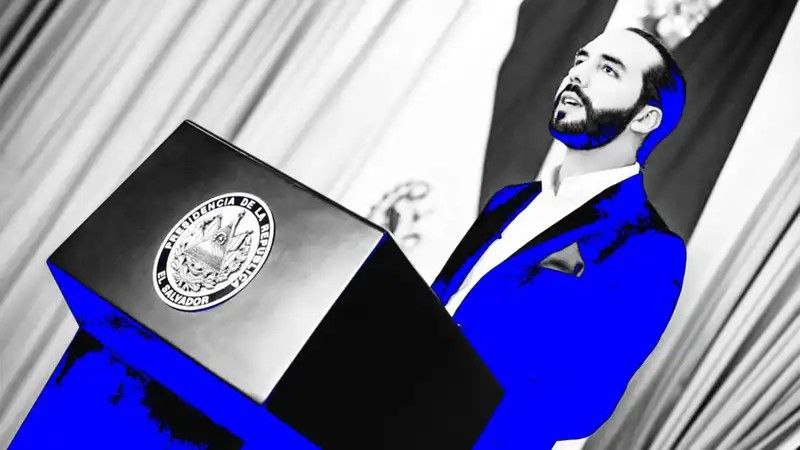 El Salvador reportedly added 1,090 BTC during the market dip, marking its largest single-day increase. But questions are rising over whether the purchase violates its IMF loan agreement.
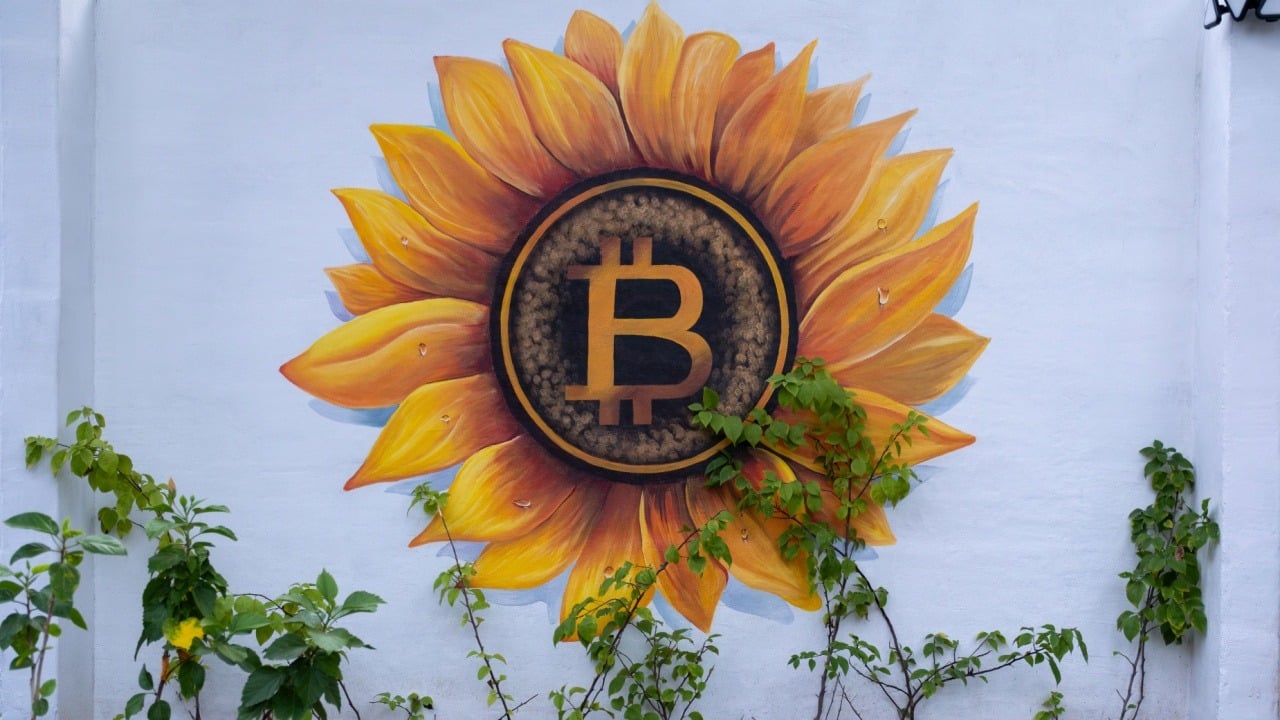 El Salvador’s bitcoin purchases are under scrutiny after onchain analyst Sani presented evidence suggesting the government may be “recycling” BTC across wallets rather than making fresh acquisitions. The IMF has previously raised similar concerns, but President Bukele’s administration continues to post each transfer as a new purchase via the Bitcoin Office.
Sources
19 records from 16 domains
americasquarterly.org
papers.ssrn.com
bitcoinfoundation.org
imf.org
news.bitcoin.com
coinmarketcap.com
bitcoinhistorico.com
x.com
democratic-erosion.org
bde.es
dlnews.com
elsalvadornow.org
instagram.com
en.wikipedia.org
facebook.com
gold.org
Community notes
Spot something off or out of date? Drop a note. Editors review topic notes daily and roll accepted fixes into the explainer — contributors are recognized in the monthly $SQUID drop.
Loading notes…
Help improve this topic
Have a story or tip about this topic? Submit it. See something missing? Leave a note. Editors review daily; accepted submissions and fixes count toward the monthly $SQUID drop.