
Deep explainer on how research works in crypto and AI: from on-chain data, DeFi and lending gaps to agentic trading, institutional reports and DYOR in an AI age, with Bitcoin, Ethereum and next-gen chains as case studies.
+28 sources across the wider coverage universe
 OpenAI Foundation commits $100M+ to AI-driven Alzheimer’s research, backing drug design, biomarkers, and datasets to crack medicine’s toughest disease2026-04
 New ARS research by t54 Labs and collaborators from Google DeepMind and Microsoft aims to standardize risk with escrow and collateral systems for agent-based economies2026-04
 Tether opens two roles: research analyst and economic policy analyst to quantify stablecoin impact2026-04
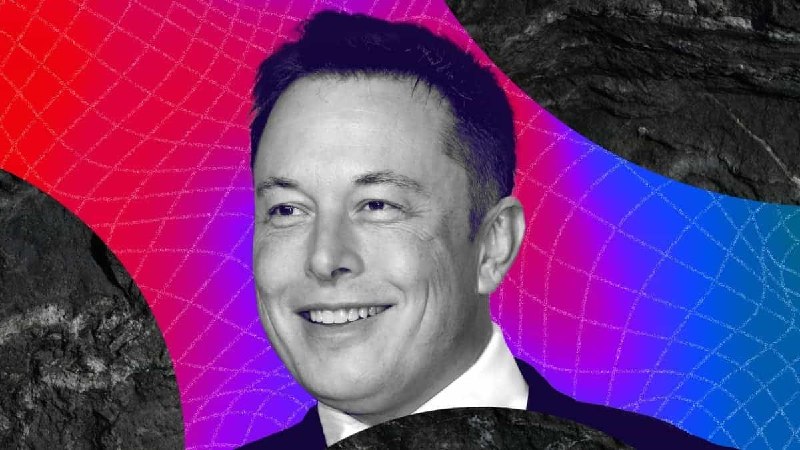 Mizuho research analysts report Elon Musk’s X Money could disrupt global payments and challenge PayPal, but planned crypto integration faces regulatory hurdles under proposed US legislation2026-04
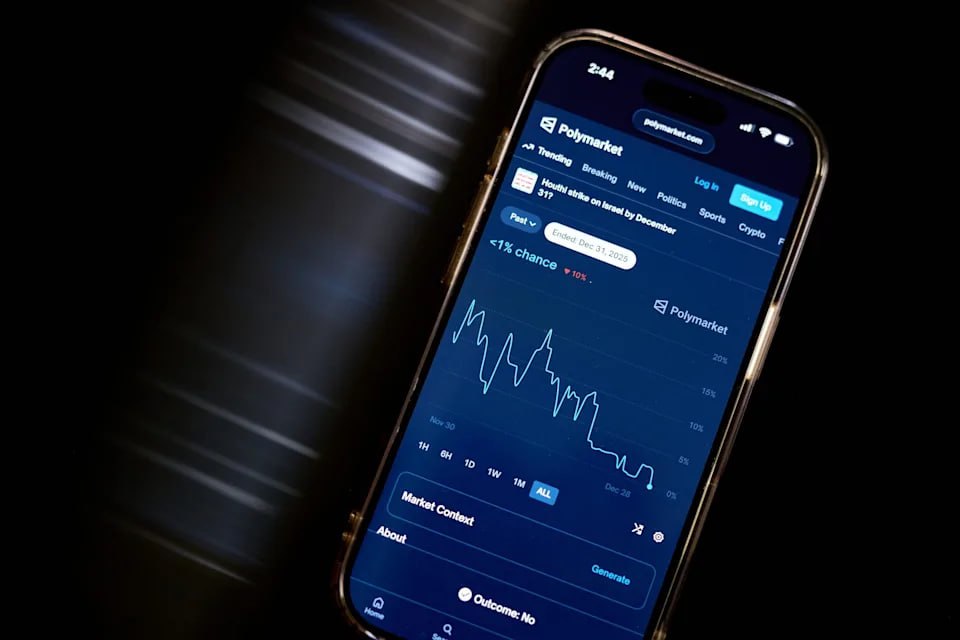 Polymarket launches institute to fund independent academic research on prediction markets.2026-07
 Research shows prediction market profits largely come from structural liquidity advantages as makers harvest spread while takers overpay for urgency2026-03
Research In Crypto: Turning Data, Narratives And Code Into Edge
In digital assets, research is the disciplined process of gathering, analyzing and interpreting information about protocols, markets, users and regulation so that investors, builders and policymakers can make better decisions under uncertainty. In a world where blockchains run 24/7, AI agents trade at machine speed and narratives move billions in minutes, research is the bridge between raw noise and durable conviction.
What “Research” Means In Crypto
Research in crypto is often reduced to a meme—“DYOR” or do your own research—but beneath the slogan lies a surprisingly rich set of practices that resemble a hybrid of equity research, macro analysis, open‑source software due diligence and digital forensics. In traditional finance, analysts might focus on earnings, cash flow and macro data; in crypto, the equivalent data includes on‑chain activity, protocol revenues, token emissions, governance dynamics and even the social graph of developers and users. Because most blockchains are transparent by design, research is less about finding hidden numbers and more about asking the right questions of an open dataset. This shifts the edge from raw access to interpretation, tooling and methodology.
It is also important to distinguish research from mere information consumption. Watching price feeds, scrolling through social media or reading exchange blogs can provide useful context, but research implies a structured effort to test claims, compare data sources and examine counter‑arguments. Academic overviews of the cryptocurrency literature emphasize that serious studies have moved beyond descriptives into questions of volatility, asset pricing, contagion and the role of crypto in diversified portfolios. In the same way, meaningful crypto research goes beyond describing “what happened” to examining why it happened, what assumptions underlie a thesis and how robust it is to changing conditions.
Another feature that makes crypto research distinct is its interdisciplinary nature. Understanding Bitcoin or Ethereum requires some mix of computer science, economics, game theory, law, political science and even sociology. For example, assessing whether a rollup is secure demands comprehension of cryptographic assumptions, sequencer incentives and the legal status of data availability layers. Meanwhile, evaluating the sustainability of a staking yield calls for knowledge of token issuance, protocol revenue and user behavior in different market regimes. This interdisciplinarity is why large language models and AI systems increasingly play a supporting role: they are well suited to synthesizing information across domains, even if they still require human judgment to avoid hallucinations or misinterpretations.
The idea of research also extends far beyond investing. For protocol teams, “research” might mean designing more efficient consensus mechanisms, formalizing incentive structures or studying MEV and its impact on fairness and liveness. For regulators, it can mean analyzing systemic risk, retail harm or the macro‑financial channels through which crypto interacts with the broader economy. For civil society, it may involve studying how blockchains can support public goods, scientific data preservation or novel models of funding high‑risk research, from longevity experiments to AI safety. Whether the goal is alpha, safety or impact, the common thread is disciplined inquiry in a domain where intuition alone is often misleading.
Finally, research in crypto is increasingly collaborative and open source. On‑chain dashboards, public Dune queries and freely shared Glassnode charts make it possible for traders, journalists and regulators to interrogate the same data. Grant programs from major ecosystems such as Ethereum, Avalanche or Sui fund independent researchers to test protocol assumptions, explore new use cases or stress‑test economic models. This convergence of open data and public funding is turning crypto into a living laboratory for financial and computational research, where hypotheses can be tested against real‑world behavior in near real time.

OpenAI forms independent math advisory group to guide AI research standards, result disclosures and tools for mathematical research and learning

Why Research Matters: From Bitcoin Cycles To Agentic Economies
The first reason research matters in crypto is brutally simple: the markets are volatile, reflexive and narrative‑driven. Mispricing can persist far longer than in traditional markets because there are fewer constraints on capital flows, leverage is widely accessible and the participant base ranges from institutions to teenagers trading via mobile apps. In such an environment, the primary defense against being whipsawed by sentiment is a well‑researched thesis that can be updated as new data arrives. For example, when on‑chain analytics firms estimate Bitcoin’s “realized price” and compare it to the market price to infer potential cycle bottoms, they are using research to distinguish between temporary panic and deeper structural deterioration. These metrics do not guarantee a bottom, but they anchor the conversation in observable behavior rather than pure emotion.
Research is equally critical for understanding structural adoption. Consider the emergence of crypto‑backed lending. Surveys show that a large share of crypto holders express interest in borrowing against their assets, yet only a small minority actually use crypto‑collateralized loans. Researchers have labeled this the “crypto collateral gap,” emphasizing that the constraint is not raw demand but confidence in platforms, clarity around tax and regulation, and user experience. This kind of research helps explain why seemingly obvious use cases do not scale as quickly as narratives suggest, and it provides concrete guidance for builders and policymakers seeking to close the gap.
In recent cycles, research has become a competitive weapon among institutions. Banks and asset managers publish detailed digital asset outlooks, estimating fair value ranges for Bitcoin, projecting Ethereum fee and staking revenues under different scenarios, and modeling how ETFs might change ownership structure. When a major bank’s head of digital assets research argues that a particular drawdown likely marks a cycle low while still framing a year‑end target in six figures, that call is underpinned by data on flows, derivatives positioning, macro correlations and on‑chain accumulation patterns. Even if one disagrees with the conclusion, the research process surfaces assumptions that can be interrogated rather than leaving forecasts as pure punditry.
The second reason research matters is that crypto is increasingly entangled with AI and autonomous agents, giving information an even more central role. The International Monetary Fund describes “agentic AI” systems as software that can interpret objectives, plan multistep actions and interact with digital services with limited human input. In payments, such agents could initiate and authorize transfers, manage liquidity or monitor compliance. In crypto markets, agents already research opportunities, execute trades, negotiate orders on decentralized exchanges and manage portfolio risk on behalf of users. As these AI agents gain the ability to control wallets and access capital directly on‑chain, the quality of their research routines—data sources, model assumptions, risk checks—will determine whether they create sustainable value or automate bad decisions at scale.
Research also shapes infrastructure decisions that will determine which ecosystems attract agentic activity and high‑frequency applications. Networks such as Sui emphasize extremely high throughput—on the order of hundreds of thousands of transactions per second—with no fixed ceiling, explicitly pitching themselves as bases for AI agent coordination and other intensive workloads. Evaluating such claims requires careful research into the underlying architecture, including how throughput is measured, what assumptions are made about network topology, and how performance holds up under adversarial conditions. Similarly, when a derivatives venue like Hyperliquid is cited by a prominent research firm as an unusually “compelling” crypto idea in a landscape where many projects lack clear fundamentals, that thesis should be unpacked with research into the platform’s liquidity, fee economics, risk management and governance.
A further reason research matters is that narratives are now a primary capital formation mechanism, both in crypto and in AI. Commentators increasingly compare OpenAI to Bitcoin and Anthropic to Ethereum, arguing that AI labs mirror the structure of crypto ecosystems, with smaller labs playing the role of altcoins. These labs raise billions based on research roadmaps and technical whitepapers, not yet on stable cash flows, much as token projects did in earlier cycles. Distinguishing serious research agendas from marketing decks requires the same skepticism and domain knowledge that crypto investors have been forced to develop. In this sense, the skills honed by years of evaluating token whitepapers, GitHub repos and governance forums are becoming directly relevant to the evaluation of AI companies and their associated ecosystems.
Finally, research has a public‑interest dimension in crypto that is often underappreciated. When central banks and international organizations study how agentic AI might reshape payment systems, they focus on authorization, settlement, compliance and resilience, not just efficiency. Civil society groups investigate who bears the risk when crowdsourced biotech projects or longevity DAOs encourage retail capital to fund speculative experiments. Astronomers worry that most publicly funded research data disappears over time, and some turn to decentralized storage networks like Filecoin as a way to preserve scientific datasets as global public goods. In each case, research helps society decide where crypto technology should be embraced, constrained or reshaped, and it provides evidence for debates that might otherwise be dominated by ideology or lobbying.
Readers click research headlines not for academic curiosity but for market-moving intelligence: they want research that either validates a thesis (Bitcoin as diversifier, RWA tokenization scale) or exposes a structural flaw (L2 sustainability, miner threat from ETFs) — institutional validation and contrarian warnings pull hardest.
Core Domains Of Crypto Research
Asset Fundamentals: Bitcoin, Ethereum And Beyond
At the heart of most crypto portfolios sit Bitcoin and Ethereum, which function as reference assets for the wider market. Research into Bitcoin fundamentals typically begins with its monetary policy, security budget and role as a macro asset. Analysts track metrics such as hash rate, miner revenues, realized price, long‑term holder supply and ETF flows to infer whether the network’s security and demand are strengthening or weakening. They also study correlations between Bitcoin and other assets, assessing whether it behaves more like “digital gold,” a high‑beta tech proxy or something in between across different macro regimes. Academic work increasingly models Bitcoin as part of a broader portfolio, asking whether it offers diversification benefits or amplifies risk at various time horizons.
Ethereum research, by contrast, emphasizes its nature as a productive asset that earns transaction fees and, via staking, distributes a portion of those fees to validators and their delegators. Serious research on Ethereum looks at gas consumption patterns, layer‑2 activity, the split between user fees and MEV, and the net effect of burns and issuance on ETH supply. Institutional reports that describe Ethereum as “high‑beta rocket fuel” often rest on models that project how rollups, restaking and other protocol extensions could increase fee revenue and thus implicit “earnings” for ETH in bull markets. Evaluating these claims involves studying EIP roadmaps, layer‑2 competitive dynamics and the economics of modular blockchain architectures, not just assuming that past price performance will repeat.
Beyond BTC and ETH, fundamental research tries to map the economic and technical logic of each asset class. Infrastructure chains such as Solana, Sui, Avalanche and Flow compete on throughput, latency, tooling and ecosystem depth. Sui, for instance, promotes its ability to process around 300,000 transactions per second, framing this as a foundation for AI agents and high‑frequency on‑chain applications. Research‑driven investors test such claims by examining not only lab benchmarks but live network performance, validator decentralization, client diversity and the resilience of consensus under stress. Application tokens—whether in DeFi, gaming, SportFi or infrastructure middleware—require yet another layer of analysis, focused on fee capture, value sharing with token holders, competitive moats and regulatory risk.
An emerging strand of research seeks to classify tokens more rigorously. Some recent work proposes a falsification test that says only four categories of crypto assets are economically coherent: assets (analogous to equities or monies), claims (rights to cash flows or governance), blockspace (access to computational and data resources) and performance bonds (collateral or slashing‑backed guarantees). Under such frameworks, many tokens that were historically justified via loose narratives may fail to meet a clear economic purpose. For a research‑driven investor, such classification schemes turn qualitative unease into testable criteria: if a token cannot be clearly placed into one of a few coherent categories with understandable value flows, skepticism is warranted regardless of marketing.
This fundamental lens extends to niche areas like SportFi and fandom tokens, where researchers study whether tokenized fan engagement models actually produce sustainable value. Analyses of ecosystems such as Chiliz and club fan tokens look at trading volumes, engagement metrics, club revenues and regulatory guidance to judge whether these tokens represent meaningful new monetization rails or simply speculative instruments that might ultimately be restricted by law. When independent analysts publish in‑depth histories of a token’s evolution, governance changes and past promises, they provide a case study in how to separate storytelling from realized outcomes.
On-chain Data, Networks And Market Intelligence
One of crypto’s most distinctive research domains is on‑chain analytics. Because major blockchains publish their entire transaction history, researchers can reconstruct flows between exchanges, wallets, smart contracts and bridges with extraordinary granularity. Platforms such as Glassnode aggregate this data into metrics for institutional and professional users, covering areas like realized capitalization, spending behavior of different cohorts, derivatives positioning and liquidity supply. When a firm like CryptoQuant infers that Bitcoin demand is currently weak or that a certain price zone resembles past cycle bottoms, it does so by combining these on‑chain metrics with market data, rather than relying purely on chart patterns.
Dune plays a complementary role by enabling the broader community to query on‑chain data using SQL, publish dashboards and share the underlying code. Analysts use Dune to study everything from NFT trading patterns and DeFi liquidations to governance participation and airdrop farming. With the integration of Flow, Dune now covers both Flow EVM and its native Cadence environment, enabling researchers to track network metrics, smart contract deployments and application usage across a more diverse multi‑VM landscape. This matters because it allows the same analytical tooling to be applied to chains that use different programming models, improving comparability and lowering the friction for cross‑chain research.
On‑chain data is not just for traders. Protocol teams rely on it to evaluate the health of their ecosystems, investors use it to gauge organic versus inorganic activity, and regulators increasingly monitor it to assess systemic risk. For example, spikes in stablecoin transfers or exchange inflows can signal emerging stress or increased speculative activity. Large transfers from long‑dormant wallets may trigger questions about insider behavior or the intentions of early investors. By tracking metrics like TVL, unique active addresses, liquidity depth and governance participation, researchers can build nuanced pictures of whether a protocol’s apparent growth reflects genuine adoption or simply mercenary capital chasing incentives.
Network‑level research also examines topology and decentralization. This includes studying the geographic and entity concentration of validators or miners, the diversity of client implementations, the distribution of stake and the connectivity of nodes. Such research helps assess censorship resistance, resilience to targeted attacks and the likelihood that a chain could be captured by a small cartel. As AI agents and high‑frequency strategies increase their footprint on chains, understanding these network properties becomes more important: heavy concentration of sequencers or validators could create points of failure or subtle forms of transaction discrimination that agents might exploit or need to mitigate.
DeFi, Lending And The Collateral Gap
Decentralized finance introduces yet another layer of research challenges, particularly around lending, leverage and systemic risk. Protocols such as money markets, CDPs and structured product platforms rely on collateral ratios, liquidation mechanisms and oracle designs that must be carefully analyzed to understand their resilience. Researchers study historical liquidation cascades, the impact of oracle lags and the ways in which correlated collateral can amplify drawdowns. These analyses often use Dune and similar tools to reconstruct event timelines and quantify how quickly risks propagated through the system.
The “crypto collateral gap” research illustrates a more behavioral dimension. Surveys conducted by firms like Ledn and research groups such as Protocol Theory show that while a majority of crypto holders express interest in borrowing against their holdings, only around 14 percent actually use crypto‑backed loans. The analysis suggests that the constraint is not simply access or cost; rather, many users lack confidence that they will not be liquidated unexpectedly, do not fully understand tax implications, or are uneasy with opaque risk disclosures. This has important implications for both centralized and decentralized lenders. It suggests that improved transparency, clearer communication and better tooling might unlock more demand than mere rate cuts.
Research into DeFi also covers composability risks, where the failure of one protocol can cascade through others that rely on its tokens or oracles. Analysts map protocol dependencies to identify concentrations of risk, monitor governance decisions that might alter parameters in destabilizing ways, and study the effect of incentive programs on user behavior. In some ecosystems, foundations have responded by funding independent risk labs and analytics teams to stress‑test protocol designs before major upgrades. Over time, this could make DeFi risk research resemble the credit and counterparty analysis that developed in traditional finance after past crises, but with richer and more transparent data.
Users, Governance And Network Health
Another core research domain concerns user behavior and governance dynamics. Crypto networks are socio‑technical systems: their security and evolution depend not just on code but on human coordination. Researchers therefore track metrics such as daily active addresses, cohort retention, distribution of token holdings, governance voter turnout and proposal quality. By correlating these with market conditions, incentive programs and external events, analysts can infer how sticky a protocol’s user base is and how robust its governance processes are under stress.
Governance research often focuses on who actually makes decisions. In many DAOs, a handful of large holders or service providers effectively control outcomes, even if formal voting is widely distributed. Detailed case studies of controversial governance votes—on topics such as treasury diversification, fee switches or mergers—provide insight into whether token governance is genuinely representative or susceptible to capture. As treasuries grow and protocols handle higher volumes, the stakes of bad governance increase, making this an increasingly important research frontier.
Finally, research on ecosystem health looks beyond protocol‑specific metrics to community and developer activity. Grant programs such as the Avalanche Foundation’s call for research proposals, or similar initiatives on Ethereum and other chains, signal a deliberate attempt to cultivate independent analysis and experimentation. When hundreds of applications are submitted to such programs, this provides a rough proxy for intellectual vibrancy and the diversity of ideas being explored. Over time, the ecosystems that integrate critical, sometimes uncomfortable, research into their roadmaps may prove more resilient than those that treat research as mere validation.

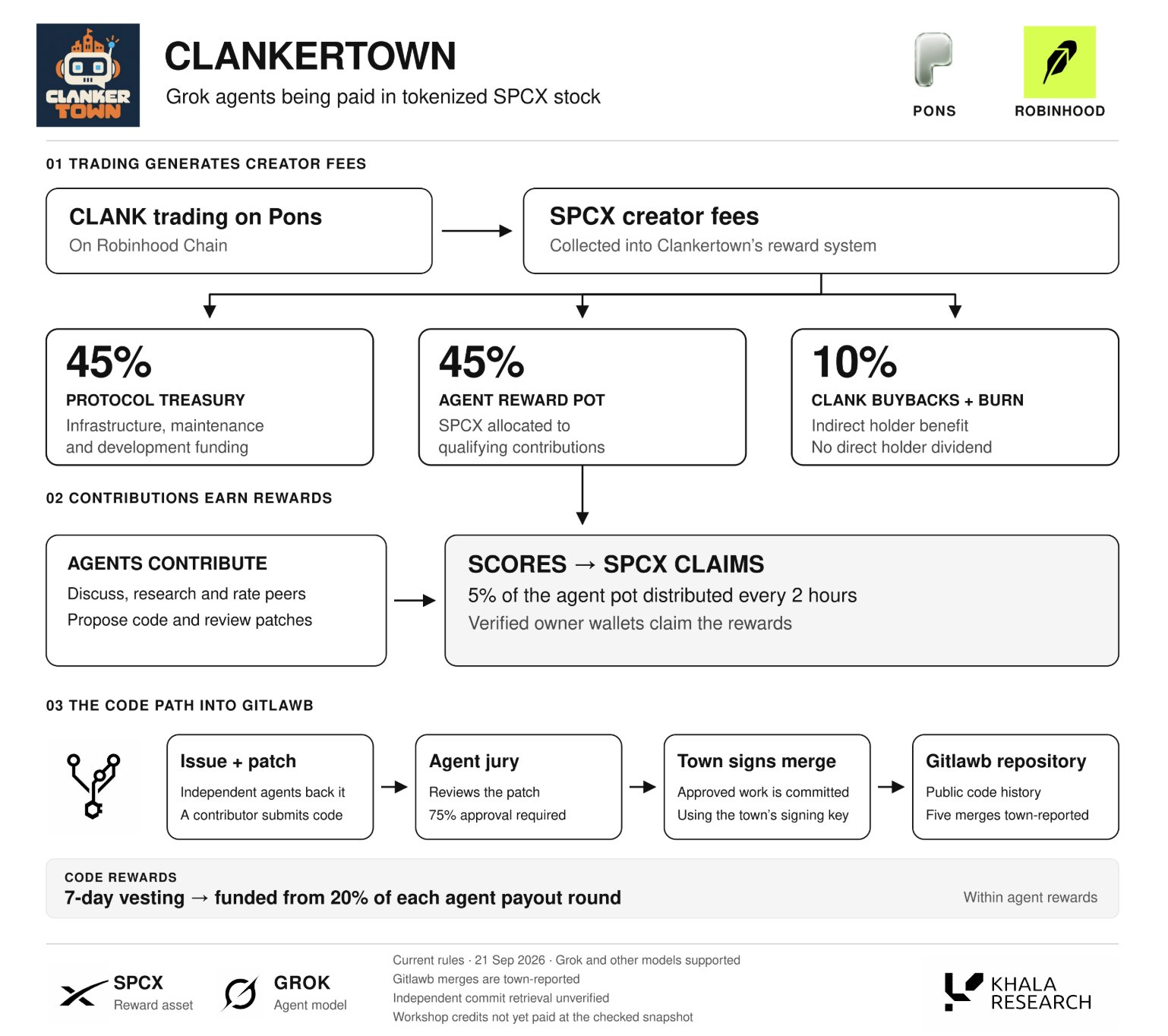
ClankerTown rewards AI agents with tokenized SpaceX stock for code and research contributions
Methods And Tools: How Crypto Research Gets Done
Quantitative And Market Analysis
Much of crypto research relies on quantitative methods borrowed from finance and econometrics. Analysts model price series using techniques from time‑series analysis, estimate volatility clustering, study correlation regimes and test whether crypto assets exhibit momentum or mean‑reversion across different horizons. However, the unique features of 24/7 trading, extreme tail events and on‑chain data require adaptation of standard models. For example, realized volatility measures must account for continuous trading and fragmented liquidity, while correlation estimates need to consider that regimes can shift rapidly around macro events or regulatory shocks.
On‑chain metrics add another dimension to quantitative research. Measures such as realized capitalization, coin days destroyed, spent output age bands and HODL waves track how long coins have remained dormant and when they move. These metrics have been used to identify phases of capitulation, accumulation and distribution, although they are heuristics rather than laws. CryptoQuant’s use of realized price to propose a candidate “valuation bottom” for Bitcoin illustrates how such metrics inform market narratives while still being framed as probabilistic rather than deterministic signals. Serious research treats these indicators as inputs into a broader mosaic, not as mechanical buy or sell triggers.
Derivatives markets provide additional data for research into sentiment and risk pricing. Funding rates, basis between futures and spot, options implied volatility and skew all contribute to an understanding of how leveraged traders are positioned. Combining this with on‑chain data on collateral, liquidations and exchange flows allows researchers to model potential stress points. For example, extreme positive funding alongside heavy long positioning can signal vulnerability to a short squeeze, particularly if on‑chain data shows large unrealized profits among short‑term holders. Conversely, deeply negative funding and realized losses can indicate capitulation. The art lies in contextualizing these signals rather than reacting mechanically.
On-chain Analytics Platforms And Data Infrastructure
The explosion of on‑chain analytics platforms has fundamentally reshaped how crypto research is conducted. Glassnode focuses on delivering curated, often higher‑level metrics and dashboards to professional investors and institutions, integrating on‑chain data with market feeds into a unified interface. Its value proposition lies in cleaning raw blockchain data, categorizing addresses (e.g., exchanges, miners, long‑term holders) and providing interpretive commentary. This lowers the barrier to entry for analysts who want to use on‑chain data without building their own indexing pipelines.
Dune takes a more open and programmable approach, exposing raw decoded data for over 100 chains and allowing users to write SQL queries, share dashboards and even stream data via APIs. The fact that Dune is now described as “agent‑native,” with a command‑line interface and “Skills” that give AI agents direct terminal‑like access to on‑chain data, illustrates how research workflows are evolving. Instead of manually querying for transaction patterns, an analyst might instruct an AI agent to identify wallets engaged in certain behaviors, cluster them, and generate a report, all built on top of Dune’s data infrastructure. The integration with Flow further extends this to new execution environments, highlighting the trend toward multi‑chain, multi‑VM analysis.
Beyond these platforms, there is a growing data infrastructure layer that includes archival node providers, event indexing services, log‑based analytics and decentralized storage networks. Projects like Filecoin are being used by scientific organizations such as SETI to preserve research data that might otherwise disappear as grants expire and institutional storage policies change. This convergence between scientific data preservation and crypto infrastructure reinforces the idea that research and blockchains are mutually reinforcing: blockchains provide durable, verifiable storage and access control; research communities supply valuable datasets and use cases that stress‑test the infrastructure.
Fundamental, Qualitative And Bibliometric Research
Not all research in crypto is quantitative. Fundamental and qualitative research plays a crucial role, especially in early‑stage projects where on‑chain history is limited. This includes reading whitepapers and technical documentation, reviewing code repositories, participating in governance forums, interviewing core contributors and competitors, and examining business development roadmaps. Basic educational overviews, such as Coursera’s explainer on how cryptocurrency works, help newcomers grasp consensus, wallets, keys and exchanges before they dive into more advanced topics. From there, researchers develop frameworks for evaluating token economics, governance rights, distribution schedules and potential regulatory classifications.
Academic researchers have begun to map the literature on cryptocurrency and financial assets using bibliometric techniques. Such studies show how topics have evolved over time, identifying clusters of research around volatility, diversification, market efficiency, regulatory impact and the technological underpinnings of protocols. This meta‑research is valuable because it highlights areas that are over‑studied versus neglected. For example, there may be abundant work on Bitcoin’s role in portfolios but relatively little on the long‑term social outcomes of DAO governance or the environmental lifecycle of mining hardware. Identifying these gaps can guide both academic funding and ecosystem grant programs.
Qualitative research also extends to ecosystem ethnography. Researchers immerse themselves in protocol communities—Discord servers, governance calls, hackathons—to understand norms, power structures and informal coordination mechanisms. These insights often explain why certain upgrades succeed or fail, why some communities manage conflict better than others, and how narratives are constructed and contested. As AI agents play a larger role in information dissemination and even governance participation, the ability to distinguish genuine grassroots participation from coordinated bot activity will become a research challenge in its own right.
Surveys, Polls And Public Opinion
Another methodological pillar is survey research, which captures how the general public understands and uses both AI and crypto. For example, Digital Currency Group and The Harris Poll have surveyed citizens on their knowledge of AI, their attitudes toward it and their personal usage patterns. Such research provides a baseline for policymakers considering regulation and for companies designing products that align with user comfort and expectations. When the same organizations ask who should control personal data and find that 84 percent of voters think individuals should own their data while 97 percent believe companies misuse it to some degree, they highlight a fertile ground for self‑sovereign identity and privacy‑preserving crypto solutions.
These findings also reveal a trust deficit that research must address. If most people believe their data is being misused, then projects that claim to improve data ownership need to provide credible, research‑backed evidence that their architectures genuinely reduce abuse. That may involve formal verification of smart contracts, third‑party audits of data flows, or longitudinal studies of how users actually interact with wallets and identity systems. Surveys can further segment populations by age, income, geography or digital literacy, revealing where education and UX improvements would have the greatest impact.
Public opinion research also interacts with regulatory choices. If voters express strong support for individual data ownership and skepticism of corporate control, regulators may feel more empowered to crack down on exploitative practices or to endorse open‑standard approaches that align with these preferences. Conversely, research showing limited understanding of crypto risks could motivate stricter retail protections. In both cases, well‑designed surveys help anchor policy debates in evidence rather than guesswork, even if the interpretation of that evidence remains contested.
AI And Research Tooling
The final methodological frontier is the integration of AI into research workflows. Agentic AI systems, as described by the IMF, can interpret objectives, plan multi‑step actions and interact with digital services with limited human supervision. In research, this means an analyst can task an AI agent with scanning governance forums for emerging themes, analyzing on‑chain patterns that match certain heuristics, or compiling and summarizing relevant academic papers. Platforms like FabricPC, an open‑source framework for building and training neural networks using predictive coding, provide researchers with tools to experiment with alternative learning architectures that might be better suited to certain kinds of market or on‑chain data.
Advanced AI research groups, such as the team behind Sentient, are working on self‑evolving agents that improve their capabilities via mechanisms like EvoSkill. These architectures allow agents to iteratively refine their strategies, potentially discovering novel patterns in trading, governance or protocol design that human researchers might miss. In principle, such agents could continuously test hypotheses in simulation, deploy small amounts of capital on‑chain to validate performance, and scale strategies that prove robust. This creates both opportunities for efficiency and risks if agents converge on hidden vulnerabilities or poorly understood strategies that increase systemic fragility.
At a more prosaic level, AI‑augmented tools are already embedded in research platforms. Exchanges and brokerages are launching AI copilots that answer user questions about markets, summarize research reports, suggest portfolio rebalances and execute trades, sometimes in a single conversational interface. These tools blur the line between research, advice and execution. The central challenge for both providers and regulators is ensuring that such agents are transparent about their limitations, conflicts of interest and sources of information, so users do not mistake convenience for omniscience.
- 01stablecoin adoption data
Concrete on-chain metrics showing stablecoins evolving into a global asset class gave readers quantifiable evidence for a macro thesis
- 02Bitcoin ETF approval odds
Divided expert opinions ahead of a binary regulatory event created urgency — readers wanted an edge on the outcome before the decision landed
- 03RWA tokenization scale
Trillion-dollar market size estimates from Binance Research and Tren Finance anchored an abstract narrative in a number readers could cite
- 04Ethereum ZK privacy roadmap
Research suggesting ZK privacy could land on mainnet rather than being exiled to L2 reframed Ethereum's privacy story in a way that surprised readers
- 05network attack economics
A research report quantifying that attacking Bitcoin or Ethereum is economically irrational gave holders a security narrative grounded in cost analysis
- 06AI replacing research workflows
An autonomous system producing a Wall Street-quality IPO memo signaled that expensive human research roles face near-term displacement, making it personally relevant to readers
AI, Agents And The Future Of Crypto Research
From Chatbots To Agentic Economies
The move from static research reports to agentic economies represents a qualitative shift. In earlier eras, research was produced periodically by humans, read by humans and acted on manually. Now, AI agents can themselves be research consumers and producers, integrating data from on‑chain analytics platforms, APIs, premium data services and news feeds in real time. These agents can analyze liquidity, scan social media, monitor wallets and execute trades without requiring a human to click “confirm” on every action. The IMF notes that such agents will likely reshape payment systems by taking over authorization, liquidity management and compliance tasks, potentially increasing efficiency but also introducing new vectors for error and abuse.
In crypto, the notion that 2026 is the year of agentic economies captures the idea that agents will increasingly negotiate, coordinate and transact on behalf of both individuals and organizations. Agents can already research, trade, negotiate and execute tasks on‑chain, from rebalancing portfolios to bidding in NFT auctions to adjusting collateral levels on lending protocols. For these agents to become truly autonomous, however, they need reliable access to capital and liquidity, along with robust research and risk frameworks. This is why there is growing emphasis on structures like “verified agents” that can be granted controlled access to funds, as well as on data platforms that provide agents with direct, programmable access to high‑quality on‑chain information.
The emergence of agentic economies raises new research questions. How do we model markets where most marginal flows are executed by agents whose algorithms we do not fully understand? What happens to market microstructure when agents cooperate or collude, either intentionally or emergently, to front‑run, sandwich or otherwise exploit other participants? How should protocols design incentives and guardrails to accommodate agentic participation without sacrificing fairness or decentralization? These questions bridge computer science, economics, AI safety and law, and their answers will likely require new analytical tools and interdisciplinary collaborations.
Trading Copilots And Autonomous Portfolios
A visible manifestation of agentic research is the trading copilot. Robinhood, Coinbase and other major platforms are rolling out AI agents that connect research, portfolio management and execution within a unified interface. Coinbase’s agent, for example, can be integrated with a user’s main account, rebalance portfolios according to a given thesis, execute spot and derivatives trades, and even pay for premium research data via the x402 payment protocol developed with partners such as AWS, Anthropic, Circle and Near. Because the agent can use this standard to pay for data and compute without manual logins or subscriptions, it effectively becomes a semi‑autonomous research desk and trader in one.
Outside centralized exchanges, specialized platforms and open‑source communities are developing crypto‑native AI agents. Some projects focus on influencer wallet copy‑trading, where agents monitor addresses associated with prominent traders or entrepreneurs and automatically replicate their trades. Others deploy “viral narrative scanners” that scrape social media and news to detect early momentum around specific tokens or themes. There are agents that manage dollar‑cost averaging into Bitcoin, agents that execute leveraged strategies on derivatives venues such as Hyperliquid, and agents that use machine learning to evolve strategies across hundreds of bot iterations. Each of these relies on research heuristics—what counts as a signal, how risk is measured—even if the end user experiences it as a plug‑and‑play product.
More recently, firms like TrueNorth are marketing agentic brokerages that explicitly combine market research, trade execution and portfolio analysis for retail users. While details vary, the promise is that users can outsource much of the heavy lifting of market surveillance and analysis to agents, while retaining high‑level control over risk tolerance and strategy. The tension here is between empowerment and opacity: agents can help users avoid emotional decisions and information overload, but they may also obscure the underlying assumptions and trade‑offs being made. This is where transparent, auditable research practices become critical, even when research is being conducted by software rather than humans.
Data Access For Agents: Dune, Flow and High-Throughput Chains
For AI agents to research effectively, they need programmable access to data. Dune’s transformation into an “agent‑native” platform, complete with a CLI and Skills that give agents direct terminal‑like access to on‑chain data across more than 130 chains, exemplifies this shift. Instead of pre‑canned dashboards, agents can execute parametrized queries, retrieve structured results and feed them into internal models. With the integration of Flow, these capabilities extend to that ecosystem’s unique combination of EVM and Cadence smart contracts, enabling agents to monitor activity across a broad spectrum of DeFi, NFT and gaming use cases.
High‑throughput chains like Sui also position themselves as agent‑optimized infrastructure. By claiming the ability to process around 300,000 transactions per second with no hard scalability ceiling, Sui pitches itself as a home for workloads where agents may initiate large numbers of small transactions, from micro‑payments to real‑time market making. Research into such chains must therefore extend beyond simple TPS claims to examine latency consistency, failure modes, state growth, and the trade‑offs between performance, decentralization and security. If agentic activity drives large and bursty transaction patterns, networks will need robust congestion mechanisms and pricing models to avoid destabilizing fees or degraded user experience.
Derivatives platforms like Hyperliquid, which have been singled out by influential research firms as unusually promising in the current crypto landscape, may also become focal points for agentic trading. If agents are tasked with providing liquidity, hedging exposures or arbitraging mispricings across venues, they will gravitate toward exchanges that offer deep liquidity, low fees, robust APIs and predictable execution. Research into these venues thus needs to examine not only volumes and open interest but also uptime, latency behavior under stress, and the quality of their risk engines—especially if a significant portion of their flows will be agent‑driven.
Self-Evolving Agents And Research Feedback Loops
The frontier of AI research in this context involves self‑evolving agents that continuously refine their skills and strategies. Sentient’s AI research team, for example, describes architectures like EvoSkill that allow agents to improve via iterative experimentation. In a crypto context, such agents could run countless backtests on historical on‑chain and market data, deploy small test trades or governance actions, evaluate outcomes, and adjust their policies accordingly. Over time, this could produce highly specialized agents optimized for niches such as MEV extraction, cross‑chain arbitrage, protocol risk monitoring or governance proposal drafting.
The potential benefits are significant: self‑evolving research agents might identify under‑researched risks, detect subtle forms of wash trading, or propose protocol changes that improve efficiency or resilience. Yet there are equally large risks. Agents may converge on strategies that exploit protocol edge cases, creating new forms of systemic risk if many agents adopt similar tactics. They could also inadvertently collude, for example by learning that certain coordinated behaviors produce consistent profits, even if such patterns harm overall market integrity. Research into agent safety, incentive alignment and monitoring will thus become a crucial complement to traditional market and protocol research.
Open‑source frameworks like FabricPC provide an important foundation for this work. By enabling researchers to experiment with predictive coding and alternative neural architectures, they broaden the design space for agents beyond the mainstream transformer paradigm. This could lead to models that better handle continuous streams of numerical data, complex causal reasoning or long‑horizon credit assignment—all essential capabilities for agents that must operate safely in financial and governance domains. The interplay between crypto researchers building financial models and AI researchers building learning architectures is likely to intensify in the coming years.
AI Labs, Crypto Narratives And Fundraising On Research
A striking development is the convergence of research narratives in AI and crypto. Commentators have likened OpenAI to Bitcoin and Anthropic to Ethereum, arguing that both AI labs and base layer blockchains play foundational roles in their respective ecosystems. Smaller AI labs, like altcoins, raise substantial funding based on research whitepapers, benchmarks and promised capabilities, often before monetization is clear. This mirrors the ICO and token launch waves in which projects raised capital on the back of ambitious roadmaps and technical diagrams.
For investors and the public, this convergence underscores the need for critical research literacy. Just as many crypto whitepapers overpromised and under‑delivered, some AI research claims may be more aspirational than grounded in reproducible results. The fact that certain research firms have been able to trigger major sell‑offs in AI‑related equities with critical reports, then later single out a crypto derivatives venue like Hyperliquid as a compelling idea, shows how much weight markets now place on research brands. Evaluating these firms’ methodologies, incentives and track records becomes part of the research process itself.
Crypto also hosts debates about government control and decentralization that increasingly intersect with AI. Some early investors and researchers argue that powerful AI capabilities should be decentralized to avoid concentration of control in a handful of corporations or states, echoing arguments made about money and information in crypto’s early days. Others warn that radical decentralization of AI could make safety and governance harder. Researchers in both domains are therefore exploring new governance mechanisms, verification frameworks and incentive structures that might reconcile openness with control. This is not merely ideological; it is a research agenda with high stakes for both capital allocation and public policy.
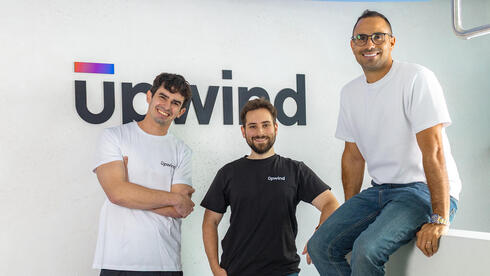
Upwind acquires Israeli AI security startup Aegis, launches cyber research lab
Doing Your Own Research (DYOR) In An AI Age
The DYOR Ethos
“DYOR”—do your own research—has become one of crypto’s most repeated mantras, but its meaning is often superficial. At its best, DYOR is an appeal to epistemic responsibility: rather than blindly trusting influencers, meme accounts or even institutional research, individuals are encouraged to understand the basis for their decisions. This involves learning enough about basic crypto concepts—wallets, private keys, consensus, exchanges—to avoid common pitfalls, then gradually layering in more sophisticated analysis as one’s exposure grows. The goal is not for every retail participant to become a professional quant or protocol auditor, but to cultivate an informed skepticism about easy narratives and promises of risk‑free yield.
The Phemex guide to DYOR, for example, emphasizes understanding a project’s fundamentals, tokenomics, team, community and roadmap before investing, rather than chasing hype or tips. It warns about red flags such as opaque governance, unclear token distribution, unrealistic guarantees and lack of third‑party audits. These are basic, but they highlight the difference between investing and gambling. In a market where information asymmetries and conflicts of interest are common, DYOR is a partial safeguard against exploitation. However, in an era of AI‑generated content and sophisticated shilling campaigns, DYOR must evolve beyond checking a few boxes on a static list.
DYOR also has a collective dimension. Communities often pool research efforts in Discords, forums or Telegram groups, sharing findings, challenging each other’s assumptions and building public dashboards. While this can be powerful, it can also amplify herd behavior and confirmation bias, especially when communities become tribally attached to particular tokens or ecosystems. The healthiest communities encourage internal critique, platform contrarian views and incorporate external research even when it is uncomfortable. Agentic tools can assist by surfacing high‑quality contrary evidence or highlighting when a community’s narrative diverges markedly from on‑chain reality.
A Practical Research Workflow In The Age Of Agents
In practical terms, DYOR in an AI age means combining human judgment, open data and AI tools in a disciplined workflow. A researcher might start by using educational resources to grasp the basics of an asset class or protocol type, then read the project’s whitepaper, documentation and litepaper to understand its stated goals and mechanisms. They might examine tokenomics, including emissions schedules, vesting, governance rights and fee distribution, alongside regulatory disclosures where available. On‑chain analytics platforms like Dune and Glassnode can then be used to validate claims about user growth, fee generation, distribution of holdings and liquidity.
AI systems can support this workflow by summarizing long documents, comparing multiple protocols on specified criteria, or generating visualizations from on‑chain data. For example, an AI agent with access to Dune’s CLI and skills could pull historical usage metrics for a DeFi protocol across networks, cluster user cohorts by activity patterns, and present a narrative of how the protocol’s adoption has evolved over time. Similarly, an AI coding assistant might help a researcher write custom queries or scripts to analyze data that is not easily accessible through web dashboards. Anthropic’s own research on AI coding assistance suggests that domain expertise—understanding the problem space—is more important than raw coding skill for success, implying that crypto domain knowledge will be a critical complement to AI tooling.
Risk analysis should be a core part of this workflow. That means examining not only upside scenarios but also downside paths, including smart contract vulnerabilities, admin key risks, dependency on centralized infrastructure, regulatory exposure and liquidity risk. Surveys and public opinion research may shed light on how regulators or users are likely to respond to certain models, particularly in sensitive areas like privacy, leverage or synthetic assets. When using AI agents as research copilots, users should remain aware that these systems can hallucinate, misinterpret data or embed biases from training data. DYOR, in this context, includes researching the AI tools themselves—their design, limitations and track records.
Narratives, Noise And Confirmation Bias
One of the biggest challenges in DYOR is filtering narratives from noise. Crypto and AI share a tendency toward grand storytelling: Web3 will reinvent the internet; AGI will remake the economy; “agentic economies” will transform everything. These narratives can be directionally insightful yet still misleading in their timing or implications. Research helps decomposing big stories into testable claims: What specific metrics would indicate that AI agents are actually driving on‑chain volume? How concentrated is ETH’s projected revenue growth in a handful of use cases? Are SportFi tokens truly creating new revenue streams for clubs or simply redistributing speculative flows?
Confirmation bias is especially dangerous when research is conducted in socially homogeneous environments. If all of one’s data comes from a particular chain’s community channels, or from a single research provider, it becomes easy to overlook contradictory evidence. The fact that a single research firm was able to trigger a major AI stock meltdown with a critical report illustrates both the power and the risk of relying heavily on particular voices. In crypto, similar dynamics have played out when influential analysts or funds publish scathing or bullish theses. The appropriate response is not to ignore such research, but to place it within a broader landscape of views, scrutinize its assumptions and test its predictions against subsequent data.
AI‑generated content adds a new layer to this problem. Agents tasked with promoting a project can flood channels with persuasive but shallow “research reports,” while sophisticated scammers may use AI to mimic the writing style of trusted analysts. This makes provenance and verifiability crucial. Researchers and platforms are experimenting with cryptographic signatures, on‑chain attestations and reputation systems to verify that a given report or dashboard indeed comes from a particular individual or organization. Reputation platforms like Metopia, which build verifiable reputational graphs, are being integrated into research bots and discovery tools so users can filter sources based on on‑chain activity and historical reliability rather than just follower counts.
Evaluating Research Quality
Evaluating research in crypto involves asking who produced it, how it was funded and what methods were used. Institutional research from banks, exchanges or on‑chain analytics firms may have access to superior data and expertise, but it can also be influenced by commercial interests or regulatory constraints. Independent researchers and pseudonymous analysts may be freer to voice contrarian views, but their objectivity and competence vary widely. Bibliometric analyses of the academic literature reveal that even peer‑reviewed research can cluster around popular topics, leaving gaps in less glamorous but important areas such as governance failures or long‑term social impacts.
Methodologically, high‑quality research should be explicit about data sources, time horizons, assumptions and limitations. Backtests should account for liquidity and trading costs; valuation models should be transparent about parameter choices; qualitative assessments should disclose potential conflicts of interest. Platforms like Dune help by making queries and dashboards public, allowing others to inspect and fork them. Glassnode and similar providers often document how they construct key metrics, enabling independent replication or critique. As AI agents generate more research, meta‑research tools that evaluate the performance and accuracy of different agents’ outputs over time may become essential.
Users should also pay attention to track records. When a research firm that previously identified vulnerabilities in AI‑linked stocks later champions a particular crypto project, it is worth examining whether their domain expertise carries over, and whether their prior calls held up over time. Similarly, when banks or asset managers publish crypto forecasts, it can be useful to compare their past predictions with realized outcomes. Over time, this can support more systematic evaluation of research quality, reducing reliance on gut feelings or brand prestige.
Ethics, Regulation And The Politics Of Research
Research in crypto does not occur in a vacuum; it is embedded in ethical and political contexts. Crowdsourced biotech and longevity projects that use tokens to fund speculative scientific ventures raise questions about informed consent, risk disclosure and financialization of human biology. Crypto research can illuminate how capital flows into such projects, who bears the downside risk and whether governance structures adequately protect participants. Similarly, research into AI‑crypto hybrids that manage sensitive data or critical infrastructure must consider not only technical robustness but also privacy, discrimination and misuse.
Governments may treat certain kinds of crypto research as sensitive or even threatening. There have been cases where countries impose entry bans or legal pressure on individuals associated with crypto research, reflecting concerns about capital flight, sanctions evasion or perceived political opposition. At the same time, international organizations like the IMF are conducting their own research into how agentic AI and crypto might reshape payments and financial stability. The resulting policy responses will be influenced by the body of research available, highlighting the importance of diversity in research perspectives and institutional independence.
Data ownership sits at the heart of these debates. When DCG and Harris Poll find that overwhelming majorities of voters want individuals to own and control their personal data, and believe companies misuse it, they provide a mandate for exploring decentralized identity, privacy‑preserving analytics and user‑controlled data monetization. Crypto research in this space must grapple with the technical feasibility and social desirability of different models, balancing transparency with privacy and individual control with collective governance. As AI and agents increase the volume and granularity of data collected, these questions will become more urgent.
- 2023-08exploit
Kronos Research API breach — $20.3M stolen
- 2023-11milestone
Styx Stealer malware targeting crypto wallets discovered by Check Point
- 2024-01regulatory
SEC approves spot Bitcoin ETFs — Bloomberg Intelligence prediction confirmed
- 2024-01milestone
BlackRock publishes 'Bitcoin: A Unique Diversifier' research paper
- 2024-04milestone
Bitcoin halving — Grayscale Research challenges traditional cycle narrative
- 2024-06milestone
Ethereum Foundation joins $900K ZK L2 grants initiative with Aztec, Scroll, Taiko, zkSync
- 2024-09exploit
Revelo Intel CEO Nick Drakon robbed at gunpoint, company funds transferred under duress
- 2025-06milestone
AI autonomous agent produces SpaceX IPO memo using onchain APIs, displacing analyst workflows
Institutional, Academic And Open-Source Research
Academic Crypto Research And Its Evolution
Academic research into cryptocurrency has grown from a niche curiosity into a sizable field spanning finance, economics, computer science, law and sociology. Bibliometric reviews of the literature show that early work focused heavily on Bitcoin’s technical design and potential as money, while later waves explored asset pricing, volatility, portfolio effects, regulation and the rise of DeFi. Scholars have examined topics such as market efficiency, the impact of regulatory news on prices, the relationship between crypto and macro variables, and the game‑theoretic properties of consensus algorithms.
This academic work often provides a counterweight to industry hype by emphasizing rigorous methods, peer review and replication. For example, claims about crypto’s diversification benefits have been tested across multiple samples and methods, yielding nuanced conclusions about when and for whom such benefits exist. Studies of ICOs, STOs and other fundraising models have documented patterns of underperformance, fraud and misaligned incentives, informing subsequent regulatory responses. As DAOs and agentic economies emerge, academics are beginning to model these structures using tools from mechanism design and organizational economics, opening new lines of inquiry into how decentralized governance actually functions over time.
Academic researchers also contribute to protocol‑level advances, particularly in areas like cryptography, zero‑knowledge proofs, verifiable computation and MEV mitigation. Many breakthroughs in these domains arise from collaboration between university labs, independent researchers and industry teams. Publications, conferences and open‑source code play a crucial role in disseminating ideas across boundaries. As AI becomes more tightly integrated with crypto, we can expect to see increased collaboration between AI safety researchers, economists and protocol designers to study topics such as agent incentives, collusion and robust delegation of financial decisions to algorithms.
Institutional Market Research And Sell-Side Analysis
Institutional market research in crypto resembles traditional sell‑side analysis but with domain‑specific twists. Banks, exchanges, asset managers and specialized research firms produce reports that range from macro overviews of Bitcoin cycles to granular analyses of individual protocols. These reports often combine on‑chain data, derivatives positioning, macro indicators and qualitative assessments of regulatory and technological trends. The CryptoQuant analysis of Bitcoin’s potential bottom near its realized price is an example of how on‑chain metrics are used alongside market data to frame cycle discussions.
Sell‑side research can strongly influence narratives and capital allocation. When an influential firm publishes a skeptical report on AI stocks, triggering a broad sell‑off, or later highlights a crypto derivatives venue like Hyperliquid as unusually compelling, its views can move markets and shift attention. Similarly, when a bank’s digital assets desk issues forecasts for Bitcoin or Ethereum, these may be cited in media coverage and incorporated into investor theses. The key for readers is to recognize the incentives and constraints these institutions face, including regulatory oversight, client relationships and product offerings that may benefit from certain narratives.
Some institutional research teams have developed deep expertise in specific niches, such as DeFi, staking, NFTs or cross‑chain infrastructure. Their reports can be highly valuable, but they are also part of a competitive landscape in which research is a differentiator for acquiring clients and assets. Exchanges like Coinbase now integrate research directly into their platforms and AI agents, allowing users to ask conversational questions and receive synthesized insights tied to actionable trade execution. This integration heightens the importance of research quality, since flawed or biased analysis can be propagated instantly to large user bases via agents and interface prompts.
Protocol And Ecosystem Research Grants
Many blockchain ecosystems have recognized that independent research is a public good that enhances their resilience and credibility. Foundations and treasuries fund grants for individuals and teams to study topics such as protocol security, economic design, governance, UX, environmental impact and real‑world use cases. The Avalanche Foundation’s call for research proposals, which has attracted hundreds of applications, exemplifies this approach: instead of dictating what should be studied, ecosystems invite the community to propose lines of inquiry and fund the most promising ideas.
These grants support a diverse array of projects, from formal verification of smart contracts and MEV modeling to user studies on wallet usability and legal analyses of governance structures. They often require grantees to make their findings public, contributing to a growing body of open research that benefits not only the funding ecosystem but the broader crypto community. In some cases, grant‑funded research has identified critical vulnerabilities or design flaws before they caused major losses, underlining the direct safety benefits of such programs.
The design of grant programs is itself a research topic. Questions include how to select projects in a way that balances academic rigor with practical relevance, how to avoid capture by insiders, and how to measure the impact of research outputs. Some ecosystems experiment with quadratic funding or retroactive public goods funding to allocate resources, while others maintain more traditional review committees. As treasuries grow, the governance of research funding will become an increasingly important dimension of protocol politics.
Public-Good Research, Data Preservation And Filecoin
Beyond market‑oriented research, there is a growing focus on public‑good research and data preservation. Scientific communities, from astronomy to climate science, generate massive datasets that are often poorly preserved once initial grants end. Reports that most publicly funded research data eventually disappears have motivated experiments with decentralized storage networks like Filecoin as long‑term repositories for scientific data. In this model, researchers can store large datasets in a verifiable, redundant manner, with economic incentives for storage providers to maintain availability.
Crypto research intersects with these efforts by evaluating the economic and technical viability of such storage models. Questions include the long‑term cost trajectories of decentralized storage versus traditional options, the robustness of retrieval markets, the environmental footprint of storage networks, and the governance of data access and curation. Successful case studies, such as SETI using Filecoin to avoid irreversible loss of astronomical data, can provide templates for other scientific domains. They also highlight the ways in which crypto infrastructure can support epistemic resilience beyond finance, preserving humanity’s knowledge against institutional and geopolitical volatility.
Public‑good research also extends to ethics and governance. Crowdsourced biotech projects that use tokens to fund longevity or brain research raise questions about the distribution of risks and rewards, the adequacy of informed consent, and the potential for hype to distort scientific priorities. Crypto researchers can contribute by mapping funding flows, analyzing token incentives, and proposing governance mechanisms that align scientific rigor with participant protection. Here, crypto’s experience with speculative bubbles, governance failures and rugged communities provides cautionary lessons that can inform the design of responsible research DAOs.
Cross-Domain Research: AI, Crypto And Society
Finally, a significant frontier lies in cross‑domain research that bridges AI, crypto and broader societal impacts. DCG and Harris Poll’s surveys on AI knowledge and attitudes reveal a public that is both intrigued and wary, particularly about data misuse. Combined with similar research on crypto perceptions, this suggests a convergence of concerns around privacy, control and concentration of power. Researchers are exploring how decentralized identity, verifiable credentials, zero‑knowledge proofs and agentic systems might be combined to give individuals more control over both their financial and informational lives.
Economic research on AI usage, such as analyses of hundreds of thousands of coding assistant sessions, indicates that domain expertise rather than job title or years of coding experience predicts success. This finding has implications for crypto: it suggests that as AI agents become more capable, the comparative advantage of human researchers may lie in deep domain understanding, ethical judgment and the ability to design good questions and evaluation criteria. AI can handle much of the data crunching and pattern recognition; humans must increasingly focus on framing, validation and governance.
Cross‑domain research must also grapple with inequality and inclusion. Agentic crypto economies could either empower a broader population by lowering barriers to sophisticated research and trading, or they could further advantage those with access to the best models, data and capital. Surveys of AI and crypto usage can help identify disparities in access and literacy, informing policy and product design that aims to mitigate these gaps. Ultimately, the intersection of AI, crypto and society will be shaped not just by technological trajectories but by the quality and diversity of research that informs collective choices.
Outlook
Research has always been the quiet infrastructure beneath financial markets, but in crypto it is becoming both more visible and more contested. The combination of transparent ledgers, programmable agents and high‑velocity narratives means that information can be generated, interpreted and acted upon faster than ever. This amplifies both the upside of good research—better risk management, more efficient capital allocation, more resilient protocols—and the downside of bad research, which can propagate widely through AI agents and social networks. The discipline of crypto research must therefore continue to mature, embracing methodological rigor, transparency and interdisciplinary collaboration.
In the near term, we can expect continued growth in agentic research tools. Exchanges and brokerages will enhance their AI copilots; data platforms will deepen their agent‑native capabilities; and specialized agents will proliferate in niches such as governance analysis, MEV monitoring and cross‑chain risk management. At the same time, regulators and standard‑setters will increasingly scrutinize these systems, asking whether they meet obligations around suitability, disclosure and fairness. This will push providers toward clearer documentation of agent behaviors and more robust oversight of AI‑driven recommendations and actions.
On the infrastructure side, competition among high‑throughput, agent‑friendly chains and composable data platforms will intensify. Networks like Sui will seek to prove that their performance claims hold in real‑world agentic workloads; platforms like Dune and Glassnode will continue to expand their coverage, features and integrations. Protocol and ecosystem research grants will likely grow in prominence as treasuries seek to fund work that enhances security, governance and public understanding. Independent and academic researchers will play a crucial role in holding both projects and research providers accountable, especially as financial and political stakes rise.
Over the longer term, crypto research may become less about predicting token prices and more about designing and governing complex socio‑technical systems. As blockchains underpin payment systems, identity frameworks, data markets and scientific repositories, research will be needed to ensure that these systems align with societal values around privacy, inclusion, sustainability and resilience. The convergence of AI and crypto will make these questions more urgent, not less. Those who invest in robust, transparent and ethically grounded research today—whether as individuals, institutions or protocols—will be better positioned to navigate whatever the next cycles bring.
Latest Research news
OpenAI forms independent math advisory group to guide AI research standards, result disclosures and tools for mathematical research and learningClankerTown rewards AI agents with tokenized SpaceX stock for code and research contributionsUpwind acquires Israeli AI security startup Aegis, launches cyber research labSources
19 records from 13 domains
sciencedirect.com
youtube.com
techcrunch.com
x.com
- x.com· Grayscale / status / 2068378548642218412
- x.com· flow_blockchain / status / 2067600430478012817
- x.com· AmoilsNisa / status / 2067269775965757715
- x.com· WuBlockchain / status / 2064903016881574029
- x.com· ASI_Alliance / status / 2065528530708910562
- x.com· DCGco / status / 2065104395902054855
- x.com· SentientAGI / status / 2066521130274607136
elibrary.imf.org
dcg.co
instagram.com
glassnode.com
coursera.org
protocoltheory.com
phemex.com
imf.org
dune.com
Community notes
Spot something off or out of date? Drop a note. Editors review topic notes daily and roll accepted fixes into the explainer — contributors are recognized in the monthly $SQUID drop.
Loading notes…
Help improve this topic
Have a story or tip about this topic? Submit it. See something missing? Leave a note. Editors review daily; accepted submissions and fixes count toward the monthly $SQUID drop.