
An in‑depth explainer on how Apple shapes crypto through App Store policies, Apple Pay–USDC onramps, tokenized AAPL stocks, hardware and AI security, and the rise of onchain venues trading real‑world assets alongside native tokens.
+22 sources across the wider coverage universe
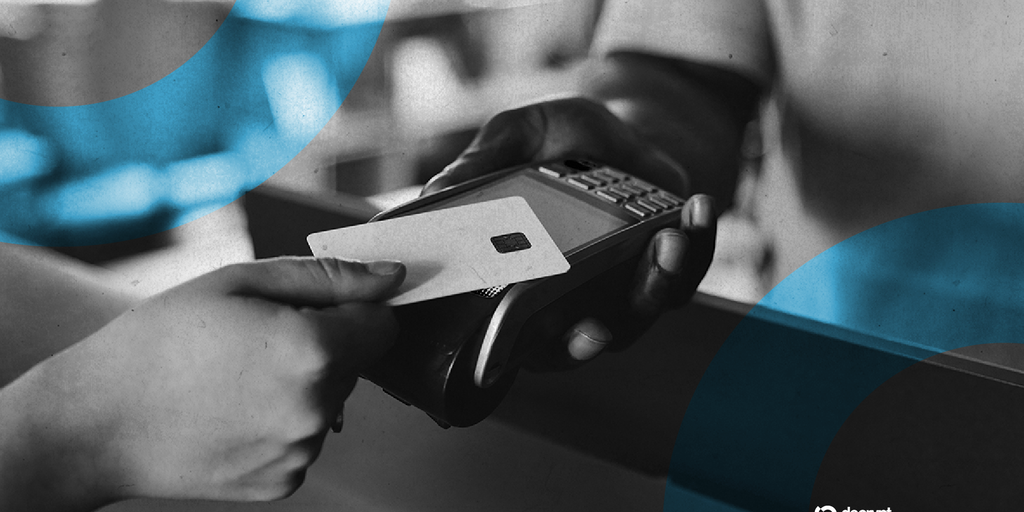 Exodus Pay brings Visa and Apple Pay spending to self-custodial Bitcoin wallets, rolls out in five states2026-04
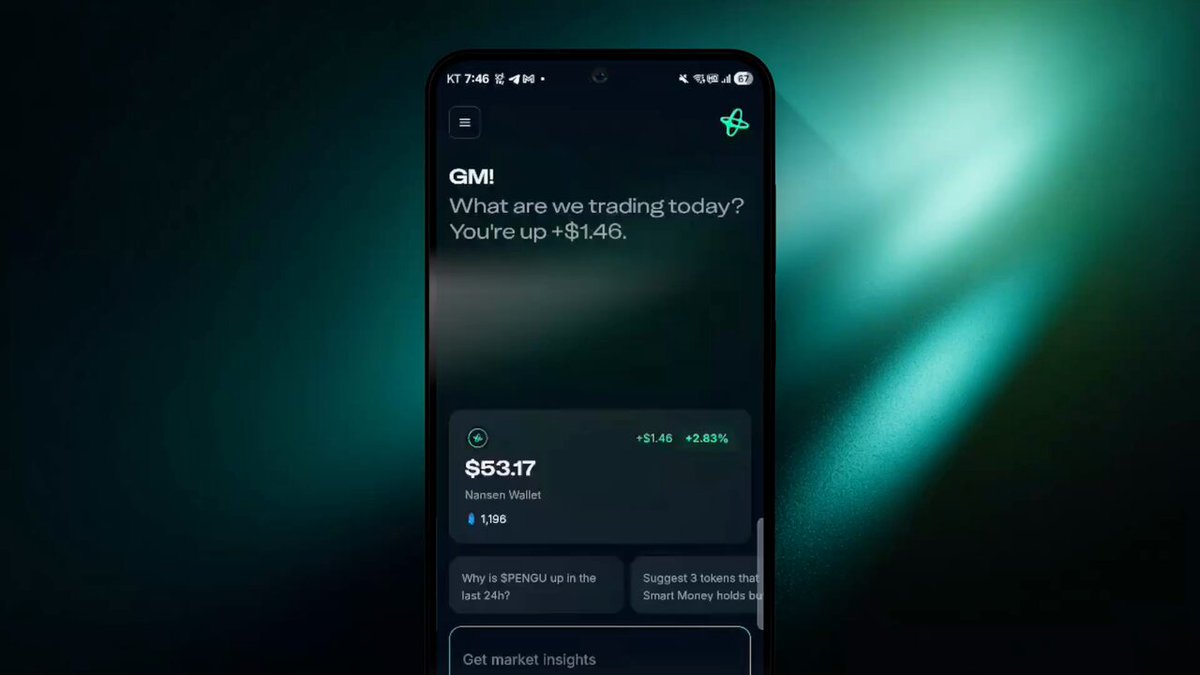 Nansen integrates MoonPay fiat on-ramp, enabling seamless in-app crypto purchases via card, Apple Pay, and Google Pay without leaving platform2026-04
 Fake Ledger app on Apple's Mac Store drains G. Love's $420K Bitcoin retirement fund2026-04
 Apple bans crypto ATM and home services ads from Maps under policies effective July 142026-07
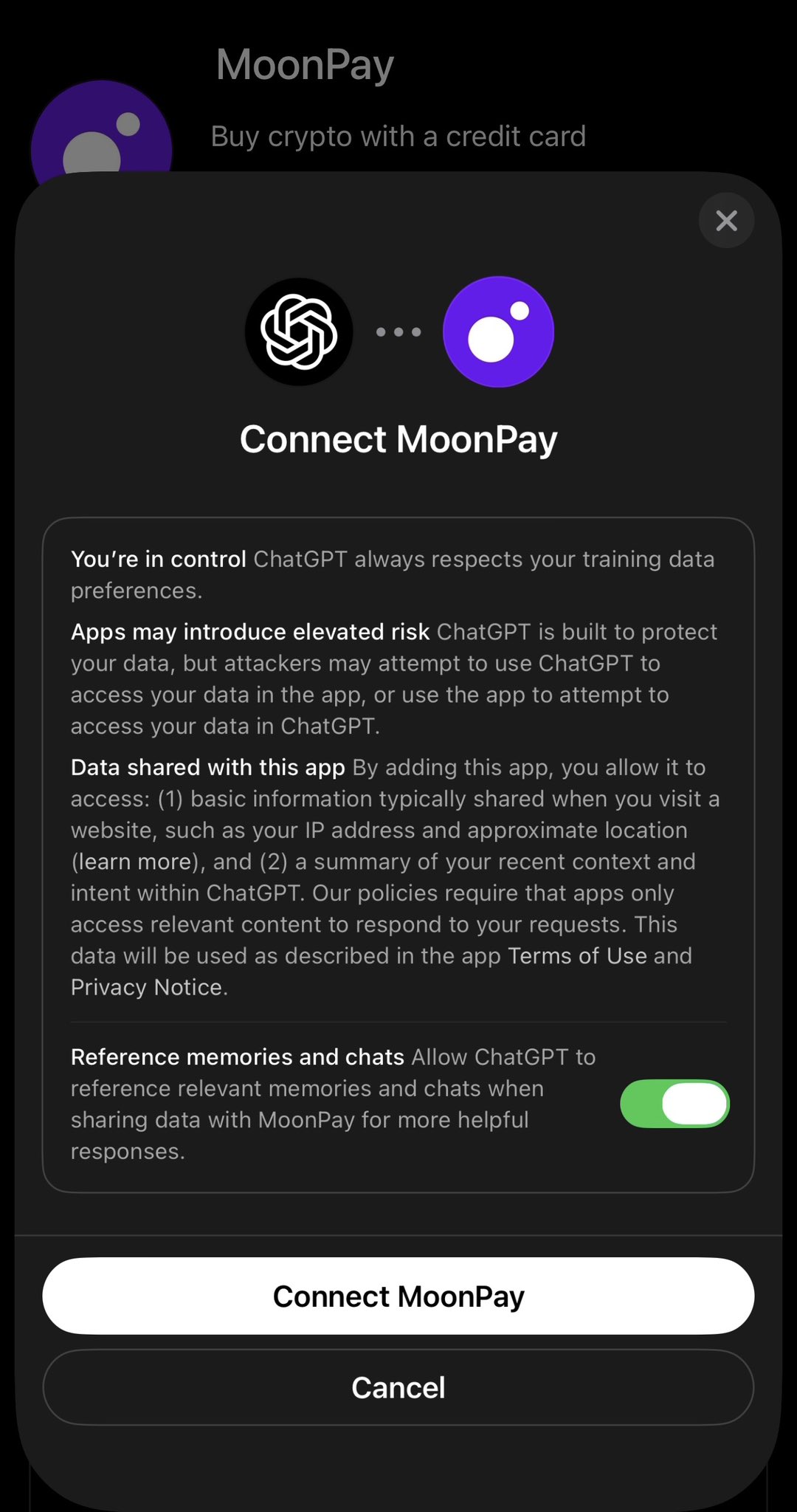 MoonPay launches inside ChatGPT’s App Store, becoming the first crypto onramp integrated directly into OpenAI’s platform with Apple Pay token purchases2026-05
 Aave publishes a deep dive into Aave Glass, its Apple-inspired design language now deployed across web and mobile to unify interfaces and improve protocol usability2026-06
Apple in Crypto: Platforms, Payments, and Onchain AAPL
As a dominant consumer technology company, Apple sits at several critical junctions for digital assets: it controls a massive mobile distribution channel through the App Store, a growing payments layer via Apple Pay, and increasingly serves as both the subject of tokenized onchain exposure and a provider of hardware and cloud infrastructure that underpins modern cryptography and AI. For a crypto audience, understanding Apple therefore means understanding how centralized platform power, stablecoin-based payments, real‑world asset (RWA) tokenization, and emerging privacy technologies intersect in practice.
Apple and Crypto: Why This Relationship Matters
Apple’s role in the crypto ecosystem is less about issuing its own token and more about shaping the rails through which users discover, buy, and interact with digital assets. The company’s control over iOS, macOS, and their respective app marketplaces effectively gives it a veto—or at least a significant gatekeeping role—over what kinds of crypto applications can reach hundreds of millions of users on Apple hardware. This is formally codified in the App Store Review Guidelines, which organize rules into categories such as Safety, Performance, Business, Design, and Legal and apply them uniformly to all apps, including wallets and exchanges. As a practical matter, every major crypto app that wants an iOS presence must interpret and comply with these guidelines.
The presence of flagship self‑custodial wallets on the App Store illustrates both the reach and constraints of this arrangement. Trust Wallet, for example, advertises itself as a “Crypto & Bitcoin Wallet” that lets users manage digital assets but includes clear language in its App Store listing that its software only supports legitimate blockchain transactions and that lost funds cannot be retrieved. Ledger’s official app, now branded as an all‑in‑one “Ledger Wallet” for managing hardware‑secured assets, likewise positions itself as a comprehensive resource for users to take control of their digital assets across multiple blockchains. These descriptions are not merely marketing: they also demonstrate how wallet providers frame risk, compliance, and user responsibility in a way that remains acceptable to Apple’s reviewers.
This dynamic is particularly important because crypto’s founding ethos emphasizes permissionless access and censorship resistance, while Apple’s ecosystem emphasizes curation, safety, and centralized policy enforcement. On one hand, Apple’s review process can reduce obvious scams and malicious apps from reaching users, providing a degree of consumer protection that open ecosystems sometimes lack. On the other hand, the same centralization gives Apple the power to block or constrain entire categories of financial behavior—such as certain NFT trading flows or off‑platform payment rails—that crypto advocates view as legitimate innovation.
The result is a relationship of mutual dependence and friction. Crypto projects need the reach and UX polish that Apple’s platforms provide, especially for retail users who interact with digital assets primarily through phones. Apple, in turn, increasingly allows its hardware, software, and payments infrastructure to serve as a conduit for stablecoin payments, asset trading, and even tokenized exposure to its own equity. The rest of this explainer unpacks those layers in turn.
Apple’s Scale, Google’s Shadow, and Mobile Gatekeeping
Apple does not operate in a vacuum; it shares the mobile platform landscape with Google’s Android ecosystem. For crypto teams, this effectively creates a two‑platform world in which iOS and Android are the critical gateways to mobile users. Apple’s approach has historically been more closed and vertically integrated, combining hardware, OS, store, and payments into a single tightly managed stack. Google’s model is more fragmented, with Android OEMs, multiple app stores, and more permissive distribution of APKs, although Google Play still exerts significant control over mainstream app discovery.
For crypto, the differences between these models affect both distribution strategy and product design. A DeFi protocol might experiment with progressive web apps or side‑loaded Android builds, but it ultimately needs an iOS app if it wants to reach large segments of users in North America, Europe, and parts of Asia with high iPhone penetration. At the same time, the need to navigate both Apple’s and Google’s store policies, which differ in details but share concerns around unlicensed financial services, AML/KYC, and consumer protection, means that many teams build a “lowest common denominator” app experience. That can lead to a split between what is technically possible at the protocol level and what is allowed in official mobile clients.
This duopoly also plays out in payments. Apple Pay and Google Pay have become default card‑on‑file wallets inside millions of devices, and both are increasingly wired into crypto onramps and offramps. Coinbase’s integration of Apple Pay and Google Pay for buying crypto with linked debit cards, coupled with instant cashouts to these same methods, exemplifies how both platforms are becoming interchangeable rails for fiat–crypto conversion in many markets. The fact that crypto teams now routinely announce “Apple Pay and Google Pay support” side by side reflects an emerging reality: for many users, Apple and Google’s wallets are the front ends to both traditional banking and stablecoin‑denominated commerce.

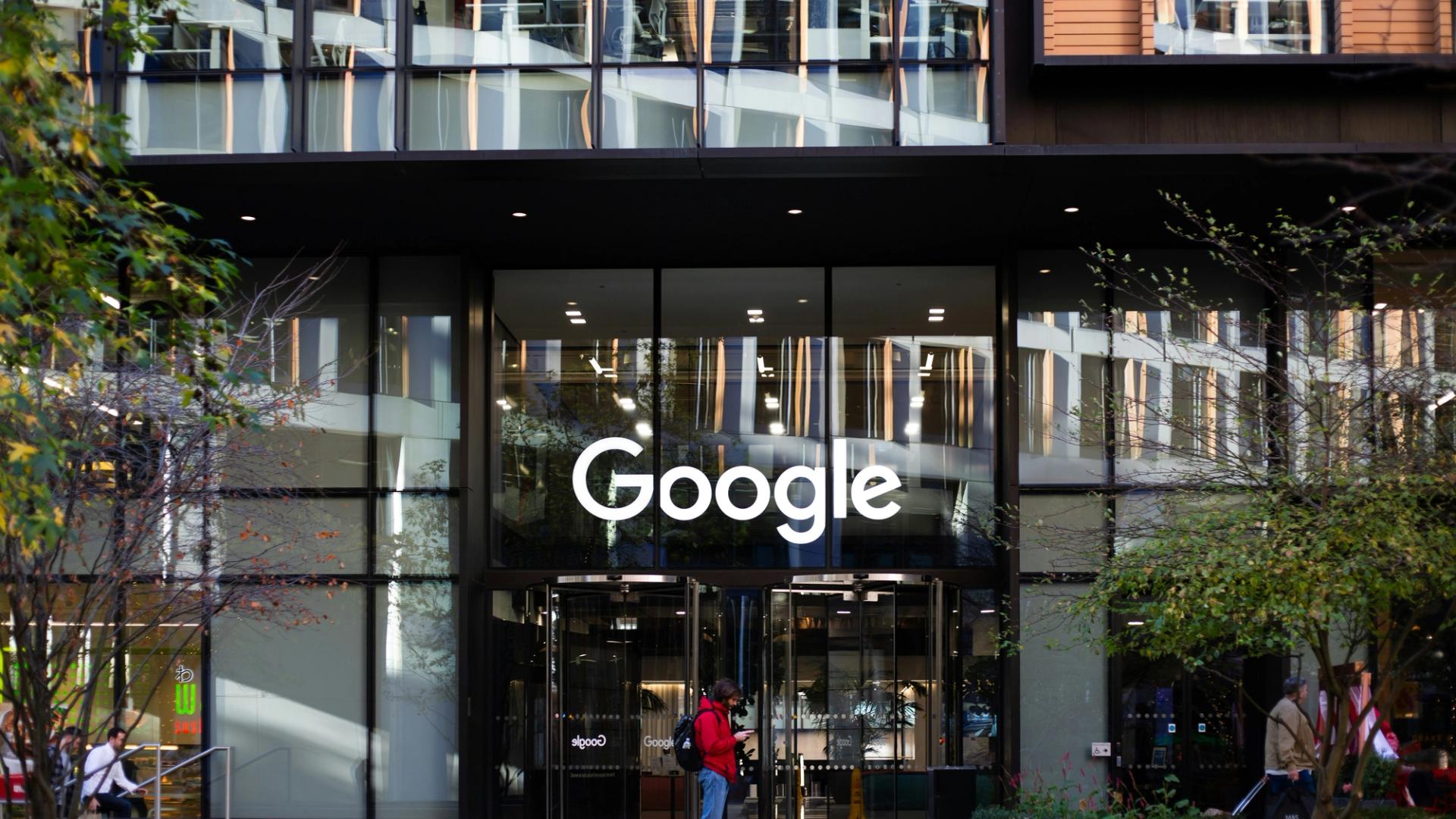
Google and Apple are hiring crypto talent as job listings point to potential projects involving stablecoins, tokenized deposits and blockchain infrastructure
Apple Pay, USDC, and the New Crypto Onramp
If the App Store governs what crypto apps can exist on Apple’s platforms, Apple Pay is increasingly central to how value flows into and out of those apps. Apple Pay is Apple’s proprietary digital wallet and checkout system, allowing users to pay with cards or other funding sources using their iPhone, iPad, Mac, or Apple Watch. For crypto, its significance lies in two overlapping roles: as a way for users to purchase tokens and as a way for merchants to accept stablecoin‑denominated payments via familiar Apple interfaces.
Stablecoins and Checkout Flows
Stablecoins, particularly dollar‑pegged ones, are emerging as the neutral settlement layer for many crypto–fiat interactions. USD Coin (USDC), issued by Circle, is designed to maintain a 1:1 peg with the U.S. dollar and is redeemable for dollars held in reserve, a model that has made it one of the most widely used stablecoins for trading, DeFi, and payments. Coinbase markets USDC as a stablecoin that can always be redeemed for one U.S. dollar and offers rewards for simply holding USDC on its platform, positioning it as both a transactional asset and a yield‑bearing instrument within the exchange’s ecosystem.
Circle’s integration of Apple Pay represents a notable bridge between this stablecoin world and mainstream commerce. According to Circle, eligible businesses can now accept Apple Pay for payments that settle in USDC, enabling both crypto‑native projects and traditional merchants to accept stablecoin payments through Apple’s familiar checkout flow in Safari or iOS apps. Customers can complete purchases using devices like the iPhone, iPad, and Apple Watch without needing to create new accounts or fill out extensive forms, with the underlying settlement occurring in USDC rather than traditional card‑network money. This approach effectively hides the complexity of stablecoins behind the user experience of Apple Pay, while still delivering the programmability and instant settlement characteristics that make USDC attractive to businesses.
Coinbase extends this pattern on the retail side. The exchange has rolled out functionality that lets users buy crypto using Apple Pay or Google Pay linked to their debit cards, as well as enabling instant cashouts to these wallets. In doing so, Coinbase and similar exchanges transform Apple Pay from a way to spend fiat into a way to acquire and liquidate crypto positions, with USDC often serving as the intermediate asset that users purchase or receive when moving between dollars and the broader token universe. In parallel, NFT marketplaces and digital art platforms have begun denominating listings in USDC while allowing checkout via Apple Pay or card, so that collectors can pay in fiat while artists receive stablecoin proceeds. This hybrid model reflects a growing recognition that stablecoins provide a neutral “denominator” for crypto commerce, while Apple Pay remains the UX surface that mainstream users understand.
Wallet Funding, DEX Access, and NFT Marketplaces
Beyond exchanges, a growing class of noncustodial and DeFi‑native applications is wiring Apple Pay and Google Pay into their onboarding flows via specialist onramps. MoonPay is one such provider, offering a widget and API that allow applications to accept mobile wallet payments for crypto purchases. MoonPay’s developer documentation highlights Apple Pay and Google Pay as key options within its mobile payments offering, emphasizing that these methods provide smooth checkout experiences because they leverage stored card details and device‑level authentication. For a user inside a DeFi app, this often manifests as a “Buy with Apple Pay” button that launches a MoonPay flow, where the user selects a token and chain, completes KYC, and pays with Apple Pay; the purchased crypto is then delivered directly to the user’s self‑custodial wallet.
dYdX, a decentralized derivatives protocol, has exemplified this pattern on mobile by adding fiat deposits via card, Apple Pay, and Google Pay through MoonPay in its smartphone app. This integration allows users to move from fiat into margin‑eligible assets inside a noncustodial derivatives exchange without touching a centralized brokerage account, effectively combining mainstream payment methods with crypto‑native leverage. Similarly, MoonPay’s launch as the first crypto onramp inside ChatGPT’s App Store illustrates how Apple Pay is being extended into conversational interfaces. Users can search for MoonPay inside ChatGPT, connect their MoonPay account, and then instruct the assistant to “buy $100 of Bitcoin” or “get me USDC on Solana.” ChatGPT then generates a pre‑filled MoonPay checkout link with asset, chain, and amount, which the user completes via KYC and payment—often using Apple Pay as the funding method. In this way, Apple’s payment rail becomes an invisible component of an AI‑driven, chat‑based crypto experience.
The pattern extends to base‑layer infrastructure as well. The Base app, built on Coinbase’s Ethereum L2 network, has announced that users can fund their self‑custodial wallets directly with Apple Pay, emphasizing a “no friction, no redirects” experience that keeps the user inside the app’s context. Travel‑focused Web3 products are doing the same: Epic Travel has publicized support for Apple Pay, Visa, and Mastercard, pointing out that this unlocks access to Japan’s large fiat market for its tokenized travel experiences and loyalty programs. These examples demonstrate that Apple Pay is no longer peripheral to crypto; it is increasingly the first step many users take into onchain ecosystems.
The combined effect of Circle’s USDC–Apple Pay integration, Coinbase’s Apple Pay and Google Pay support, MoonPay’s embeddable widget, and these application‑level implementations is to create an “onramp stack” in which Apple’s hardware and payments APIs sit at the outer layer, stablecoins like USDC form the intermediate settlement layer, and onchain protocols and NFTs represent the inner transactional layer. Google Pay is part of the same stack, particularly on Android devices, but for many high‑value North American and European users, Apple Pay remains the flagship experience that crypto teams optimize around.
Readers treat Apple not as a passive tech giant but as crypto's most powerful unelected regulator — the click pattern shows equal anxiety about Apple arbitrarily delisting wallets as about Apple's ecosystem being weaponized for scams and government backdoors.
App Store Rules, Games, and the Limits of Permissionless Finance
If Apple Pay is the monetary front door into crypto apps, the App Store Review Guidelines are the terms of entry. Apple’s guidelines, which are periodically updated, articulate what apps can and cannot do across safety, performance, business models, design, and legal compliance. While these guidelines are written broadly, several provisions directly affect crypto wallets, exchanges, NFT marketplaces, and games.
Review Guidelines for Wallets and Exchanges
Apple’s rules for financial apps emphasize licensing, transparency, and user protection. The guidelines stipulate that apps offering cryptocurrency trading or transfers must be operated by entities that are duly licensed or otherwise authorized in the jurisdictions where they operate, and they must comply with applicable laws. In practice, this means that a fully decentralized exchange front‑end that has no corporate operator will face challenges in being approved, whereas centralized exchanges or noncustodial wallets backed by identifiable legal entities have a clearer path.
For wallets, Apple allows applications that facilitate the transmission of approved virtual currencies, provided they are offered by the developers of those currencies or by otherwise authorized financial institutions, and that the wallets do not directly facilitate illegal activity. This helps explain why self‑custodial wallets like Trust and Ledger’s companion app can appear in the App Store: they are backed by companies that can be vetted, and they position themselves as infrastructure for legitimate blockchain transactions rather than as instruments for unregulated speculative behavior. Both apps emphasize user responsibility and the irreversibility of transactions, aligning with Apple’s concern that users understand the risks they are assuming.
Apple’s business model rules also constrain crypto apps. The guidelines require that digital goods and services distributed inside an app use Apple’s in‑app purchase system, which takes a commission, and prohibit apps from explicitly directing users to alternative payment mechanisms that bypass this system. For crypto, this creates a challenge: NFTs and other tokenized assets are digital goods by design, but routing their purchase through in‑app purchases would force them into a Web2 subscription archetype and entangle them with Apple’s revenue share. As a result, many NFT marketplaces on iOS restrict themselves to showcasing users’ collections or facilitating off‑app purchases via web views, rather than integrating full token‑trading functionality into the native app.
NFTs, Gaming, and DAO‑Backed Experiences
The gaming and entertainment sectors illustrate both the constraints and creative workarounds that emerge under Apple’s rules. NFT‑powered games must avoid being perceived as unlicensed gambling or securities markets, comply with in‑app purchase policies, and ensure that any token sales do not violate local financial regulations. Yet despite these hurdles, DAOs and community‑funded ecosystems have succeeded in bringing onchain games to the Apple App Store and Google Play. In one notable example discussed at the CVC25 conference, a DAO‑backed ecosystem supported the development of more than ten games that ultimately launched across the Apple App Store and Google Play Store, suggesting that rigorous design and compliance work can reconcile onchain economies with mobile store policies.
The emergence of native Web3 experiences on Apple Watch underscores the breadth of Apple’s ecosystem. Telegram’s launch of a native app for Apple Watch, as part of its broader platform expansion, is not explicitly a crypto event, but it matters because so much crypto activity happens inside Telegram—via trading bots, NFT communities, and DAO governance chats. By bringing Telegram to Apple Watch, Apple indirectly extends the surface area through which users receive DeFi trading signals or governance alerts, even if transaction signing still occurs on phones or hardware wallets.
Wallet providers have adapted by clarifying their roles. Trust Wallet’s App Store description stresses that its software only supports legitimate blockchain transactions and warns that lost funds are unrecoverable, highlighting that the app itself does not custody assets or provide restitution. Ledger’s app emphasizes its function as a control panel for hardware‑secured private keys, rather than as a direct counterparty to trades. These positionings are carefully tuned to remain within Apple’s safety and legal guidelines while still enabling users to interact with permissionless networks via third‑party dApps accessed through WalletConnect or similar protocols.
The New Risk of App‑Level Shutdowns
Beyond store policies, emerging changes within iOS itself hint at new vectors of centralized control that may affect crypto users. Commentary on pre‑release builds of iOS 27 has highlighted a section that appears to allow mobile carriers to limit access to apps on a user’s iPhone if the user falls behind on device payments. In a widely discussed example, UFD Tech pointed to language suggesting that if a carrier balance is not paid by a specified time, the carrier may be able to block access to most apps and their associated subscriptions on the iPhone, potentially using OS‑level enforcement.
If such a feature is implemented broadly, it would introduce a novel risk: a user could lose access not only to entertainment apps but also to critical financial applications, including self‑custodial wallets and DeFi clients, because of a dispute with their carrier. While the underlying onchain assets would remain intact, the device‑level lockout would temporarily remove the user’s ability to sign transactions using that particular phone. For users who rely heavily on a single device—and who may keep seed phrases or hardware wallets in the same physical environment—this could become a serious availability risk.
From a Web3 perspective, this development underscores the importance of multi‑device setups, hardware wallets, and recovery planning that does not depend entirely on one platform vendor or carrier. It also raises uncomfortable questions about the layering of centralized authorities: even if a blockchain itself is censorship resistant, the app distribution and device management layers can still impose their own forms of soft or hard censorship. Apple sits at the center of many of these layers, sometimes as policymaker, sometimes as implementer, and crypto users must account for this reality in their threat models.
Trading Apple Onchain: Tokenized AAPL and RWAs
Beyond acting as a platform that hosts crypto apps, Apple has become an underlying asset within the crypto ecosystem itself. The company’s equity, traded under the ticker AAPL in traditional markets, has been tokenized or synthetically replicated on multiple onchain venues. This allows crypto users to take positions on Apple’s stock within DeFi or CeDeFi environments, often using stablecoins as collateral or settlement assets.
Tokenized Stocks on DEXs and CeDeFi
One major development is the listing of tokenized securities on Uniswap. According to a Uniswap blog post, a set of tokenized assets—including representations of companies like SpaceX, Apple, Tesla, and NVIDIA—are now available to eligible users through the Uniswap web app, wallet, and API. These tokenized securities can be discovered via a dedicated Explore page, and swapping between them and other tokens works similarly to any other Uniswap trade: the user connects a compatible wallet, selects the desired asset pair, reviews price and slippage, and confirms the transaction. While the underlying structure of these tokens (custodial vs synthetic exposure) depends on the issuing partner and jurisdiction, the user experience is that of a standard DEX swap.
Centralized exchanges with DeFi interfaces are also moving aggressively into tokenized equities. OKX, for example, has announced the availability of more than 260 tokenized U.S. stocks on its CeDeFi platform, including Apple, NVIDIA, Tesla, and others. These tokens, powered by Ondo Finance on the backend, can be bought and sold directly from users’ existing OKX accounts using USDT or USDC balances, without requiring new registration or separate bank transfers. Users access these markets by navigating to the “DEX” section in the OKX app, selecting a “TradFi” category, and then choosing stock tickers to trade, effectively turning a crypto account into a multi‑asset trading interface.
RWA.xyz offers a different perspective by acting as an information and analytics overlay. The platform allows users to explore tokenized public equities, including listed stocks and ETFs, that are issued natively onchain or represented synthetically. For assets like Apple, RWA.xyz aggregates data such as issuing protocols, onchain venues, and liquidity metrics, helping investors understand how their exposure is structured and where it trades. In parallel, synthetic and derivative platforms list perpetual futures that reference Apple and related tech names. Orderly Network, a perp DEX, notes that it supports more than 30 RWA markets and has added perpetual contracts referencing Apple, Amazon, Microsoft, and Samsung, among others, allowing traders to long or short these tech giants using crypto collateral. Orderly’s messaging explicitly suggests that users could, for example, trade around a high‑profile Apple–Intel chip manufacturing announcement, since the platform also lists an INTC perpetual.
These offerings exist alongside more niche tokenized Apple products. On DeFiChain, for instance, “Apple Tokenized Stock” is presented as a cryptocurrency token designed to mirror the stock price of Apple, with its value fluctuating in tandem with Apple’s actual stock. The project positions this token as a bridge between equity and crypto markets, enabling users to gain price exposure to Apple within a DeFi context, albeit with the usual caveats about synthetic products. This diversity of approaches—custodial tokenization, synthetic tracking tokens, and perpetual derivatives—creates a rich but complex landscape for onchain Apple exposure.
Synthetics, Perps, and “Price Only” Exposure
Not all tokenized Apple instruments confer the same rights or risks. Some tokens are explicitly structured as “price exposure only” products that do not represent actual share ownership. OKX, for example, has described its tokenized stock and pre‑IPO perpetual offerings, including planned products for companies like OpenAI, Anthropic, and SpaceX, as instruments that provide a price claim without conveying underlying equity rights such as voting or dividends. Similar language appears in the context of other tokenized stock projects, which emphasize that their tokens track stock prices but do not make the holder a shareholder of the underlying company.
DeFiChain’s Apple Tokenized Stock is illustrative in this regard. The asset is described as a DeFi token whose value mirrors Apple’s share price, thereby providing a bridge between traditional equities and crypto markets, but it is not a claim on actual Apple Inc. stock. This means that while holders can speculate on price movements, they are not protected by the same shareholder rights that apply to traditional AAPL investors. On the derivative side, platforms like Orderly offer perpetual contracts on Apple and other RWAs, which further abstract away from ownership and focus purely on leveraged price exposure. These perps can be funded and settled in stablecoins, effectively embedding Apple’s price dynamics into DeFi‑native trading systems without any representation of equity at all.
This proliferation of synthetic and derivative products blurs the boundary between equities and crypto assets. It also raises regulatory questions: at what point do these tokens and perps constitute securities or regulated derivatives in various jurisdictions? Many platforms address this by geo‑restricting access to certain regions, labeling their products as for “eligible users,” and emphasizing that the tokens do not represent ownership stakes. For the end user, the key lesson is to read product documentation carefully and understand whether one is buying a custodially backed depository receipt, a synthetic representation, or a leveraged derivative when taking an onchain position in Apple.
Comparing Platforms for Onchain Apple Exposure
To orient this landscape, it is useful to summarize some of the major venues where a crypto user might encounter onchain Apple exposure. The table below provides a high‑level comparison of a few representative offerings.
| Platform / Venue | Instrument Type | Funding / Settlement Asset | Access Model | Key Characteristics |
|---|---|---|---|---|
| Uniswap (via partner tokenized securities) | Tokenized representation of Apple equity (details depend on issuer) | Typically stablecoins like USDC or other ERC‑20 tokens | Noncustodial DEX; eligible users via web app, wallet, or API | Swaps executed like any ERC‑20 trade; tokens behave like standard onchain assets while underlying custody and regulation are handled offchain by partners. |
| OKX CeDeFi DEX (Ondo‑powered tokenized stocks) | Tokenized US stock referencing Apple | USDT and USDC balances | CeDeFi; requires OKX account with existing KYC | Over 260 tokenized U.S. stocks, including Apple, trade through a DEX interface connected to centralized accounts; no separate registration or bank transfers required. |
| RWA.xyz | Aggregated view of tokenized Apple exposures | N/A (analytics only) | Web analytics platform | Provides data on tokenized public equities, including Apple, across multiple issuers and chains, helping users compare liquidity and structures. |
| DeFiChain Apple Tokenized Stock (DAAPL) | Synthetic token tracking Apple’s stock price | DeFiChain‑native assets | DeFiChain DEX ecosystem | Price mirrors Apple’s stock but does not represent actual equity; marketed as a bridge between equity and crypto markets. |
| Orderly Network | Perpetual futures on Apple and other RWAs | Crypto collateral (e.g., stablecoins) | Noncustodial perp DEX | Offers leveraged long/short exposure to Apple, Amazon, Microsoft, Samsung, and others, enabling event‑driven trading on tech news such as the Apple–Intel chip agreement. |
This table is not exhaustive, and new tokenized Apple products continue to launch, including self‑custodial trading apps such as Based/tradexyz that highlight slogans like “your keys, your assets” while offering positions in Apple, Microsoft, Amazon, Tesla, and more via mobile and web clients. But it illustrates the central point: Apple’s stock has become a first‑class citizen in many onchain environments, sitting alongside ETH, BTC, and governance tokens in user portfolios.
- 01App Store wallet gatekeeping↗
MetaMask's removal and reinstatement, Axie Infinity's admission, and Fortnite's ban showed readers that a single Apple review decision can instantly cut off millions of users from crypto access with no appeal process.
- 02Fraudulent crypto apps slipping through↗
The Rabby Wallet scam ($1.6M stolen), fake Curve Finance app, and fake Ledger app draining $420K demonstrated that Apple's review process provides false assurance — scammers exploit user trust in the App Store badge.
- 03Apple Pay as crypto on-ramp↗
Binance, Coinbase, MiniPay, Gnosis Pay, MoonPay, and Nansen all integrating Apple Pay signals that frictionless fiat entry via familiar payment rails is a top adoption unlock readers are watching closely.
- 04Encryption backdoor and surveillance battles
The UK's demand for an iCloud backdoor, the SIM-swapping ring targeting carrier stores, and push-notification surveillance warnings put Apple at the center of the privacy-vs-state-access conflict that crypto users care about deeply.
- 05Apple as macro crypto catalyst
Tariffs on Apple iPhones moving futures markets and the crypto sector briefly eclipsing Apple's market cap at $4.1T framed Apple as a macro bellwether whose policy shocks and valuation benchmarks directly move crypto sentiment.
- 06Tokenized Apple equity in DeFi↗
Kraken's tokenized stock offering and Coinbase Derivatives' Mag7+Crypto futures including Apple show readers that on-chain exposure to Apple stock is becoming a real DeFi primitive, blurring the line between equities and crypto.
Hardware, AI, and Security: Apple’s Indirect Influence on Web3
Apple’s impact on crypto is not limited to app stores and tokenized equities. The company’s hardware, design languages, and emerging AI and privacy infrastructure also shape how Web3 is built and secured.
Apple Silicon as Crypto and AI Infrastructure
Apple’s transition to its own ARM‑based silicon in the Mac line, starting with the M1 and continuing through subsequent generations, has created a class of developer machines that offer high‑performance CPUs, GPUs, and dedicated neural engines in energy‑efficient packages. In the broader AI community, practitioners have observed that certain large language models, such as quantized versions of Deepseek v4, can run surprisingly well on Apple hardware, with anecdotal reports of 2‑bit quantizations achieving significantly higher token throughput on Apple silicon than on some AMD setups. While performance specifics vary, the net effect is that Apple laptops and desktops have become viable local inference platforms for sophisticated models.
For Web3, this matters because AI agents are increasingly integrated into trading strategies, risk management, and even contract auditing. A developer running a local LLM on a MacBook can prototype an onchain strategy assistant, simulate market scenarios, or analyze Solidity code without sending sensitive data to a remote cloud. Developers and security researchers have also used AI‑assisted tools to probe the robustness of Apple’s own systems. In one widely discussed case, researchers employing a tool called Mythos Preview, tied to Anthropic’s Claude family of models, reportedly discovered the first public macOS kernel memory‑corruption exploit on Apple’s M5‑class silicon, bypassing a flagship feature known as Memory Integrity Enforcement in a matter of days. While this work targets Apple’s OS rather than blockchains, it demonstrates how AI‑augmented analysis can uncover subtle vulnerabilities even in platforms that have invested heavily in security.
The same techniques are being applied in Web3. Security firms now use AI‑driven tools to scan smart contracts for vulnerabilities, evaluate cross‑chain bridges, and simulate attack paths. It is telling that Joe Van Loon, a former security engineer at Apple and Amazon, now runs a Web3‑focused security consultancy and leads workshops on operational security for crypto teams. His work exemplifies the transfer of big tech security culture—including threat modeling, hardened development environments, and careful key management—into the often more improvisational world of DeFi. Apple’s hardware and OS features, such as Secure Enclave and hardware‑backed keychains, also provide a baseline of secure key storage that wallet apps can build upon, even if critical signing keys are ultimately offloaded to dedicated hardware wallets.
Private Cloud Compute, Confidential Computing, and Trust
Apple’s “Private Cloud Compute” (PCC) initiative illustrates another intersection between big tech infrastructure and crypto‑style thinking about trust and verification. PCC is designed as a way to run large AI models in the cloud while preserving user privacy, by ensuring that sensitive data is processed inside hardened environments where even the cloud provider cannot easily access it. In a recent expansion, Apple announced that it would extend PCC beyond its own data centers by collaborating with Google and NVIDIA to run Apple Intelligence workloads on Google Cloud. On Google Cloud, PCC relies on NVIDIA Confidential Computing capabilities for GPUs and Intel CPUs with Trust Domain Extensions (TDX), combined with remote attestation mechanisms that allow Apple to verify that code is running inside secure, untampered enclaves before data is sent.
This architecture strongly echoes patterns in crypto. Confidential computing—where hardware‑enforced enclaves and attestation are used to guarantee that code runs in a specific, verifiable environment—is already used by some blockchain oracles, off‑chain computation providers, and privacy‑preserving rollups. In both cases, the trust model shifts from “trust the operator” to “trust the hardware and its attested configuration,” which can then be anchored cryptographically. Apple’s decision to rely on confidential computing across third‑party cloud providers signals that concepts like attestation and verifiable runtime guarantees are not niche concerns but central to the future of privacy‑preserving AI at scale.
For Web3 builders, this convergence suggests a future where the same underlying trust primitives—hardware roots of trust, remote attestation tokens, and cryptographic proofs of correct execution—support both AI inference and off‑chain components of DeFi protocols. It also highlights a new axis of dependency: if large portions of AI‑assisted crypto infrastructure run on attested environments provided by a handful of cloud and hardware vendors, then control over these trusted execution environments becomes as important as control over L1 validators.
Apple’s AI strategy also includes alliances with competitors like Google. Reports that Siri will leverage Google’s Gemini models within the iOS “Dynamic Island” interface highlight a pragmatic approach: Apple provides the UX and privacy framework, while Google supplies some of the underlying AI capabilities. For crypto, this underscores how deeply intertwined big tech vendors have become, with Apple, Google, and NVIDIA collaborating on infrastructure that could eventually host both AI and blockchain‑adjacent workloads.
Design Languages from Cupertino to DeFi Frontends
Apple’s influence on crypto UX is visible not only in technical architecture but also in design aesthetics. In a recent video introducing “Liquid Glass,” Apple described its next chapter in software design as a sleek, expressive material system that will be applied as a universal design across its platforms. Liquid Glass emphasizes depth, translucency, and dynamic motion, creating interfaces that feel both tactile and ethereal. As Apple rolls this out across macOS, iOS, and other OS variants, users will become increasingly familiar with this visual vocabulary.
DeFi protocols have already begun assimilating these design cues. Aave, for instance, has unveiled “Aave Glass,” a design language explicitly inspired by Apple’s glass‑centric UI, with the stated aim of unifying interfaces across web and mobile and making the protocol feel more approachable to mainstream users. By mirroring Apple‑like translucency, rounded corners, and layered surfaces, Aave and similar projects hope to move away from the dense, terminal‑style dashboards of early DeFi and toward interfaces that resemble the polished apps in an iOS home screen. This convergence is further facilitated by resources like Apple’s SF Symbols library; Apple recently added more than 150 new symbols, including detailed representations of AirPods Pro and their charging cases, giving developers fine‑grained iconography to represent hardware and functions in a consistent way.
Crypto wallets and DeFi dashboards routinely adopt Apple’s typographic and spacing conventions, using large, friendly titles, generous whitespace, and clear affordances. This matters because users subconsciously compare DeFi apps to their banking and payments apps; the closer a protocol’s front‑end feels to Apple‑native design standards, the less cognitive friction users experience when moving funds between fiat accounts, Apple Pay wallets, and self‑custodial crypto holdings. At the same time, this aesthetic alignment deepens the ecosystem’s dependence on Apple: when a DeFi app’s primary design reference is the latest version of iOS, it must track Apple’s design changes and adjust, even if those changes are not optimal for power users.
Narratives and Power: Apple vs Bitcoin, Stocks vs Crypto
Apple’s role in crypto is also ideological. It sits at the intersection of competing narratives about what constitutes “good” and “bad” money, the merits of equity vs token ownership, and the future of trading venues.
“Good Money,” “Bad Money,” and Investor Psychology
Mainstream financial commentators sometimes juxtapose Apple’s stock with crypto in ways that reveal deeper biases about asset quality. In a recent segment highlighted by Benzinga, Jim Cramer described Bitcoin and gold as “bad money” that investors were selling to fund purchases of SpaceX, while also referring to Apple and NVIDIA as “good money” that was nonetheless being liquidated in certain market conditions. This framing positions established tech stocks and private growth companies as desirable assets, while casting Bitcoin and gold—traditionally viewed as stores of value—as inferior sources of liquidity.
From a crypto perspective, this narrative is both familiar and evolving. On one hand, equity in companies like Apple represents a claim on future cash flows, governed by robust legal frameworks and corporate governance structures; Bitcoin and other cryptocurrencies, by contrast, rely on decentralized consensus and often lack intrinsic cash flows. On the other hand, when Apple’s stock is tokenized and traded on DEXs alongside BTC, ETH, and governance tokens, the distinction between “equity” and “crypto asset” becomes blurred in practice. A user who holds an Apple token on Uniswap and a DeFiChain synthetic Apple token might interact with both through the same wallet, price charts, and collateralization interfaces, regardless of their legal differences.
Cramer’s “good money vs bad money” dichotomy also underscores the fluidity of collateral in modern markets. In times of stress, investors may sell even their highest‑conviction assets, such as Apple and NVIDIA, to meet margin calls or reallocate risk, just as they might sell gold or Bitcoin. In DeFi, the same dynamic plays out when users liquidate governance tokens or stablecoins to maintain health factors in lending protocols. The arrival of onchain Apple exposure simply adds another instrument to this collateral pool, one that carries its own correlations and risk attributes.
From Schwab to Self‑Custody: Onchain Venues as Primary Markets
A recurring theme in Web3 discourse is the idea that onchain venues will increasingly become the default places where people trade “everything,” from native tokens to tokenized stocks. Builders behind self‑custodial trading apps like Based/tradexyz argue that users “already live inside these companies” as customers of Apple, Microsoft, Amazon, and others, and that it is natural for them to hold positions in those companies without asking permission from traditional brokers. In this vision, instead of opening an account at a broker like Schwab to buy Apple stock, a user would connect a wallet to a DeFi or CeDeFi app, deposit stablecoins, and take onchain exposure to AAPL alongside ETH and staked assets.
The current wave of tokenized Apple products on Uniswap, OKX, DeFiChain, Orderly, and other platforms can be seen as early steps toward this reality. Users can already trade Apple exposure 24/7, collateralize it in DeFi, and integrate it into automated strategies, even if regulatory constraints limit where and how these products can be offered. Aggregators like RWA.xyz enhance this experience by providing cross‑protocol views of liquidity and risk for tokenized stocks, similar to how DeFiLlama aggregates TVL across DeFi protocols.
At the same time, this shift raises questions about the role of centralized gatekeepers. While onchain venues promise self‑custody and permissionless access, many tokenized Apple products still rely on centralized entities for underlying custody, synthetic price feeds, or compliance. Apple itself, through its control of iOS and the App Store, remains a gatekeeper for many of the mobile clients used to access these venues. Google, through Android and cloud services, plays a similar role. As a result, the move from Schwab to self‑custody does not entirely eliminate intermediaries; it reconfigures them, weaving together big tech platforms, stablecoin issuers, and DeFi protocols into a multilayered trading stack.
- 2023-01milestone
Apple secures $5M rights to SBF book
- 2023-11regulatory
Wallet of Satoshi exits U.S. App Store citing regulatory pressure
- 2024-02exploit
Fake Rabby Wallet drains $1.6M via App Store scam; funds traced to 'Konpyl'
MetaMask removed then reinstated on Apple App Store
- 2025-02regulatory
UK demands Apple create iCloud encrypted backup backdoor
- 2025-06regulatory
UK drops iCloud backdoor demand — victory for end-to-end encryption
Coinbase integrates Apple Pay for one-click fiat-to-crypto onramp
Apple removes Bitchat from China App Store; MoonPay launches inside ChatGPT App Store with Apple Pay
Conclusion
Apple’s relationship with crypto is multifaceted and evolving. At the platform level, the App Store Review Guidelines set the rules of engagement for wallets, exchanges, NFT marketplaces, and games, balancing consumer protection and business interests in ways that sometimes clash with crypto’s permissionless ethos. Wallets like Trust and Ledger’s companion app demonstrate that it is possible to operate within these constraints while still enabling self‑custody and access to DeFi, but they also illustrate the limits of what Apple will currently tolerate in terms of in‑app trading and alternative payment rails.
On the payments front, Apple Pay has become a crucial fiat–crypto bridge. Circle’s integration of USDC with Apple Pay, Coinbase’s support for Apple Pay and Google Pay purchases and cashouts, and MoonPay‑powered flows inside dYdX, Base, and even ChatGPT show how stablecoins and mobile wallets are merging into a single commerce layer. For users, this means that buying crypto, funding wallets, and paying for digital art increasingly feels like any other Apple Pay transaction, with USDC and other tokens abstracted behind familiar UI.
Apple is also becoming an onchain asset in its own right. Tokenized Apple equity and synthetic price trackers on Uniswap, OKX, DeFiChain, Orderly, and related platforms allow users to trade Apple exposure alongside native tokens, turning AAPL into a building block of DeFi strategies. These products range from custodian‑backed tokens to purely synthetic instruments, each with distinct legal and risk profiles. Combined with self‑custodial trading apps and RWA aggregators, they point toward a future where the boundary between equities and crypto assets is increasingly porous.
At the infrastructure level, Apple’s hardware and privacy technologies intersect with Web3 through shared concerns about secure computation and trust. Apple Silicon enables local AI inference that can be harnessed for onchain strategy and security analysis, while the Private Cloud Compute initiative brings confidential computing and attestation to large‑scale AI workloads on Google Cloud with NVIDIA GPUs and Intel TDX. These developments mirror patterns in blockchain oracles and rollups, suggesting a convergence between AI and crypto around verifiable computation and hardware‑rooted trust.
Finally, Apple’s role in public narratives about money, value, and technology remains influential. Commentators who label Apple and NVIDIA as “good money” and Bitcoin as “bad money” reinforce traditional hierarchies, even as tokenized Apple products bring the company’s equity into the same trading arenas as BTC and ETH. The tension between centralized platform power and decentralized financial infrastructure runs through all these developments. For crypto users and builders, engaging with Apple means more than designing around App Store policies; it means recognizing Apple as a payments rail, an underlying asset, an infrastructure provider, and a cultural reference point in the broader debate over the future of money and markets.
Outlook
Looking ahead, Apple’s importance to the crypto ecosystem is likely to grow rather than shrink. On the payments side, deeper integrations between Apple Pay and stablecoins such as USDC could expand beyond merchant acceptance into peer‑to‑peer transfers, subscription billing, and in‑app payouts, further blurring the line between card‑network money and token‑based settlement. As more DeFi protocols and NFT platforms adopt USDC as a base currency while offering Apple Pay and Google Pay checkout, end‑users may increasingly perceive stablecoin‑based commerce as indistinguishable from traditional digital payments.
In parallel, we can expect continued experimentation with tokenized Apple equity and related RWAs. Regulatory scrutiny will shape which models—fully backed tokens, synthetic trackers, or perpetual derivatives—achieve mainstream acceptance, but the direction of travel is clear: users want to hold and trade positions in companies like Apple, Tesla, and NVIDIA inside self‑custodial wallets, and onchain venues are racing to meet that demand. Over time, this could shift liquidity and price discovery toward 24/7 onchain markets, even if traditional exchanges remain primary for regulatory and corporate‑governance purposes.
On the infrastructure front, Apple’s collaboration with Google and NVIDIA on Private Cloud Compute hints at a world where confidential computing and hardware‑attested runtimes are standard components of both AI and crypto stacks. As blockchains integrate more off‑chain computation and AI‑driven services, the overlap between Apple’s privacy‑preserving AI platforms and Web3’s trust‑minimized architectures will likely deepen. In such a world, questions about who controls the underlying hardware and attestation mechanisms will be as salient as debates about validator decentralization today.
At the same time, centralization risks—from App Store policies to potential carrier‑enabled app lockouts in future iOS versions—will remain a critical concern. Crypto teams would do well to design multi‑platform strategies that do not rely entirely on a single vendor’s goodwill, combining web interfaces, Android clients, browser extensions, and hardware wallets to ensure resilient access. For users, this means treating devices and app stores as convenience layers, not as ultimate custodians of wealth.
The overarching trajectory is one of increasing entanglement. Apple is unlikely to become a crypto company in the narrow sense, but its hardware, software, payments, and privacy infrastructure will continue to define the practical boundaries of how many people experience crypto. For a crypto news audience, tracking Apple is no longer optional; it is integral to understanding where onchain finance, AI, and mainstream digital life are headed.
Latest Apple news
Sources
20 records from 15 domains
developer.apple.com
coinbase.com
blog.uniswap.org
x.com
dev.moonpay.com
okx.com
coinmarketcap.com
youtube.com
security.apple.com
facebook.com
genfinity.io
app.rwa.xyz
apps.apple.com
benzinga.com
investopedia.com
Community notes
Spot something off or out of date? Drop a note. Editors review topic notes daily and roll accepted fixes into the explainer — contributors are recognized in the monthly $SQUID drop.
Loading notes…
Help improve this topic
Have a story or tip about this topic? Submit it. See something missing? Leave a note. Editors review daily; accepted submissions and fixes count toward the monthly $SQUID drop.