
Deep explainer on KuCoin’s evolution from “People’s Exchange” to multi‑product CeFi–Web3 platform, covering trading, Earn and quant funds, KuCard, Web3 wallet, regulation (NYAG, CFTC, VARA, CBN) and what it means for crypto users and builders.
+10 sources across the wider coverage universe
 KuCoin Wealth debuts first high-yield market-neutral quant fund as institutional-style crypto demand accelerates.2026-06
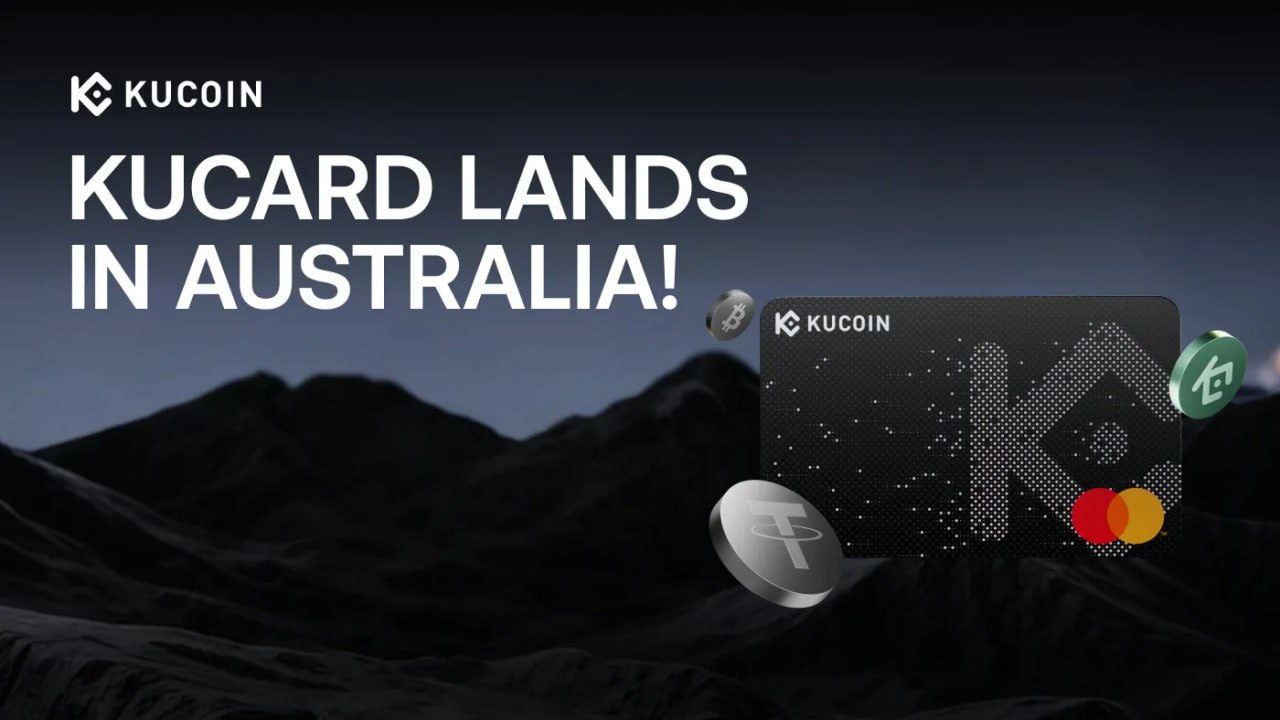 KuCoin launches KuCard via Mastercard's global network to advance crypto payments in Australia2026-04
 KuCoin launches Skills Hub, turning agent-ready skills into crypto capabilities.2026-03
 Court orders KuCoin operator to permanently block U.S. traders, pay $500K CFTC penalty2026-03
 KuCoin leaves $2M Seychelles court award unpaid in delisted CoinPoker token fight, investor says2026-06
 KuCoin EU hires AML specialists after Austria’s FMA ordered halt over compliance gaps, aiming to restore operations and meet regulatory standards2026-04
KuCoin: A Global Crypto Exchange At The Intersection Of CeFi, Web3, And Regulation
KuCoin is a global centralized cryptocurrency exchange that offers spot, futures, margin, yield, and Web3 products, with a particular focus on altcoin listings and an expanding non‑custodial wallet ecosystem. At the same time, the platform sits under a growing regulatory spotlight, from U.S. enforcement actions to regional licenses and pilots, making KuCoin a case study in how large exchanges evolve as crypto matures into a more regulated, Web3‑driven financial system.
What Is KuCoin?
At its core, KuCoin is a centralized crypto trading platform where users can buy, sell, and trade bitcoin, ether, stablecoins such as USDT, and hundreds of smaller altcoins through a mix of spot, margin, and derivatives markets. The exchange markets itself as a trusted venue for access to more than a thousand digital assets and positions its infrastructure as a gateway into the broader Web3 economy rather than merely a place to swap tokens. On its public markets interface, KuCoin streams real‑time prices, market capitalizations, and volume data, while highlighting top gainers, trending coins, and both spot and futures pairs, reflecting a product suite built to appeal to active retail traders and more sophisticated market participants alike. This combination of broad asset coverage, live analytics, and multi‑instrument trading has helped KuCoin build a brand as a “one‑stop” crypto hub, even as it races to adapt to shifting regulation and user expectations around transparency and self‑custody.
KuCoin is often described as a “full‑stack” crypto platform because it layers additional services on top of its trading core, including yield‑bearing products, structured quant funds, a non‑custodial Web3 wallet, and payment tools such as a crypto‑funded debit card. KuCoin Earn acts as a centralized wealth‑management layer where users can subscribe to flexible or fixed‑term savings and staking products, while the KuCoin Wealth arm has begun to roll out market‑neutral quant strategies reminiscent of institutional hedge funds. In parallel, KuCoin Web3 provides a decentralized, multi‑chain wallet with in‑wallet perpetual trading, as well as integrations with DeFi protocols and prediction markets, positioning KuCoin as an intermediary between centralized finance (CeFi) and self‑custodial Web3. These ambitions, however, collide with an increasingly demanding regulatory environment, which has produced both enforcement actions in jurisdictions like the United States and Dubai, and collaborative initiatives such as a pilot supervisory program with Nigeria’s central bank.

KuCoin Web3 Wallet adds Sui mainnet support, giving users direct access to asset management and the wider Sui ecosystem

Origins And Evolution Of KuCoin
KuCoin emerged during the 2017 crypto bull market, launching in September of that year with an explicit focus on listing lesser‑known assets that were not yet available on the largest incumbents. This strategy quickly earned it the nickname of the “People’s Exchange,” a nod to its willingness to onboard obscure or early‑stage tokens that retail communities wanted to trade. In an era when many exchanges prioritized only the top market‑cap coins, KuCoin differentiated itself by turning altcoin discovery into a core part of its brand, attracting speculative traders looking for higher‑beta opportunities than bitcoin or ether. Over time, that early‑mover advantage in smaller listings would become a double‑edged sword, driving volume and visibility but also increasing operational and legal complexity as regulators scrutinized which tokens counted as securities or commodities.
From this starting point as a relatively straightforward spot trading venue, KuCoin progressively expanded into a multi‑product ecosystem. It added leverage through margin and later derivatives, enabling users to trade perpetual futures and other leveraged instruments alongside spot markets. It introduced staking and yield products to capture demand from long‑term holders looking to earn a return on idle assets. As decentralized finance took off after 2020, KuCoin leaned into the narrative of a hybrid CeFi–DeFi exchange, integrating certain DeFi protocols and framing itself as an access point to Web3 rather than a siloed trading hub. By the mid‑2020s, KuCoin described itself as a comprehensive crypto ecosystem spanning spot, futures, staking, wealth‑management, and DeFi integrations, underscoring how the line between “exchange” and “platform” had blurred.
KuCoin’s growth also mirrored broader shifts in the exchange business model. As fee competition and listing parity compressed margins on plain spot trading, exchanges looked to diversify into structured products, VIP services, and ancillary businesses such as wallets and payment cards. KuCoin followed this pattern by launching the VIP Program with fee discounts, expanding into quant funds under KuCoin Wealth, and developing KuCoin Web3 as a dedicated non‑custodial offering. This diversification reflects a strategic bet that future revenue will come not only from order‑book trading spreads and maker‑taker fees, but from a wider spectrum of financial services built around crypto assets and tokenized real‑world assets. At the same time, this more complex footprint has opened KuCoin up to a broader range of regulators and legal regimes, as each product line often falls under distinct licensing and compliance frameworks.
KuCoin readers are not chasing price action or product launches — they are tracking the regulatory dismantlement of a major offshore exchange in real time, with criminal charges against founders driving nearly 3× more clicks than any listing or product story.
Core Trading Markets And Altcoin Listings
Spot And Derivatives Markets
Trading remains KuCoin’s foundational service. On the public markets page, users can track live prices and market capitalization data for major cryptocurrencies, scan top gainers and trending coins, and filter between spot and futures markets, which gives a sense of the breadth of trading instruments available. Spot markets allow users to exchange one asset for another at the prevailing market price, often quoted against stablecoins like USDT, while derivatives products offer leveraged exposure through perpetual futures and other contracts. The prevalence of USDT trading pairs, such as BEAT/USDT following KuCoin’s listing of the BEAT token, underscores how dollar‑pegged stablecoins function as the primary unit of account and collateral within the exchange’s trading stack. By denominating most altcoin pairs in USDT rather than fiat, KuCoin leans into crypto‑native liquidity while relying on external on‑ramps and payment partners to bridge actual fiat currencies.
KuCoin’s derivatives markets are designed for more advanced users comfortable with leverage and liquidation risk, and the exchange promotes futures as a way to hedge or amplify directional bets. Although the specific contract list evolves over time, the general structure mirrors that of other major venues: perpetual swaps with margin requirements, cross‑margin and isolated‑margin options, and funding rates that periodically rebalance the price of perpetuals against the underlying spot. For sophisticated traders, these markets are complemented by the VIP Program, which allows high‑volume users to unlock fee discounts of up to 75 percent by demonstrating sufficient trading volume on KuCoin or rival exchanges. The VIP application process involves submitting proof of prior volume, after which KuCoin’s team reviews submissions and assigns tiers, reflecting an effort to compete for institutional and professional flow in a crowded derivatives landscape.
Altcoin Discovery And Token Events
KuCoin’s reputation as the “People’s Exchange” persists in its listing strategy, which continues to emphasize emerging tokens and niche ecosystems. This is visible in its support for projects across entertainment, travel, and gaming verticals, such as launches of tokens that bring AI‑powered entertainment or revenue‑backed travel experiences on‑chain, and its role in listing assets tied to evolving Layer‑2 and protocol rebrands. While many of these examples come from the exchange’s recent listing cadence rather than historical milestones, they illustrate an ongoing commitment to giving liquidity to projects outside the blue‑chip top tier. This approach can yield outsized upside for early traders when a token succeeds, but it also raises diligence challenges around token quality, regulatory classification, and market manipulation risk.
The exchange’s handling of token events like ticker changes and rebrands further highlights how it approaches asset lifecycle management. In June 2026, for example, KuCoin completed the ticker change of Audiera’s KBEAT token to BEAT, executing a 1:1 swap for existing holders and coordinating a phased rollout where deposits, call auctions, continuous trading for the BEAT/USDT pair, and withdrawals each opened at specific times. By managing the conversion centrally, KuCoin sought to minimize disruption for users who might otherwise have needed to navigate a contract migration themselves on‑chain. At the same time, such centralized control over listing, delisting, and ticker changes underscores the asymmetry between exchanges and token holders, a theme that reappears in later disputes over delisted assets and legal claims around user rights.
Trading Campaigns And Liquidity Programs
Beyond day‑to‑day order‑book activity, KuCoin runs periodic trading campaigns aimed at deepening liquidity and user engagement. A prominent example is the KuCoin Crypto Cup, a global football‑season trading event that launched in mid‑2026 with a total reward pool of up to 1.4 million USDT spread across futures, spot and margin, VIP promotions, and ecosystem‑wide bonuses. The campaign’s structure tied a 500,000 USDT futures main tournament together with a 500,000 USDT VIP Premier pool, while also offering up to 150,000 USDT in spot and margin rewards, rate‑up coupons for Earn products, and in‑kind incentives such as KuMining hardware, hashrate‑linked perks, KuCoin Pay benefits, and KuCard cashback. In doing so, KuCoin framed the event as a connected journey across its ecosystem rather than a single trading competition, illustrating how exchanges increasingly use cross‑product campaigns to showcase their breadth and keep users active.
These campaigns highlight both the strengths and the potential pitfalls of aggressive incentives. On the one hand, large USDT‑denominated prize pools and cross‑platform bonuses can materially improve liquidity in targeted pairs and draw in new traders who might otherwise not explore derivatives, Earn, or payment products. On the other, reward‑driven activity can encourage over‑leveraging, short‑term speculation, and behaviors that are misaligned with long‑term risk management, particularly among retail participants attracted by headline figures rather than a nuanced understanding of margin and liquidation dynamics. This tension between growth and prudence is a recurring theme in KuCoin’s trajectory as it attempts to be “ready” for institutional‑style users without abandoning the retail base that made the exchange prominent.
Earn, KuCoin Wealth, And Yield Strategies
KuCoin Earn: Savings, Staking, And Structured Yield
KuCoin Earn functions as the exchange’s centralized wealth‑management arm, offering a range of yield‑bearing products that sit on top of its custody infrastructure. The platform divides offerings into “Stable” and “Advanced” categories, with the Stable bucket encompassing Simple Earn products with flexible or fixed terms and straightforward staking options on proof‑of‑stake assets. Flexible products typically allow users to redeem at any time with yields that adjust dynamically, while fixed‑term products require locking assets for a specified period in exchange for a higher advertised annualized percentage yield. Staking services, meanwhile, abstract away the operational complexity of running validator nodes, letting users delegate tokens and receive rewards while KuCoin handles the technical backend.
Advanced products, though not exhaustively detailed in KuCoin’s high‑level description, often involve more complex strategies such as dual‑currency investments, structured options, and leveraged yield, where returns depend on market conditions or the path of underlying prices. These products appeal to users seeking higher yields than simple staking, but they introduce additional risks around volatility, counterparty exposure, and the details of pay‑off structures. In all cases, KuCoin Earn products rely on the user trusting KuCoin’s custody arrangements and risk management, since assets are pooled and deployed according to the exchange’s internal strategies, rather than being directly staked or lent by the user on‑chain. This centralization of control is convenient but elevates the importance of regulatory oversight and transparency, particularly after the failures of other yield‑bearing platforms in past cycles.
KuCoin Wealth And Market‑Neutral Quant Funds
In 2026, KuCoin moved further up the sophistication curve by launching KuCoin Wealth’s Neutral Enhanced Fund, described as a quantitative fund product that uses arbitrage and long‑short strategies to pursue market‑neutral returns. The fund is denominated in USDT, with a minimum subscription threshold in the tens of thousands of USDT and a fixed 30‑day term, during which assets are locked. At launch, KuCoin advertised a 30‑day estimated annualized percentage rate of up to 24.8 percent, while also including explicit disclaimers that historical performance does not guarantee future returns and that the net asset value of the fund may fluctuate. Users subscribing to the product agree to have their USDT deployed into strategies that supposedly reduce reliance on directional market moves by capturing spreads and inefficiencies across trading venues and contracts.
The Neutral Enhanced Fund reflects the institutionalization of CeFi yield. Arbitrage and market‑neutral strategies have long been the domain of proprietary trading firms and hedge funds, which use sophisticated systems to exploit basis spreads between spot and futures, funding rate disparities, and cross‑exchange mispricings. By packaging similar approaches into a pooled retail fund, KuCoin Wealth aims to democratize access to strategies that historically required large capital bases and specialized infrastructure. However, the move also imports a complex risk profile into the retail domain. Market‑neutral does not mean risk‑free; basis trades can blow out under stress, liquidity can evaporate, and execution or model errors can turn theoretically hedged positions into losses. KuCoin’s disclaimers acknowledge this reality, but as high advertised APRs circulate through crypto media, there is a risk that retail investors interpret them as quasi‑guaranteed yields rather than projections contingent on stable market functioning.
From a broader market perspective, products like the Neutral Enhanced Fund signal how exchanges are repositioning themselves as asset managers in addition to order‑book operators. For KuCoin, success in this domain could deepen relationships with high‑net‑worth and quasi‑institutional users who want exposure to crypto yield without managing strategies themselves. Yet it also intensifies the regulatory questions around whether certain products resemble securities or collective investment schemes in particular jurisdictions, potentially pulling KuCoin Wealth into the orbit of securities regulators as well as derivatives and commodities agencies. That dynamic is especially salient given KuCoin’s history with the New York Attorney General and the U.S. Commodity Futures Trading Commission, which have already scrutinized aspects of the platform’s business model.
Integrated Earn‑And‑Loan And Capital Efficiency
In parallel with standalone funds and staking products, KuCoin has been experimenting with integrated Earn‑and‑Loan structures that attempt to make user capital more efficient. In these setups, assets subscribed to yield products can simultaneously serve as collateral for borrowing, allowing users to earn interest while drawing liquidity against their holdings. Conceptually, this mirrors patterns in decentralized finance, where depositing tokens into a protocol both generates yield and provides borrowing power. For KuCoin, offering such integrated products on a custodial basis creates a walled‑garden version of DeFi’s composability, while maintaining centralized control over collateral management, margin calls, and liquidation processes.
This hybridization of lending and yield‑generation highlights both the promise and the complexity of advanced CeFi offerings. On the one hand, capital efficiency appeals to more sophisticated users who want to maintain exposure to an asset, earn yield, and still free up liquidity for trading or external uses. On the other, stacking leverage on top of yield‑bearing positions introduces layered risk, particularly if the underlying yield strategy is itself sensitive to market volatility. In a stress scenario, a user might simultaneously suffer a drop in asset price, a contraction in yield, and a margin call on borrowed funds. For an exchange like KuCoin, managing these interdependencies requires robust risk engines and margin frameworks, while regulators may increasingly view such products through the lens of traditional leveraged investment vehicles.

KuCoin launches KCUSD stablecoin yield product with up to 4% APR backed by tokenized Treasuries
KuCoin Web3: Wallet, DeFi, And Tokenized Assets
KuCoin Web3 Wallet And In‑Wallet Perpetuals
Recognizing the growing importance of self‑custody and on‑chain activity, KuCoin has developed KuCoin Web3 as a distinct line of business centered on a decentralized, non‑custodial wallet. According to KuCoin, the Web3 Wallet supports multiple blockchains and empowers users to manage their assets without relying on centralized custody, while still benefiting from a familiar brand and integrated user experience. In early 2026, KuCoin Web3 announced a major functional upgrade with the official launch of the KuCoin Web3 Wallet as a standalone product, emphasizing that it is decentralized and non‑custodial, and introducing native in‑wallet perpetual trading. This means users can, in principle, open leveraged positions directly from within the wallet interface, interacting with on‑chain perpetual protocols rather than custodial futures on the centralized exchange.
The addition of in‑wallet perpetuals positions KuCoin Web3 as more than a simple key manager. It aims to become a full trading environment that routes transactions to decentralized liquidity sources, while leaving users in control of their private keys. This architecture blends exchange‑style UX with DeFi infrastructure, blurring the boundary between KuCoin’s centralized operations and the broader Web3 ecosystem. For users wary of centralized counterparty risk but still seeking advanced instruments, such an offering can be appealing. Yet it also introduces new vectors of smart contract risk, reliance on protocol security, and questions about how regulators will treat interfaces that aggregate DeFi services under a centralized brand. KuCoin’s strategy suggests it wants to be ready for a future where much of crypto trading migrates on‑chain, but users still prefer curated, integrated front‑ends.
Integration With 1inch, RWAs, And MEV Protection
KuCoin has also used the Web3 Wallet as a platform for integrating third‑party DeFi infrastructure. A notable example is its partnership with 1inch, through which the KuCoin Web3 Wallet integrates the 1inch Swap API to enable gasless, MEV‑protected swaps for tokenized real‑world assets (RWAs) and other tokens. In practical terms, this integration allows users to execute swaps that are routed across multiple decentralized exchanges to find optimal prices, while 1inch’s technology attempts to shield transactions from miner extractable value (MEV) strategies like frontrunning and sandwich attacks. The “gasless” component typically involves relayer mechanisms or meta‑transactions, where an intermediary pays the network gas fee upfront in exchange for a fee embedded in the trade, simplifying UX for the end user.
By highlighting RWAs in the integration announcement, KuCoin signals that it views tokenized representations of traditional assets—such as treasuries, real estate shares, or invoice receivables—as a key growth area within DeFi. The ability to swap RWA tokens in a MEV‑resistant manner from within a branded wallet, without manually configuring DeFi transactions, lowers the barrier to entry for users who might otherwise be intimidated by on‑chain complexity. It also aligns with KuCoin Wealth’s emphasis on more “institutional” products, as RWAs are often framed as a bridge between conventional finance and Web3. At the same time, bringing RWAs into a retail‑facing wallet raises its own legal questions, since the underlying assets may fall under securities or commodities laws, and the tokens’ economic rights can be more complex than those of native crypto assets.
Polymarket And Real‑World Event Markets
Another strategic integration for KuCoin Web3 Wallet is Polymarket, a prominent platform for trading on real‑world event outcomes. By connecting KuCoin Web3 Wallet users to Polymarket, KuCoin aims to give them access to markets that reflect the probability of various real‑world scenarios, from elections to sports outcomes, within the same wallet environment where they manage their crypto holdings. KuCoin describes this as expanding the wallet’s role into a one‑stop gateway for exploring real‑world event markets, market signals, and Web3 applications, positioning prediction markets as a component of a broader on‑chain information and trading stack.
This move illustrates how KuCoin sees Web3 not only as a technology stack but as a way to interact with real‑world narratives and data. Prediction markets have long been touted as tools for aggregating information and generating probabilistic forecasts, and integrating them into a mainstream wallet can introduce a wider audience to those mechanisms. Yet, as with RWAs, real‑world event markets exist in a complex regulatory grey zone: in some jurisdictions they may be treated as gaming or gambling, in others as derivatives or off‑exchange betting. For KuCoin, the Polymarket integration therefore underscores the broader theme of walking a fine line between innovation and compliance as it expands its Web3 footprint.
Payments, KuCard, And Everyday Crypto Use
KuCard‑AU And The Mastercard Network
In addition to trading and Web3, KuCoin is pushing toward everyday payments through KuCard, starting with KuCard‑AU in the Australian market. KuCard‑AU is a Mastercard‑branded debit card that enables users to make payments globally at any merchant that accepts Mastercard, effectively letting them spend crypto in the traditional card network. The product allows eligible users to fund card spending with supported crypto assets held on KuCoin, which are converted into fiat currency at the time of payment in accordance with applicable laws and regulations. The conversion occurs before settlement so that merchants receive fiat as usual, while the cardholder’s crypto balance is debited, preserving the conventional merchant experience.
KuCard‑AU supports integration with Apple Pay and Google Pay, subject to each provider’s terms, making it possible to add the card to mobile wallets and tap‑to‑pay at point‑of‑sale terminals. The standard settlement currency for KuCard is USDC, a dollar‑pegged stablecoin, which serves as the intermediary between crypto holdings and fiat card rails. According to KuCoin’s launch announcement, the first KuCard rollout in Australia brings the ability to pay with crypto to millions of Mastercard‑accepting merchants, effectively transforming KuCoin balances into a source of spending liquidity in a regulated payment environment. This setup illustrates how stablecoins and card networks can interact: the user’s crypto is sold into USDC or fiat, which then flows through Mastercard’s existing settlement mechanisms, enabling compliance with local payment regulations while preserving a crypto‑funded user experience.
The Australian launch is framed as a pilot for broader expansion, and it dovetails with KuCoin’s stated focus on regulatory engagement in that jurisdiction, including showcasing its compliance posture at local events and documenting how KuCard fits within the country’s financial services framework. For KuCoin, success in this domain would position it as not only a trading venue but also a consumer payments provider, enhancing stickiness and creating additional reasons for users to keep balances on the platform. The flip side, however, is that operating payment cards brings KuCoin into direct contact with banking regulators, card network compliance departments, and anti‑money‑laundering (AML) regimes, adding further layers of scrutiny to its already complex regulatory landscape.
KuCoin Pay, Stablecoins, And Ecosystem Spend
KuCard is not KuCoin’s only foray into payments. The KuCoin Crypto Cup campaign, for example, explicitly connects trading activity with ecosystem payments by offering KuCoin Pay and KuCard cashback opportunities as part of the reward structure. This design nudges users to not only trade and hold assets on KuCoin, but to also use those assets for real‑world or peer‑to‑peer payments, leveraging internal transfer mechanisms and card‑based spending. In parallel, products like KuMining hardware rewards signal an intent to build an integrated environment where users can mine, trade, save, borrow, and spend within a single brand ecosystem, even if the underlying infrastructures (mining pools, card networks, DeFi protocols) are heterogeneous.
Stablecoins such as USDT and USDC sit at the center of this universe. On the trading side, USDT is the dominant quote currency for spot and derivatives pairs, including recent listings like BEAT/USDT, making it the primary unit of account and trading collateral on KuCoin. On the payments side, USDC acts as the standard settlement currency for KuCard, serving as the bridge between crypto balances and fiat card rails. This dual use of stablecoins highlights their role as crypto’s functional analog to bank deposits, but it also concentrates risk: users are exposed not only to KuCoin’s solvency and security, but also to that of the stablecoin issuers and their underlying reserves. For an exchange that wants to be ready for greater institutional engagement and regulatory scrutiny, robust risk management around stablecoin dependencies is therefore critical.
- 01DOJ criminal founder charges
Federal criminal indictment of KuCoin and two named founders on Bank Secrecy Act violations was the highest-clicked story by a wide margin, signaling readers want accountability at the individual level, not just entity-level fines.
- 02Multi-jurisdiction regulatory crackdown↗
Readers repeatedly clicked on enforcement actions across the US (CFTC, NY AG), India FIU, Dubai, Japan FSA, and Canada FINTRAC, treating KuCoin as a live case study in how offshore exchanges get cornered jurisdiction by jurisdiction.
- 03ETH commodity classification via CFTC↗
The CFTC's KuCoin complaint was notable for explicitly calling ETH a commodity, making the enforcement action a proxy for a broader legal classification fight that affects the entire industry.
- 04NY exit and $22M AG settlement↗
KuCoin's forced withdrawal from New York and the eight-figure settlement with AG Letitia James was read as a template for state-level enforcement against unregistered crypto platforms.
- 05Fat finger liquidation event
A BTC/DAI price crash to $3.20 on KuCoin drew clicks from readers with skin in the game — leveraged traders watching a cautionary tale about thin-liquidity pairs on CEXs.
- 06Compliance pivot and global re-licensing↗
Post-DOJ stories about KuCoin winning registrations in India, securing Nigeria's CBN pilot slot, and expanding into Europe and Australia attracted readers tracking whether a criminally charged exchange can genuinely rehabilitate its regulatory posture.
Regulation, Enforcement Actions, And Compliance Strategy
New York Attorney General Settlement
KuCoin’s regulatory story is as central to its identity as its product suite. In one of the most significant actions to date, the New York Attorney General (NYAG) secured more than $22 million from KuCoin for operating in violation of New York law. The NYAG’s office alleged that KuCoin failed to register as a securities and commodities broker‑dealer and falsely represented itself as a crypto exchange while not being registered with the U.S. Securities and Exchange Commission as a national securities exchange, nor appropriately designated by the Commodity Futures Trading Commission as required under state law. Under the consent order resolving the lawsuit, KuCoin agreed to refund over 150,000 New York investors more than $16.7 million and pay more than $5.3 million to the state, totaling approximately $22 million.
The settlement also imposed ongoing obligations that reshape KuCoin’s relationship with New York users. KuCoin is banned from trading securities and commodities in New York and is prohibited from making its platform available to New Yorkers, meaning it must implement geo‑blocking and other measures to prevent access from that jurisdiction. Existing New York customers are only permitted to withdraw their crypto from the platform, not to trade or open new positions, and KuCoin is barred from creating any new accounts for New York residents. The consent order further requires KuCoin to cooperate with U.S. law enforcement by timely responding to requests to freeze assets and to provide information, effectively embedding a law‑enforcement interface into its operations. For KuCoin, the NYAG action underscores how state‑level regulators can have a material impact on global platforms, particularly when they argue that tokens traded on the platform are unregistered securities.
CFTC, DOJ, And U.S. Federal Enforcement
At the federal level, KuCoin has also faced scrutiny from the Commodity Futures Trading Commission (CFTC) and the U.S. Department of Justice (DOJ). In March 2026, the U.S. District Court for the Southern District of New York entered a consent order against Peken Global Limited, doing business as KuCoin, imposing a civil monetary penalty of $500,000 and permanently enjoining it from permitting U.S. participants to access its cryptocurrency trading platform unless it registers with the CFTC as a foreign board of trade (FBOT). The CFTC alleged that KuCoin failed to comply with registration requirements while allowing U.S. residents to trade derivatives products, thereby operating outside the regulatory perimeter for foreign trading venues serving U.S. customers.
While the consent order focused on CFTC registration obligations, the DOJ separately alleged that KuCoin willfully failed to maintain an adequate AML program and affirmatively concealed its substantial U.S. customer base, painting a broader picture of compliance deficiencies. These allegations align with a larger U.S. enforcement trend targeting offshore exchanges that use limited formal presence to reach U.S. users without registering as required. For KuCoin, the combination of NYAG and CFTC/DOJ actions highlights that geographic distance does not insulate a platform from U.S. oversight if regulators believe it is effectively operating in their jurisdiction. The result is a patchwork of restrictions where KuCoin may be accessible globally but is increasingly constrained or outright barred in key U.S. markets.
Dubai’s VARA And The UAE
Regulatory scrutiny is not confined to the United States. In March 2026, Dubai’s Virtual Assets Regulatory Authority (VARA) issued a cease‑and‑desist order against KuCoin for allegedly operating without a license while targeting residents of the United Arab Emirates. Public commentary on the VARA action emphasized that KuCoin was not merely suspended or warned, but ordered to shut down unlicensed operations that served UAE users, marking a firm line from a jurisdiction that has actively tried to position itself as a global crypto hub. The move underscores how even relatively crypto‑friendly regulators can act decisively when they believe a platform is operating outside their licensing regimes.
For KuCoin, the Dubai action carries both reputational and strategic implications. The UAE has become a magnet for crypto and Web3 firms seeking clarity and supportive regulation, and being on the wrong side of VARA puts KuCoin at a disadvantage relative to licensed rivals in that region. At the same time, the cease‑and‑desist framed in public discourse as one of multiple regulatory setbacks “across continents” indicates how KuCoin’s global expansion has sometimes run ahead of its licensing footprint. The episode reinforces a recurring theme: as exchanges scale, they must either localize and license operations in key markets or risk abrupt enforcement that can sever access to important user bases.
Austria’s FMA And KuCoin EU
In Europe, KuCoin has faced scrutiny from Austria’s Financial Market Authority (FMA). Public reporting indicated that the FMA ordered KuCoin EU to halt new business due to compliance staffing gaps, effectively freezing its ability to onboard new users or expand certain activities until deficiencies were addressed. According to commentary shared alongside the FMA news, KuCoin responded by hiring additional AML specialists in an effort to remedy the gaps and restore full operations, signaling a willingness to adapt internal structures in response to regulatory feedback. The incident shows how European regulators, even before the full implementation of EU‑wide rules like Markets in Crypto‑Assets (MiCA), are using existing supervisory powers to demand higher compliance standards from exchanges.
This European episode is less dramatic than outright bans or cease‑and‑desist orders, but it highlights a more subtle vector of regulatory influence: by constraining new business rather than shutting down existing operations, authorities can pressure platforms to invest in compliance without immediately disrupting service for current users. For KuCoin, building a robust EU‑compliant infrastructure will likely be crucial if it wants to remain competitive in a region that is moving toward more comprehensive and harmonized crypto regulation.
Nigeria’s CBN Pilot And Collaborations
Not all regulatory interactions have been adversarial. In a notable positive development, KuCoin was named the only global exchange invited to participate in a virtual asset supervisory pilot program launched by the Central Bank of Nigeria (CBN). According to KuCoin’s own communications, the pilot is designed to help the CBN test and refine its oversight of virtual asset service providers, and KuCoin’s participation is framed as a validation of its global compliance strategy. Being selected as the sole global exchange in such a pilot suggests that, despite enforcement setbacks elsewhere, certain regulators view KuCoin as a sufficiently significant and cooperative player to include in experimental supervisory frameworks.
This Nigerian initiative highlights a different regulatory posture, one that emphasizes collaboration and sandboxes rather than only enforcement. By working with the CBN in a pilot context, KuCoin can help shape how virtual asset rules are implemented in a large and growing market, potentially influencing requirements around KYC, transaction monitoring, and consumer protection. At the same time, participating in a supervised pilot also means accepting deeper regulatory visibility into operations, which could set precedents for how KuCoin must behave in other jurisdictions. The contrasting experiences of enforcement in New York, Dubai, and Austria, and collaboration in Nigeria, illustrate the fragmented but converging regulatory landscape KuCoin must navigate.
A Snapshot Of KuCoin’s Regulatory Footprint
The following table summarizes key known regulatory interactions involving KuCoin, illustrating the diversity of approaches across jurisdictions:
| Jurisdiction | Regulator / Body | Approx. Year | Nature of Action | Key Outcome |
|---|---|---|---|---|
| New York | Office of the Attorney General | 2023 | Enforcement action over unregistered broker‑dealer | $22M settlement; ban on serving New Yorkers; mandated refunds and cooperation with law enforcement. |
| United States (Federal) | CFTC and DOJ | 2026 | Consent order, AML and registration allegations | $500k civil penalty; prohibition on U.S. participants absent FBOT registration. |
| Dubai (UAE) | Virtual Assets Regulatory Authority (VARA) | 2026 | Cease‑and‑desist for unlicensed operations | Ordered to stop targeting UAE residents without license. |
| Austria | Financial Market Authority (FMA) | 2026 | Supervisory intervention over compliance staffing | Halt to new business; KuCoin EU hires AML staff to address gaps. |
| Nigeria | Central Bank of Nigeria (CBN) | 2026 | Supervisory pilot program | KuCoin selected as only global exchange in virtual asset supervisory pilot. |
This snapshot underscores a central theme: KuCoin is operating in a world where enforcement, supervision, and collaboration coexist, and where being a global crypto platform increasingly means being a multi‑jurisdictional regulated entity rather than a purely offshore actor.
KuCoin Wealth debuts first high-yield market-neutral quant fund as institutional-style crypto demand accelerates.
Disputes, Counterparty Risk, And User Protection
KuCoin’s complex regulatory environment intersects with disputes and risk perceptions that are intrinsic to centralized exchanges. One area of contention that has drawn attention is how KuCoin handles delisted tokens and associated user balances. Recent reporting has highlighted the case of a Swiss investor who obtained a Seychelles Supreme Court award of over $2 million related to 21 million CoinPoker (CHP) tokens that were delisted and subsequently treated as unwithdrawable by KuCoin, with the court reportedly ruling that KuCoin could not simply treat those balances as worthless. Although the investor has alleged that KuCoin has yet to pay the award, the case remains a reminder that legal systems are increasingly willing to scrutinize how exchanges manage user assets when tokens are delisted or trading is halted. The dispute illustrates that, beyond market risk, users must consider legal and operational risk around how centralized platforms implement token lifecycle events.
The broader ecosystem context also matters. KuCoin itself has reported on another exchange, JuCoin, facing scrutiny over user withdrawal delays and reserve claims, noting that users reported difficulty withdrawing funds while JuCoin attributed the issues to platform upgrades, and that the exchange claimed $511 million in reserves despite questions raised by on‑chain data. While this reporting focuses on a competitor rather than KuCoin, it underscores the key metric by which CeFi platforms are ultimately judged: the ability of users to withdraw funds reliably and promptly. When withdrawals stall, even briefly, it can trigger a crisis of confidence that is difficult to reverse, regardless of formal statements or reserve claims.
For KuCoin users, these dynamics manifest as a layered risk profile. At one level, there is market risk in the traditional sense: token prices, leverage, and strategy performance. At another level, there is counterparty risk: whether KuCoin remains solvent, secure, and operationally robust; whether it will honor balances in delisted or rebranded tokens; and how it responds to court orders or regulatory directives. Enforcement actions like the NYAG settlement, which mandates refunds to New York investors and cooperation with law enforcement, can be read both as red flags about past compliance and as steps toward a more regulated, user‑protective posture. Similarly, KuCoin’s participation in Nigeria’s CBN pilot suggests a willingness to subject itself to supervised frameworks, which may benefit users who value regulatory oversight.
In practice, managing these risks often involves a hybrid approach. Many sophisticated users treat centralized exchanges, including KuCoin, as venues for execution and short‑term storage, while keeping the bulk of their holdings in self‑custodial wallets, whether KuCoin Web3 or other solutions. KuCoin’s deliberate push into non‑custodial wallets and DeFi integrations acknowledges this reality, implicitly encouraging users to move some activity on‑chain even as it seeks to keep them within the broader KuCoin ecosystem. The exchange’s leadership has increasingly framed “trust” as a foundational layer for Web3, echoing comments from its CMO at industry events that trust is becoming the new infrastructure upon which crypto platforms must build. That trust, however, will be judged not only by UX and marketing, but by how KuCoin handles withdrawals, disputes, regulatory obligations, and transparency around reserves and risk.
KuCoin’s Position In The Exchange Landscape
KuCoin occupies a distinctive niche in the global exchange landscape. On one axis, it competes with large international exchanges on breadth of offerings, touting spot, margin, futures, Earn, quant funds, VIP tiers, Web3 wallets, and payments as an integrated stack. On another axis, it differentiates itself through an enduring emphasis on altcoin discovery, listing tokens tied to emerging entertainment, travel, and gaming ecosystems, as well as supporting rebrands and token swaps like the KBEAT‑to‑BEAT transition. For projects, a KuCoin listing often signals access to a globally distributed retail user base that is comfortable trading smaller caps, and for traders, it presents a venue to discover assets before they reach more conservative platforms.
At the same time, KuCoin is clearly pivoting to capture more institutional‑style demand. The launch of the Neutral Enhanced Fund, with its arbitrage and long‑short strategies and relatively high minimum subscription, is explicitly framed as a response to growing appetite for market‑neutral, hedge‑fund‑like products in the crypto space. The VIP Program’s focus on fee discounts for high‑volume traders further aligns KuCoin with professional and semi‑institutional users, as does its foray into RWAs via the 1inch‑powered Web3 Wallet integration. These moves suggest that KuCoin does not want to be seen solely as the “People’s Exchange” for retail altcoin speculation, but as a comprehensive platform ready for diverse capital sources, including funds and sophisticated individuals who demand more complex instruments and capital‑efficient structures.
In the Web3 domain, KuCoin’s strategy resembles that of a “super‑app” for crypto. By combining custodial trading, non‑custodial wallets, DeFi integrations, prediction markets, card‑based spending, and mining‑related activity, it aims to keep users within a branded universe even as they traverse centralized and decentralized services. This approach parallels similar moves by other global platforms but is intensified by KuCoin’s integration of in‑wallet perpetuals and MEV‑protected RWA swaps, which push advanced DeFi features into a retail‑grade UX. Whether this strategy succeeds will depend on KuCoin’s ability to maintain security and reliability across both CeFi and DeFi components, and to convince regulators that such integrations do not amount to offering unregistered or improperly supervised financial products.
All of this plays out under the shadow of regulatory and reputational risk. The NYAG, CFTC, VARA, and FMA episodes demonstrate that KuCoin’s model is undergoing intense external scrutiny, and future access to key markets will hinge on its willingness and ability to secure licenses, strengthen AML and compliance staffing, and possibly adjust product lineups. The Nigerian CBN pilot and KuCoin’s narrative about trust as infrastructure suggest that the exchange is trying to pivot from a growth‑first mindset to one where compliance credibility is a competitive advantage. In a world where institutional and mainstream capital require regulated venues, that pivot may be existential.
Practical Implications For Traders, Builders, And Policymakers
For active traders, KuCoin offers a rich toolkit but demands a nuanced understanding of risk. Spot and futures markets provide exposure to major assets and a wide range of altcoins, often quoted in USDT, with additional leverage and hedging possibilities through derivatives. Yield‑seeking users can access staking, savings, and structured products via KuCoin Earn, and more sophisticated investors can consider market‑neutral strategies through KuCoin Wealth’s quant funds, albeit with an appreciation for the underlying complexities and the fact that advertised APRs are neither guaranteed nor risk‑free. Promotional campaigns like the Crypto Cup can be attractive for those willing to increase activity to qualify for USDT rewards and cashback, but participants should remember that trading to win prizes is still trading, with all the attendant downside potential.
For builders and token issuers, KuCoin represents both an opportunity and a set of constraints. Listing on KuCoin can unlock access to a global user base that is accustomed to trading smaller caps, and the exchange’s history of supporting token swaps and rebrands, like the KBEAT‑to‑BEAT transition, suggests that it is capable of managing lifecycle events at scale. However, as KuCoin’s regulatory obligations deepen, projects may face stricter due diligence, more conservative listing criteria in certain jurisdictions, and potential regional segmentation of where and how their tokens can be traded on the platform. The integration between KuCoin’s centralized exchange and its Web3 Wallet also opens avenues for projects to gain both order‑book liquidity and on‑chain visibility, for instance by being accessible through DeFi integrations or by participating in RWA‑related ecosystems via KuCoin Web3.
For policymakers and regulators, KuCoin’s trajectory offers lessons about the evolution of global crypto platforms. The combination of enforcement (NYAG, CFTC/DOJ, VARA, FMA) and collaboration (CBN pilot) suggests that a mix of tools is being used to bring exchanges within regulatory frameworks, rather than relying solely on bans or permissive laissez‑faire approaches. KuCoin’s response—building Web3 self‑custody tools, investing in AML staffing, and experimenting with supervised pilots—illustrates how regulatory pressure can incentivize exchanges to build more robust compliance infrastructure and user‑protective features. At the same time, the lingering disputes over delisted tokens and the wider industry’s struggles with proof‑of‑reserves show that regulatory action is only one piece of the trust puzzle; operational practices and transparency remain equally critical.
Ultimately, KuCoin exemplifies both the promise and the complexity of a large crypto platform seeking to straddle the lines between retail and institutional, CeFi and DeFi, trading and payments, and innovation and regulation. For a crypto‑savvy audience, understanding KuCoin today means tracking not only its new product launches and token listings, but also its evolving regulatory posture, its approach to self‑custody and Web3 integration, and its ability to demonstrate that it is genuinely ready to operate as a long‑term, trusted infrastructure provider in a maturing digital asset ecosystem.
KuCoin exchange launched
- 2021-09exploit
$285M hot-wallet hack
CFTC complaint filed; ETH called a commodity
- 2023-11regulatory
India FIU show-cause notices to KuCoin and 8 peers
- 2024-03regulatory
DOJ criminally charges KuCoin and two founders
KuCoin exits New York, settles $22M with NY AG
- 2024-08regulatory
KuCoin pleads guilty; founders enter deferred prosecution agreements
Court orders US trader block, CFTC levies $500K penalty
Conclusion
KuCoin’s evolution from a 2017 altcoin‑heavy exchange to a multi‑layered crypto platform encapsulates the broader arc of the industry. It began by carving out a niche as the “People’s Exchange,” listing tokens that more conservative venues shunned, and used that retail momentum to build out a sophisticated trading stack spanning spot, margin, and futures.^ Over time, it layered on yield products through KuCoin Earn, structured quant strategies under KuCoin Wealth, and an increasingly ambitious Web3 offering through its non‑custodial wallet, positioning itself as a comprehensive gateway to both centralized and decentralized finance. Additional initiatives, such as KuCard‑AU and ecosystem‑wide campaigns like the Crypto Cup, extend KuCoin’s reach into everyday payments and cross‑product engagement, while its listing of pairs like BEAT/USDT underscores an ongoing commitment to altcoin discovery and liquidity.
Yet this expansion has unfolded against an intensifying regulatory backdrop. KuCoin’s settlements and enforcement actions with the NYAG and CFTC, the cease‑and‑desist order from Dubai’s VARA, and supervisory interventions from Austria’s FMA each demonstrate that global reach brings global scrutiny, especially in relation to registration, AML, and investor protection. At the same time, the invitation to join Nigeria’s CBN virtual asset supervisory pilot highlights that regulators can also view KuCoin as a partner in shaping future oversight frameworks, not simply as a target for sanctions. This duality—enforcement in some markets, collaboration in others—captures the transitional moment in which KuCoin operates, as crypto moves from largely unregulated experimentation toward a more structured, but hopefully still innovative, financial system.
For users, the result is a platform rich with opportunity but layered with risk. KuCoin offers broad market access, advanced trading instruments, yield‑bearing products, and a bridge into Web3 via its non‑custodial wallet and DeFi integrations. However, counterparty risk, regulatory uncertainty, and operational disputes, such as those involving delisted tokens, mean that due diligence and prudent risk management remain essential. Observers should judge KuCoin not only by the novelty of its offerings or the size of its campaigns, but by its track record on withdrawals, transparency, dispute resolution, and regulatory compliance. Whether KuCoin ultimately solidifies its role as a durable pillar of the crypto ecosystem will depend on its ability to reconcile rapid innovation with the increasingly non‑negotiable demands of regulation and trust.
Outlook
Looking ahead, KuCoin’s trajectory will likely be shaped by three interlocking forces: regulatory convergence, institutionalization of crypto markets, and the mainstreaming of Web3. As more jurisdictions roll out comprehensive frameworks like MiCA in Europe and refine supervisory approaches elsewhere, KuCoin will need to continue localizing its operations, securing licenses, and enhancing AML and governance structures if it wants to retain global access. The Nigerian pilot suggests that constructive engagement is possible and may even yield competitive advantages in emerging markets, but enforcement actions in the U.S. and UAE underscore that regulators are increasingly prepared to act when they perceive non‑compliance.
Institutionalization is likely to continue as well, with demand for market‑neutral, RWA‑linked, and capital‑efficient products growing over time. KuCoin’s Neutral Enhanced Fund and its emphasis on RWAs within the KuCoin Web3 Wallet hint at a future where the exchange competes not only with other crypto platforms, but with traditional brokerages and asset managers offering tokenized instruments and structured products. Success in this arena will depend on KuCoin’s ability to marry sophisticated engineering and risk management with clear disclosures and regulatory approval, particularly as institutional clients have lower tolerance for opaque practices.
Finally, Web3’s gradual integration into everyday digital life provides both an opportunity and a challenge. If non‑custodial wallets with in‑wallet perpetuals, prediction markets, and seamless RWA swaps gain traction, KuCoin could emerge as one of the main branded interfaces to on‑chain economic activity. Card products like KuCard‑AU and payment integrations further blur the line between crypto balances and fiat spending, opening possibilities for broader consumer adoption. But with greater visibility comes heightened responsibility: any security incident, withdrawal disruption, or mishandled dispute could quickly erode the trust KuCoin is trying to position as its core infrastructure. For now, KuCoin stands as a pivotal example of how a major exchange is attempting to navigate the complex intersection of crypto innovation, Web3 self‑custody, and global regulation—a story that will continue to evolve as the digital asset space matures.
Latest KuCoin news
KuCoin Web3 Wallet adds Sui mainnet support, giving users direct access to asset management and the wider Sui ecosystemKuCoin launches KCUSD stablecoin yield product with up to 4% APR backed by tokenized TreasuriesKuCoin Wealth debuts first high-yield market-neutral quant fund as institutional-style crypto demand accelerates.KuCoin launches KuCard via Mastercard's global network to advance crypto payments in AustraliaKuCoin launches Skills Hub, turning agent-ready skills into crypto capabilities.Court orders KuCoin operator to permanently block U.S. traders, pay $500K CFTC penaltySources
20 records from 7 domains
kucoin.com
- kucoin.com· markets
- kucoin.com· blog / pk-kucoin-named-the-only-global-exchange-in-cbn-virtual-asset-supervisory-…
- kucoin.com· en-au / support / 47497300093939
- kucoin.com· announcement / en-kucoin-wealth-quant-fund-is-now-live-market-neutral-strategy-wi…
- kucoin.com· announcement / en-kucoin-has-completed-the-ticker-change-of-audiera-kbeat-to-beat
- kucoin.com· vip / privilege
- kucoin.com· earn
- kucoin.com
- kucoin.com· news / flash / jucoin-faces-scrutiny-over-withdrawal-delays-and-reserve-claims
businessmodelcanvastemplate.com
lowenstein.com
x.com
prnewswire.com
- prnewswire.com· news-releases / kucoin-web3-wallet-expands-its--ecosystem-access-through-polymark…
- prnewswire.com· news-releases / kucoin-web3-wallet-integrates-1inch-swap-api-to-power-gasless-mev…
- prnewswire.com· apac / news-releases / kucoin-launches-crypto-cup-with-up-to-1-400-000-usdt-rewar…
- prnewswire.com· apac / news-releases / kucoin-named-only-global-exchange-to-participate-in-cbn-vi…
- prnewswire.com· news-releases / kucoin-web3-launches-the-decentralized-web3-wallet-with-native-in…
instagram.com
ag.ny.gov
Community notes
Spot something off or out of date? Drop a note. Editors review topic notes daily and roll accepted fixes into the explainer — contributors are recognized in the monthly $SQUID drop.
Loading notes…
Help improve this topic
Have a story or tip about this topic? Submit it. See something missing? Leave a note. Editors review daily; accepted submissions and fixes count toward the monthly $SQUID drop.