
In-depth explainer on Mexico’s crypto landscape, covering regulation, remittances, payments, stablecoins, investment, banks, Visa-linked cards, THORChain, and macro forces like tariffs and inflation shaping Bitcoin and digital asset adoption.
+6 sources across the wider coverage universe
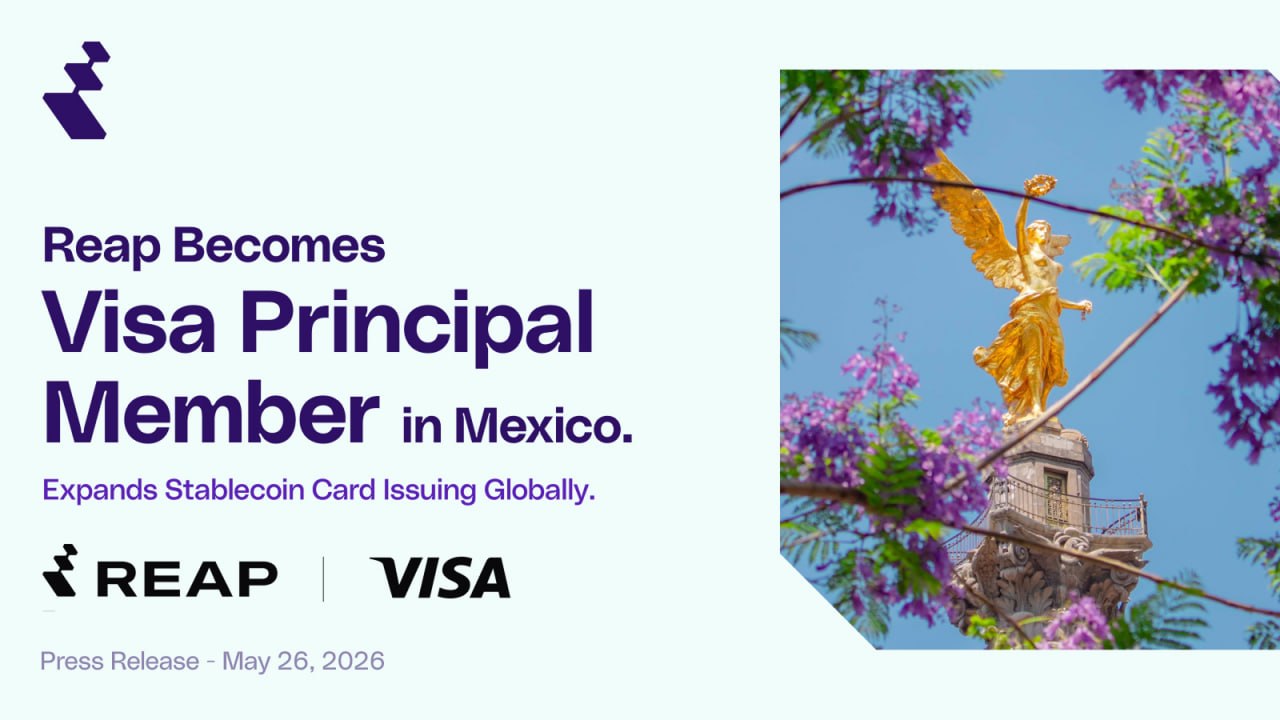 Reap lands Visa principal issuer status in Mexico as stablecoin card push targets 250K users2026-05
 Hyundai Card completes stablecoin cross-border transfer between US and Mexico in 7 minutes2026-07
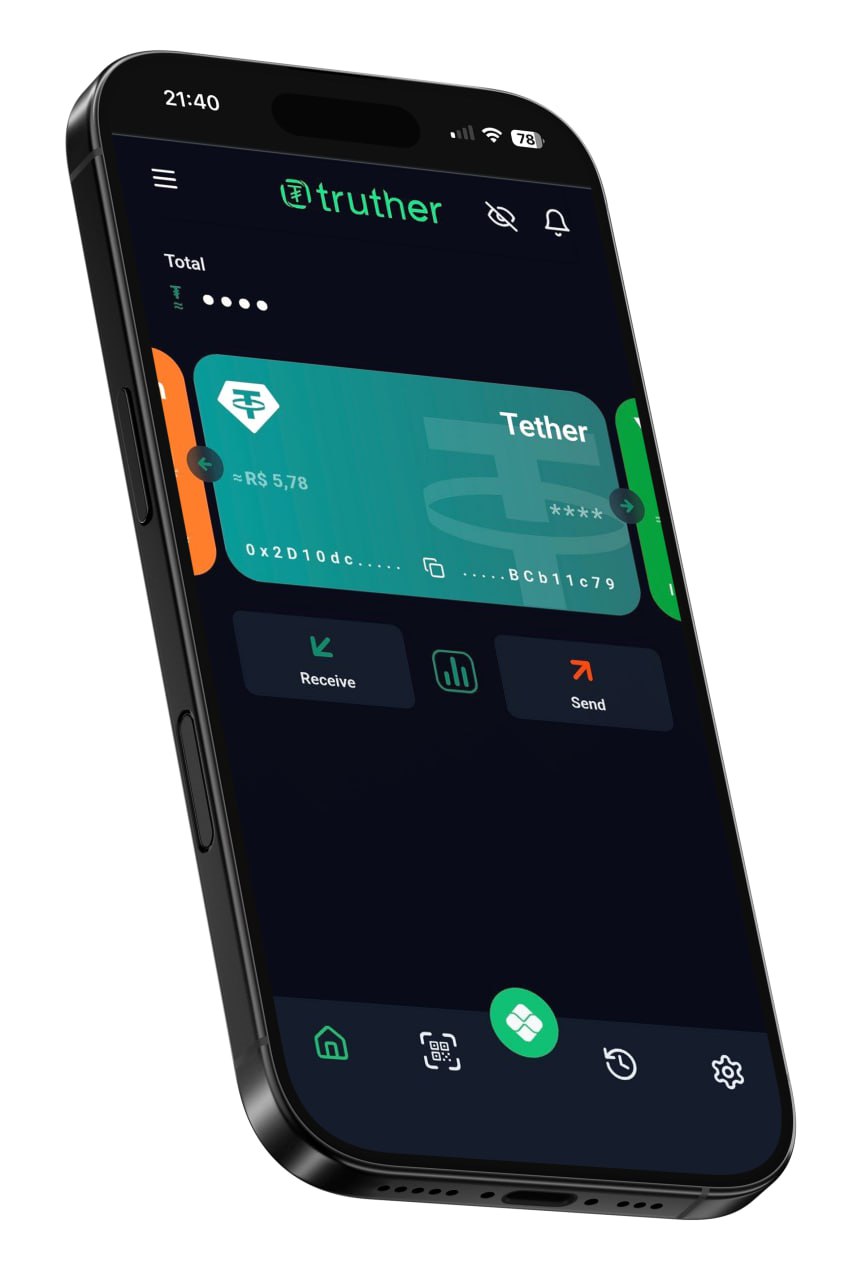 Crypto payments firm Truther to launch non-custodial USDT Visa Card in El Salvador on January 29, 2026. The card doesn't require preloading funds or custodial services, and carries a 2% fee on currency conversions, with no IOF tax for Brazilian users. Truther plans to expand its services to other countries, including Argentina, Mexico, Colombia, and Russia, and will integrate more local stablecoins into its self-custody wallet by early 2026.2025-11
 USDC now available in Brazil and Mexico through local banks via national real-time payment systems.2024-09
 Telefónica and Nova Labs collaborate to expand Helium Mobile Network in Mexico, enhancing Telefónica customer coverage in Mexico City and Oaxaca.2024-01
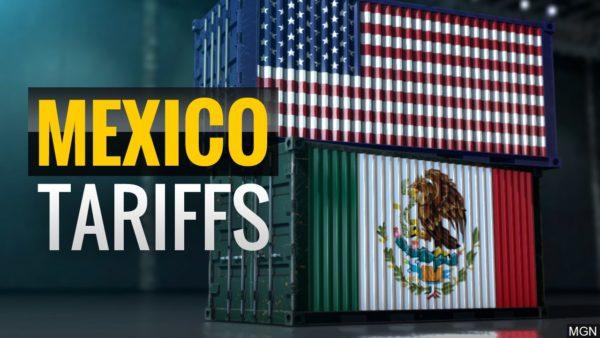 Trump threatens sanctions, tariffs on Mexico over a water treaty2025-04
Latin America’s second-largest economy, Mexico, has become a critical corridor for Bitcoin, stablecoins, and crypto-powered payments, especially along the U.S.–Mexico remittance and trade routes. At the same time, cautious regulators, a powerful central bank, and volatile macro and tariff dynamics make Mexico one of the most complex—but potentially rewarding—crypto markets to understand.
Why Mexico Matters in Crypto
Mexico occupies a unique position in the global digital-asset landscape because it sits at the intersection of three forces: a massive diaspora sending money home, a rapidly evolving fintech sector, and a conservative policy establishment wary of currency risk and financial crime. For crypto builders and investors, the country offers the scale of a G20 economy, but also the regulatory constraints of a jurisdiction that has chosen incremental experimentation over headline-grabbing moves like making Bitcoin legal tender. This duality is why Mexico regularly appears in global adoption rankings while still lacking clear regulatory paths for many mainstream crypto products.
Global analytics from Chainalysis show that Latin America is one of the fastest-growing regions for on-chain activity, with value received rising more than 60% year over year in one recent report, and Mexico is consistently ranked among the top adopters in the region. In the 2024 Global Crypto Adoption Index, Mexico appeared in the top twenty globally and among the leading markets in Latin America, behind Venezuela but ahead of Argentina. These rankings reflect not just speculative trading but also remittances, peer-to-peer transfers, and stablecoin usage, underscoring how digital assets increasingly supplement traditional rails like bank wires and cash couriers across the U.S.–Mexico border.
Unlike El Salvador, which enshrined Bitcoin as legal tender in 2021, Mexico has not pursued a headline legal tender experiment and continues to treat cryptoassets as private digital property rather than currency. That choice reflects its status as a much larger, more systemically important economy with deep trade and financial linkages to the United States, where stability of the peso and confidence in fiat money are explicit policy priorities. For crypto advocates, this can be frustrating, but it also creates a clearer separation between speculative digital assets and the official monetary system than in some neighboring countries.
The Mexican market is further complicated by the existence of “New Mexico” in the United States, which frequently appears in U.S. regulatory and political headlines related to digital assets and gambling, including legal disputes involving the Commodity Futures Trading Commission (CFTC) and state gaming laws. These stories concern a U.S. state rather than the sovereign country of Mexico, but they can influence perception of the broader region’s approach to innovation and enforcement. For crypto participants, it is important to distinguish between federal U.S. regulatory battles in New Mexico and Mexico’s own domestic policies, which are shaped primarily by Banco de México (Banxico), the Finance Ministry, and the country’s fintech legislation.

Movement, El Vecino and RISE launch WhatsApp stablecoin remittances to Mexico for 20,000-user pilot

Regulatory Landscape and Legal Status of Crypto
Mexico’s crypto policy framework is built around a dedicated fintech statute—the Law to Regulate Financial Technology Institutions—and a central bank that retains broad discretion over which digital assets regulated entities are allowed to touch. Rather than passing a “crypto law” focused specifically on tokens, lawmakers in 2018 opted for a broader fintech law that covers crowdfunding platforms and electronic payment institutions while giving Banxico authority over “virtual assets” used by licensed firms. This design means crypto rules are heavily intermediated by how banks and regulated fintechs are allowed to operate, rather than by directly regulating individual token holders.
The core principle is that cryptoassets are not illegal in Mexico, but they are not recognized as legal tender and do not enjoy the same status as pesos for settling debts or paying taxes. Instead, they are treated as private digital assets whose regulatory treatment depends on their characteristics and the type of institution offering services around them. Consumers can generally hold and trade crypto through offshore platforms or local intermediaries willing to navigate the regulatory complexity, but banks and regulated financial institutions face strict limits on offering exchange, custody, or transmission services involving virtual assets. This is the backdrop for the longstanding tension between Mexico’s growing crypto user base and its cautious official stance.
Central Bank Stance and Legal Classification
Banxico is the country’s central bank and is responsible for monetary policy, financial stability, and the smooth functioning of payment systems such as SPEI, the domestic real-time gross settlement network. In the context of crypto, the central bank’s mandate to preserve the purchasing power of the peso and ensure orderly payment systems has led it to adopt a restrictive approach, particularly toward direct integration of crypto into regulated financial institutions. Under the fintech law, Banxico has the power to decide which virtual assets—if any—can be used by licensed institutions in their operations or offered to customers, and it has repeatedly signaled caution.
An early flashpoint came when Banxico, exercising its authority under the fintech law, proposed regulations that would effectively prevent regulated financial institutions from offering cryptocurrency exchange, custody, or transmission services to the public. A 2019 analysis by Coin Center described how the central bank’s draft rules would close the door to regulated exchanges and custodians by limiting virtual asset operations to internal purposes and prohibiting consumer-facing services. While that proposal provoked criticism and some aspects have evolved, it illustrated the central bank’s preference to keep crypto at arm’s length from the core financial system and to avoid any perception that private digital assets are competing with the peso as money.
In practice, this means Mexican banks have taken a conservative line. Executives like billionaire Ricardo Salinas Pliego, whose conglomerate includes Banco Azteca, have publicly acknowledged that the banking sector has “standing orders” not to integrate Bitcoin or crypto into their core services, despite some personal enthusiasm for the technology. Salinas himself has described fiat money as a “fraud” and argues that Bitcoin is superior because it cannot be arbitrarily devalued, but he has also acknowledged that regulatory constraints prevent his bank from offering crypto products to customers. The gap between his personal allocation to Bitcoin and what his bank can legally do underscores how central bank policy still largely defines the boundaries of mainstream crypto integration in Mexico.
The Fintech Law and Regulated Institutions
The Law to Regulate Financial Technology Institutions, often simply called the Fintech Law, establishes two main types of licensed fintech firms: crowdfunding institutions and electronic payment funds institutions, known locally as IFPEs. IFPEs play a particularly important role in crypto because they are allowed to issue electronic money-like balances and connect to payment systems, acting as digital wallets and payment processors in the broader ecosystem. The law requires these institutions to meet prudential, consumer-protection, and recordkeeping standards, including keeping original transaction receipts for a minimum of ten years in physical or electronic form, which directly affects how crypto-linked wallets and exchanges must operate if they fall under the IFPE perimeter.
The Fintech Law does not inherently ban virtual assets, but it treats them as a special category of “virtual assets” whose use by regulated institutions is subject to explicit authorization and ongoing oversight from Banxico. In other words, an IFPE or other fintech cannot simply decide to support Bitcoin or stablecoins on its own; it must ensure that any dealings in virtual assets comply with central bank rules and that those assets are on a list approved for use in regulated operations. This structure has encouraged some firms to focus on fiat on- and off-ramps—allowing customers to deposit pesos and then move into crypto on offshore platforms—rather than offering full-service, on-platform trading that would squarely fall under Banxico’s scrutiny.
Binance’s launch of Medá, a licensed IFPE in Mexico, illustrates how global players are adapting to this framework. Medá is authorized as an Electronic Payment Funds Institution and operates independently to provide peso deposits and withdrawals, giving users a regulated gateway into and out of the Binance ecosystem without the IFPE itself acting as a full-fledged crypto exchange. Binance has committed to invest more than one billion pesos over four years to support Medá, signaling a longer-term bet on Mexico’s fintech and payments infrastructure even as regulatory constraints limit how directly such entities can touch cryptoassets. For users, this means increasingly reliable fiat rails, while actual crypto trading still usually occurs through separate entities or offshore platforms.
Stablecoin-Specific Rules
Stablecoins—digital tokens designed to track the value of a fiat currency like the U.S. dollar—occupy a particularly sensitive place in Mexico’s regulatory architecture. They promise lower-cost, instant cross-border transfers, but they also raise questions about monetary sovereignty, capital controls, and dollarization. Mexican authorities have responded by creating a relatively high bar for foreign stablecoin issuers that want to operate in the country or interface directly with Mexican customers. According to legal analysis of Banxico’s rules, foreign stablecoin issuers cannot operate in Mexico without prior authorization from the central bank, equivalent supervision in their home jurisdiction, and the appointment of a local representative, among other requirements.
These conditions reflect the central bank’s efforts to ensure that any stablecoin widely used in Mexico is backed by robust regulation and oversight comparable to that applied to domestic financial institutions. The goal is to reduce the risk that a widely used token could collapse, depeg from its reference currency, or facilitate large-scale illicit flows outside the formal system. In practice, the stringent requirements make it difficult for many global stablecoin issuers to market tokens directly to Mexican residents or to integrate deeply into local payment systems without partnering with regulated intermediaries.
At the same time, policymakers are keenly aware of the growing role stablecoins play in remittances between the United States and Mexico, as well as in corporate treasury management for crypto-native firms. Legal guidance stresses that unregistered or unauthorized stablecoin activity could expose both issuers and local intermediaries to significant compliance and enforcement risk. For foreign projects, the message is clear: operating “from Mexico” or targeting Mexican users requires serious engagement with Banxico and local counsel, not just a Spanish-language website and a cross-border marketing campaign.
Comparison with Other Latin American Regimes
Mexico’s cautious, institution-focused regime stands in marked contrast to El Salvador’s Bitcoin Law, which declared Bitcoin legal tender alongside the U.S. dollar. In El Salvador, businesses are obliged to accept Bitcoin for payments, and the government has built a national wallet and Bitcoin-based tourism and investment campaigns. Mexico, by contrast, explicitly does not recognize Bitcoin or any other cryptoasset as legal tender and has instructed major financial institutions not to treat crypto as currency in their operations. This divergence underscores how different macroeconomic conditions and financial system depths drive very different policy experiments in the region.
Other Latin American countries, such as Brazil, have moved toward more comprehensive regulatory frameworks for crypto exchanges while also modernizing their payment systems through platforms like PIX, which has become a backbone for domestic instant transfers. Mexico’s SPEI system plays a similar role domestically, and Circle’s decision to make USDC accessible via PIX in Brazil and SPEI in Mexico points to a convergence of stablecoins and national real-time payment systems across the region. These developments are gradually giving users more ways to move value between fiat and stablecoins using ordinary bank accounts, even in jurisdictions where direct crypto services from banks remain limited.
Chainalysis’ global adoption indices highlight that Mexico, Brazil, and other Latin American economies are moving in tandem toward greater on-chain activity, driven largely by remittances, inflation hedging, and search for yield. Yet Mexico’s regulatory framework remains one of the more conservative in the region when it comes to letting banks and regulated fintechs engage with crypto at scale. For many crypto businesses, this means designing products that respect domestic constraints while leveraging regional synergies—such as enabling Mexican users to access services via Brazilian or global platforms, or building cross-border corridors that connect SPEI, PIX, and dollar stablecoins without breaching local rules.
Mexico readers click stablecoin payment-rail and DePIN infrastructure stories at 3-6x the rate of regulatory or billionaire-narrative stories, revealing that the perceived opportunity is frictionless remittance plumbing — not speculative exposure — in a country where banks are formally barred from integrating crypto.
Use Cases: Payments, Remittances, and Everyday Crypto
The most immediate and impactful crypto use case in Mexico is cross-border payments, especially remittances from the United States. For millions of Mexican households, money sent by relatives abroad is a critical income source, and traditional channels often involve high fees, delays, and reliance on cash pick-up networks. Crypto and stablecoin-based remittances promise to lower costs and speed up transfers, while enabling recipients to receive funds either in digital form or converted into pesos through exchanges and fintech apps. This has turned the U.S.–Mexico corridor into fertile ground for crypto payment experiments, from retail-focused apps to B2B settlement solutions.
At the same time, on-the-ground merchant adoption of Bitcoin and other cryptocurrencies has gradually increased, led by small businesses and tourist-facing enterprises that see marketing and cost advantages in accepting digital payments. A variety of Mexican merchants now accept Bitcoin directly or through payment processors, contributing to the perception of Mexico as a relatively crypto-friendly destination from a user perspective, even if banks remain cautious. This dual reality—a growing acceptance among merchants and users, paired with regulatory constraints on formal financial institutions—defines much of the everyday crypto experience in Mexico.
Crypto Remittances and Cross-Border Payments
Remittances are central to understanding why stablecoins and Bitcoin have taken root in Mexico. The country is one of the world’s largest recipients of remittances, much of it from Mexican workers in the United States sending part of their wages back home. Traditional money-transfer operators charge significant fees and often rely on cash payouts, which can be inconvenient and risky. Crypto remittance services aim to replace or augment these flows by allowing senders to buy stablecoins like USDC or USDT in the U.S., transmit them over public blockchains, and have recipients convert them into pesos via digital wallets or local exchanges.
Research from FXC Intelligence highlights how these dynamics have turned Mexico into “fertile ground for innovation” in crypto remittances, with a growing ecosystem of startups and incumbents experimenting with blockchain-based cross-border solutions. These services exploit the fact that crypto transfers can settle in minutes and, if properly designed, can be cheaper than traditional wire or remittance services, especially for smaller transactions. However, they must also contend with volatility (for non-stablecoin assets), regulatory uncertainty around stablecoins, and the need to build compliant on- and off-ramps into the domestic banking system.
Circle’s integration of USDC with SPEI, Mexico’s national real-time payment system, is an important step in bridging on-chain stablecoins and bank-based remittances. By supporting local bank transfers via SPEI, Circle allows businesses and wallets to let users fund USDC positions from Mexican bank accounts or cash out into local currency using familiar banking rails. This architecture effectively wraps stablecoin usage inside regulated payment systems, which may be more palatable to cautious regulators than purely crypto-native channels. Over time, such integrations could make stablecoin-based remittances feel less like an exotic crypto use case and more like a natural extension of online banking and mobile payments.
Yet stablecoin remittances are not risk-free. Depegging events, operational failures at issuers, or regulatory crackdowns could disrupt flows and harm users who do not fully understand counterparty risk. Legal guidance in Mexico emphasizes that foreign stablecoin issuers must secure Banxico authorization and meet stringent oversight criteria, in part to reduce these risks. Meanwhile, global discussions about stablecoin regulation, including concerns about money laundering and sanctions evasion, shape how Mexican authorities and banks view the sector. For remittance-focused crypto products, success will depend on combining user-friendly interfaces and cost savings with robust compliance and clear risk disclosures.
Consumer and Merchant Payments
At the retail level, Mexican merchants and consumers are gradually adopting crypto as a payment method, often led by early adopters and businesses catering to international tourists or crypto-savvy local clientele. Examples include hospitality venues, online retailers, and service providers that accept Bitcoin directly or through payment processors that instantly convert crypto into pesos, protecting merchants from price volatility. Such arrangements allow small businesses to benefit from marketing to global crypto users while keeping their accounting and tax obligations denominated in fiat.
The growth of crypto-linked cards and payment products further blurs the line between “crypto spending” and ordinary card payments. Visa has reported a rebound and global expansion in crypto card activity, noting that more consumers are using debit and credit cards linked to digital asset accounts to pay for everyday goods and services. In Mexico, this trend is intersecting with a robust card payments ecosystem and the rise of fintech issuers that can innovate more rapidly than traditional banks. As more platforms enable users to spend from their crypto balances through Visa or other card networks, the distinction between holding digital assets and having spendable money begins to fade, at least from the consumer’s perspective.
Some crypto projects are also piloting direct merchant acceptance in Mexico, leveraging non-custodial wallets and decentralized liquidity networks. THORChain, a cross-chain protocol that enables native asset swaps without centralized intermediaries, has seen frontends in its ecosystem surpass one billion dollars in swap volume and has launched “rapid swap” features that make it easier for merchants and users to convert between assets quickly. Ecosystem teams have explicitly mentioned Mexico as a target market for merchant pilots, aiming to let businesses accept a variety of cryptocurrencies while automatically swapping them into the asset they prefer to hold, such as Bitcoin or a dollar stablecoin. This model could reduce volatility and custody concerns for merchants while promoting self-custody for users.
Telecommunications infrastructure is another piece of the puzzle. Telefónica’s collaboration with Nova Labs to deploy Helium Mobile hotspots in Mexico City and Oaxaca shows how decentralized wireless networks can complement traditional telecom coverage by offloading mobile data to user-operated hotspots. While this initiative is not a crypto payment product per se, Helium’s token-based incentives and decentralized physical infrastructure model exemplify how Web3 projects can support connectivity in emerging markets. Better connectivity, in turn, enables more people to use mobile wallets, stablecoins, and crypto payment apps in daily life.
Crypto Cards, Visa Rails, and Stablecoin Spending
The convergence of stablecoins and card networks is reshaping how Mexican residents and businesses use digital assets. Reap, a global financial infrastructure company focused on Web3 businesses, offers a corporate card funded by stablecoins that allows companies to pay vendors and expenses while recipients see payments in local fiat currency. Reap has pursued principal issuer status with Visa in multiple markets, including Mexico, meaning it can issue cards directly rather than relying on a sponsoring bank. For Mexican-based Web3 firms, this kind of solution can simplify treasury management: they can hold revenue in stablecoins and spend via cards where expenses are settled in pesos, all while staying within the formal card network ecosystem.
Visa’s own research highlights that crypto-linked card activity has rebounded globally, with users showing renewed interest in leveraging digital assets for everyday payments. In many designs, users do not literally “pay with Bitcoin at the point of sale.” Instead, their crypto holdings are converted into fiat in real time when they swipe or tap the card, and the merchant receives traditional currency through established card settlement processes. This model is particularly relevant in Mexico, where merchants may be skeptical about accepting volatile assets but are comfortable with card payments, and where regulators prefer that final settlement remains within the fiat system even if the source of funds is a crypto wallet.
Beyond corporate cards, new products are emerging to let individuals in Latin America spend stablecoins through Visa without relinquishing self-custody. One example is Truther, a crypto payments firm launching a non-custodial USDT Visa card in El Salvador, with plans to expand to other countries including Mexico, Argentina, Colombia, and Russia. The card does not require preloading funds onto a custodial platform; instead, it initiates conversions from the user’s self-custody wallet at the time of purchase, charging a fee on currency conversions but avoiding certain taxes in specific jurisdictions. If and when such products reach Mexico, they could appeal to users who want to keep control of their keys while still enjoying the ubiquity of Visa acceptance.
Taken together, these developments suggest that in Mexico, crypto’s path into everyday payments is likely to run through stablecoins, card networks, and compliant fintech intermediaries rather than through direct Bitcoin point-of-sale acceptance at scale. For regulators, this approach has the advantage of keeping core payment flows within supervised entities and established networks, while still allowing innovation at the edges. For users, it offers convenience and familiarity, even if it partially reintroduces intermediaries that early crypto advocates sought to bypass.
Reap lands Visa principal issuer status in Mexico as stablecoin card push targets 250K users
Investment, Trading, and Wealth Management
Beyond payments and remittances, Mexico is emerging as a notable market for crypto investment, trading, and wealth management, spanning retail traders, high-net-worth individuals, and corporate treasuries. Access to global exchanges, the rise of local platforms, and growing interest in decentralized finance (DeFi) all contribute to a more sophisticated investment landscape than early narratives about “Bitcoin ATMs for remittances” might suggest. Yet regulatory caution, banking restrictions, and financial literacy challenges still shape who can access what products, and on what terms.
The exchange ecosystem in Mexico includes both local trading platforms that directly serve peso markets and global players that offer crypto-to-crypto trading while relying on partners or separate entities for fiat connectivity. As in many emerging markets, liquidity can be fragmented, with certain assets heavily traded on offshore venues while domestic platforms focus on a narrower set of tokens that are easier to justify from a regulatory and risk perspective. Privacy-focused coins, leveraged products, and complex derivatives often face the greatest scrutiny, though they remain accessible to sophisticated users via global platforms.
Exchange Landscape and Liquidity
Mexico’s largest crypto exchanges provide peso trading pairs for Bitcoin and a handful of major altcoins, along with basic buy-and-hold services for retail users. The addition of coins like Dash to leading domestic exchanges, as highlighted in recent coverage, illustrates both demand for alternative assets and the practical constraints of listing privacy-oriented tokens in a regulated environment. Dash, a cryptocurrency with optional privacy features, has seen a resurgence of interest alongside Zcash, driven by a global trend toward privacy, capital rotation from Bitcoin, and technical integrations that support these niches. Listing such assets on Mexican exchanges requires careful navigation of anti-money-laundering expectations and may be subject to evolving policy views on privacy coins.
Global liquidity also flows into Mexico through cross-chain protocols and decentralized exchanges. THORChain, for example, enables users to swap native Bitcoin, Ether, and other assets without wrapping or centralized custodians, and frontends have reported crossing the one-billion-dollar mark in cumulative swap volume. For Mexican users, such protocols offer a way to access global liquidity and diversify holdings beyond what local exchanges list, especially when combined with wallets that provide localized interfaces and support for peso on-ramps via partners. However, using DeFi protocols directly can raise additional regulatory questions if local entities are involved in promotion or integration, and individual users face smart-contract and security risks that are not always fully understood.
Binance’s strategy of separating fiat operations (through Medá) from global crypto trading illustrates how major exchanges are structuring their presence in Mexico to balance access and compliance. Users can fund accounts in pesos through regulated IFPE channels and then trade a wide array of cryptoassets on offshore or separately regulated entities, often with more advanced features than domestic exchanges can offer. While this provides Mexican traders with access to deep liquidity and product variety, it also means that consumer protection and recourse may depend on foreign legal systems and that Mexican authorities have less direct oversight over the full range of services being used.
High-Net-Worth and Institutional Perspectives
One of the most visible crypto investors in Mexico is Ricardo Salinas Pliego, founder of Grupo Salinas and one of the country’s wealthiest individuals. Salinas has publicly stated that approximately seventy percent of his investment portfolio is allocated to Bitcoin, up from about ten percent in 2020, reflecting his deepening conviction in the asset over several years. He frames Bitcoin as a form of “hard money” that protects against what he calls the “fiat fraud,” arguing that government-issued currencies inevitably lose purchasing power over time due to inflation and monetary policy.
Salinas’ background includes managing businesses through periods of high inflation and currency devaluation, experiences that shape his skepticism toward fiat money and his embrace of Bitcoin as a long-term store of value. He has contrasted Bitcoin’s limited supply and censorship resistance with the vulnerabilities of gold and traditional financial assets, which he argues are more easily confiscated or manipulated by authorities. Speaking at conferences and in media interviews, he has portrayed Bitcoin not just as an investment but as a political and philosophical stance against centralized monetary control.
Nonetheless, Salinas has acknowledged that Mexican banking regulations prevent his financial institutions from integrating Bitcoin directly into their products and services. Banco Azteca, part of his conglomerate, cannot offer Bitcoin accounts or trading to customers because of central bank directives and the fintech regulatory framework that limits banks’ involvement with virtual assets. This underscores a broader dynamic in Mexico: even when influential business leaders are vocal crypto advocates in their personal capacity, institutional adoption is constrained by regulatory mandates. For high-net-worth individuals, this often means managing crypto exposure through offshore entities, foreign custodians, or direct self-custody, rather than via domestic private banks.
Institutional investors like pension funds and insurance companies in Mexico have, to date, been largely absent from the crypto market, reflecting both regulatory uncertainty and conservative investment mandates. The volatility of Bitcoin and other cryptoassets, combined with the lack of clear local frameworks for custodianship and valuation, makes it difficult for such institutions to justify significant allocations. Stablecoins might appear more suitable as cash-management tools, but the regulatory hurdles for foreign issuers and concerns about depegging and counterparty risk limit their appeal as institutional instruments in the current environment. As regulatory clarity improves globally and locally, this could change, but for now, institutional crypto exposure in Mexico is best described as exploratory rather than mainstream.
Retail Investors and DeFi Access
For retail investors, the Mexican crypto experience is a mix of centralized and decentralized platforms, often accessed via mobile apps and peer communities. Many users first encounter crypto through exchanges that allow small peso deposits and offer simple “buy Bitcoin” interfaces, sometimes promoted as an inflation hedge or as a way to participate in global markets. Over time, some users graduate to trading altcoins, participating in staking or yield products, or experimenting with DeFi protocols that offer lending, borrowing, and liquidity provision opportunities.
DeFi access is usually mediated through non-custodial wallets and browser extensions that connect to protocols like THORChain, Uniswap, or lending markets, with education and support coming from online communities, local meetups, and Spanish-language content creators. The ability to swap between assets on-chain without relying on centralized exchanges is particularly attractive to users who prioritize self-custody or worry about exchange risk. However, DeFi participation also introduces new risks, including smart-contract vulnerabilities, oracle failures, and complex liquidation dynamics that can wipe out leveraged positions. The lack of local legal recourse in case of hacks or protocol failures underscores the importance of user education.
Stablecoin-based yield strategies, in which users deposit dollar-pegged tokens into DeFi protocols to earn interest, have gained some traction among Mexican retail users seeking dollar exposure and higher returns than local bank accounts. Yet these strategies carry layered risks: stablecoin counterparty risk, protocol risk, and the potential for regulatory scrutiny if returns are marketed as investment products without proper licensing. Mexican regulators have cautioned against unregistered investment schemes and emphasized that offering financial products tied to cryptoassets can trigger licensing obligations under securities and fintech laws. As such, many DeFi interactions remain informal and peer-driven, operating in a gray area from a regulatory standpoint.
- 01USDC on national payment rails↗
Circle routing USDC through Mexico's SPEI real-time interbank system signals that dollar stablecoins can plug into existing banking infrastructure without waiting for regulatory liberalization.
- 02Telecom-backed DePIN expansion↗
Telefónica legitimizing Helium Mobile hotspot deployment in Mexico City and Oaxaca showed readers a path for permissionless wireless infrastructure running on token incentives inside a major Latin American market.
- 03US-Mexico tariff trade friction↗
Escalating tariff threats gave crypto audiences a macro frame: peso volatility and cross-border trade disruption sharpen the stablecoin remittance thesis for the world's largest bilateral migration corridor.
- 04Stablecoin Visa card launches↗
Back-to-back announcements from Truther and Reap targeting Mexico for non-custodial USDT/stablecoin Visa cards signaled that the card-issuance layer is converging on the market ahead of full regulatory clarity.
- 05Regulated fiat on-ramp entry↗
Binance obtaining EPFI authorization and committing 1 billion pesos locally demonstrated that international exchanges are pursuing licensed fiat access rather than waiting out Banxico's restrictive posture.
Infrastructure: Banks, Fintechs, and Stablecoin Rails
The practical reality of using crypto in Mexico is shaped heavily by infrastructure: how pesos move in and out of wallets, how exchanges connect to banks, and how telecom networks support mobile access. Banxico, commercial banks, fintechs, and Web3-native projects each play distinct roles, with the core tension being how to leverage innovation without undermining monetary and financial stability.
Traditional banks remain central to the Mexican financial system, controlling access to SPEI and providing accounts for individuals and businesses. Fintechs have grown rapidly under the Fintech Law, offering digital wallets, payment apps, and lending platforms that often target underserved segments of the population. Crypto companies, both domestic and foreign, typically sit atop or alongside these rails, using APIs, banking partnerships, and IFPE structures to connect their users to peso liquidity. The way these connections are regulated and structured is one of the key determinants of Mexico’s crypto trajectory.
Role of Banco de México and the Banking System
Banco de México’s priorities include maintaining low and stable inflation, ensuring the proper functioning of payment systems, and fostering the sound development of the financial system. In recent years, the central bank has confronted a challenging macro environment, with stubborn inflation and a strong peso shaping its policy decisions and growth outlook. Against this backdrop, the idea of allowing widespread use of private digital assets or dollar-linked stablecoins within the banking system raises concerns about currency substitution, capital flight, and loss of monetary control.
These concerns help explain why Banxico has been reluctant to allow banks and other regulated institutions to directly offer crypto trading or custody services. The proposed regulations that would effectively prevent such institutions from providing consumer-facing virtual asset services reflect a desire to keep crypto firmly outside the formal banking perimeter. While this may push some activity into less transparent channels, it also limits systemic exposure to crypto volatility and shields the banking system from reputational and operational risks associated with hacks, frauds, and token collapses.
Commercial banks, for their part, have responded by generally avoiding direct crypto offerings while cautiously supporting fintechs that comply with the Fintech Law and central bank guidance. They provide accounts to IFPEs and other regulated payment institutions, which in turn can offer wallet services and act as fiat on-ramps or off-ramps for crypto platforms without the banks themselves touching virtual assets. This layered approach mirrors patterns seen in other cautious jurisdictions, where banks service regulated intermediaries rather than crypto firms directly.
Fintech Bridges: Binance Medá, USDC/SPEI, Reap, and Truther
Fintech companies and payment institutions are the main bridges between fiat and crypto in Mexico today. Binance’s Medá IFPE, Circle’s USDC integrations, and stablecoin-powered card products like Reap’s corporate card illustrate a spectrum of models for connecting digital assets to peso-based transactions.
Binance Medá, as an authorized Electronic Payment Funds Institution, offers peso deposits and withdrawals for users of the broader Binance ecosystem, operating under Mexican regulation while keeping the core exchange infrastructure outside the domestic banking system. The one-billion-peso investment plan underscores Binance’s commitment to building compliant fiat rails in Mexico, even as regulatory constraints limit how directly Medá can interface with cryptoassets. By separating fiat operations from crypto trading, Binance aims to satisfy both local regulators and users who want easy on- and off-ramps.
Circle’s decision to support local bank transfers via SPEI in Mexico means that USDC can be funded and redeemed directly from Mexican bank accounts, at least in B2B contexts and through partners that integrate Circle’s APIs. This effectively embeds a dollar stablecoin into Mexico’s real-time payment system, albeit through intermediaries that must comply with local regulation. For remittance providers, exchanges, and merchants, it offers a way to treat USDC as a kind of digital dollar liquidity that can be quickly converted into pesos or vice versa, without relying on costly correspondent banking chains.
Reap’s global infrastructure takes a different angle, focusing on corporate users who earn revenue in stablecoins but need to pay expenses in local currencies like the peso. By becoming a principal issuer with Visa in markets including Mexico, Reap can issue cards that draw on stablecoin balances and provide local currency settlement to merchants. The company also offers accounts that convert stablecoins into local currency payouts to vendors, employees, and tax authorities, bridging the gap between on-chain treasuries and off-chain obligations. For Web3-native firms in Mexico, such services can reduce friction and banking risk, although they still depend on the resilience of stablecoin issuers and card networks.
Non-custodial card models like Truther’s USDT Visa card in El Salvador could eventually complement these offerings in Mexico, especially if regulators permit controlled experiments. By keeping assets in user-controlled wallets until the moment of purchase, such products align with crypto’s self-custody ethos while harnessing the ubiquity of Visa’s acceptance network. From a Mexican regulatory standpoint, however, questions would arise about who bears AML/KYC responsibility, how cross-border transactions are monitored, and whether such products effectively allow unregulated stablecoin issuers to piggyback on domestic payment rails.
Web3 Infrastructure and Connectivity
Digital asset adoption depends not only on financial infrastructure but also on connectivity. Telefónica and Nova Labs’ partnership to deploy Helium Mobile hotspots in Mexico City and Oaxaca is a good illustration of how Web3 infrastructure projects can address basic telecom needs while using token-based incentives to crowdsource network deployment. By offloading some mobile data traffic onto the Helium network, Telefónica can extend coverage or improve quality of service, while hotspot operators earn rewards for contributing infrastructure.
For crypto users, better and cheaper connectivity makes it easier to use mobile wallets, scan QR codes, and interact with DeFi protocols, especially in areas where traditional networks are congested or expensive. Helium’s model also demonstrates how crypto can be applied beyond finance, in this case to build decentralized physical infrastructure (DePIN) that supports broader digital inclusion. In Mexico, where urban-rural divides and affordability issues affect connectivity, such initiatives may indirectly support greater financial inclusion through digital assets.

Hyundai Card completes stablecoin cross-border transfer between US and Mexico in 7 minutes
Macro Backdrop: Fiat, Tariffs, and Economic Context
Any serious analysis of Mexico’s crypto trajectory must grapple with the country’s macroeconomic environment and its deep integration into global trade, especially with the United States. Inflation, exchange rates, and tariffs shape how households and businesses perceive risk, savings, and cross-border flows. These factors, in turn, influence demand for assets like Bitcoin and stablecoins, which are often framed as hedges against currency depreciation or as neutral cross-border settlement media.
Recent research from the Federal Reserve Bank of Dallas noted that Mexico’s economic performance was likely to slow amid stubborn inflation, rising labor costs, and a strong peso, creating downside risks to growth. A strong currency can benefit importers and consumers buying foreign goods, but it can also pressure exporters and complicate trade balances, especially in manufacturing sectors deeply tied to U.S. demand. For crypto markets, macro headwinds can affect investment appetite, credit conditions, and remittance behavior, as migrants’ earnings and currency choices respond to economic shocks.
Peso, Inflation, and Financial Inclusion
Inflation and memories of past currency crises shape how Mexicans think about money, savings, and the appeal of alternatives like Bitcoin. While the peso has been relatively strong in recent periods, inflationary episodes and long-term concerns about purchasing power have made hard assets and dollar exposure attractive to many households and businesses. Cryptoassets, especially Bitcoin, tap into this desire for a hedge against fiat debasement, though they introduce far greater short-term volatility.
Financial inclusion is another key macro context. A significant portion of the Mexican population remains underbanked or unbanked, relying on cash and informal financial networks. Fintechs have attempted to bridge this gap with mobile wallets and digital accounts, sometimes incorporating crypto features or enabling cross-border transfers that bypass traditional banks. By providing alternatives to cash and high-fee remittance channels, crypto-based solutions can support greater inclusion, but they also risk excluding those without reliable connectivity or digital literacy.
Stablecoins add a new dimension to the inclusion story. For individuals who distrust local currency but cannot easily access foreign bank accounts, holding dollar-pegged stablecoins can offer exposure to the dollar system without intermediaries. In Mexico, however, regulatory restrictions on foreign stablecoin issuers and the need for compliant on-ramps mean that such holdings often remain the domain of more sophisticated users with access to global exchanges or DeFi platforms. Achieving inclusive, mainstream stablecoin usage in Mexico would likely require clearer regulation and closer integration with domestic fintechs.
Trade Tensions, Tariffs, and Industrial Shifts
Mexico’s economy is deeply tied to global trade, especially manufacturing supply chains with the United States. Over the past decade, tariffs and trade disputes have periodically disrupted these flows, affecting investor confidence and currency dynamics. Policies such as U.S. tariffs on Mexican steel and threats of broader sanctions over issues like water treaties have underscored the vulnerability of cross-border commerce to political shocks. Automotive companies like Nissan have adjusted production strategies, including shifting certain vehicle production from Mexico to the U.S. amid tariff uncertainties, illustrating how trade policy can reshape industrial geography.
These trade dynamics intersect with crypto in several ways. First, trade tensions can increase currency volatility and inflation fears, which may boost interest in assets perceived as hedges, such as Bitcoin and dollar stablecoins. Second, disruptions to traditional trade finance and cross-border payments can create demand for blockchain-based solutions that promise faster, cheaper settlement across borders and currencies. Third, nearshoring trends—where companies relocate production closer to major markets—could make Mexico an even more important hub for cross-border financial flows, including B2B payments and supply-chain finance that might leverage tokenization and stablecoins.
Tariffs also shape the politics of fiat and economic policy in Mexico. Government responses to trade pressure can include fiscal measures, monetary adjustments, and industrial policy, all of which influence inflation and growth. In such an environment, narratives like Salinas’ “fiat is a fraud” resonate with segments of the population who fear that currency and policy decisions are ultimately political and may not align with their long-term interests. Cryptoassets, especially Bitcoin, are marketed by some advocates as a way to opt out of these dynamics, though in practice most people remain heavily dependent on fiat for daily transactions and obligations.
Fiat vs. Bitcoin Narratives in the Mexican Context
Ricardo Salinas personifies the clash between fiat and Bitcoin narratives in Mexico. Having learned about “hard money” and the gold standard from his family, he views the end of gold convertibility and the rise of fiat as a form of monetary fraud perpetrated by central banks and governments. His decision to allocate roughly seventy percent of his portfolio to Bitcoin is the ultimate expression of this belief, translating macro skepticism into concentrated digital-asset exposure. For many crypto enthusiasts in Mexico and abroad, his stance is inspirational, suggesting that even establishment figures recognize fiat’s fragility.
In the broader Mexican public, attitudes are more varied. Some see Bitcoin as a speculative asset or a way to participate in global trends, while others view it as too volatile or risky compared to tangible investments like real estate or gold. Stablecoins complicate the narrative by offering crypto-based access to the very fiat system that Bitcoin critics reject, namely the U.S. dollar. For users primarily concerned about peso volatility rather than fiat as a concept, holding USDC or USDT can be more appealing than holding Bitcoin, especially over shorter horizons.
Policymakers, meanwhile, emphasize the importance of maintaining confidence in the peso and domestic institutions. Banxico’s cautious stance on crypto integration is partly about avoiding any perception that the central bank endorses private digital currencies as alternatives to the peso. The contrast with El Salvador, where Bitcoin’s legal tender status symbolically challenges the primacy of the U.S. dollar in that economy, highlights Mexico’s more conservative approach. For now, Bitcoin in Mexico is more an investment or speculative asset than an officially recognized monetary instrument, and fiat remains firmly in control of the formal economy.
Mexico Fintech Law enacted, establishing VASP licensing regime
Telefónica and Nova Labs launch Helium Mobile hotspots in Mexico City and Oaxaca
Binance obtains EPFI authorization in Mexico as entity 'Medá', pledges 1B+ pesos
Circle makes USDC available in Mexico via SPEI national real-time payment network
Reap secures Visa principal issuer status in Mexico targeting 250K stablecoin card users
Truther announces non-custodial USDT Visa card with Mexico among first expansion markets
Risks, Challenges, and What to Watch
Despite significant innovation and adoption, the Mexican crypto ecosystem faces substantial risks across regulation, technology, and market structure. Regulatory uncertainty can deter investment and limit product offerings; technical vulnerabilities can erode trust and cause losses; and market volatility can discourage mainstream users and institutional participation. Understanding these risks is essential for anyone building or investing in the Mexican crypto space.
From a regulatory perspective, the biggest challenges relate to the ambiguous status of many crypto services and the possibility of policy tightening. From a technical standpoint, smart-contract bugs, wallet security failures, and stablecoin depegging events loom large. Market-wise, liquidity fragmentation and reliance on offshore exchanges create points of fragility. Each of these categories interacts with the others: for example, a major technical failure could prompt political pressure for stricter regulation, while regulatory crackdowns can push users toward less transparent or riskier platforms.
Regulatory and Policy Risks
Mexico’s fintech and crypto regulatory framework remains a work in progress. The Fintech Law provides a foundation, but many details about how it applies to specific crypto products and service models are still evolving. Banxico’s proposed regulations that would effectively bar regulated institutions from offering consumer-facing crypto services exemplify the potential for abrupt policy shifts that can reshape the market landscape. Even if such proposals are softened or adjusted over time, they signal a baseline skepticism toward integrating virtual assets into the core financial system.
Legal guidance on stablecoins further underscores regulatory risk. Foreign issuers face stringent requirements to operate in Mexico, including prior authorization from Banxico, equivalent supervision in their home jurisdictions, and the appointment of local representatives. These conditions can change as global standards evolve, and there is always a possibility that authorities could tighten or relax rules in response to market developments, international coordination, or domestic political pressures. For businesses, this means regulatory risk must be factored into product design, jurisdictional structuring, and contingency planning.
Enforcement risk is another consideration. While Mexico has not pursued high-profile enforcement actions against crypto firms on the scale seen in some other jurisdictions, authorities have emphasized the need to comply with anti-money-laundering (AML) and know-your-customer (KYC) rules, especially for entities facilitating fiat-crypto conversions. Internationally, regulators like the CFTC and SEC in the United States have stepped up enforcement against unregistered derivatives platforms and token issuers, and these actions can have spillover effects for Mexican users who access such platforms. As cross-border regulatory cooperation deepens, Mexican firms that rely heavily on offshore partners may find themselves indirectly affected by foreign enforcement as well.
Stablecoin, Depegging, and Liquidity Risks
Stablecoins are central to Mexico’s crypto economy, particularly for remittances and corporate treasury management, but they introduce their own set of risks. If a stablecoin issuer fails, depegs, or faces regulatory action, users can suffer losses even if they never engage in speculative trading. The history of algorithmic stablecoin collapses and temporary depegs of reserve-backed tokens has made regulators wary of allowing large-scale stablecoin usage without robust oversight. Banxico’s cautious rules for foreign issuers reflect these concerns.
Liquidity risk is also significant. If Mexican on-ramps and off-ramps rely on a narrow set of stablecoins or exchanges, disruptions at any of these chokepoints can impair users’ ability to move funds. Fragmentation between local and global liquidity pools can exacerbate volatility during market stress, as domestic platforms may not be able to keep up with global price moves or may face banking interruptions. The use of decentralized exchanges like THORChain can mitigate some centralized exchange risk but introduces smart-contract and cross-chain bridge risks that must be managed carefully.
For remittance users in particular, stablecoin risk is both financial and reputational. If a stablecoin used for cross-border payments unexpectedly depegs or becomes illiquid, senders and recipients may lose trust not only in that token but in crypto remittances more broadly. This could drive users back to traditional channels, even if they are more expensive. Providers of crypto remittance services in Mexico therefore face strong incentives to choose stablecoins with robust governance and transparency and to educate users about risks and contingency plans.
Privacy Coins, AML, and Enforcement
Privacy-enhancing cryptocurrencies like Dash and Zcash pose a complex challenge in Mexico, as they do elsewhere. On one hand, they offer stronger on-chain privacy for users concerned about surveillance or data breaches. On the other, they can be perceived as tools for evading AML controls and facilitating illicit activity, which makes regulators and exchanges cautious about supporting them. Binance’s analysis of Zcash and Dash’s resurgence notes that their renewed popularity is tied to global privacy trends and capital rotation, but adoption in any given jurisdiction remains highly sensitive to regulatory attitudes.
When privacy coins like Dash are listed on major Mexican exchanges, it signals that platforms believe they can satisfy regulatory expectations while offering users more privacy options. However, such listings can be reversed if policy shifts or enforcement pressures increase. This uncertainty makes business planning difficult for projects and intermediaries that focus heavily on privacy assets. It also underscores the importance of robust compliance frameworks and clear communication with regulators about how privacy features are managed and monitored.
In the broader AML context, Mexican authorities, like their counterparts worldwide, are under pressure to ensure that crypto does not become a conduit for money laundering, terrorist financing, or tax evasion. This is particularly salient given Mexico’s role in global narcotics trafficking and organized crime, which heightens sensitivity to any financial innovation that could be exploited by illicit actors. Crypto firms operating in Mexico must therefore invest heavily in transaction monitoring, KYC, and cooperation with law enforcement, even if they are not directly regulated as banks. Balancing user privacy, regulatory compliance, and innovation remains one of the hardest challenges in the Mexican crypto space.
Mexico's 2018 Fintech Law licenses VASPs but Banxico has issued standing orders prohibiting regulated banks from integrating crypto, creating a two-tier regime where fintech licences exist but banking-sector distribution is legally blocked.
The central bank's blanket prohibition on bank-crypto integration concentrates all on-ramp activity into a small number of licensed fintechs and exchange subsidiaries, making the market structurally dependent on a handful of regulated gatekeepers.
US tariff escalation and peso volatility increase stablecoin remittance demand — Mexico receives roughly $65B annually in remittances — but the same trade tensions introduce macro uncertainty that can spike FX spreads on stablecoin off-ramps.
USDC's integration with SPEI and emerging Visa card rails improve last-mile liquidity, but depth remains thin outside major urban centres and settlement in local currency still routes through a narrow pool of licenced fintech counterparties.
Mexico's active crypto use cases are dominated by stablecoin payments and exchange trading rather than DeFi protocol interaction, so smart-contract exploit surface is lower than markets with substantial TVL.
How to Think About Mexico in Your Crypto Strategy
For global crypto firms, protocols, and investors, Mexico should be viewed neither as an easy “growth market” nor as a hostile jurisdiction to be avoided. Instead, it is a complex, high-potential environment where success requires careful attention to regulation, partnerships, and product-market fit. The country’s combination of large remittance flows, a dynamic fintech ecosystem, and relatively high crypto adoption makes it attractive, but centralized regulatory authority and banking conservatism demand nuanced strategies.
Product teams designing for Mexico must recognize that fiat access is king. Users need reliable, low-friction ways to move between pesos and digital assets, and they expect integration with mainstream tools like bank transfers and cards. This points to the importance of partnering with regulated IFPEs, banks, and card issuers rather than trying to bypass domestic financial infrastructure altogether. Builders should also anticipate that regulators will favor models in which core settlement remains in fiat, with crypto used as a back-end rail or store of value rather than as a direct medium of exchange in the banking system.
Protocols like THORChain, which emphasize self-custody and cross-chain liquidity, have opportunities to serve Mexican users but must consider how their frontends and integrations interface with local law. Non-custodial designs may reduce some regulatory burdens, but promotion and commercialization in Mexico can still trigger licensing or consumer-protection obligations if they are seen as offering financial services to the public. Collaborating with local compliance experts and focusing on developer tools rather than consumer-facing products may be one way to engage the market while limiting legal exposure.
Enterprises and treasuries, particularly in the Web3 sector, can look to solutions like Reap’s stablecoin-based infrastructure to manage funds in Mexico while minimizing direct exposure to banking volatility. Using stablecoins for cross-border invoicing and then converting into pesos via regulated intermediaries can provide operational flexibility, though firms must remain mindful of stablecoin risk and regulatory expectations. For Mexican corporates outside the crypto industry, tokenization of receivables or supply-chain finance could eventually become relevant, but this remains largely experimental today.
Individual users should approach crypto in Mexico with a clear understanding of both opportunities and risks. Bitcoin and stablecoins can provide alternative savings and remittance options, but they do not eliminate exposure to macroeconomic uncertainty or legal obligations. Self-custody can reduce counterparty risk but raises the stakes for security and education. Using reputable platforms, understanding fee structures, and staying informed about regulatory changes are essential practices for anyone engaging with digital assets in Mexico.
Outlook
Mexico’s crypto future is likely to be defined by pragmatism rather than revolution. The country is unlikely to follow El Salvador’s path of declaring Bitcoin legal tender, but it is equally unlikely to succeed in suppressing crypto usage entirely given the scale of remittances, fintech innovation, and user demand. Instead, we can expect gradual, uneven integration of digital assets into remittances, payments, and corporate finance, mediated by regulated intermediaries and anchored in the existing peso-dominated system.
Regulatory clarity will be a critical variable. As global standards for stablecoins, exchanges, and DeFi mature, Mexican authorities may refine their approach, potentially opening more formal channels for regulated crypto services while tightening oversight of high-risk activities. Developments at Banxico, the Finance Ministry, and in cross-border regulatory cooperation will shape how quickly and in what form new products can reach the mass market. The success or failure of initiatives like Binance Medá, USDC/SPEI integrations, and stablecoin card programs will also inform policymakers’ views on the costs and benefits of closer integration.
Macro factors—ranging from inflation and exchange rates to tariffs and trade disputes—will continue to influence demand for Bitcoin and stablecoins among Mexican households and businesses. In periods of uncertainty, narratives about “fiat fraud” and the virtues of hard money may gain traction, while in calmer times, users may prioritize convenience and regulatory safety over ideological commitments. This cyclicality means that crypto adoption in Mexico will likely be uneven, with waves of enthusiasm and retrenchment rather than a straight line upward.
For builders and investors willing to navigate complexity, Mexico offers a large, strategically important market at the crossroads of North and Latin America. The interplay of fiat, payments, investment, tariffs, stablecoins, and emerging protocols like THORChain will continue to evolve, making Mexico a bellwether for how mid-income, trade-dependent economies integrate digital assets without abandoning monetary sovereignty. Watching Mexico closely—and engaging with it thoughtfully—will be essential for anyone serious about crypto’s global future.
Latest Mexico news
Movement, El Vecino and RISE launch WhatsApp stablecoin remittances to Mexico for 20,000-user pilotReap lands Visa principal issuer status in Mexico as stablecoin card push targets 250K usersHyundai Card completes stablecoin cross-border transfer between US and Mexico in 7 minutesCrypto payments firm Truther to launch non-custodial USDT Visa Card in El Salvador on January 29, 2026. The card doesn't require preloading funds or custodial services, and carries a 2% fee on currency conversions, with no IOF tax for Brazilian users. Truther plans to expand its services to other countries, including Argentina, Mexico, Colombia, and Russia, and will integrate more local stablecoins into its self-custody wallet by early 2026. Binance launches Medá, an authorized Electronic Payment Funds Institution in Mexico, with planned investment of over 1 billion pesos ($53M) to expand fiat access and fintech growth across four years
 Trump slaps 30% tariffs on EU and Mexico goods starting August 1, escalating trade clash.
Sources
19 records from 16 domains
globallegalinsights.com
fxcintel.com
banxico.org.mx
bitcoinmagazine.com
coincenter.org
binance.com
circle.com
reap.global
ccn.com
youtube.com
chainalysis.com
corporate.visa.com
prnewswire.com
science.org
dallasfed.org
legalparadox.com
Community notes
Spot something off or out of date? Drop a note. Editors review topic notes daily and roll accepted fixes into the explainer — contributors are recognized in the monthly $SQUID drop.
Loading notes…
Help improve this topic
Have a story or tip about this topic? Submit it. See something missing? Leave a note. Editors review daily; accepted submissions and fixes count toward the monthly $SQUID drop.