
Comprehensive explainer on crypto memes and meme coins, covering DOGE origins, Solana and BNB ecosystems, launchpads, event tokens, social dynamics, risks, and how traders and builders can navigate memetic markets with informed caution.
+4 sources across the wider coverage universe
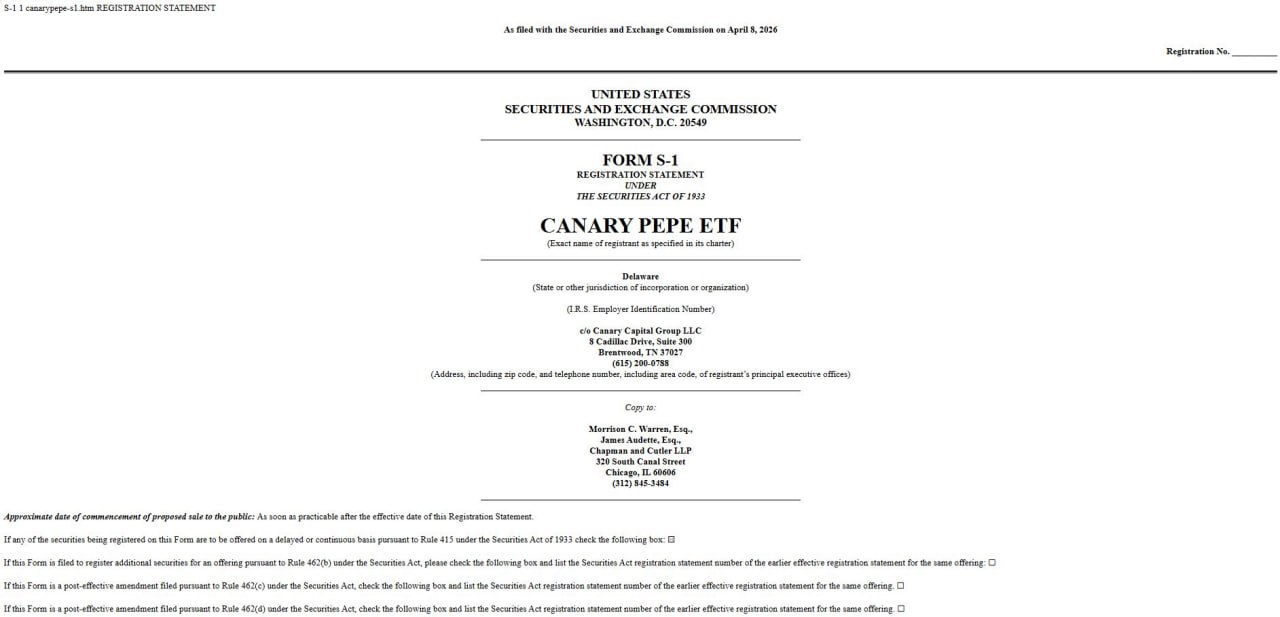 Canary Capital files S-1 with SEC for spot PEPE ETF, expanding its meme coin fund lineup2026-04
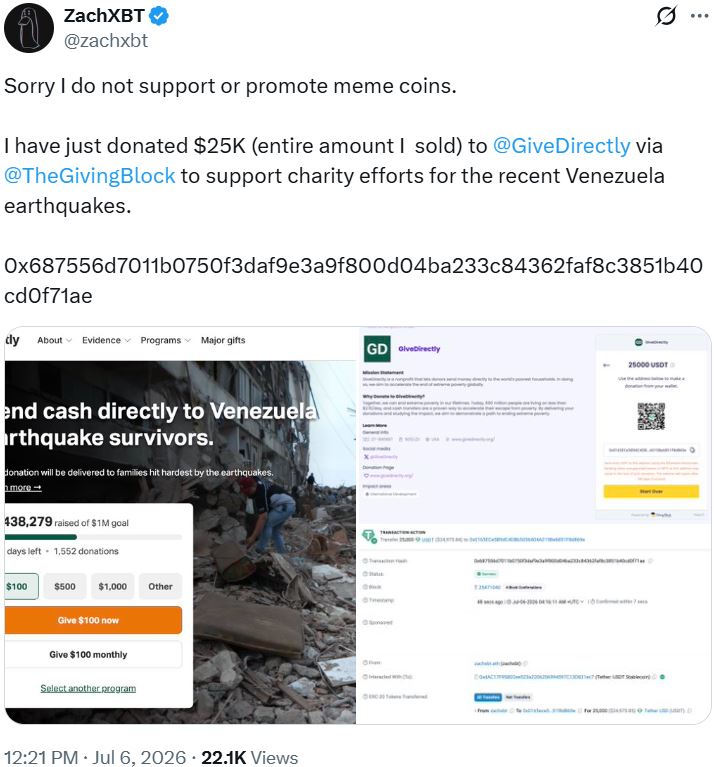 ZachXBT turns meme coin profits into $30,000 in verified donations for Venezuela earthquake relief2026-07
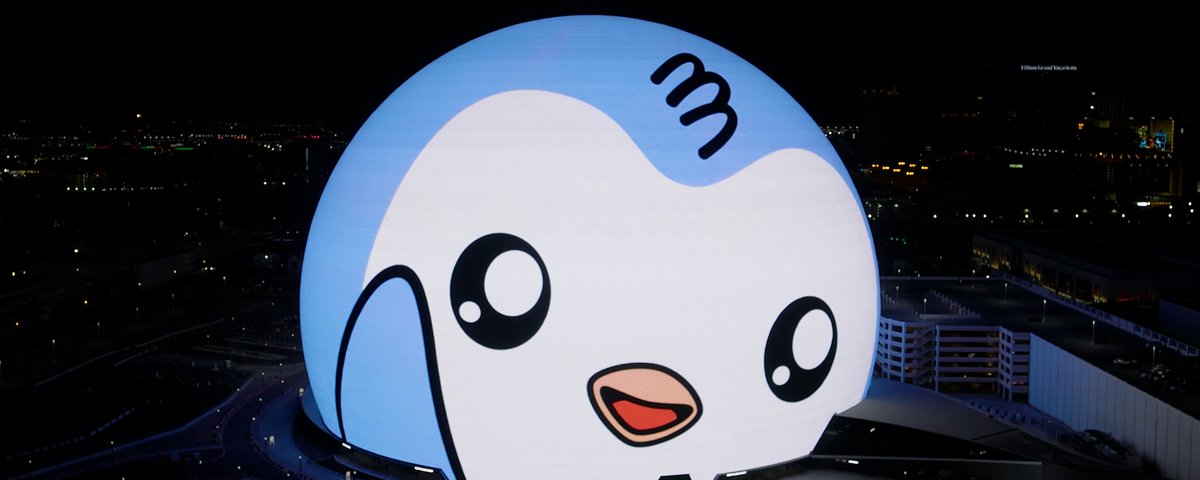 WallStreetBets argues $PENGU succeeds where DOGE stalled, combining meme culture with retail distribution, gaming, ETFs and mainstream brand adoption2026-05
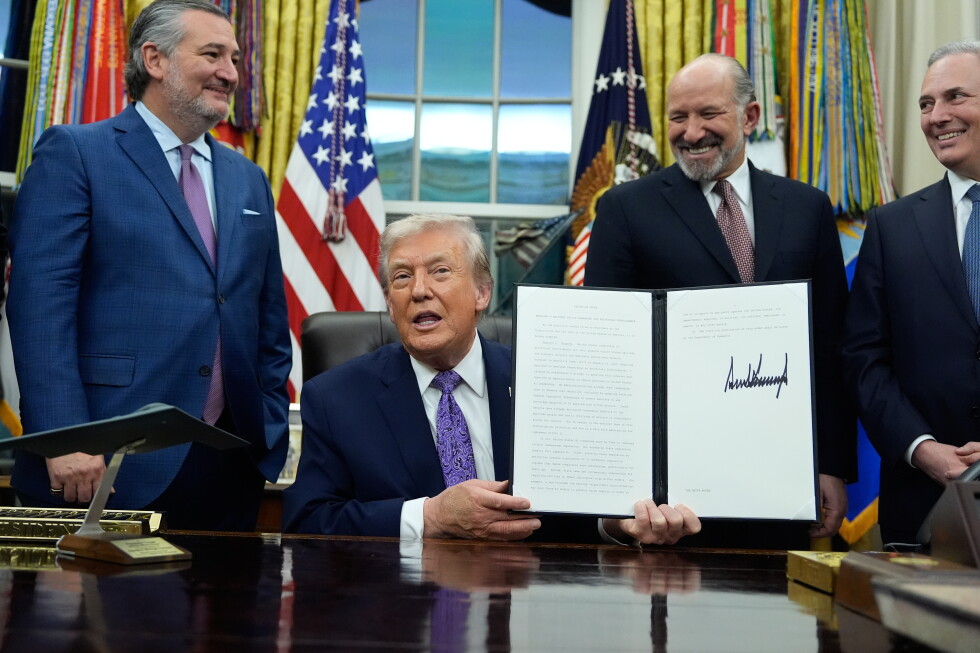 Trump's crypto businesses pulled in $1.2B last year as World Liberty and meme coin sales eclipsed property revenue2026-07
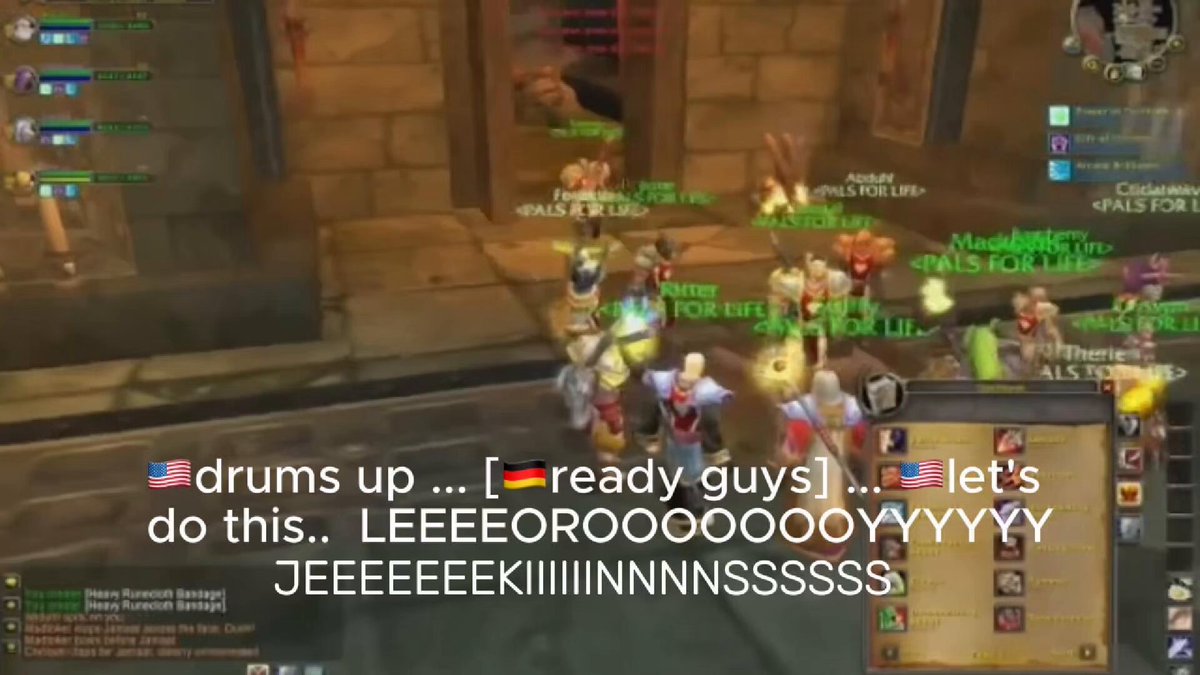 German WW3 prep vs. American “LEEEEROOOOY JEEEENKIIINSSS” chaos in one brutal meme2026-03
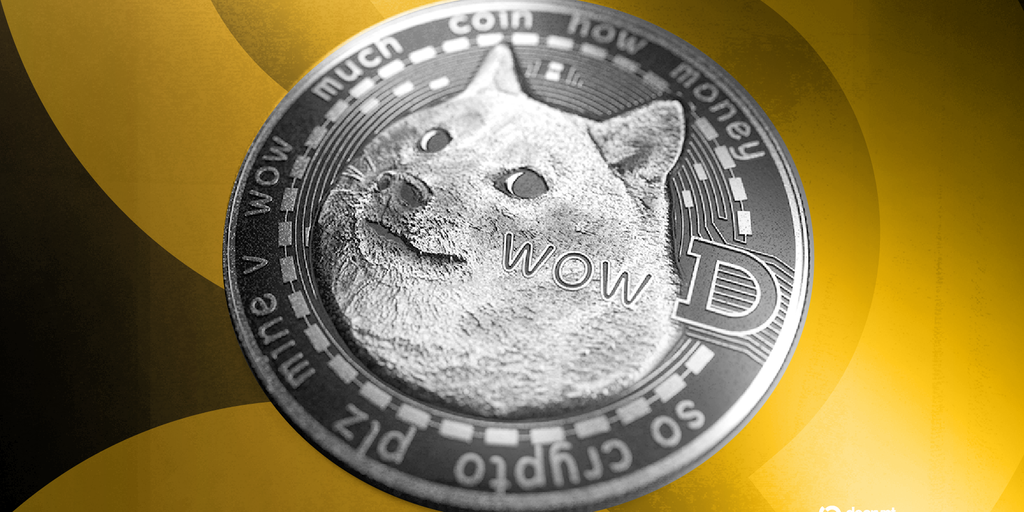 DOGE-themed firm Dogecoin Cash plans tokenized gold product, aiming to merge meme coin branding with real-world asset backing2026-04
Memes in Crypto: Culture, Coins, and Market Power
In digital asset markets, a meme is no longer just a joke image or catchphrase but a piece of shared culture that spreads through online communities and increasingly gets crystallized into tokens, trading products, and entire on‑chain ecosystems. In crypto, memes sit at the intersection of narrative, speculation, and community, influencing everything from the rise of Dogecoin to Solana meme coins, World Cup tokens, Trump‑themed projects, and new launch platforms on BNB Chain and beyond.
What “Memes” Mean in Crypto
Cultural building blocks, from Dawkins to crypto Twitter
The modern notion of a meme comes from evolutionary biologist Richard Dawkins, who described memes as units of culture that spread and evolve in a way loosely analogous to genes. In the internet era, that abstract idea took on visual form as images, GIFs, and short phrases that people remix and share on platforms like Reddit, Twitter/X, and Instagram. In crypto, this memetic logic is amplified by 24/7 markets, permissionless token creation, and global chat platforms, so that jokes and in‑group references can become investable narratives in a matter of minutes. Research on crypto markets during the COVID‑19 period has shown that Twitter‑based sentiment can measurably affect returns and volatility, especially for retail‑driven assets, which gives memes concrete financial relevance. A meme in this setting is not just a punchline; it is a signal of attention, coordination, and potential capital flows.
Crucially, crypto memes are multimodal rather than purely visual. A meme might revolve around an animal mascot such as the Shiba Inu dog that inspired Dogecoin, a political figure like Trump, an event such as the FIFA World Cup, or a meta‑concept like “smart settlements” in DeFi. The core feature is that participants recognize the reference and enjoy repeating and riffing on it, which in turn reinforces a sense of community. This is why memes appear everywhere in crypto discourse, from lighthearted trading jokes to serious debates where complex ideas are compressed into shareable formats. Projects that succeed at embedding themselves into this meme culture often find it easier to attract grassroots attention than purely technical initiatives, even when the latter may offer more robust fundamentals.
Because memes are shorthand for shared beliefs, they act as coordination tools. When thousands of traders circulate a DOGE or Solana meme on X, they are not only expressing humor but also broadcasting a rough consensus that “this is where the action is.” That attention can drive speculative flows into specific tokens, sometimes with very little connection to protocol value or usage data. Social media–driven price dynamics are especially pronounced in smaller or newer coins where fundamentals are hard to assess and where a small number of motivated participants can move both narrative and order books. This phenomenon helps explain why meme‑heavy segments of the market exhibit extreme booms and busts.
Yet memes in crypto are not confined to coins or speculation. They also shape how users understand infrastructure, wallets, and new protocols. When Kyber Network leans into “Smart Settlement memes,” it is leveraging humor and viral formats to explain and promote an on‑chain execution primitive that might otherwise feel abstract or intimidating. Binance Wallet’s references to “Meme Rush,” or frameworks like Event Rush that invite users to “trade events like memes,” similarly draw on memetic language to frame complex trading tools in familiar, playful terms. In this sense, memes become a human interface for interacting with increasingly sophisticated financial technology.
Memes versus meme coins versus meme stocks
To navigate crypto markets, it is useful to distinguish between memes as cultural artifacts, meme coins as specific tokens, and meme stocks as equities driven by online narratives. Meme coins are cryptocurrencies that explicitly center a meme, often created as a joke or to ride a trend, and that typically lack the long development histories, monetary policy frameworks, or formal roadmaps associated with assets like Bitcoin or Ethereum. Dogecoin is widely recognized as the first major meme coin: it was created in 2013 by Billy Markus and Jackson Palmer as a satire of speculative mania, using the Shiba Inu “Doge” meme as its mascot. From that starting point, a broad ecosystem of animal‑themed and culturally themed coins emerged, many of which openly “do not take themselves as seriously” as flagship cryptocurrencies.
Meme stocks represent a parallel phenomenon in traditional markets, where the share price of companies such as GameStop or AMC has been propelled more by viral narratives and coordinated retail enthusiasm than by earnings or discounted cash flow models. Traders often discuss both meme coins and meme stocks in the same breath, particularly when platforms like Reddit’s WallStreetBets or crypto Twitter circulate similar imagery around tickers like GME and COIN, the Nasdaq‑listed stock of Coinbase. The underlying mechanics differ—equities are regulated securities with claims on corporate cash flows, whereas most meme coins are permissionless tokens with no formal obligations—but the memetic engine is comparable. In each case, viral narratives can dominate valuation for extended periods.
Memes themselves, meanwhile, remain the substrate that ties these phenomena together. A meme can be attached to a token, a stock, a protocol feature, or even a blockchain such as Solana or BNB Chain, which acquire reputations through recurring jokes and viral stories. The same meme may spawn multiple financial expressions: an NFT collection, a fungible token, a leveraged derivative, and themed trading contests. Because of this, understanding memes in crypto is less about any single asset and more about mapping how cultural symbols propagate across technical layers, from tokens to wallets to on‑chain markets.

Canary Capital files S-1 with SEC for spot PEPE ETF, expanding its meme coin fund lineup
From Doge to World Cups: A Brief History of Crypto Memes
Dogecoin and the first meme coin supercycle
Dogecoin’s origin story captures many of the dynamics that have since become standard in meme coin culture. In late 2013, Billy Markus and Jackson Palmer forked existing cryptocurrency software to create a payment system whose main purpose was to mock the proliferation of low‑quality coins and the speculative fervor surrounding them. They chose the “Doge” meme—a Shiba Inu dog with Comic Sans internal monologue captions—as the brand, signaling that the project did not aspire to be a serious monetary alternative. That self‑deprecating posture resonated with early internet communities, particularly on Reddit and Twitter, where DOGE became a favorite tipping currency and sponsorship tool for playful stunts such as funding NASCAR sponsorships or charitable initiatives.
Despite its “joke” origins, Dogecoin developed a resilient community, and its market capitalization periodically surged into the multi‑billion‑dollar range during crypto bull markets. Mainstream commentators often struggled to take DOGE seriously because it lacked a capped supply or a formal monetary policy, but those same traits allowed it to function as a sort of pure memetic asset: its value was almost entirely a function of how intensely people cared about perpetuating the joke. When prominent figures, including Elon Musk, posted about DOGE, prices spiked, illustrating the tight coupling between social attention and market behavior in meme‑driven assets. In retrospect, Dogecoin’s trajectory foreshadowed many later episodes in both crypto and equity markets.
Dogecoin also demonstrated that a meme coin could outlive its creators. Markus and Palmer distanced themselves from the project relatively early, yet the community kept the network running and the meme alive. That decoupling between original team and memetic life has become a recurring theme. Once a meme resonates with enough people, it can sustain forks, derivatives, and spin‑off tokens without centralized direction. For traders and builders, Dogecoin’s persistence underscores that even assets with weak fundamentals in a traditional sense can endure if they occupy a durable niche in internet culture.
Ethereum, alt‑seasons, and the rise of derivative memes
As Ethereum and other programmable blockchains gained traction, meme culture in crypto diversified beyond a single mascot coin. Smart contracts made it trivial to launch new tokens, and decentralized exchanges allowed those tokens to trade without centralized listings. This technical backdrop set the stage for waves of meme coins that riffed on Dogecoin, established internet jokes, or entirely new characters. While the search results here focus more on BNB Chain and Solana, the general pattern was similar across ecosystems: low‑friction token creation plus social media attention produced rapid meme cycles.
During bull markets, meme sectors often became some of the highest‑beta parts of the crypto universe. Traders could deploy small amounts of capital into newly launched tokens and, in some cases, see large nominal gains if the meme caught fire, though many others went to zero or suffered severe drawdowns. Instagram content that touts the meme coin sector as one that can “change your life overnight” captures both the aspirational and dangerous sides of this dynamic. The prospect of outsized returns encouraged constant experimentation, with developers and anonymous teams launching thousands of tokens that competed for attention through increasingly outlandish branding and narratives.
These alt‑season meme booms also began to intersect more visibly with macro‑culture. Projects parodied or celebrated everything from dog breeds to celebrities, political figures, and global events. Some of these experiments were short‑lived, while others seeded communities that evolved into broader brands or ecosystems. By the time Solana and BNB Chain emerged as low‑cost, high‑throughput alternatives, meme issuance had become a recognizable product category in its own right, with launch tools and marketplaces catering specifically to this segment.
Solana, BNB Chain, and the multi‑chain meme boom
More recently, Solana and BNB Chain have become major hubs for meme coins, largely because their low transaction costs and fast confirmation times make them attractive venues for speculative retail trading. Data aggregators such as CoinGecko track dedicated categories for Solana meme coins, highlighting tokens like BONK and dogwifhat (WIF) that have grown from community experiments into multi‑billion‑dollar assets during favorable market conditions. The Solana meme sector, as described by such trackers, pulls in significant aggregate market capitalization when sentiment is strong. On BNB Chain, tools like Four.meme position themselves as “meme coin launchpads,” allowing users to create tokens without code and list them instantly on PancakeSwap, Binance’s flagship decentralized exchange on BSC.
This infrastructure has shifted meme coin creation from an ad hoc developer activity into a semi‑industrialized process. Four.meme advertises itself as a no‑code token creator with automatic PancakeSwap listings, effectively turning meme issuance into a consumer product. Its evolution into OpenFour, described as open, modular infrastructure for token issuance on BNB Chain, suggests a move toward a broader platform where others can build their own mechanisms and extensions. By reducing technical friction, these systems increase the supply of meme tokens and accelerate the pace at which cultural moments are financialized.
At the same time, the multi‑chain meme boom has exposed infrastructure risks. The exploit of a PancakeSwap V2 pool pairing OLPC and LABUBU meme tokens on BNB Chain, which allowed an attacker to drain around 10 OLPC tokens due to an imbalance caused by a vulnerability in OLPC, illustrates how pairing obscure meme assets can create fragile liquidity structures. When poorly designed tokens or pools interact with complex automated market maker logic, the result can be severe imbalances that opportunistic actors exploit, leaving retail liquidity providers with losses. Such incidents underline that the combination of high‑speed issuance and composable DeFi is powerful but unforgiving.
Event‑driven memes: World Cups, politics, and beyond
As meme infrastructure matured, creators began to tie memes more explicitly to live events. Sports tournaments, election cycles, and high‑profile legal or technological developments all became fodder for event‑themed coins and trading contests. The FIFA World Cup, as one example, has inspired “World Cup meme coins” and campaigns framed around discovering the next viral World Cup legend, reflecting the idea that the tournament produces memorable moments that the internet then turns into memes. Initiatives like “Meme Hunting: World Cup Edition” position themselves as searches for the next breakout meme token linked to the tournament’s cultural moments, blurring the line between fandom, speculation, and gamified participation.
Political figures likewise serve as recurring meme subjects. Coverage of Trump‑linked meme coin plans, including a business partner suggesting that a future project could leverage “the biggest brand on earth,” shows how political branding and meme coin speculation can intertwine. Even before any official launch, the mere prospect of a Trump‑branded token becomes a meme in its own right, circulating through crypto social channels and prompting derivatives or unaffiliated projects that try to capitalize on the association. The same logic can apply to other public figures, though such experiments raise complicated questions about rights of publicity and trademark.
These event‑driven memes often have shorter half‑lives than more evergreen memes like DOGE or major NFT mascots, but their short‑term impact can be intense. Traders may view them as opportunities to surf bursts of attention and volatility, while sponsors and platforms see them as hooks for campaigns such as meme trading tournaments or “meme rushes” that reward activity in a given window. The result is a layered ecosystem where long‑standing memes and fleeting event memes coexist, each playing different roles in market microstructure and participant engagement.
Leviathan readers click meme coins not as a market category but as a lens on power — the biggest draw is when a meme coin reveals who is extracting from whom, whether that is a president selling dinner access via $TRUMP, ZachXBT exposing laundering through 920 wallets, or a rug pull outsmarting 42,000 victims and the detectors built to catch it.
Meme Coins: Mechanics, Design, and Infrastructure
What counts as a meme coin?
Most analyses define meme coins as cryptocurrencies that are inspired by internet jokes, viral images, or cultural references, and that are launched primarily for fun or speculation rather than as vehicles for novel protocol functionality. They are distinguished from more established assets like Bitcoin or Ethereum, which position themselves as digital money or decentralized computing infrastructure and emphasize monetary policy, security, and utility. While some meme coins later attempt to bolt on utilities, such as staking rewards, games, or NFT integrations, their initial appeal lies in the meme itself: the name, logo, and in‑group humor.
A related characteristic is that meme coins tend to be community‑driven. Instead of detailed whitepapers and formal governance structures, meme projects often start with little more than a contract address, a logo, and a social media account. Their success depends heavily on the enthusiasm and coordination of holders, who produce memes, host spaces, and recruit new participants. This aligns with the observation that many meme coins “do not take themselves as seriously” as blue‑chip cryptocurrencies and often openly acknowledge their speculative nature. In some cases, communities embrace slogans that underscore the reflexive link between posting and price, turning the act of memeing into a quasi‑economic activity.
From a technical perspective, meme coins are typically ERC‑20‑like fungible tokens on a given chain, with standard transfer and allowance functions and, in some cases, additional tax or reflection mechanics. They rarely introduce new consensus mechanisms or base‑layer innovations. Instead, their design often revolves around tokenomics parameters—total supply, distribution, burn schedules, and liquidity provisioning—that influence trading dynamics. On chains like Solana and BNB Chain, where creation costs are low, meme coin contracts may be minimalistic to reduce deployment friction. This simplicity contributes to both their accessibility and their vulnerability to cloning and forks.
Tokenomics, supply, and liquidity design
Tokenomics play a central role in shaping both the narrative and the trading behavior of meme coins. Many meme coins adopt extremely high total supplies, sometimes in the trillions or quadrillions of units, to create the psychological effect of users owning millions or billions of tokens at low nominal prices. This design does not, by itself, imply higher value, but it helps feed narratives of “owning a lot” or the possibility of tiny price moves generating large percentage gains. In contrast, coins with smaller supplies may emphasize scarcity, though this is less common in the meme segment.
Initial distribution mechanisms can vary widely. Some projects airdrop tokens to early community members, influencers, or NFT holders, while others seed liquidity on decentralized exchanges and let the market determine price. On BNB Chain and similar ecosystems, a typical pattern is to create a token, add liquidity to a pool such as PancakeSwap V2, and then let trading commence. The exact parameters of that pool—including initial price, liquidity depth, and any built‑in taxes or limitations—have major implications for volatility and slippage. Thin liquidity pools can exhibit enormous price swings, making them attractive for speculative traders but risky for large buyers or sellers.
Automation and composability can introduce additional complexities. Some meme tokens build in transaction taxes that fund marketing wallets or automatic liquidity additions, while others include blacklisting or trading limit functions that can be abused by developers. In the OLPC/LABUBU incident on BNB Chain, for instance, a vulnerability in the OLPC token interacted with the PancakeSwap V2 pool in a way that allowed a severe imbalance between OLPC and LABUBU, effectively enabling an attacker to sail off with a disproportionate share of the pool’s assets. This example underscores that tokenomics are not just about distribution narratives but also about smart contract behavior under edge conditions.
Launchpads and no‑code issuance
One of the most notable developments in meme coin infrastructure is the emergence of dedicated launchpads and no‑code token creators. Four.meme, for example, markets itself as the “best memecoin launchpad on BNB Chain,” offering a low‑cost, no‑code token creator that can deploy a new token and list it on PancakeSwap within minutes. This tool abstracts away the complexity of writing and verifying smart contracts, making it possible for non‑technical users to launch their own coins. It also standardizes aspects of token deployment, potentially reducing certain classes of bugs while introducing a different kind of systemic risk: the mass production of largely undifferentiated tokens.
The evolution of Four.meme into OpenFour further expands this concept. OpenFour is described as an open, modular infrastructure for token issuance on BNB Chain, with the explicit idea that the platform does not build every mechanism itself but instead lets others build on top of its components. This modularity could support a wide array of token types, from simple meme coins to more sophisticated event tokens or incentive instruments, all tapping into the same underlying issuance rails. For meme culture, such platforms create an environment where every viral joke or emerging narrative can be rapidly embodied in a tradable token, accelerating the feedback loop between social media and on‑chain speculation.
These launchpads also intersect with marketing campaigns and contests. Collaborations like “Meme Hunting: World Cup Edition,” which invites users to launch new World Cup meme tokens and compete to discover the next viral legend, show how issuance tools can be wrapped in gamified experiences. By lowering technical barriers and adding competitive framing, such campaigns aim to attract both creators and traders into a shared ecosystem where memes are minted, traded, and ranked. While this can be engaging, it also increases the pace and volume of speculative meme issuance, with all the attendant risks.
Trading venues, wallet features, and analytics
Once launched, meme coins depend on trading venues and wallet interfaces to reach users. Decentralized exchanges on BNB Chain, Solana, and other networks provide the core marketplaces where liquidity pools are created and trades are executed. PancakeSwap, as a leading AMM on BNB Chain, figures prominently in this landscape, and its V2 pools are standard venues for new meme tokens, as illustrated by the OLPC/LABUBU pair. On Solana, order‑book‑based DEXs and AMMs handle a growing share of meme token volume, with aggregators surfacing trending assets in real time.
Wallets increasingly build features tailored to this meme‑driven trading. Binance Wallet, for instance, has introduced “Meme Rush,” which highlights top holders and bundle wallet maps, giving users visualizations of concentration and potential whale activity. These tools provide a way to assess on‑chain distribution at a glance, which is particularly important for meme coins where a few large wallets might dominate supply. Binance Wallet also integrates other advanced functionalities—such as tokenized securities trading on BSC and Ethereum, liquidity management with historical price charts, and variable Bitcoin fee tiers—illustrating how meme‑oriented features sit alongside more traditional crypto services in modern wallet stacks.
Analytics platforms supplement this by tracking price moves, liquidity changes, and social metrics for meme coins across chains. Dedicated meme dashboards and “hot token” feeds make it easier for traders to spot new narratives but also contribute to herd behavior, as many participants chase the same trending coins. In this environment, latency and execution speed become competitive edges, which in turn drive interest in anti‑sniping mechanisms and fair‑launch configurations. Binance Wallet, for example, mentions anti‑sniping tools that raise buy prices in the first seconds on certain meme‑related platforms, aiming to reduce the advantage of bots. Such design choices directly shape early price discovery and perceived fairness.
Leverage, derivatives, and structured meme exposure
As meme coins have matured into a persistent market segment, they have also attracted leveraged and derivative products. The Four ecosystem, for example, has announced that memes were “never meant to stay spot‑only” and that leverage trading is coming to its suite of tools. This development allows traders to express conviction on meme assets with magnified exposure, increasing both potential gains and losses. Leverage on highly volatile meme tokens can result in rapid liquidations and cascades, particularly when positions are crowded or when liquidity is shallow, raising systemic risk concerns within those micro‑markets.
Beyond straightforward leverage, new frameworks such as Binance Wallet’s Event Rush show how meme logic is being applied to structured products. Event Rush lets users trade tokens linked to real‑world outcomes—such as sports, crypto events, or news—via a demand‑driven bonding curve, with marketing language that explicitly frames these event tokens as trading “like memes” based on hot topics and live sentiment. While these are not meme coins in the traditional mascot sense, they rely on the same dynamics of attention, narrative, and reflexive speculation. Market participants buy and sell based on evolving expectations of both outcomes and how others perceive those outcomes, echoing the social game of meme propagation.
Trading contests and tournaments further cement memes as an asset class. Campaigns that reward top meme traders in BNB or other tokens, or that provide launch bonuses for importing Meme Rush signals into custom strategies, encourage users to treat meme trading as a skill to optimize rather than a purely recreational gamble. Wallet Signals systems, which support backtesting and history‑based filters, give participants tools to systematize their approach, even if the underlying assets remain driven by unpredictable waves of sentiment. The convergence of quantitative tooling and meme‑based assets is one of the more striking developments in this domain.
To illustrate the diversity of meme coins and meme‑like tokens, the following table summarizes a few prominent categories, emphasizing origins and narratives rather than up‑to‑date market data, which can change rapidly.
| Asset or Category | Chain / Venue | Core Meme or Narrative | Notable Features |
|---|---|---|---|
| Dogecoin (DOGE) | Native chain | Shiba Inu “Doge” meme, originally a joke coin mocking crypto speculation | First major meme coin, community‑driven tipping culture, long‑lived brand |
| Solana meme coins (e.g., BONK, WIF) | Solana | Dog memes, community culture, Solana ecosystem pride | Low‑fee trading, high volatility, tracked as dedicated meme sector |
| BNB Chain meme coins via Four.meme | BNB Chain | Rapidly launched user memes, often tied to events or characters | No‑code issuance, instant PancakeSwap listing, OpenFour modular infra |
| Event Rush tokens | BSC and linked ecosystems | Real‑world events traded “like memes” | Demand‑driven bonding curves, event‑linked speculation framed as memetic trading |
| Neiro and Doge‑related charity memes | Ethereum and multi‑chain | Sister of original Doge meme dog Kabosu, charitable branding | Community‑managed projects emphasizing donations and positive social impact |
This landscape is fluid, but the common thread is that cultural narratives and community symbols are embedded directly into token design and trading structure, rather than being external marketing gloss.

BNB Chain says former employee reused a tutorial wallet to launch an unauthorized meme token, denying any involvement and pursuing legal action

Social Dynamics: Why Memes Move Markets
Community, identity, and humor as coordination tools
At the heart of meme‑driven markets lies community identity. Holders of a meme coin often describe themselves as part of a tribe, whether that is “the DOGE army,” Solana meme degens, or fans of specific NFT‑based IP such as Pudgy Penguins. The shared humor, slang, and inside jokes associated with a meme coin act as social glue, helping strangers coordinate on speculative campaigns, charity drives, or brand outreach. This shared identity can be more emotionally salient than the abstract notion of being a “Bitcoin holder” or an investor in a DeFi protocol, because it revolves around characters, images, and stories.
Pudgy Penguins offers an instructive example of how meme identity can evolve into broader IP. Originating as an NFT collection, the project has, according to commentary, grown into a global IP brand generating tens of millions of dollars in annual physical product revenue, particularly through toys and collectibles that bring the meme into mainstream retail environments. Although not itself a fungible meme coin, Pudgy Penguins illustrates the potential for meme characters to span digital and physical domains, with community identity as the bridge. When spin‑off tokens like PENGU emerge, they trade as much on the perceived strength of this IP and its cultural penetration as on any standalone token utility.
Humor plays a central role in sustaining these communities through volatility. When prices crash, meme accounts flood timelines with self‑deprecating jokes and images of bags sinking underwater, transforming individual losses into shared experiences. This coping mechanism can paradoxically reinforce commitment, as holders bond over their willingness to “hodl through the pain.” For outside observers, this behavior can look irrational, but from within the group it signals loyalty and strengthens the meme’s hold. Such dynamics help explain why some meme communities persist across multiple boom‑and‑bust cycles.
Platforms, algorithms, and the velocity of sentiment
The speed with which memes travel through crypto communities is largely a function of social media platforms and their recommendation algorithms. Twitter/X, Telegram, Discord, Reddit, Instagram, and TikTok all play roles in surfacing and amplifying memes, with crypto Twitter (CT) historically serving as a central hub for traders and builders. Academic research has documented that Twitter‑based sentiment—measured via sentiment indexes, tweet volume, and lexicon analysis—can have a statistically significant impact on cryptocurrency returns and volatility, especially for assets that lack robust fundamentals and are heavily traded by retail participants. Meme coins epitomize this class of assets.
When a meme coin or event token begins to trend, algorithmic feeds can create positive feedback loops. Increased engagement leads to more exposure, which leads to more trading and discussion, which feeds back into engagement metrics. This circular causality can produce sharp price spikes that are disconnected from any change in the underlying smart contract or project roadmap. Conversely, negative memes, including jokes about rugs, exploits, or regulatory crackdowns, can trigger rapid sell‑offs as narratives flip from optimistic to fatalistic. In both directions, the memes are not just commentary but active drivers of behavior.
Visual media intensifies this process. Instagram reels or TikTok videos that frame meme coins as life‑changing opportunities, complete with screenshots of astronomical returns, tap into aspirational and sometimes predatory emotional circuits. Short‑form content is particularly suited to conveying simple narratives like “this World Cup meme coin could make you rich,” even if the underlying probabilities of success are extremely low. Videos of real‑world stunts linked to meme coins—such as individuals entering zoo enclosures to film viral clips meant to promote a monkey‑themed project—gain traction precisely because they are outrageous, yet they also highlight the lengths to which some promoters will go to capture attention.
Influencers, celebrities, and political figures
Influencers and celebrities function as amplifiers and, in some cases, originators of crypto memes. A single tweet or video from a widely followed account can inject a meme coin into mainstream consciousness or re‑ignite interest in a dormant asset. In the case of Dogecoin, high‑profile tweeting played a major role in its 2021 resurgence, demonstrating how celebrity engagement can convert long‑standing internet jokes into fresh speculative manias. Similar dynamics have played out around other tokens when prominent traders or personalities publicly endorse them.
Political figures represent a distinct subclass of meme subjects. The prospect of a Trump meme coin, teased by a long‑time business partner who emphasized the scale of the Trump brand, exemplifies how politics, branding, and crypto memes can intersect. Even before any official launch, such talk encourages copycat tokens, speculative bets on future announcements, and internet discourse that blends political fandom with crypto enthusiasm. This raises particularly thorny questions when political meme coins claim or imply association with real campaigns or officeholders, potentially triggering regulatory scrutiny around fundraising and misrepresentation.
Not all celebrity or influencer involvement is exploitative. Projects like Neiro, a Doge‑adjacent meme coin named after the sister of Kabosu, have cultivated reputations for supporting charitable initiatives and emphasizing community governance. In such cases, the presence of recognizable figures, whether artists, philanthropists, or meme originators, can help build trust and attract participants who are motivated by more than short‑term gains. However, even charity‑branded meme projects must navigate the line between genuine social impact and marketing tactics, especially when their tokens trade on volatile open markets.
Stunts, offline spillover, and legal boundaries
As meme coins compete for attention, some promoters resort to offline stunts designed to generate viral content. The incident in Japan where two Americans were arrested after one jumped into the monkey enclosure at Ichikawa City Zoo near Tokyo, home to Punch, a viral monkey, illustrates the potential consequences of such tactics. According to local reporting and social content, the stunt was linked to promotion of a monkey‑themed meme coin, turning what might have been a harmless online joke into an act that endangered animals and violated public safety norms. The resulting arrests highlight that offline actions undertaken in the name of memetic marketing are subject to real‑world laws.
These boundary‑pushing behaviors reflect a broader pattern in which the pursuit of virality incentivizes escalating shocks. As more conventional memes saturate timelines, promoters may feel pressure to stage ever more extreme events—physical billboards in cities, skywriting campaigns, or controversial public performances—to stand out. While not unique to crypto, this arms race is exacerbated by the high stakes of speculative success: a meme that catches fire can unlock significant token appreciation for insiders, creating powerful financial motivation to push limits. For regulators and law enforcement, such trends complicate the task of distinguishing harmless viral marketing from activities that warrant intervention.
In parallel, platforms and communities grapple with reputational spillovers. Chains like BNB or Solana may be praised for their thriving meme ecosystems yet criticized when high‑profile scams, rugs, or reckless promotional stunts associated with those ecosystems attract negative attention. The challenge is to preserve the creative, community‑building aspects of meme culture while discouraging behavior that harms users, animals, or public trust. That balancing act plays out not only in legal arenas but also in social ones, as community leaders call out bad actors and attempt to establish norms.
Meme stocks, COIN, and the cross‑market feedback loop
The meme phenomenon extends beyond crypto into equity markets, where stocks like GameStop (GME), AMC, and, at times, Coinbase’s COIN have been swept up in waves of online enthusiasm. Crypto traders often participate in these equity memes, sharing similar imagery and slogans across both domains. Events such as the return of prominent meme stock influencers to X, triggering sharp price moves in GME, show how online personas can catalyze cross‑asset volatility. Meme narratives around COIN, for example, have at various times framed it as a proxy bet on crypto adoption, a symbol of regulatory conflict, or a battleground between retail bulls and institutional bears.
These overlaps create feedback loops between crypto and traditional markets. When meme stock rallies dominate financial news, some traders rotate profits into meme coins, seeking even higher beta exposure. Conversely, crypto meme booms can spill into equities as participants look for listed companies exposed to the same narratives. This cross‑pollination reinforces the idea that memes operate at the level of culture rather than asset class. For a crypto news audience, tracking meme dynamics in both stocks and tokens can provide insight into the broader risk appetite of retail investors and the narratives that are driving speculative flows at any given time.
Risks, Exploits, and Legal Exposure in Meme Markets
Structural volatility and the absence of fundamentals
By design, most meme coins lack the fundamental anchors—cash flows, protocol fees, or governance rights—that analysts use to value other assets. Their prices are therefore highly sensitive to shifts in sentiment, social media attention, and broader market conditions. This structural volatility is a double‑edged sword. It allows for dramatic upside in favorable conditions but also exposes holders to abrupt, severe drawdowns when interest wanes or narratives sour. Empirical research during the COVID‑19 era found that social media sentiment could significantly influence cryptocurrency volatility, especially for assets with high retail participation and limited institutional coverage. Meme coins epitomize this profile.
The absence of fundamentals also complicates risk management. Traditional portfolio theory relies on assessing expected returns and correlations based on underlying economic drivers. In meme markets, those drivers are largely psychological and cultural, which are harder to quantify and prone to regime shifts. A meme that feels dominant today can be eclipsed by a new joke or scandal tomorrow, rendering historical correlations unreliable. Traders who treat meme coins as if they were simply higher‑beta versions of blue‑chip assets may underestimate the tail risks involved.
Exploits, thin liquidity, and smart contract vulnerabilities
Beyond price volatility, meme markets carry technical risks linked to smart contract design and liquidity structure. The PancakeSwap OLPC/LABUBU incident on BNB Chain provides a concrete example. There, a vulnerability in the OLPC token contract interacted with the PancakeSwap V2 pool pairing OLPC and LABUBU, creating a severe imbalance that allowed an attacker to extract significant value by manipulating pool ratios. This sort of exploit does not require a flaw in the DEX itself; rather, it arises from the combination of a flawed token and the automated market maker logic that governs swaps. Meme tokens, which are often launched rapidly with limited auditing, are particularly susceptible to such issues.
Thin liquidity exacerbates these risks. Many meme coins trade in pools with relatively small reserves, meaning that modest orders can move prices substantially. Attackers can exploit this by executing price manipulation strategies, orchestrating flash‑loan‑driven attacks, or front‑running large buys and sells. For ordinary traders, the result can be extreme slippage or sudden collapses that are difficult to anticipate. Anti‑sniping mechanisms can mitigate certain early‑trading dynamics, but they do not address deeper structural vulnerabilities in the tokens themselves.
Composability also cuts both ways. When meme tokens are integrated into farms, lending protocols, or cross‑chain bridges, bugs or misconfigurations can cascade across systems. A seemingly isolated meme experiment can, in worst‑case scenarios, become the weakest link in a broader DeFi stack, especially on chains where the distinction between “serious” and “playful” projects is blurred by shared infrastructure. Security‑conscious participants therefore increasingly view meme coin exposure not only as a question of narrative but also as a question of code quality and dependency mapping.
Scams, rugs, and regulatory scrutiny
The ease of launching meme coins makes them attractive not only to playful communities but also to outright scammers. Rug pulls, where developers drain liquidity or otherwise render a token worthless after attracting buyers, are common enough that they constitute a recognized risk category in DeFi. While these incidents occur across many types of tokens, meme coins are especially vulnerable because traders often buy on the basis of viral hype rather than careful due diligence. The social expectation that meme coins are “just for fun” can lull participants into underestimating the possibility of malicious behavior.
Regulators have begun to respond to some of the more egregious cases, particularly when there is clear evidence of market manipulation, fraud, or misrepresentation. Prosecutors in various jurisdictions have brought charges against groups that allegedly inflated meme coin prices through wash trading or deceptive marketing, generating illicit profits before dumping on retail buyers. Even where formal enforcement actions are rare, the legal risk for promoters and influencers is rising. Individuals who promote meme coins without disclosing compensation or who mislead audiences about risks may face claims under existing securities, advertising, or consumer protection laws.
Celebrity and influencer involvement adds another layer of legal exposure. Lawsuits against high‑profile promoters of tokens that regulators deem unregistered securities highlight that fame does not confer immunity. The arrest of Americans who entered a zoo enclosure while promoting a monkey‑themed meme coin serves as a reminder that offline promotional tactics are subject to ordinary criminal and civil law, irrespective of their crypto context. For a crypto news audience, these developments underscore the importance of distinguishing between organic, community‑driven meme propagation and paid or deceptive campaigns that may carry significant legal consequences.
Reputational and ecosystem‑level risks
Meme coin excesses can also damage the reputations of entire chains, protocols, or communities. When a large share of headlines about a given blockchain center on rug pulls, exploit‑prone pools, or reckless meme antics, serious developers may hesitate to build there, and institutional capital may be wary of providing liquidity. BNB Chain’s vibrant meme ecosystem, for instance, is a source of both energy and reputational risk, especially when high‑profile incidents like the OLPC/LABUBU pool exploit draw criticism. Solana has faced similar scrutiny during periods when meme coin launches dominated network activity and congested infrastructure.
At the same time, ecosystems that successfully channel meme energy into more constructive directions can benefit. Projects that convert meme enthusiasm into sustainable IP, games, or social initiatives demonstrate that memes need not be synonymous with short‑term speculation. However, this requires intentional design and governance, including clear communication around risks, realistic expectations, and the limits of what memes can achieve. For industry observers, the key question is whether meme culture evolves toward more mature expressions that coexist with, rather than crowd out, other forms of innovation.
Four.Meme launches 4Stock on BNB Chain, bringing stocks not yet covered by bStocks onchain with each token backed 1:1 by its underlying stock asset
Beyond Coins: Event Tokens, DeFi Memes, and Real‑World Assets
Event tokens and prediction‑market‑style structures
One of the more intriguing developments at the intersection of memes and crypto is the rise of event tokens that allow users to trade on real‑world outcomes in a memetic format. Binance Wallet’s Event Rush, powered by the 42space protocol, provides a prominent example. In this framework, every event—sports matches, crypto milestones, news developments—can be associated with on‑chain tokens that trade via demand‑driven bonding curves. Users can “trade events like memes,” entering and exiting positions based on evolving sentiment and live developments. While these tokens are not memes in the traditional image‑macro sense, they rely on the same patterns of attention and narrative.
Event tokens blur the line between prediction markets and meme trading. On one hand, they resemble binary outcome markets, where token prices encode collective expectations about future events. On the other, they are framed and marketed in memetic language, emphasizing fun, competition, and the social aspect of trading around hot topics. This combination can make abstract probabilistic reasoning more approachable for retail users, albeit at the risk of trivializing complex events or encouraging speculative behavior detached from fundamentals.
From a design perspective, bonding curves ensure continuous pricing and liquidity, reducing some of the fragmentation that plagues traditional prediction markets. However, they also introduce new dynamics, as early buyers and sellers may enjoy outsized advantages depending on curve parameters and timing. For participants accustomed to meme coin volatility, event token markets may feel familiar, with rapid price action driven by news, rumors, and social media chatter. In this sense, event tokens extend meme culture into a more structured financial product category.
DeFi UX, “smart settlement” memes, and educational roles
Memes are also increasingly used to explain and promote complex DeFi concepts. Kyber Network’s references to “Smart Settlement memes,” for instance, highlight how protocols adopt playful framing to encourage users to engage with advanced trading and execution features. Rather than presenting smart settlement purely in technical terms, the project invites people to produce memes about it, implicitly turning education and adoption into a creative challenge. This approach recognizes that many users first encounter new concepts through social feeds rather than whitepapers.
Such memefication can serve genuine educational purposes. When users remix core ideas into jokes, analogies, or visual metaphors, they often internalize those ideas more deeply. Memes about impermanent loss, liquidations, or bonding curves may oversimplify but also demystify. For crypto news audiences, tracking how DeFi protocols are memefied offers insight into which features resonate with users and which remain opaque. It also shows how meme culture contributes to a more participatory, if sometimes chaotic, communication environment around financial infrastructure.
At the same time, there is a risk that complex risks are minimized or misunderstood when wrapped in humor. Memes that celebrate high leverage, for example, may encourage reckless behavior, especially when combined with contests and reward structures that emphasize short‑term performance. The challenge for builders and educators is to harness the attention‑capturing power of memes without losing nuance. That balance is especially delicate in areas such as smart settlements and on‑chain derivatives, where small mistakes can have outsized financial consequences.
NFTs, IP brands, and cross‑media memes
Non‑fungible tokens (NFTs) represent another frontier where memes have acquired economic and legal dimensions. Projects like Pudgy Penguins show how a meme‑driven NFT collection can evolve into a multi‑platform IP brand with toy lines, media tie‑ins, and licensing deals. In such cases, the original meme—cute, chubby penguin avatars—provides the seed for a broader universe of characters and narratives. Holders may benefit not only from potential appreciation of their digital assets but also from the brand’s success in mainstream channels.
The relationship between NFT IP and meme coins is complex. Some projects create fungible tokens that sit alongside NFT collections, functioning as governance tokens, in‑game currencies, or pure meme plays inspired by the same characters. The success or failure of those tokens can feed back into perceptions of the brand as a whole. In the case of PENGU and other penguin‑themed tokens, for example, community debates have emerged around whether such coins enhance or dilute the core Pudgy Penguins IP, especially when trading becomes highly speculative and disconnected from brand fundamentals.
Neiro, positioned as a sister project to the original Doge meme dog Kabosu, illustrates how meme IP can be leveraged for charitable and community‑oriented purposes. Discussions in community forums emphasize an “impeccable team and community” focused on carrying out charitable initiatives and fostering a positive culture rather than purely chasing speculative gains. This suggests a path where meme IP is used to mobilize resources for social impact, albeit still within the volatile context of crypto markets. For observers, such experiments raise questions about sustainability, governance, and the ethics of linking donations to token trading.
Tokenized securities, RWA, and the memetic frame
Finally, memes are beginning to color how more traditional financial products are presented in the crypto ecosystem. Binance Wallet, for example, supports trading of tokenized securities on its extension, allowing users to gain exposure to real‑world stocks and assets via BSC and Ethereum. While these offerings are distinct from meme coins, their integration into the same interface as Meme Rush, Event Rush, and DeFi liquidity tools reflects a broader convergence. Users navigate a unified environment where meme coins, event tokens, tokenized securities, and Bitcoin transfers coexist, all accessible through similar UX patterns and often discussed in overlapping social channels.
This convergence means that meme narratives can influence perceptions of non‑meme assets, and vice versa. For example, when a stock like COIN becomes a meme in its own right, trading its tokenized version on‑chain carries both fundamental and memetic dimensions. Similarly, real‑world assets that gain attention due to dramatic price moves or cultural moments may be framed and traded in meme‑like ways even if their underlying cash flows are conventional. For regulators and market designers, understanding this interplay is crucial, as it affects how risk is communicated and interpreted across product categories.
- 01Political meme coin corruption
The $TRUMP memecoin cycle — $77B FDV, $320M in fees, an exclusive dinner for top 220 holders, and a Senate bill to ban it — gave readers a concrete, scandalous story about power being sold through a joke token.
- 02Rug pulls and mass fraud investigations↗
A 42,000-victim scam that defeated top rug-pull detectors, ZachXBT tracing Bybit hack proceeds through meme coin wallets, and LIBRA's politically connected collapse all gave readers an accountability narrative with named perpetrators and dollar figures.
- 03Solana meme coin speculation wave↗
Readers tracked the arc from the 2022 $300 BONK airdrop reaching $1.3M, to Solana approaching $100, to Marginfi launching leveraged meme coin trading — a coherent retail-wealth story on one chain.
- 04Regulatory crackdown signals
Gensler's exit framed as 'meme magic wins,' the End Crypto Corruption Act targeting the Trump family, and a Canary Capital PEPE ETF S-1 filing created a before-and-after regulatory narrative readers followed in sequence.
- 05Phishing and wallet drainer exploits
A $2.2M drain tied to a compromised WallStreetBets X account showed readers exactly how social-media account takeovers convert meme coin hype into attack surface.
- 06Volume collapse vs. derivatives migration↗
Data showing grassroots meme coin volumes falling below $1B while perp DEX volumes spiked gave readers a structural story about where speculative energy actually goes when the meme cycle cools.
Frameworks for Evaluating Meme Exposure
Narrative quality, cultural depth, and staying power
For traders and builders seeking to navigate the meme landscape thoughtfully, it is useful to assess the quality and depth of a meme’s narrative. Memes that tap into broad, enduring cultural themes—such as the Doge dog, penguins, or evergreen internet humor—may have more staying power than those tied to highly specific, time‑bound events. Dogecoin’s survival across multiple cycles, despite its lack of formal development, suggests that certain memes become part of internet canon in ways that confer resilience. By contrast, many event‑specific meme coins fade quickly once the underlying news cycle moves on.
Evaluating cultural depth involves asking whether a meme resonates beyond its immediate niche. World Cup memes, for instance, draw on globally recognized events, iconic players, and emotional narratives of victory and defeat, which can give associated tokens a richer storytelling palette. Political memes involving figures like Trump may be powerful in certain segments but polarizing or off‑putting in others, affecting their potential reach. Memes based on obscure in‑jokes may galvanize tight‑knit groups but struggle to attract broader participation. For participants who think beyond very short‑term trades, these distinctions matter.
It is also important to distinguish between organic and manufactured memes. Organic memes emerge from spontaneous community creativity and spread because people find them genuinely funny or relatable. Manufactured memes, by contrast, are often seeded by marketing teams or influencers with clear financial incentives. While both can succeed, organic memes may be more sustainable because they are less dependent on ongoing promotion. Signals of organic growth include diverse sources of content creation, independent fan art, and usage of the meme in contexts unrelated to the token itself.
On‑chain distribution, whales, and liquidity diagnostics
Beyond narrative, on‑chain data provides critical insight into meme coin risk profiles. Concentration of holdings in a few wallets can indicate heightened vulnerability to coordinated dumps, while more distributed ownership may reflect healthier community engagement. Tools like Binance Wallet’s Meme Rush, which displays top ten holders and wallet maps, make these patterns visible to everyday users. Traders who ignore such information may find themselves on the wrong side of a whale’s exit, particularly in thinly traded pools.
Liquidity depth and structure are equally important. Examining the size and composition of liquidity pools on DEXs such as PancakeSwap or Solana AMMs helps estimate how much capital is needed to move prices and how quickly slippage increases for larger trades. Tokens with minimal liquidity are more prone to extreme volatility, front‑running, and exploitation. Conversely, deeper liquidity and multiple trading venues can mitigate some, though not all, of the risks associated with speculative buying and selling. Given the prevalence of exploits like the OLPC/LABUBU pool imbalance, scrutinizing token contracts and pool parameters is essential.
For more sophisticated participants, combining on‑chain and off‑chain data—wallet concentration, liquidity metrics, social sentiment, and historical volatility—can support a more systematic approach to meme trading. Wallet Signals tools that allow backtesting strategies across historical meme rushes point to an emerging quantification of meme dynamics, though the inherently non‑stationary nature of cultural phenomena means that past patterns may not hold. Nonetheless, such frameworks can help traders avoid obvious pitfalls, such as entering positions when a meme coin is already hyper‑concentrated or when liquidity has evaporated.
Governance, purpose, and alignment of incentives
A third dimension concerns governance and purpose. While many meme coins are unapologetically purposeless beyond fun and speculation, others claim to pursue charitable goals, community funds, or IP development. Projects like Neiro, which emphasize charity and community management, invite evaluation on these additional fronts. Are donation mechanisms transparent? Do governance processes meaningfully involve token holders, or are decisions centralized among a small group? Does the distribution of tokens align with stated values, or are insiders disproportionately advantaged?
Even in purely speculative meme coins, governance considerations matter to the extent that they influence upgrade paths, tax changes, or treasury usage. Tokens with upgradable contracts or centralized admin keys pose distinct risks, as developers could alter parameters, restrict trading, or deploy new functionality without broad consent. Conversely, fully renounced contracts with locked liquidity may be less flexible but also less vulnerable to certain abuses. For participants who care about long‑term engagement with a meme community, understanding these trade‑offs is crucial.
Purpose can also shape regulatory exposure. Coins that position themselves as political fundraising tools, investment vehicles, or claims on real‑world IP may attract different legal treatment than those that explicitly present themselves as valueless jokes. As the Trump meme coin discussions illustrate, attaching political branding to a token raises questions about campaign finance and donor disclosure, especially if proceeds are directed toward real‑world activities. Clarity in messaging and documentation can reduce, though not eliminate, the risk of misaligned expectations and subsequent disputes.
Personal risk management and expectations
Ultimately, engaging with meme coins and meme‑like products is a personal risk management decision. Content that emphasizes the possibility of overnight life‑changing gains, such as Instagram reels extolling the meme coin sector as uniquely capable of transforming fortunes, tends to underplay the symmetric possibility of rapid, total loss. For responsible market participants, the starting point is to treat meme exposure as high‑risk capital, not as a substitute for diversified, fundamentals‑driven investments or savings.
Setting clear limits on allocation, time horizons, and exit criteria can help prevent emotional decision‑making in the face of extreme volatility. Some traders adopt rules about never risking more than a small percentage of their portfolio on any single meme coin or about realizing partial profits on large moves to de‑risk positions. While such heuristics cannot eliminate risk, they impose discipline in an environment where hype and social pressure often push in the opposite direction. In this sense, memes about “only invest what you can afford to lose” are themselves valuable cultural artifacts.
For builders and communicators, being honest about these risks is part of ethical engagement with meme culture. It is possible to celebrate creativity, community, and humor while acknowledging that not every meme coin will succeed, and that many are designed primarily to enrich insiders. A mature meme ecosystem will likely be one where sophisticated participants use memes as a lens for cultural participation and targeted speculation, rather than as a wholesale investment philosophy.
Conclusion
Memes have become a central organizing force in crypto, shaping not only which tokens people trade but also how they understand protocols, wallets, and broader financial narratives. Starting from Dogecoin’s tongue‑in‑cheek experiment with the Doge meme, the space has expanded into multi‑chain ecosystems on Solana, BNB Chain, and beyond, where meme coins, event tokens, and NFT‑driven IP coexist. Launchpads like Four.meme and OpenFour industrialize meme issuance, while wallets and analytics platforms build features such as Meme Rush and Event Rush to cater to users who navigate markets through a memetic lens. Political figures like Trump, global events like the World Cup, and iconic characters like Kabosu or Pudgy Penguins feed into this dynamic, demonstrating that virtually any culturally salient symbol can be financialized as a meme.
At the same time, the meme‑driven segment of crypto markets is fraught with risks. Structural volatility, thin liquidity, smart contract vulnerabilities, and frequent scams create an environment where uninformed participants can suffer rapid losses. High‑profile incidents—from exploit‑enabled liquidity drains on BNB Chain to offline stunts leading to arrests in Japan—underscore that meme speculation is not a harmless game. Regulatory scrutiny, legal actions against promoters, and reputational damage to chains and communities add further complexity. For serious observers and participants, the key challenge is to appreciate the cultural and economic power of memes without romanticizing or trivializing their downsides.
Looking forward, the relationship between memes and crypto is likely to grow more intricate rather than fading away. Event tokens, tokenized securities, DeFi primitives, and cross‑chain governance all now engage with meme culture in some form, whether through explicit meme coin launches or through memetic framing of serious infrastructure. As markets mature, the hope is that meme energy can be channeled into more sustainable expressions—supporting community‑driven IP, charitable initiatives, and educational outreach—while safeguards improve against the most harmful behaviors. For a crypto news audience, maintaining a nuanced understanding of memes as both cultural artifacts and market forces will remain essential to making sense of the next cycle’s narratives.
Dogecoin launches as internet joke on Litecoin fork
BONK airdrop distributes tokens to Solana users at ~$0.000001
PEPE coin launches on Ethereum, reaches $1B market cap in days
- 2024-12milestone
TRON SunPump creates 94,000 meme tokens; BONK rallies 200%+ from 2022 airdrop basis
- 2025-01launch
$TRUMP memecoin launches days before inauguration, FDV hits $77B
- 2025-02exploit
LIBRA Argentina political meme coin collapses in hours in high-profile rug pull
- 2025-02exploit
Bybit hack proceeds traced through meme coin wallets across 920 addresses by ZachXBT
- 2025-05regulatory
US Senate introduces End Crypto Corruption Act targeting meme coin issuance by officials
Outlook
Memes will continue to act as accelerants for attention and capital in crypto, from DOGE‑style mascot coins and Solana meme sectors to Trump‑themed tokens, World Cup campaigns, and yet‑unimagined internet jokes. Infrastructure providers like Binance, BNB Chain launchpads, and DeFi protocols are already embedding meme‑aware features into their products, suggesting that memetic trading is being normalized rather than marginalized. Over the coming years, regulatory responses, security practices, and community norms will determine whether meme‑driven markets evolve into a more sustainable, creative subculture of crypto or remain dominated by boom‑and‑bust cycles and opportunistic exploitation. For participants, the most resilient strategy will be to treat memes as powerful but unpredictable signals—useful for understanding crowd psychology and discovering new communities, but never a substitute for rigorous risk assessment and clear personal boundaries.
Latest Memes news
Canary Capital files S-1 with SEC for spot PEPE ETF, expanding its meme coin fund lineupBNB Chain says former employee reused a tutorial wallet to launch an unauthorized meme token, denying any involvement and pursuing legal actionFour.Meme launches 4Stock on BNB Chain, bringing stocks not yet covered by bStocks onchain with each token backed 1:1 by its underlying stock assetZachXBT turns meme coin profits into $30,000 in verified donations for Venezuela earthquake reliefWallStreetBets argues $PENGU succeeds where DOGE stalled, combining meme culture with retail distribution, gaming, ETFs and mainstream brand adoptionTrump's crypto businesses pulled in $1.2B last year as World Liberty and meme coin sales eclipsed property revenueSources
20 records from 12 domains
investopedia.com
coinmarketcap.com
en.wikipedia.org
coingecko.com
binance.com
youtube.com
four.meme
instagram.com
x.com
- x.com· BinanceWallet / status / 2058881307363643813
- x.com· custos_labsxyz
- x.com· BinanceWallet / status / 2067461774824415411
- x.com· FourPillarsFP / status / 1965339305368584562
- x.com· fourdotmemezh / status / 2063924533753684454
- x.com· bsc_daily / status / 2063931083230687260
- x.com· KyberNetwork / status / 2061376365866479832
coinstats.app
dao.ownthedoge.com
pmc.ncbi.nlm.nih.gov
Community notes
Spot something off or out of date? Drop a note. Editors review topic notes daily and roll accepted fixes into the explainer — contributors are recognized in the monthly $SQUID drop.
Loading notes…
Help improve this topic
Have a story or tip about this topic? Submit it. See something missing? Leave a note. Editors review daily; accepted submissions and fixes count toward the monthly $SQUID drop.