◧ Every topic explained
Evergreen deep-dives on the people, protocols, tokens, and ideas behind every headline — from Bitcoin to the newest DeFi mechanism, each written to orient an operator and a newcomer alike.
Leviathan News / The Atlas
Every topic in crypto, mapped and explained — and wired to the news as it breaks.
📖 New here? Read the launch story →🏆 Atlas Leaderboard →◷ Recent Atlas updates →
Deep explainer on crypto apps: how exchange, wallet, DeFi, gaming, AI and “superapps” front-end onchain finance, balance custody and UX, rely on banks and stablecoins, and face growing security and regulatory pressures.
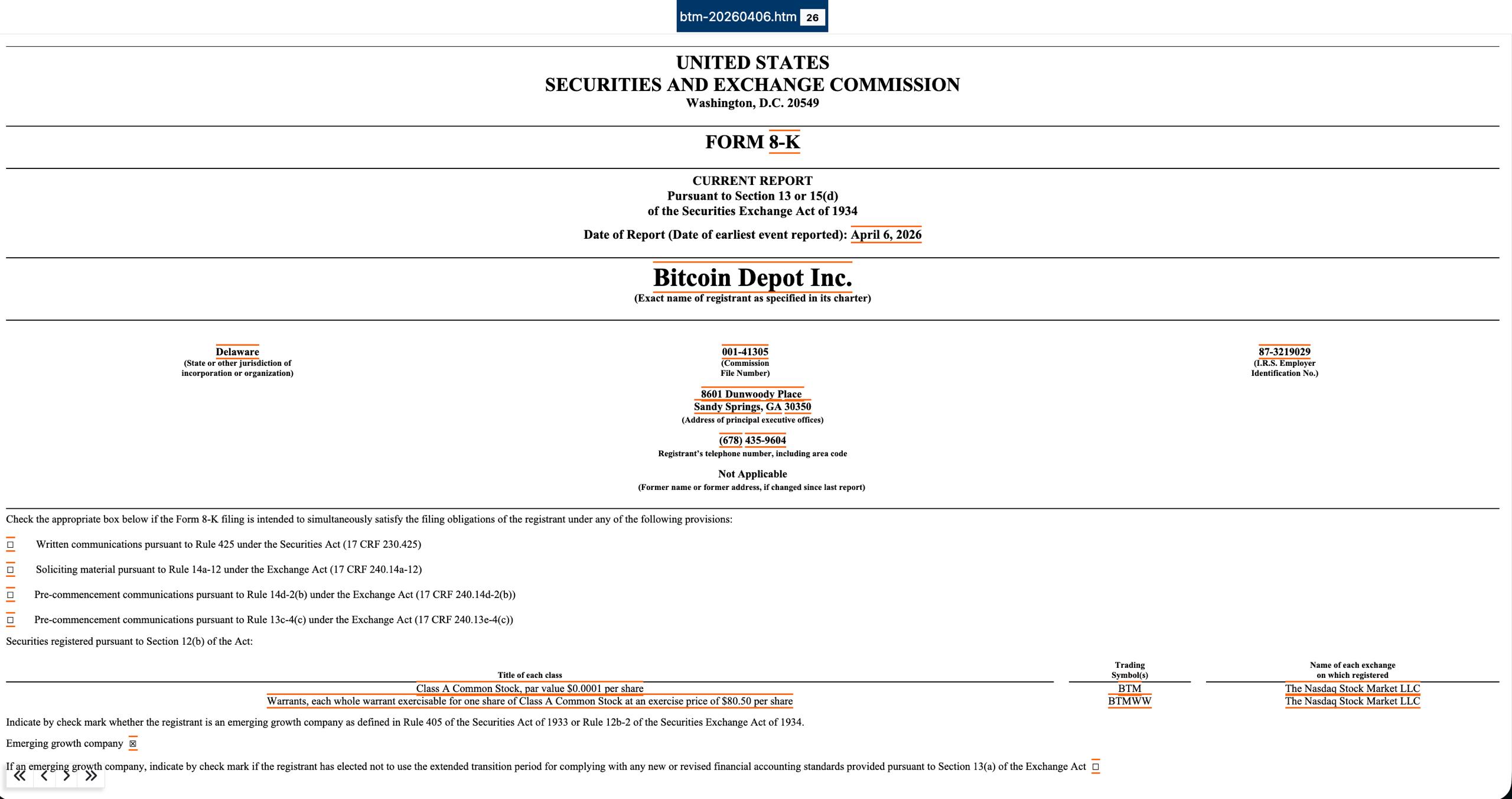
Bitcoin is a decentralized digital asset capped at 21 million coins, now held by ETFs, corporations like Strategy, and sovereign states — navigating record ETF outflows, rising on-chain activity, and growing institutional infrastructure in 2026.

Explains how zero-knowledge cryptography powers privacy, compliance and scaling in crypto, covering proofs, zk-SNARK/STARK trade-offs, stablecoins, proof-of-reserves and major ecosystems like Ethereum, XRP, Solana and Polygon.
Deep dive explainer on crypto wallets: how keys, custody and wallet types work; DeFi and tokenized asset use; security risks from malware and approvals; and how MPC, account abstraction and AI‑ready wallet infrastructure are reshaping Web3.
DefiLlama is DeFi's leading open-source analytics aggregator, tracking TVL, fees, stablecoins, and yields across hundreds of chains — expanding in 2026 with LlamaAI and private-market data via the Bulletin acquisition.

In-depth explainer on AI agents in crypto: how autonomous software gets wallets, onchain identity and payment rails; key use cases in trading, travel and commerce; plus security, compliance and infrastructure shaping the agentic economy.

In‑depth explainer of DTCC’s role in Wall Street markets and its push into tokenization, Canton, Chainlink, and Stellar, outlining how DTC‑custodied securities and collateral are moving onchain and what it means for crypto and DeFi.

Arc is Circle’s attempt to turn stablecoin issuance into a complete financial stack: an EVM-compatible chain built around predictable USDC fees, institutional settlement, embedded FX, selective privacy, and eventually decentralized security.
Territories that route into Security. Search within this inbound mesh or clear the filter to return to the full map.
107 territories · page 1 of 4 · clear inbound routeDon't see your protocol? Request a map →
Explains how zero-knowledge cryptography powers privacy, compliance and scaling in crypto, covering proofs, zk-SNARK/STARK trade-offs, stablecoins, proof-of-reserves and major ecosystems like Ethereum, XRP, Solana and Polygon.
How AI intersects with crypto: from autonomous agents with on-chain wallets to AI-powered security audits, decentralized compute, and machine-to-machine payments—what's real, what's hype, and what to watch.
Comprehensive explainer on “ledger” in crypto, covering Ledger hardware wallets, public blockchains like the XRP Ledger, security practices, tokenized assets, AI-driven payments, and how users safely interact with Bitcoin, XRP, stablecoins and DeFi.
Deep dive explainer on digital assets, covering definitions, blockchains, major asset types, market structure, institutional adoption, regulation, risks, and long-term outlook for crypto, stablecoins, tokenization, and Bitcoin.
In crypto, an exploit is the abuse of a vulnerability in code, design, or user behavior to steal assets or subvert systems. This explainer unpacks major exploit types, case studies, systemic impacts, and how builders and users can manage rising DeFi and bridge risks.
Deep explainer on zero-knowledge (ZK) in crypto, covering how ZK proofs work, zk-rollups, Ethereum scaling, privacy tokens, zkVMs, hardware and AI, plus key risks and what ZK means for the future of onchain finance and identity.
In-depth explainer on crypto vaults, covering how smart-contract vaults work, ERC‑4626/7540 standards, yield and stablecoin vaults, RWA and institutional products, security incidents, and what users should weigh when chasing onchain yields.
Yearn is a DeFi yield aggregator that automates capital allocation across lending and liquidity protocols through smart contract Vaults. Since creating the first DeFi Vault in 2020, it has grown into one of DeFi's most battle-tested yield infrastructures, with over $8B in deposits and more than $300M in net profits.
In‑depth explainer on Base Chain, Coinbase’s Ethereum Layer 2. Covers architecture, fees, DeFi and stablecoin ecosystem, institutional use cases like JPM Coin and Bermuda, and how Base compares to Arbitrum and Optimism.
In-depth explainer on crypto hacks covering how attacks work, major case studies (Mt. Gox, Ronin, Drift, Kelp, Verus), stablecoin and censorship issues, North Korean threats, user security, and how DeFi is evolving its defenses.
Deep explainer on how law shapes crypto: from SEC vs CFTC battles and MiCA to stablecoin freezes, DeFi hacks, prediction markets, AI agents and tokenization. A guide to the legal risks and frameworks behind Bitcoin and Web3.
Deep dive explainer on seed rounds in crypto and Web3: how they work, how they differ from pre-seed and Series A, key deal structures, strategic investors, risks, and AI-driven case studies shaping the next funding cycle.
Securities law and crypto are converging fast — from SEC rulemaking and tokenized stocks to Bitcoin-linked bonds and licensed settlement infrastructure. Here's what every crypto participant needs to understand.
In‑depth explainer on how the U.S. SEC regulates crypto, from tokenized securities and ETFs to DeFi, staking, and Reg NMS reforms, and what its evolving partnership with the CFTC means for builders and investors.
In‑depth explainer on tokenomics as the economic design of crypto and tokenized assets, covering supply, utility, incentives, RWAs, institutional adoption, SEC policy, and how token models shape onchain markets and investment decisions.
Validators are the nodes that propose, attest, and finalize blocks in proof-of-stake networks. This explainer covers how they work, their evolving economics on Ethereum and Solana, governance power, institutional models like Canton's Super Validators, and operational risks.
A Pythonic, security-first smart-contract language for the EVM. Vyper's founding austerity carried Curve-scale DeFi; its second act pairs formal verification (Venom IR, machine-checked semantics) with a measured, maintainer-acknowledged return of expressive power.
In crypto, “threat” spans malware, state-backed hacks, AI and quantum risks, as well as regulatory and systemic pressures on Bitcoin and stablecoins. This explainer defines threats, shows how they shape digital asset security, and outlines emerging defenses and migration plans.
In-depth explainer on crypto bridges: how they connect blockchains, power cross-chain DeFi and stablecoin flows, why they’re so often hacked, key case studies, UX trends, and what safer, proof-based interoperability could look like.
In-depth explainer on LayerZero, the omnichain messaging protocol behind OFT tokens and cross-chain DeFi, covering ZRO governance, DVN-based security, the $292M KelpDAO rsETH exploit, migrations to Chainlink CCIP, and the protocol’s evolving outlook.
Bitfinex is more than a trading venue: it is a central node in the Tether ecosystem, a case study in exchange risk, and the architect of tokenized claims whose value still depends on the aftermath of the 2016 hack.
In-depth explainer on how Google’s cloud, AI, quantum research, and payment rails intersect with crypto, from Gemini agents and BigQuery chain data to Google Pay on-ramps and quantum risks to Bitcoin, with guidance for Web3 builders.
Claude is Anthropic's AI model family used across crypto for security auditing, agentic DeFi tooling, and enterprise deployments—with its 2026 government-ordered shutdown highlighting the jurisdictional risks of centralized AI infrastructure.
Comprehensive explainer on audits in crypto, covering smart contract security, proof of reserves, compliance, formal verification, and AI tools, with guidance for users and builders on interpreting and integrating audits across the ecosystem.
A crypto proposal is a formal change request—on-chain or regulatory—that governs how protocols, DAOs, and regulators evolve. Learn how they work, fail, and shape DeFi and Ethereum.
Bybit has grown from a derivatives specialist into a broad crypto-finance platform. Its opportunity lies in joining trading, tokenization and institutional services; its central tests remain regulation, product transparency and custody security.
In-depth explainer on Arbitrum, Ethereum’s finance-native Layer 2: how the tech works, Arbitrum One vs Nova, Stylus, chains, ARB and DAO governance, stablecoins and DeFi markets, institutional tokenization, and where it sits among rival L2s.
Deep explainer on Series A funding in crypto, unpacking structures, preferred stock, dilution, and recent stablecoin, payments, AI and UK deals to show how venture capital now backs Web3’s core financial infrastructure.
In-depth explainer on crypto governance covering DAOs, DeFi, tokenomics, proposals, on-chain vs off-chain voting, Aave and Ethereum case studies, AI and quantum risks, and how users can evaluate governance models across protocols.
Avalanche is a high-throughput Layer-1 built around customizable application chains. Its case rests on institutional settlement, tokenization, and consumer deployments, balanced against liquidity fragmentation, bridge risk, competition, and uncertain token demand.
Evergreen deep-dives on the people, protocols, tokens, and ideas behind every headline — from Bitcoin to the newest DeFi mechanism, each written to orient an operator and a newcomer alike.
Each territory connects to the freshest coverage as it breaks. Reader-click data surfaces the stories that actually landed — no black-box algorithm, no engagement bait.
Powered by $SQUID. Contributors submit stories, tip what matters, and refine the territory maps. Top contributors are recognized in the monthly $SQUID drop.