◧ Every topic explained
Evergreen deep-dives on the people, protocols, tokens, and ideas behind every headline — from Bitcoin to the newest DeFi mechanism, each written to orient an operator and a newcomer alike.
Leviathan News / The Atlas
Every topic in crypto, mapped and explained — and wired to the news as it breaks.
📖 New here? Read the launch story →🏆 Atlas Leaderboard →◷ Recent Atlas updates →
Deep explainer on crypto apps: how exchange, wallet, DeFi, gaming, AI and “superapps” front-end onchain finance, balance custody and UX, rely on banks and stablecoins, and face growing security and regulatory pressures.
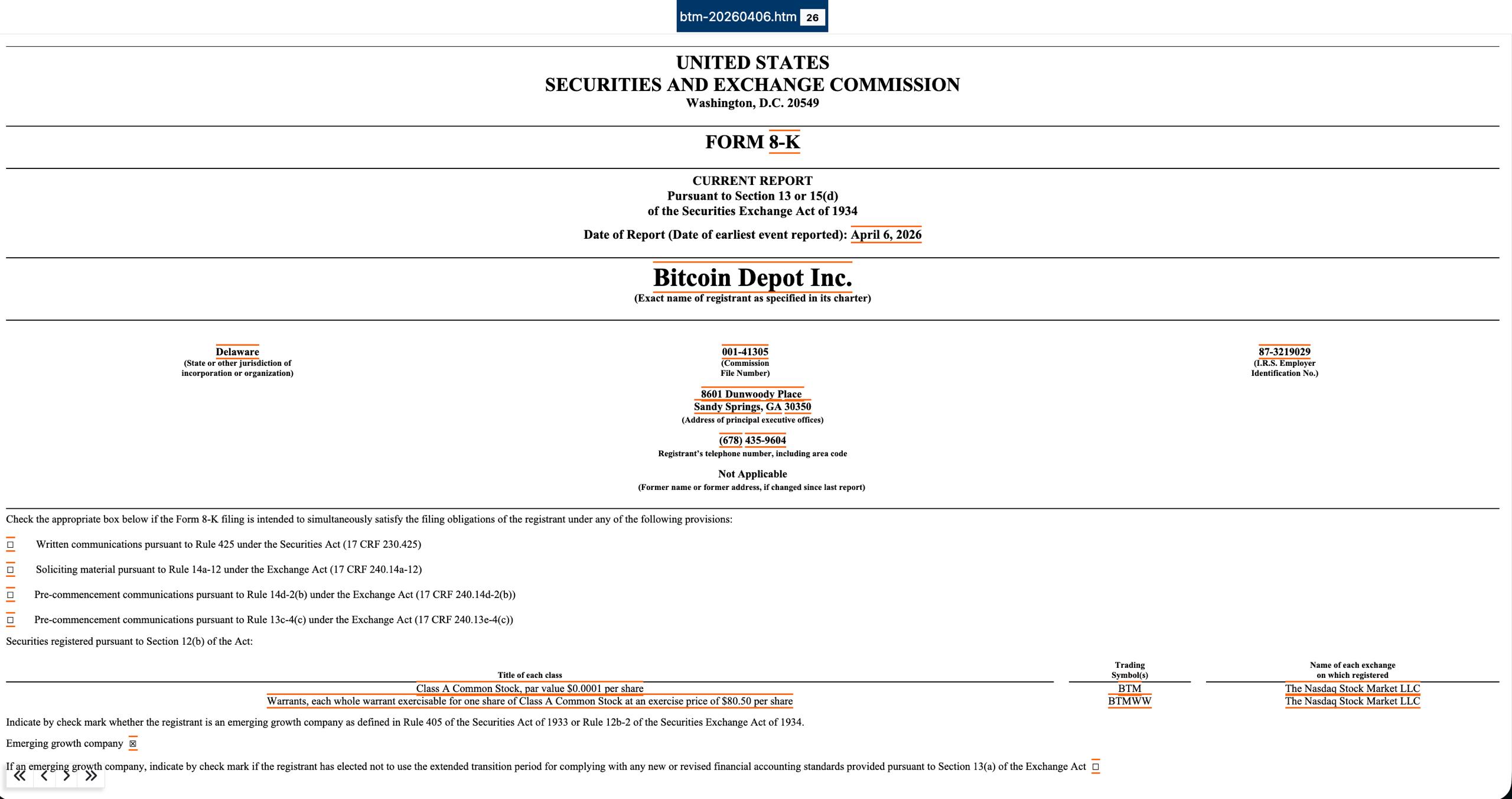
Bitcoin is a decentralized digital asset capped at 21 million coins, now held by ETFs, corporations like Strategy, and sovereign states — navigating record ETF outflows, rising on-chain activity, and growing institutional infrastructure in 2026.

Explains how zero-knowledge cryptography powers privacy, compliance and scaling in crypto, covering proofs, zk-SNARK/STARK trade-offs, stablecoins, proof-of-reserves and major ecosystems like Ethereum, XRP, Solana and Polygon.
Deep dive explainer on crypto wallets: how keys, custody and wallet types work; DeFi and tokenized asset use; security risks from malware and approvals; and how MPC, account abstraction and AI‑ready wallet infrastructure are reshaping Web3.
DefiLlama is DeFi's leading open-source analytics aggregator, tracking TVL, fees, stablecoins, and yields across hundreds of chains — expanding in 2026 with LlamaAI and private-market data via the Bulletin acquisition.
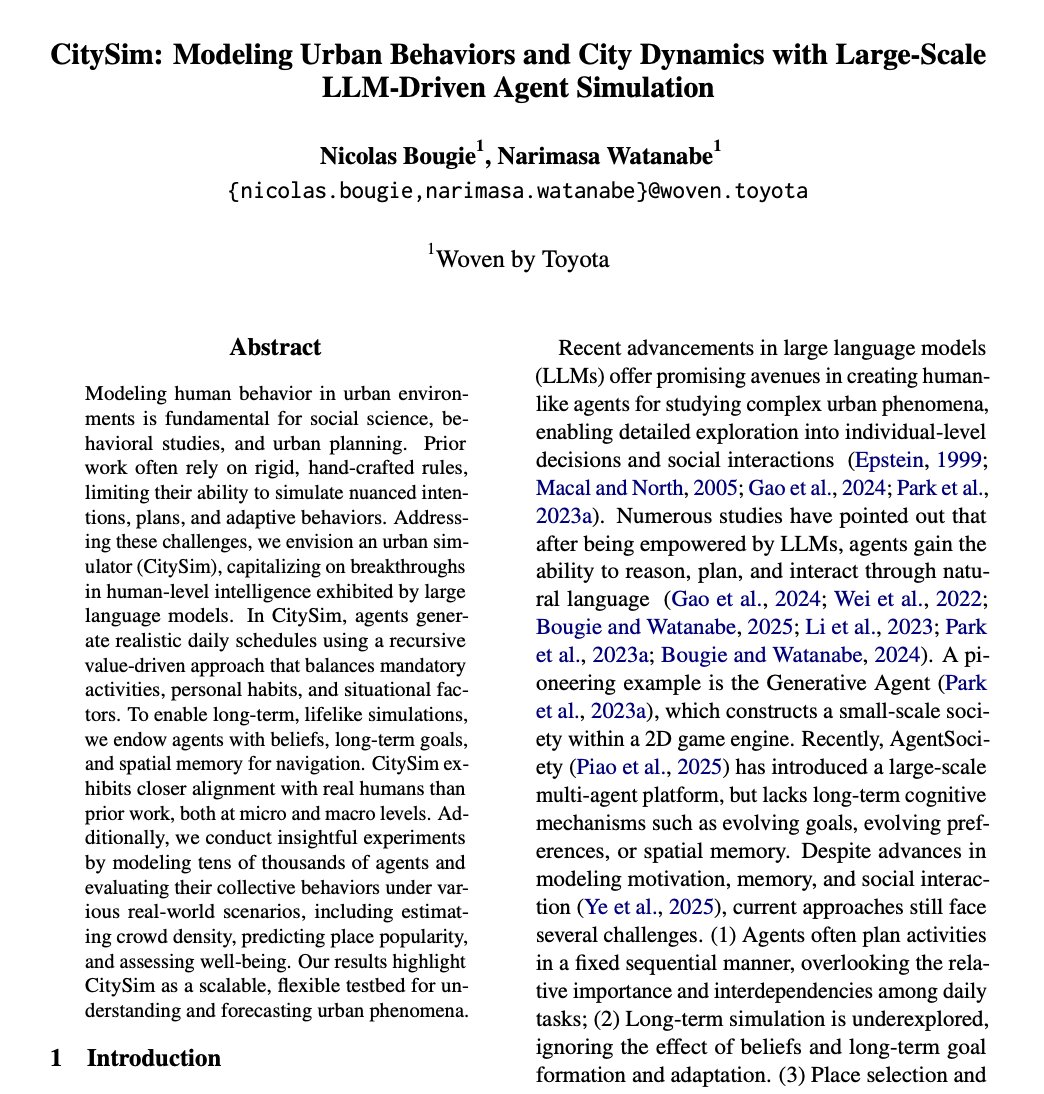
In-depth explainer on AI agents in crypto: how autonomous software gets wallets, onchain identity and payment rails; key use cases in trading, travel and commerce; plus security, compliance and infrastructure shaping the agentic economy.

In‑depth explainer of DTCC’s role in Wall Street markets and its push into tokenization, Canton, Chainlink, and Stellar, outlining how DTC‑custodied securities and collateral are moving onchain and what it means for crypto and DeFi.

Arc is Circle’s attempt to turn stablecoin issuance into a complete financial stack: an EVM-compatible chain built around predictable USDC fees, institutional settlement, embedded FX, selective privacy, and eventually decentralized security.
Territories that route into Solana. Search within this inbound mesh or clear the filter to return to the full map.
39 territories · page 1 of 2 · clear inbound routeDon't see your protocol? Request a map →
Arc is Circle’s attempt to turn stablecoin issuance into a complete financial stack: an EVM-compatible chain built around predictable USDC fees, institutional settlement, embedded FX, selective privacy, and eventually decentralized security.
Comprehensive explainer on SOL, the native token of the Solana blockchain, covering technology, tokenomics, DeFi use, derivatives, ETF prospects, risks, and comparisons with BTC, ETH, XRP and USDC for a crypto‑savvy news audience.
Validators are the nodes that propose, attest, and finalize blocks in proof-of-stake networks. This explainer covers how they work, their evolving economics on Ethereum and Solana, governance power, institutional models like Canton's Super Validators, and operational risks.
In-depth explainer on crypto bridges: how they connect blockchains, power cross-chain DeFi and stablecoin flows, why they’re so often hacked, key case studies, UX trends, and what safer, proof-based interoperability could look like.
Protocol revenue has become crypto's defining credibility metric — from Solana's $68M monthly fees to Aave's $60M annual projection, this guide explains how onchain cash flows are valued, distributed via buybacks and burns, and why they now drive capital allocation.
Onchain refers to any action or asset recorded on a public blockchain ledger. This explainer covers DeFi, stablecoins, real world assets, AI agents, and the regulatory shifts shaping onchain finance in 2026.
Jupiter has grown from Solana’s default swap router into a broader onchain financial stack spanning spot execution, perpetuals, lending, stablecoins, tokenized assets, prediction markets, portfolio management, and JUP buybacks.
USDT (Tether) is the world's largest stablecoin by market cap, pegged 1:1 to the US dollar and used as the primary trading and settlement currency across crypto exchanges and DeFi protocols globally.
Smart contracts are self-executing blockchain programs that power DeFi, stablecoins like USDC, and NFTs — but their immutability makes security flaws catastrophic, with AI now accelerating both attacks and defenses.
Pump.fun is Solana's dominant memecoin launchpad, crossing $1B in revenue via bonding-curve token launches, now expanding multichain with a PUMP buyback model and facing scrutiny over content moderation failures.
In-depth explainer on crypto market cap: how it’s calculated, what circulating cap and FDV mean, the role in rankings, stablecoins, RWAs and indices, plus the metric’s limits and how traders, builders and institutions use it.
Deep dive into PUMP, the token behind Solana’s Pump.fun memecoin launchpad: bonding-curve mechanics, buyback-driven tokenomics, whale flows, lawsuits, revenue cycles and how social casino culture shapes its long-term outlook.
Explores how “COIN” spans native cryptocurrencies, Coinbase stock, Binance COIN‑M futures, institutional deposit tokens, national projects, stablecoins, memecoins and tokenized equities, and explains how to interpret and manage risk across these overlapping meanings.
Monad is an EVM-compatible Layer 1 using parallel execution and MonadBFT consensus to target 10,000 TPS — bringing Ethereum tooling compatibility to Solana-class throughput, with a growing DeFi and RWA ecosystem post-mainnet launch.
In-depth explainer on RISE in crypto, covering RISE Chain (Ethereum L2), RISE Launchpad on Solana, and Rise payroll, with context on Bitcoin, Ethereum, DeFi, stablecoins, macro rates, and institutional adoption.
DeFi replaces banks with smart contracts for lending, trading, and yield. This explainer covers core protocols like Aave and Curve, Bitcoin integration, RWA tokenization, governance risks, and regulatory trends shaping decentralized finance in 2026.
Deep explainer on Raydium, Solana’s flagship AMM/DEX, covering its architecture, pools, CLMMs, tokenomics, launches, security history, regulation and competition, plus what traders, LPs and builders should watch next.
Leadership in crypto — from Ethereum Foundation restructuring to Binance's executive shifts and SEC policy pivots — shapes protocol legitimacy, market confidence, and regulatory outcomes across the industry.
A neutral explainer on Layer 1 (L1) blockchains: what base layers are, how consensus and tokenomics work, the scaling trilemma, Ethereum's ZK roadmap, and how to evaluate new L1 launches.
Crosschain infrastructure connects isolated blockchain networks so assets and data can move freely. This explainer covers bridge models, USDC/CCTP, Chainlink, intent protocols, security risks, and the developer tooling shaping multichain DeFi in 2026.
Deep explainer on crypto staking covering how PoS consensus works, native vs liquid and restaking, major networks like Ethereum, Solana and Stacks, institutional staking and ETFs, risks, yields, and how staking compares to lending and DeFi “earn” strategies.
Comprehensive explainer on crypto memes and meme coins, covering DOGE origins, Solana and BNB ecosystems, launchpads, event tokens, social dynamics, risks, and how traders and builders can navigate memetic markets with informed caution.
A deep-dive explainer on blockchain transactions: how they work, how fees and MEV shape their ordering, what privacy and security risks matter, and where cross-chain coordination is heading.
ARB is Arbitrum's governance token, used to vote in a DAO that controls one of crypto's largest treasuries. A guide to its tokenomics, unlocks, DeFi incentives like DRIP, and governance fights.
Morgan Stanley has moved from cautious observer to active crypto participant via its 0.14%-fee Bitcoin ETF (MSBT), pending ETH/SOL ETF filings, and E*Trade spot trading at 0.50% — reshaping institutional and retail crypto access.
Arkham Intelligence is a blockchain analytics platform that tracks and attributes on-chain wallet activity to real-world entities — institutions, governments, and funds — across Bitcoin, Ethereum, Solana, and other networks.
In‑depth explainer on 21Shares, the crypto ETP issuer behind ARK’s Bitcoin ETF, Polkadot, Hyperliquid and Canton products, detailing its structures, staking and yield strategies, regulatory posture and impact on institutional crypto adoption.
Explores how “Spotlight” functions across crypto as campaigns, dApp carousels, token launches, builder series and AI agent showcases, and offers frameworks to critically assess spotlighted apps, tokens, DeFi protocols and narratives.
A clear, evergreen guide to onchain liquidity: how AMMs and order books supply it, why depth and fragmentation matter, the role of stablecoins, and how tokenized Treasuries and real-world assets are reshaping onchain markets.
A privately held web3 studio best known for creating the **Bored Ape Yacht Club** NFT collection, Yuga Labs has become a bellwether for how intellectual property, token communities, and metaverse ambitions intersect on Ethereum. Through high-profile acquisitions, legal battles, governance experiments, and security inte
Evergreen deep-dives on the people, protocols, tokens, and ideas behind every headline — from Bitcoin to the newest DeFi mechanism, each written to orient an operator and a newcomer alike.
Each territory connects to the freshest coverage as it breaks. Reader-click data surfaces the stories that actually landed — no black-box algorithm, no engagement bait.
Powered by $SQUID. Contributors submit stories, tip what matters, and refine the territory maps. Top contributors are recognized in the monthly $SQUID drop.